


 购物车
购物车 个人中心
个人中心

Opportunities in Aviation
¥8.09
First published in 1920. Job opportunities in aviation soon after World War I. "Any ordinary, active man, provided he has reasonably good eyesight and nerve, can fly, and fly well. If he has nerve enough to drive an automobile through the streets of a large city, and perhaps argue with a policeman on the question of speed limits, he can take himself off the ground in an airplane, and also land—a thing vastly more difficult and dangerous. We hear a great deal about special tests for the flier—vacuum-chambers, spinning-chairs, co-ordination tests—there need be none of these. The average man in the street, the clerk, the laborer, the mechanic, the salesman, with proper training and interest can be made good, if not highly proficient pilots. If there may be one deduction drawn from the experience of instructors in the Royal Air Force, it is that it is the training, not the individual, that makes the pilot."
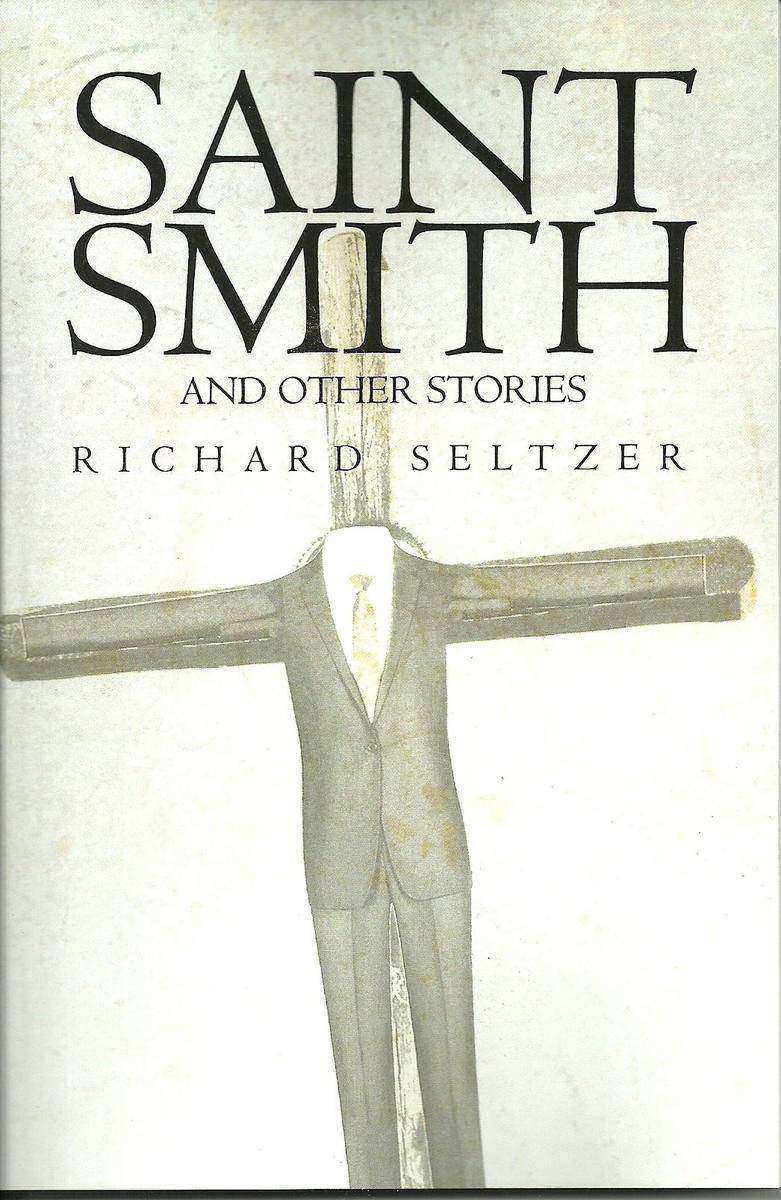
Saint Smith and Other Stories
¥8.09
Saint Smith and Other Stories consists of two novellas and six short stories. "Saint Smith" focuses on Charlie, a would-be experimental film maker, Sarah his traditional Bible-believing mother, and Irene the clever ironic uninhibited German woman he marries. "The Barracks" takes place in basic training at Fort Polk, Louisiana, at the time of the Viet Nam War. The six stories deal with puzzles of human nature and the meaning of life.
Some Reminiscences
¥8.09
Conrad's autobiography. According to Wikipedia: "Joseph Conrad (1857 – 1924) was a Polish-born English novelist. Many critics regard him as one of the greatest novelists in the English language—a fact that is remarkable, as he did not learn to speak English fluently until he was in his twenties (and always with a strong Polish accent). He became a naturalized British subject in 1886. Conrad is recognized as a master prose stylist. Some of his works have a strain of romanticism, but more importantly he is recognized as an important forerunner of modernist literature. His narrative style and anti-heroic characters have influenced many writers, including Ernest Hemingway, D. H. Lawrence, F. Scott Fitzgerald, Graham Greene, William S. Burroughs, Joseph Heller, V.S. Naipaul, Italo Calvino and J. M. Coetzee."
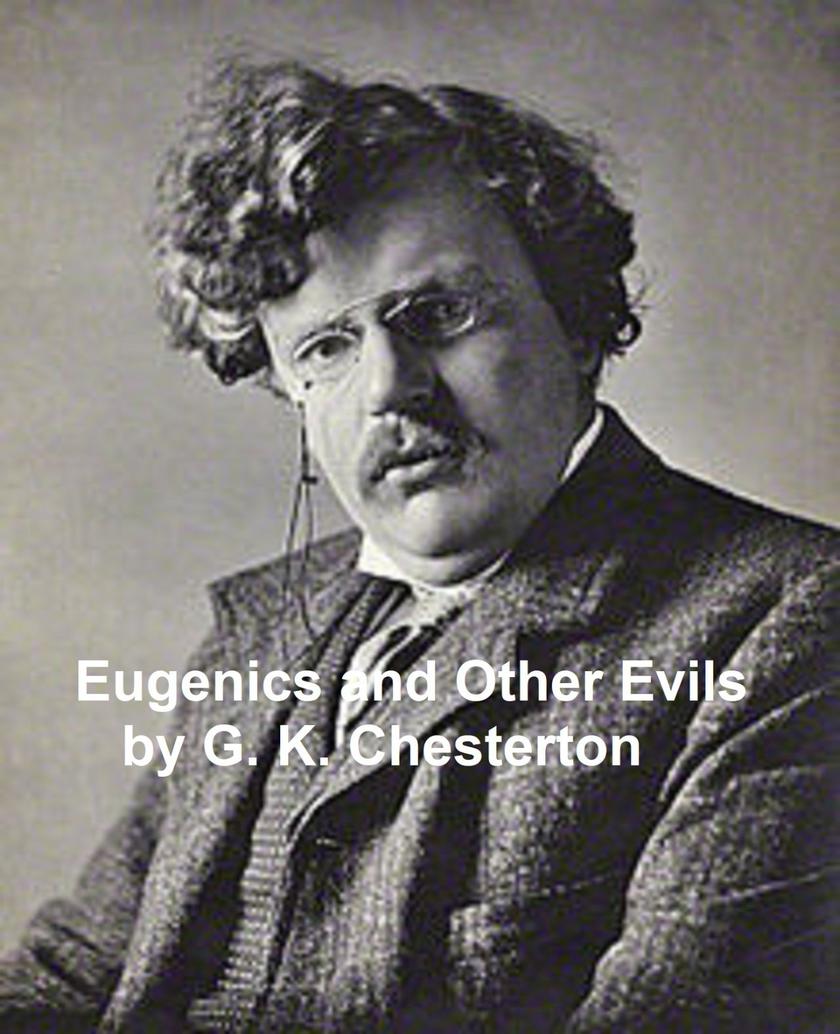
Eugenics and Other Evils
¥8.09
Classic collection of essays. According to Wikipedia: "Gilbert Keith Chesterton (1874 - 1936) was an influential English writer of the early 20th century. His prolific and diverse output included journalism, philosophy, poetry, biography, Christian apologetics, fantasy and detective fiction. Chesterton has been called the "prince of paradox." He wrote in an off-hand, whimsical prose studded with startling formulations. For example: "Thieves respect property. They merely wish the property to become their property that they may more perfectly respect it."[2] He is one of the few Christian thinkers who are equally admired and quoted by both liberal and conservative Christians, and indeed by many non-Christians. Chesterton's own theological and political views were far too nuanced to fit comfortably under the "liberal" or "conservative" banner."
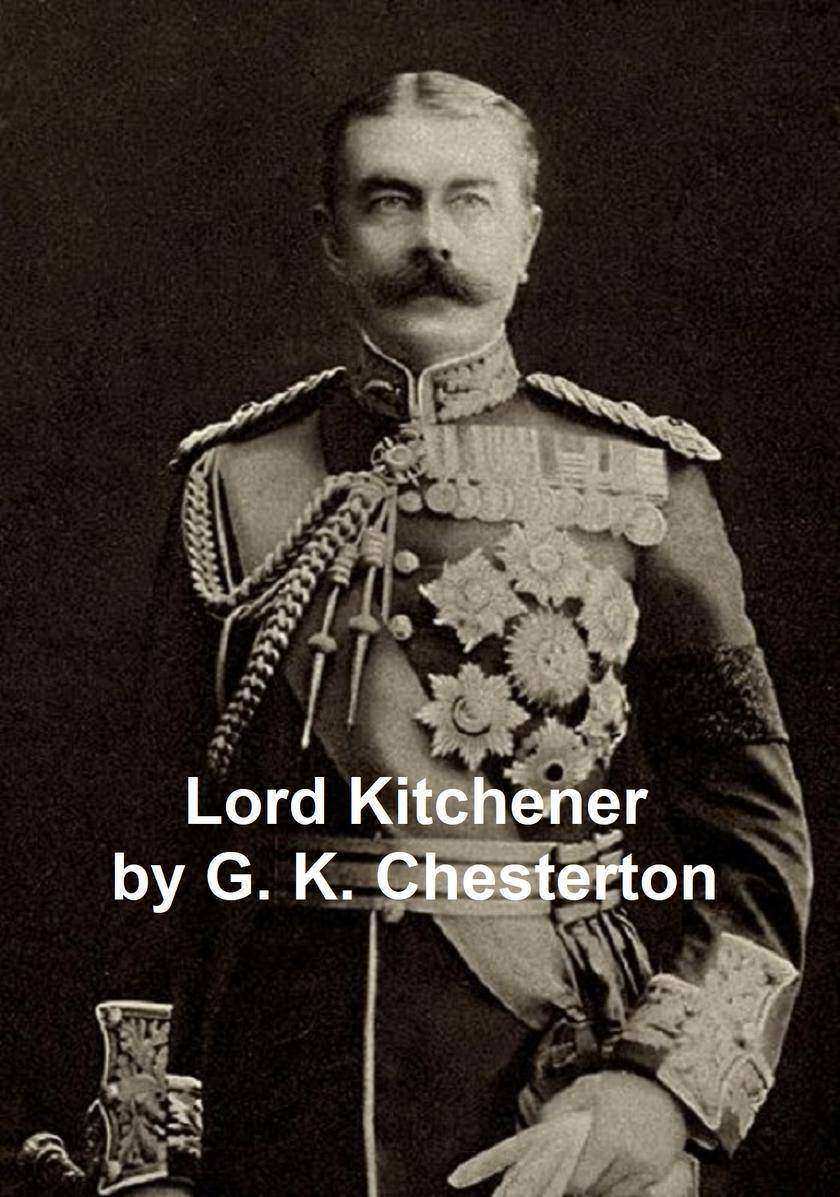
Lord Kitchener
¥8.09
Brief biography. According to Wikiipedia: "Field Marshal Horatio Herbert Kitchener, 1st Earl Kitchener KG KP GCB OM GCSI GCMG GCIE PC (/?k?t??n?r/; 24 June 1850 – 5 June 1916) was a senior British Army officer and colonial administrator who won fame for his imperial campaigns and later played a central role in the early part of the First World War, although he died halfway through it... Gilbert Keith Chesterton (1874 - 1936) was an influential English writer of the early 20th century. His prolific and diverse output included journalism, philosophy, poetry, biography, Christian apologetics, fantasy and detective fiction. Chesterton has been called the "prince of paradox." He wrote in an off-hand, whimsical prose studded with startling formulations. For example: "Thieves respect property. They merely wish the property to become their property that they may more perfectly respect it."[2] He is one of the few Christian thinkers who are equally admired and quoted by both liberal and conservative Christians, and indeed by many non-Christians. Chesterton's own theological and political views were far too nuanced to fit comfortably under the "liberal" or "conservative" banner."
The Call of the Canyon
¥8.09
Classic Western. According to Wikipedia: "Zane Grey (1872 – 1939) was an American author best known for his popular adventure novels and stories that presented an idealized image of the rugged Old West. As of June 2007, the Internet Movie Database credits Grey with 110 films, one TV episode, and a series, Dick Powell's Zane Grey Theater based loosely on his novels and short stories."
The First Christmas of New England
¥8.09
Short story. According to Wikipedia: "Harriet Elisabeth Beecher Stowe (June 14, 1811 – July 1, 1896) was an American abolitionist and author. She came from a famous religious family and is best known for her novel Uncle Tom's Cabin (1852). It depicts the harsh life for African Americans under slavery. It reached millions as a novel and play, and became influential in the United States and Great Britain. It energized anti-slavery forces in the American North, while provoking widespread anger in the South. She wrote 30 books, including novels, three travel memoirs, and collections of articles and letters. She was influential for both her writings and her public stands on social issues of the day."
Kate Douglas Wiggin's Christmas Stories
¥8.09
Three classic Christas stories: The Birds' Christmas Carol, The Romance of a Christmas Card, and The Old Peabody Pew. According to Wikiipedia: "Kate Douglas Wiggin (September 28, 1856–August 24, 1923) was an American children's author and educator. Kate Douglas Smith Wiggin was born in Philadelphia, and was of Welsh descent. A graduate of Abbot Academy, Class of 1873, she started the first free kindergarten in San Francisco in 1878 (the Silver Street Free Kindergarten). With her sister in the 1880s she also established a training school for kindergarten teachers... Still devoted to her school, she began to raise money for it through writing, first The Story of Patsy (1883), then The Birds' Christmas Carol (1887). Both privately printed books were issued commercially by Houghton Mifflin in 1889, with enormous success. Ironically, considering her intense love of children, Kate Wiggin had none. Her husband died suddenly in 1889, and Kate took her grief home to Maine. For the rest of her life she struggled with depression, and in order to combat it she traveled as frequently as she could, dividing her time between writing, trips to Europe, and giving public reading for the benefit of various children's charities. Her literary output included popular books for adults, scholarly work on the educational principles of Friedrich Froebel, and of course the classic children's novel Rebecca of Sunnybrook Farm (1903) Wiggin's home in the Salmon Falls section of Hollis, Maine."
Huntingtower
¥8.09
According to Wikipedia, Huntingtower is a novel written by John Buchan in 1922. The first of his three Dickson McCunn books, it is set near Carrick in south west Scotland around 1920. The hero is a 55-year old grocer Dickson McCunn, who has sold his business and taken early retirement. As soon as he ventures out to explore the world, he is swept out of his bourgeois rut into bizarre and outlandish adventures, and forced to become a reluctant hero. The story revolves around the imprisonment under false pretenses by Bolshevik agents of an exiled Russian noblewoman. The Scottish local community mobilises to uncover and thwart the conspiracy against her, and to defend the neutrality of Scotland against the Russian revolutionary struggle. John Buchan, 1st Baron Tweedsmuir (26 August 1875 – 11 February 1940) was a Scottish novelist and Unionist politician who served as Governor General of Canada. Buchan's 100 works include nearly thirty novels, seven collections of short stories and biographies of Sir Walter Scott, Caesar Augustus, and Oliver Cromwell. Buchan's most famous of his books were the spy thrillers (including) The 39 Steps (which was converted to a play as well as an Alfred Hitchcock movie starring Robert Donat as Richard Hannay, though with Buchan's story much altered.) The "last Buchan" (as Graham Greene entitled his appreciative review) was the 1941 novel Sick Heart River (American title: Mountain Meadow), in which a dying protagonist confronts in the Canadian wilderness the questions of the meaning of life. The insightful quotation "It's a great life, if you don't weaken" is famously attributed to Buchan, as is "No great cause is ever lost or won, The battle must always be renewed, And the creed must always be restated."
The Path of the King
¥8.09
The Path of the King is a travel through historic events that traces a band of gold as it is passed from a young Viking to Abraham Lincoln. The following is a quotation from its original publication (AL BURT COMPANY PUBLISHERS, 1921): "We wonder that so great a man as Abraham Lincoln should spring from humble people but who knows what his more distant ancestry might have been In a series of dramatic chapters Mr Buchan tells what he imagines to have been the ancestry of Lincoln The worthy son of a northern chieftain who had come down with his people into Normandy, a Norman knight who fought under Duke William and settled in England, a French knight emissary of Saint Louis to Kubla Khan, a proud demoiselle friend to Jeanne d Arc, a French gentleman who went with Columbus on his second voyage, an avenger of Saint Bartholomew's Day, a friend to Sir Walter Raleigh, a supporter of Cromwell, a soldier of fortune under Marlborough, a mighty hunter in Virginia, all these says Mr Buchan were Lincoln's forebears Their blood ran in his veins and made him in James Russell Lowell's phrase the last of the kings." According to Wikipedia, "John Buchan, 1st Baron Tweedsmuir (26 August 1875 – 11 February 1940) was a Scottish novelist and Unionist politician who served as Governor General of Canada. Buchan's 100 works include nearly thirty novels, seven collections of short stories and biographies of Sir Walter Scott, Caesar Augustus, and Oliver Cromwell. Buchan's most famous of his books were the spy thrillers (including) The 39 Steps (which was converted to a play as well as an Alfred Hitchcock movie starring Robert Donat as Richard Hannay, though with Buchan's story much altered.) The "last Buchan" (as Graham Greene entitled his appreciative review) was the 1941 novel Sick Heart River (American title: Mountain Meadow), in which a dying protagonist confronts in the Canadian wilderness the questions of the meaning of life. The insightful quotation "It's a great life, if you don't weaken" is famously attributed to Buchan, as is "No great cause is ever lost or won, The battle must always be renewed, And the creed must always be restated."
Sir Quixote of the Moors
¥8.09
John Buchan (1875-1940) was a Scottish novelist, historian, and politician, who served as governor general of Canada. His best-known fiction is The Thirty-Nine Steps, featuring the action hero Richard Hannay.
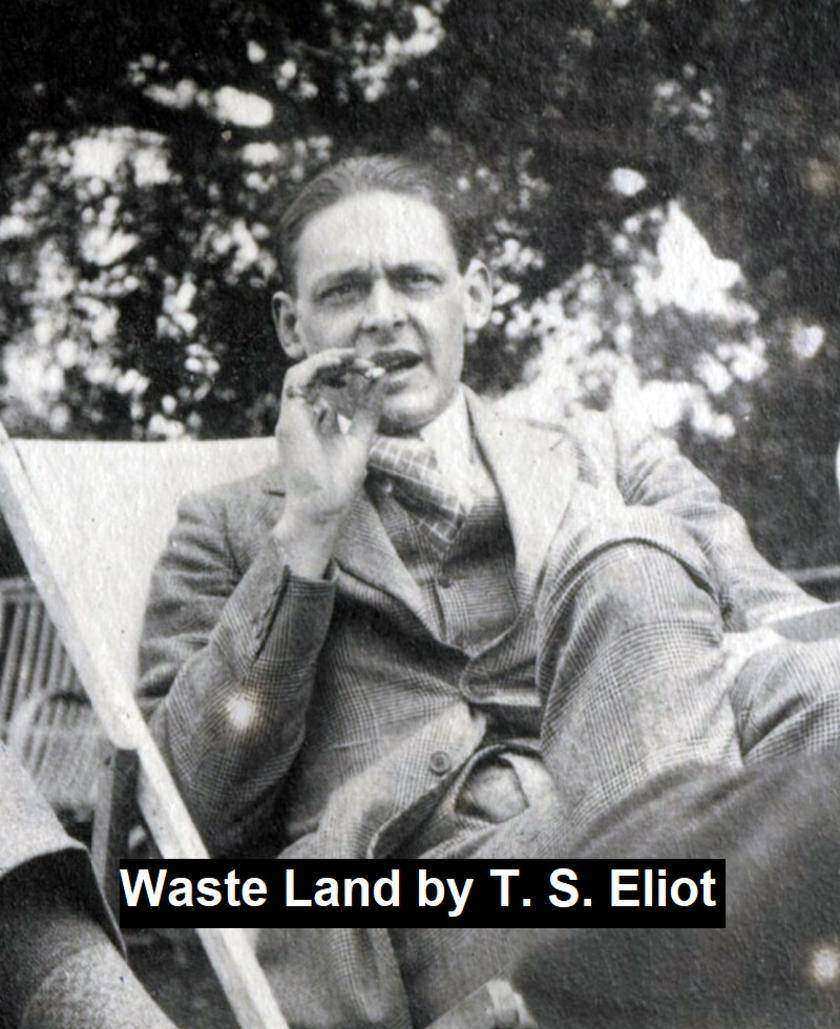
Waste Land
¥8.09
According to Wikipedia, "The Waste Land is a 434-line Modernist poem by T. S. Eliot published in 1922. It has been called "one of the most important poems of the 20th century." Despite the poem's obscurity-its shifts between satire and prophecy, its abrupt and unannounced changes of speaker, location and time, its elegiac but intimidating summoning up of a vast and dissonant range of cultures and literatures-the poem has become a familiar touchstone of modern literature. Among its famous phrases are "April is the cruellest month" (its first line); "I will show you fear in a handful of dust"; and (its last line) the mantra in the Sanskrit language "Shantih shantih shantih." Thomas Stearns Eliot (September 26, 1888 - January 4, 1965) was an American-born English poet, playwright, and literary critic, arguably the most important English-language poet of the 20th century. The poem that made his name, The Love Song of J. Alfred Prufrock started in 1910 and published in Chicago in 1915-is regarded as a masterpiece of the modernist movement. He followed this with what have become some of the best-known poems in the English language, including Gerontion (1920), The Waste Land (1922), The Hollow Men (1925), Ash Wednesday (1930), and Four Quartets (1945). He is also known for his seven plays, particularly Murder in the Cathedral (1935). He was awarded the Nobel Prize in Literature in 1948."
Whirligigs
¥8.09
Classic short story collection, including O. Henry's most famous story -- The Ransom of Red Chief. According to Wikipedia: "O. Henry was the pseudonym of the American writer William Sydney Porter (September 11, 1862 – June 5, 1910). O. Henry's short stories are well known for their wit, wordplay, warm characterization and clever twist endings... O. Henry's stories are famous for their surprise endings, to the point that such an ending is often referred to as an "O. Henry ending." He was called the American answer to Guy de Maupassant. Both authors wrote twist endings, but O. Henry stories were much more playful and optimistic. His stories are also well known for witty narration. Most of O. Henry's stories are set in his own time, the early years of the 20th century. Many take place in New York City and deal for the most part with ordinary people: lerks, policemen, waitresses. Fundamentally a product of his time, O. Henry's work provides one of the best examples of catching the entire flavor of an age written in the English language. Whether roaming the cattle-lands of Texas, exploring the art of the "gentle grafter," or investigating the tensions of class and wealth in turn-of-the-century New York, O. Henry had an inimitable hand for isolating some element of society and describing it with an incredible economy and grace of language. Some of his best and least-known work resides in the collection Cabbages and Kings, a series of stories which each explore some individual aspect of life in a paralytically sleepy Central American town while each advancing some aspect of the larger plot and relating back one to another in a complex structure which slowly explicates its own background even as it painstakingly erects a town which is one of the most detailed literary creations of the period. The Four Million was his first collection of stories. It opens with a reference to Ward McAllister's "assertion that there were only 'Four Hundred' people in New York City who were really worth noticing. But a wiser man has arisen—the census taker—and his larger estimate of human interest has been preferred in marking out the field of these little stories of the 'Four Million.'" To O. Henry, everyone in New York counted. He had an obvious affection for the city, which he called "Bagdad-on-the-Subway,"[3] and many of his stories are set there—but others are set in small towns and in other cities."
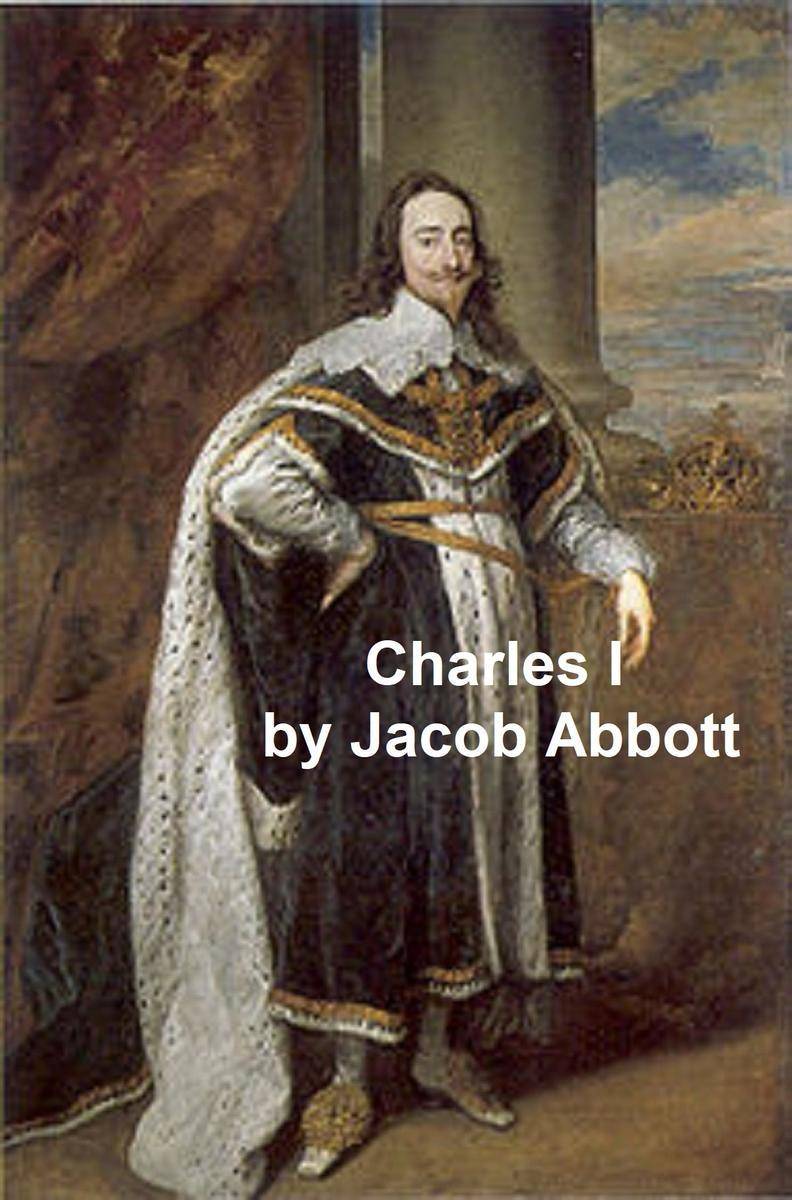
Charles I
¥8.09
According to Wikipedia: "Jacob Abbott (November 14, 1803 – October 31, 1879) was an American writer of children's books. Abbott was born at Hallowell, Maine to Jacob and Betsey Abbott. He graduated from Bowdoin College in 1820; studied at Andover Theological Seminary in 1821, 1822, and 1824; was tutor in 1824-1825, and from 1825 to 1829 was professor of mathematics and natural philosophy at Amherst College; was licensed to preach by the Hampshire Association in 1826; founded the Mount Vernon School for Young Ladies in Boston in 1829, and was principal of it in 1829-1833; was pastor of Eliot Congregational Church (which he founded), at Roxbury, Massachusetts in 1834-1835; and was, with his brothers, a founder, and in 1843-1851 a principal of Abbott's Institute, and in 1845-1848 of the Mount Vernon School for Boys, in New York City. He was a prolific author, writing juvenile fiction, brief histories, biographies, religious books for the general reader, and a few works in popular science. He died in Farmington, Maine, where he had spent part of his time after 1839, and where his brother, Samuel Phillips Abbott, founded the Abbott School."
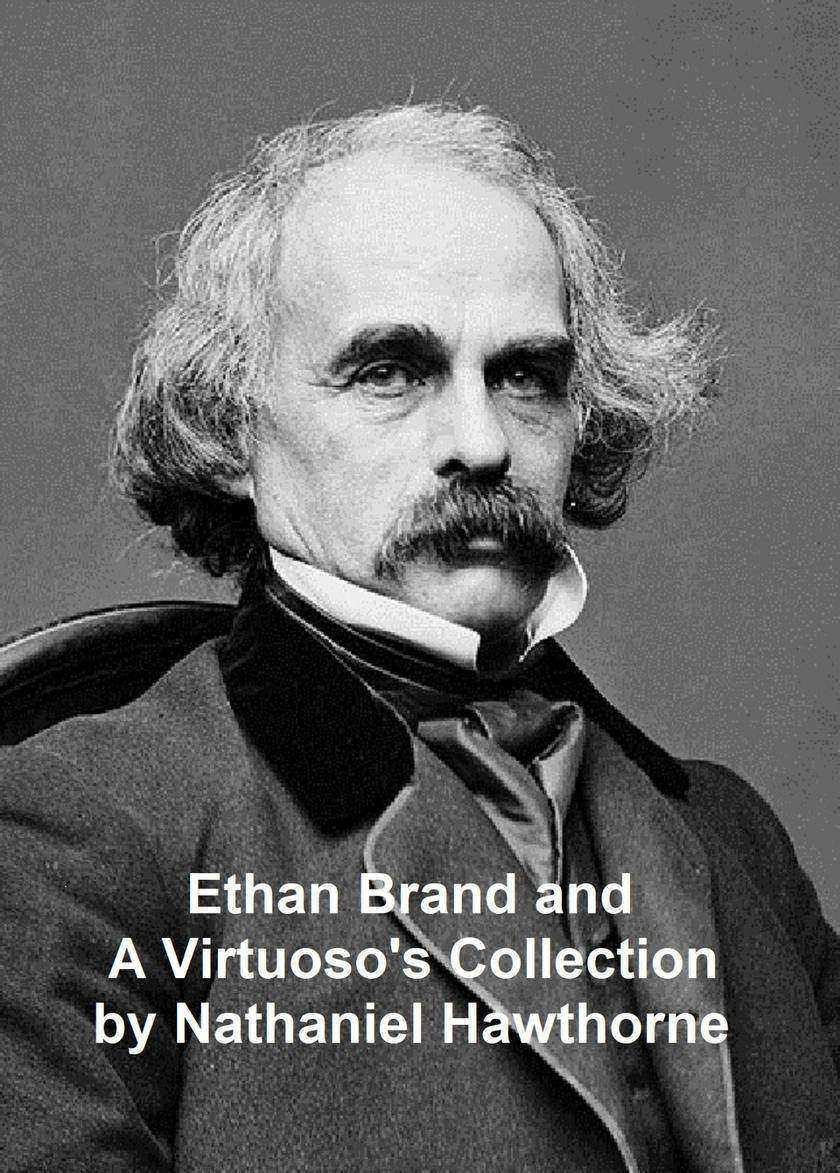
Ethan Brand and A Virtuoso's Collection
¥8.09
Two short stories by Nathaniel Hawthorne related to the legend of "the wandering Jew". According to Wikipedia: "Nathaniel Hawthorne (1804 –1864) was an American novelist and short story writer... Much of Hawthorne's writing centers around New England and many feature moral allegories with a Puritan inspiration. His fiction works are considered part of the Romantic movement and, more specifically, dark romanticism. His themes often center on the inherent evil and sin of humanity and his works often have moral messages and deep psychological complexity. His published works include novels, short stories, and a biography of his friend Franklin Pierce."
The Social Web
¥8.09
This pioneering book, first published in 1997, details the process to empower businesses and individuals to build websites based on common interests and social interaction. It provides insights that are as relevant now as they were when the book was written.
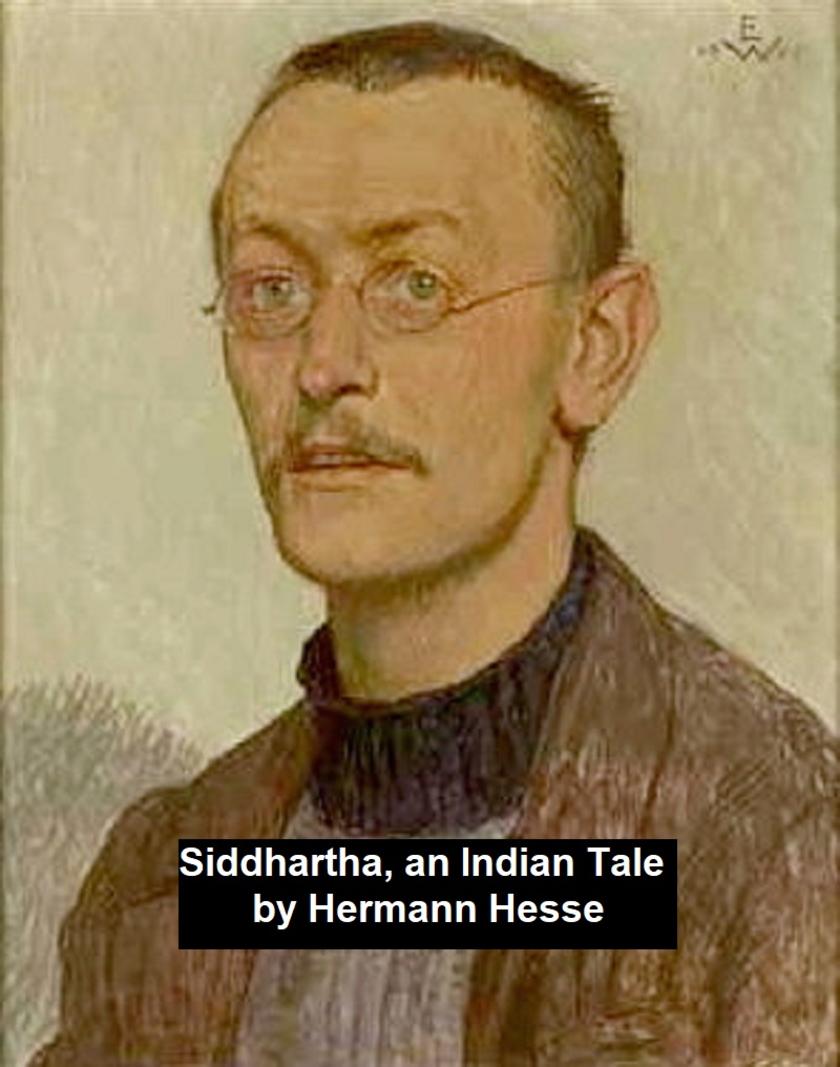
Siddhartha, an Indian Tale
¥8.09
Classic novel, first published in 1922. According to Wikipedia: "Siddhartha is a novel by Hermann Hesse that deals with the spiritual journey of a boy known as Siddhartha from the Indian subcontinent during the time of the Buddha. The book, Hesse's ninth novel, was written in German, in a simple yet powerful and lyrical style. It was published in the U.S. in 1951 and became influential during the 1960s. Hesse dedicated Siddhartha to Ninon Hesse, his wife. The word Siddhartha is made up of two words in the Sanskrit language, siddha (achieved) + artha (meaning or wealth). The two words together mean "he who has found meaning (of existence)" or "he who has attained his goals". The Buddha's name, before his renunciation, was Prince Siddhartha Gautama. In this book, the Buddha is referred to as "Gotama".

Back to Methuselah
¥8.09
According to Wikipedia: "Back to Methuselah (A Metabiological Pentateuch), by George Bernard Shaw consists of a preface (An Infidel Half Century) and a series of five plays: In the Beginning: B.C. 4004 (In the Garden of Eden), The Gospel of the Brothers Barnabas: Present Day, The Thing Happens: A.D. 2170, Tragedy of an Elderly Gentleman: A.D. 3000, and As Far as Thought Can Reach: A.D. 31,920. All were written during 1918-20, published simultaneously by Constable (London) and Brentano's (New York) in 1921, and first performed in the United States in 1922 by the New York Theatre Guild at the old Garrick Theatre and, in Britain, at the Birmingham Repertory Theatre in 1923." According to Wikipedia: "George Bernard Shaw (26 July 1856 – 2 November 1950) was an Irish playwright and a co-founder of the London School of Economics. Although his first profitable writing was music and literary criticism, in which capacity he wrote many highly articulate pieces of journalism, his main talent was for drama, and he wrote more than 60 plays. Nearly all his writings deal sternly with prevailing social problems, but have a vein of comedy to make their stark themes more palatable. Shaw examined education, marriage, religion, government, health care, and class privilege. He was most angered by what he perceived as the exploitation of the working class, and most of his writings censure that abuse. An ardent socialist, Shaw wrote many brochures and speeches for the Fabian Society. He became an accomplished orator in the furtherance of its causes, which included gaining equal rights for men and women, alleviating abuses of the working class, rescinding private ownership of productive land, and promoting healthy lifestyles."
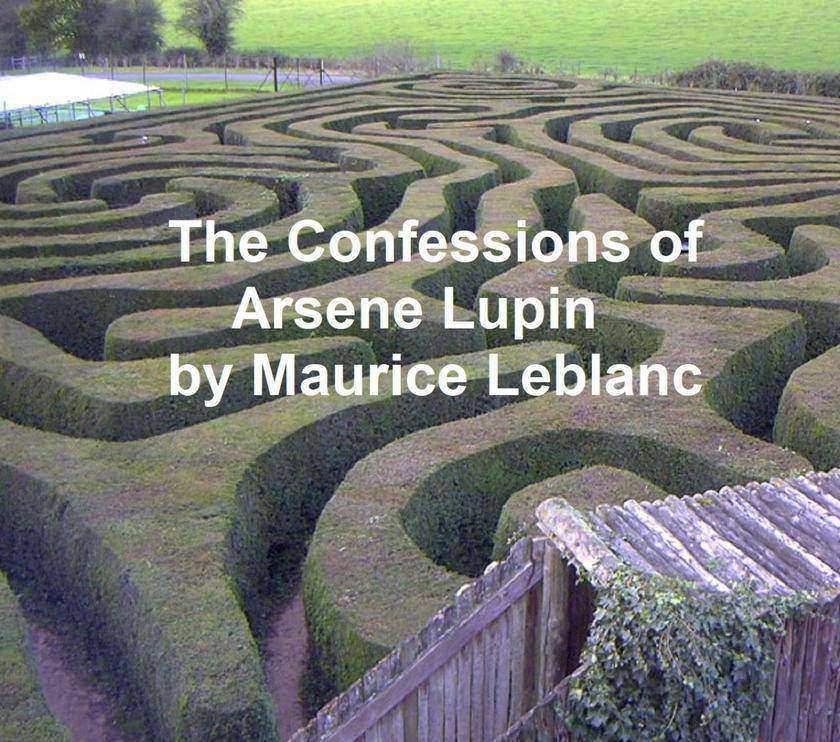
The Confessions of Arsene Lupin
¥8.09
According to Wikipedia: "Maurice Marie ?mile Leblanc (11 November 1864 – 6 November 1941) was a French novelist and writer of short stories, known primarily as the creator of the fictional gentleman thief and detective Arsène Lupin, often described as a French counterpart to Arthur Conan Doyle's creation Sherlock Holmes.
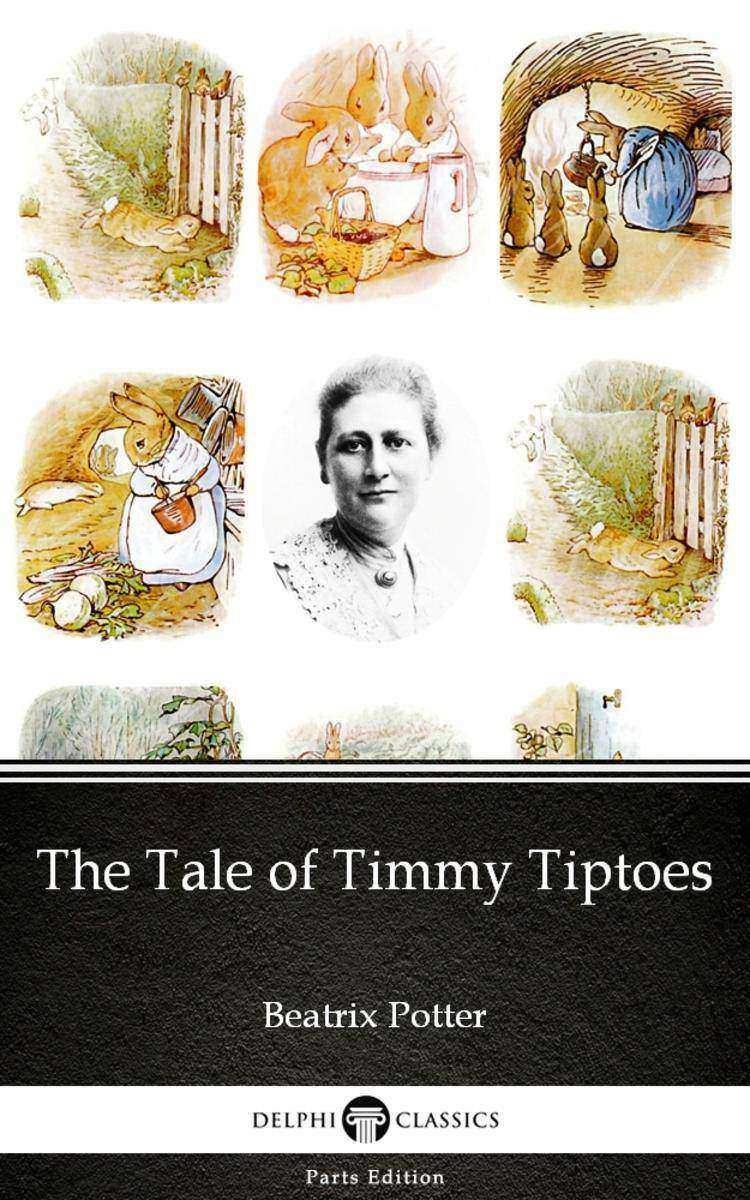
The Tale of Timmy Tiptoes by Beatrix Potter - Delphi Classics (Illustrated)
¥8.09
This eBook features the unabridged text of ‘The Tale of Timmy Tiptoes by Beatrix Potter - Delphi Classics (Illustrated)’ from the bestselling edition of ‘The Complete Works of Beatrix Potter’. Having established their name as the leading publisher of classic literature and art, Delphi Classics produce publications that are individually crafted with superior formatting, while introducing many rare texts for the first time in digital print. The Delphi Classics edition of Potter includes original annotations and illustrations relating to the life and works of the author, as well as individual tables of contents, allowing you to navigate eBooks quickly and easily. eBook features: * The complete unabridged text of ‘The Tale of Timmy Tiptoes by Beatrix Potter - Delphi Classics (Illustrated)’ * Beautifully illustrated with images related to Potter’s works * Individual contents table, allowing easy navigation around the eBook * Excellent formatting of the textPlease visit www.delphiclassics.com to learn more about our wide range of titles
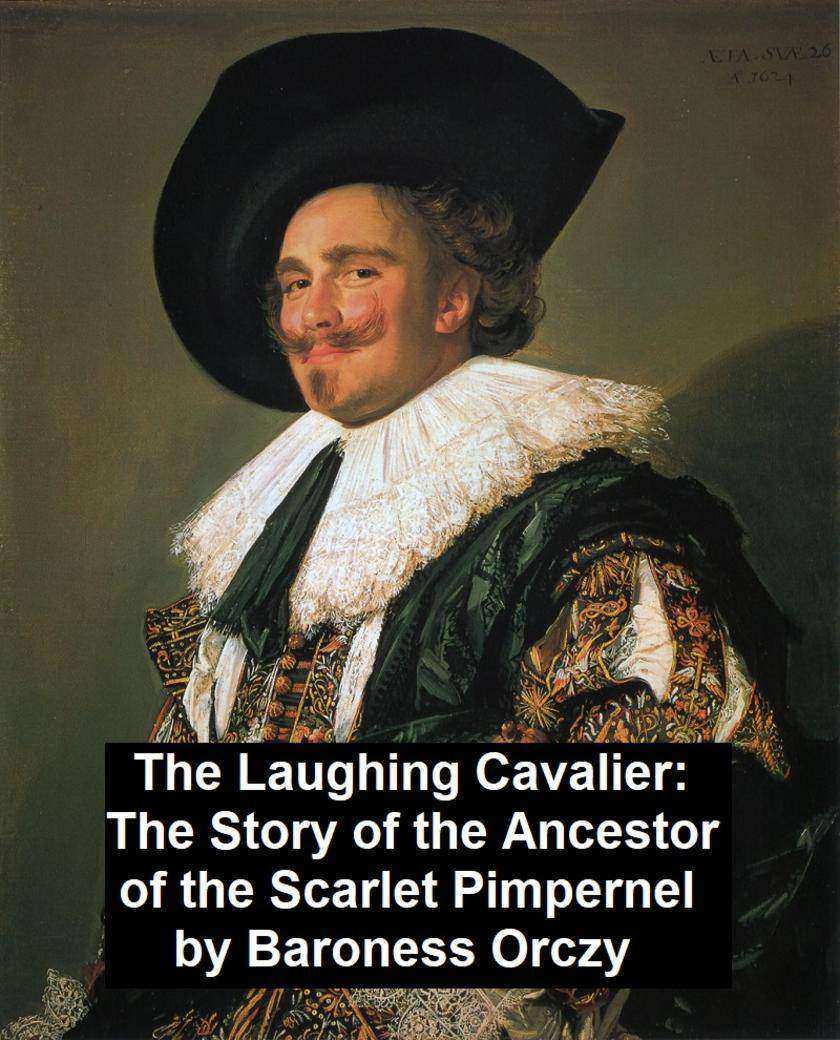
The Laughing Cavalier, the Story of the Ancestor of the Scarlet Pimpernel
¥8.09
Classic historical novel, set in the Netherlands in the 17th century, related to the Scarlet Pimpernel series. According to Wikipedia: "The Scarlet Pimpernel is a classic play and adventure novel by Baroness Emmuska Orczy, set during the Reign of Terror following the start of the French Revolution. The story is a precursor to the "disguised superhero" tales such as Zorro. The play was produced and adapted by Julia Neilson and Fred Terry. It first opened on 15 October 1903 at Nottingham’s Theatre Royal; it was not a success. Terry, however, had confidence in the play and, with a rewritten last act, took it to London where it opened at the New Theatre on 5 January 1905. The premier of the London production was enthusiastically received by the audience, but critics considered the play 'old-fashioned.' In spite of negative reviews, the play became a popular success, running 122 performances and enjoying numerous revivals. The Scarlet Pimpernel became a favourite of London audiences, playing more than 2,000 performances and becoming one of the most popular shows staged in England to that date. The novel was published soon after the play's opening and was an immediate success. Orczy gained a following of readers in Britain and throughout the world. The popularity of the novel encouraged her to write a number of sequels for her "reckless daredevil" over the next 35 years. The play was performed to great acclaim in France, Italy, Germany and Spain, while the novel was translated into 16 languages. Subsequently, the story has been adapted for television, film, a musical and other media. The international success of The Scarlet Pimpernel allowed Orczy and her husband to live out their lives in luxury. Over the years, they lived on an estate in Kent, a bustling London home and an opulent villa in Monte Carlo. Orczy wrote in her autobiography, Links in the Chain of Life: "I have so often been asked the question: "But how did you come to think of The Scarlet Pimpernel?" And my answer has always been: "It was God's will that I should." And to you moderns, who perhaps do not believe as I do, I will say, "In the chain of my life, there were so many links, all of which tended towards bringing me to the fulfillment of my destiny." According to Wikipedia: "Baroness Emma Magdolna Rozália Mária Jozefa Borbála "Emmuska" Orczy de Orczi (23 September 1865 – 12 November 1947) was a British novelist, playwright and artist of Hungarian noble origin. She was most notable for her series of novels featuring the Scarlet Pimpernel. Some of her paintings were exhibited at the Royal Academy in London."


