


 购物车
购物车 个人中心
个人中心
The Fencing Master by Alexandre Dumas (Illustrated)
¥8.09
This eBook features the unabridged text of ‘The Fencing Master’ from the bestselling edition of ‘The Collected Works of Alexandre Dumas’. Having established their name as the leading publisher of classic literature and art, Delphi Classics produce publications that are individually crafted with superior formatting, while introducing many rare texts for the first time in digital print. The Delphi Classics edition of Dumas includes original annotations and illustrations relating to the life and works of the author, as well as individual tables of contents, allowing you to navigate eBooks quickly and easily.eBook features:* The complete unabridged text of ‘The Fencing Master’* Beautifully illustrated with images related to Dumas’s works* Individual contents table, allowing easy navigation around the eBook* Excellent formatting of the textPlease visit www.delphiclassics.com to learn more about our wide range of titles
On the High Road by Anton Chekhov (Illustrated)
¥8.09
This eBook features the unabridged text of ‘On the High Road’ from the bestselling edition of ‘The Complete Works of Anton Chekhov’. Having established their name as the leading publisher of classic literature and art, Delphi Classics produce publications that are individually crafted with superior formatting, while introducing many rare texts for the first time in digital print. The Delphi Classics edition of Chekhov includes original annotations and illustrations relating to the life and works of the author, as well as individual tables of contents, allowing you to navigate eBooks quickly and easily.eBook features:* The complete unabridged text of ‘On the High Road’* Beautifully illustrated with images related to Chekhov’s works* Individual contents table, allowing easy navigation around the eBook* Excellent formatting of the textPlease visit www.delphiclassics.com to learn more about our wide range of titles
Swansong by Anton Chekhov (Illustrated)
¥8.09
This eBook features the unabridged text of ‘Swansong’ from the bestselling edition of ‘The Complete Works of Anton Chekhov’. Having established their name as the leading publisher of classic literature and art, Delphi Classics produce publications that are individually crafted with superior formatting, while introducing many rare texts for the first time in digital print. The Delphi Classics edition of Chekhov includes original annotations and illustrations relating to the life and works of the author, as well as individual tables of contents, allowing you to navigate eBooks quickly and easily.eBook features:* The complete unabridged text of ‘Swansong’* Beautifully illustrated with images related to Chekhov’s works* Individual contents table, allowing easy navigation around the eBook* Excellent formatting of the textPlease visit www.delphiclassics.com to learn more about our wide range of titles

Recueil des légendes de la Dame Blanche
¥8.09
La légende de la Dame Blanche est certainement la plus connue des légendes. Qu'elle soit protectrice, lavandière, autostoppeuse ou spectre, la Dame Blanche est présente aux quatre coins du monde. Ce recueil vous fait découvrir les différentes légendes à travers des témoignages et des histoires, comme celle de la Dame Blanche qui annon?a la mort de Sissi l'impératrice ou la Dame Blanche qui hante le ch?teau de Puymartin, la Dame Blanche du cimetière d'Easton ou encore la légende Resurrection Mary. Les chasseurs de fant?mes se régalent de la traquer, de l'identifier et de la photographier. Avec ce livre, vous pouvez aussi vous lancer dans l'aventure, car il donne les lieux précis où elle appara?t.

Bob's Blanket gets a wash
¥8.09
“A cuddle item is a thing of comfort to little ones, and so there is usually the need to take it everywhere! It’s simply a child’s best friend and confidant. Bob’s blanket is a series written for children aged 1 to 5 and their parents. Series one takes both parent and children through the journey of getting the items cleaned.”? A good book for bedtime stories. Hardcopy comes with a free cuddle item for promotion while it last.
A Book of Natural History
¥8.09
Te mit tennél, ha kiderülne, hogy már csak másfél éved van hátra? Magadba roskadva jajveszékelnél, és hagynád, hogy pocsékba menjen minden napod, vagy ?sszeszednéd tartalék er?idet, amit arra használnál, hogy tartalmasan éld hátralév? napjaidat? Nos, én az utóbbit választottam. ?gy d?nt?ttem, belevágok e k?nyv megírásába, hátha okul a hibáimból valaki. Akárki. Vajon beválik az a kísérleti gyógyszer, amely talán visszafordíthatja a betegségemet, vagy ez a k?nyv lesz minden, amit ?r?kül hagyhatok az utókornak? ...és vajon képes vagyok megbocsátani annak, aki t?nkretette az életemet – vagyis magamnak?
The Last of the Mohicans
¥8.09
Kedves olvasó, ha már kezedben tartasz, elkalauzollak olyan világba, amely számodra is érdekes és felkelt?. Mai társadalmi helyzetünk elég cudar állapotban van, ahol még a faji kül?nb?ztetésénél tartunk és még mindig nem fogadtuk el egymást. Ezért nem is tudunk tovább lépni. Nem tudunk ?sszefogni és kilépni a rengetegbe, az ismeretlenbe, hogy aztán szétszóródjunk újra és benépesítsük az olyan réteget ahol esetleg mással, de ha nem, akkor egymással harcoljunk az új helyekért. K?nyvemet megosztva egy olyan fantázia szemsz?gb?l mutatom be, elképzelt világomat, melyben t?bb dolog rendbe j?tt, de helyette j?tt más, csak, hogy az élet mozogjon. Ha velem tartasz, végén ráj?ssz, lehet van benne logika, fantázia, és realizáció. Ez a világ olyan utakon jár melyben a fajok megbékéltek, elfogadták egymást, de helyette j?ttek a nemi kül?nbségek, melyet az emberek biológiai okokból nem fogadtak el, de akik elfogatták, úgy vélik ez természetes és lehetséges. Ha ódzkodsz a másságtól, óva intelek a t?rténetét?l, de egyben ajánlanám nagy szeretettel, hátha máshogy fogod látni a világot, vagy találsz benne olyan dolgot, darabot mely hiányzott a puzzle-?db?l, és kiegészíti a te kicsiny világodat.

The New York Subway
¥8.09
Krimi, kaland, líra, utazás id?ben és térben a ’30-as évekt?l napjainkig, Argentínától Kanadáig négy ?nálló t?rténetben. Vajon, ha ugyanaz az elk?vet?, miért nem gyilkolt t?bb, mint 30 évig? Hogyan állít csapdát a csend?rkapitány és a rend?rkapitány az aranykez? tolvajnak? Mit keres egy üzletasszony a farkasok k?z?tt? Klaudia felfedi titkát Valentinnak? Kíváncsi vagy? Olvasd el!
A Doll's House: Illustrated
¥8.09
Tárna Barni tizenkettedik születésnapja nem kezd?dik valami jól. Reggel zuhogó es?ben kell megsétáltatnia a kutyát. Egy újabb rémes iskolai nap vár rá, mert a suliban gonosz osztálytársa, Ged? meg az a hátborzongató Ostoros igazgatón? folyton megkeseríti az életét. Ráadásul nyomtalanul elt?nt apukájától sem kap még egy képeslapot sem. Nem csoda, ha Barni bánatában azt találja mondani: ?Bárcsak macska lennék!”. De vigyázz, mit kívánsz! Mert bizony a macskalét sem fenékig tejf?l... Ez a regény olyan izgalmas, hogy ha elkezded, a házi feladatra már biztos nem marad id?d! Amennyiben ez t?rténne, az óra el?tt jelentsd az esetet tanárodnak, és add k?lcs?n neki a k?nyvet! Matt Haig (1975) számtalan díjnyertes feln?tt- és ifjúsági regény szerz?je, forgatók?nyvíró, újságíró. K?nyvei k?zel 30 nyelven olvashatók. Feleségével és két gyermekével Yorkban él, és azt állítja, a pletykákkal ellentétben soha életében nem volt macska. (V?r?s kandúr meg aztán végképp nem!) Stacey Curtis díjnyertes amerikai karikaturista, képregényrajzoló, illusztrátor. Számos sikeres gyerekk?nyvh?z készített illusztrációt. Chicagoban él feleségével, lányával és a kutyájukkal. Egyáltalán nem tartja kizártnak, hogy élt már macskatestben. (Szerencsére a kutyájuk nem emlékszik erre.)
A Nursery Rhyme Picture Book: "Illustrated" Ten Fables
¥8.09
R?MA ELESTE CSAK A KEZDET VOLT. EGY ?J BIRODALOM BONTOGATJA SZ?RNYAIT. AD 439: A Római Birodalom az ?sszeomlás szélére sodródik. Hispánia és ?szak-Afrika római provinciáin egy vandál sereg zúdul át megd?bbent? gyorsasággal, leigázza Karthágót, és Rómának a F?ldk?zi-tenger feletti uralmát fenyegeti. ?m ennél is nagyobb veszély k?zeledik keletr?l, egy barbár hader? ?zsia zord sztyeppéir?l, páratlanul vérszomjas harcosok, akik mindenkit els?p?rnek, aki hódítás utáni vágyuk útjában áll – Attila, a hun serege.Római katonák és egy titokzatos brit szerzetes alkotta kicsiny csapat az egyetlen, amely a római császárok züll?ttsége és gyengesége f?lé emelkedik, és a római sereg évszázadokkal korábbi dics? napjaiba nyúl vissza, hogy a t?rténelemb?l merítsen er?t. Hogy végül olyan megd?bbent?en pimasz tervvel rukkoljon el?, ami magába a s?tétség szívébe repíti ?ket, a legrettegettebb harcos-király er?djébe, akit a világ valaha is ismert. Az elk?vetkez? leszámolásban, a legnagyobb ütk?zetben, amelyet Róma valaha is vívott, a gy?zelem azoké lesz, akik a háború leghatalmasabb jelképét, amelyet valaha is kovácsoltak, a magasba tudják emelni – Attila szent kardját.
A Mixture of Genius: Illustrated
¥8.09
Ez Fabius Petronius Secundus római legionárius és centurió – valamint hadvezére, Scipio Aemilianus – felemelkedésének t?rténete: a makedónok elleni els? csatájától, amely megpecsételi Nagy Sándor birodalmának sorsát, az ?szak-Afrikában vívott, mindenre kiterjed? háborúig és Karthágó ostromáig. Scipio sikerei csodálatot és tiszteletet váltanak ki, de egyben kapzsiságot és féltékenységet is fialnak – legszorosabb sz?vetségeseit?l legelkeseredettebb ellenségeiig. ?s ott van még Julia is, a Caesar családból – a kiszámíthatatlan lány, aki Scipiót szereti, de annak vetélytársával, Paulusszal jegyzeték el –, aki csúf viszály kiváltója lesz. Végül Scipiónak egyetlen kérdésre kell csak válaszolnia: mi mindent képes feláldozni a látomásért, amit Rómáról alkotott?
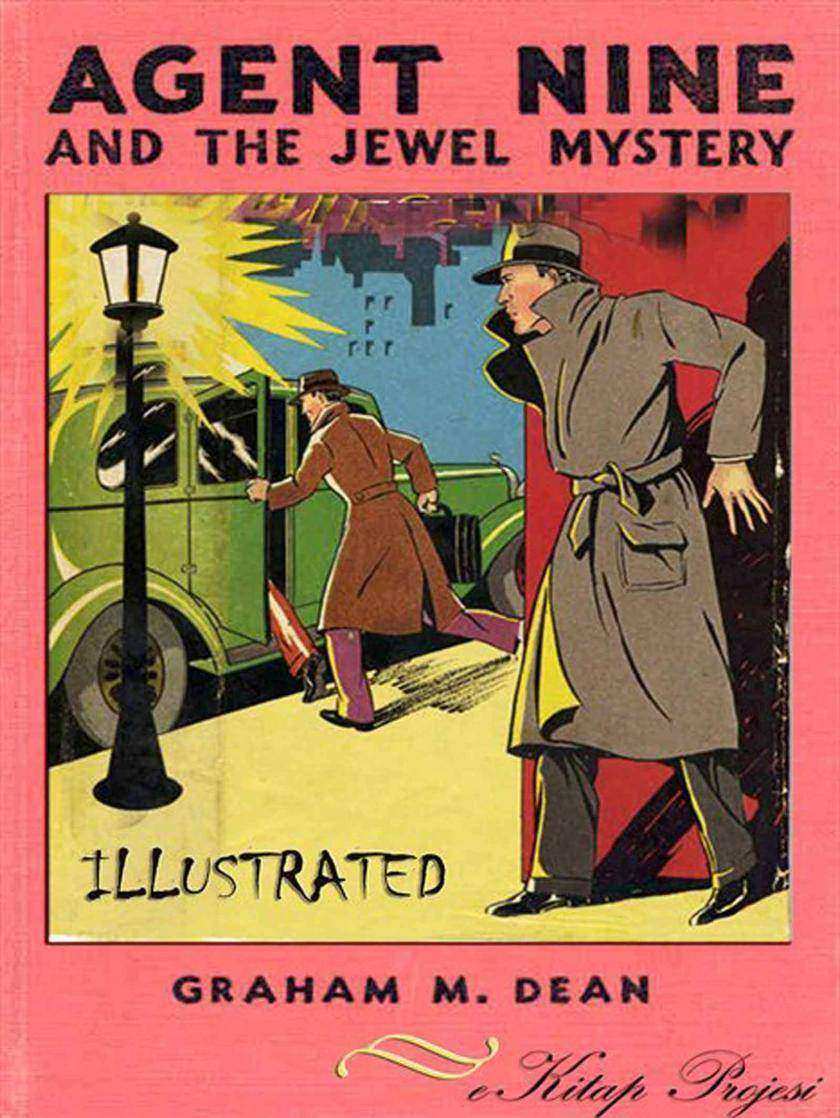
Agent Nine and the Jewel Mystery: {Illustrated}
¥8.09
This collection of Japanese fairy tales is the outcome of a suggestion made to me indirectly through a friend by Mr. Andrew Lang. They have been translated from the modern version written by Sadanami Sanjin. These stories are not literal translations, and though the Japanese story and all quaint Japanese expressions have been faithfully preserved, they have been told more with the view to interest young readers of the West than the technical student of folk-lore. Grateful acknowledgment is due to Mr. Y. Yasuoka, Miss Fusa Okamoto, my brother Nobumori Ozaki, Dr. Yoshihiro Takaki, and Miss Kameko Yamao, who have helped me with translations. The story which I have named "The Story of the Man who did not Wish to Die" is taken from a little book written a hundred years ago by one Shinsui Tamenaga. It is named Chosei Furo, or "Longevity." "The Bamboo-cutter and the Moon-child" is taken from the classic "Taketari Monogatari," and is NOT classed by the Japanese among their fairy tales, though it really belongs to this class of literature. ? In telling these stories in English I have followed my fancy in adding such touches of local color or description as they seemed to need or as pleased me, and in one or two instances I have gathered in an incident from another version. At all times, among my friends, both young and old, English or American, I have always found eager listeners to the beautiful legends and fairy tales of Japan, and in telling them I have also found that they were still unknown to the vast majority, and this has encouraged me to write them for the children of the West. ? ? ? ? ? ? ? ? ? ? ? ? ? ? ? ? ? ? ? ? ? Y. T. O. ? MY LORD BAG OF RICE ? "Long, long ago there lived, in Japan a brave warrior known to all as Tawara Toda, or "My Lord Bag of Rice." His true name was Fujiwara Hidesato, and there is a very interesting story of how he came to change his name. One day he sallied forth in search of adventures, for he had the nature of a warrior and could not bear to be idle. So he buckled on his two swords, took his huge bow, much taller than himself, in his hand, and slinging his quiver on his back started out. He had not gone far when he came to the bridge of Seta-no-Karashi spanning one end of the beautiful Lake Biwa. No sooner had he set foot on the bridge than he saw lying right across his path a huge serpent-dragon. Its body was so big that it looked like the trunk of a large pine tree and it took up the whole width of the bridge. One of its huge claws rested on the parapet of one side of the bridge, while its tail lay right against the other. The monster seemed to be asleep, and as it breathed, fire and smoke came out of its nostrils. ? At first Hidesato could not help feeling alarmed at the sight of this horrible reptile lying in his path, for he must either turn back or walk right over its body. He was a brave man, however, and putting aside all fear went forward dauntlessly. Crunch, crunch! he stepped now on the dragon's body, now between its coils, and without even one glance backward he went on his way. .."
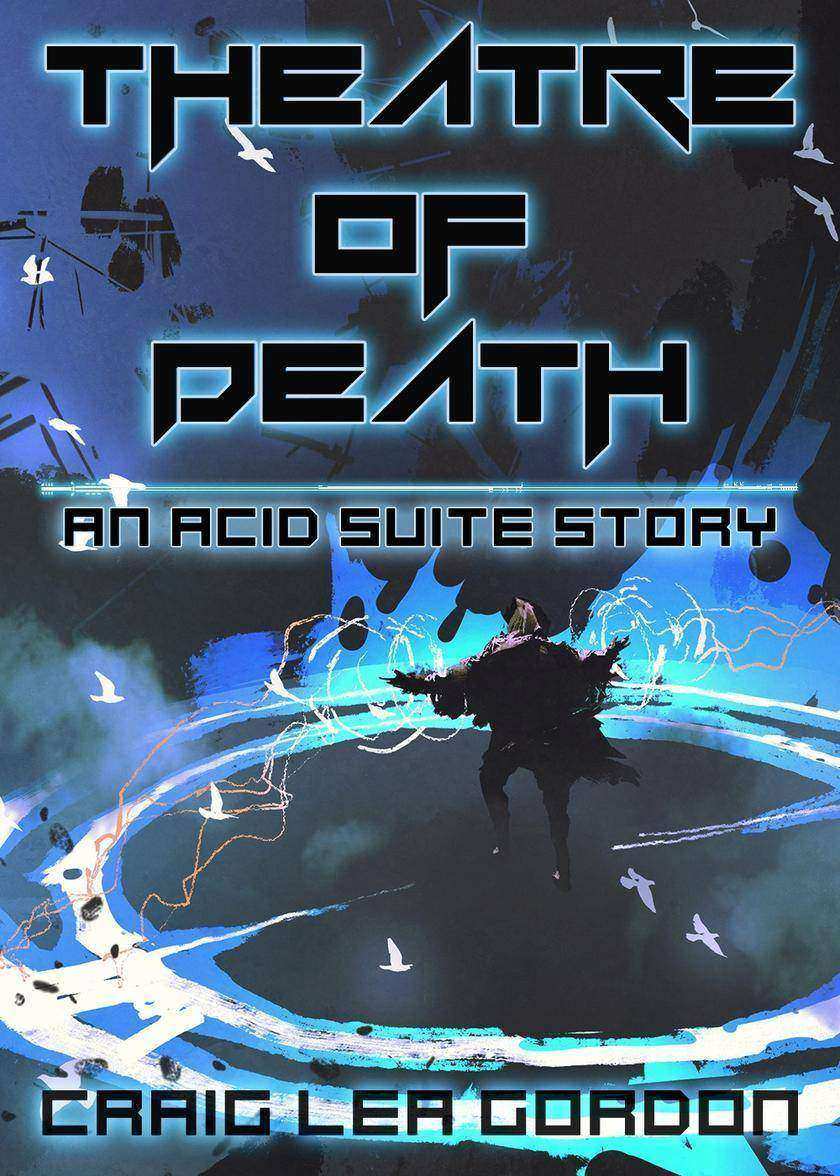
Theatre of Death: A Dystopian Short Story
¥8.09
Dystopian Short Story where Logan's Run meets The Matrix Faith. Hate. Love. Loss... Will it be enough to save him from death? It is Kel Darnon's 20th birthday and he has been called for Judgement in the Theatre of Death. There he must give the performance of his life, the performance he has been perfecting since he was born. Because the machines have won. And we are their slaves. Kept alive for just one thing... Our ability to entertain.? The Master Algorithms have the power to grant his freedom, but they must be satisfied. Sara, his forbidden love, has already sat upon the Chair of Judgement and the AI's judged her worthy.? Will his faith that he and Sarah will be reunited save him?? Can he use his hate for the machines to his advantage?? Can their forbidden love reunite them?? And can he make the machines understand losing her?? Will it be enough to save him from death? Or will the Theatre of Death claim another token for the Chair of Judgement? Theatre of Death ?is a Dystopian Science Fiction short story about a world where we are enslaved by Artificial Intelligence, and our freedom is dictated by the will of the machines. AN ACID SUITE STORY The Acid Suite is a set of independent short stories that all share one thing in common, fiction that will corrode your mind.?
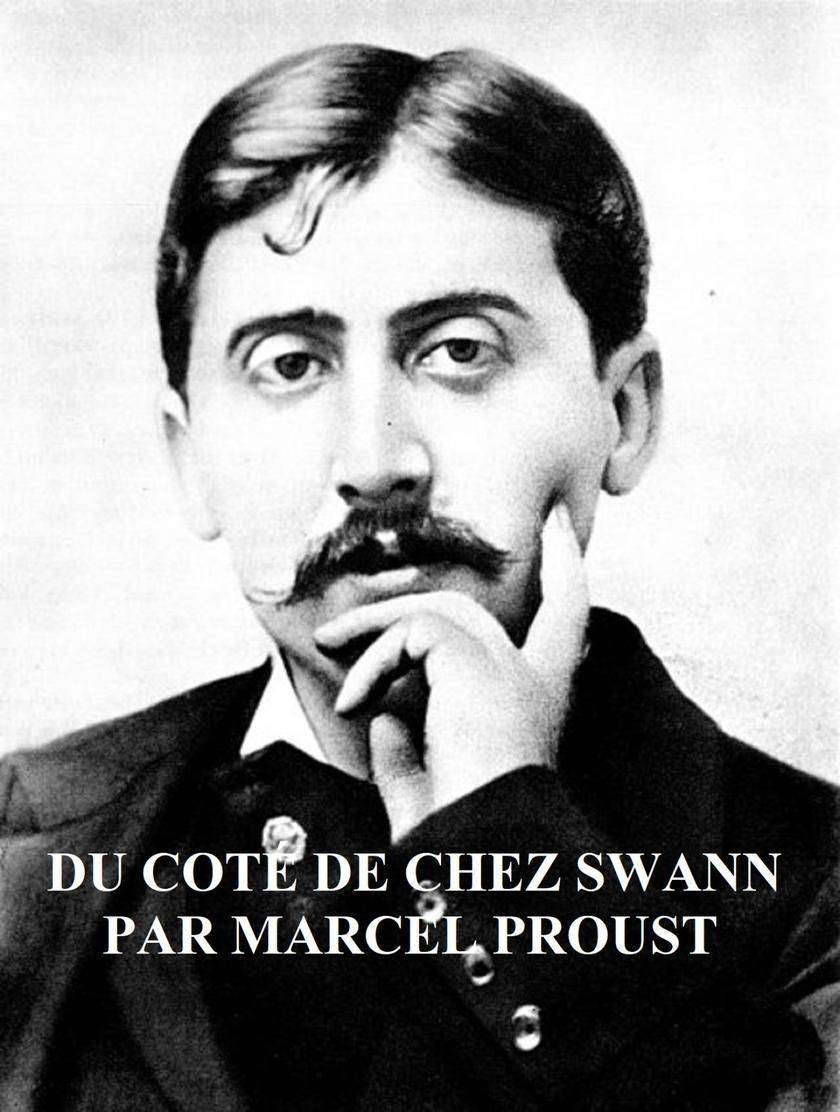
Du c?té de chez Swann
¥8.09
Selon Wikipedia: "Valentin Louis Georges Eugène Marcel Proust (10 Juillet 1871 - 18 Novembre 1922) était un romancier, essayiste et critique fran?ais, mieux connu comme l'auteur de ? la recherche du temps perdu (en anglais, ? la recherche du temps perdu , plus t?t traduit comme Souvenir des choses passées), une ?uvre monumentale de la fiction du XXe siècle publié en sept parties de 1913 à 1927. "
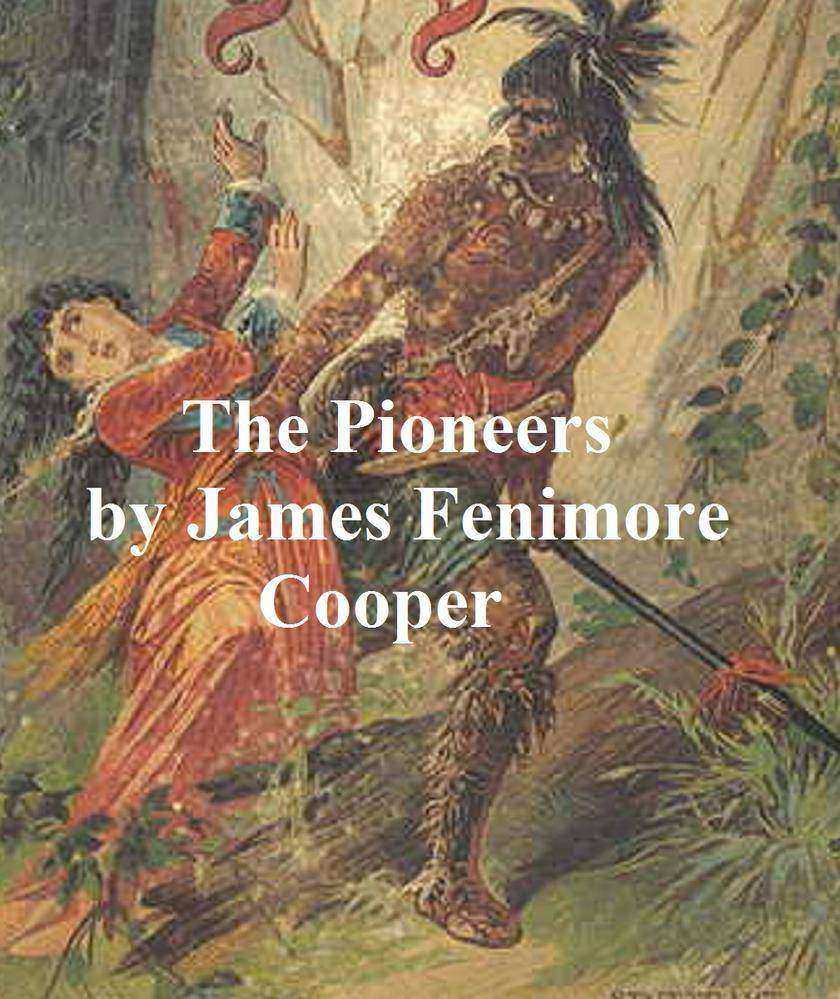
The Pioneers
¥8.09
Fourth of the Leatherstocking Tales. Historical novel set in 1793 and first published in 1823. The other Leatherstocking Tales are Deerslayer, Last of the Mohicans, Pathfinder, and Prairie. according to Wikipedia: "James Fenimore Cooper (September 15, 1789 – September 14, 1851) was a prolific and popular American writer of the early 19th century. He is best remembered as a novelist who wrote numerous sea-stories and the historical novels known as the Leatherstocking Tales, featuring frontiersman Natty Bumppo. Among his most famous works is the Romantic novel The Last of the Mohicans, which many consider to be his masterpiece."
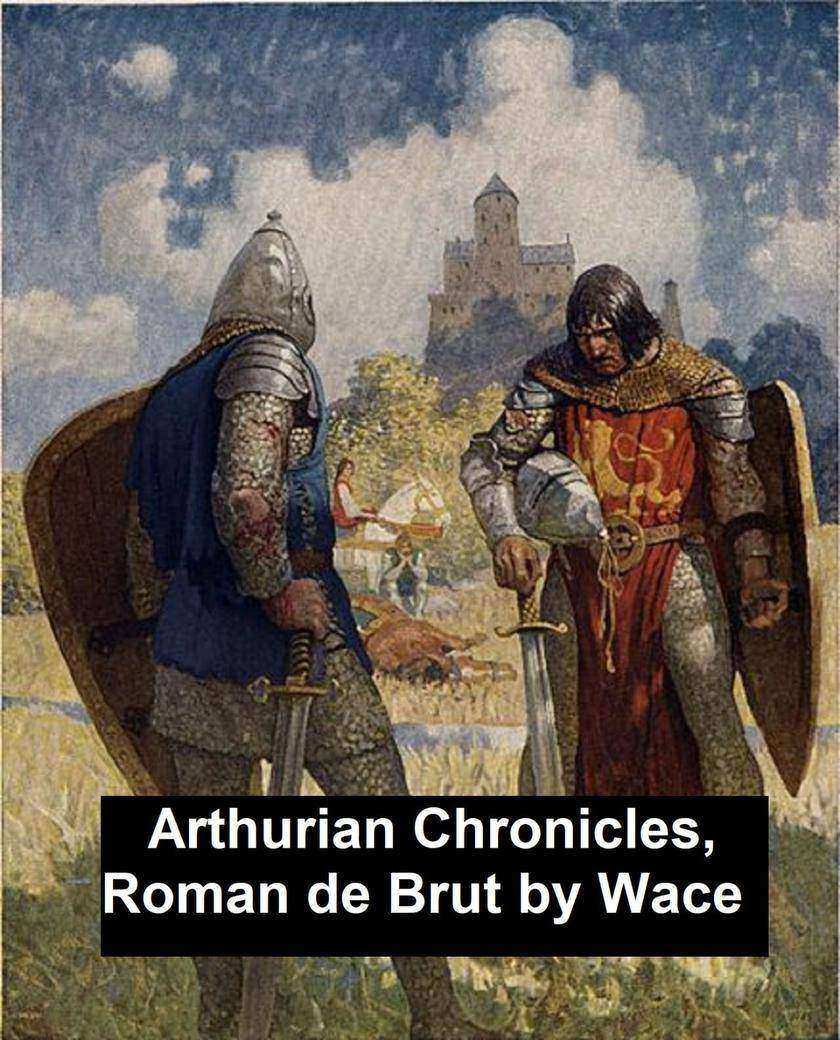
Arthurian Chronicles: Roman de Brut
¥8.09
According to Wikipedia: "Wace (c. 1115 – c. 1183) was an Anglo-Norman poet, who was born in Jersey and brought up in mainland Normandy (he tells us in the Roman de Rou that he was taken as a child to Caen), ending his career as Canon of Bayeux. His extant works include: Roman de Brut - a verse history of Britain and Roman de Rou - a verse history of the Dukes of Normandy. Other works, also in verse, include lives of Saint Margaret and Saint Nicholas. Roman de Brut (c. 1155) was based on the Historia Regum Britanniae of Geoffrey of Monmouth. It cannot be regarded as a history in any modern sense, although Wace often distinguishes between what he knows and what he does not know, or has been unable to find out. Wace narrates the founding of Britain, by Brutus of Troy, to the end of the legendary British history created by Geoffrey of Monmouth."
Plutarch's Morals, Ethical Essays
¥8.09
From the Preface: "Plutarch, who was born at Chaeronea in Boeotia, probably about A.D. 50, and was a contemporary of Tacitus and Pliny, has written two works still extant, the well-known _Lives_, and the less-known _Moralia_. The _Lives_ have often been translated, and have always been a popular work. Great indeed was their power at the period of the French Revolution. The _Moralia_, on the other hand, consisting of various Essays on various subjects (only twenty-six of which are directly ethical, though they have given their name to the _Moralia_), are declared by Mr. Paley "to be practically almost unknown to most persons in Britain, even to those who call themselves scholars." According to Wikipedia: "Lucius Mestrius Plutarchus (c. AD 46 - 120 — commonly known in English as Plutarch — was a Roman historian (of Greek ethnicity), biographer, essayist, and Middle Platonist. Plutarch was born to a prominent family in Chaeronea, Boeotia, a town about twenty miles east of Delphi. His known works consist of the Parallel Lives and the Moralia."

Washington and His Colleagues, A Chronicle of the Rise and Fall of Federalism
¥8.09
According to Wikipedia: "Washington is seen as a symbol of the United States and republicanism in practice. His devotion to civic virtue made him an exemplary figure among early American politicians. Washington died in 1799, and in his funeral oration, Henry Lee said that of all Americans, he was "first in war, first in peace, and first in the hearts of his countrymen." Washington has been consistently ranked by scholars as one of the greatest U.S. Presidents."

Wilhelm Meisters Lehrjahre
¥8.09
Goethes Meisterwerk im deutschen Original. Laut Wikipedia: "Johann Wolfgang von Goethe (28. August 1749 - 22. M?rz 1832) war ein deutscher Schriftsteller. George Eliot nannte ihn" Deutschlands gr??ten Literaten ... und der letzte wahre Universalgelehrte auf der Erde. "Goethes Werke die Gebiete der Poesie, des Dramas, der Literatur, der Theologie, des Humanismus und der Wissenschaft, Goethes Hauptwerk, das als einer der H?hepunkte der Weltliteratur gepriesen wird, ist das zweiteilige Drama Faust. Goethes andere bekannte literarische Werke sind seine zahlreichen Gedichte, der Bildungsroman Wilhelm Meister und der Briefroman Die Leiden des jungen Werther. "

Wilhelm Meisters Wanderjahre Oder Die Entsagenden
¥8.09
Goethes Meisterwerk im deutschen Original. Laut Wikipedia: "Johann Wolfgang von Goethe (28. August 1749 - 22. M?rz 1832) war ein deutscher Schriftsteller. George Eliot nannte ihn" Deutschlands gr??ten Literaten ... und der letzte wahre Universalgelehrte auf der Erde. "Goethes Werke die Gebiete der Poesie, des Dramas, der Literatur, der Theologie, des Humanismus und der Wissenschaft, Goethes Hauptwerk, das als einer der H?hepunkte der Weltliteratur gepriesen wird, ist das zweiteilige Drama Faust. Goethes andere bekannte literarische Werke sind seine zahlreichen Gedichte, der Bildungsroman Wilhelm Meister und der Briefroman Die Leiden des jungen Werther. "
Wagner
¥8.09
Short biography. Edition of 1913. According to Wikipedia: "Wilhelm Richard Wagner (22 May 1813, Leipzig, Germany – 13 February 1883, Venice, Italy) was a German composer, conductor, theatre director and essayist, primarily known for his operas (or "music dramas", as they were later called). Unlike most other great opera composers, Wagner wrote both the scenario and libretto for his works." "Franz Liszt (October 22, 1811 – July 31, 1886) was a Hungarian composer, virtuoso pianist and teacher."


