


 购物车
购物车 个人中心
个人中心

Waverley by Sir Walter Scott (Illustrated)
¥8.09
This eBook features the unabridged text of ‘Waverley’ from the bestselling edition of ‘The Complete Works of Sir Walter Scott’. Having established their name as the leading publisher of classic literature and art, Delphi Classics produce publications that are individually crafted with superior formatting, while introducing many rare texts for the first time in digital print. The Delphi Classics edition of Scott includes original annotations and illustrations relating to the life and works of the author, as well as individual tables of contents, allowing you to navigate eBooks quickly and easily.eBook features:* The complete unabridged text of ‘Waverley’* Beautifully illustrated with images related to Scott’s works* Individual contents table, allowing easy navigation around the eBook* Excellent formatting of the textPlease visit www.delphiclassics.com to learn more about our wide range of titles

The Well-Beloved by Thomas Hardy (Illustrated)
¥8.09
This eBook features the unabridged text of ‘The Well-Beloved’ from the bestselling edition of ‘The Complete Works of Thomas Hardy’. Having established their name as the leading publisher of classic literature and art, Delphi Classics produce publications that are individually crafted with superior formatting, while introducing many rare texts for the first time in digital print. The Delphi Classics edition of Hardy includes original annotations and illustrations relating to the life and works of the author, as well as individual tables of contents, allowing you to navigate eBooks quickly and easily.eBook features:* The complete unabridged text of ‘The Well-Beloved’* Beautifully illustrated with images related to Hardy’s works* Individual contents table, allowing easy navigation around the eBook* Excellent formatting of the textPlease visit www.delphiclassics.com to learn more about our wide range of titles

Black Dwarf by Sir Walter Scott (Illustrated)
¥8.09
This eBook features the unabridged text of ‘Black Dwarf’ from the bestselling edition of ‘The Complete Works of Sir Walter Scott’. Having established their name as the leading publisher of classic literature and art, Delphi Classics produce publications that are individually crafted with superior formatting, while introducing many rare texts for the first time in digital print. The Delphi Classics edition of Scott includes original annotations and illustrations relating to the life and works of the author, as well as individual tables of contents, allowing you to navigate eBooks quickly and easily.eBook features:* The complete unabridged text of ‘Black Dwarf’* Beautifully illustrated with images related to Scott’s works* Individual contents table, allowing easy navigation around the eBook* Excellent formatting of the textPlease visit www.delphiclassics.com to learn more about our wide range of titles

The Heart of Midlothian by Sir Walter Scott (Illustrated)
¥8.09
This eBook features the unabridged text of ‘The Heart of Midlothian’ from the bestselling edition of ‘The Complete Works of Sir Walter Scott’. Having established their name as the leading publisher of classic literature and art, Delphi Classics produce publications that are individually crafted with superior formatting, while introducing many rare texts for the first time in digital print. The Delphi Classics edition of Scott includes original annotations and illustrations relating to the life and works of the author, as well as individual tables of contents, allowing you to navigate eBooks quickly and easily.eBook features:* The complete unabridged text of ‘The Heart of Midlothian’* Beautifully illustrated with images related to Scott’s works* Individual contents table, allowing easy navigation around the eBook* Excellent formatting of the textPlease visit www.delphiclassics.com to learn more about our wide range of titles

The Fortunes of Nigel by Sir Walter Scott (Illustrated)
¥8.09
This eBook features the unabridged text of ‘The Fortunes of Nigel’ from the bestselling edition of ‘The Complete Works of Sir Walter Scott’. Having established their name as the leading publisher of classic literature and art, Delphi Classics produce publications that are individually crafted with superior formatting, while introducing many rare texts for the first time in digital print. The Delphi Classics edition of Scott includes original annotations and illustrations relating to the life and works of the author, as well as individual tables of contents, allowing you to navigate eBooks quickly and easily.eBook features:* The complete unabridged text of ‘The Fortunes of Nigel’* Beautifully illustrated with images related to Scott’s works* Individual contents table, allowing easy navigation around the eBook* Excellent formatting of the textPlease visit www.delphiclassics.com to learn more about our wide range of titles

The Journal of Sir Walter Scott by Sir Walter Scott (Illustrated)
¥8.09
This eBook features the unabridged text of ‘The Journal of Sir Walter Scott’ from the bestselling edition of ‘The Complete Works of Sir Walter Scott’. Having established their name as the leading publisher of classic literature and art, Delphi Classics produce publications that are individually crafted with superior formatting, while introducing many rare texts for the first time in digital print. The Delphi Classics edition of Scott includes original annotations and illustrations relating to the life and works of the author, as well as individual tables of contents, allowing you to navigate eBooks quickly and easily.eBook features:* The complete unabridged text of ‘The Journal of Sir Walter Scott’* Beautifully illustrated with images related to Scott’s works* Individual contents table, allowing easy navigation around the eBook* Excellent formatting of the textPlease visit www.delphiclassics.com to learn more about our wide range of titles

Sir Walter Scott by Richard H. Hutton by Sir Walter Scott (Illustrated)
¥8.09
This eBook features the unabridged text of ‘Sir Walter Scott by Richard H. Hutton’ from the bestselling edition of ‘The Complete Works of Sir Walter Scott’. Having established their name as the leading publisher of classic literature and art, Delphi Classics produce publications that are individually crafted with superior formatting, while introducing many rare texts for the first time in digital print. The Delphi Classics edition of Scott includes original annotations and illustrations relating to the life and works of the author, as well as individual tables of contents, allowing you to navigate eBooks quickly and easily.eBook features:* The complete unabridged text of ‘Sir Walter Scott by Richard H. Hutton’* Beautifully illustrated with images related to Scott’s works* Individual contents table, allowing easy navigation around the eBook* Excellent formatting of the textPlease visit www.delphiclassics.com to learn more about our wide range of titles
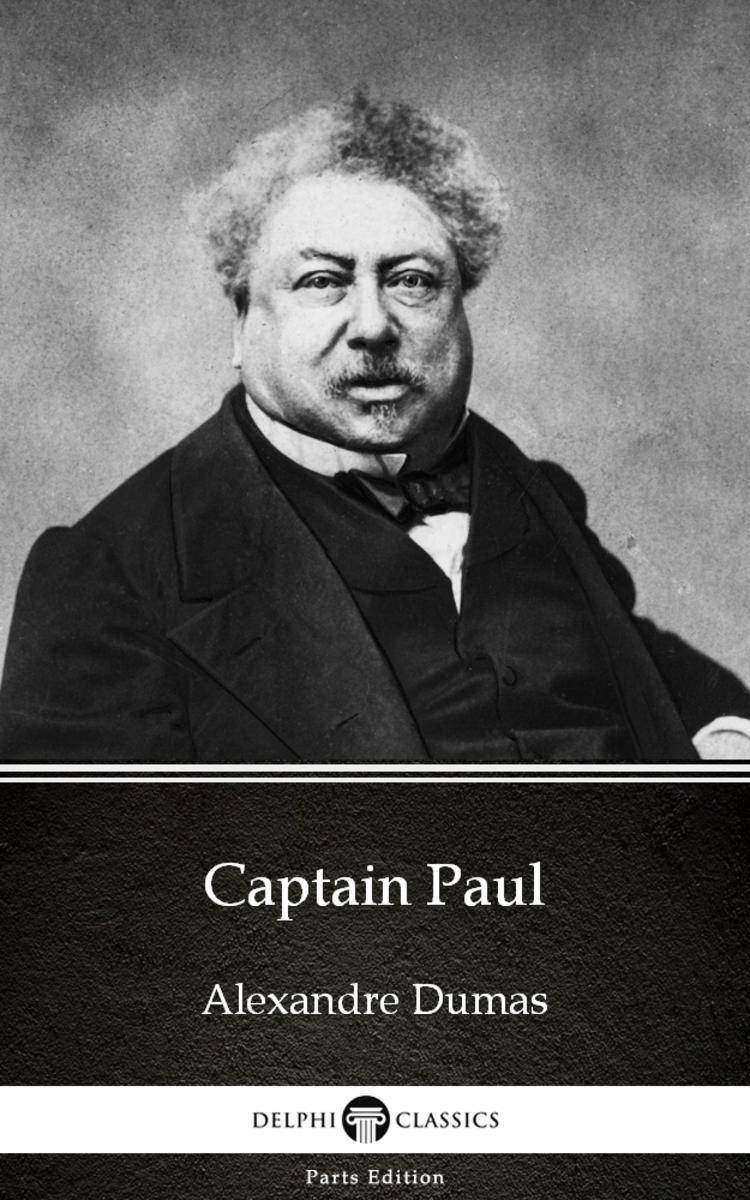
Captain Paul by Alexandre Dumas (Illustrated)
¥8.09
This eBook features the unabridged text of ‘Captain Paul’ from the bestselling edition of ‘The Collected Works of Alexandre Dumas’. Having established their name as the leading publisher of classic literature and art, Delphi Classics produce publications that are individually crafted with superior formatting, while introducing many rare texts for the first time in digital print. The Delphi Classics edition of Dumas includes original annotations and illustrations relating to the life and works of the author, as well as individual tables of contents, allowing you to navigate eBooks quickly and easily.eBook features:* The complete unabridged text of ‘Captain Paul’* Beautifully illustrated with images related to Dumas’s works* Individual contents table, allowing easy navigation around the eBook* Excellent formatting of the textPlease visit www.delphiclassics.com to learn more about our wide range of titles
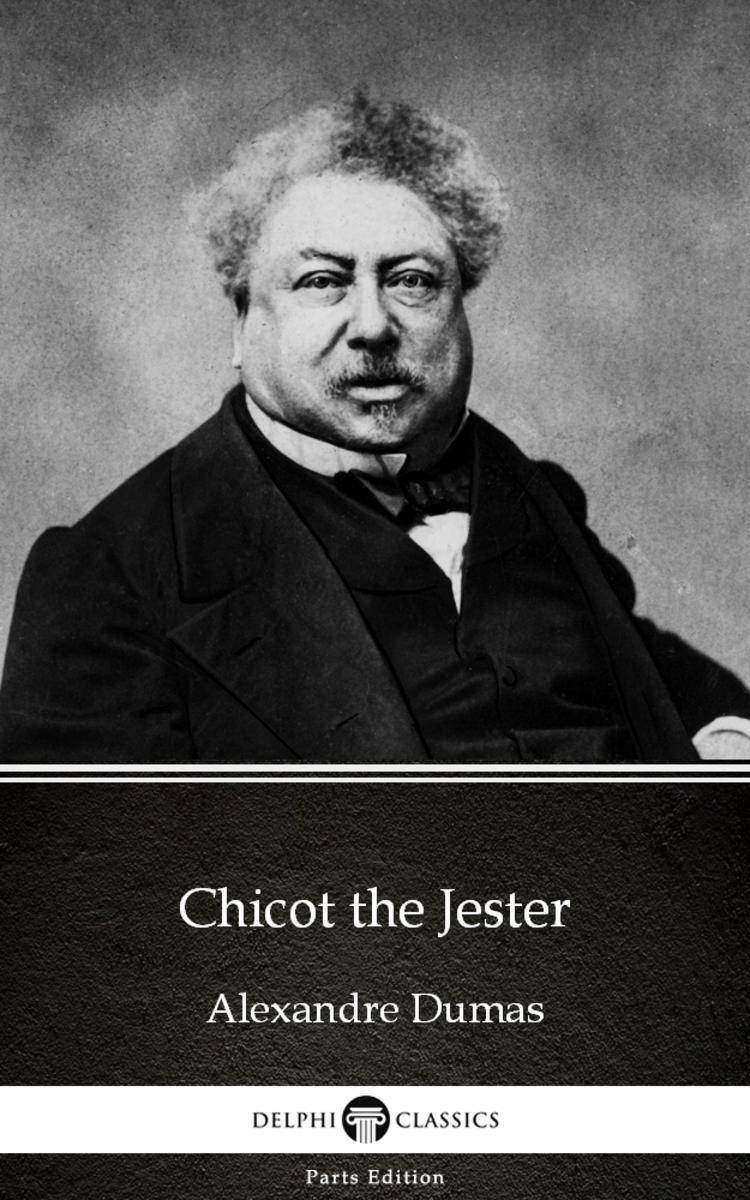
Chicot the Jester by Alexandre Dumas (Illustrated)
¥8.09
This eBook features the unabridged text of ‘Chicot the Jester’ from the bestselling edition of ‘The Collected Works of Alexandre Dumas’. Having established their name as the leading publisher of classic literature and art, Delphi Classics produce publications that are individually crafted with superior formatting, while introducing many rare texts for the first time in digital print. The Delphi Classics edition of Dumas includes original annotations and illustrations relating to the life and works of the author, as well as individual tables of contents, allowing you to navigate eBooks quickly and easily.eBook features:* The complete unabridged text of ‘Chicot the Jester’* Beautifully illustrated with images related to Dumas’s works* Individual contents table, allowing easy navigation around the eBook* Excellent formatting of the textPlease visit www.delphiclassics.com to learn more about our wide range of titles

The Proposal by Anton Chekhov (Illustrated)
¥8.09
This eBook features the unabridged text of ‘The Proposal’ from the bestselling edition of ‘The Complete Works of Anton Chekhov’. Having established their name as the leading publisher of classic literature and art, Delphi Classics produce publications that are individually crafted with superior formatting, while introducing many rare texts for the first time in digital print. The Delphi Classics edition of Chekhov includes original annotations and illustrations relating to the life and works of the author, as well as individual tables of contents, allowing you to navigate eBooks quickly and easily.eBook features:* The complete unabridged text of ‘The Proposal’* Beautifully illustrated with images related to Chekhov’s works* Individual contents table, allowing easy navigation around the eBook* Excellent formatting of the textPlease visit www.delphiclassics.com to learn more about our wide range of titles

A Son of the Sun by Jack London (Illustrated)
¥8.09
This eBook features the unabridged text of ‘A Son of the Sun’ from the bestselling edition of ‘The Complete Works of Jack London’. Having established their name as the leading publisher of classic literature and art, Delphi Classics produce publications that are individually crafted with superior formatting, while introducing many rare texts for the first time in digital print. The Delphi Classics edition of London includes original annotations and illustrations relating to the life and works of the author, as well as individual tables of contents, allowing you to navigate eBooks quickly and easily.eBook features:* The complete unabridged text of ‘A Son of the Sun’* Beautifully illustrated with images related to London’s works* Individual contents table, allowing easy navigation around the eBook* Excellent formatting of the textPlease visit www.delphiclassics.com to learn more about our wide range of titles
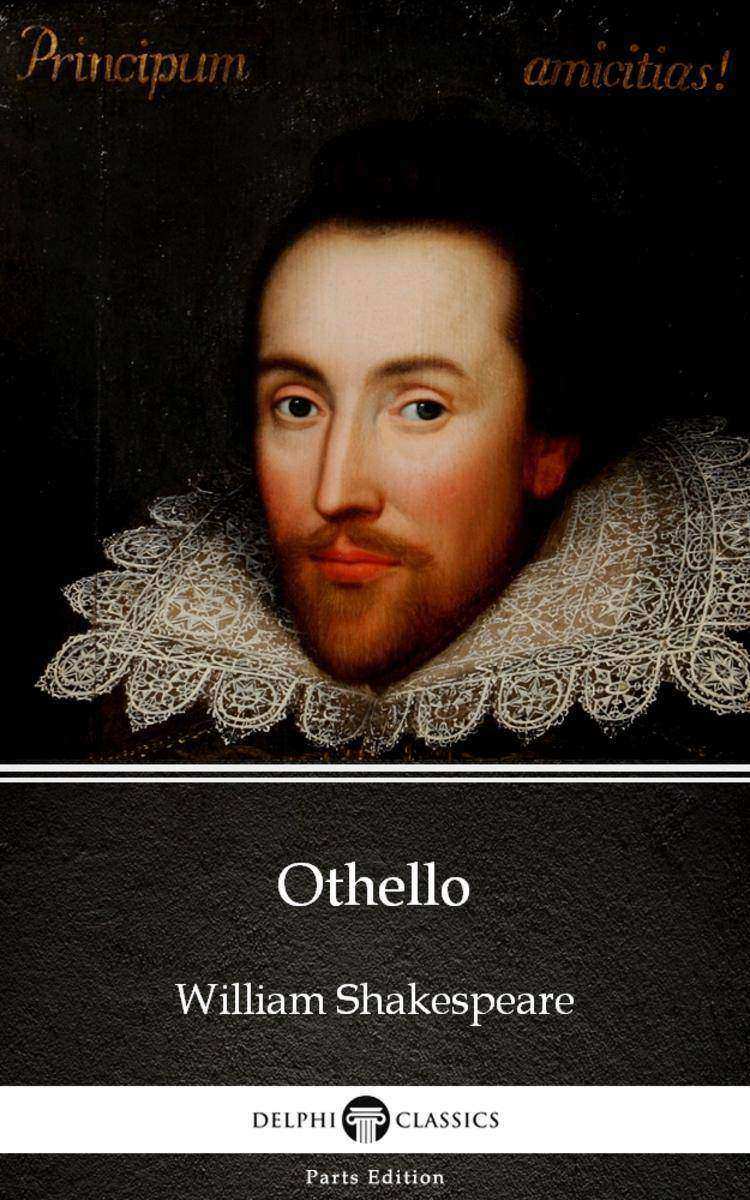
Othello by William Shakespeare (Illustrated)
¥8.09
This eBook features the unabridged text of ‘Othello’ from the bestselling edition of ‘The Complete Works of William Shakespeare’. Having established their name as the leading publisher of classic literature and art, Delphi Classics produce publications that are individually crafted with superior formatting, while introducing many rare texts for the first time in digital print. The Delphi Classics edition of Shakespeare includes original annotations and illustrations relating to the life and works of the author, as well as individual tables of contents, allowing you to navigate eBooks quickly and easily.eBook features:* The complete unabridged text of ‘Othello’* Beautifully illustrated with images related to Shakespeare’s works* Individual contents table, allowing easy navigation around the eBook* Excellent formatting of the textPlease visit www.delphiclassics.com to learn more about our wide range of titles

Locrine by William Shakespeare - Apocryphal (Illustrated)
¥8.09
This eBook features the unabridged text of ‘Locrine’ from the bestselling edition of ‘The Complete Works of William Shakespeare’. Having established their name as the leading publisher of classic literature and art, Delphi Classics produce publications that are individually crafted with superior formatting, while introducing many rare texts for the first time in digital print. The Delphi Classics edition of Shakespeare includes original annotations and illustrations relating to the life and works of the author, as well as individual tables of contents, allowing you to navigate eBooks quickly and easily.eBook features:* The complete unabridged text of ‘Locrine’* Beautifully illustrated with images related to Shakespeare’s works* Individual contents table, allowing easy navigation around the eBook* Excellent formatting of the textPlease visit www.delphiclassics.com to learn more about our wide range of titles

The London Prodigal by William Shakespeare - Apocryphal (Illustrated)
¥8.09
This eBook features the unabridged text of ‘The London Prodigal’ from the bestselling edition of ‘The Complete Works of William Shakespeare’. Having established their name as the leading publisher of classic literature and art, Delphi Classics produce publications that are individually crafted with superior formatting, while introducing many rare texts for the first time in digital print. The Delphi Classics edition of Shakespeare includes original annotations and illustrations relating to the life and works of the author, as well as individual tables of contents, allowing you to navigate eBooks quickly and easily.eBook features:* The complete unabridged text of ‘The London Prodigal’* Beautifully illustrated with images related to Shakespeare’s works* Individual contents table, allowing easy navigation around the eBook* Excellent formatting of the textPlease visit www.delphiclassics.com to learn more about our wide range of titles
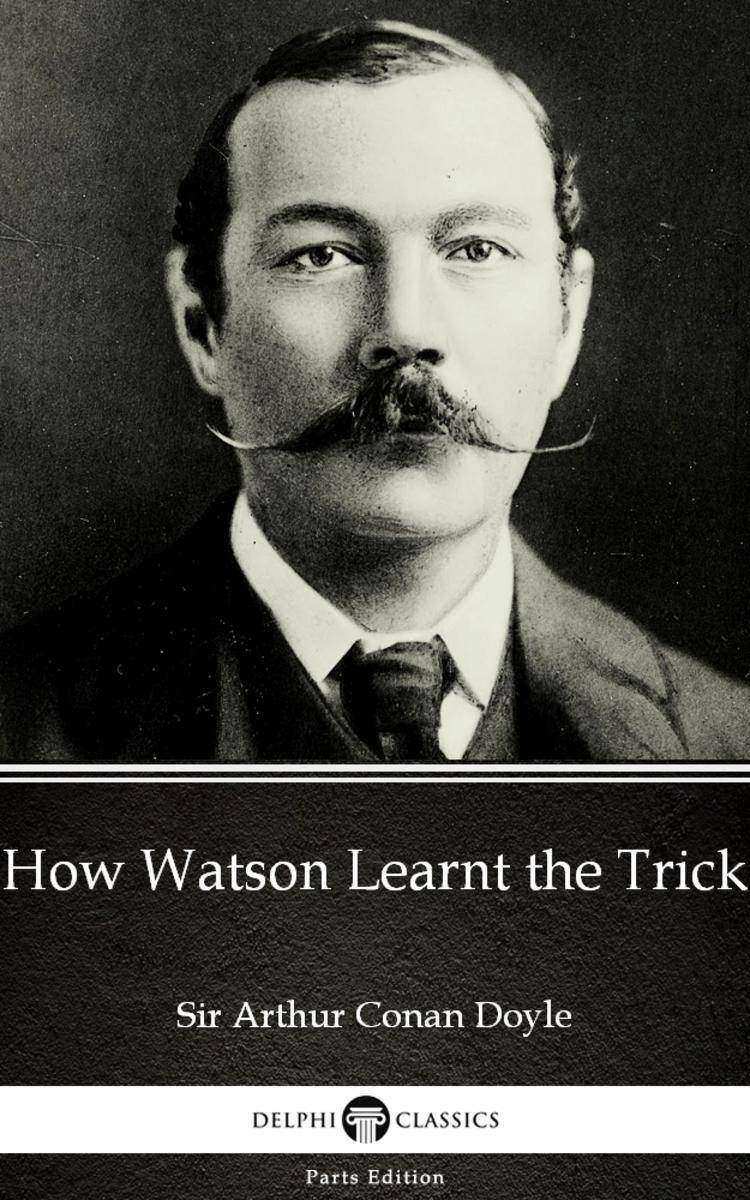
How Watson Learnt the Trick by Sir Arthur Conan Doyle (Illustrated)
¥8.09
This eBook features the unabridged text of ‘How Watson Learnt the Trick’ from the bestselling edition of ‘The Complete Works of Sir Arthur Conan Doyle’. Having established their name as the leading publisher of classic literature and art, Delphi Classics produce publications that are individually crafted with superior formatting, while introducing many rare texts for the first time in digital print. The Delphi Classics edition of Doyle includes original annotations and illustrations relating to the life and works of the author, as well as individual tables of contents, allowing you to navigate eBooks quickly and easily.eBook features:* The complete unabridged text of ‘How Watson Learnt the Trick’* Beautifully illustrated with images related to Doyle’s works* Individual contents table, allowing easy navigation around the eBook* Excellent formatting of the textPlease visit www.delphiclassics.com to learn more about our wide range of titles
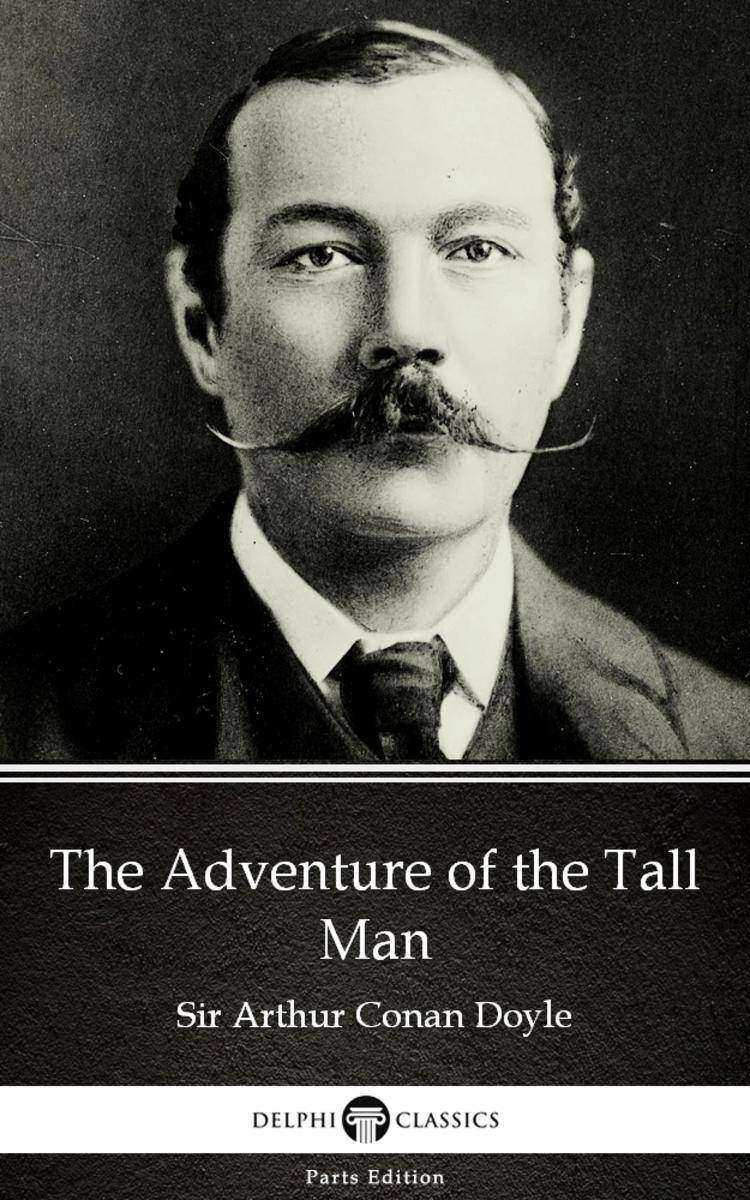
The Adventure of the Tall Man by Sir Arthur Conan Doyle (Illustrated)
¥8.09
This eBook features the unabridged text of ‘The Adventure of the Tall Man’ from the bestselling edition of ‘The Complete Works of Sir Arthur Conan Doyle’. Having established their name as the leading publisher of classic literature and art, Delphi Classics produce publications that are individually crafted with superior formatting, while introducing many rare texts for the first time in digital print. The Delphi Classics edition of Doyle includes original annotations and illustrations relating to the life and works of the author, as well as individual tables of contents, allowing you to navigate eBooks quickly and easily.eBook features:* The complete unabridged text of ‘The Adventure of the Tall Man’* Beautifully illustrated with images related to Doyle’s works* Individual contents table, allowing easy navigation around the eBook* Excellent formatting of the textPlease visit www.delphiclassics.com to learn more about our wide range of titles
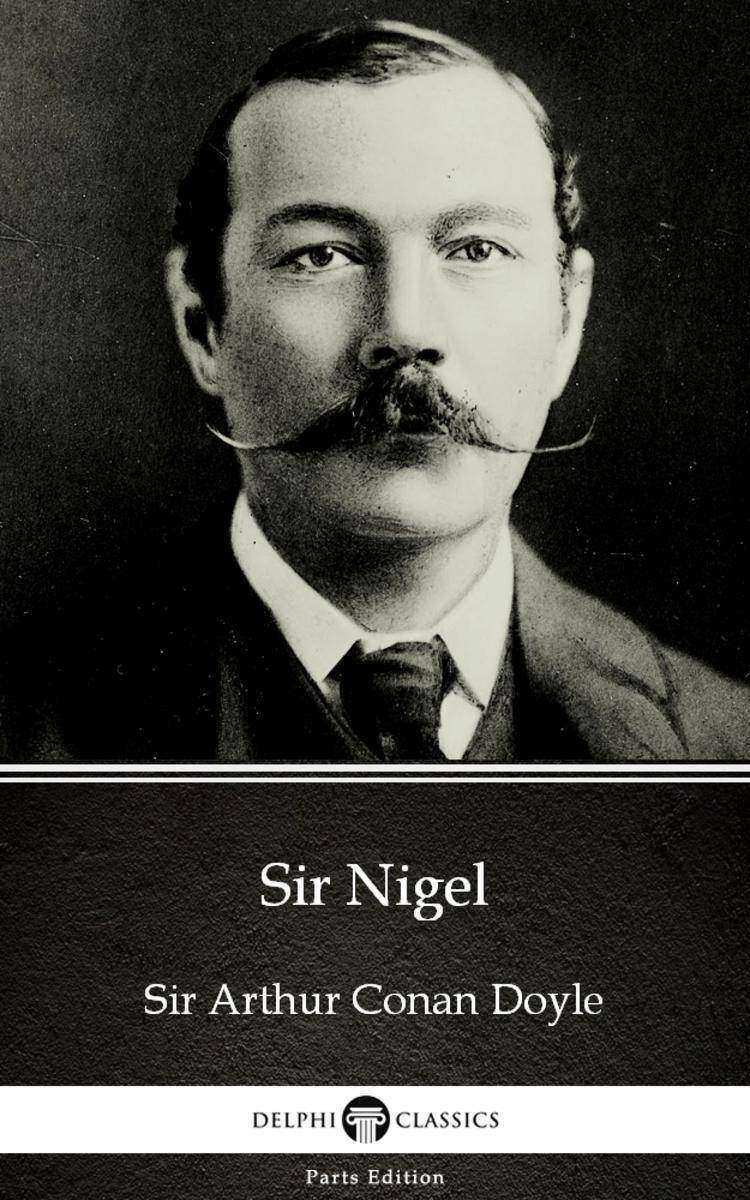
Sir Nigel by Sir Arthur Conan Doyle (Illustrated)
¥8.09
This eBook features the unabridged text of ‘Sir Nigel’ from the bestselling edition of ‘The Complete Works of Sir Arthur Conan Doyle’. Having established their name as the leading publisher of classic literature and art, Delphi Classics produce publications that are individually crafted with superior formatting, while introducing many rare texts for the first time in digital print. The Delphi Classics edition of Doyle includes original annotations and illustrations relating to the life and works of the author, as well as individual tables of contents, allowing you to navigate eBooks quickly and easily.eBook features:* The complete unabridged text of ‘Sir Nigel’* Beautifully illustrated with images related to Doyle’s works* Individual contents table, allowing easy navigation around the eBook* Excellent formatting of the textPlease visit www.delphiclassics.com to learn more about our wide range of titles

The Life and Letters of Lafcadio Hearn by Elizabeth Bisland by Lafcadio Hearn
¥8.09
This eBook features the unabridged text of ‘The Life and Letters of Lafcadio Hearn by Elizabeth Bisland’ from the bestselling edition of ‘The Complete Works of Lafcadio Hearn’. Having established their name as the leading publisher of classic literature and art, Delphi Classics produce publications that are individually crafted with superior formatting, while introducing many rare texts for the first time in digital print. The Delphi Classics edition of Hearn includes original annotations and illustrations relating to the life and works of the author, as well as individual tables of contents, allowing you to navigate eBooks quickly and easily.eBook features:* The complete unabridged text of ‘The Life and Letters of Lafcadio Hearn by Elizabeth Bisland’* Beautifully illustrated with images related to Hearn’s works* Individual contents table, allowing easy navigation around the eBook* Excellent formatting of the textPlease visit www.delphiclassics.com to learn more about our wide range of titles
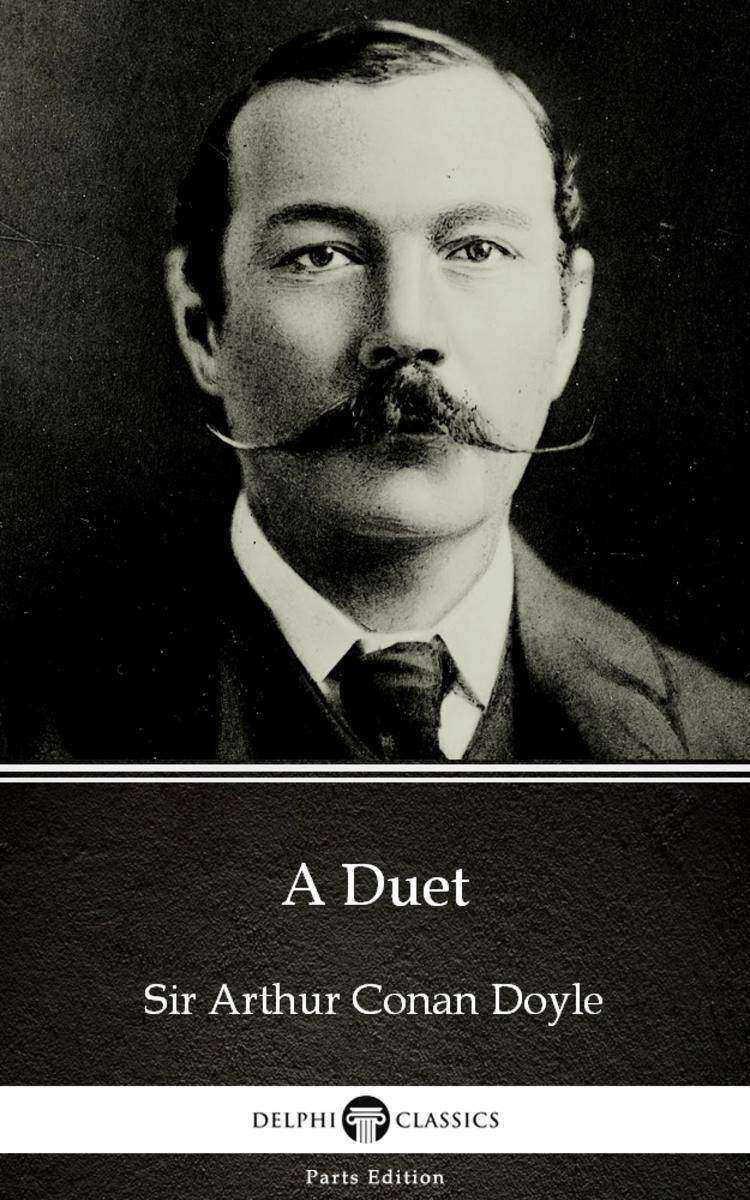
A Duet by Sir Arthur Conan Doyle (Illustrated)
¥8.09
This eBook features the unabridged text of ‘A Duet’ from the bestselling edition of ‘The Complete Works of Sir Arthur Conan Doyle’. Having established their name as the leading publisher of classic literature and art, Delphi Classics produce publications that are individually crafted with superior formatting, while introducing many rare texts for the first time in digital print. The Delphi Classics edition of Doyle includes original annotations and illustrations relating to the life and works of the author, as well as individual tables of contents, allowing you to navigate eBooks quickly and easily.eBook features:* The complete unabridged text of ‘A Duet’* Beautifully illustrated with images related to Doyle’s works* Individual contents table, allowing easy navigation around the eBook* Excellent formatting of the textPlease visit www.delphiclassics.com to learn more about our wide range of titles

Fantastic Fables by Ambrose Bierce (Illustrated)
¥8.09
This eBook features the unabridged text of ‘Fantastic Fables’ from the bestselling edition of ‘The Complete Works of Ambrose Bierce’. Having established their name as the leading publisher of classic literature and art, Delphi Classics produce publications that are individually crafted with superior formatting, while introducing many rare texts for the first time in digital print. The Delphi Classics edition of Bierce includes original annotations and illustrations relating to the life and works of the author, as well as individual tables of contents, allowing you to navigate eBooks quickly and easily.eBook features:* The complete unabridged text of ‘Fantastic Fables’* Beautifully illustrated with images related to Bierce’s works* Individual contents table, allowing easy navigation around the eBook* Excellent formatting of the textPlease visit www.delphiclassics.com to learn more about our wide range of titles

The Letters of Ambrose Bierce by Ambrose Bierce (Illustrated)
¥8.09
This eBook features the unabridged text of ‘The Letters of Ambrose Bierce’ from the bestselling edition of ‘The Complete Works of Ambrose Bierce’. Having established their name as the leading publisher of classic literature and art, Delphi Classics produce publications that are individually crafted with superior formatting, while introducing many rare texts for the first time in digital print. The Delphi Classics edition of Bierce includes original annotations and illustrations relating to the life and works of the author, as well as individual tables of contents, allowing you to navigate eBooks quickly and easily.eBook features:* The complete unabridged text of ‘The Letters of Ambrose Bierce’* Beautifully illustrated with images related to Bierce’s works* Individual contents table, allowing easy navigation around the eBook* Excellent formatting of the textPlease visit www.delphiclassics.com to learn more about our wide range of titles


