


 购物车
购物车 个人中心
个人中心
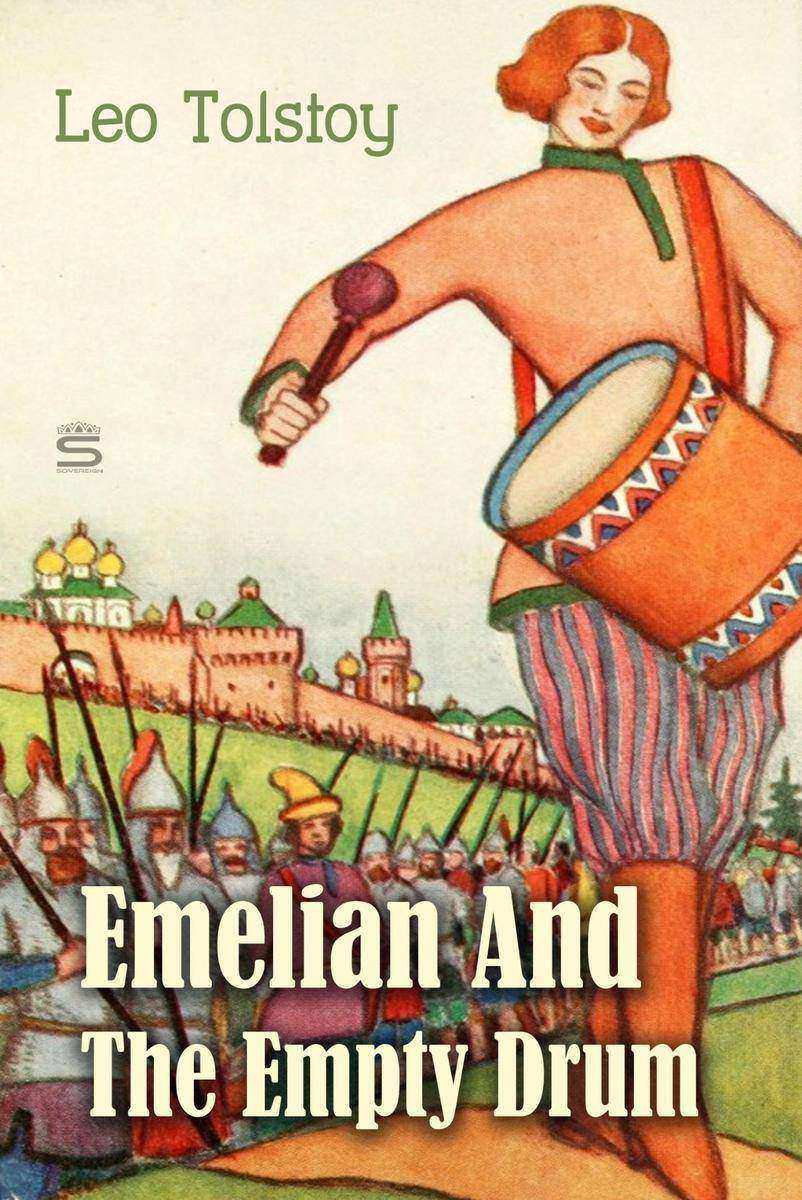
Emelian And The Empty Drum
¥40.79
Emelian was a labourer and worked for a master. He was walking through a field one day on his way to work, when a frog hopped in front of him and he just missed crushing it by stepping across. Suddenly some one called to him from behind. He turned, and there stood a beautiful maiden, who said to him, 'Why don’t you marry, Emelian?'
The Mysterious Island
¥40.79
The story follows adventures of five Americans on an uncharted island in the South Pacific. The five Americans escape from prison during the siege of Richmond, Virginia, by hijacking a balloon.

An Antarctic Mystery
¥40.79
A wealthy American Jeorling is looking for a passage back to the USA after private studies of the wildlife on the Kerguelen Islands. Halbrane is one of the first ships to arrive at Kerguelen, and its captain Len Guy somewhat reluctantly agrees to have Jeorling as a passenger as far as Tristan da Cunha. Underway, they meet a stray iceberg with a dead body on it, which turns out to be a sailor from Jane. A note found with him indicates that he and several others including Jane's captain William Guy had survived the assassination attempt at Tsalal and are still alive.
Faust by Ivan Turgenev - Delphi Classics (Illustrated)
¥8.09
This eBook features the unabridged text of ‘Faust by Ivan Turgenev - Delphi Classics (Illustrated)’ from the bestselling edition of ‘The Collected Works of Ivan Turgenev’. Having established their name as the leading publisher of classic literature and art, Delphi Classics produce publications that are individually crafted with superior formatting, while introducing many rare texts for the first time in digital print. The Delphi Classics edition of Turgenev includes original annotations and illustrations relating to the life and works of the author, as well as individual tables of contents, allowing you to navigate eBooks quickly and easily. eBook features: * The complete unabridged text of ‘Faust by Ivan Turgenev - Delphi Classics (Illustrated)’ * Beautifully illustrated with images related to Turgenev’s works * Individual contents table, allowing easy navigation around the eBook * Excellent formatting of the text Please visit www.delphiclassics.com to learn more about our wide range of titles
Acia by Ivan Turgenev - Delphi Classics (Illustrated)
¥8.09
This eBook features the unabridged text of ‘Acia by Ivan Turgenev - Delphi Classics (Illustrated)’ from the bestselling edition of ‘The Collected Works of Ivan Turgenev’. Having established their name as the leading publisher of classic literature and art, Delphi Classics produce publications that are individually crafted with superior formatting, while introducing many rare texts for the first time in digital print. The Delphi Classics edition of Turgenev includes original annotations and illustrations relating to the life and works of the author, as well as individual tables of contents, allowing you to navigate eBooks quickly and easily. eBook features: * The complete unabridged text of ‘Acia by Ivan Turgenev - Delphi Classics (Illustrated)’ * Beautifully illustrated with images related to Turgenev’s works * Individual contents table, allowing easy navigation around the eBook * Excellent formatting of the text Please visit www.delphiclassics.com to learn more about our wide range of titles
Torrents of Spring by Ivan Turgenev - Delphi Classics (Illustrated)
¥8.09
This eBook features the unabridged text of ‘Torrents of Spring by Ivan Turgenev - Delphi Classics (Illustrated)’ from the bestselling edition of ‘The Collected Works of Ivan Turgenev’. Having established their name as the leading publisher of classic literature and art, Delphi Classics produce publications that are individually crafted with superior formatting, while introducing many rare texts for the first time in digital print. The Delphi Classics edition of Turgenev includes original annotations and illustrations relating to the life and works of the author, as well as individual tables of contents, allowing you to navigate eBooks quickly and easily. eBook features: * The complete unabridged text of ‘Torrents of Spring by Ivan Turgenev - Delphi Classics (Illustrated)’ * Beautifully illustrated with images related to Turgenev’s works * Individual contents table, allowing easy navigation around the eBook * Excellent formatting of the text Please visit www.delphiclassics.com to learn more about our wide range of titles
Clara Militch by Ivan Turgenev - Delphi Classics (Illustrated)
¥8.09
This eBook features the unabridged text of ‘Clara Militch by Ivan Turgenev - Delphi Classics (Illustrated)’ from the bestselling edition of ‘The Collected Works of Ivan Turgenev’. Having established their name as the leading publisher of classic literature and art, Delphi Classics produce publications that are individually crafted with superior formatting, while introducing many rare texts for the first time in digital print. The Delphi Classics edition of Turgenev includes original annotations and illustrations relating to the life and works of the author, as well as individual tables of contents, allowing you to navigate eBooks quickly and easily. eBook features: * The complete unabridged text of ‘Clara Militch by Ivan Turgenev - Delphi Classics (Illustrated)’ * Beautifully illustrated with images related to Turgenev’s works * Individual contents table, allowing easy navigation around the eBook * Excellent formatting of the text Please visit www.delphiclassics.com to learn more about our wide range of titles
Bobok
¥40.79
Ivan Ivanovitch attends the funeral of a casual acquaintance and falls to contemplation in the graveyard. He hears the voices of the recently deceased and buried, and he listens to their conversation. They discuss card games and political scandals. As the deceased entertain themselves by revealing all of the shameful details of their earthly lives, Ivan Ivanovitch sneezes.
Eugenie Grandet
¥40.79
Eugenie's father Felix is a former cooper who has become wealthy through both business ventures and inheritance. However, he is very miserly, and he, his wife, daughter and their servant Nanon live in a run-down old house which he is too miserly to repair. His banker des Grassins wishes Eugenie to marry his son Adolphe, and his lawyer Cruchot wishes Eugenie to marry his nephew President Cruchot des Bonfons, both parties eyeing the inheritance from Felix.
The Wisdom of Father Brown
¥40.79
Two men appeared simultaneously at the two ends of a sort of passage running along the side of the Apollo Theatre in the Adelphi. The evening daylight in the streets was large and luminous, opalescent and empty. The passage was comparatively long and dark, so each man could see the other as a mere black silhouette at the other end. Nevertheless, each man knew the other, even in that inky outline; for they were both men of striking appearance and they hated each other.
The Secret of the Island
¥40.79
It was now two years and a half since the castaways from the balloon had been thrown on Lincoln Island, and during that period there had been no communication between them and their fellow-creatures. Once the reporter had attempted to communicate with the inhabited world by confiding to a bird a letter which contained the secret of their situation, but that was a chance on which it was impossible to reckon seriously. Ayrton, alone, under the circumstances which have been related, had come to join the little colony.
Farewell, Damascus
¥73.49
Ghada Samman’s most recent novel,? Farewell, Damascus ?is set in early 1960’s Damascus – a city that now languishes in the grip of corruption and political oppression following the Baathist takeover in Syria. The book opens as Zain Khayyal, a university student and aspiring young writer, plots an early-morning escape from her house as her husband slumbers. Her mission: to get an illicit abortion, plans for which she’s divulged to no one, and to announce that she wants out of her stifling marriage. A rebel and a trail-blazer par excellence, Zain draws down the wrath of polite society and the authorities, political and religious alike, as she challenges attitudes and practices that demean rather than dignify, and a ruling regime that sucks the life out of both oppressed and oppressor. As the plot unfolds, Zain finds her way as a student to a neighbouring country which, though it grants her the freedom, respect and appreciation she had lacked in her homeland, becomes a place of anguished exile. Armed with her accustomed humour, pathos and knack for suspense, Samman fearlessly tackles issues that roil societies across the globe to this day: the stigma that attaches to the divorced woman but not the divorced man; whether to choose a life partner for love, or for social status, prestige and material security; whether abortion is a crime or a means of forestalling needless undeserved suffering; lesbian intimacy as a declaration of freedom from male abuse and tyranny; rape as an instrument of humiliation and subjugation and unconditional acceptance as healing balm.? Farewell, Damascus ?is both a paean to a beloved homeland and an ode to human dignity.

中国阴阳家(国学大观系列)
¥25.20
阴阳家所倡导的阴阳五行观念自西汉时起成为中国传统社会无所不在的文化要素,故欲了解中国古代的宇宙图式、政治运作、制度设计、生活方式、价值取向乃至身心修炼,则不能不对阴阳家和阴阳五行思想有所认识。本书上篇以阴阳五行观念为主轴,辨析其发生演变之源流,及其对儒学、易学、医学、仙学、理学之渗透,明其道而述其学;下篇则选择星占、风水、相人、算命四种术数加以扼要之介绍,窥其术而析其技,裨使阅者能得阴阳家和阴阳五行思想之大略。
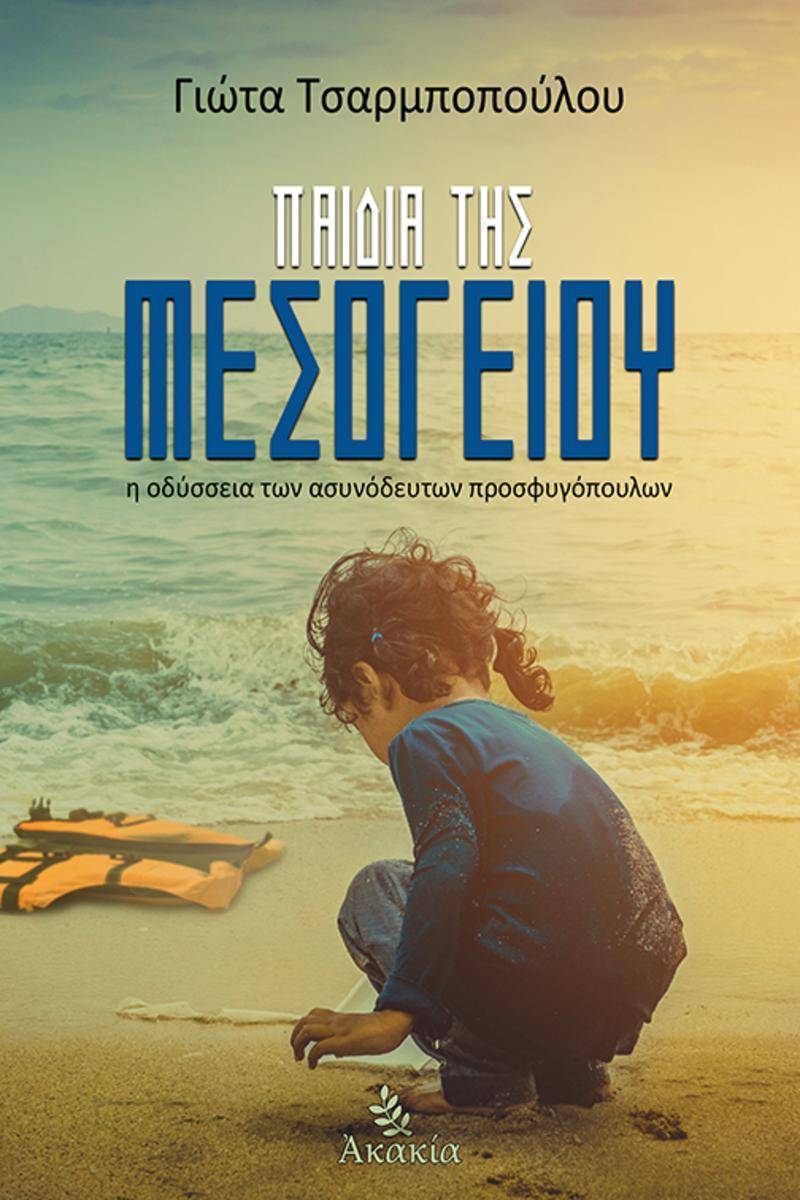
Παιδι? τη? Μεσογε?ου
¥63.19
Ν?ο-ιστορικ?, ρεαλιστικ?, κοινωνικ?-πολιτικ? μυθιστ?ρημα, ιδια?τερα επ?καιρο, μια δυνατ? αναφορ? στην προσφυγικ? κρ?ση, που χτυπ? κυρ?ω? τα παιδι?, τα ασυν?δευτα προσφυγ?πουλα.Το φθιν?πωρο του 2014, η Λητ?, φιλ?λογο?, τοποθετε?ται ω? αναπληρ?τρια καθηγ?τρια σε Γυμν?σιο του νησιο? τη? Κω. Εκε?, συναντ? πρ?σφυγε? που καταφθ?νουν με σαπιοκ?ραβα απ? τι? τουρκικ?? ακτ??. Αποφασ?ζει συνειδητ? να βοηθ?σει του? πρ?σφυγε?, ω? εθελ?ντρια, στο ?Ιπποκρ?τειο? νοσοκομε?ο τη? Κω. Στο θ?λαμο του νοσοκομε?ου συναντ? τρει? Σ?ριου? πρ?σφυγε?, βαρι? τραυματισμ?νου?, τον Ασλ?ν, παλι? γν?ριμο, απ? τι? κοιν?? του? μεταπτυχιακ?? σπουδ?? στη Σκωτ?α, μαζ? με ?λλου? δυο Σ?ριου? φ?λου? του, τον Τζαμ?λ και τον Οσ?μα, που συνοδε?ουν ενν?α μικρ? παιδι?, προσφυγ?πουλα, ορφαν? πολ?μου. Η Λητ? εμπλ?κεται στη ζω? των τρι?ν ανδρ?ν και των ενν?α παιδι?ν. Το προσφυγικ? ζ?τημα γ?νεται δικ? τη? θ?μα, κομμ?τι του ψυχισμο? τη?, πρ?γμα που εκφρ?ζεται ?ντονα στα τραγο?δια που πα?ζει στην κιθ?ρα τη?, στου? μαθητ?? τη? στο σχολε?ο τη? Κω, στη ζω? τη?, στον τρ?πο που αναζητ? τι? θ?σει? τη? Ευρωπα?κ?? ?νωση?, τη? ?πατη? Αρμοστε?α? του ΟΗΕ, των εμπλεκ?μενων κρατ?ν. Στηρ?ζει με ιδια?τερη ευαισθησ?α τα ασυν?δευτα παιδι? - προσφυγ?πουλα, που π?φτουν θ?ματα επικ?νδυνων εγκληματι?ν και χ?νονται κατ? τη δι?ρκεια τη? πορε?α? του? προ? την κεντρικ? και β?ρεια Ευρ?πη, σε βρ?μικα κυκλ?ματα εκμετ?λλευση?, πορνε?α?, παιδεραστ?ν, εμπορ?ου ανθρωπ?νων οργ?νων, ναρκωτικ?ν, κ.?. Ο δυνατ?? ?ρωτ?? τη? για τον Ασλ?ν και η αγ?πη τη? για τα παιδι? την οδηγε? μαζ? του?, στην κεντρικ? Ευρ?πη και στην ενεργ? συμμετοχ? τη? στο προσφυγικ? ζ?τημα καθ?? και στην τοποθ?τησ? τη? με πρακτικ? τρ?πο, σε ?να θ?μα που αφορ? ?λη την Ευρ?πη, την παγκ?σμια κοιν?τητα, τον ΟΗΕ, καθ?? χτυπ?ει β?ναυσα, εδ? και χρ?νια, του? λαο?? τη? Μεσογε?ου και υποθ?λπει κρυφ?, ?νομα, αλλ? και φανερ? συμφ?ροντα.Ε?ναι ?να βιβλ?ο που χτυπ? τον ρατσισμ?, την ξενοφοβ?α, τι? θρησκευτικ?? προκαταλ?ψει?, στηρ?ζει τον ?νθρωπο και τι? πανανθρ?πινε? αξ?ε?, που κουρελι?ζονται απ? πολ?μου?, εμφυλ?ου?, μ?ση, φανατισμο?? και ζητ? αλληλεγγ?η και πιστ? εφαρμογ? των ν?μων και καν?νων του ΟΗΕ, που ?χουν να κ?νουν με τα ανθρ?πινα δικαι?ματα.
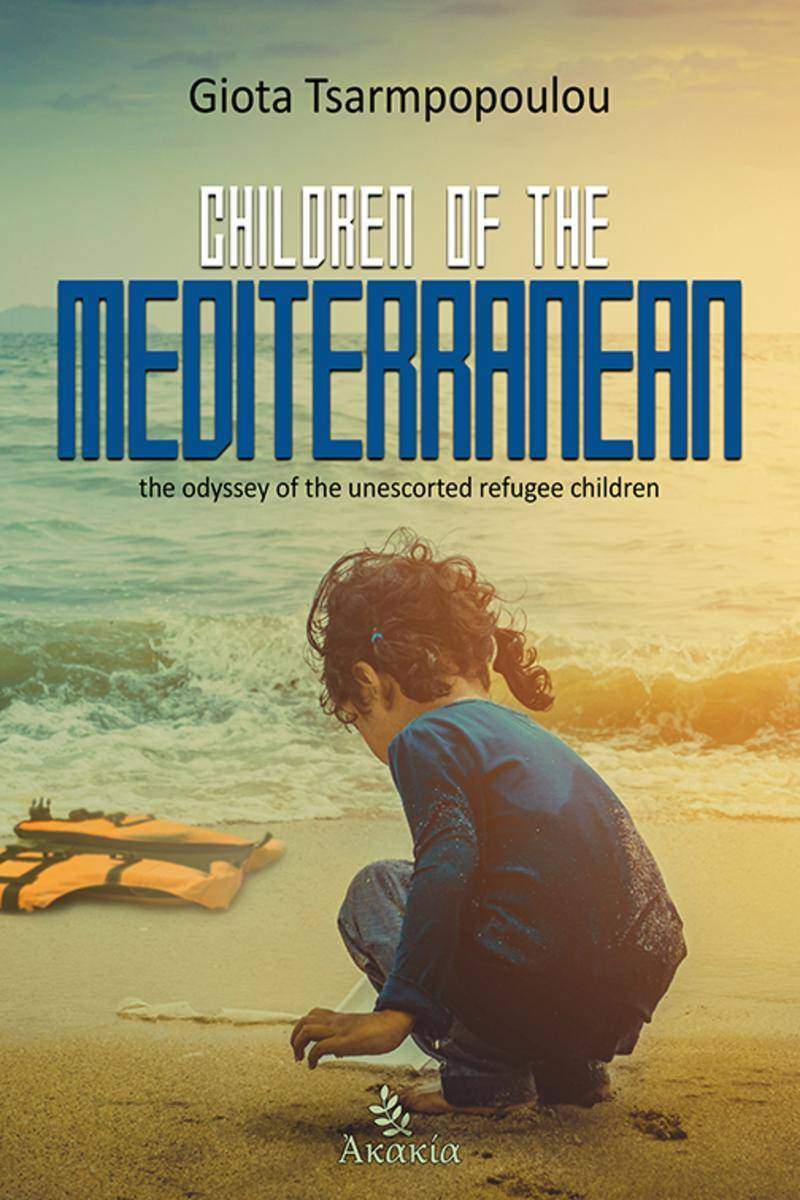
Children of the Mediterranean: The odyssey of the Unescorted Refugee Children
¥63.19
A new-historical, realistic, social-political novel. A current, strong reference to the refugee crisis, which strikes the unescorted innocent refugee children.At the beginning of the autumn of 2014, Leto, a teacher of Greek literature is assigned in a secondary school of Kos, as a contract teacher. There, she meets a lot of refugees from Syria, who arrive on the island, with old and rusty boats, from the Turkish shores. After a big wreck, she consciously decides to help them as a volunteer in “Hippokratio” hospital of Kos. There, she is responsible for three heavily injured men from Syria. One of them is Aslan, a friend from their common post graduate studies in Aberdeen University, Scotland. In the same room, there are two other friends of him, Jamal and Ossama. They all accompany nine refugee children, orphans of the war. Leto is involved in the life of the three injured men and the nine refugee children. The refugee issue becomes her own issue, a part of her, which she wholeheartedly expresses through playing her guitar to her students of Kos throughout her whole life. She challenges the attitudes of European Union and the United Nations High Commissioner for Refugees, as well as all the involved nations. She stands by the unescorted refugee children, sensitively, who become victims of dangerous criminals and they get lost in den of vices of prostitution, pederasty, trafficking in human organs, drugs and so on, on their way to the Central and North Europe. Leto’s strong love for Aslan and her love for children leads her to the Central Europe where she participates energetically to the refugee matter, and she takes position practically, to an item which overconcerns all Europe, the whole world, the United Nations, as it brutally beats all the nations of Mediterranean Sea, pandering hidden and illegal interests, but obvious too.A book which challenges racism, xenophobia and religious prejudice, stands by the human and supports the universal values that are torn up by the war, the civil war, the total hatreds, and fanatics. It is asking for solidarity and faithful implementation of laws and rules of the U.N., which are closely linked to the human rights.

Symposium
¥40.79
Of all the works of Plato the Symposium is the most perfect in form, and may be truly thought to contain more than any commentator has ever dreamed of; or, as Goethe said of one of his own writings, more than the author himself knew. For in philosophy as in prophecy glimpses of the future may often be conveyed in words which could hardly have been understood or interpreted at the time when they were uttered.
Euthyphro
¥40.79
In the Meno, Anytus had parted from Socrates with the significant words: 'That in any city, and particularly in the city of Athens, it is easier to do men harm than to do them good;' and Socrates was anticipating another opportunity of talking with him. In the Euthyphro, Socrates is awaiting his trial for impiety. But before the trial begins, Plato would like to put the world on their trial, and convince them of ignorance in that very matter touching which Socrates is accused. An incident which may perhaps really have occurred in the family of Euthyphro, a learned Athenian diviner and soothsayer, furnishes the occasion of the discussion.
Theaetetus
¥40.79
Some dialogues of Plato are of so various a character that their relation to the other dialogues cannot be determined with any degree of certainty. The Theaetetus, like the Parmenides, has points of similarity both with his earlier and his later writings. The perfection of style, the humour, the dramatic interest, the complexity of structure, the fertility of illustration, the shifting of the points of view, are characteristic of his best period of authorship. The vain search, the negative conclusion, the figure of the midwives, the constant profession of ignorance on the part of Socrates, also bear the stamp of the early dialogues, in which the original Socrates is not yet Platonized.
Sophist
¥40.79
There are no descriptions of time, place or persons, in the Sophist and Statesman, but we are plunged at once into philosophical discussions; the poetical charm has disappeared, and those who have no taste for abstruse metaphysics will greatly prefer the earlier dialogues to the later ones. Plato is conscious of the change, and in the Statesman expressly accuses himself of a tediousness in the two dialogues, which he ascribes to his desire of developing the dialectical method.
On the Gait of Animals
¥40.79
We have now to consider the parts which are useful to animals for movement in place (locomotion); first, why each part is such as it is and to what end they possess them; and second, the differences between these parts both in one and the same creature, and again by comparison of the parts of creatures of different species with one another. First then let us lay down how many questions we have to consider.
The Spanish Wars: English and Latin Language
¥40.79
On the defeat of Pharnaces and reduction of Africa, those who escaped from those battles fled to young Cn. Pompey, who had taken possession of Further Spain, while Caesar was detained in Italy in exhibiting games. Pompey began to throw himself on the protection of every state, in order the more readily to establish the means of defense against him. Accordingly, with a considerable force which had been collected, partly by entreaty, partly by force, he began to lay waste the province. Under these circumstances some states voluntarily sent him supplies, others shut the gates of their towns against him. If any of these chanced to fall into his hands by assault, although some citizen in it had deserved well of Cn. Pompey (his father), yet some cause was alleged against him on account of the greatness of his wealth, so that, he being dispatched, his fortune might become the reward of the soldiers.


