


 购物车
购物车 个人中心
个人中心


内卷社会,“哲系”才是生存之道:别笑,我是正经哲学书 +拜托,哲学没有那么难(2册)(这是一套说“人话”的哲学书!从柴米油盐到人生哲理,所有疑难杂症这里通通有解 )
¥19.99
【作者】 小川仁志:出生于1970年。京都大学法学系毕业,名古屋市立大学研究所博士后学程毕业。是一位研究人类文化的博士和哲学家,担任过山口大学国际综合科副教授、德山工业高等专门学校副教授、美国普林斯顿大学客座研究员。 长期致力于面向公众的哲学普及工作,成为风靡日本的“哲学蜀黍小川”。他曾在商业街举办“哲学咖啡厅”,实践亲近市民的哲学活动。 主要著作有《哲学的教室》《哲学的教室2:让人生更淡定的15堂课》《当工作、人生遇上瓶颈,就请教亚里斯多德老师》《一天一点笛卡儿》《超译“哲学用语”事典》《政治哲学步 关于“正义”的23个问题》等。 [日]富增章成:哲学顾问,日本中央大学文学院哲学系毕业后,就读上智大学神学院。为了帮助学生与社会人士,用简单的方式解说实用的哲学。在知名补习班讲授伦理与日本史,同时进行著作及杂志的执笔活动。 【译者】 王华懋:专职日文译者,译作包括各种类型,有推理、文学小说及实用书等。近期译作有《年轻人们》《所罗门的伪证》《再见,德布西》《京极堂》列等。


本来的孟子:《孟子》新解 中华书局出品
¥28.80
本书对《孟子》做了全面的注释和翻译,注释尤为重视重要概念的辨析,讲究整体思想的逻辑性。书前有长篇《绪论》一文,介绍了孟子的生平、著作和他与孔子、子思的关系,以及孟子思想的内涵和价值。本书观新颖独特、鞭辟里,语言凝练雅致、清新脱俗,是一部引人胜的《孟子》普及读本。 ?

诸子与诸国:中国古代思想的起源(精) 中华书局出品
¥35.40
张经纬先生以春秋战国时期的历史脉络作为主线,通过对东周列国主要人群迁移趋势的动态描述,重新为诸子百家的纷至沓来绘制清晰的脉络。全书突破以往将东周历史与诸子思想分叙述的既有范式,将诸子哲思置于各国历史演互动的背景之下,提出中国古代思想起源的全新范式,为我们理解古代中国社会提供了有益的启发。

假如猫狗会说话:关于动物的哲学思考
¥35.40
我们看的动画片里的狮子在说着人类的语言,蛇说出了邪恶的诅咒,小马们会爆发出快乐的笑声,小猪一家过着像人类家庭一样的生活。然而,在现实生活中, 如果动物真的会说话,那么我们该如何反应? 如果动物会说话,我们是否就一定可以听懂? 如果动物真的能感知世界,它们又是如何看待人类的? 当一只猫或狗到底是什么感觉? 猫和狗知道自己浑身是毛吗? 我们为什么把狗当作儿子,却把猫称为主子? 在《假如猫狗会说话》一书中,史文德森研究了人类是如何试图理解其他动物(从黑猩猩到章鱼,但他主要关注的是我们日常生活中近的动物——猫和狗)的生活的,并深探讨了动物的交流、心智、自我意识、孤独和悲伤,但基本的问题还是人类和动物如何共同生活并建立友谊。这本有趣而又发人深省的书,可以帮助动物爱好者和宠物主人对动物和人类自身有更一步的理解。
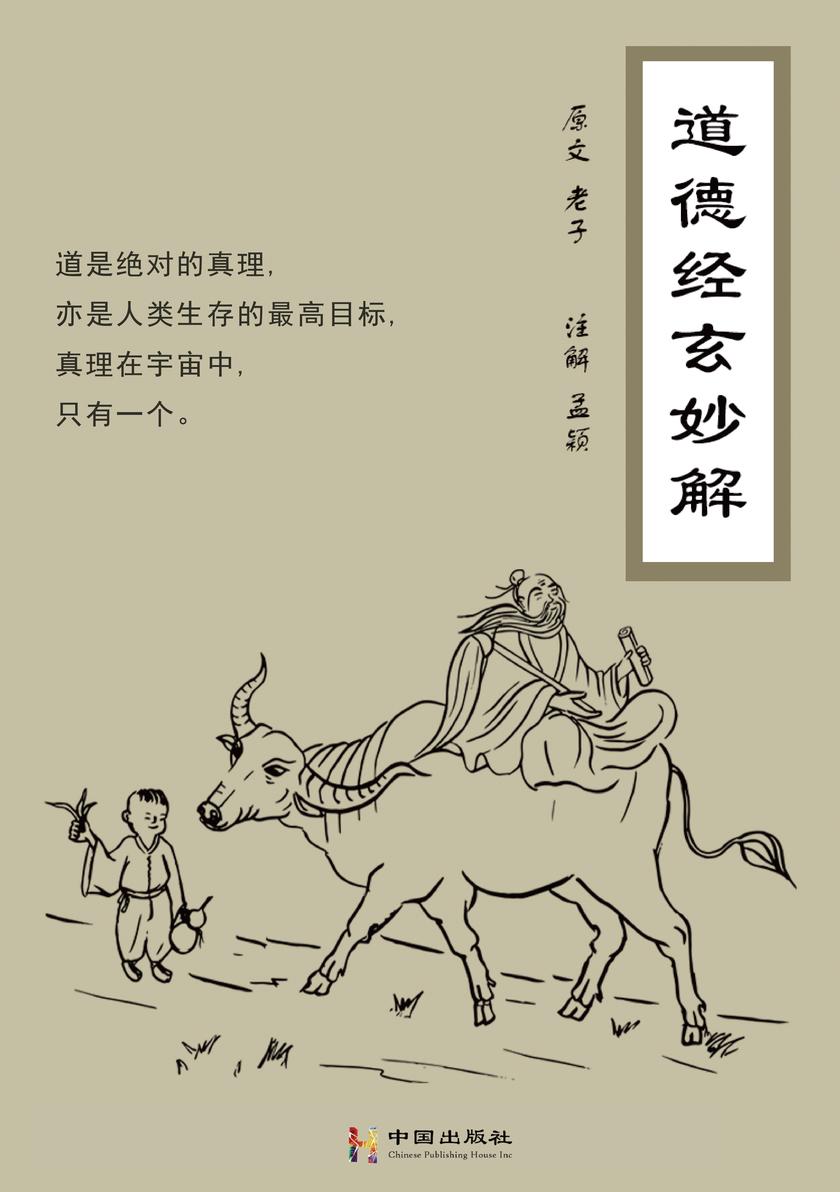
道德经玄妙解
¥9.90
细论老子之学,极其博大而尽精微,极其悠久而通造化,以自然为宗,大道为体,以天地为炉,以万物为化。其内修,重在以清虚谦退自守,以柔弱卑下自持,以恬憺寂静自适,以归真返朴自颐。其应世之法,则以无为为大为,以无用为大用,以无治为至治,以不争为至争。广大精微,本末备具,与时推移,因物变化,综三代之统,赅百家之长。本书分八大部份,层层解析:(1)本文。(2)章旨。(3)注释。(4)传统译解。(5)玄妙义疏。(6)周易贯通之参悟。(7)南华经旁通。(8)史証之启示与应世之方。 本书之完成,但愿「道」「德」的木铎声,成为提升人类精神境界的「加油站」,共勉之。

哲学一下就有好事发生
¥42.00
超魔性的极简哲学史,边看漫画,边秒懂哲学知识! 涵盖柏拉图、康德、尼采、海德格尔、维特根斯坦等最具代表性的35位哲学家,覆盖古希腊哲学、存在主义哲学、现象学等20个重要思想流派: √一分钟,看魔性漫画,轻松了解哲学家生平、名言、著作。 √一刻钟,读哲学概念解说页,无压力理解哲学家的大智慧。 √一小时,学完从古希腊到现当代跨越2600年的西方哲学史。
生活中的逻辑学(修订版)
¥40.80
生活中的逻辑学(修订版)

生命的回向:方东美哲学研究
¥39.00
本书基于对方东美关于中西文化会通的梳理研究,通过“三慧”之分辨提出中国“超越的形上学”之为“机体主义的看法,继而阐述了“生命哲学”的主要观。 本书致力于构建一个体现儒家、道家、佛家生命哲学融会贯通体系,同时力求从整体上把握方东美的哲学思想,探索其哲学理论与当代文化建设方面的联系,并阐释其在复兴于近代沦落低潮的中国哲学的不可忽视的价值与意义。

天理与人生的贯通——朱子心性论的内在结构与双向开展(精) 中华书局出品
¥46.20
本书对朱熹心性论思想行了系统梳理,试图破除近代以来学界心学派与理学派二元对峙分类法带来的分歧与误解,根据朱熹“理一分殊”理论创性地提出了“分殊体用”的本体论诠释模式,以此来解读朱子“理”“心”“性”“太极”等多个本体概念之间的关系等,呈现朱熹心性论的内在结构与展逻辑;在比较研究中,重新认识朱熹在此领域的继承与拓;并尝试揭示朱子心性论对于当下社会道德重建与价值重构的理论意义
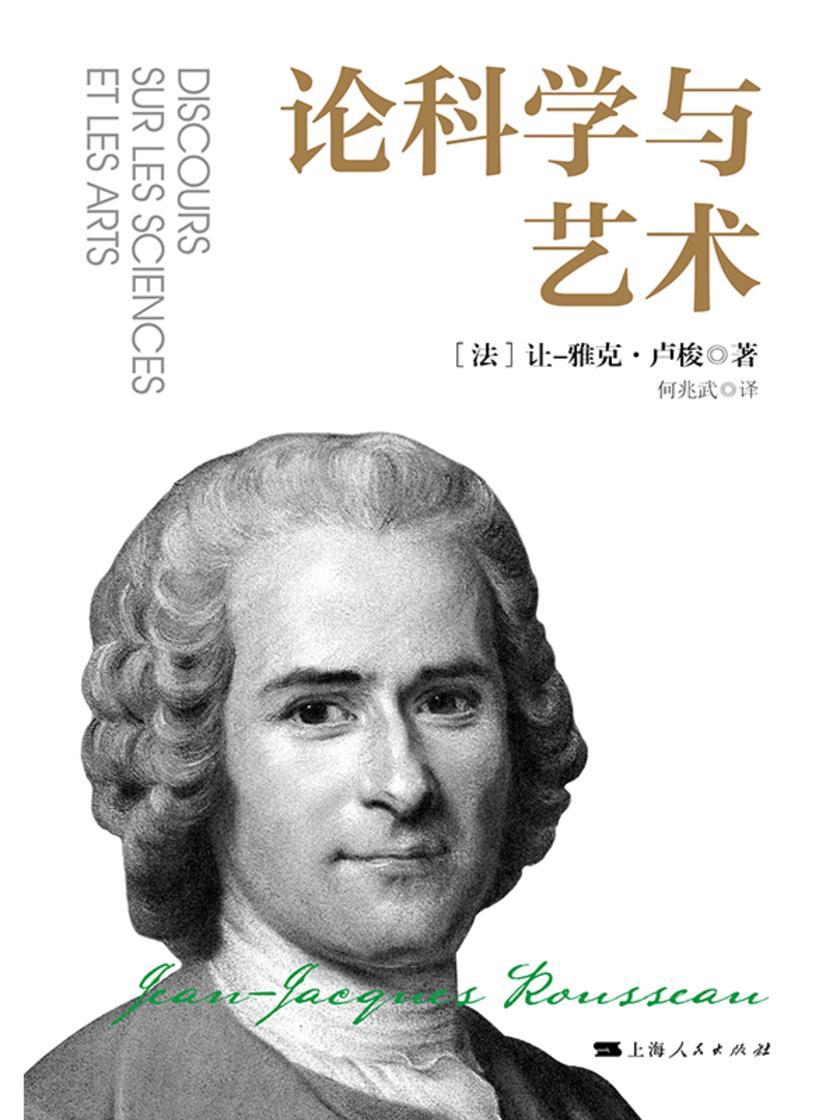
论科学与艺术
¥19.99
此书为卢梭的代表作之一,曾在1749年荣获法国第戎科学院公布的有奖征文竞赛的金质奖章,这篇文章始终贯穿着“科学和艺术的复兴是否在净化我们的风俗方面起到了作用”这一中心思想来讨论,集中表达了自己对当时历史条件下科学和艺术的看法,从某种意义上讲,他认为科学与艺术的复兴对敦化风俗、保持淳朴的自然并不有利,并得出了“科学和艺术会造成许多坏事,也败坏了风俗和道德”这样一个会在当时造成不小轰动和反叛的结论,从此卢梭声名大噪。 这是一部阐发政治思想的著作,其中的大部分思想也是他后来的著述中一以贯之的,其中包含了他后来思想著述的许多萌芽。其重要性仅次于1762年的《社会契约论》,可视为《社会契约论》的基础和绪论。此书秉承了卢梭一贯的写作风格,饱含激情又不失理性,现在读来仍然非常有教益。译者译笔纯熟精到,是不可多得的优秀社会科学经典作品。
章太炎讲佛学
¥23.99
本书是“章太炎讲述系列”之一种,旨在研究、发掘、整理章太炎的学术思想,编纂出版章太炎研究的普及性成果。章太炎不仅是公认的学术大家,而且是为数不多的具有原创性的思想家。佛学是章太炎学术思想的重要组成部分,章太对佛学有精深研究,不仅深化了佛学在近代的发展,更将佛学与中国传统哲学结合,创造出中国传统哲学在近代发展的一个高峰。同时,章太炎又以佛学为武器,提出用佛学发起信心,增进国民的道德,进一步推动了革命思想的普及。
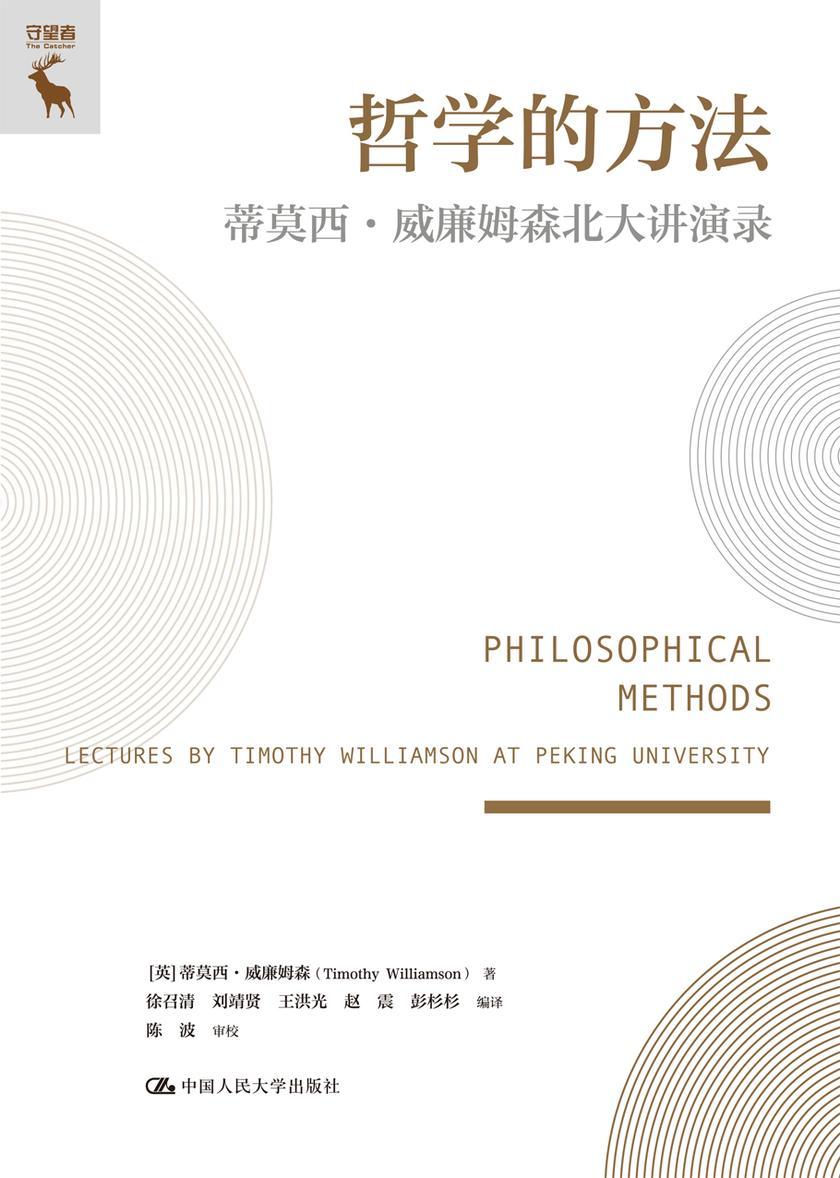
哲学的方法——蒂莫西·威廉姆森北大讲演录
¥53.40
受北京大学“海外名家讲学计划”资助,在北京大学哲学系陈波教授的邀请和主持下,英国牛津大学哲学系威克汉姆逻辑学讲席教授蒂莫西?威廉姆森(Timothy Williamson)于2020年9月14日至10月29日以“哲学的方法”为主题做十次学术讲演,涉及的议题包括:哲学与常识、哲学与分歧、哲学与澄清、哲学与思想实验、哲学与理论比较、哲学与逻辑、哲学与哲学史、哲学与其相邻学科、哲学与模型建构和哲学及其未来。讲演以在线形式行,同时在网络平台直播,面向所有公众放。本书收录了“哲学的方法”系列讲演的全部文稿的中译版,包括评论、提问和答复,以及两篇相关的附录。本系列的精彩讲演将有助于中国哲学学者乃至对哲学有兴趣的公众提升对元哲学与哲学方法论的学习和认识,尤其对中国青年学者将产生更为深刻而长远的影响。
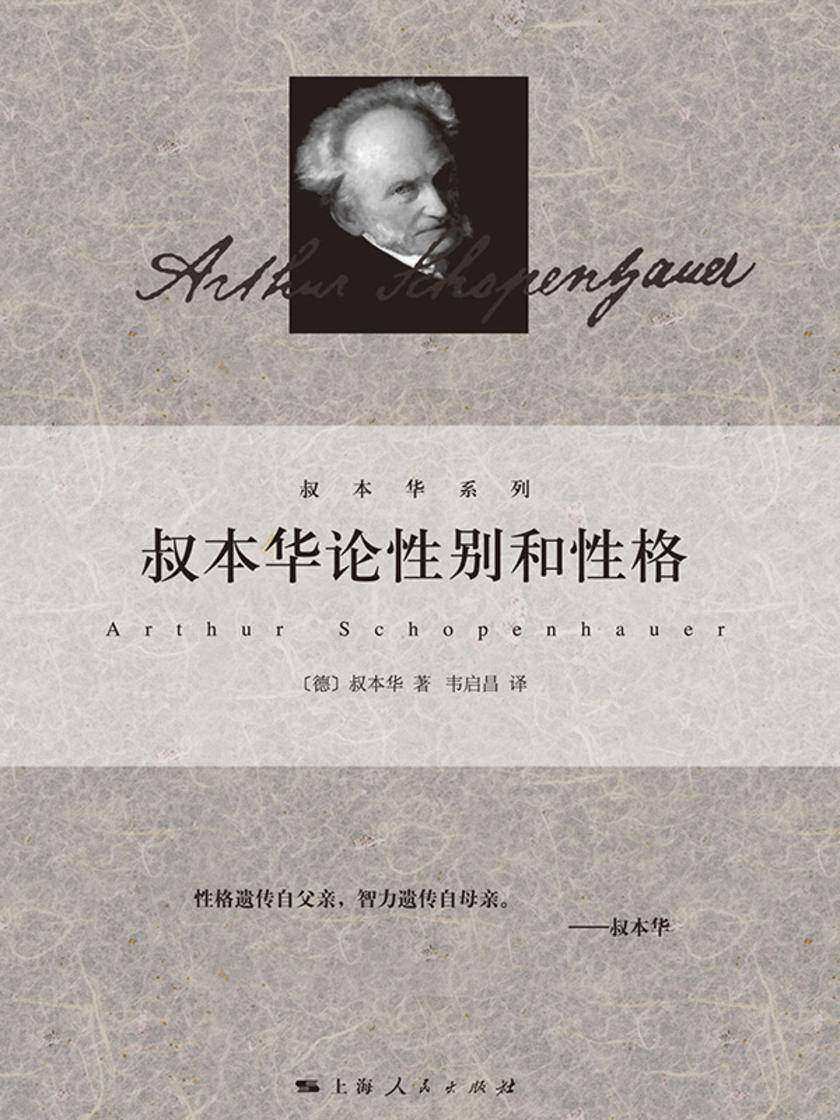
叔本华论性别和性格
¥30.00
主要内容包括:性爱的形而上学、种属的生命、论本能和遗传、素质的遗传、论女人、论面相、论精神失常、心里散论、论命运。
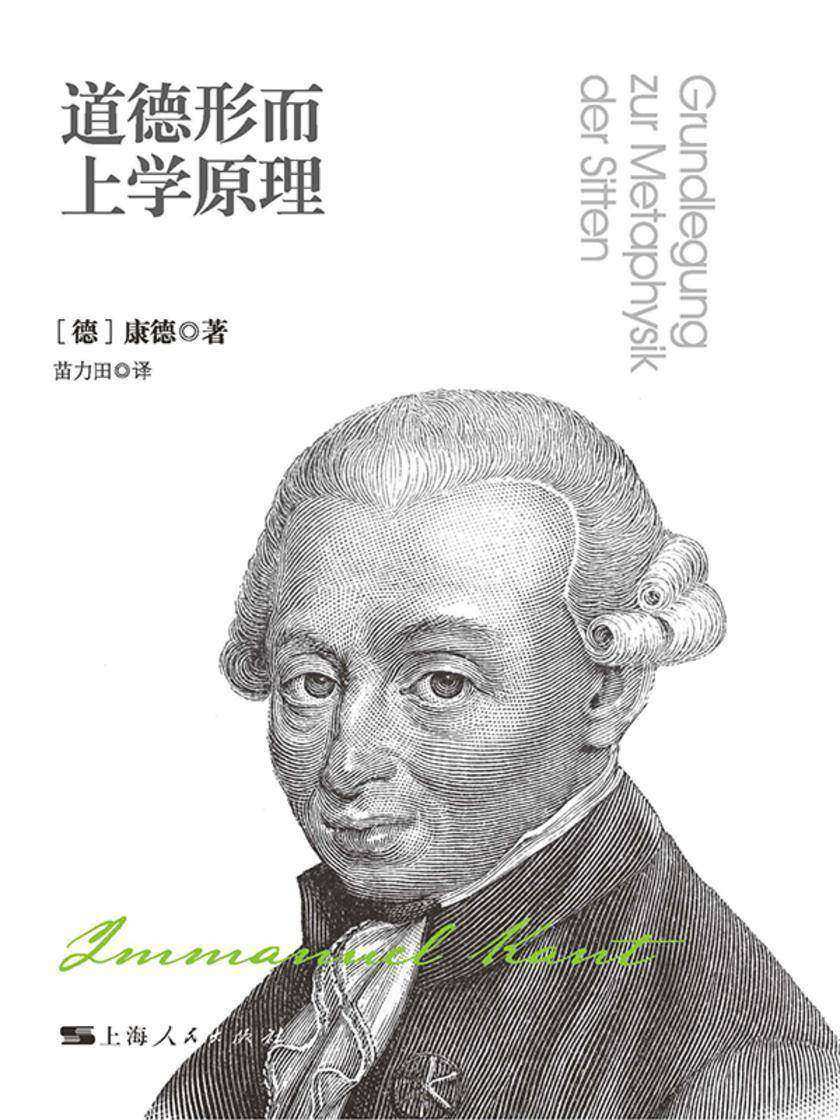
道德形而上学原理
¥27.99
除非愿意自己的准则变为普遍规律,否则你不应行动。这是康德伦理学的基石,也是他号召人们普遍遵守的“命令”。这也是人类的意志规律、自由规律、道德规律。正确认识和运用道德规律是人类的责任,也是明辨善恶的尺度。理性的人能为自己立法,因此,不论是谁在任何时候都不应把自己和他人当作工具,而应该永远将自身看作目的。由此,也产生了一个由普遍客观规律构建起来的体系,也即目的王国。目的王国服从自身加于自身的规律,自然王国则服从外因起作用的规律。这个“道德的原则”加强了理性的力量,提高了人格的尊严,真、善、美都将交由它裁定。
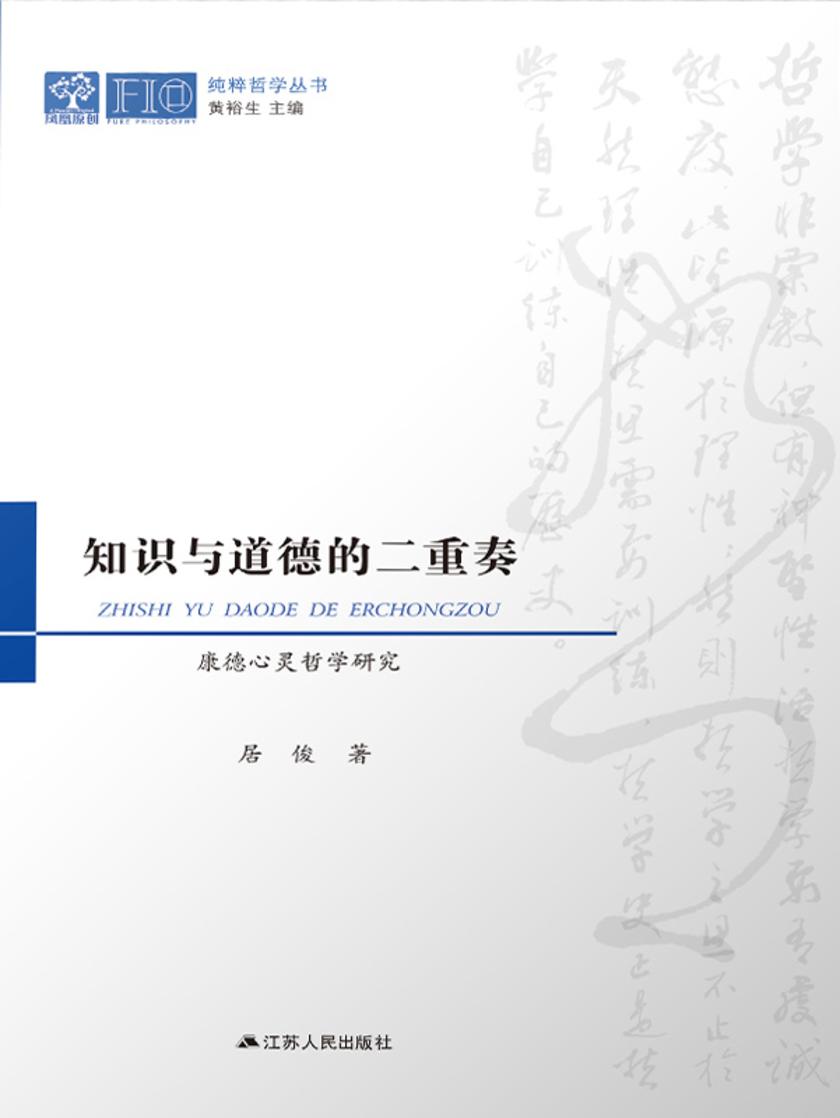
知识与道德的二重奏——康德心灵哲学研究
¥29.33
本书通过查考康德的著作、信件、手稿与讲稿等材料,系统论述了康德心灵哲学的近代渊源、发展演变、理论内涵与后世效应,揭示其心灵观在知识与道德两个维度上的融合。由此,本书既从哲学史的发展角度描绘出其心灵观结合理性与经验的过程,也通过理论理性与实践理性的互动勾勒出其心灵观在认识论与道德哲学中的关键作用,而展现出其心灵观在西方哲学史上重要的转折性意义——对传统心灵实体观念的批判与对“灵魂不死”道德悬设的天然希望。从现实教益来说,本书将康德心灵哲学视作医治现代虚无主义病症的良方,认为其心灵观的道德维度揭示出人如何能够获得超越世俗世界的觉解。
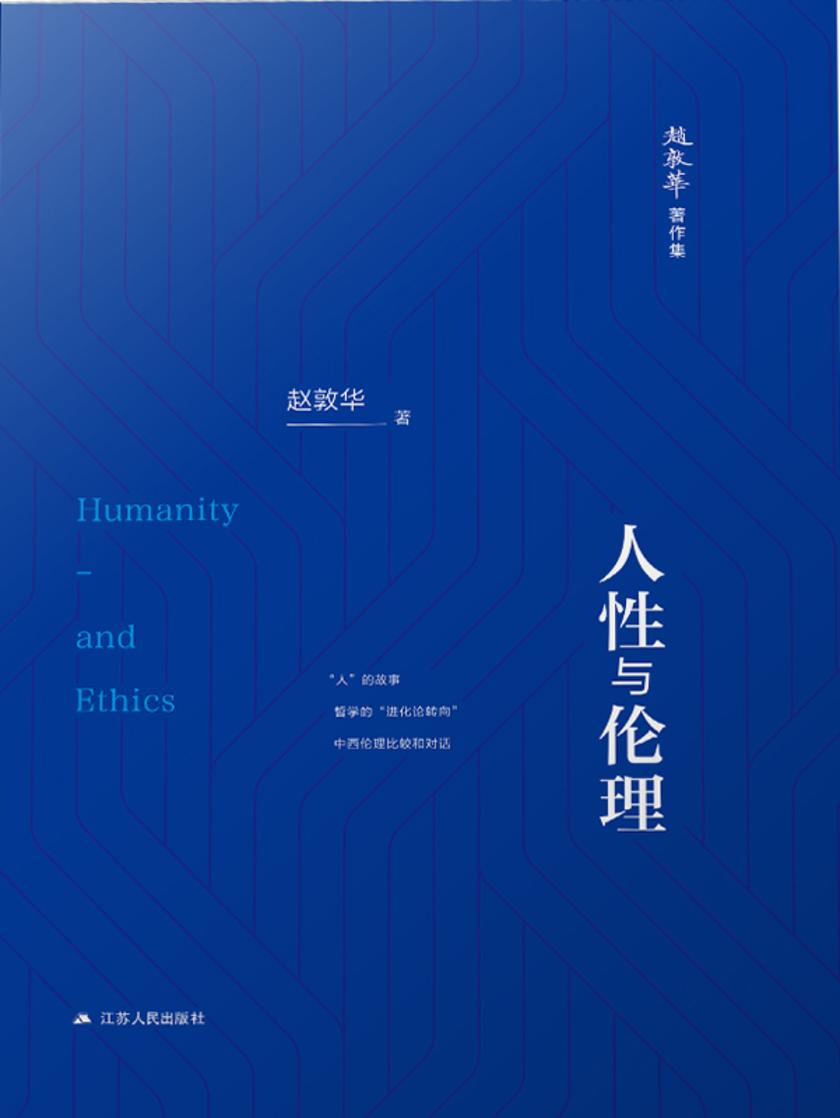
人性与伦理
¥22.66
本书是一部关于人性与伦理的跨文化研究原创之作,书中有大量创新的观。全书分三个部分:1.用观念史的叙事方法,构造了西方人性论的发展史。2.用范式转变的方式应对人性的危机,强调达尔文化论对研究人性论、哲学和伦理学的范式作用;3.中西伦理的比较和对话,包括轴心时代的共时性案例分析和儒家与基督教伦理的历时性比较。
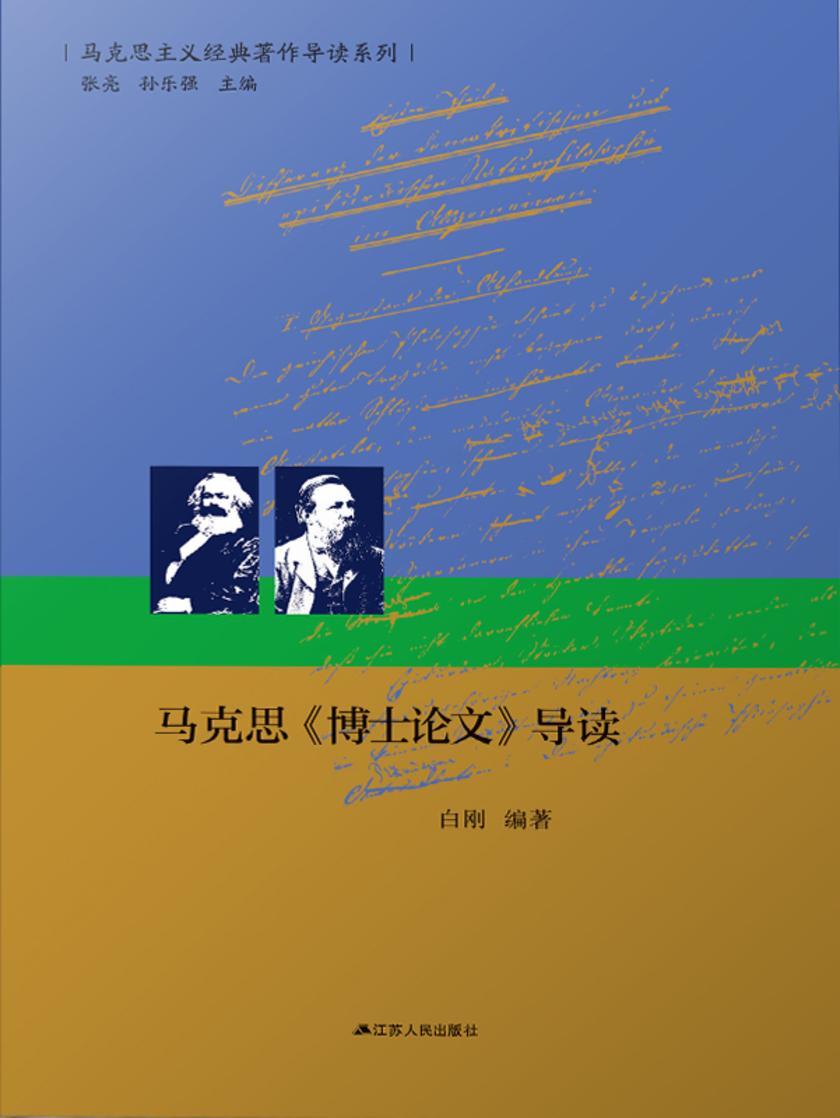
马克思《博士论文》导读
¥11.33
《博士论文》是马克思哲学的第一次公出场。他站在黑格尔的肩膀上,向世界宣告了自己的主张,提出了世界哲学化和哲学世界化的重要命题。《博士论文》是如何写出来的?它表达了哪些思想?今天我们应当如何阅读这部著作?本书将带领大家一起走青年马克思的精神世界。

出土文献与早期政治哲学
¥47.40
先秦原始儒家的政治哲学思想是我们现代政治生活中的一种重要资源。这种资源与我们的民族精神相依为命,甚至不可或缺。我们应该正视它在现代社会中的价值和作用。在目前的国际国内形势下,汲取先秦儒家的政治理念,*学习、涵化全世界优秀文化,融会贯通,负阴而抱阳,充气以为和,建立一种全新的、涵容中西文化精华的、适合中国历史文化现实的当代中国政治体系,是我们自立于世界强国之林的必由之路。 本书打通了传世文献与新近出土文献资料的阻隔,在心性学与政治哲学的交融互动中,考镜源流、明统知类、察势观风而知人论世,阐幽表微地展现了先秦时期儒家思想的深厚底蕴和现代价值。作者认为,先秦儒家具有独特的思想史意义和社会影响力,是中国思想、中国精神、中国风格、中国价值的集中体现,通过客观冷静的研究、汲取和现代重塑,达到古为今用之功效。在与先秦诸子百家的比较之中,在儒释道的进一步摩荡和磨砺之中,在与西方各种思想的碰撞和涵化之中,先秦儒家的政治哲学和心性理论得到现代性的锤炼和洗礼,将成为实现中华民族伟大复兴的重要资源。
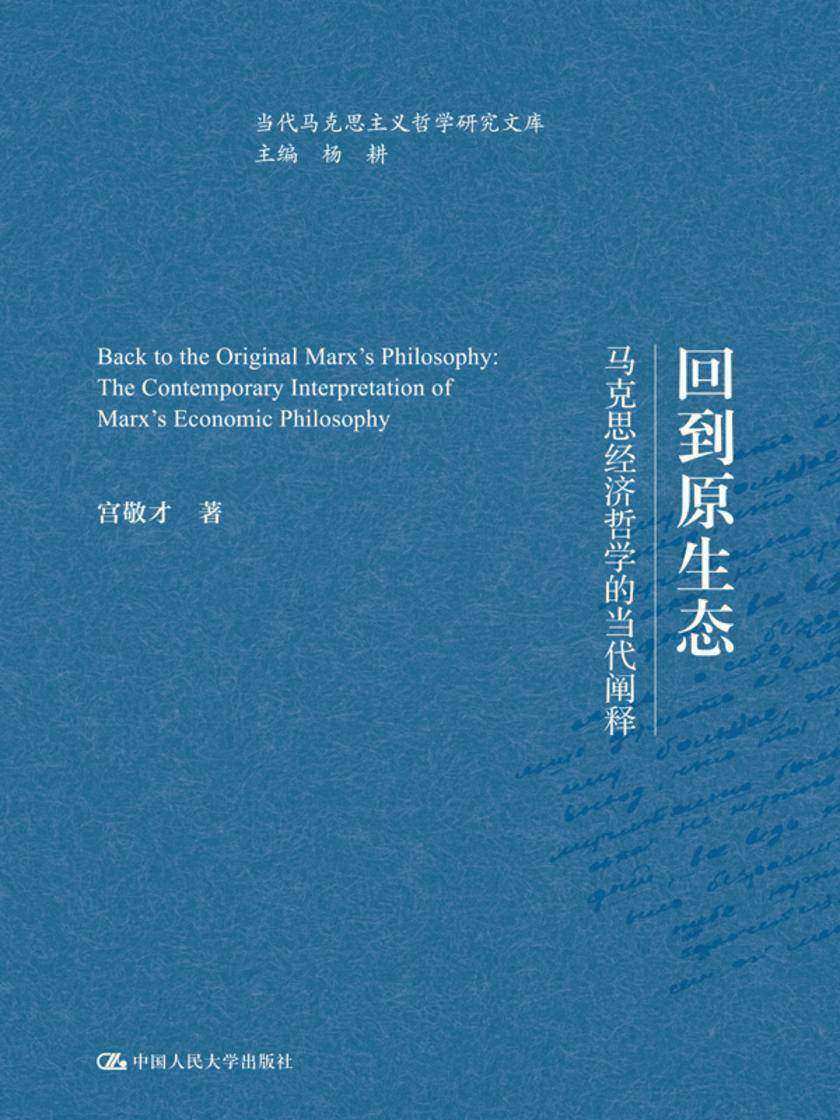
回到原生态——马克思经济哲学的当代阐释
¥53.40
马克思经济哲学客观存在于马克思文献特别是政治经济学文献中,是介于马克思哲学和马克思政治经济学之间的边缘性、交叉性学科,有自已相对固定的研究对象、内容规定和研究方法。本书以文献实证、理论逻辑分析、方法论真相还原和思想内容比较等方式证明,马克思经济哲学是马克思主义研究不可或缺且无可替代的思想资源。
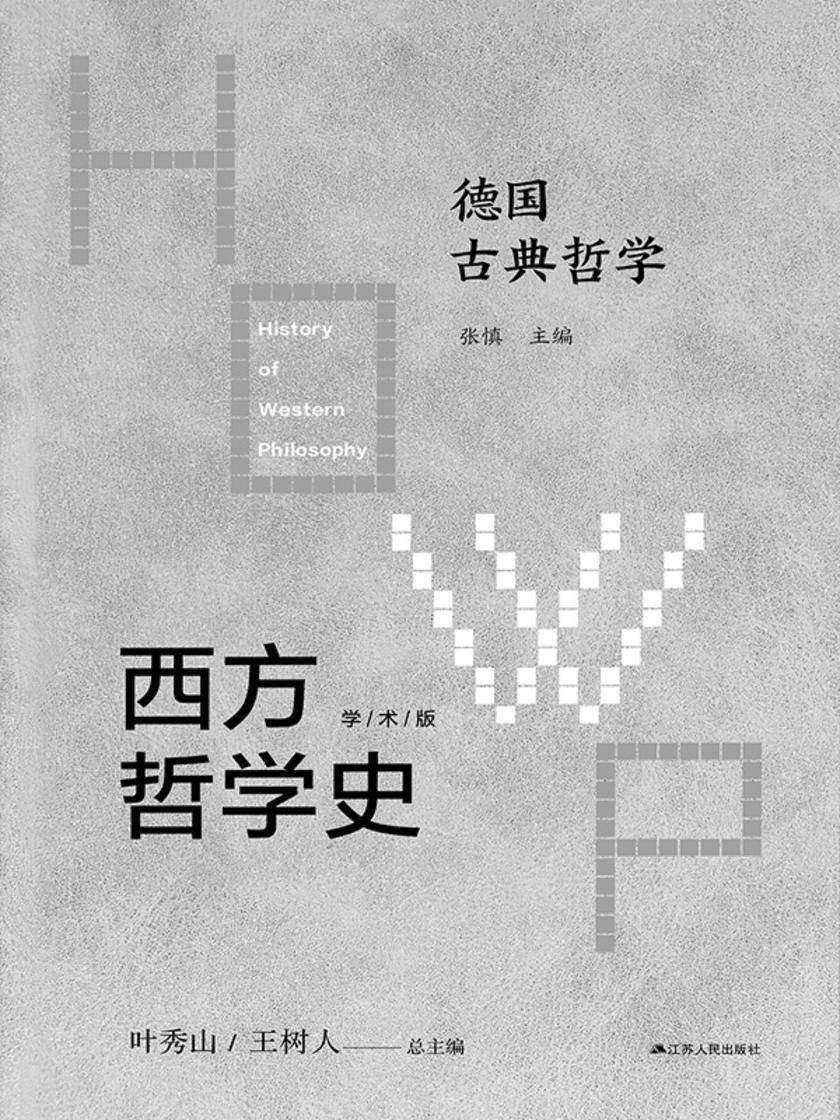
第六卷 德国古典哲学
¥112.50
本书是叶秀山、王树人总主编的《西方哲学史》(学术版)之分卷,全书分六篇,主要从三个方面展论述:1.从德国启蒙运动、德国文学对哲学的影响、自然科学的迅速发展等三方面介绍了德国古典哲学产生的思想文化背景;2.介绍了康德、费希特、谢林、黑格尔等著名的德国古典哲学家的生平及其著作,由此总结出德国古典哲学的特征;3.通过对黑格尔学派、费尔巴哈以及马克思恩格斯论德国古典哲学,介绍了德国古典哲学的终结。
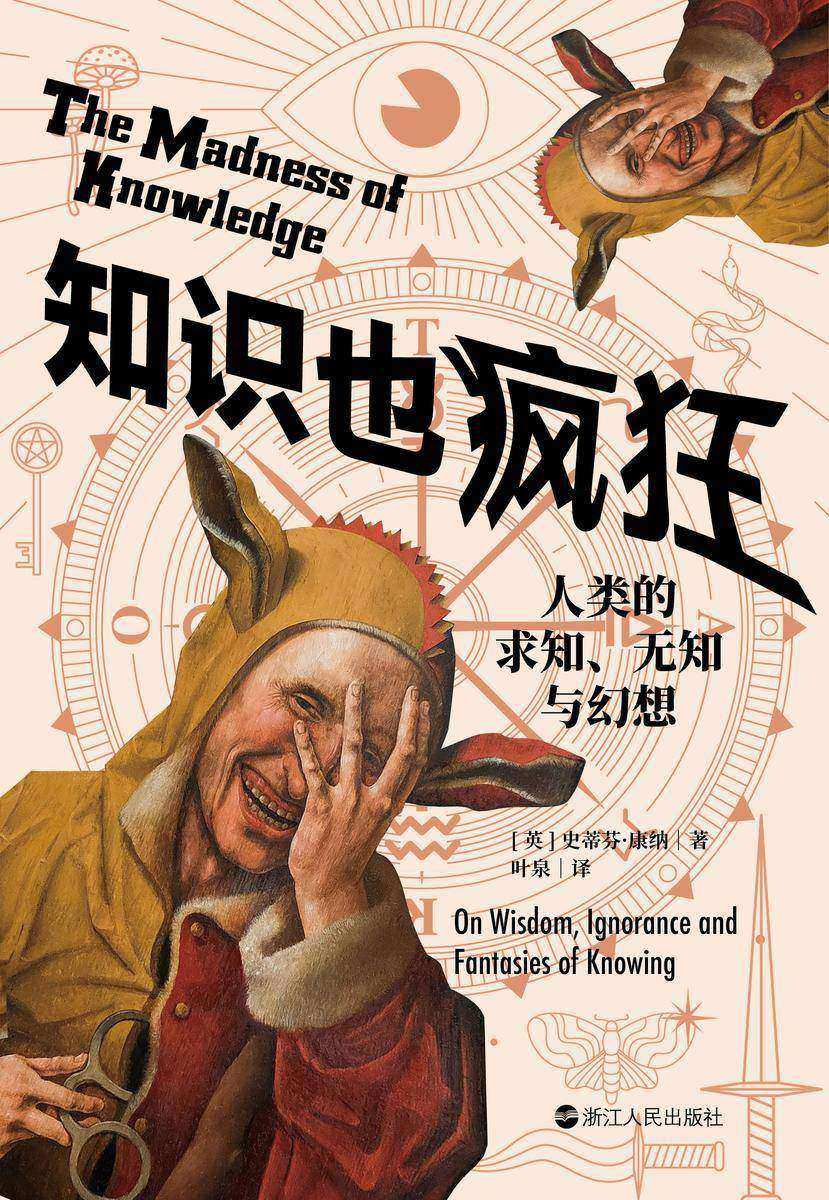
知识也疯狂:人类的求知、无知与幻想
¥46.80
过去到现在,许多人都曾思考过知识的力量及其局限之处,但很少有人想过“知识”这个概念对我们所产生的影响。英国剑桥大学教授史蒂芬?康纳在本书中探究了人类心智如何受知识的吸引与制约,以及知识所引发的欲望、幻想、梦境与恐惧。 人为什么总想要“获取知识”? 知识仍是力量吗?它仍带来权力与阶级翻转吗? 求知是人的本能,亦或终将成为一种精神疾病? 康纳借文学、哲学、宗教、历史等多样而令人目眩神迷的文本,求索知识对人类心灵、存在认同的重要意义,并用其幽默而锋利的文笔,完整地为知识及人类的局限性行了一场极富灵思的当代思想辩论。 徘徊在全知与无知之间,我们既永远无法知道自己到底是谁,又因知晓这项事实所带来的屈辱而成为人类。所谓的知识,必定让我们明白自己对某些事物一无所知。


