


 购物车
购物车 个人中心
个人中心
Yakov Pasinkov by Ivan Turgenev - Delphi Classics (Illustrated)
¥8.09
This eBook features the unabridged text of ‘Yakov Pasinkov by Ivan Turgenev - Delphi Classics (Illustrated)’ from the bestselling edition of ‘The Collected Works of Ivan Turgenev’. Having established their name as the leading publisher of classic literature and art, Delphi Classics produce publications that are individually crafted with superior formatting, while introducing many rare texts for the first time in digital print. The Delphi Classics edition of Turgenev includes original annotations and illustrations relating to the life and works of the author, as well as individual tables of contents, allowing you to navigate eBooks quickly and easily. eBook features: * The complete unabridged text of ‘Yakov Pasinkov by Ivan Turgenev - Delphi Classics (Illustrated)’ * Beautifully illustrated with images related to Turgenev’s works * Individual contents table, allowing easy navigation around the eBook * Excellent formatting of the text Please visit www.delphiclassics.com to learn more about our wide range of titles
A Lear of the Steppes by Ivan Turgenev - Delphi Classics (Illustrated)
¥8.09
This eBook features the unabridged text of ‘A Lear of the Steppes by Ivan Turgenev - Delphi Classics (Illustrated)’ from the bestselling edition of ‘The Collected Works of Ivan Turgenev’. Having established their name as the leading publisher of classic literature and art, Delphi Classics produce publications that are individually crafted with superior formatting, while introducing many rare texts for the first time in digital print. The Delphi Classics edition of Turgenev includes original annotations and illustrations relating to the life and works of the author, as well as individual tables of contents, allowing you to navigate eBooks quickly and easily. eBook features: * The complete unabridged text of ‘A Lear of the Steppes by Ivan Turgenev - Delphi Classics (Illustrated)’ * Beautifully illustrated with images related to Turgenev’s works * Individual contents table, allowing easy navigation around the eBook * Excellent formatting of the text Please visit www.delphiclassics.com to learn more about our wide range of titles
The Tragedy of Julius Caesar
¥18.74
Mülkiyet kar??t? ya?l? anar?ist, hayat?n?n son y?llar?nda ironik bir durumda kald?. ?svi?re vatanda?l???na girmenin yollar?n? arayan Bakunin'e sunulan se?enek, orada bir ev sahibi olmas?yd? ve belki de en hazini, sahip olaca?? bu ev nedeniyle, polisin, resm? tutanaklara “Michael Bakunin, rantiye” notunu dü?mesiydi. 18 May?s 1814'te Rusya'da do?an Michael Aleksandrovich Bakunin, 1 Temmuz 1876'da ?ldü?ünde ülkesinden ?ok uzaklardayd? ve cenazesinde yaln?zca 30–40 ki?i vard?. Gen? Bakunin i?in, “A?k, insan?n yeryüzündeki en üst misyonuydu. Bir insan?n kendini a?ks?z vermesi, Kutsal Ruh’a kar?? i?lenmi? bir günaht?”.. ?Kad?nlar taraf?ndan olduk?a ?ekici bulunan Mihail'in ise kad?nlarla ili?kisi hep ruhsal bir a?k olarak kald?.??svi?re'nin muhte?em manzaras? e?li?inde George Sand romanlar? okuyan Bakunin, Frans?z dü?üncesinin Alman dü?üncesinden üstün oldu?u inanc?n? sa?lamla?t?r?yordu. ? Bakunin, Marx i?in, “O, beni duygusal idealist olarak adland?r?yordu; hakl?yd?. Ben de onu, hoyrat, kendini be?enmi? ve ac?mas?z olarak de?erlendiriyordum; ben de hakl?yd?m” diyordu.. ? Kendisine ili?kin konularda kindar olmayan Bakunin, Herzen'in kar?s?na g?sterdi?i so?uklu?u hayat?n?n sonuna kadar unutamad?.?“Art?k reaksiyonun muzaffer gü?lerine kar?? Sisifos'un ta??n? yuvarlamak i?in ne gerekli güce ne de güvene sahibim. Bu yüzden, mücadeleden ?ekiliyor ve arkada?lar?mdan tek bir iyilik bekliyorum: "Unutulmak”,?Orta ve ge? on dokuzuncu yüzy?lda, radikal sol –yani, a?g?zlü kapitalizm ele?tirmenleri ve sanayi i??ilerinin ?zgürlü?ünün savunucular?– iki temel franksiyona ayr?l?yordu: Marksistler ve anar?istler. Kabaca s?ylemek gerekirse (ki bu son derece kar???k bir hik?yedir), kazanan Marksistler oldu ve yirminci yüzy?l?n tüm ba?ar?l? sol devrimleri –Rus, ?in ve Küba, ?rne?in– Marksist ilkelere ba?l?l?klar?n? ilan ettiler. ? Marksistler ile anar?istler aras?ndaki sava? bu noktada tarihsel bir meraktan ?te devam eden bir meseledir. Pi?man olmayan ya da ele?tirilmeyen tek ger?ek Marksist sol Kim Jong Il ve taraf etraftaki birka? entelektüel ve profes?rdür. Anar?izm ise uygulanabilir bir toplumsal hareket olarak ?kinci Dünya Sava??yla yava? yava? tükenmeye yüz tutmu?ken küreselle?me kar??t? hareket ve d?nemimizin di?er radikalizmleri i?inde yeniden dirilmeye ba?lam??t?r. ? Ne var ki, d?neminde –Marx’?n di?erleriyle aras?ndaki– bu sava? bir ?lüm kal?m meselesiydi ve Marksizm muhtemel kapitalizm kar??t? olarak ve yan? s?ra anar?izm kar??t? olarak tan?mlan?yordu. Asl?nda, Marx’?n yazarl??? anar?izme y?nelik sald?r?lar? a??s?ndan handiyse gülün? bir geni?li?e ula?m??t?r. Marx’?n Alman ?deolojisi kitab?n?n büyük b?lümü –yüzlerce sayfas?– bireyci/anar?ist Max Stirner’e y?nelik bir sald?r?dan ibarettir. Felsefenin Sefaleti Proudhon’a kar?? büyük?e bir fikir sava??d?r. Marx onca zaman ve enerjisini Bakunin’e sald?rmaya harcam??t?r: ?“dangalak!”?“canavar, et ve ya? y???n?,” “sap?k” vesaire: ?bu tabirler, has?mlar? s?z konusu oldu?unda Marx’?n bildik üslubudur: yazarl??? yar? bilimsel inceleme, yar? s?zlü tacizdir. Marx’?n, gerek kendi a?z?ndan gerekse de kimi s?zcülerini kullanarak ony?llar boyunca y?neltti?i ve muhtemelen di?erleri denli e?lenceli olmayan var olan su?lamas?, Bakunin’in bir muhbir oldu?u y?nündeydi ve Marx’?n bu ba?ar?l? sald?r?lar? nihayetinde Bakunin’in Enternasyonal ???i Z?mb?rt?s?ndan tasfiyesine yol a?t?.. ?


一切都是最好的安排2
¥45.00
人之所以活得累,一是因为太认真,二是因为太想要。 佛经上说:“无常故苦。”就是让我们知道:人生是有缺陷的,没有什么是永恒的,身体会生病衰老,容颜、情感会生变,金钱不能永远保有,权力有一天终会失去…… 有人问佛陀,你今生得到了什么呢?佛陀说:“我今生什么都没得到,我失去的只是我的无知。”没有什么比失去无知更让人安心、欢喜。如果在我们的生命历程中越早失去无知,越来越多的时候失去无知,我们就能享受得到佛陀的加持,改变“一切是常,一切都不会变”的执着,终于懂得“无常,就是无限的可能性”,从此不再盲冲瞎撞,始勇猛精,把无常变为奇迹,把充满缺陷的人生转为圆满。也从此,活得欢喜,一切都是*好的安排。
King Solomon’s Mines by H. Rider Haggard - Delphi Classics (Illustrated)
¥8.09
This eBook features the unabridged text of ‘King Solomon’s Mines by H. Rider Haggard - Delphi Classics (Illustrated)’ from the bestselling edition of ‘The Complete Works of H. Rider Haggard’. Having established their name as the leading publisher of classic literature and art, Delphi Classics produce publications that are individually crafted with superior formatting, while introducing many rare texts for the first time in digital print. The Delphi Classics edition of Haggard includes original annotations and illustrations relating to the life and works of the author, as well as individual tables of contents, allowing you to navigate eBooks quickly and easily. eBook features: * The complete unabridged text of ‘King Solomon’s Mines by H. Rider Haggard - Delphi Classics (Illustrated)’ * Beautifully illustrated with images related to Haggard’s works * Individual contents table, allowing easy navigation around the eBook * Excellent formatting of the text Please visit www.delphiclassics.com to learn more about our wide range of titles
Queen Zixi of Ix by L. Frank Baum - Delphi Classics (Illustrated)
¥8.09
This eBook features the unabridged text of ‘Queen Zixi of Ix by L. Frank Baum - Delphi Classics (Illustrated)’ from the bestselling edition of ‘The Complete Works of L. Frank Baum’. Having established their name as the leading publisher of classic literature and art, Delphi Classics produce publications that are individually crafted with superior formatting, while introducing many rare texts for the first time in digital print. The Delphi Classics edition of Baum includes original annotations and illustrations relating to the life and works of the author, as well as individual tables of contents, allowing you to navigate eBooks quickly and easily. eBook features: * The complete unabridged text of ‘Queen Zixi of Ix by L. Frank Baum - Delphi Classics (Illustrated)’ * Beautifully illustrated with images related to Baum’s works * Individual contents table, allowing easy navigation around the eBook * Excellent formatting of the text Please visit www.delphiclassics.com to learn more about our wide range of titles
The Daring Twins by L. Frank Baum - Delphi Classics (Illustrated)
¥8.09
This eBook features the unabridged text of ‘The Daring Twins by L. Frank Baum - Delphi Classics (Illustrated)’ from the bestselling edition of ‘The Complete Works of L. Frank Baum’. Having established their name as the leading publisher of classic literature and art, Delphi Classics produce publications that are individually crafted with superior formatting, while introducing many rare texts for the first time in digital print. The Delphi Classics edition of Baum includes original annotations and illustrations relating to the life and works of the author, as well as individual tables of contents, allowing you to navigate eBooks quickly and easily. eBook features: * The complete unabridged text of ‘The Daring Twins by L. Frank Baum - Delphi Classics (Illustrated)’ * Beautifully illustrated with images related to Baum’s works * Individual contents table, allowing easy navigation around the eBook * Excellent formatting of the text Please visit www.delphiclassics.com to learn more about our wide range of titles

道德哲学
¥23.99
怎么做才对?什么样的生活才算好?这些我们日日面对的问题,追问下去,就会触达道德的本质。 因此,道德哲学不仅仅是一项学术事业,而是对于什么样的人生才值得过的省察。追寻良好生活,意味着敢于运用自己的理智,去思索至关重要的问题,而不是想都不想就受别人给出的答案。 为了这样的道德启蒙,牛津大学哲学家乔纳森?沃尔夫结合几十年的哲学思考与道德实践,为每个愿意探索人生幸福根基的人,写下了这部明晰晓畅的通识著作。他从头梳理2500年的道德探究,使功利主义、道义论、德性伦理三大流派在交锋中相互阐明,让众多大思想家的洞见成为我们时代的道德资源。从古典时代到21世纪,道德哲学追问至为根本的问题,也不断回应每个时代中至为切近的问题。理性的思考加上共情的理解,在质疑、挑战中完善思考与实践,这是形塑道德人生观的途径,也是道德步的动力。

从容的告别:如何面对终将到来的衰老与死亡
¥24.15
一个被我们忽视的幸福难题——优逝 一本颠覆你对衰老与死亡认知的书 ICU重症监护专家关于衰老与临终选择的理性思考 王一方、刘端祺、郎永淳等知名人士 慈怀读书会陈晓峰 鼎力推荐 在中国,每年至少有成百上千例濒死抢救案例,人们一生75%的医疗费用都花在了*后的无效治疗上,有时甚至会为延续亲人几天的生命而倾家荡产。作为幸福指数的核心指标之一,中国的死亡质量却在世界排名极低。 之所以会形成这种局面,一方面是因为医生认为自己的职责就是救死扶伤,治疗病人,永不放弃,放弃就意味着失败;另一方面是因为家属背负了巨大的情感压力,觉得即使倾家荡产,也不可轻易放弃亲人,放弃就意味着不爱、不孝。而此时,病人自身已经丧失了决策能力。结果就是,人们的死亡已经被过度医疗化了,这不仅给当事人及其亲属带来了折磨,还导致了医疗资源的过度消耗。 要改变这一状况,我们就需要对自己的临终负责,清楚地思考如何面对不可逆转的衰老与死亡,如何告别人世,补上人生重要的一课。 当然,要改变这一,除了个人,还需要我们的社会以及医疗系统共同努力。

诸子学略说
¥6.00
本书以《诸子学略说》和《诸子略说》为主,汇集太炎先生论诸子之大部分文字,精心编辑校而成。太炎先生治学,贯通经、史、子、集,其于先秦之儒、道、墨、法等家学说尤有深研究,其论诸子之是非得失,每有独到之见解,而又能深浅出引人胜。本书为太炎先生治诸子学之毕生心血,实为先秦诸子思想门之*读物。

周易解题及其读法
¥3.99
本书原为“国学小丛书”之一种,系钱基博先生为初学者而作。全书对“周易”二字之来源及其意义、《周易》之作者及其与先秦诸子之关联、易学之发展源流、《周易》之版本及其读法,均作深浅出之讲解,言简意赅而又每有新见。本书为周易门之名著,可使初学者一窥周易之堂奥。

瑜伽文库——印度近代瑜伽之光:辨喜的生平、思想与影响
¥19.99
《印度近代瑜伽之光——辨喜的生平、思想与影响》是国内少数研究辨喜生平、思想与影响的专著。作者从三个维度即宇宙、神和人,介绍辨喜的哲学思想及其立论的根本依据,以及所做的瑜伽实践。是一本了解近代印度哲学思想与瑜伽文化的读物。
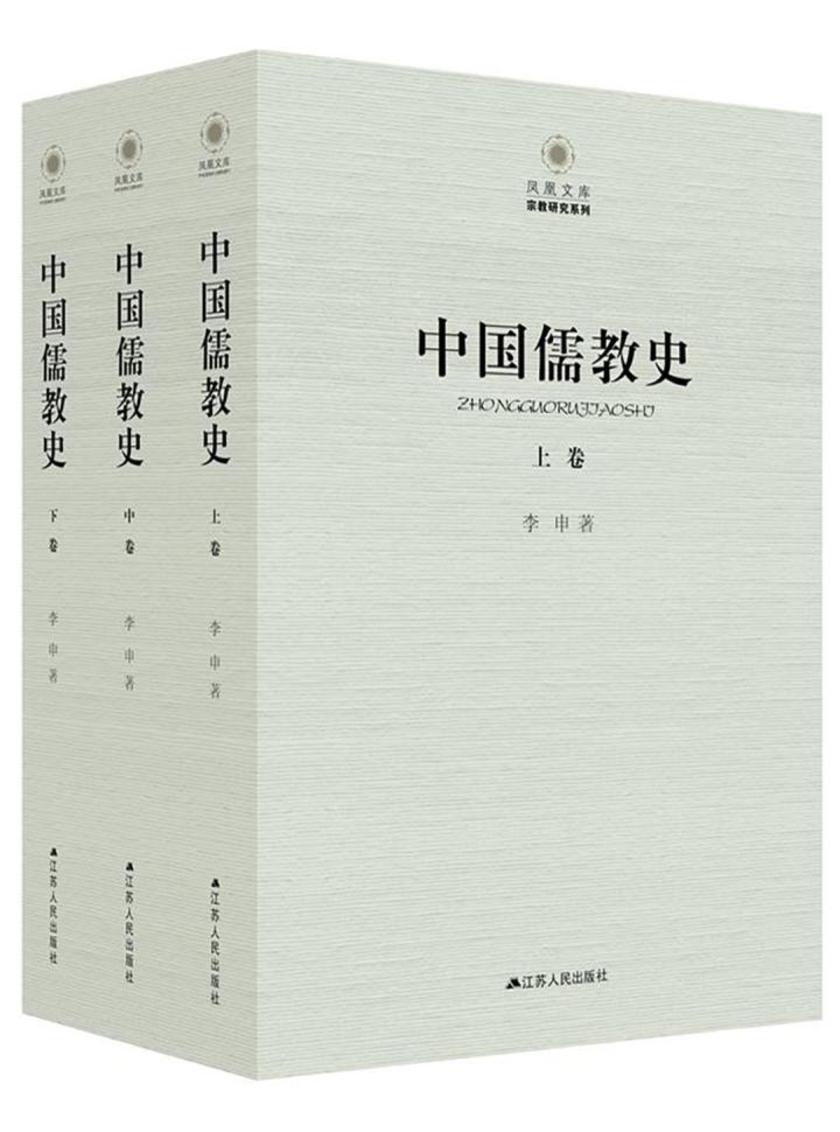
中国儒教史(中)
¥50.00
“儒教是宗教”的判断是中华人民共和国成立以后在宗教和传统文化研究领域*重要的创新学说之一,它否定了近百年来学术界一致认为中国古代是“非宗教国”的定论,以丰富的资料,严密的论证、深刻的分析,流畅的语言叙述了儒教从产生到衰亡的历史,揭示了儒教的神祇系统、祭祀制度、教义教理等从创造到被取消的过程,阐明了儒者如何为实现上帝、神祇的意志而治国、修身,并从事相关的理论探讨。内容包括儒教和佛教、道教、中国伊斯兰教、中国基督教等相关关系,涉及宗教、哲学、科学、史学、文学诸文化领域。

魔鬼逻辑学——揭露潜藏在历史与社会表象下的博弈法则(第三版)
¥29.40
博弈逻辑(Game Logic)研究的是理性的人在互动行动中即博弈中的推理问题,是逻辑学科的一个分支,是 “理性的”行动者或参与者在互动的过程中如何选择策略或如何做出行动的逻辑,属于应用逻辑范畴。 本书一部有关逻辑博弈的大众通俗读物。有趣的地方就是种种故事发生在真实的历史与日常的生活中,力图把社会中错综复杂的关系理性化、抽象化、推理化,以便更精确地刻画并把握事件发展变化的深刻内涵。

中国名家(国学大观丛书)
¥19.50
所谓“名家”,就是指以探讨名实关系为核心,注重对名词概念行深细致的分析,提倡“控名责实”学说为其基本特征的学术思想流派。名家学派的创始者为春秋末期的邓析,此后相继形成了三个基本学派:宋尹学派、惠施学派和公孙龙学派。从这三派的学说内容和各自所具有的基本思想倾向来看,我们可以将它们分别称为人文主义、科学主义和逻辑主义。本书的宗旨就在于通过对名家学说的分析,对名家学派的理论贡献和不足做出实事求是的公正评价,摈弃被传统观念强加于名家的种种诽毁之辞,以求还名家的真实面目。

国学大书院02:大学
¥8.67
《大学》原本是《礼记》中的一篇。宋代人把它从《礼记》中抽出来,与《论语》《孟子》《中庸》相配合,便成了“四书”之一,是讨论古代教育理论的重要著作,宗旨在于弘扬光明正大的品德,在于让百姓仁爱敦睦、明理向善。
国学大书院06:道德经
¥12.67
时下,世界上掀起了一股学习老子的热潮,老子的《道德经》也因此风靡全球。据调查:在德国,几乎每个家庭都备有一本德文版《道德经》;在日本,《道德经》成为企业管理者的案头藏书,用以指导自己企业的经营和管理;在美国,一家出版公司竟花13万美元的天价得仅有5000字的《道德经》的英文版权;更值得一提的是,美国学者蒲克明声称:“《道德经》肯定会成为未来社会家喻户晓的一部书。”由此可见《道德经》已跨出国门走向了世界。

国学大书院07:孝经
¥7.33
《孝经》一书, 共计十八章, 将社会上各种阶层的人士——上自国家元首,下至平民百姓,分为五个层级,而就各人的地位与职业,标示出其实践孝亲的法则与途径。《孝经》作为儒家经典之一, 不仅有它的文学和文化价值,而且具备了宣扬孝道、净化心灵的精神和社会价值。今人看《孝经》一书,要与时俱,辩证看待文中的内容。此外,本书还收录了《二十四孝》故事,辑录古代所传二十四个孝子的故事。
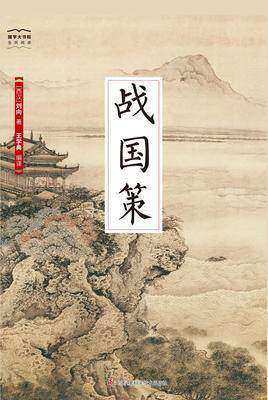
国学大书院08:战国策
¥14.00
《战国策》为国别体史书。《战国策》主要记述了战国时的纵横家的政治主张和外交策略,展示了战国时代的历史特和诸国间政治博弈的风貌,是研究战国历史的重要典籍。《战国策》是汇编而成的历史著作,作者不明。西汉末年,刘向按照国别行了编订。

国学大书院10:史记·世家
¥12.67
《史记·世家》主要记述的是子孙世袭的王侯封国史迹和特别重要的人物事迹。虽然孔子和陈涉并非诸侯或贵族,但在世家中也对他们行详细地描绘,只因他们在历史上的作用和影响非同寻常。各诸侯王的成败得失,更加真实地还原了历史的面貌,更深层地了解和认识中国古代社会政治、文化的特质及渊源。
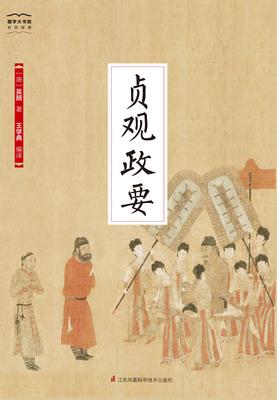
国学大书院12:贞观政要
¥12.67
《贞观政要》是唐代史学家吴兢著的一部政论性史书。全书十卷四十篇,分类编辑了唐太宗在位的二十三年中,与魏徵、房玄龄等大臣在治政时的问题,大臣们的诤议等,以规范君臣思想道德和治同军政思想,此外也记载了一些政治、经济上的重大措施。


