


 购物车
 个人中心

R?sul
¥16.27
Publicat? ini?ial, ?n trei articole, ?n 1861, o lucrare fundamental?, cu o influen?? de necontestat ?n domeniul ?tiin?elor sociale, Utilitarismul lui J.S.Mill cuprinde o serie de discu?ii despre principiile care stau la baza doctrinei filosofice a utilitarismului. Structura lucr?rii, cu cinci capitole clare ?i concise (Considera?ii generale, Ce este utilitarismul, Despre sanc?iunea fundamental? a principiului utilit??ii, De ce fel de demonstra?ie este susceptibil principiul utilit??ii, Despre leg?tura dintre dreptate ?i utilitate), este elegant? ?i faciliteaz? ?n?elegerea ideilor aprofundate de g?nditorul englez. ?ntr-un sens, Utilitarismul reprezint? o rafinare a ideilor lui Jeremy Bentham despre ceea ce ar trebui s? constituie m?sura binelui ?i a r?ului: exigen?a de a ob?ine cea mai mare fericire pentru un num?r c?t mai mare de oameni. ?ntr-un alt sens, mai larg ?i mai important, cartea de fa?? formuleaz? ?i analizeaz? ?n profunzime toate implica?iile, pentru moral?, ale principiului utilit??ii. John Stuart Mill aduce etica ?n vecin?tatea economiei (maximizarea fericirii, ierarhizarea pl?cerilor ?n func?ie de profit, decizia bazat? pe calcularea utilit??ii alternativelor etc.) ?i ?ncearc? s? rezolve toate dificult??ile rezultate din acest mod de a trata problema drept??ii. Mill ofer? r?spunsuri la c?teva ?ntreb?ri esen?iale precum: ,,?n ce const? fericirea?“, ,,Ce urm?rim, de fapt, atunci c?nd alegem o anumit? conduit??“, ,,Ce pl?ceri sunt preferabile?“, ,,Cum trebuie s? arate legile (?i sanc?iunile inerente) dac? morala se ?ntemeieaz? pe utilitate?“, ,,De ce este preferabil principiul utilit??ii, at?t din perspectiva binelui personal, c?t ?i din aceea a binelui public?“
Drumul la zid
¥131.49
Volumul cuprinde dou? traduceri clasicizate, semnate de Victor Scorade?, Dincolo de bine ?i de r?u, ?i de Janina Iano?i ?i Horia Stanca, Genealogia moralei. Un mare vinovat f?r? vin?, sihastrul de la Sils-Maria a dinamitat g?ndirea secolului al XIX-lea, figur?nd – al?turi de Dostoievski – printre uria?ii profe?i ai omenirii, care au proorocit nenorocirile ce-au urmat, crimele ?n numele unei idei, rasismul, precum ?i devastatorul totalitarism ro?u. Dincolo de bine ?i de r?u e una dintre capodoperele g?nditorului german.
Discovery of the Future: Illustrated
¥13.98
Such is the system which underlies the Meditations of Marcus Aurelius. Some knowledge of it is necessary to the right understanding of the book, but for us the chief interest lies elsewhere. We do not come to Marcus Aurelius for a treatise on Stoicism. He is no head of a school to lay down a body of doctrine for students; he does not even contemplate that others should read what he writes. His philosophy is not an eager intellectual inquiry, but more what we should call religious feeling. The uncompromising stiffness of Zeno or Chrysippus is softened and transformed by passing through a nature reverent and tolerant, gentle and free from guile; the grim resignation which made life possible to the Stoic sage becomes in him almost a mood of aspiration. His book records the innermost thoughts of his heart, set down to ease it, with such moral maxims and reflections as may help him to bear the burden of duty and the countless annoyances of a busy life. It is instructive to compare the Meditations with another famous book, the Imitation of Christ. There is the same ideal of self-control in both. It should be a man's task, says the Imitation, 'to overcome himself, and every day to be stronger than himself.' 'In withstanding of the passions standeth very peace of heart.' 'Let us set the axe to the root, that we being purged of our passions may have a peaceable mind.' To this end there must be continual self-examination. 'If thou may not continually gather thyself together, namely sometimes do it, at least once a day, the morning or the evening. In the morning purpose, in the evening discuss the manner, what thou hast been this day, in word, work, and thought.' But while the Roman's temper is a modest self-reliance, the Christian aims at a more passive mood, humbleness and meekness, and reliance on the presence and personal friendship of God. The Roman scrutinises his faults with severity, but without the self-contempt which makes the Christian 'vile in his own sight.' The Christian, like the Roman, bids 'study to withdraw thine heart from the love of things visible'; but it is not the busy life of duty he has in mind so much as the contempt of all worldly things, and the 'cutting away of all lower delectations.' Both rate men's praise or blame at their real worthlessness; 'Let not thy peace,' says the Christian, 'be in the mouths of men.' But it is to God's censure the Christian appeals, the Roman to his own soul. The petty annoyances of injustice or unkindness are looked on by each with the same magnanimity. 'Why doth a little thing said or done against thee make thee sorry? It is no new thing; it is not the first, nor shall it be the last, if thou live long. At best suffer patiently, if thou canst not suffer joyously.' The Christian should sorrow more for other men's malice than for our own wrongs; but the Roman is inclined to wash his hands of the offender. 'Study to be patient in suffering and bearing other men's defaults and all manner infirmities,' says the Christian; but the Roman would never have thought to add, 'If all men were perfect, what had we then to suffer of other men for God?' The virtue of suffering in itself is an idea which does not meet us in the Meditations. Both alike realise that man is one of a great community. 'No man is sufficient to himself,' says the Christian; 'we must bear together, help together, comfort together.' But while he sees a chief importance in zeal, in exalted emotion that is, and avoidance of lukewarmness, the Roman thought mainly of the duty to be done as well as might be, and less of the feeling which should go with the doing of it. To the saint as to the emperor, the world is a poor thing at best. 'Verily it is a misery to live upon the earth,' says the Christian; few and evil are the days of man's life, which passeth away suddenly as a shadow. ? ? ? ? ? ? ? ? ? ? ? ? ? ? ? ? ? ? ? ? ? ? ? ? ? ? ? ? ? ? ? ? ? ? ? ? ? ? ? ? ? ?*** ? "MARCUS AURELIUS ANTONINUS" was born on April 26, A.D. 121. His real name was M. Annius Verus, and he was sprung of a noble family which claimed descent from Numa, second King of Rome. Thus the most religious of emperors came of the blood of the most pious of early kings. His father, Annius Verus, had held high office in Rome, and his grandfather, of the same name, had been thrice Consul. Both his parents died young, but Marcus held them in loving remembrance. On his father's death Marcus was adopted by his grandfather, the consular Annius Verus, and there was deep love between these two. On the very first page of his book Marcus gratefully declares how of his grandfather he had learned to be gentle and meek, and to refrain from all anger and passion. The Emperor Hadrian divined the fine character of the lad, whom he used to call not Verus but Verissimus, more Truthful than his own name. He advanced Marcus to equestrian rank when six years of age, and at the age of eight made him a member of the ancient Salian priesthood. The boy's aunt, A
55 Years of Thoughts & Meditations: Practical Experiential Philosophy
¥84.20
The book “55 years of Thoughts & Meditations” is the result of the constant efforts, inquiries, reflections, thoughts and meditations of one man. All matters analysed derive from our everyday lives and include social, political, philosophical and love issues, as well as more general reflections on life. These matters are delivered in a thematic manner, which varies in both form and substance and is expressed in prose mainly, but also in poetic form. Many of the issues posed occur to every thinking person, who follows his/her own path on earth and who seeks answers and solutions to life’s problems: Why do nations engage in battle? Why do people fight? What makes human contact difficult? What are art and beauty? What are sciences and what are their true limits? Should we trust them? What is “wisdom” and “beauty” and which knowledge is truly worthwhile? Is there objective knowledge? What is the unique truth? Is there good and evil? What are the three ideals, “Love”, “Knowledge” and the “Truth”?So one morning, I began to gather and then document all my random thoughts, the remnants of everything that has triggered my observations, all the questions I have documented throughout my life and everything I had noted here and there and I turned it into a book of personal thoughts and meditations. This book is therefore the book of life, taken straight from life, rich with the reflec-tions of a lifetime. It is a book about life and is aimed at every thinking and honest reader with good intentions. This includes young readers who are gifted with the clarity of soul and are in a better position to be aware of the just and the beautiful. Fifty five years of thoughts and meditations is what this book is. It is a quest of “Love”, of “Knowledge” and of the “Truth”.
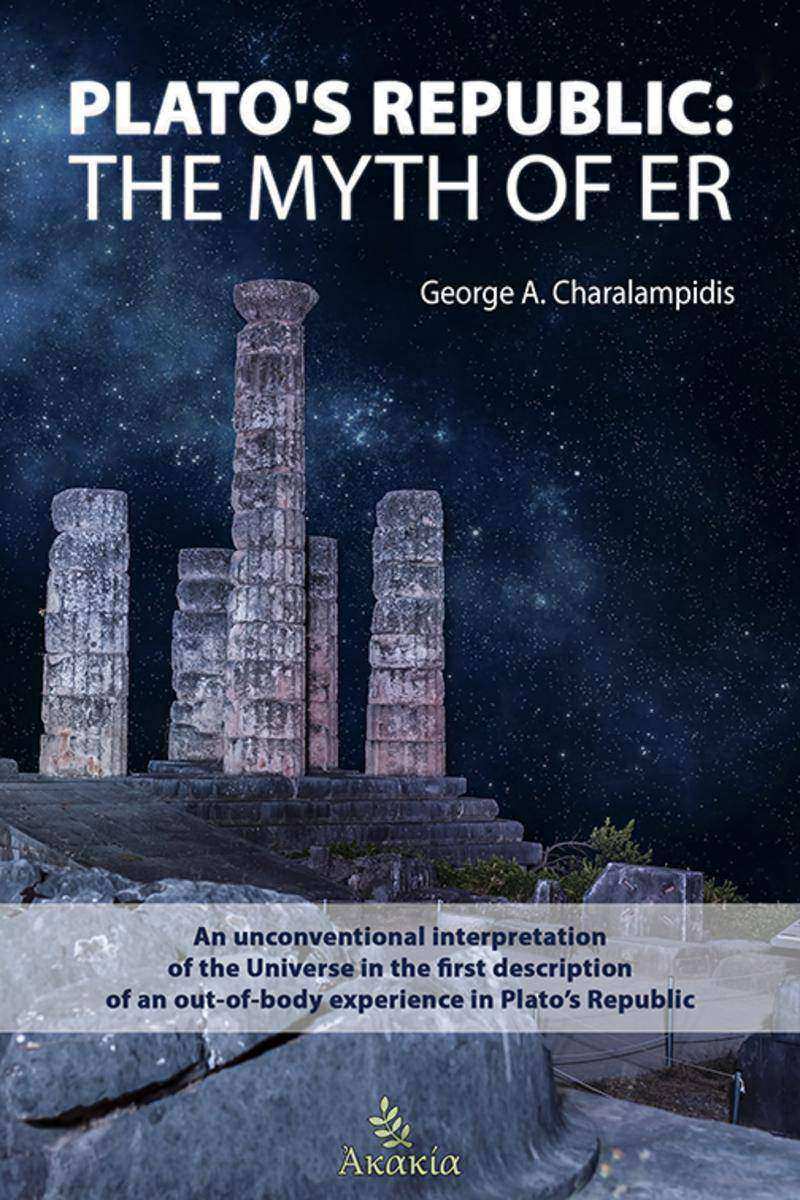
Plato’s Republic: The Myth of ER
¥63.19
The Myth of Er is the epilogue of Plato’s Republic. It could be considered as an independent text that refers to the greatest philosophical question of all times."Where does our soul go when we die and where does it come from when we are born?"Socrates in order to give an answer that would lead to a safe conclusion connects the journey of our soul to the function of our planetary system and tries to analyze the following sacramental but also scientific issues:- What is the difference between a developed soul and a developed mind?- Why is the cultivation of virtues necessary?- Which are the three roads of Hades and their connection to the "Van Allen belts"?- How are the penalties and rewards to our soul defined?- Where is Tartarus?- What does the spindle of necessity symbolize?- How are space time and the "Cuiper belt" connected?- What does the existence of Sirens and the three fates mean?- What is the procedure our incarnation?- What contract do we sign before we reincarnate on planet earth?- Which is the role of free will?- What does the mystery of the Dionysial theatre symbolize?- What difference is there between reincarnation and metempsychosis?- What is Socrates’ genius or our guardian angel?
Phaedo
¥40.79
After an interval of some months or years, and at Phlius, a town of Peloponnesus, the tale of the last hours of Socrates is narrated to Echecrates and other Phliasians by Phaedo the beloved disciple. The Dialogue necessarily takes the form of a narrative, because Socrates has to be described acting as well as speaking. The minutest particulars of the event are interesting to distant friends, and the narrator has an equal interest in them.
Timaeus
¥40.79
Of all the writings of Plato the Timaeus is the most obscure and repulsive to the modern reader, and has nevertheless had the greatest influence over the ancient and mediaeval world. The obscurity arises in the infancy of physical science, out of the confusion of theological, mathematical, and physiological notions, out of the desire to conceive the whole of nature without any adequate knowledge of the parts, and from a greater perception of similarities which lie on the surface than of differences which are hidden from view.

Ion
¥40.79
The Ion is the shortest, or nearly the shortest, of all the writings which bear the name of Plato, and is not authenticated by any early external testimony. The grace and beauty of this little work supply the only, and perhaps a sufficient, proof of its genuineness. The plan is simple; the dramatic interest consists entirely in the contrast between the irony of Socrates and the transparent vanity and childlike enthusiasm of the rhapsode Ion.
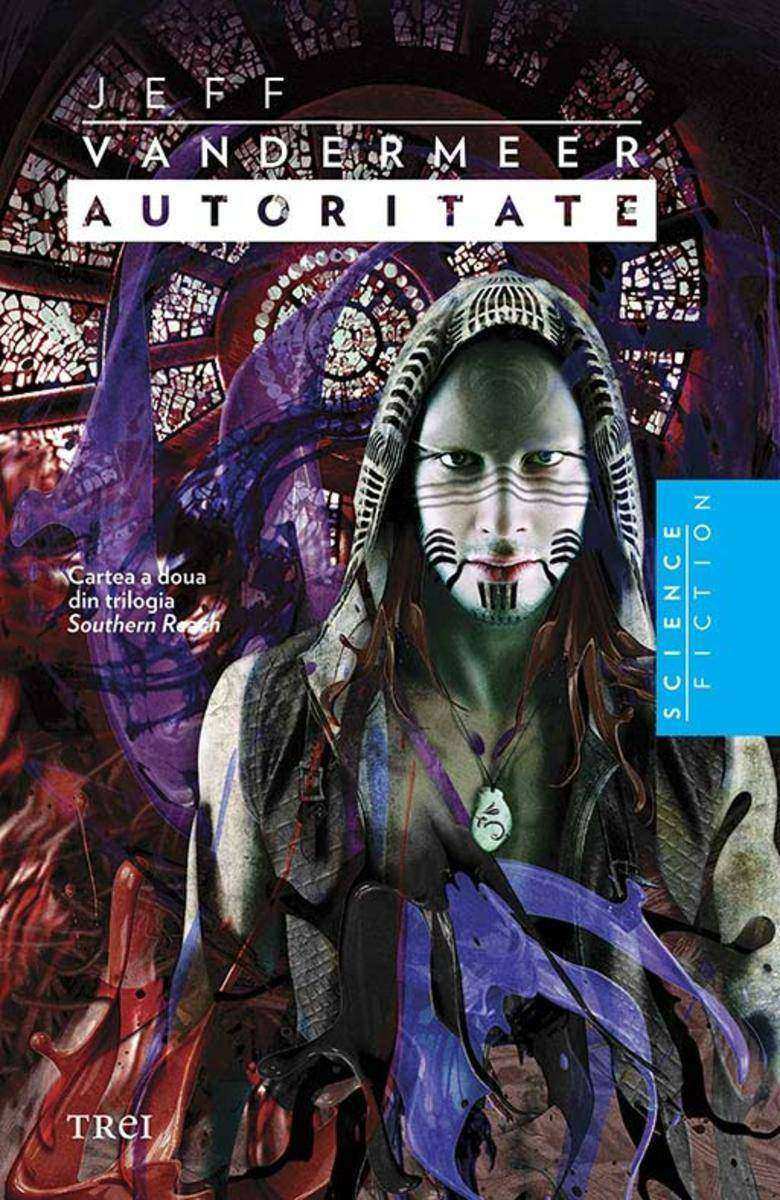
Autoritate
¥73.49
„Greu este s? fii bun“. A?a suna verdictul unui filozof presocratic la care m? încruntam abitir pe la 20 de ani. Acum, la 60, dup? ce am înv??at de la aceia?i în?elep?i c? „to?i oamenii sunt r?i“, dar c? „nu trebuie s?-i judeci“, nu m? mai gr?besc cu încruntarea. Doar zâmbesc pu?in ofilit, în dulce resemnare. Cu un astfel de zâmbet – trist, admirativ, îng?duitor ?i comp?timitor totodat? – trebuie întâmpinat (?i f?r? îndoial? iertat) Tomas H., personajul axial din romanul Cameliei Cavadia. Destinat fericirii, dar e?uat lamentabil. Vinovat inocent ?i egofil culpabil. ?i totu?i înseninat, dureros de triumf?tor în final, dup? ce altruismul învinge mizantropia, iar d?ruirea de sine absolv? vinov??ia. În fond, ce ar fi vina f?r? isp??ire? Un roman despre povara fericirii (chiar a?a!) ?i chinul permanent al demonicului de a surpa – prin patologia patimii oarbe – iubirea curat?, armonia conjugal?, farmecul divin al copil?riei ?i nobila condi?ie de p?rinte. Un debut surprinz?tor prin precizia arhitecturii narative ?i siguran?a rotirii caruselului cu multe ?i subtile rela?ii psihologice. În plus, îmbucur?tor prin op?iunea preponderent moral?, într-o vreme dominat? de anarhie, relativism ?i etic? în r?sp?r. – Dan C. Mih?ilescu ?„De când m? ?tiu am vrut s? devin scriitoare. PR de meserie, am scris pove?tile altora, dar mi-am dat seama c? am în?untrul meu propriile pove?ti care a?teapt? s? le dau via??. Tot ceea ce am f?cut pîn? acum a roit în jurul cuvintelor. Prin prisma meseriei mele, am scris sute de comunicate, am luat zeci de interviuri, m-am trezit cu zeci de fraze construite-n cap ?i am adormit cu altele bâzâindu-mi în ureche. Am hot?rât ca e timpul s?-mi urmez visul ?i s? devin ceea ce m-am sim?it mereu.“ – Camelia Cavadia

400 de re?ete culinare pentru copilul t?u. 0-3 ani. Cre?te?i mari ?i s?n?to?i!
¥73.49
Dac? Riscul g?ndirii nu s-a bucurat de aten?ia meritat?, probabil din cauza exploziei nea?teptate de produc?ii culturale – ?i mai ales pseudoculturale – care s-a petrecut dup? decembrie 1989, noua lucrare a celor doi g?nditori, scris? dup? aproape dou? decenii, ar trebui s? aib? toate premisele pentru a fi receptat? cum se cuvine.Sub forma ?n?el?toare a dialogului ?ntre cinci personaje caracterizate – fiecare – de un stil de g?ndire bine determinat cei doi ascund nenum?rate giuvaere ale g?ndirii originale, penetrante ?i vizionare. Cititorul obi?nuit s? caute pe copert? elementele care s?-i permit? m?car printr-un exerci?iu deductiv descifrarea ingredientelor discursului celor doi autori va fi surprins la fiecare pagin?.Dac? ?cele 5 lucruri esen?iale pe care trebuie s? le ?tii despre via??“ reprezint? de cele mai multe ori o simpl? etichet?, sub care compozi?ia eterogen? a con?inutului, superficialitatea ?i caracterul facil al expunerii mul?umesc ?i conving doar pe termen scurt, ?n cazul lucr?rii celor doi filosofi rom?ni lucrurile stau exact pe dos. ?n cele cinci capitole care analizeaz? avatarurile g?ndirii sunt ascunse nenum?rate modele de ?n?elepciune ?i de disciplin? a logosului, f?r? a fi anun?ate, explicate cu toate determina?iile conexe sau accentuate ?n vreun fel. Acesta este probabil cel mai elegant mod de a r?spl?ti cititorii: spun?ndu-le cum f?r? a-i avertiza c?.Pentru cine ??i dore?te totu?i o etichet? care s? u?ureze clasificarea acestui volum, cea mai concis? ?i mai potrivit? este oferit? de un binecunoscut dicton latin: Sapienti sat. ?ntr-un ocean de solu?ii, Sorin Vieru ?i Terente Robert construiesc o insul? de probleme a c?rei tr?inicie este alarmant? ?i, ?n acela?i timp, reconfortant?.

Analiza conflictelor internationale
¥50.30
Istoriile excentricit??ii din Logica elefan?ilor adopt? tonul comentariului pe dou? voci, simul?nd (?i stimul?nd) un canon care dubleaz?, prin reluare, recuperarea detaliului ca fiind princip(i)al. Fiziologiile devin ilustre, consecven?a ??i expune abera?ia, apetitul pentru trecut este inevitabil patologic, iar neao?ismele curente rezoneaz?, fire?te, cu globalizarea. ?ntr-o logic? elefantin?, inteligen?a are a se v?di, chiar gigantesc, ?n nimicnicia ?faptului divers“. Supraabunden?a concentr?rii miniaturale exacerbeaz? efectele ?ngurgit?rii unei mu?te ori ale studierii timpului liber al felinelor de cas?. Lenjeria intim? necesit? un tratament aristocratic, iar ?njur?tura ?i b?taia se sacralizeaz? ?ntr-un univers ?n care guvernarea p?r?se?te modelul pastoral pentru recursul la structuri galinacee. Textele lui Ciprian V?lcan ?i ale Danei Percec (sur)prind acest nesa? cu care lumea ?ns??i pare a-?i exprimenta limitele, n?ucit? parc? de proliferarea propriilor excese.
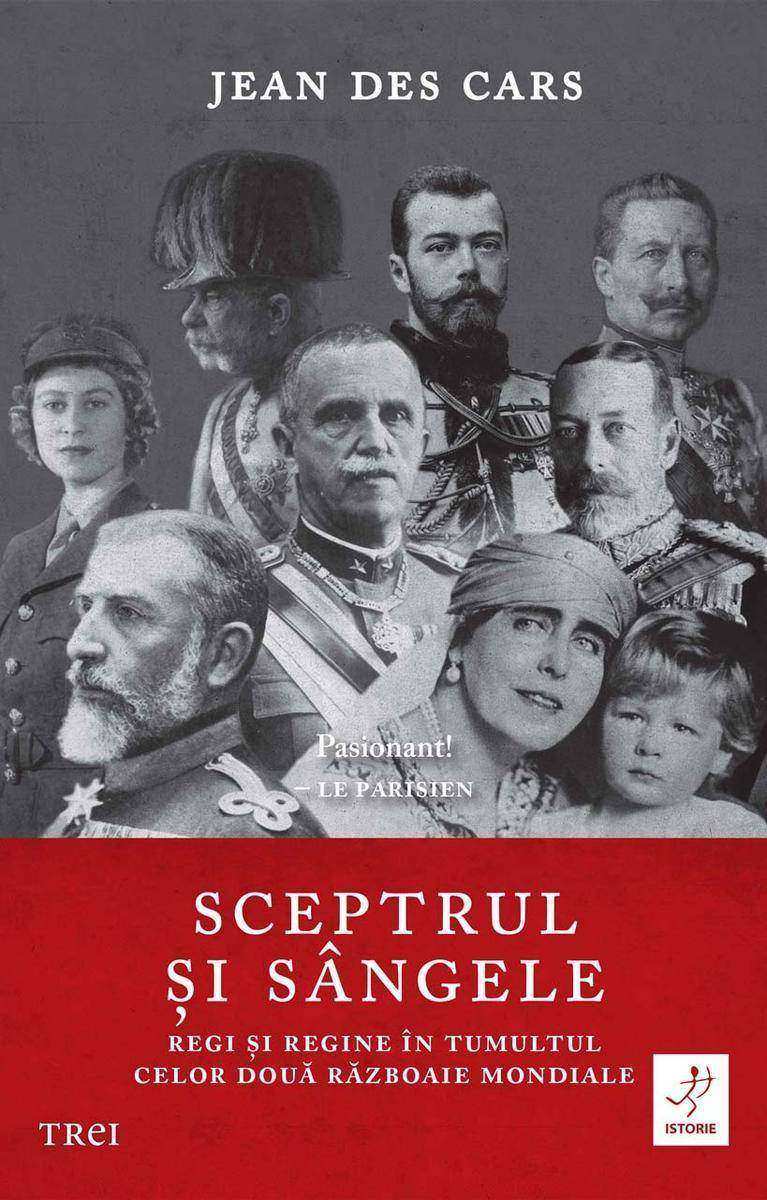
Sceptrul ?i s?ngele. Regi ?i regine ?n tumultul celor dou? R?zboaie Mondiale
¥90.84
Cum a fost ?nceputul, de unde ?i de ce a venit Universul la fiin??? Cine a creat, de fapt, via?a pe P?m?nt ?i cum va fi Sf?r?itul? Ce se ?nt?mpl? atunci c?nd murim ?i unde ajungem dup? aceea? ?i, la urma urmei, ce contur trebuie s?-i d?m vie?ii noastre dac? Dumnezeu nu exist?? Miturile ?i speran?ele noastre ofer? r?spunsuri convenabile, dar periculoase, la aceste ?ntreb?ri ?ntruc?t ?ntre?in iluzii care ne sporesc, ?n realitate, angoasa ?i la?itatea. Avem, totu?i, o alternativ?: apelul la metodele ?i descoperirile ?tiin?ei pentru a repune lucrurile ?i problemele ?n contextul din care au fost decupate din ignoran?? sau din r?utate. Despre via?? ?i moarte reabiliteaz? acest tip de demers ?ntr-un periplu scris cu umor, dar ?i cu seriozitate, cu elegan??, dar ?i cu duio?ie.

Emigra?ia alb? ?i Biserica Rus? pe teritoriul Rom?niei Socialiste, 1950-1952
¥61.83
Publicat? ini?ial, ?n prima edi?ie ?n 1785, cu titlul Grundlegung zur Metaphysik der Sitten, este una dintre cele mai influente crea?ii din ?ntreaga oper? filosofic? a lui Immanuel Kant ?i, totodat?, un reper ?n istoria filosofiei universale. Lucrarea filosofului german cuprinde o prefa??, trei sec?iuni – Trecerea de la cunoa?terea ra?ional? comun? a moravurilor la aceea filosofic?, Trecerea de la ?n?elepciunea moral? popular? la metafizica moravurilor, Trecerea de la metafizica moravurilor la critica ra?iunii pure practice – ?i o remarc? final?, precedate de nota traduc?torului, Valentin Mure?an. ?n prefa??, Kant pledeaz? pentru o metafizic? a moravurilor ?i discut? despre metodologia pe care a folosit-o. El porne?te de la ?mp?r?irea filosofiei grece?ti ?n fizic?, etic? ?i logic?. ?n prima sec?iune, dup? cum ?i titlul sugereaz?, se face trecerea de la forma cunoa?terii comune privind moravurile la cea filosofic?. El discut?, printre altele, despre voin?a bun? ?i datorie. ?n sec?iunea a doua se aprofundeaz? problema imperativelor. ?n ultima sec?iune, Kant discut? despre voin??, libertate. De fapt, cea de-a treia sec?iune reprezint? punctul de pornire de la care Kant a dezvoltat Critica ra?iunii practice, publicat? ?n 1788.
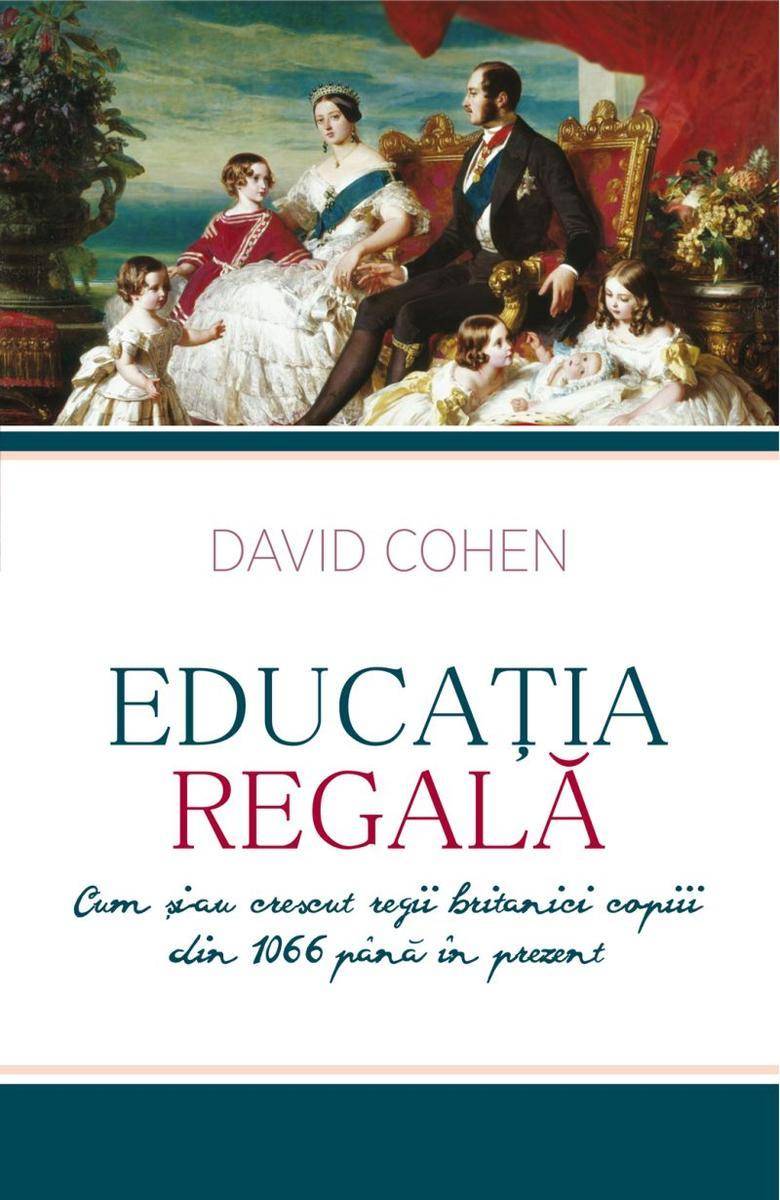
Educa?ia regal?. Cum ?i-au crescut regii britanici copiii din 1066 p?n? ?n preze
¥98.02
Despre guvernarea reprezentativ” este o carte plin de surprize i sugestii despre bunele practici ale guvernrii, care nu trebuie s lipseasc din bibliotecile celor preocupai de zona politicii. Volumul de fa a vzut prima dat lumina tiparului n 1861 i reunete principiile la care a lucrat filosoful britanic John Stuart Mill n cea mai mare parte a vieii sale. Aceast lucrare publicat la mijlocul secolului al XIX-lea i pstreaz prospeimea i relevana pn astzi, cnd suntem tot mai aproape de a ncheia a doua decad a secolului XXI. n primul rnd, pentru c imagineaz pn n cele mai mici detalii acel model politic pe care l numim democraia reprezentativ”. Winston Churchill spunea despre acesta c este prost, dar e cel mai bun dintre cele pe care le-a inventat omenirea”. John Stuart Mill i descrie organizarea, detaliaz rolul instituiilor, felul n care sunt alei sau numii demnitarii i explic atribuiile fiecruia. Pune n eviden atu-urile, dar i vulnerabilitile guvernrii reprezentative, comparnd-o cu alte sisteme politice din vremea sa. n final, ajunge la o concluzie foarte asemntoare cu cea a premierului britanic din secolul urmtor. Colecia IN NUCE reunete fragmente venic verzi” din cultura omenirii, mpletind discursuri din art, literatur, tiine sociale i religie. Dincolo de renumele autorilor i de valoarea titlurilor pentru fiecare domeniu n parte, acestea sunt pilde ale nelepciunii universale din toate vremurile. De acelasi autor: Utilitarismul
Перегляд позитивного мислення
¥16.35
A compreens?o de Contos d’Escárnio n?o poderia restringir-se à constru??o do horizonte no qual nasce, o século XX. A inten??o de escrever lixo e bestagem, anunciada pelo narrador, aos poucos, revela um grotesco vindo de um longínquo, de um aquém. Por isto, faz-se necessário também compreender o fluxo histórico-estético que encontra acolhida na imagina??o de Hilda Hilst, cujo amparo conceitual buscou-se à estética da recep??o e do efeito. Na Teoria Estética, o feio insurge como fen?meno da realidade artística contempor?nea; refúgio de sobrevivência da arte e dos belos escritos, deixa livre à plasticidade do presente a tarefa da denúncia da realidade. Em protesto, o dissonante reivindica cidadania e se mantém como possibilidade da arte. Neste sentido, tem lugar em Hilda Hilst a atualidade do grotesco.

Ancheta
¥33.03
Ce este adev?rul? De unde ?tiu cine sunt? De ce ar trebui s? fim buni? Exist? multe c?r?i despre filosofie. Cu toate acestea, Cine sunt eu? difer? fa?? de celelalte lucr?ri de introducere ?n filosofie. Nimeni nu a reu?it p?n? acum s? pun? cititorul fa??-n fa?? cu marile ?ntreb?ri ale omenirii ?ntr-o manier? at?t de documentat?, de competent? ?i, ?n acela?i timp, cu umor ?i cu elegan??. Prezenta lucrare reprezint? o c?l?torie unic? prin noianul de cuno?tin?e pe care le avem despre om. Precht ne prezint? tot ceea ce este mai nou ?n neuro?tiin??, ?n psihologie ?i ?n filosofie. Fie c? pleac? ?n cercetarea sensului vie?ii pornind de la analiza unui episod din Star Trek sau de la melodia Lucy in the Sky with Diamonds a celor de la Beatles, cartea ne pune ?n fa?a unui traseu captivant, ?n care vom descoperi cele mai surprinz?toare lucruri despre noi ?n?ine.
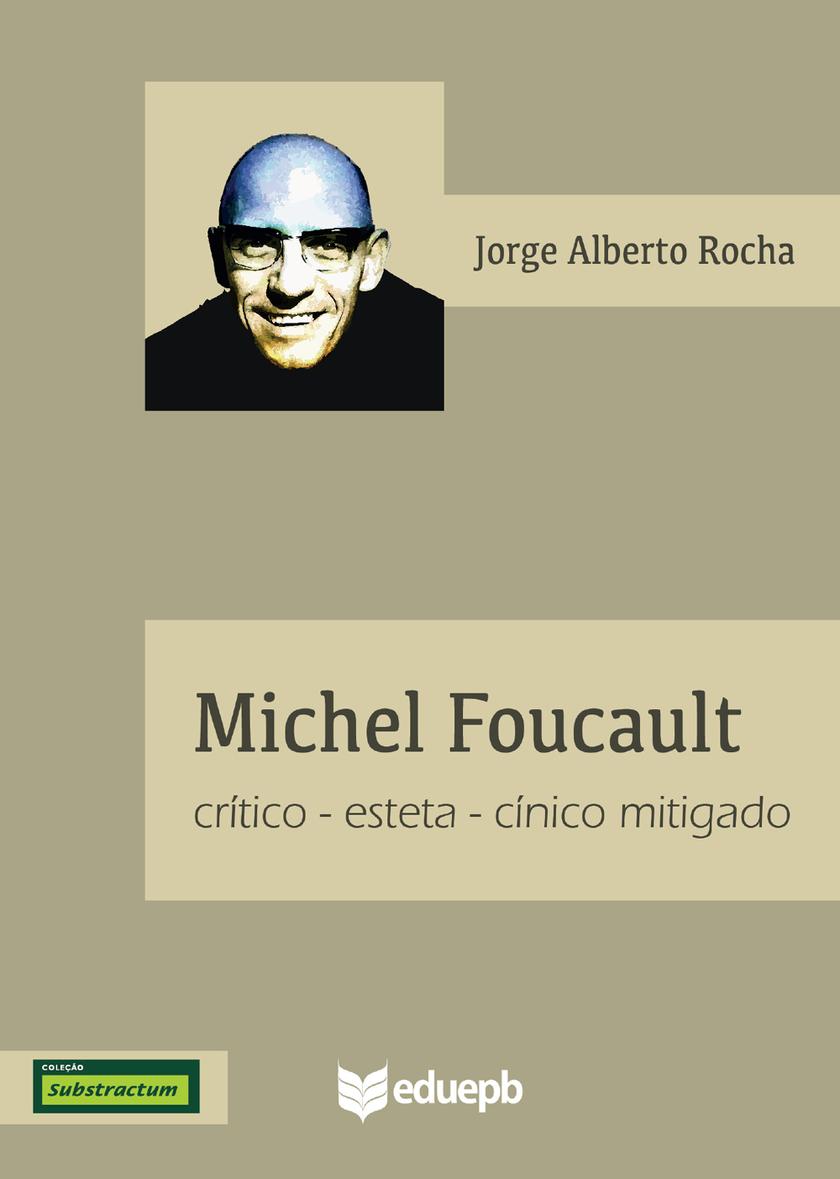
Michel Foucault: crítico-esteta-cínico mitigado
¥57.14
S?rmanul Nietzsche, ?bestia blond?“, a avut ?i el parte de crucificare. Multor profe?i ?i m?ntuitori li se ?nt?mpl? asta: eventual ?i ?n timpul vie?ii, ?i dup? moarte. Nietzsche, r?zvr?titul ?mpotriva legilor celor vechi, ?ntemeietorul orgolios al noii sale ?religii“, a trebuit s? suporte ?i el toate e?ecurile ?i r?st?lm?cirile posibile, ba chiar ?i punerea terifiant? ?n practic? a unora dintre ideile lui, care nici nu mai erau ale lui ?i, ?ndeob?te, nu mai erau idei…?Viclenia ra?iunii“, implicit a istoriei, o descrisese Hegel, unul dintre cei mul?i pe care Nietzsche nu-i agrea. Dincoace de istorie ?i chiar dincolo de ea, r?m?n c?r?ile. Omul n-a fost s? fie m?ntuit de Nietzsche. C?r?ile lui vor d?inui printre oameni: pentru oameni.
61 de ore
¥81.67
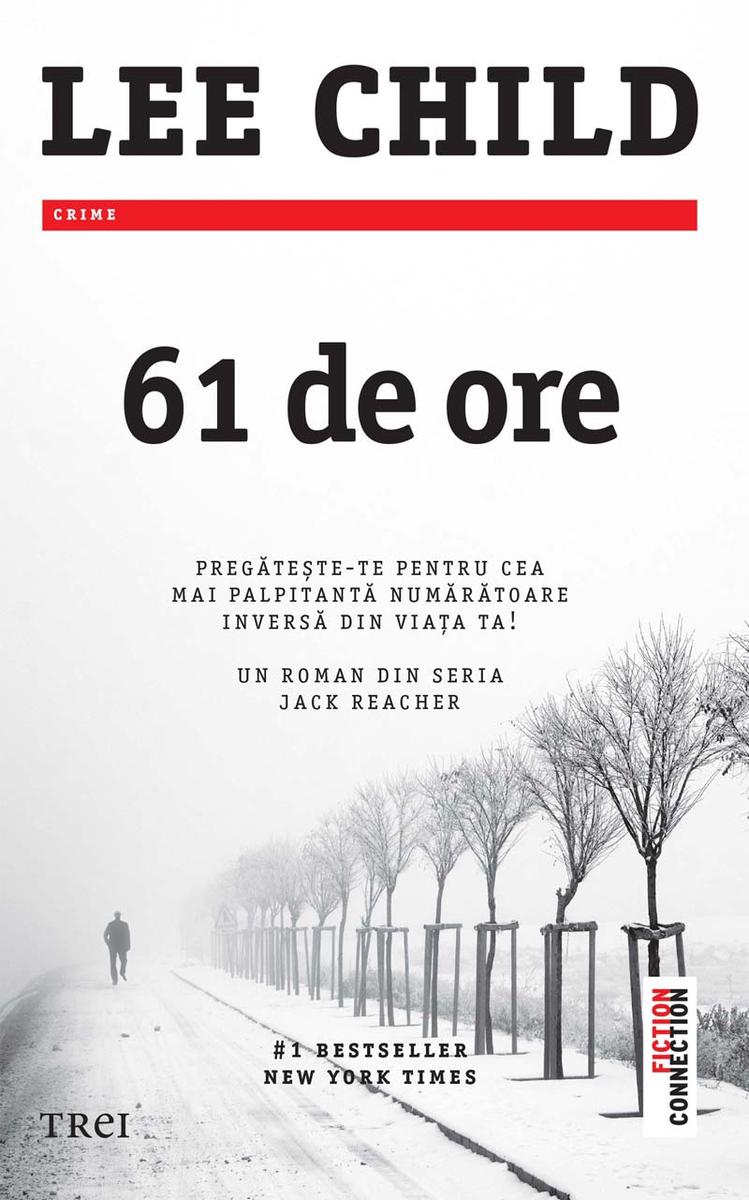
Cartea este o culegere de eseuri pe teme de istorie literar?, istoria ideilor ?i probleme generale de estetica artelor, toate acestea fiind abordate dintr-un accentuat unghi filozofic ?i ?tiin?ific deopotriv?.


康德书信百封
¥23.99
本书从康德遗留于世的300多封信中选出100封书信,根据年代先后按照编年史顺序排列。康德书信是康德哲学思想体系的一个重要组成部分。它们不仅包含了康德对自己思想体系的许多重要的说明和解释,形成了康德哲学著作的一个重要补充,而且以动态的方式再现了康德哲学思想形成的过程。同时,它们也是康德生活与事业的忠实见证人。 此外,本书的附录部分收录了康德三篇重要的论文,即《关于一种出自世界公民意图的普遍历史的观念》《回答一个问题:什么是启蒙》《重新提出的问题:人类是否在不断地向善步?》
暴力拓扑学
¥21.99
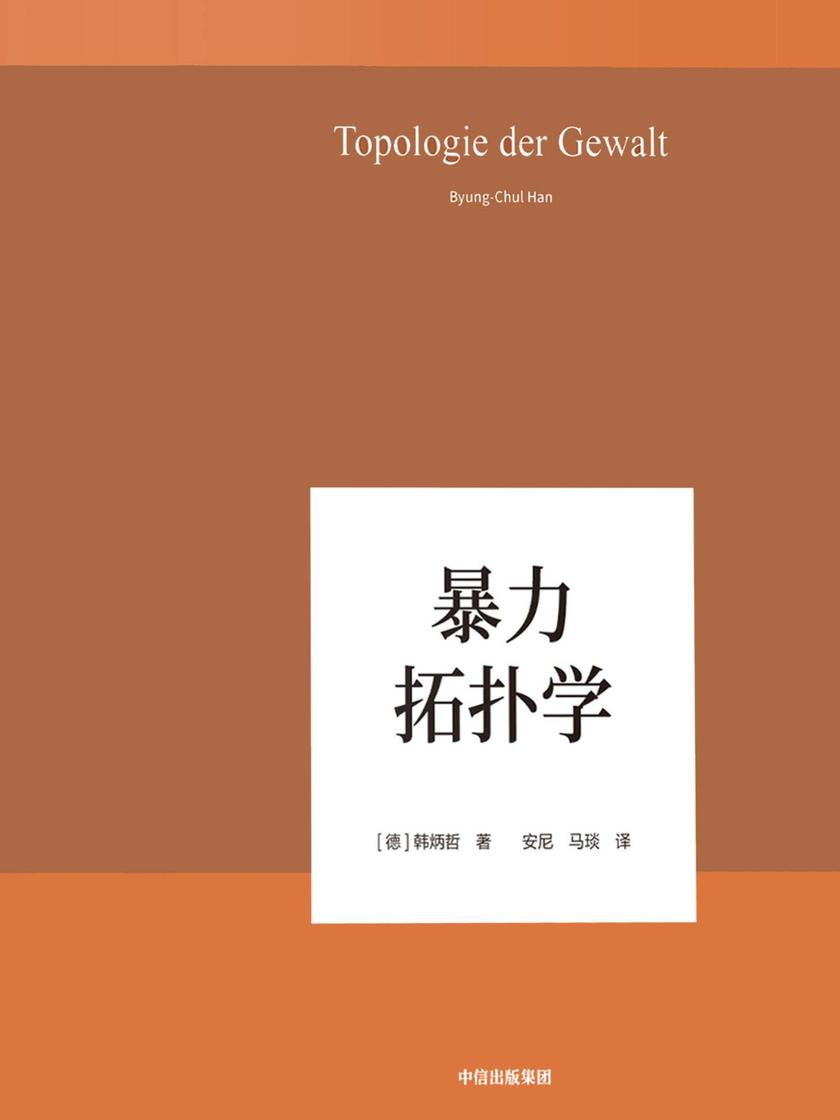
有些事物,永不消逝,暴力即属此类。 暴力性表达并非现代性的标志。暴力只是变化多端而已,其表现形式随社会局势而变。如今,它回到皮下、交际之下、毛细和神经元的领域,呈现出微观物理学的形态;这种形态的存在,无需在统治或敌对关系中的那种否定或排斥性。 它从可见转为无形,从粗野蛮横转为沉思内省,从正面直转为病毒性感染。暴力起作用的方式不是公然袭,而是蔓延传染。 作者在本书中首次揭示了暴力事件的变形记,从君权和血亲等前现代社会的斩首,经由现代规训社会的畸变,*终到了今天绩效社会和倦怠社会的抑郁。 ------------- 韩炳哲作品系列(见识城邦出品)(已出齐) 《精神政治学》(2019年3月) Psychopolitik 《爱欲之死》(2019年3月) Agonie des Eros 《在群中》(2019年3月) Im Schwarm 《他者的消失》(2019年6月) Die Austreibung des Anderen 《倦怠社会》(2019年6月) Müdigkeitsgesellschaft 《娱乐何为》(2019年6月) Gute Unterhaltung 《暴力拓扑学》(2019年10月) Topologie der Gewalt 《透明社会》(2019年10月) Transparenzgesellschaft 《美的救赎》(2019年10月) Die Errettung des Sch?nen

Getting Used to Weird: A very different sort of Love Story
¥8.63
Are you awakening spiritually and feeling weird?You’re not alone. Truly, you are not alone. You have many spiritual helpers, and just like Angela, you can learn to communicate with them and enlist their support. Lorelle Taylor’s extraordinary book traces Angela’s journey from normal to weird. Join her as she confronts challenges and undertakes deeply spiritual lessons while exploring the biggest questions. Learn about life and death from angels, spirit guides, Jesus and God. Discover how to overcome obstacles in your own path as you too discover the secrets for a fulfilled and happy life. Start reading?Getting Used to Weird: A very different sort of Love Story?today and you’ll discover that on this journey, you’re also getting used to love. You’ll come away with the knowledge that “Love is the answer to all questions.”


