


 购物车
购物车 个人中心
个人中心
Iubi?i-v? pe tunuri
¥33.03
F?r? a propune o terminologie aristotelic? bine precizat? pe teritoriul limbii rom?ne, transpunerea de fa?? reprezint? un moment important ?n raportarea rom?neasc? la opera Stagiritului.Traducere de ?tefan Bezdechi efectuat? dup? textul grec publicat de W. Christ ?n colec?ia ?Teubner“, Lipsca, 1906. Pentru realizarea ei au fost utilizate urm?toarele surse:Die Metaphysik des Aristoteles, traducere ?n limba german? de J. R. V. Kirchmann, ap?rut? ?n dou? volume ?i prev?zut? cu note ample ?n colec?ia ?Philosophische Bibliothek“, numerele 38 ?i 39, la Berlin, ?n 1871;Aristoteles, Metaphysik, traducere ?n limba german? de Adolf Lasson, ?n care cele patrusprezece c?r?i ale Metafizicii sunt a?ezate ?ntr-o r?nduial? mai logic? dec?t a?a cum au fost transmise ?n originalul grec, traducere ap?rut? ?n 1924, la Jena;Aristote, Métaphysique, traducere ?n limba francez? de J. Tricot, cu o prefa?? de A. Diés, ap?rut? ?n colec?ia ?Bibliothèque des textes philosophiques“, J. Vrin, la Paris, ?n 1933.La marginea textului a fost trecut? pagina?ia edi?iei Bekker, dup? care se fac ?n mod obi?nuit cita?iile din opera lui Aristotel.Confruntarea traducerii a fost f?cut? de prof. Aram M. Frenkian.

MI6. Adev?ruri ?ocante despre istoria serviciilor secrete britanice
¥82.81
Volumul cuprinde dou? din cele mai reprezentative lucr?ri ?n care filosoful german ??i expune concep?ia moral?: ?ntemeierea metafizicii moravurilor (1785) ?i Critica ra?iunii practice (1788). ?n ?ntemeierea metafizicii moravurilor Immanuel Kant expune principiile moralit??ii, iar ?n Critica ra?iunii practice ??i construie?te propriul s?u sistem etic, ceea ce face ca aceasta s? fie considerat?, dup? Critica ra?iunii pure, a doua sa oper? fundamental?.?ntre cele dou? lucr?ri este o at?t de str?ns? leg?tur?, ?nc?t cunoa?terea numai a uneia din ele ne-ar oferi o imagine incomplet? asupra concep?iei sale morale.Immanuel Kant a avansat idei etice ?i ?n alte opere ulterioare (Religia ?n limitele ra?iunii – 1793 sau Metafizica moravurilor – 1797), dar numai ?n cele reunite ?n acest volum se ocup? de problemele teoretice ale moralit??ii.Traducerea a fost f?cut? dup? edi?ia german? din 1956 (Leipzig, Hrsg. Von Raymund Schimidt).
Exercitii practice de psihogenealogie
¥48.97
Satisfacerea neîngr?dit? a nevoilor instinctuale ale omului este oare compatibil? cu limit?rile impuse de progresul civiliza?iei? Lansat? de Freud în celebrul text Disconfort în cultur? (1930), întrebarea este reluat? peste un sfert de veac de c?tre Herbert Marcuse, eminent filosof din ?coala de la Frankfurt. În vreme ce Freud ofer? un r?spuns pesimist, vorbind despre inevitabila subjugare a instinctelor umane de c?tre societatea represiv?, Marcuse întrevede o cale de îmblânzire a agresivit??ii Civiliza?iei prin for?a unificatoare, vital? ?i ludic? a Erosului. Solu?iile de emancipare sugerate de c?tre Marcuse au influen?at profund mi?c?rile studen?e?ti, ecologice, anticolonialiste sau de eliberare sexual? din ultima jum?tate de secol. De aceea interesul pentru criticile sale trece dincolo de ?tiin?ele socio-umane, înspre to?i cei ce vor s? în?eleag? mecanismele alienante ale „societ??ii abunden?ei“. Acest eseu folose?te categorii psihologice, deoarece ele au devenit categorii politice. Exist? procese psihice, alt?dat? autonome ?i identificabile, care sunt absorbite de func?ia individului în stat - de c?tre existen?a sa public?. Problemele psihologice se transform? a?adar în probleme politice. ?– Herbert Marcuse Pornind de la Freud ?i de la tradi?ia eliberatoare a filosofiei ?i culturii, Marcuse schi?eaz? tabloul unei civiliza?ii în care alienarea ?i reprimarea sunt înlocuite de dimensiunea libidinal? ?i nealienant? a muncii, jocului ?i sexualit??ii libere ?i deschise, toate acestea conducând mai departe c?tre emancipare ?i fericire. – Douglas Kellner, editor al seriei The Collected Papers of Herbert Marcuse
Despre om ?i societate
¥24.44
De numele lui Sigmund Freud (1856-1929) se leag? poate cea mai controversat? teorie din filosofia culturii ultimelor secole: psihanaliza. ?nceput? ca ?ntreprindere psihoterapeutic?, prima cur? – din punct de vedere istoric – ?n care rolul terapeutic revenea exclusiv cuv?ntului, psihanaliza a fost condus? de Freud ?n mod firesc ?i ?n direc?ia descoperirii resorturilor abisale ale culturii.Disconfort ?n cultur? (1930) este o lucrare de maturitate ?n care p?rintele psihanalizei investigheaz? mecanismele care men?in coeziunea social?, respectiv contraponderea lor, manifestat? prin senza?ia de disconfort care ?nso?e?te mai mult sau mai pu?in evident fiin?a social?.?Supraeul unui epoci culturale are o origine asem?n?toare cu a celui individual; se sprijin? pe impresia pe care au l?sat-o mari personalit??i conduc?toare, oameni de o for?? spiritual? cople?itoare sau cei la care una dintre tendin?ele umane a g?sit configura?ia cea mai puternic? ?i mai pur?, de aceea adesea ?i cea mai unilateral?.“ - Sigmund Freud

Mossad. Istoria s?ngeroas? a spionajului israelian
¥82.81
n eseul Despre prostie (ber die Dummheit, 1937) subiectul este tratat, ca de obicei, cu toate resursele familiare autorului: analiza filosofic se combin cu observaiile de tip psihologic i cu constatri din istorie i politologie. Dei proiectul iniiat de acest eseu nu a fost finalizat, se remarc, totui, atenta cartografiere a fenomenelor asociate prostiei, tratate n stilul ironiei constructive“, att de specific lui Musil.


新核心素养系列(套装共8册)
¥24.71
●从未有哪个时代像今天一样,科学让人类社会以肉眼可见的速度向前演化。这场两千多年的长程奔跑似乎来到了冲刺阶段,不断有人做出世界末日的预言,那么,科学*终带给我们的究竟是生存还是毁灭?科学研究的目的究竟是什么?科学能告诉我们*真理吗? 带着这样的终极关怀,《人人都该懂的科学哲学》首先讲述了科学脱离哲学、独立成长的过程,然后以智慧设计论、弦理论、占星术、有神论、社会建构主义、女性主义等充满争议的问题为例,辨析了科学的定义、方法和目的,科学和社会的关系。伟大的科学哲学家亚里士多德、笛卡儿、休谟、培根、波普尔、库恩等纷纷出场,上演了一场绵亘数千年的*辩论。 面对未来的挑战,无论人类能否破解“公地悲剧”、实现星际殖民、活到长生不老,杰弗里·戈勒姆以科学哲学的视角安慰我们:“当生命终结,人类文化仍然存在,只不过是存在于过去。希望它永远存在就太过分了,无异于希望巴黎时时处处是春天。” ●《人人都该懂的科学哲学》属于湛庐文化重磅推出的“新核心素养”系列图书之一。本系列图书致力于推广通识阅读,扩展读者的阅读面,培养批判性思考的能力。其中涵盖了哲学、心理学、法律、艺术、物理学、生物科技等诸多人文科学和自然科学的知识,其中《人人都该懂的科学哲学》的内容涵盖了科学哲学的核心思想,让你一本书了解科学哲学的核心智慧。
Dream Psychology: Psychoanalysis the Dreams for Beginners
¥28.04
Ralph Waldo Emerson, was born at Boston in 1803 into a distinguished family of New England Unitarian ministers. His was the eighth generation to enter the ministry in a dynasty that reached back to the earliest days of Puritan America. Despite the death of his father when Emerson was only eleven, he was able to be educated at Boston Latin School and then Harvard, from which he graduated in 1821. After several years of reluctant school teaching, he returned to the Harvard Divinity School, entering the Unitarian ministry during a period of robust ecclesiastic debate. By 1829 Emerson was married and well on his way to a promising career in the church through his appointment to an important congregation in Boston. However, his career in the ministry did not last long. Following the death of his first wife, Ellen, his private religious doubts led him to announce his resignation to his congregation, claiming he was unable to preach a doctrine he no longer believed and that "to be a good minister it was necessary to leave the ministry."With the modest legacy left him from his first wife, Emerson was able to devote himself to study and travel. In Europe he met many of the important Romantic writers whose ideas on art, philosophy, and literature were transforming the writing of the Nineteenth Century. He also continued to explore his own ideas in a series of voluminous journals which he had kept from his earliest youth and from which virtually all of his literary creation would be generated. Taking up residence in Concord, Massachusetts, Emerson devoted himself to study, writing and a series of public lectures in the growing lyceum movement. From these lyceum addresses Emerson developed and then in 1836 published his most important work, Nature. Its publication also coincided with his organizing role in the Transcendental Club, a group of leading New England educators, clergy, and intellectuals interested in idealistic religion, philosophy, and literature.

?tvenezer lándzsa: Anjouk - V. rész
¥75.54
"A megsemmisülés rejtélyes sz?vege egyszerre filozófiai traktátus, misztikus beavatás és poszthumán próza. A kortárs irodalomban egyre inkább feler?s?dik ez a nem-antropocentrikus hang, mely nem emberi sorsokat akar elbeszélni, hanem a nyelv és az ember k?z?s hiányt?rténetére mutat rá. ?Mennyien kapaszkodtak a létbe, mint egy végtelen fa t?rzsébe” - írja Horváth Márk és Lovász ?dám, hiszen az emberi állapot csak a társadalmi, nyelvi és metafizikai katasztrófa terében értelmezhet?. Apokaliptikus (neo)romantika és abszurd k?ltészet. Az utolsó ember kézik?nyve a túlélés lehetetlenségér?l."Nemes Z. Márió Az Idegenre hárult a sors ajándéka, hogy els?ként az utolsó emberek k?zu?l végignézze minden ku?ls?dleges k?telék pusztulását, és bizalmát lelkébe, s?t a lelkén is túlra helyezze, minden emberit maga m?g?tt hagyva. Minden ház gerendái k?z?tt barátságok és szerelmek jól táplált holttestei indultak oszlásnak, míg csak a csont fehérlett ki a vízb?l. Mint rég elhagyott kik?t?k tornyai, olyan hívogatóak voltak ezek a csontok az új kor embere számára.
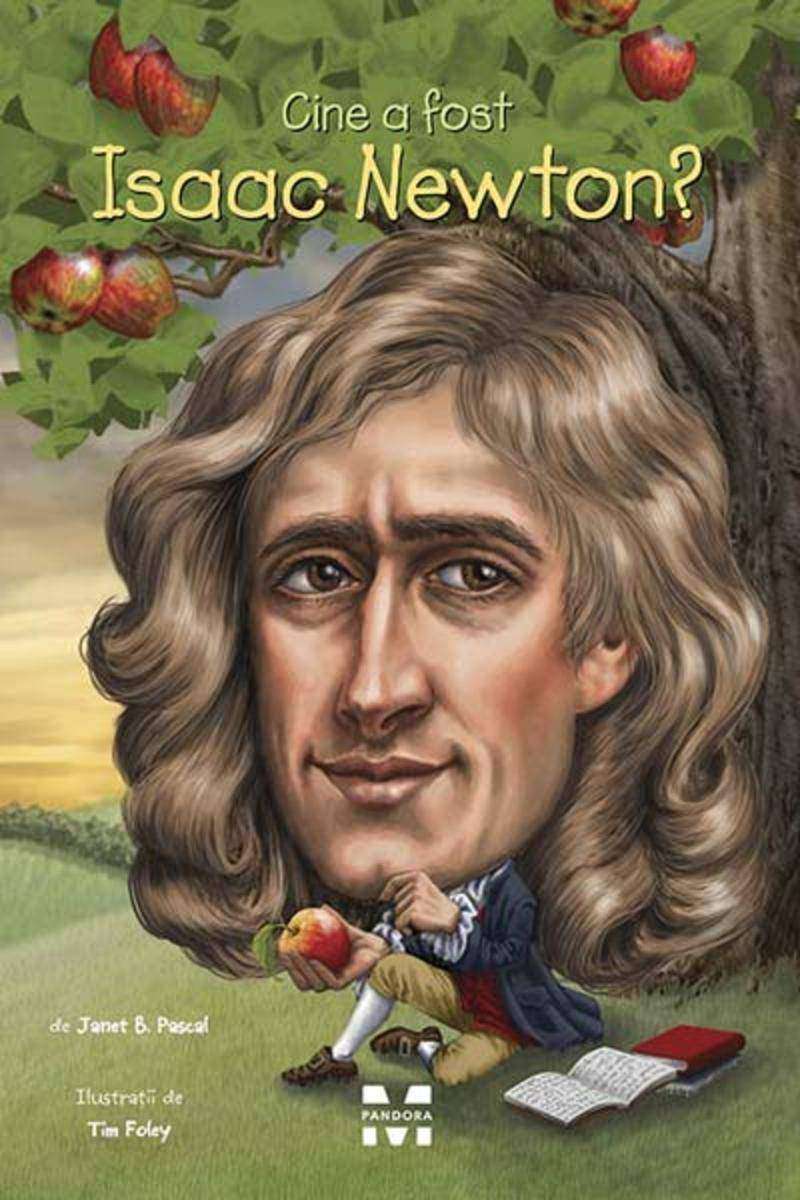
Cine a fost Isaac Newton?
¥32.62
Cartea de fa??, pe care cititorul o ?ine acum ?n m?n?, reprezint? o form? – literar vorbind, foarte complex?, fiindc? ea evolueaz? pe mai multe voci narative, dintre care doar unele ?i apar?in ?n mod direct autoarei – de exorcism. Geniul inimii e r?spunsul unui poet la o experien?? personal? plenitudinar?, ?n care bucuria ?i suferin?a se ?ntrep?trund reciproc pentru a exprima, ?mpreun? ?i tensionat, starea de gra?ie. Exist? o voce a experien?ei biografice ?n aceast? carte scris? febril, o alta de martor sau de participant la istorie, tot a?a cum exist? o voce a puterii ?i una a victimei. Deasupra tuturor st?, ?ns?, nu neap?rat triumf?toare, dar lucid-cerebral?, chemarea celor dou? credin?e pentru care merit? s? tr?ie?ti ?i s?-?i rememorezi via?a atunci c?nd ai ajuns cu ea la r?sp?ntie: credin?a ?n cultura modelelor care te-au precedat ?i credin?a deloc ingenu?, ci ivit? din cunoa?tere, ?n sacralitatea profund? a celor tr?ite ?i ?n transcenden??. (?tefan Borbély) A considera un text drept ?carte a ilumin?rilor mele“ ?i a a?eza ca titlu al primei p?r?i a volumului sintagma Povestea subteranei ne plaseaz? sub semnul aproape imposibil al drumului c?tre Sine, al cuprinderii, al denud?rii ?i al efortului de a ?n?elege un obiect al c?rui adev?r se va afla ?ntotdeauna ?n proximitatea pe?terii lui Platon. E un demers perpetuat, dar niciodat? epuizat ?i aproape exclus din plasma comunic?rii, care – ?n situa?ia ?romanului“ Aurei Christi – nu are coresponden?e, nu se apropie de experien?a budhist?, nici de prerogativele ocultismului de New Age, ci ne aduce ?n vecin?tatea ?ndemnului de pe frontispiciul templului lui Apollo din Delphi, preluat apoi, ca solu?ie ?ntre a fi ?i a p?rea, de c?tre Socrate: ?Cunoa?te-te pe tine ?nsu?i!“. Po?i ?nt?lni, pe acest drum, ?i acel daimonion care a str?juit g?ndirea aceluia?i ?n?elept atenian ca alt? fa?? a ?subteranelor“ fiin?ei, acolo unde lumina se ?ngem?neaz? cu ?ntunericul, stare ?poetizat?“ de Goethe, dar pr?bu?it? ?n tragic de Dostoievski. E o cobor?re spre ?n?elegere prin cuprindere ?i, implicit, prin atingerea nelimitatului. (Mircea Braga) Cartea Aurei Christi Geniul inimii pare o st?nc? masiv?, singuratic?, ?ntr-un peisaj ?mioritic“. Geniul inimii are originalitate ?i for??. Prima parte e liric?, a doua (?ntr-un fel) – o comedie negru-satiric?, a treia – predominant epic-narativ?. Prima parte este excelent?; mi-am ?nsemnat un num?r de poezii memorabile. A doua, ?n centrul ei mai ales, are sec?iuni, pasaje extrem de interesant-pl?cute-amuzante, ?n pofida tonului, uneori, foiletonistic. A treia e impresionant? ?n ansamblu, armonios-coerent?, de o sinceritate sf??ietoare. ?n tot volumul, istoricul, religiosul, subiectivul se leag? foarte frumos ?ntre ele. Nu-mi plac laudele la adresa lui Nietzsche! De fapt, cum se leag? acest autor de Biblie, de Evanghelii?! Aura Christi poate fi m?ndr? de o realizare major?, cu totul original?. Probabil, nu l-a citit pe romanticul britanic Wordsworth; dar el e cel care a scris (sau a ?nceput s? scrie) o memorabil? autobiografie ?n versuri. Pu?ini l-au continuat. Am putea spune c? Aura se num?r? printre cei pu?ini. (Virgil Nemoianu)
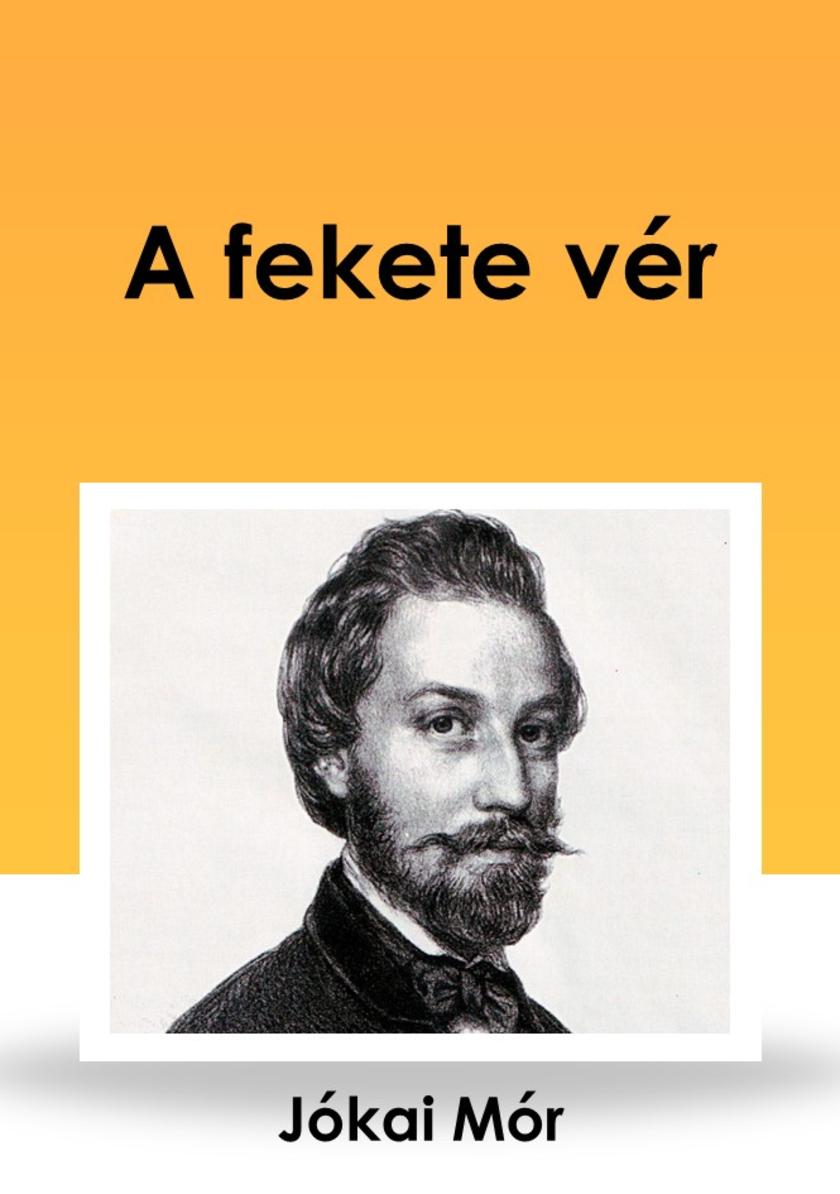
A fekete vér
¥8.67
The present publication is intended to supply a recognised deficiency in our literature—a library edition of the Essays of Montaigne. This great French writer deserves to be regarded as a classic, not only in the land of his birth, but in all countries and in all literatures. His Essays, which are at once the most celebrated and the most permanent of his productions, form a magazine out of which such minds as those of Bacon and Shakespeare did not disdain to help themselves; and, indeed, as Hallam observes, the Frenchman's literary importance largely results from the share which his mind had in influencing other minds, coeval and subsequent. But, at the same time, estimating the value and rank of the essayist, we are not to leave out of the account the drawbacks and the circumstances of the period: the imperfect state of education, the comparative scarcity of books, and the limited opportunities of intellectual intercourse. Montaigne freely borrowed of others, and he has found men willing to borrow of him as freely. We need not wonder at the reputation which he with seeming facility achieved. He was, without being aware of it, the leader of a new school in letters and morals. His book was different from all others which were at that date in the world. It diverted the ancient currents of thought into new channels. It told its readers, with unexampled frankness, what its writer's opinion was about men and things, and threw what must have been a strange kind of new light on many matters but darkly understood. Above all, the essayist uncased himself, and made his intellectual and physical organism public property. He took the world into his confidence on all subjects. His essays were a sort of literary anatomy, where we get a diagnosis of the writer's mind, made by himself at different levels and under a large variety of operating influences. Of all egotists, Montaigne, if not the greatest, was the most fascinating, because, perhaps, he was the least affected and most truthful. What he did, and what he had professed to do, was to dissect his mind, and show us, as best he could, how it was made, and what relation it bore to external objects. He investigated his mental structure as a schoolboy pulls his watch to pieces, to examine the mechanism of the works; and the result, accompanied by illustrations abounding with originality and force, he delivered to his fellow-men in a book. W. C. H. KENSINGTON, November 1877. THE LIFE OF MONTAIGNE The author of the Essays was born, as he informs us himself, between eleven and twelve o'clock in the day, the last of February 1533, at the chateau of St. Michel de Montaigne. His father, Pierre Eyquem, esquire, was successively first Jurat of the town of Bordeaux (1530), Under-Mayor 1536, Jurat for the second time in 1540, Procureur in 1546, and at length Mayor from 1553 to 1556. He was a man of austere probity, who had "a particular regard for honour and for propriety in his person and attire . . . a mighty good faith in his speech, and a conscience and a religious feeling inclining to superstition, rather than to the other extreme. Between 1556 and 1563 an important incident occurred in the life of Montaigne, in the commencement of his romantic friendship with Etienne de la Boetie, whom he had met, as he tells us, by pure chance at some festive celebration in the town. From their very first interview the two found themselves drawn irresistibly close to one another, and during six years this alliance was foremost in the heart of Montaigne, as it was afterwards in his memory, when death had severed it.
禅话与净话
¥18.00
本书分两大部分,即禅话与净话。作者分别将佛门禅净的特色深地释义,并且以历代禅净兼修的大德为例证,破斥持门户之见者。书中以“念佛至一心不乱,便是禅定;参禅至彻见自性,即是净土”为立论的根据,写出了禅宗与净土宗同为佛教派别的异与同。
佛堂讲话
¥18.00
道源法师关于念佛的完整示,包括对念佛的目的、方法、功德等的详细的讲解,为修行净土宗的修行者提供了如何正确念佛的方便法门。
地藏本愿经外二部
¥18.00
对佛教经典《地藏本愿经》《佛说盂兰盆经》《佛说父母恩重难报经》三部经的翻译解释。
中阿含经
¥18.00
《中阿含经》共六十卷,共收经二百二十二部,,分为五诵十八品,为东晋僧伽提婆与僧伽罗叉所译。本书节选了《中阿含经》中的二十部经。读者可从中体察《中阿含经》之全貌,领会佛陀当年为众比丘说法传教的殷殷苦心,并了解一些佛教历史,理解有关佛说的基本教义、基本理论,一步坚定学习佛教,信奉善行,自度度人,常乐我净的信心。
楞伽经
¥18.00
《楞伽经》,七卷,十品,全称《大乘楞伽经》。现奉献给读者的这部《楞伽经》,是唐译本。由于此译本几经校勘,加之采用以梵本对照前两个译本的方法,因此,义理方面较前其他版本更准确、完备,文字之表述也更加通畅、流利,受到佛教界的一致肯定和推崇 在众多大乘经典中,《楞伽经》*突出的特在其融会贯通,它不仅融会了大小二乘,而且贯通了空有二宗;不仅糅合了如来藏系和唯识系的思想,而且融摄了性相二宗。在中国佛教中,它既是「法相唯识宗」依据的经典之一,同时也是禅宗初祖达磨传付慧可的重要经典,其对中国佛教的影响可见一斑。

Пришестя робот?в.
¥31.07
"Wilde è profetico sin dalle prima righe, quando denuncia la prevalenza dell’emozione sulla razionalità, male principe del nostro tempo, e poi del pietismo sull’emancipazione, male di tanta politica di pseudo sinistra" (dall'Introduzione di Alfredo Sgarlato). Wilde: ?perché la vita raggiunga la sua più elevata perfezione, ci vuole qualche cosa di più. Ciò che ci vuole è l'individualismo?, ?Utopia? Una carta geografica del mondo in cui non sia segnato il paese dell'Utopia, non varrebbe la pena d'essere guardata, perché vi mancherebbe il paese in cui l'Umanità atterra ogni giorno. Ma non appena v'è sbarcata, ella guarda più lontano, scorge una terra ancora più bella, e spiega di nuovo le vele. Progredire significa realizzare l'Utopia?. SOMMARIO: Introduzione (di Alfredo Sgarlato) - Postfazione. Breve biblio-nota ai testi e alla traduzione (di Fabrizio Pinna) - OSCAR WILDE Società e libertà: elogio dell'individualismo - APPENDICE I Oscar Wilde, Rapporti fra il socialismo e l'individualismo (di Luigi Fabbri, 1913) - APPENDICE II The Soul of Man under Socialism (1891). LA COLLANA IN/DEFINIZIONI
信愿念佛
¥18.00
印光大师的智言慧语,示净土法门如何念佛修炼。此书是印光大师一生行谊的写照,对于如何修习念佛了生死,该书有切实的指导意义。
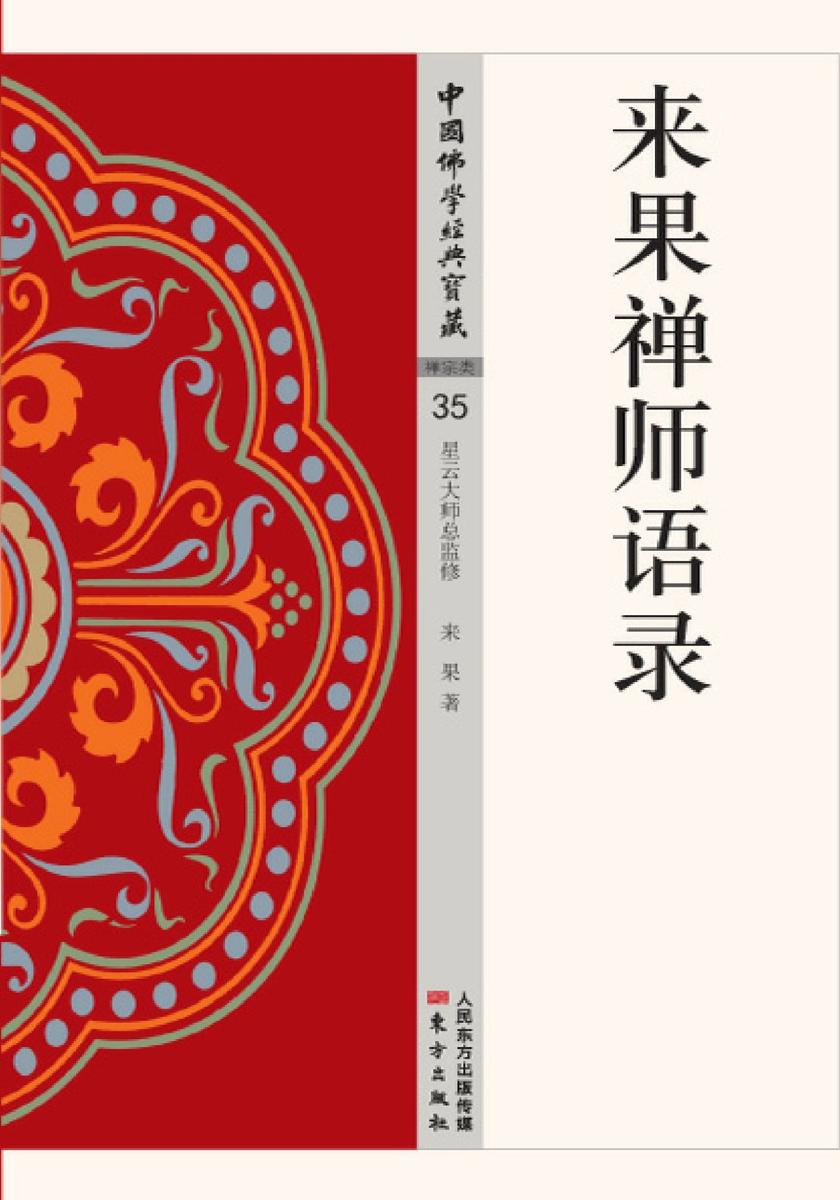
来果禅师语录
¥18.00
本书系节录来果禅师(1881—1953年)语录中的解谤扶宗说、参禅普说、自行录等三卷。解谤扶宗说,一一破解宗、教、律、净相互争议的症结,令其能相容尊重。扶宗说以简明的一百则学禅的箴言,句句破心殷切,为后学大眼目,指迷津。参禅普说,以修道者常犯的毛病,如怕动、求静、怕苦事、无长远心、我慢等,抽丝剥茧作彻底的针砭。自行录,以来果禅师一生行履为主轴,文中有禅师的孝行,割肝疗治父疾和求法种种困厄的历程。 本书为门学禅者,先确立正见的方向(解谤扶宗说、参禅普说二章),后树立禅者大无畏的风格(自行录一章)。“语录”是启发性灵的一面镜子,只要对有所探索的人,此书必定是良师益友。
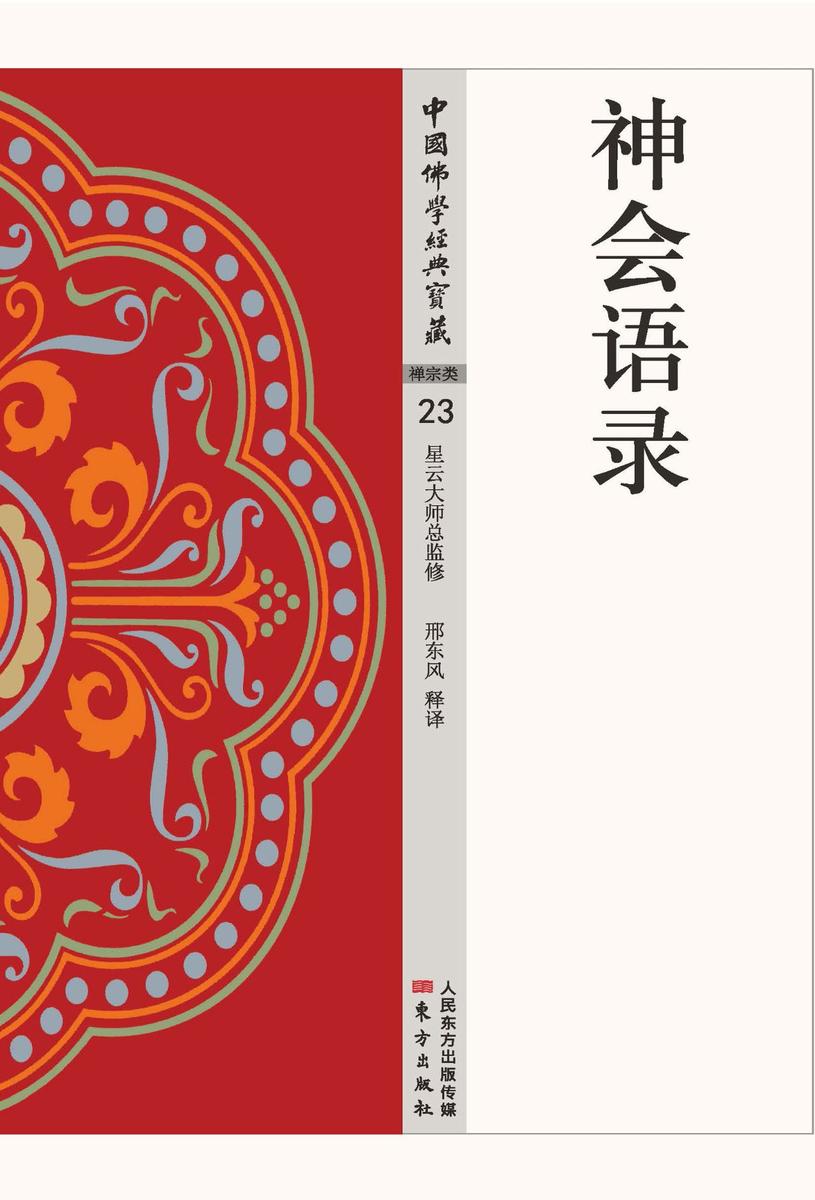
神会语录
¥18.00
本书记录了神会与崇远法师就禅宗的是非邪正问题展辩论的经过,神会在辩论中批评神秀的大弟子普寂的禅法,指出惠能是得到传法袈裟的第六代祖师,禅宗历代祖师相传的只是单刀直、直了见性的顿悟法门,并强调般若波罗蜜是一切修行的根本。
空的哲理
¥18.00
空理不但是将近八百卷般若经的精华,而且是大小显密佛学的核心和特质,同时也是人类智慧文化中至高的结晶品。佛教哲学中的空理,多彩多姿。作者在文学、哲学、科学各个不同角度,引领我们空的哲学世界。本书还收录有道安法师的其他精彩佛理研究文字。
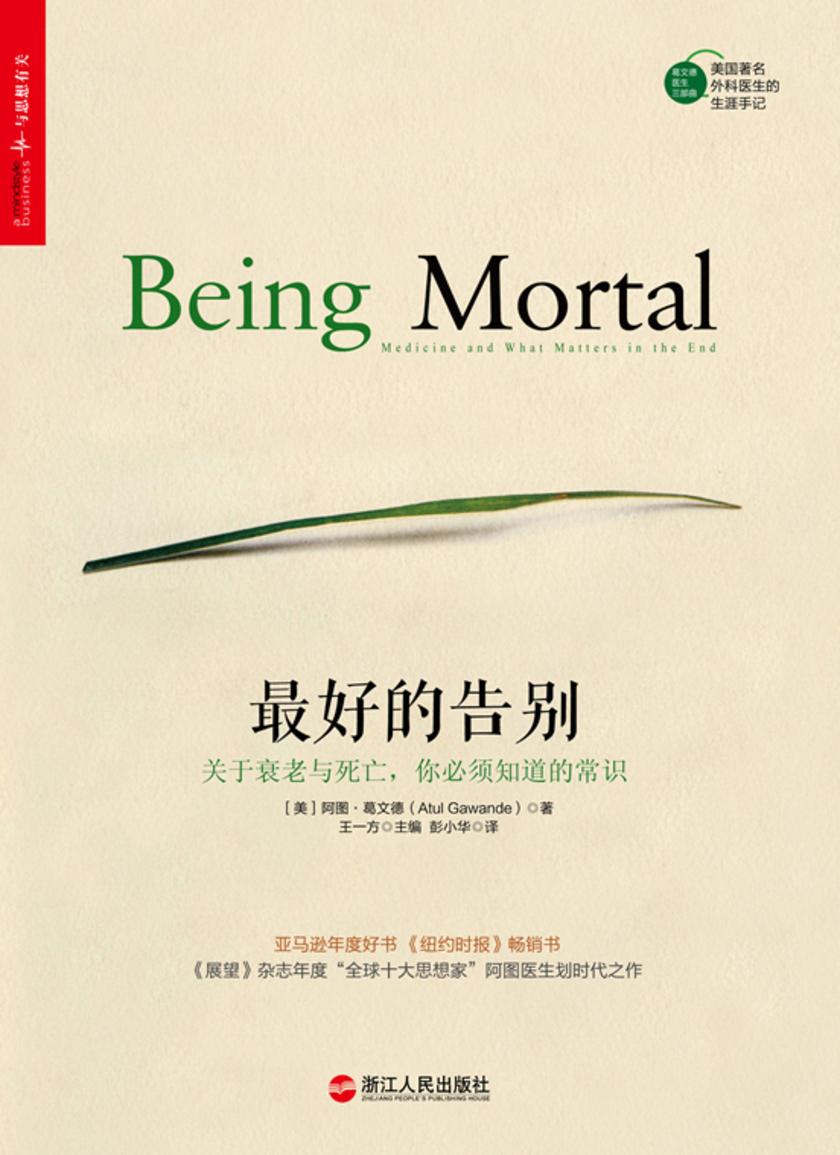
最好的告别
¥24.71
当独立、自助的生活不能再维持时,我们该怎么办?在生命临近终的时刻,我们该和医生谈些什么?应该如何优雅地跨越生命的终?对于这些问题,大多数人缺少清晰的观念,而只是把命运交由医学、技术和陌生人来掌控。影响世界的医生阿图·葛文德结合其多年的外科医生经验与流畅的文笔,讲述了一个个伤感而发人深省的故事,对在21世纪变老意味着什么行了清醒、深的探索。本书富有洞见、感人至深,并为我们提供了实用的路线图,告诉我们为了使生命*后的岁月有意义,我们可以做什么、应该做什么。 作者选择了常人往往不愿面对的话题——衰老与死亡,梳理了美国社会养老的方方面面和发展历程,以及医学界对末期病人的不当处置。书中不只讲述了死亡和医药的局限,也揭示了如何自主、快乐、拥有尊严地活到生命的终。书中对“善终服务”“辅助生活”“生前预嘱”等一系列作者推崇的理念,都穿插在故事中作出了详尽的说明,相信会给老龄化日益加剧的中国社会以启迪。 众多专家、媒体推荐。创新工场CEO李复:作为一名医生,阿图葛文德关注的是医疗的局限以及人的尊严。作为凡人,我们都将面对人生的终,《*好的告别》给我们重要的启示。《新知》杂志主编苗炜:希望大家有机会能看看阿图葛文德医生的著作,他能帮助我们更好地理解医学,知道医学的局限和可能。畅销书作家马尔科姆·格拉德威尔:这是阿图·葛文德*有力,也*感人的一本书。《自然》杂志:难得读到这样一本发人深省的书。


