


 购物车
 个人中心


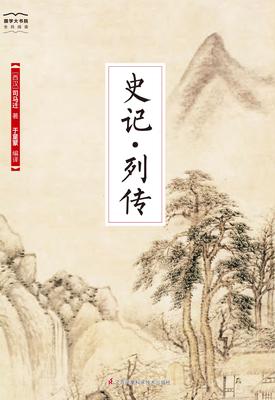
国学大书院11:史记·列传
¥12.67
《史记·列传》是帝王诸侯外其他各方面代表人物的生平事迹和少数民族的传记。七十多篇《列传》,其语言简洁凝练,逻辑性强,使历史人物有血有肉、栩栩如生,历史事件生动有趣、精彩纷呈。
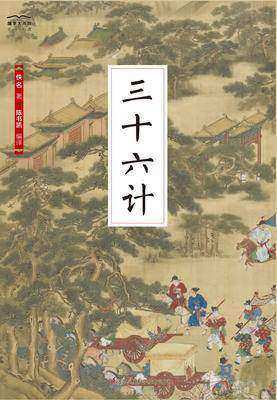
国学大书院15:三十六计
¥10.67
《三十六计》或称三十六策,是指中国古代三十六个兵法策略,语源于南北朝,它是根据中国古代军事思想和丰富的斗争经验总结而成的兵书,是中华民族悠久非物质文化遗产之一。《三十六计》在众多的兵书中独树一帜、雄踞一流,它是中华民族智慧宝库中的经典,与《孙子兵法》一起,并称为世界军事史上的“双璧”。故古书中称:“用兵如孙子,策谋三十六。”
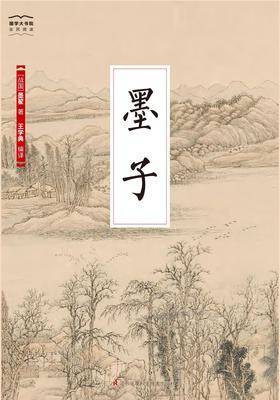
国学大书院16:墨子
¥14.00
《墨子》为战国百家中墨家的经典。墨子提倡兼爱、非攻、尚贤、尚同、天志、明鬼、非命、非乐、节葬、节用,对哲学、逻辑学都有研究和贡献。此外,他在军事学、工程学、力 学、几何学、光学上都有相当的研究和贡献,先秦的科学技术成就大都依赖《墨子》以传。

幸福的灵魂——从内在真正幸福起来
¥16.60
本书没有枯燥无味的说教,作者将自己多年的经历和学员的遭遇作为事例编写其中,这些事例在当今社会具有一定代表性,让大家从故事中有所悟、有所思、有所想,*终有所感。在本书里,作者会直痛,用幸福的理念切实可行地帮助到读者,让读者明白幸福真正的模样。本书没有枯燥无味的说教,作者将自己多年的经历和学员的遭遇作为事例编写其中,这些事例在当今社会具有一定代表性,让大家从故事中有所悟、有所思、有所想,*终有所感。在本书里,作者会直痛,用幸福的理念切实可行地帮助到读者,让读者明白幸福真正的模样。

The Gift of The Magi
¥40.79
The magi, as you know, were wise men – wonderfully wise men – who brought gifts to the new-born King of the Jews in the manger. They invented the art of giving Christmas presents. Being wise, their gifts were no doubt wise ones, possibly bearing the privilege of exchange in case of duplication. And here I have lamely related to you the uneventful chronicle of two foolish children in a flat who most unwisely sacrificed for each other the greatest treasures of their house.
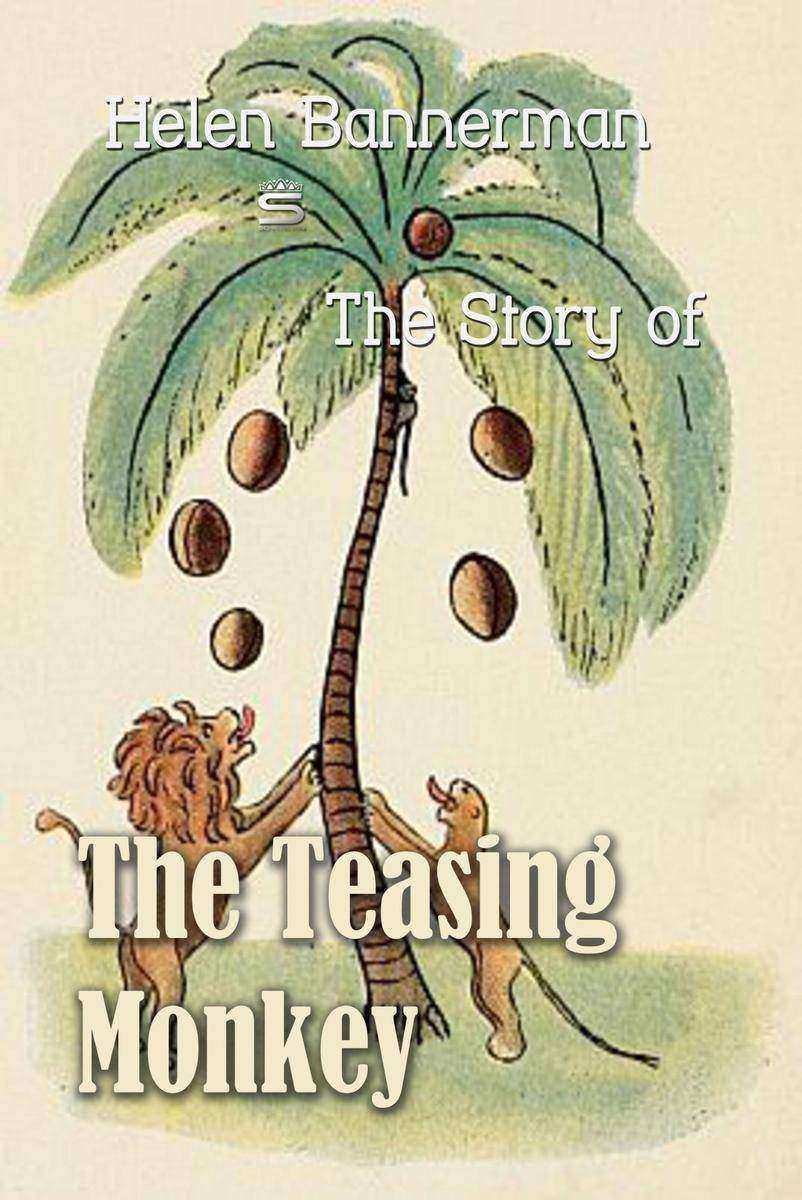
The Story of The Teasing Monkey
¥40.79
Once upon a time there was a very mischievous little monkey, who lived in a big banyan tree, and his name was Jacko. And in the jungle below there lived a huge, fierce old lion and lioness.
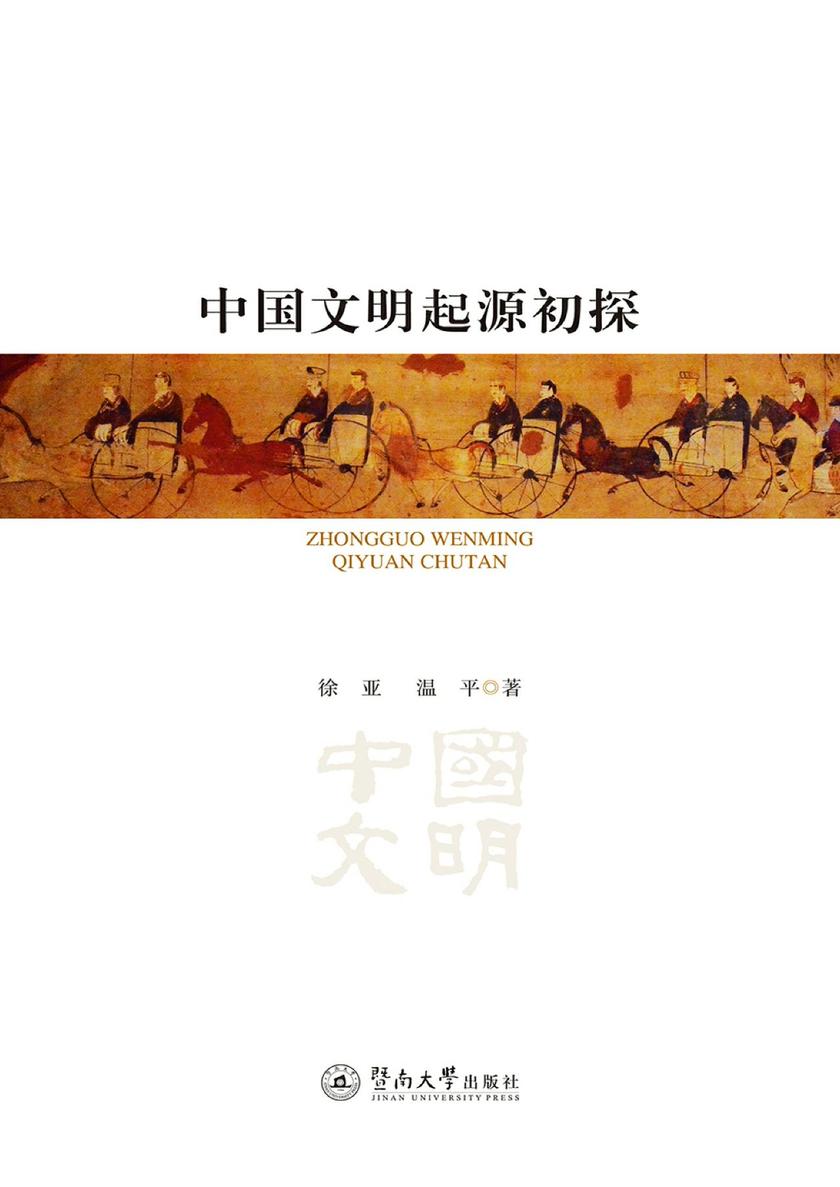
中国文明起源初探
¥25.99
本书是一部探讨中国文明起源的著作,作者潜心研究中国历史、哲学和文化多年,力求洞悉中国文明的内在脉络。作者聚焦于中国文明起源过程中的理性要素,通过追溯这个时期理性要素的形态,试图还原中国文明*初的萌发过程。本书沿着中国古代思想观念发展的路,回溯发端,探究这个时期决定历史走向的观念是怎样的,历史是怎样被这种观念所决定的,以及这种观念的来源和后续发展,以此来逐渐揭中国文明起源发展的印记和规律。

Reverie cu flori de cire
¥40.79
A fi rom?n? ?E o ru?ine!“, exclama Cioran. ?n ce m?sur? filosoful de la Paris avea dreptate? Ce ?nseamn? ?a fi rom?n“ ?ntr-o fals? tranzi?ie care aparent nu se mai termin?? La aceste ?i multe alte ?ntreb?ri ?ncearc? s? r?spund? scriitorul Ionel Necula ?n opus-ul de fa??, care ?nsumeaz? analize ale r?sturn?rilor sociale evidente, ?nregistrate ?n ultimii ?aptesprezece ani. Nu ?ntotdeauna comod, spiritul coroziv al autorului ??i spune cuv?ntul, av?nd uneori accente incendiare.

Liberty Girl
¥19.05
Human reason, in one sphere of its cognition, is called upon to consider questions, which it cannot decline, as they are presented by its own nature, but which it cannot answer, as they transcend every faculty of the mind. It falls into this difficulty without any fault of its own. It begins with principles, which cannot be dispensed with in the field of experience, and the truth and sufficiency of which are, at the same time, insured by experience. With these principles it rises, in obedience to the laws of its own nature, to ever higher and more remote conditions. But it quickly discovers that, in this way, its labours must remain ever incomplete, because new questions never cease to present themselves; and thus it finds itself compelled to have recourse to principles which transcend the region of experience, while they are regarded by common sense without distrust. It thus falls into confusion and contradictions, from which it conjectures the presence of latent errors, which, however, it is unable to discover, because the principles it employs, transcending the limits of experience, cannot be tested by that criterion. The arena of these endless contests is called Metaphysic.Time was, when she was the queen of all the sciences; and, if we take the will for the deed, she certainly deserves, so far as regards the high importance of her object-matter, this title of honour. Now, it is the fashion of the time to heap contempt and scorn upon her; and the matron mourns, forlorn and forsaken, like Hecuba: At first, her gover Modo maxima rerum, Tot generis, natisque potens... Nunc trahor exul, inops. —Ovid, Metamorphoses. xiii under the administration of the dogmatists, was an absolute despotism. But, as the legislative continued to show traces of the ancient barbaric rule, her empire gradually broke up, and intestine wars introduced the reign of anarchy; while the sceptics, like nomadic tribes, who hate a permanent habitation and settled mode of living, attacked from time to time those who had organized themselves into civil communities. But their number was, very happily, small; and thus they could not entirely put a stop to the exertions of those who persisted in raising new edifices, although on no settled or uniform plan. In recent times the hope dawned upon us of seeing those disputes settled, and the legitimacy of her claims established by a kind of physiology of the human understanding—that of the celebrated Locke. But it was found that—although it was affirmed that this so-called queen could not refer her descent to any higher source than that of common experience, a circumstance which necessarily brought suspicion on her claims—as this genealogy was incorrect, she persisted in the advancement of her claims to sovereignty. Thus metaphysics necessarily fell back into the antiquated and rotten constitution of dogmatism, and again became obnoxious to the contempt from which efforts had been made to save it. At present, as all methods, according to the general persuasion, have been tried in vain, there reigns nought but weariness and complete indifferentism—the mother of chaos and night in the scientific world, but at the same time the source of, or at least the prelude to, the re-creation and reinstallation of a science, when it has fallen into confusion, obscurity, and disuse from ill directed effort. I do not mean by this a criticism of books and systems, but a critical inquiry into the faculty of reason, with reference to the cognitions to which it strives to attain without the aid of experience; in other words, the solution of the question regarding the possibility or impossibility of metaphysics, and the determination of the origin, as well as of the extent and limits of this science. All this must be done on the basis of principles. ABOUT AUTHOR: That all our knowledge begins with experience there can be no doubt. For how is it possible that the faculty of cognition should be awakened into exercise otherwise than by means of objects which affect our senses, and partly of themselves produce representations, partly rouse our powers of understanding into activity, to compare to connect, or to separate these, and so to convert the raw material of our sensuous impressions into a knowledge of objects, which is called experience? In respect of time, therefore, no knowledge of ours is antecedent to experience, but begins with it. But, though all our knowledge begins with experience, it by no means follows that all arises out of experience. For, on the contrary, it is quite possible that our empirical knowledge is a compound of that which we receive through impressions, and that which the faculty of cognition supplies from itself (sensuous impressions giving merely the occasion), an addition which we cannot distinguish from the original element given by sense, till long practice has made us attentive to, and skilful in separating it. It is, therefore, a question which requires close investigation, and not to b

Csupasz csontok
¥58.21
DAVID HUME (1711 – 1776) was a Scottish philosopher, historian, economist, and essayist known especially for his philosophical empiricism and skepticism. He was one of the most important figures in the history of Western philosophy and the Scottish Enlightenment. Hume is often grouped with John Locke, George Berkeley, and a handful of others as a British Empiricist. Beginning with his A Treatise of Human Nature (1739), Hume strove to create a total naturalistic "science of man" that examined the psychological basis of human nature. In stark opposition to the rationalists who preceded him, most notably Descartes, he concluded that desire rather than reason governed human behaviour, saying: "REASON IS, and OUGHT ONLY to BE the SLAVE of the PASSIONS". A prominent figure in the sceptical philosophical tradition and a strong empiricist, he argued against the existence of innate ideas, concluding instead that humans have knowledge only of things they directly experience.. NOTHING is more usual and more natural for those, who pretend to discover anything new to the world in philosophy and the sciences, than to insinuate the praises of their own systems, by decrying all those, which have been advanced before them. And indeed were they content with lamenting that ignorance, which we still lie under in the most important questions, that can come before the tribunal of human reason, there are few, who have an acquaintance with the sciences, that would not readily agree with them. It is easy for one of judgment and learning, to perceive the weak foundation even of those systems, which have obtained the greatest credit, and have carried their pretensions highest to accurate and profound reasoning. Principles taken upon trust, consequences lamely deduced from them, want of coherence in the parts, and of evidence in the whole, these are every where to be met with in the systems of the most eminent philosophers, and seem to have drawn disgrace upon philosophy itself. Nor is there required such profound knowledge to discover the present imperfect condition of the sciences, but even the rabble without doors may, judge from the noise and clamour, which they hear, that all goes not well within. There is nothing which is not the subject of debate, and in which men of learning are not of contrary opinions. The most trivial question escapes not our controversy, and in the most momentous we are not able to give any certain decision. Disputes are multiplied, as if every thing was uncertain; and these disputes are managed with the greatest warmth, as if every thing was certain. Amidst all this bustle it is not reason, which carries the prize, but eloquence; and no man needs ever despair of gaining proselytes to the most extravagant hypothesis, who has art enough to represent it in any favourable colours. The victory is not gained by the men at arms, who manage the pike and the sword; but by the trumpeters, drummers, and musicians of the army. From hence in my opinion arises that common prejudice against metaphysical reasonings of all kinds, even amongst those, who profess themselves scholars, and have a just value for every other part of literature. By metaphysical reasonings, they do not understand those on any particular branch of science, but every kind of argument, which is any way abstruse, and requires some attention to be comprehended. We have so often lost our labour in such researches, that we commonly reject them without hesitation, and resolve, if we must for ever be a prey to errors and delusions, that they shall at least be natural and entertaining. And indeed nothing but the most determined scepticism, along with a great degree of indolence, can justify this aversion to metaphysics. For if truth be at all within the reach of human capacity, it is certain it must lie very deep and abstruse: and to hope we shall arrive at it without pains, while the greatest geniuses have failed with the utmost pains..
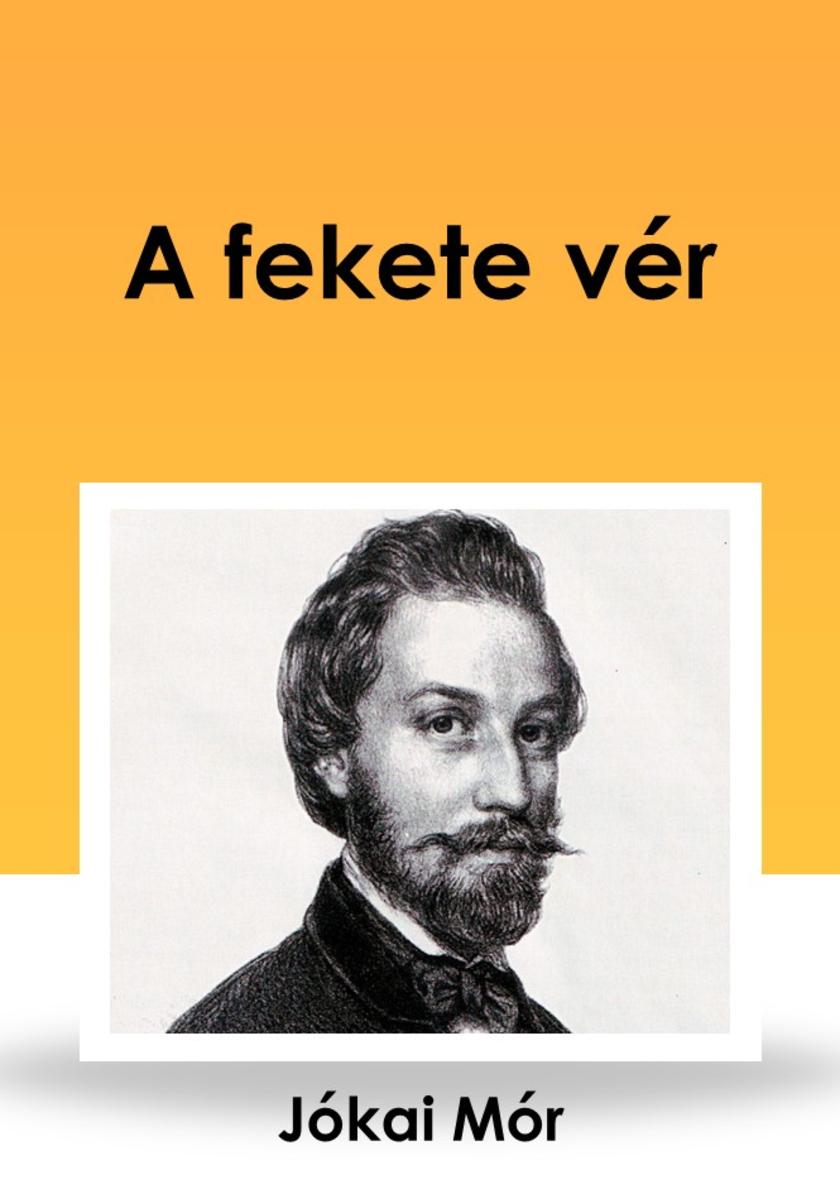
A fekete vér
¥8.67
The present publication is intended to supply a recognised deficiency in our literature—a library edition of the Essays of Montaigne. This great French writer deserves to be regarded as a classic, not only in the land of his birth, but in all countries and in all literatures. His Essays, which are at once the most celebrated and the most permanent of his productions, form a magazine out of which such minds as those of Bacon and Shakespeare did not disdain to help themselves; and, indeed, as Hallam observes, the Frenchman's literary importance largely results from the share which his mind had in influencing other minds, coeval and subsequent. But, at the same time, estimating the value and rank of the essayist, we are not to leave out of the account the drawbacks and the circumstances of the period: the imperfect state of education, the comparative scarcity of books, and the limited opportunities of intellectual intercourse. Montaigne freely borrowed of others, and he has found men willing to borrow of him as freely. We need not wonder at the reputation which he with seeming facility achieved. He was, without being aware of it, the leader of a new school in letters and morals. His book was different from all others which were at that date in the world. It diverted the ancient currents of thought into new channels. It told its readers, with unexampled frankness, what its writer's opinion was about men and things, and threw what must have been a strange kind of new light on many matters but darkly understood. Above all, the essayist uncased himself, and made his intellectual and physical organism public property. He took the world into his confidence on all subjects. His essays were a sort of literary anatomy, where we get a diagnosis of the writer's mind, made by himself at different levels and under a large variety of operating influences. Of all egotists, Montaigne, if not the greatest, was the most fascinating, because, perhaps, he was the least affected and most truthful. What he did, and what he had professed to do, was to dissect his mind, and show us, as best he could, how it was made, and what relation it bore to external objects. He investigated his mental structure as a schoolboy pulls his watch to pieces, to examine the mechanism of the works; and the result, accompanied by illustrations abounding with originality and force, he delivered to his fellow-men in a book. W. C. H. KENSINGTON, November 1877. THE LIFE OF MONTAIGNE The author of the Essays was born, as he informs us himself, between eleven and twelve o'clock in the day, the last of February 1533, at the chateau of St. Michel de Montaigne. His father, Pierre Eyquem, esquire, was successively first Jurat of the town of Bordeaux (1530), Under-Mayor 1536, Jurat for the second time in 1540, Procureur in 1546, and at length Mayor from 1553 to 1556. He was a man of austere probity, who had "a particular regard for honour and for propriety in his person and attire . . . a mighty good faith in his speech, and a conscience and a religious feeling inclining to superstition, rather than to the other extreme. Between 1556 and 1563 an important incident occurred in the life of Montaigne, in the commencement of his romantic friendship with Etienne de la Boetie, whom he had met, as he tells us, by pure chance at some festive celebration in the town. From their very first interview the two found themselves drawn irresistibly close to one another, and during six years this alliance was foremost in the heart of Montaigne, as it was afterwards in his memory, when death had severed it.
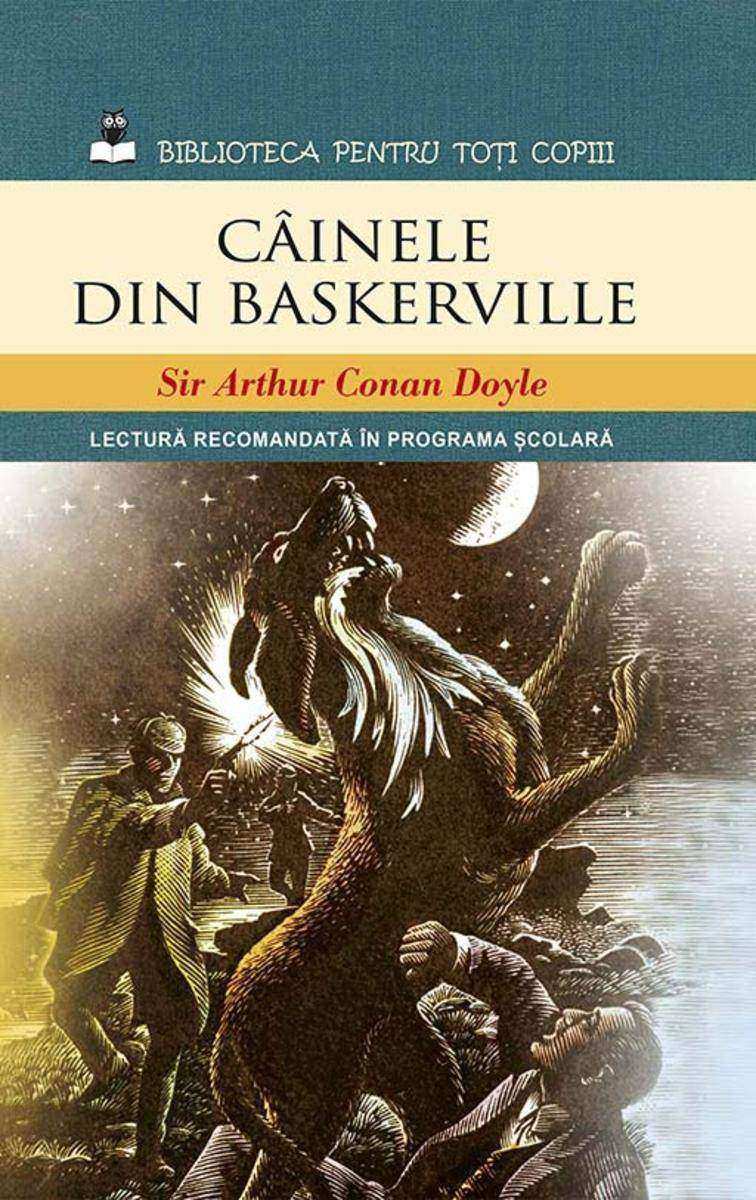
C?inele din Baskerville
¥33.03
O analiz? aplicat? a operei unuia dintre cei mai controversa?i g?nditori germani, supranumit monahul de la Sils-Maria; o lectur? ?n filigran a modului nietzschean de abordare a c?torva concepte dificile, interpretate la modul catastrofic: supraomul, ve?nica ?ntoarcere a aceluia?i, anti-Christul. Lucrarea se situeaz? ?n buna ?i prestigioas? tradi?ie a marilor creatori care comenteaz? textele fundamentale ale omenirii dintr-un unghi specific.

梁冬说庄子·大宗师
¥38.88
《庄子·内篇·大宗师》说什么? 在这个善变的时代,我们应该如何做才不会时时感到焦虑?才能更好地提升自己而不被时代甩在后面?我们要不要做一个机会主义者呢?《大宗师》告诉我们:不管世界如何变,我们永远要关心不变的东西,要做非机会主义者,做非经验主义者、非规则主义者,尽量不要向已有的经验和规则学习。不要去追风口,不能看别人做了就跟着做,而要看时间和生命,做自己本身应该做的事情,这样才能变成时代真正的弄潮儿,永远立于不败之地。
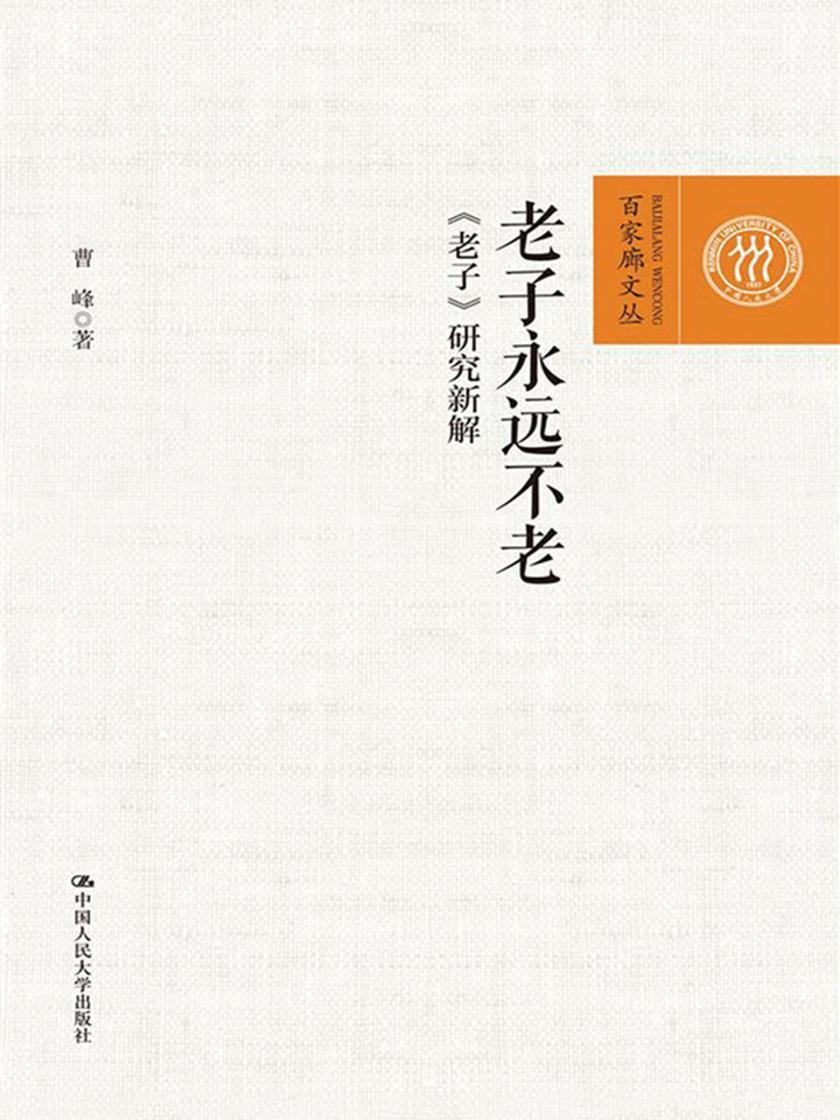
老子永远不老:《老子》研究新解
¥28.80
《老子永远不老:〈老子〉研究新解》一书,收了12篇曹峰近年来发表的《老子》及道家研究论文,约二十万字。其中有对具体章节如三十六章、三十九章的新解读;有利用出土文献对《老子》首章作出的新诠释;有对老子生成论和幸福观的新思考;有对老子“道”与“天道”关系的新衡量;有对老子“无名”“有名”论述的新考察;有对黄帝与老子关系的新辨析;有对老子政治哲学的新总结。还有对近代日本老子现象的一些研究。这些论文涉及老子研究的各个方面,发表后大多在学界引起重要反响,被广泛引用和转载。这也证明了老子永远不老,老子思想常谈常新。此书的出版相信会对老子及其道家研究产生实质性推动。
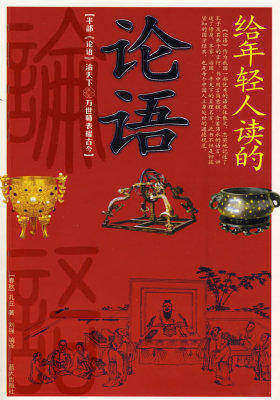
给年轻人读的论语(试读本)
免费
孔子名丘,字仲尼,春秋后期鲁国人,他的祖先是宋国贵族。孔子年轻时虽然曾做过几任小官,但平生大部分时间都是从事教育,相传弟子多达3000余人。孔子曾任鲁国司寇,后携弟子周游列国,终返鲁专心执教。在中国五千年的历史上,孔子是对华夏民族的性格、气质产生*影响的人,在世时被誉为“天纵之圣”、“天之木铎”,死后被后人尊为至圣、万世师表。 孔子思想、学说的精华集中体现于《论语》一书中,其思想内容、思维方式、价值取向都早已沉淀在我们的生命中。《论语》作为中华文化的代表,早在秦汉时期就传了朝鲜和日本。明朝的传教士利玛窦又将它译为拉丁文,如今已在西方各国广泛传播。
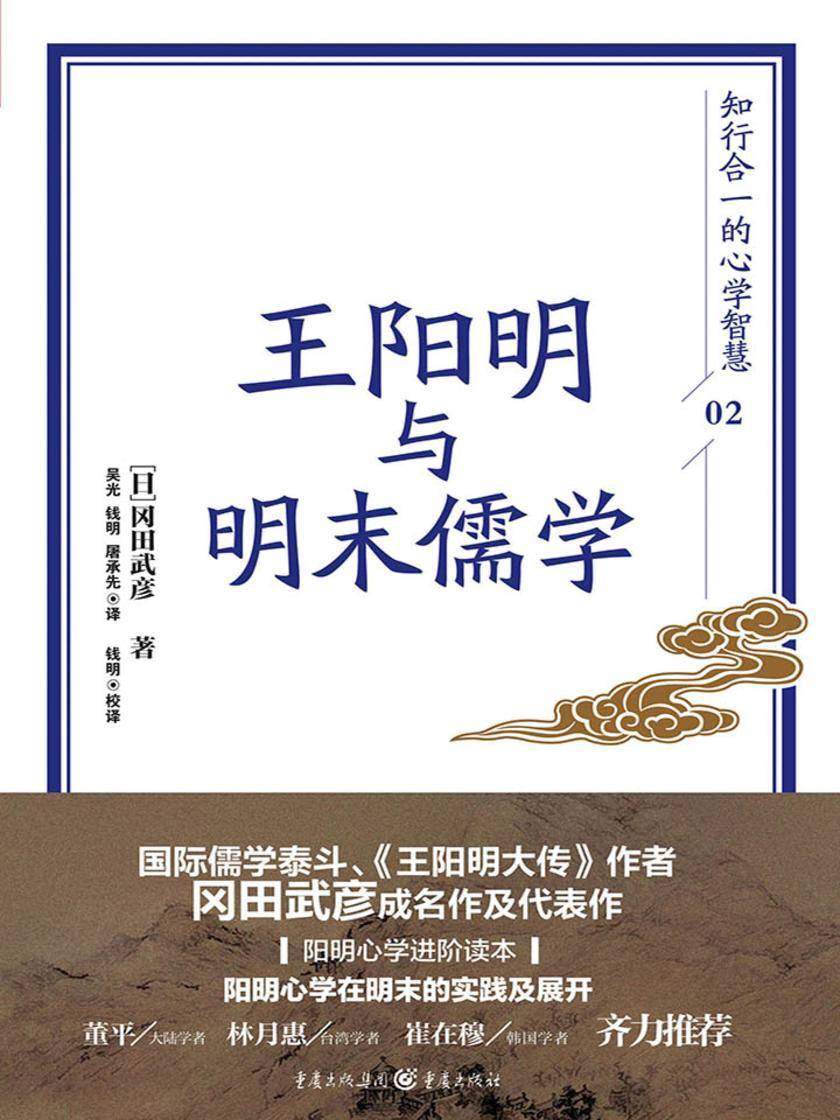
王阳明与明末儒学
¥6.28
《王阳明与明末儒学》以宋、元、明时期的思想文化为背景,特别是儒学发展史为背景,在简明生动地概述宋明思想文化发展的脉络和特的基础上,不仅系统而深刻地论述了阳明心学产生的历史原因及其内容、特、社会影响、历史作用,而且系统和细致地论述了阳明心学的分化、演变和明代中后期王门各派各家的离合同异、学术宗旨,并以阳明学、阳明后学与朱、陆之学,特别是明末其他儒学流派做了具体而微的对比。 《王阳明与明末儒学》不仅能使读者宏观而系统地了解明代儒学,特别是阳明心学的发展史、演变史,而且能给读者以很大的思想启迪,深理解王阳明的知行合一、致良知等思想。

朱光潜经典代表作(试读本)
免费
朱光潜经典作品选集内容推荐: 朱光潜经典作品选集这套书包括《谈美·谈美书简》《西方美学史》(全2册)和《谈修养》。《谈美》和《谈美书简》是朱光潜*代表性的美学普及读物,《谈美·谈美书简》将这两本书辑为一册,以便读者能够全面地了解中西美学思想的精髓。《西方美学史》是朱光潜*重要的一部著作,也是中国现代*部系统讲述西方美学的著作,展现了西方美学横跨三千年的历史发展,具有创性的学术价值。《谈修养》是朱光潜对自己人生经验和智慧的总结,也是作为过来人的他与青年的亲切谈心。本书针对青年人普遍面对的人生困惑,行了分析和解答,对当今的读者仍有着极大的教益。
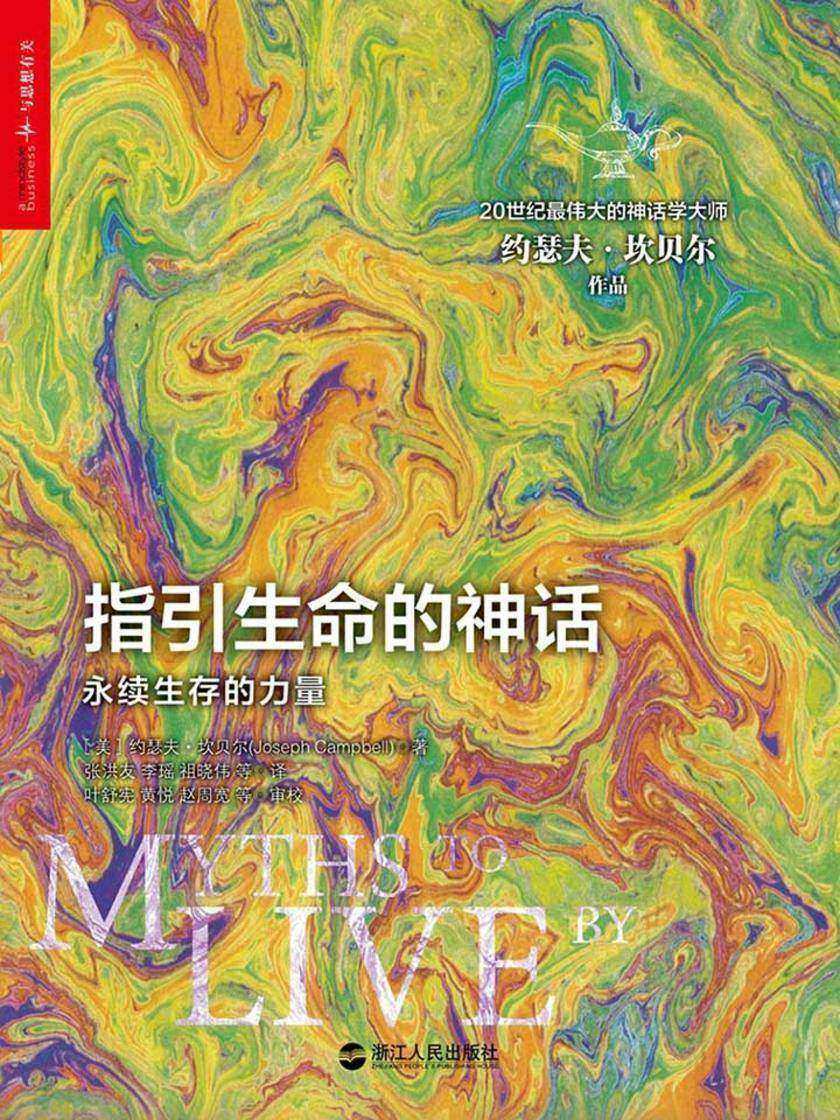
指引生命的神话:永续生存的力量
¥31.40
坎贝尔是一名在神话的奇妙世界中寻找启示的文化英雄,他创造性地将人文价值及宇宙性的精神体验,注当代科学及艺术的诠释中,不仅丰富了神话学的研究领域,更为人类未来的新神话辟出辽阔的想象空间。在本书中,他将文学、哲学、心理学、人类学、考古学等知识应用到对神话的解读,并将神话思维应用到对人类历史、东西方文明、战争与和平等人类共同面临的问题的解读中。他用超越人类社会中各种幻象冲突的真理贯通了古今中外的智慧,他认为神话在个人与社会,社会与自然的融合过程中,尤其是人回归内在的过程中,起到的作用可以被无限放大。他告诉人们:生命的目标,在于使身体脉动契合宇宙的脉动,使自己的本性契合大自然。 本书是坎贝尔很重要的一本著作,精选自他在库珀联盟联盟学院论坛的演讲,汇集了他一生重要的学术思想,他用亲近大众的语言、独特的表达方式和热情洋溢的情感感染着聆听者。他在书中不仅剖析了科学对神话的影响,纵论人类的发展历史和东西方文化的邂逅和碰撞,探寻人们内心的回归旅程,而且还引导人们认识了大自然、地球和宇宙外太空。 读者通过这本书不仅可以经历历史上人类精神的一次次伟大飞跃,而且也可以行一次由外在世界到我们内心深处奥秘知识的深探索。正如坎贝尔所说:人会找到数千年走来的路。在这一刻,个人在神话与梦境中永生

解铃与系铃
¥2.90
解铃仍需系铃人,只要改变错误的观念,不景气是可以用人为的力量调节的。 大家都认为经济的景气、不景气与所谓资本主义是分不开的。的确,仔细观察资本主义国家的经济动态,确实是景气与不景气不断在循环。因此,大家都把不景气看做是久晴之后必有雨天来临的自然现象。
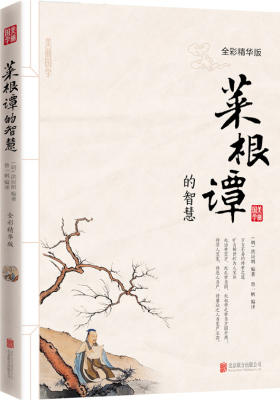
菜根谭的智慧(试读本)
免费
《菜根谭的智慧》一书在参照各种权威版本的基础上,精心筛选出**可靠性、时代性、契合度的经典原文。为便于阅读,我们将全书分为处世篇、修持篇、养身篇、闲适篇,并编制了主题目录。书中准确流畅的“释义”和详尽的“注释”,更便于您去阅读和理解。独特的“新解”,意在扬弃封建糟粕,赋予时代新义,为您处理社会问题提供有益的借鉴。

前世的秘密(亚马逊网站五星级读物!全美畅销40万册!全球殿堂级神秘学大师泰德·安德鲁斯带你深入潜意识,揭开自己的前世之谜!)(试读本)
免费
本书为美国灵性大师泰德?安德鲁斯绝世力作,全球范围内探讨“前世今生”话题重要的作品。 作者围绕“人真的有前世轮回吗”这一问题,深探讨了“人死了以后,灵魂去了哪里?”“为什么有些人会在你的今世出现?”“你们前世究竟有着怎样的关联?”“怎样找到灵魂的另一半?”“潜意识里究竟隐藏着什么?”“如何走你的前世?”“前世会对你的今生有何帮助?”等问题,对于想要了解前世轮回,想要深探索自我内心世界的人来说,本书*不容错过。


