


 购物车
购物车 个人中心
个人中心


《存在与时间》释义
¥198.00
作者张汝伦先生在广泛阅读西方大家、名家解读《存在与时间》的诸多文本和专著基础上,用中国古人注疏经典的办法,逐节逐段解读,力图将这样一部晦涩、复杂的作品的文本意义和背后复杂的深意都揭示出来。

Orizontul r?sturnat
¥73.49
Coresponden?a lui Descartes dubleaz? opera sa propriu-zis?, fiind uneori mai expresiv? dec?t aceasta ?i cuprinz?nd cutezan?e filozofice pe care c?r?ile sale nu ?i le ?ng?duie. E aici, ?n paginile acestor scrisori, un Descartes mai viu, mai nuan?at ?n exprimare, mai amplu. O mare g?ndire filozofic?, precum aceasta, nu se resemneaz? cu propria realitate, ci se impune printr-o str?danie de a cuceri con?tiin?a public?, despre care dau seama aceste texte. Ele ?nchid ?n cuprinderea lor imaginea eforturilor prin care filozoful ??i creeaz? premisele posterit??ii sale.

Exercitii practice de psihogenealogie
¥48.97
Satisfacerea neîngr?dit? a nevoilor instinctuale ale omului este oare compatibil? cu limit?rile impuse de progresul civiliza?iei? Lansat? de Freud în celebrul text Disconfort în cultur? (1930), întrebarea este reluat? peste un sfert de veac de c?tre Herbert Marcuse, eminent filosof din ?coala de la Frankfurt. În vreme ce Freud ofer? un r?spuns pesimist, vorbind despre inevitabila subjugare a instinctelor umane de c?tre societatea represiv?, Marcuse întrevede o cale de îmblânzire a agresivit??ii Civiliza?iei prin for?a unificatoare, vital? ?i ludic? a Erosului. Solu?iile de emancipare sugerate de c?tre Marcuse au influen?at profund mi?c?rile studen?e?ti, ecologice, anticolonialiste sau de eliberare sexual? din ultima jum?tate de secol. De aceea interesul pentru criticile sale trece dincolo de ?tiin?ele socio-umane, înspre to?i cei ce vor s? în?eleag? mecanismele alienante ale „societ??ii abunden?ei“. Acest eseu folose?te categorii psihologice, deoarece ele au devenit categorii politice. Exist? procese psihice, alt?dat? autonome ?i identificabile, care sunt absorbite de func?ia individului în stat - de c?tre existen?a sa public?. Problemele psihologice se transform? a?adar în probleme politice. ?– Herbert Marcuse Pornind de la Freud ?i de la tradi?ia eliberatoare a filosofiei ?i culturii, Marcuse schi?eaz? tabloul unei civiliza?ii în care alienarea ?i reprimarea sunt înlocuite de dimensiunea libidinal? ?i nealienant? a muncii, jocului ?i sexualit??ii libere ?i deschise, toate acestea conducând mai departe c?tre emancipare ?i fericire. – Douglas Kellner, editor al seriei The Collected Papers of Herbert Marcuse
Despre om ?i societate
¥24.44
De numele lui Sigmund Freud (1856-1929) se leag? poate cea mai controversat? teorie din filosofia culturii ultimelor secole: psihanaliza. ?nceput? ca ?ntreprindere psihoterapeutic?, prima cur? – din punct de vedere istoric – ?n care rolul terapeutic revenea exclusiv cuv?ntului, psihanaliza a fost condus? de Freud ?n mod firesc ?i ?n direc?ia descoperirii resorturilor abisale ale culturii.Disconfort ?n cultur? (1930) este o lucrare de maturitate ?n care p?rintele psihanalizei investigheaz? mecanismele care men?in coeziunea social?, respectiv contraponderea lor, manifestat? prin senza?ia de disconfort care ?nso?e?te mai mult sau mai pu?in evident fiin?a social?.?Supraeul unui epoci culturale are o origine asem?n?toare cu a celui individual; se sprijin? pe impresia pe care au l?sat-o mari personalit??i conduc?toare, oameni de o for?? spiritual? cople?itoare sau cei la care una dintre tendin?ele umane a g?sit configura?ia cea mai puternic? ?i mai pur?, de aceea adesea ?i cea mai unilateral?.“ - Sigmund Freud

Despre via?? ?i moarte
¥32.62
Urm?nd acela?i tipar de p?n? acum (Logica elefan?ilor, Editura All, 2012), Ciprian V?lcan ?i Dana Percec au selectat c?te dou?zeci de eseuri care formuleaz?, ?ntr-o manier? doar aparent lejer?, un r?spuns la tot at?tea pretexte, culese cu ochiul colec?ionarului de caricaturi din presa rom?neasc? ?i interna?ional? sau din tomuri mai mult sau mai pu?in colbuite. Autorii inspecteaz? cu lupa ?i curiozitatea entomologului numeroase ?nt?mpl?ri, mesaje ?i personaje contemporane, ?ndemn?ndu-i pe cititori, prin stilul degajat ?i tonul convivial, s? se amuze pe seama absurdului din via?a de zi cu zi. Fie c? este vorba de politic?, sport, mod?, mass-media sau tribunale, de gastronomie sau vr?jitorie, eseurile demonteaz? adev?ruri mici, truisme, precum ?i pl?smuiri de tot felul. Fiec?rei p??anii evocate ?n pretext – unele ilare, cu miros de b?lci, altele aproape detestabile – autorii Metafizicii bicicli?tilor ?i r?spund ?n manier? diferit?, dar convergent?, contur?nd o nevoie de a r?scoli excesele lumii pentru a o ?ndemna s? se rea?eze.

Spre binele t?u. Mici crime ?n numele iubirii
¥32.62
Alchimia fericirii, publicat? ?n persan? (Kimiya?yi sa’adat), spre sf?r?itul vie?ii autorului, urm?re?te atenuarea tensiunilor dintre filosofii ?i misticii Islamului ?i scoate ?n eviden?? importan?a autodisciplinei ?i a ascetismului. Traducerea de fa?? are la baz? traducerea publicat? ?n 1910, ?n englez? de Claud Field (The Alchemy of Happiness) ?i este structurat? ?n opt capitole, aproximativ egale ca ?ntindere. Cartea de fa?? reune?te o serie de interpret?ri ale unor pilde cu con?inut religios evocate ?n Coran ?i ale unor idei exprimate de Mahomed, de al?i profe?i sau ?nv??ati musulmani. Chestiunile abordate de Al-Ghazali aduc ?n prim-plan ideea unei vie?i religioase exemplare. Astfel, el prezint? mai multe sfaturi pentru musulmanii pio?i. Raportul omului cu divinitatea, cu semenii s?i, cu rudele apropiate, dar ?i implica?iile religioase ale institu?iei c?s?toriei sau ale muzicii ?i dansului sunt printre cele mai importante subiecte din lucrarea lui Al-Ghazali. S? ?tii, o, preaiubite, c? omul nu a fost creat ?n glum? sau la ?nt?mplare, ci a fost f?cut ?ntr?un fel minunat ?i pentru un ?el ?nalt. Chiar dac? nu a existat dintotdeauna, el tr?ie?te ve?nic; ?i chiar dac? trupul s?u este slab ?i p?m?ntesc, spiritul ?i este m?re? ?i dumnezeiesc. ?i cu c?t este mai ales subiectul cunoa?terii noastre,cu at?t mai mare va fi ?nc?ntarea sim?it? ?n studierea acestuia; de exemplu, ne?ar face mai mult? placer s? ?tim secretele unui rege dec?t dac? am afla secretele unui ministru. V?z?nd c? Dumnezeu este cel mai ?nalt obiect posibil pentru cunoa?terea noastr?, cunoa?terea Sa trebuie s? ne d?ruiasc? mai mult? desf?tare dec?t oricare alta.

Oglinda spart?
¥33.03
Imagineaz?-?i c? e?ti într-o ma?in? a timpului care te poart? înainte ?i înapoi prin propria via??. Te duce în trecut, la anii copil?riei, când înv??ai s? mergi pe biciclet?, apoi te face s? revezi primul t?u s?rut, cel dintâi serviciu sau anii mai târzii, când te confrun?i, eventual, cu divor?ul. Înso?it de Platon, afl? ce spun marii gânditori ai lumii despre toate aceste pietre de hotar de pe drumul vie?ii noastre. Aristotel î?i va vorbi despre importan?a începerii ?colii, Freud despre îndr?gostire, Heidegger despre implica?iile psihologice ale mutatului, iar Nietzsche despre criza vârstei de mijloc. La drum cu Platon te ajut? s? în?elegi ?i s? vezi cu al?i ochi evenimentele majore, momentele-cheie ?i fazele de tranzi?ie din via?a ta, f?când filosofia s? par? accesibil? ?i plin? de umor!

Liberty Girl
¥19.05
Human reason, in one sphere of its cognition, is called upon to consider questions, which it cannot decline, as they are presented by its own nature, but which it cannot answer, as they transcend every faculty of the mind. It falls into this difficulty without any fault of its own. It begins with principles, which cannot be dispensed with in the field of experience, and the truth and sufficiency of which are, at the same time, insured by experience. With these principles it rises, in obedience to the laws of its own nature, to ever higher and more remote conditions. But it quickly discovers that, in this way, its labours must remain ever incomplete, because new questions never cease to present themselves; and thus it finds itself compelled to have recourse to principles which transcend the region of experience, while they are regarded by common sense without distrust. It thus falls into confusion and contradictions, from which it conjectures the presence of latent errors, which, however, it is unable to discover, because the principles it employs, transcending the limits of experience, cannot be tested by that criterion. The arena of these endless contests is called Metaphysic.Time was, when she was the queen of all the sciences; and, if we take the will for the deed, she certainly deserves, so far as regards the high importance of her object-matter, this title of honour. Now, it is the fashion of the time to heap contempt and scorn upon her; and the matron mourns, forlorn and forsaken, like Hecuba: At first, her gover Modo maxima rerum, Tot generis, natisque potens... Nunc trahor exul, inops. —Ovid, Metamorphoses. xiii under the administration of the dogmatists, was an absolute despotism. But, as the legislative continued to show traces of the ancient barbaric rule, her empire gradually broke up, and intestine wars introduced the reign of anarchy; while the sceptics, like nomadic tribes, who hate a permanent habitation and settled mode of living, attacked from time to time those who had organized themselves into civil communities. But their number was, very happily, small; and thus they could not entirely put a stop to the exertions of those who persisted in raising new edifices, although on no settled or uniform plan. In recent times the hope dawned upon us of seeing those disputes settled, and the legitimacy of her claims established by a kind of physiology of the human understanding—that of the celebrated Locke. But it was found that—although it was affirmed that this so-called queen could not refer her descent to any higher source than that of common experience, a circumstance which necessarily brought suspicion on her claims—as this genealogy was incorrect, she persisted in the advancement of her claims to sovereignty. Thus metaphysics necessarily fell back into the antiquated and rotten constitution of dogmatism, and again became obnoxious to the contempt from which efforts had been made to save it. At present, as all methods, according to the general persuasion, have been tried in vain, there reigns nought but weariness and complete indifferentism—the mother of chaos and night in the scientific world, but at the same time the source of, or at least the prelude to, the re-creation and reinstallation of a science, when it has fallen into confusion, obscurity, and disuse from ill directed effort. I do not mean by this a criticism of books and systems, but a critical inquiry into the faculty of reason, with reference to the cognitions to which it strives to attain without the aid of experience; in other words, the solution of the question regarding the possibility or impossibility of metaphysics, and the determination of the origin, as well as of the extent and limits of this science. All this must be done on the basis of principles. ABOUT AUTHOR: That all our knowledge begins with experience there can be no doubt. For how is it possible that the faculty of cognition should be awakened into exercise otherwise than by means of objects which affect our senses, and partly of themselves produce representations, partly rouse our powers of understanding into activity, to compare to connect, or to separate these, and so to convert the raw material of our sensuous impressions into a knowledge of objects, which is called experience? In respect of time, therefore, no knowledge of ours is antecedent to experience, but begins with it. But, though all our knowledge begins with experience, it by no means follows that all arises out of experience. For, on the contrary, it is quite possible that our empirical knowledge is a compound of that which we receive through impressions, and that which the faculty of cognition supplies from itself (sensuous impressions giving merely the occasion), an addition which we cannot distinguish from the original element given by sense, till long practice has made us attentive to, and skilful in separating it. It is, therefore, a question which requires close investigation, and not to b

Nature
¥9.24
The Prince (Italian: Il Principe) is a political treatise by the Italian diplomat, historian and political theorist Niccolò Machiavelli. From correspondence a version appears to have been distributed in 1513, using a Latin title, De Principatibus (About Principalities). But the printed version was not published until 1532, five years after Machiavelli's death. This was done with the permission of the Medici pope Clement VII, but "long before then, in fact since the first appearance of the Prince in manuscript, controversy had swirled about his writings" Although it was written as if it were a traditional work in the Mirror of Princes style, it is generally agreed that it was especially innovative, and not only because it was written in Italian rather than Latin. The Prince is sometimes claimed to be one of the first works of modern philosophy, in which the effective truth is taken to be more important than any abstract ideal. It was also in direct conflict with the dominant Catholic and scholastic doctrines of the time concerning how to consider politics and ethics. Although it is relatively short, the treatise is the most remembered of his works and the one most responsible for bringing "Machiavellian" into wide usage as a pejorative term. It also helped make "Old Nick" an English term for the devil, and even contributed to the modern negative connotations of the words "politics" and "politician" in western countries. In terms of subject matter it overlaps with the much longer Discourses on Livy, which was written a few years later. In its use of examples who were politically active Italians who perpetrated criminal deeds for politics, another lesser-known work by Machiavelli which The Prince has been compared to is the Life of Castruccio Castracani. The descriptions within The Prince have the general theme of accepting that ends of princes, such as glory, and indeed survival, can justify the use of immoral means to achieve those ends.

Isabel ?i apele diavolului
¥33.03
Tr?s?turi fundamentale ale unei concep?ii moderne despre lume?Cum se comport? filosofia c? art? fa?? de libertatea omului, ce este aceast? libertate, ?i dac? am ajuns s? ne ?mp?rt??im din ea, sau putem ajunge la acest lucru: iat? problema fundamental? a scrierii mele. Toate celelalte expuneri ?tiin?ifice au fost f?cute numai pentru ca, ?n cele din urm?, s? arunc?m ?i mai mult? lumin? asupra unei probleme care, dup? p?rerea mea, prezint? cea mai mare importan?? pentru om. ?n aceste pagini vrem s? d?m o filosofie a libert??ii.“ – Rudolf Steiner

MI6. Adev?ruri ?ocante despre istoria serviciilor secrete britanice
¥82.81
Volumul cuprinde dou? din cele mai reprezentative lucr?ri ?n care filosoful german ??i expune concep?ia moral?: ?ntemeierea metafizicii moravurilor (1785) ?i Critica ra?iunii practice (1788). ?n ?ntemeierea metafizicii moravurilor Immanuel Kant expune principiile moralit??ii, iar ?n Critica ra?iunii practice ??i construie?te propriul s?u sistem etic, ceea ce face ca aceasta s? fie considerat?, dup? Critica ra?iunii pure, a doua sa oper? fundamental?.?ntre cele dou? lucr?ri este o at?t de str?ns? leg?tur?, ?nc?t cunoa?terea numai a uneia din ele ne-ar oferi o imagine incomplet? asupra concep?iei sale morale.Immanuel Kant a avansat idei etice ?i ?n alte opere ulterioare (Religia ?n limitele ra?iunii – 1793 sau Metafizica moravurilor – 1797), dar numai ?n cele reunite ?n acest volum se ocup? de problemele teoretice ale moralit??ii.Traducerea a fost f?cut? dup? edi?ia german? din 1956 (Leipzig, Hrsg. Von Raymund Schimidt).
A fekete vér
¥8.67
The present publication is intended to supply a recognised deficiency in our literature—a library edition of the Essays of Montaigne. This great French writer deserves to be regarded as a classic, not only in the land of his birth, but in all countries and in all literatures. His Essays, which are at once the most celebrated and the most permanent of his productions, form a magazine out of which such minds as those of Bacon and Shakespeare did not disdain to help themselves; and, indeed, as Hallam observes, the Frenchman's literary importance largely results from the share which his mind had in influencing other minds, coeval and subsequent. But, at the same time, estimating the value and rank of the essayist, we are not to leave out of the account the drawbacks and the circumstances of the period: the imperfect state of education, the comparative scarcity of books, and the limited opportunities of intellectual intercourse. Montaigne freely borrowed of others, and he has found men willing to borrow of him as freely. We need not wonder at the reputation which he with seeming facility achieved. He was, without being aware of it, the leader of a new school in letters and morals. His book was different from all others which were at that date in the world. It diverted the ancient currents of thought into new channels. It told its readers, with unexampled frankness, what its writer's opinion was about men and things, and threw what must have been a strange kind of new light on many matters but darkly understood. Above all, the essayist uncased himself, and made his intellectual and physical organism public property. He took the world into his confidence on all subjects. His essays were a sort of literary anatomy, where we get a diagnosis of the writer's mind, made by himself at different levels and under a large variety of operating influences. Of all egotists, Montaigne, if not the greatest, was the most fascinating, because, perhaps, he was the least affected and most truthful. What he did, and what he had professed to do, was to dissect his mind, and show us, as best he could, how it was made, and what relation it bore to external objects. He investigated his mental structure as a schoolboy pulls his watch to pieces, to examine the mechanism of the works; and the result, accompanied by illustrations abounding with originality and force, he delivered to his fellow-men in a book. W. C. H. KENSINGTON, November 1877. THE LIFE OF MONTAIGNE The author of the Essays was born, as he informs us himself, between eleven and twelve o'clock in the day, the last of February 1533, at the chateau of St. Michel de Montaigne. His father, Pierre Eyquem, esquire, was successively first Jurat of the town of Bordeaux (1530), Under-Mayor 1536, Jurat for the second time in 1540, Procureur in 1546, and at length Mayor from 1553 to 1556. He was a man of austere probity, who had "a particular regard for honour and for propriety in his person and attire . . . a mighty good faith in his speech, and a conscience and a religious feeling inclining to superstition, rather than to the other extreme. Between 1556 and 1563 an important incident occurred in the life of Montaigne, in the commencement of his romantic friendship with Etienne de la Boetie, whom he had met, as he tells us, by pure chance at some festive celebration in the town. From their very first interview the two found themselves drawn irresistibly close to one another, and during six years this alliance was foremost in the heart of Montaigne, as it was afterwards in his memory, when death had severed it.

Dream Psychology: Psychoanalysis the Dreams for Beginners
¥28.04
Ralph Waldo Emerson, was born at Boston in 1803 into a distinguished family of New England Unitarian ministers. His was the eighth generation to enter the ministry in a dynasty that reached back to the earliest days of Puritan America. Despite the death of his father when Emerson was only eleven, he was able to be educated at Boston Latin School and then Harvard, from which he graduated in 1821. After several years of reluctant school teaching, he returned to the Harvard Divinity School, entering the Unitarian ministry during a period of robust ecclesiastic debate. By 1829 Emerson was married and well on his way to a promising career in the church through his appointment to an important congregation in Boston. However, his career in the ministry did not last long. Following the death of his first wife, Ellen, his private religious doubts led him to announce his resignation to his congregation, claiming he was unable to preach a doctrine he no longer believed and that "to be a good minister it was necessary to leave the ministry."With the modest legacy left him from his first wife, Emerson was able to devote himself to study and travel. In Europe he met many of the important Romantic writers whose ideas on art, philosophy, and literature were transforming the writing of the Nineteenth Century. He also continued to explore his own ideas in a series of voluminous journals which he had kept from his earliest youth and from which virtually all of his literary creation would be generated. Taking up residence in Concord, Massachusetts, Emerson devoted himself to study, writing and a series of public lectures in the growing lyceum movement. From these lyceum addresses Emerson developed and then in 1836 published his most important work, Nature. Its publication also coincided with his organizing role in the Transcendental Club, a group of leading New England educators, clergy, and intellectuals interested in idealistic religion, philosophy, and literature.

道德经说什么2
¥23.97
《道德经说什么》是一本人人看得懂、用得上的《道德经》经典解读本。罗大伦博士把其中的智慧总结提炼成通俗易懂的语言,结合其中流传千年的智慧,助您解决生活中常见的各种实际问题。罗博士在书中告诉我们,每个人的人生不过是在“有”和“无”之间寻找平衡,不要因为自己暂时处于一个不好的状态而觉得焦虑,只要好好遵循天道去做,把自己的位置放低,把心放空,把名利看轻,把事做成,把身体照顾好,这样的人才能得道。
西周伦理思想研究--国家社科基金后期资助项目 中华书局出品
¥40.80
本书充分利用西周金文与传世文献史料,围绕宗教、伦理、政治互动的主线,对西周的孝友等血缘伦理思想,以及德、敬、肃、恭、勤、雍、和等政治伦理思想与善恶评价思想行宏观与微观的深探讨。在西周与古埃及的比较研究中,彰显西周“伦理思维发达”这一重要特征,并以双方族群格局差异为切,深探讨这一重要特征之成因。在西周与后世的比较视野下,围绕西周基本社会制度的伦理影响,深探研西周的“德治”思想及其“层级推衍治理”思想,从而揭示西周伦理政治思想的主要时代特征。

前期与后期:困境中的生命意识(立斋文存)
¥69.00
《前期与后期》是清华大学国学院刘东教授以独特视角研究思想史,深刻反思当今人文学科学术状况之作。刘东教授认为,对于人文学者来说,创作生涯的前期与后期同样重要,从前期到后期是一个自我修养、磨炼心性的过程。在前期,需要视野的确立与充分的积累;而后期,则是一个在大量积累的基础之上进一步发挥,走向成熟,释放出更多创造性的过程。有志于学术的学者,应该有所坚守与执信,不必在意短期、世俗意义上的成功;而在学术生涯的后期,要以刻苦与坚忍,坚持进行“后期写作”。
海雅文丛·从意识形态到道德法—齐泽克社会批评理论研究
¥17.99
本书为广东省哲学社会科学规划项目“齐泽克后现代主义文艺批评研究”和广东海洋大学科研启动资助项目“齐泽克哲学理论的文学阐释研究”的研究成果。近年来,斯洛文尼亚左翼思想家齐泽克的理论与批评实践引起了中国学界的高度重视。国内学者主要致力于对他进行马克思主义的阐释,本书则从意识形态和法权批评入手,通过梳理齐泽克的思想谱系,回顾从康德、黑格尔、马克思到弗洛伊德、拉康诸位西方思想家的相应理论建构,挖掘齐泽克表面庞杂的理论深处所蕴含的道德哲学与新人本主义闪光。本书在解读齐泽克思想的同时贯穿着坚定的马克思主义立场与辩证思维,对齐泽克研究及西方哲学研究有一定参考价值。
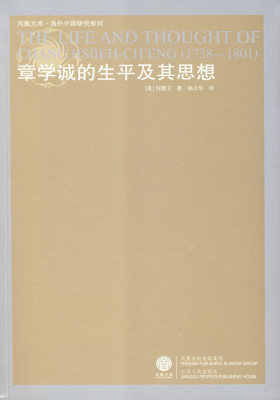
章学诚的生平及其思想(重印)(试读本)
免费
本书作为一部传记体的思想史写作,向我们呈示出个体的生存际遇与章学诚思想的具体展之间的内在关联。从中,我们可以清楚地看到,个体的偶然遭际如何将章学诚带到一个又一个似乎与其本来志向无关的问题和工作面前,而他又如何一次又一次地沉迷在对这些偶然的题材的思考当中,并终从这些零碎的思考中通达出来,回归并丰富他的思想主题。 历史书写的方式与历史书写的品质,以及书籍分类系统与文章的品质之间的关系,作为两条彼此关联的思想主线,贯穿章学诚思考的始终。由此渐次展的校雠文史之学,以及以“六经皆器”为核心的历史哲学,只有深其思想整体的内在理路,才能获得充分而真切的理解。而这既是本书的着力,同时也是它*神彩的所在。
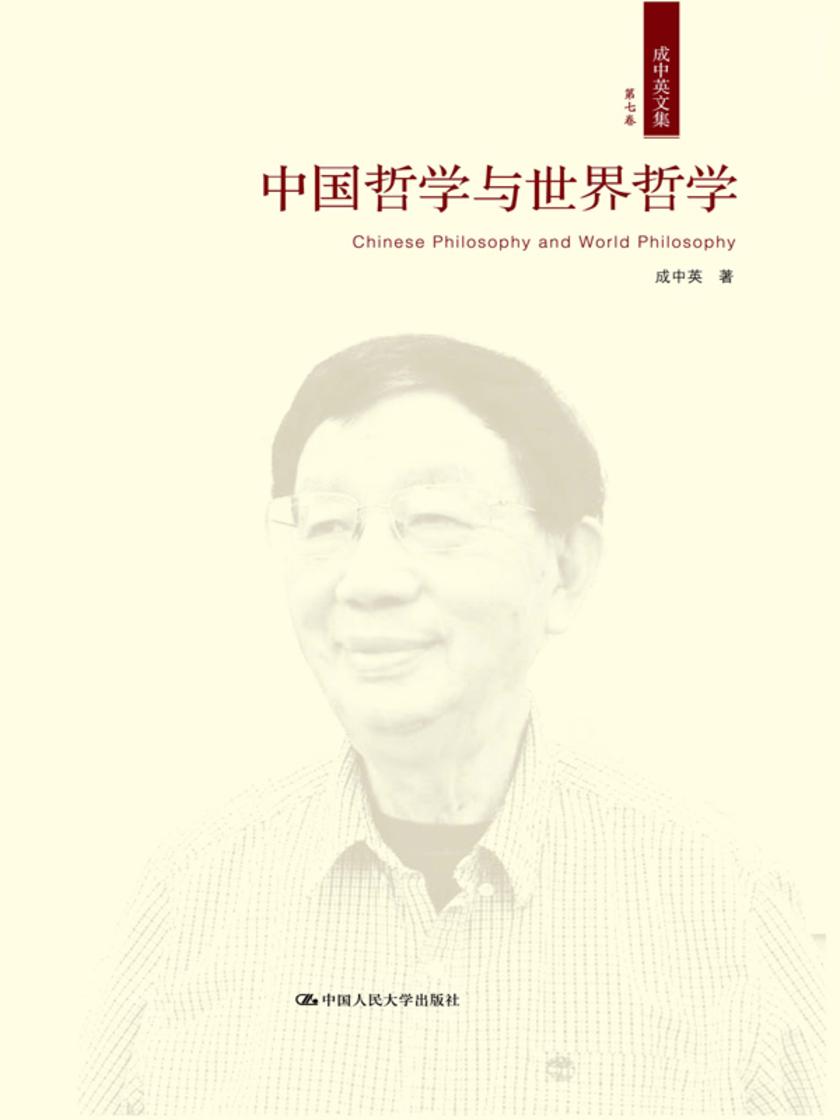
中国哲学与世界哲学(成中英文集·第七卷)
¥49.00
《中国哲学与世界哲学》以分析的重建的方法阐述了中国哲学的主要传统和思想的综合特征,通过分析当代英美哲学的发展阐释西方哲学的特色,以中西哲学家为例比较中西哲学同异,并对中西融合之道、会通之前景、中国哲学与世界哲学的发展等内容行了论述,既体现出中国化特质,又体现出世界化的眼光。

《朱子家训 朱子家礼》读本 附录:朱柏庐治家格言(大众儒学经典)
¥15.00
家训,是古人对家人以及子孙后代的告诫、约束形式。历代家训往往以简明扼要又朗朗上口的方式, 讲明劝善戒恶的处世之道。《朱子家训》全文仅三百余字,却堪称字字珠玑。 《朱子家礼》之所以称为“家礼”,并不是说这些礼仪规范的内容与使用范围,仅仅限于朱氏家人 以及子孙后代,朱子的本意是为宋代当时的人提供一个家庭基本礼仪范本。《朱子家礼》影响极 为深远,由南宋经过元明清与*时期,至今在汉文化地区的各地风俗习惯里面都还能辨识出 《朱子家礼》所产生的影响。“家礼”的“家”,主要有三层意思:**是这些礼仪的内容主要 限于家事;第二是这些礼仪的主要适用对象为家族人众;第三层意思则与国相对,意思说这些礼仪 并非由国家(或朝廷)所确立或认可的国家礼制,而十分接近现代所说的“民间”。 《朱子家训 朱子家礼》读本分为原文、注释、译文、解读等部分,对《朱子家训》、《朱子家礼》 做了全新解读。 本书附录收入明末清初著名理学家、教育家朱用纯(号柏庐)的《治家格言》。

《弟子规》读本(大众儒学经典)
¥14.46
《弟子规》是清朝以来有广泛影响的蒙学读物,与《三字经》、《千字文》等相配合,在推动民间礼义文明和儿童德育事业中发挥了重要作用。《弟子规》的内容来源于《论语》中的“弟子入则孝,出则弟,谨而信,泛爱众,而亲仁,行有余力,则以学文”,这段话可以视为孔子的教学大纲。《弟子规》包括了孝悌、忠信、仁爱、恭谨等儒家修身功夫,内容具体详尽,紧扣人伦日用,为现今国民教育中*为紧缺的儿童礼仪修养教材。 《〈弟子规〉读本》包括原文、注释、译文、解读等部分,准确阐发了《弟子规》的义理,以及它对于当代青少年教育的现实意义,对儿童修身做人具有重要参考价值。


