


 购物车
 个人中心


Exploratorii. Cartea a IV-a - Ultimul pas ?n s?lb?ticie
¥73.49
Nietzsche este, poate, cea mai ilustr? victim? a aventurii socratice a cunoa?terii de sine. Via?a nu posed? fenomene originale, ci numai unele repetitive, care prin reluarea lor ve?nic identic? ??i tocesc conturul lor original. Cadrul repeti?iei nu este via?a, c?ci via?a ?ns??i este un fenomen de repeti?ie. Omul este condamnat s? tr?iasc? ?ntr-un plictisitor ?ir de repeti?ii ?i relu?ri din care nu poate evada. Nu exist? fenomene absolut unice, care s? nu fie repetitive ?i, probabil, la fel este ?i cu oamenii. To?i au mai fost nu o dat?, ci de nenum?rate ori ?n trecut ?i vor mai fi de nenum?rate ori ?n viitor. Tot ce trebuia ?i putea s? se produc? s-a produs deja. Restul este doar monoton? repeti?ie: ve?nic? revenire a aceluia?i. Eterna ?ntoarcere exprim? nu devenirea heraclitean? f?r? repaos, ci marile linii de stabilitate din cadrul existen?ei. Prin ea, Nietzsche vrea s? eternizeze trec?torul, socotind timpul ca etern, etern? ?ntoarcere, adic? schimbare ?i stabilitate. Ecce homo este ?i exerci?iul acestui impas al g?ndirii lui Nietzsche. Prin aceasta ?ns? Nietzsche ?i-a adus contribu?ia la instaurarea unui nou ?idol“ al lumii moderne dup? ce aceasta a denun?at prezen?a ?idolilor“ de tot felul ?n spa?iul ei de con?tiin??. (Vasile Musc?)??ntruc?t, ?n scurt timp, va trebui s? m? adresez omenirii cu cea mai grea solicitare care i-a fost prezentat? vreodat?, mi se pare imperios necesar s? spun cine sunt. ?n principiu, ar trebui s? se ?tie: c?ci nu m-am l?sat ?neatestat?. Dar discrepan?a dintre m?re?ia misiunii mele ?i micimea contemporanilor mei ?i-a g?sit expresia ?n faptul c? nici nu am fost auzit, nici nu am fost v?zut. Tr?iesc pe propriul meu credit, s? fie poate o simpl? prejudecat? faptul c? tr?iesc?... Este de ajuns s? stau de vorb? cu vreun ?om cultivat?, care vine vara ?n Engadina de Sus, ca s? m? conving c? nu tr?iesc... ?n aceste ?mprejur?ri, este o ?ndatorire ?mpotriva c?reia obi?nuin?a mea ?i, mai mult chiar dec?t aceasta, m?ndria instinctelor mele, se revolt?, anume aceea de a spune: Auzi?i-m?! c?ci eu sunt cutare ?i cutare. ?nainte de toate, nu cumva s? m? confunda?i!“ (Friedrich Nietzsche)
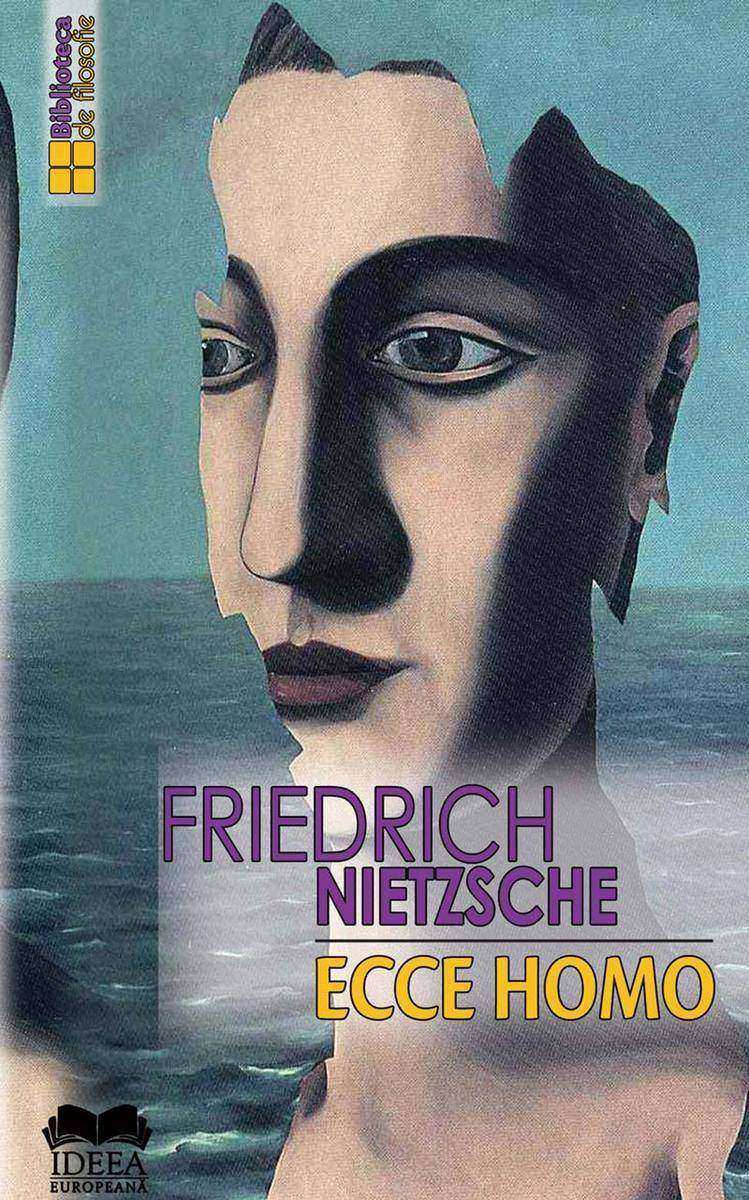
Ecce homo. Cum devii ceea ce e?ti
¥47.42
n Filosofia meritului autorul folosete metoda fenomenologic pentru a prezenta evoluia instituiilor socio-morale care reglementeaz meritele; autorul propune n acest scop concepte originale, cum sunt ideonomia (sistemul de idei care fundamenteaz teoretic un sistem de apreciere a meritului); socionomia (sistemul de reguli care legitimeaz social un merit specific unei comuniti) i politonomia (sistemul de norme prin care se instituionalizeaz juridic meritul politic).Tratatul de Filosofie a meritului este structurat n trei pri corespunztor celor trei domenii existeniale n care se manifest fiina uman, spiritual, social, politic. Lucrarea prezint n extenso criteriile, principiile i formele de manifestare a meritului, premisele constituirii sistemelor sociale de apreciere a meritului, natura bio-psihic i socio-moral a meritelor precum i caracterul normativ al meritelor politico-juridice. Prima parte abordeaz sfera meritele cu caracter antropologic, antroponomic i antropocratic. Partea a doua prezint n extenso meritele cu caracter sociologic, socionomic i sociocratic i partea a treia analizeaz formele de manifestare a meritului din perspectiva politologiei, a politonomiei i a politocraiei. n fiecare capitol se regsesc argumente logice, etimologice i sociologice care justific aprecierea unor atribute i caliti umane ca merite individuale. Fiecare din cele douzeciiapte de capitole explic un tip de merit din tripl perspectiv: ideal social i politic.
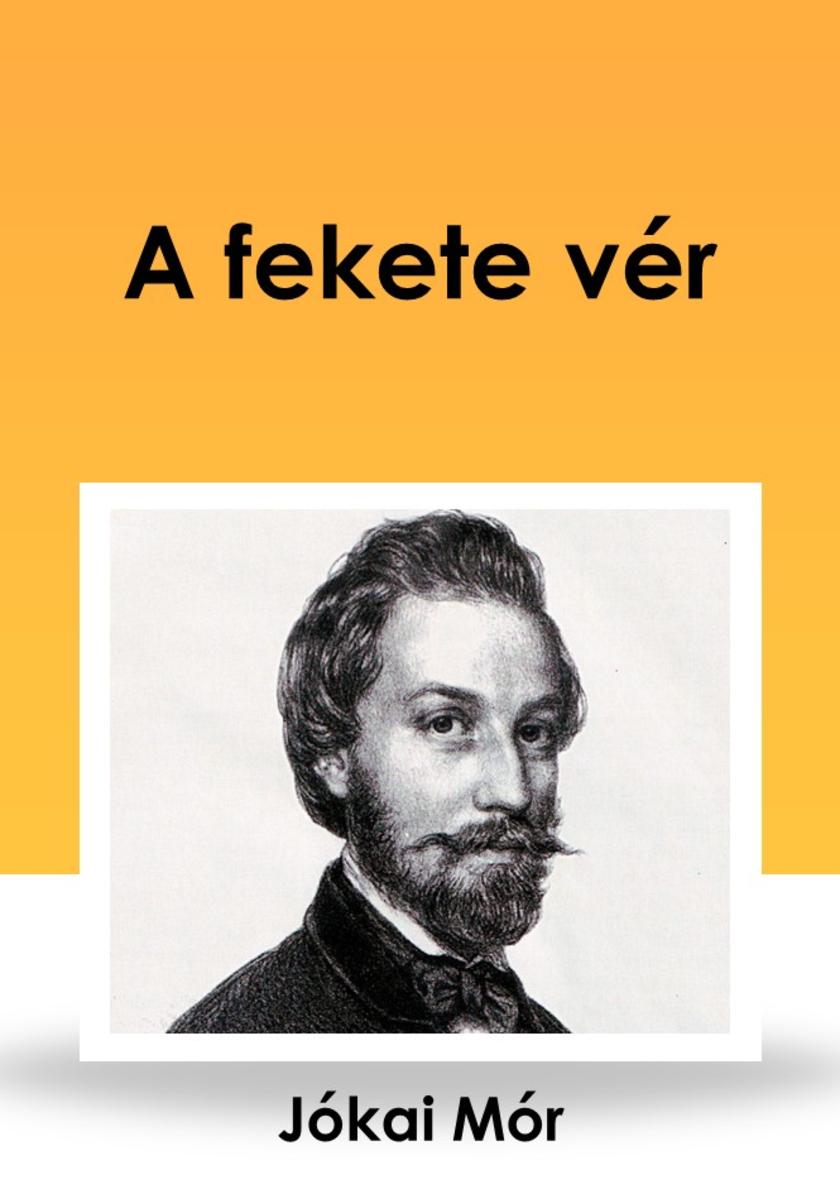
A fekete vér
¥8.67
The present publication is intended to supply a recognised deficiency in our literature—a library edition of the Essays of Montaigne. This great French writer deserves to be regarded as a classic, not only in the land of his birth, but in all countries and in all literatures. His Essays, which are at once the most celebrated and the most permanent of his productions, form a magazine out of which such minds as those of Bacon and Shakespeare did not disdain to help themselves; and, indeed, as Hallam observes, the Frenchman's literary importance largely results from the share which his mind had in influencing other minds, coeval and subsequent. But, at the same time, estimating the value and rank of the essayist, we are not to leave out of the account the drawbacks and the circumstances of the period: the imperfect state of education, the comparative scarcity of books, and the limited opportunities of intellectual intercourse. Montaigne freely borrowed of others, and he has found men willing to borrow of him as freely. We need not wonder at the reputation which he with seeming facility achieved. He was, without being aware of it, the leader of a new school in letters and morals. His book was different from all others which were at that date in the world. It diverted the ancient currents of thought into new channels. It told its readers, with unexampled frankness, what its writer's opinion was about men and things, and threw what must have been a strange kind of new light on many matters but darkly understood. Above all, the essayist uncased himself, and made his intellectual and physical organism public property. He took the world into his confidence on all subjects. His essays were a sort of literary anatomy, where we get a diagnosis of the writer's mind, made by himself at different levels and under a large variety of operating influences. Of all egotists, Montaigne, if not the greatest, was the most fascinating, because, perhaps, he was the least affected and most truthful. What he did, and what he had professed to do, was to dissect his mind, and show us, as best he could, how it was made, and what relation it bore to external objects. He investigated his mental structure as a schoolboy pulls his watch to pieces, to examine the mechanism of the works; and the result, accompanied by illustrations abounding with originality and force, he delivered to his fellow-men in a book. W. C. H. KENSINGTON, November 1877. THE LIFE OF MONTAIGNE The author of the Essays was born, as he informs us himself, between eleven and twelve o'clock in the day, the last of February 1533, at the chateau of St. Michel de Montaigne. His father, Pierre Eyquem, esquire, was successively first Jurat of the town of Bordeaux (1530), Under-Mayor 1536, Jurat for the second time in 1540, Procureur in 1546, and at length Mayor from 1553 to 1556. He was a man of austere probity, who had "a particular regard for honour and for propriety in his person and attire . . . a mighty good faith in his speech, and a conscience and a religious feeling inclining to superstition, rather than to the other extreme. Between 1556 and 1563 an important incident occurred in the life of Montaigne, in the commencement of his romantic friendship with Etienne de la Boetie, whom he had met, as he tells us, by pure chance at some festive celebration in the town. From their very first interview the two found themselves drawn irresistibly close to one another, and during six years this alliance was foremost in the heart of Montaigne, as it was afterwards in his memory, when death had severed it.

Reverie cu flori de cire
¥40.79
A fi rom?n? ?E o ru?ine!“, exclama Cioran. ?n ce m?sur? filosoful de la Paris avea dreptate? Ce ?nseamn? ?a fi rom?n“ ?ntr-o fals? tranzi?ie care aparent nu se mai termin?? La aceste ?i multe alte ?ntreb?ri ?ncearc? s? r?spund? scriitorul Ionel Necula ?n opus-ul de fa??, care ?nsumeaz? analize ale r?sturn?rilor sociale evidente, ?nregistrate ?n ultimii ?aptesprezece ani. Nu ?ntotdeauna comod, spiritul coroziv al autorului ??i spune cuv?ntul, av?nd uneori accente incendiare.
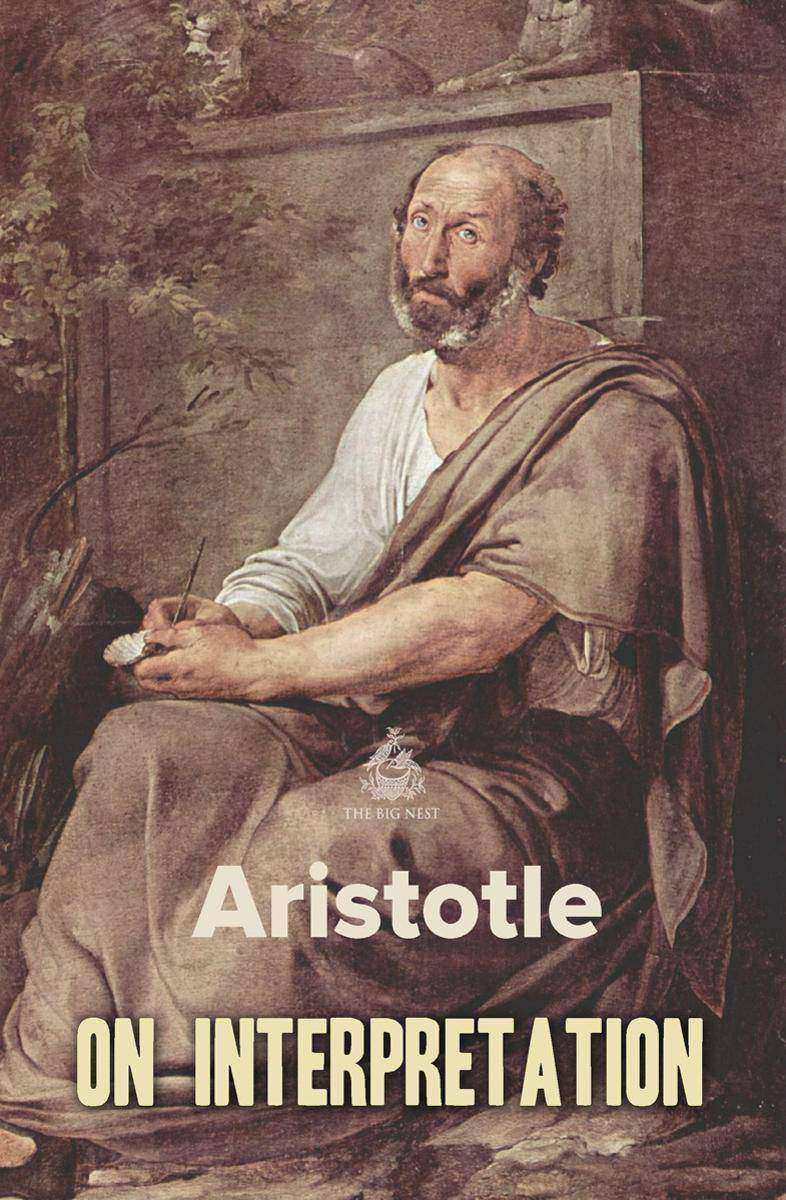
On Interpretation
¥40.79
On Interpretation is among the earliest surviving philosophical works in the Western tradition to deal with the relationship between language and logic in a comprehensive, explicit, and formal way.
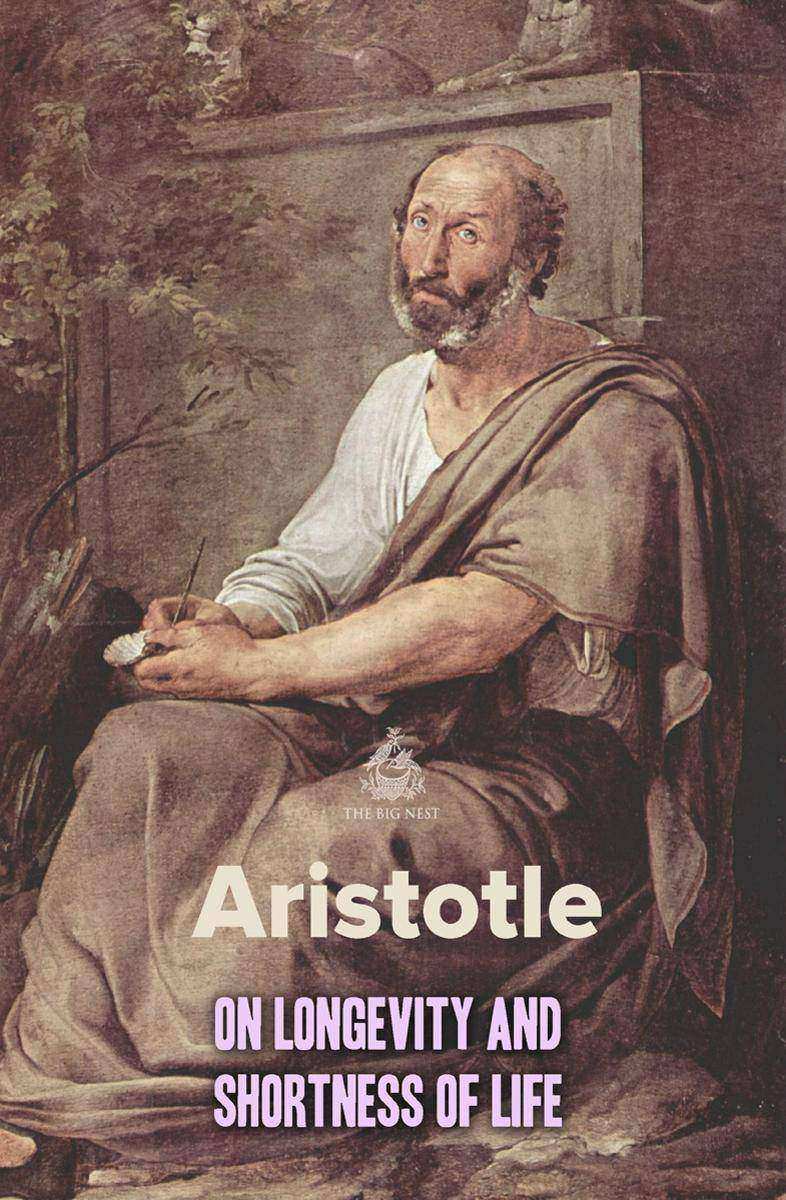
On Longevity and Shortness of Life
¥40.79
The reasons for some animals being long-lived and others short-lived, and, in a word, causes of the length and brevity of life.

Laws
¥40.79
The Laws are discussed by three representatives of Athens, Crete, and Sparta. The Athenian, as might be expected, is the protagonist or chief speaker, while the second place is assigned to the Cretan, who, as one of the leaders of a new colony, has a special interest in the conversation. At least four-fifths of the answers are put into his mouth. The Spartan is every inch a soldier, a man of few words himself, better at deeds than words. The Athenian talks to the two others, although they are his equals in age, in the style of a master discoursing to his scholars; he frequently praises himself; he entertains a very poor opinion of the understanding of his companions.
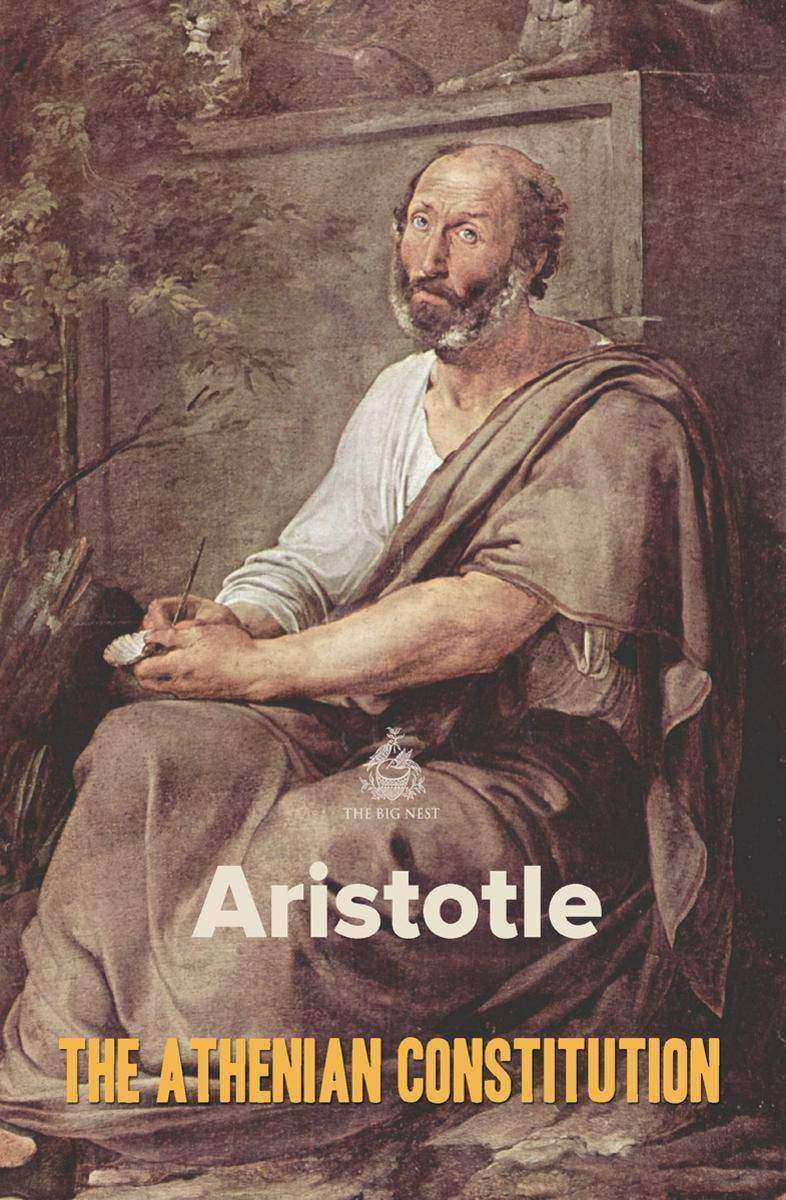
The Athenian Constitution
¥40.79
The Constitution of the Athenians describes the political system of ancient Athens. The treatise was composed between 330 and 322 BC.

Mossad. Istoria s?ngeroas? a spionajului israelian
¥82.81
n eseul Despre prostie (ber die Dummheit, 1937) subiectul este tratat, ca de obicei, cu toate resursele familiare autorului: analiza filosofic se combin cu observaiile de tip psihologic i cu constatri din istorie i politologie. Dei proiectul iniiat de acest eseu nu a fost finalizat, se remarc, totui, atenta cartografiere a fenomenelor asociate prostiei, tratate n stilul ironiei constructive“, att de specific lui Musil.

Despre via?? ?i moarte
¥32.62
Urm?nd acela?i tipar de p?n? acum (Logica elefan?ilor, Editura All, 2012), Ciprian V?lcan ?i Dana Percec au selectat c?te dou?zeci de eseuri care formuleaz?, ?ntr-o manier? doar aparent lejer?, un r?spuns la tot at?tea pretexte, culese cu ochiul colec?ionarului de caricaturi din presa rom?neasc? ?i interna?ional? sau din tomuri mai mult sau mai pu?in colbuite. Autorii inspecteaz? cu lupa ?i curiozitatea entomologului numeroase ?nt?mpl?ri, mesaje ?i personaje contemporane, ?ndemn?ndu-i pe cititori, prin stilul degajat ?i tonul convivial, s? se amuze pe seama absurdului din via?a de zi cu zi. Fie c? este vorba de politic?, sport, mod?, mass-media sau tribunale, de gastronomie sau vr?jitorie, eseurile demonteaz? adev?ruri mici, truisme, precum ?i pl?smuiri de tot felul. Fiec?rei p??anii evocate ?n pretext – unele ilare, cu miros de b?lci, altele aproape detestabile – autorii Metafizicii bicicli?tilor ?i r?spund ?n manier? diferit?, dar convergent?, contur?nd o nevoie de a r?scoli excesele lumii pentru a o ?ndemna s? se rea?eze.


新核心素养系列(套装共8册)
¥24.71
●从未有哪个时代像今天一样,科学让人类社会以肉眼可见的速度向前演化。这场两千多年的长程奔跑似乎来到了冲刺阶段,不断有人做出世界末日的预言,那么,科学*终带给我们的究竟是生存还是毁灭?科学研究的目的究竟是什么?科学能告诉我们*真理吗? 带着这样的终极关怀,《人人都该懂的科学哲学》首先讲述了科学脱离哲学、独立成长的过程,然后以智慧设计论、弦理论、占星术、有神论、社会建构主义、女性主义等充满争议的问题为例,辨析了科学的定义、方法和目的,科学和社会的关系。伟大的科学哲学家亚里士多德、笛卡儿、休谟、培根、波普尔、库恩等纷纷出场,上演了一场绵亘数千年的*辩论。 面对未来的挑战,无论人类能否破解“公地悲剧”、实现星际殖民、活到长生不老,杰弗里·戈勒姆以科学哲学的视角安慰我们:“当生命终结,人类文化仍然存在,只不过是存在于过去。希望它永远存在就太过分了,无异于希望巴黎时时处处是春天。” ●《人人都该懂的科学哲学》属于湛庐文化重磅推出的“新核心素养”系列图书之一。本系列图书致力于推广通识阅读,扩展读者的阅读面,培养批判性思考的能力。其中涵盖了哲学、心理学、法律、艺术、物理学、生物科技等诸多人文科学和自然科学的知识,其中《人人都该懂的科学哲学》的内容涵盖了科学哲学的核心思想,让你一本书了解科学哲学的核心智慧。

Прода?ться все: Джефф Безос та ера Amazon
¥36.79
Dignità o miseria della natura umana? ?C'è un principio supposto prevalere tra molti che è del tutto incompatibile con ogni virtù o senso morale [...] Questo principio è che ogni benevolenza è mera ipocrisia, l'amicizia un inganno, lo spirito pubblico una farsa, la fedeltà un trucco per procurare fiducia e confidenza; e mentre tutti noi, in fondo, perseguiamo solo il nostro interesse privato, indossiamo questi bei travestimenti in modo da abbassare le difese degli altri ed esporli maggiormente alle nostre astuzie e macchinazioni?... Le meditazioni senza tempo di uno dei più grandi filosofi europei. SOMMARIO: Introduzione e avvertenza ai testi / Nota bibliografica: una mappa degli studi (di Fabrizio Pinna) - David Hume: Dignità o miseria della natura umana? / L'Amore di Sé. APPENDICE: Of the Dignity or Meanness of Human Nature; Of Self-love; My Own Life & Letter from Adam Smith, LL. D. to William Strahan, Esq.; Of the Reason of Animals; Of the Immortality of the Soul; Of Superstition and Enthusiasm; Of some Verbal Disputes. LE COLLANE IN/DEFINIZIONI & CON(TRO)TESTI

禅话与净话
¥18.00
本书分两大部分,即禅话与净话。作者分别将佛门禅净的特色深地释义,并且以历代禅净兼修的大德为例证,破斥持门户之见者。书中以“念佛至一心不乱,便是禅定;参禅至彻见自性,即是净土”为立论的根据,写出了禅宗与净土宗同为佛教派别的异与同。
佛堂讲话
¥18.00
道源法师关于念佛的完整示,包括对念佛的目的、方法、功德等的详细的讲解,为修行净土宗的修行者提供了如何正确念佛的方便法门。
地藏本愿经外二部
¥18.00
对佛教经典《地藏本愿经》《佛说盂兰盆经》《佛说父母恩重难报经》三部经的翻译解释。

中阿含经
¥18.00
《中阿含经》共六十卷,共收经二百二十二部,,分为五诵十八品,为东晋僧伽提婆与僧伽罗叉所译。本书节选了《中阿含经》中的二十部经。读者可从中体察《中阿含经》之全貌,领会佛陀当年为众比丘说法传教的殷殷苦心,并了解一些佛教历史,理解有关佛说的基本教义、基本理论,一步坚定学习佛教,信奉善行,自度度人,常乐我净的信心。

楞伽经
¥18.00
《楞伽经》,七卷,十品,全称《大乘楞伽经》。现奉献给读者的这部《楞伽经》,是唐译本。由于此译本几经校勘,加之采用以梵本对照前两个译本的方法,因此,义理方面较前其他版本更准确、完备,文字之表述也更加通畅、流利,受到佛教界的一致肯定和推崇 在众多大乘经典中,《楞伽经》*突出的特在其融会贯通,它不仅融会了大小二乘,而且贯通了空有二宗;不仅糅合了如来藏系和唯识系的思想,而且融摄了性相二宗。在中国佛教中,它既是「法相唯识宗」依据的经典之一,同时也是禅宗初祖达磨传付慧可的重要经典,其对中国佛教的影响可见一斑。

药师经
¥18.00
《药师经》全名《药师琉璃光如来本愿功德经》,是佛陀应文殊师利菩萨要求而示的净土法门,为佛教中的净土经典之一。它的主要宗教价值在于描绘了东方琉璃净土,宣说了药师如来的本愿功德,是药师佛信仰主要依据的经典。经典中叙说东方琉璃世界是药师佛因地所发十二大愿而证成的,就其主旨来说,是使众生早证菩提;但另一方面,药师佛也注重为众生求得现世的安乐,这与阿弥陀佛的偏向来生安乐不同,故为佛教界将药师法门视为现世众生消灾延寿法门的缘由。又,本经除了表述药师佛的信仰,还对药师佛信仰和阿弥陀佛信仰作了沟通,此为本经另一特色所在。

安乐集
¥18.00
本书旨在弘扬西方阿弥陀佛的净土教义,提出了一系列关于净土信仰和往生方法的理论,并大量引证各种经律论释,多达五十余部,以申明净土要义。全书以《观无量寿经》的趣旨,统以贯之,由于道绰时代正逢北周武帝毁佛,形成佛教末法思想的普遍,再加上诸宗派多排斥净土法门,故本书中亦多有论辩,着重于破除异议,使得净土法门在社会上广泛盛行,深社会各阶层中。

般舟三昧经
¥18.00
本经为现存大乘经典中*早时期问世的作品,也是有关弥陀经典中的*早文献,是净土经典的*早先驱。《般舟三昧经》说西方世界须摩提国阿弥陀佛有种种相好威仪庄严,放大光明。若有人一心系念此佛,经过一日夜或七昼夜,就可甚深禅定,面见此佛。 《般舟三昧经》归纳起来说,大体上有三个特:一、以持名念佛,往生净土;二、念佛三昧为一切三昧之王;三、禅净离合,归于净土。这三个特,为本经作为净土思想*先驱的地位和价值。 佛教徒以成佛作为自己修持的*终归宿。“般舟三味”的行持,能令十方诸佛现前。本经以有系统的层次揭“三昧”是确切可得的。

宗镜录
¥18.00
对佛教经典《宗镜录》的翻译解释。


