


 购物车
购物车 个人中心
个人中心

金刚经讲话
¥18.00
《金刚经》只有五千多字,本书分为三十二分,放弃传统的逐句解说,以宏观的角度贯穿全经的架构,每一分都设立纲目提要,阐述此分的意趣所在。各分各有其主题独立,但都不偏离“金刚般若”的丝缕经纬。
中国佛学特质在禅
¥18.00
对中国禅学的历史脉络做了导览式的介绍,将其演化历程行了分期研究。
楞严经
¥18.00
《楞严经》,大乘佛教经典,全名《大佛顶如来密因修证了义诸菩萨万行首楞严经》,简称《楞严经》。历来皆被修行者奉为必修的无上圭臬,尤其是对习禅者而言,更是如此。其文句优美富丽,也是文人墨客青睐的文学瑰宝。
六祖坛经
¥18.00
《六祖坛经》亦称《坛经》、《六祖大师法宝坛经》,全称《南宗顿教*上大乘摩诃般若波罗蜜经六祖惠能大师于韶州大梵寺施法坛经》,是佛教禅宗六祖惠能说、弟子法海集录的一部经典。作为一部中国僧人撰着、且被冠以“经”的佛教典籍,其*核心的思想是在教人如何才能成就佛道,其*的特则是把一切归结于自心自性。本书选用的是李申的敦煌坛经合校本。
释迦牟尼佛传
¥18.00
本书叙述了佛陀自住世至涅槃生命的全过程。包括佛陀住世时的印度社会,佛陀的家世,佛陀出家和修行的经过,佛陀的传法和教团的成立,佛陀在世时所得的尊荣,佛陀的涅槃,等等。
星云禅话
¥18.00
《星云禅话》系为佛光山山宗长星云大师应各方对于禅的需渴反应,将刊载于报纸的“星云禅话”编集成书。该书从已出版的禅话一至四集,精心选辑了一百三十二则公案,希望透过生活性、人间性的“禅话”,为忙碌、紧张的今日社会,投下一剂清凉散。
佛教的女性观
¥18.00
本书主要是透过经典中记载的佛陀的平等思想、教育方法,客观探讨佛教的女性观。 其重有四: 一、佛教兴起时代的印度社会和女性:主要以印度低落的女性地位和不平等的四姓差别制度为背景,一一说明佛陀的众生平等观,从而奠定佛教的男女平等思想。 二、原始佛教时代的女性观:由原始经典中一再出现的母亲、妻子、媳妇、女人四种形象,分别说明佛陀对女性的教化,以及佛教对在家女性理想典范的树立,而从生活伦理中显示男女的平等性。 三、小乘佛教时代的女性观:对女人五障说、佛的三十二相和女人不能成佛说等思想做一全面深的探讨,以澄清佛陀的平等真义。 四、大乘佛教时代的女性观:由诸多经典中示现的女性成佛观、师子吼乃至大乘菩萨与女性的关系,显现佛教对女权的倡导和发展,以及女性的智慧和慈悲的特质。
精进佛七开示录
¥18.00
煮云法师关于佛七的示,近代念佛的实录,记载佛七中的各种事迹,可作为研究近代念佛法门演变的材料。
杂阿含经
¥18.00
《杂阿含经》是以言行录的体裁,记述佛陀和他的弟子们的修行与弘法活动。经中揭示了佛教的基本教义,如缘起、十二因缘、三法印、四圣谛、八正道、四念处等,故被称为“佛教圣典”。由于《杂阿含经》不重玄理、义解,重视的是修行实践,因而诵读此经,有助于现代人修行佛法。
华严五教章
¥18.00
《华严五教章》是华严宗创始人法藏宗立教的论著,内容丰富,思辨性极高,是华严宗哲学思想的著名代表作。此书体系完备,是研究华严学的门及书,也可说是佛教概论书。
华严金师子章
¥18.00
《华严金师子章》乃唐代佛教华严宗三祖法藏贤首大师为武则天讲解《华严经》的“十重玄门”、“六相圆融”等教义时,为了使其能够理解空与色、心与境之间的种种关系,法藏大师以殿前的金狮子为譬喻,故有了《华严金师子章》。《华严金师子章》是由法藏大师为武则天讲解《华严经》的记录稿整理而成,此文虽短,但却集中简要地概括了佛教的核心思想。《华严金师子章》在论述真理的方式上简单通俗,层次分明,但又细致微,理精髓。浓缩了《华严经》的思想精华,涵盖了佛教的核心思想。此经不仅可以使学佛者了解佛教的真实义理,而且为学佛者获得究竟的圆满和解脱,指明了道路和方向。
胜鬘经
¥18.00
《胜鬘经》弘传于南北朝,备受教内教外的重视。本经为大乘如来藏系经典中代表作之一。内容叙述胜?N夫人对释尊立十大誓愿、三大愿,并自说大乘一乘法门,阐释圣谛、法身、如来藏等。 经中认为三乘之教归于大乘之一乘,得一乘即得如来法身。众生虽被烦恼所缠,然其本性清净无垢,与如来同等,故皆具有如来之性(佛性、如来藏)。且以如来藏为基础,即使在生死轮回之世界,亦有获得涅槃之可能。本经之一乘思想,即是承继法华经者,而成为大乘佛教之重所在。又本经之特色乃在以在家妇人说法,故与维摩居士所说之“维摩经”,并为大乘佛教在家佛教之代表作。 全书共分十五章,包括如来真实功德、十受、三愿、摄受、一乘、无边圣谛、如来藏、法身、空义隐覆真实、一谛、一依、颠倒真实、自性清净、真子、胜?N等。
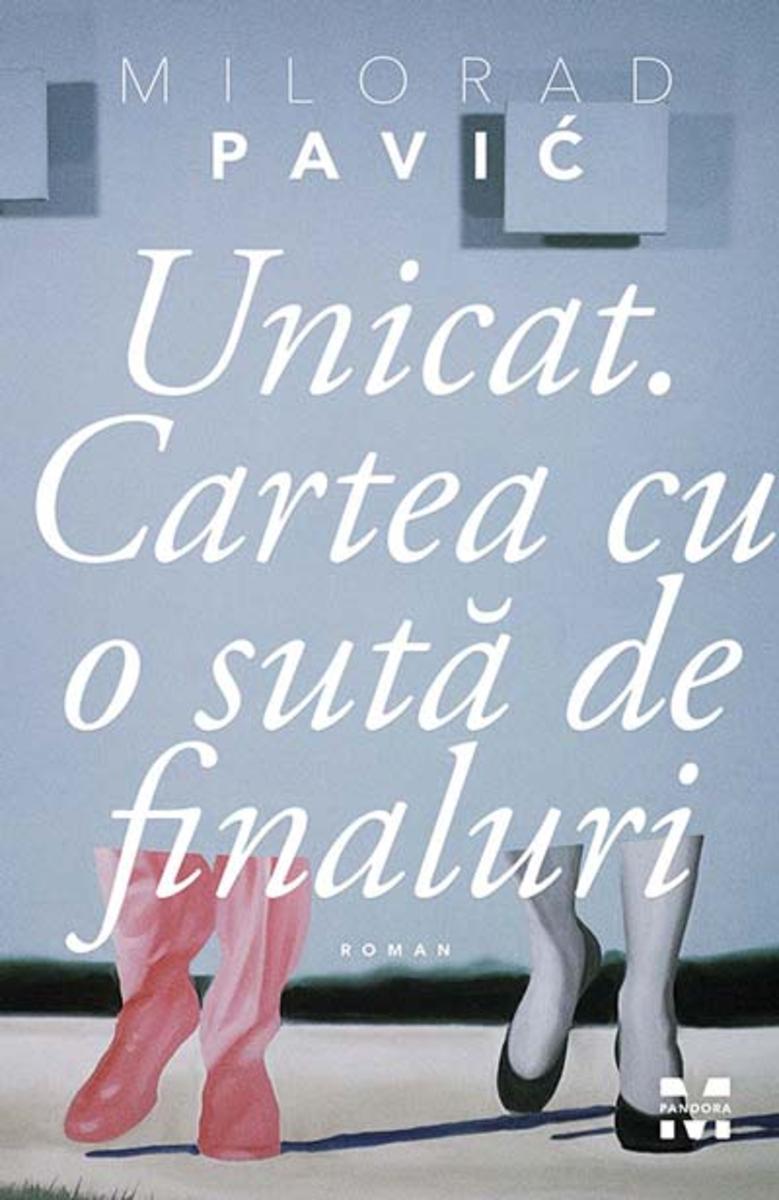
Unicat. Cartea cu o sut? de finaluri
¥48.97
O parte dintre noi au tr?it vremuri grele pe care uneori le mai vis?m, le povestim sau despre care scriem ?nc?, f?r? patima cumplit? care i-a cuprins pe profitorii de atunci, care ?i ast?zi ne fac r?u, ?i chiar mai r?u dec?t ?pe vremea aceea“, cum se zice. E drept c? noi am prev?zut-o ?ntr-un fel sau altul, spun?nd-o celor care se-ncumetau s? ne asculte, f?r? preten?ia, Doamne, fere?te!, de a ne considera ?i disiden?i, cum o f?cur? cei men?iona?i mai sus. Previziunile noastre s-au bazat pe o anume cunoa?tere a mersului istoriei, care, cum se ?tie, se tot repet?, cu mici deosebiri, fire?te. Oricum, ceva cuno?tin?e de economie politic? nu ne stric? nici ?n zilele noastre, pentru a ne da seama de jocul frecvent al trecerii de la economia politic? la politica economic? ?i, mai ales, al trecerilor de la un sistem sau or?nduire economic? la alta ?i invers, cum le-am tr?it noi: de la capitalism la socialism ?i viceversa. Ca un fel de ciud??enie, au r?mas considera?iunile despre noul eon sau noua er? (New Age) ale filosofului din Lancr?m, mai ales c? acestea s-au realizat abia dup? c?derea comunismului, pe care n-o mai prev?zuse Blaga. (Alexandru Surdu) Eseuri filosofice de acela?i autor 1. Voca?ii filosofice rom?ne?ti, Editura Aca?de?miei Rom?ne, Bucure?ti, 1995, 216 p.; edi??ia a II-a, Editura Ardealul, T?rgu-Mure?, 2003, 206 p. 2. Confluen?e cultural-filosofice, Editura Pai?de?ia, Bucure?ti, 2002, 219 p. 3. M?rturiile anamnezei, Editura Paideia, Bu?cu?re?ti, 2004, 193 p. 4. Comentarii la rostirea filosofic?, Editura Kron-Art, Bra?ov, 2009, 186 p. 5. Izvoare de filosofie rom?neasc?, Editura Biblioteca Bucure?tilor, Bucure?ti, 2010, 171 p.; edi?ia a II-a, Editura Renaissance, Bucu?re?ti, 2011, 161 p. 6. A sufletului rom?nesc cinstire, Editura Re?naissance, Bucure?ti, 2011, 197 p. 7. Pietre de poticnire, Editura Ardealul, T?r?gu-Mure?, 2014, 179 p.
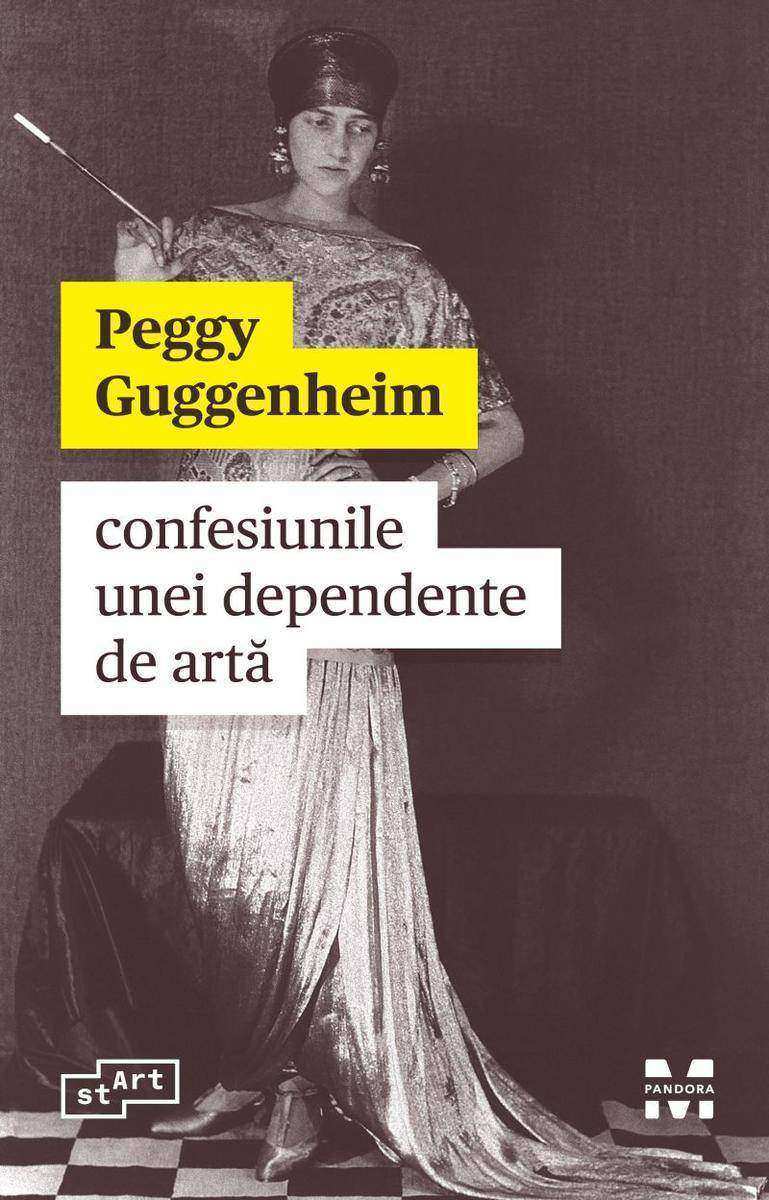
Confesiunile unei dependente de art?
¥57.14
One of the greatest works of philosophy, political theory, and literature ever produced, Plato’s Republic has shaped Western thought for thousands of years, and remains as relevant today as when it was written during the fourth century B.C.Republic begins by posing a central question: "What is justice, and why should we be just, especially when the wicked often seem happier and more successful?" For Plato, the answer lies with the ways people, groups, and institutions organize and behave. A brilliant inquiry into the problems of constructing the perfect state, and the roles education, the arts, family, and religion should play in our lives, Republic employs picturesque settings, sharply outlined characters, and conversational dialogue to drive home the philosopher’s often provocative arguments.Highly regarded as one of the most accurate renderings of Plato's Republic that has yet been published, this widely acclaimed work is the first strictly literal translation of a timeless classic. This Special Collector's Edition includes a new introduction by Prof. Colin Kant, PH.D, a noted Platonian and Socratic scholar.
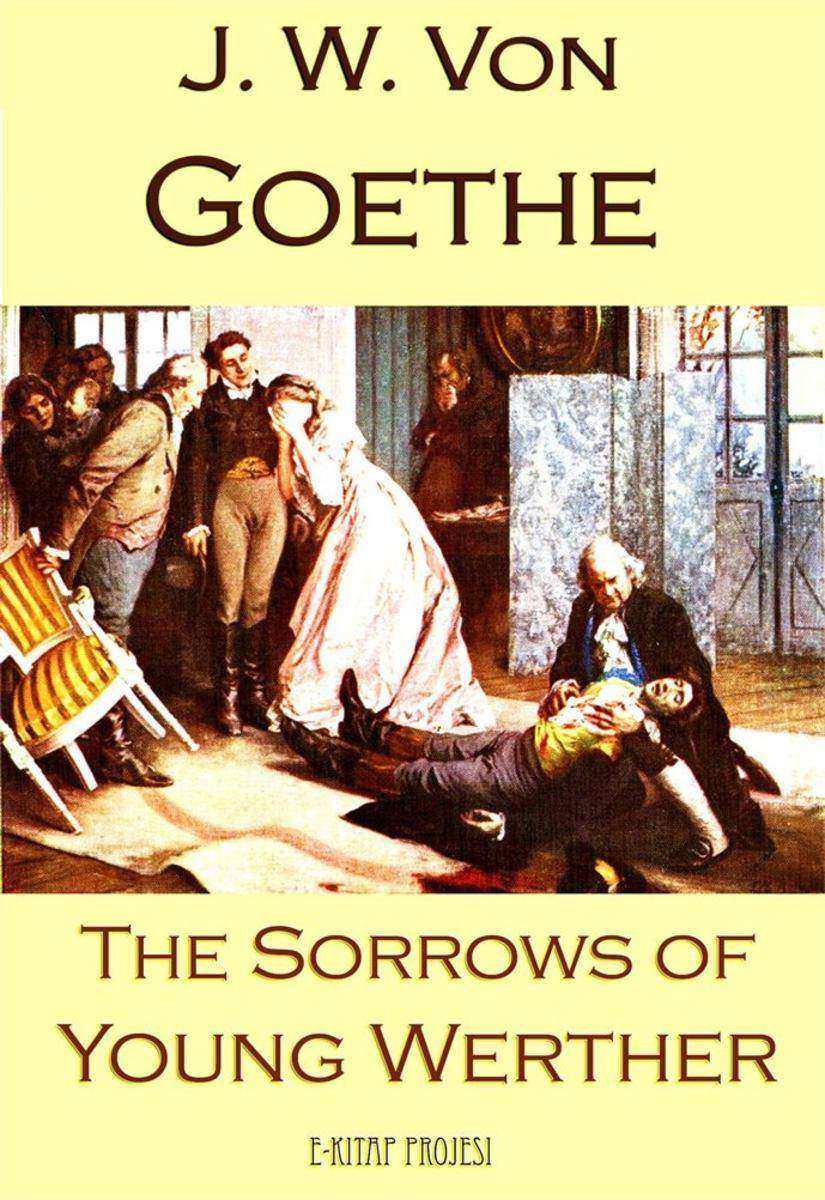
The Sorrows of Young Werther
¥18.74
Among the notable books of later times-we may say, without exaggeration, of all time--must be reckoned The Confessions of Jean Jacques Rousseau. It deals with leading personages and transactions of a momentous epoch, when absolutism and feudalism were rallying for their last struggle against the modern spirit, chiefly represented by Voltaire, the Encyclopedists, and Rousseau himself--a struggle to which, after many fierce intestine quarrels and sanguinary wars throughout Europe and America, has succeeded the prevalence of those more tolerant and rational principles by which the statesmen of our own day are actuated. On these matters, however, it is not our province to enlarge; nor is it necessary to furnish any detailed account of our author's political, religious, and philosophic axioms and systems, his paradoxes and his errors in logic: these have been so long and so exhaustively disputed over by contending factions that little is left for even the most assiduous gleaner in the field. The inquirer will find, in Mr. John Money's excellent work, the opinions of Rousseau reviewed succinctly and impartially. The 'Contrat Social', the 'Lattres Ecrites de la Montagne', and other treatises that once aroused fierce controversy, may therefore be left in the repose to which they have long been consigned, so far as the mass of mankind is concerned, though they must always form part of the library of the politician and the historian. One prefers to turn to the man Rousseau as he paints himself in the remarkable work before us. That the task which he undertook in offering to show himself--as Persius puts it--'Intus et in cute', to posterity, exceeded his powers, is a trite criticism; like all human enterprises, his purpose was only imperfectly fulfilled; but this circumstance in no way lessens the attractive qualities of his book, not only for the student of history or psychology, but for the intelligent man of the world. Its startling frankness gives it a peculiar interest wanting in most other autobiographies. Many censors have elected to sit in judgment on the failings of this strangely constituted being, and some have pronounced upon him very severe sentences. Let it be said once for all that his faults and mistakes were generally due to causes over which he had but little control, such as a defective education, a too acute sensitiveness, which engendered suspicion of his fellows, irresolution, an overstrained sense of honour and independence, and an obstinate refusal to take advice from those who really wished to befriend him; nor should it be forgotten that he was afflicted during the greater part of his life with an incurable disease. Lord Byron had a soul near akin to Rousseau's, whose writings naturally made a deep impression on the poet's mind, and probably had an influence on his conduct and modes of thought: In some stanzas of 'Childe Harold' this sympathy is expressed with truth and power; especially is the weakness of the Swiss philosopher's character summed up in the following admirable lines: "Here the self-torturing sophist, wild Rousseau, The apostle of affliction, he who threw Enchantment over passion, and from woe Wrung overwhelming eloquence, first drew The breath which made him wretched; yet he knew How to make madness beautiful, and cast O'er erring deeds and thoughts a heavenly hue Of words, like sunbeams, dazzling as they passed The eyes, which o'er them shed tears feelingly and fast. "His life was one long war with self-sought foes, Or friends by him self-banished; for his mind Had grown Suspicion's sanctuary, and chose, For its own cruel sacrifice, the kind, 'Gainst whom he raged with fury strange and blind. But he was frenzied,-wherefore, who may know? Since cause might be which skill could never find; But he was frenzied by disease or woe To that worst pitch of all, which wears a reasoning show."
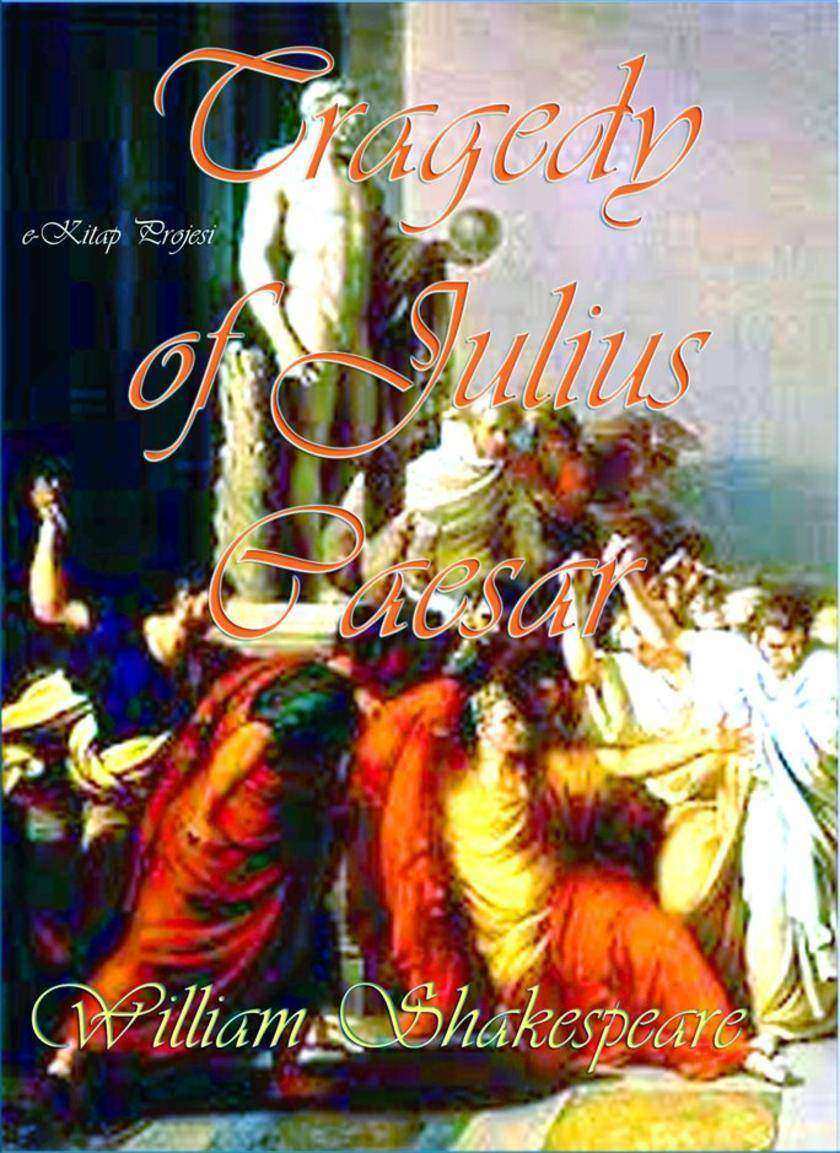
The Tragedy of Julius Caesar
¥18.74
Mülkiyet kar??t? ya?l? anar?ist, hayat?n?n son y?llar?nda ironik bir durumda kald?. ?svi?re vatanda?l???na girmenin yollar?n? arayan Bakunin'e sunulan se?enek, orada bir ev sahibi olmas?yd? ve belki de en hazini, sahip olaca?? bu ev nedeniyle, polisin, resm? tutanaklara “Michael Bakunin, rantiye” notunu dü?mesiydi. 18 May?s 1814'te Rusya'da do?an Michael Aleksandrovich Bakunin, 1 Temmuz 1876'da ?ldü?ünde ülkesinden ?ok uzaklardayd? ve cenazesinde yaln?zca 30–40 ki?i vard?. Gen? Bakunin i?in, “A?k, insan?n yeryüzündeki en üst misyonuydu. Bir insan?n kendini a?ks?z vermesi, Kutsal Ruh’a kar?? i?lenmi? bir günaht?”.. ?Kad?nlar taraf?ndan olduk?a ?ekici bulunan Mihail'in ise kad?nlarla ili?kisi hep ruhsal bir a?k olarak kald?.??svi?re'nin muhte?em manzaras? e?li?inde George Sand romanlar? okuyan Bakunin, Frans?z dü?üncesinin Alman dü?üncesinden üstün oldu?u inanc?n? sa?lamla?t?r?yordu. ? Bakunin, Marx i?in, “O, beni duygusal idealist olarak adland?r?yordu; hakl?yd?. Ben de onu, hoyrat, kendini be?enmi? ve ac?mas?z olarak de?erlendiriyordum; ben de hakl?yd?m” diyordu.. ? Kendisine ili?kin konularda kindar olmayan Bakunin, Herzen'in kar?s?na g?sterdi?i so?uklu?u hayat?n?n sonuna kadar unutamad?.?“Art?k reaksiyonun muzaffer gü?lerine kar?? Sisifos'un ta??n? yuvarlamak i?in ne gerekli güce ne de güvene sahibim. Bu yüzden, mücadeleden ?ekiliyor ve arkada?lar?mdan tek bir iyilik bekliyorum: "Unutulmak”,?Orta ve ge? on dokuzuncu yüzy?lda, radikal sol –yani, a?g?zlü kapitalizm ele?tirmenleri ve sanayi i??ilerinin ?zgürlü?ünün savunucular?– iki temel franksiyona ayr?l?yordu: Marksistler ve anar?istler. Kabaca s?ylemek gerekirse (ki bu son derece kar???k bir hik?yedir), kazanan Marksistler oldu ve yirminci yüzy?l?n tüm ba?ar?l? sol devrimleri –Rus, ?in ve Küba, ?rne?in– Marksist ilkelere ba?l?l?klar?n? ilan ettiler. ? Marksistler ile anar?istler aras?ndaki sava? bu noktada tarihsel bir meraktan ?te devam eden bir meseledir. Pi?man olmayan ya da ele?tirilmeyen tek ger?ek Marksist sol Kim Jong Il ve taraf etraftaki birka? entelektüel ve profes?rdür. Anar?izm ise uygulanabilir bir toplumsal hareket olarak ?kinci Dünya Sava??yla yava? yava? tükenmeye yüz tutmu?ken küreselle?me kar??t? hareket ve d?nemimizin di?er radikalizmleri i?inde yeniden dirilmeye ba?lam??t?r. ? Ne var ki, d?neminde –Marx’?n di?erleriyle aras?ndaki– bu sava? bir ?lüm kal?m meselesiydi ve Marksizm muhtemel kapitalizm kar??t? olarak ve yan? s?ra anar?izm kar??t? olarak tan?mlan?yordu. Asl?nda, Marx’?n yazarl??? anar?izme y?nelik sald?r?lar? a??s?ndan handiyse gülün? bir geni?li?e ula?m??t?r. Marx’?n Alman ?deolojisi kitab?n?n büyük b?lümü –yüzlerce sayfas?– bireyci/anar?ist Max Stirner’e y?nelik bir sald?r?dan ibarettir. Felsefenin Sefaleti Proudhon’a kar?? büyük?e bir fikir sava??d?r. Marx onca zaman ve enerjisini Bakunin’e sald?rmaya harcam??t?r: ?“dangalak!”?“canavar, et ve ya? y???n?,” “sap?k” vesaire: ?bu tabirler, has?mlar? s?z konusu oldu?unda Marx’?n bildik üslubudur: yazarl??? yar? bilimsel inceleme, yar? s?zlü tacizdir. Marx’?n, gerek kendi a?z?ndan gerekse de kimi s?zcülerini kullanarak ony?llar boyunca y?neltti?i ve muhtemelen di?erleri denli e?lenceli olmayan var olan su?lamas?, Bakunin’in bir muhbir oldu?u y?nündeydi ve Marx’?n bu ba?ar?l? sald?r?lar? nihayetinde Bakunin’in Enternasyonal ???i Z?mb?rt?s?ndan tasfiyesine yol a?t?.. ?

Mindig is éjjel lesz
¥69.65
Sri Krsna számtalan univerzum vitathatatlan Ura, akit korlátlan er?, gazdagság, hírnév, tudás és lemondás jellemez, ám ezek az ?r?kké diadalmas energiák csupán részben tárják fel ?t. Végtelen dics?ségét csak az ismerheti meg, aki elb?v?l? szépségénél keres menedéket, ?sszes t?bbi fenséges tulajdonsága forrásánál, melynek páratlan transzcendentális teste ad otthont. Szépségének legf?bb jellemz?je az a mindenek f?l?tt álló édes íz, ami t?mény kivonata mindennek, ami édes. Minden édes dolgot túlszárnyal, és nem más, mint az édes íz megízlelésének képessége. Sri Krsna édes természete finom arany sugárzásként ragyog át transzcendentális testén. Govinda páratlanul gy?ny?r? testének legszebb és legédesebb része ragyogó arca. ?des hold-arcán rejtélyes mosolya a legédesebb, az az arcáról ragyogó ezüst holdsugár, ami nektárral árasztja el a világot. Mosolyának sugárzása nélkül keser? lenne a cukor, savanyú a méz, és a nektárnak sem lenne íze. Amikor mosolyának holdsugara elvegyül teste ragyogásával, a kett? együtt a kámfor aromájára emlékeztet. Ez a kámfor aztán ajkán keresztül a fuvolába kerül, ahonnan megfoghatatlan hangvibrációként t?r el?, és er?nek erejével rabul ejti azoknak az elméjét, akik hallják. Ahogy a szavak gondolatok mondanivalóját hordozzák, ahogy a gondolatok a szemben tükr?z?dnek, ahogy egy mosoly a szív érzelmeir?l árulkodik, úgy a fuvola hangja Sri Krsna szépségét viszi a fül?n keresztül a szív templomának oltárára.
A kalózkirály
¥8.67
Euthyphro (Ancient Greek: Euthuphron) is one of Plato's early dialogues, dated to after 399 BC. Taking place during the weeks leading up to Socrates' trial, the dialogue features Socrates and Euthyphro, a religious expert also mentioned at Cratylus 396a and 396d, attempting to define piety or holiness. Background The dialogue is set near the king-archon's court, where the two men encounter each other. They are both there for preliminary hearings before possible trials (2a).Euthyphro has come to lay manslaughter charges against his father, as his father had allowed one of his workers to die exposed to the elements without proper care and attention (3e–4d). This worker had killed a slave belonging to the family estate on the island of Naxos; while Euthyphro's father waited to hear from the expounders of religious law (exegetes cf. Laws 759d) about how to proceed, the worker died bound and gagged in a ditch. Socrates expresses his astonishment at the confidence of a man able to take his own father to court on such a serious charge, even when Athenian Law allows only relatives of the deceased to sue for murder. Euthyphro misses the astonishment, and merely confirms his overconfidence in his own judgment of religious/ethical matters. In an example of "Socratic irony," Socrates states that Euthyphro obviously has a clear understanding of what is pious and impious. Since Socrates himself is facing a charge of impiety, he expresses the hope to learn from Euthyphro, all the better to defend himself in his own trial. Euthyphro claims that what lies behind the charge brought against Socrates by Meletus and the other accusers is Socrates' claim that he is subjected to a daimon or divine sign which warns him of various courses of action (3b). Even more suspicious from the viewpoint of many Athenians, Socrates expresses skeptical views on the main stories about the Greek gods, which the two men briefly discuss before plunging into the main argument. Socrates expresses reservations about such accounts which show up the gods' cruelty and inconsistency. He mentions the castration of the early sky god, Uranus, by his son Cronus, saying he finds such stories very difficult to accept (6a–6c). Euthyphro, after claiming to be able to tell even more amazing such stories, spends little time or effort defending the conventional view of the gods. Instead, he is led straight to the real task at hand, as Socrates forces him to confront his ignorance, ever pressing him for a definition of 'piety'. Yet, with every definition Euthyphro proposes, Socrates very quickly finds a fatal flaw (6d ff.). At the end of the dialogue, Euthyphro is forced to admit that each definition has been a failure, but rather than correct it, he makes the excuse that it is time for him to go, and Socrates ends the dialogue with a classic example of Socratic irony: since Euthyphro has been unable to come up with a definition that will stand on its own two feet, Euthyphro has failed to teach Socrates anything at all about piety, and so he has received no aid for his own defense at his own trial (15c ff.).
中国思想史
¥19.99
本书所述,起自春秋中晚期,下迄现代,共分四十四章,涵括了中国历代主要的思想家及其思想的要,纲宗粗立,全部中国思想史的主要节目,已在其内。钱穆先生自言,本书限于篇幅,未能尽述思想史的全貌,因此只做扼要的提,有待读者自己更一步研寻。

人生十论
¥19.99
钱穆先生全集,在台湾经由钱宾四先生全集编辑委员会整理编辑而成,台湾联经出版事业公司1998年以《钱宾四先生全集》为题出版。作为海峡两岸出版交流中心筹划引的重要项目,这次出版,对原版本行了重排新校,审慎订正文中体例、格式、标号、文字等方面存在的疏误。至于钱穆先生全集的内容以及钱宾四先生全集编辑委员会的注解说明等,新校本保留原貌。
宋明理学概述
¥19.99
中国思想史上,两汉以后,儒学渐微,庄、老代兴,而佛学东来,递兴日盛,至隋唐而臻全盛。然佛学盛极转衰,继之则宋学崛起,而为新儒学之复兴,另辟新局。宋初诸儒,其议论识见、精神意气,有跨汉唐而上追先秦之概。周濂溪以下,转趋精微,遂为宋明理学山,而后有二程、张载、朱熹乃至于王阳明之学术盛世。 本书成书于1953年,自宋学之兴起,下迄晚明遗老,分五十六目,将此六百年间理学发展衍变之迹,溯源穷流,作简明扼要之叙述。


