


 购物车
购物车 个人中心
个人中心

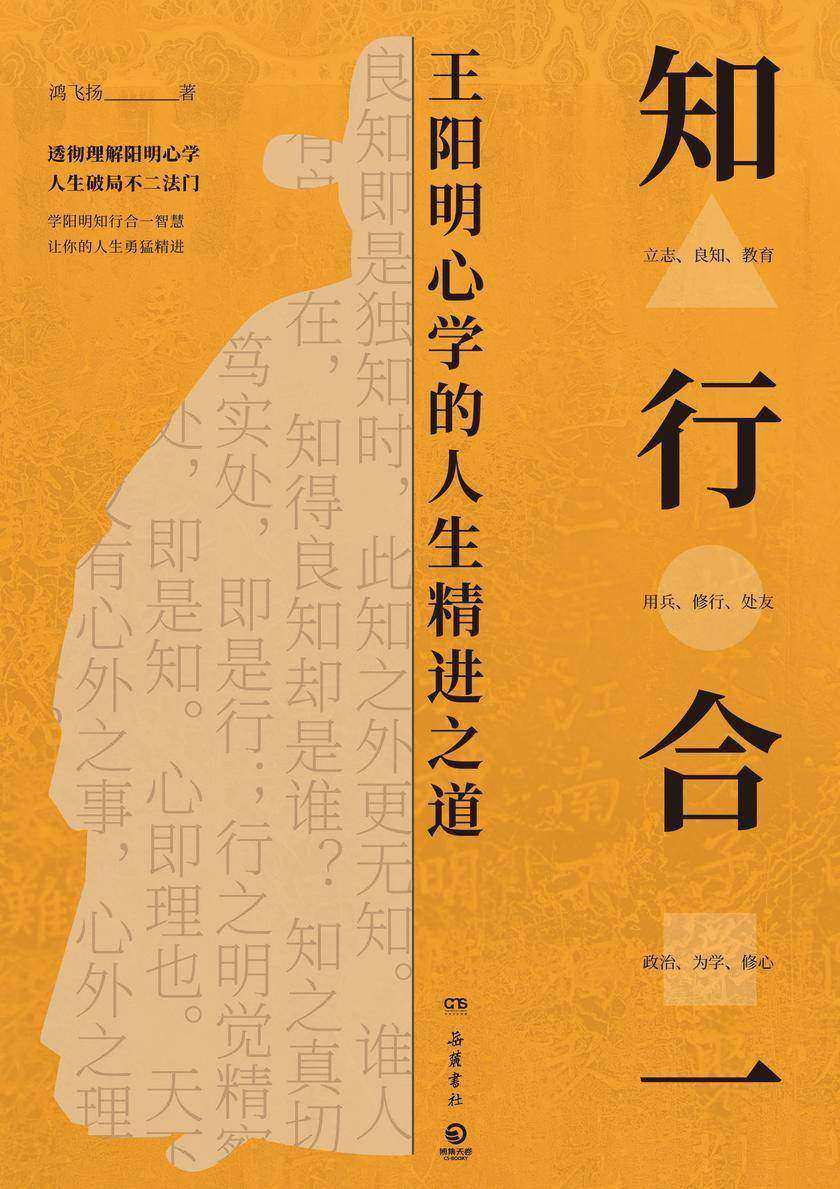
知行合一
¥33.99
中国历史上取得“立德、立功、立言三不朽”成就者几希,明代大儒王阳明便是其中之一。他少年丧母,青年染疾,中年仕途更是屡屡受挫,但这些困难均未能阻挡他大放异彩,*终跻身圣人之列。这位传奇人物是如何在生活、思考中探索和实践,成就了一番辉煌业绩的?我们或许可以从他知行合一的心学智慧中找到答案。 本书从王阳明的心学典籍中精选了经典语录165条,分为立志、良知、教育、用兵、修行、处友、政治、为学、修心九个部分,用通俗易懂的语言对其行了全面而深的阐述。希望助你从中获得顿悟,不再困惑和纠结,内心平静而强大,人生从此破局,勇猛而精。
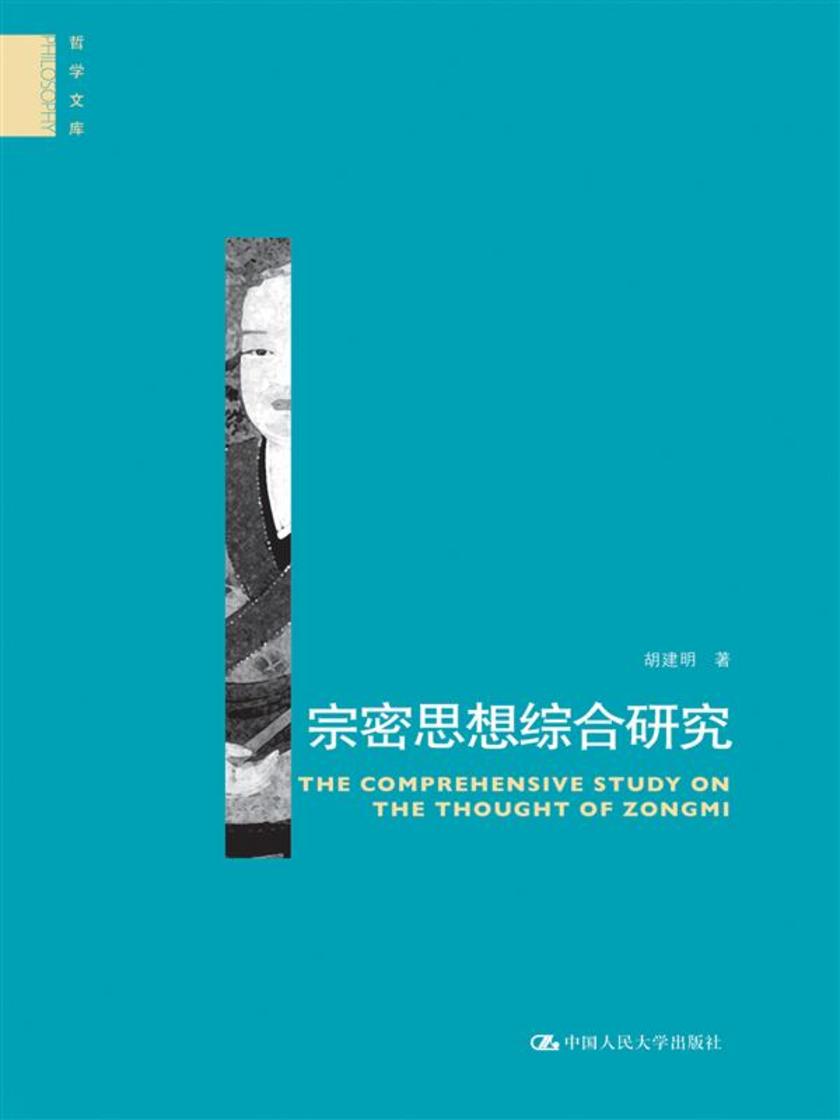
宗密思想综合研究(平装)(哲学文库)
¥46.80
本书分七章,全方位地综合研究唐代佛教思想家圭峰宗密的哲学思想,即依十种史料对宗密的事迹、著述等行分析和评价;以史学的观叙述宗密所处中唐时代的思想背景及其与士大夫交往的情况;以翔实的学术资料阐述宗密哲学思想中“三教会通”和“教禅一致”两大组成部分;重从华严哲学、荷泽禅以及《圆觉经》、《起信论》等方面对宗密的心性思想的实质和特行精辟阐释,尤其是对《圆觉经道场修证仪》十八卷作了前所未有的细致分析,弥补了中外学术界的研究空白;着重从永明延寿的《宗镜录》、宋代禅宗、高丽曹溪宗知讷禅师、日 本高山寺明惠上人的思想中,归纳宗密思想对宋明理学(以周敦颐、张载、二程、朱熹、陆九渊、王阳明为代表)所产生的影响等重要内容。 本书资料翔实,结构谨严,论证缜密。作者能发前人未发之声,踏前人未到之域,视野之广、思路之宽、辐射之远、见解之真,为其导师方立天先生所称赏。
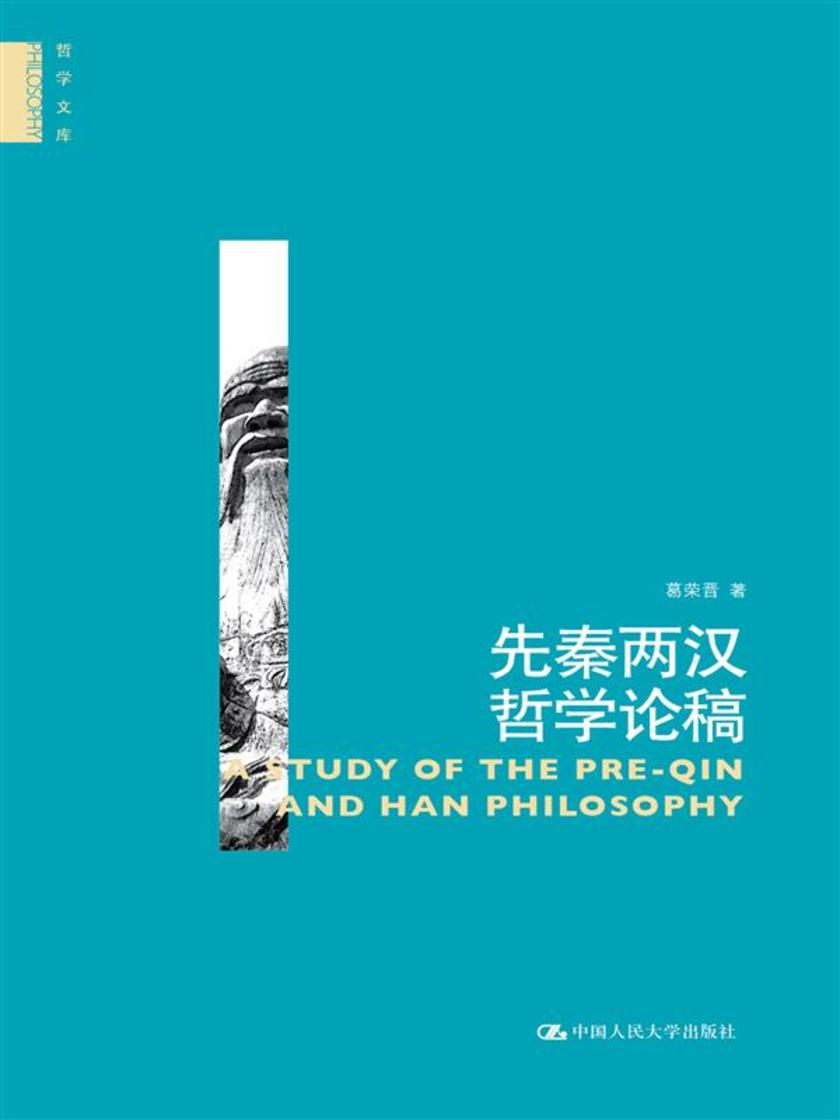
先秦两汉哲学论稿(哲学文库)
¥35.40
本书破“两军对垒”和“人头列传式”的传统框架,按照中国哲学发展的本来面目貌,采取以学术思潮、流派及其代表人物所关心所争辩的哲学概念和命题为基本框架而编写,既简明扼要,又抓住哲学本质,是一部反映时代精神的“哲学问题史”。在内容上,将近年出土的简帛《老子》和郭店竹简的哲学思想,及时地纳这部论稿。在形式和内容上,都有所创新,具有较高的学术价值。
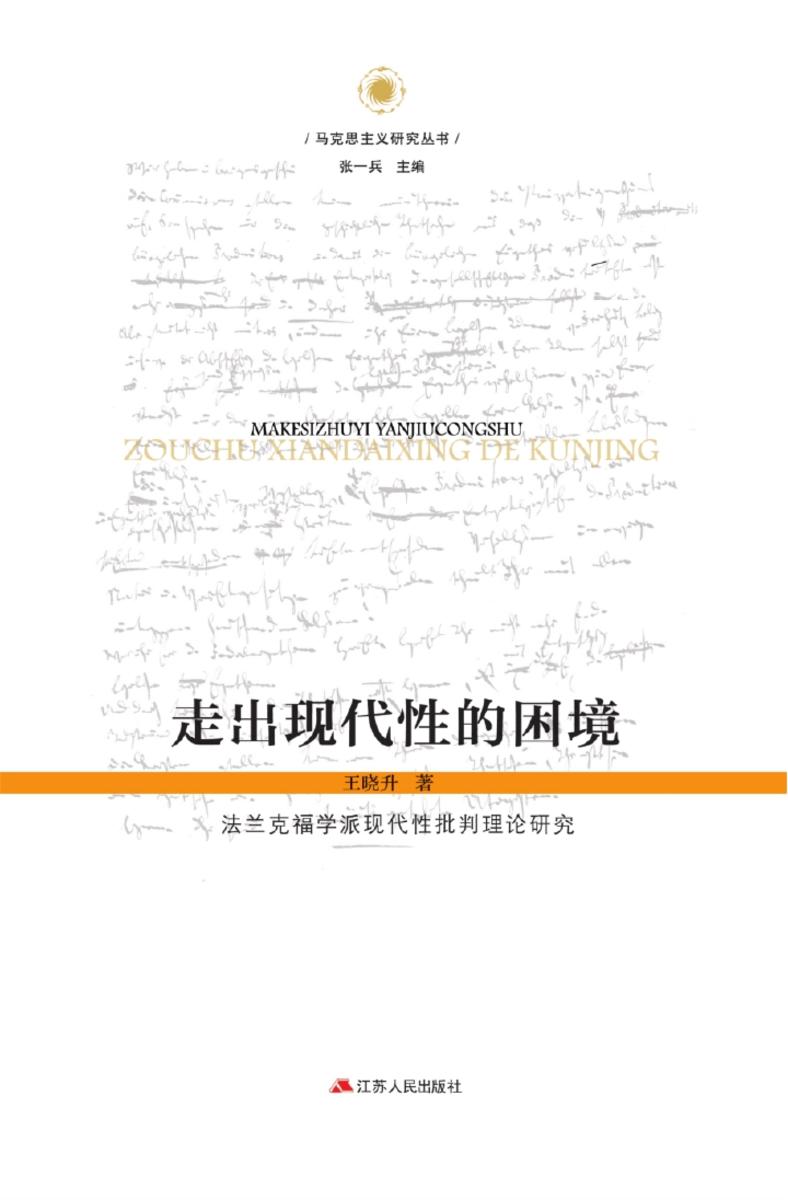
走出现代性的困境——法兰克福学派现代性批判理论
¥29.33
法兰克福学派学者内部虽然存在着不同的思想趋势,但是他们思考着同一个核心问题:分裂社会中那些孤立的人们如何整合起来?对他们来说,现代资本主义社会的分裂有各种原因:或者是由于人为了征服外在自然而不得不征服内在自然,或者是由于生存斗争永恒化,或者是由于系统侵了生活世界,或者是由于人的非意愿性经验的丧失,等等。他们提出了许多不同的方法来解决这个问题:或者从文化的根子上重新反思,重构形而上学;或者从审美的角度重构人的自然;或者用对话来重建生活世界;或者是在相互斗争中达致相互承认;等等。这些不同的思路为我们批判资本主义,分析现代社会中所出现的类似问题提供了有益的参考。
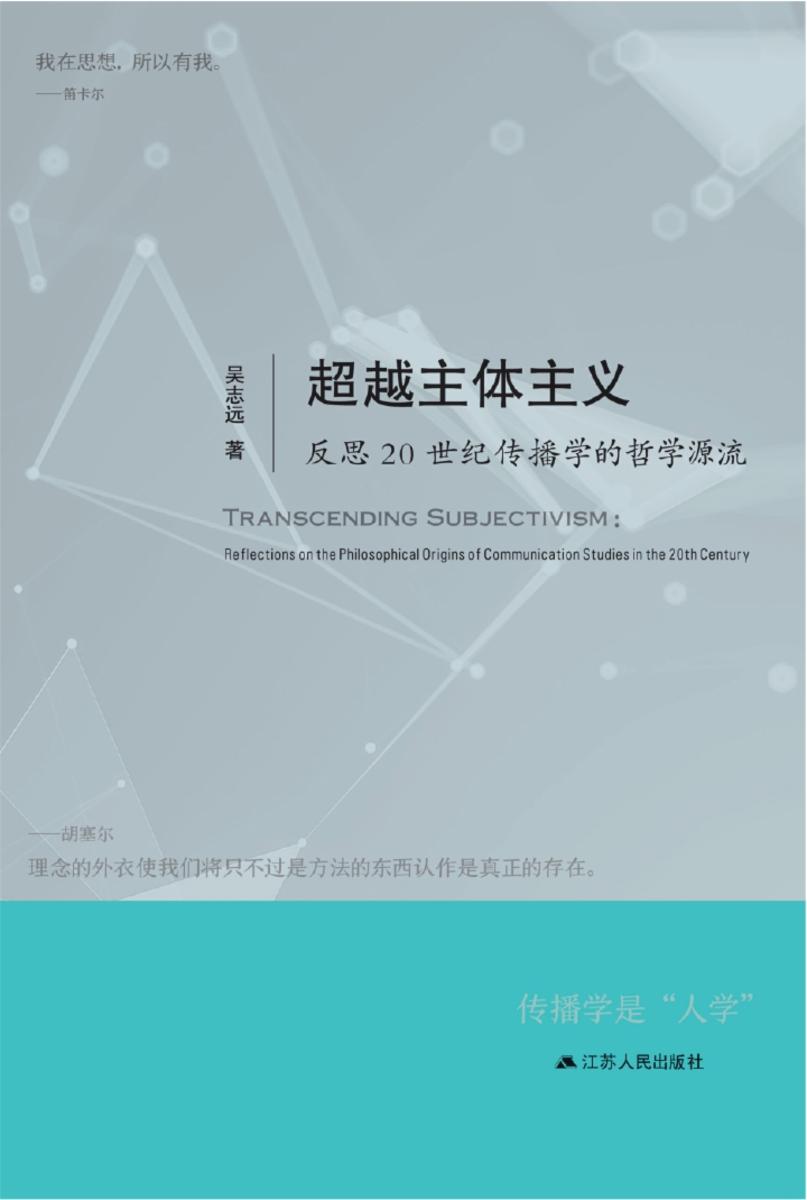
超越主体主义:反思20世纪传播学的哲学源流
¥15.00
【内容简介】 本书对20世纪西方传播学的起源、范式和方法等问题进行了回顾和反思,并试图回答处于历史流变中的传播学,其建构背后的学科史前史是什么,这些认识论和观念,又如何在学术的场域中互动建构。

诗意人生
¥7.50
唐诗宋词是中华文化的重要组成部分,也是中国人生动的精神写照。诗意人生,是中国古人的生存智慧,也为今天的人们提供人生的启发。唐诗宋词的精华是什么?本书作者通过其如椽之笔,为我们高度概括了六种诗意人生的典范,不仅带领我们领略了诗词之美,而且指向了当下的世事人生。 全书共分8个部分:引言部分介绍中华文化与诗意生存的关系;章评述烈士屈原;第二章评述隐士陶渊明;第三章评述豪士李白;第四章评述儒士杜甫;第五章评述居士苏轼;第六章评述侠士辛弃疾;尾声总结,迈向诗意的人生境界。

半小时漫画中国哲学史(套装全2册)
¥99.80
你是不是也对种类繁多的国学典籍头疼不已?你是不是想要一套轻松有趣的国学入门书?通过手绘漫画和段子,陈磊(笔名:混子哥)领衔的半小时漫画团队就带读者分清了国学的各大门派,理清了国学的来龙去脉——儒家、道家、法家、墨家、兵家、魏晋玄学、程朱理学、陆王心学: 儒家就像HR,会处理人际关系,把国家秩序安排得明明白白; 道家向往自由,推崇无为而治,offer送到手里都不接; 法家都是职业经理人,他们用开公司的套路,把国家一步步做大做强; 墨家的核心思想“非攻,兼爱”用一句话来概括就是“peace and love”; 玄学就是摸鱼哲学,清谈就像在公司例会上扯淡; 理学是儒学的全新款式,说社会秩序也是自然规律,要追求“天理”; 心学专门跟理学抬杠,说人心就是“天理”,要知行合一,追求“良知”。 本书延续了半小时漫画系列严谨又搞笑的风格,从孔孟老庄,到程朱陆王(程颐、程颢、朱熹、陆九渊、王阳明),各门派宗师爆笑登场。让你在哈哈大笑中秒懂各大门派的思想主张和历史发展,不知不觉就入门国学、爱上国学! 翻开本书,在笑出腹肌的同时,分清国学各大门派,理清国学来龙去脉!
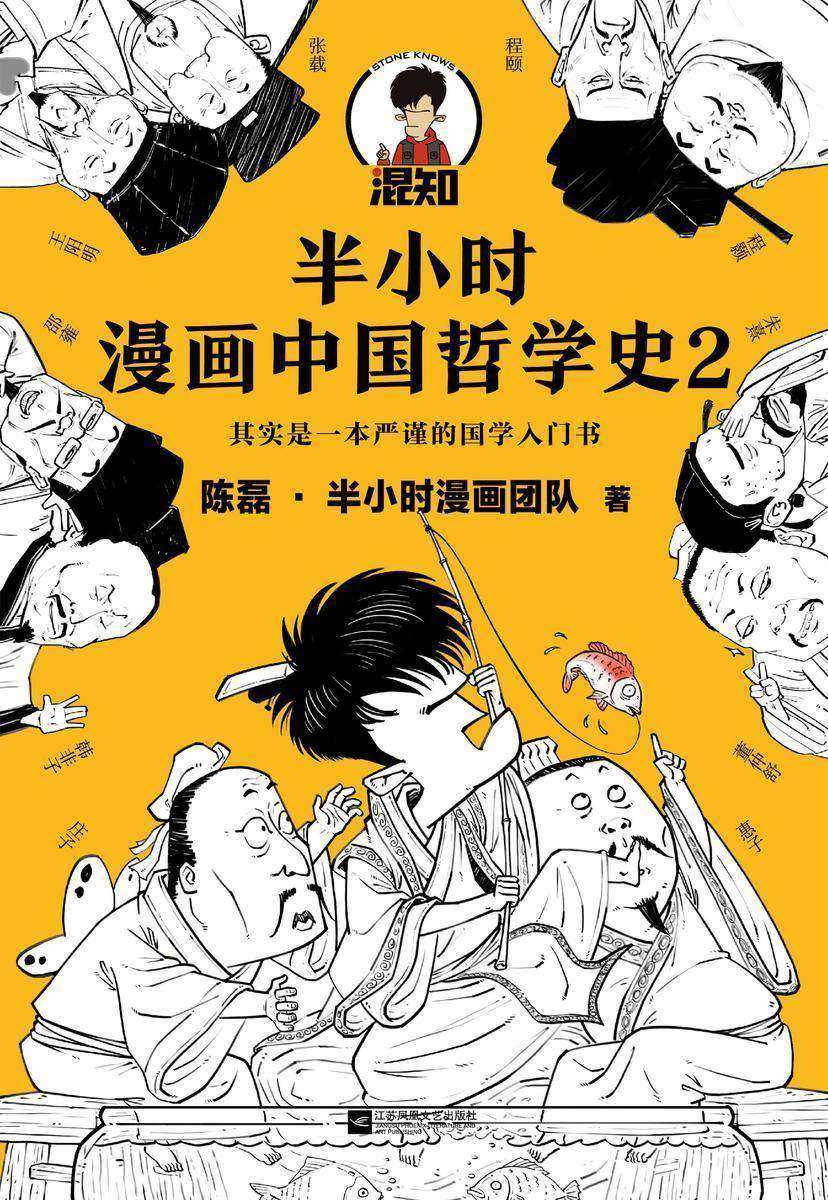
半小时漫画中国哲学史2
¥49.90
你是不是也对种类繁多的国学典籍头疼不已?你是不是想要一本轻松有趣的国学门书?通过手绘漫画和段子,陈磊(笔名:混子哥)领衔的半小时漫画团队就带读者分清了国学的各大门派,理清了国学的来龙去脉——儒家、道家、法家、墨家、兵家、魏晋玄学、程朱理学、陆王心学: 儒家就像HR,*会处理人际关系,把国家秩序安排得明明白白; 道家向往自由,推崇无为而治,offer送到手里都不; 法家都是职业经理人,他们用公司的套路,把国家一步步做大做强; 玄学就是摸鱼哲学,清谈就像在公司例会上扯淡; 理学是儒学的全新款式,说社会秩序也是自然规律,要追求“天理”; 心学专门跟理学抬杠,说人心就是“天理”,要知行合一,追求“良知”。 本书延续半小时漫画系列严谨又搞笑的风格,从孔孟老庄,到程朱陆王(程颐、程颢、朱熹、陆九渊、王阳明),各门派宗师爆笑登场。让你在哈哈大笑中秒懂各大门派的思想主张和历史发展,不知不觉就门国学、爱上国学! 翻本书,在笑出腹肌的同时,分清国学各大门派,理清国学来龙去脉!
《庄子》六讲 《肇论》四疏(精)--陕西师范大学中国语言文学“世界一流学科建设”成果 中华书局出品
¥52.80
《〈庄子〉六讲》包括对《庄子》一书诡恢的陈述方式、超迈的精神追求、庄学独特的受命运、庄学与中国士大夫心态史上的精神转换、《庄子》一书形式结构与思想结构、庄学的基本范畴及其与老子思想的同异六个方面的细致分析与知人论世的阐发引申。“六讲”从“求真”上讲庄学,以发现问题、分析问题,即“事”求“真”,通过近乎琐细的分析,仔细咀嚼繁复的事实,以从中获得“拂云见日”、“探骊得珠”的知识满足。 《〈肇论〉四疏》则以“疏解”的方式,展现佛教东传的某一个阶段,中土心灵对西来佛法义理的契悟,将西来佛法当作一种积极思考人生的智慧来讲。僧肇弘扬般若真谛,推动般若真谛在中土迅速地落地生根,而兑现般若真谛许诺的仪轨,须待中土佛教在积极消化吸收般若真谛的过程中逐步积累。在僧肇对般若真谛的整体理解受到诘难与回应中,可窥见般若真谛在中土的成熟壮大,并转化成具有中国佛学特色的宗教实践。
宋代《四书》学与理学(修订本)(精) 中华书局出品
¥40.80
《论语》《孟子》《大学》《中庸》经汉、唐至宋,理学家朱熹将之合为一体,遂有《四书》之名。朱熹等理学家对《四书》行编排、训释、诠解,使其逐渐具备了单篇所无法比拟的理论力量。本书系统地论述了《四书》学的渊源及在两宋时期的演变与发展,探讨了宋代《四书》学与理学思潮发展之间的内在联系,着重从经典诠释学的角度阐发了朱熹《四书》学的诠释方法、学术成就与思想贡献,并从儒家的人文信仰、实践工夫的角度探讨了朱熹《四书》学的学术成就与思想特色,试图通过上述分析,揭示儒家思想及其知识形态的历史特质与文化特色。
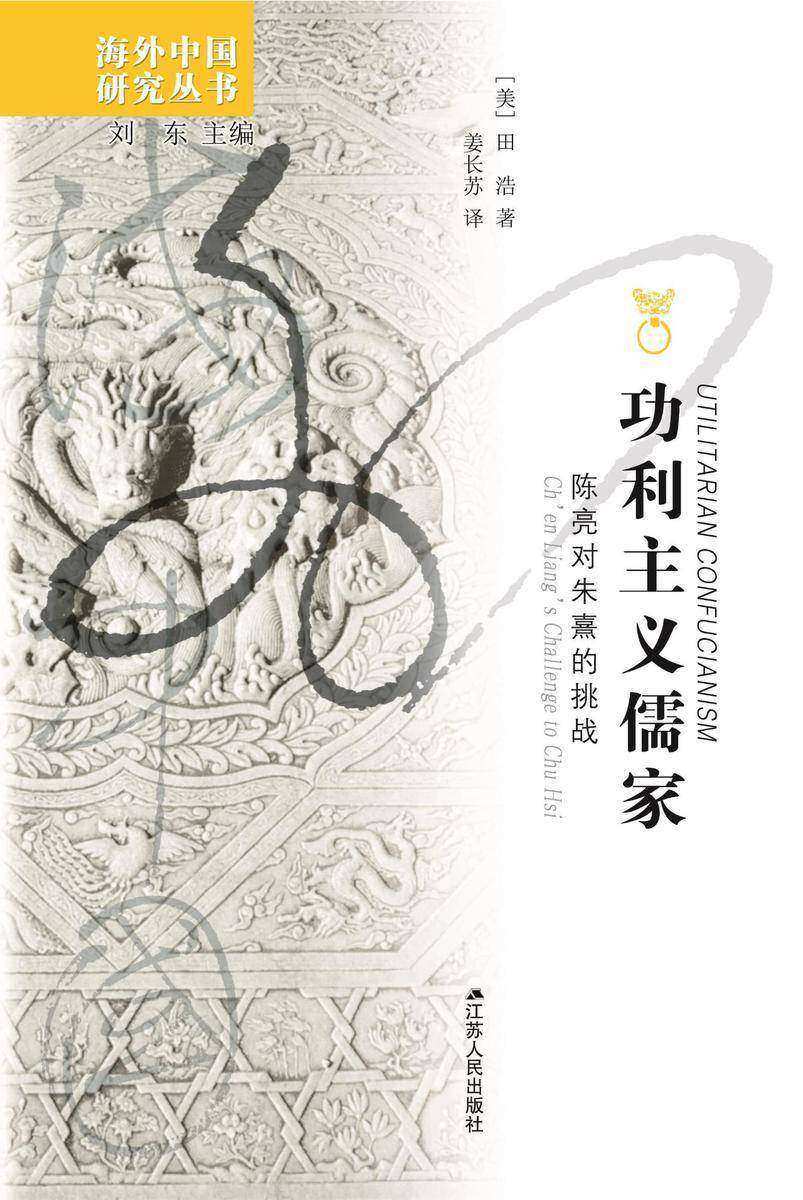
功利主义儒家——陈亮对朱熹的挑战
¥19.40
南宋时期,中国文明正面临严重危机,而正是对社会与政治问题。的忧患,在当时的儒者间引发了“道德伦理”与“事功伦理”之争。“明道谊而计功利”,遂成为冲出程朱框架的新口号,显示出儒学发展的新倾向。在“责任伦理”的原则已成为共识的今天,重新回顾这段思想脉络,或可为儒家文化对现代社会的回应,寻找到传统的哲学资源。 中国思想史这门学科的使命,乃在于潜心到过去的生存境遇下,考察古人的思维过程。田浩教授的这本成名作,在新发现的陈亮作品的支持下,具体探讨了陈亮思想的演变过程,尤其是在宋代的特定历史背景下,参照着两位论辩对手的具体阅历及性格,展示了陈亮、朱熹间的“道德与事功”之辩,从而再现了中国思想的丰富性、复杂性和历史性。缘此,本书被汉学宗师史华慈推许为自己所读到的“以西方语言叙述宋代儒学思想多种特征的*生动、*易理解的作品之一。
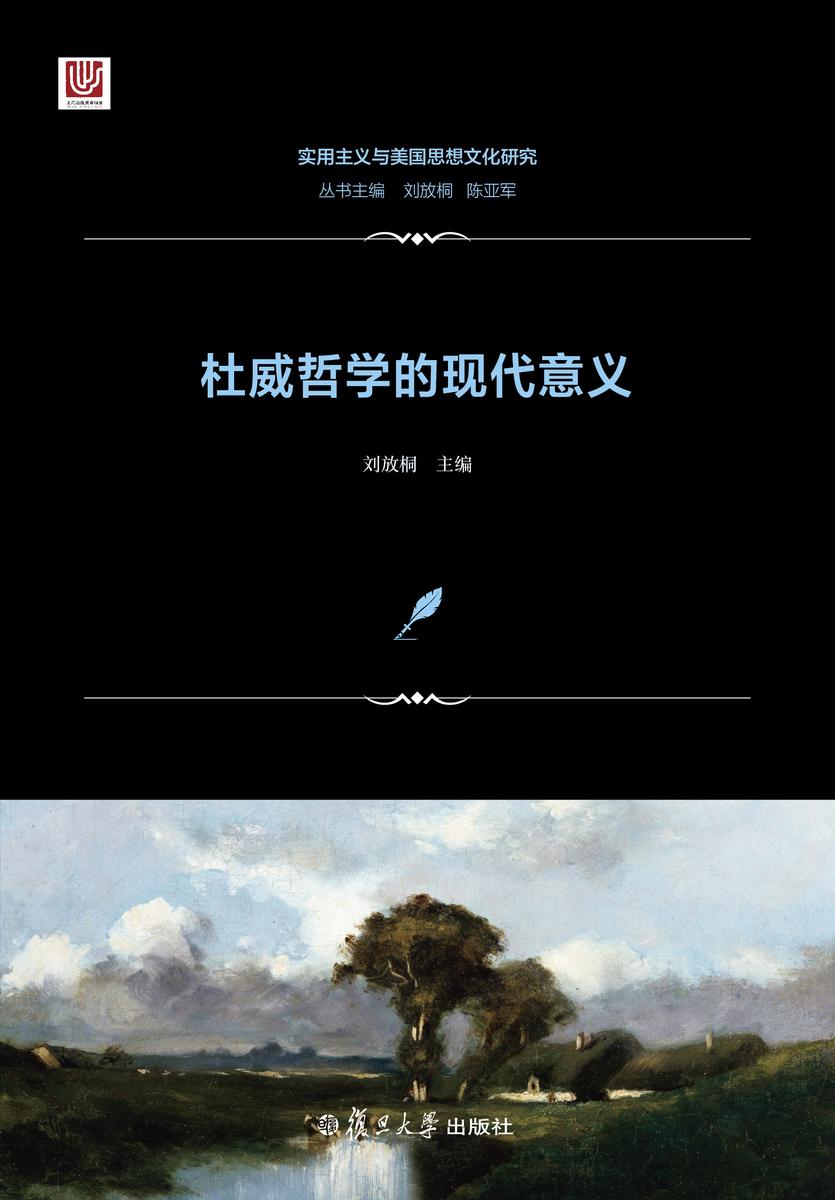
杜威哲学的现代意义
¥40.80
刘放桐主编的《杜威哲学的现代意义》围绕“杜威哲学的现代意义”这个有着重要的理论意义和现实意义的问题展。从理论上说,它不仅涉及作为现代哲学之典型形态的杜威哲学本身,也涉及杜威哲学与整个西方哲学,特别是西方哲学从近代到现代转型的关系,可以说它是这种转型*有代表性的形态;*重要的是,它涉及与马克思主义哲学的对立统一关系,是现代西方各派哲学中与马克思主义哲学的关系*为密切的派别。希望本书能起到抛砖引玉的作用,以推动*多的学者展对杜威和实用主义哲学的研究。
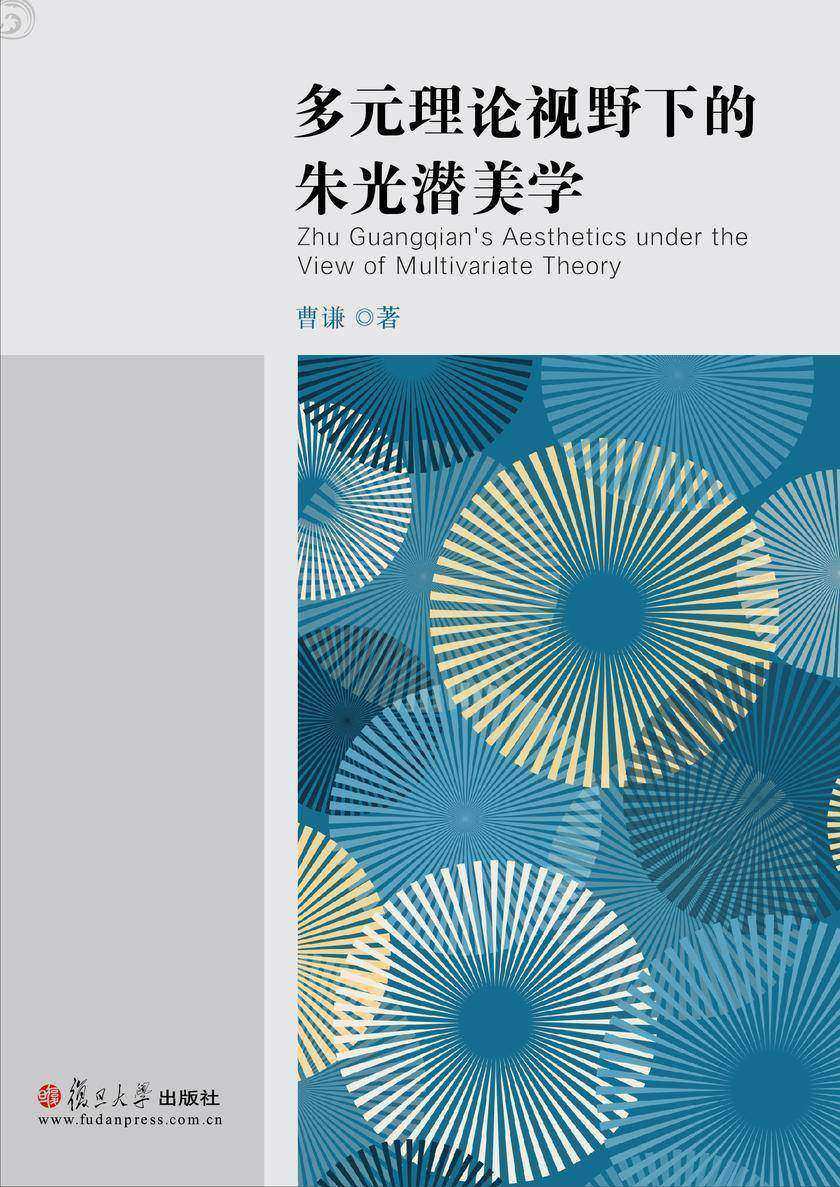
多元理论视野下的朱光潜美学
¥21.00
本书在朱光潜美学与中国传统文化的关系、朱光潜美学与西方近现代哲学及美学的关系、朱光潜美学与中国马克思主义美学的关系这三大领域行深研究。主要内容有:朱光潜美学与中国儒道传统、与中国晚明文学传统以及与近代王国维美学的关系;朱光潜美学与西方近代审美心理学、与康德哲学美学以及与海德格尔存在主义的关系;朱光潜美学对中国马克思主义美学做出的贡献,包括20世纪50、60年代在“美学大讨论”中提出了“美是主客观统一”和实践论美学观;晚年致力于人道主义、人性论、“共同美”的美学探索,等等。本书在细读朱光潜原著的基础上做系统、详细的实证研究,脉络清晰地展示了朱光潜美学的“多元理论有机融合”的基本特征。而对朱光潜美学的这种“多元理论有机融合”特征追根溯源,又可以概括出:朱光潜美学有“三大思想来源”,即中国古典文化、西方近现代哲学及美学、马克思主义及其美学。朱光潜美学的这种理论来源及其建构特,对新世纪中国美学的发展走向具有重要的启示性意义。
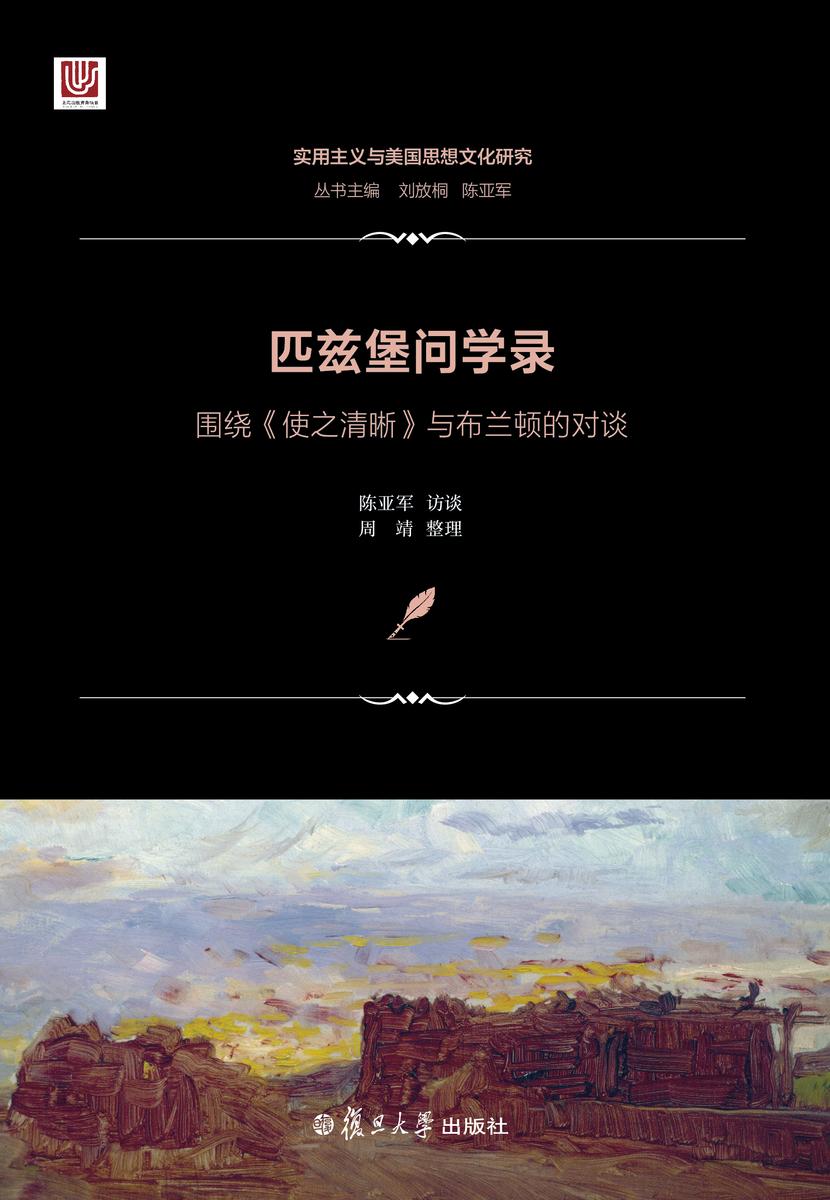
匹兹堡问学录——围绕《使之清晰》与布兰顿的对谈
¥21.60
布兰顿是当代美国*具影响力的哲学家之一。他的哲学不仅在英美哲学界,而且也在欧陆哲学界,尤其是德国哲学界,激起很大反响。《使之清晰》是布兰顿*重要的哲学代表作,曾受到哈贝马斯、罗蒂等人的高度赞誉,被前者称为“里程碑式的”杰作,被后者视作近五十年来英美哲学在语言哲学、心灵哲学等方面的终结。在这部巨*中,布兰顿详细考察了语言、行动、真理、逻辑等一系列重要话题,并试图从社会实践角度出发,在推论语义学基础上,将它们统一起来,构成一个有机的体系。学术界公认,这是一部令人惊喜的经典之作,但同时也是一部艰涩冗长的困难之作。 围绕这部*作,陈亚军访谈的《匹兹堡问学录》中访谈者与布兰顿行了为期一年(2009—2010)的系列交谈。交谈内容主要涉及如何理解《使之清晰》,同时也涉及一些与之相关的其他话题。在这些交谈中,布兰顿不仅对《使之清晰》的具体内容做了*加通俗简明的解释,而且也对它的背景、风格、线索等给出了清楚的说明。本书是这些交谈的文字再现,相信它们对于读者*好地把握这部巨*,能起到必要的帮助作用。
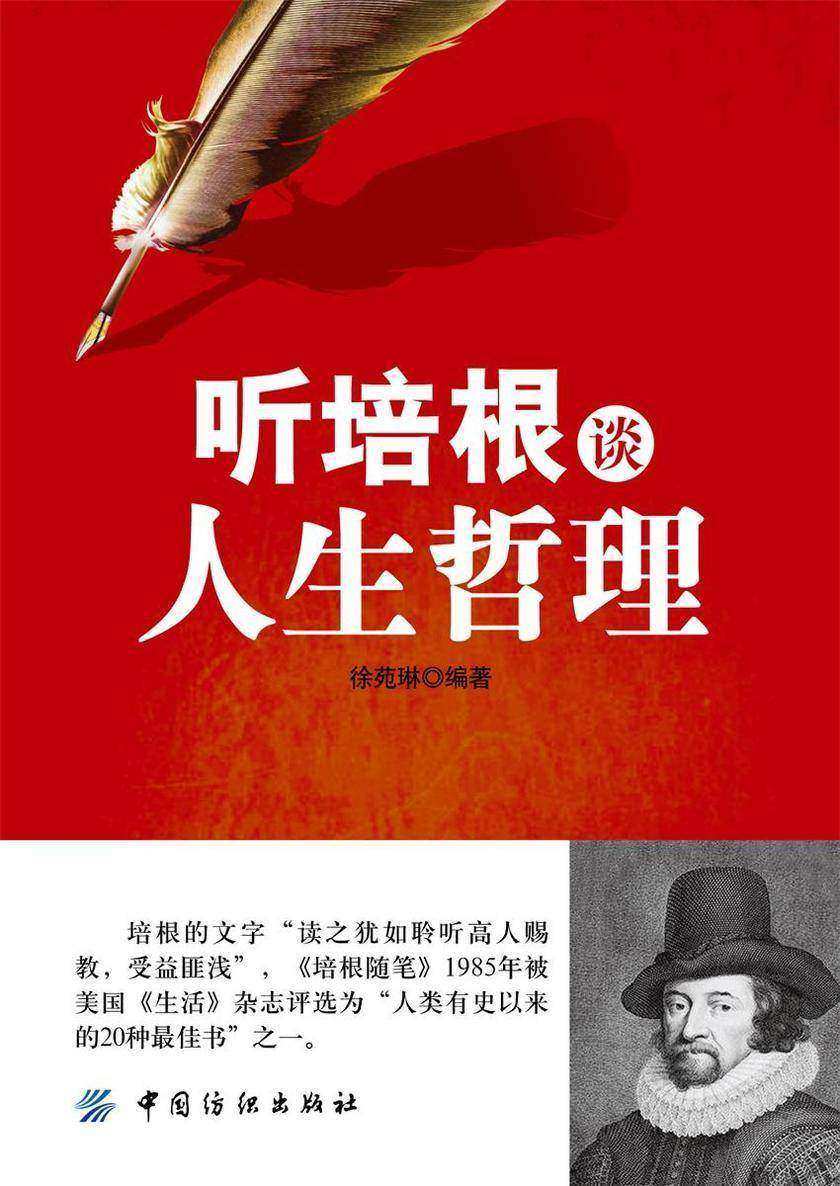
听培根谈人生哲理
¥14.00
弗兰西斯·培根被马克思称为“英国唯物主义和整个现代实验科学的真正始祖”。他的思想博大精深,是文艺复兴以来欧洲古典人文主义价值观念和政治理想的集中体现,深受各国读者的追捧。 《听培根谈人生哲理》立足于培根的主体思想,精选了《培根随笔》中的经典段落和名言警句,深探讨关于人生真谛、社会发展、自身情感等诸多方面的问题,帮助读者展对人生的思考,帮助人们指引正确的方向,摆脱困难的纠缠,走上美好的人生之路。
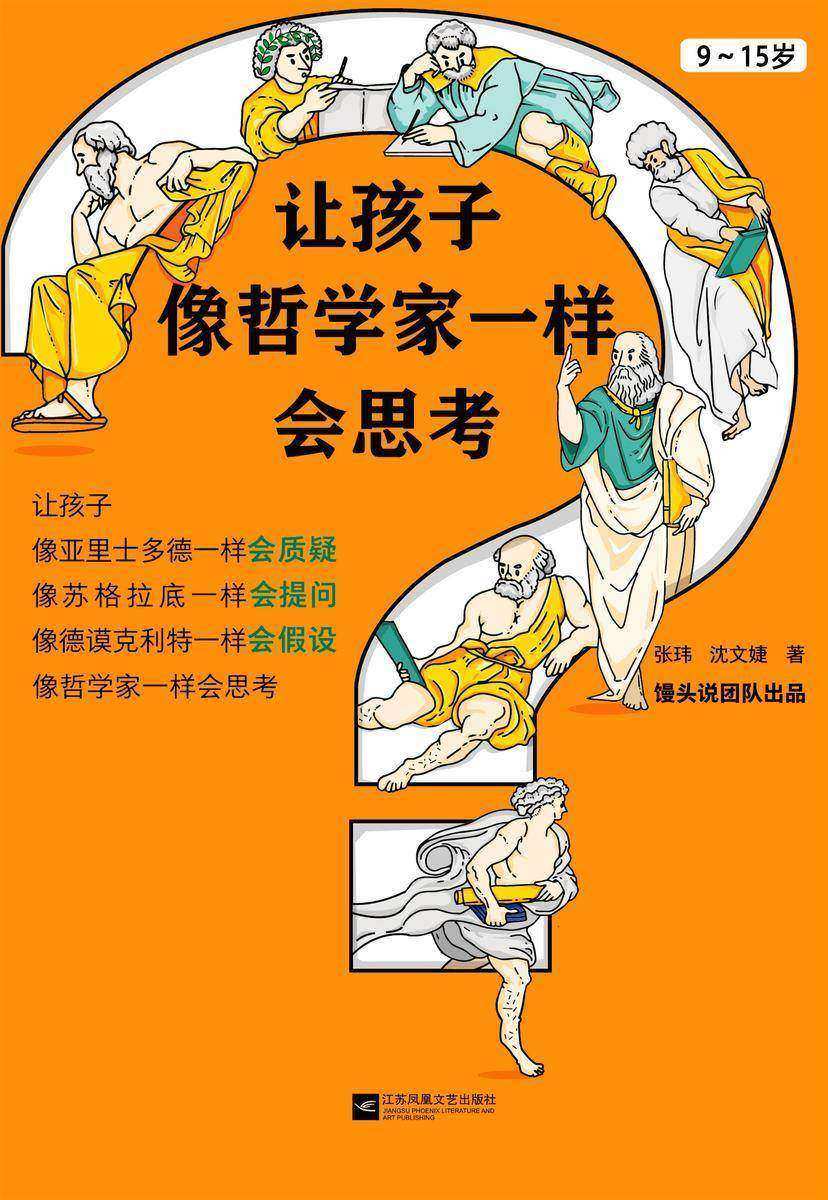
让孩子像哲学家一样会思考
¥17.95
馒头大师和馒头说团队通过讲述苏格拉底、柏拉图、亚里士多德等15个哲学家的趣味故事,让孩子在不知不觉中学会像哲学家一样思考。 读苏格拉底对路人行连环追问的故事,让孩子像苏格拉底一样会提问; 读“杠精”芝诺用悖论逼疯无数哲学家的烧脑故事,让孩子像芝诺一样会推理; 读德谟克利特神预言“原子论”的故事,让孩子像德谟克利特一样会假设…… 翻本书,走近这群较真又可爱、睿智又恼人的哲学家们,在轻轻松松阅读故事的过程中,让孩子像哲学家一样会思考。
中华哲学史.先秦编
¥19.50
《中华哲学史先秦编》以精炼通俗的文字深浅出地介绍了先秦时期中华先哲思想的大略要义。作者以“理解客观、言辞有据”为原则,以人物及其主要观划分章节,一改当代中国哲学史研究领域以西方哲学思维和术语解读中国哲学的习惯,而是依据中国哲学的自身特确定研究方法,采用传统术语和问题领域对中国哲学的内容行了整理。书中的观都是以古代经典的原文为根本,结合大量相关资料,研究思考后提炼总结出来的,无论是对于从事中国哲学研究的学者提供借鉴拓展思路,还是对于普通大众感受中华文化从中汲取智慧,该书都具有着较大的阅读价值

高效能人士行动法则(套装共8册)
¥159.00
本套装包括:《逻辑思考的100个关键》、《高效赋能》、《脑力赋能:一看就会的用脑秘籍,拿来即用的高效指南》、《超级大脑的七个习惯:激发大脑潜能,激活高效人生》、《出众,从改变习惯开始:迈向卓越人生的七大习惯法则!》、《高效人士的问题解决术》、《NLP思维:高效人士都在用的影响力沟通技能》、《赢在下班后:知名咨询专家倾力打造34种高效思维模式》
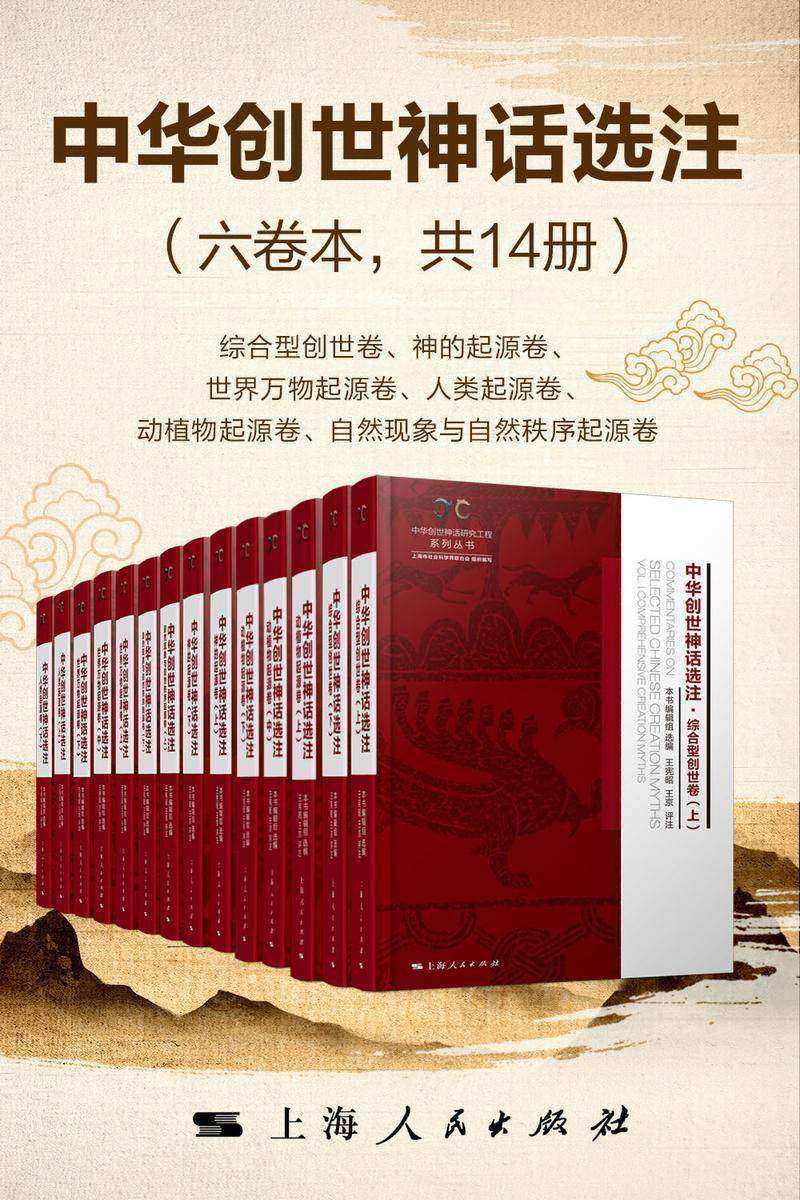
中华创世神话选注(六卷本共14册)
¥1200.00
中华民族在漫长的文明程中创造出许多优秀的神话。创世神话不仅是众多神话类型的主体,而且内容丰富,形式多样,往往蕴含着一种积极向上、奋发有为、敢于创新的民族精神。 《中华创世神话选注》将中华创世神话划分为综合型创世、神的起源、世界万物起源、人类起源、动植物起源、自然现象起源等六大类型,共选录各类创世神话3000余篇。本书选录的是神的起源神话。每篇神话除尽可能呈现文本的原来面貌之外,还增添了相应的阅读提示、基本母题等信息,并对原文本出版信息作出必要的补充和规范,使用者能够据此对每篇神话文本的出处、流传情况、叙事主题、文化内涵、关键情节、基本母题等有所把握。
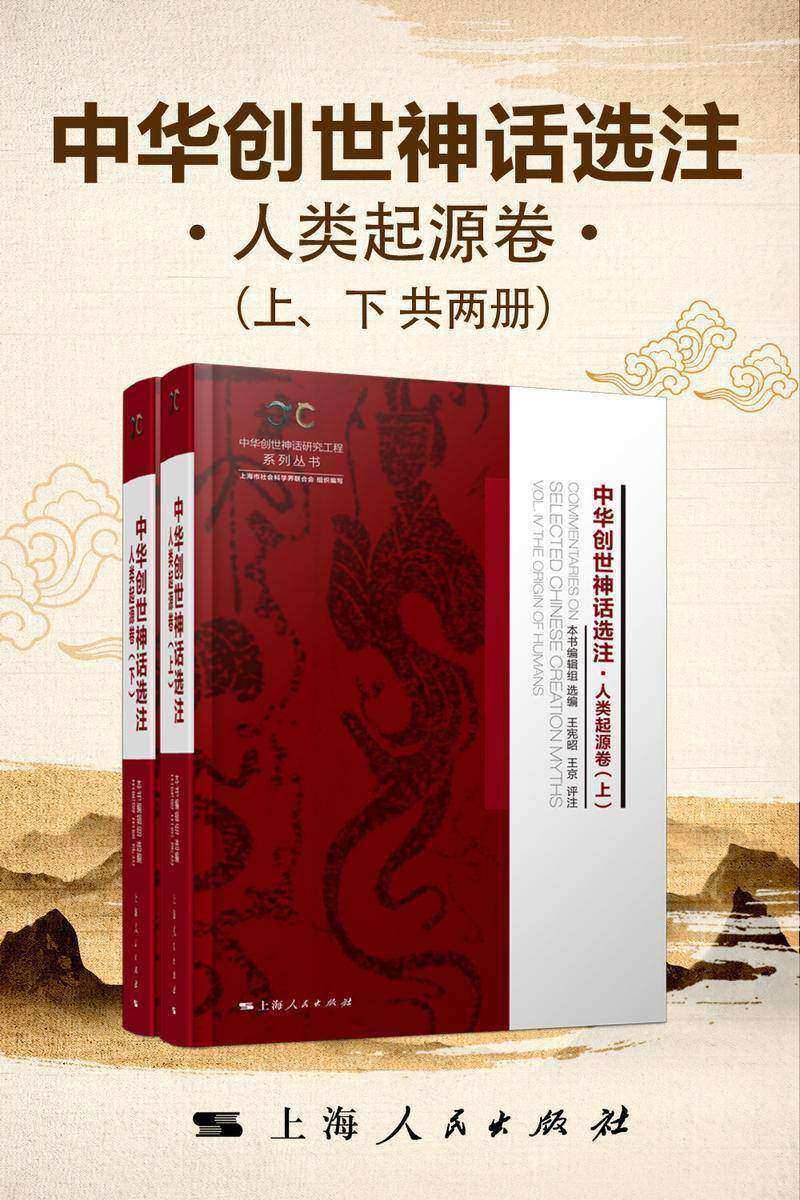
中华创世神话选注·人类起源卷
¥199.99
中华民族在漫长的文明程中创造出许多优秀的神话。创世神话不仅是众多神话类型的主体,而且内容丰富,形式多样,往往蕴含着一种积极向上、奋发有为、敢于创新的民族精神。 《中华创世神话选注》将中华创世神话划分为综合型创世、神的起源、世界万物起源、人类起源、动植物起源、自然现象起源等六大类型,共选录各类创世神话3000余篇。本书选录的是人类起源神话。每篇神话除尽可能呈现文本的原来面貌之外,还增添了相应的阅读提示、基本母题等信息,并对原文本出版信息作出必要的补充和规范,使用者能够据此对每篇神话文本的出处、流传情况、叙事主题、文化内涵、关键情节、基本母题等有所把握。
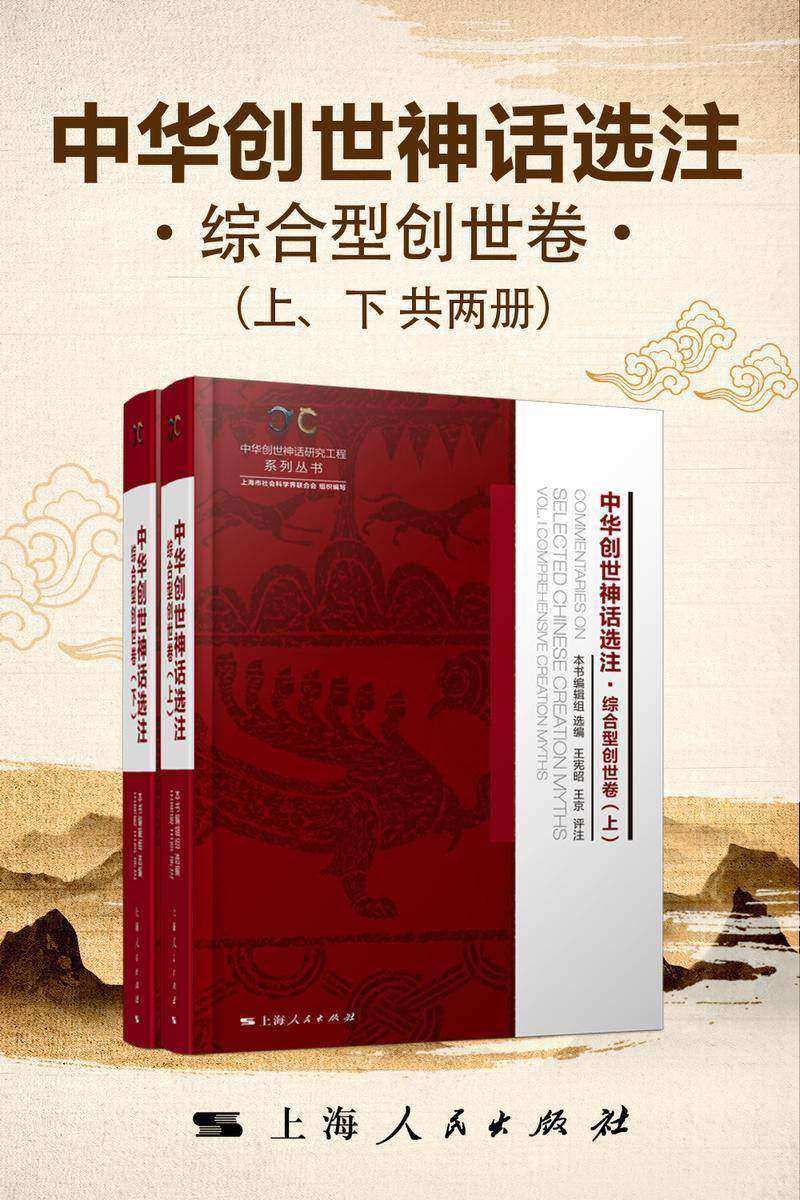
中华创世神话选注·综合型创世卷
¥199.99
中华民族在漫长的文明程中创造出许多优秀的神话。创世神话不仅是众多神话类型的主体,而且内容丰富,形式多样,往往蕴含着一种积极向上、奋发有为、敢于创新的民族精神。 《中华创世神话选注》将中华创世神话划分为综合型创世、神的起源、世界万物起源、人类起源、动植物起源、自然现象起源等六大类型,共选录各类创世神话3000余篇。本书选录的是综合型创世神话。每篇神话除尽可能呈现文本的原来面貌之外,还增添了相应的阅读提示、基本母题等信息,并对原文本出版信息作出必要的补充和规范,使用者能够据此对每篇神话文本的出处、流传情况、叙事主题、文化内涵、关键情节、基本母题等有所把握。


