万本电子书0元读

万本电子书0元读

国家何以兴衰:历史与世界视野中的中国道路
周文
¥41.40
究竟是什么原因使得中国和西方在15世纪以后的经济发展历程上,呈现出两条截然不同的道路? 与现有研究中国道路的大多数著作不同,本书将中国道路置身于历史大视野行审视并揭示其世界意义,具体分析了国家能力如何影响经济发展和中国崛起在经济学理论上的重要意义。通过古今中外的纵横对比和深阐释,书中重新审视和批驳了“西方中心论”和新自由主义经济学。 全书以新的视角揭示出,近代中国落后不是因为市场经济不发达,国家治理能力才是古代中国繁荣与近代中国衰落以及西方兴起与西方衰落的分水岭。今天中国复兴从现象层面看是经济上对西方的赶超,而在本质层面则是国家治理能力对西方的超越。该书以深的论证揭示,离了国家治理能力,单纯的市场经济不但不能带来国家发展,甚至往往成为发展无序和衰落的原因。
59元6本 火种——寻找中国复兴之路
火种——寻找中国复兴之路
刘统
¥52.45
100年前,“中国该向何处去”的疑问萦绕在每一位爱国人士心头。彼时国际共产主义运动风起云涌,中国共产党在马克思列宁主义同中国工人运动的结合中光荣诞生并在顽强斗争中不断发展壮大。本书溯源党史、新中国史、社会主义发展史,上迄20世纪初,下及1929年古田会议,以宏大史观配以全景式叙事方法,书写国际共产主义运动大背景下的中国,讲清党在生死关头将作出怎样的关键抉择,红色火种又如何在沉沉黑夜中成功燎原。 本书摆脱传统的通史写作框架,以“寻找中国复兴之路”为切口,启一段寻根溯源、温故知新之旅。在追求史料翔实、考证文献版本、注重实地考察与口述采访的同时,用平实的语言、生动的细节以带面地展现20世纪初中国非凡的寻路历程。采用图文结合编排方式,80余幅珍贵历史图片,真实还原历史场景,再现历史人物的真性情、真面貌,是一部兼具学术严谨性和可读性的通俗化学术专著、大众化党史读物。
59元6本 干部教育培训精准化研究
干部教育培训精准化研究
郑夕春
¥33.60
本书汇聚全市干部教育培训者和管理者的智慧,从理论纵横、实践创新、案例探究三个维度,对精准化展干部教育培训从理论探讨、培训方式方法、培训效果评估与成果运用及培训的保障机制行研究。
59元6本 民族主义——理论、意识形态、历史(第二版)
民族主义——理论、意识形态、历史(第二版)
[英]安东尼·史密斯
¥47.99
本书是民族主义研究的经典理论著作。2010年出版的第二版列了蕞新的学术研究成果,从历史学、社会学、国际关系学乃至人类学的角度对民族主义这一概念行了深研究,具有广阔的历史和社会背景。作者首先简要论述了诸如“族群”“民族”等关键概念的不同定义,然后评述当代西方民族主义研究中的主要理论贡献和现存的学术成果,而全面地考察了有关民族主义概念的理论、意识形态和历史的学术分野和分歧,以及在这一研究领域的主要解释范式。 本书系统地剖析了民族主义这一概念及西方理论流派关于此的主要争论,融会各种流派对民族主义的解释的同时展现自己的观,承前启后,被认为是民族主义研究无法绕过的一本综述性理论著作,也是对民族主义这一跨学科研究领域感兴趣的读者和研究者不可错过的经典佳作。
书写廉洁人生Ⅱ
书写廉洁人生Ⅱ
夏国中
¥22.66
【内容简介】 本书为《书写廉洁人生》一书的姊妹篇,是一本廉政教育读本。书中分八个板块,有阐述对全面从严治党方略认识的《一体推进“三不”》,有明确党员“必须为”和“不可为”的《立高线,守底线》,有从古人智慧中汲取营养以提升道德情操的《北宋文人的精神仰望》,有讲廉洁的《道廉》,有因通过办案发现违纪违法多与钱相关而写的《说钱》,有劝诫人们多行善事的《论善》,有鼓励年轻干部快速健康成长的《奋斗的人生有意义》《全力以赴做好工作》。书中分享了大量故事和案例,内容通俗易懂,贴近生活、贴近群众,可读性很强。本书旨在通过宣传教育,促使党员提高党性觉悟,涵养廉洁文化,真正做到“不想腐”。本书为廉政教育工作提供了很好的素材。
中国价值(少儿版) 图说社会主义核心价值观“民主”的根与源
编著者《中国价值》编创组
¥19.33
如何让“富强、民主、文明、和谐,自由、平等、公正、法治,爱国、敬业、诚信、友善”这12个社会主义核心价值理念,被青少年更好地受?30位文史专家和书画艺术家之力,围绕社会主义核心价值观24个字,系统地挖掘和整理中华五千年文明史中的精华,*终精选出60个经典故事,以此创作300余幅连环画,对社会主义核心价值观国家、社会、公民三个层面,行图文并茂的阐释和注解。本书选取中国传统文化中的60多个经典故事,以连环画的形式,用12本小册子分别对这12个词行了对应的演绎,形象生动地寻找到中华文脉中的根和源,古为今用恰到好处。
中国城市社会治理(国家治理研究书系)
中国城市社会治理(国家治理研究书系)
姜晓萍,衡霞,田昭
¥40.80
由我国知名公共管理学者姜晓萍教授领衔撰著的《中国城市社会治理》一书,从国家治理现代化的高度出发,对中国城市社会治理问题行了深、系统的研究。全书首先对城市社会治理行理论溯源,论述了城市社会问题的历史性与现代性、世界性与中国性、农村性与城市性,以及社会治理的中国场域及其在新时代的新需求,梳理了城市社会治理的理论演逻辑,并从指导思想、基本原则、总体目标、职能定位等方面,构建了城市社会治理现代化的战略框架。在此基础上,对城市社会治理现代化中的党建引领、公共服务、社区治理三个核心问题行重论述。*后,对城市社会治理现代化的评估与监测问题展研究,并初步构建了城市社会治理现代化的评估与监测体系。 本书强调,城市社会治理要遵循党建引领、多元治理,改革创新、依法治理,尊重规律、统筹治理,以人为本、科学治理的基本原则。只有将党总揽全局、协调各方的政治优势同政府的资源整合优势、企业的市场竞争优势、社会组织的群众动员优势有机结合起来,坚持以人民为中心的治理理念,才能更好地推城市社会治理现代化。
中国价值(少儿版) 图说社会主义核心价值观“公正”的根与源
编著者《中国价值》编创组
¥450.00
如何让“富强、民主、文明、和谐,自由、平等、公正、法治,爱国、敬业、诚信、友善”这12个社会主义核心价值理念,被青少年更好地受?30位文史专家和书画艺术家之力,围绕社会主义核心价值观24个字,系统地挖掘和整理中华五千年文明史中的精华,*终精选出60个经典故事,以此创作300余幅连环画,对社会主义核心价值观国家、社会、公民三个层面,行图文并茂的阐释和注解。本书选取中国传统文化中的60多个经典故事,以连环画的形式,用12本小册子分别对这12个词行了对应的演绎,形象生动地寻找到中华文脉中的根和源,古为今用恰到好处。
中国价值(少儿版) 图说社会主义核心价值观“友善”的根与源
编著者《中国价值》编创组
¥26.00
如何让“富强、民主、文明、和谐,自由、平等、公正、法治,爱国、敬业、诚信、友善”这12个社会主义核心价值理念,被青少年更好地受?30位文史专家和书画艺术家之力,围绕社会主义核心价值观24个字,系统地挖掘和整理中华五千年文明史中的精华,*终精选出60个经典故事,以此创作300余幅连环画,对社会主义核心价值观国家、社会、公民三个层面,行图文并茂的阐释和注解。本书选取中国传统文化中的60多个经典故事,以连环画的形式,用12本小册子分别对这12个词行了对应的演绎,形象生动地寻找到中华文脉中的根和源,古为今用恰到好处。
市民社会的乌托邦——马克思主义的社会历史哲学阐释
王浩斌
¥15.00
市民社会是一个关涉多学科的问题,其理论思潮之庞杂、历史内涵之丰富使得如何总体性地把握这一分析路径成为一个难题。本书稿以市民社会“概念”的演变——市民社会-资产阶级社会-垄断资产阶级社会(帝国主义)-晚期资本主义社会——作为核心的关节,试图贯穿起马克思主义分析路径的中心逻辑。
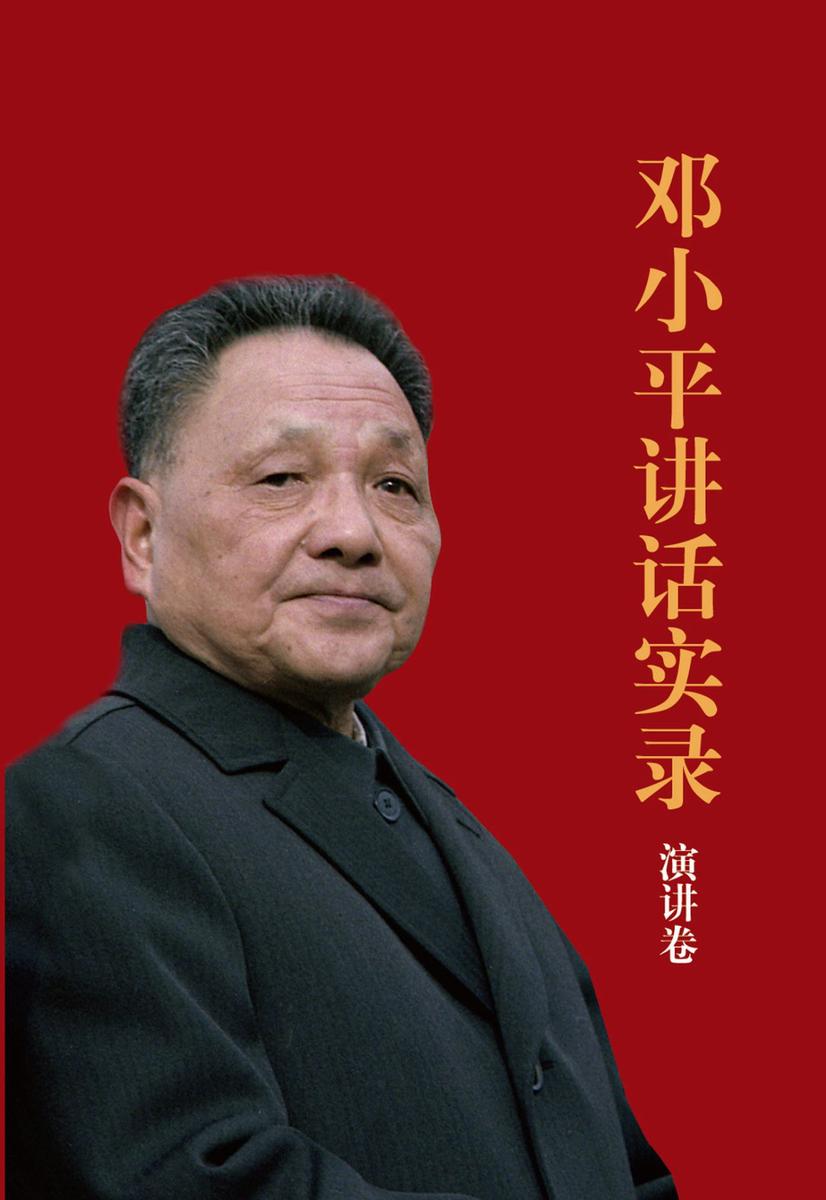
59元6本 邓小平讲话实录:演讲卷
邓小平讲话实录:演讲卷
《邓小平讲话实录》编写组
¥22.99
《邓小平讲话实录》记述了邓小平从革命战争年代到社会主义建设中发挥的重要作用,他的历次讲话,尤其是他讲话中改革放这一主张,对我国的政治、经济、文化都有巨大的推动作用。其中,《演讲卷》记录了从1943年到1988年邓小平的历次重要演讲。内容涉及国家建设、干部选拔、军队国防、财政、教育、党内思想等诸多方面。时至今日,在党的十九大上立未来五年“工作坐标”时,仍然坚定着改革放的决心。全面深化改革,将“一张蓝图绘到底”,成为新时代改革新部署。除了精彩而充满智慧的讲话实录,本书在编写过程中还补充了大量的背景资料,让读者可以更清楚地了解当时的国际背景以及政策出台的前因后果,从国家建设、军队国防、民生要务、政治经济、文化教育、干部选拔、党建思想等诸多方面领略领袖人物的睿智与风采。改革放40年之际,《人民日报》评论:民族复兴必将在改革放程中实现。站在新的历史起上,回顾从邓小平“不改革死路一条”的大声疾呼,到*“改革不停顿、放不止步”的铮铮誓言,中国在困顿中踏上改革放之路,又在续奋斗中让这条伟大的道路不断向前。
59元6本 新中国行政体制改革70年
新中国行政体制改革70年
蒋硕亮
¥39.99
 《新中国行政体制改革70年》是“上海市纪念新中国成立70年研究丛书”之一,本书按照时间顺序,主要回顾并梳理总结新中国成立70年来历次行政体制改革的伟大历程和宝贵经验。书中结合大量公历史文献资料、数据等,讲述了政府机构改革、政府职能转变、行政审批制度改革、国家公务员制度发展等主题,对于深化行政体制改革,推国家治理体系和治理能力现代化具有重要意义。
59元6本 廉政反腐理论与信息化实践
廉政反腐理论与信息化实践
郑宇
¥27.20
信息化作为新的反腐手段,以其高效性、便捷性逐渐成为反腐的重要方法。随着网络信息技术和“大数据”深刻影响着社会生活的方方面面,运用信息技术和“大数据”分析等手段来发现“线索”、固定“证据”,成为“让监督插上科技的翅膀”*有力的手段。本书就是基于廉政反腐的信息化视角讨论廉政反腐的理论与信息化实践问题,通过对廉政反腐理论和信息化实践的研究,找到解决问题的方法。本书既可以为各级纪检监察部门和各级政府部门实施廉政反腐的信息化实践提供借鉴和参考,又可以作为各级纪检监察部门工作人员、政府机关工作人员,以及相关专业硕士生和本科生的培训教材,还可以作为各级纪检监察部门和政府机关实施廉政反腐信息化的参考工具。
The New Freedom: [Illustrated & Biography Added]
Woodrow Wilson
¥23.14
The book is not a discussion of measures or of programs. It is an attempt to express the new spirit of our politics and to set forth, in large terms which may stick in the imagination, what it is that must be done if we are to restore our politics to their full spiritual vigor again, and our national life, whether in trade, in industry, or in what concerns us only as families and individuals, to its purity, its self-respect, and its pristine strength and freedom. The New Freedom is only the old revived and clothed in the unconquerable strength of modern America. I have not written a book since the campaign. I did not write this book at all. It is the result of the editorial literary skill of Mr. William Bayard Hale, who has put together here in their right sequences the more suggestive portions of my campaign speeches.And yet it is not a book of campaign speeches. It is a discussion of a number of very vital subjects in the free form of extemporaneously spoken words. I have left the sentences in the form in which they were stenographically reported. I have not tried to alter the easy-going and often colloquial phraseology in which they were uttered from the platform, in the hope that they would seem the more fresh and spontaneous because of their very lack of pruning and recasting. They have been suffered to run their unpremeditated course even at the cost of such repetition and redundancy as the ex-temporaneous speaker apparently inevitably falls into. WOODROW WILSON. ABOUT WOLSON: Thomas Woodrow Wilson, known as Woodrow Wil-son (1856 –1924), was an American politician and academic who served as the 28th President of the United States from 1913 to 1921. Born in Staunton, Virginia, he spent his early years in Augusta, Georgia and Columbia, South Carolina. Wilson earned a PhD in political science at Johns Hopkins University, and served as a professor and scholar at various institutions before being chosen as President of Princeton University, a position he held from 1902 to 1910. In the election of 1910, he was the gubernatorial candidate of New Jersey's Democratic Party, and was elected the 34th Governor of New Jersey, serving from 1911 to 1913. Running for president in 1912, Wilson benefited from a split in the Republican Party, which enabled his plurality of just over forty percent to win him a large electoral college margin. He was the first Southerner elected as president since 1848, and Wilson was a lea-ding force in theProgressive Movement, bolstered by his Democratic Party's winning control of both the White House and Congress in 1912. In office, Wilson reintroduced the spoken State of the Union, which had been out of use since 1801. Leading the Congress, now in Democratic hands, he oversaw the passage of progressive legislative policies unparalleled until the New Deal in 1933. Included among these were the Federal Reserve Act, Federal Trade Commission Act, the Clayton Antitrust Act, and the Federal Farm Loan Act. Having taken office one month after ratification of the Sixteenth Amendment, Wilson called a special session of Congress, whose work culminated in theRevenue Act of 1913, reintroducing an income tax and lowering tariffs. Through passage of the Adamson Act, imposing an 8-hour workday for railroads, he averted a railroad strike and an ensuing economic crisis. Upon the outbreak of World War I in 1914, Wilson maintained a policy of neutrality, while pursuing a more aggressive policy in dealing with Mexico's civil war. ***
A Little Frog’s Heart: The Coming of Age
George Virtosu
¥50.93
Volumul reprezint? o binevenit? interogare a reziden?ei adev?ratului spirit democratic, tezaurizat nu ?n institu?iile reprezentative ale statului, ci ?n societate. Numai aici se afl? garan?ia reu?itei democratice a unui popor, pentru c? nimic nu poate asigura libertatea perpetu? a na?iunii mai mult dec?t permanenta responsabilizare a cet??enilor cu privire la destinul politic al comunit??ii ?n care tr?iesc.
Petru ?i Pavel
Petru ?i Pavel
Daneliuc Mircea
¥65.32
Volumul este o culegere de articole publicate ini?ial pe platformele Contributors.ro ?i LaPunkt.ro, precum ?i ?n revista de cultur? contemporan? Timpul, ce au ?n vedere realitatea politic?, social? ?i literar? actual? sau recent?. Cititorii vor avea ocazia rememor?rii unor importante evenimente din aceste zone, cum ar fi ?nfruntarea politic? ocazionat? de alegerile preziden?iale din 2014, protestele legate de Ro?ia Montana, drama din clubul ?Colectiv“, dar ?i controversele generate de acordarea Premiului Na?ional ?Mihai Eminescu“ – Opera Omnia.
Startra kész nemzet: Izrael gazdasági csodájának t?rténete
Dan Senor, Saul Singer
¥71.69
The Americans live in a democratic state of society, which has naturally suggested to them certain laws and a certain political character. This same state of society has, moreover, engendered amongst them a multitude of feelings and opinions which were unknown amongst the elder aristocratic communities of Europe: it has destroyed or modified all the relations which before existed, and established others of a novel kind. The—aspect of civil society has been no less affected by these changes than that of the political world. The former subject has been treated of in the work on the Democracy of America, which I published five years ago; to examine the latter is the object of the present book; but these two parts complete each other, and form one and the same work. I must at once warn the reader against an error which would be extremely prejudicial to me. When he finds that I attribute so many different consequences to the principle of equality, he may thence infer that I consider that principle to be the sole cause of all that takes place in the present age: but this would be to impute to me a very narrow view. A multitude of opinions, feelings, and propensities are now in existence, which owe their origin to circumstances unconnected with or even contrary to the principle of equality. Thus if I were to select the United States as an example, I could easily prove that the nature of the country, the origin of its inhabitants, the religion of its founders, their acquired knowledge, and their former habits, have exercised, and still exercise, independently of democracy, a vast influence upon the thoughts and feelings of that people. Different causes, but no less distinct from the circumstance of the equality of conditions, might be traced in Europe, and would explain a great portion of the occurrences taking place amongst us. I acknowledge the existence of all these different causes, and their power, but my subject does not lead me to treat of them. I have not undertaken to unfold the reason of all our inclinations and all our notions: my only object is to show in what respects the principle of equality has modified both the former and the latter. Some readers may perhaps be astonished that—firmly persuaded as I am that the democratic revolution which we are witnessing is an irresistible fact against which it would be neither desirable nor wise to struggle—I should often have had occasion in this book to address language of such severity to those democratic communities which this revolution has brought into being. My answer is simply, that it is because I am not an adversary of democracy, that I have sought to speak of democracy in all sincerity. Men will not accept truth at the hands of their enemies, and truth is seldom offered to them by their friends: for this reason I have spoken it. I trust that my readers will find in this Second Part that impartiality which seems to have been remarked in the former work. Placed as I am in the midst of the conflicting opinions between which we are divided, I have endeavored to suppress within me for a time the favorable sympathies or the adverse emotions with which each of them inspires me. If those who read this book can find a single sentence intended to flatter any of the great parties which have agitated my country, or any of those petty factions which now harass and weaken it, let such readers raise their voices to accuse me. The subject I have sought to embrace is immense, for it includes the greater part of the feelings and opinions to which the new state of society has given birth. Such a subject is doubtless above my strength, and in treating it I have not succeeded in satisfying myself. But, if I have not been able to reach the goal which I had in view, my readers will at least do me the justice to acknowledge that I have conceived and followed up my undertaking in a spirit not unworthy of success. A. De T.
The Communist Manifesto
Karl Marx, Friedrich Engels
¥28.37
The “Manifesto of the Communist Party” was written by Marx and Engels as the Communist League’s programme on the instruction of its Second Congress (London, November 29-December 8, 1847), which signified a victory for the followers of a new proletarian line during the discussion of the programme questions. ??When Congress was still in preparation, Marx and Engels arrived at the conclusion that the final programme document should be in the form of a Party manifesto (see Engels’ letter to Marx of November 23-24, 1847). The catechism form usual for the secret societies of the time and retained in the “Draft of a Communist Confession of Faith” and “Principles of Communism,” was not suitable for a full and substantial exposition of the new revolutionary world outlook, for a comprehensive formulation of the proletarian movement’s aims and tasks. See also “Demands of the Communist Party in Germany,” issued by Marx soon after publication of the Manifesto, which addressed the immediate demands of the movement. ??Marx and Engels began working together on the Manifesto while they were still in London immediately after the congress, and continued until about December 13 when Marx returned to Brussels; they resumed their work four days later (December 17) when Engels arrived there. After Engels’ departure for Paris at the end of December and up to his return on January 31, Marx worked on the Manifesto alone. ??The first edition of the Manifesto was a 23-page pamphlet in a dark green cover. In April-May 1848 another edition was put out. The text took up 30 pages, some misprints of the first edition were corrected, and the punctuation improved. Subsequently this text was used by Marx and Engels as a basis for later authorised editions. Between March and July 1848 the Manifesto was printed in the Deutsche Londoner Zeitung, a democratic newspaper of the German emigrants. Already that same year numerous efforts were made to publish the Manifesto in other European languages. A Danish, a Polish (in Paris) and a Swedish (under a different title: “The Voice of Communism. Declaration of the Communist Party”) editions appeared in 1848. The translations into French, Italian and Spanish made at that time remained unpublished. In April 1848, Engels, then in Barmen, was translating the Manifesto into English, but he managed to translate only half of it, and the first English translation, made by Helen Macfarlane, was not published until two years later, between June and November 1850, in the Chartist journal The Red Republican. Its editor, Julian Harney, named the authors for the first time in the introduction to this publication. All earlier and many subsequent editions of the Manifesto were anonymous.
Valetul de pic?
Valetul de pic?
Joyce Carol Oates
¥42.92
Cu o precizie remarcabil?, George Friedman a prognozat tendin?e viitoare ?n politica, tehnologia, cultura ?i demografia global?. ?n Puncte de presiune, Friedman se concentreaz? asupra Europei – centrul cultural ?i de putere al lumii ?n ultimele cinci secole... p?n? acum. Analiz?nd cele mai instabile, imprevizibile ?i fascinante linii de grani?? ale Europei ?i Rusiei – ?i liniile de falie care au existat vreme de secole ?i care au fost motivul a numeroase r?zboaie catastrofale – Friedman scoate ?n eviden??, ?ntr-o modalitate inedit?, punctele de presiune care au ?nceput din nou s? cedeze. Uniunea European? de ast?zi a fost construit? ?n mare parte pentru a reduce la minimum tensiunile geopolitice care au sf??iat continentul de-a lungul istoriei. Dup? cum demonstreaz? Friedman, folosindu-se de o bogat? analiz? istoric? ?i cultural?, acest model a ?nceput s? ??i arate limitele. Puncte de presiune relateaz? istoria vie a Europei ?i explic?, cu mult? claritate, care sunt cele mai volatile regiuni ale acesteia: teritoriul agitat ?i mereu ?n schimbare dintre Occident ?i Rusia (o zon? mare care include, ?n prezent, Ucraina, Belarus ?i Lituania); vechea linie de grani?? dintre Germania ?i Fran?a ?i zona Mediteranei, care este leag?nul iudaismului ?i al cre?tinismului ?i care a devenit un centru al vie?ii islamice. Din paginile scrise de Friedman se desprinde o imagine clar? a regiunilor ?i ??rilor, iar istoria ?ncepe s? se contureze precis. Puncte de presiune este o analiz? cuprinz?toare a Europei moderne, a trecutului s?u remarcabil ?i a faliilor care s-au trezit la via?? ?i care vor fi fundamentale ?n viitorul apropiat. Aceasta este cea mai oportun? ?i, p?n? la urm?, cea mai fascinant? carte a lui Friedman. ?... ?n preajma lui George Friedman, exist? mereu tenta?ia de a-l confunda cu un glob de cristal, capabil s? ??i arate viitorul.“ — The New York Times Magazine ?Friedman descrie ?n culori vii o regiune unde amintirile sunt vechi, vulnerabilit??ile omniprezente ?i amenin??rile apar rapid ?i pe nea?teptate...“ — Publishers Weekly ?Kronika“ este colec?ia ?n care umanitatea este reconstruit? prin c?r?i care ne ajut? s? p?trundem ?n culisele celor mai interesante evenimente politice, sociale sau financiare de ieri ?i de ast?zi.
Cum s? fii un bun p?rinte
Poenaru Michiela
¥40.79
This is a complete facsimile of the original edition published by the Interborough Rapid Transit Company to commemorate the opening of New York's first subway line. From the perspective of both urban history and the history of transportation, this book is an important primary source. Building the city's first subway in the early years of the twentieth century required delicate collaboration between public and private interests and called for the expenditure of considerable sums of both public and private money. The book introduces us to Abram S. Hewitt, a late nineteenth-century mayor of New York City. It was Hewitt who realized that, while private capital alone had been perfectly adequate for building elevated rapid transit lines in New York as early as the 1870s, the more costly construction of underground rapid transit lines was far beyond the ability of private corporations to finance. Hewitt set in motion a chain of events that sanctioned the use of public funds for subway construction, with the completed facility then to be leased to a private company for day-to-day operation. The private firm that emerged, both to build and to operate the first subway in New York, was called the Interborough Rapid Transit Company, a name that would later be rendered more crisply as the IRT. The City of New York and the Interborough Rapid transit Company inaugurated service over the city's first subway line on Thursday afternoon, October 27, 1904. Mayor George B. McClellan, son of the Civil War general, took the controls of the first ceremonial train at City Hall Station in downtown Manhattan and headed north. In one way or another, the subway has been going ever since. The book also presents important tabular and statistical information, as well as clear and concise narrative descriptions of technical details.
Medicina bun?. Solu?ii naturale sigure pentru peste 75 de probleme de s?n?tate g
Patrick Holford
¥90.84
Ce greu este orice nceput! Dar necesar, de neocolit. Nu tim cum va fi sfritul, nu tim nici mcar ce form va lua drumul, dect n linii mari; dar pentru c suntem aici, pe acest pmnt i pe acest continent, Europa, trebuie s re-ncepem, moralitatea noastr va fi cea a luptei i a onestitii n lupt. Avem libertatea, adevrat, n sfrit o avem, a sosit att de trziu nct, dei o pipim i o simim, pare incredibil. Dar ea nu este mai mult dect o form, o form goal ce va trebui umplut...“ (Nicolae Breban)