


 购物车
购物车 个人中心
个人中心
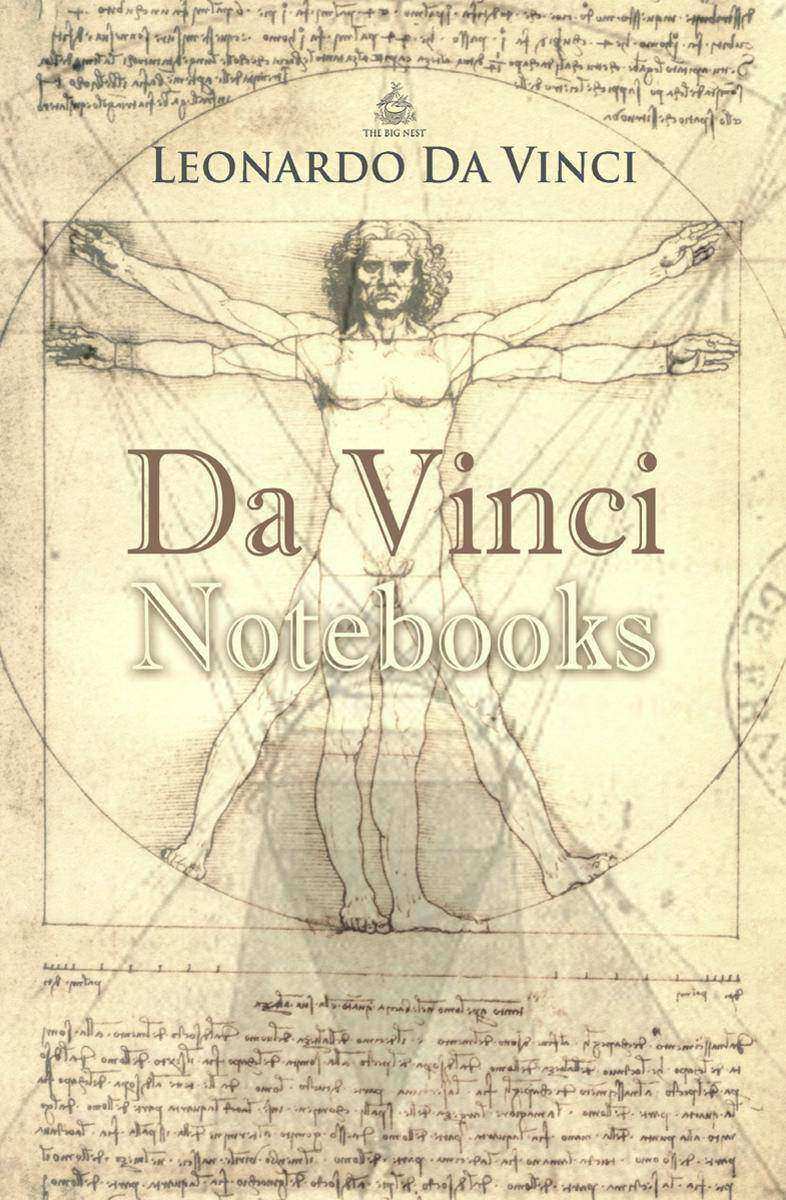
Da Vinci Notebooks
¥40.79
A singular fatality has ruled the destiny of nearly all the most famous of Leonardo da Vinci's works. Two of the three most important were never completed, obstacles having arisen during his life-time, which obliged him to leave them unfinished; namely the Sforza Monument and the Wall-painting of the Battle of Anghiari, while the third—the picture of the Last Supper at Milan—has suffered irremediable injury from decay and the repeated restorations to which it was recklessly subjected during the XVIIth and XVIIIth centuries. Nevertheless, no other picture of the Renaissance has become so wellknown and popular through copies of every description.
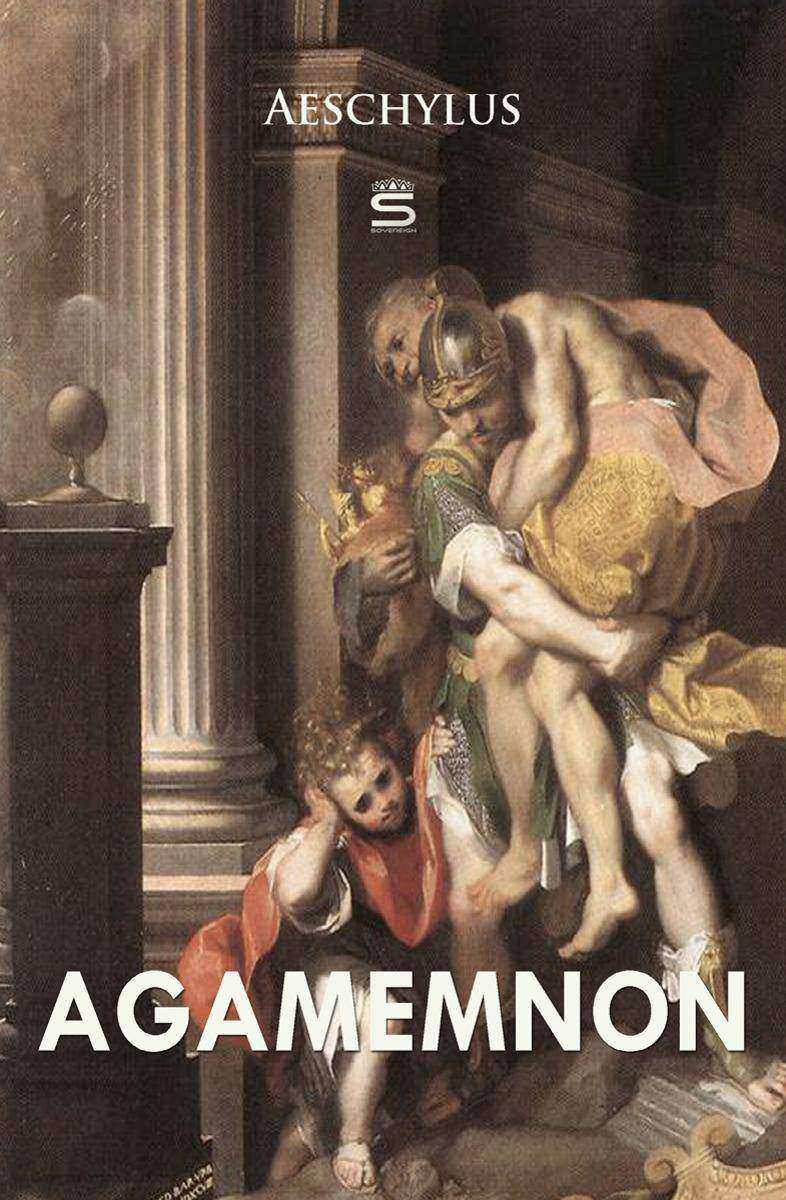
Agamemnon
¥40.79
A watchman on top of the house, reporting that he has been lying restless there like a dog for a year, for so rules the expectant manly-willed heart of a woman (that woman being Clytemnestra awaiting the return of her husband, who has arranged that mountaintop beacons give the signal when Troy has fallen). He laments the fortunes of the house, but promises to keep silent: 'A huge ox has stepped onto my tongue.' However, when Agamemnon returns, he brings with him Cassandra, the enslaved daughter of the Trojan king, Priam, and a priestess of Apollo, as his concubine, further angering Clytemnestra.
The Birds
¥40.79
Two middle-aged men stumbling across a hillside wilderness are guided by a pet crow and a pet jackdaw. One of them advises the audience that they are fed up with life in Athens, where people do nothing all day but argue over laws, and they are looking for Tereus, a king who was once metamorphosed into the Hoopoe, for they believe he might help them find a better life somewhere else.
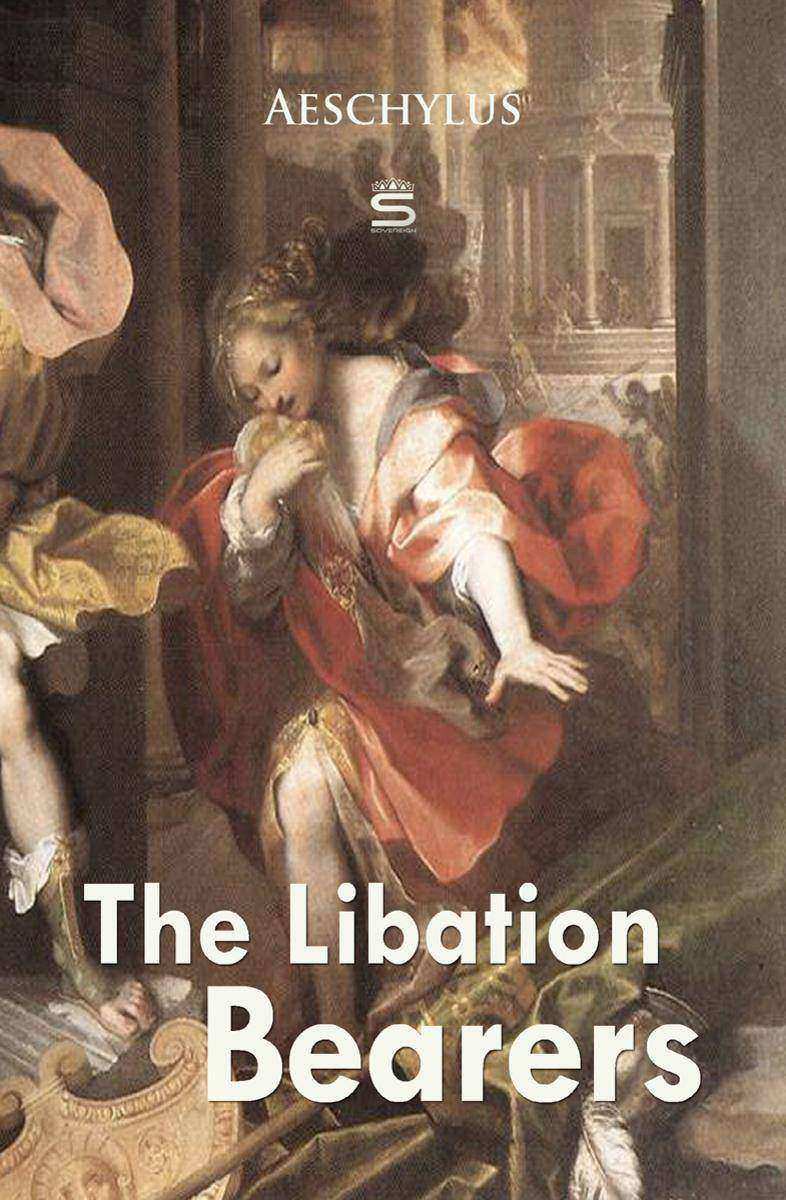
The Libation Bearers
¥40.79
Orestes arrives at the grave of his father, accompanied by his cousin Pylades, the son of the king of Phocis, where he has grown up in exile; he places two locks of his hair on the tomb. Orestes and Pylades hide as Electra, Orestes' sister, arrives at the grave accompanied by a chorus of elderly slave women (the libation bearers of the title) to pour libations on Agamemnon's grave; they have been sent by Clytemnestra in an effort to ward off harm. Just as the ritual ends, Electra spots a lock of hair on the tomb which she recognizes as similar to her own; subsequently she sees two sets of footprints, one of which has proportions similar to hers. At this point Orestes and Pylades emerge from their hiding place and Orestes gradually convinces her of his identity.
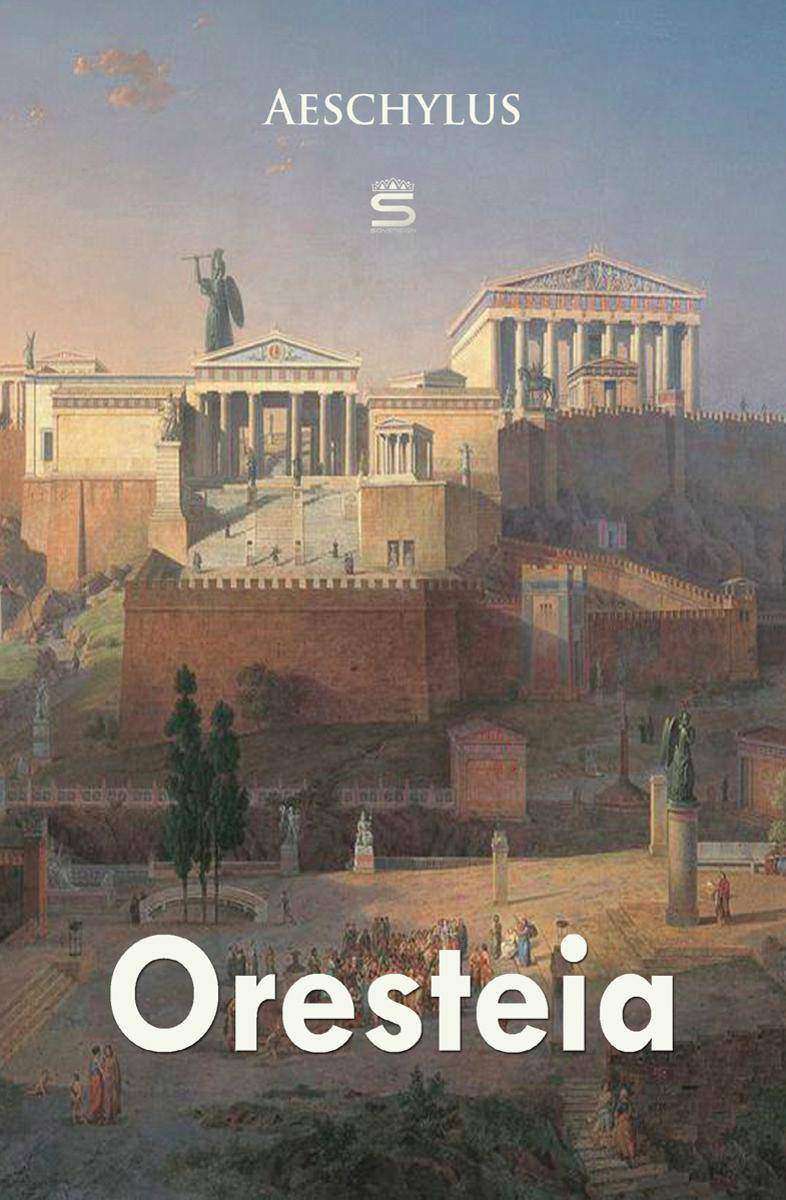
Oresteia
¥40.79
The Oresteia, a trilogy of Greek tragedies written by Aeschylus. The name derives from the character Orestes, who sets out to avenge his father's murder. The only extant example of an ancient Greek theater trilogy, the Oresteia won first prize at the Dionysia festival in 458 BC. Principal themes of the trilogy include the contrast between revenge and justice, as well as the transition from personal vendetta to organized litigation.
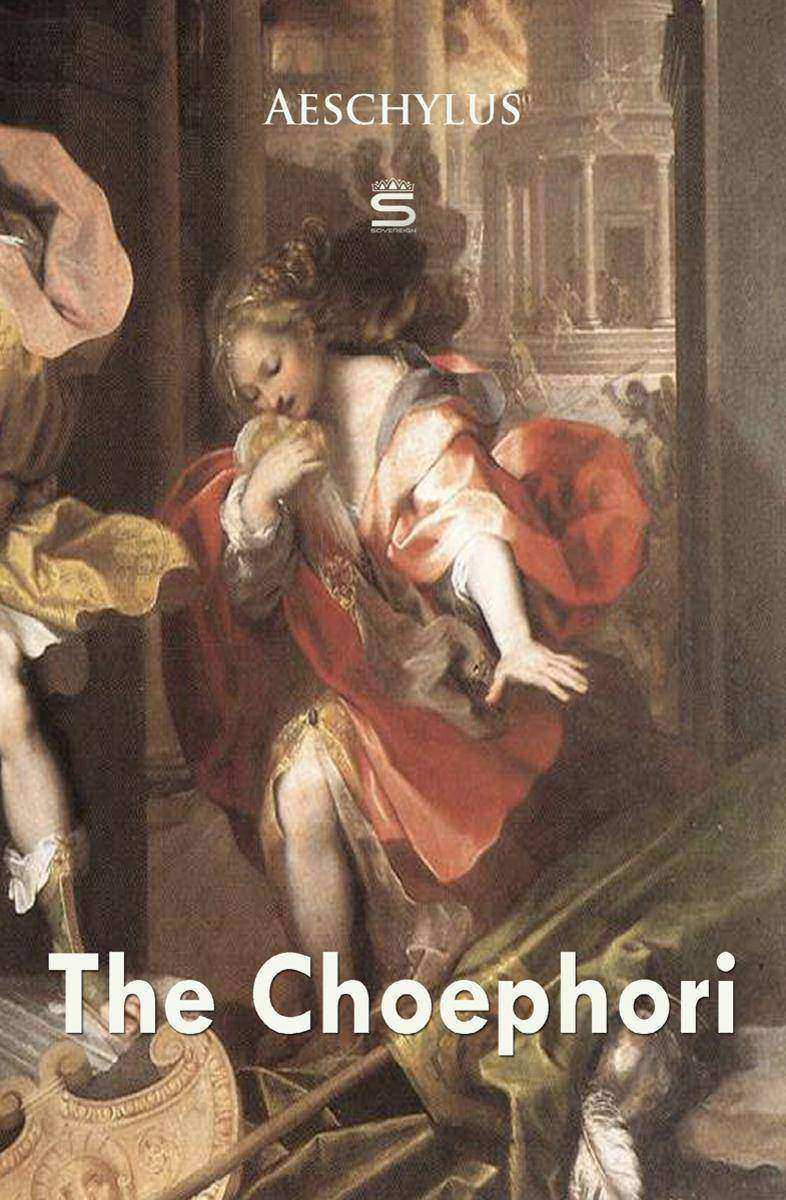
The Choephori
¥40.79
Orestes arrives at the grave of his father, accompanied by his cousin Pylades, the son of the king of Phocis, where he has grown up in exile; he places two locks of his hair on the tomb. Orestes and Pylades hide as Electra, Orestes' sister, arrives at the grave accompanied by a chorus of elderly slave women (the libation bearers of the title) to pour libations on Agamemnon's grave; they have been sent by Clytemnestra in an effort to ward off harm. Just as the ritual ends, Electra spots a lock of hair on the tomb which she recognizes as similar to her own; subsequently she sees two sets of footprints, one of which has proportions similar to hers. At this point Orestes and Pylades emerge from their hiding place and Orestes gradually convinces her of his identity.
Women In Council
¥40.79
A group of women, led by the wise and redoubtable Praxagora, has decided that the women of Athens must convince the men to give them control of the city, as they are convinced they can do a better job. Disguised as men, the women sneak into the assembly and command the majority of votes needed to carry their series of revolutionary proposals, even convincing some of the men to vote for it on the grounds that it is the only thing they have not tried.
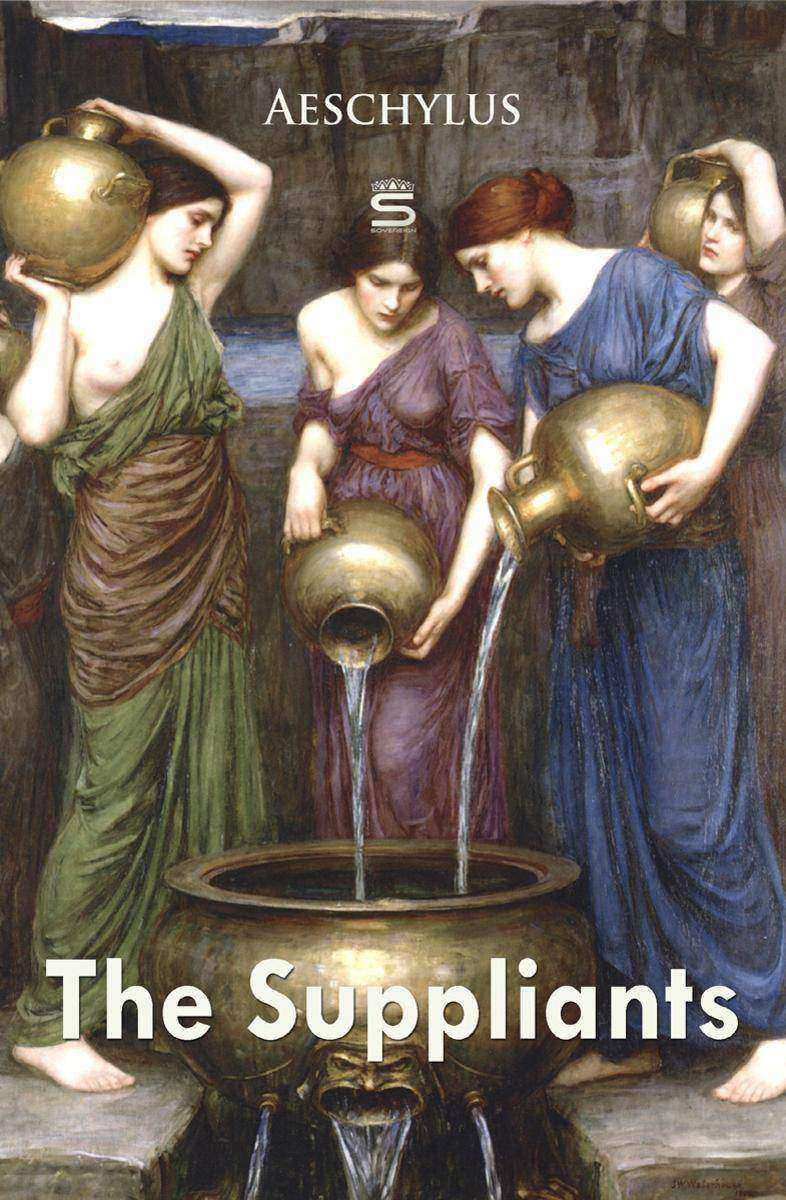
The Suppliants
¥40.79
The Danaids form the chorus and serve as the protagonists. They flee a forced marriage to their Egyptian cousins. When the Danaides reach Argos, they entreat King Pelasgus to protect them. He refuses pending the decision of the Argive people, who decide in the favor of the Danaids. Danaus rejoices the outcome, and the Danaids praise the Greek gods. Almost immediately, a herald of the Egyptians comes to attempt to force the Danaids to return to their cousins for marriage. Pelasgus arrives, threatens the herald, and urges the Danaids to remain within the walls of Argos. The play ends with the Danaids retreating into the Argive walls, protected.
The Apologia
¥40.79
The story is based around incident when Apuleius was accused of using magic to gain the attentions and fortune of a wealthy widow. He declaimed and then distributed a witty tour de force in his own defense before the proconsul and a court of magistrates convened in Sabratha, near ancient Tripoli, Libya.
Lysistrata
¥40.79
Lysistrata is a comedy originally performed in classical Athens in 411 BC. A comic account of one woman's extraordinary mission to end the Peloponnesian War. Lysistrata persuades the women of Greece to withhold sexual privileges from their husbands and lovers as a means of forcing the men to negotiate peace—a strategy, however, that inflames the battle between the sexes. The play is notable for being an early exposé of sexual relations in a male-dominated society.
The Thesmophoriazusae
¥40.79
Today the women at the festival are going to kill me for insulting them!' This bold statement by Euripides is the absurd premise upon which the whole play depends. The women are incensed by his plays' portrayal of the female sex as mad, murderous, and sexually depraved, and they are using the festival of the Thesmophoria (an annual fertility celebration dedicated to Demeter) as an opportunity to debate a suitable choice of revenge.
The Persians
¥40.79
The Persians takes place in Susa, which at the time was one of the capitals of the Persian Empire, and opens with a chorus of old men of Susa, who are soon joined by the Queen Mother, Atossa, as they await news of her son King Xerxes' expedition against the Greeks. Expressing her anxiety and unease, Atossa narrates what is probably the first dream sequence in European theatre.
The Knights
¥40.79
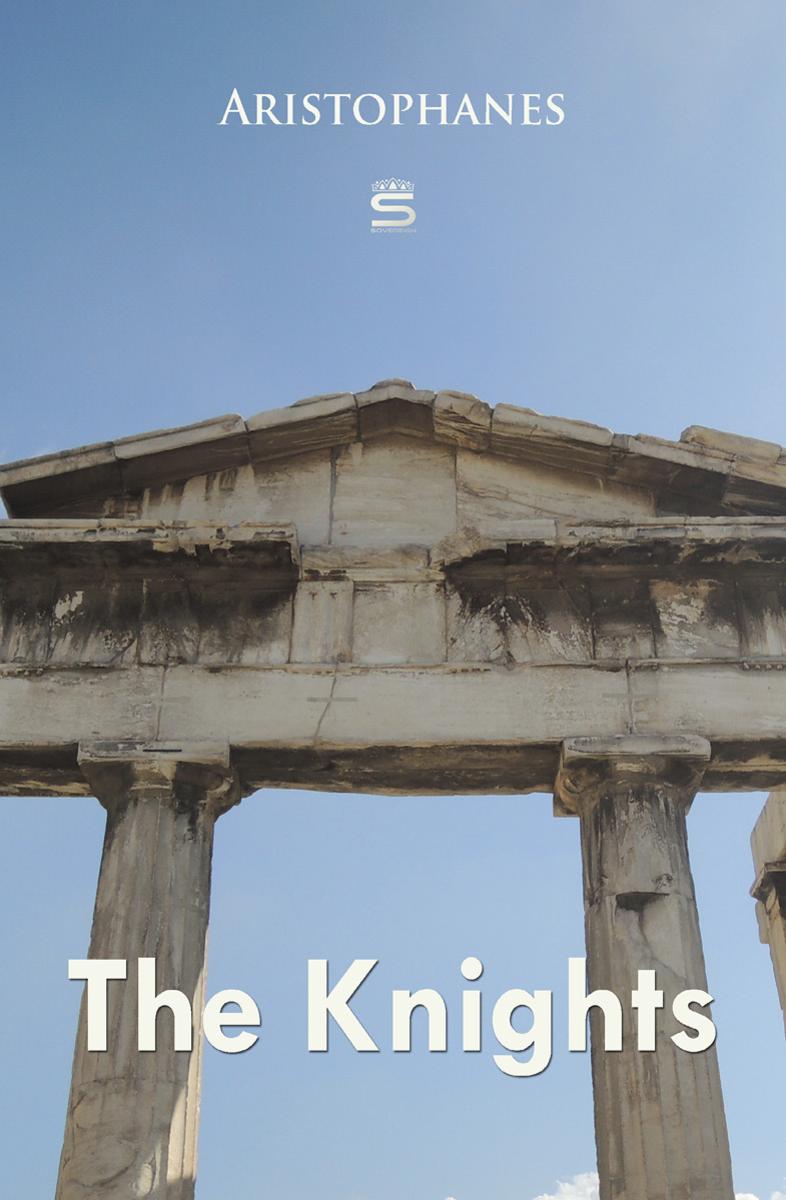
The Knights is a satire on political and social life in 5th-century BC Athens, the characters are drawn from real life and Cleon is clearly intended to be the villain. However it is also an allegory, the characters are figures of fantasy and the villain in this context is Paphlagonian, a comic monstrosity responsible for almost everything that's wrong with the world.
Arabian Nights
¥40.79
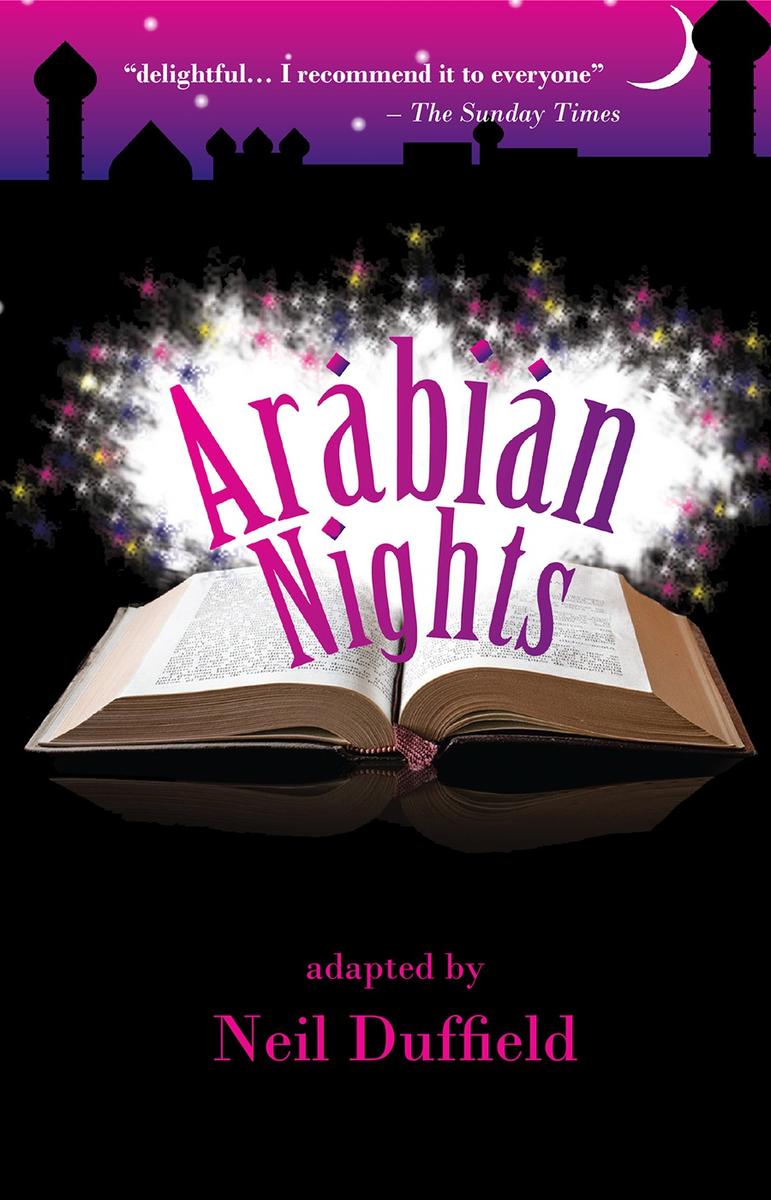
When Sheherazad is brought to the palace to be the Sultan’s new bride, her very life depends upon her skill as a storyteller. She tells him tales of lost cities and buried treasure, of slave girls and robbers, of genies in bottles and evil sorcerers. But will it be enough to save her? The stories of the Arabian Nights date back more than a thousand years and originate from Persia, India and Arabia. Neil Duffield has combined elements of many of them, keeping alive the excitement and humour to produce a show which will transport the audience into a world of myth and legend where fantasy and reality can never be separated.
Na?ionalismul. Identitatea etnocultural? ?i proiectul elitelor
¥40.79
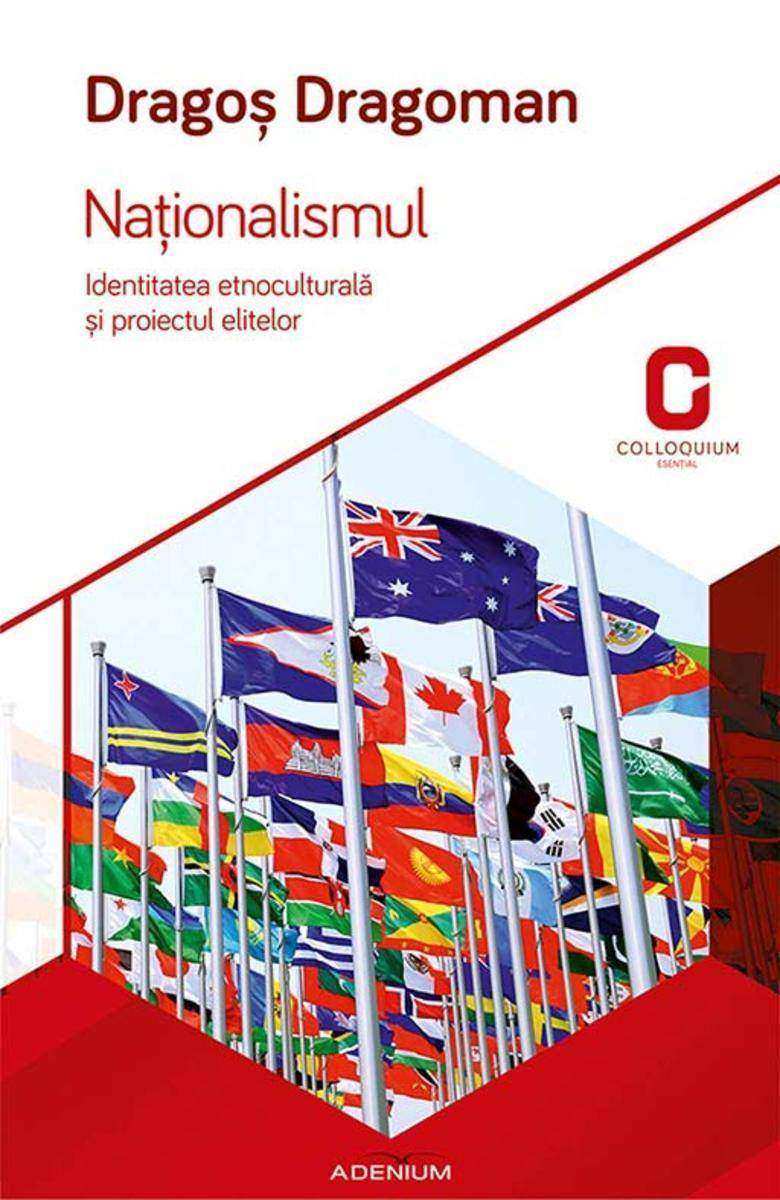
i corbul, croncnind, a rguit, Vestind c sorii fost au aruncai! Venii! Venii! Voi, duhuri, ce vegheai Pe gndurile morii, crunta zee! i m nvai s nu mai fiu femeie! M umplei, de la cretet pn’ la tlpi Cu o rutate nenduplecat! The raven himself is hoarse That croaks the fatal entrance of Duncan Under my battlements. Come, you spirits That tend on mortal thoughts, unsex me here, And fill me from the crown to the toe top full Of direst cruelty!
Rubens
¥40.79
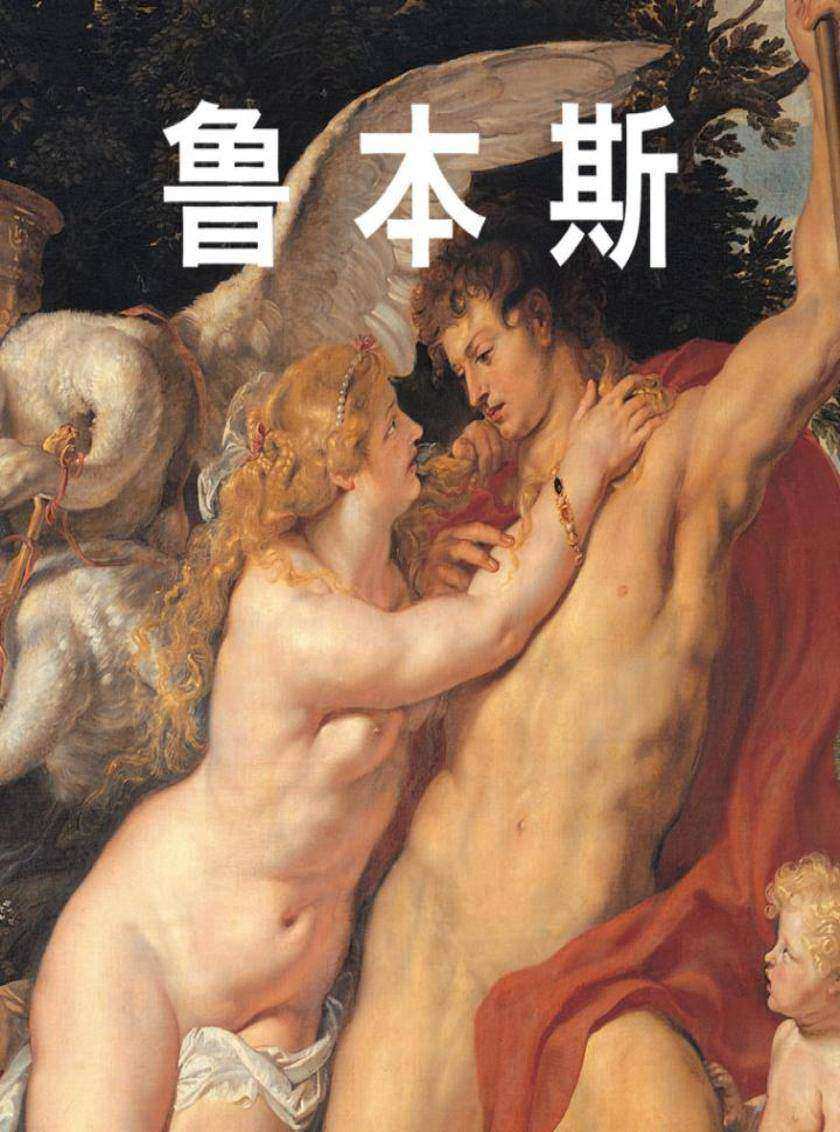
鲁本斯,巴洛克绘画繁荣时期伟大的艺术巨匠,从意大利文艺复兴中汲取了所有对其有用的精华,从而建立起了自己的风格。这个来自北方的艺术家希望并且实现了将佛兰德艺术与拉丁艺术融合起来,却不失自己热情四溢的个性与不断探索的想象力以及作为伟大色彩大师的醉人发现。他的风格以对人体形态的绝妙把握和对华丽的明亮色彩极为丰富的运用而著名。对自己理智*自信的鲁本斯像个深受信任的使者带着浮夸的举止旅行于各个国家之间,因此也习惯了宫廷的生活。如果说米开朗基罗是激情澎湃的代表,那么鲁本斯也可以被认作是描绘生活喜悦和生机的高产代表。
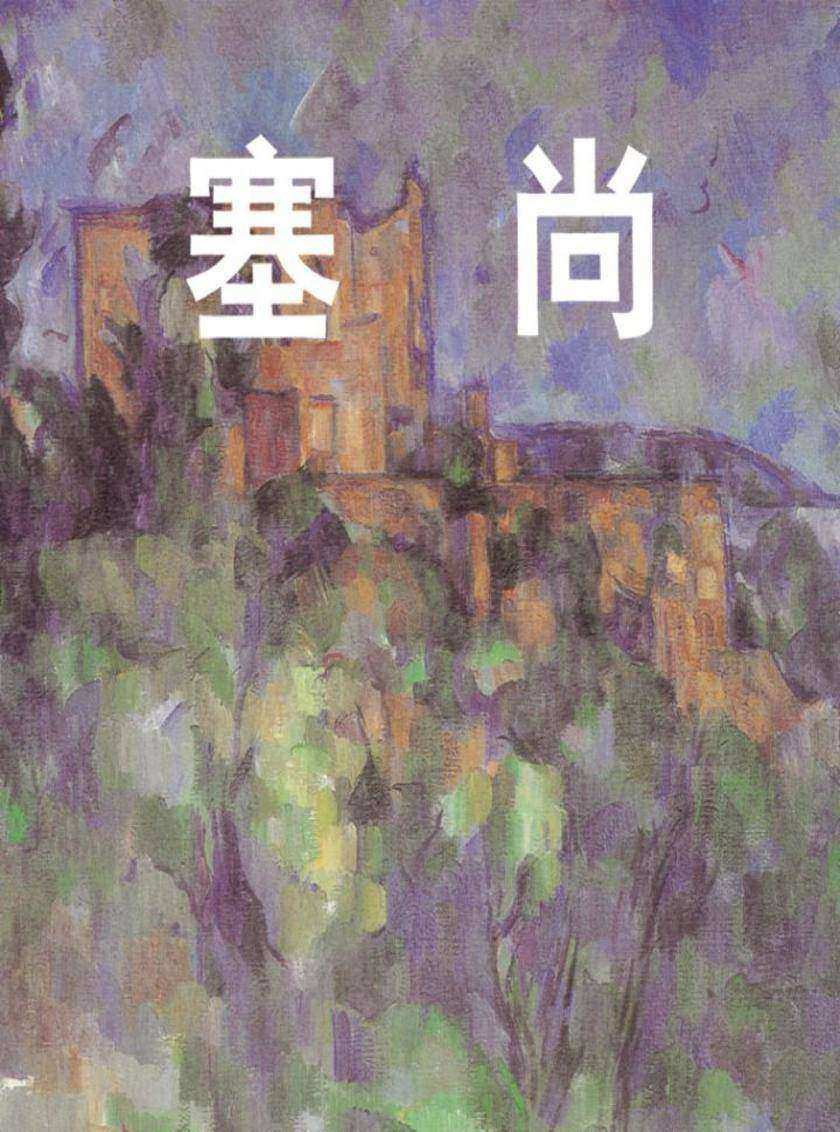
Cezanne
¥40.79
塞尚成为19世纪著名的日常静物写生的画家,其强烈的风格无人可以匹敌。当搬到巴黎,受到雷诺阿的鼓舞之后,这位普罗旺斯艾克斯出生的画家与印象派画家们一起在1874年和1877年开了画展,尽管他遭受到评论的嘲讽和伤害。塞尚的雄心,用他自己的话来说,是“创作出可以留在博物馆的坚实不催的印象主义画作”。不久之后,孤独寂寞的塞尚退隐到普罗旺斯,忧郁和无助常常侵袭而来。他变得野蛮而挑剔,撕毁画布,扔到画室外,丢弃到树林田间,或剪碎给儿子拼图玩,或丢给艾克斯当地人。1906年他因在一场大雨中作画,高烧去世,之后不久,他的作品得到了晚来的认同。
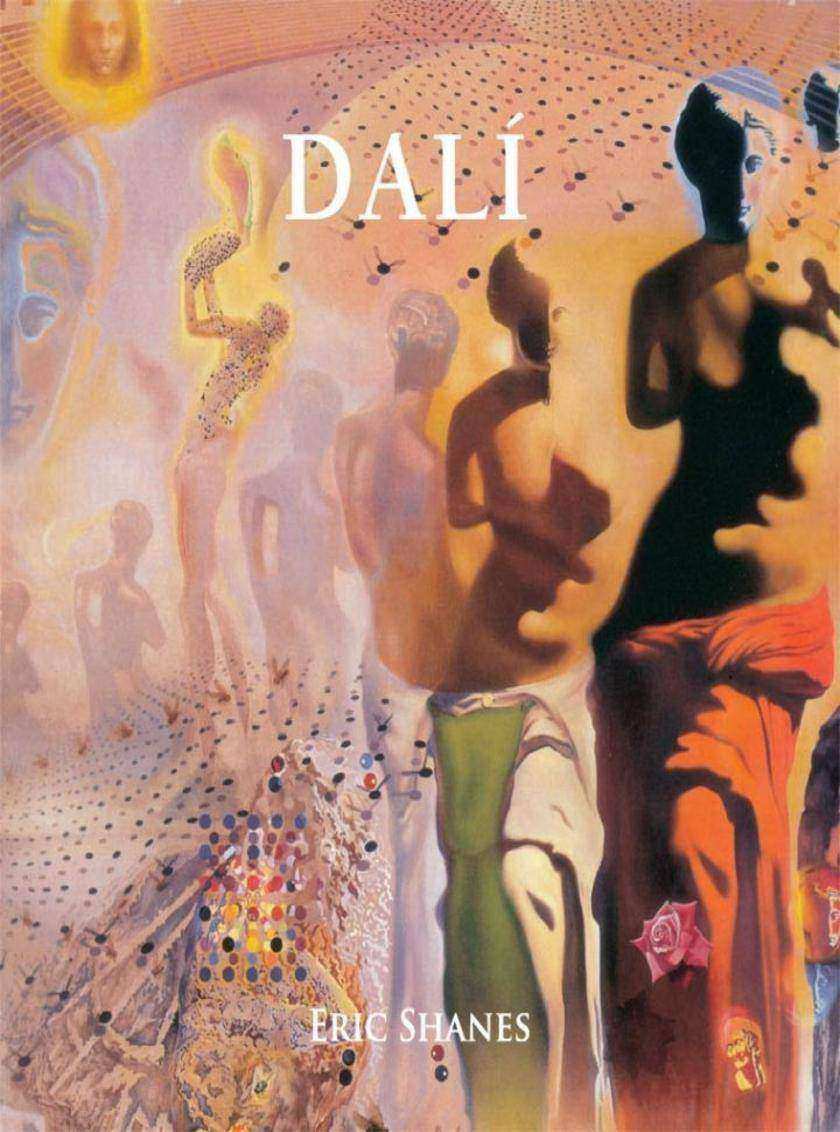
Dalí
¥40.79
在超现实主义艺术家中,毫无疑问,萨尔多瓦·达利(Salvador?Dalí?)是为多产的、为有名的,他创作了很多20世纪*标示性的形象。
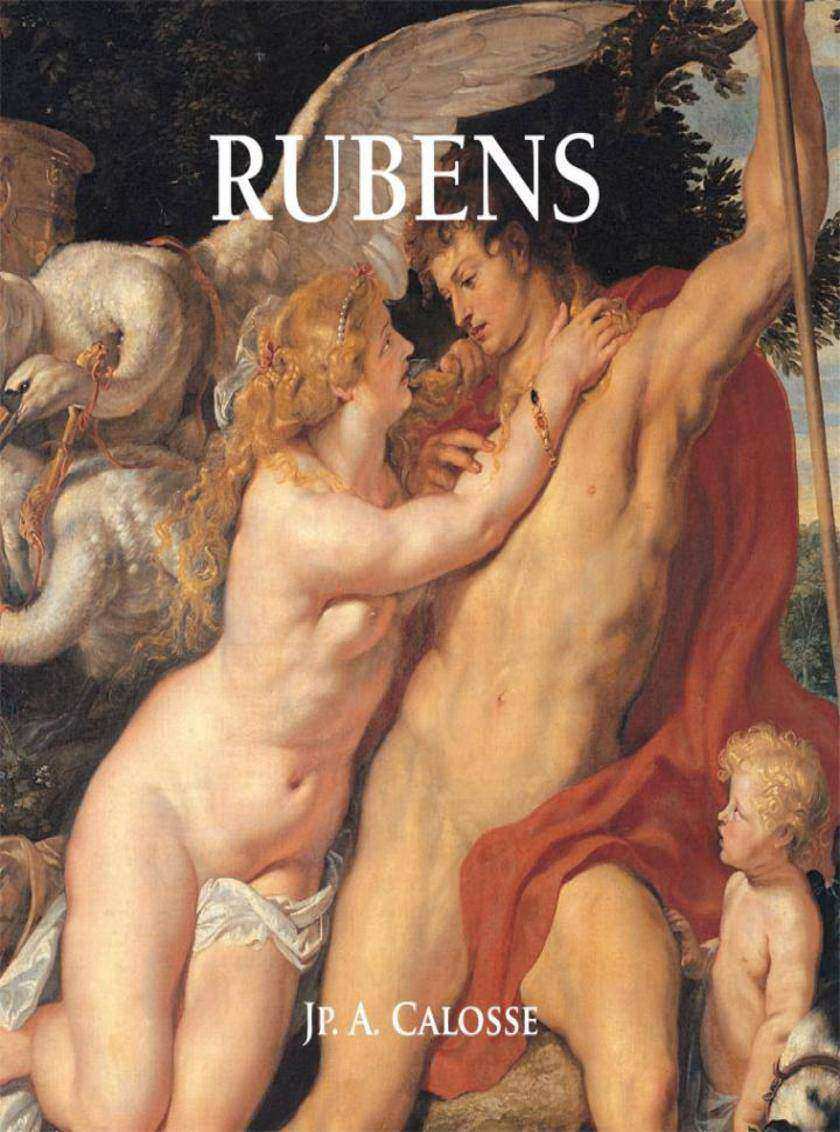
Rubens
¥40.79
The eclectic art of which the Carracci family dreamed was realised by Rubens with the ease of genius. However, the problem was much more complicated for a man of the north, who wished to add to it a fusion of the Flemish and Latin spirits, of which the rather pedantic attempts of Romanism had illustrated the difficulties. He achieved it without losing anything of his overflowing personality, his questing imagination, and the enchanting discoveries of the greatest colourist known to painting. Rubens, the greatest master of Baroque painting’s exuberance, took from the Italian Renaissance what could be of use to him, and then built upon it a style of his own. It is distinguished by a wonderful mastery of the human form and an amazing wealth of splendidly lighted colour. He was a man of much intellectual poise and was accustomed to court life, travelling from court to court, with pomp, as a trusted envoy. Rubens was one of those rare mortals who do real honour to humanity. He was handsome,
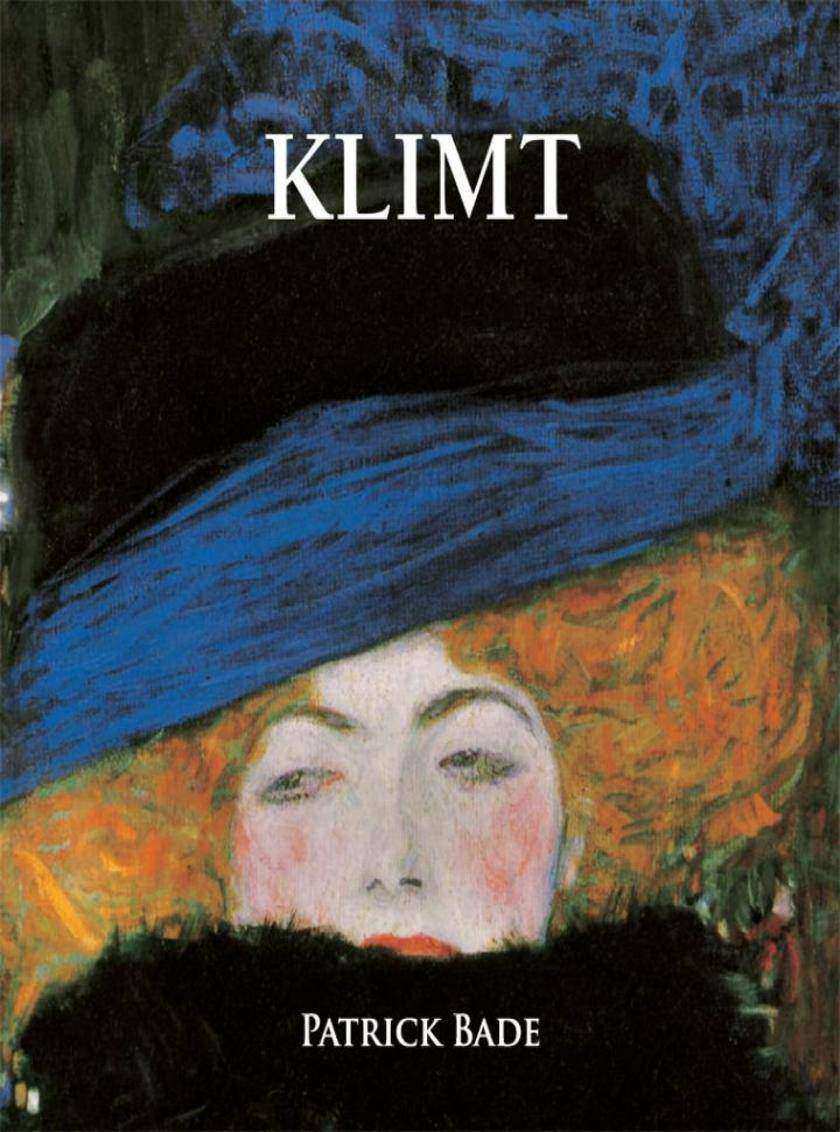
Klimt
¥40.79
古斯塔夫·克林姆(Gustav Klimt)初因其采用的装饰花纹闻名(与他的兄弟及其在艺术学校的伙伴弗朗茨·马什共同创作)。因为大多剧院和重要的维也纳艺术史博物馆(在他的时代是重要的)均采用的是玛卡特(Makart)式的冷色调摄影风格。在他三十岁的时候他有了自己的工作室,并且开始了架上绘画。在三十五岁的时候,他成为了维也纳分离派的奠基人之一。在八年之后,在对自然主义日益强势的趋势倍感失望的情况下,他离开了这一领域。
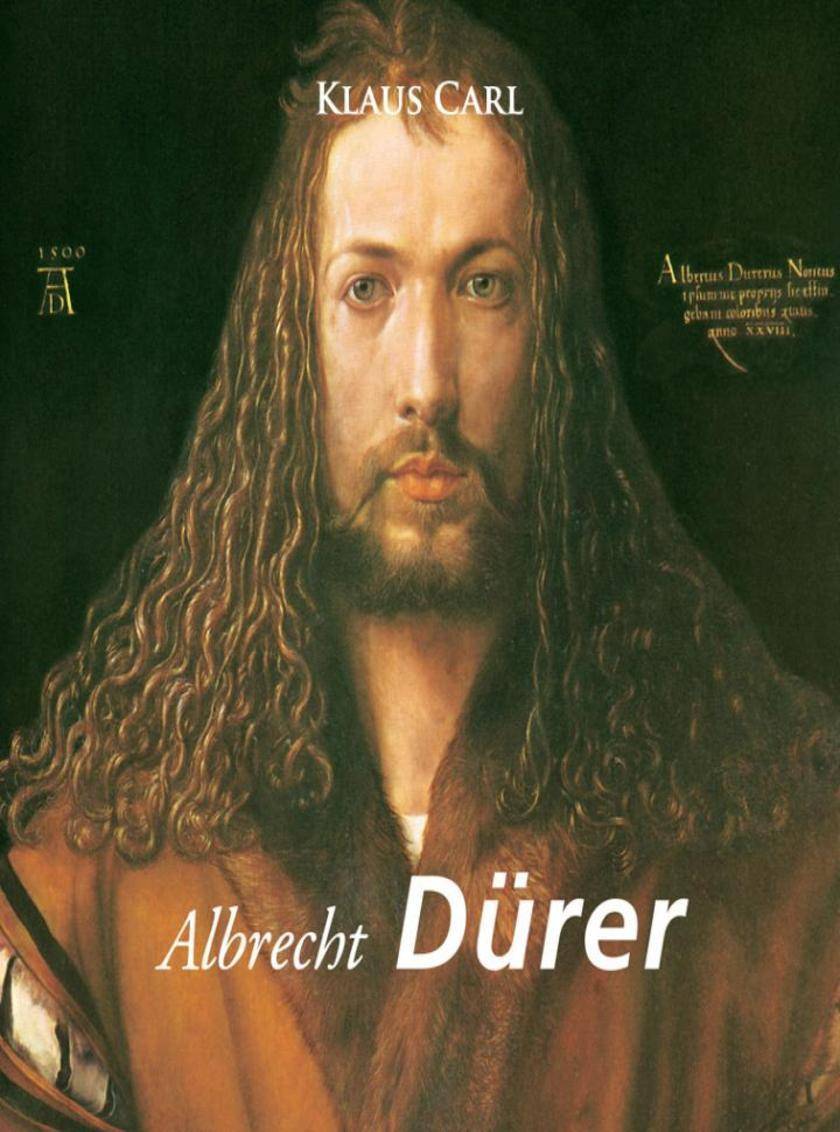
Dürer
¥40.79
阿尔布雷特·丢勒(Albrecht Durer,1471-1528)是北部文艺复兴中*创新性的代表人物之一,他改革了宗教画和世俗画中的风景和肖像的绘画技巧。这本著作精选了不同类型的丢勒作品,紧致小巧的形式也成为了献给每一位艺术爱好者的完美赠礼。


