


 购物车
购物车 个人中心
个人中心
Chopin and Other Musical Essays
¥8.09
Chopin and Other Musical Essays
Life of Chopin
¥8.09
Life of Chopin
Undine
¥8.09
Undine
Moths of the Limberlost
¥8.09
Moths of the Limberlost
Bowser the Hound, Illustrated
¥8.09
Bowser the Hound, Illustrated
The Strange Adventure of James Shervinton
¥8.09
The Strange Adventure of James Shervinton
Red Pepper Burns
¥8.09
Red Pepper Burns

Infallible: A Romance Crime Novel
¥8.09
Cursed in love death was coming for her once again...? Sexy, smart and career ambitious,? South African Detective Scarlet Anne Martins get's the career opportunity of her life -? working for the NYPD on The Special Crimes Unit.? After landing a high profile case involving the escape of a notorious serial killer, her career jumps from NYPD freelancing detective to consulting for the FBI.? But never had she imagined how quickly those dreams could slip through her fingers when she meets her new partner Agent Blade, who appears to have a vendetta against killer she's assigned to bring down.??? At a shocking turn of events, Scarlet finds?herself a fugitive in a foreign country after being framed for a fatal bombing and?aiding the escape of a Serial Killer. She starts to suspect her new partner was put on her path as a distraction, that is?until he saves her life. Despite?herself she can no long deny her feeling for Agent Blade, and her desperation to save him will ultimately be what? could kill them both.?
A Mixture of Genius: Illustrated
¥8.09
Ez Fabius Petronius Secundus római legionárius és centurió – valamint hadvezére, Scipio Aemilianus – felemelkedésének t?rténete: a makedónok elleni els? csatájától, amely megpecsételi Nagy Sándor birodalmának sorsát, az ?szak-Afrikában vívott, mindenre kiterjed? háborúig és Karthágó ostromáig. Scipio sikerei csodálatot és tiszteletet váltanak ki, de egyben kapzsiságot és féltékenységet is fialnak – legszorosabb sz?vetségeseit?l legelkeseredettebb ellenségeiig. ?s ott van még Julia is, a Caesar családból – a kiszámíthatatlan lány, aki Scipiót szereti, de annak vetélytársával, Paulusszal jegyzeték el –, aki csúf viszály kiváltója lesz. Végül Scipiónak egyetlen kérdésre kell csak válaszolnia: mi mindent képes feláldozni a látomásért, amit Rómáról alkotott?
A Nursery Rhyme Picture Book: "Illustrated" Ten Fables
¥8.09
R?MA ELESTE CSAK A KEZDET VOLT. EGY ?J BIRODALOM BONTOGATJA SZ?RNYAIT. AD 439: A Római Birodalom az ?sszeomlás szélére sodródik. Hispánia és ?szak-Afrika római provinciáin egy vandál sereg zúdul át megd?bbent? gyorsasággal, leigázza Karthágót, és Rómának a F?ldk?zi-tenger feletti uralmát fenyegeti. ?m ennél is nagyobb veszély k?zeledik keletr?l, egy barbár hader? ?zsia zord sztyeppéir?l, páratlanul vérszomjas harcosok, akik mindenkit els?p?rnek, aki hódítás utáni vágyuk útjában áll – Attila, a hun serege.Római katonák és egy titokzatos brit szerzetes alkotta kicsiny csapat az egyetlen, amely a római császárok züll?ttsége és gyengesége f?lé emelkedik, és a római sereg évszázadokkal korábbi dics? napjaiba nyúl vissza, hogy a t?rténelemb?l merítsen er?t. Hogy végül olyan megd?bbent?en pimasz tervvel rukkoljon el?, ami magába a s?tétség szívébe repíti ?ket, a legrettegettebb harcos-király er?djébe, akit a világ valaha is ismert. Az elk?vetkez? leszámolásban, a legnagyobb ütk?zetben, amelyet Róma valaha is vívott, a gy?zelem azoké lesz, akik a háború leghatalmasabb jelképét, amelyet valaha is kovácsoltak, a magasba tudják emelni – Attila szent kardját.
Theatre of Death: A Dystopian Short Story
¥8.09
Dystopian Short Story where Logan's Run meets The Matrix Faith. Hate. Love. Loss... Will it be enough to save him from death? It is Kel Darnon's 20th birthday and he has been called for Judgement in the Theatre of Death. There he must give the performance of his life, the performance he has been perfecting since he was born. Because the machines have won. And we are their slaves. Kept alive for just one thing... Our ability to entertain.? The Master Algorithms have the power to grant his freedom, but they must be satisfied. Sara, his forbidden love, has already sat upon the Chair of Judgement and the AI's judged her worthy.? Will his faith that he and Sarah will be reunited save him?? Can he use his hate for the machines to his advantage?? Can their forbidden love reunite them?? And can he make the machines understand losing her?? Will it be enough to save him from death? Or will the Theatre of Death claim another token for the Chair of Judgement? Theatre of Death ?is a Dystopian Science Fiction short story about a world where we are enslaved by Artificial Intelligence, and our freedom is dictated by the will of the machines. AN ACID SUITE STORY The Acid Suite is a set of independent short stories that all share one thing in common, fiction that will corrode your mind.?
Drilling Deep
¥8.09
A fascination with science and paleontology can lead to a sense of wonder . . . or something else entirely.
Escape Hatch
¥8.09
It came from beneath the sea! The hideous alien “sluggos” have arrived, bloodthirsty tentacled aliens that infest the oceans of Earth, and it will take the best military minds of the Planetary Navy to defeat them. Admiral Bruce Haldane has faced the sluggos in engagement after engagement, and the humans are slaughtered each time. Fortunately for Haldane, though, because of his high rank, he has an “escape hatch”—at the last moment of a military defeat when his own death is certain, he can swap his consciousness with another safe body, a “cannon fodder” recruit who exists only to be ready in case he needs to make the ultimate sacrifice. Paulson Kenz is one of those cannon-fodder recruits, too weak and wimpy to be appropriate for the battlefield, but he doesn’t want to go down without a fight. Knowing that at any moment he might find himself transported into a horrific last stand against slavering aliens, he has to become an even greater military genius than Admiral Haldane himself.
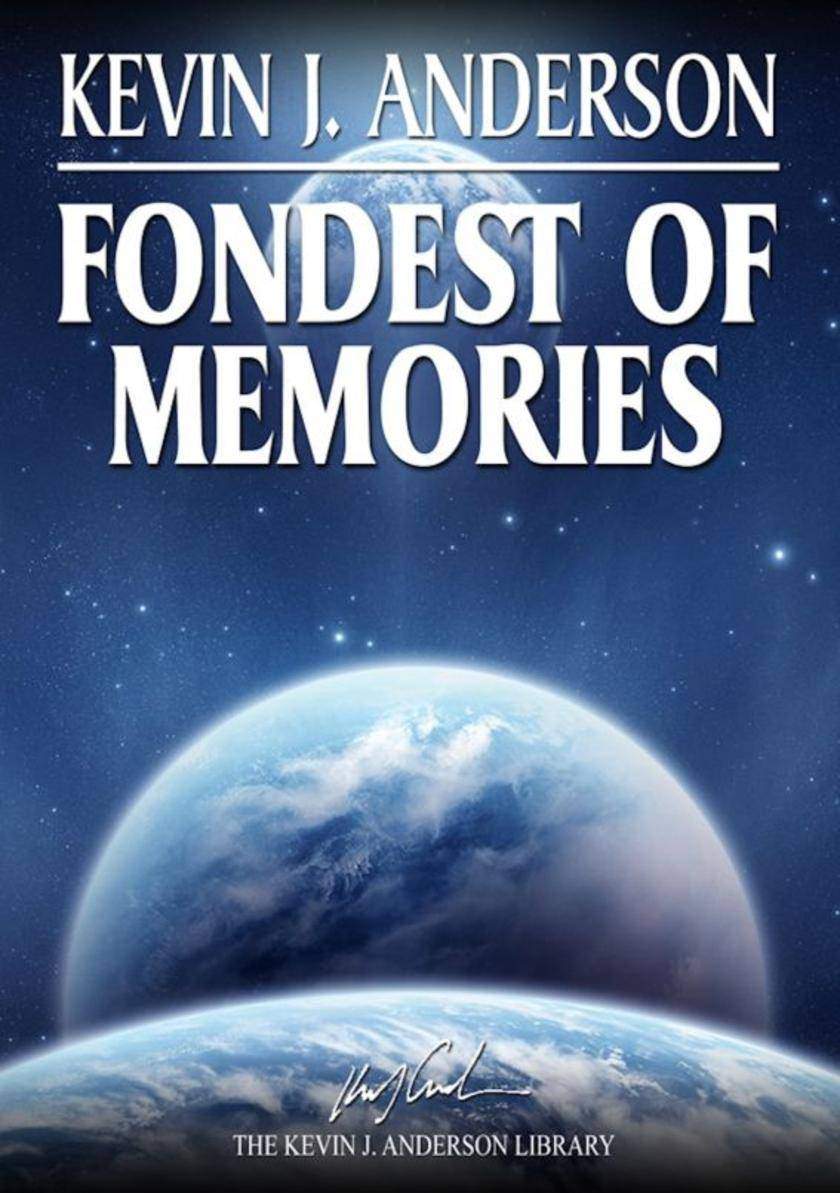
Fondest of Memories
¥8.09
Everyone tends to edit their memories of lost loved ones, emphasizing the admirable qualities and good times, downplaying the unpleasant aspects. For a man given the chance to have his dead wife cloned, he can rebuild and restore her memories . . . with a few slight modifications.

Social Confidence: Simple Strategies To Overcome Social Anxiety And Be Able To T
¥8.09
This eBook is the best place where you will find all the information which is required to interact with the people around you. It has become essential to communicate with the people and in a manner which can impress them so you can excel in your career and your personal life as well. You should know when to speak and when not to. All the do’s and do not’s are available in this book with awesome chapters which will guide you perfectly where you can improve. There are different tips which you can adopt and learn from them as well. Here are some the chapters which you can follow to learn: How To Make A Small Talk Create A Great First Impression With These Awesome Ways Tips to Improve Nonverbal Communication for First Impression How To Introduce Yourself To Someone New Tips to Improve Verbal Communication for First Impression How to develop your people skills How to deepen the relationship How to build intimacy with someone new How To Flirt Without Showing That You Are Flirting Learn Ways For Advanced Communication Skills Tips to end a conversation positively

A Doll's House: Illustrated
¥8.09
Tárna Barni tizenkettedik születésnapja nem kezd?dik valami jól. Reggel zuhogó es?ben kell megsétáltatnia a kutyát. Egy újabb rémes iskolai nap vár rá, mert a suliban gonosz osztálytársa, Ged? meg az a hátborzongató Ostoros igazgatón? folyton megkeseríti az életét. Ráadásul nyomtalanul elt?nt apukájától sem kap még egy képeslapot sem. Nem csoda, ha Barni bánatában azt találja mondani: ?Bárcsak macska lennék!”. De vigyázz, mit kívánsz! Mert bizony a macskalét sem fenékig tejf?l... Ez a regény olyan izgalmas, hogy ha elkezded, a házi feladatra már biztos nem marad id?d! Amennyiben ez t?rténne, az óra el?tt jelentsd az esetet tanárodnak, és add k?lcs?n neki a k?nyvet! Matt Haig (1975) számtalan díjnyertes feln?tt- és ifjúsági regény szerz?je, forgatók?nyvíró, újságíró. K?nyvei k?zel 30 nyelven olvashatók. Feleségével és két gyermekével Yorkban él, és azt állítja, a pletykákkal ellentétben soha életében nem volt macska. (V?r?s kandúr meg aztán végképp nem!) Stacey Curtis díjnyertes amerikai karikaturista, képregényrajzoló, illusztrátor. Számos sikeres gyerekk?nyvh?z készített illusztrációt. Chicagoban él feleségével, lányával és a kutyájukkal. Egyáltalán nem tartja kizártnak, hogy élt már macskatestben. (Szerencsére a kutyájuk nem emlékszik erre.)

Mastering Rejections In One Sitting
¥8.09
Mastering Rejections In One Sitting
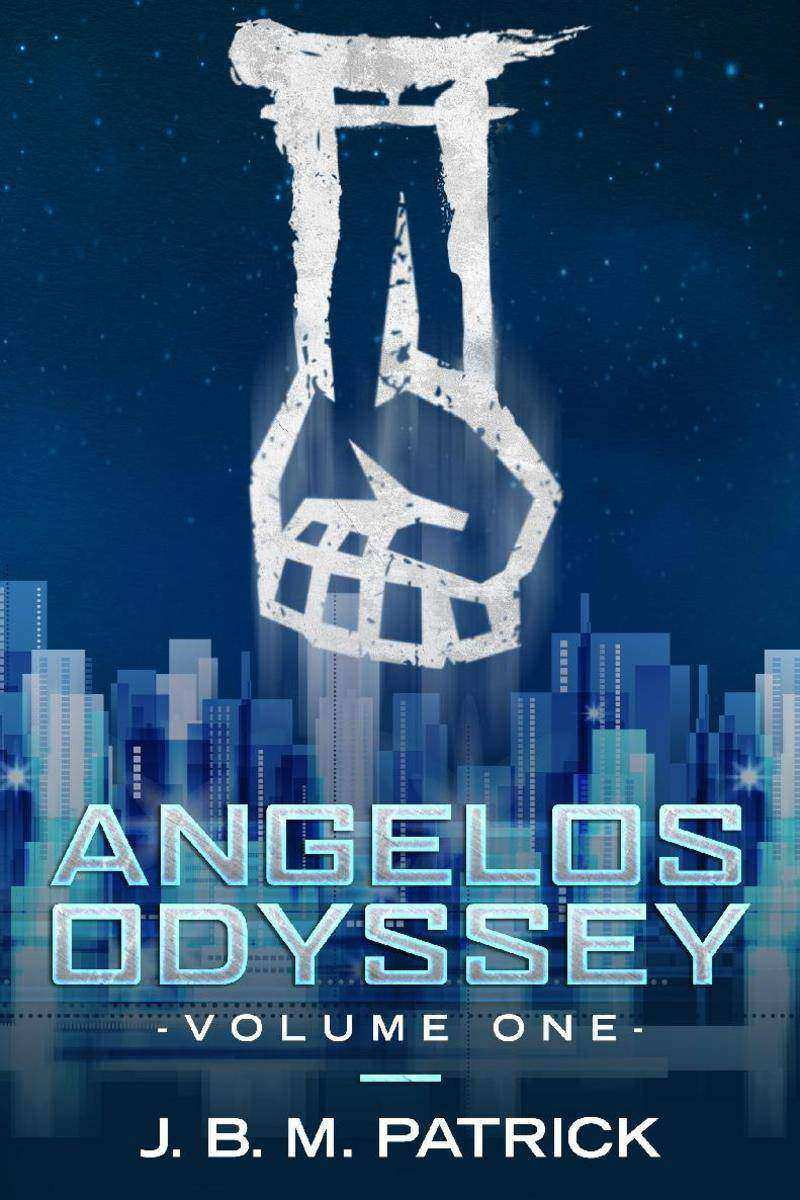
Angelos Odyssey: Volume One
¥8.09
Thousands of years have passed since the Earth was invaded by gods, demons, and foreign species with capabilities far beyond that of most humans. Reality collapsed, disaster having become so widespread that hope was ultimately forgotten. Humankind was backed into a corner and forced to either evolve or submit; the world erupted into a never-ending war that resulted in new cultures, superior technology, and great division among living beings. This is the tale of the assassin, Tavon, whose ambition drove him to explore past his simple upbringing in the slums of the Citadel in order to become one of the most notorious killers in the universe.
Dragons are Forever
¥8.09
Mai has everything. Friends, a job, and a loving man in her life. But just when she thinks she has it all, Jake pops the question. Suddenly, everything changes.? The minute Jake declares his undying love, their journey begins. Swept up in a sea of adventure, Mai will travel to Norway to meet the most dreaded of all creatures- The Inlaws. Along the way, Mai and Jake will battle all manner of supernatural creatures to get to the altar, only to find?out that this is just the beginning. Life as they know?it will never be the same.

Duty Bound
¥8.09
***Only 99 cents for a limited time to celebrate the launch of book 3, TRICKSTER***As the High Prince of the demon-fighting thrax, Lincoln knows he must marry for political gain. Not that he minds. For all of his eighteen years, Lincoln’s been bound to his duty. Then the prince glimpses Myla, a part-demon girl, and everything changes. What happens when a woman you’ve never met upends your life completely? Lincoln’s about to find out."Lincoln is so dreamy!'?- Smada's Book Smack"Fantastic read from Lincoln's POV!”?- BooksAPlenty"A great novella! Amazing!"?- Nose in YA BooksAngelbound Lincoln SeriesStories from the perspective of Mister the Prince1. Duty Bound,?a 20,000+ word novella that takes place before Lincoln meets Myla face-to-face2. Lincoln3. Trickster4. Baculum5. Angelfire

Sz?sszenetek
¥8.09
A szerz? r?vid, haikuszer? verseinek, verskezdeményeinek gy?jteménye.


