


 购物车
 个人中心


Oonomoo the Huron
¥8.09
Classic adventure novel. According to Wikipedia: "Edward Sylvester Ellis (April 11, 1840 – June 20, 1916) was an American author who was born in Ohio and died at Cliff Island, Maine. Ellis was a teacher, school administrator, and journalist, but his most notable work was that that he performed as author of hundreds of dime novels that he produced under his name and a number of noms de plume. Notable works by Ellis include The Huge Hunter, or the Steam Man of the Prairies and Seth Jones, or the Captives of the Frontier. Internationally, Edward S. Ellis is probably best known for his Deerhunter novels widely read by young boys up to the 1950s (together with works by James Fenimore Cooper and Karl May). In the mid-1880s, after a fiction-writing career of some thirty years, Ellis eventually turned his pen to more serious works of biography, history, and persuasive writing."
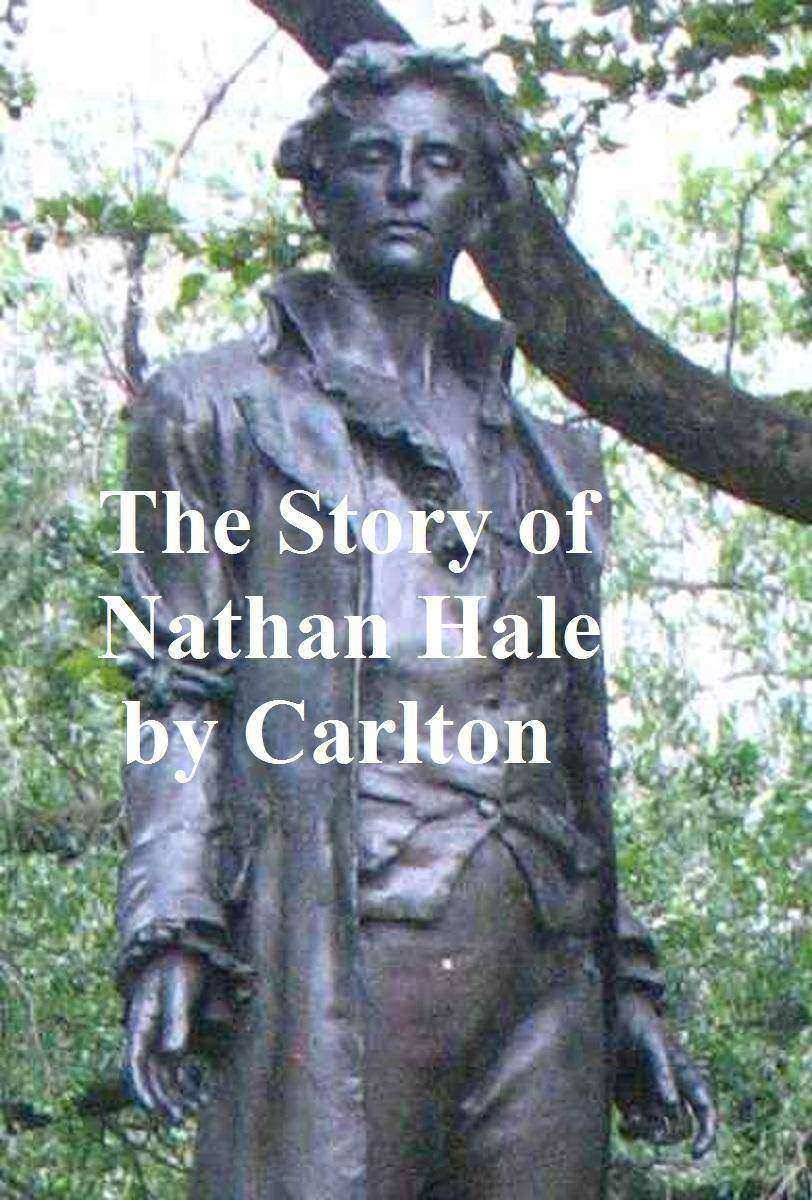
The Story of Nathan Hale: from Dramatic Hours in Revolutionary History
¥8.09
Historical play for children, first published around 1900.
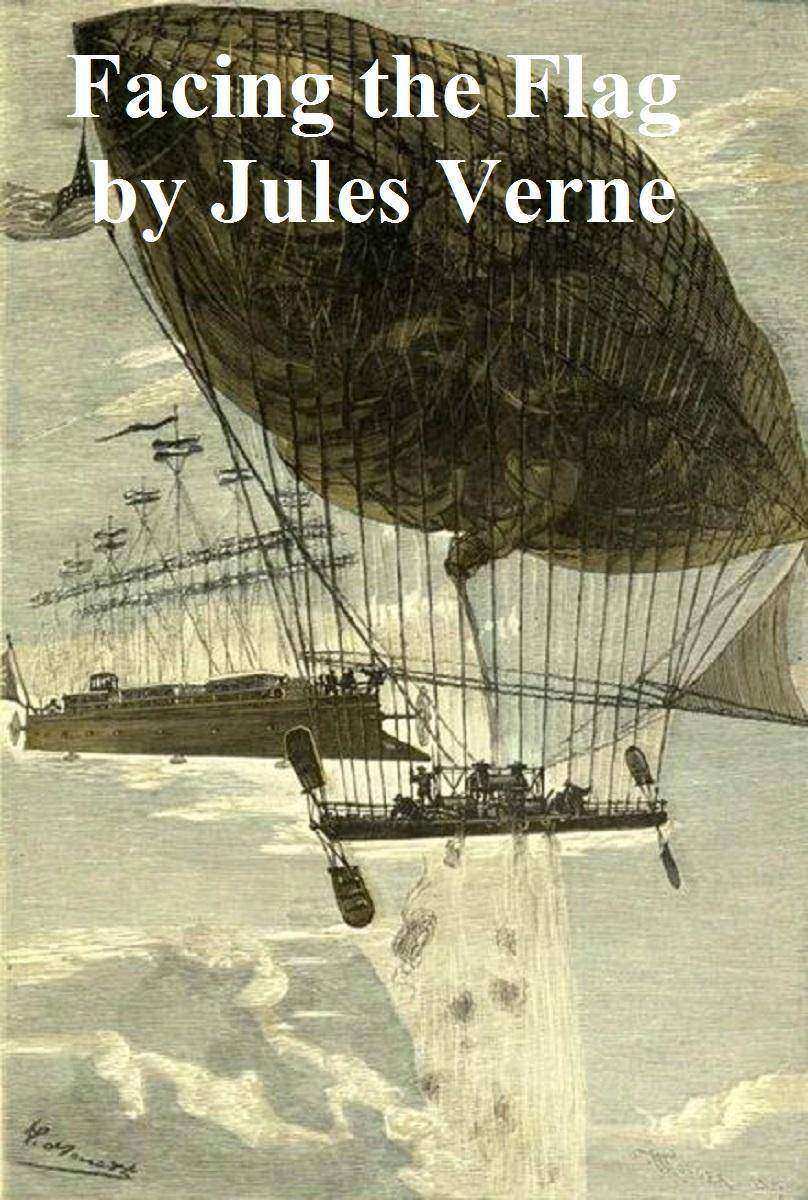
Facing the Flag
¥8.09
Classic adventure novel. According to Wikipedia: "Jules Gabriel Verne (February 8, 1828-March 24, 1905) was a French author who pioneered the science-fiction genre. He is best known for novels such as Journey to the Center of the Earth (1864), Twenty Thousand Leagues under the Sea (1870), and Around the World in Eighty Days (1873). Verne wrote about space, air, and underwater travel before air travel and practical submarines were invented, and before practical means of space travel had been devised. He is the third most translated author in the world, according to Index Translationum. Some of his books have been made into films. Verne, along with H. G. Wells, is often popularly referred to as the "Father of Science Fiction"

Bird Houses Boys Can Build
¥8.09
How-to book for children, first published in 1919, with 66 black-and-white illustrations. The author was professor of manual arts, Bradley Polytechnic Instittue and editor of the Shop Notes and Problems Department of Manual Training Magazine.
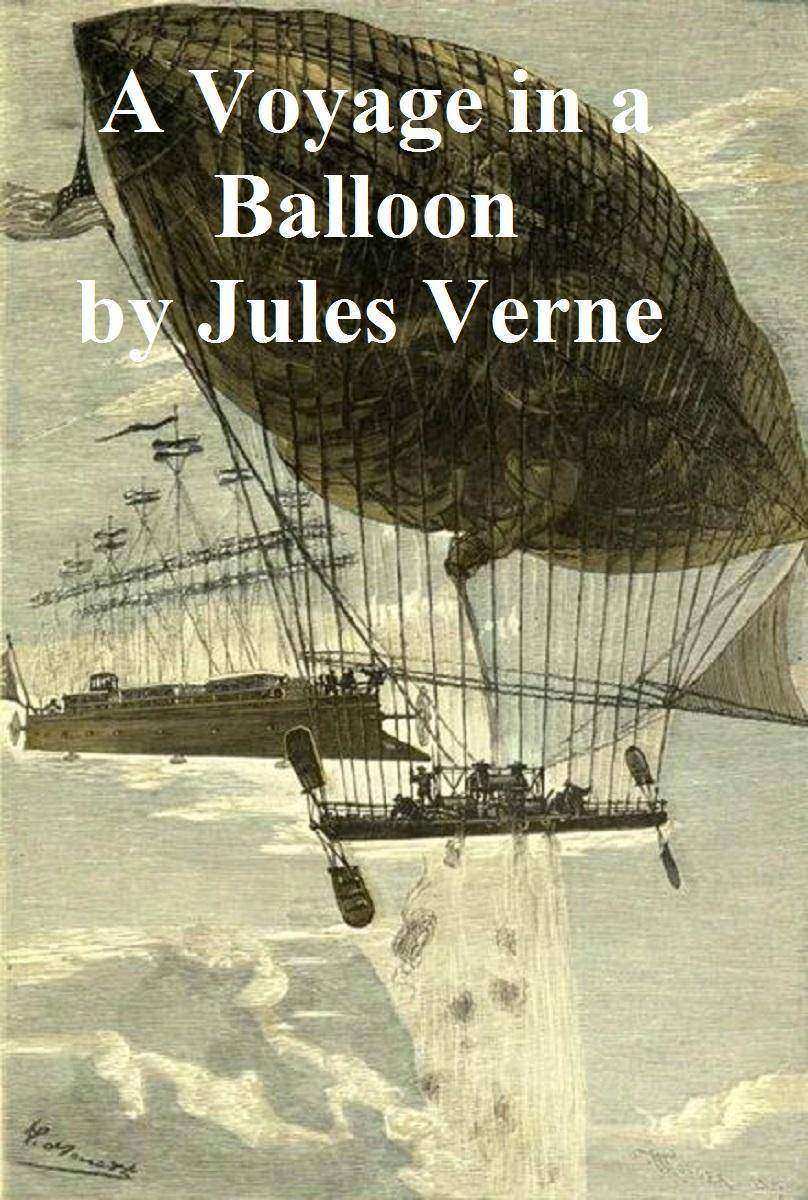
A Voyage in a Balloon
¥8.09
Classic short storyl. According to Wikipedia: "Jules Gabriel Verne (February 8, 1828-March 24, 1905) was a French author who pioneered the science-fiction genre. He is best known for novels such as Journey to the Center of the Earth (1864), Twenty Thousand Leagues under the Sea (1870), and Around the World in Eighty Days (1873). Verne wrote about space, air, and underwater travel before air travel and practical submarines were invented, and before practical means of space travel had been devised. He is the third most translated author in the world, according to Index Translationum. Some of his books have been made into films. Verne, along with H. G. Wells, is often popularly referred to as the "Father of Science Fiction"

Uncle Remus and Brer Rabbit
¥8.09
Illustrated with 67 color drawings. First published in 1906. According to Wikipedia: "Joel Chandler Harris (December 9, 1845 – July 3, 1908) was an American journalist, fiction writer, and folklorist best known for his collection of Uncle Remus stories. Harris was born in Eatonton, Georgia, where he served as an apprentice on a plantation during his teenage years. He spent the majority of his adult life in Atlanta working as an associate editor at the Atlanta Constitution. Harris led two significant professional lives. Editor and journalist Joe Harris ushered in the New South alongside Henry W. Grady, stressing regional and racial reconciliation during and after the Reconstruction era. Joel Chandler Harris, fiction writer and folklorist, recorded many Brer Rabbit stories from the African-American oral tradition and revolutionized children's literature in the process."
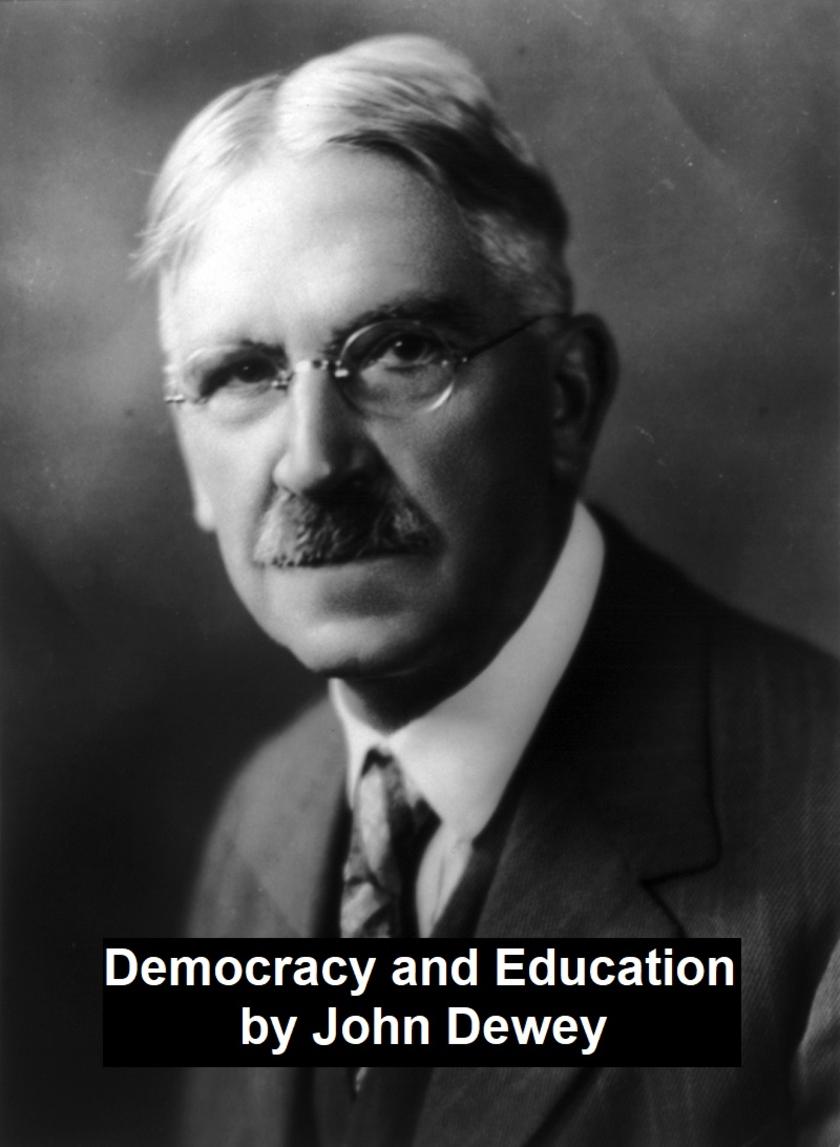
Democracy and Education
¥8.09
According to Wikipedia: "John Dewey (October 20, 1859 – June 1, 1952) was an American philosopher, psychologist, and educational reformer whose thoughts and ideas have been greatly influential in the United States and around the world. Dewey, along with Charles Sanders Peirce and William James, is recognized as one of the founders of the philosophical school of pragmatism. He is also one of the founders of functional psychology and was a leading representative of the progressive movement in U.S. schooling during the first half of the 20th century."

Autobiography of John Stuard Mill
¥8.09
According to Wikipedia: "John Stuart Mill (20 May 1806 – 8 May 1873), English philosopher, political theorist, political economist, civil servant and Member of Parliament, was an influential British Classical liberal thinker of the 19th century whose works on liberty justified freedom of the individual in opposition to unlimited state control. He was a proponent of utilitarianism, an ethical theory developed by Jeremy Bentham, although his conception of it was very different from Bentham's. Hoping to remedy the problems found in an inductive approach to science, such as confirmation bias, he clearly set forth the premises of falsification as the key component in the scientific method."
The Works of Jonathan Edwards
¥8.09
The complete works. A massive tome. According to Wikipedia: "Jonathan Edwards (October 5, 1703 – March 22, 1758) was a colonial American Congregational preacher, theologian, and missionary to Native Americans. Edwards "is widely acknowledged to be America's most important and original philosophical theologian". His work is very broad in scope, but he is often associated with his defense of Calvinist theology, the metaphysics of theological determinism, and the Puritan heritage. His famous sermon "Sinners in the Hands of an Angry God," emphasized the just wrath of God against sin and contrasted it with the provision of God for salvation; the intensity of his preaching sometimes resulted in members of the audience fainting, swooning, and other more obtrusive reactions. The swooning and other behaviors in his audience caught him up in a controversy over "bodily effects" of the Holy Spirit's presence."
The Journal to Stella
¥8.09
According to Wikipedia: "Jonathan Swift (30 November 1667 – 19 October 1745) was an Anglo-Irish satirist, essayist, political pamphleteer (first for the Whigs, then for the Tories), poet and cleric who became Dean of St. Patrick's Cathedral, Dublin. He is remembered for works such as Gulliver's Travels, A Modest Proposal, A Journal to Stella, Drapier's Letters, The Battle of the Books, An Argument Against Abolishing Christianity, and A Tale of a Tub. Swift is probably the foremost prose satirist in the English language, and is less well known for his poetry. Swift originally published all of his works under pseudonyms—such as Lemuel Gulliver, Isaac Bickerstaff, M.B. Drapier—or anonymously. He is also known for being a master of two styles of satire: the Horatian and Juvenalian styles."

Three Sermons and Prayers
¥8.09
According to Wikipedia: "Jonathan Swift (30 November 1667 – 19 October 1745) was an Anglo-Irish satirist, essayist, political pamphleteer (first for the Whigs, then for the Tories), poet and cleric who became Dean of St. Patrick's Cathedral, Dublin. He is remembered for works such as Gulliver's Travels, A Modest Proposal, A Journal to Stella, Drapier's Letters, The Battle of the Books, An Argument Against Abolishing Christianity, and A Tale of a Tub. Swift is probably the foremost prose satirist in the English language, and is less well known for his poetry. Swift originally published all of his works under pseudonyms—such as Lemuel Gulliver, Isaac Bickerstaff, M.B. Drapier—or anonymously. He is also known for being a master of two styles of satire: the Horatian and Juvenalian styles."

The Bobbsey Twins at Home
¥8.09
According to Wikipedia: "Laura Lee Hope is a pseudonym used by the Stratemeyer Syndicate for the Bobbsey Twins and several other series of children's novels. Actual writers taking up the pen of Laura Lee Hope include Edward Stratemeyer, Howard and Lilian Garis, Elizabeth Ward, Harriet (Stratemeyer) Adams, and Nancy Axelrad. Laura Lee Hope was first used as a pseudonym in 1904 for the debut of the Bobbsey Twins. Series: The Bobbsey Twins (1904-), The Outdoor Girls (23 vols. 1913-1933), The Moving Picture Girls (7 vols. 1914-1916), Bunny Brown (20 vols. 1916-1931), Six Little Bunkers (14 vols. 1918-1930), Make Believe Stories (12 vols. c. 1920-1923), Blythe Girls (12 vols. 1925-1932)."
The Bobbsey Twins at the County Fair
¥8.09
According to Wikipedia: "Laura Lee Hope is a pseudonym used by the Stratemeyer Syndicate for the Bobbsey Twins and several other series of children's novels. Actual writers taking up the pen of Laura Lee Hope include Edward Stratemeyer, Howard and Lilian Garis, Elizabeth Ward, Harriet (Stratemeyer) Adams, and Nancy Axelrad. Laura Lee Hope was first used as a pseudonym in 1904 for the debut of the Bobbsey Twins. Series: The Bobbsey Twins (1904-), The Outdoor Girls (23 vols. 1913-1933), The Moving Picture Girls (7 vols. 1914-1916), Bunny Brown (20 vols. 1916-1931), Six Little Bunkers (14 vols. 1918-1930), Make Believe Stories (12 vols. c. 1920-1923), Blythe Girls (12 vols. 1925-1932)."
Salvation
¥8.09
According to Wikipedia: "Lewis Sperry Chafer (February 27, 1871 – August 22, 1952) was the founder and first president of Dallas Theological Seminary, and an influential founding member of modern Christian Dispensationalism.
The Heptameron, Volume 2
¥8.09
With 29 illustrations. According to Wikipedia: "The Heptameron is a collection of 72 short stories written in French by Marguerite of Navarre (1492-1549), published posthumously in 1558. It has the form of a frame narrative and was inspired by The Decameron of Giovanni Boccaccio. It was originally intended to contain one hundred stories covering ten days just as The Decameron does, but at Marguerite’s death it was only completed as far as the second story of the eighth day. Many of the stories deal with love, lust, infidelity and other romantic and sexual matters. One was based on the life of Marguerite de La Rocque, a French noblewoman abandoned, as punishment, with her lover on an island off Quebec... Marguerite de Navarre (French: Marguerite d'Angoulême) (April 11, 1492 – December 21, 1549), also known as Marguerite of Angouleme and Margaret of Navarre, was the queen consort of King Henry II of Navarre. As patron of humanists and reformers, and as an author in her own right, she was an outstanding figure of the French Renaissance. Samuel Putnam called her "The First Modern Woman"."
The Heptameron, Volume 3
¥8.09
With 37 illustrations. According to Wikipedia: "The Heptameron is a collection of 72 short stories written in French by Marguerite of Navarre (1492-1549), published posthumously in 1558. It has the form of a frame narrative and was inspired by The Decameron of Giovanni Boccaccio. It was originally intended to contain one hundred stories covering ten days just as The Decameron does, but at Marguerite’s death it was only completed as far as the second story of the eighth day. Many of the stories deal with love, lust, infidelity and other romantic and sexual matters. One was based on the life of Marguerite de La Rocque, a French noblewoman abandoned, as punishment, with her lover on an island off Quebec... Marguerite de Navarre (French: Marguerite d'Angoulême) (April 11, 1492 – December 21, 1549), also known as Marguerite of Angouleme and Margaret of Navarre, was the queen consort of King Henry II of Navarre. As patron of humanists and reformers, and as an author in her own right, she was an outstanding figure of the French Renaissance. Samuel Putnam called her "The First Modern Woman"."
No and Yes
¥8.09
According to Wikipedia: "Mary Baker Eddy (born Mary Morse Baker July 16, 1821 – December 3, 1910) was the founder of the Christian Science movement. Deeply religious, she advocated Christian Science as a spiritual practical solution to health and moral issues. She wrote Science and Health with Key to the Scriptures, founded The First Church of Christ, Scientist of Boston in 1879, and several periodicals including The Christian Science Monitor. She took the name Mary Baker Glover from her first marriage and was also known as Mary Baker Glover Eddy or Mary Baker G. Eddy from her third marriage. She did much spiritual teaching, lecturing, and instantaneous healing. Her influence continues to grow through her writings."
The Amazing Interlude
¥8.09
According to Wikipedia: "Mary Roberts Rinehart (August 12, 1876-September 22, 1958) was a prolific author often called the American Agatha Christie.[1] She is considered the source of the phrase "The butler did it", although she did not actually use the phrase herself, and also considered to have invented the "Had-I-But-Known" school of mystery writing.... Rinehart wrote hundreds of short stories, poems, travelogues and special articles. Many of her books and plays, such as The Bat (1920) were adapted for movies, such as The Bat (1926), The Bat Whispers (1930), and The Bat (1959). While many of her books were best-sellers, critics were most appreciative of her murder mysteries. Rinehart, in The Circular Staircase (1908), is credited with inventing the "Had-I-But-Known" school of mystery writing. The Circular Staircase is a novel in which "a middle-aged spinster is persuaded by her niece and nephew to rent a country house for the summer. The house they choose belonged to a bank defaulter who had hidden stolen securities in the walls. The gentle, peace-loving trio is plunged into a series of crimes solved with the help of the aunt. This novel is credited with being the first in the "Had-I-But-Known" school."[3] The Had-I-But-Known mystery novel is one where the principal character (frequently female) does less than sensible things in connection with a crime which have the effect of prolonging the action of the novel. Ogden Nash parodied the school in his poem Don't Guess Let Me Tell You: "Sometimes the Had I But Known then what I know now I could have saved at least three lives by revealing to the Inspector the conversation I heard through that fortuitous hole in the floor." The phrase "The butler did it", which has become a cliché, came from Rinehart's novel The Door, in which the butler actually did do it, although that exact phrase does not actually appear in the work."

The Case of Jennie Brice
¥8.09
According to Wikipedia: "Mary Roberts Rinehart (August 12, 1876-September 22, 1958) was a prolific author often called the American Agatha Christie.[1] She is considered the source of the phrase "The butler did it", although she did not actually use the phrase herself, and also considered to have invented the "Had-I-But-Known" school of mystery writing.... Rinehart wrote hundreds of short stories, poems, travelogues and special articles. Many of her books and plays, such as The Bat (1920) were adapted for movies, such as The Bat (1926), The Bat Whispers (1930), and The Bat (1959). While many of her books were best-sellers, critics were most appreciative of her murder mysteries. Rinehart, in The Circular Staircase (1908), is credited with inventing the "Had-I-But-Known" school of mystery writing. The Circular Staircase is a novel in which "a middle-aged spinster is persuaded by her niece and nephew to rent a country house for the summer. The house they choose belonged to a bank defaulter who had hidden stolen securities in the walls. The gentle, peace-loving trio is plunged into a series of crimes solved with the help of the aunt. This novel is credited with being the first in the "Had-I-But-Known" school."[3] The Had-I-But-Known mystery novel is one where the principal character (frequently female) does less than sensible things in connection with a crime which have the effect of prolonging the action of the novel. Ogden Nash parodied the school in his poem Don't Guess Let Me Tell You: "Sometimes the Had I But Known then what I know now I could have saved at least three lives by revealing to the Inspector the conversation I heard through that fortuitous hole in the floor." The phrase "The butler did it", which has become a cliché, came from Rinehart's novel The Door, in which the butler actually did do it, although that exact phrase does not actually appear in the work."
Long Live the King
¥8.09
According to Wikipedia: "Mary Roberts Rinehart (August 12, 1876-September 22, 1958) was a prolific author often called the American Agatha Christie.[1] She is considered the source of the phrase "The butler did it", although she did not actually use the phrase herself, and also considered to have invented the "Had-I-But-Known" school of mystery writing.... Rinehart wrote hundreds of short stories, poems, travelogues and special articles. Many of her books and plays, such as The Bat (1920) were adapted for movies, such as The Bat (1926), The Bat Whispers (1930), and The Bat (1959). While many of her books were best-sellers, critics were most appreciative of her murder mysteries. Rinehart, in The Circular Staircase (1908), is credited with inventing the "Had-I-But-Known" school of mystery writing. The Circular Staircase is a novel in which "a middle-aged spinster is persuaded by her niece and nephew to rent a country house for the summer. The house they choose belonged to a bank defaulter who had hidden stolen securities in the walls. The gentle, peace-loving trio is plunged into a series of crimes solved with the help of the aunt. This novel is credited with being the first in the "Had-I-But-Known" school."[3] The Had-I-But-Known mystery novel is one where the principal character (frequently female) does less than sensible things in connection with a crime which have the effect of prolonging the action of the novel. Ogden Nash parodied the school in his poem Don't Guess Let Me Tell You: "Sometimes the Had I But Known then what I know now I could have saved at least three lives by revealing to the Inspector the conversation I heard through that fortuitous hole in the floor." The phrase "The butler did it", which has become a cliché, came from Rinehart's novel The Door, in which the butler actually did do it, although that exact phrase does not actually appear in the work."

Tenting To-Night
¥8.09
A Chronicle of Sport and Adventure in Glacier Park and the Cascade Mountains. According to Wikipedia: "Mary Roberts Rinehart (August 12, 1876-September 22, 1958) was a prolific author often called the American Agatha Christie.[1] She is considered the source of the phrase "The butler did it", although she did not actually use the phrase herself, and also considered to have invented the "Had-I-But-Known" school of mystery writing.... Rinehart wrote hundreds of short stories, poems, travelogues and special articles. Many of her books and plays, such as The Bat (1920) were adapted for movies, such as The Bat (1926), The Bat Whispers (1930), and The Bat (1959). While many of her books were best-sellers, critics were most appreciative of her murder mysteries. Rinehart, in The Circular Staircase (1908), is credited with inventing the "Had-I-But-Known" school of mystery writing. The Circular Staircase is a novel in which "a middle-aged spinster is persuaded by her niece and nephew to rent a country house for the summer. The house they choose belonged to a bank defaulter who had hidden stolen securities in the walls. The gentle, peace-loving trio is plunged into a series of crimes solved with the help of the aunt. This novel is credited with being the first in the "Had-I-But-Known" school."[3] The Had-I-But-Known mystery novel is one where the principal character (frequently female) does less than sensible things in connection with a crime which have the effect of prolonging the action of the novel. Ogden Nash parodied the school in his poem Don't Guess Let Me Tell You: "Sometimes the Had I But Known then what I know now I could have saved at least three lives by revealing to the Inspector the conversation I heard through that fortuitous hole in the floor." The phrase "The butler did it", which has become a cliché, came from Rinehart's novel The Door, in which the butler actually did do it, although that exact phrase does not actually appear in the work."


