


 购物车
购物车 个人中心
个人中心

Under the Greenwood Tree
¥8.09
According to Wikipedia: "Thomas Hardy, (1840 – 1928) was an English author of the naturalist movement, though he regarded himself primarily as a poet and composed novels mainly for financial gain. The bulk of his work, set mainly in the semi-fictional land of Wessex, delineates characters struggling against their passions and circumstances. Hardy's poetry, first published in his 50s, has come to be as well regarded as his novels, especially after The Movement of the 1950s and 1960s."
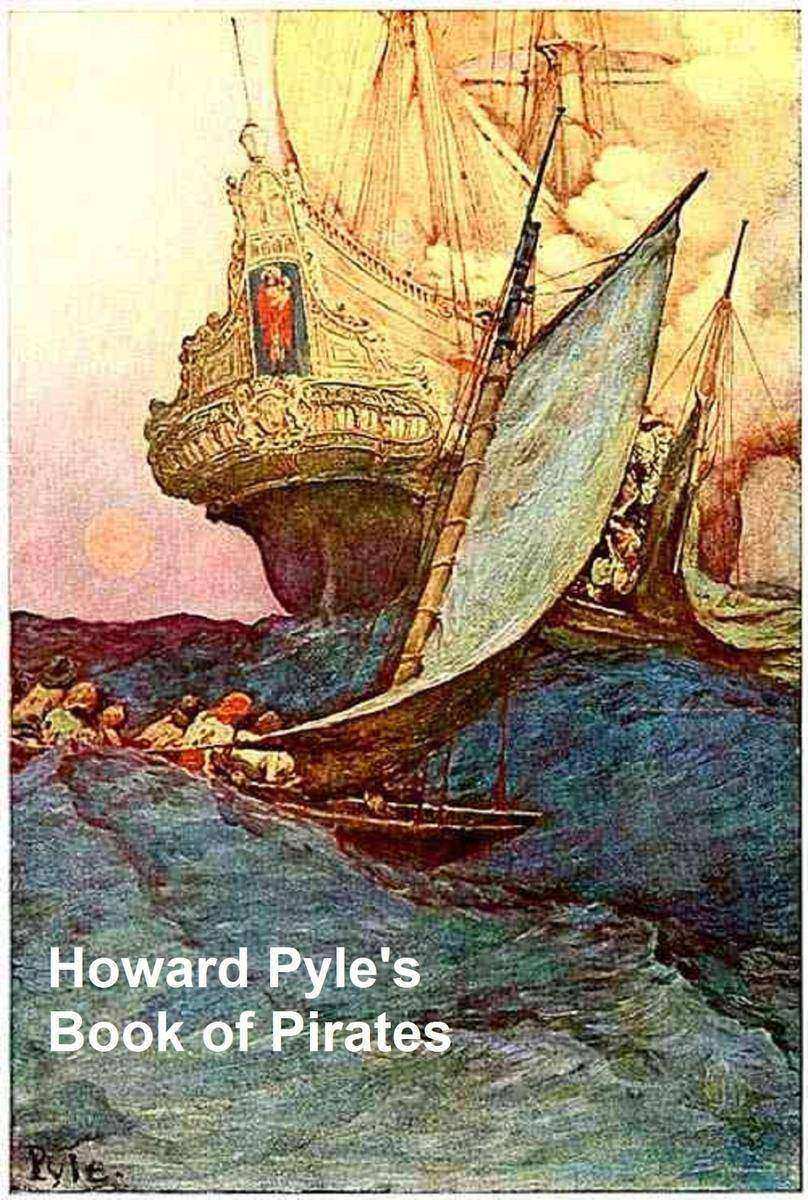
Book of Pirates
¥8.09
Fiction, fact and fancy concerning the bucaneers and marooners of the Spanish Main, from the writings of Howard Pyle. 56 illustrations, some color, some black-and-white. According to Wikipedia: "Howard Pyle (March 5, 1853 – November 9, 1911) was an American illustrator and author, primarily of books for young people... His 1883 classic publication The Merry Adventures of Robin Hood remains in print, and his other books, frequently with medieval European settings, include a four-volume set on King Arthur. He is also well known for his illustrations of pirates, and is credited with creating the now stereotypical modern image of pirate dress."
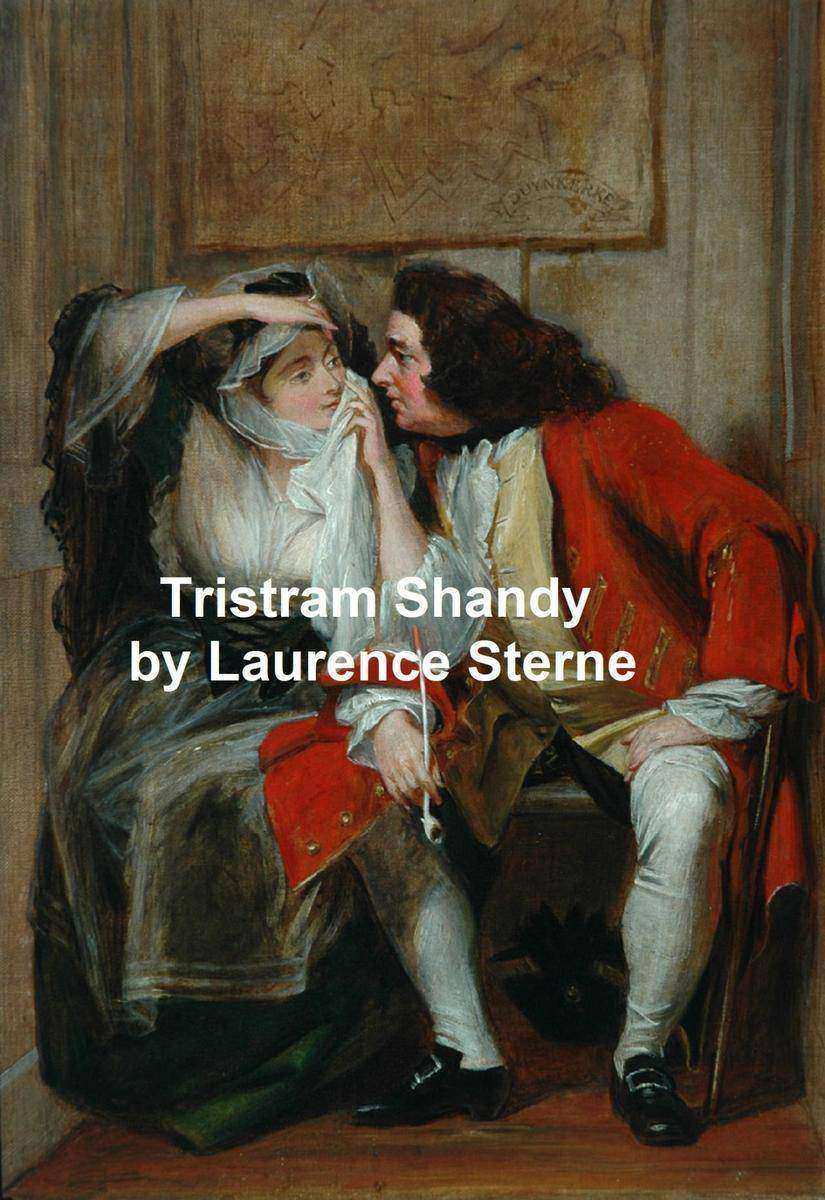
Tristram Shandy
¥8.09
According to Wikipedia: "It was published in nine volumes, the first two appearing in 1759, and seven others following over the next 10 years. It was not always held in high esteem by other writers (Samuel Johnson responded that, "Nothing odd can last"), but its bawdy humour was popular with London society, and it has come to be seen as one of the greatest comic novels in English, as well as a forerunner for many modern narrative devices."
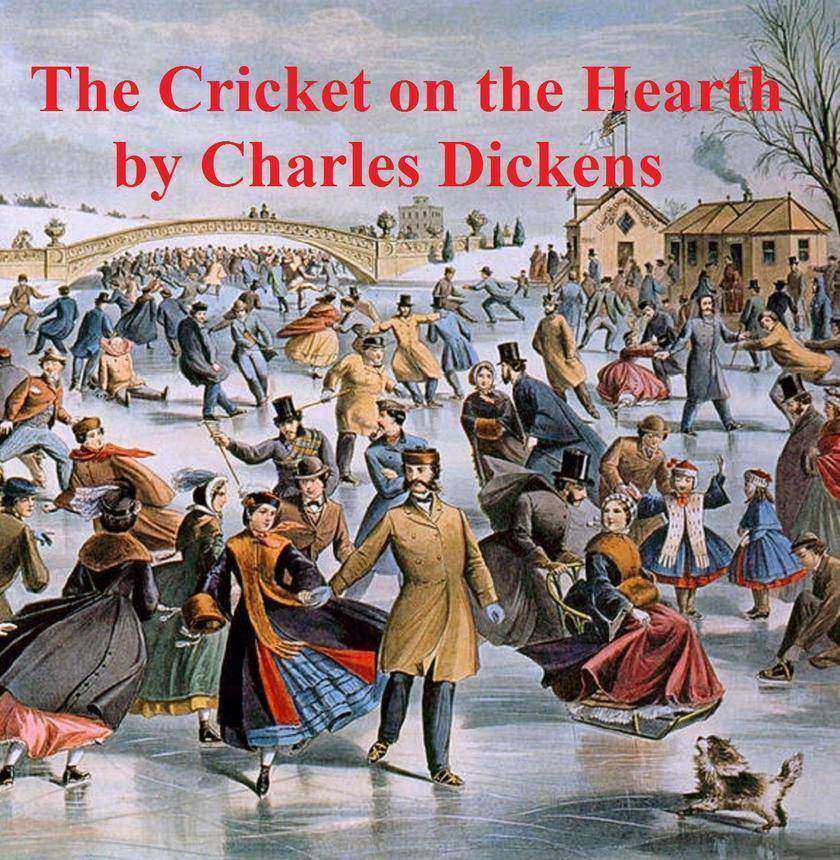
The Cricket on the Hearth, a short novel
¥8.09
Classic short novel. According to Wikipedia: "Charles John Huffam Dickens, (1812 - 1870), pen-name "Boz", was the foremost English novelist of the Victorian era, as well as a vigorous social campaigner. Considered one of the English language's greatest writers, he was acclaimed for his rich storytelling and memorable characters, and achieved massive worldwide popularity in his lifetime. Later critics, beginning with George Gissing and G. K. Chesterton, championed his mastery of prose, his endless invention of unique, clever personalities and his powerful social sensibilities, but fellow writers such as George Henry Lewes, Henry James and Virginia Woolf fault his work for sentimentality, implausible occurrence and grotesque characters. The popularity of Dickens' novels and short stories has meant that not one has ever gone out of print. Dickens wrote serialised novels, the usual format for fiction at the time, and each new part of his stories was eagerly anticipated by the reading public."
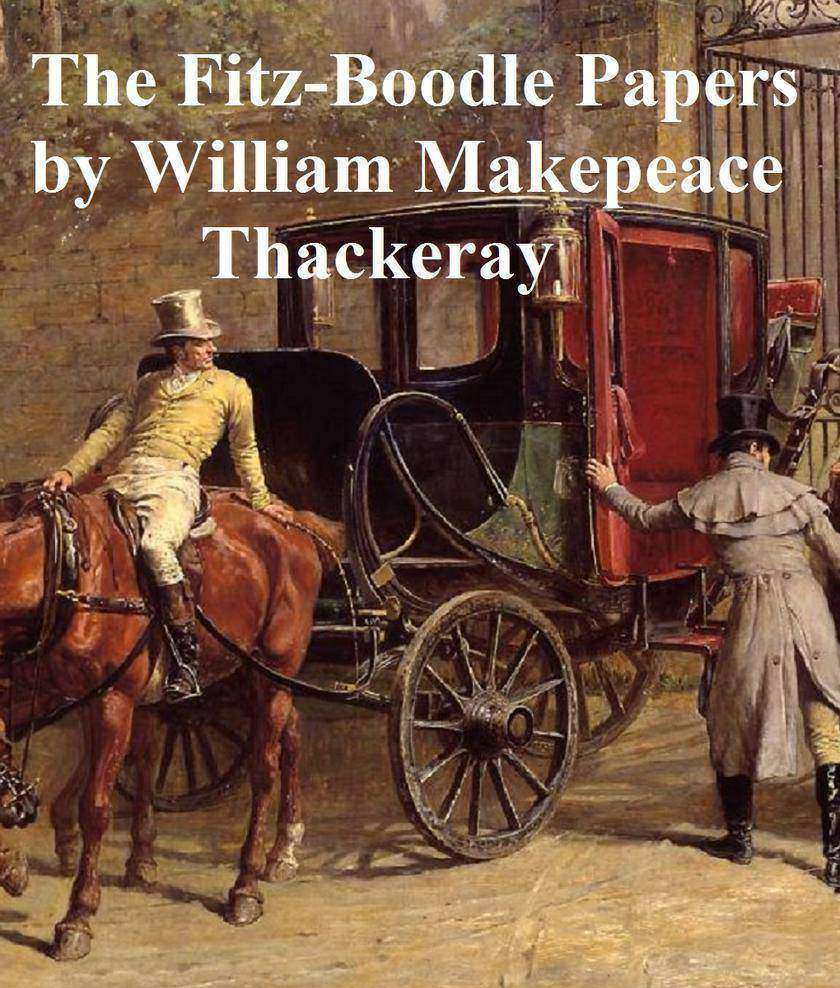
The Fitz-Boodle Papers
¥8.09
Classic short novel. According to Wikipedia: "Thackeray is most often compared to one other great novelist of Victorian literature, Charles Dickens. During the Victorian era, he was ranked second only to Dickens, but he is now much less read and is known almost exclusively for Vanity Fair. In that novel he was able to satirize whole swaths of humanity while retaining a light touch. It also features his most memorable character, the engagingly roguish Becky Sharp. As a result, unlike Thackeray's other novels, it remains popular with the general reading public; it is a standard fixture in university courses and has been repeatedly adapted for movies and television. In Thackeray's own day, some commentators, such as Anthony Trollope, ranked his History of Henry Esmond as his greatest work, perhaps because it expressed Victorian values of duty and earnestness, as did some of his other later novels. It is perhaps for this reason that they have not survived as well as Vanity Fair, which satirizes those values."

Texan Series
¥8.09
This book-collection file includes: The Texan Star (1912) and The Texan Scouts (1913). The original publisher described the series: "Three stories telling of the Texan struggle for independence and the events culminating in the capture of the erratic Santa Anna. The Texan Star: Ned Fulton, the hero, is a prisoner in the city of Mexico. He makes an exciting escape and sees the capture of San Antonio. The Texan Scouts: Ned Fulton and his friends are right in the midst of exciting events that keep the reader continually on edge. The battle of the Alamo is the climax of the story." According to Wikipedia, "Joseph Alexander Altsheler (April 29, 1862 - June 5, 1919), was an American author of popular juvenile historical fiction."

On Christmas Day in the Morning and in the Evening
¥8.09
Two classic short stories about Christmas. According to Wikipedia: "Grace S. Richmond (died 1959) was an American writer. She wrote the "Red Pepper Burns" series of popular novels."
Racketty-Packetty House, As Told by Queen Crosspatch
¥8.09
Classic short story for children. According to Wikipedia: "Frances Hodgson Burnett, ( 1849 - 1924) was an English–American playwright and author. She is best known for her children's stories, in particular The Secret Garden, A Little Princess, and Little Lord Fauntleroy. Born Frances Eliza Hodgson in Cheetham Hill, Manchester, her father died in 1854, and the family had to endure poverty and squalor in the Victorian slums of Manchester. Following the death of her mother in 1867, an 18-year-old Frances was now the head of a family of four younger siblings. She turned to writing to support them all, with a first story published in Godey's Lady's Book in 1868. Soon after she was being published regularly in Godey's, Scribner's Monthly, Peterson's Ladies' Magazine and Harper's Bazaar. Her main writing talent was combining realistic detail of working-class life with a romantic plot. Her first novel was published in 1877; That Lass o' Lowrie's was a story of Lancashire life. After moving with her husband to Washington, D.C., Burnett wrote the novels Haworth's (1879), Louisiana (1880), A Fair Barbarian (1881), and Through One Administration (1883), as well as a play, Esmeralda (1881), written with William Gillette...Her later works include Sara Crewe (1888) - later rewritten as A Little Princess (1905); The Lady of Quality (1896) - considered one of the best of her plays; and The Secret Garden (1909), the children's novel for which she is probably best known today. The Lost Prince was published in 1915..."
A Village Stradivarius
¥8.09
Classic short story for children. According to Wikipedia: "Kate Douglas Wiggin ( 1856 - 1923) was an American children's author and educator. Kate Douglas Smith Wiggin was born in Philadelphia, and was of Welsh descent . She started the first free kindergarten in San Francisco in 1878 (the Silver Street Free Kindergarten). With her sister in the 1880s she also established a training school for kindergarten teachers. She was also a writer of children's books, the best known being The Birds' Christmas Carol (1887) and Rebecca of Sunnybrook Farm (1903)."
An Inland Voyage
¥8.09
Classic travelogue/memoir. According to Wikipedia: "Robert Louis (Balfour) Stevenson ( 1850 - 1894), was a Scottish novelist, poet, and travel writer, and a leading representative of Neo-romanticism in English literature. He was the man who "seemed to pick the right word up on the point of his pen, like a man playing spillikins", as G. K. Chesterton put it. He was also greatly admired by many authors, including Jorge Luis Borges, Ernest Hemingway, Rudyard Kipling, Vladimir Nabokov, and J. M. Barrie. Most modernist writers dismissed him, however, because he was popular and did not write within their definition of modernism. It is only recently that critics have begun to look beyond Stevenson's popularity and allow him a place in the canon."
The Lady With the Dog and Other Stories
¥8.09
This collection includes: THE LADY WITH THE DOG, A DOCTOR'S VISIT, AN UPHEAVAL, IONITCH, THE HEAD OF THE FAMILY, THE BLACK MONK, VOLODYA, AN ANONYMOUS STORY, and THE HUSBAND. According to Wikipedia: "Anton Pavlovich Chekhov (1860 – 1904) was a Russian short-story writer, playwright and physician, considered to be one of the greatest short-story writers in world literature. His career as a dramatist produced four classics and his best short stories are held in high esteem by writers and critics Chekhov practised as a doctor throughout most of his literary career: "Medicine is my lawful wife," he once said, "and literature is my mistress." Chekhov renounced the theatre after the disastrous reception of The Seagull in 1896; but the play was revived to acclaim in 1898 by Constantin Stanislavski's Moscow Art Theatre, which subsequently also produced Uncle Vanya and premiered Chekhov’s last two plays, Three Sisters and The Cherry Orchard. These four works present a special challenge to the acting ensemble as well as to audiences, because in place of conventional action Chekhov offers a "theatre of mood" and a "submerged life in the text." Chekhov had at first written stories only for the money, but as his artistic ambition grew, he made formal innovations which have influenced the evolution of the modern short story. His originality consists in an early use of the stream-of-consciousness technique, later adopted by James Joyce and other modernists, combined with a disavowal of the moral finality of traditional story structure He made no apologies for the difficulties this posed to readers, insisting that the role of an artist was to ask questions, not to answer them."
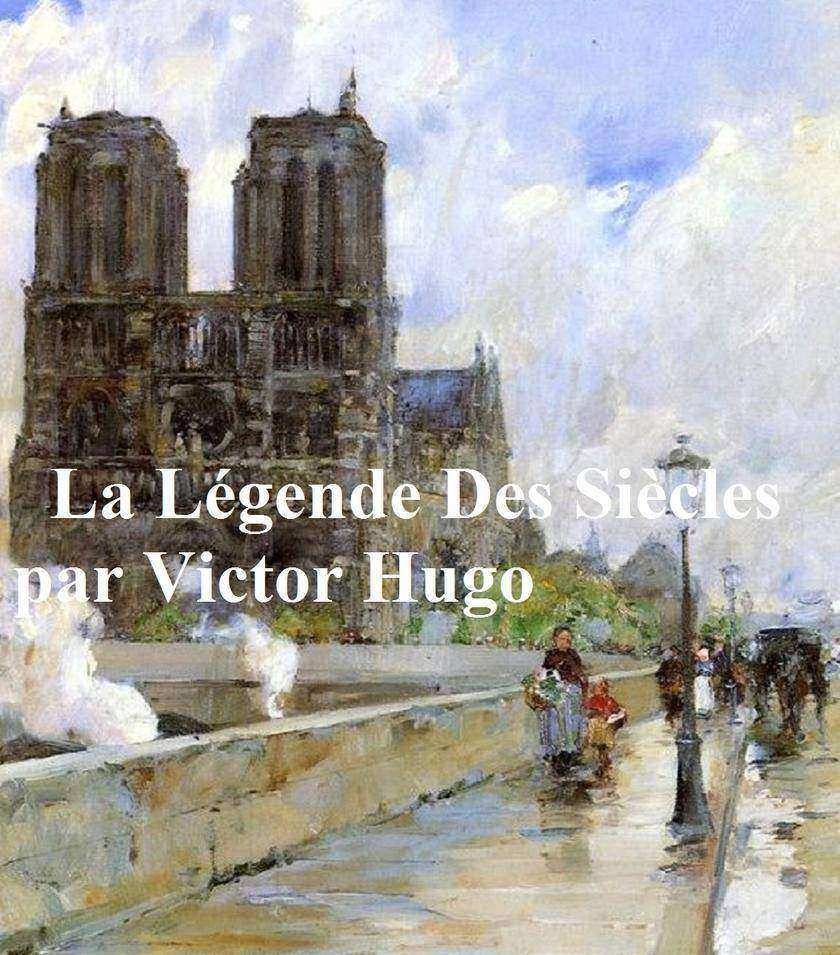
La Legende des Siecles
¥8.09
Poème de livre classique, publié à l'origine en 1859. Le poème est en fran?ais; la préface est en anglais. Selon Wikipédia: ?La Légende des siècles est un recueil de poèmes de Victor Hugo, con?u comme une immense représentation de l'histoire et de l'évolution de l'humanité, écrite par intermittence entre 1855 et 1876, tandis que Victor Hugo exilé travaillait sur de nombreux autres projets. Des poèmes ont été publiés en trois séries en 1859, 1877 et 1883. Témoin d'un talent poétique inégalé dans lequel tout l'art de Hugo est évident, la Légende des Siècles est souvent considérée comme la seule véritable épopée fran?aise et, selon la formulation de Baudelaire, la seule ?popée moderne possible Le poète rêveur contemple le ?mur des siècles?, indistinct et terrible, sur lequel sont dessinées des scènes du passé, du présent et du futur, et où l'on peut voir toute la longue procession de l'humanité. de ces scènes, fugitivement per?u et entrecoupé de visions terrifiantes.Hugo ne cherchait ni l'exactitude historique ni l'exhaustivité, il se concentrait plut?t sur des figures obscures, habituelles ses propres inventions, qui incarnaient et symbolisaient leurs époques. En se proclamant dans la préface de la première série, ?c'est de l'histoire, espionnée à la porte de la légende?. Les poèmes, tour à tour lyriques, épiques et satiriques, forment une vision de l'expérience humaine, cherchant moins à résumer qu'à illustrer l'histoire de l'humanité, et à témoigner de son long voyage des ténèbres à la lumière. Wikipedia: "Victor-Marie Hugo (26 février 1802 - 22 mai 1885) était un poète, dramaturge, romancier, essayiste, artiste visuel, homme d'?tat, activiste des droits de l'homme et représentant du mouvement romantique en France. En France, la renommée littéraire de Hugo vient d'abord de sa poésie, mais repose aussi sur ses romans et ses réalisations dramatiques. "
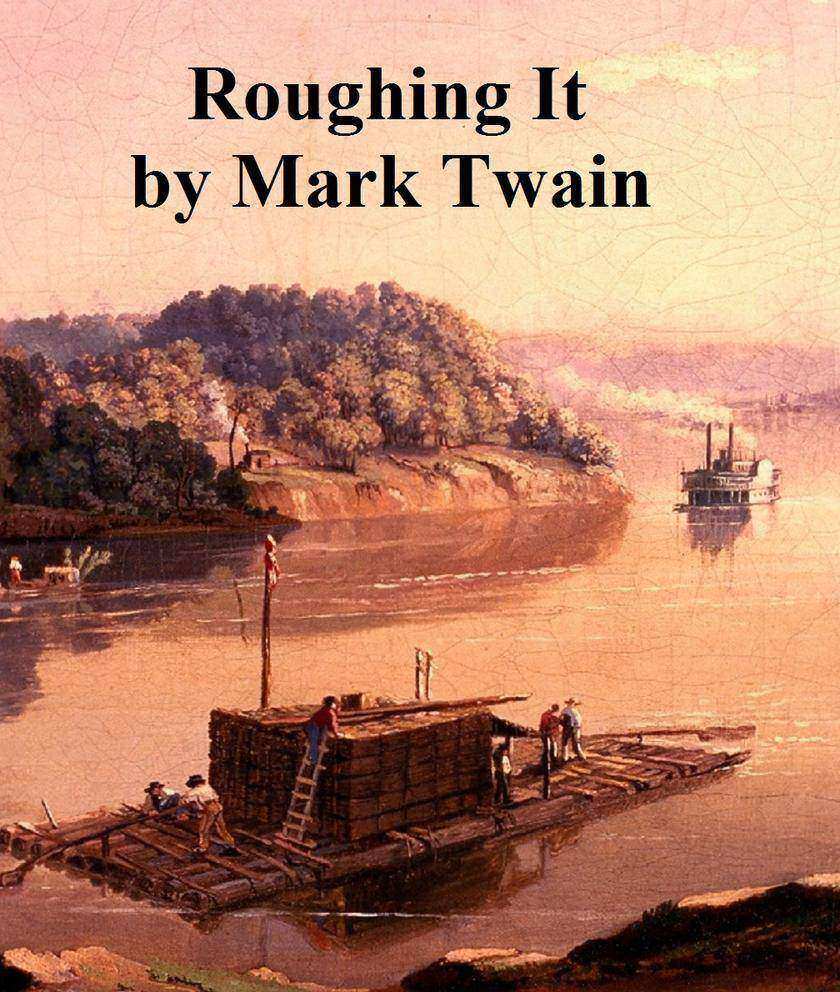
Roughing It
¥8.09
Humorous travelogue of trip to the "wild west". According to Wikipedia: "Samuel Langhorne Clemens (1835 – 1910), better known by the pen name Mark Twain, was an American author and humorist. Twain is most noted for his novels Adventures of Huckleberry Finn, which has since been called the Great American Novel and The Adventures of Tom Sawyer. He is extensively quoted. During his lifetime, Twain became a friend to presidents, artists, industrialists and European royalty. Twain enjoyed immense public popularity, and his keen wit and incisive satire earned him praise from both critics and peers. American author William Faulkner called Twain "the father of American literature."
Rainbow Valley
¥8.09
Classic children's novel by the author of Anne of Green Gables. According to Wikipedia: "Lucy Maud Montgomery, (always called "Maud" by family and friends) and publicly known as L. M. Montgomery, (1874-1942) was a Canadian author, best known for a series of novels beginning with Anne of Green Gables, published in 1908. Anne of Green Gables was an immediate success. The central character, Anne, an orphaned girl, made Montgomery famous in her lifetime and gave her an international following. The first novel was followed by a series of sequels with Anne as the central character. The novels became the basis for the highly acclaimed 1985 CBC television miniseries, Anne of Green Gables and several other television movies and programs, including Road to Avonlea, which ran in Canada and the U.S. from 1990-1996."
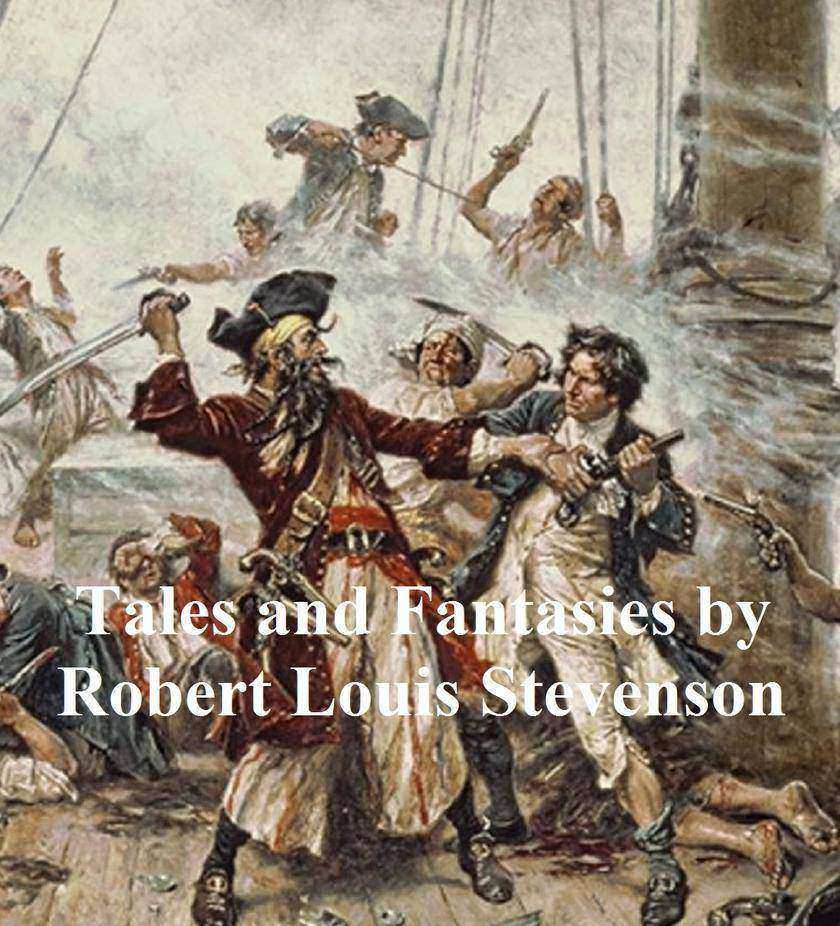
Tales and Fantasies
¥8.09
This collection includes: The Misadventures of John Nicholson, The Body-Snatcher, and The Story of a Lie. According to Wikipedia: "Robert Louis (Balfour) Stevenson ( 1850 - 1894), was a Scottish novelist, poet, and travel writer, and a leading representative of Neo-romanticism in English literature. He was the man who "seemed to pick the right word up on the point of his pen, like a man playing spillikins", as G. K. Chesterton put it. He was also greatly admired by many authors, including Jorge Luis Borges, Ernest Hemingway, Rudyard Kipling, Vladimir Nabokov, and J. M. Barrie. Most modernist writers dismissed him, however, because he was popular and did not write within their definition of modernism. It is only recently that critics have begun to look beyond Stevenson's popularity and allow him a place in the canon."
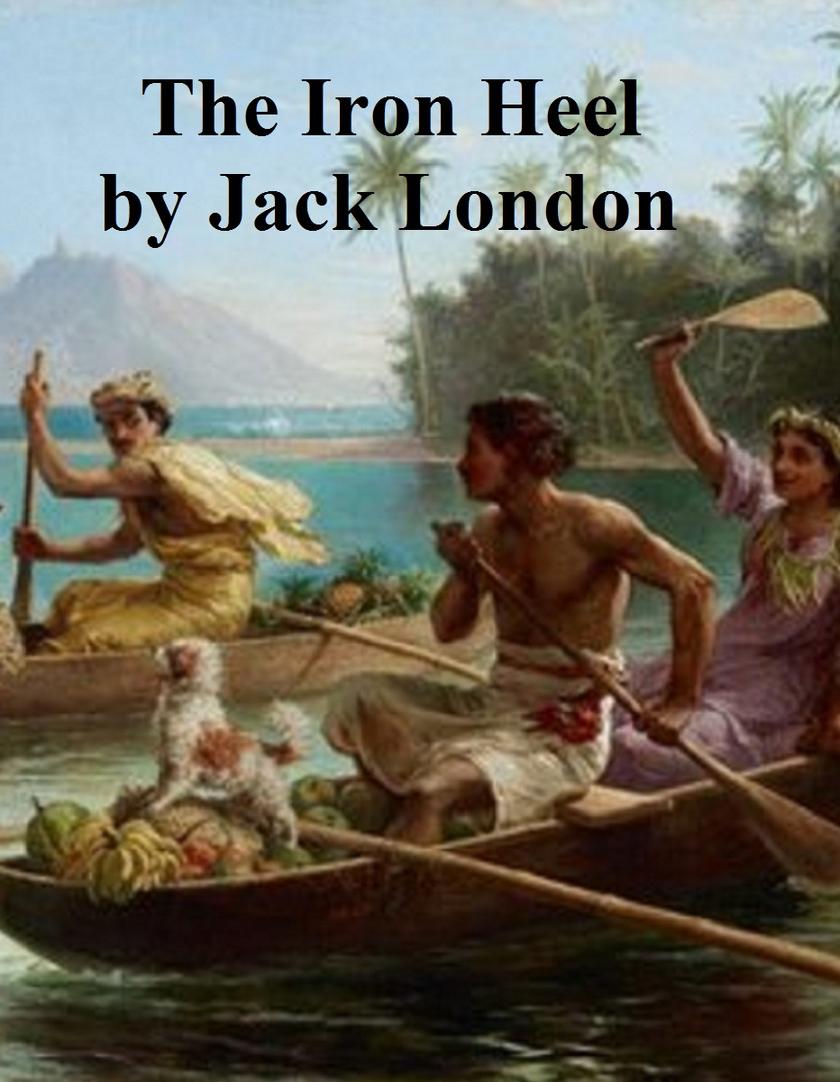
The Iron Heel
¥8.09
Jack London novel that envisions the future, (cf. Orwell's 1984). According to Wikipedia: "Jack London (1876 – 1916) was an American author who wrote The Call of the Wild, White Fang, and The Sea Wolf along with many other popular books. A pioneer in the then-burgeoning world of commercial magazine fiction, he was one of the first Americans to make a lucrative career exclusively from writing."
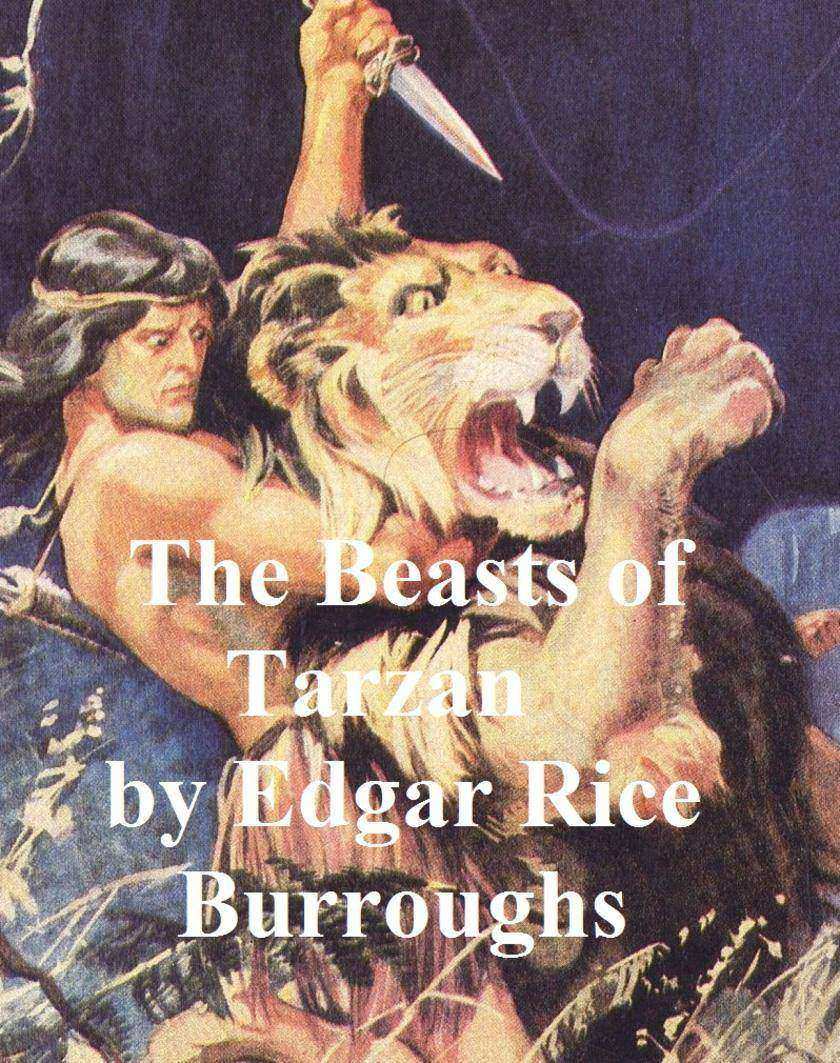
The Beasts of Tarzan
¥8.09
Jungle adventure, first published in 1914. According to Wikipedia: "Edgar Rice Burroughs (1875 – 1950) was an American author, best known for his creation of the jungle hero Tarzan and the heroic John Carter, although he produced works in many genres."
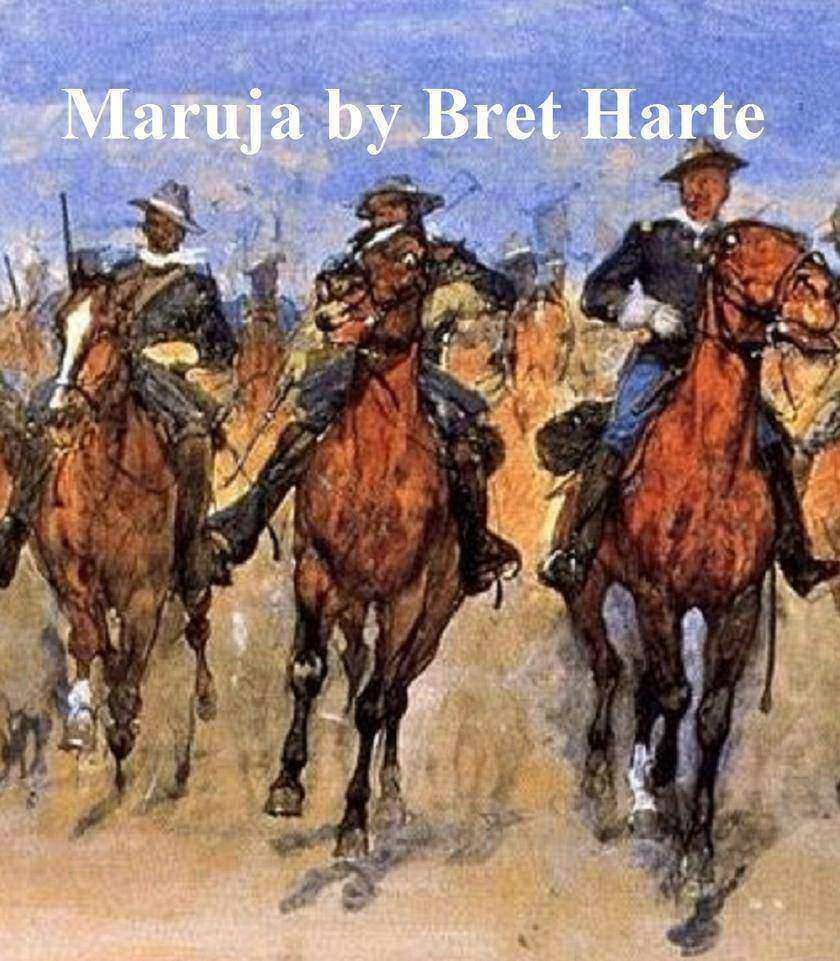
Maruja
¥8.09
Classic western novel. According to Wikipedia: "Bret Harte (August 25, 1836[2] – May 6, 1902) was an American author and poet, best remembered for his accounts of pioneering life in California. He was born in Albany, New York. ... He moved to California in 1853, later working there in a number of capacities, including miner, teacher, messenger, and journalist. He spent part of his life in the northern California coast town now known as Arcata, then just a mining camp on Humboldt Bay. His first literary efforts, including poetry and prose, appeared in The Californian, an early literary journal edited by Charles Henry Webb. In 1868 he became editor of The Overland Monthly, another new literary magazine, but this one more in tune with the pioneering spirit of excitement in California. His story, "The Luck of Roaring Camp," appeared in the magazine's second edition, propelling Harte to nationwide fame... Determined to pursue his literary career, in 1871 he and his family traveled back East, to New York and eventually to Boston, where he contracted with the publisher of The Atlantic Monthly for an annual salary of $10,000, "an unprecedented sum at the time." His popularity waned, however, and by the end of 1872 he was without a publishing contract and increasingly desperate. He spent the next few years struggling to publish new work (or republish old), delivering lectures about the gold rush, and even selling an advertising jingle to a soap company. In 1878 Harte was appointed to the position of United States Consul in the town of Krefeld, Germany and then to Glasgow in 1880. In 1885 he settled in London. During the thirty years he spent in Europe, he never abandoned writing, and maintained a prodigious output of stories that retained the freshness of his earlier work. He died in England in 1902 of throat cancer and is buried at Frimley."
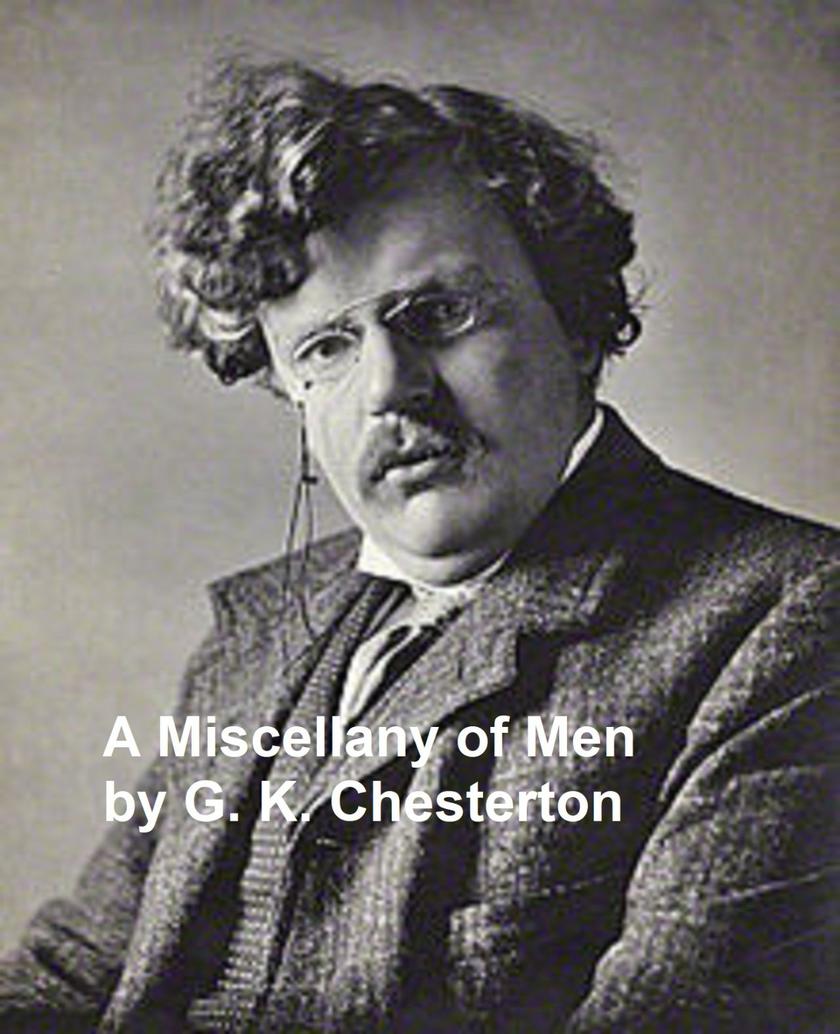
A Miscellany of Men
¥8.09
Classic collection of essays, including: THE SUFFRAGIST, THE POET AND THE CHEESE, THE THING, THE MAN WHO THINKS BACKWARDS, THE NAMELESS MAN, THE GARDENER AND THE GUINEA, THE VOTER AND THE TWO VOICES, THE MAD OFFICIAL, THE ENCHANTED MAN, THE SUN WORSHIPPER, THE WRONG INCENDIARY, THE FREE MAN, THE HYPOTHETICAL HOUSEHOLDER, THE PRIEST OF SPRING, THE REAL JOURNALIST, THE SENTIMENTAL SCOT, THE SECTARIAN OF SOCIETY, THE FOOL, THE CONSCRIPT AND THE CRISIS, THE MISER AND HIS FRIENDS, THE MYSTAGOGUE, THE RED REACTIONARY, THE SEPARATIST AND SACRED THINGS, THE MUMMER, THE ARISTOCRATIC 'ARRY, THE NEW THEOLOGIAN, THE ROMANTIC IN THE RAIN, THE FALSE PHOTOGRAPHER, THE SULTAN, THE ARCHITECT OF SPEARS, THE MAN ON TOP, THE OTHER KIND OF MAN, THE MEDIAEVAL VILLAIN, THE DIVINE DETECTIVE, THE ELF OF JAPAN, THE CHARTERED LIBERTINE, THE CONTENTED MAN, and THE ANGRY AUTHOR: HIS FAREWELL . According to Wikipedia: "Gilbert Keith Chesterton (29 May 1874 – 14 June 1936) was an influential English writer of the early 20th century. His prolific and diverse output included journalism, philosophy, poetry, biography, Christian apologetics, fantasy and detective fiction. Chesterton has been called the "prince of paradox." Time magazine, in a review of a biography of Chesterton, observed of his writing style: "Whenever possible Chesterton made his points with popular sayings, proverbs, allegories—first carefully turning them inside out."
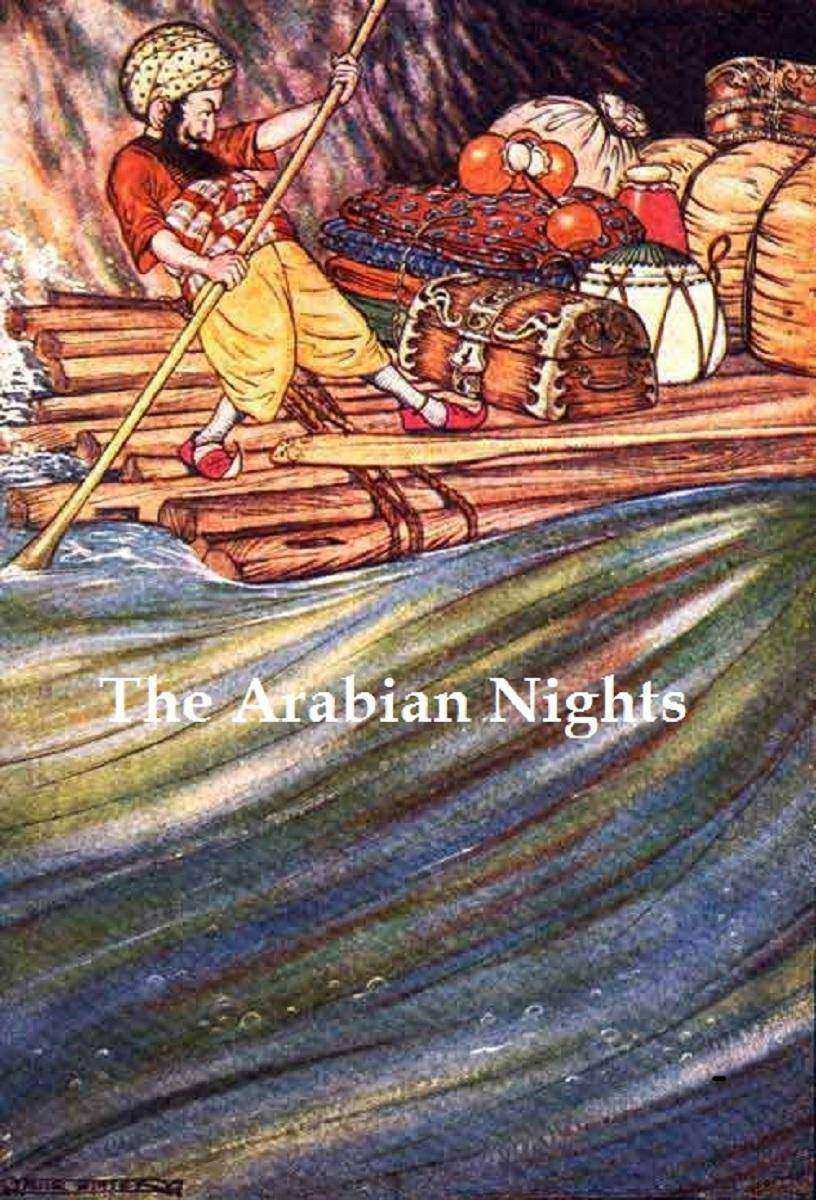
The Arabian Nights
¥8.09
Lang's retelling of the Arabian Nights stories, as a continuation of his classic collections of fairy tales. According to Wikipedia: "Andrew Lang (March 31, 1844, Selkirk - July 20, 1912, Banchory, Kincardineshire) was a prolific Scots man of letters. He was a poet, novelist, and literary critic, and contributor to anthropology. He now is best known as the collector of folk and fairy tales."
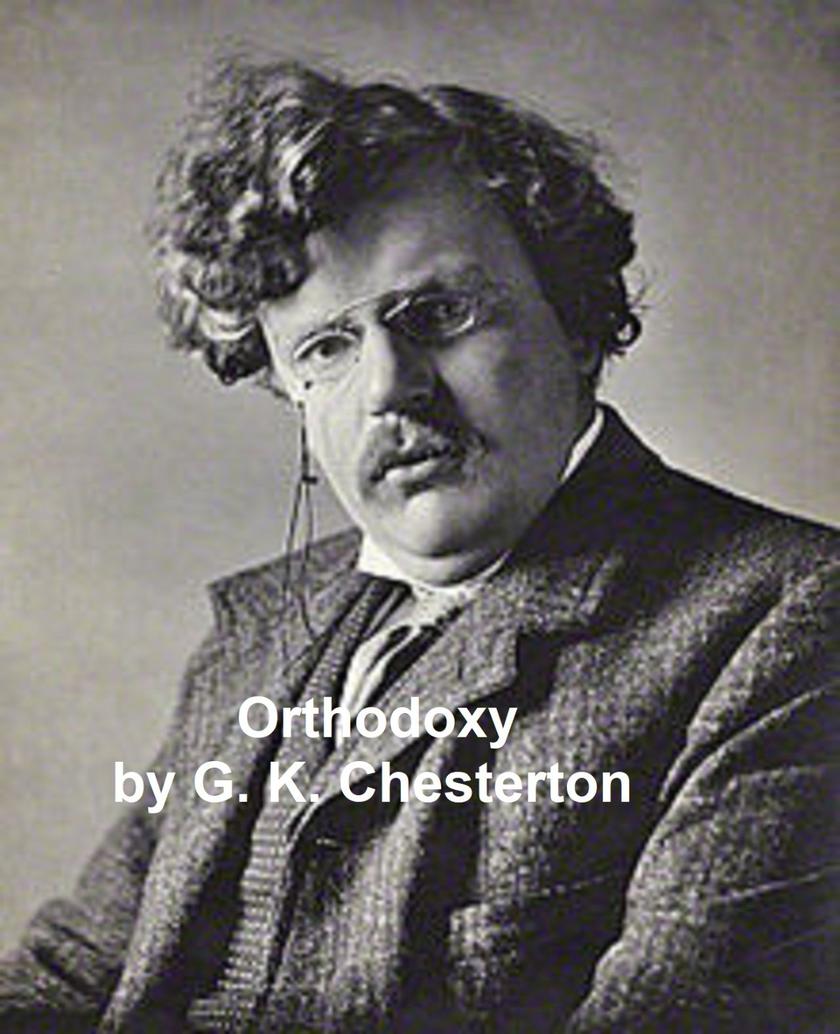
Orthodoxy
¥8.09
Classic collection of essays. The Preface begins: " This book is meant to be a companion to "Heretics," and to put the positive side in addition to the negative. Many critics complained of the book called "Heretics" because it merely criticised current philosophies without offering any alternative philosophy. This book is an attempt to answer the challenge. It is unavoidably affirmative and therefore unavoidably autobiographical. The writer has been driven back upon somewhat the same difficulty as that which beset Newman in writing his Apologia; he has been forced to be egotistical only in order to be sincere. While everything else may be different the motive in both cases is the same. It is the purpose of the writer to attempt an explanation, not of whether the Christian Faith can be believed, but of how he personally has come to believe it. The book is therefore arranged upon the positive principle of a riddle and its answer." According to Wikipedia: "Gilbert Keith Chesterton (29 May 1874 – 14 June 1936) was an influential English writer of the early 20th century. His prolific and diverse output included journalism, philosophy, poetry, biography, Christian apologetics, fantasy and detective fiction. Chesterton has been called the "prince of paradox." Time magazine, in a review of a biography of Chesterton, observed of his writing style: "Whenever possible Chesterton made his points with popular sayings, proverbs, allegories—first carefully turning them inside out."


