


 购物车
购物车 个人中心
个人中心

Prester John
¥8.09
According to Wikipedia, "Prester John is a 1910 adventure novel by John Buchan. It tells the story of a young Scotsman named David Crawfurd and his adventures in South Africa, where a Zulu uprising is tied to the medieval legend of Prester John. Crawfurd is similar in many ways to Buchan's later character, Richard Hannay. It contains the notable line: 'Perfect love casteth out fear, the Bible says; but, to speak it reverently, so does perfect hate.' John Buchan, 1st Baron Tweedsmuir (26 August 1875 – 11 February 1940) was a Scottish novelist and Unionist politician who served as Governor General of Canada. Buchan's 100 works include nearly thirty novels, seven collections of short stories and biographies of Sir Walter Scott, Caesar Augustus, and Oliver Cromwell. Buchan's most famous of his books were the spy thrillers (including) The 39 Steps (which was converted to a play as well as an Alfred Hitchcock movie starring Robert Donat as Richard Hannay, though with Buchan's story much altered.) The "last Buchan" (as Graham Greene entitled his appreciative review) was the 1941 novel Sick Heart River (American title: Mountain Meadow), in which a dying protagonist confronts in the Canadian wilderness the questions of the meaning of life. The insightful quotation "It's a great life, if you don't weaken" is famously attributed to Buchan, as is "No great cause is ever lost or won, The battle must always be renewed, And the creed must always be restated."

The Redheaded Outfield and Other Stories
¥8.09
First published in 1920, baseball short stories by Zane Grey (who at one point aspired to become a major league ball player). According to Wikipedia: "Zane Grey (1872 – 1939) was an American author best known for his popular adventure novels and stories that presented an idealized image of the rugged Old West. As of June 2007, the Internet Movie Database credits Grey with 110 films, one TV episode, and a series, Dick Powell's Zane Grey Theater based loosely on his novels and short stories."

A London Life, The Patagonia, The Liar, Mrs. Temperly
¥8.09
Four classic short stories by Henry James. According to Wikipedia: "Henry James, O.M. (April 15, 1843(1843-04-15) – February 28, 1916) was an American author. He is one of the key figures of 19th century literary realism; the fine art of his writing has led many academics to consider him the greatest master of the novel and novella form. The son of theologian Henry James Sr., brother of the philosopher and psychologist William James and diarist Alice James, he spent much of his life in England and became a British subject shortly before his death. He is primarily known for a series of major novels in which he portrayed the encounter of America with Europe. His plots centered on personal relationships, the proper exercise of power in such relationships, and other moral questions. His method of writing from the point of view of a character within a tale allowed him to explore the phenomena of consciousness and perception, and his style in later works has been compared to impressionist painting."

Glimpses of Unfamiliar Japan, Second Series
¥8.09
According to the Preface: "...the rare charm of Japanese life, so different from that of all other lands, is not to be found in its Europeanised circles. It is to be found among the great common people, who represent in Japan, as in all countries, the national virtues, and who still cling to their delightful old customs, their picturesque dresses, their Buddhist images, their household shrines, their beautiful and touching worship of ancestors. This is the life of which a foreign observer can never weary, if fortunate and sympathetic enough to enter into it--the life that forces him sometimes to doubt whether the course of our boasted Western progress is really in the direction of moral development." According to Wikipedia: "Patrick Lafcadio Hearn (27 June 1850 – 26 September 1904), also known as Koizumi Yakum after gaining Japanese citizenship, was an author, best known for his books about Japan. He is especially well-known for his collections of Japanese legends and ghost stories, such as Kwaidan: Stories and Studies of Strange Things... The Japanese director Masaki Kobayashi adapted four Hearn tales into his 1965 film, Kwaidan. Some of his stories have been adapted by Ping Chong into his trademark puppet theatre, including the 1999 Kwaidan and the 2002 OBON: Tales of Moonlight and Rain... Hearn was a major translator of the short stories of Guy de Maupassant. In Ian Fleming's 1964 novel You Only Live Twice, James Bond retorts to his nemesis Blofeld's comment of "Have you ever heard the Japanese expression kirisute gomen?" with "Spare me the Lafcadio Hearn, Blofeld."
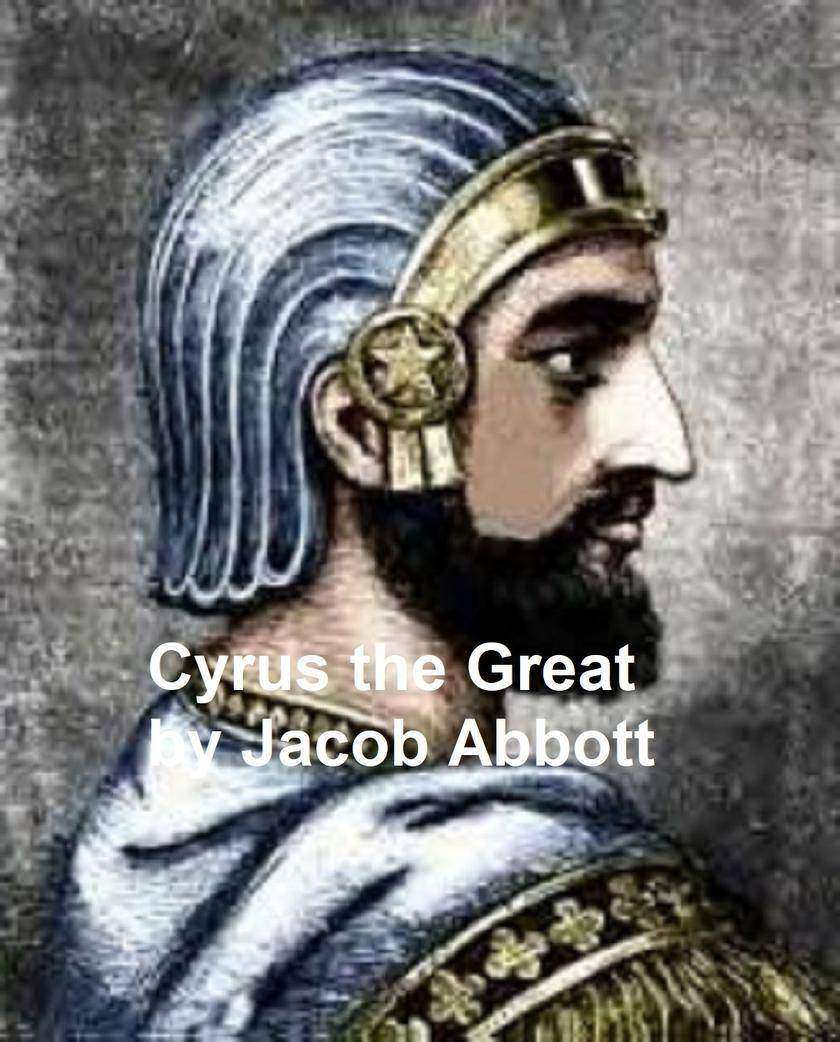
Cyrus the Great
¥8.09
According to Wikipedia: "Jacob Abbott (November 14, 1803 – October 31, 1879) was an American writer of children's books. Abbott was born at Hallowell, Maine to Jacob and Betsey Abbott. He graduated from Bowdoin College in 1820; studied at Andover Theological Seminary in 1821, 1822, and 1824; was tutor in 1824-1825, and from 1825 to 1829 was professor of mathematics and natural philosophy at Amherst College; was licensed to preach by the Hampshire Association in 1826; founded the Mount Vernon School for Young Ladies in Boston in 1829, and was principal of it in 1829-1833; was pastor of Eliot Congregational Church (which he founded), at Roxbury, Massachusetts in 1834-1835; and was, with his brothers, a founder, and in 1843-1851 a principal of Abbott's Institute, and in 1845-1848 of the Mount Vernon School for Boys, in New York City. He was a prolific author, writing juvenile fiction, brief histories, biographies, religious books for the general reader, and a few works in popular science. He died in Farmington, Maine, where he had spent part of his time after 1839, and where his brother, Samuel Phillips Abbott, founded the Abbott School."

Genghis Khan
¥8.09
According to Wikipedia: "Jacob Abbott (November 14, 1803 – October 31, 1879) was an American writer of children's books. Abbott was born at Hallowell, Maine to Jacob and Betsey Abbott. He graduated from Bowdoin College in 1820; studied at Andover Theological Seminary in 1821, 1822, and 1824; was tutor in 1824-1825, and from 1825 to 1829 was professor of mathematics and natural philosophy at Amherst College; was licensed to preach by the Hampshire Association in 1826; founded the Mount Vernon School for Young Ladies in Boston in 1829, and was principal of it in 1829-1833; was pastor of Eliot Congregational Church (which he founded), at Roxbury, Massachusetts in 1834-1835; and was, with his brothers, a founder, and in 1843-1851 a principal of Abbott's Institute, and in 1845-1848 of the Mount Vernon School for Boys, in New York City. He was a prolific author, writing juvenile fiction, brief histories, biographies, religious books for the general reader, and a few works in popular science. He died in Farmington, Maine, where he had spent part of his time after 1839, and where his brother, Samuel Phillips Abbott, founded the Abbott School."
Is Shakespeare Dead? from My Autobiography
¥8.09
From Chapter 1: "A friend has sent me a new book, from England--The Shakespeare Problem Restated--well restated and closely reasoned; and my fifty years' interest in that matter--asleep for the last three years--is excited once more. It is an interest which was born of Delia Bacon's book--away back in that ancient day--1857, or maybe 1856. About a year later my pilot-master, Bixby, transferred me from his own steamboat to the Pennsylvania, and placed me under the orders and instructions of George Ealer--dead now, these many, many years. I steered for him a good many months--as was the humble duty of the pilot-apprentice: stood a daylight watch and spun the wheel under the severe superintendence and correction of the master. He was a prime chess player and an idolater of Shakespeare. He would play chess with anybody; even with me, and it cost his official dignity something to do that. "
Notes to Shakepeare's Tragedies
¥8.09
From the General Introduction: "Dr. Johnson's reaction to Shakespeare's tragedies is a curious one, compounded as it is of deep emotional involvement in a few scenes in some plays and a strange dispassionateness toward most of the others. I suspect that his emotional involvement took root when he read Shakespeare as a boy--one remembers the terror he experienced in reading of the Ghost in _Hamlet_, and it was probably also as a boy that he suffered that shock of horrified outrage and grief at the death of Cordelia that prevented him from rereading the scene until be came to edit the play. Johnson's deepest feelings and convictions, Professor Clifford has recently reminded us, can be traced back to his childhood and adolescence."
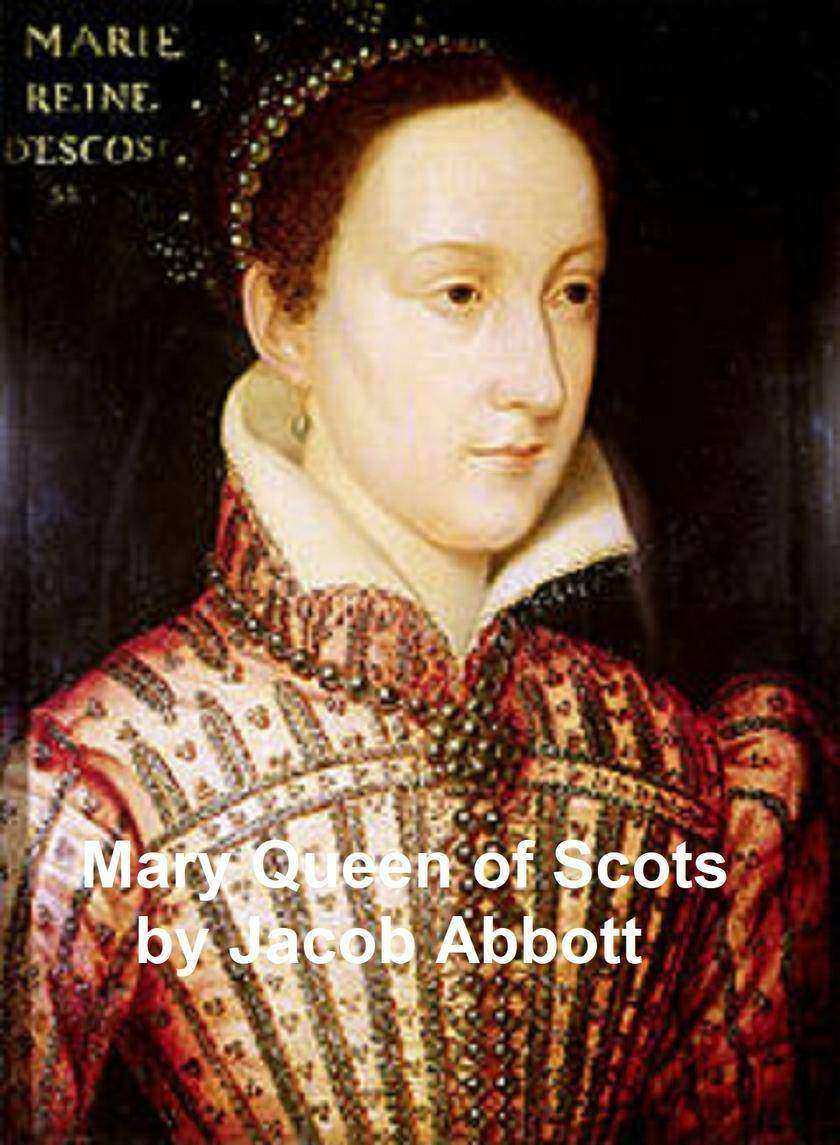
Mary Queen of Scots
¥8.09
According to Wikipedia: "Jacob Abbott (November 14, 1803 – October 31, 1879) was an American writer of children's books. Abbott was born at Hallowell, Maine to Jacob and Betsey Abbott. He graduated from Bowdoin College in 1820; studied at Andover Theological Seminary in 1821, 1822, and 1824; was tutor in 1824-1825, and from 1825 to 1829 was professor of mathematics and natural philosophy at Amherst College; was licensed to preach by the Hampshire Association in 1826; founded the Mount Vernon School for Young Ladies in Boston in 1829, and was principal of it in 1829-1833; was pastor of Eliot Congregational Church (which he founded), at Roxbury, Massachusetts in 1834-1835; and was, with his brothers, a founder, and in 1843-1851 a principal of Abbott's Institute, and in 1845-1848 of the Mount Vernon School for Boys, in New York City. He was a prolific author, writing juvenile fiction, brief histories, biographies, religious books for the general reader, and a few works in popular science. He died in Farmington, Maine, where he had spent part of his time after 1839, and where his brother, Samuel Phillips Abbott, founded the Abbott School."
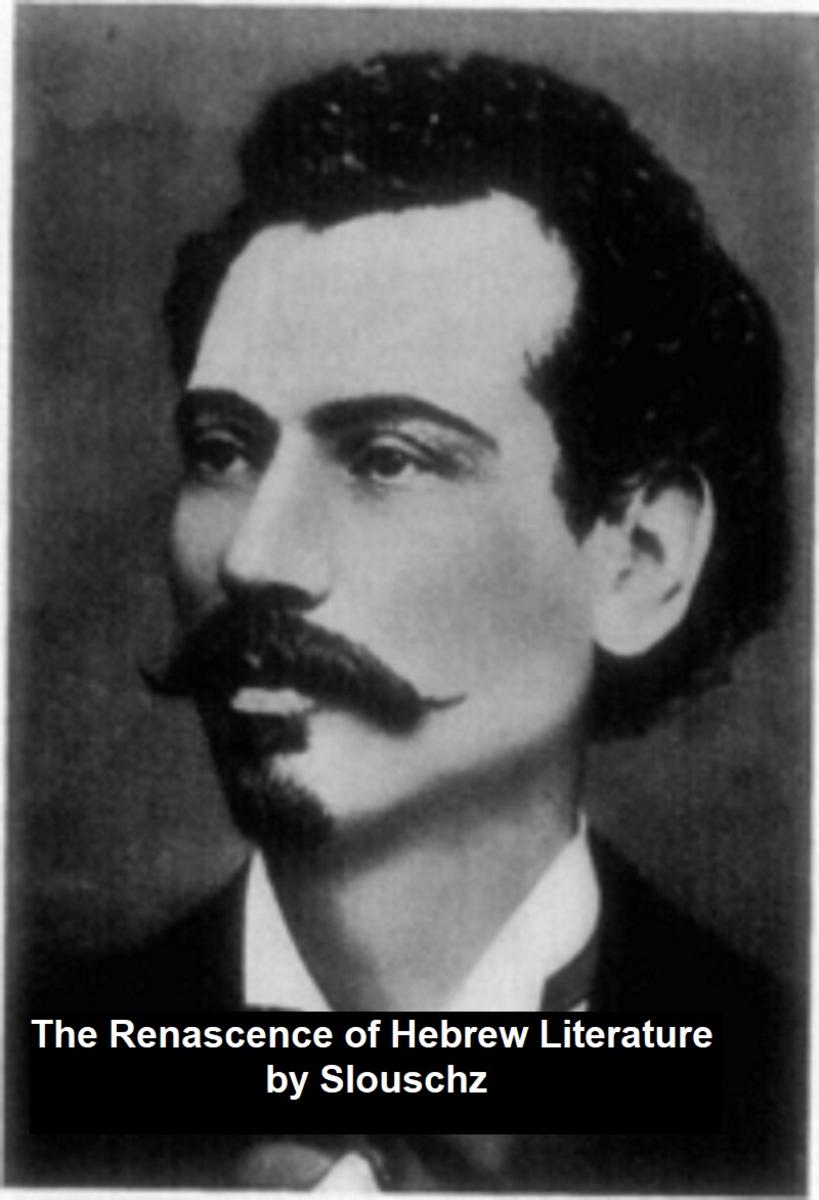
The Renascence of Hebrew Literature
¥8.09
Chapters include: In Italy, In German, In Poland and Austria, in Lithuania, The Romantic Movement, The Emancipation Movement, The Conflict with Rabbinism, Reformers and Conservatives, The National Progressive Movement, The Contributors to Ha-Shahar, The Novels of Smolenskin, and Contemporaneous Literature. From the Translator's Note: "The modern chapter in the history of Hebrew literature herewith presented to English readers was written by Dr. Nahum Slouschz as his thesis for the doctorate at the University of Paris, and published in book form in 1902. A few years later (1906-1907), the author himself put his Essay into Hebrew, and it was brought out as a publication of the _Tushiyah_, under the title _Korot ha-Safrut ha-'Ibrit ha-Hadashah_. The Hebrew is not, however, a mere translation of the French book. The material in the latter was revised and extended, and the presentation was considerably changed, in view of the different attitude toward the subject naturally taken by Hebrew readers, as compared with a Western public, Jewish or non-Jewish."

The Forty-Five Guardsmen
¥8.09
Historical fiction from the time of the bitter conflicts between Catholics and Protestants in France, after the St. Bartholomew's Day Massacre and before the reign of Henri of Navarre. According to Wikipedia: "Alexandre Dumas, père (French for "father", akin to 'Senior' in English), born Dumas Davy de la Pailleterie (1802 — 1870) was a French writer, best known for his numerous historical novels of high adventure which have made him one of the most widely read French authors in the world. Many of his novels, including The Count of Monte Cristo, The Three Musketeers, Twenty Years After, and The Vicomte de Bragelonne were serialized. He also wrote plays and magazine articles and was a prolific correspondent."
A Lady of Quality
¥8.09
Historical novel for children. "Being a most curious, hitherto unknown history, as related by Mr. Isaac Bickerstaff but not present to the world of fashion through the pages of The Tatler and now for the first time written down." According to Wikipedia: "Frances Hodgson Burnett, ( 1849 - 1924) was an English–American playwright and author. She is best known for her children's stories, in particular The Secret Garden, A Little Princess, and Little Lord Fauntleroy. Born Frances Eliza Hodgson in Cheetham Hill, Manchester, her father died in 1854, and the family had to endure poverty and squalor in the Victorian slums of Manchester. Following the death of her mother in 1867, an 18-year-old Frances was now the head of a family of four younger siblings. She turned to writing to support them all, with a first story published in Godey's Lady's Book in 1868. Soon after she was being published regularly in Godey's, Scribner's Monthly, Peterson's Ladies' Magazine and Harper's Bazaar. Her main writing talent was combining realistic detail of working-class life with a romantic plot. Her first novel was published in 1877; That Lass o' Lowrie's was a story of Lancashire life. After moving with her husband to Washington, D.C., Burnett wrote the novels Haworth's (1879), Louisiana (1880), A Fair Barbarian (1881), and Through One Administration (1883), as well as a play, Esmeralda (1881), written with William Gillette...Her later works include Sara Crewe (1888) - later rewritten as A Little Princess (1905); The Lady of Quality (1896) - considered one of the best of her plays; and The Secret Garden (1909), the children's novel for which she is probably best known today. The Lost Prince was published in 1915..."

The Scouts of Stonewall
¥8.09
Historical novel from the Civil War series. "The Scouts of Stonewall," while an independent story, is in effect a continuation of the series which began with "The Guns of Bull Run" and which was carried on in "The Guns of Shiloh." The present romance reverts to the Southern side, and is concerned with the fortunes of Harry Kenton and his friends. According to Wikipedia: "Joseph Alexander Altsheler (1862 - 1919), was an American author of popular juvenile historical fiction. Altsheler was born in Three Springs, Kentucky to Joseph and Louise Altsheler. In 1885, he took a job at the Louisville Courier-Journal as a reporter and later, an editor. He started working for the New York World in 1892, first as the paper's Hawaiian correspondent and then as the editor of the World's tri-weekly magazine. Due to a lack of suitable stories, he began writing children's stories for the magazine."
The Star of Gettysburg
¥8.09
Historical novel from the Civil War series. "The Star of Gettysburg" is a complete romance, but it is also one of the series dealing with the Civil War, beginning with "The Guns of Bull Run," and continued successively through "The Guns of Shiloh," "The Scouts of Stonewall," and "The Sword of Antietam" to the present volume. The story centers about the young Southern hero, Harry Kenton, and his friends. According to Wikipedia: "Joseph Alexander Altsheler (1862 - 1919), was an American author of popular juvenile historical fiction. Altsheler was born in Three Springs, Kentucky to Joseph and Louise Altsheler. In 1885, he took a job at the Louisville Courier-Journal as a reporter and later, an editor. He started working for the New York World in 1892, first as the paper's Hawaiian correspondent and then as the editor of the World's tri-weekly magazine. Due to a lack of suitable stories, he began writing children's stories for the magazine."
The Rulers of the Lakes
¥8.09
Historical novel from the French and Indian War series. The French and Indian War just after Braddock's defeat is again the background. Young Robert Lennox and his friend Tayoga, an Onondaga Indian, undertake to make a dangerous journey through the northern wilderness to warn the garrison and settlers gathered at Fort Refuge of the hostile forces. Afterwards they join the army as scouts, preceding it on an expedition to Lake George and Lake Champlain, where they engage in many fierce encounters. The story concludes with the battle of Lake George, in which the Colonists win their first great success of the war. According to Wikipedia: "Joseph Alexander Altsheler (1862 - 1919), was an American author of popular juvenile historical fiction. Altsheler was born in Three Springs, Kentucky to Joseph and Louise Altsheler. In 1885, he took a job at the Louisville Courier-Journal as a reporter and later, an editor. He started working for the New York World in 1892, first as the paper's Hawaiian correspondent and then as the editor of the World's tri-weekly magazine. Due to a lack of suitable stories, he began writing children's stories for the magazine."
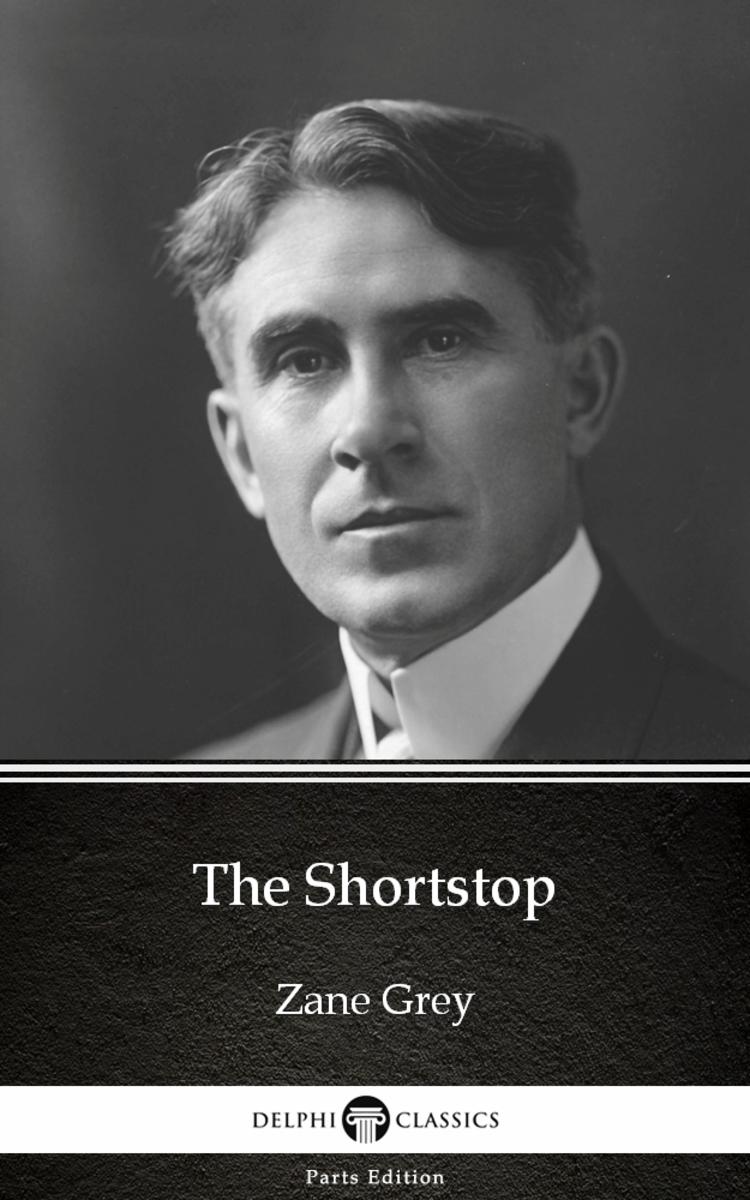
The Shortstop by Zane Grey - Delphi Classics (Illustrated)
¥8.09
This eBook features the unabridged text of ‘The Shortstop by Zane Grey - Delphi Classics (Illustrated)’ from the bestselling edition of ‘The Collected Works of Zane Grey’. Having established their name as the leading publisher of classic literature and art, Delphi Classics produce publications that are individually crafted with superior formatting, while introducing many rare texts for the first time in digital print. The Delphi Classics edition of Grey includes original annotations and illustrations relating to the life and works of the author, as well as individual tables of contents, allowing you to navigate eBooks quickly and easily. eBook features: * The complete unabridged text of ‘The Shortstop by Zane Grey - Delphi Classics (Illustrated)’ * Beautifully illustrated with images related to Grey’s works * Individual contents table, allowing easy navigation around the eBook * Excellent formatting of the text Please visit www.delphiclassics.com to learn more about our wide range of titles
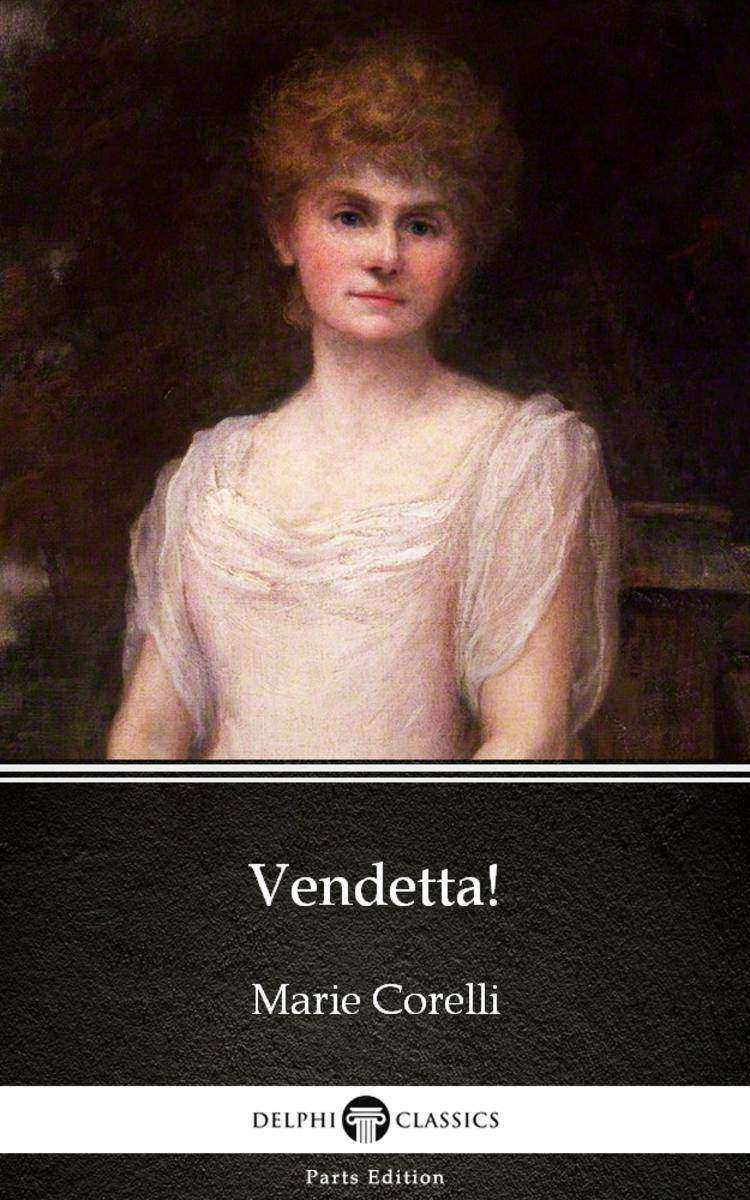
Vendetta! by Marie Corelli - Delphi Classics (Illustrated)
¥8.09
This eBook features the unabridged text of ‘Vendetta! by Marie Corelli - Delphi Classics (Illustrated)’ from the bestselling edition of ‘The Complete Works of Marie Corelli’. Having established their name as the leading publisher of classic literature and art, Delphi Classics produce publications that are individually crafted with superior formatting, while introducing many rare texts for the first time in digital print. The Delphi Classics edition of Corelli includes original annotations and illustrations relating to the life and works of the author, as well as individual tables of contents, allowing you to navigate eBooks quickly and easily. eBook features: * The complete unabridged text of ‘Vendetta! by Marie Corelli - Delphi Classics (Illustrated)’ * Beautifully illustrated with images related to Corelli’s works * Individual contents table, allowing easy navigation around the eBook * Excellent formatting of the text Please visit www.delphiclassics.com to learn more about our wide range of titles
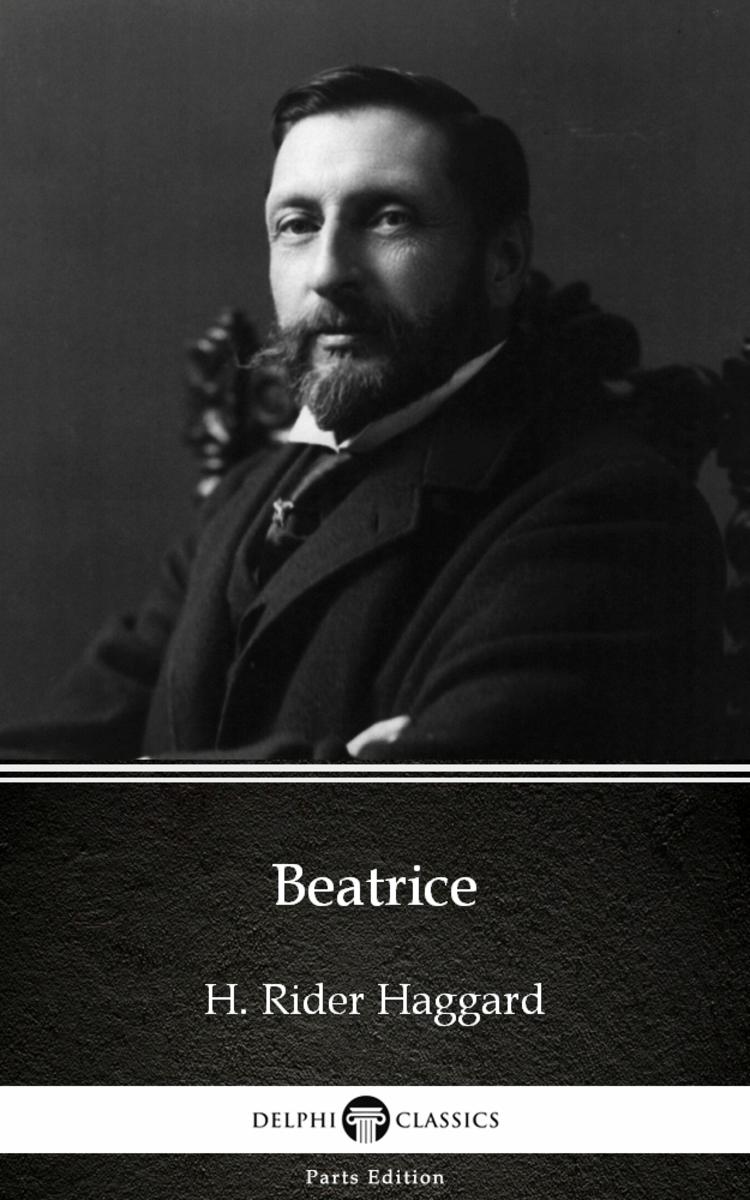
Beatrice by H. Rider Haggard - Delphi Classics (Illustrated)
¥8.09
This eBook features the unabridged text of ‘Beatrice by H. Rider Haggard - Delphi Classics (Illustrated)’ from the bestselling edition of ‘The Complete Works of H. Rider Haggard’. Having established their name as the leading publisher of classic literature and art, Delphi Classics produce publications that are individually crafted with superior formatting, while introducing many rare texts for the first time in digital print. The Delphi Classics edition of Haggard includes original annotations and illustrations relating to the life and works of the author, as well as individual tables of contents, allowing you to navigate eBooks quickly and easily. eBook features: * The complete unabridged text of ‘Beatrice by H. Rider Haggard - Delphi Classics (Illustrated)’ * Beautifully illustrated with images related to Haggard’s works * Individual contents table, allowing easy navigation around the eBook * Excellent formatting of the text Please visit www.delphiclassics.com to learn more about our wide range of titles
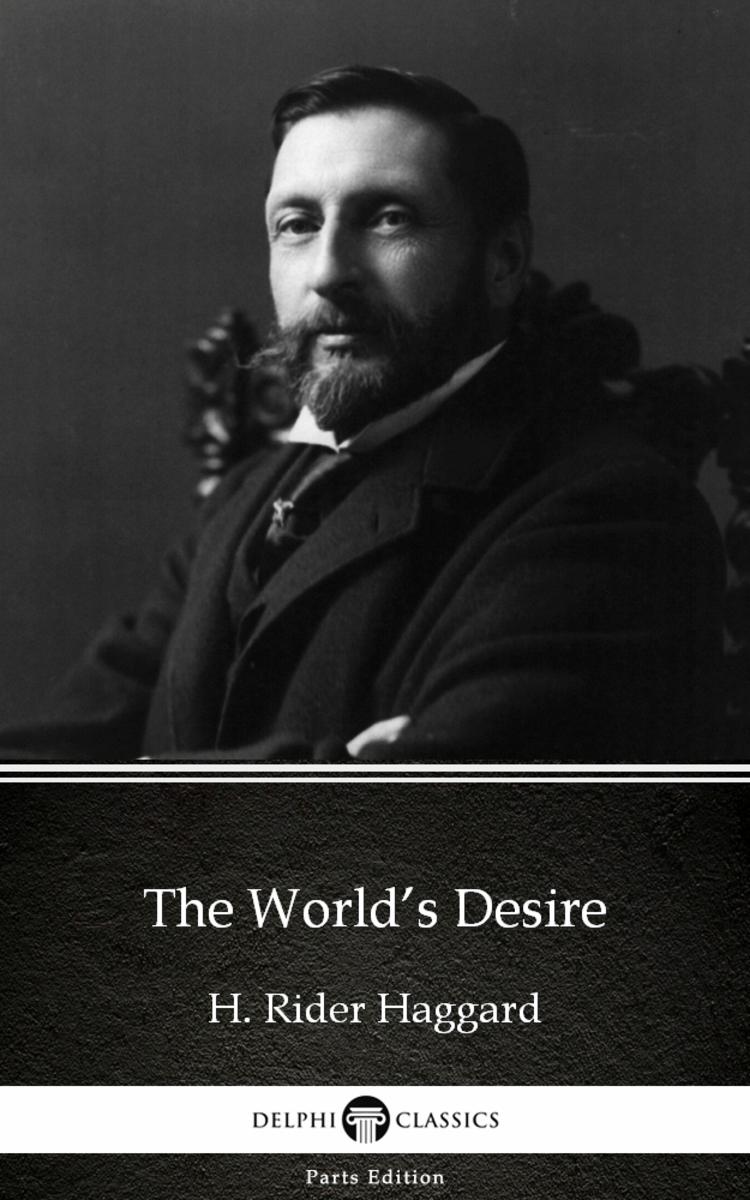
The World’s Desire by H. Rider Haggard - Delphi Classics (Illustrated)
¥8.09
This eBook features the unabridged text of ‘The World’s Desire by H. Rider Haggard - Delphi Classics (Illustrated)’ from the bestselling edition of ‘The Complete Works of H. Rider Haggard’. Having established their name as the leading publisher of classic literature and art, Delphi Classics produce publications that are individually crafted with superior formatting, while introducing many rare texts for the first time in digital print. The Delphi Classics edition of Haggard includes original annotations and illustrations relating to the life and works of the author, as well as individual tables of contents, allowing you to navigate eBooks quickly and easily. eBook features: * The complete unabridged text of ‘The World’s Desire by H. Rider Haggard - Delphi Classics (Illustrated)’ * Beautifully illustrated with images related to Haggard’s works * Individual contents table, allowing easy navigation around the eBook * Excellent formatting of the text Please visit www.delphiclassics.com to learn more about our wide range of titles
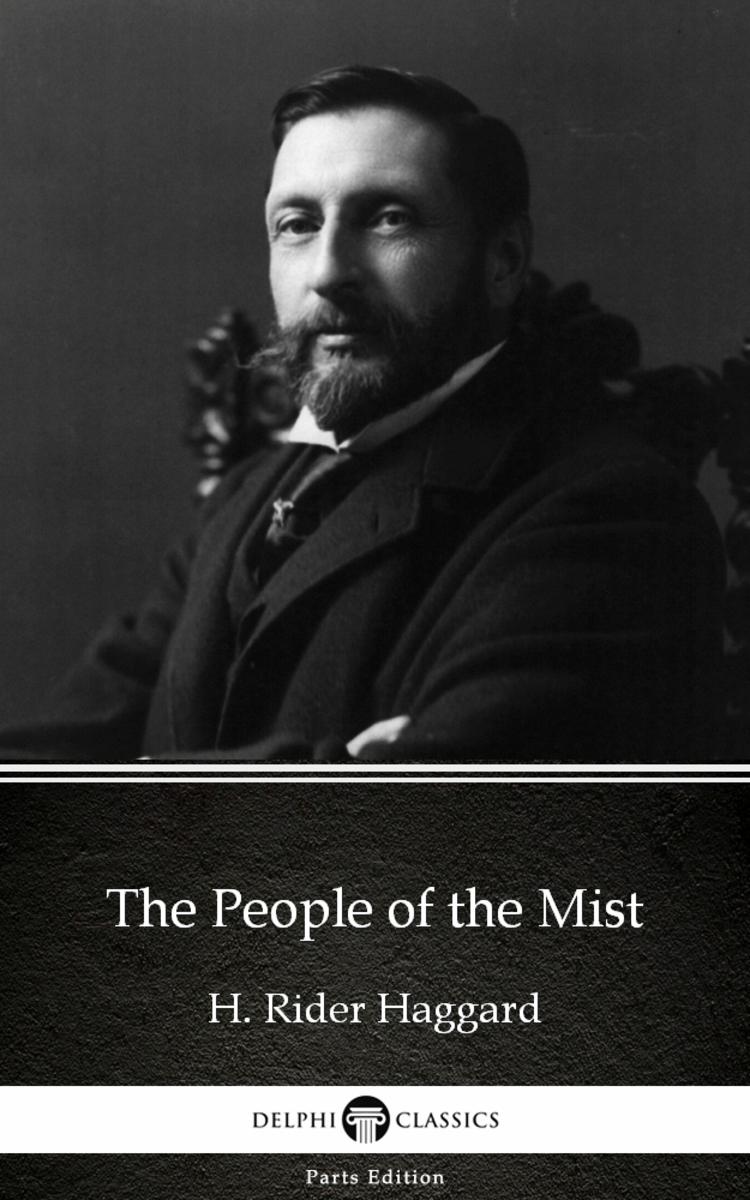
The People of the Mist by H. Rider Haggard - Delphi Classics (Illustrated)
¥8.09
This eBook features the unabridged text of ‘The People of the Mist by H. Rider Haggard - Delphi Classics (Illustrated)’ from the bestselling edition of ‘The Complete Works of H. Rider Haggard’. Having established their name as the leading publisher of classic literature and art, Delphi Classics produce publications that are individually crafted with superior formatting, while introducing many rare texts for the first time in digital print. The Delphi Classics edition of Haggard includes original annotations and illustrations relating to the life and works of the author, as well as individual tables of contents, allowing you to navigate eBooks quickly and easily. eBook features: * The complete unabridged text of ‘The People of the Mist by H. Rider Haggard - Delphi Classics (Illustrated)’ * Beautifully illustrated with images related to Haggard’s works * Individual contents table, allowing easy navigation around the eBook * Excellent formatting of the text Please visit www.delphiclassics.com to learn more about our wide range of titles
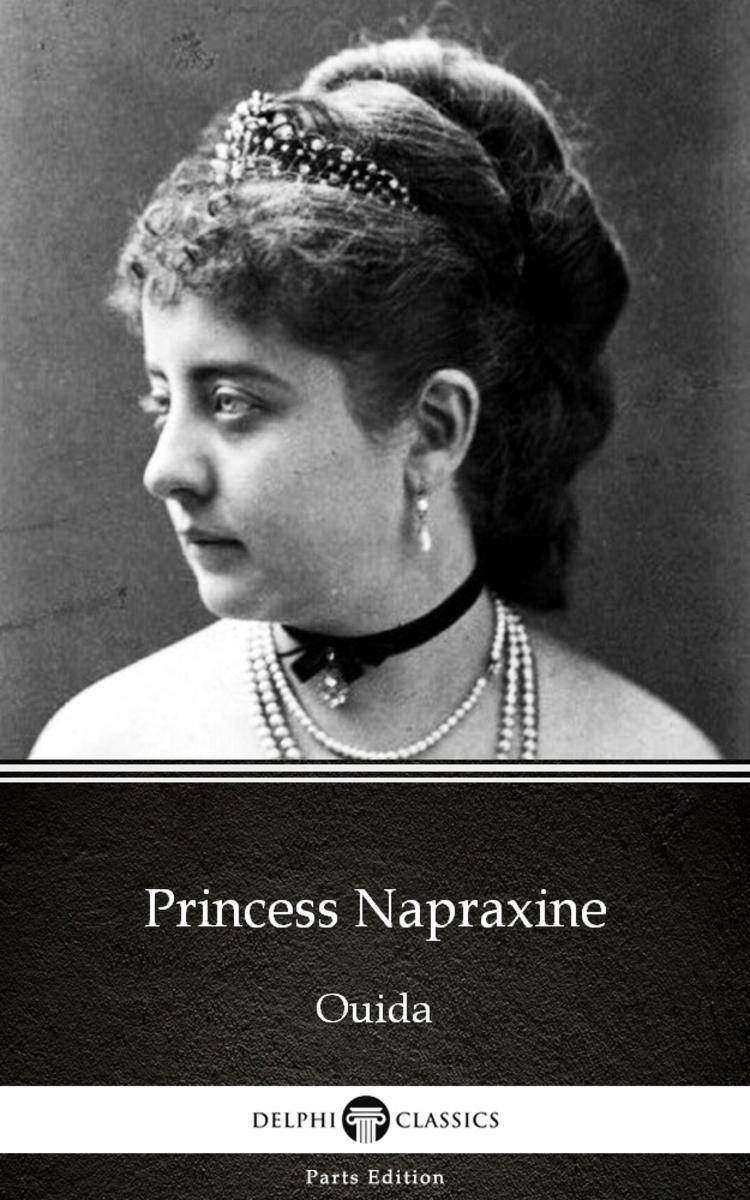
Princess Napraxine by Ouida - Delphi Classics (Illustrated)
¥8.09
This eBook features the unabridged text of ‘Princess Napraxine by Ouida - Delphi Classics (Illustrated)’ from the bestselling edition of ‘The Collected Works of Ouida’. Having established their name as the leading publisher of classic literature and art, Delphi Classics produce publications that are individually crafted with superior formatting, while introducing many rare texts for the first time in digital print. The Delphi Classics edition of Ouida includes original annotations and illustrations relating to the life and works of the author, as well as individual tables of contents, allowing you to navigate eBooks quickly and easily. eBook features: * The complete unabridged text of ‘Princess Napraxine by Ouida - Delphi Classics (Illustrated)’ * Beautifully illustrated with images related to Ouida’s works * Individual contents table, allowing easy navigation around the eBook * Excellent formatting of the text Please visit www.delphiclassics.com to learn more about our wide range of titles


