


 购物车
购物车 个人中心
个人中心
Bitter Roots
¥288.41
For over a century, plant specialists worldwide have sought to transform healing plants in African countries into pharmaceuticals. And for equally as long, conflicts over these medicinal plants have endured, from stolen recipes and toxic tonics to unfulfilled promises of laboratory equipment and usurped personal patents. In Bitter Roots, Abena Dove Osseo-Asare draws on publicly available records and extensive interviews with scientists and healers in Ghana, Madagascar, and South Africa to interpret how African scientists and healers, rural communities, and drug companies-including Pfizer, Bristol-Myers Squibb, and Unilever-have sought since the 1880s to develop drugs from Africa's medicinal plants.?Osseo-Asare recalls the efforts to transform six plants into pharmaceuticals: rosy periwinkle, Asiatic pennywort, grains of paradise, Strophanthus, Cryptolepis, and Hoodia.?Through the stories of each plant, she shows that herbal medicine and pharmaceutical chemistry have simultaneous and overlapping histories that cross geographic boundaries. At the same time, Osseo-Asare sheds new light on how various interests have tried to manage the rights to these healing plants and probes the challenges associated with assigning ownership to plants and their biochemical components.A fascinating examination of the history of medicine in colonial and postcolonial Africa, Bitter Roots will be indispensable for scholars of Africa; historians interested in medicine, biochemistry, and society; and policy makers concerned with drug access and patent rights.
Everyday Troubles
¥288.41
From roommate disputes to family arguments, trouble is inevitable in interpersonal relationships. In Everyday Troubles, Robert M. Emerson explores the beginnings and development of the conflicts that occur in our relationships with the people we regularly encounter-family members, intimate partners, coworkers, and others-and the common responses to such troubles.To examine these issues, Emerson draws on interviews with college roommates, diaries documenting a wide range of irritation with others, conversations with people caring for family members suffering from Alzheimer's, studies of family interactions, neighborly disputes, and other personal accounts. He considers how people respond to everyday troubles: in non-confrontational fashion, by making low-visibility, often secretive, changes in the relationship; more openly by directly complaining to the other person; or by involving a third party, such as friends or family. He then examines how some relational troubles escalate toward extreme and even violent responses, in some cases leading to the involvement of outside authorities like the police or mental health specialists.By calling attention to the range of possible reactions to conflicts in interpersonal relationships, Emerson also reminds us that extreme, even criminal actions often result when people fail to find ways to deal with trouble in moderate, non-confrontational ways. Innovative and insightful, Everyday Troubles is an illuminating look at how we deal with discord in our relationships.

Shared Future
¥288.41
Faith-based community organizers have spent decades working for greater equality in American society, and more recently have become significant players in shaping health care, finance, and immigration reform at the highest levels of government.In A Shared Future, Richard L. Wood and Brad R. Fulton draw on a new national study of community organizing coalitions and in-depth interviews of key leaders in this field to show how faith-based organizing is creatively navigating the competing aspirations of America's universalist and multiculturalist democratic ideals, even as it confronts three demons bedeviling American politics: economic inequality, federal policy paralysis, and racial inequity. With a broad view of the entire field and a distinct empirical focus on the PICO National Network, Wood and Fulton's analysis illuminates the tensions, struggles, and deep rewards that come with pursuing racial equity within a social change organization and in society. Ultimately, A Shared Future offers a vision for how we might build a future that embodies the ethical democracy of the best American dreams.
Medieval Misogyny and the Invention of Western Romantic Love
¥288.41
Until now the advent of Western romantic love has been seen as a liberation from-or antidote to-ten centuries of misogyny. In this major contribution to gender studies, R. Howard Bloch demonstrates how similar the ubiquitous antifeminism of medieval times and the romantic idealization of woman actually are.Through analyses of a broad range of patristic and medieval texts, Bloch explores the Christian construction of gender in which the flesh is feminized, the feminine is aestheticized, and aesthetics are condemned in theological terms. Tracing the underlying theme of virginity from the Church Fathers to the courtly poets, Bloch establishes the continuity between early Christian antifeminism and the idealization of woman that emerged in the twelfth and thirteenth centuries. In conclusion he explains the likely social, economic, and legal causes for the seeming inversion of the terms of misogyny into those of an idealizing tradition of love that exists alongside its earlier avatar until the current era.This startling study will be of great value to students of medieval literature as well as to historians of culture and gender.
Emptiness
¥288.41
For many Christians in America, becoming filled with Christ first requires being empty of themselves-a quality often overlooked in religious histories. In Emptiness, John Corrigan highlights for the first time the various ways that American Christianity has systematically promoted the cultivation of this feeling. ?Corrigan examines different kinds of emptiness essential to American Christianity, such as the emptiness of deep longing, the emptying of the body through fasting or weeping, the emptiness of the wilderness, and the emptiness of historical time itself. He argues, furthermore, that emptiness is closely connected to the ways Christian groups differentiate themselves: many groups foster a sense of belonging not through affirmation, but rather avowal of what they and their doctrines are not. Through emptiness, American Christians are able to assert their identities as members of a religious community.Drawing much-needed attention to a crucial aspect of American Christianity, Emptiness expands our understanding of historical and contemporary Christian practices.?

Well Worth Saving
¥288.41
The urgent demand for housing after World War I fueled a boom in residential construction that led to historic peaks in home ownership. Foreclosures at the time were rare, and when they did happen, lenders could quickly recoup their losses by selling into a strong market. But no mortgage system is equipped to deal with credit problems on the scale of the Great Depression. As foreclosures quintupled, it became clear that the mortgage system of the 1920s was not up to the task, and borrowers, lenders, and real estate professionals sought action at the federal level.Well Worth Saving tells the story of the disastrous housing market during the Great Depression and the extent to which an immensely popular New Deal relief program, the Home Owners' Loan Corporation (HOLC), was able to stem foreclosures by buying distressed mortgages from lenders and refinancing them. Drawing on historical records and modern statistical tools, Price Fishback, Jonathan Rose, and Kenneth Snowden investigate important unanswered questions to provide an unparalleled view of the mortgage loan industry throughout the 1920s and early '30s. Combining this with the stories of those involved, the book offers a clear understanding of the HOLC within the context of the housing market in which it operated, including an examination of how the incentives and behaviors at play throughout the crisis influenced the effectiveness of policy.?More than eighty years after the start of the Great Depression, when politicians have called for similar programs to quell the current mortgage crisis, this accessible account of the Home Owners' Loan Corporation holds invaluable lessons for our own time.
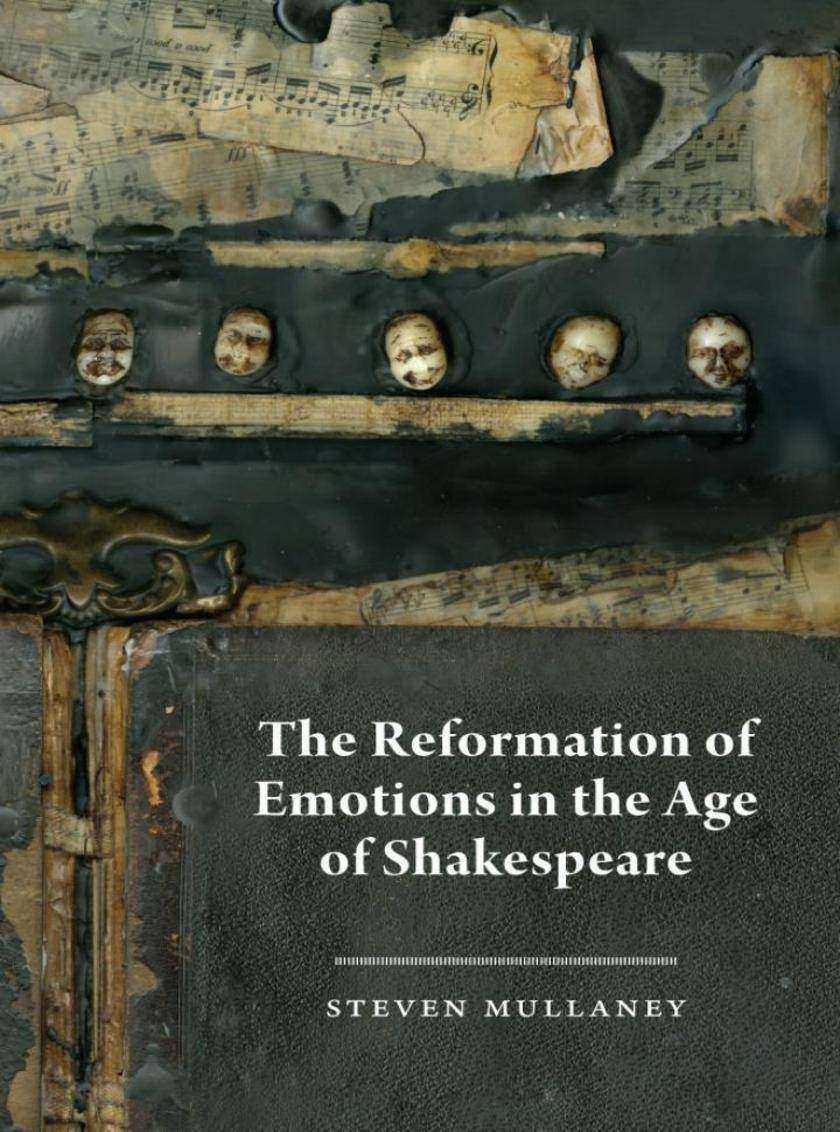
Reformation of Emotions in the Age of Shakespeare
¥288.41
The crises of faith that fractured Reformation Europe also caused crises of individual and collective identity. Structures of feeling as well as structures of belief were transformed; there was a reformation of social emotions as well as a Reformation of faith.As Steven Mullaney shows in?The Reformation of Emotions in the Age of Shakespeare, Elizabethan popular drama played a significant role in confronting the uncertainties and unresolved traumas of Elizabethan Protestant England. Shakespeare and his contemporaries-audiences as well as playwrights-reshaped popular drama into a new form of embodied social, critical, and affective thought. Examining a variety of works, from revenge plays to Shakespeare's first history tetralogy and beyond, Mullaney explores how post-Reformation drama not only exposed these faultlines of society on stage but also provoked playgoers in the audience to acknowledge their shared differences. He demonstrates that our most lasting works of culture remain powerful largely because of their deep roots in the emotional landscape of their times.

Before Mickey
¥288.41
This witty and fascinating study reminds us that there was animation before Disney: about thirty years of creativity and experimentation flourishing in such extraordinary work as Girdie the Dinosaur and Felix the Cat. Before Mickey, the first and only in-depth history of animation from 1898-1928, includes accounts of mechanical ingenuity, marketing and art. Crafton is equally adept at explaining techniques of sketching and camera work, evoking characteristic styles of such pioneering animators as Winsor McCay and Ladislas Starevitch, placing work in its social and economic context, and unraveling the aesthetic impact of specific cartoons."e;Before Mickey's scholarship is quite lively and its de*ions are evocative and often funny. The history of animation coexisted with that of live-action film but has never been given as much attention."e;-Tim Hunter, New York Times
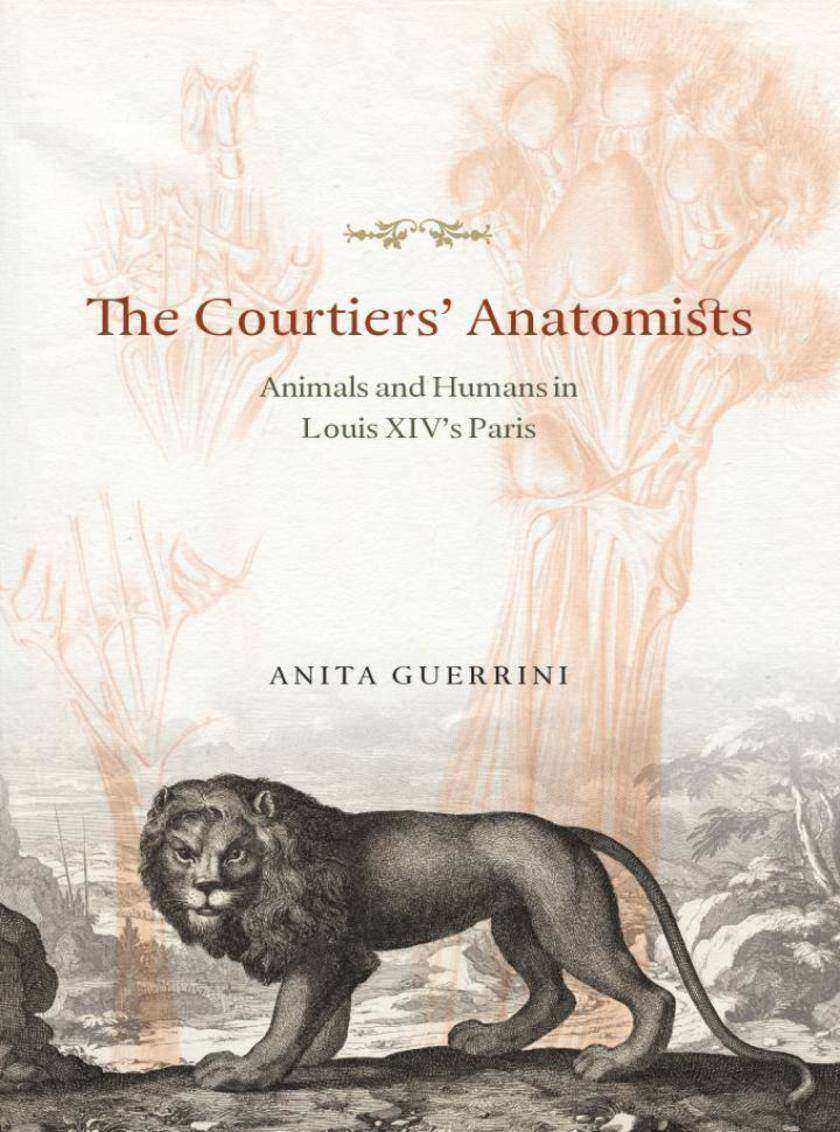
Courtiers' Anatomists
¥288.41
The Courtiers' Anatomists is about dead bodies and live animals in Louis XIV's Paris--and the surprising links between them. Examining the practice of seventeenth-century anatomy, Anita Guerrini reveals how anatomy and natural history were connected through animal dissection and vivisection. Driven by an insatiable curiosity, Parisian scientists, with the support of the king, dissected hundreds of animals from the royal menageries and the streets of Paris. Guerrini is the first to tell the story of Joseph-Guichard Duverney, who performed violent, riot-inducing dissections of both animal and human bodies before the king at Versailles and in front of hundreds of spectators at the King's Garden in Paris. At the Paris Academy of Sciences, meanwhile, Claude Perrault, with the help of Duverney's dissections, edited two folios in the 1670s filled with lavish illustrations by court artists of exotic royal animals.Through the stories of Duverney and Perrault, as well as those of Marin Cureau de la Chambre, Jean Pecquet, and Louis Gayant, The Courtiers' Anatomists explores the relationships between empiricism and theory, human and animal, as well as the origins of the natural history museum and the relationship between science and other cultural activities, including art, music, and literature.
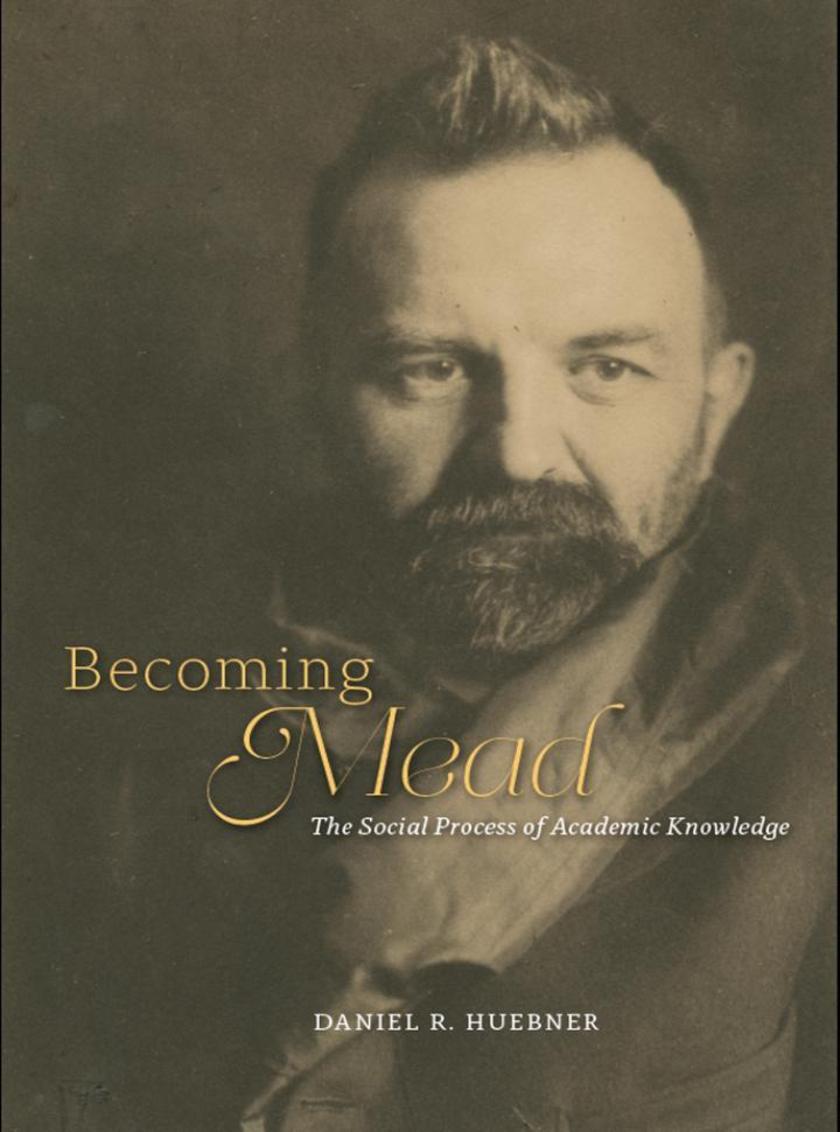
Becoming Mead
¥288.41
George Herbert Mead is a foundational figure in sociology, best known for his book Mind, Self, and Society, which was put together after his death from course notes taken by stenographers and students and from unpublished manu*s. Mead, however, never taught a course primarily housed in a sociology department, and he wrote about a wide variety of topics far outside of the concerns for which he is predominantly remembered-including experimental and comparative psychology, the history of science, and relativity theory.In short, he is known in a discipline in which he did not teach for a book he did not write.In Becoming Mead, Daniel R. Huebner traces the ways in which knowledge has been produced by and about the famed American philosopher. Instead of treating Mead's problematic reputation as a separate topic of study from his intellectual biography, Huebner considers both biography and reputation as social processes of knowledge production. He uses Mead as a case study and provides fresh new answers to critical questions in the social sciences, such as how authors come to be considered canonical in particular disciplines, how academics understand and use others' works in their research, and how claims to authority and knowledge are made in scholarship. Becoming Mead provides a novel take on the history of sociology, placing it in critical dialogue with cultural sociology and the sociology of knowledge and intellectuals.
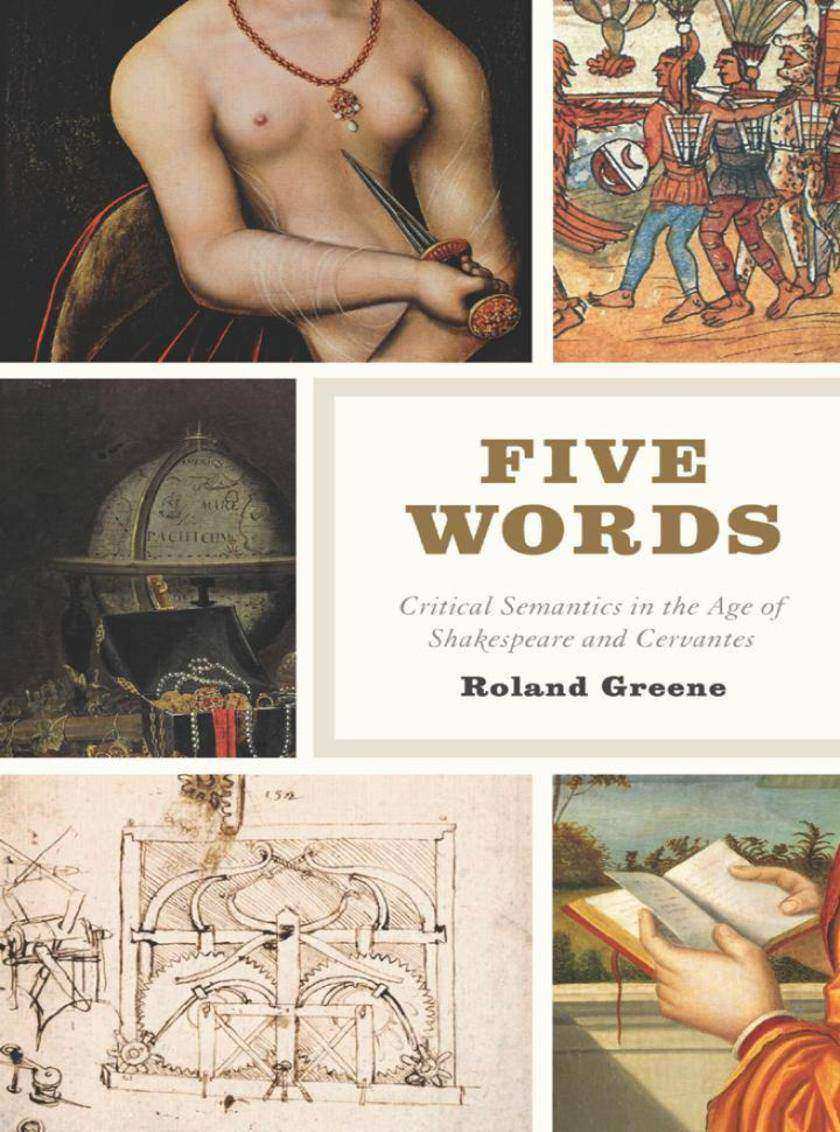
Five Words
¥288.41
Blood. Invention. Language. Resistance. World. Five ordinary words that do a great deal of conceptual work in everyday life and literature. In this original experiment in critical semantics, Roland Greene considers how these five words changed over the course of the sixteenth century and what their changes indicate about broader forces in science, politics, and other disciplines.?Greene discusses a broad swath of Renaissance and transatlantic literature-including Shakespeare, Cervantes, Cames, and Milton-in terms of the development of these words rather than works, careers, or histories. He creates a method for describing and understanding the semantic changes that occur, extending his argument to other words that operate in the same manner. Aiming to shift the conversation around Renaissance literature from current approaches to riskier enterprises, Greene also challenges semantic-historicist scholars, proposing a method that takes advantage of digital resources like full-text databases but still depends on the interpreter to fashion ideas out of ordinary language. Five Words is an innovative and accessible book that points the field of literary studies in an exciting new direction.

Reasons of Conscience
¥288.41
The implicit questions that inevitably underlie German bioethics are the same ones that have pervaded all of German public life for decades: How could the Holocaust have happenedAnd how can Germans make sure that it will never happen againIn Reasons of Conscience, Stefan Sperling considers the bioethical debates surrounding embryonic stem cell research in Germany at the turn of the twenty-first century, highlighting how the country's ongoing struggle to come to terms with its past informs the decisions it makes today.?Sperling brings the reader unmatched access to the offices of the German parliament to convey the role that morality and ethics play in contemporary Germany. He describes the separate and interactive workings of the two bodies assigned to shape German bioethics-the parliamentary Enquiry Commission on Law and Ethics in Modern Medicine and the executive branch's National Ethics Council-tracing each institution's genesis, projected image, and operations, and revealing that the content of bioethics cannot be separated from the workings of these institutions. Sperling then focuses his discussion around three core categories-transparency, conscience, and Germany itself-arguing that without fully considering these, we fail to understand German bioethics. He concludes with an assessment of German legislators and regulators' attempts to incorporate criteria of ethical research into the German Stem Cell Law.
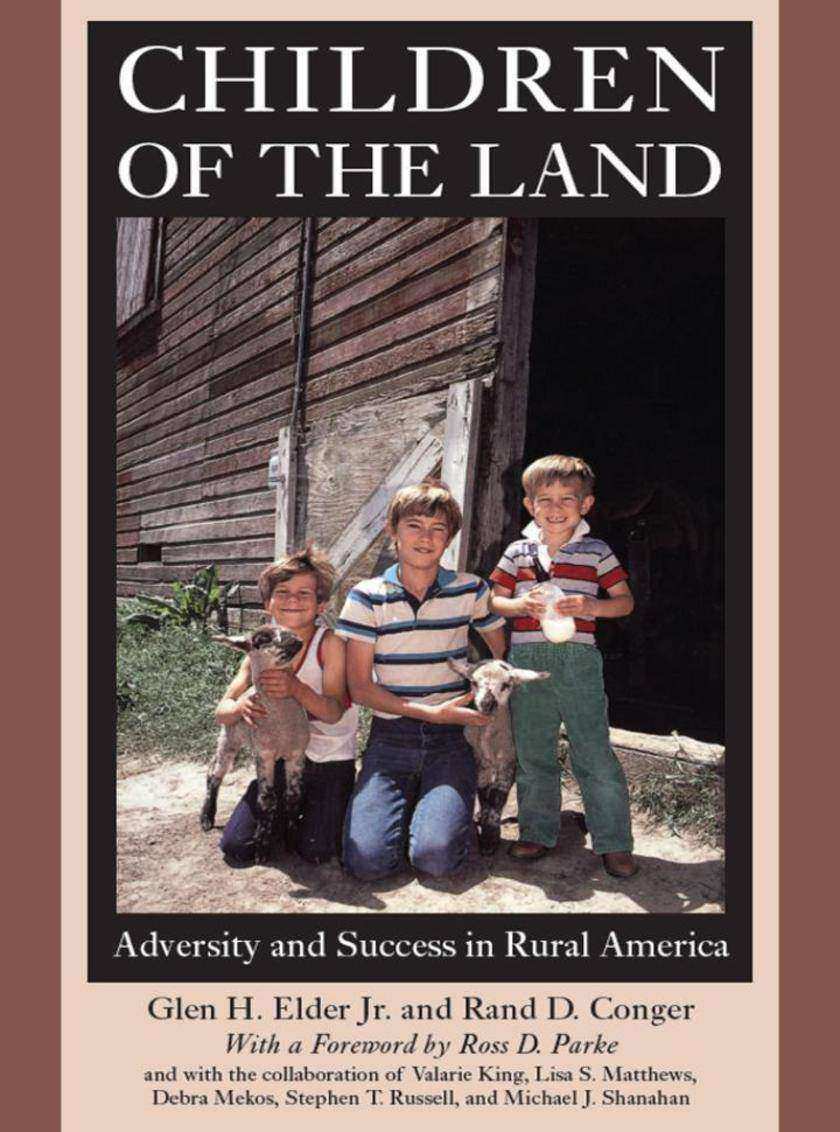
Children of the Land
¥288.41
A century ago, most Americans had ties to the land. Now only one in fifty is engaged in farming and little more than a fourth live in rural communities. Though not new, this exodus from the land represents one of the great social movements of our age and is also symptomatic of an unparalleled transformation of our society.In Children of the Land, the authors ask whether traditional observations about farm families-strong intergenerational ties, productive roles for youth in work and social leadership, dedicated parents and a network of positive engagement in church, school, and community life-apply to three hundred Iowa children who have grown up with some tie to the land. The answer, as this study shows, is a resounding yes. In spite of the hardships they faced during the agricultural crisis of the 1980s, these children, whose lives we follow from the seventh grade to after high school graduation, proved to be remarkably successful, both academically and socially.A moving testament to the distinctly positive lifestyle of Iowa families with connections to the land, this uplifting book also suggests important routes to success for youths in other high risk settings.
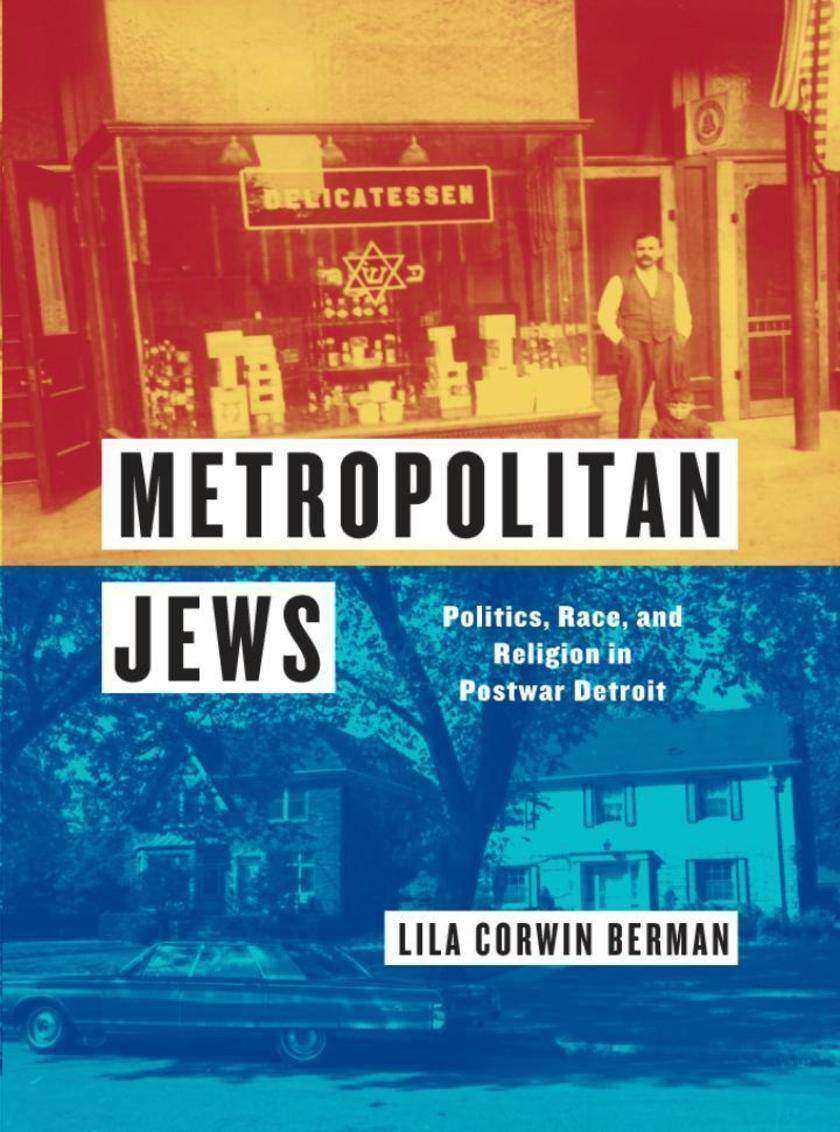
Metropolitan Jews
¥288.41
In this provocative and accessible urban history, Lila Corwin Berman considers the role that Detroit's Jews played in the city's well-known narrative of migration and decline. Taking its cue from social critics and historians who have long looked toward Detroit to understand twentieth-century urban transformations, Metropolitan Jews tells the story of Jews leaving the city while retaining a deep connection to it. Berman argues convincingly that though most Jews moved to the suburbs, urban abandonment, disinvestment, and an embrace of conservatism did not invariably accompany their moves. Instead, the Jewish postwar migration was marked by an enduring commitment to a newly fashioned urbanism with a vision of self, community, and society that persisted well beyond city limits.Complex and subtle, Metropolitan Jews pushes urban scholarship beyond the tenacious black/white, urban/suburban dichotomy. It demands a more nuanced understanding of the process and politics of suburbanization and will reframe how we think about the American urban experiment and modern Jewish history.

Stitching the West Back Together
¥288.41
News headlines would often have us believe that conservationists are inevitably locked in conflict with the people who live and work on the lands they seek to protect. Not so. Across the western expanses of the United States, conservationists, ranchers, and forest workers are bucking preconceptions to establish common ground. As they join together to protect the wide open spaces, diverse habitats, and working landscapes upon which people, plants, and animals depend, a new vision of management is emerging in which the conservation of biodiversity, ecosystem integrity, and sustainable resource use are seen not as antithetical, but as compatible, even symbiotic goals.Featuring contributions from an impressive array of scientists, conservationists, scholars, ranchers, and foresters, Stitching the West Back Together explores that expanded, inclusive vision of environmentalism as it delves into the history and evolution of Western land use policy and of the working landscapes themselves. Chapters include detailed case studies of efforts to promote both environmental and economic sustainability, with lessons learned; de*ions of emerging institutional frameworks for conserving Western working landscapes; and implications for best practices and policies crucial to the future of the West's working forests and rangelands. As economic and demographic forces threaten these lands with fragmentation and destruction, this book encourages a hopeful balance between production and conservation on the large, interconnected landscapes required for maintaining cultural and biological diversity over the longterm.

The Partials Sequence Complete Collection
¥291.26
For fans of The Hunger Games, Battlestar Galactica, and Blade Runner comes the Partials Sequence, a fast-paced, action-packed, and riveting sci-fi teen series, by acclaimed author Dan Wells. This collection contains all four books in the series.Partials: Humanity is all but extinguished after a war with Partials—engineered organic beings identical to humans—has decimated the population. Reduced to only tens of thousands by a weaponized virus to which only a fraction of humanity is immune, the survivors in North America have huddled together on Long Island. But sixteen-year-old Kira is determined to find a solution. As she tries desperately to save what is left of her race, she discovers that that the survival of both humans and Partials rests in her attempts to answer questions about the war's origin that she never knew to ask.Isolation: This digital novella takes us back to the front lines of this war, a time when mankind's ambition far outstripped its foresight. Heron, a newly trained Partial soldier who specializes in infiltration, is sent on a mission deep behind enemy lines. What she discovers there has far-reaching implications—not only for the Isolation War, but for Partials and humans alike long after this war is over.Fragments: After discovering the cure for RM, Kira Walker sets off on a terrifying journey into the ruins of postapocalyptic America and the darkest desires of her heart in order to uncover the means—and a reason—for humanity's survival.Ruins: Kira, Samm, and Marcus fight to prevent a final war between Partials and humans in the gripping final installment in the Partials Sequence. There is no avoiding it—the war to decide the fate of both humans and Partials is at hand. Both sides hold in their possession a weapon that could destroy the other, and Kira Walker has precious little time to prevent that from happening. She has one chance to save both species and the world with them, but it will only come at great personal cost.

Insurgent Democracy
¥294.30
In 1915, western farmers mounted one of the most significant challenges to party politics America has seen: the Nonpartisan League, which sought to empower citizens and restrain corporate influence. Before its collapse in the 1920s, the League counted over 250,000 paying members, spread to thirteen states and two Canadian provinces, controlled North Dakota's state government, and birthed new farmer-labor alliances. Yet today it is all but forgotten, neglected even by scholars.Michael J. Lansing aims to change that. Insurgent Democracy offers a new look at the Nonpartisan League and a new way to understand its rise and fall in the United States and Canada. Lansing argues that, rather than a spasm of populist rage that inevitably burned itself out, the story of the League is in fact an instructive example of how popular movements can create lasting change. Depicting the League as a transnational response to economic inequity, Lansing not only resurrects its story of citizen activism, but also allows us to see its potential to inform contemporary movements.
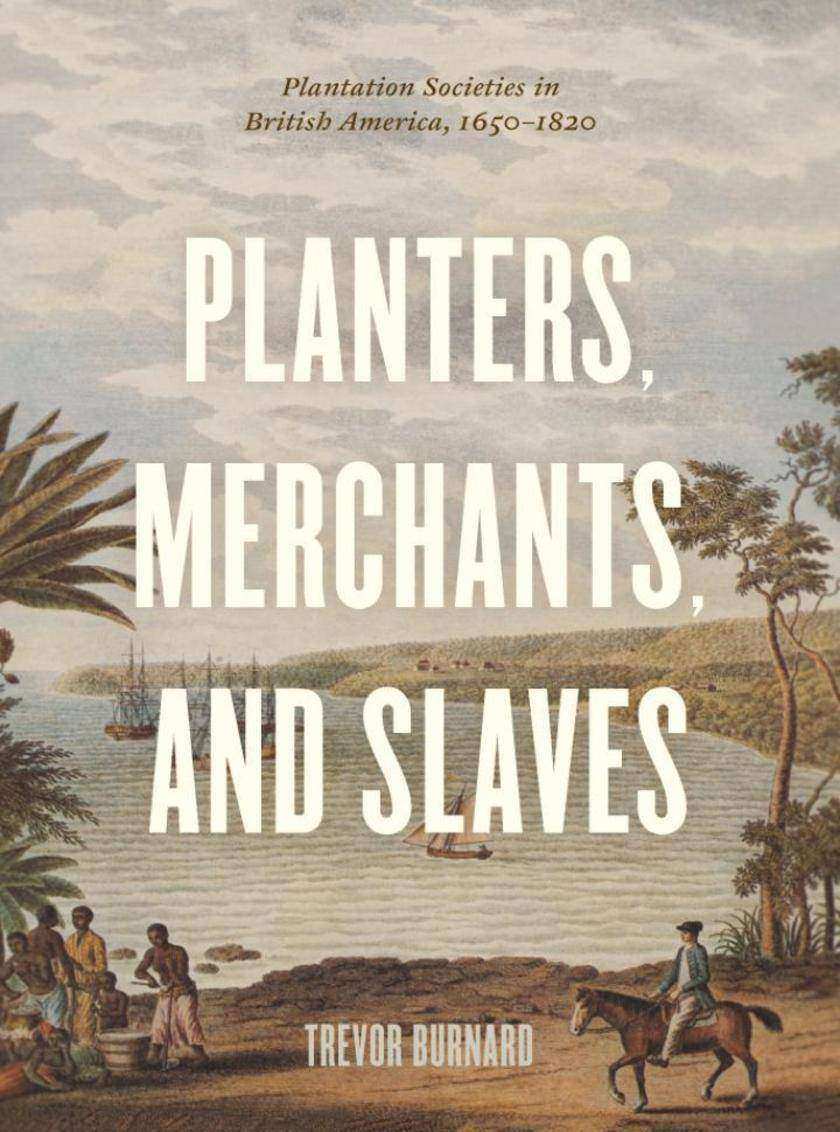
Planters, Merchants, and Slaves
¥294.30
As with any enterprise involving violence and lots of money, running a plantation in early British America was a serious and brutal enterprise. Beyond resources and weapons, a plantation required a significant force of cruel and rapacious men-men who, as Trevor Burnard sees it, lacked any better options for making money. In the contentious Planters, Merchants, and Slaves, Burnard argues that white men did not choose to develop and maintain the plantation system out of virulent racism or sadism, but rather out of economic logic because-to speak bluntly-it worked.These economically successful and ethically monstrous plantations required racial divisions to exist, but their successes were always measured in gold, rather than skin or blood. Burnard argues that the best example of plantations functioning as intended is not those found in the fractious and poor North American colonies, but those in their booming and integrated commercial hub, Jamaica. Sure to be controversial, this book is a major intervention in the scholarship on slavery, economic development, and political power in early British America, mounting a powerful and original argument that boldly challenges historical orthodoxy.

Physics Envy
¥294.30
At the close of the Second World War, modernist poets found themselves in an increasingly scientific world, where natural and social sciences claimed exclusive rights to knowledge of both matter and mind. Following the overthrow of the Newtonian worldview and the recent, shocking displays of the power of the atom, physics led the way, with other disciplines often turning to the methods and discoveries of physics for inspiration.?In Physics Envy, Peter Middleton examines the influence of science, particularly physics, on American poetry since World War II. He focuses on such diverse poets as Charles Olson, Muriel Rukeyser, Amiri Baraka, and Rae Armantrout, among others, revealing how the methods and language of contemporary natural and social sciences-and even the discourse of the leading popular science magazine Scientific American-shaped their work. The relationship, at times, extended in the other direction as well: leading physicists such as Robert Oppenheimer, Werner Heisenberg, and Erwin Schrdinger were interested in whether poetry might help them explain the strangeness of the new, quantum world. Physics Envy is a history of science and poetry that shows how ultimately each serves to illuminate the other in its quest for the true nature of things.

Worldmakers
¥294.30
In this beautifully conceived book, Ayesha Ramachandran reconstructs the imaginative struggles of early modern artists, philosophers, and writers to make sense of something that we take for granted: the world, imagined as a whole. Once a new, exciting, and frightening concept, "e;the world"e; was transformed in the sixteenth and seventeenth centuries. But how could one envision something that no one had ever seen in its totalityThe Worldmakers moves beyond histories of globalization to explore how "e;the world"e; itself-variously understood as an object of inquiry, a comprehensive category, and a system of order-was self-consciously shaped by human agents. Gathering an international cast of characters, from Dutch cartographers and French philosophers to Portuguese and English poets, Ramachandran describes a history of firsts: the first world atlas, the first global epic, the first modern attempt to develop a systematic natural philosophy-all part of an effort by early modern thinkers to capture "e;the world"e; on the page.
Patterns in Nature
¥294.30
What species occur where, and why, and why some places harbor more species than others are basic questions for ecologists. Some species simply live in different places: fish live underwater; birds do not. Adaptations follow: most fish have gills; birds have lungs. But as Patterns in Nature reveals, not all patterns are so trivial.Travel from island to island and the species change. Travel along any gradient-up a mountain, from forest into desert, from low tide to high tide on a shoreline -and again the species change, sometimes abruptly. What explains the patterns of these distributionsSome patterns might be as random as a coin toss. But as with a coin toss, can ecologists differentiate associations caused by a multiplicity of complex, idiosyncratic factors from those structured by some unidentified but simple mechanismsCan simple mechanisms that structure communities be inferred from observations of which species associations naturally occurFor decades, community ecologists have debated about whether the patterns are random or show the geographically pervasive effect of competition between species. Bringing this vigorous debate up to date, this book undertakes the identification and interpretation of nature's large-scale patterns of species co-occurrence to offer insight into how nature truly works.Patterns in Nature explains the computing and conceptual advances that allow us to explore these issues. It forces us to reexamine assumptions about species distribution patterns and will be of vital importance to ecologists and conservationists alike.


