


 购物车
购物车 个人中心
个人中心
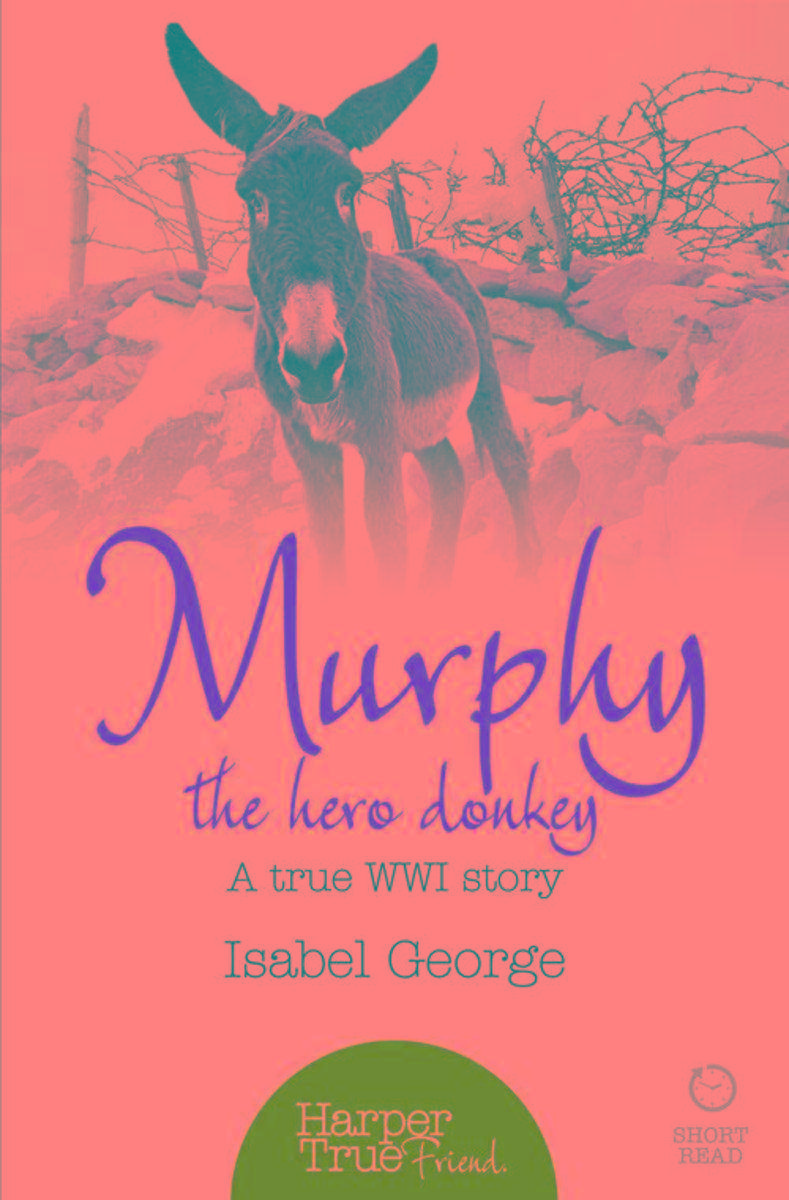
Murphy the Hero Donkey: A true WW1 story
¥9.71
The remarkable true story of an amazing and loyal donkey during World War I. The true story of a small grey donkey called Murphy, chosen to be a trusty ‘ambulance’ during the bloody Gallipoli campaign in 1915. He carried wounded soldiers over the hilly,craggy terrain to the field hospital as the bombs and snipers’ bullets rained down. The donkey was recruited by Australian stretcher-bearer ‘Jack’ Simpson, who cared for his brave helper day and night. Murphy never gave up or complained; he worked to the point of exhaustion, saving hundreds of lives. At the end of the battle, when the time came for the donkeys to be returned to Greece, the Australian ‘diggers’ were desperate to protect Murphy - he was one of them, he was a digger and a war hero. They fixed a brown luggage label to his harness, bearing his name and status, and hoped it would secure his safe passage home.
A Gift from Heaven
¥9.71
Millions of people around the world have experienced contact from the other side. In this inspiring and uplifting short story leading expert Jacky Newcomb shares some of the stories she’s received about contact and life after death. When a loved one is taken away suddenly, people often tell Jacky of their regrets about not having the opportunity to say goodbye. Yet people all over the world have stories of loved ones who come back to say Hello or Goodbye from heaven. They appear in dreams, visions, meditation and sometimes when we’re wide awake. Those who are lucky enough to experience it consider it a gift they will remember for the rest of their lives. Here for the first time Jacky will share these extraordinary stories along with the amazing and bizarre reasons for why our loved ones visit.
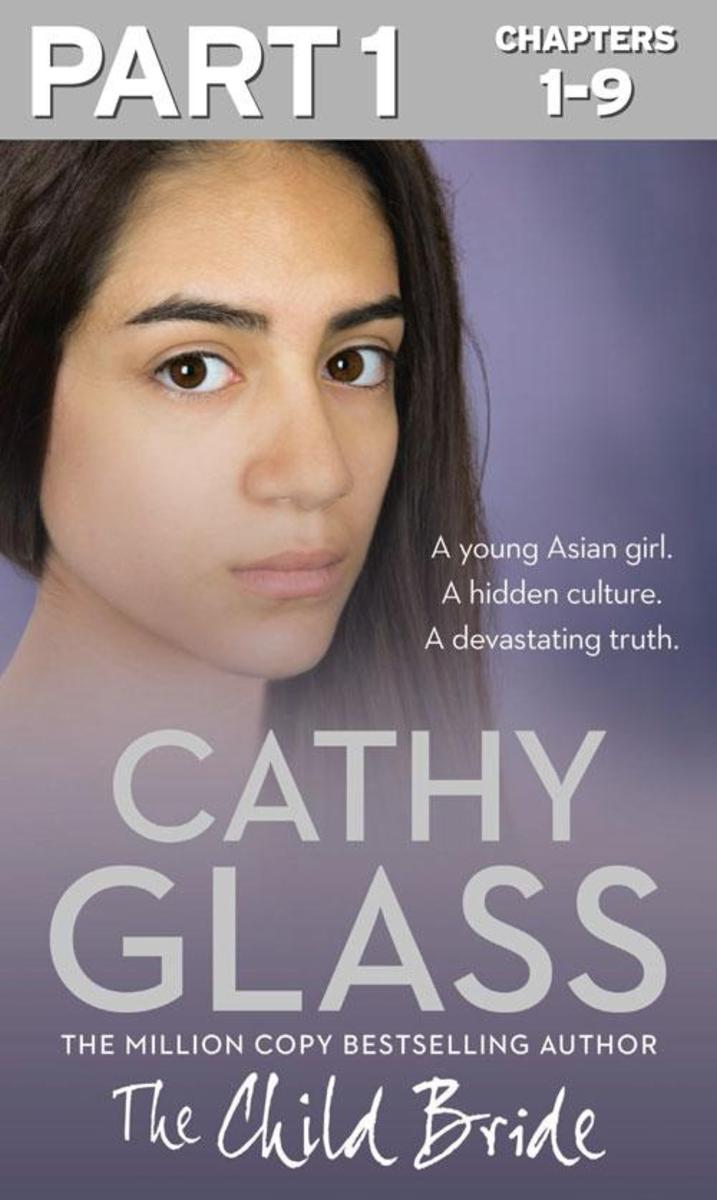
The Child Bride: Part 1 of 3
¥9.71
The Child Bride can either be read as a full-length eBook or in 3 serialised eBook-only parts. This is PART 1 of 3. You can read Part 1 three weeks ahead of release of the full-length eBook and paperback. Cathy Glass, international bestselling author, tells the shocking story of Zeena, a young Asian girl desperate to escape from her family. When 14 -year-old Zeena begs to be taken into care with a non-Asian family, she is clearly petrified. But of what? Placed in the home of experienced foster carer Cathy and her family, Zeena gradually settles into her new life, but misses her little brothers and sisters terribly. Prevented from having any contact with them by her family who insist she has brought shame and dishonour on the whole community, Zeena tries to see them at school. But when her father and uncle find out, they bundle her into a car and threaten to set fire to her if she makes anymore trouble. Zeena is too frightened to press charges against them despite being offered police protection in a safe house. Eventually, Cathy discovers the devastating truth from Zeena, and with devastation she believes there is little she can do to help her.

Two More Sleeps
¥9.71
This is the heart-breaking tale of Angell, a young girl desperately loved but inadequately cared for by her troubled mother Nicki. Abandoned and left barely clothed beneath a park bench on a freezing cold day in winter, the bewildered child is rescued by police and passed into the loving and compassionate care of the Lewis family. But when foster carer Rosie takes Angell into her home and heart, she wonders whether Angell’s mother will ever return for her daughter? Or will Angell be destined to spend the rest of her childhood in care?
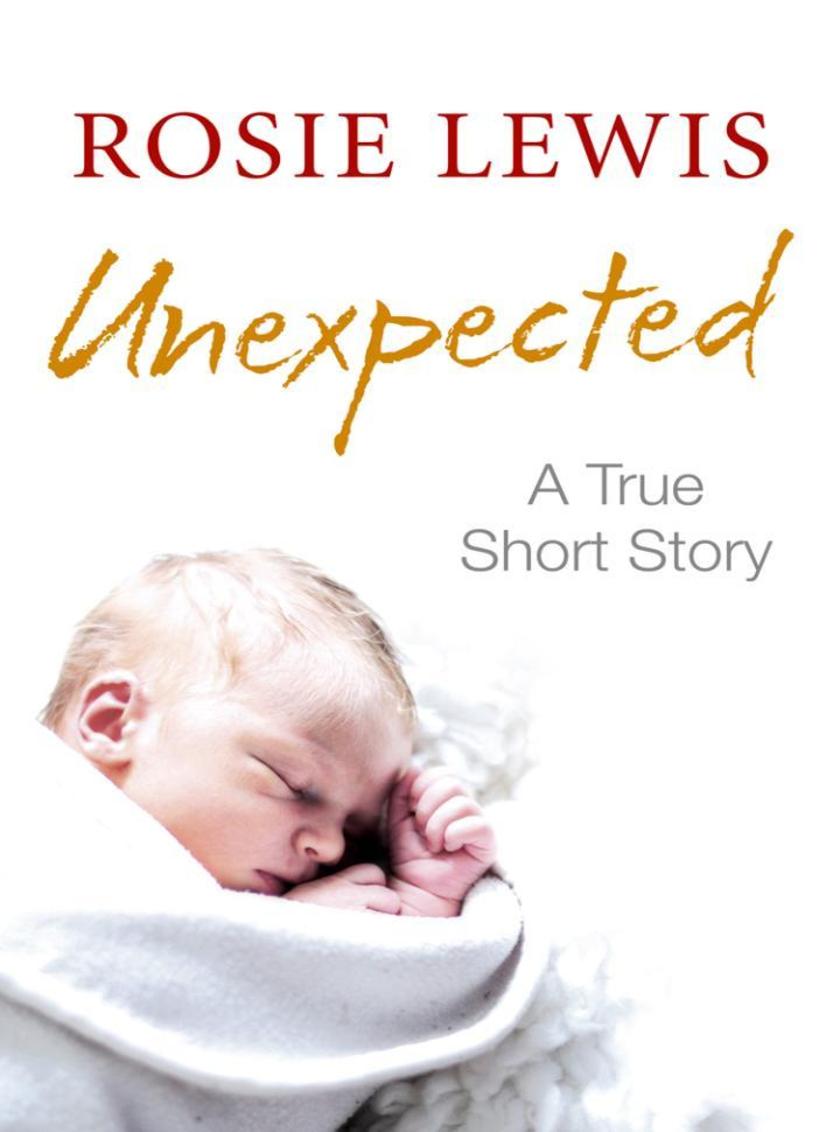
Unexpected: A True Short Story
¥9.71
A dramatic and heartwarming story from foster carer, Rosie Lewis. Ellen, a 28-year-old office worker is so shocked by the sudden birth of her baby that she abandons the newborn in hospital. Foster carer Rosie Lewis begins visiting baby Hope in hospital, then a week later she is released into her care. At first Rosie struggles to understand how any mother could abandon a small baby, but when Ellen begins daily visits with Hope, Rosie sees a young woman traumatised by a dark secret. Rosie wants to help the young woman and the baby in her care and must fight to bring them together.

The 13th Gift: Part One (HarperTrue Life – A Short Read)
¥9.71
A true Christmas story of a family suffering their darkest moments finding strength and love from a surprise Christmas miracle. December 1999: It was the Christmas season, but Joanne Smith was numb. She wished she could just go to sleep and wake up on December 26. No singing. No laughter. No shopping. She typically enjoyed the holidays, but this year she couldn’t celebrate. Her beloved husband of almost twenty years had died two months previously. What had once been a happy home was now devastated, leaving her and her three children drowning in grief. Until they were thrown a lifeline. Twelve days before Christmas, Jo was in the midst of rushing her kids to school, when she discovered a poinsettia sitting on her doorstep with a card, signed cryptically by her “true friends.” That seemingly small gift was the turning point for the Smith family, as over the course of the twelve days of Christmas, a new gift arrived daily. The mystery of the Christmas presents – specifically, the generosity and kindness behind them – worked its magic on the Smiths as the family knitted back together. They rose out of their grief and latched onto the hope they suddenly felt again: that with love, with community, and with family, even the most broken hearts can be mended.
Margery’s Story
¥9.71
From the bestselling authors of The Sugar Girls and GI Brides, this is Margery’s story, one of three true accounts from the book The Girls Who Went to War. “‘Who does that man think he is?’ Margery muttered to a girl standing next to her. The words had slipped out before she could stop herself, but she realised, to her horror, that the warrant officer had heard them. ‘What was that?’ he demanded, striding over and fixing her with an angry stare. Margery gulped – but there was no going back now.” In the summer of 1940, Britain stood alone against Germany. The British Army stood at just over one and a half million men, while the Germans had three times that many, and a population almost twice the size of ours from which to draw new waves of soldiers. Clearly, in the fight against Hitler, manpower alone wasn’t going to be enough. Margery Pott signed up for the Women’s Auxiliary Air Force, leaving her quiet home for the rigours of training, the camaraderie of the young women who worked together so closely and to face a war that would change her life forever. Overall, more than half a million women served in the armed forces during the Second World War. This book tells the story of just one of them. But in her story is reflected the lives of hundreds of thousands of others like them – ordinary girls who went to war, wearing their uniforms with pride.
Kathleen’s Story
¥9.71
From the bestselling authors of The Sugar Girls and GI Brides, this is Kathleen’s story, one of three true accounts from the book The Girls Who Went to War. “Boxing Day was cold and frosty, and by the time Kathleen and the lads arrived at the football pitch she was already shivering. As they stood watching the game, Arnold silently took her hand and put it inside the pocket of his greatcoat. It was a small gesture, but it told her that she belonged to him now, and to Kathleen nothing had ever seemed so romantic.” In the summer of 1940, Britain stood alone against Germany. The British Army stood at just over one and a half million men, while the Germans had three times that many, and a population almost twice the size of ours from which to draw new waves of soldiers. Clearly, in the fight against Hitler, manpower alone wasn’t going to be enough. Nanny Kathleen Skin signed up for the WRNS, leaving her quiet home for the rigours of training, the camaraderie of the young women who worked together so closely and to face a war that would change her life forever. Overall, more than half a million women served in the armed forces during the Second World War. This book tells the story of just one of them. But in her story is reflected the lives of hundreds of thousands of others like them – ordinary girls who went to war, wearing their uniforms with pride.

50 Quick Cleaning Tips
¥9.71
Contained within this book are 50 quick and easy common-sense tips to help you clean your home and possessions. Despite a huge number of specialist - and expensive - cleaning products on the market, time has taught us that you don't have to spend a fortune to make your household look like it has been cleaned by the professionals! This quick-read guide has been specially formatted for today's e-readers, with each tip indexed for easy access.

Raw: The diary of an anorexic (HarperTrue Life – A Short Read)
¥9.71
Lydia was 19 years old and enjoying university with a loving family and great friends when she became anorexic. The doctors told her that she would die. This is Lydia’s account of what anorexia did to her, how it changed her and how it impacted on her family, friends and all her choices in life. Her story is told through letters and blogs that Lydia wrote at the best and worst of times, notes from her parent s and friends desperately trying to find a way through to her and doctors notes with the horrific exacting details. Lydia is now 23 and ‘recovering’. She strongly believes that recovery is possible, and feels she is almost there. She wrote her book to explain her deepest thoughts and to explain the painful mental torture that she endured and overcame. And she wrote it in the hope that others suffering would relate to it, and that other families watching their loved ones will be touched and understand more deeply how an eating disorder really feels.

The 9/11 Dogs
¥9.71
Meet the dogs who searched for life amongst the ruins of the Twin Towers. Many heroes were made on 9/11 and in the weeks that followed. Not all of them showed human courage. Some of them could only show that they were truly man’s best friend. German Shepherds, Labradors and Spaniels accounted for the majority of the four-legged heroes. Over three hundred search and rescue dogs worked the pile at Ground Zero and the crash site at the Pentagon. For hours they searched, fighting off exhaustion with sheer determination and they continued every day long after the hope of finding survivors had passed. There were faithful Guide dogs who helped their sightless owners out of the Twin Towers and led them to safety showed unstinting devotion in the face of adversity. And later, therapy dogs arrived to bring comfort to the bereaved and confused. At every stage of the operation, dogs were there helping humankind in various roles. And invaluably, they provided comfort and reassurance and lifted spirits by their pure presence. Sadly many of the dogs are no longer with us but their achievements will never be forgotten. Isabel George was fortunate that the people close to the dogs were pleased to be asked to share their stories. This book is to honour the dogs and their people.
D-day Dogs: Remarkable true stories of heroic dogs
¥9.71
Incredible true stories of canine loyalty in the Second World War. There were dogs involved with the landings, dogs the soldiers could not bear to leave behind and dogs trained to patrol, protect and locate. The dogs sailed with the Merchant Navy and brought their boats into dangerous waters to retrieve the wounded or stranded. They were on land, in the air and on the water during the D-Day operation – playing their special part in every aspect. Through this inspiring short collection of the true stories of four of these canine heroes the remarkable achievements of the D-Day dogs are brought to life.
Little Girl Lost: The true story of a broken child
¥9.71
The fourth in a series of true short stories from foster carer Mia Marconi. Kira first came to foster carer Mia Marconi’s home on respite care when she was three. She had suffered an unimaginable amount of abuse in her short life. Although she couldn’t tie her shoe laces, she could smash a room to pieces; she fought against everything like a wild cat. At the age of five Kira moved permanently to live with Mia and her family, but by the time she was nine years old the whole family was at breaking point. Mia is the kind of person who won’t give in and believes she can always change things for the better, but try as she might she can’t change Kira. So after six years, with a very heavy heart, she is forced to question whether she can really help this lost and damaged child. Raw, shocking and honest, this short story will shed new light on the role of foster carers, revealing the kind of heartbreaking real life situations carers like Mia Marconi are confronted with every day.
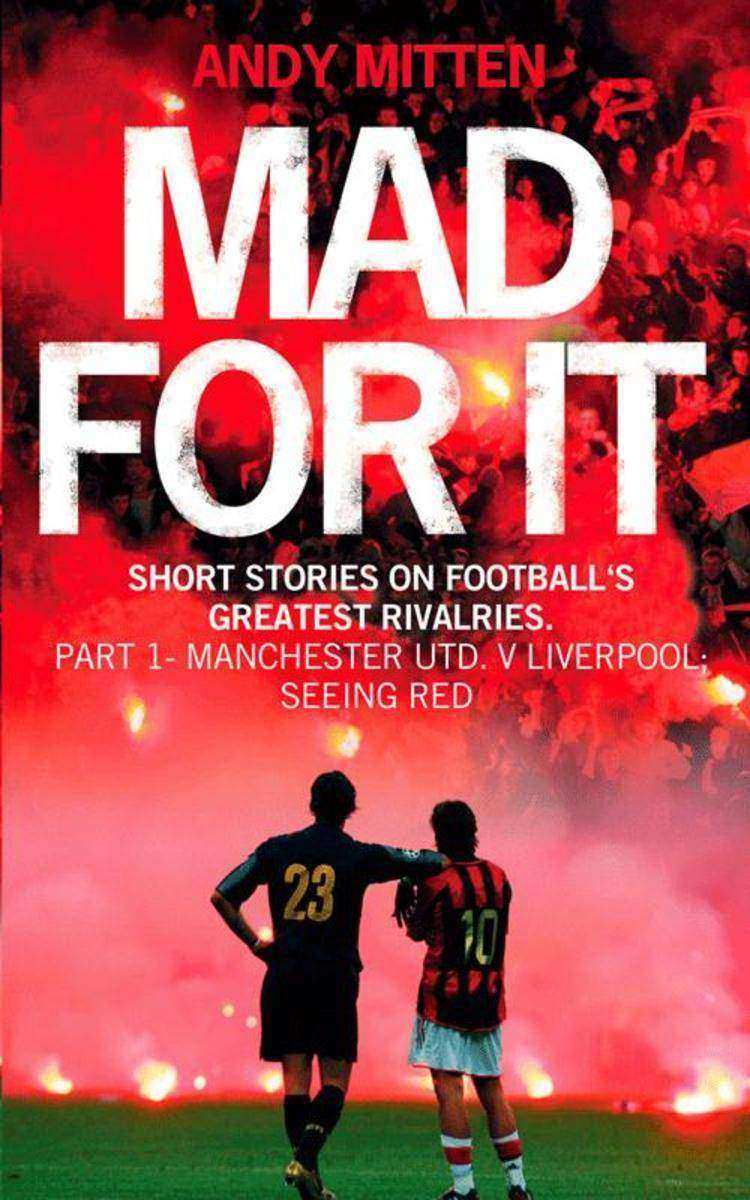
Liverpool v Manchester United:Seeing Red (A Short Pass)
¥9.71
‘Seeing Red’ is an exclusive extract from the best-selling ‘Mad For It’, published in association with FourFourTwo magazine. It examines one of the greatest sporting rivalries from the viewpoint of the people that matter; the fans. ‘Mad For It’ proves that some football matches are far more than just a game. These short extracts, from the original book published in association with FourFourTwo magazine, provide a fresh and revealing insight into the people that make these matches matter – the fans – using their own words and stories to illuminate the conflicts, tensions, histories and celebrations behind these unforgettable games. This first essay examines the biggest rivalry in English, if not World, football. Led by Sir Alex Ferguson and Kenny Daglish, games between Manchester United and Liverpool stir up some of the strongest emotions of any sporting event. On match days, two of the biggest cities in the UK come to a standstill. ‘Seeing Red’ gets to the root cause of the rivalry and examines why it matters so much.

Taylor Swift: The Whole Story FREE SAMPLER
¥9.71
INCLUDES EXCLUSIVE BONUS CHAPTER: The Wit and Wisdom of Taylor Swift The first 2 chapters from the full story of Taylor Swift’s stratospheric rise to fame; all any dedicated Swifty needs to know about the pop superstar who’s taking over the world. A small-town girl with an incredible talent, and the strength to realise her dream, Taylor has grown into an award-winning, chart-topping artist and worldwide star, as well as a strong and stylish woman. But how did she get there? And what lies in store for her in the future? From childhood dreams of a musical future in Pennsylvania, to determined and budding teen musician with a trademark she’s stayed faithful to ever since: honest lyrics about real-life events; her fight to be taken seriously in the music industry, through to the rewards of success and the intense pressure of expectation, Taylor Swift: The Whole Story is a full account of Taylor’s incredible journey, with everything you need to know about America’s Sweetheart. This compelling book is packed full of fascinating details revealing the true Taylor – what drives, motivates and moves her, how she overcame the challenges that loomed on the road to fame and how authentic her wholesome image is, plus the truth about her relationships with Harry Styles, Jake Gyllenhaal and Conor Kennedy and who she’s really talking about on her tracks. The full portrait of a girl who could so easily have faded into the background – but who blossomed in the spotlight into a grounded, graceful and inspiring young woman.

My Psychic Casebook
¥9.71
Have you ever wondered what goes on behind closed doors at a psychic reading? Meet ‘Selfridges Psychic’ Jayne Wallace who reads for over 100 international clients every week – from CID officers to media moguls, housewives to royalty and celebrities. Now she opens her client casebook to share the most shocking, touching and simply amazing readings that will make you laugh and cry – and leave you in no doubt that the spirit lives on. Jayne is renowned for getting straight to the point, with no preamble – she has seen spirits since the age of five and connects quickly to a person’s loved ones who have passed, bringing important messages and healing. In My Psychic Casebook, Jayne tells the stories exactly as they happened, and explains the techniques she uses to link with her clients. Just like a good novel, you’ll be instantly engrossed – except that all these stories are true. As the only department store medium in the world, in this short story, Jayne offers a unique insight into the work of a top clairvoyant, as well as shining a light on the remarkable truths behind the questions that concern us all.

10 Amazing Bridges
¥9.71
This quick-read guide introduces the reader to ten of the most amazing bridges in the world. Including photographs of every bridge and a brief description of the history of the structure, this ebook has been specially formatted for today's e-readers.
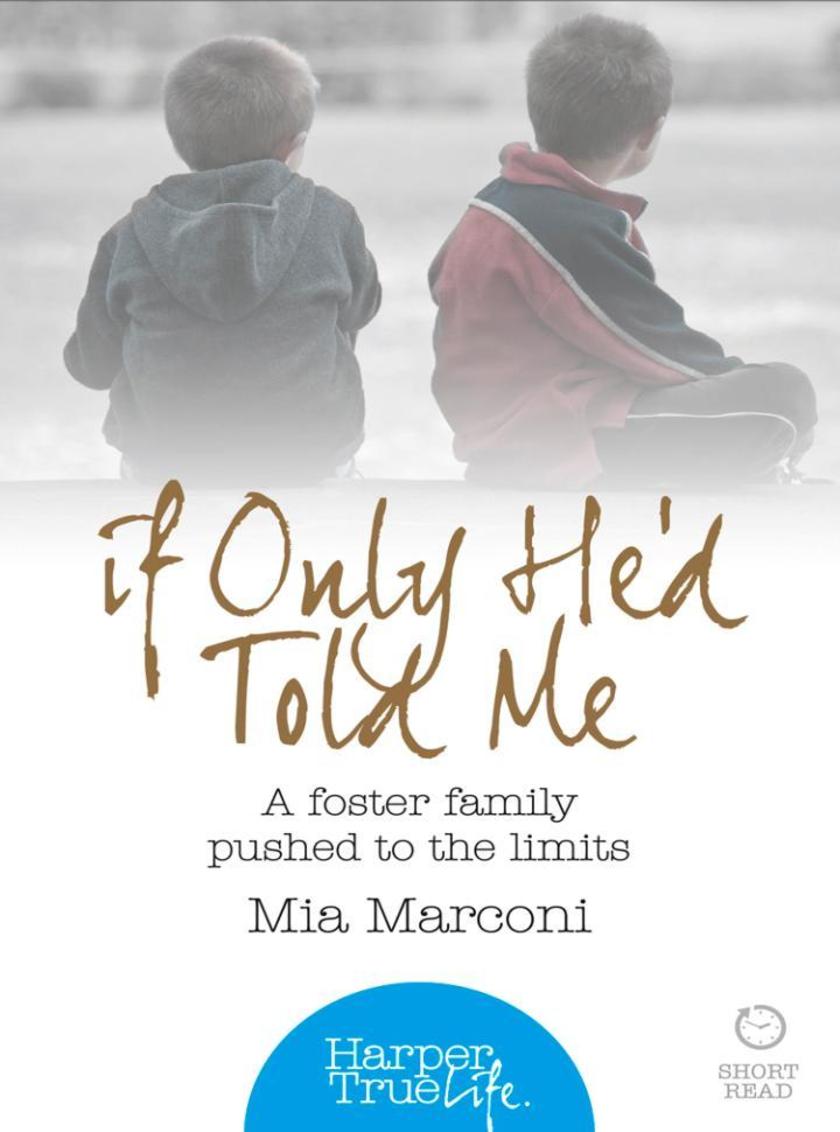
If Only He’d Told Me: A foster family pushed to the limits
¥9.71
The third in a series of true short stories from foster carer Mia Marconi. Brody had been on the at-risk register since birth but was only removed from his alcoholic parents when he reached the age of six. Foster carer Mia Marconi was thrilled when he first arrived – a boy the same age as her son. It can be so bewildering for foster children when they arrive. The older ones are usually withdrawn and sullen. The younger ones will be screaming, spitting at you, making themselves sick and throwing themselves on the floor. For Mia, it’s normally her boisterous, happy children who provide the comfort at the beginning, because why should they trust another adult. Children always feel safe and secure when there are other children about. Mia believes it’s through making relationships with other children that they begin to trust adults again. But little did she know that six-year-old Brody was actually taking his anger and frustration out on her son. She quickly begins to realise the heavy price her family has had to pay.
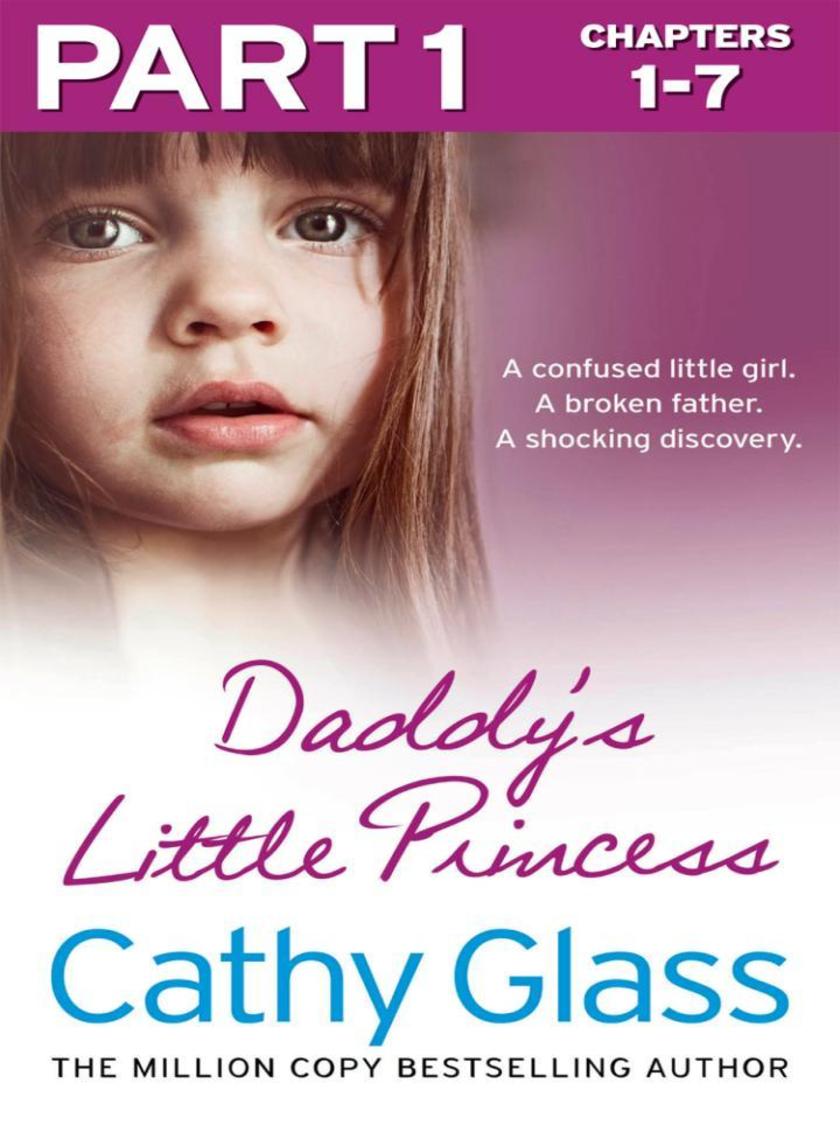
Daddy’s Little Princess: Part 1 of 3
¥9.71
The latest title from the internationally bestselling author and foster carer Cathy Glass. Beth is a sweet-natured child who appears to have been well looked after. But it isn’t long before Cathy begins to have concerns that the relationship between Beth and her father is not as it should be. Little Beth, aged 7, has been brought up by her father Derek after her mother left when she was a toddler. When Derek is suddenly admitted to hospital with psychiatric problems Beth is taken into care and arrives at Cathy’s. Beth and her father clearly love each other very much and Derek spoils his daughter, treating her like a princess, but there is something bothering Cathy, something she can’t quite put her finger on. Meanwhile Cathy’s husband is working away a lot and coming home less at weekends. Then, suddenly, everything changes. Events take a dramatic turn for both Beth and Cathy and her family; as Cathy strives to pick up the pieces all their lives are changed forever.
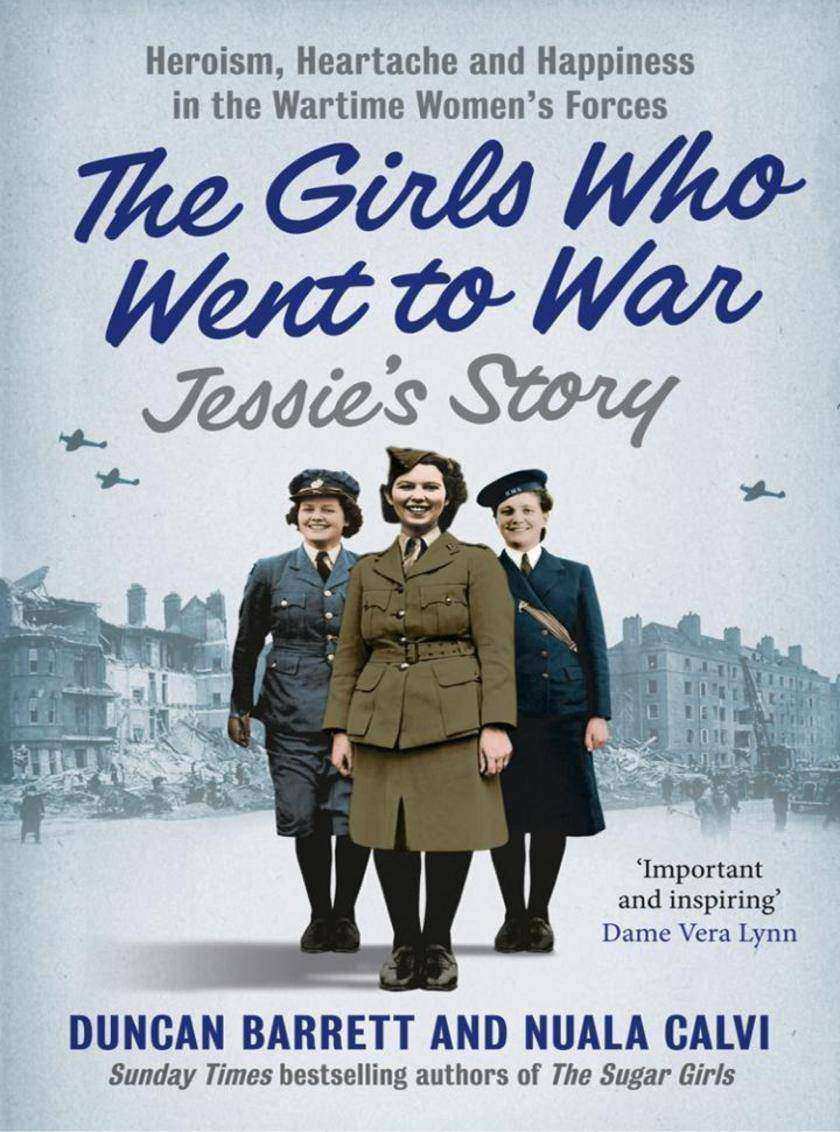
Jessie’s Story
¥9.71
From the bestselling authors of The Sugar Girls and GI Brides, this is Jessie’s story, one of three true accounts from the book The Girls Who Went to War. “Since Jessie’s surname was Ward, she was one of the last to hear what role she had been assigned to. Mary and Olive had already been told they were going to an ack-ack training camp in Berkshire, and she crossed her fi ngers, hoping that she would be setting off with them. Finally, the corporal came to her name. ‘Private Ward,’ she called out. ‘Anti-aircraft.’ At that moment, Jessie couldn’t have been happier. She was joining the artillery, and would soon be giving the Germans what for.” In the summer of 1940, Britain stood alone against Germany. The British Army stood at just over one and a half million men, while the Germans had three times that many, and a population almost twice the size of ours from which to draw new waves of soldiers. Clearly, in the fight against Hitler, manpower alone wasn’t going to be enough. Eighteen-year-old Jessie Ward defied her mother to join the ATS, leaving her quiet home for the rigours of training, the camaraderie of the young women who worked together so closely and to face a war that would change her life forever. Overall, more than half a million women served in the armed forces during the Second World War. This book tells the story of just one of them. But in her story is reflected the lives of hundreds of thousands of others like them – ordinary girls who went to war, wearing their uniforms with pride.

父与子(英语文库)
¥9.99
本书作为我社“*经典英语文库”第14辑中的一种,精选由俄国著名作家伊凡·屠格涅夫的经典作品《父与子》。小说反映了农奴制改革前夕民主主义阵营和自由主义阵营之间的尖锐的思想斗争。主人公巴扎罗夫是一个激的民主主义者,他具有坚强的性格和埋头工作的习惯。在政治上,他反对农奴制度,批判贵族自由主义,否定贵族的生活准则;在哲学上,他是个唯物主义者,重视实践,提倡实用科学。


