


 购物车
购物车 个人中心
个人中心
The Worlds of Joe Shannon
¥4.58
Jung’a g?re i? dünyam?za y?nelik de ?e?itli yap?lar?m?z vard?r. Her insanda hem di?ili?e ait bir?davran???ve hissedi? yap?s?( ki buna “anima” ad?n? vermi?tir) hem de erkekli?e ait bir yap? (“animus”) vard?r. Ona g?re bu iki yap? aras?ndaki dengeye ait sorunlar cinsel kimlik bozukluklar?ndan,??ki?ilik?bozukluklar?na dek ?ok farkl? psikiyatrik bozukluklara yol a?abilmektedir.?Bunlar?n en alt?nda ise, “kendilik” dedi?imiz as?l bizim i?imizdeki??z?olarak dü?ünülebilecek olan, rüyalar?m?zda farkl?la?arak ortaya ??kan adeta yerkürenin merkezindeki ma?ma katman? gibi enerjik bir yap? vard?r. ????NDEK?LER ?Carl Gustav Jung’un Ya?am ?yküsü?B?R?NC? B?L?M:?JUNG PS?KOLOJ?S?NE G?R??ANAL?T?K PS?KOLOJ?Bilin? ve Bilin?d???n?n ??leviKi?ilik Kuram?Psikoterapi SüreciJung’un psikoloji-psikiyatri bilimine yapt??? katk?larBilincin ?ne ??k???Bilincin ??levleri??levlerin y?netimi:Psikolojik tipler &?Dünyaya y?nelik tutumlar:D??ad?nüklük??e d?nüklükBilin?d???: Ki?isel ve Kolektif Bilin?d???Bilin? ve bilin?d??? ili?kisi:Jung ve E?zamanl?l?kE?zamanl?l?k –Jung’un Ger?ekli?e Yan?t?G?LGE KAVRAMI VE JUNG.. ? ?K?NC? B?L?M: FREUD VE JUNG ARASINDAK? FARKLAR Edebiyat Konusunda Freud ve Jung'un Yakla??mlar?n?n K?yaslanmas?FREUD VE JUNG DA PS?KANAL?Z VE D?N..Edebiyat Konusunda Freud Ve Jung'un Yakla??mlar?n?n K?yaslanmas?PS?KANAL?Z VE D?NPS?KANAL?ZDE R?YA YORUMU FREUD VE JUNG.. ? ???NC? B?L?M: JUNG VE D?RT ARKET?P.. ? D?RD?NC? B?L?M: JUNG VE PS?KANAL?T?K KURAM JUNG PS?KOLOJ?S?NE A?T BAZI KAVRAMLARKollektif Bilin?alt?nda bulunan belli ba?l? arketipler:K???L???N GEL???M?YA?AM D?NEMLER???LEVLERR?YALAR VE S?MGELERJUNG TERAP?S?PS?KOTERAP?DE S?MGELER?N KULLANIMIR?YALAR VE S?MGELERR?YALAR VE YORUMLARELE?T?R?LER G?R??LERArketip Kavram? ve Marka Ki?ilikleriStratejik A??dan Marka Ki?ilikleriJung'a G?re Ki?ilik Yap?s?Ki?isel Bilin?alt? ? BE??NC? B?L?M: Analitik Psikoloji Temel ?lke ve Kavramlar CARL GUSTAV JUNG'da,?E?zamanl?l?k –Jung’un Ger?ekli?e Yan?t?TEOR?ArketiplerAnne ArketipiManaG?lgePersonaAnima ve animusDi?er arketipler?nsan akl?n?n dinamikleriBenlikE?zamanl?l?k ? ALTINCI B?L?M: JUNG ?ZER?NE KISA B?R ?NCELEME Arketip Kavramlar?Eril Arketipler:Di?il Arketipler:K?tüler:As?l Mesele:?Carl Gustav Jung ve Analitik Psikoloji (?zet ve Kar??la?t?rma) ? YED?NC? B?L?M: CARL GUSTAV JUNG VE PS?KOLOJ? YEN? B?R D?NEM “B?L?N?ALTININ ??Z?M?”Carl Jung'un Astroloji Hakk?ndaki?S?ylemleriJUNG’ DAN BAZI S?ZLER: ? SEK?Z?NC? B?L?M: SONU?LAR .. ? DOKUZUNCU B?L?M: JUNG PS?KOLOJ?S?NE A?T BAZI KAVRAMLAR K???L???N GEL???M??nsan akl?n?n dinamikleriBenlikE?zamanl?l?kHayvan Davran??lar?na Psikolojik Yakla??mlar?nsan Davran??lar?n?n Anla??lmas?nda Bir Yakla??m: Psikoanalitik KuramFreud ve Evrimsel Biyoloji: Psikanalitik Kuram'?n Ele?tirisiFELSEFEN?N PS?KANAL?Z ?ZER?NE ETK?LER?…B?L?N?DI?ININ KARANLIK YANIJUNG’A G?RE C?NSELL???N ??LEV?…Komplekslerin TipolojisiLibido Ve ?tkiler ve YükseltilmesiLibidonun Dinami?iFreud’dan Sonra Libido
La cedola falsificata: Denaro Falso
¥4.58
“Non capite, se giudicate” Il racconto è diviso in due parti: nella prima la falsificazione di un titolo di credito di piccolo valore, fatta da due studenti, innesca una catena di eventi che coinvolgono decine di altre persone, con conseguenze sempre più gravi; nella seconda parte viene offerta una possibilità di redenzione alla maggior parte dei protagonisti superstiti. Pubblicato anche con il titolo di ""Denaro falso"" e ""La cedola falsa"", questo racconto è stato giudicato un racconto-pamphlet, una requisitoria contro il denaro, inteso come strumento di corruzione individuale e sociale. Contro il potere del denaro, Tolstòj auspica un ritorno a forme sociali premoderne che ricordano le utopie rousseaviane. Nuova edizione rivista e corretta: 6 gennaio 2016 Nota: Se hai acquistato questo ebook prima del 6 gennaio 2016 e vuoi ricevere gratuitamente la nuova edizione, rivista e corretta, invia un'email alla redazione di Kentauron, all'indirizzo che trovi all'interno dell'ebook."
The Jungle Book
¥4.58
The Jungle Book (1894) is a collection of stories by English author Rudyard Kipling. The stories were first published in magazines in 1893–94. The edition contains 89 illustrations by Maurice de Becque, and others, like the author's father, John Lockwood Kipling.? The tales in the book (as well as those in The Second Jungle Book which followed in 1895, and which includes five further stories about Mowgli) are fables, using animals in an anthropomorphic manner to give moral lessons. The verses of The Law of the Jungle, for example, lay down rules for the safety of individuals, families, and communities. Kipling put in them nearly everything he knew or "heard or dreamed about the Indian jungle." Other readers have interpreted the work as allegories of the politics and society of the time. The best-known of them are the three stories revolving around the adventures of Mowgli, an abandoned "man cub" who is raised by wolves in the Indian jungle. The most famous of the other four stories are probably "Rikki-Tikki-Tavi", the story of a heroic mongoose, and "Toomai of the Elephants", the tale of a young elephant-handler. As with much of Kipling's work, each of the stories is followed by a piece of verse.The Jungle Book came to be used as a motivational book by the Cub Scouts, a junior element of the Scouting movement. This use of the book's universe was approved by Kipling at the request of Robert Baden-Powell, founder of the Scouting movement, who had originally asked for the author's permission for the use of the Memory Game from Kim in his scheme to develop the morale and fitness of working-class youths in cities. Akela, the head wolf in The Jungle Book, has become a senior figure in the movement, the name being traditionally adopted by the leader of each Cub Scout pack.
The Disappearance of Lady Frances Carfax
¥4.58
New illustrated edition with original drawings by Alec Ball, Frederic Dorr Steele, Knott, and T. V. McCarthy. 'The Disappearance of Lady Frances Carfax' is one of the 56 Sherlock Holmes short stories written by British author Arthur Conan Doyle, at first published in the American Magazine and The Strand Magazine, and then part of a collection of eight stories published as a book entitled 'His Last Bow: Some Reminiscences of Sherlock Holmes' in some editions titled 'His Last Bow: Some Later Reminiscences of Sherlock Holmes'. It's one of the few stories in which for much of the plot Watson must act alone and try his best with Holmes left in the background. Sir Arthur Ignatius Conan Doyle (22 May 1859 – 7 July 1930) was an Irish-Scots writer and physician, most noted for creating the fictional detective Sherlock Holmes and writing stories about him which are generally considered milestones in the field of crime fiction. He is also known for writing the fictional adventures of a second character he invented, Professor Challenger, and for popularising the mystery of the Mary Celeste. He was a prolific writer whose other works include fantasy and science fiction stories, plays, romances, poetry, non-fiction and historical novels. This Kentauron edition has been professionally formatted for e-readers with a linked table of contents. We hope you’ll share this book with your friends, neighbors and colleagues and can’t wait to hear what you have to say about it. Kentauron is dedicated to helping everyone develop a lifetime love of reading, no matter what form it takes. Also available as English-Italian bilingual parallel text editions, and single language editions.
All In The Mind: Illustrated
¥4.58
The Jungle Book (1894) is a collection of stories by English Nobel laureate Rudyard Kipling. The stories were first published in magazines in 1893–94. The original publications contain illustrations, some by Rudyard's father, John Lockwood Kipling. Kipling was born in India and spent the first six years of his childhood there. After about ten years in England, he went back to India and worked there for about six-and-a-half years. These stories were written when Kipling lived in Vermont. There is evidence that it was written for his daughter Josephine, who died in 1899 aged six, after a rare first edition of the book with a poignant handwritten note by the author to his young daughter was discovered at the National Trust's Wimpole Hall in Cambridgeshire in 2010. The tales in the book (and also those in The Second Jungle Book which followed in 1895, and which includes five further stories about Mowgli) are fables, using animals in an anthropomorphic manner to give moral lessons. The verses of The Law of the Jungle, for example, lay down rules for the safety of individuals, families and communities. Kipling put in them nearly everything he knew or "heard or dreamed about the Indian jungle." Other readers have interpreted the work as allegories of the politics and society of the time. The best-known of them are the three stories revolving around the adventures of an abandoned "man cub" Mowgli who is raised by wolves in the Indian jungle. The most famous of the other stories are probably "Rikki-Tikki-Tavi", the story of a heroic mongoose, and "Toomai of the Elephants", the tale of a young elephant-handler. As with much of Kipling's work, each of the stories is preceded by a piece of verse, and succeeded by another. Characters:Akela – An Indian WolfBagheera – A melanistic (black) pantherBaloo— A Sloth BearBandar-log – A tribe of monkeysChil – A kite (renamed "Rann" in US editions)Chuchundra – A MuskratDarzee – A tailorbirdFather Wolf – The Father Wolf who raised Mowgli as his own cubGrey brother – One of Mother and Father Wolf's cubsHathi – An Indian ElephantIkki – An Asiatic Brush-tailed Porcupine (mentioned only)Kaa – Indian PythonKarait – Common KraitKotick – A White SealMang – A BatMor – An Indian PeafowlMowgli – Main character, the young jungle boyNag – A male Black cobraNagaina – A female King cobra, Nag's mateRaksha – The Mother wolf who raised Mowgli as own cubRikki-Tikki-Tavi – An Indian MongooseSea Catch – A Northern fur seal and Kotick's fatherSea Cow – A Steller's Sea CowSea Vitch – A WalrusShere Khan— A Royal Bengal TigerTabaqui – An Indian Jackal
Mother Goose or the Old Nursery Rhymes
¥4.58
"It is your best work, Basil, the best thing you have ever done," said Lord Henry, languidly. "You must certainly send it next year to the Grosvenor. The Academy is too large and too vulgar. The Grosvenor is the only place." "I don't think I will send it anywhere," he answered, tossing his head back in that odd way that used to make his friends laugh at him at Oxford. "No: I won't send it anywhere." Lord Henry elevated his eyebrows, and looked at him in amazement through the thin blue wreaths of smoke that curled up in such fanciful whorls from his heavy opium-tainted cigarette. "Not send it anywhere? My dear fellow, why? Have you any reason? What odd chaps you painters are! You do anything in the world to gain a reputation. As soon as you have one, you seem to want to throw it away. It is silly of you, for there is only one thing in the world worse than being talked about, and that is not being talked about. A portrait like this would set you far above all the young men in England, and make the old men quite jealous, if old men are ever capable of any emotion." "I know you will laugh at me," he replied, "but I really can't exhibit it. I have put too much of myself into it." Lord Henry stretched his long legs out on the divan and shook with laughter. "Yes, I knew you would laugh; but it is quite true, all the same." "Too much of yourself in it! Upon my word, Basil, I didn't know you were so vain; and I really can't see any resemblance between you, with your rugged strong face and your coal-black hair, and this young Adonis, who looks as if he was made of ivory and rose-leaves. Why, my dear Basil, he is a Narcissus, and you--well, of course you have an intellectual expression, and all that. But beauty, real beauty, ends where an intellectual expression begins. Intellect is in itself an exaggeration, and destroys the harmony of any face. The moment one sits down to think, one becomes all nose, or all forehead, or something horrid. Look at the successful men in any of the learned professions. How perfectly hideous they are! Except, of course, in the Church. But then in the Church they don't think. A bishop keeps on saying at the age of eighty what he was told to say when he was a boy of eighteen, and consequently he always looks absolutely delightful. Your mysterious young friend, whose name you have never told me, but whose picture really fascinates me, never thinks. I feel quite sure of that. He is a brainless, beautiful thing, who should be always here in winter when we have no flowers to look at, and always here in summer when we want something to chill our intelligence. Don't flatter yourself, Basil: you are not in the least like him."

Learn How to Survive in Fallout Shelter
¥4.58
Learn How to Survive in Fallout Shelter
The Eyes Have It
¥4.58
MODERN scientific publications, although they may in some or even many cases equal in their scientific quality the memoirs of earlier workers, do not, on the average, reach a high standard as regards illustration. For instance, in Great Britain botany is pre-eminent in its morphological aspects; it should therefore follow that the illustrations, which form so important a part of such papers, should be beyond reproach. This is not always so, a fact which must be patent to anyone with the slightest critical knowledge who looks through a typical journal. This is a fact much to be regretted, since many of the earlier scientists were accomplished draughtsmen and, indeed, often artists; in this connection the Hookers and Pro-fessor Daniel Oliver may be mentioned. The implication is not intended that there are no good amateur draughtsmen nowadays; there are, and in some cases pos-sessed of great ability. The beautiful work of Church in his Floral Mechanisms may be cited as an example. It may, of course, be argued that any picture which serves to illustrate the particu-lar feature is good enough; this is the contention of one who takes an insufficient pride in his work. A feature worthy of an illustration deserves the best the author can produce, more especially as a literary form is still, fortunately, preserved or, at any rate, aimed at.The reason for indifferent illustrations is primarily due to bad or mediocre draw-ings, or to their unsuitability for the kind of reproduction in view. With regard to the first point: this lack of draughtsmanship often obtains; when education entirely replaces mere instruction, it is to be hoped that all students of science will be trained in the rudiments of drawing. Meanwhile the difficulty can be partly overcome, as will be seen later on, by the simple means of drawing on an enlarged scale, in order that in reproduction reduction can be made. The second reason, the onus of which also falls on the authors, is a lack of knowledge regarding the kind of drawing suitable for the different modes of re-production; this is a very important point, for "technical conditions govern even genius itself."Authors, however, are not always to blame; it would appear that even editors sometimes are wanting in the requisite knowledge, for we have known straight-forward line drawings reproduced by half-tone; in other cases the paper used is unsuitable for the reproduction and, at other times, the printers are at fault. With a view to remedying, at any rate in part, these deficiencies, a course of lec-tures, arranged by the Board of Studies in Botany of the University of London, was delivered in the Lent term of 1913 in the Department of Botany of University College, London. In gratifying the wish expressed by some that these lectures should be given a more permanent dress, the author feels that some apology is necessary, for he can lay no claim to authoritative knowledge of much of the subject-matter; questions relating to the graphic arts and to illustrations, however, have always been of in-terest to him, so that he has tried various experiments, often with disastrous re-sults, and thus has gained some experience. In these matters the author has benefited much through his association with Pro-fessor F. W. Oliver, who, characteristically, has been ever ready to discuss these problems with, and to place his knowledge and experience at the disposal of the author.
The Adventure of the Dying Detective
¥4.58
New illustrated edition with original drawings by Walter Paget and Frederic Dorr Steele. 'The Adventure of the Dying Detective', in some editions simply titled 'The Dying Detective', is one of the 56 Sherlock Holmes short stories written by British author Arthur Conan Doyle, at first published in Collier's magazine and The Strand Magazine, and then part of a collection of eight stories published as a book entitled 'His Last Bow: Some Reminiscences of Sherlock Holmes' in some editions titled 'His Last Bow: Some Later Reminiscences of Sherlock Holmes'. Sir Arthur Ignatius Conan Doyle (22 May 1859 ? 7 July 1930) was an Irish-Scots writer and physician, most noted for creating the fictional detective Sherlock Holmes and writing stories about him which are generally considered milestones in the field of crime fiction. He is also known for writing the fictional adventures of a second character he invented, Professor Challenger, and for popularising the mystery of the Mary Celeste. He was a prolific writer whose other works include fantasy and science fiction stories, plays, romances, poetry, non-fiction and historical novels. This Kentauron edition has been professionally formatted for e-readers with a linked table of contents. We hope you'll share this book with your friends, neighbors and colleagues and can't wait to hear what you have to say about it. Kentauron is dedicated to helping everyone develop a lifetime love of reading, no matter what form it takes. Also available as English-Italian bilingual parallel text editions, and single language editions.
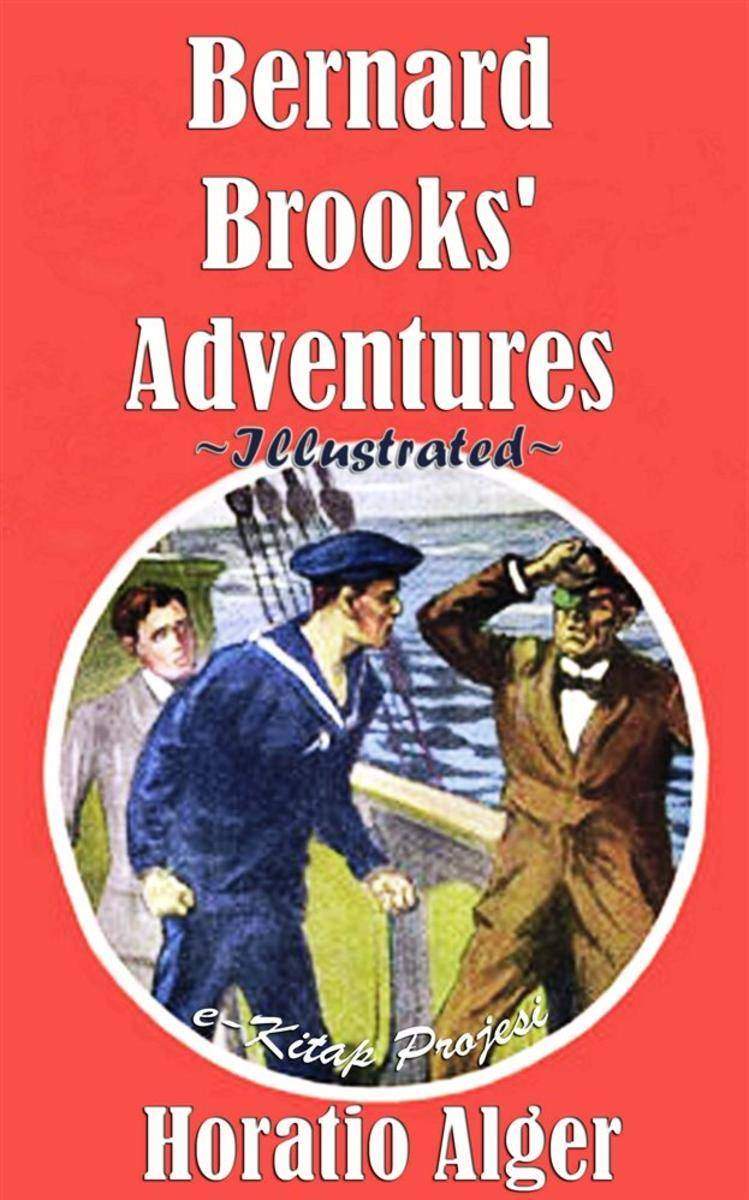
Bernard Brooks' Adventures: Illustrated
¥4.58
The dominant motives in Calderon's dramas are characteristically national: fervid loyalty to Church and King, and a sense of honor heightened almost to the point of the fantastic. Though his plays are laid in a great variety of scenes and ages, the sentiment and the characters remain essentially Spanish; and this intensely local quality has probably lessened the vogue of Calderon in other countries. In the construction and conduct of his plots he showed great skill, yet the ingenuity expended in the management of the story did not restrain the fiery emotion and opulent imagination which mark his finest speeches and give them a lyric quality which some critics regard as his greatest distinction. Of all Calderon's works, "Life is a Dream" may be regarded as the most universal in its theme. It seeks to teach a lesson that may be learned from the philosophers and religious thinkers of many ages—that the world of our senses is a mere shadow, and that the only reality is to be found in the invisible and eternal. The story which forms its basis is Oriental in origin, and in the form of the legend of "Barlaam and Josaphat" was familiar in all the literatures of the Middle Ages. Combined with this in the plot is the tale of Abou Hassan from the "Arabian Nights," the main situations in which are turned to farcical purposes in the Induction to the Shakespearean "Taming of the Shrew." But with Calderon the theme is lifted altogether out of the atmosphere of comedy, and is worked up with poetic sentiment and a touch of mysticism into a symbolic drama of profound and universal philosophical significance. LIFE IS A DREAM DRAMATIS PERSONAE Basilio King of Poland.Segismund his Son.Astolfo his Nephew.Estrella his Niece.Clotaldo a General in Basilio's Service.Rosaura a Muscovite Lady.Fife her Attendant. Chamberlain, Lords in Waiting, Officers,Soldiers, etc., in Basilio's Service. The Scene of the first and third Acts lies on the Polish frontier: of the second Act, in Warsaw. As this version of Calderon's drama is not for acting, a higher and wider mountain-scene than practicable may be imagined for Rosaura's descent in the first Act and the soldiers' ascent in the last. The bad watch kept by the sentinels who guarded their state-prisoner, together with much else (not all!) that defies sober sense in this wild drama, I must leave Calderon to answer for; whose audience were not critical of detail and probability, so long as a good story, with strong, rapid, and picturesque action and situation, was set before them. about author: Pedro Calderon de la Barca was born in Madrid, January 17, 1600, of good family. He was educated at the Jesuit College in Madrid and at the University of Salamanca; and a doubtful tradition says that he began to write plays at the age of thirteen. His literary activity was interrupted for ten years, 1625-1635, by military service in Italy and the Low Countries, and again for a year or more in Catalonia. In 1637 he became a Knight of the Order of Santiago, and in 1651 he entered the priesthood, rising to the dignity of Superior of the Brotherhood of San Pedro in Madrid. He held various offices in the court of Philip IV, who rewarded his services with pensions, and had his plays produced with great splendor. He died May 5, 1681. At the time when Calderon began to compose for the stage, the Spanish drama was at its height. Lope de Vega, the most prolific and, with Calderon, the greatest, of Spanish dramatists, was still alive; and by his applause gave encouragement to the beginner whose fame was to rival his own. The national type of drama which Lope had established was maintained in its essential characteristics by Calderon, and he produced abundant specimens of all its varieties. Of regular plays he has left a hundred and twenty; of "Autos Sacramentales," the peculiar Spanish allegorical development of the medieval mystery, we have seventy-three; besides a considerable number of farces.
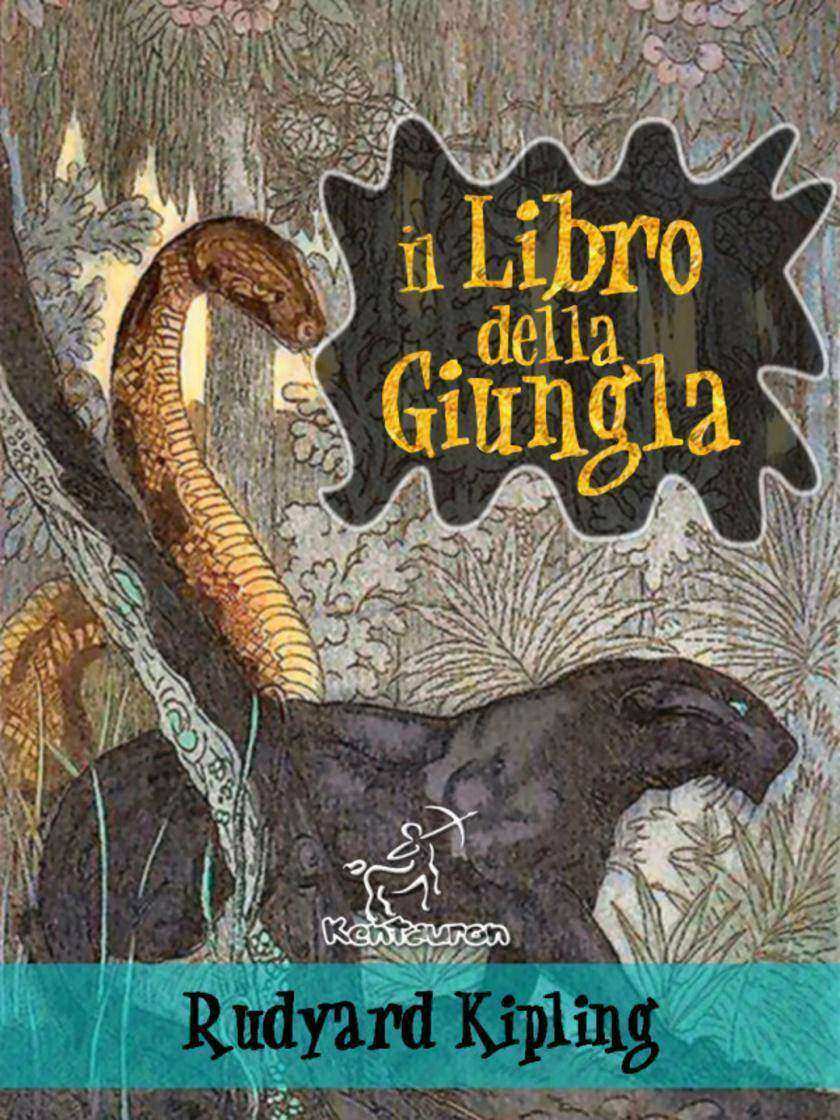
Il libro della giungla
¥4.58
Il libro della giungla (The Jungle Book) è una raccolta di racconti dello scrittore Premio Nobel per la Letteratura Rudyard Kipling; pubblicati, mentre viveva nel Vermont, su vari giornali e riviste tra il 1893 e il 1894. Questa pubblicazione contiene 89 illustrazioni di Maurice de Becque e altri disegnatori, fra cui anche il padre stesso dell'autore, John Lockwood Kipling.I più conosciuti tra questi racconti rimangono difatti le storie che narrano le avventure del "cucciolo d'uomo" di nome Mowgli, abbandonato nella giungla indiana e adottato da un branco di lupi.Tra gli altri racconti, i più noti sono probabilmente Rikki-tikki-tavi (la storia di un'eroica mangusta) e Toomai degli elefanti (la storia di un giovane conduttore di elefanti). Il secondo libro della giungla seguì nel 1895, comprende, tra le altre, ulteriori cinque storie che vedono protagonista il piccolo Mowgli.I racconti del libro della giungla che narrano le avventure di Mowgli (detti per l'appunto storie di Mowgli) sono utilizzati come ambientazione dai lupetti, la fascia d'età più giovane del movimento scout. Quest'uso venne approvato da Rudyard Kipling dopo una richiesta diretta da parte di Robert Baden-Powell, il fondatore dello scautismo.Attraverso i vari personaggi della storia (positivi e no) vengono incarnati qualità o difetti soggettivi. Questo particolare metodo viene definito la "morale per tipi". Per esempio Tabaqui rappresenta il disordine, la trasandatezza e la viltà, Baloo rappresenta la saggezza e la spiritualità individuale, Bagheera rappresenta l'agilità e la forza fisica, Shere Khan la prepotenza, Kaa la bontà d'animo e la cortesia. I pregi dei personaggi positivi sono inoltre riassunti in alcune frasi chiamate parole maestre, queste frasi sono anch'esse tratte dal libro della giungla ed insegnate ai lupetti.
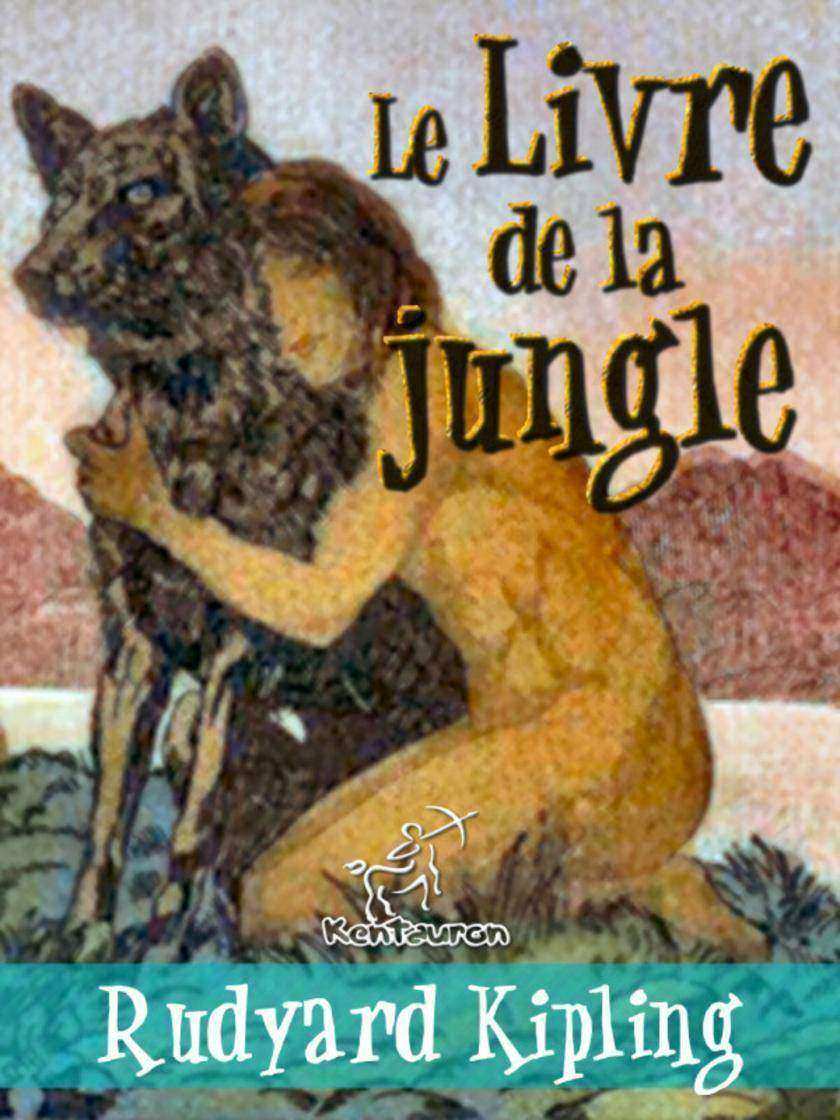
Le Livre de la jungle
¥4.58
Le Livre de la jungle (The Jungle Book) est un recueil de nouvelles écrit par Rudyard Kipling lors d’un séjour de quatre années dans le Vermont, aux ?tats-Unis. Kipling avait auparavant vécu pendant plus de six ans en Inde, d'où est puisée l'inspiration de la majorité de ses nouvelles. La traduction fran?aise la plus connue est due à Robert d'Humières et Louis Fabulet. Le Livre de la Jungle est un recueil de nouvelles dont chacune raconte une histoire qui se passe dans la jungle, forêt de l’Inde où vivent des animaux sauvages typiques du pays, ainsi que des hommes. Les nouvelles se succèdent dans un ordre qui n’est pas nécessairement chronologique, et permettent de découvrir par différents c?tés la destinée de Mowgli petit d’homme, son éducation, la vie sociale du monde des animaux, et les lois de la Jungle auxquelles tous sont soumis, les hommes aussi. Les histoires ne se déroulent pas toutes dans la jungle indienne (ainsi, l'histoire des phoques se déroule en Alaska et mentionne les lois de la plage) et ne font pas toutes intervenir Mowgli. ? la fin de chaque nouvelle, un court chant en vers, en rapport avec cette dernière, offre un pendant poétique. Par exemple, le Chant de Mowgli à la suite de Au tigre ! au tigre !, le Chant de Darzee à la suite de Rikki-Tikki-Tavi, etc.

Das Dschungelbuch
¥4.66
Illustrierte Ausgabe (mit s?mtliche über 89 Illustrationen von Maurice de Becque und andere Illustratoren). Das Dschungelbuch (englischer Originaltitel The Jungle Book) ist eine Sammlung von Erz?hlungen und Gedichten des britischen Autors Rudyard Kipling. Der erste Band erschien 1894, der zweite 1895 unter dem Titel The Second Jungle Book (?Das zweite Dschungelbuch“); seither werden die Erz?hlungen der beiden B?nde zumeist gemeinsam publiziert, oft als The Jungle Books (?Die Dschungelbücher“). Die bekanntesten Erz?hlungen darin handeln von Mowgli (in verschiedenen ?bersetzungen auch Maugli oder Mogli geschrieben), einem Findelkind, das bei Tieren im indischen Dschungel aufw?chst. Die Geschichten über Mowgli stehen dem Genre des Entwicklungsromans nahe, da sie Mowglis Erwachsenwerden und Bewusstwerdung vom verspielten Kind bis hin zum Herrn über die Tierwelt aufzeigen. Mowgli muss lernen, dass die Gesetze der Natur hart sind und ein hohes Ma? von Verantwortung fordern. Im Kampf mit den Kr?ften der Natur, mit den Tieren und mit den Menschen reift das Kind zum selbstbewussten Jugendlichen. Trotz mancherlei kritischer Betrachtungen – man hat in der Darstellung der Charaktere und der Betonung des Gesetzes des Dschungels Kiplings positive Stellung zum Kolonialismus erblickt – ist die Bedeutung des Dschungelbuches für die sp?tere literarische Entwicklung sowie seine Stellung als eines der bekanntesten und erfolgreichsten Jugendbücher der Welt kaum zu übersch?tzen. Joseph Rudyard Kipling (* 30. Dezember 1865 in Bombay; ? 18. Januar 1936 in London) war ein britischer Schriftsteller und Dichter. Seine bekanntesten Werke sind Das Dschungelbuch und der Roman Kim. Au?erdem schrieb er Gedichte und eine Vielzahl von Kurzgeschichten. Kipling gilt als wesentlicher Vertreter der Kurzgeschichte und als hervorragender Erz?hler. Seine Kinderbücher geh?ren zu den Klassikern des Genres. 1907 erhielt er, noch keine 42 Jahre alt, als erster englischsprachiger Schriftsteller den Literaturnobelpreis; den Rekord als jüngster Literaturnobelpreistr?ger h?lt er bis heute. Verschiedene andere Ehrungen wie die Erhebung zum Poet Laureate und in den Adelsstand lehnte er ab. ?bersetzt von Curt Abel-Musgrave und andere ?bersetzer. About this edition This Kentauron edition has been professionally formatted for e-readers with a linked table of contents. We hope you’ll share this book with your friends, neighbors and colleagues and can’t wait to hear what you have to say about it. Kentauron is dedicated to helping everyone develop a lifetime love of reading, no matter what form it takes. Also available as English-German, French-German, German-Italian, English-French, English-Italian, and French-Italian bilingual parallel text editions, and single language editions. Sign up for the Kentauron Publishing Newsletter here: http://www.kentauron.com/newsletters
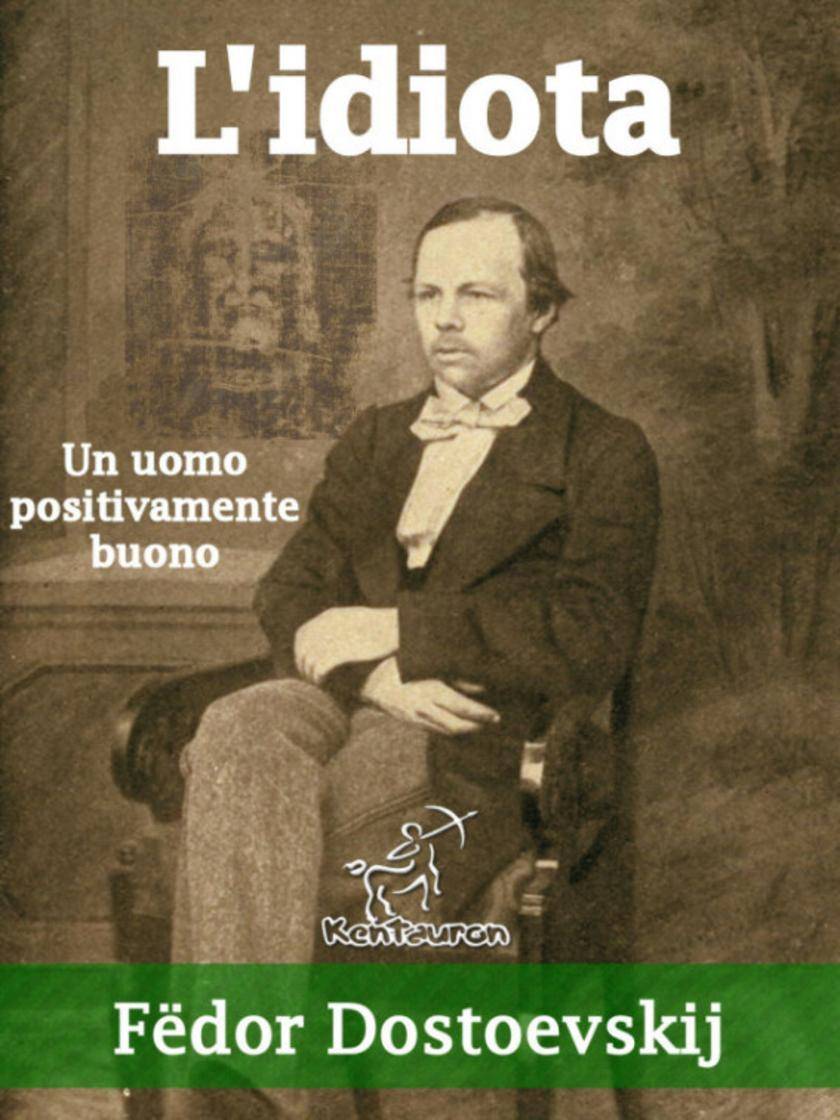
L'idiota: “Un uomo positivamente buono”
¥4.66
L'idiota (in russo: Идиот, Idiot) è un romanzo di F?dor Michajlovi? Dostoevskij. Considerato uno dei massimi capolavori della letteratura russa, vuole rappresentare “un uomo positivamente buono”, un Cristo del XIX secolo. La stesura fu contemporanea all'esilio dello scrittore, dovuto ai debiti: ebbe inizio a Ginevra nel settembre del 1867, proseguì a Vevey (sul lago di Ginevra), a Milano, e terminò nel gennaio del 1869 a Firenze. Una targa al numero 18 di Piazza de' Pitti ricorda la permanenza dell'autore nel palazzo per quasi un anno. L'opera nel frattempo uscì a puntate dal 1868 sulla rivista Russkij vestnik (il Messaggero Russo), mentre fu presentata in forma unica l'anno successivo. In una lettera del 1867 indirizzata allo scrittore Apollon Nikolaevi? Majkov, Dostoevskij descrisse il nucleo poetico del romanzo a cui stava lavorando: ?Da tempo mi tormentava un’idea, ma avevo paura di farne un romanzo, perché è un’idea troppo difficile e non ci sono preparato, anche se è estremamente seducente e la amo. Quest’idea è raffigurare un uomo assolutamente buono. Niente, secondo me, può essere più difficile di questo, al giorno d’oggi soprattutto.? ? importante sottolineare come l'aggettivo "buono" usato nella lettera fosse nell'originale russo "prekrasnyi", che indica lo splendore della bellezza e della bontà insieme. L'opera ha avuto diversi adattamenti teatrali, cinematografici e televisivi. Nel corso del romanzo è più volte citato e discusso dai personaggi, il quadro di Hans Holbein il Giovane, "Il corpo di Cristo morto nella tomba". Dostoevskij aveva visto il dipinto nel 1867 a Basilea e ne era rimasto fortemente impressionato. Traduzione di Federigo Verdinois (1927). Federigo Verdinois (Caserta, 2 luglio 1844 – Napoli, 11 aprile 1927) è stato un giornalista, scrittore e traduttore italiano. F?dor Michajlovi? Dostoevskij (in russo: Фёдор Михайлович Достоевский; Mosca, 11 novembre 1821 – San Pietroburgo, 9 febbraio 1881) è stato uno scrittore e filosofo russo.? considerato, insieme a Tolstoj, uno dei più grandi romanzieri e pensatori di tutti i tempi.
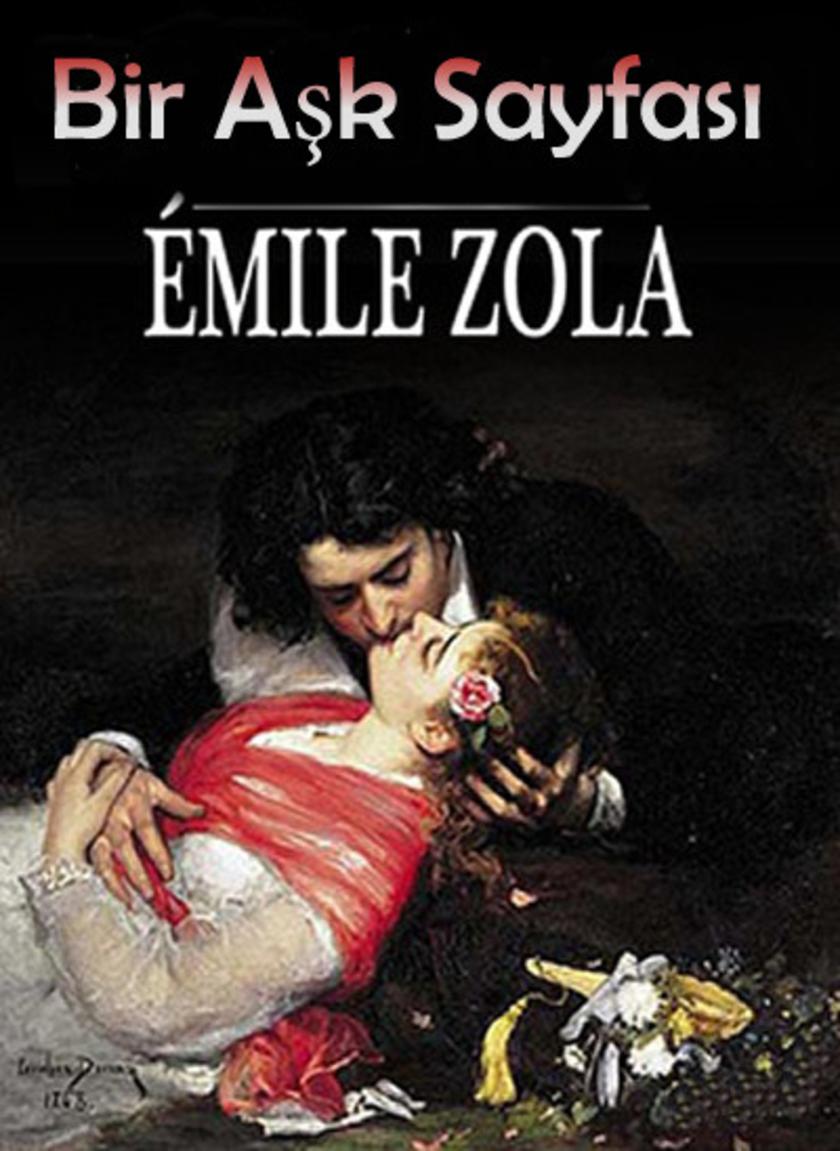
Bir A?k Sayfas?
¥4.74
Bir A?k Sayfas?
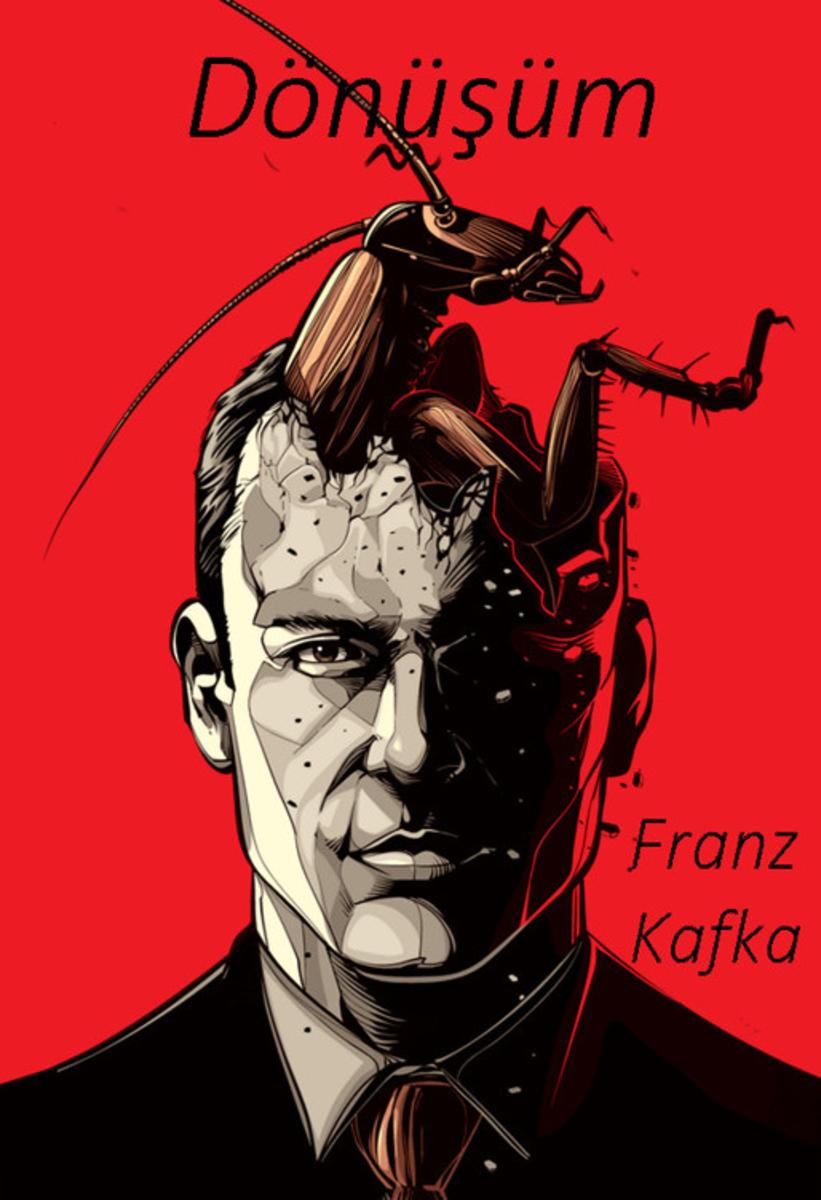
D?nü?üm
¥4.82
D?nü?üm
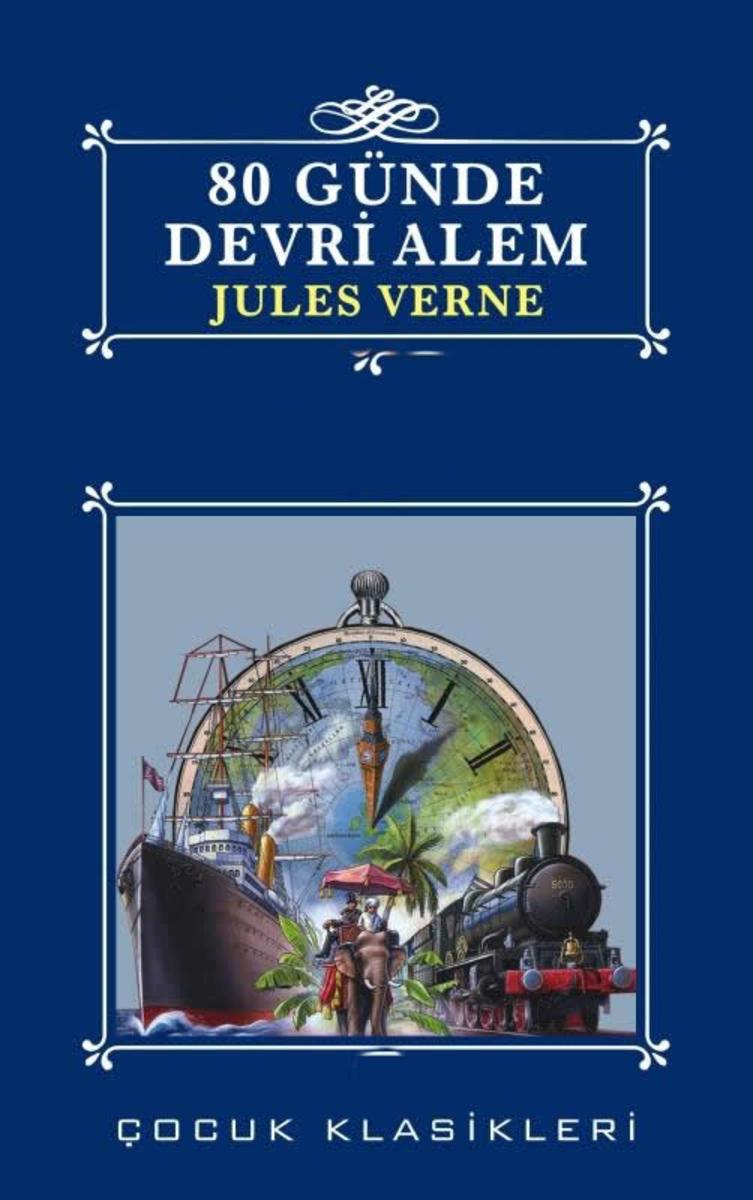
80 Günde Devr-i ?lem
¥4.91
80 Günde Devr-i ?lem
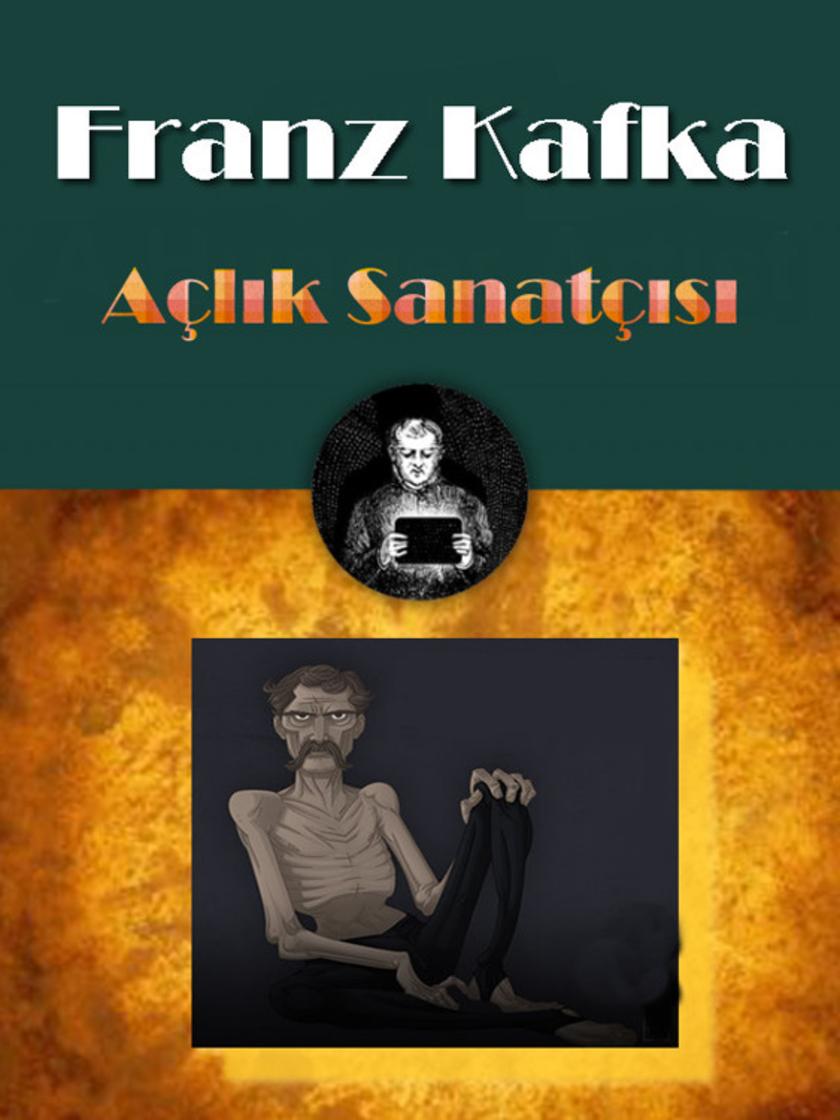
A?l?k Sanat??s?
¥4.91
A?l?k Sanat??s?

关系场引论
¥5.00
关系场理论RFT(Relationship field theory)是以中国传统文化为土壤,以心理学理论为研究基础,以关系场为研究内容,以耗散结构理论为指导原则建构起来的思想体系。是一组内在有序外在广泛联系并尝试对主观世界中的事件做出一般意义上的描述和解释的观念、法则、原理的集合。关系场理论的提出旨在协助人们理解自己的心理事实,解释人际中的各种现象,并能够在此基础上对未来做出有效的预测和控制。 书中从六个层面观察和分析了沟通中所发生的事件。这六个层面分别为:零维元始要素,一维相对关系,二维标准平面,三维心理容器,四维生命个体,五维关系场域。本书包括五章,*章是总述,主要介绍了关系场理论的总体目标及其相关的一些专有概念。第二章是核心假设,列举了九条关系场的理论假设,这九条假设将成为整个关系场丛书的理论根基。第三章谈及五维关系场的结构,先论述了零维元始要素的基本含义和性质,之后从一维到五维逐一展开论述。针对具体事件的分析,可以从这六个维度入手,使分析更加有层次,也更*。第四章的标题是关系场理论中的十级概念,*级概念中只包含一个内容:有序。第十级概念中有十个内容,是有效沟通所用的简要十步。它们既可用于关系场咨询实践,也可用于营销和谈判等其它实践活动中。第五章关系场咨询理论,侧重探讨关系场理论在心理咨询中的应用,包括咨询原则、咨询对象、咨询技术、咨询理念、原因分析、疗效因子、咨询步骤等七个方面的内容。
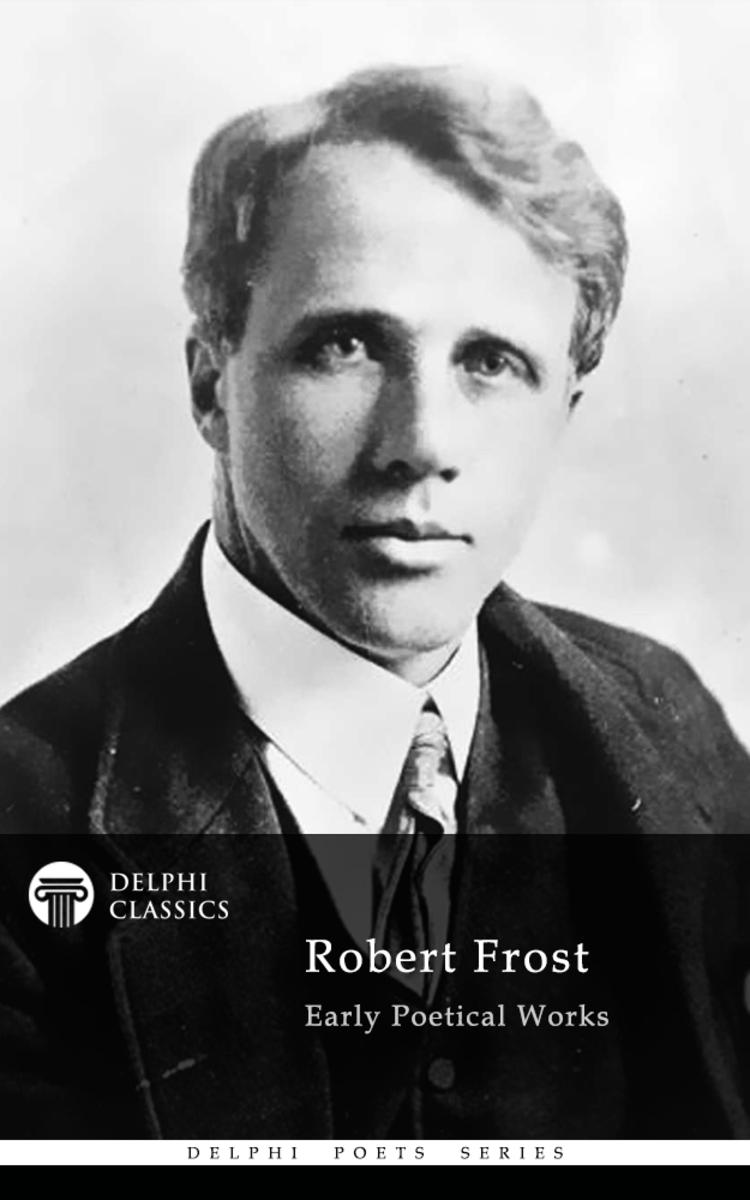
Delphi Works of Robert Frost (Illustrated)
¥5.07
One of the most popular and critically respected American poets of the twentieth century, Robert Frost created a body of poetry that is now celebrated for portraying the life of ordinary men, whilst being rich in its depiction of rural life and subtle in its handling of complex social and philosophical themes. The Delphi Poets Series offers readers the works of literature's finest poets, with superior formatting. This volume presents the pre-1923 poetical works of Robert Frost, with beautiful illustrations and the usual Delphi bonus material. (Version 1) * Beautifully illustrated with images relating to Frost's life and works * Brief introduction to the life and poetry of Frost * Excellent formatting of the poems * Poetry includes line numbers - ideal for students * Special chronological and alphabetical contents tables for the poetry * Easily locate the poems you want to read * Scholarly ordering of poems into chronological order Please note: the collection presents Frost’s poetry up until 1922 to comply with copyright. Once new texts enter the public domain, they will be added to the eBook as a free update. Please visit www.delphiclassics.com to browse through our range of exciting titles CONTENTS: The Poetry of Robert Frost BRIEF INTRODUCTION: ROBERT FROST The Poems LIST OF POEMS IN CHRONOLOGICAL ORDER LIST OF POEMS IN ALPHABETICAL ORDER Please visit www.delphiclassics.com to browse through our range of exciting titles

Asphalt 8: Airborne - Strategy Guide
¥5.15
Asphalt 8: Airborne - Strategy Guide


