


 购物车
购物车 个人中心
个人中心
The Window at the White Cat
¥8.09
Classic mystery novel. According to Wikipedia: "Mary Roberts Rinehart (August 12, 1876-September 22, 1958) was a prolific author often called the American Agatha Christie.[1] She is considered the source of the phrase "The butler did it", although she did not actually use the phrase herself, and also considered to have invented the "Had-I-But-Known" school of mystery writing.... Rinehart wrote hundreds of short stories, poems, travelogues and special articles. Many of her books and plays, such as The Bat (1920) were adapted for movies, such as The Bat (1926), The Bat Whispers (1930), and The Bat (1959). While many of her books were best-sellers, critics were most appreciative of her murder mysteries. Rinehart, in The Circular Staircase (1908), is credited with inventing the "Had-I-But-Known" school of mystery writing. The Circular Staircase is a novel in which "a middle-aged spinster is persuaded by her niece and nephew to rent a country house for the summer. The house they choose belonged to a bank defaulter who had hidden stolen securities in the walls. The gentle, peace-loving trio is plunged into a series of crimes solved with the help of the aunt. This novel is credited with being the first in the "Had-I-But-Known" school."[3] The Had-I-But-Known mystery novel is one where the principal character (frequently female) does less than sensible things in connection with a crime which have the effect of prolonging the action of the novel. Ogden Nash parodied the school in his poem Don't Guess Let Me Tell You: "Sometimes the Had I But Known then what I know now I could have saved at least three lives by revealing to the Inspector the conversation I heard through that fortuitous hole in the floor." The phrase "The butler did it", which has become a cliché, came from Rinehart's novel The Door, in which the butler actually did do it, although that exact phrase does not actually appear in the work."

The Way of the Web
¥8.09
The internet emerged and evolved so rapidly, that companies were faced with the need to adapt to a new environment.This early book focuses upon building communities on the Internet. It further provides information on establishing identity, motivation to succeed, and community. First published in 1995, many of the principals explained here still ring true.
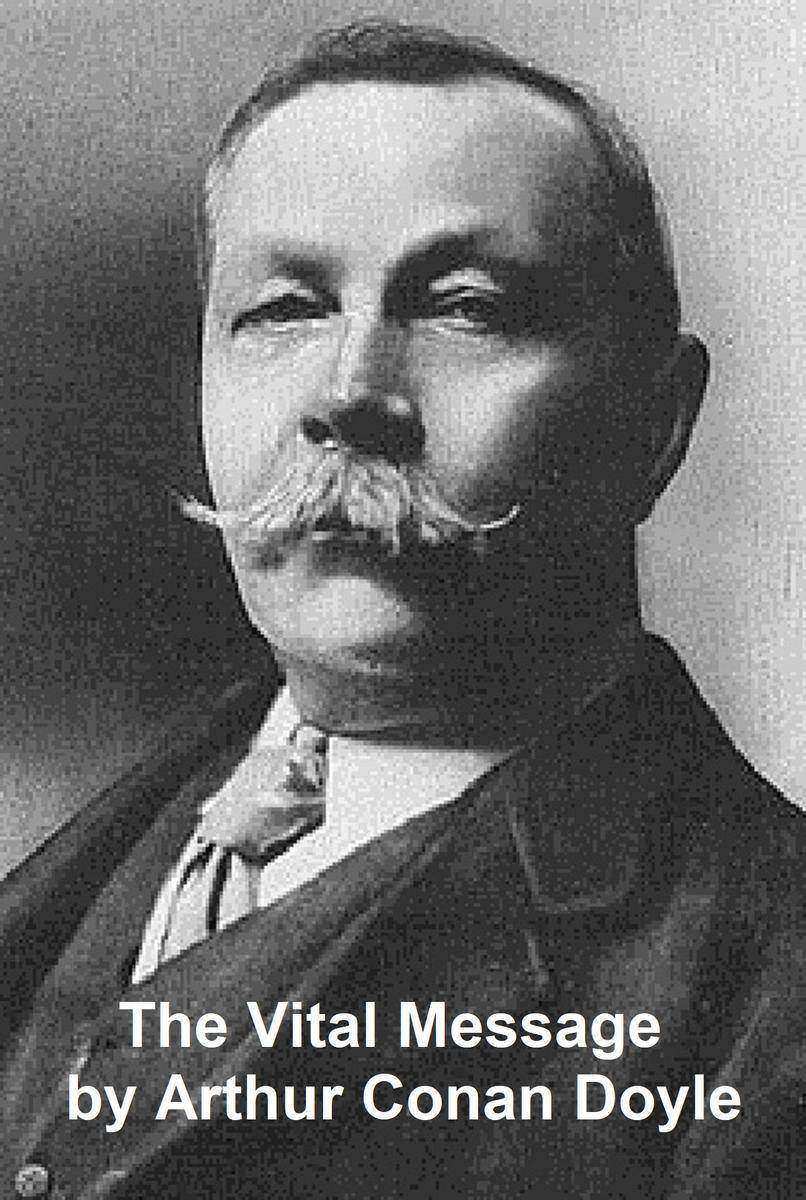
The Vital Message
¥8.09
Work of spiritualism by the author of Sherlock Holmes. According to the Preface: "In "The New Revelation" the first dawn of the coming change has been described. In "The Vital Message" the sun has risen higher, and one sees more clearly and broadly what our new relations with the Unseen may be. As I look into the future of the human race I am reminded of how once, from amid the bleak chaos of rock and snow at the head of an Alpine pass, I looked down upon the far stretching view of Lombardy, shimmering in the sunshine and extending in one splendid panorama of blue lakes and green rolling hills until it melted into the golden haze which draped the far horizon. Such a promised land is at our very feet which, when we attain it, will make our present civilisation seem barren and uncouth. Already our vanguard is well over the pass. Nothing can now prevent us from reaching that wonderful land which stretches so clearly before those eyes which are opened to see it."
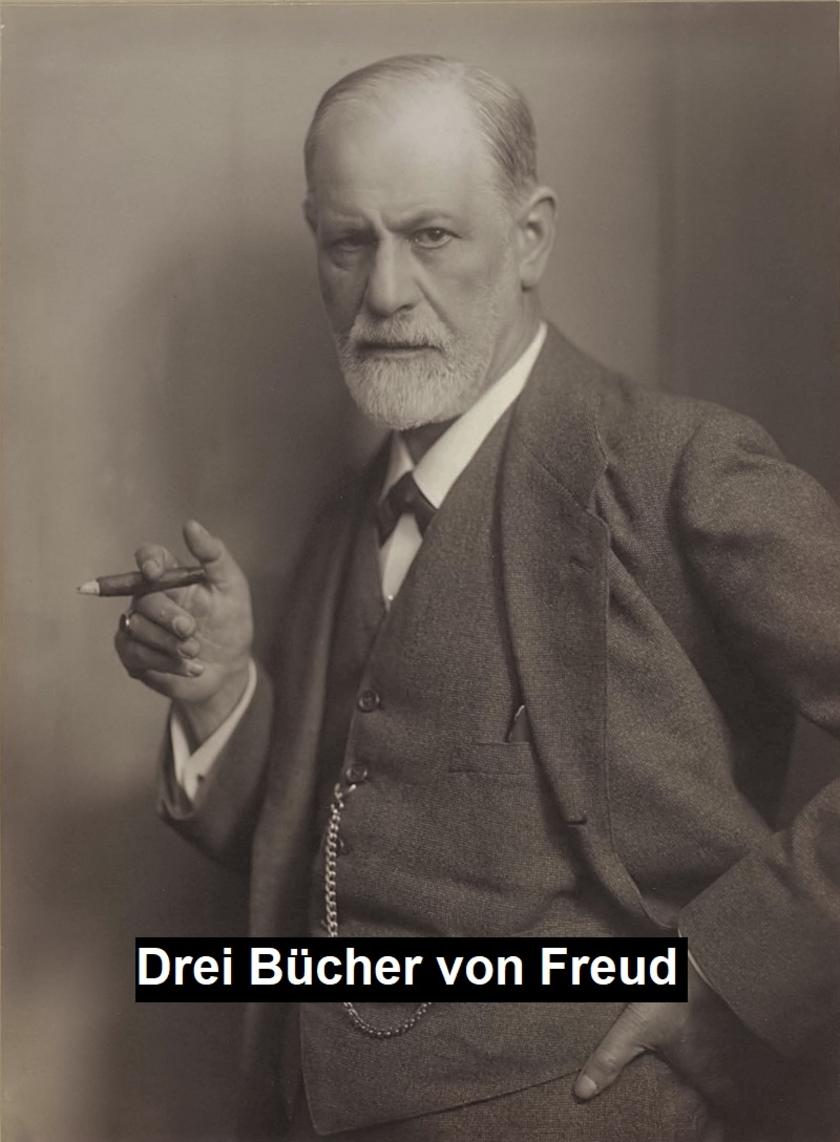
Drei Bücher
¥8.09
Diese Datei enth?lt drei Bücher: Jenseits des Lustprinzips, ?ber Psychoanalyse, und Zur Psychopathologie des Alltagslebens (?ber Vergessen, Vernehmen, Verreifen, Verglauche und Irrtum). Au?erdem enth?lt es sieben Artikel: "Der Dichter und das Phantasieren", "Eine Kindheitserinnerung" aus "Dichtung und Wahrheit", "Der Moses des Michelangelo", "Das Motiv der K?stchenwahl", "Verg?nglichkeit" und "Zeitgem?? über Krieg und Tod". All diese Werke sind im deutschen Original. Nach Wikipedia: "Sigmund Freud (6. Mai 1856 - 23. September 1939), war ein ?sterreichischer Neurologe, der die psychoanalytische Schule der Psychologie gründete. Freud ist am besten bekannt für seine Theorien des Unbewussten und der Abwehrmechanismen der Repression und für Er schuf die klinische Praxis der Psychoanalyse zur Behandlung der Psychopathologie durch den Dialog zwischen einem Patienten und einem Psychoanalytiker.Freud ist auch bekannt für seine Neudefinition des sexuellen Verlangens als prim?re Motivationsenergie des menschlichen Lebens sowie für seine therapeutischen Techniken, einschlie?lich der Verwendung freier Assoziation , seine Theorie der ?bertragung in der therapeutischen Beziehung, und die Interpretation von Tr?umen als Quellen der Einsicht in unbewusste Wünsche.Er war auch ein früher neurologischer Forscher in Zerebralparese.W?hrend viele von Freuds Ideen gefallen sind oder von Neo modifiziert wurden Die Freudianer und die modernen Fortschritte auf dem Gebiet der Psychologie haben Fehler in vielen seiner Theorien gezeigt, Freuds Arbeit bleibt wichtig in der Geschichte der klinischen psychodynamischen Ans?tze. In der Wissenschaft beeinflussen seine Ideen weiterhin die Geisteswissenschaften und einige Sozialwissenschaften. "

The English Governess at the Siamese Court
¥8.09
First published in 1870. "Being recollections of six years in the royal palace at Bangkok." According to Wikipedia: "Anna Harriette Leonowens (6 November 1831 – 19 January 1915) born Anna Harriet Emma Edwards, was an Anglo-Indian or Indian-born British travel writer, educator, and social activist. Her experiences in Siam (Thailand) were fictionalised in Margaret Landon's 1944 best-selling novel Anna and the King of Siam, as well as films and television series based on the book, most notably Rodgers and Hammerstein's 1951 hit musical The King and I. During the course of her life, Leonowens also lived in Aden, Australia, Singapore, the United States and Canada. Among other achievements, she co-founded the Nova Scotia College of Art and Design."
Culture and Cooking
¥8.09
First published in 1881. According to the Preface: "This is not a cookery book. It makes no attempt to replace a good one; it is rather an effort to fill up the gap between you and your household oracle, whether she be one of those exasperating old friends who maddened our mother with their vagueness, or the newer and better lights of our own generation, the latest and best of all being a lady as well known for her novels as for her works on domestic economy--one more proof, if proof were needed, of the truth I endeavor to set forth--if somewhat tediously forgive me--in this little book: that cooking and cultivation are by no means antagonistic. Who does not remember with affectionate admiration Charlotte Bronté taking the eyes out of the potatoes stealthily, for fear of hurting the feelings of her purblind old servant; or Margaret Fuller shelling peas?"
Indian Frontier Policy
¥8.09
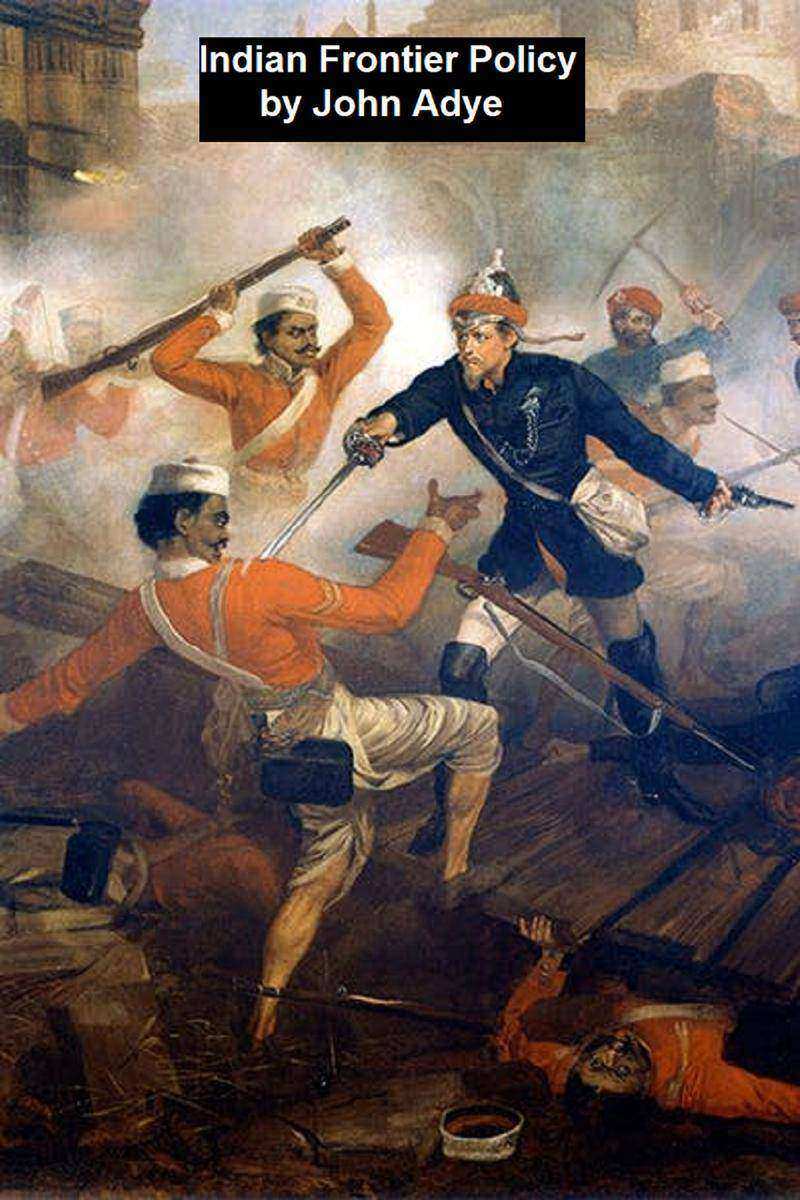
According to Wikipedia: "General Sir John Miller Adye GCB (1 November 1819 – 26 August 1900) was a British general and amateur artist." According to the Preface: "The subject of our policy on the North-West frontier of India is one of great importance, as affecting the general welfare of our Eastern Empire, and is specially interesting at the present time, when military operations on a considerable scale are being conducted against a combination of the independent tribes along the frontier. It must be understood that the present condition of affairs is no mere sudden outbreak on the part of our turbulent neighbours. Its causes lie far deeper, and are the consequences of events in bygone years."
The War in South Africa
¥8.09
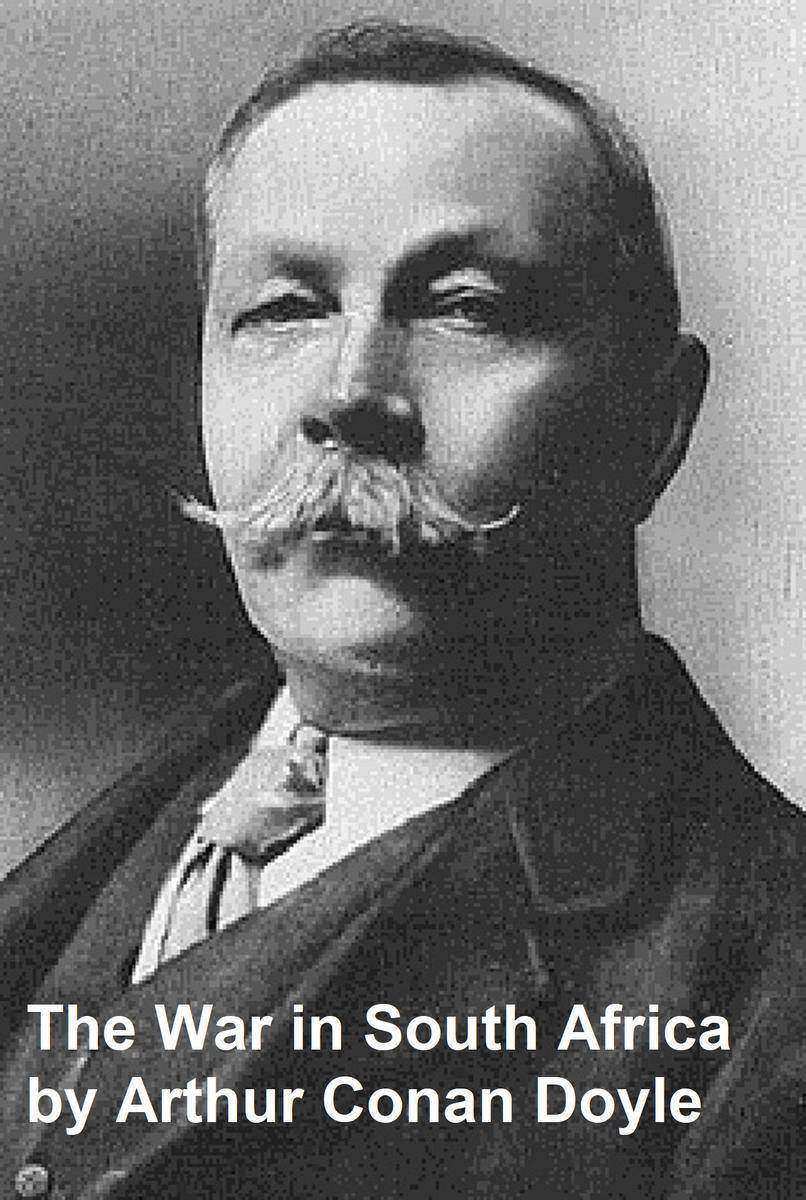
Account of the Boer War, first published in 1902. According to Wikipedia: "Sir Arthur Ignatius Conan Doyle (22 May 1859 – 7 July 1930) was a Scottish physician and writer who is most noted for his fictional stories about the detective Sherlock Holmes, which are generally considered milestones in the field of crime fiction. He is also known for writing the fictional adventures of a second character he invented, Professor Challenger, and for popularising the mystery of the Mary Celeste. He was a prolific writer whose other works include fantasy and science fiction stories, plays, romances, poetry, non-fiction, and historical novels.
Mrs. Reynolds by Gertrude Stein - Delphi Classics (Illustrated)
¥8.09
This eBook features the unabridged text of ‘Mrs. Reynolds by Gertrude Stein - Delphi Classics (Illustrated)’ from the bestselling edition of ‘The Complete Works of Gertrude Stein’. Having established their name as the leading publisher of classic literature and art, Delphi Classics produce publications that are individually crafted with superior formatting, while introducing many rare texts for the first time in digital print. The Delphi Classics edition of Stein includes original annotations and illustrations relating to the life and works of the author, as well as individual tables of contents, allowing you to navigate eBooks quickly and easily. eBook features: * The complete unabridged text of ‘Mrs. Reynolds by Gertrude Stein - Delphi Classics (Illustrated)’ * Beautifully illustrated with images related to Stein’s works * Individual contents table, allowing easy navigation around the eBook * Excellent formatting of the text Please visit www.delphiclassics.com to learn more about our wide range of titles
Matisse Picasso and Gertrude Stein by Gertrude Stein - Delphi Classics (Illustra
¥8.09
This eBook features the unabridged text of ‘Matisse Picasso and Gertrude Stein by Gertrude Stein - Delphi Classics (Illustrated)’ from the bestselling edition of ‘The Complete Works of Gertrude Stein’. Having established their name as the leading publisher of classic literature and art, Delphi Classics produce publications that are individually crafted with superior formatting, while introducing many rare texts for the first time in digital print. The Delphi Classics edition of Stein includes original annotations and illustrations relating to the life and works of the author, as well as individual tables of contents, allowing you to navigate eBooks quickly and easily. eBook features: * The complete unabridged text of ‘Matisse Picasso and Gertrude Stein by Gertrude Stein - Delphi Classics (Illustrated)’ * Beautifully illustrated with images related to Stein’s works * Individual contents table, allowing easy navigation around the eBook * Excellent formatting of the text Please visit www.delphiclassics.com to learn more about our wide range of titles
Marie by H. Rider Haggard - Delphi Classics (Illustrated)
¥8.09
This eBook features the unabridged text of ‘Marie by H. Rider Haggard - Delphi Classics (Illustrated)’ from the bestselling edition of ‘The Complete Works of H. Rider Haggard’. Having established their name as the leading publisher of classic literature and art, Delphi Classics produce publications that are individually crafted with superior formatting, while introducing many rare texts for the first time in digital print. The Delphi Classics edition of Haggard includes original annotations and illustrations relating to the life and works of the author, as well as individual tables of contents, allowing you to navigate eBooks quickly and easily. eBook features: * The complete unabridged text of ‘Marie by H. Rider Haggard - Delphi Classics (Illustrated)’ * Beautifully illustrated with images related to Haggard’s works * Individual contents table, allowing easy navigation around the eBook * Excellent formatting of the text Please visit www.delphiclassics.com to learn more about our wide range of titles
Henry VIII, with line numbers
¥8.09
The classic Shakespeare history play, with line numbers. According to Wikipedia: "William Shakespeare (baptised 26 April 1564 – died 23 April 1616) was an English poet and playwright, widely regarded as the greatest writer in the English language and the world's pre-eminent dramatist. He is often called England's national poet and the "Bard of Avon" (or simply "The Bard"). His surviving works consist of 38 plays, 154 sonnets, two long narrative poems, and several other poems. His plays have been translated into every major living language, and are performed more often than those of any other playwright."
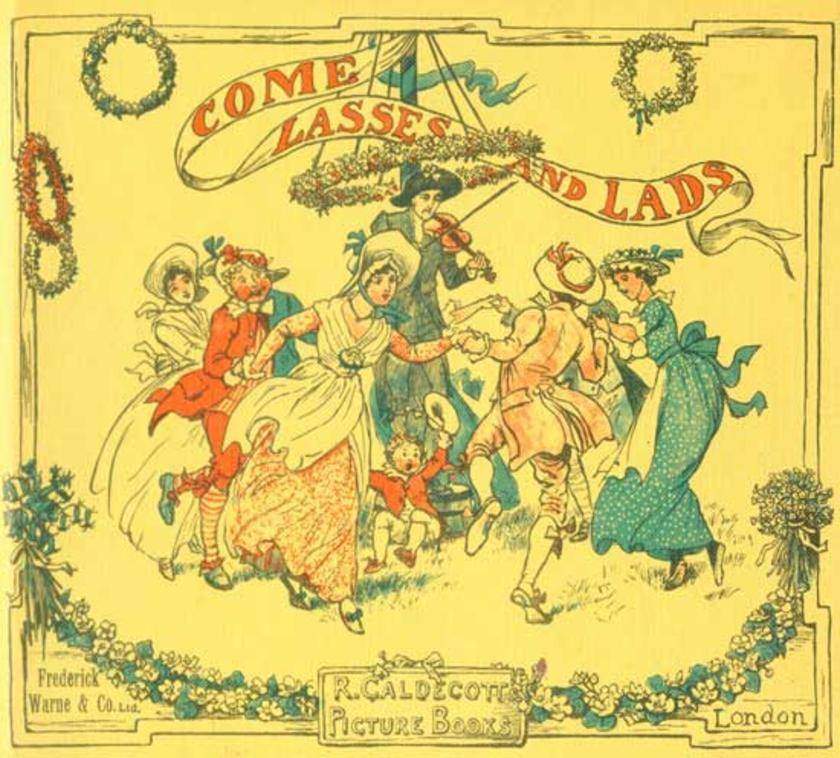
Come Lasses and Lads
¥8.09
Classic picture book for children. 24 illustrations,some color, some black-and-white. According to Wikipedia: "Randolph Caldecott (22 March 1846 – 12 February 1886) was a British artist and illustrator, born in Chester. The Caldecott Medal was named in his honor. He exercised his art chiefly in book illustrations. His abilities as an artist were promptly and generously recognized by the Royal Academy. Caldecott greatly influenced illustration of children's books during the nineteenth century. Two books illustrated by him, priced at a shilling each, were published every Christmas for eight years."

Green Smoothie Recipes Bible
¥8.09
When trying to lose weight, it is always a challenge to strike that perfect balance between caloric restriction and satisfaction. After all, low calorie and healthy meals are not always tasty. Then, as if that’s not enough, there are issues with hunger; think a small sliver of meat, with lackluster flavor and texture can satisfy you? Hardly! However; there is a simple solution to it. Veggies. Yes, veggies are chock full of fiber (which will fill you up pronto) and very low calorie, meaning that you can eat as much as you like without incurring any real caloric debt. Then arises the next problem; who in their right mind eats veggies to satiety when there are yummy donuts floating around? Exactly! The key is to find joy in what you’re eating. Enter the solution; green smoothies.? Many persons have turned to green smoothie diets in order to improve their health, and achieve their weight loss goals. Consuming healthy fruit and vegetable smoothies is proven to be effective for weight loss, while at the same time not making the dieter feel extremely restricted. The unique combination of fruits, veggies, and sometimes grains (such as quinoa) delivers a power punch of vitamins, minerals and soluble and insoluble fiber which could very well be the key to life.

The Snow-Image, and Other Twice-Told Tales by Nathaniel Hawthorne - Delphi Class
¥8.09
This eBook features the unabridged text of ‘The Snow-Image, and Other Twice-Told Tales by Nathaniel Hawthorne - Delphi Classics (Illustrated)’ from the bestselling edition of ‘The Complete Works of Nathaniel Hawthorne’. Having established their name as the leading publisher of classic literature and art, Delphi Classics produce publications that are individually crafted with superior formatting, while introducing many rare texts for the first time in digital print. The Delphi Classics edition of Hawthorne includes original annotations and illustrations relating to the life and works of the author, as well as individual tables of contents, allowing you to navigate eBooks quickly and easily. eBook features: * The complete unabridged text of ‘The Snow-Image, and Other Twice-Told Tales by Nathaniel Hawthorne - Delphi Classics (Illustrated)’ * Beautifully illustrated with images related to Hawthorne’s works * Individual contents table, allowing easy navigation around the eBook * Excellent formatting of the text Please visit www.delphiclassics.com to learn more about our wide range of titles

The Life and Genius of Nathaniel Hawthorne by Frank Preston Stearns by Nathaniel
¥8.09
This eBook features the unabridged text of ‘The Life and Genius of Nathaniel Hawthorne by Frank Preston Stearns by Nathaniel Hawthorne - Delphi Classics (Illustrated)’ from the bestselling edition of ‘The Complete Works of Nathaniel Hawthorne’. Having established their name as the leading publisher of classic literature and art, Delphi Classics produce publications that are individually crafted with superior formatting, while introducing many rare texts for the first time in digital print. The Delphi Classics edition of Hawthorne includes original annotations and illustrations relating to the life and works of the author, as well as individual tables of contents, allowing you to navigate eBooks quickly and easily. eBook features: * The complete unabridged text of ‘The Life and Genius of Nathaniel Hawthorne by Frank Preston Stearns by Nathaniel Hawthorne - Delphi Classics (Illustrated)’ * Beautifully illustrated with images related to Hawthorne’s works * Individual contents table, allowing easy navigation around the eBook * Excellent formatting of the text Please visit www.delphiclassics.com to learn more about our wide range of titles
The Path of a King by John Buchan - Delphi Classics (Illustrated)
¥8.09
This eBook features the unabridged text of ‘The Path of a King by John Buchan - Delphi Classics (Illustrated)’ from the bestselling edition of ‘The Complete Works of John Buchan’. Having established their name as the leading publisher of classic literature and art, Delphi Classics produce publications that are individually crafted with superior formatting, while introducing many rare texts for the first time in digital print. The Delphi Classics edition of Buchan includes original annotations and illustrations relating to the life and works of the author, as well as individual tables of contents, allowing you to navigate eBooks quickly and easily. eBook features: * The complete unabridged text of ‘The Path of a King by John Buchan - Delphi Classics (Illustrated)’ * Beautifully illustrated with images related to Buchan’s works * Individual contents table, allowing easy navigation around the eBook * Excellent formatting of the text Please visit www.delphiclassics.com to learn more about our wide range of titles
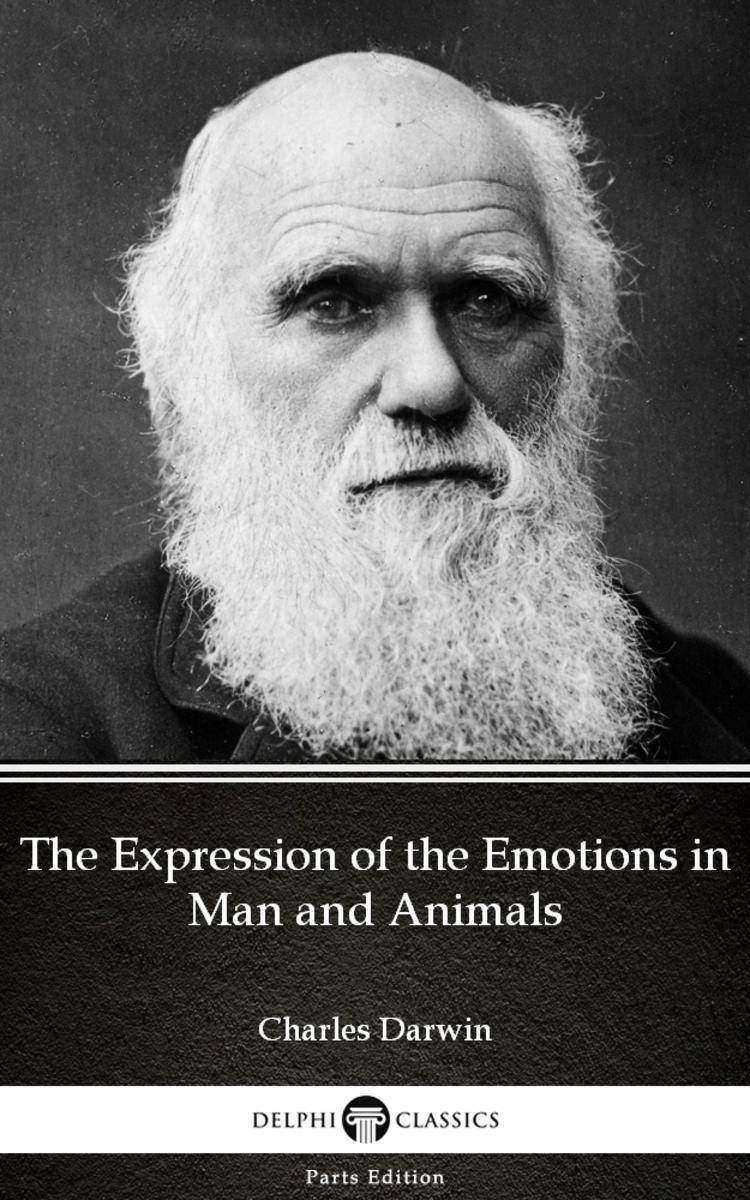
The Expression of the Emotions in Man and Animals by Charles Darwin - Delphi Cla
¥8.09
This eBook features the unabridged text of ‘The Expression of the Emotions in Man and Animals by Charles Darwin - Delphi Classics (Illustrated)’ from the bestselling edition of ‘The Complete Works of Charles Darwin’. Having established their name as the leading publisher of classic literature and art, Delphi Classics produce publications that are individually crafted with superior formatting, while introducing many rare texts for the first time in digital print. The Delphi Classics edition of Darwin includes original annotations and illustrations relating to the life and works of the author, as well as individual tables of contents, allowing you to navigate eBooks quickly and easily. eBook features: * The complete unabridged text of ‘The Expression of the Emotions in Man and Animals by Charles Darwin - Delphi Classics (Illustrated)’ * Beautifully illustrated with images related to Darwin’s works * Individual contents table, allowing easy navigation around the eBook * Excellent formatting of the text Please visit www.delphiclassics.com to learn more about our wide range of titles
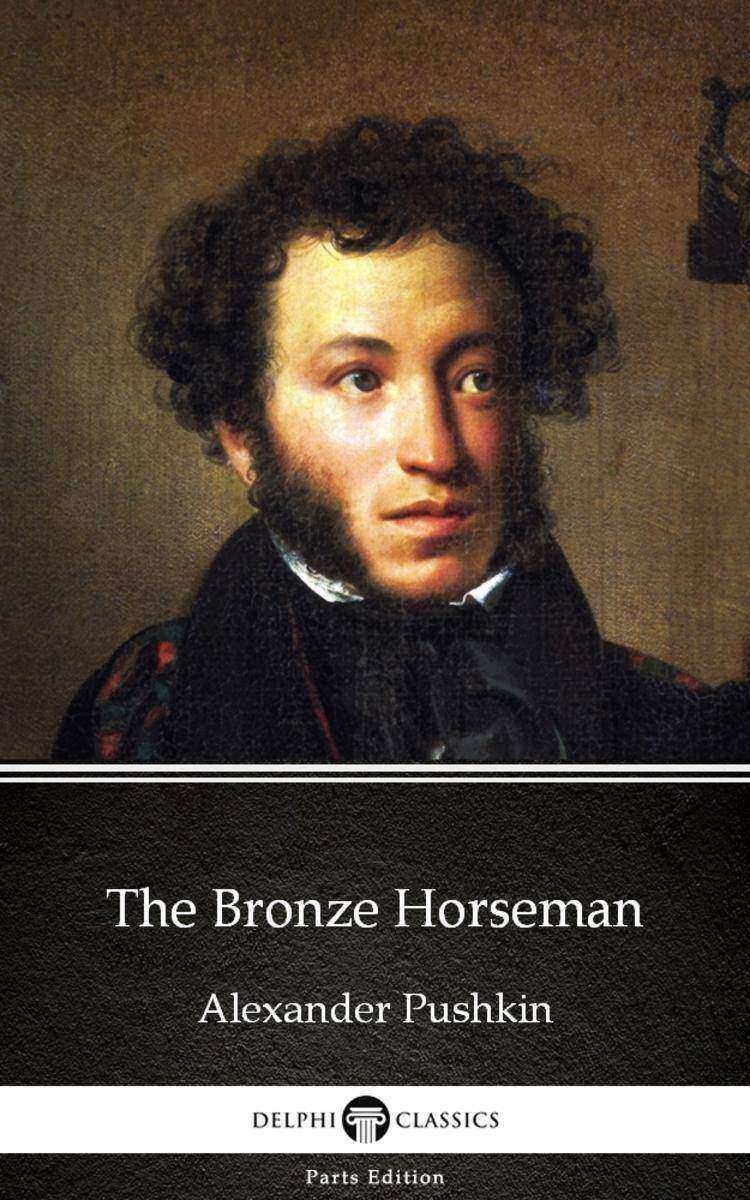
The Bronze Horseman by Alexander Pushkin - Delphi Classics (Illustrated)
¥8.09
This eBook features the unabridged text of ‘The Bronze Horseman by Alexander Pushkin - Delphi Classics (Illustrated)’ from the bestselling edition of ‘The Collected Works of Alexander Pushkin’. Having established their name as the leading publisher of classic literature and art, Delphi Classics produce publications that are individually crafted with superior formatting, while introducing many rare texts for the first time in digital print. The Delphi Classics edition of Pushkin includes original annotations and illustrations relating to the life and works of the author, as well as individual tables of contents, allowing you to navigate eBooks quickly and easily. eBook features: * The complete unabridged text of ‘The Bronze Horseman by Alexander Pushkin - Delphi Classics (Illustrated)’ * Beautifully illustrated with images related to Pushkin’s works * Individual contents table, allowing easy navigation around the eBook * Excellent formatting of the text Please visit www.delphiclassics.com to learn more about our wide range of titles
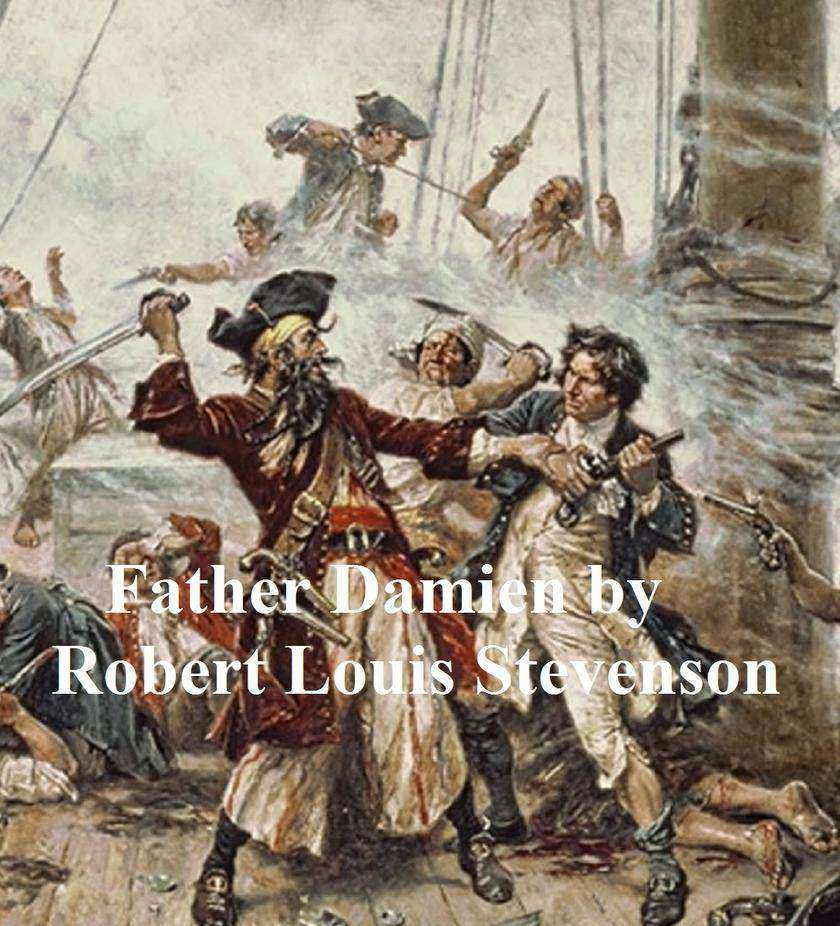
Father Damien
¥8.09
Short essay. According to Wikipedia: "Robert Louis (Balfour) Stevenson ( 1850 - 1894), was a Scottish novelist, poet, and travel writer, and a leading representative of Neo-romanticism in English literature. He was the man who "seemed to pick the right word up on the point of his pen, like a man playing spillikins", as G. K. Chesterton put it. He was also greatly admired by many authors, including Jorge Luis Borges, Ernest Hemingway, Rudyard Kipling, Vladimir Nabokov, and J. M. Barrie. Most modernist writers dismissed him, however, because he was popular and did not write within their definition of modernism. It is only recently that critics have begun to look beyond Stevenson's popularity and allow him a place in the canon."
The White People
¥8.09
Short novel for children. According to Wikipedia: "Frances Hodgson Burnett, ( 1849 - 1924) was an English–American playwright and author. She is best known for her children's stories, in particular The Secret Garden, A Little Princess, and Little Lord Fauntleroy. Born Frances Eliza Hodgson in Cheetham Hill, Manchester, her father died in 1854, and the family had to endure poverty and squalor in the Victorian slums of Manchester. Following the death of her mother in 1867, an 18-year-old Frances was now the head of a family of four younger siblings. She turned to writing to support them all, with a first story published in Godey's Lady's Book in 1868. Soon after she was being published regularly in Godey's, Scribner's Monthly, Peterson's Ladies' Magazine and Harper's Bazaar. Her main writing talent was combining realistic detail of working-class life with a romantic plot. Her first novel was published in 1877; That Lass o' Lowrie's was a story of Lancashire life. After moving with her husband to Washington, D.C., Burnett wrote the novels Haworth's (1879), Louisiana (1880), A Fair Barbarian (1881), and Through One Administration (1883), as well as a play, Esmeralda (1881), written with William Gillette...Her later works include Sara Crewe (1888) - later rewritten as A Little Princess (1905); The Lady of Quality (1896) - considered one of the best of her plays; and The Secret Garden (1909), the children's novel for which she is probably best known today. The Lost Prince was published in 1915..."


