


 购物车
购物车 个人中心
个人中心
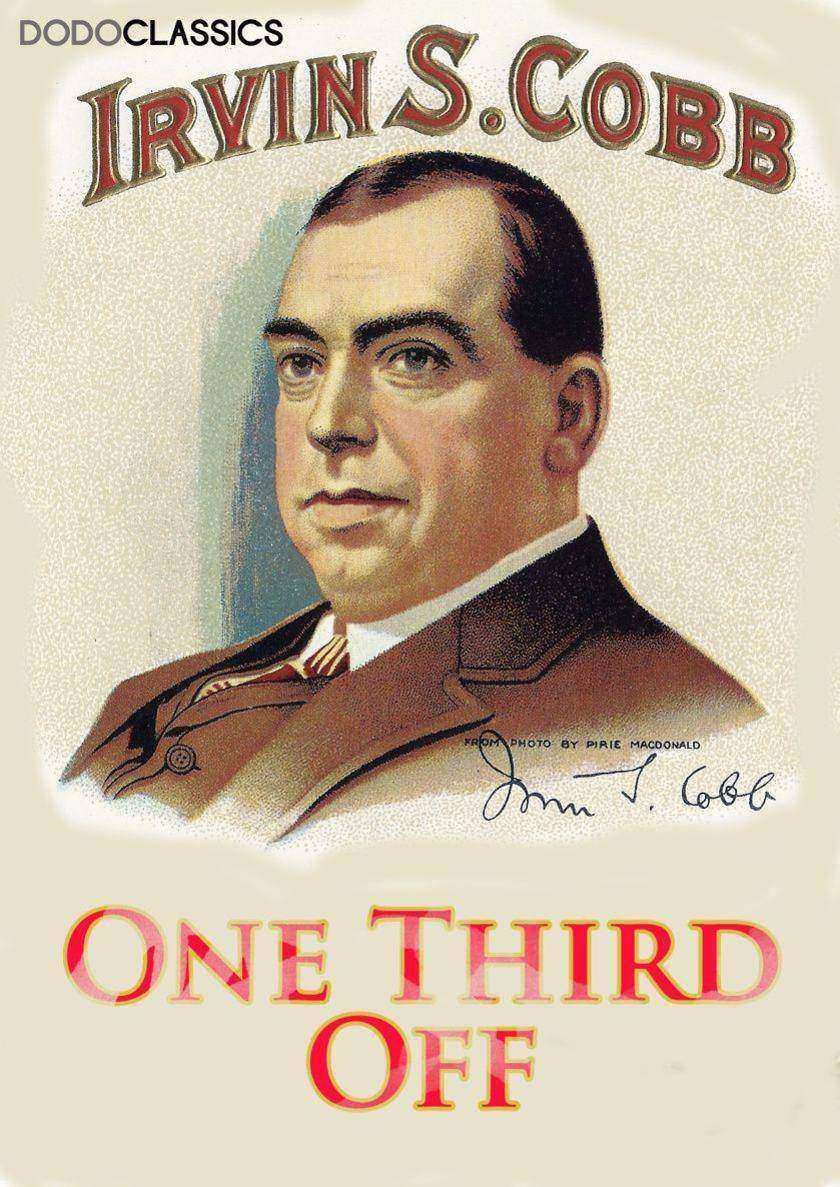
One Third Off
¥8.09
Dodo Collections brings you another classic from Irvin Shrewsbury Cobb, ‘One Third Off.’ ? Cobb is remembered best for his humorous stories of Kentucky and is part of the American literary regionalism school. These stories were collected first in the book Old Judge Priest (1915), whose title character was based on a prominent West Kentucky judge named William Pitman Bishop. Writer Joel Harris wrote of these tales, "Cobb created a South peopled with honorable citizens, charming eccentrics, and loyal, subservient blacks, but at their best the Judge Priest stories are dramatic and compelling, using a wealth of precisely rendered detail to evoke a powerful mood."Among his other books are the humorous Speaking of Operations (1916), and anti-prohibition ode to bourbon, Red Likker (1929).

Paranormal Investigators Box Set: Books 1 - 5
¥8.09
Book One. Ed and Lorraine Warren The Enfield Poltergeist. In the town of Enfield England almost 40 years ago supernatural events would start a chain of events that would bring the world's most famous paranormal investigators, the Warrens, there to investigate. An investigation that would inspire The Conjuring part 2. Book Two, Amityville, An Ed and Lorraine Warren file.Amityville has become a name that invokes images of death and supernatural horror. In this book, we look at the event that formed the legend and the two paranormal investigators who came to believe that these events had supernatural origins. Book Three. The Exorcist, Father Gabriele Amoth In this book you are introduced to the Vatican's top paranormal investigator and exorcist. You will also learn about the rites of exorcism in many of the world's top religions. The book also features a brief review of the case that inspired the greatest horror film of all time The Exorcist. Book Four The Borley Rectory, A Harry Price File. This book introduces you to the legendary paranormal investigator Harry Price. He helped to show the world that the investigation of the paranormal could be elevated to a respected science. The Borley rectory, before it burned down, was considered to be the most haunted place on earth. Harry Price's investigation of the Rectory and what he discovered set the standard for all investigation of hauntings that followed. Book Five. Gaurav Tiwari Death of a Ghost Hunter. Tiwari was well on his way to becoming one of the world's top paranormal investigators when he was found dead under strange circumstances. Being a paranormal investigator seems like fun and games from a distance, but death and how it may have happened has been a stark reminder that dealing with supernatural forces can be a life or death deal.
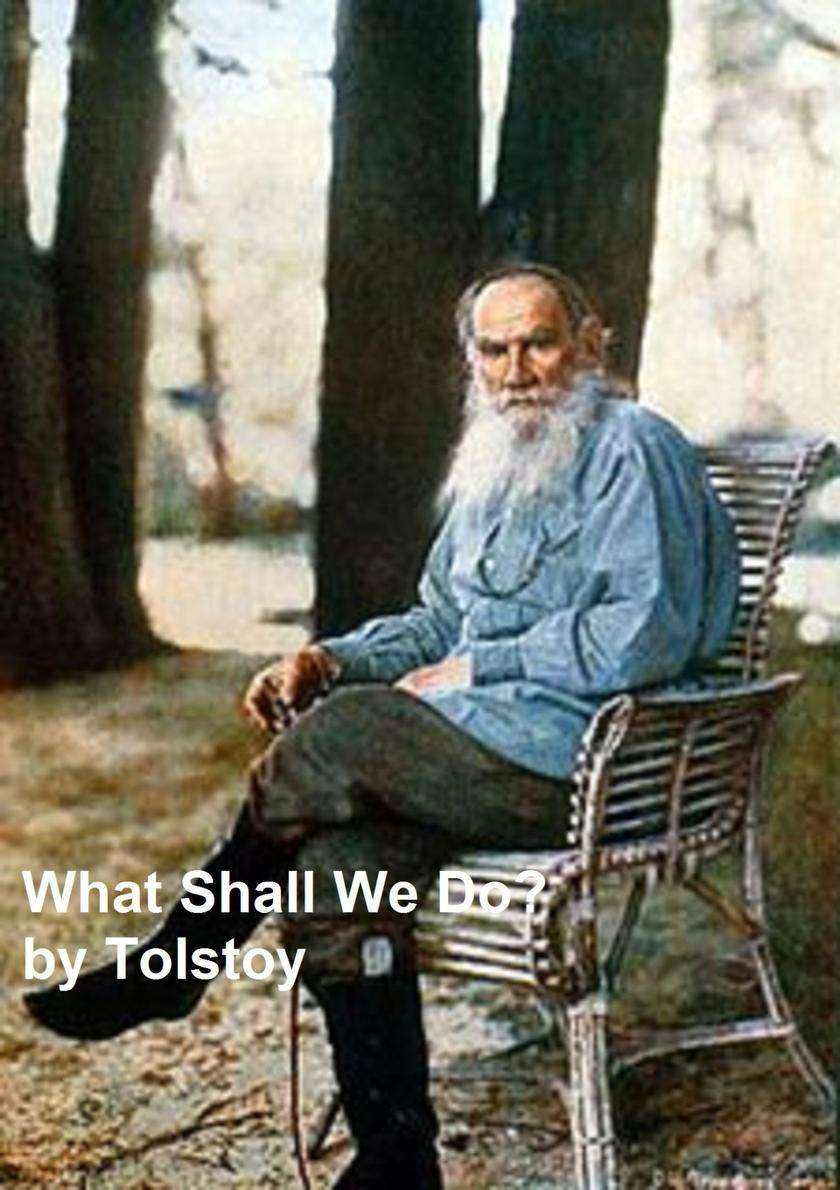
What Shall We Do?
¥8.09
According to Wikipedia: "What Is to be Done? (sometimes translated as What Then Must We Do?) is a non-fiction work by Leo Tolstoy, in which Tolstoy describes the social conditions of Russia in his day. Tolstoy completed the book in 1886, and the first English language publication came in 1887. The English title was also used for two better-known works by Nikolai Chernyshevsky and Vladimir Lenin; Tolstoy's Russian title is similar but not identical to Chernyshevsky's (and Lenin's), both of them sharing the same Biblical reference (Luke 3:10-14)."
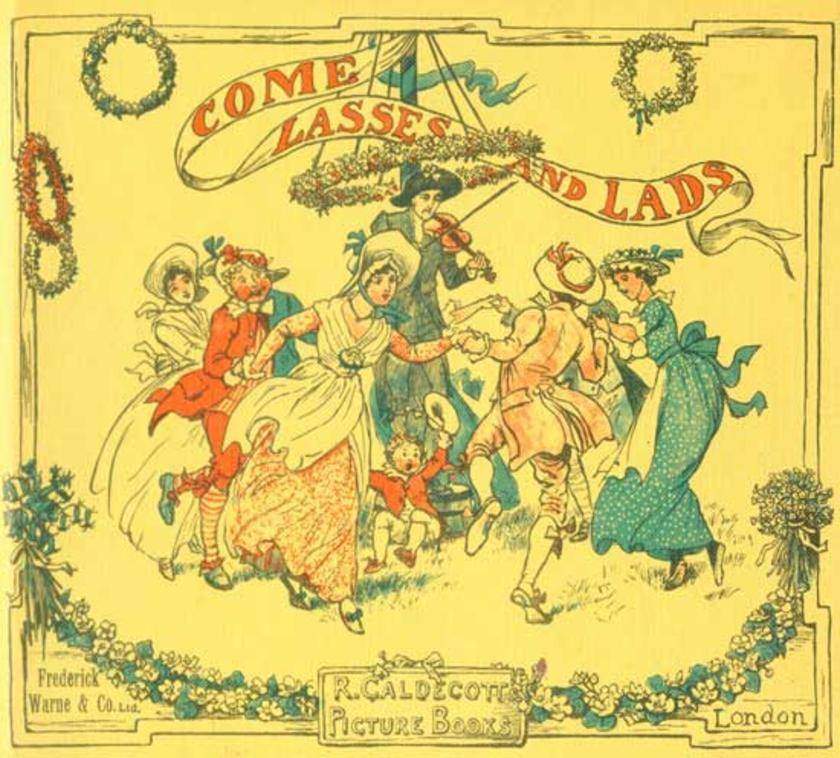
Come Lasses and Lads
¥8.09
Classic picture book for children. 24 illustrations,some color, some black-and-white. According to Wikipedia: "Randolph Caldecott (22 March 1846 – 12 February 1886) was a British artist and illustrator, born in Chester. The Caldecott Medal was named in his honor. He exercised his art chiefly in book illustrations. His abilities as an artist were promptly and generously recognized by the Royal Academy. Caldecott greatly influenced illustration of children's books during the nineteenth century. Two books illustrated by him, priced at a shilling each, were published every Christmas for eight years."
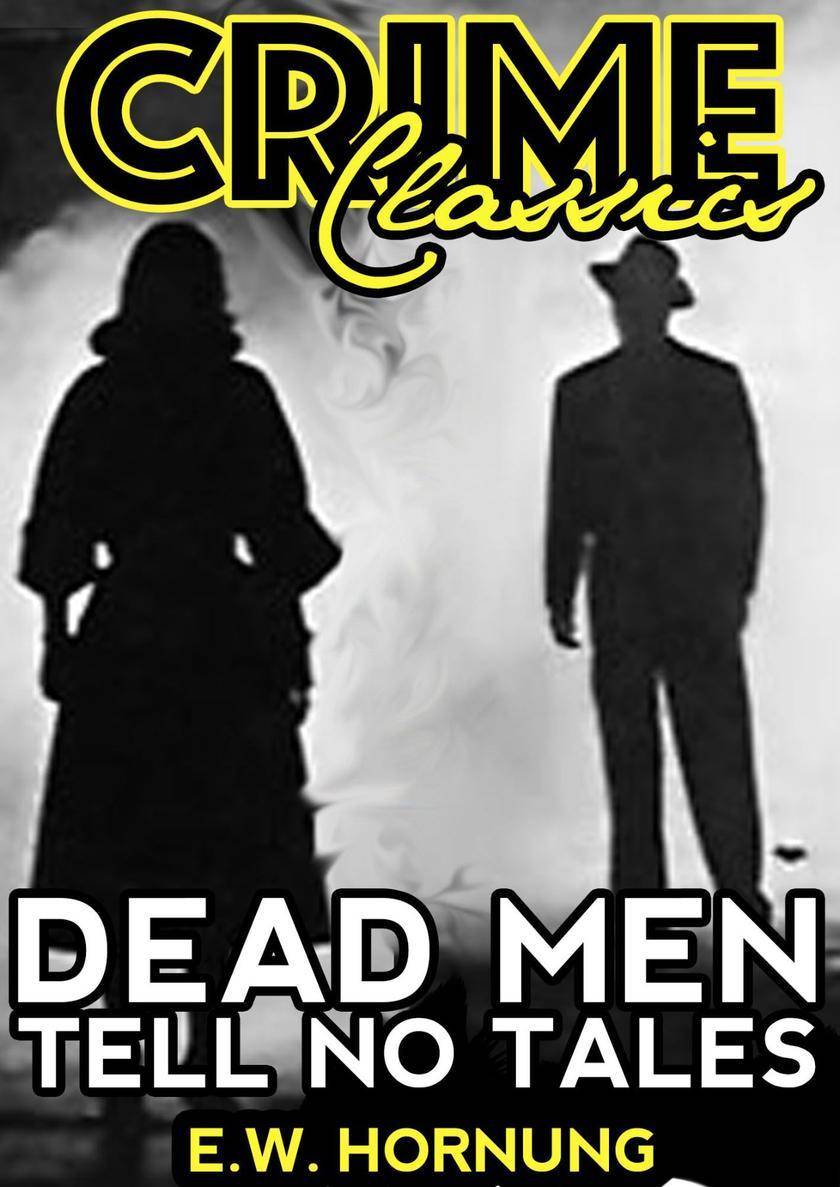
Dead Men Tell No Tales
¥8.09
Classic Crime Press presents you Dead Men Tell No Tales in a fantastic ebook edition. ? There's a hard-boiled plot that starts with a disaster at sea. There's stolen gold and gun-play. There's suspense, there's a good guy, some really bad guys, and at least two complex characters who contain a modern amount of both good and bad. One of whom is a dame. ? The book has a beautiful language to it, and each word delicately paints the picture of every moment from his departure on the ship, to the very terrible moment his plans of a smooth voyage take a turn for the horrible.
The Blue Pavilions
¥8.09
Dodo Collections brings you another classic from Arthur Quiller-Couch ‘The Blue Pavilions.’ The Blue Pavilions was first published in 1891. Sir Arthur Thomas Quiller-Couch was a Cornish writer, who published under the pen name of Q. He published his Dead Man's Rock (a romance in the vein of Stevenson's Treasure Island) in 1887, and he followed this up with Troy Town (1888) and The Splendid Spur (1889). After some journalistic experience in London, mainly as a contributor to the Speaker, in 1891 he settled at Fowey in Cornwall. He published in 1896 a series of critical articles, Adventures in Criticism, and in 1898 he completed Robert Louis Stevenson's unfinished novel, St Ives. With the exception of the parodies entitled Green Bays: Verses and Parodies (1893), his poetical work is contained in Poems and Ballads (1896). In 1895 he published an anthology from the sixteenth and seventeenth-century English lyrists, The Golden Pomp, followed in 1900 by an equally successful Oxford Book of English Verse, 1250-1900 (1900). He was made a Bard of Gorseth Kernow in 1928, taking the Bardic name Marghak Cough ('Red Knight'). Quiller-Couch was a noted literary critic, publishing editions of some of Shakespeare's plays (in the New Shakespeare, published by Cambridge University Press, with Dover Wilson) and several critical works, including Studies in Literature (1918) and On the Art of Reading (1920). He edited a successor to his verse anthology: Oxford Book of English Prose, which was published in 1923. He left his autobiography, Memories and Opinions, unfinished; it was nevertheless published in 1945.
The Life and Genius of Nathaniel Hawthorne
¥8.09
According to Wikipedia: "Frank Preston Stearns (1846-1917), the son of abolitionist George Luther Stearns, was a writer and abolitionist from Massachusetts during the 19th century. In addition to collaborating with Elizur Wright in ambitious abolitionist projects, such as the American Anti-Slavery Society, he is credited with several seminal works exploring the lives and careers of important American public figures and authors of note, including The Life and Genius of Nathaniel Hawthorne and The Life and Public Services of George Luther Stearns."

The Hindu-Yogi Science Of Breath
¥8.09
This book gives you step-by-step instructions on the art of the breath. It is a great addition to anyone's library if you're interested in spirituality and meditation. ? If you read and do the exercises in this book, amazing changes will result in your mind and body. These exercises are deceptive they don't seem impressive, any person, any child could do them, so it goes without saying most people will lose interest because it doesn't seem arcane enough. Those who do the work will be amazed by what results.
Letters on Demonology and Witchcraft
¥8.09
According to the Introduction: "Sir Walter Scott's "Letters on Demonology and Witchcraft" were his contribution to a series of books, published by John Murray, which appeared between the years 1829 and 1847, and formed a collection of eighty volumes known as "Murray's Family Library." The series was planned to secure a wide diffusion of good literature in cheap five-shilling volumes, and Scott's "Letters," written and published in 1830, formed one of the earlier books in the collection."
What a Young Woman Ought to Know
¥8.09
First published in 1913. Part of the Self and Sex Series. According to the Preface: "During a number of years it has been my privilege to be the confidante and counsellor of a large number of young women of various stations in life and in all parts of the United States. These girls have talked freely with me concerning their plans, aspirations, fears and personal problems. It has been a great revelation to me to note with what unanimity they ask certain questions concerning conduct--queries which perhaps might astonish the mothers of those same girls, as they, doubtless, take it for granted that their daughters intuitively understand these fundamental laws of propriety. The truth is that many girls who have been taught in the "ologies" of the schools, who have been trained in the conventionalities of society, have been left to pick up as they may their ideas upon personal conduct, and, coming face to face with puzzling problems, are at a loss, and perhaps are led into wrong ways of thinking and questionable ways of doing because no one has foreseen their dilemma and warned them how to meet it."
The Histories
¥8.09
According to Wikipedia: "Publius (or Gaius) Cornelius Tacitus (c. AD 56 – after 117) was a senator and a historian of the Roman Empire. The surviving portions of his two major works—the Annals and the Histories—examine the reigns of the Roman Emperors Tiberius, Claudius, Nero, and those who reigned in the Year of the Four Emperors (AD 69). These two works span the history of the Roman Empire from the death of Augustus in AD 14 to the years of the First Jewish–Roman War in AD 70. There are substantial lacunae in the surviving texts, including a gap in the Annals that is four books long. Other writings by him discuss oratory (in dialogue format, see Dialogus de oratoribus), Germania (in De origine et situ Germanorum), and the life of his father-in-law, Agricola, the Roman general responsible for much of the Roman conquest of Britain, mainly focusing on his campaign in Britannia (De vita et moribus Iulii Agricolae). Tacitus is considered to be one of the greatest Roman historians. He lived in what has been called the Silver Age of Latin literature. He is known for the brevity and compactness of his Latin prose, as well as for his penetrating insights into the psychology of power politics."
History of the Wars and Conquests of Alexander the Great
¥8.09
According to Wikipedia: "Arrian of Nicomedia (c. AD c. 86 – c. 160) was a Greek historian, public servant, military commander and philosopher of the Roman period. The Anabasis of Alexander is perhaps his best-known work, and is generally considered one of the best sources on the campaigns of Alexander the Great. Its title and style are designed to evoke the Anabasis by Xenophon, for which reason Arrian became known by the surname Xenophon after the older author. Arrian's other works include Discourses of Epictetus and Indica."
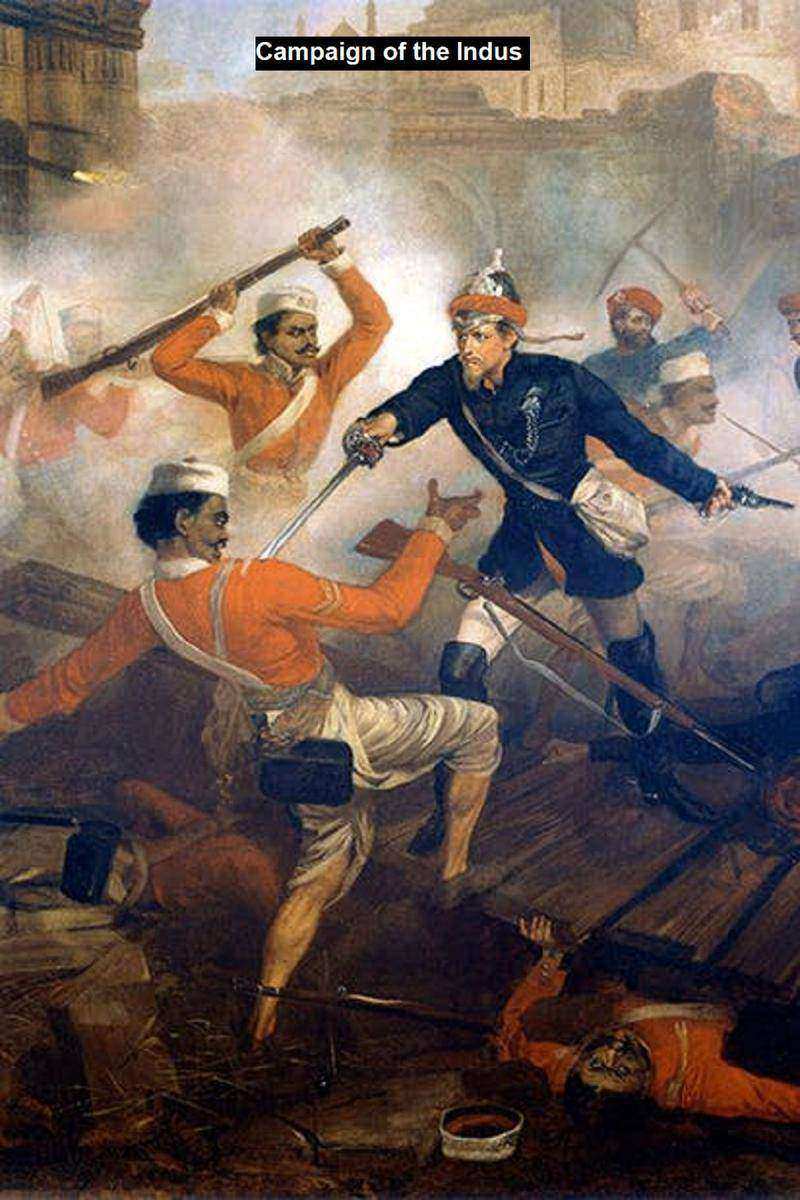
Campaign of the Indus
¥8.09
First published in 1840. According to the Introduction: "The circumstance of an English army penetrating into Central Asia, through countries which had not been traversed by European troops since Alexander the Great led his victorious army from the Hellespont to the Jaxartes and Indus, is so strong a feature in our military history, that I have determined, at the suggestion of my friends, to print those letters received from my son which detail any of the events of the campaign. As he was actively engaged with the Bombay division, his narrative may be relied upon so far as he had an opportunity of witnessing its operations; and it being my intention to have only a few copies printed, to give to those friends who may take an interest in his letters, I need not apologize for the familiar manner in which they are written, as they were intended by him only for his own family, without an idea of their being printed. A history, however, may be collected from them most honourable to the British soldiers, both Europeans and natives of India. They shew the patience with which, for more than twelve months, the soldiers bore all their deprivations and fatiguing marches through countries until then unknown to them, whether moving through arid sands or rocky passes, under a burning sun; or over desolate mountains, amidst the most severe frosts, with scarcely an interval of repose. Neither was their gallantry less conspicuous than their patience, when they had the good fortune to find an enemy who ventured to face them."

The Tragedy of Pudd'nhead Wilson
¥8.09
According to Wikipedia: "Samuel Langhorne Clemens (November 30, 1835 - April 21, 1910), better known by the pen name Mark Twain, was a humorist, satirist, lecturer and writer from the United States of America. Twain is most noted for his novels Adventures of Huckleberry Finn, which has since been called the Great American Novel, and The Adventures of Tom Sawyer. He is also known for his quotations. During his lifetime, Twain became a friend to presidents, artists, leading industrialists and European royalty. Twain enjoyed immense public popularity, and his keen wit and incisive satire earned him praise from both critics and peers. American author William Faulkner called Twain 'the father of American literature.'"
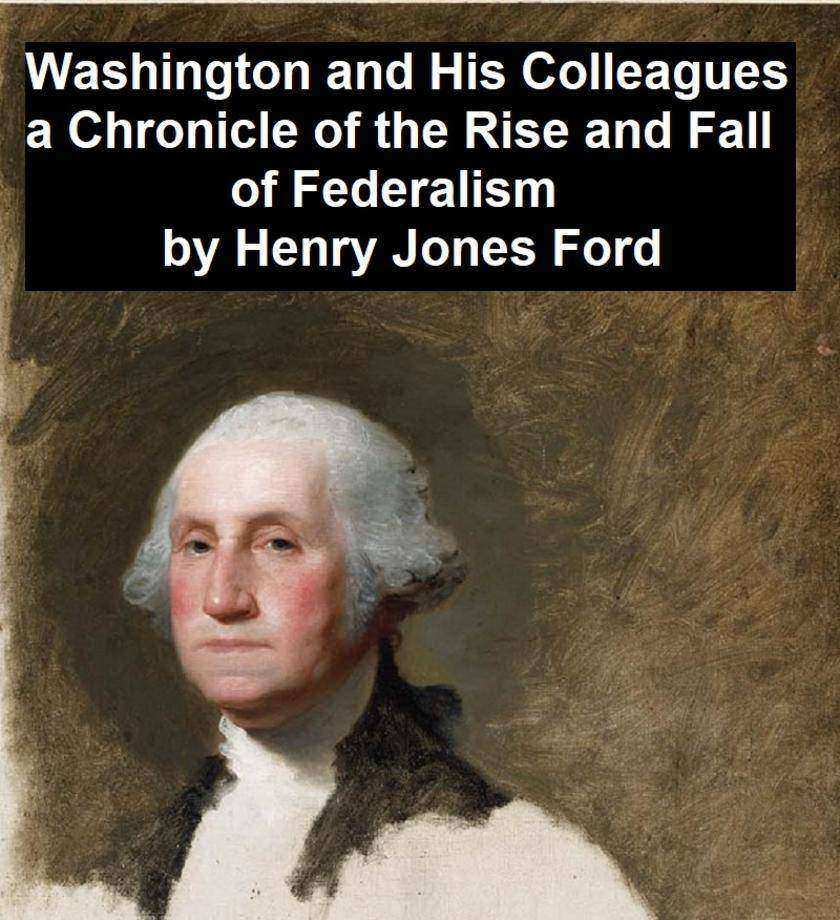
Washington and His Colleagues, A Chronicle of the Rise and Fall of Federalism
¥8.09
According to Wikipedia: "Washington is seen as a symbol of the United States and republicanism in practice. His devotion to civic virtue made him an exemplary figure among early American politicians. Washington died in 1799, and in his funeral oration, Henry Lee said that of all Americans, he was "first in war, first in peace, and first in the hearts of his countrymen." Washington has been consistently ranked by scholars as one of the greatest U.S. Presidents."
The Life and Death of Lord Cromwell
¥8.09
Elizabethan play, sometimes attributed in part to Shakespeare. According to Wikipedia: "William Shakespeare (baptised 26 April 1564 – died 23 April 1616) was an English poet and playwright, widely regarded as the greatest writer in the English language and the world's pre-eminent dramatist. He is often called England's national poet and the "Bard of Avon" (or simply "The Bard"). His surviving works consist of 38 plays, 154 sonnets, two long narrative poems, and several other poems. His plays have been translated into every major living language, and are performed more often than those of any other playwright."
The Book of Autographs
¥8.09
A short fragment from The Dolliver Romance, an unfinished novel. According to Wikipedia: "Nathaniel Hawthorne (1804 –1864) was an American novelist and short story writer... Much of Hawthorne's writing centers around New England and many feature moral allegories with a Puritan inspiration. His fiction works are considered part of the Romantic movement and, more specifically, dark romanticism. His themes often center on the inherent evil and sin of humanity and his works often have moral messages and deep psychological complexity. His published works include novels, short stories, and a biography of his friend Franklin Pierce."
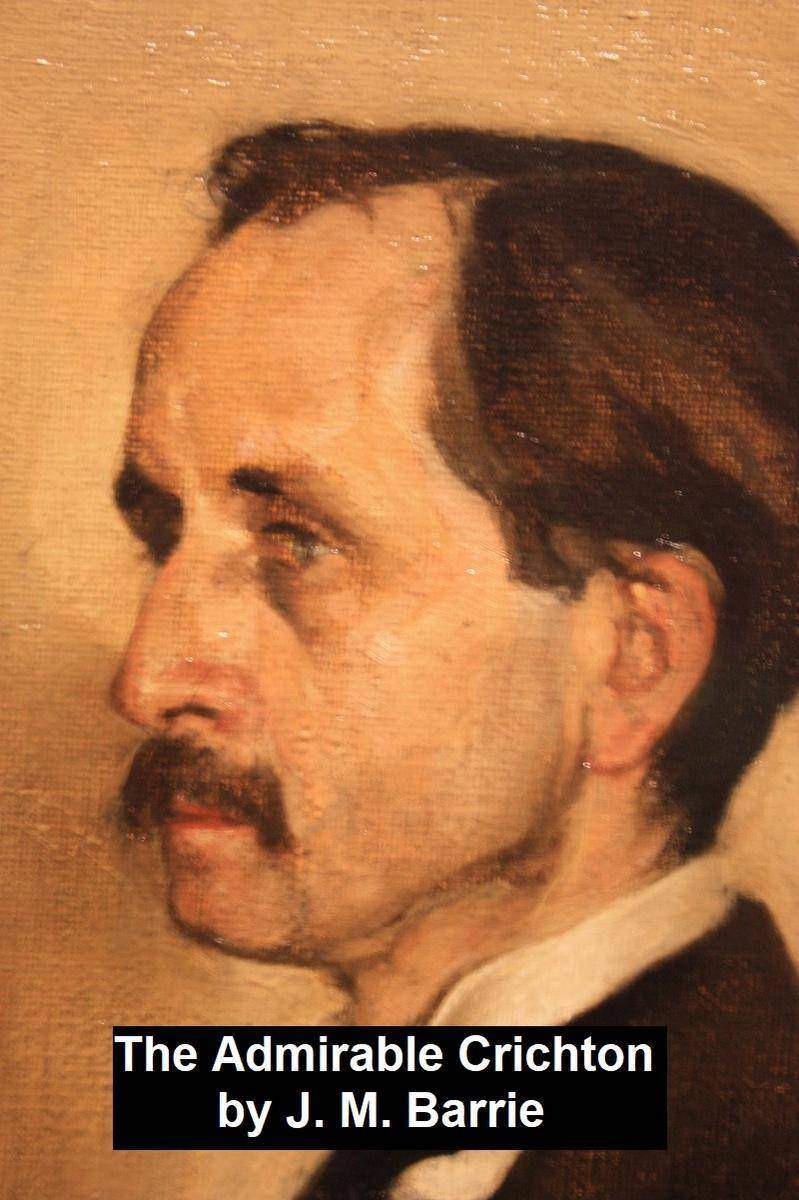
The Admirable Crichton
¥8.09
Four-act play, first published in 1902. According to Wikipedia: "Sir James Matthew Barrie, 1st Baronet, (9 May 1860 – 19 June 1937) was a Scottish author and dramatist, best remembered today as the creator of Peter Pan. The child of a family of small-town weavers, he was educated in Scotland. He moved to London, where he developed a career as a novelist and playwright. There he met the Llewelyn Davies boys who inspired him in writing about a baby boy who has magical adventures in Kensington Gardens (included in The Little White Bird), then to write Peter Pan, or The Boy Who Wouldn't Grow Up, a "fairy play" about this ageless boy and an ordinary girl named Wendy who have adventures in the fantasy setting of Neverland. This play quickly overshadowed his previous work and although he continued to write successfully, it became his best-known work, credited with popularising the name Wendy, which was very uncommon previously.[1] Barrie unofficially adopted the Davies boys following the deaths of their parents. Before his death, he gave the rights to the Peter Pan works to Great Ormond Street Hospital, which continues to benefit from them."
Five Plays by Plautius in English and Latin
¥8.09
Classic Roman plays. Amphitryon, The Comedy of Asses, Teh Pot of Gold, The Two Bacchises, and The Captives. According to Wikipedia, "Titus Maccius Plautus (c. 254–184 BC), commonly known as Plautus, was a Roman playwright of the Old Latin period. His comedies are among the earliest surviving intact works in Latin literature. Plautus wrote around 52 plays, which were released between c. 205 and 184 BCE, of which 20 have survived, making him the most prolific ancient dramatist in terms of surviving work. He attained such a popularity that his name alone became a hallmark of theatrical success. Plautus' comedies are mostly adapted from Greek models for a Roman audience, and are often based directly on the works of the Greek playwrights. He reworked the Greek texts to give them a flavour that would appeal to the local Roman audiences...Shakespeare borrowed from Plautus as Plautus borrowed from his Greek models...The Plautine and Shakespearean plays that most parallel each other are, respectively, The Menaechmi and The Comedy of Errors."
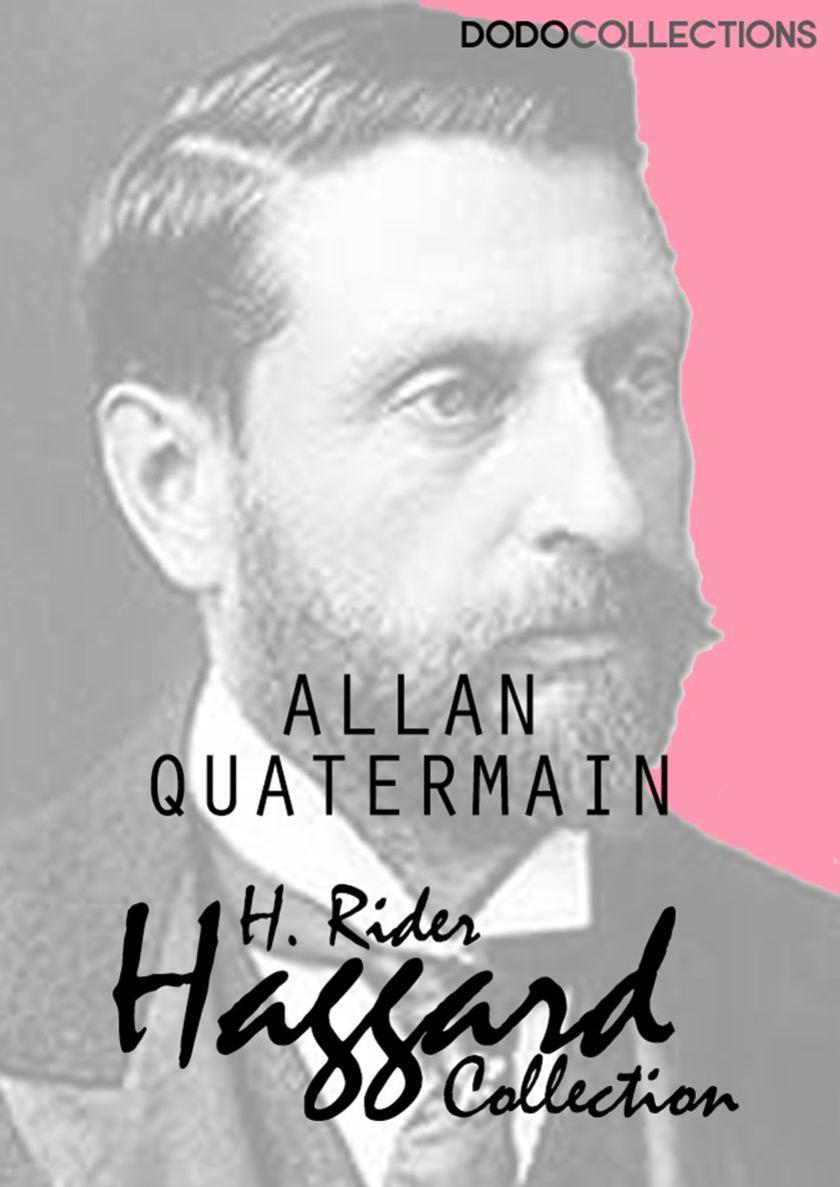
Allan Quatermain
¥8.09
Dodo Collections brings you another classic from H. Rider Haggard, ‘Allan Quatermain’ ? This sequel to?King Solomon's Mines?is based on Rider Haggard's own experiences in Africa. During their search for a white race reputed to live near Mount Kenya, Allan Quatermain and his companions undergo a series of dangerous and thrilling adventures. The dramatic and often poetic story reveals Victorian preoccupations with evolution, race, sexuality, and the "New Woman." ? Sir Henry Rider Haggard was an English writer of adventure novels set in exotic locations, predominantly Africa, and the creator of the Lost World literary genre. His stories, situated at the lighter end of the scale of Victorian literature, continue to be popular and influential. He was also involved in agricultural reform and improvement in the British Empire.? His breakout novel was?King Solomon's Mines(1885), which was to be the first in a series telling of the multitudinous adventures of its protagonist, Allan Quatermain. Haggard was made a Knight Bachelor in 1912 and a Knight Commander of the Order of the British Empire in 1919. He stood unsuccessfully for Parliament as a Conservative candidate for the Eastern division of Norfolk in 1895. The locality of Rider, British Columbia, was named in his memory.

Helen of the Old House
¥8.09
Dodo Collections brings you another classic from Harold Bell Wright, ‘Helen of the Old House.’ ? ‘In a solidly American tale, Bell Wright vivifies his characters in palpable surroundings. His narrative makes readers feel as though they are witnesses to the action as it takes place. Against a backdrop of union politics in a factory town, the book takes a strong swipe at Communism while simultaneously decrying corporate greed. Ironically, this work-published in the 1920s-while strongly opposed to Karl Marx's ruinous philosophy never uses the word, "communism." The repeated references are subtle but unmistakable as when a "foreign" labor-organizing rabble-rouser says that his greatest allegiance is to the "Big Union." ? On the other side of the coin, the criticisms of big business are limited to corruption and extreme selfishness. These vices are seen as invidious precisely because they abuse capitalism. The concept of getting rich via hard work is esteemed, as are the virtues of honesty, generosity, and devotion to one's fellow man.’ (Amazon Review SF 13/09/02) ? Harold Bell Wright (May 4, 1872 – May 24, 1944) was a best-selling American writer of fiction, essays, and non-fiction during the first half of the 20th century. Although mostly forgotten or ignored after the middle of the 20th century, he is said to have been the first American writer to sell a million copies of a novel and the first to make $1 million from writing fiction. Between 1902 and 1942 Wright wrote 19 books, several stage plays, and many magazine articles. More than 15 movies were made or claimed to be made from Wright's stories, including Gary Cooper's first major movie, The Winning of Barbara Worth (1926) and the John Wayne film, The Shepherd of the Hills (1941).


