


 购物车
购物车 个人中心
个人中心
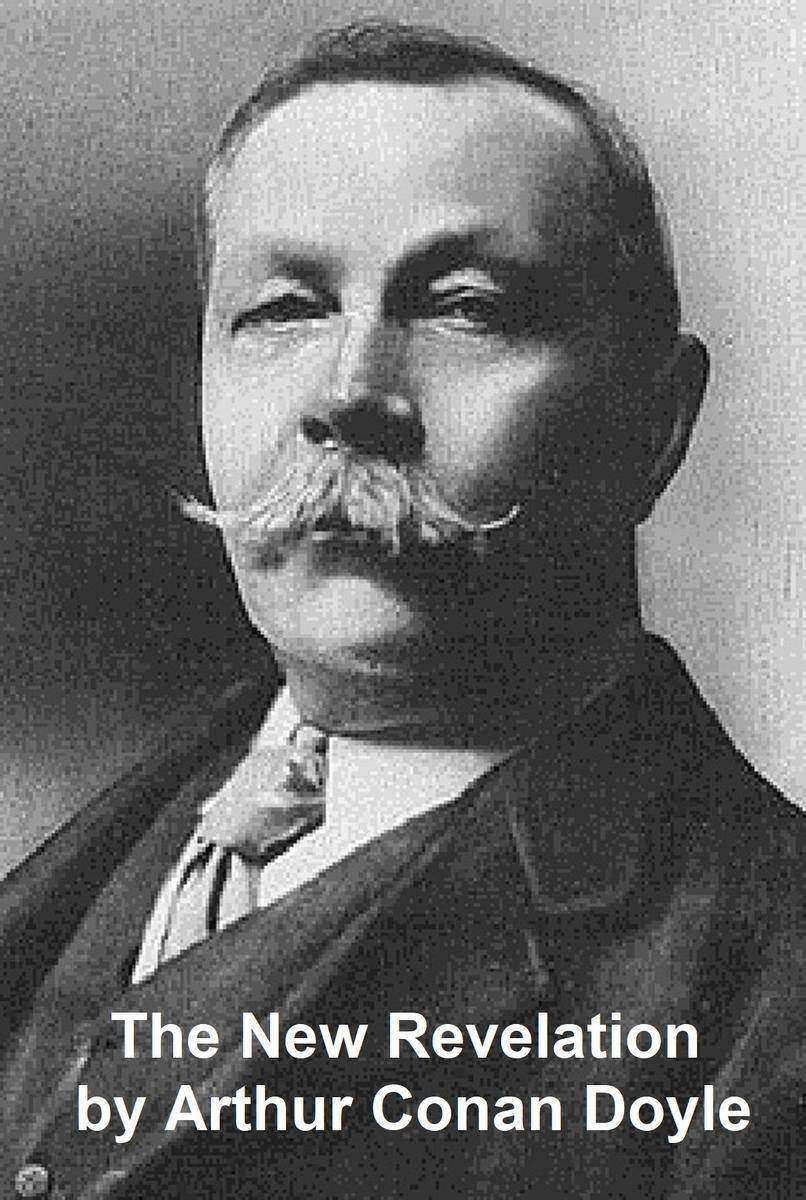
The New Revelation
¥8.09
First published in 1918. By the author of the Sherlock Holmes stories. The book begins: "The subject of psychical research is one upon which I have thought more and about which I have been slower to form my opinion, than upon any other subject whatever. Every now and then as one jogs along through life some small incident happens which very forcibly brings home the fact that time passes and that first youth and then middle age are slipping away. Such a one occurred the other day. There is a column in that excellent little paper, Light, which is devoted to what was recorded on the corresponding date a generation--that is thirty years--ago. As I read over this column recently I had quite a start as I saw my own name, and read the reprint of a letter which I had written in 1887, detailing some interesting spiritual experience which had occurred in a seance."
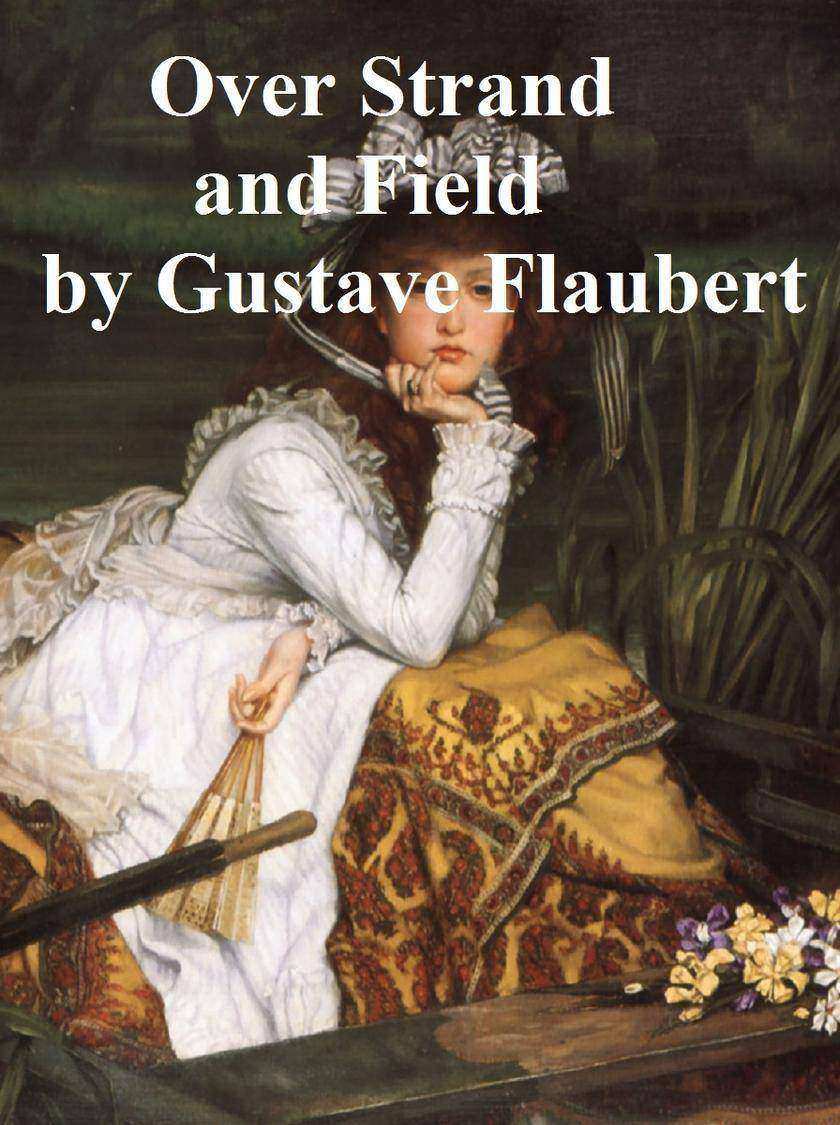
Over Strand and Field
¥8.09
Record of a trip made in 1847, ten years before the publication of Madame Bovary. According to Wikipedia: "Gustave Flaubert (December 12, 1821 – May 8, 1880) was a French writer who is counted among the greatest Western novelists. He is known especially for his first published novel, Madame Bovary (1857), and for his scrupulous devotion to his art and style... More than perhaps any other writer, not only of France, but of modern Europe, Flaubert scrupulously avoids the inexact, the abstract, the vaguely inapt expression which is the bane of ordinary methods of composition. As a writer, Flaubert was nearly equal parts romantic, realist, and pure stylist. Hence, members of various schools, especially realists and formalists, have traced their origins to his work. The exactitude with which he adapts his expressions to his purpose can be seen in all parts of his work, especially in the portraits he draws of the figures in his principal romances. The degree to which Flaubert's fame has extended since his death presents an interesting chapter of literary history in itself. He is also accredited with spreading the popularity of the colour Tuscany Cypress, a colour often mentioned in his chef-d'oeuvre Madame Bovary. Flaubert was fastidious in his devotion to finding the right word ("le mot juste"), and his mode of composition reflected that. He worked in sullen solitude - sometimes occupying a week in the completion of one page - never satisfied with what he had composed, violently tormenting his brain for the best turn of a phrase, the final adjective. His private letters indeed show that he was not one of those to whom correct, flowing language came naturally. His style was achieved through the unceasing sweat of his brow. Flaubert’s just reward, then, is that many critics consider his best works to be exemplary models of style."
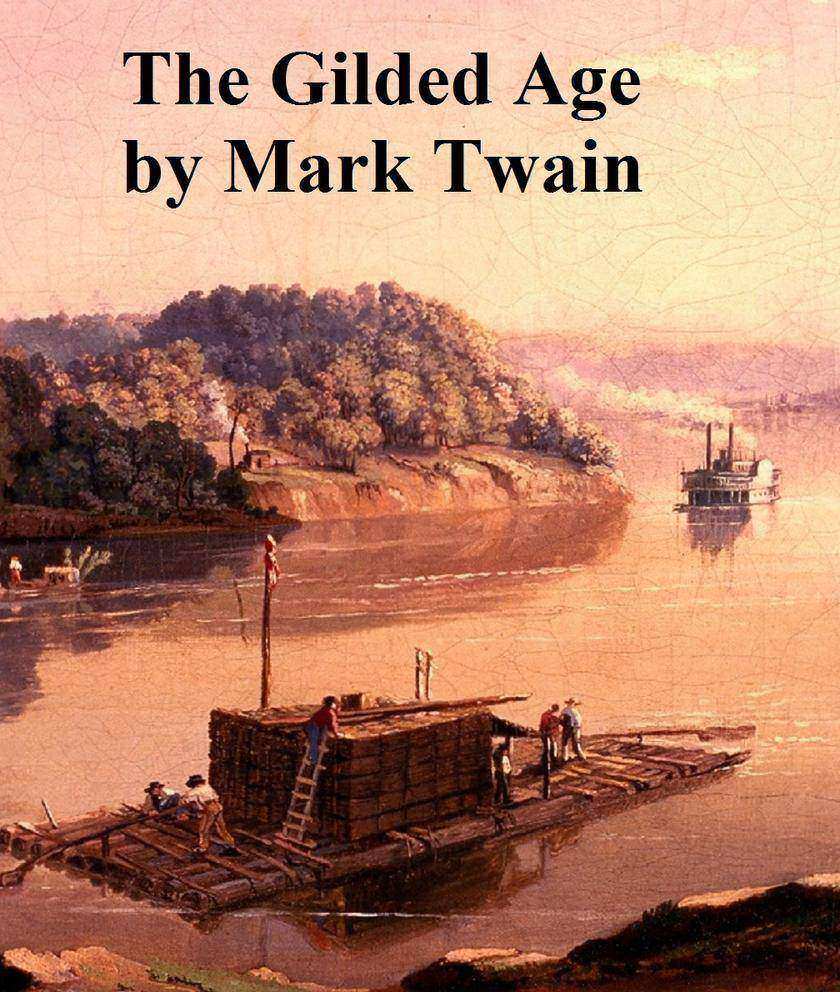
The Gilded Age
¥8.09
Satire, mocking Washington, DC and leaders of the day (first published in 1873). According to Wikipedia: "Samuel Langhorne Clemens (1835 – 1910), better known by the pen name Mark Twain, was an American author and humorist. Twain is most noted for his novels Adventures of Huckleberry Finn, which has since been called the Great American Novel and The Adventures of Tom Sawyer. He is extensively quoted. During his lifetime, Twain became a friend to presidents, artists, industrialists and European royalty. Twain enjoyed immense public popularity, and his keen wit and incisive satire earned him praise from both critics and peers. American author William Faulkner called Twain "the father of American literature."
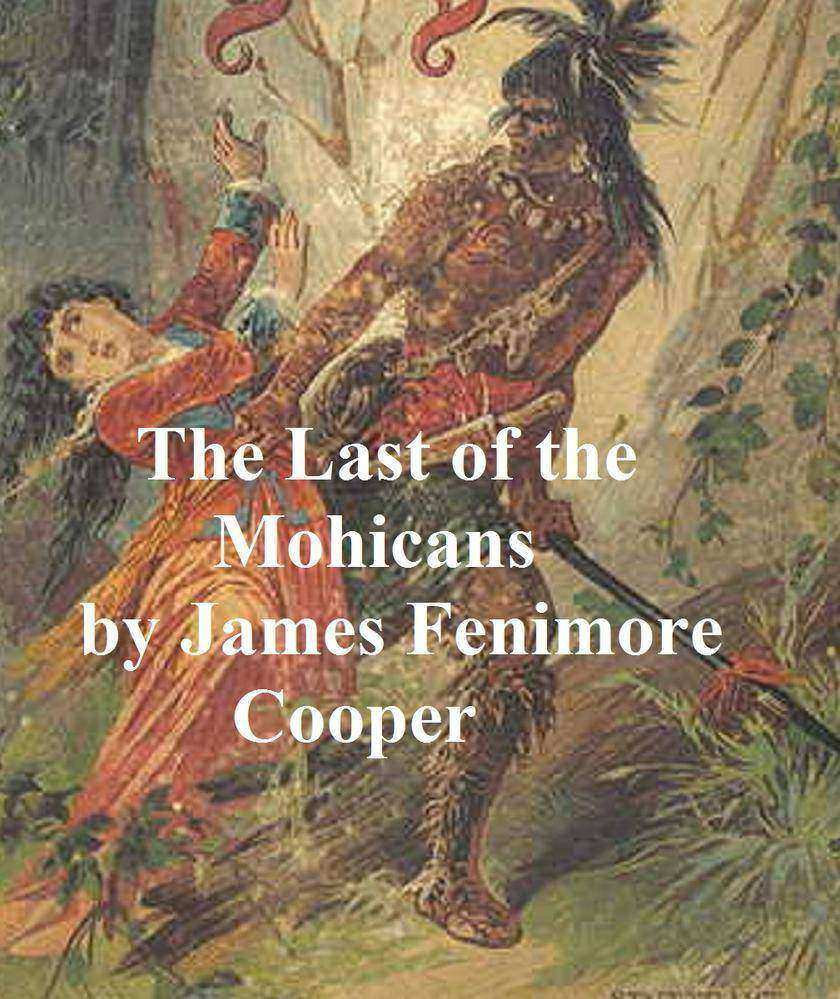
The Last of the Mohicans: Second of the Leatherstocking Tales
¥8.09
Second of the Leatherstocking Tales. Historical novel, set in 1757, during the French and Indian War. First published in 1826. According to Wikipedia, "It was one of the most popular English-language novels of its time, and helped establish Cooper as one of the first world-famous American writers." The other Leatherstocking Tales are: Deerslayer, Pathfinder, Pioneers, and Prairie. According to Wikipedia: "James Fenimore Cooper (September 15, 1789 – September 14, 1851) was a prolific and popular American writer of the early 19th century. He is best remembered as a novelist who wrote numerous sea-stories and the historical novels known as the Leatherstocking Tales, featuring frontiersman Natty Bumppo. Among his most famous works is the Romantic novel The Last of the Mohicans, which many consider to be his masterpiece."
The Comedy of Errors/ Die Irrungen: Bilingual edition
¥8.09
Bilingual, English and German. Shakespeare comedy in English with line numbers and translated to German. According to Wikipedia: "The Comedy of Errors is one of William Shakespeare's earliest plays. It is his shortest and one of his most farcical comedies, with a major part of the humour coming from slapstick and mistaken identity, in addition to puns and word play." Zweisprachig, Englisch und Deutsch. Shakespeare-Kom?die in Englisch mit Zeilennummern und ins Deutsche übersetzt. Laut Wikipedia: "The Comedy of Errors ist eines der frühesten Stücke William Shakespeares. Es ist seine kürzeste und eine seiner absurdesten Kom?dien, wobei ein Gro?teil des Humors aus Slapstick und falscher Identit?t stammt, zus?tzlich zu Wortspielen und Wortspielen
Salome: a short biblical play, in the original French
¥8.09
Court jeu biblique. Selon Wikipedia: "Oscar Fingal O'Flahertie Wills Wilde (1854 - 1900) était un dramaturge irlandais, romancier, poète et auteur de nouvelles, connu pour son esprit barbelé, il fut l'un des dramaturges les plus réussis de Londres victorienne tardive. ? la suite d'un célèbre procès, il a subi une chute dramatique et a été emprisonné pour deux ans de travaux forcés après avoir été reconnu coupable de ?grossière indécence?.
Shakespeare's Winter's Tale in French
¥8.09
Le conte d'hiver de Shakespeare en traduction fran?aise. "Selon Wikipedia:" The Winter's Tale est une pièce de William Shakespeare, initialement publié dans le premier folio de 1623. Bien qu'il ait été regroupé parmi les comédies, certains éditeurs modernes ont ré-étiqueté la pièce comme une des dernières romances de Shakespeare. Certains critiques, parmi lesquels W. W. Lawrence, considèrent que c'est un des ?problèmes de jeu? de Shakespeare, parce que les trois premiers actes sont remplis de drame psychologique intense, tandis que les deux derniers actes sont comiques et fournissent une fin heureuse.
Editorial Wild Oats
¥8.09
Short collection of short humorous essays, including: PAGE MY FIRST LITERARY VENTURE, JOURNALISM IN TENNESSEE, NICODEMUS DODGE--PRINTER, MR. BLOKE'S ITEM, HOW I EDITED AN AGRICULTURAL PAPER, and THE KILLING OF JULIUS CAESAR "LOCALIZED".
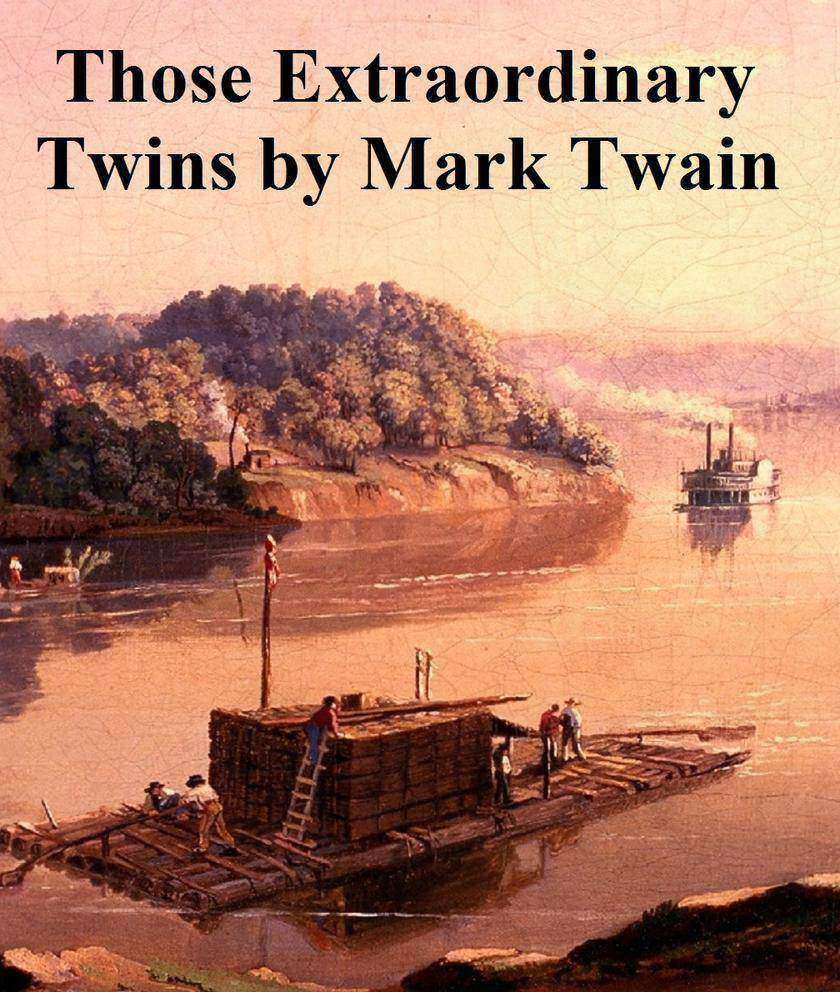
Those Extraordinary Twins
¥8.09
Short humorous novel. According to Wikipedia: "Samuel Langhorne Clemens (November 30, 1835 - April 21, 1910), better known by the pen name Mark Twain, was a humorist, satirist, lecturer and writer from the United States of America. Twain is most noted for his novels Adventures of Huckleberry Finn, which has since been called the Great American Novel, and The Adventures of Tom Sawyer. He is also known for his quotations. During his lifetime, Twain became a friend to presidents, artists, leading industrialists and European royalty. Twain enjoyed immense public popularity, and his keen wit and incisive satire earned him praise from both critics and peers. American author William Faulkner called Twain 'the father of American literature.'"
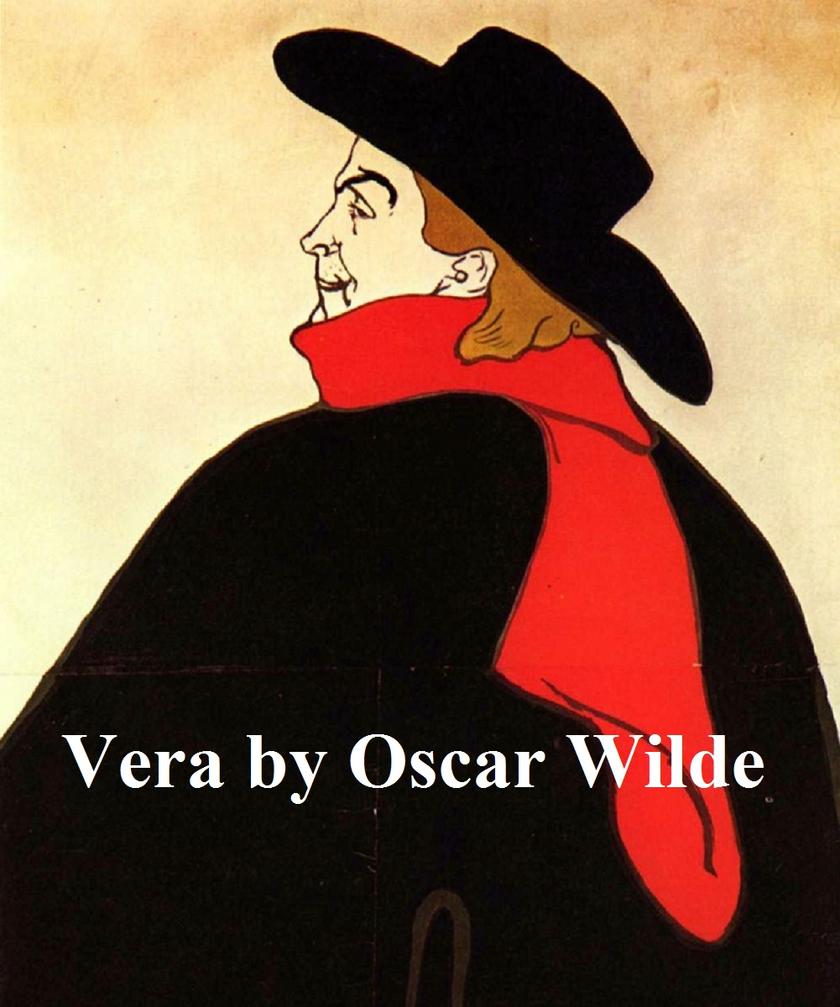
Vera: The Nihilists, a Drama in a Prologue and Four Acts
¥8.09
Four-act play, written in 1881. According to Wikipedia: "Oscar Fingal O'Flahertie Wills Wilde (16 October 1854 – 30 November 1900) was an Irish writer and poet. After writing in different forms throughout the 1880s, he became one of London's most popular playwrights in the early 1890s. Today he is remembered for his epigrams, plays and the circumstances of his imprisonment, followed by his early death."
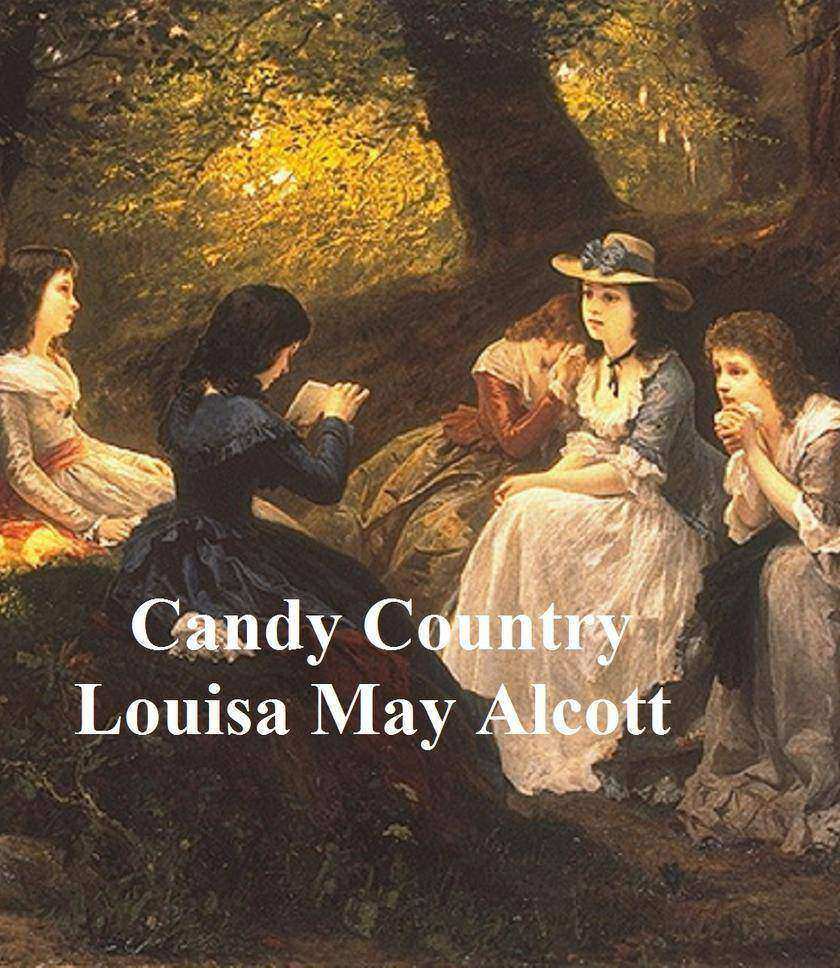
Candy Country
¥8.09
Short story by the author of Little Women. According to Wikipedia: "Louisa May Alcott's overwhelming success dated from the appearance of the first part of Little Women: or Meg, Jo, Beth and Amy, (1868) a semi-autobiographical account of her childhood years with her sisters in Concord, Massachusetts. Part two, or Part Second, also known as Good Wives, (1869) followed the March sisters into adulthood and their respective marriages. Little Men (1871) detailed Jo's life at the Plumfield School that she founded with her husband Professor Bhaer at the conclusion of Part Two of Little Women. Jo's Boys (1886) completed the "March Family Saga." Most of her later volumes, An Old Fashioned Girl (1870), Aunt Jo's Scrap Bag (6 vols., 1871–1879), Eight Cousins and its sequel Rose in Bloom (1876), and others, followed in the line of Little Women, remaining popular with her large and loyal public. Although the Jo character in Little Women was based on Louisa May Alcott, she, unlike Jo, never married. Alcott explained her "spinsterhood" in an interview with Louise Chandler Moulton, "... because I have fallen in love with so many pretty girls and never once the least bit with any man."
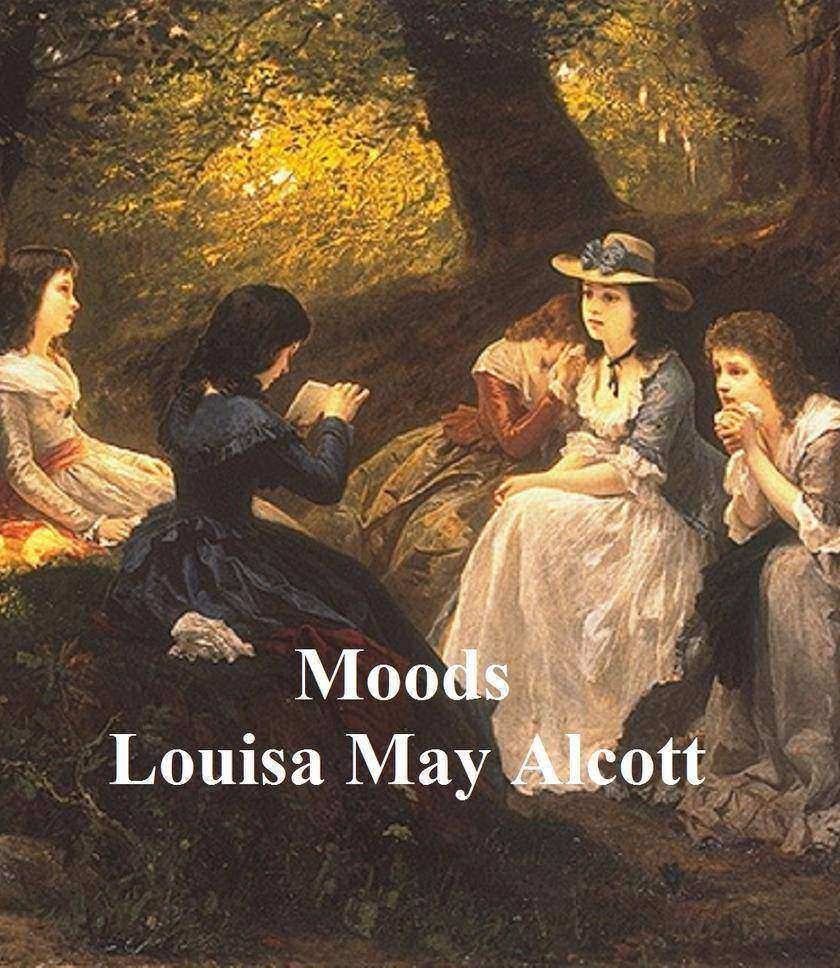
Moods
¥8.09
According to Wikipedia: "Louisa May Alcott (November 29, 1832 – March 6, 1888) was an American novelist. She is best known for the novel Little Women and its sequels Little Men and Jo's Boys. Little Women was set in the Alcott family home, Orchard House in Concord, Massachusetts, and published in 1868. This novel is loosely based on her childhood experiences with her three sisters."
The Queen of the Pirate Isle
¥8.09
Short story. According to Wikipedia: "Bret Harte (August 25, 1836[2] – May 6, 1902) was an American author and poet, best remembered for his accounts of pioneering life in California. He was born in Albany, New York. ... He moved to California in 1853, later working there in a number of capacities, including miner, teacher, messenger, and journalist. He spent part of his life in the northern California coast town now known as Arcata, then just a mining camp on Humboldt Bay. His first literary efforts, including poetry and prose, appeared in The Californian, an early literary journal edited by Charles Henry Webb. In 1868 he became editor of The Overland Monthly, another new literary magazine, but this one more in tune with the pioneering spirit of excitement in California. His story, "The Luck of Roaring Camp," appeared in the magazine's second edition, propelling Harte to nationwide fame... Determined to pursue his literary career, in 1871 he and his family traveled back East, to New York and eventually to Boston, where he contracted with the publisher of The Atlantic Monthly for an annual salary of $10,000, "an unprecedented sum at the time." His popularity waned, however, and by the end of 1872 he was without a publishing contract and increasingly desperate. He spent the next few years struggling to publish new work (or republish old), delivering lectures about the gold rush, and even selling an advertising jingle to a soap company. In 1878 Harte was appointed to the position of United States Consul in the town of Krefeld, Germany and then to Glasgow in 1880. In 1885 he settled in London. During the thirty years he spent in Europe, he never abandoned writing, and maintained a prodigious output of stories that retained the freshness of his earlier work. He died in England in 1902 of throat cancer and is buried at Frimley."
Red Men and White
¥8.09
Classic western novel, first published in 1895. According to Wikipedia: "Owen Wister (July 14, 1860 – July 21, 1938) was an American writer and "father" of western fiction."
The World As I Have Found It
¥8.09
Sequel to Incidents in the Life of a Blind Girl.? First published in 1878. Autobiography of a blind woman, followed by the essays: Help the Blind Help Themselves, Sight of the Blind, How do the Blind See, Invocation to Light, Is It More to Lose Eyes than the Ears? and Education of the Blind. It also includes a collection of poems by the blind. Such a book as this has a value which, probably, has not occurred to its author. She has put on record the phenomena of her life as she has recollected them, with great simplicity, merely for the entertainment of her readers, without attaching any importance to the value which every such memoir has in the department of science. But it is just from the study of such phenomena as these that the students in mental and moral philosophy learn the laws of mind and the operations of a human soul under a divine, moral government. "
Beyond the City
¥8.09
According to Wikipedia: "Beyond the City (1892) is a novel by Scottish author Sir Arthur Conan Doyle… Sir Arthur Ignatius Conan Doyle (22 May 1859 – 7 July 1930) was a Scottish physician and writer who is most noted for his fictional stories about the detective Sherlock Holmes, which are generally considered milestones in the field of crime fiction. He is also known for writing the fictional adventures of a second character he invented, Professor Challenger, and for popularising the mystery of the Mary Celeste. He was a prolific writer whose other works include fantasy and science fiction stories, plays, romances, poetry, non-fiction, and historical novels."
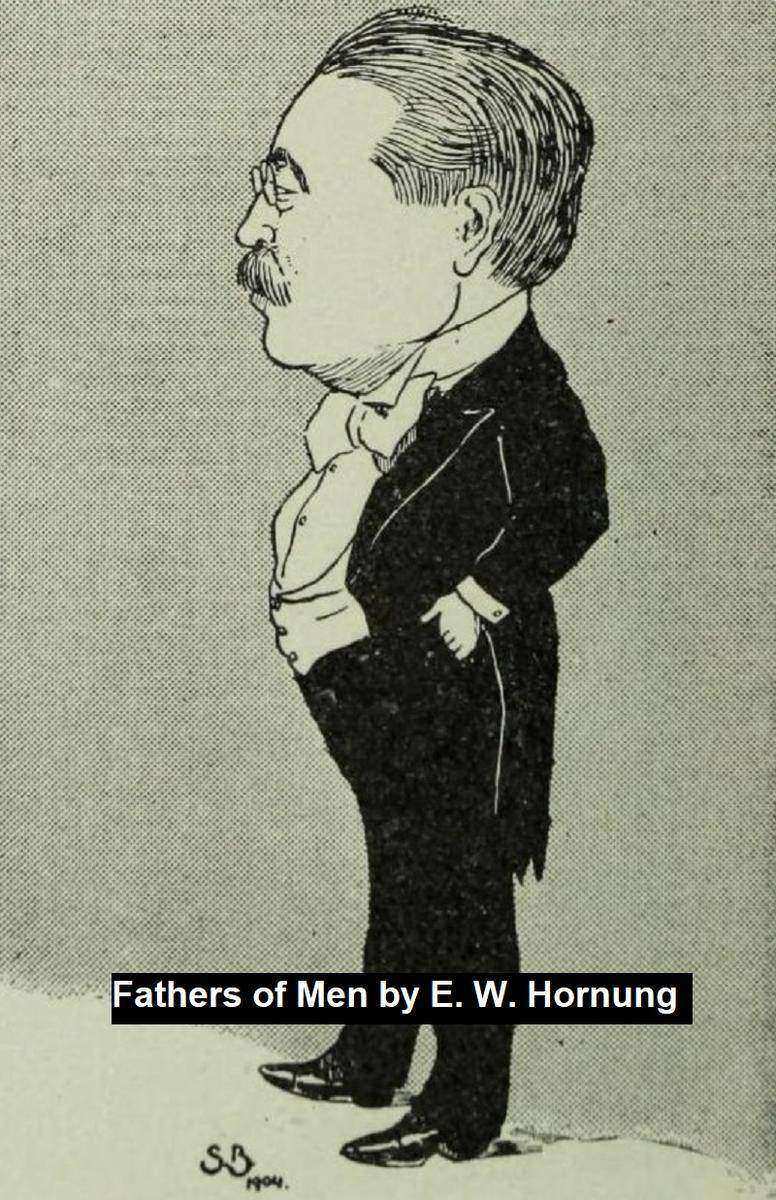
Fathers of Men
¥8.09
First published in 1912. According to Wikipedia: "Ernest William Hornung (7 June 1866 – 22 March 1921) was an English author and poet perhaps best known for writing the A. J. Raffles series of stories about a gentleman thief in late 19th-century London. Hornung was educated at Uppingham School; as a result of poor health he left the school in December 1883 to travel to Sydney, where he stayed for two years. He drew on his Australian experiences as a background when he began writing, initially short stories and later novels... Although much of Hornung's work has fallen into obscurity, his Raffles stories continued to be popular, and have formed numerous film and television adaptations. Hornung's stories dealt with a wider range of themes than crime: he examined scientific and medical developments, guilt, class and the unequal role played by women in society. Above all there are two threads that run through a sizeable proportion of his books: Australia and cricket, the latter was also a lifelong passion."
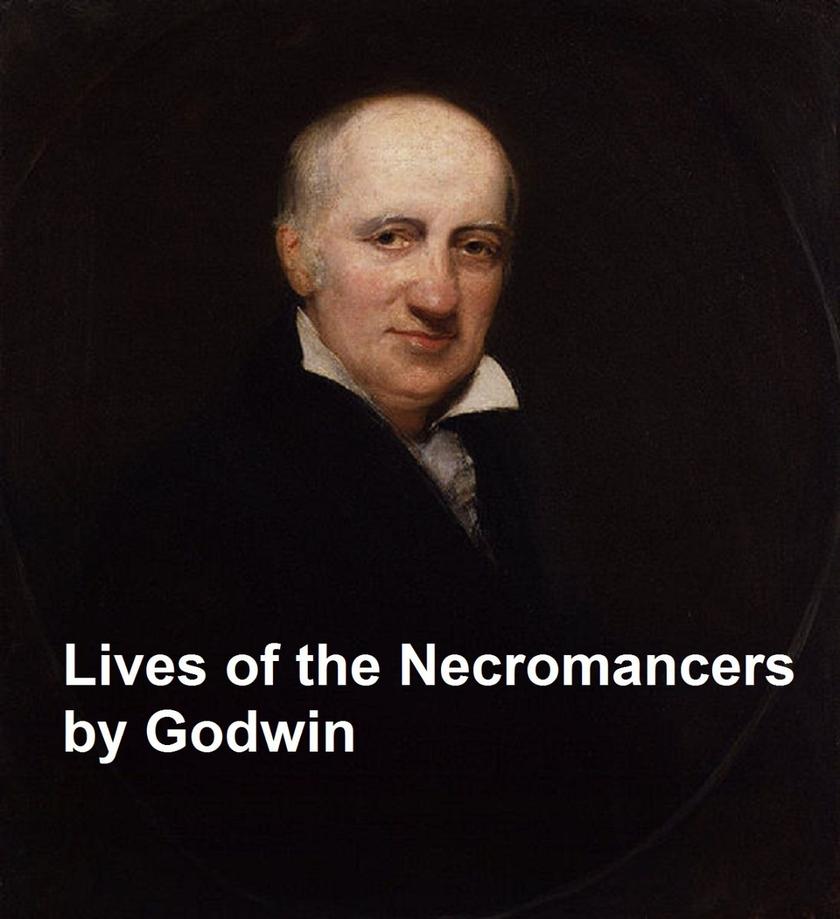
Lives of the Necromancers
¥8.09
Book on magic and magicians by the father of Mary Shelley, who was the author of Frankenstein. First published in 1834. According to the Preface: " The main purpose of this book is to exhibit a fair delineation of the credulity of the human mind. Such an exhibition cannot fail to be productive of the most salutary lessons. One view of the subject will teach us a useful pride in the abundance of our faculties. Without pride man is in reality of little value. It is pride that stimulates us to all our great undertakings. Without pride, and the secret persuasion of extraordinary talents, what man would take up the pen with a view to produce an important work, whether of imagination and poetry, or of profound science, or of acute and subtle reasoning and intellectual anatomy? It is pride in this sense that makes the great general and the consummate legislator, that animates us to tasks the most laborious, and causes us to shrink from no difficulty, and to be confounded and overwhelmed with no obstacle that can be interposed in our path." According to Wikipedia: "William Godwin (3 March 1756 – 7 April 1836) was an English journalist, political philosopher and novelist. He is considered one of the first exponents of utilitarianism, and the first modern proponent of anarchism."
Many Gods
¥8.09
Dodo Collections brings you another classic from Cale Young Rice, ‘Many Gods’. Many Gods is a book of poetry written in 1910. Cale Young Rice (December 7, 1872 – January 24, 1943) was an American poet and dramatist. He was born in Dixon, Kentucky, to Laban Marchbanks Rice, a Confederate veteran and tobacco merchant, and his wife Martha Lacy. He was a younger brother of Laban Lacy Rice, a noted educator. Cale Rice grew up in Evansville, Indiana, and Louisville, Kentucky. He was educated at Cumberland University and at Harvard (A.B., 1895; A.M., 1896). He was married to the popular author Alice Hegan Rice; they worked together on several books. The marriage was childless, and Cale committed suicide by gunshot during the night of January 23–24 at his home in Louisville a year after her death due to his sorrow at losing her. His birthplace in Dixon is designated by Kentucky State Historical Marker 1508, which reads: "Birthplace of Rice brothers, Cale Young, 1872-1943, noted poet and author; Laban Lacy, 1870-1973, well-known educator and author. Lacy published The Best Poetic Works of Cale Young Rice after Cale's death. Included in famous collection is poem, "The Mystic." Cale married Alice Hegan, also a distinguished Kentucky writer. Home overlooks Memorial Garden."?
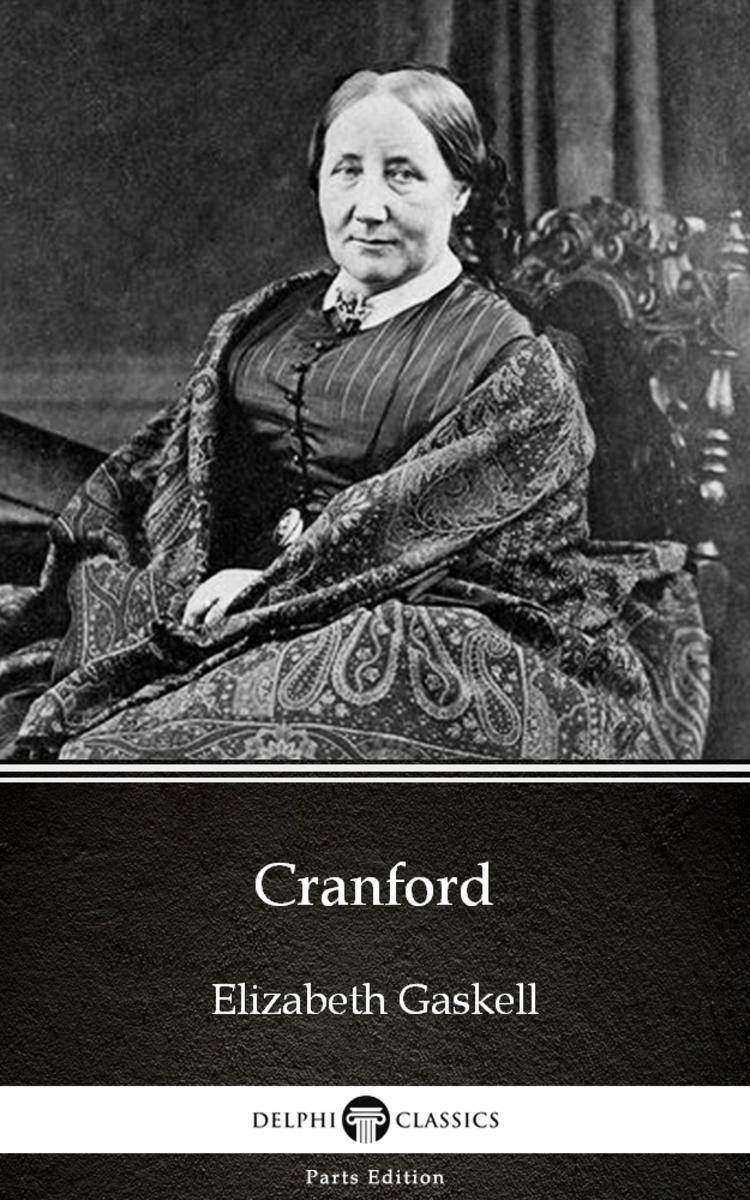
Cranford by Elizabeth Gaskell - Delphi Classics (Illustrated)
¥8.09
This eBook features the unabridged text of ‘Cranford by Elizabeth Gaskell - Delphi Classics (Illustrated)’ from the bestselling edition of ‘The Complete Works of Elizabeth Gaskell’. Having established their name as the leading publisher of classic literature and art, Delphi Classics produce publications that are individually crafted with superior formatting, while introducing many rare texts for the first time in digital print. The Delphi Classics edition of Gaskell includes original annotations and illustrations relating to the life and works of the author, as well as individual tables of contents, allowing you to navigate eBooks quickly and easily. eBook features: * The complete unabridged text of ‘Cranford by Elizabeth Gaskell - Delphi Classics (Illustrated)’ * Beautifully illustrated with images related to Gaskell’s works * Individual contents table, allowing easy navigation around the eBook * Excellent formatting of the text Please visit www.delphiclassics.com to learn more about our wide range of titles
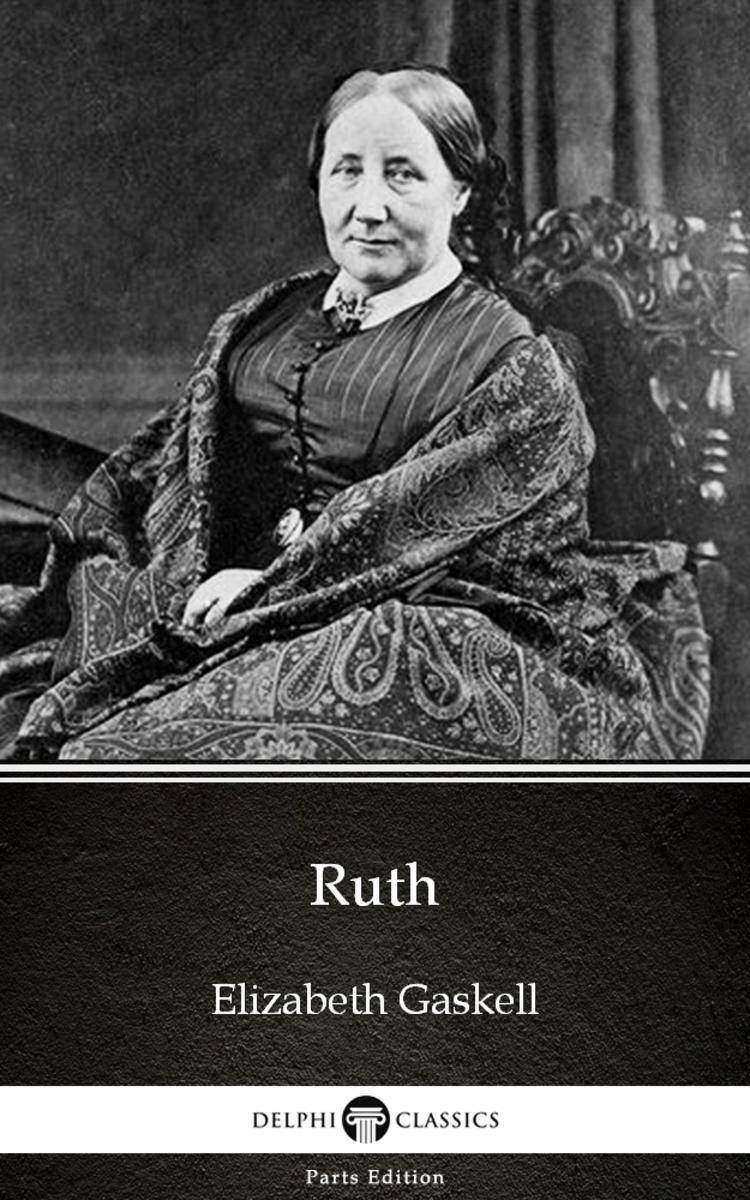
Ruth by Elizabeth Gaskell - Delphi Classics (Illustrated)
¥8.09
This eBook features the unabridged text of ‘Ruth by Elizabeth Gaskell - Delphi Classics (Illustrated)’ from the bestselling edition of ‘The Complete Works of Elizabeth Gaskell’. Having established their name as the leading publisher of classic literature and art, Delphi Classics produce publications that are individually crafted with superior formatting, while introducing many rare texts for the first time in digital print. The Delphi Classics edition of Gaskell includes original annotations and illustrations relating to the life and works of the author, as well as individual tables of contents, allowing you to navigate eBooks quickly and easily. eBook features: * The complete unabridged text of ‘Ruth by Elizabeth Gaskell - Delphi Classics (Illustrated)’ * Beautifully illustrated with images related to Gaskell’s works * Individual contents table, allowing easy navigation around the eBook * Excellent formatting of the text Please visit www.delphiclassics.com to learn more about our wide range of titles


