


 购物车
购物车 个人中心
个人中心
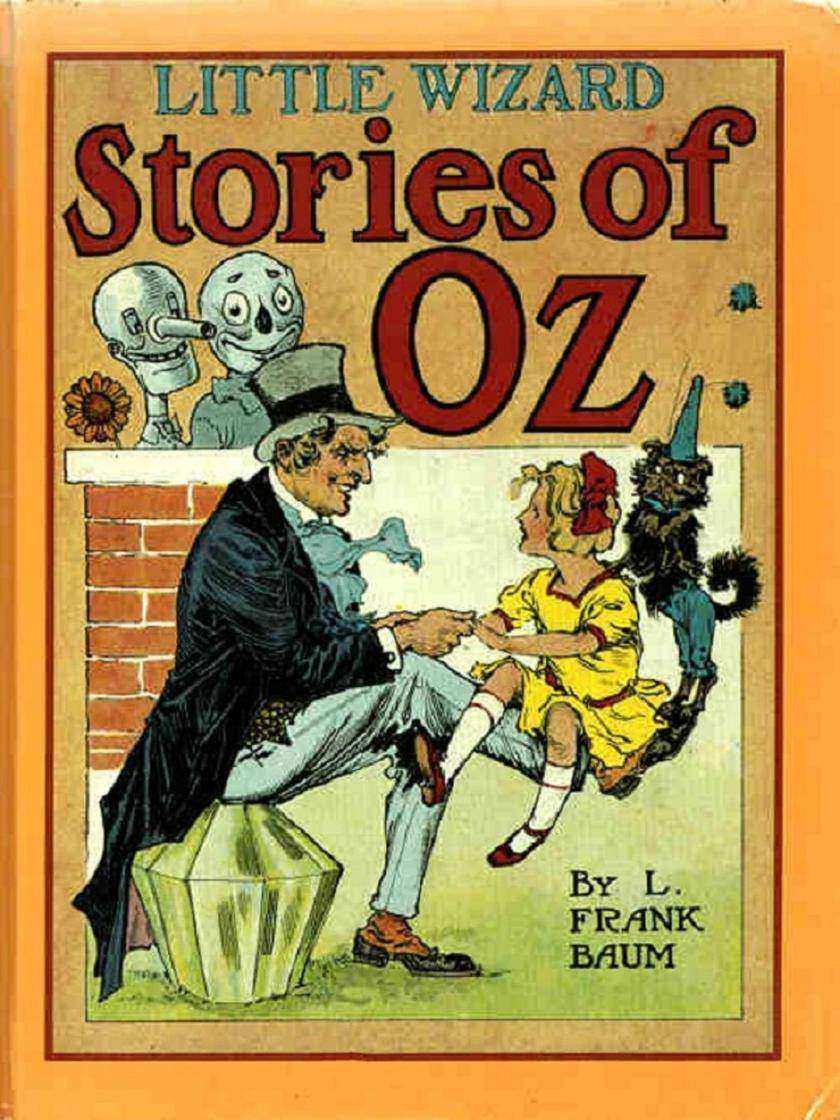
Little Wizard Stories of Oz
¥8.09
46 color illustrations. A short collection of short stories, including: The Cowardly Lion and the Hungry Tiger, Little Dorothy and Toto, Tiktok and the Nome King, Ozma and the Little Wizard, Jack Pumpkinhead and the Sawhorse, and The Scarecrow and the Tin Woodman. According to Wikipedia: "Little Wizard Stories of Oz is a set of six short stories written for young children by L. Frank Baum, the creator of the Oz books. The six tales were published in separate small booklets, "Oz books in miniature," in 1913, and then in a collected edition in 1914 with illustrations by John R. Neill.[1][2] Each booklet was 29 pages long, and printed in blue ink rather than black. The stories were part of a project, by Baum and his publisher Reilly & Britton, to revitalize and continue the series of Oz books that Baum had written up to that date. The story collection effectively constitutes a fifteenth Oz book by Baum
A Drift from Redwood Camp
¥8.09
Western short story. According to Wikipedia: "Bret Harte (August 25, 1836[2] – May 6, 1902) was an American author and poet, best remembered for his accounts of pioneering life in California. He was born in Albany, New York. ... He moved to California in 1853, later working there in a number of capacities, including miner, teacher, messenger, and journalist. He spent part of his life in the northern California coast town now known as Arcata, then just a mining camp on Humboldt Bay. His first literary efforts, including poetry and prose, appeared in The Californian, an early literary journal edited by Charles Henry Webb. In 1868 he became editor of The Overland Monthly, another new literary magazine, but this one more in tune with the pioneering spirit of excitement in California. His story, "The Luck of Roaring Camp," appeared in the magazine's second edition, propelling Harte to nationwide fame... Determined to pursue his literary career, in 1871 he and his family traveled back East, to New York and eventually to Boston, where he contracted with the publisher of The Atlantic Monthly for an annual salary of $10,000, "an unprecedented sum at the time." His popularity waned, however, and by the end of 1872 he was without a publishing contract and increasingly desperate. He spent the next few years struggling to publish new work (or republish old), delivering lectures about the gold rush, and even selling an advertising jingle to a soap company. In 1878 Harte was appointed to the position of United States Consul in the town of Krefeld, Germany and then to Glasgow in 1880. In 1885 he settled in London. During the thirty years he spent in Europe, he never abandoned writing, and maintained a prodigious output of stories that retained the freshness of his earlier work. He died in England in 1902 of throat cancer and is buried at Frimley."
Salomy Jane
¥8.09
Western short story. According to Wikipedia: "Bret Harte (August 25, 1836[2] – May 6, 1902) was an American author and poet, best remembered for his accounts of pioneering life in California. He was born in Albany, New York. ... He moved to California in 1853, later working there in a number of capacities, including miner, teacher, messenger, and journalist. He spent part of his life in the northern California coast town now known as Arcata, then just a mining camp on Humboldt Bay. His first literary efforts, including poetry and prose, appeared in The Californian, an early literary journal edited by Charles Henry Webb. In 1868 he became editor of The Overland Monthly, another new literary magazine, but this one more in tune with the pioneering spirit of excitement in California. His story, "The Luck of Roaring Camp," appeared in the magazine's second edition, propelling Harte to nationwide fame... Determined to pursue his literary career, in 1871 he and his family traveled back East, to New York and eventually to Boston, where he contracted with the publisher of The Atlantic Monthly for an annual salary of $10,000, "an unprecedented sum at the time." His popularity waned, however, and by the end of 1872 he was without a publishing contract and increasingly desperate. He spent the next few years struggling to publish new work (or republish old), delivering lectures about the gold rush, and even selling an advertising jingle to a soap company. In 1878 Harte was appointed to the position of United States Consul in the town of Krefeld, Germany and then to Glasgow in 1880. In 1885 he settled in London. During the thirty years he spent in Europe, he never abandoned writing, and maintained a prodigious output of stories that retained the freshness of his earlier work. He died in England in 1902 of throat cancer and is buried at Frimley."
L'Assomoir, in English
¥8.09
Zola's best-known novel, first published in 1877. According to Wikipedia: "Emile Zola (2 April 1840 - 29 September 1902) was an influential French writer, the most important example of the literary school of naturalism, and a major figure in the political liberalization of France...After his first major novel, Therese Raquin (1867), Zola started the long series called Les Rougon Macquart, about a family under the Second Empire... More than half of Zola's novels were part of this set of 20 collectively known as Les Rougon-Macquart. Unlike Balzac who in the midst of his literary career re synthetized his work into La Comedie Humaine, Zola from the outset at the age of 28 had thought of the complete layout of the series. Set in France's Second Empire, the series traces the "environmental" influences of violence, alcohol, and prostitution which became more prevalent during the second wave of the industrial revolution."

Aviation in Peace and War
¥8.09
First published in 1922, written by a major-general, former chief of the ir staff. The introduction begins: " Since the earliest communities of human beings first struggled for supremacy and protection, the principles of warfare have remained unchanged. New methods have been evolved and adopted with the progress of science, but no discovery, save perhaps that of gunpowder, has done so much in so short a time to revolutionize the conduct of war as aviation, the youngest, yet destined perhaps to be the most effective fighting-arm. Yet to-day we are only on the threshold of our knowledge, and, striking as was the impetus given to every branch of aeronautics during the four years of war, its future power can only dimly be seen."
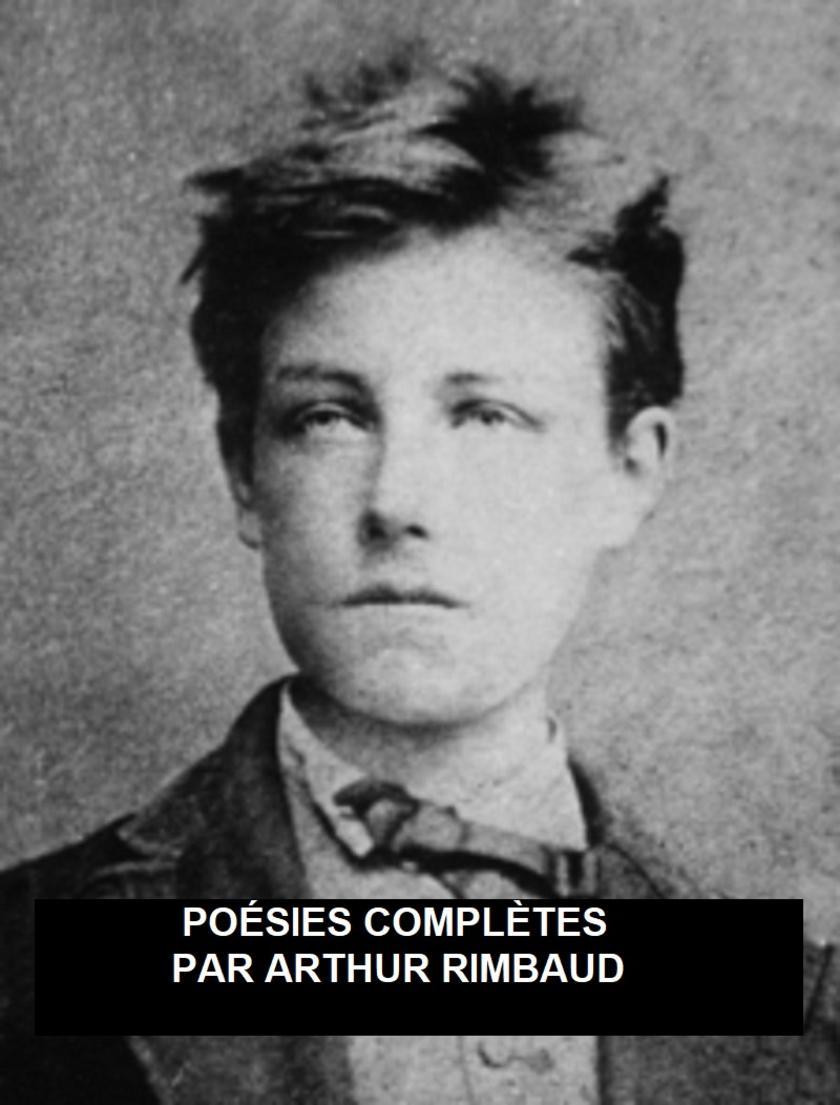
Poésies Complétes
¥8.09
D'abord publié en 1895, en fran?ais. Avec des liens vers tous les poèmes de la table des matières. Selon Wikipédia: "Jean Nicolas Arthur Rimbaud (20 octobre 1854 - 10 novembre 1891) est un poète fran?ais né à Charleville, en Ardenne, qui a influencé la littérature et les arts modernes, inspiré divers musiciens et préfiguré le surréalisme. jeune homme, alors qu'il était encore à l'école primaire, et s'est arrêté complètement avant d'avoir 21 ans .Il était surtout créatif dans son adolescence (17-20) .Son ?génie, sa floraison, explosion et extinction soudaine, étonne encore?. Il a été un libertin et une ?me inquiète, il a beaucoup voyagé sur trois continents avant sa mort du cancer juste après son trente-septième anniversaire. "
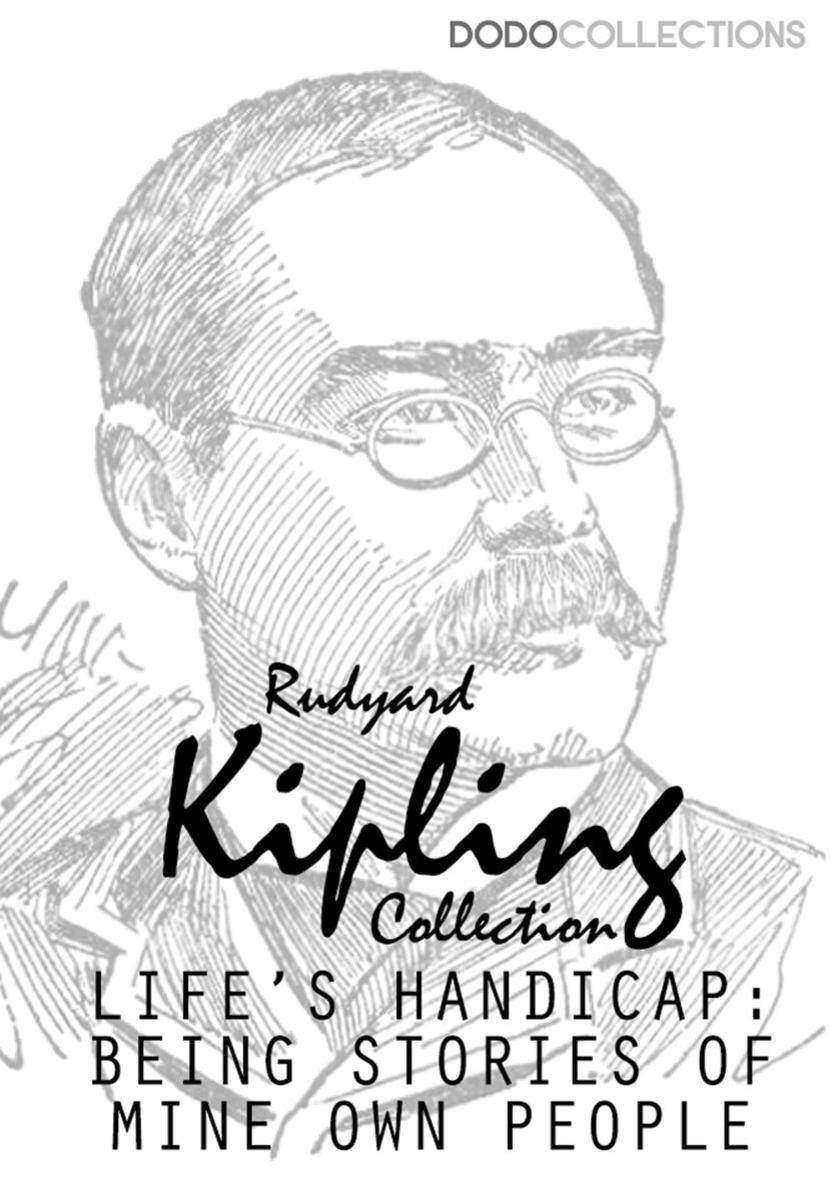
Life's Handicap: Being Stories of Mine Own People
¥8.09
Dodo Collections brings you another classic from Rudyard Kipling, ‘Life's Handicap: Being Stories of Mine Own People'. ? Subtitled 'Being Stories of Mine Own People', Kipling wrote that these tales are 'from all places and all sorts of people'. ? Kipling's works of fiction include The Jungle Book (1894), Kim (1901), and many short stories, including "The Man Who Would Be King" (1888). His poems include "Mandalay" (1890), "Gunga Din" (1890), "The Gods of the Copybook Headings" (1919), "The White Man's Burden" (1899), and "If—" (1910). He is regarded as a major innovator in the art of the short story; his children's books are classics of children's literature; and one critic described his work as exhibiting "a versatile and luminous narrative gift". ? Kipling was one of the most popular writers in England, in both prose and verse, in the late 19th and early 20th centuries. Henry James said: "Kipling strikes me personally as the most complete man of genius (as distinct from fine intelligence) that I have ever known." In 1907, he was awarded the Nobel Prize in Literature, making him the first English-language writer to receive the prize, and its youngest recipient to date Among other honours, he was sounded out for the British Poet Laureateship and on several occasions for a knighthood, all of which he declined.

Eric Brighteyes
¥8.09
Dodo Collections brings you another classic from H. Rider Haggard, ‘Eric Brighteyes.’ ? A curious effect of Haggard's successful emulation of the terse, pithy style of saga prose is that the idiom of this novel actually seems rather less dated in the early 21st century than Haggard's other work or the general run of Victorian adventure fiction. Improvements in our understanding of the Viking period have done surprisingly little to falsify Haggard's imagination of its setting, and the book should still hold appeal to any reader interested in the period. ? Sir Henry Rider Haggard was an English writer of adventure novels set in exotic locations, predominantly Africa, and the creator of the Lost World literary genre. His stories, situated at the lighter end of the scale of Victorian literature, continue to be popular and influential. He was also involved in agricultural reform and improvement in the British Empire.? His breakout novel was?King Solomon's Mines(1885), which was to be the first in a series telling of the multitudinous adventures of its protagonist, Allan Quatermain. Haggard was made a Knight Bachelor in 1912 and a Knight Commander of the Order of the British Empire in 1919. He stood unsuccessfully for Parliament as a Conservative candidate for the Eastern division of Norfolk in 1895. The locality of Rider, British Columbia, was named in his memory.

The Ancient Allan
¥8.09
Dodo Collections brings you another classic from H. Rider Haggard, ‘The Ancient Allan.’ ? Sitting beside entrancing Lady Ragnall while the smoke of an ancient Egyptian herb grows thick around them, Allan Quatermain finds himself departing the world he know and entering into his strangest adventure. In a mystic transformation, he comes to his senses in an earlier incarnation . . . as Shabaka, hunter of lions -- scion of the rulers of ancient Egypt, and lover of the Lady Amada, the Priestess of Isis ? Sir Henry Rider Haggard was an English writer of adventure novels set in exotic locations, predominantly Africa, and the creator of the Lost World literary genre. His stories, situated at the lighter end of the scale of Victorian literature, continue to be popular and influential. He was also involved in agricultural reform and improvement in the British Empire. ? His breakout novel was King Solomon's Mines (1885), which was to be the first in a series telling of the multitudinous adventures of its protagonist, Allan Quatermain. ? Haggard was made a Knight Bachelor in 1912 and a Knight Commander of the Order of the British Empire in 1919. He stood unsuccessfully for Parliament as a Conservative candidate for the Eastern division of Norfolk in 1895. The locality of Rider, British Columbia, was named in his memory.

The Shepherd of the Hills
¥8.09
Dodo Collections brings you another classic from Harold Bell Wright, ‘The Shepherd of the Hills.’ ? The Shepherd of the Hills is Harold Bell Wright's most famous work. In The Shepherd of the Hills, Wright spins a tale of universal truths across the years to the modern-day reader. His Eden in the Ozarks has a bountiful share of life's enchantments, but is not without its serpents. While Wright rejoices in the triumphs, grace, and dignity of his characters, he has not naively created a pastoral fantasyland where the pure at heart are spared life's struggles and pains. Refusing to yield to the oft-indulged temptation of painting for the reader the simple life of country innocents, Wright forthrightly shows the passions and the life-and-death struggles that go on even in the fairest of environments that man invades. The shepherd, an elderly, mysterious, learned man, escapes the buzzing restlessness of the city to live in the backwoods neighborhood of Mutton Hollow in the Ozark hills. There he encounters Jim Lane, Grant Matthews, Sammy, Young Matt, and other residents of the village, and gradually learns to find a peace about the losses he has borne and has yet to bear. Through the shepherd and those around him, Wright assembles here a gentle and utterly masterful commentary on strength and weakness, failure and success, tranquility and turmoil, and punishment and absolution. This tale of life in the Ozarks continues to draw thousands of devotees to outdoor performances in Branson, Missouri, where visitors can also see the cabin where the real Old Matt and Aunt Mollie lived. ? Harold Bell Wright was a best selling American author of the first part of the 20th century. ? Between 1903 and 1942, this minister-turned-author wrote nineteen books, several scripts for stage plays, and several magazine articles. At least fifteen movies were made from his novels. Seven of Wright's books appeared on the top ten best sellers lists, two of them twice, including a number one seller in 1914, a number two in 1916 and a third best seller three times.
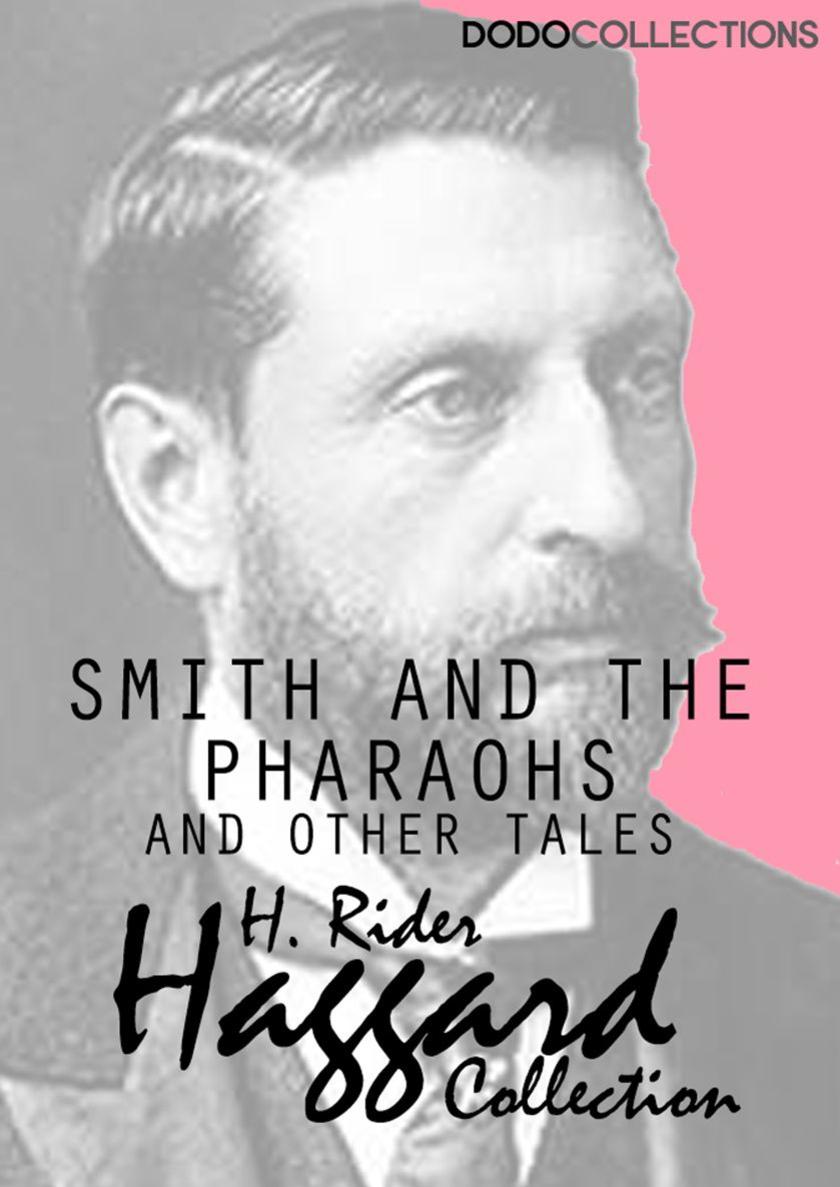
Smith and the Pharaohs, and other Tales
¥8.09
Dodo Collections brings you another classic from H. Rider Haggard, ‘Smith and the Pharaohs, and other Tales.’ ? Sir Henry Rider Haggard was an English writer of adventure novels set in exotic locations, predominantly Africa, and the creator of the Lost World literary genre. His stories, situated at the lighter end of the scale of Victorian literature, continue to be popular and influential. He was also involved in agricultural reform and improvement in the British Empire.? His breakout novel was?King Solomon's Mines( 1885), which was to be the first in a series telling of the multitudinous adventures of its protagonist, Allan Quatermain. Haggard was made a Knight Bachelor in 1912 and a Knight Commander of the Order of the British Empire in 1919. He stood unsuccessfully for Parliament as a Conservative candidate for the Eastern division of Norfolk in 1895. The locality of Rider, British Columbia, was named in his memory.
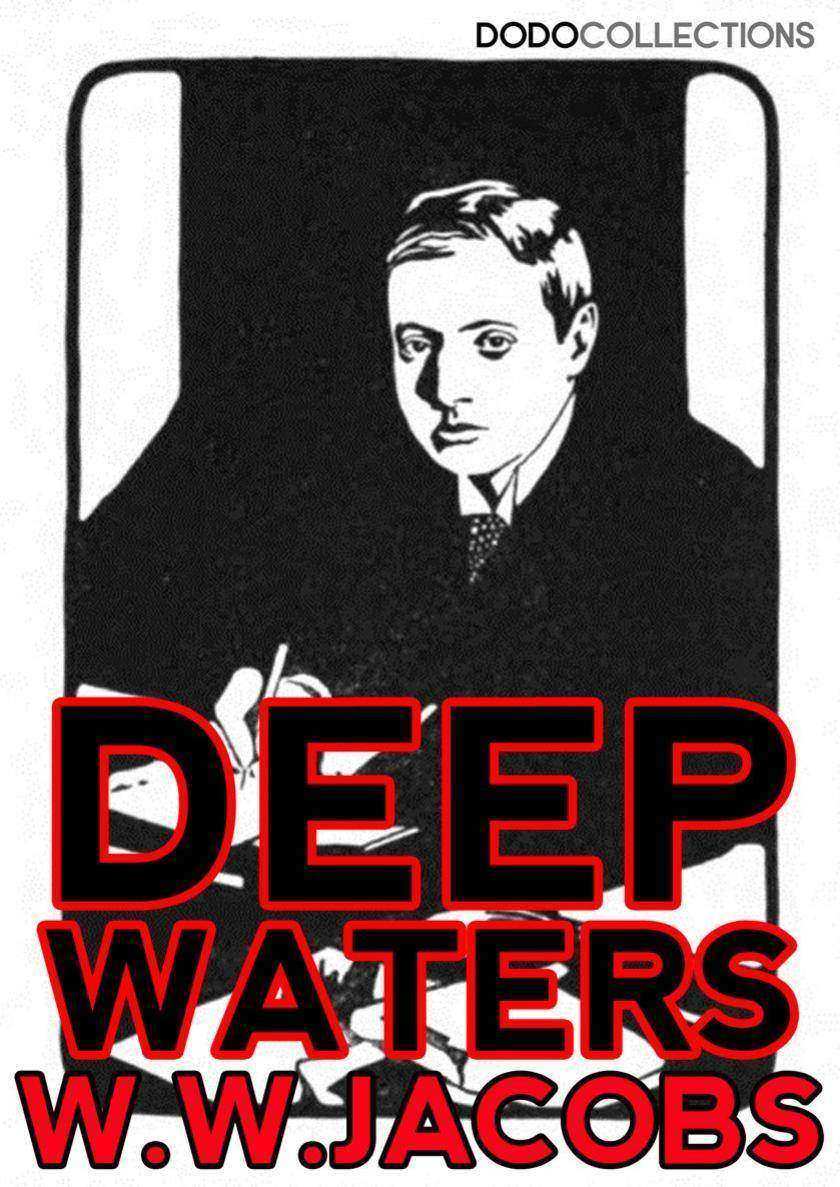
Deep Waters: The Entire Collection
¥8.09
Dodo Collections brings you another classic from Jacobs W.W, ‘Deep Waters, the Entire Collection.’ ? Included in this collection are "Paying Off," "Made to Measure," "Sam's Ghost," "Bedridden," "The Convert," "Husbandry," "Family Cares," "The Winter Offensive," "The Substitute," "Striking Hard," and "Dirty Work." ? William Wymark Jacobs was an English author of short stories and novels. Quite popular in his lifetime primarily for his amusing maritime tales of life along the London docks (many of them humorous as well as sardonic in tone). Today he is best known for a few short works of horror fiction. One being "The Monkey's Paw"(published 1902). It has in its own right become a well-known and widely anthologized classic.? ? In 1879, Jacobs began work as a clerk in the civil service, in the Post Office Savings Bank, and by 1885 he had his first short story published. His road to success was relatively slow:?Arnold Bennett?writing in 1898 was astonished that Jacobs turned down the sum of ?500 for six short stories. Jacobs was financially secure enough to be able to leave the Post Office in 1899.
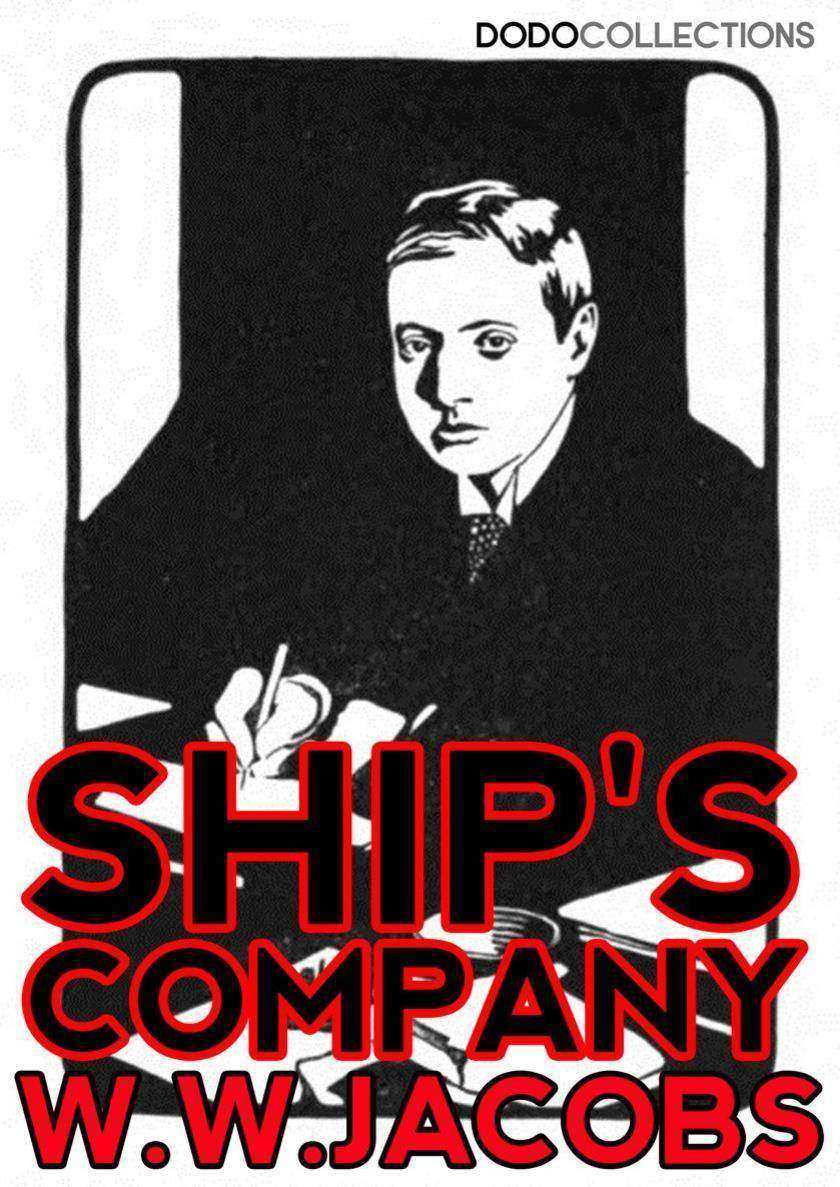
Ship's Company
¥8.09
Dodo Collections brings you another classic from W.W. Jacobs, ‘Ship's Company, The Entire Collection’. ? William Wymark "W. W." Jacobs (8 September 1863 – 1 September 1943) was an English author of short stories and novels. Although much of his work was humorous, he is most famous for his horror story "The Monkey's Paw". ? John Drinkwater described Jacobs' fiction as being "in the Dickens tradition"

The Nihilists
¥8.09
Dodo Collections brings you another classic from Oscar Wilde, The Nihilists. The Nihilists is a play by Oscar Wilde. It is a melodramatic tragedy set in Russia and is loosely based on the life of Vera Zasulich. It was Wilde's first play, and the first to be performed. In 1880, with only a few copies privately printed, arrangements were made with noted actresses for a production the United Kingdom, but this never materialized. The first ever public performance was in New York in 1883 at the Union Square Theatre based on revisions made by Wilde while lecturing in America in 1882. The play was not a success and folded after only one week. It is rarely revived. Oscar Fingal O'Flahertie Wills Wilde (16 October 1854 – 30 November 1900) was an Irish author, playwright and poet. After writing in different forms throughout the 1880s, he became one of London's most popular playwrights in the early 1890s. He is remembered for his epigrams, his novel The Picture of Dorian Gray, his plays, as well as the circumstances of his imprisonment and early death. At the height of his fame and success, while his masterpiece, The Importance of Being Earnest (1895), was still on stage in London, Wilde had the Marquess of Queensberry prosecuted for libel. The Marquess was the father of Wilde's lover, Lord Alfred Douglas. The charge carried a penalty of up to two years in prison. The trial unearthed evidence that caused Wilde to drop his charges and led to his own arrest and trial for gross indecency with other men. After two more trials he was convicted and imprisoned for two years' hard labour. In 1897, in prison, he wrote De Profundis, which was published in 1905, a long letter which discusses his spiritual journey through his trials, forming a dark counterpoint to his earlier philosophy of pleasure. Upon his release he left immediately for France, never to return to Ireland or Britain. There he wrote his last work, The Ballad of Reading Gaol (1898), a long poem commemorating the harsh rhythms of prison life. He died destitute in Paris at the age of 46.
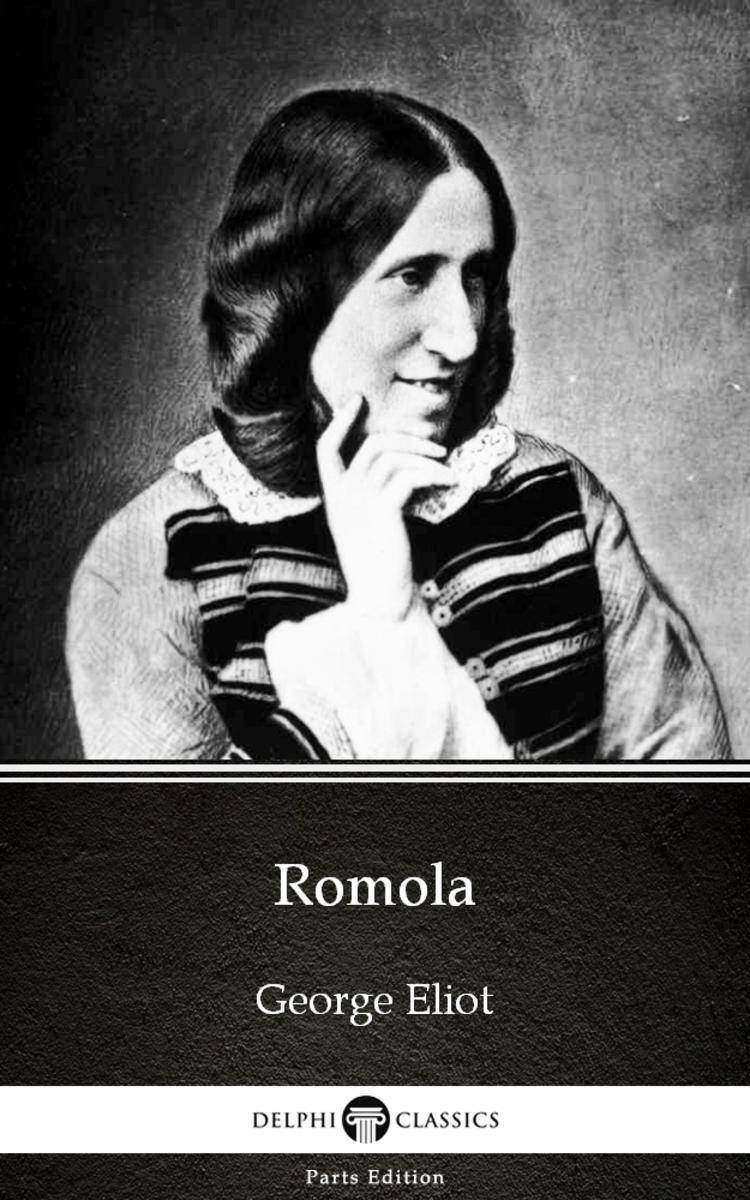
Romola by George Eliot - Delphi Classics (Illustrated)
¥8.09
This eBook features the unabridged text of ‘Romola by George Eliot - Delphi Classics (Illustrated)’ from the bestselling edition of ‘The Complete Works of George Eliot’. Having established their name as the leading publisher of classic literature and art, Delphi Classics produce publications that are individually crafted with superior formatting, while introducing many rare texts for the first time in digital print. The Delphi Classics edition of Eliot includes original annotations and illustrations relating to the life and works of the author, as well as individual tables of contents, allowing you to navigate eBooks quickly and easily. eBook features: * The complete unabridged text of ‘Romola by George Eliot - Delphi Classics (Illustrated)’ * Beautifully illustrated with images related to Eliot’s works * Individual contents table, allowing easy navigation around the eBook * Excellent formatting of the text Please visit www.delphiclassics.com to learn more about our wide range of titles
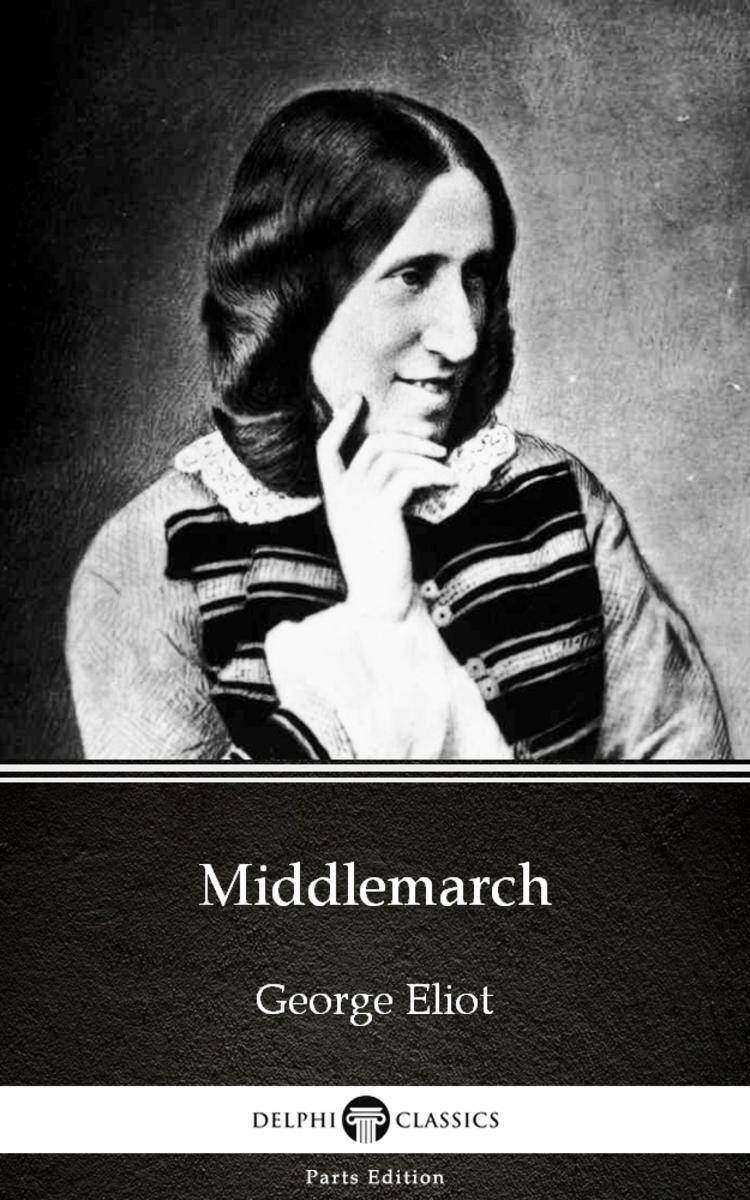
Middlemarch by George Eliot - Delphi Classics (Illustrated)
¥8.09
This eBook features the unabridged text of ‘Middlemarch by George Eliot - Delphi Classics (Illustrated)’ from the bestselling edition of ‘The Complete Works of George Eliot’. Having established their name as the leading publisher of classic literature and art, Delphi Classics produce publications that are individually crafted with superior formatting, while introducing many rare texts for the first time in digital print. The Delphi Classics edition of Eliot includes original annotations and illustrations relating to the life and works of the author, as well as individual tables of contents, allowing you to navigate eBooks quickly and easily. eBook features: * The complete unabridged text of ‘Middlemarch by George Eliot - Delphi Classics (Illustrated)’ * Beautifully illustrated with images related to Eliot’s works * Individual contents table, allowing easy navigation around the eBook * Excellent formatting of the text Please visit www.delphiclassics.com to learn more about our wide range of titles
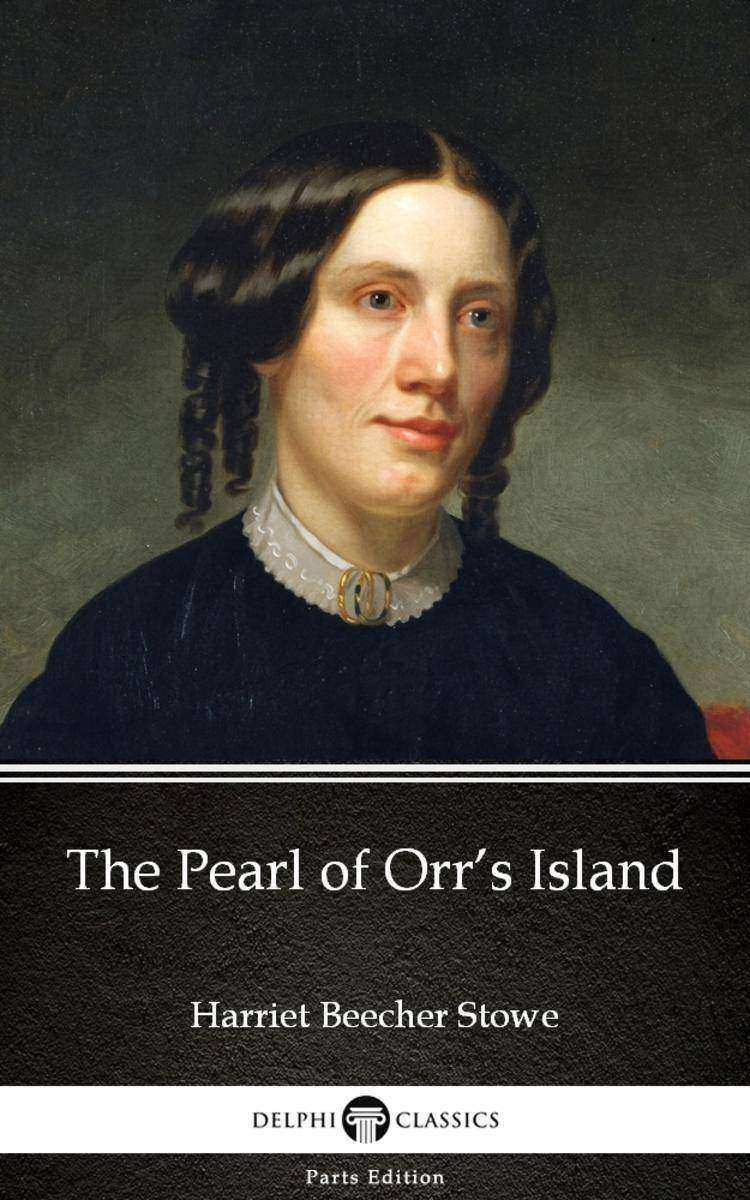
The Pearl of Orr’s Island by Harriet Beecher Stowe - Delphi Classics (Illustrate
¥8.09
This eBook features the unabridged text of ‘The Pearl of Orr’s Island by Harriet Beecher Stowe - Delphi Classics (Illustrated)’ from the bestselling edition of ‘The Complete Works of Harriet Beecher Stowe’. Having established their name as the leading publisher of classic literature and art, Delphi Classics produce publications that are individually crafted with superior formatting, while introducing many rare texts for the first time in digital print. The Delphi Classics edition of Stowe includes original annotations and illustrations relating to the life and works of the author, as well as individual tables of contents, allowing you to navigate eBooks quickly and easily. eBook features: * The complete unabridged text of ‘The Pearl of Orr’s Island by Harriet Beecher Stowe - Delphi Classics (Illustrated)’ * Beautifully illustrated with images related to Stowe’s works * Individual contents table, allowing easy navigation around the eBook * Excellent formatting of the text Please visit www.delphiclassics.com to learn more about our wide range of titles

A Tale of Two Cities
¥8.09
This Point Blank Classics edition includes the full original text as well as exclusive images exclusive to this edition and an easy to use interactive table of contents.
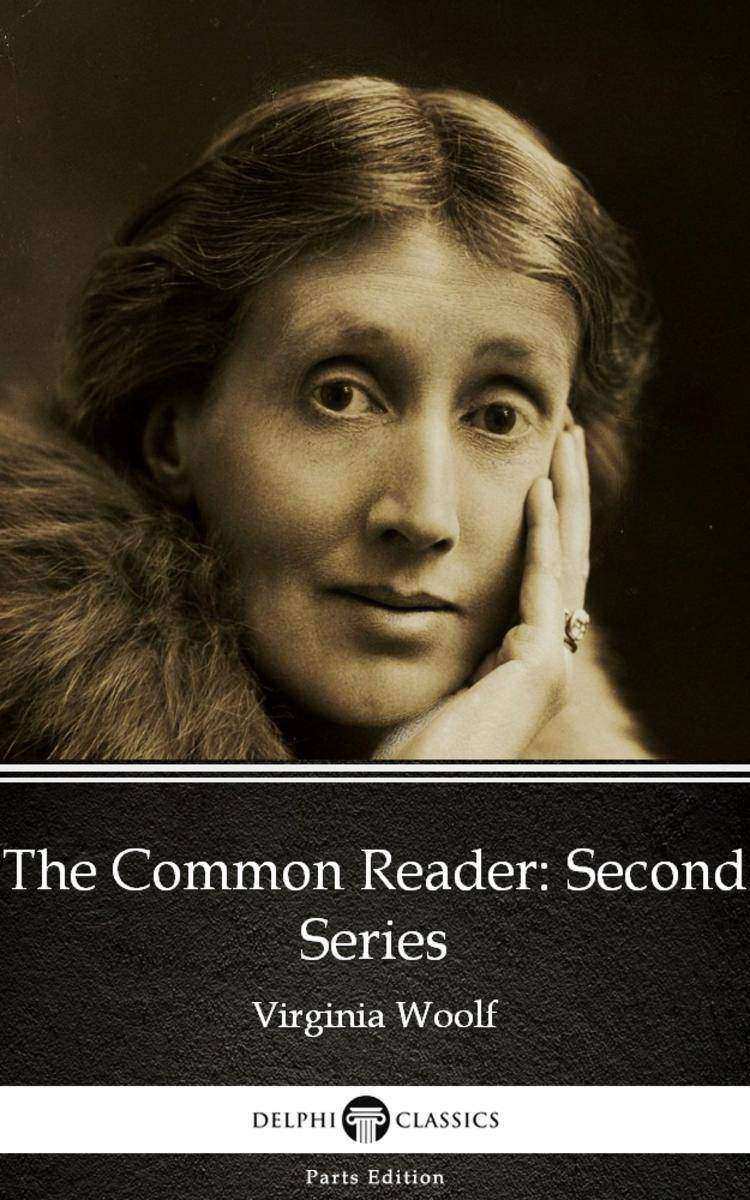
The Common Reader Second Series by Virginia Woolf - Delphi Classics (Illustrated
¥8.09
This eBook features the unabridged text of ‘The Common Reader Second Series by Virginia Woolf - Delphi Classics (Illustrated)’ from the bestselling edition of ‘The Complete Works of Virginia Woolf’. Having established their name as the leading publisher of classic literature and art, Delphi Classics produce publications that are individually crafted with superior formatting, while introducing many rare texts for the first time in digital print. The Delphi Classics edition of Woolf includes original annotations and illustrations relating to the life and works of the author, as well as individual tables of contents, allowing you to navigate eBooks quickly and easily. eBook features: * The complete unabridged text of ‘The Common Reader Second Series by Virginia Woolf - Delphi Classics (Illustrated)’ * Beautifully illustrated with images related to Woolf’s works * Individual contents table, allowing easy navigation around the eBook * Excellent formatting of the text Please visit www.delphiclassics.com to learn more about our wide range of titles
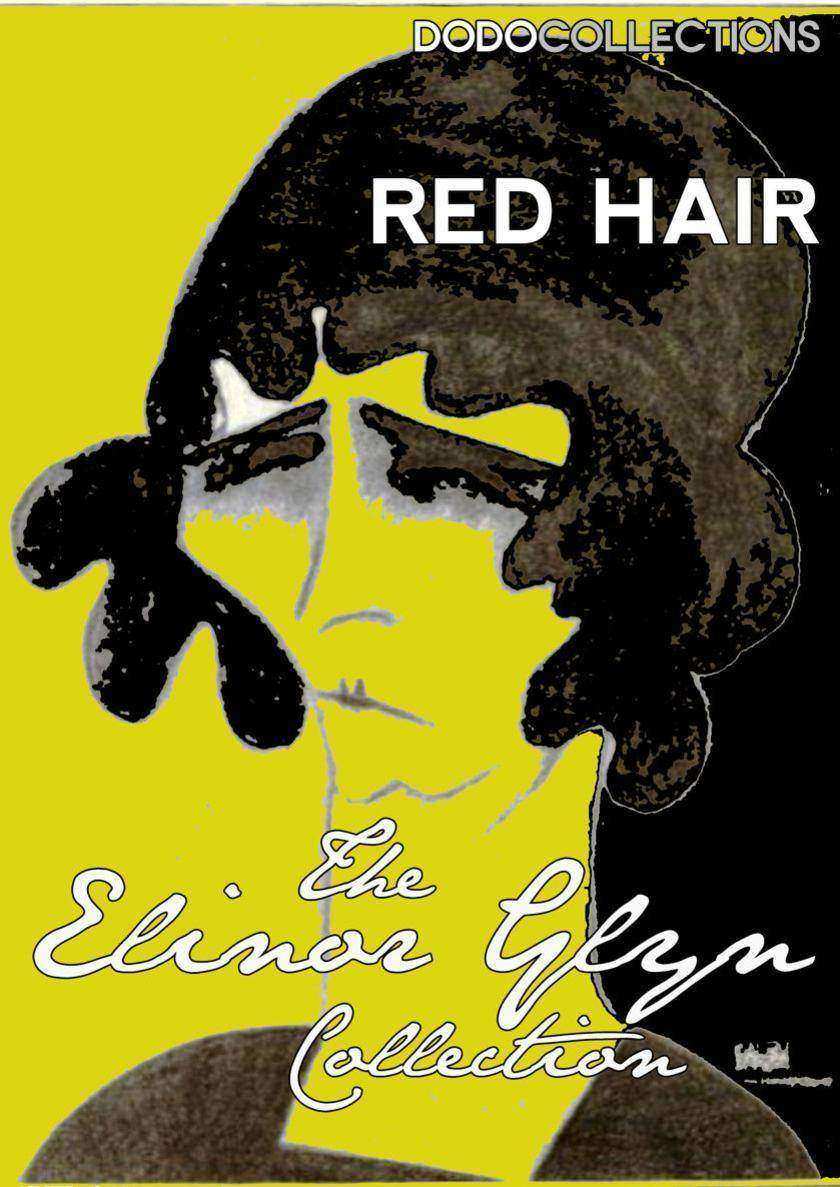
Red Hair
¥8.09
Dodo Collections brings you another classic from Elinor Glyn, ‘Red Hair.’ ? The story revolves around the young, bold Evangeline who is determined to run away and embark on an exciting adventure. Elinor Glyn (1864 - 1943) was a British novelist and scriptwriter. She became famous for her romantic fiction, which was considered scandalous for its time. This early work is highly recommended for fans of the genre, and it will be of special utility to those with an interest in the evolution and development of romance writing. ? Elinor Glyn began her writing in 1900, starting with a book based on letters to her mother, 'The Visits of Elizabeth'. And thereafter she more or less wrote one book each year to keep the wolf from the door, as her husband was debt-ridden from 1908, and also to keep up her standard of living. After several years of illness her husband died in 1915. ? Early in her writing career she was recognised as one of the pioneers of what could be called erotic fiction, although not by modern-day standards, and she coined the use of the world 'It' to mean at the time sex-appeal and she helped to make Clara Bow a star by the use of the sobriquet for her of 'The It Girl'. ? On the strength of her reputation and success she moved to Hollywood in 1920 and in 1921 was featured as one of the famous personalities in a Ralph Barton cartoon drawn especially for 'Vanity Fair' magazine. ? A number of her books were made into films, most notably 'Beyond the Rocks' (1906), which starred Rudolph Valentino and Gloria Swanson, and she was a scriptwriter for the silent movie industry, working for both MGM and Paramount Pictures in the mid-1920s. In addition she also had a brief career as one of the earliest female directors.
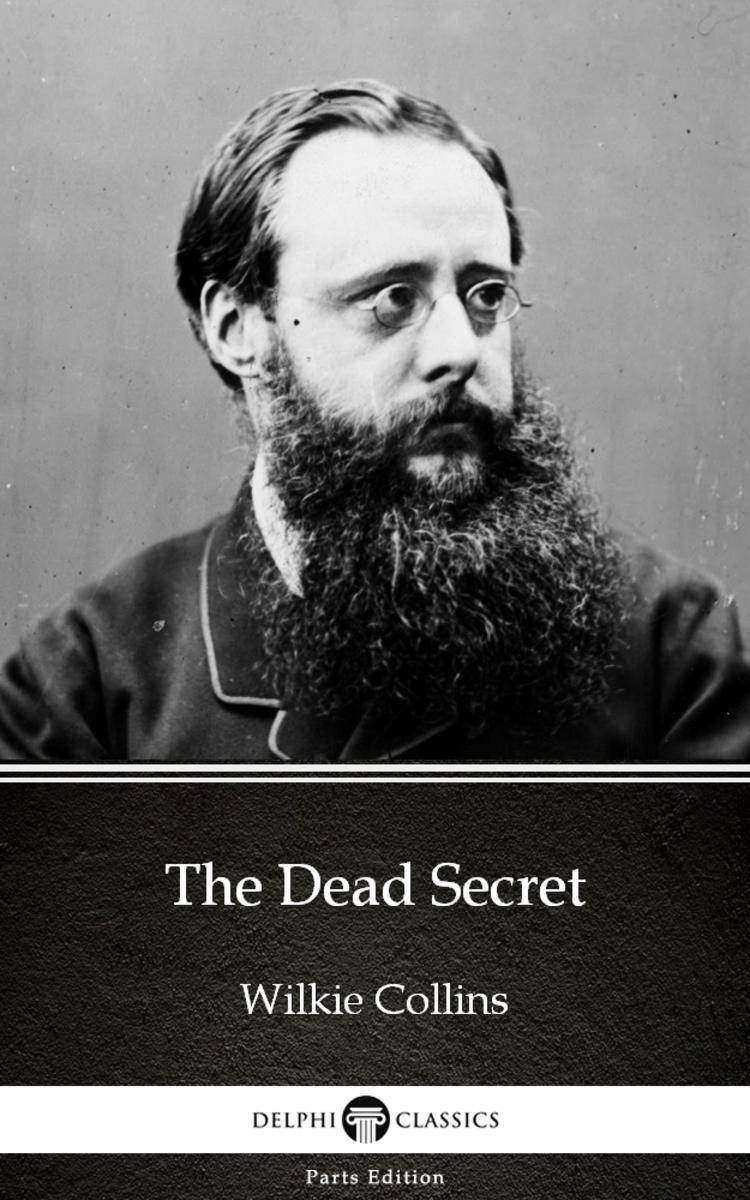
The Dead Secret by Wilkie Collins - Delphi Classics (Illustrated)
¥8.09
This eBook features the unabridged text of ‘The Dead Secret by Wilkie Collins - Delphi Classics (Illustrated)’ from the bestselling edition of ‘The Complete Works of Wilkie Collins’. Having established their name as the leading publisher of classic literature and art, Delphi Classics produce publications that are individually crafted with superior formatting, while introducing many rare texts for the first time in digital print. The Delphi Classics edition of Collins includes original annotations and illustrations relating to the life and works of the author, as well as individual tables of contents, allowing you to navigate eBooks quickly and easily. eBook features: * The complete unabridged text of ‘The Dead Secret by Wilkie Collins - Delphi Classics (Illustrated)’ * Beautifully illustrated with images related to Collins’s works * Individual contents table, allowing easy navigation around the eBook * Excellent formatting of the text Please visit www.delphiclassics.com to learn more about our wide range of titles


