


 购物车
购物车 个人中心
个人中心

Love Under Fire
¥52.32
Waif-like beauty Elvina is tiny and immature after years of malnourishment and indeed she looks far younger than her seventeen years. Weak, however, she is not. Hardened by years of beatings and abuse at the hands of her half-crazed Portuguese stepmother and sickened by her father’s constant drunken behaviour, Elvina is determined to escape Lisbon and flee to her native England. Despite the dangers of the Napoleonic War, which is raging in Spain and Portugal, she dyes her skin to make herself look Portuguese and stows away aboard the yacht of the handsome and heroic Lord Wye, bound for London with urgent dispatches from the Duke of Wellington to the Prime Minister. When she is discovered on board, the kindly Lord Wye believes her story that she is a thirteen-year-old fleeing the War to join her English sister and takes pity on her. He agrees that he will take her to England in his yacht, but first he must call in to Spain for more intelligence to show the Prime Minister and the weather suddenly becomes increasing tempestuous. And amid a terrible storm at sea and captured by the French only to fight their way free, a deep friendship under fire is kindled between Elvina and Lord Wye ?and soon becomes an all-consuming love when they arrive back in England. And then other dangers to their love for each other begin to emerge. ?

The Dream and the Glory
¥40.79
Staying at the British Ambassador’s exquisite Bay of Naples Villa, beautiful young Cordelia and her brother David, the Earl of Hunstanton, are far from the Berkshire estate that is their home. But since the death of their parents there has been nothing to stop David realising his dream – to go to Malta and become a Knight of St. John. Except, that is, the money to finance a ship to take him there. So when, out of the blue, a handsome, English buccaneer appears, who turns out to be none other than their cousin, Mark Stanton, he seems Heaven-sent. As Captain of a ship en route to Malta, he is in position to offer them passage to the island. To their chagrin, however, he attempts to dissuade David from his Pilgrimage and Cordelia from her notion of joining a Convent. But, when the siblings resist his appeals and press ahead, Mark vows to protect them both from the perils not only of David’s Maltese Crusade but also of the Napoleonic War, Barbary pirates in the Mediterranean and the scheming snobbery of Neapolitan Society. Valiant Mark saves Cordelia from the lecherous clutches of the Duca di Belina and from the terrors or war against the French, but he cannot protect David from a noble death in battle protecting Malta, nor his own heart from falling hopelessly in love.

Im Zeichen der Liebe
¥52.32
Sir Charles Charlwood, ein enger Freund des Prinzen von Wales, wird eingeladen, mit einer Gesellschaft der Er?ffnung des Suezkanals beizuwohnen. Seine Tochter Bettina ist gerade aus Frankreich zurückgekehrt, wo sie die Schule besucht hatte. Begeistert von der Gelegenheit, bei einer solch historischen Festivit?t dabei sein zu k?nnen, begleitet sie ihren Vater. An Bord der Jacht kommt es zu vielen Eifersüchteleien, nicht zuletzt zwischen dem strengen Lord Eustace Veston und seinem gutaussehenden Halbbruder. Auf der Rückreise kommt es zur Auseinandersetzung…
The Diary of a Superfluous Man by Ivan Turgenev - Delphi Classics (Illustrated)
¥8.09
This eBook features the unabridged text of ‘The Diary of a Superfluous Man by Ivan Turgenev - Delphi Classics (Illustrated)’ from the bestselling edition of ‘The Collected Works of Ivan Turgenev’. Having established their name as the leading publisher of classic literature and art, Delphi Classics produce publications that are individually crafted with superior formatting, while introducing many rare texts for the first time in digital print. The Delphi Classics edition of Turgenev includes original annotations and illustrations relating to the life and works of the author, as well as individual tables of contents, allowing you to navigate eBooks quickly and easily. eBook features: * The complete unabridged text of ‘The Diary of a Superfluous Man by Ivan Turgenev - Delphi Classics (Illustrated)’ * Beautifully illustrated with images related to Turgenev’s works * Individual contents table, allowing easy navigation around the eBook * Excellent formatting of the text Please visit www.delphiclassics.com to learn more about our wide range of titles

Split/Mixed
¥38.62
A dual language edition in English and French. The genocide in Rwanda shocked the world. Back then, Ery Nzaramba was only a teenager and his family’s escape to Europe turned him into a “survivor”. How should he now respond to questions about who he is and where he comes from? In this autobiographical one-man play, performed to acclaim on the Edinburgh Festival Fringe, the author journeys back to his Rwandan childhood. With the help of a cassette player, he brings to life nearly a dozen characters, exploring memories of kinship, cultural attitudes and personal identity. Both funny and poignant, the play highlights not only the intolerance that can breed violence and war but also the importance of power and privilege in the struggle for survival. Le génocide au Rwanda a choqué le monde. ? l'époque, Ery Nzaramba était un adolescent. Après que sa famille se fut échappé en Europe, il est devenu un ?survivant?. Désormais, que doit-il répondre à des questions sur qui il est et d'où il vient? Dans ce one-man show autobiographique, salué par la critique lors de sa présentation au Festival d'?dimbourg, l'auteur retourne vers son enfance au Rwanda. Accompagné d'un lecteur cassette, il donne vie à une bonne douzaine de personnages, explorant souvenirs de famille et d'affinités, attitudes culturelles et identité. ? la fois poignante et pleine d'humour, la pièce met en lumière non seulement l'intolérance qui peut engendrer violence et guerre, mais aussi l'importance du privilège dans la lutte pour la survie.

Music Theory for Teenagers
¥92.95
Music Theory for Teenagers, delivers music theory without confusive movement. By the way you'll get system knowledge of music. This book contains no junk which useally confuse many people forever. Read this book and you’ll gain the perception how to play any musical instrument quite professionally in a short period.
Da Vinci Notebooks
¥40.79
A singular fatality has ruled the destiny of nearly all the most famous of Leonardo da Vinci's works. Two of the three most important were never completed, obstacles having arisen during his life-time, which obliged him to leave them unfinished; namely the Sforza Monument and the Wall-painting of the Battle of Anghiari, while the third—the picture of the Last Supper at Milan—has suffered irremediable injury from decay and the repeated restorations to which it was recklessly subjected during the XVIIth and XVIIIth centuries. Nevertheless, no other picture of the Renaissance has become so wellknown and popular through copies of every description.

Leviathan
¥40.79
Leviathan is one of the earliest and most influential examples of social contract theory. A classic western work on statecraft comparable to Machiavelli's The Prince. Written during the English Civil War (1642–1651), Leviathan argues for a social contract and rule by an absolute sovereign.
Storm in a Teacup
¥48.97
Shakespeare instructed by delighting. His comedies and tragedies contain more actual wisdom than the whole body of English learning. He is the teacher of all good – pity, generosity, true courage, love. His bright wit is cut out into little stars. This collection of Shakespeare tales includes: The Tempest, Much Ado About Nothing, Cymbeline. These timeless stories are retold in modern English retaining all key elements of Shakespeare's original storyline, characters and wisdoms.

Environmental Degradation and Dryland Agro-Technologies in Northwest China
¥99.52
Environmental Degradation and Dryland Agro-Technologies in Northwest China” is a documentation of past and present research, training and extension experiences on: environmental degradation; conservation farming systems; water and nutrient management options; soil and water management technologies and training; soil erosion control; dryland agriculture and soil erosion; soil fertility and crop production; drought and soil water use, demonstration of ecologically sustainable agriculture; and dissemination of farming system technologies in the arid and semi-arid lands of Northwest China. These concerns are expounded on both from the national (China) and Regional (Loess Plateau) perspectives. The information provided herein was obtained through a review of all relevant literature and firsthand consultations/discussions undertaken by the author with professors and local research scientists, technicians and farmers in Northwest China. The facts and figures presented are based on their experiences of many years. This publication does provide valuable scientific information on the status of environmental degradation and dryland agro-technologies within Northwest China that are either traditional or newly developed through scientific research at various relevant Institutions such as NWAU, NWISWC and Regional Academies of Agricultural Sciences such as SAAS, GAAS, NAAF and QAAF. There are lessons to be learnt and plausible remedial conservation measures to be adopted elsewhere from these experiences in Northwest China.

Publishing Architect's Blueprint: Self-Publishing Fundamentals
¥81.67
The Publishing Architect's Blueprint: Self-Publishing Fundamentals is a no-nonsense roadmap to publishing success for the author and small publisher alike. Both fiction and nonfiction authors will utilize this book as their publishing guide for print, e-book and audio titles. It maps the most direct route to publishing success in the most cost-effective manner, providing the indie publisher with the skills and approach of a traditional publisher and marketing strategy of a bestseller.
No Mistakes Grammar for Kids, Volume II: Lie and Lay
¥24.44
Do you tell your dog to lay down or lie down? How do you respond to the question of "How are you?" Do you say good or well? If these questions confuse you, imagine how tough it is for your kids. Don't worry about it anymore. Let Queen Shinobi teach them the proper way. She's been around a long, long time and she knows her stuff. So invest a few bucks in your child's learning and let Queen Shinobi show them how to do it. ?
Misused Words and Then Some: No Mistakes Grammar, Volume V
¥32.62
This is the final book in the No Mistakes Grammar series, so be prepared to learn. We cover a lot of territory in this book. Things like: count nouns (data and media), linking verbs, comma usage, hyphenation, sayings and proverbs, appositives, more mispronunciations, words from other languages, and more. There should be enough in here to keep you busy for a while. And I guarantee it will improve your grammar in an easy-to-understand style. ?
Shakespeare Love Tales
¥48.97
Shakespeare was familiar with all beautiful forms and images, with all that is sweet or majestic in the simple aspects of nature and human life, of that indestructible love, and clear waters, and soft airs and sounds, and bright skies and woodland solitudes, and moon-light bowers. The writings of Shakespeare have been justly termed the richest, the purest, the fairest, that genius uninspired ever penned. This collection of Shakespeare love tales includes: Romeo and Juliet, King Lear, Pericles. These timeless stories are retold in modern English retaining all key elements of Shakespeare's original storyline, characters and wisdoms.
The Elements of Style (Classic Edition): With Editor's Notes and Study Guide
¥23.14
This Classic Edition contains the original version of "The Elements of Style" written by Cornell University English professor William Strunk Jr. Generations of college students and writers have learned the basics of grammar from this short primer over the years. It was rated "one of the 100 most influential books written in English" by Time in 2011, and iconic author Stephen King recommended it as a grammar handbook that all aspiring writers should read. Written one hundred years ago, "The Elements of Style" is a nostalgic link to a momentous time in American history that ushered in the Art Deco era and the Roaring Twenties. Many of the English grammar rules it cites are as relevant today as they were at the turn of the 20th century; but, one by one, these rules are becoming out-of-date This Classic Edition, updated as we head into 2017, is intended as a tribute to Prof. Strunk's enduring book. It follows the original version but includes these enhancements for today's readers: 1. Editorial notes have been inserted to indicate grammar rules now considered obsolete, and to provide brief insights on updated rules for present-day writers. 2. Easily recognizable symbols have been added to the grammar examples throughout the book so that readers can discern correctly written sentences from errors at a glance. 3. A Study Guide has been added at the conclusion of the book. 4. The paperback version includes blank, lined pages at the end for convenient note taking. 5. The digital version has been restyled for improved display on all modern e-book readers.
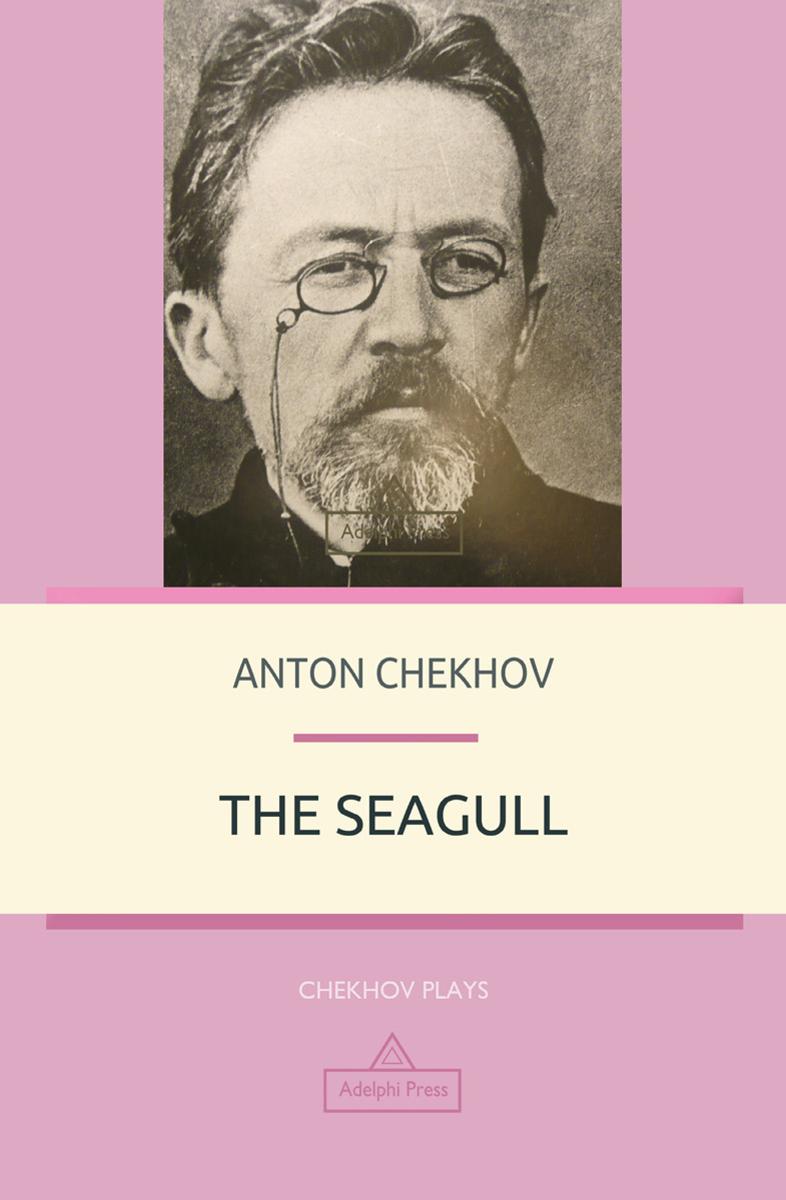
The Seagull
¥24.44
The Seagull is one of the best ever dramas about the theatre, yet on the very first opening night it was a famous failure. The play triumphed later in Stanislavski's production and became one of the greatest events in the history of Russian theatre and one of the greatest new developments in the history of world drama.
Agamemnon
¥40.79
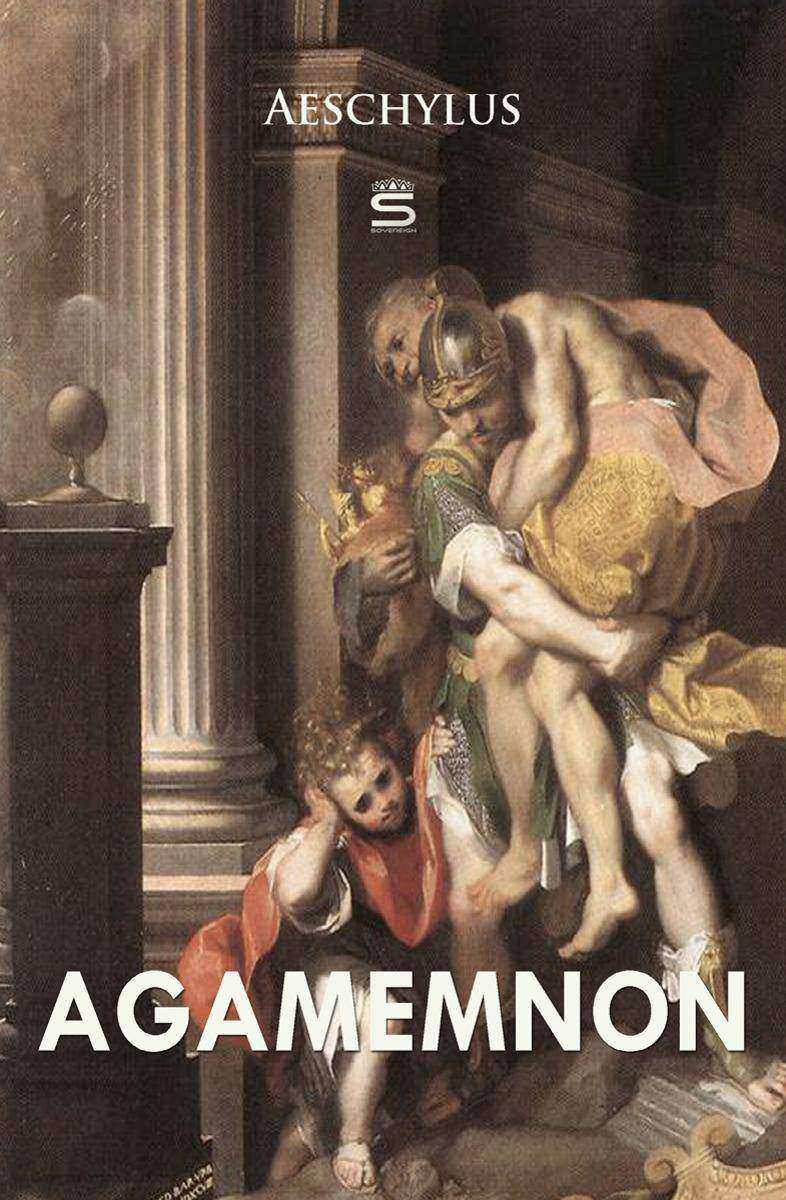
A watchman on top of the house, reporting that he has been lying restless there like a dog for a year, for so rules the expectant manly-willed heart of a woman (that woman being Clytemnestra awaiting the return of her husband, who has arranged that mountaintop beacons give the signal when Troy has fallen). He laments the fortunes of the house, but promises to keep silent: 'A huge ox has stepped onto my tongue.' However, when Agamemnon returns, he brings with him Cassandra, the enslaved daughter of the Trojan king, Priam, and a priestess of Apollo, as his concubine, further angering Clytemnestra.
The Choephori
¥40.79
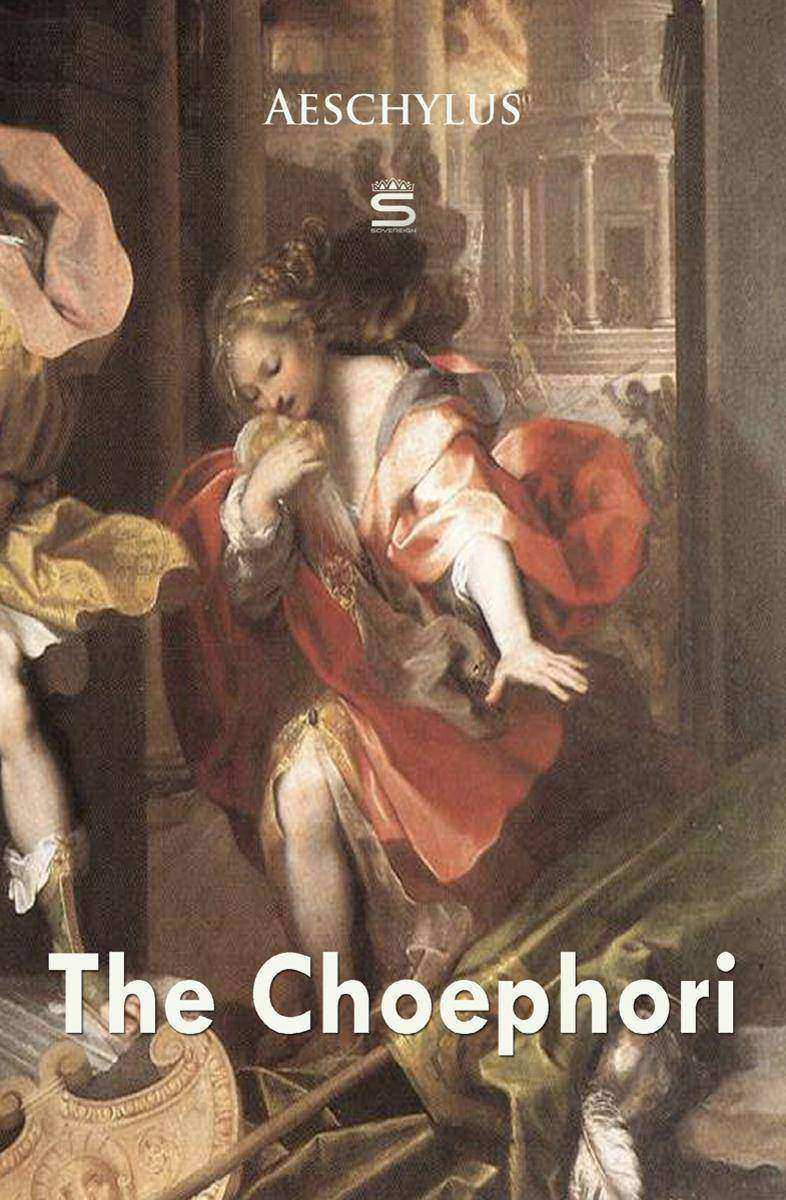
Orestes arrives at the grave of his father, accompanied by his cousin Pylades, the son of the king of Phocis, where he has grown up in exile; he places two locks of his hair on the tomb. Orestes and Pylades hide as Electra, Orestes' sister, arrives at the grave accompanied by a chorus of elderly slave women (the libation bearers of the title) to pour libations on Agamemnon's grave; they have been sent by Clytemnestra in an effort to ward off harm. Just as the ritual ends, Electra spots a lock of hair on the tomb which she recognizes as similar to her own; subsequently she sees two sets of footprints, one of which has proportions similar to hers. At this point Orestes and Pylades emerge from their hiding place and Orestes gradually convinces her of his identity.
The Persians
¥40.79
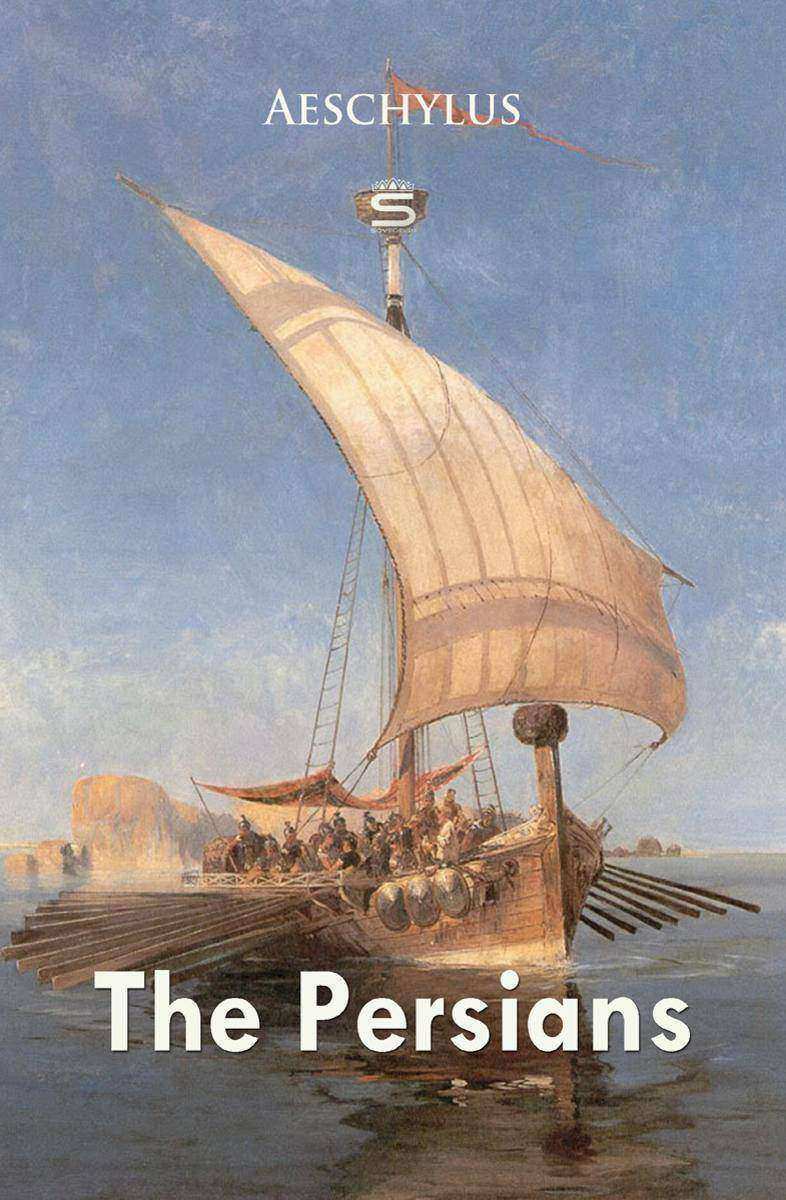
The Persians takes place in Susa, which at the time was one of the capitals of the Persian Empire, and opens with a chorus of old men of Susa, who are soon joined by the Queen Mother, Atossa, as they await news of her son King Xerxes' expedition against the Greeks. Expressing her anxiety and unease, Atossa narrates what is probably the first dream sequence in European theatre.
The Knights
¥40.79
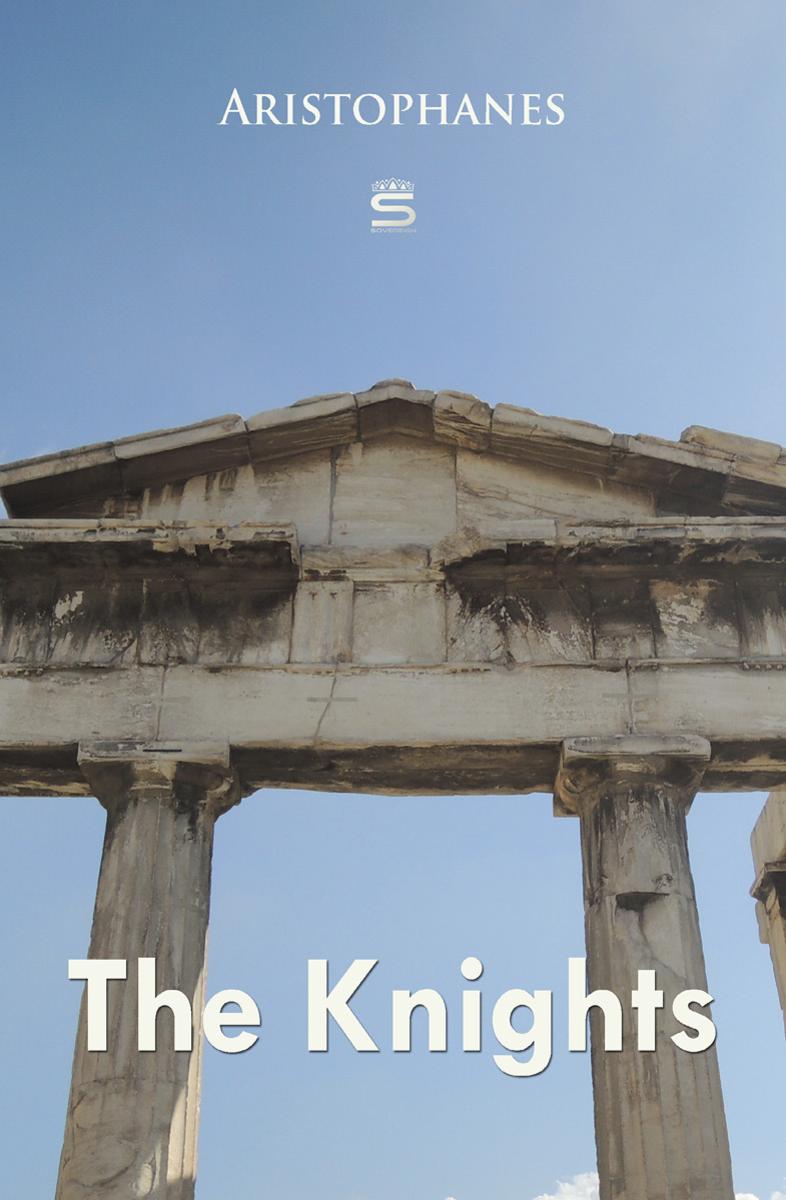
The Knights is a satire on political and social life in 5th-century BC Athens, the characters are drawn from real life and Cleon is clearly intended to be the villain. However it is also an allegory, the characters are figures of fantasy and the villain in this context is Paphlagonian, a comic monstrosity responsible for almost everything that's wrong with the world.
Women In Council
¥40.79
A group of women, led by the wise and redoubtable Praxagora, has decided that the women of Athens must convince the men to give them control of the city, as they are convinced they can do a better job. Disguised as men, the women sneak into the assembly and command the majority of votes needed to carry their series of revolutionary proposals, even convincing some of the men to vote for it on the grounds that it is the only thing they have not tried.


