


 购物车
购物车 个人中心
个人中心
Az elvarázsoltak
¥44.15
This Illustrated version of the "A Short History of the world" contains about 300 Illustrated picture, and many historic objects.. THE story of our world is a story that is still very imperfectly known. A couple of hundred years ago men possessed the history of little more than the last three thousand years. What happened before that time was a matter of legend and speculation. Over a large part of the civilized world it was believed and taught that the world had been created suddenly in 4004 B.C., though authorities differed as to whether this had occurred in the spring or autumn of that year. This fantastically precise misconception was based upon a too literal interpretation of the Hebrew Bible, and upon rather arbitrary theological assumptions connected therewith. Such ideas have long since been abandoned by religious teachers, and it is universally recognized that the universe in which we live has to all appearances existed for an enormous period of time and possibly for endless time. Of course there may be deception in these appearances, as a room may be made to seem endless by putting mirrors facing each other at either end. But that the universe in which we live has existed only for six or seven thousand years may be regarded as an altogether exploded idea. "A Short History of the world" by E-Kitap projesi, Illustrated version by Murat Ukray.. Also added "IN the last fifty years there has been much very fine and interesting speculation on the part of scientific men upon the age and origin of our earth. Here we cannot pretend to give even a summary of such speculations because they involve the most subtle mathematical and physical considerations. The truth is that the physical and astronomical sciences are still too undeveloped as yet to make anything of the sort more than an illustrative guesswork. The general tendency has been to make the estimated age of our globe longer and longer. It now seems probable that the earth has had an independent existence as a spinning planet flying round and round the sun for a longer period than 2,000,000,000 years. It may have been much longer than that. This is a length of time that absolutely overpowers the imagination. "
Povestea unui startup. Leadership prin experimentare
¥73.49
Lord Ronald Gower (1845 ù1916) was a British aristocrat, Liberal politician, sculptor and writer. Besides being a sculpture he wrote biographies of Marie Antoinette and Joan of Arc, and a history of the Tower of London. Joan of Arc was a15th century French heroine. She was born a peasant girl in eastern France who grew up to lead the French army to several important victories during the Hundred Years' War. She was captured by the Burgundians, sold to the English, tried by an ecclesiastical court, and burned at the stake when she was nineteen years old.
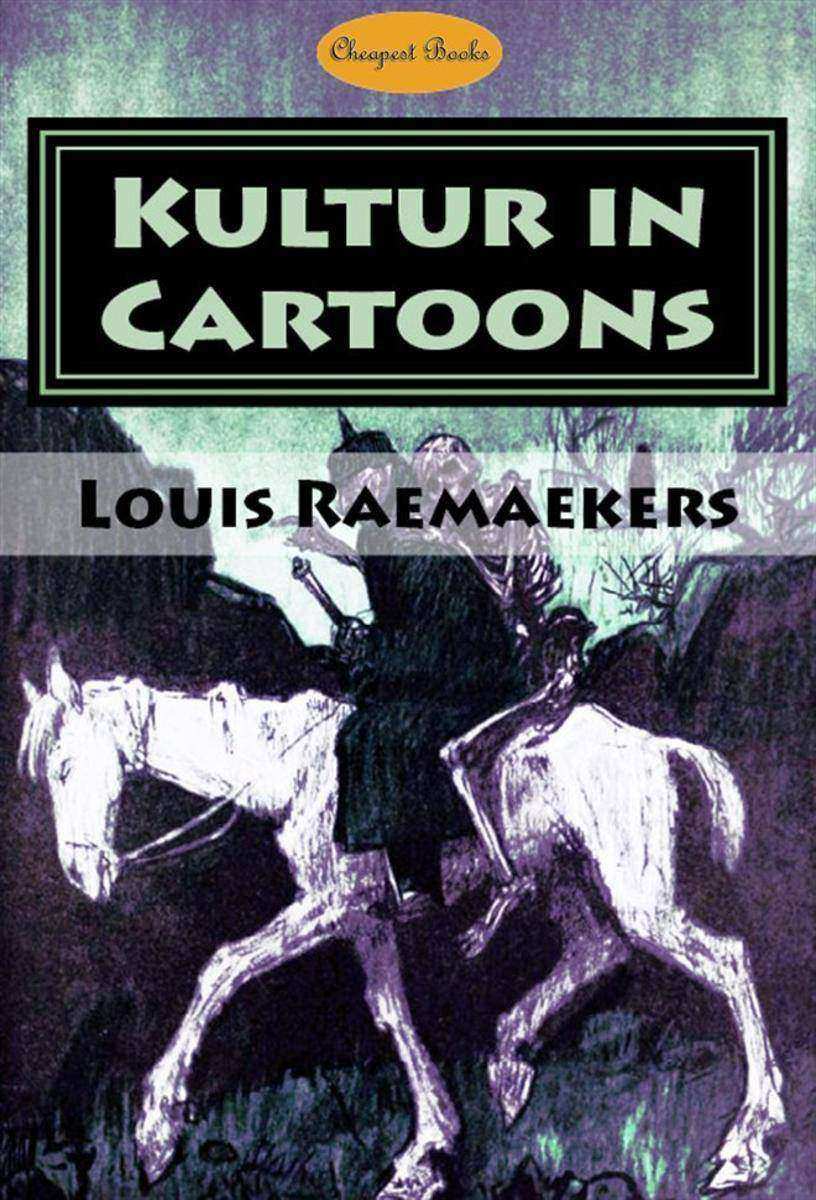
Kultur in Cartoons: "With Accompanying Notes by Well-Known English Writers"
¥28.61
When his cartoons began to reach America toward the end of 1916 this country was neutral. It is with peculiar satisfaction, therefore, that I base this brief foreword upon press extracts published prior to America’s participation in the war. If it were possible to discover today an individual who was entirely ignorant as to the causes and conduct of the war, he would, after an inspection of a hundred or more of these cartoons, probably utter his conviction somewhat as follows: ?“I do not believe that these drawings have the slightest relation to the truth; I do not believe that it is possible for such things to happen in the twenti-eth century.” ??He would be quite justified, in his ignorance of what has happened in Europe, in expressing such an opinion, just as any of us, with the possible exception of the disciples of Bernhardi himself, would have been justified in expressing a similar view in July, 1914.??What is the view of all informed people today? “To Raemaekers the war is not a topic, or a subject for charity. It is a vivid heartrending reality,” says the New York “Evening Post,” “and you come away from the rooms where his cartoons now hang so aware of what war is that mental neutrality is for you a horror. If you have slackened in your determination to find out, these cartoons are a slap in the face. ??Raemaekers drives home a universal point that concerns not merely Germans, but every country where royal decrees have supreme power. Shall one man ever be given the power to seek his ends, using the people as his pawns? We cannot look at the cartoons and remain in ignorance of exactly what is the basis of truth on which they are built.”?The “Philadelphia American” likens Raemaekers to a sensitized plate upon which the spirit which brought on the war has imprinted itself forever, and adds: ?“What he gives out on that subject is as pitilessly true as a photograph. They look down upon us in their naked truth, those pictures which are to be, before the judgment-seat of history, the last indictment of the German nation. Of all impressions, there is one which will hold you in its inexorable grip: it is that Louis Raemaekers has told you the truth.”
The Art of War
¥8.82
The Art of War is a Chinese military treatise that was written during the 6th century BC by Sun Tzu. Composed of 13 chapters, each of which is devoted to one aspect of warfare, it has long been praised as the definitive work on military strategies and tactics of its time. The Art of War is one of the oldest books on military strategy in the world. It is the first and one of the most successful works on strategy and has had a huge influence on Eastern and Western military thinking, business tactics, and beyond. Sun Tzu was the first to recognize the importance of positioning in strategy and that position is affected both by objective conditions in the physical environment and the subjective opinions of competitive actors in that environment. He taught that strategy was not planning in the sense of working through a to-do list, but rather that it requires quick and appropriate responses to changing conditions.
A First Book in American History: "An Early Life of America"
¥28.29
IN preparing a first book of American history, it is necessary to keep in mind the two purposed such a work is required to serve. There are children whose school life is brief; these must get all the instruction they are to receive in their country's history from a book of the grade of this.To another class of pupils the first book of American history is a preparation for the intelligent study of a textbook more advanced. It is a manifest waste of time and energy to require these to learn in a lower class the facts that must be re-studied in a higher grade. Moreover, primary histories which follow the order of larger books are likely to prove dry and unsatisfactory condensations. But a beginner's book ought before all things else to be interesting. A fact received with the attention raised to its highest power remains fixed in the memory; that which is learned listlessly is lost easily, and a lifelong aversion to history is often the main result produced by the use of an unsuitable textbook at the outset.The main peculiarity of the present book is that it aims to teach children the history of the country by making them acquainted with some of the most illustrious actors in it. A child is interested, above all, in persons. Biography is for him the natural door into history. The order of events in a nation's life is somewhat above the reach of younger pupils, but the course of human life and the personal achievements of an individual are intelligible and delightful. In teaching younger pupils by means of biography, which is the very alphabet of history, we are following a sound principle often forgotten, that primary education should be pursued along the line of the least resistance. Moreover, nothing is more important to the young American than an acquaintance with the careers of the great men of his country.

C?nd sufletul vorbe?te prin corp. S? ?n?elegem ?i s? trat?m tulbur?rile psihosom
¥65.32
Ilie Badescu, sociologul care a redeschis dezbaterea privind puterea si importanta pe care o are spiritul si desavarsirea fiintei si societatii, in lucrarea de fata ne vorbeste despre forta invataturilor precum si despre devierile prin care sunt propagate in lume falsele invataturi.
Zece prozatori exemplari (perioada comunist?)
¥40.79
Vera Maria Rosenberg a fost, probabil, cea mai important? femeie spion din al Doilea R?zboi Mondial. N?scut? ?n 1908 la Gala?i, a emigrat ?n Marea Britanie ?n 1933, fiind recrutat? ?n tinere?e de serviciile de informa?ii britanice. Ulterior ?i-a schimbat numele, pentru a-?i ascunde originea evreiasc?, iar dup? stabilirea ?n Marea Britanie a participat la nenum?rate misiuni secrete, ajung?nd ?n fruntea SOE, serviciul de opera?iuni speciale creat de Winston Churchill. Agen?ii ei au participat la nenum?rate opera?iuni vitale, inclusiv la preg?tirea debarc?rii ?n Normandia. ?n 1987, Fran?ois Mitterand i-a acordat Legiunea de Onoare, pentru aportul ei la eliberarea Fran?ei. Dup? r?zboi, Vera Atkins s-a retras ?ntr-un sat din Anglia, unde a r?mas p?n? la moarte, ?n 2000. Via?a i-a fost ?nconjurat? de mister, ?i pu?ini au ?tiut cine este cu adev?rat. Biografia lui Sarah Helm dezv?luie secretele celei despre care Ian Fleming, creatorul celebrului James Bond, spunea ??n adev?rata lume a spionilor, Vera Atkins a fost ?eful.“
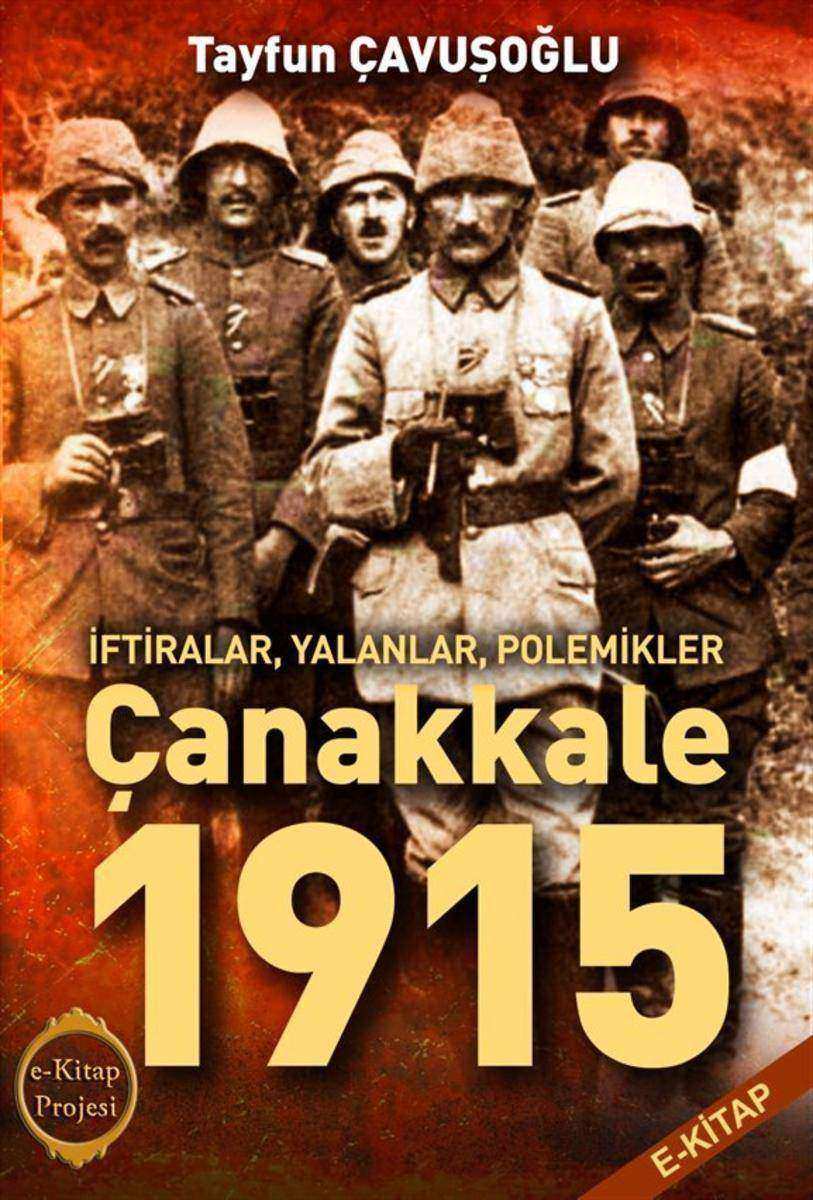
?anakkale -1915
¥18.56
anakkale Sava üzerine zellikle son yllarda yazlan kitaplarda doru ve dürüst yaklamlara da, cehaletin, aymazln, tarihe ihanetin ve yalann bin bir türlüsüne de rastlamak mümkün… ylesine aknlk yaratacak rnekler var ki... Kimisi, deniz savalar (18 Mart) ile Gelibolu’daki kara savalarn (25 Nisan) kronolojik olarak ayrt edebilecek bilgiden bile yoksun! ünkü gerei ideolojiye kurban etmeyi kafaya koymular bir kere… Tek ama, her ne pahasna olursa olsun anakkale’den Mustafa Kemal’in adn silip atmak… Mustafa Kemal’in ad gemesin, Mustafa Kemal o baardan pay almasn yeter! Varsn verdikleri tarihler de, saylar da, ordularn muharebe düzenleri de yalan-yanl olsun, ne kar! Meydan bo zannedilmesin... te polemik konular, yalanlar, iftiralar ve tarihi gerekler... --- YAZAR ZGEM----- Tayfun AVUOLU (1964 / …) Uluda niversitesi Eitim Fakültesi Alman Dili Anabilim Dal (1985) mezunu. renciyken 1983 yl balarnda Türk Haberler Ajans (THA) Bursa Bürosu’nda muhabirlie balad. Bursa’daki yerel gazeteler Hkimiyet, Olay, Bursa hkimiyet ve Kent gazetelerinde muhabir, istihbarat efi, haber müdürü, yaz ileri müdürü olarak alt. Bursa hkimiyet ve Bursa Haber gazetelerinde genel yayn ynetmenlii grevinde bulundu. Halen Bursa yerel basnndaki almalarn sürdürüyor. ada Gazeteciler Dernei (GD) Bursa ubesi’nde iki dnem (1997-2001) bakanlk yapan Tayfun avuolu, Bursa Gazeteciler Cemiyeti’nde (BGC) bir dnem (2009-2012) ynetim kurulu üyeliinde de bulundu. Basn meslek rgütlerinden ok sayda dül de alan, sürekli basn kart sahibi Tayfun avuolu, ngilizce retmeni Nesrin avuolu ile evli olup, Altu ve Alper’in babasdr. lk kitab “anakkale 1915, ftiralar, Yalanlar, Polemikler”, 2014’ün ubatnda Kasta Yaynevi (stanbul) tarafndan yaynland.
The Invisible Man
¥18.74
To present at a single glance a comprehensive view of the History of English Church Architecture from the Heptarchy to the Reformation, and to do this in a manner, which, without taxing too seriously the memory of the student, may enable him to fix in his mind the limits, and the general outline of the inquiry he is about to enter upon, is the object of the present treatise.? Instead therefore of entering, as is usual in elementary works of this nature, into a detailed account of all the parts of an Ecclesiastical structure, a certain portion only of such a building has for this purpose been selected, and so exhibited in the garb in which it appeared at successive intervals of time, as to present to the reader a means of comparison that will enable him readily to apprehend the gradual change of form through which it passed from the Eleventh to the Sixteenth Centuries, and at once to recognise the leading characteristics of the several Periods into which it is here proposed to divide the History of our National Architecture. Having thus fixed these leading characteristics in his mind, he will then be in a condition to follow us hereafter, if he pleases, into the detail of the whole subject, and to become familiar with those niceties of distinction, the detection of which—escaping, as they do, the eye of the general observer—contributes so materially to the enjoyment of the study, and a perfect acquaintance with which is so absolutely essential to a correct understanding of the true History of the Art.?That this mode of approaching the study of this subject is a convenient one, will probably be admitted by those who may remember the difficulties they encoun-tered, in their early attempts to acquire a general conception of the scheme of the History of Church Architecture, as given in most of the manuals now in use; and the complexity of detail in which they found themselves immediately involved on the very threshold of their inquiry.? It has been the practice in most elementary works on Church Architecture to derive the illustrations of the subject, indifferently from the smaller and the larger buildings of the Kingdom; and by implication to assign an equal authority to both. It will be readily admitted, however, that the History of an Art is to be gathered from its principal Monuments, and not from those the design or execution of which may have been entrusted to other than the ablest masters of the Period: in the choice, therefore, of the examples which have been selected to illustrate the series of changes which are described in the following pages, reference has been made principally to the great Cathedral, Abbey, and Collegiate Churches of the Kingdom, and occasionally only to some of the larger Parish Churches whose size or importance would seem to bring them under the above denomination.??Church Architecture in England, from its earliest existence down to the Sixteenth Century, was in a state of constant progress, or transition, and this progress appears to have been carried on, with certain exceptions in different parts of the country, very nearly simultaneously. It follows from this circumstance, first, That it is impossible to divide our National Architecture correctly into any number of distinct Orders or Styles; and secondly, That any Division of its History into a given number of Periods, must necessarily be an arbitrary one. It is nevertheless absolutely essential for the purpose of conveniently describing the long series of noble monuments which remain to us, that we should adopt some system of chronological arrangement, which may enable us to group, and to classify them in a distinct and intelligible manner: and although no broad lines of demarcation in this connected series are discernible—so gradual was the change—yet so rapid and so complete was it also, that a period of fifty years did not elapse without a material alteration in the form and fashion of every detail of a building. ?
A kabaré regénye
¥27.71
E tündérjátékról úgy tartják, egy f?úri esküv? alkalmából íródott. Err?l szól maga a darab is, a szerelemr?l, a házasságról, a szenvedélyr?l, az akadályok legy?zésér?l. A Szentivánéj egyetlen hatalmas nászéjszaka. Puck, a csúfondáros apród, aki miatt kit?r a háborúság a tündérkirály és tündérkirályn? k?z?tt, minden kerget?z?, egymást ?z? szerelmesnek jelképe lehet, akik szüntelen váltakozásban gerjednek egyért s taszítják el a másikat. Mintha a való életben is Puck gonosz varázslatára fordulna meg minden, majd jótékony varázslatára az éj végére valahogy mégis ?sszerendez?djék. Tündéri álomvilág cívódással, féltéssel, ellenállhatatlan vágyakkal.
Párizs, 1913
¥27.71
William Shakespeare egyik legnagyobb m?ve a Macbeth, a hatalomvágytól megszállott gyenge ember drámája. Macbethnek egyszer azt j?vend?lik, hogy király lesz. Felesége ?szt?nzésére és segítségével, hogy beteljesedjék a jóslat, álmában meg?lik a náluk vendégesked? királyt. Tettüket a leitatott ?r?kre fogják, akiknek nincs is idejük tiltakozásra a hamis vád ellen, mert Macbeth sz?rny? ?felindultságában” meg?li ?ket. A hatalmat, a rangot azonban nem tudják élvezni…
Monoverzumok: Kozmosz, t?rvény, tudomány
¥34.99
Az álomszer?en meseszép hangulat hirtelen féltékenységi dührohammá változik, rémálommá: a szicíliai király barátját, Polixenést és feleségét (Hermione) házasságt?réssel vádolva küldi a halálba, el?bbi csupán Camillo h?ségének k?sz?nhet?en menekülhet el. Apollo jóslata sem tudja meggy?zni Leontest képzetei hamisságáról, csupán a sz?rny? látvány – szerettei holtteste – ébreszti fel zavaros állapotából. Már kés?, egyetlen utódját, a fattyúnak vélt csecsem?t távoli partokon hagyta sorsára. A t?rténetbe sok év múltán kapcsolódunk bele újra, Perdita – a csecsem?, akit megtalált fiával együtt (Mufurc) nevelt egy pásztor – felcseperedett, és mindenkit elámít vélt származását meghazudtoló szépsége, nemessége. Florizel királyfi beleszeret, és elhagyja érte apja, Polixenes királyi udvarát. A király, a h? Camillóval együtt, álruhában meglesi a pásztorok ünnepét, és haraggal veszi tudomásul fia vonzódását egy egyszer? pásztorlány iránt. Camillo, aki ráj?n Perdita kilétére, a fiatalokat Szicíliába küldi, ahol Leontes tárt karokkal fogadja elveszettnek hitt lányát, és Hermione szobra életre kel. A megbocsájtás, a feloldás pillanata lehetne ez, ha a t?rténetet mindvégig mozgató figura nem g?rdítené a néz?tér és a színpad k?zé az áttetsz?ség, a látomás, az álomszer?ség tüllfügg?nyét. ?s számunkra nem marad más, csupán a feloldatlanság feszültsége.
Az elveszett cirkáló
¥14.39
1920-ban a magyar t?rténelem egyik legsúlyosabb krízise érkezett el. Nem csupán a t?rténelmi Magyarország és hagyományos vezet? rétegei találtattak k?nny?nek: 1918 és 1919 forradalmaival együtt elbuktak a radikális reformokat szorgalmazó baloldali pártok is. K?zel hat év háborús pusztítás után gazdasági, szociális, külpolitikai és m?vel?dési problémák sokasága halmozódott fel. Ekkor született meg a fiatal értelmiség reform iránt elk?telezett részéb?l a magyar népi mozgalom. Az ? t?rténetükr?l szól ez a k?nyv. A magyar népi mozgalomról meglep?en keveset tud a jelenkor emlékezete, és ismereteink jó része is leginkább félreértésekb?l és el?ítéletekb?l táplálkozik. A népi mozgalom elitjéhez tartozók – Németh Lászlótól és Illyés Gyulától kezdve Veres Péteren és Kovács Imrén át egészen Bibó Istvánig – megpróbáltak választ találni a Trianon utáni Magyarország legéget?bb kérdéseire, méghozzá nem a hagyományos ideológiák mentén, hanem egy általuk ?harmadik útnak” nevezett eszmeiség jegyében. Papp István k?tete – amely harminc év óta az els? modern szemlélet? ?sszefoglalása a témának – els?sorban azt kívánja bemutatni, hogyan és miért született meg a népi mozgalom, illetve hogy legfontosabb tagjai milyen elgondolásokat fogalmaztak meg, és milyen reformokat láttak szükségesnek 1945 el?tt és után.
Na?ionalismul. Identitatea etnocultural? ?i proiectul elitelor
¥40.79
i corbul, croncnind, a rguit, Vestind c sorii fost au aruncai! Venii! Venii! Voi, duhuri, ce vegheai Pe gndurile morii, crunta zee! i m nvai s nu mai fiu femeie! M umplei, de la cretet pn’ la tlpi Cu o rutate nenduplecat! The raven himself is hoarse That croaks the fatal entrance of Duncan Under my battlements. Come, you spirits That tend on mortal thoughts, unsex me here, And fill me from the crown to the toe top full Of direst cruelty!
Eugène Delacroix
¥33.11
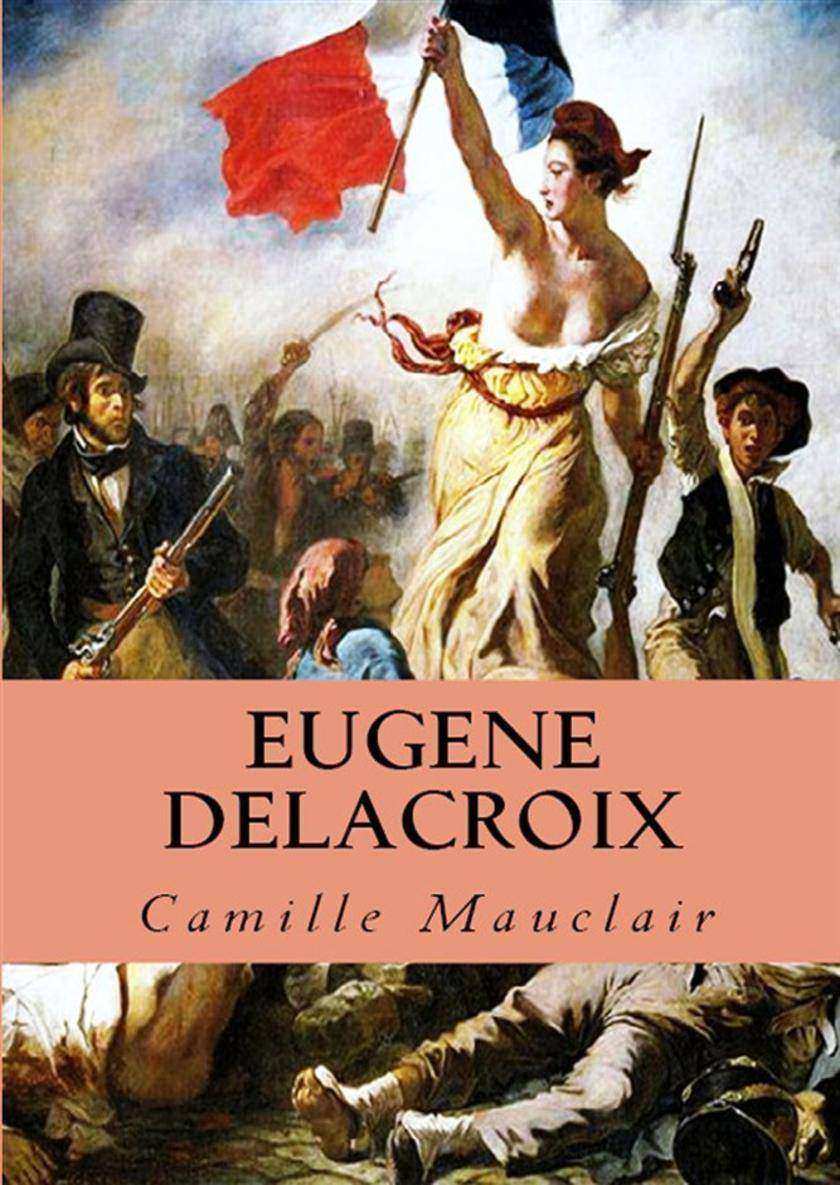
Pour bien comprendre la portée de l'intervention et de l'influence de l'?uvre de Delacroix dans l'école fran?aise, il est nécessaire de se rappeler la situation exacte de la peinture au moment où il parut.??La Révolution avait brutalement traité les ma?tres du XVIIIème siècle finissant. ?prise d'un sévère idéal gréco-romain, dont déjà Vien avait donné des exemples et que David allait porter à son apogée, la génération jacobine avait considéré les peintres légers et délicieux du règne de Louis XVI comme les bénéficiaires de la corruption luxueuse des nobles et des fermiers généraux, et elle les avait rejetés dans le même mouvement d'injuste fureur. Fragonard mourait oublié, chassé de son logis des galeries du Louvre. Hubert Robert échappait gr?ce à une erreur à l'échafaud. Greuze mourait dans la misère noire. On ne parlait plus de Chardin. Un Latour se vendait quelques francs. ??L'?Embarquement pour Cythère?, peint par Watteau pour son entrée à l'Académie, y était criblé de boulettes de papier m?ché par les élèves de David, neveu de Boucher dont ils parlaient en de tels termes, qu'il était obligé, par pudeur, d'excuser à leurs yeux son oncle. Les gravures de Cochin, de Lépicié, de Choffard, de Lavreince, des Saint-Aubin, de Debucourt, de Gravelot, d'Eisen, allaient s'ensevelir dans les soupentes de quelques brocanteurs, et on attendrait quatrevingts ans avant de les rechercher pour les couvrir d'or. Un siècle s'effondrait. Son go?t exquis, sa morale profondément naturelle et humaine, son libéralisme sceptique, tout lui était imputé à vice et à crime. On rêvait d'un art moralisateur, que Greuze avait préparé aux applaudissements de Diderot par ses scènes familiales et son ingénuité bourgeoise, mêlée de libertinage hypocrite. ??On voulait un art héro?que, sévère, propre à élever les consciences. David apparut l'homme d'une telle ?uvre, et créa d'un seul effort la réaction d'une esthétique néo-romaine, d'une peinture con?ue d'après la statuaire antique, et toute consacrée à des expressions de sentiments cornéliens. La discipline de cette école fut plus dure encore que celle imposée, centvingtcinq années auparavant, par Louis XIV, Le Brun et l'école de Rome. Plus de recherches de la nature, plus de gr?ce, plus de vérité, plus de coloris, mais simplement un art allégorique, pompeux, aride, éloigné de la vie et tout entier construit sur des théories, un art aussi opposé que possible au tempérament fran?ais.
Cruikshank's Water Colours
¥27.88
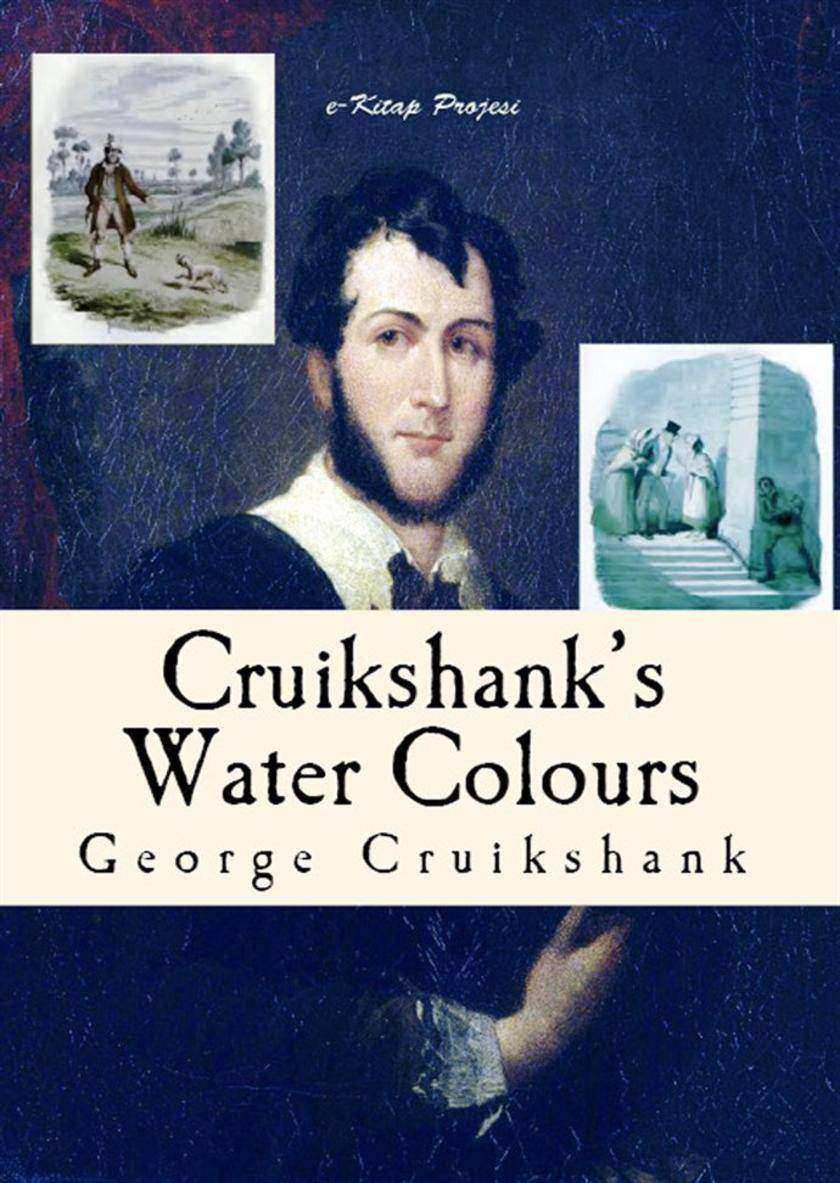
It is fair to characterise the three suites of original water-colour drawings, as executed by our artist, as unique examples of the great George Cruikshank's special individual proficiency as an exponent of this branch of technical dexterity. More-over, it may be regarded as a fortunate circumstance that the three works, here reproduced with amazing fidelity in facsimile, represent happily the very chefs d'oeuvre of his wonderful productions; in their respective categories, preserving the best examples of his remarkable genius as an imaginative creator of vivid pictures, alike stirring and animated, and representing at one glance his vast dramatic powers, his mastery of the humorous side of life, and the intensity he was consistently able to infuse into terrible and tragic scenes. It is noteworthy that the inimitable artist George Cruikshank but rarely pro-duced finished water-colour drawings; the bulk of his prolific and familiarly rec-ognised designs for book illustrations were mostly dainty pencil sketches, occa-sionally finished in pen and ink. It is a problem difficult to solve satisfactorily whether, beyond the three memorable instances of the works here reproduced in facsimile, there are in existence any other complete suites of original illustrations by George Cruikshank—that is to say, fully executed by his master hand as finished water-colour drawings. Tinted sketches may be found in the prized possessions of Cruikshank collectors, and spirited studies for many of his favourite and most successful subjects have been cleverly touched in with watercolours; for instance, such as certain of his original drawings as designed for the illustrations of Harri-son Ainsworth's Tower of London, and the clever historical and picturesque series of Windsor Castle designs; these are, however, to be regarded as exceptional cases, for the bulk of these most successful and popular designs were carefully executed in pencil, or occasionally outlined with the pen, and highly finished with washes of warm sepia. It is worthy of recollection that Cruikshank was a most dexterous artist in this monochrome branch, his earlier artistic experiences having been al-most exclusively in the walk of aqua-tinted etchings; all his early book illustrations, his caricatures, and satirical plates—social or political—were uniformly etched by his hand in the most spirited fashion, after his ready sketches and rough studies, and when the outline etching was bitten in, Cruikshank elaborately worked out his colour suggestions, for light and shade, with a brush over the first-etched outline, in tones of sepia or Indian ink, for the guidance of the professional 'aquatinters'—the school of artists to whose trained skill was entrusted the task of completing these plates to produce the effect of highly finished washed drawings in mono-chrome. By this, his youthful practice, George Cruikshank had acquired remarka-ble dexterity, his original pen-and-ink designs, and the outline etchings, after his earlier book illustrations, being worked up in monochrome to the dainty finish of delicate miniatures, in which art both his father Isaac and his brother Isaac Robert were first-class proficients, as he himself has recorded with pride in describing the special gifts and qualifications which distinguished the Cruikshank family. ? ABOUT THE AUTHOR; George Cruikshank (1792 – 1878) was a British caricaturist and book illustrator, praised as the "modern Hogarth" during his life. His book illustrations for his friend Charles Dickens, and many other authors, reached an international audience. Cruikshank was born in London. His father, Isaac Cruikshank, was one of the leading caricaturists of the late 1790s and Cruikshank started his career as his father's apprentice and assistant. His older brother, Isaac Robert, also followed in the family business as a caricaturist and illustrator. Cruikshank's early work was caricature; but in 1823, at the age of 31, he started to focus on book illustration. He illustrated the first, 1823 English translation (by Edgar Taylor and David Jardine) of Grimms' Fairy Tales, published in two volumes as German Popular Stories. On 16 October 1827, he married Mary Ann Walker (1807–1849). Two years after her death, on 7 March 1851, he married Eliza Widdison. The two lived at 263 Hampstead Road, North London.Upon his death, it was discovered that Cruikshank had fathered 11 illegitimate children with a mistress named Adelaide Attree, his former servant, who lived close to where he lived with his wife. Adelaide was ostensibly married and had taken the married surname 'Archibold'.
Middlemarch
¥8.09
Hamlet is commonly regarded as one of the greatest plays ever written. Drawing on Danish chronicles and the Elizabethan vogue for revenge tragedy, Shakespeare created a play that is at once a philosophic treatise, a family drama, and a supernatural thriller. In the wake of his father’s death, Prince Hamlet finds that his Uncle Claudius has swiftly taken the throne and married his mother, Queen Gertrude. The ghost of the dead king then appears and charges Claudius with ‘murder most foul.’ Hamlet is called to revenge his father’s death: but will he be able to act before it is too late?
Lumea ?n oglind?
¥24.44
O nuan autobiografic, perfect ntemeiat, irizeaz concepia lui Breban de la acest nivel, miza mare a ideii fiind aceea de a demonstra – ceea ce romancierul a mai fcut… – c generaia din care face el nsui parte (Nichita Stnescu, Matei Clinescu etc.) a transformat literatura ntr-un asemenea mediu germinativ de excelene, prin intermediul promovrii esteticului ca replic alternativ sublim la grotescul ideologic din jur. Trebuie s recunoatem c Breban rmne seniorial i impecabil de fiecare dat cnd enun aceast dihotomie: de pild, nu trebuie uitat faptul c Istoria dramatic a prezentului s-a zamislit cnd mpotriva autorului se trgea cu tunul, pe motivul orchestratei acuze de colaborare cu Securitatea. Nici un raspuns n volum, nimic insidios, revanard sau resentimentar: doar idei i fapte, nu psihologie. Jos plria!“ (tefan Borbély)Numai cultura, carevaszica, ne poate lecui de aceast nesiguran identitar i numai ea poate nnobila istoria noastr de care, s-a putut constata, prozatorul maramureean nu-i mulumit… Face i alte profeii, atunci cnd n capitolul final vorbete despre specificul naional, dar despre toate acestea vom putea discuta cu alt prilej. Este o tem pe care noi, romnii, o aducem mereu n discuie fie pentru a o sataniza, fie pentru a o apra. Observ c N. Breban n-o respinge, de plano, cum fac globalitii, nici n-o smintete cu un discurs encomiastic, cum fac localitii. El procedeaz corect, aa cum procedeaz orice intelectual lucid i responsabil, adic analizeaz un concept (un concept esenial) i ncearc s-i vad viitorul… Este trist, i are de ce, cnd se gndete la lumea politic de azi i la retorica resentimentului i a rzbunrii care domin lumea intelectual… S mai spun c are i n acest caz dreptate, c dup douzeci de ani de libertate intelectualii romni, cu precdere scriitorii (ei, care s-au inut bine sub regimul totalitar), se detest cu o grea sinceritate mi amintesc de o propoziie din Eminescu (reproduc din memorie): Nu eti liber, dac nu eti drept. Se poate spune i invers: Nu eti drept, dac nu eti liber. Liber, n cazul oamenilor de litere, de prejudeci, de complexe i idiosincrazii, de eecurile i vexaiunile pe care i le-a provocat istoria i pe care spiritul nu poate s le stpneasc.“ (Eugen Simion)
Lakodalom az állatkertben
¥35.99
A magyar turanizmus jellegzetesen magyar és teljességgel elhallgatott eszmeáramlat: akik benne voltak, igyekeztek még a nyomait is eltüntetni. Pedig a magyar k?zvéleményt a 19. század eleje óta izgatta a magyarság keleti eredete és nyugati mintak?vetése k?zti ellentmondás. Vissza kell-e fordulnunk keletre? Létrej?het-e a ?turáni népek” ?sszefogása? Van-e a magyaroknak küldetésük Keleten? Vagy éppen Nyugaton? Száz évvel ezel?tt magyar expedíciók rótták Anatólia, a Balkán és Dél-Oroszország útjait, a magyar kormány hatalmas ?sszegeket áldozott, hogy keleti ?szt?ndíjasokat hozzon Magyarországra, magyar üzletemberek próbáltak piacot találni a K?zel-Keleten, és a turanizmus divatjának k?sz?nhet? az els? külf?ldi magyar intézet megnyitása is. A két világháború k?z?tt az eszmeáramlat számos befolyásos értelmiségit kísértett meg, majd 1945 után elhallgattatták. Ennek ellenére túlélte az államszocializmus éveit, és újra teret nyert a rendszerváltozás után. Ez a k?nyv nemcsak a turanizmus, hanem a Keletr?l való gondolkodás és politikai konzekvenciáinak t?rténete is. Izgalmas, másfél évszázados utazás Tibett?l Argentínáig, Tartutól Isztambulig. Felbukkan benne a turáni egyistenhív? rádióm?szerész, a feministából lett vércsoportkutató f?ldbirtokosleány, a monoklis múzeumalapító, aki egyszerre találta ki a világbékét és a l?vészárokásó gépet, néhány pénzhamisító, illetve a mérn?k, aki megállapította a magyar–maori rokonságot. Turanista emlékek k?z?tt élünk – csak nem tudunk róluk. Ablonczy Balázs (1974) t?rténész, az ELTE BTK oktatója és az MTA BTK T?rténettudományi Intézetének tudományos f?munkatársa. Doktori címét 2004-ben szerezte, tanított és kutatott Londonban, Párizsban, Berlinben és az Egyesült ?llamokbeli Bloomingtonban. 2011 és 2015 k?z?tt a Párizsi Magyar Intézet igazgatója volt. Jelenleg az MTA Lendület-pályázatán támogatott Trianon 100 kutatócsoport vezet?je, Budapesten él.

Váratlan nyaralás
¥60.90
Kádár János és a nevével fémjelzett korszak megítélése napjainkig élesen megosztja a magyar k?zvéleményt. Ennek egyik ered?je az a hatvanas évek elején meghirdetett ?sz?vetségi politika”, amely egy újfajta kiegyezés reményében együttm?k?d?k, ?társutasok” megnyerésével igyekezett alkut k?tni a magyar társadalommal. Az ennek érdekében hozott politikai, gazdasági intézkedések a t?rténeti elemzések révén mára jól ismertek. Kádár hatalomtechnikai t?rekvéseinek mélyebb rétegei, személyes dimenziói azonban részben még ma is feltáratlanok. Kik voltak azok, akikkel a pártállami vezet?k a megújuló hatalomgyakorlási mód jegyében párbeszédet kezdtek? Milyen korábbi mintákat hasznosított az MSZMP ?sz?vetségi politikájának” kialakítása során? Milyen út vezetett addig, amíg az 1956-os forradalom leverése után ?t évvel elhangozhatott a kádárizmus jelszava, a bibliai mondást kifordító ?aki nincs ellenünk, az velünk van” mottó? TABAJDI G?BOR legújabb k?tete a ?kádárizmus” hatalomtechnikai módszereinek kialakulását mutatja be, és azt a hatalom birtokosai, a magyar kommunisták, illetve Kádár János politikája fel?l értelmezi. ?tfogó elemzéséhez a r?vid és hosszú távú, kül-, illetve belpolitikai folyamatok bemutatása mellett eddig nem publikált titkosszolgálati dokumentumokat is felhasznál.
The Mysterious Island
¥8.67
Hard Times – For These Times (commonly known as "Hard Times") is the tenth novel by Charles Dickens, first published in 1854. The book appraises English society and highlights the social and economic pressures of the times. Hard Times is unusual in several respects. It is by far the shortest of Dickens' novels, barely a quarter of the length of those written immediately before and after it. Also, unlike all but one of his other novels, Hard Times has neither a preface nor illustrations. Moreover, it is his only novel not to have scenes set in London. Instead the story is set in the fictitious Victorian industrial Coketown, a generic Northern English mill-town, in some ways similar to Manchester, though smaller. Coketown may be partially based on 19th-century Preston. One of Dickens's reasons for writing Hard Times was that sales of his weekly periodical, Household Words, were low, and it was hoped the novel's publication in instalments would boost circulation – as indeed proved to be the case. Since publication it has received a mixed response from critics. Critics such as George Bernard Shaw and Thomas Macaulay have mainly focused on Dickens's treatment of trade unions and his post–Industrial Revolution pessimism regarding the divide between capitalist mill owners and undervalued workers during the Victorian era. F. R. Leavis, a great admirer of the book, included it—but not Dickens' work as a whole—as part of his Great Tradition of English novels. ***‘Now, what I want is, Facts. Teach these boys and girls nothing but Facts. Facts alone are wanted in life. Plant nothing else, and root out everything else. You can only form the minds of reasoning animals upon Facts: nothing else will ever be of any service to them. This is the principle on which I bring up my own children, and this is the principle on which I bring up these children. Stick to Facts, sir!’ ? ?The scene was a plain, bare, monotonous vault of a school-room, and the speaker’s square forefinger emphasized his observations by underscoring every sentence with a line on the schoolmaster’s sleeve. The emphasis was helped by the speaker’s square wall of a forehead, which had his eyebrows for its base, while his eyes found commodious cellarage in two dark caves, overshadowed by the wall. The emphasis was helped by the speaker’s mouth, which was wide, thin, and hard set. The emphasis was helped by the speaker’s voice, which was inflexible, dry, and dictatorial. The emphasis was helped by the speaker’s hair, which bristled on the skirts of his bald head, a plantation of firs to keep the wind from its shining surface, all covered with knobs, like the crust of a plum pie, as if the head had scarcely warehouse-room for the hard facts stored inside. The speaker’s obstinate carriage, square coat, square legs, square shoulders,—nay, his very neckcloth, trained to take him by the throat with an unaccommodating grasp, like a stubborn fact, as it was,—all helped the emphasis. ‘In this life, we want nothing but Facts, sir; nothing but Facts!’The speaker, and the schoolmaster, and the third grown person present, all backed a little, and swept with their eyes the inclined plane of little vessels then and there arranged in order, ready to have imperial gallons of facts poured into them until they were full to the brim.


