


 购物车
购物车 个人中心
个人中心
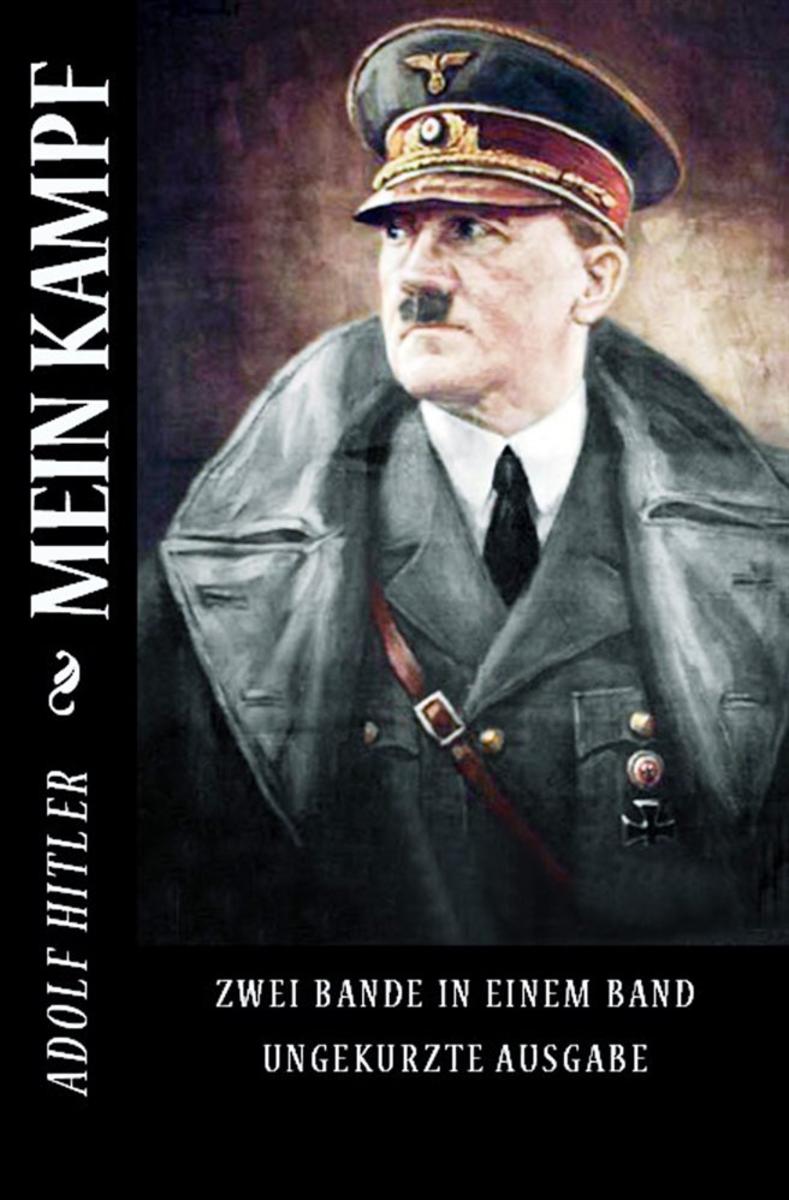
Mein Kampf: "Zwei Bande in Einem Band Ungekurzte Ausgabe"
¥37.11
Mein Kampf ist eine politisch-ideologische Programmschrift Adolf Hitlers. Sie erschien in zwei Teilen. Hitler stellte darin seinen Werdegang zum Politiker und seine Weltanschauung dar. Das Buch enthalt Hitlers Autobiografie, ist in der Hauptsache aber eine zweckgerichtete Kampf- und Propagandaschrift, die zum Neuaufbau der NSDAP als zentral gelenkter Partei unter Hitlers Fuhrung dienen sollte.??Der erste Band entstand in Hitlers Haftzeit 1924 und wurde erstmals am 18. Juli 1925, der zweite am 11. Dezember 1926 veroffentlicht. Vor allem der erste Band wurde bis 1932 in der Weimarer Republik zu einem viel diskutierten Bestseller.??Hitler schrieb 1924 den ersten Teil von Mein Kampf wahrend seiner Festungshaft in der Haftanstalt Landsberg in Landsberg am Lech. Er soll den Text seinem spateren Stellvertreter Rudolf HeB diktiert haben. Neuere Erkenntnisse weisen darauf hin, dass Hitler den Text selbst auf einer Reiseschreibmaschine tippte. Winifred Wagner berichtete, Hitler "massenhaft Schreibpapier" nach Landsberg geschickt zu haben.??Ursprunglich sollte das Buch Viereinhalb Jahre [des Kampfes] gegen Luge, Dummheit und Feigheit heiBen. Nach der vorzeitigen Haftentlassung im Dezember 1924 diktierte Hitler den starker programmatisch ausgelegten zweiten Teil von Mein Kampf seinem Gefolgsmann Max Amann, Direktor des Franz-Eher-Verlags. Amann und Hitler zogen sich im Sommer 1925 in das (daher spater so genannte) Kampfhausl des Pensionswirts Bruno Buchner auf dem Obersalzberg (nahe dem spateren Berghof) zuruck, um das Manuskript zu tippen.??Im Juli 1925 erschien der erste Band, im Dezember 1926 der zweite. Bis 1930 vertrieb der Verlag Mein Kampf in zwei groBformatigen Banden zum Preis von zunachst je 12, ab 1928 14 Reichsmark.??Der Originaltext erlebte in seiner zwanzigjahrigen Editionsgeschichte von 1925 bis 1945 zahlreiche Anderungen und Erweiterungen. Der Text der spaten Ausgaben aus den 1940er Jahren ist nur bedingt in direkten Bezug zu setzen mit Hitlers publizistischer und politischer Positionierung Mitte der 1920er. ??Im Herbst 2006 tauchten in Munchen funf Manuskript- und achtzehn Entwurfsseiten zu Hitlers Buch auf, die er vor dessen Veroffentlichung im Fruhjahr und im Sommer 1924 wahrend seiner Festungshaft in Landsberg verfasst hatte. Der Vergleich mit der spateren Endfassung ermoglichte der Hitlerforschung Ruckschlusse zur Entwicklung von Hitlers Weltbild und Agitationsweise.??Der erste und der zweite Band erschienen in einer Erstauflage von je 10.000 Exemplaren. Die NSDAP finanzierte sich ganz wesentlich uber den eigenen Parteiverlag, an dem auch Hitler personlich beteiligt war. Von der einbandigen Volksausgabe wurden bis Januar 1933 287.000 Exemplare zum Preis von je 12 RM durch den Zentralverlag der NSDAP (Franz Eher Nachfolger) verkauft. ??Hitler erhielt pro verkauftem Buch 10 Prozent Tantiemen. Die folgende einbandige Ausgabe kostete 8 RM ("Volksausgabe", ab 1930)...
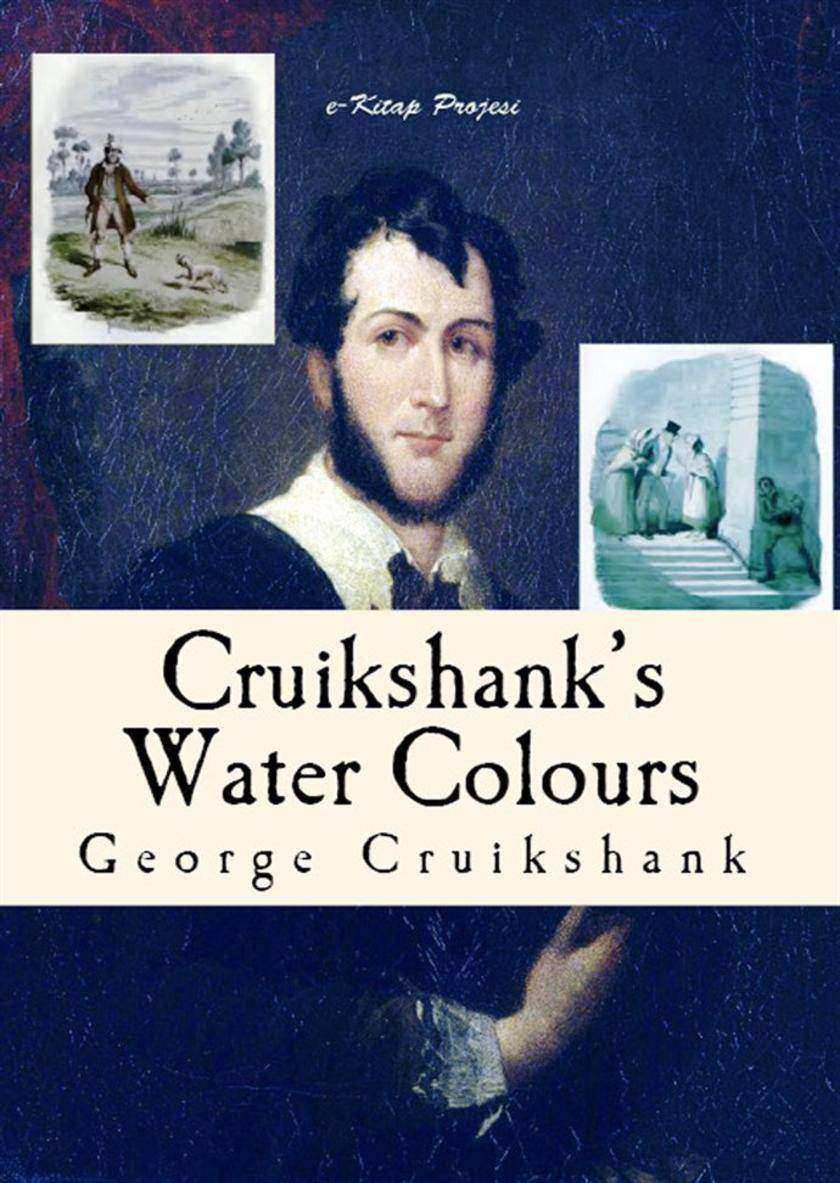
Cruikshank's Water Colours
¥27.88
It is fair to characterise the three suites of original water-colour drawings, as executed by our artist, as unique examples of the great George Cruikshank's special individual proficiency as an exponent of this branch of technical dexterity. More-over, it may be regarded as a fortunate circumstance that the three works, here reproduced with amazing fidelity in facsimile, represent happily the very chefs d'oeuvre of his wonderful productions; in their respective categories, preserving the best examples of his remarkable genius as an imaginative creator of vivid pictures, alike stirring and animated, and representing at one glance his vast dramatic powers, his mastery of the humorous side of life, and the intensity he was consistently able to infuse into terrible and tragic scenes. It is noteworthy that the inimitable artist George Cruikshank but rarely pro-duced finished water-colour drawings; the bulk of his prolific and familiarly rec-ognised designs for book illustrations were mostly dainty pencil sketches, occa-sionally finished in pen and ink. It is a problem difficult to solve satisfactorily whether, beyond the three memorable instances of the works here reproduced in facsimile, there are in existence any other complete suites of original illustrations by George Cruikshank—that is to say, fully executed by his master hand as finished water-colour drawings. Tinted sketches may be found in the prized possessions of Cruikshank collectors, and spirited studies for many of his favourite and most successful subjects have been cleverly touched in with watercolours; for instance, such as certain of his original drawings as designed for the illustrations of Harri-son Ainsworth's Tower of London, and the clever historical and picturesque series of Windsor Castle designs; these are, however, to be regarded as exceptional cases, for the bulk of these most successful and popular designs were carefully executed in pencil, or occasionally outlined with the pen, and highly finished with washes of warm sepia. It is worthy of recollection that Cruikshank was a most dexterous artist in this monochrome branch, his earlier artistic experiences having been al-most exclusively in the walk of aqua-tinted etchings; all his early book illustrations, his caricatures, and satirical plates—social or political—were uniformly etched by his hand in the most spirited fashion, after his ready sketches and rough studies, and when the outline etching was bitten in, Cruikshank elaborately worked out his colour suggestions, for light and shade, with a brush over the first-etched outline, in tones of sepia or Indian ink, for the guidance of the professional 'aquatinters'—the school of artists to whose trained skill was entrusted the task of completing these plates to produce the effect of highly finished washed drawings in mono-chrome. By this, his youthful practice, George Cruikshank had acquired remarka-ble dexterity, his original pen-and-ink designs, and the outline etchings, after his earlier book illustrations, being worked up in monochrome to the dainty finish of delicate miniatures, in which art both his father Isaac and his brother Isaac Robert were first-class proficients, as he himself has recorded with pride in describing the special gifts and qualifications which distinguished the Cruikshank family. ? ABOUT THE AUTHOR; George Cruikshank (1792 – 1878) was a British caricaturist and book illustrator, praised as the "modern Hogarth" during his life. His book illustrations for his friend Charles Dickens, and many other authors, reached an international audience. Cruikshank was born in London. His father, Isaac Cruikshank, was one of the leading caricaturists of the late 1790s and Cruikshank started his career as his father's apprentice and assistant. His older brother, Isaac Robert, also followed in the family business as a caricaturist and illustrator. Cruikshank's early work was caricature; but in 1823, at the age of 31, he started to focus on book illustration. He illustrated the first, 1823 English translation (by Edgar Taylor and David Jardine) of Grimms' Fairy Tales, published in two volumes as German Popular Stories. On 16 October 1827, he married Mary Ann Walker (1807–1849). Two years after her death, on 7 March 1851, he married Eliza Widdison. The two lived at 263 Hampstead Road, North London.Upon his death, it was discovered that Cruikshank had fathered 11 illegitimate children with a mistress named Adelaide Attree, his former servant, who lived close to where he lived with his wife. Adelaide was ostensibly married and had taken the married surname 'Archibold'.
The Elements of Style (Classic Edition): With Editor's Notes and Study Guide
¥23.14
This Classic Edition contains the original version of "The Elements of Style" written by Cornell University English professor William Strunk Jr. Generations of college students and writers have learned the basics of grammar from this short primer over the years. It was rated "one of the 100 most influential books written in English" by Time in 2011, and iconic author Stephen King recommended it as a grammar handbook that all aspiring writers should read. Written one hundred years ago, "The Elements of Style" is a nostalgic link to a momentous time in American history that ushered in the Art Deco era and the Roaring Twenties. Many of the English grammar rules it cites are as relevant today as they were at the turn of the 20th century; but, one by one, these rules are becoming out-of-date This Classic Edition, updated as we head into 2017, is intended as a tribute to Prof. Strunk's enduring book. It follows the original version but includes these enhancements for today's readers: 1. Editorial notes have been inserted to indicate grammar rules now considered obsolete, and to provide brief insights on updated rules for present-day writers. 2. Easily recognizable symbols have been added to the grammar examples throughout the book so that readers can discern correctly written sentences from errors at a glance. 3. A Study Guide has been added at the conclusion of the book. 4. The paperback version includes blank, lined pages at the end for convenient note taking. 5. The digital version has been restyled for improved display on all modern e-book readers.
Utilitarianism
¥8.82
John Stuart Mill's book Utilitarianism is a philosophical defense of utilitarianism in ethics. The essay first appeared as a series of three articles published in Fraser's Magazine in 1861; the articles were collected and reprinted as a single book in 1863. It went through four editions during Mill's lifetime with minor additions and revisions. Although Mill includes discussions of utilitarian ethical principles in other works such as On Liberty and The Subjection of Women, Utilitarianism contains Mill's only major discussion of the fundamental grounds for utilitarian ethical theory.
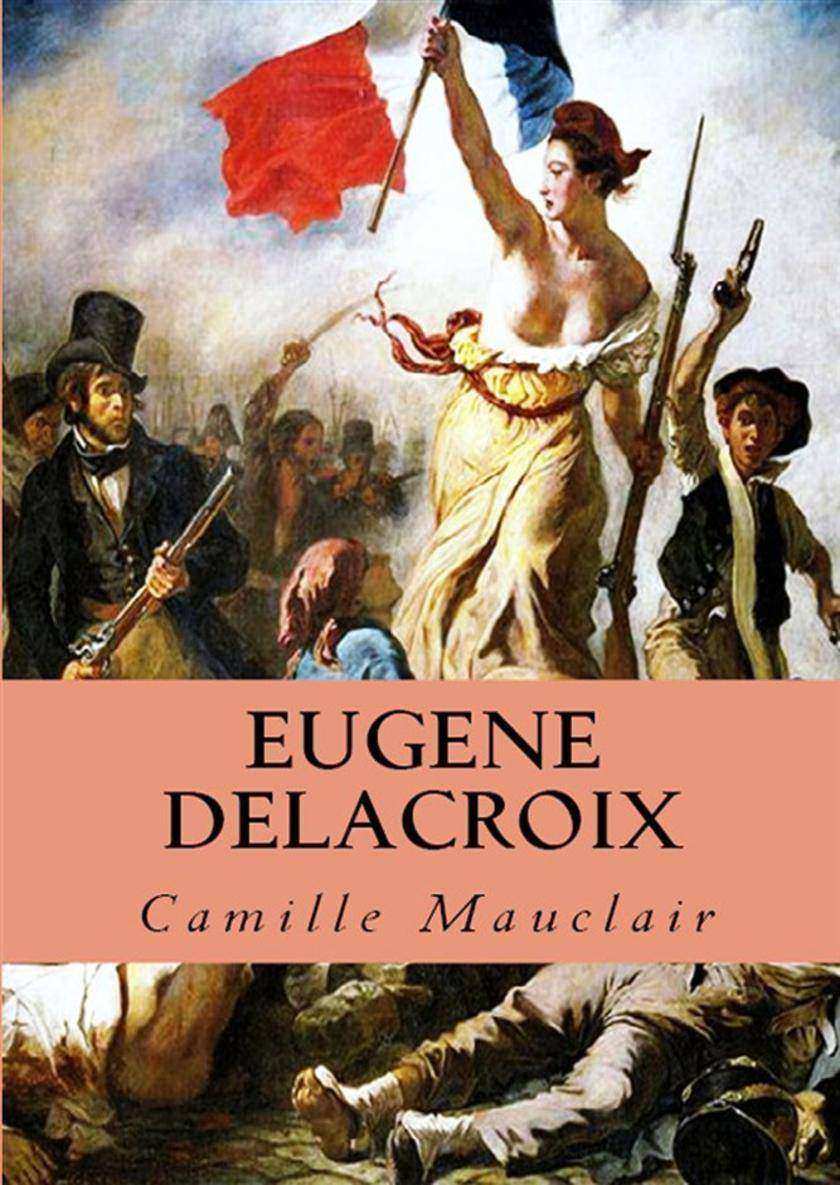
Eugène Delacroix
¥33.11
Pour bien comprendre la portée de l'intervention et de l'influence de l'?uvre de Delacroix dans l'école fran?aise, il est nécessaire de se rappeler la situation exacte de la peinture au moment où il parut.??La Révolution avait brutalement traité les ma?tres du XVIIIème siècle finissant. ?prise d'un sévère idéal gréco-romain, dont déjà Vien avait donné des exemples et que David allait porter à son apogée, la génération jacobine avait considéré les peintres légers et délicieux du règne de Louis XVI comme les bénéficiaires de la corruption luxueuse des nobles et des fermiers généraux, et elle les avait rejetés dans le même mouvement d'injuste fureur. Fragonard mourait oublié, chassé de son logis des galeries du Louvre. Hubert Robert échappait gr?ce à une erreur à l'échafaud. Greuze mourait dans la misère noire. On ne parlait plus de Chardin. Un Latour se vendait quelques francs. ??L'?Embarquement pour Cythère?, peint par Watteau pour son entrée à l'Académie, y était criblé de boulettes de papier m?ché par les élèves de David, neveu de Boucher dont ils parlaient en de tels termes, qu'il était obligé, par pudeur, d'excuser à leurs yeux son oncle. Les gravures de Cochin, de Lépicié, de Choffard, de Lavreince, des Saint-Aubin, de Debucourt, de Gravelot, d'Eisen, allaient s'ensevelir dans les soupentes de quelques brocanteurs, et on attendrait quatrevingts ans avant de les rechercher pour les couvrir d'or. Un siècle s'effondrait. Son go?t exquis, sa morale profondément naturelle et humaine, son libéralisme sceptique, tout lui était imputé à vice et à crime. On rêvait d'un art moralisateur, que Greuze avait préparé aux applaudissements de Diderot par ses scènes familiales et son ingénuité bourgeoise, mêlée de libertinage hypocrite. ??On voulait un art héro?que, sévère, propre à élever les consciences. David apparut l'homme d'une telle ?uvre, et créa d'un seul effort la réaction d'une esthétique néo-romaine, d'une peinture con?ue d'après la statuaire antique, et toute consacrée à des expressions de sentiments cornéliens. La discipline de cette école fut plus dure encore que celle imposée, centvingtcinq années auparavant, par Louis XIV, Le Brun et l'école de Rome. Plus de recherches de la nature, plus de gr?ce, plus de vérité, plus de coloris, mais simplement un art allégorique, pompeux, aride, éloigné de la vie et tout entier construit sur des théories, un art aussi opposé que possible au tempérament fran?ais.
Magna?ii. Cum au inventat Andrew Carnegie, John D.
¥86.00
Dintre toate scrierile Svetlanei Aleksievici, Ultimii martori este cea mai sf??ietoare. C?ci ce poate fi mai cumplit dec?t copil?ria ?n timp de r?zboi, mai tragic dec?t inocen?a supus? violen?ei ?i anihil?rii? Personajele acestei c?r?i, b?ie?i ?i fete, aveau, ?n perioada celui de al Doilea R?zboi Mondial – conflictul poate cel mai inuman din istorie –, ?ntre trei ?i doisprezece ani, dar r?nile c?p?tate atunci le s?ngereaz? p?n? ?n ziua de azi. ?i totu?i, ?n pofida suferin?elor descrise, textul dob?nde?te o extraordinar? for?? evocatoare pentru c? reu?e?te s? reconstituie poezia inerent? v?rstei copil?riei. Tulbur?tor prin ?nc?rc?tura sa de adev?r ?i r?v??itor suflete?te, Ultimii martori ne schimb? perspectiva asupra istoriei, a r?zboiului, a copil?riei ?i a vie?ii.
Trecutul la judecata istoriei
¥130.72
Boris Johnson exploreaz?, ?n paginile acestui volum, din ce anume este constituit ?factorul Churchill“ – acea inteligen?? unic? a unuia dintre cei mai importan?i lideri ai secolului XX. Demont?nd miturile ?i prejudec??ile care au d?inuit al?turi de realitate, Johnson realizeaz? – cu inteligen?a ?i pasiunea caracteristice – portretul unui om al contradic?iilor, al curajului contagios, ?nzestrat cu o elocin?? uimitoare ?i cu o putere inegalabil? de a croi strategii. Curajos pe c?mpul de lupt?, Churchill a trebuit s? primeasc? ordin de la rege pentru a sta departe de focul b?t?liei ?n Ziua Z; a fost de acord cu bombardamentele strategice la scar? extins?, cu toate c? ura distrugerile produse de r?zboi ?i ?i dispre?uia pe politicienii care nu ?i tr?iser? ororile. A fost un jurnalist apreciat, un mare orator ?i a c??tigat Premiul Nobel pentru Literatur?. A fost faimos pentru capacitatea de a combina serile de dineuri oficiale cu nop?ile ?n care lua decizii cruciale pentru soarta r?zboiului. Viziunea sa progresist? asupra lumii l-a f?cut un pionier ?n dezvoltarea sistemului public de s?n?tate, de educa?ie ?i de asisten?? social?, de?i a r?mas un adept incorigibil al incorectitudinii politice. Factorul Churchill nu este o carte doar pe gustul pasiona?ilor de istorie. Este o lectur? esen?ial? pentru to?i cei care doresc s? afle din ce material anume e f?cut un mare lider.
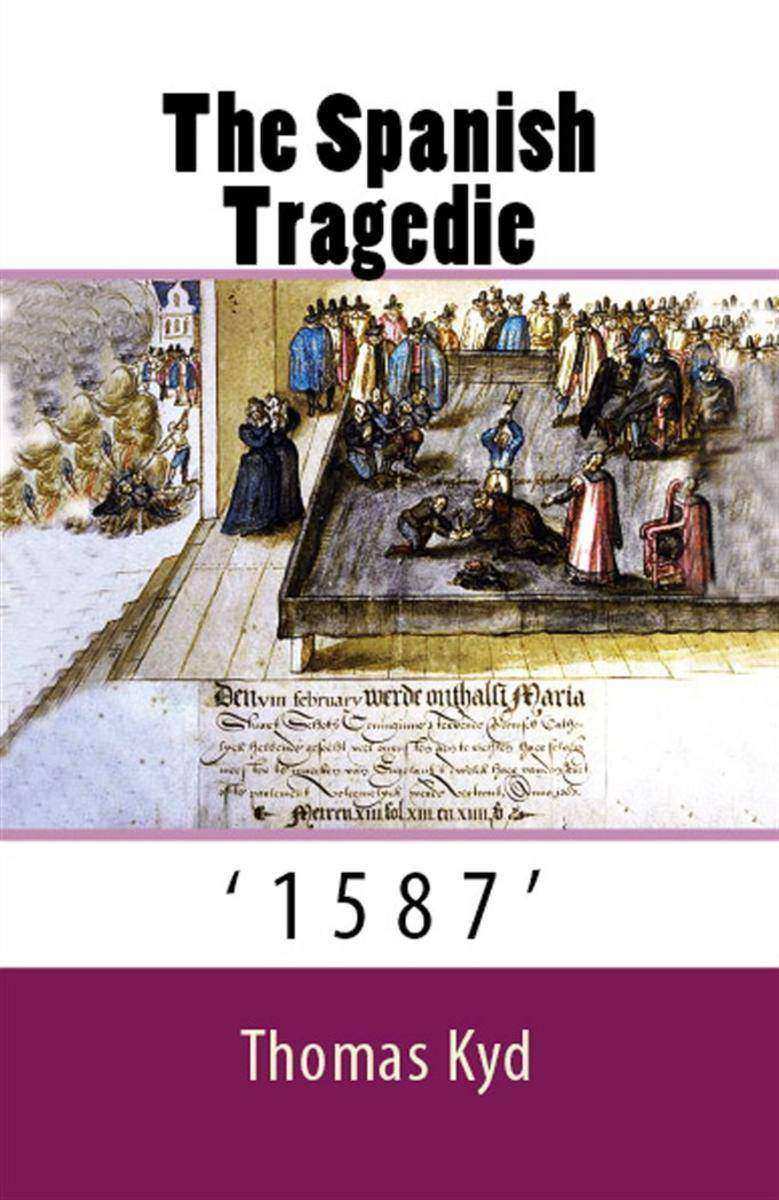
The Spanish Tragedie: "1587"
¥27.88
"The Spanish Tragedy", or "Hieronimo" is Mad Again is an Elizabethan tragedy written by Thomas Kyd between 1582 and 1592. Highly popular and influential in its time, The Spanish Tragedy established a new genre in English theatre, the revenge play or revenge tragedy. Its plot contains several violent murders and includes as one of its characters a personification of Revenge. "The Spanish Tragedy "was often referred to (or parodied) in works written by other Elizabethan playwrights, including William Shakespeare, Ben Jonson, and Christopher Marlowe. Many elements of The Spanish Tragedy, such as the play-within-a-play used to trap a murderer and a ghost intent on vengeance, appear in Shakespeare's Hamlet. (Thomas Kyd is frequently proposed as the author of the hypothetical Ur-Hamlet that may have been one of Shakespeare's primary sources for Hamlet.)
La Tierra de Todos
¥18.56
Como todas las mananas, el marques de Torrebianca salio tarde de su dormitorio, mostrando cierta inquietud ante la bandeja de plata con cartas y periodicos que el ayuda de camara habia dejado sobre la mesa de su biblioteca. Cuando los sellos de los sobres eran extranjeros, parecia contento, como si acabase de librarse de un peligro. Si las cartas eran de Paris, fruncia el ceno, preparandose a una lectura abundante en sinsabores y humillaciones. Ademas, el membrete impreso en muchas de ellas le anunciaba de antemano la personalidad de tenaces acreedores, haciendole adivinar su contenido. Su esposa, llamada ?la bella Elena?, por una hermosura indiscutible, que sus amigas empezaban a considerar historica a causa de su exagerada duracion, recibia con mas serenidad estas cartas, como si toda su existencia la hubiese pasado entre deudas y reclamaciones. El tenia una concepcion mas anticuada del honor, creyendo que es preferible no contraer deudas, y cuando se contraen, hay que pagarlas. ? AUTOR: Vicente Blasco Ibanez nacio el 29 de enero de 1867 en Valencia (Espana). Era hijo de Ramona Ibanez y del comerciante Gaspar Blanco. Estudio Derecho en la Universidad de Valencia. Participo en la politica uniendose al Partido Republicano". En 1894 fundo el periodico El pueblo. En el ano 1896, fue detenido y condenado a varios meses de prision. En 1889 contrajo matrimonio con Maria Blasco del Cacho, hija del magistrado Rafael Blasco y Moreno. Cuando subio al poder Canovas del Castillo, el escritor se exilio brevemente en la ciudad de Paris. Fue un autor vinculado en muchos aspectos al naturalismo frances. Por otra parte, la explicita intencion politicosocial de algunas de las novelas de Blasco Ibanez, aunada al escaso bagaje intelectual del autor, lo mantuvo alejado de los representantes de la Generacion del 98. Murio el 28 de enero de 1928 en Menton (Francia)a los 60 anos. Entre sus titulos destacan: "Arroz y Tartana" (1894), "La Barraca" (1898), "Entre Naranjos (1900), "Canas y Barro" (1902), "La Horda" (1905), "Sangre y Arena" (1908) o "Los Cuatro Jinetes Del Apocalipsis" (1916).
Cleopatra
¥18.56
THE story of Cleopatra is a story of crime. It is a narrative of the course and the consequences of unlawful love. In her strange and romantic history we see this passion portrayed with the most complete and graphic fidelity in all its influences and effects; its uncontrollable impulses, its intoxicating joys, its reckless and mad career, and the dreadful remorse and ultimate despair and ruin in which it always and inevitably ends.??Cleopatra was by birth an Egyptian; by ancestry and descent she was a Greek. Thus, while Alexandria and the delta of the Nile formed the scene of the most im-portant events and incidents of her history, it was the blood of Macedon which flowed in her veins. Her character and action are marked by the genius, the courage, the originality, and the impulsiveness pertaining to the stock from which she sprung. The events of her history, on the other hand, and the peculiar character of her adventures, her sufferings, and her sins, were determined by the circumstances with which she was surrounded, and the influences which were brought to bear upon her in the soft and voluptuous clime where the scenes of her early life were laid..??Egypt has always been considered as physically the most remarkable country on the globe. It is a long and narrow valley of verdure and fruitfulness, completely insulated from the rest of the habitable world. It is more completely insulated, in fact, than any literal island could be, inasmuch as deserts are more impassable than seas. The very existence of Egypt is a most extraordinary phenomenon. If we could but soar with the wings of an eagle into the air, and look down upon the scene, so as to observe the operation of that grand and yet simple process by which this long and wonderful valley, teeming so profusely with animal and vegetable life, has been formed, and is annually revivified and renewed, in the midst of surrounding wastes of silence, desolation, and death, we should gaze upon it with never-ceasing admiration and pleasure. We have not the wings of the eagle, but the generalizations of science furnish us with a sort of substitute for them. The long series of patient, careful, and sagacious observations, which have been continued now for two thousand years, bring us results, by means of which, through our powers of mental conception, we may take a comprehensive survey of the whole scene, analo-gous, in some respects, to that which direct and actual vision would afford us, if we could look down upon it from the eagle's point of view. It is, however, so-mewhat humiliating to our pride of intellect to reflect that long-continued philosophical investigations and learned scientific research are, in such a case as this, after all, in some sense, only a sort of substitute for wings. A human mind connected with a pair of eagle's wings would have solved the mystery of Egypt in a week; whereas science, philosophy, and research, confined to the surface of the ground, have been occupied for twenty centuries in accomplishing the undertaking.
Beszterce ostroma
¥23.30
Rejtély, amelyet másfél száz éve próbálnak írók, irodalomt?rténészek, színházi szakemberek, esztéták, filozófusok megfejteni. Mese? ?rgirus királyfi és Tündér Ilona csodásan valószer?tlen t?rténete számtalan változatban létezik a magyar népmesekincsben, s olasz k?zvetít? forrásokon át g?r?g, s?t egyiptomi gy?kerekig nyúlik vissza az aranyalmát term? fa s a két szerelmes t?rténete. Szerelmi románc? Nem fontos a kor, a táj, a t?rténelmi háttér, csak az érzelmeiben egymásba gabalyodott két ember – itt és most: Csongor és Tünde – lángolása, viharzása, minden eléjük tornyosuló akadályt leromboló akarása, szerelmi szárnyalása. Színdarab? Karakteres, jó szerepek – ?rd?g?k, boszorkányok, b?lcsek, ledérek – forgataga zegzugos cselekmény, váratlan fordulatok, lehet?ség mindenféle színpadi csoda semmi nem korlátozva megvalósítására: sok alakra bomló, egy személybe olvadó boszorkány, leveg?ben r?pk?d?, láthatatlanná váló ?rd?gfiak, f?ld mélyér?l szemünk láttára kiemelked?, fényárban úszó tündérpalota. Minden pillanatban tátva maradhat a szánk. Filozófiai traktátus? ?letutak: Kalmáré a kincs, Fejedelemé a hatalom, Tudósé a b?lcsesség; Csongoré a szerelem. A kincs elpereg, a hatalom elkopik, a tudás semmivé porlad. A szerelem ?r?k. Drámai k?ltemény? ?jfélt?l éjfélig élünk: hajnalodik, felragyog az ég, dél van, alkonyodik, beesteledik, már f?lénk borul az éjszaka. Reményekkel telten, harcra készen kezdjük hajnalban, küszk?dünk reggel, boldogok vagyunk délben, szorongunk alkonyatkor, s?tétedéskor belenyugszunk az elmúlásba. De másnap újra f?lkel a nap. V?r?smarty Mihály 1830-ban fejezte be m?vét, a cím alá azt írta: színjáték ?t felvonásban. Már csak boldogan sajgó, rejtve rejtett szomorú emlék szívében reménytelen szerelme, Perczel Etelka. Mindennapi életében legf?képpen arra büszke, hogy sok kínnal keletkezett nagy m?vét, a Zalán futását a várva várt nemzeti eposzként ünneplik. Tagja az éppen szület? Magyar Tudományos Akadémiának, a legismertebb, legfontosabb szépirodalmi és m?vészeti lapok ?dolgozótársa”, szívét melenget? jóérzés: Széchenyi István a barátja. Igaz, a pénztárcája t?bbnyire lapos, gyakran kínosan lapos, de ismert és népszer? ember. Harminc éves. Férfi. Kincse nincs, hatalomra nem vágyik, a tudásról azt gondolja: valójában senki nem tudja, mennyit ér s mire jó. De Csongor boldog, amikor megpillantja Tündét, boldog, amikor át?leli, boldog, amikor elveszíti, mert hiszi, tudja: nem ?r?kre veszítette el. Küzd, harcol, verekszik: keresi a boldogságot. S boldog, amikor embert próbáló kalandok után végre megtalálja Tündét, s f?ldi létükben ?r?kre ?sszeforrnak. Csongor és Tünde számára a szerelem a kincs, a hatalom, a tudás. El nem veszíthet? kincs, ?r?kre er?t adó hatalom, b?lcsességgé párlódott tudás. ?gy lesznek halandók halhatatlanok. ?s másnap újra f?lkel a nap.
Akli Miklós
¥17.49
sszevissza csereberéldik egy ikerpár, lóvátesznek egy felfuvalkodott trtett, tmérdek móka, dal, vidámság szvi át két, nagy nehezen egymásra találó szerelmespár trténetét. Oly' darab ez, amint a kznség szeret, kíván, óhajt – ami nektek kell”, mondta Szász Károly errl a vígjátékról, amelynek már a címe is jókedvre derít.
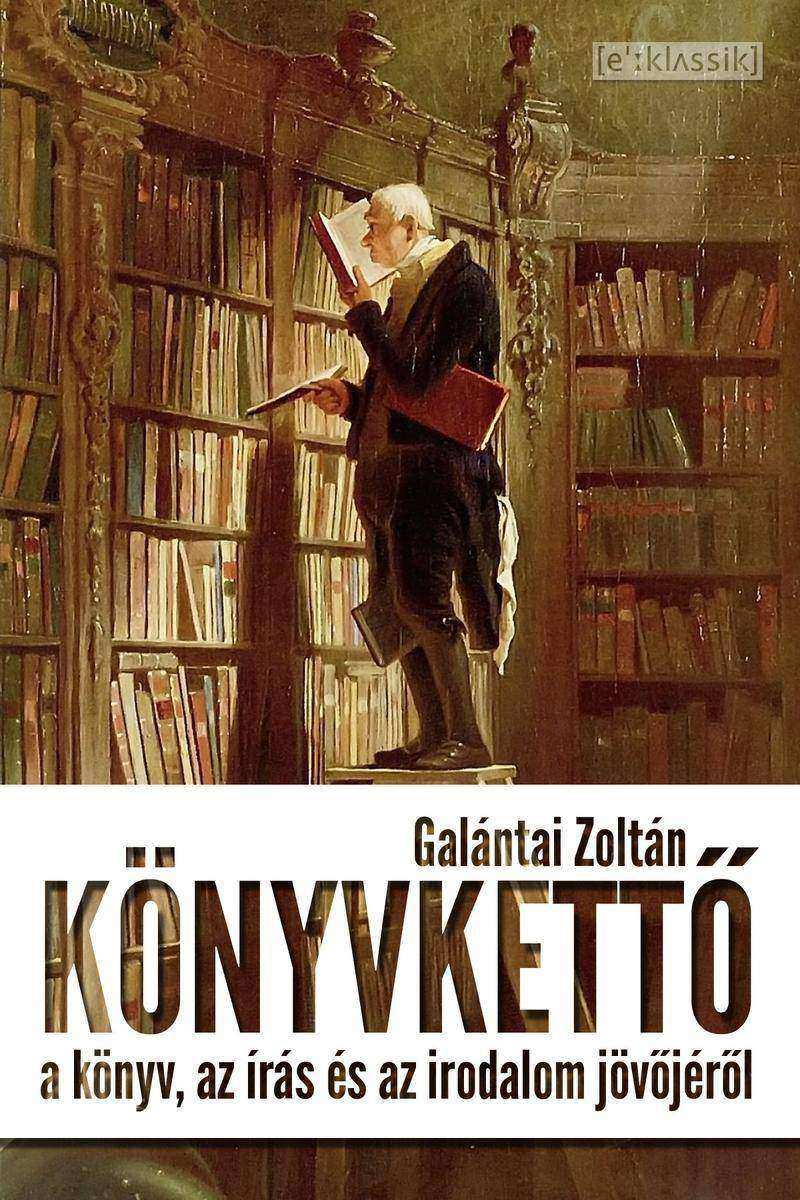
K?nyvkett?: A k?nyv, az írás és az irodalom j?v?jér?l
¥34.99
A Hamlet (1601), talán legismertebb, legt?bbet játszott m?ve Shakespeare-nek. K?zéppontjában az élet kínálta, s mindenkiben f?lmerül? kérdés áll: "Lenni vagy - nem lenni?", és ha lenni - hogyan? Mi az emberi cselekvés végs? határa a vélt vagy valós hiba, netán b?n helyrehozatalához? Egyáltalán van-e igazi létezés, s ha van, az mennyire lehet veszélyes a létez?re? Vívódó, t?preng? alkotás a dráma, miként a f?szerepl? maga. Hamlet késleltetett bosszúját hosszas ?nmarcangoló kérdéselvetések, bizonyságkéresésék el?zik meg. Végül igazságot szolgáltat, de ? is belepusztul. T?rni vagy ellenszegülni? A reneszánsz ember dilemmája ?r?kérvény?! Mert a cselekvés erk?lcsileg legvitathatóbb pontja az emberi élet kioltása. Van-e joga valakinek - ha oka van is - ?lni? K?vetkezmények nélkül semmi sem vállalható, kül?n?sen nem a pusztítás. De van-e joga az embernek vélt vagy valós igaza tudatában nem cselekedni, nem vállalni a tett kockázatát? Mennyire tartozunk felel?sséggel a külvilág és saját lelkiismeretünk el?tt? Hamlet tettével válaszol a kérdésekre, ám az egész dráma nem ad egyértelm? feleletet. Nem is adhat. Remekm?vek; géniuszok és a természet sajátossága a talányosság... Nem beszélve arról, hogy a mindennapok kisebb-nagyobb d?ntéseit mindenkinek magának kell meghoznia.
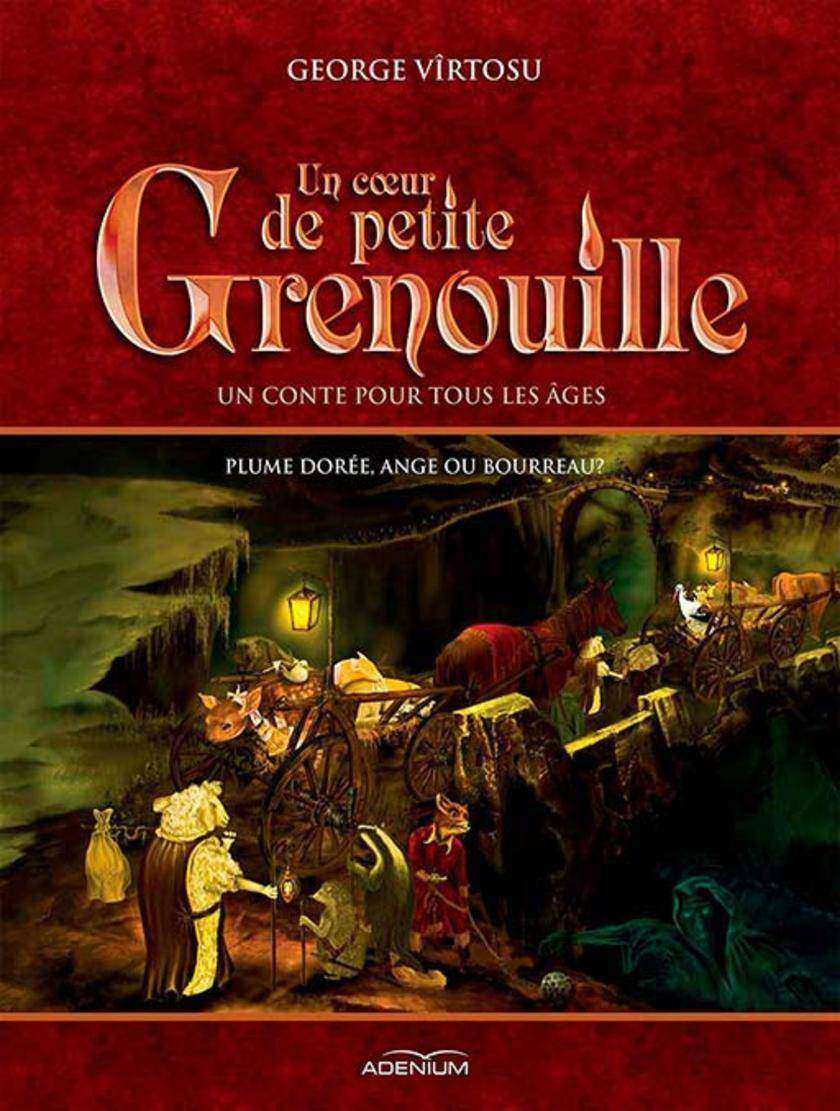
Un c?ur de petite grenouille. Plume dorée, ange ou bourreau? Volume I
¥57.14
„Într-o pres? care nu prea mai pune pre? pe reportaje, Liliana Nicolae persevereaz? cu inteligen?? ?i har. La radio ?i în Dilema veche, subiectele ?i cuvintele ei bine m?surate reconstituie lumea din frînturi, în toat? normalitatea ei. Ascultate sau citite, reportajele sale ne pun pe gînduri în fa?a Vie?ii pe care, gr?bi?i, uit?m uneori s-o contempl?m ori s-o în?elegem.“ – Mircea Vasilescu (Dilema veche)
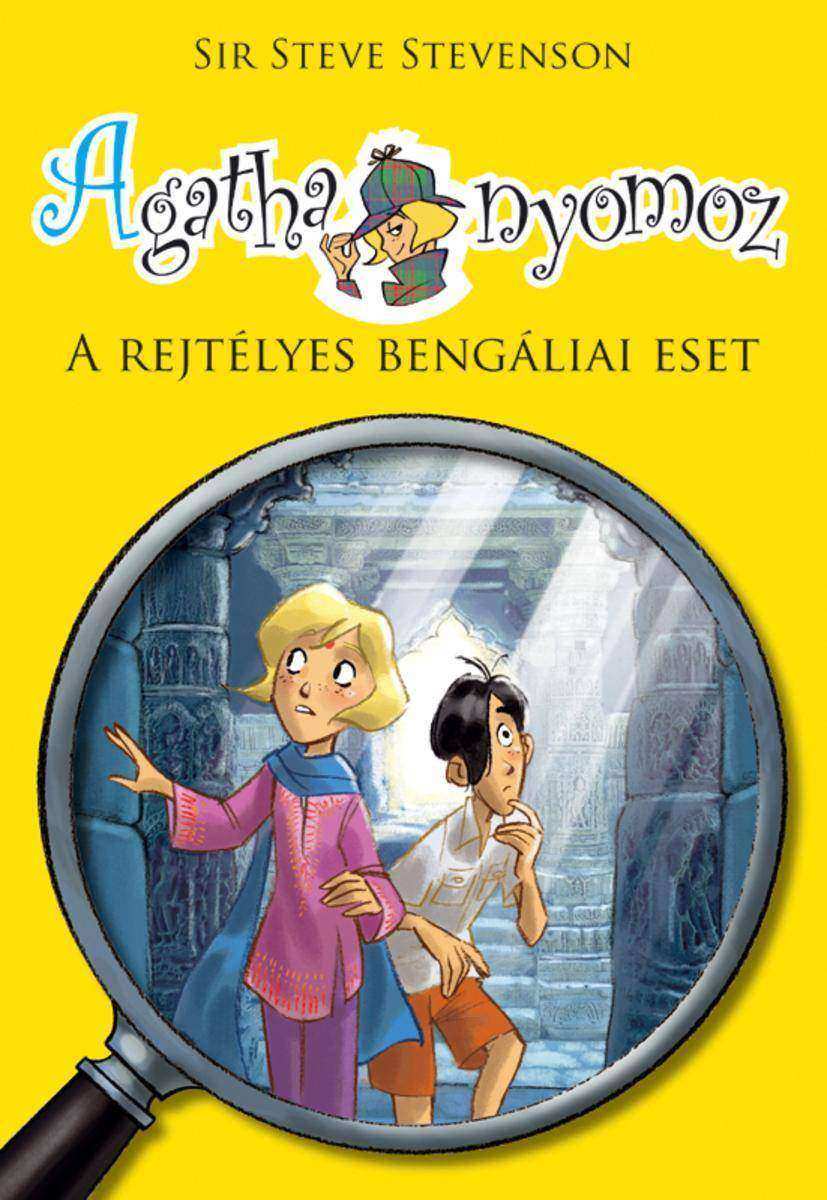
Agatha nyomoz - A rejtélyes bengáliai eset
¥38.18
A meg?zvegyült Szilvai professzornak az a terve, hogy a gyámsága alá tartozó unoka?ccséhez feleségül adja titokban nevelt gyámleányát, Mariskát. A fiú k?zben a professzor tudta nélkül Liliomfi néven vándorszínésznek áll, és meghódítja Mariska szívét. A professzor ellenzi a házasságot, éppen attól a férfit?l félti a lányt, akihez egyébként feleségül szeretné adni. Liliomfi pedig azt hiszi, hogy a nagybátyja hitvesének akarja Mariskát. A h? barát és színésztárs, Szellemfi segít Szilvai megtévesztésében, Liliomfinak adva ki magát. Egy másik - társadalmi kül?nbségek miatti - reménytelennek látszó szerelem (Gyuri, a pincér és Erzsi, a gazdag Kányai fogadós uram lánya) t?rténete ?sszefonódik Liliomfi és Mariska sorsával.
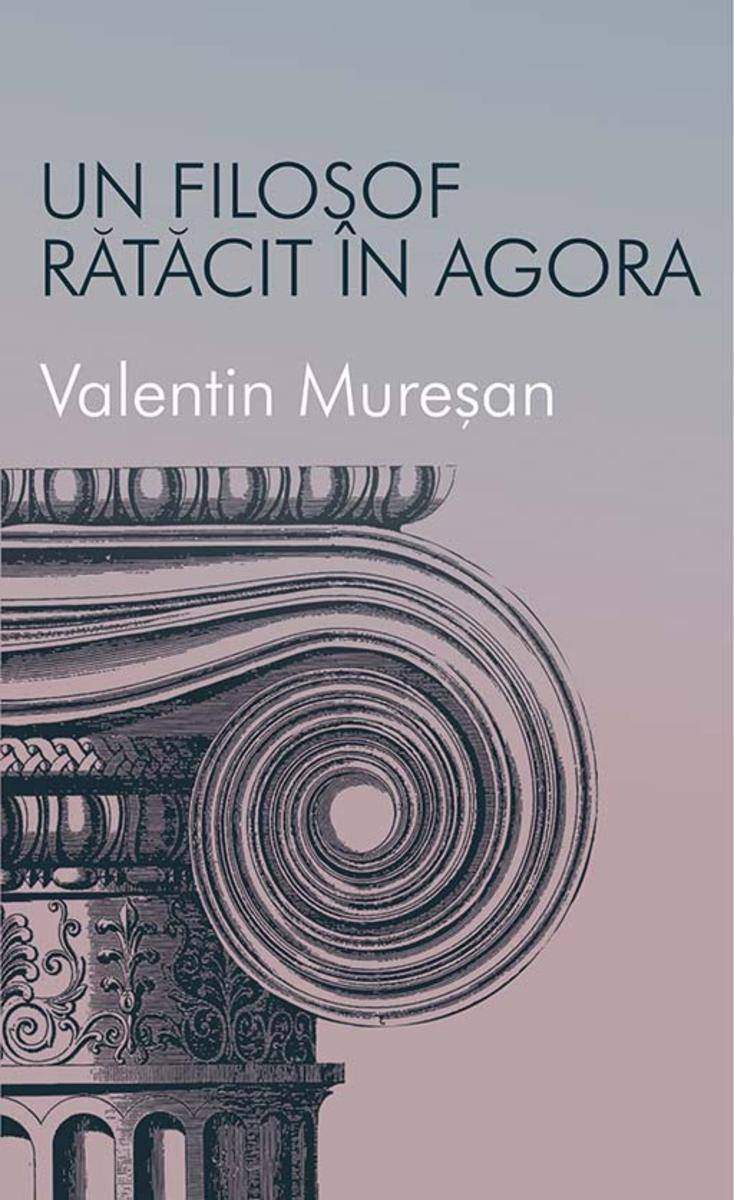
Un filosof r?t?cit ?n agora
¥40.79
Fire?te c?, de la schimbarea de paradigm? numit? apari?ia genurilor rock ?i folk (precedate de jazz, dar mai cu seam? de blues... ?i ?n m?sur? cov?r?itoare de explozia beat!), ?n Rom?nia comunist? (?ncerc?nd mereu s? fie sincron? cu voga occidental?), lucrurile n-au fost tocmai roz. Unii chiar se bat ?n piept c? de la ei ?ncoace se poate vorbi de...; al?ii (implica?i direct) sunt sc?rbi?i de ceea ce se ?nt?mpl?, mai cu seam? ?n lipsa unei istorii oficiale ?i documentate, ?i ??i v?d de treab?. ?n era net/Wikipedia, oricine se poate da ?n stamb?, se poate lua la tr?nt? (sub pav?za anonimatului, implicit a nesim?irii) cu orice; cum anticipa parc? Andy Warhol, a venit vremea ?n care oricine va fi fost vedet? 15 minute.Dar au existat ?i vedete reale, grei ai genurilor a?a-zis u?oare, mon?tri sacri! Celor acum ?n umbr? (cite?te underground) le este dedicat acest volum. M?rturii orale puse cap la cap despre aceia care au trecut ?i – iat? – se ?ntorc ?n Clubul Arhitecturii. Dac? un Cenaclu ?Flac?ra“, la ?nceput genial ?n scopuri, a fost mai apoi r?st?lm?cit ideologic ?i impus aproape cu for?a p?n? la implozie, clubul – recte pivni?a – din strada Bl?nari nr. 14 a rezistat peste decenii intrinsec; pe temelia solidificat? de la o zi la alta, de la un artist la altul, de la o bere la alta... Din student ?n student (dar nu numai prin ei), ?tafeta a tot fost preluat? de genera?iile care s-au perindat, iar ast?zi ne-am trezit cu o ?ntreag? istorie care apas? pe funda?iile cl?dirii vechi..., dar f?r? bulin? ro?ie! Nu, Club A nu va c?dea, a?a cum va exista ?n continuare ?i Casa Studen?ilor din Bucure?ti (ca ?i cele din Timi?oara, Ia?i, Cluj...), ?i Radioul, ?i Televiziunea, ?i Electrecordul...Din cuprins: Amintiri ? Clubul de pariuri muzicale sau Cu... v?nt ?nainte... din pupa! ? A fost o dat?... din 1969 ? Primul Festival Na?ional de Muzic? Pop ?Club A“ (16–22 decembrie 1969) ? Ro?u ?i Negru ? Romanticii ? Chromatic Grup ? Sideral (Modal Quartet) ? Olympic ‘64 ? Phoenix ? Coral... ?i Adrian Ivani?chi ? Al doilea Festival Na?ional de Muzic? Pop ?Club A“ (10–17 mai 1971) ? Modern Grup ? Metronom ? Mondial ? Timi?oara, la vest de Rom?nia ? Carusel ? Post-scriptum la al doilea festival ? Folk ?n Club A ? Mihai Munteanu ?Michone“ ? Dorin Liviu Zaharia ?Chubby“ ? Mircea ?Ciocu“ Vintil? ? Florian ?Mo?u“ Pitti? ? Doru St?nculescu ? Sorin Minghiat ? Dan Oprina ?i Mircea Valeriu Popa ? Nicu Vladimir ? Marcela Saftiuc ? Adriana Ausch ? Anda C?lug?reanu ? Zoia Alecu ? Catena ? FFN ? Valeriu Sterian (?i Compania de Sunet) ? Mircea Bodolan ? Curtea Veche nr. 43 ? Al treilea Festival ?Club A“ (5–8 iunie 1979) ? Metropol ? Academica ? Experimental Q ? Modal Q ? Mircea Florian (din Transilvania) ? Al patrulea Festival ?Club A“ (16–19 martie 1981) ? Dan Andrei Aldea ?i Sfinx ? Pro Musica ? Accent ? Redivivus ? Basorelief ? Gramophon/Post Scriptum ?i... Mircea Baniciu ? Semnal M ? Sorin Chifiriuc ?i Domino/Roata ? Grup ‘74 ? Club A – 15 ani (12–17 martie 1984) ? Nicu Alifantis ? Iris ? Liviu Tudan & Ro?u ?i Negru ? Al cincilea Festival ?Club A“ (28 februarie–1 martie 1990) ? Compact ? Holograf ? Celelalte Cuvinte ? Gala ?Club A – 30 de ani“ (18 iunie 1999)?/ ?Club A – 34 de ani“ (4 iunie 2003) ? Sfinx (Experience) ? Alexandru Andrie? ? Cargo ? Timpuri Noi ? Sfatul ?b?tr?nilor“ ? Al ?aptelea Festival ?Club A“ (13–18 mai 2011) ? Imagini ?necenzurate“
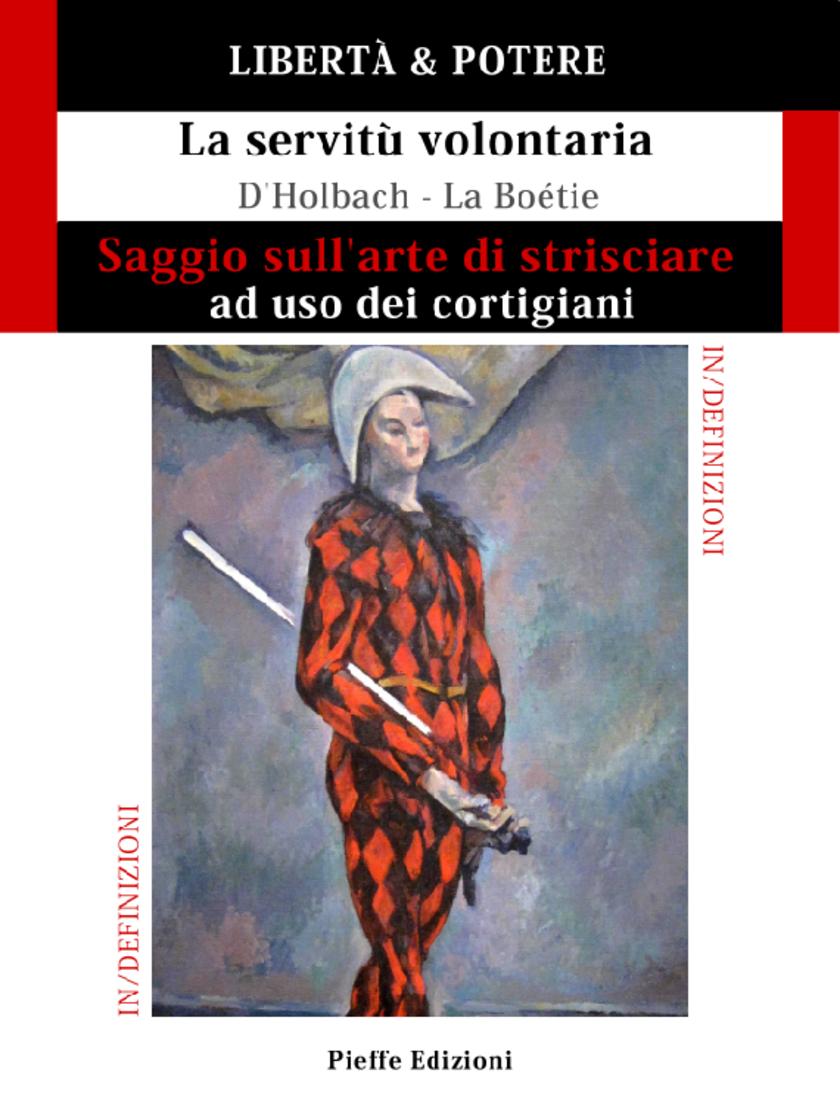
LIBERT? & POTERE. Saggio sull'arte di strisciare ad uso dei cortigiani
¥55.75
Exila?i este singura pies? scris? de Joyce, unde ??i face manifest?, prin regulile speciei, predilec?ia pentru m??tile puse fiec?rui personaj. Citit? ca o trecere ?n ordine cronologic? de la Portret al artistului ?n tinere?e la Ulise, piesa con?ine m?rci clare ale obsesiilor scriitorului ?i urme vizibile ale experien?ei omului James Joyce. Rela?iile de dragoste, parentale sau de prietenie sunt cele care dezechilibreaz? personajele, exilul temporar ?n Italia fiind doar o alt? form? a ?nstr?in?rii din Irlanda natal?.
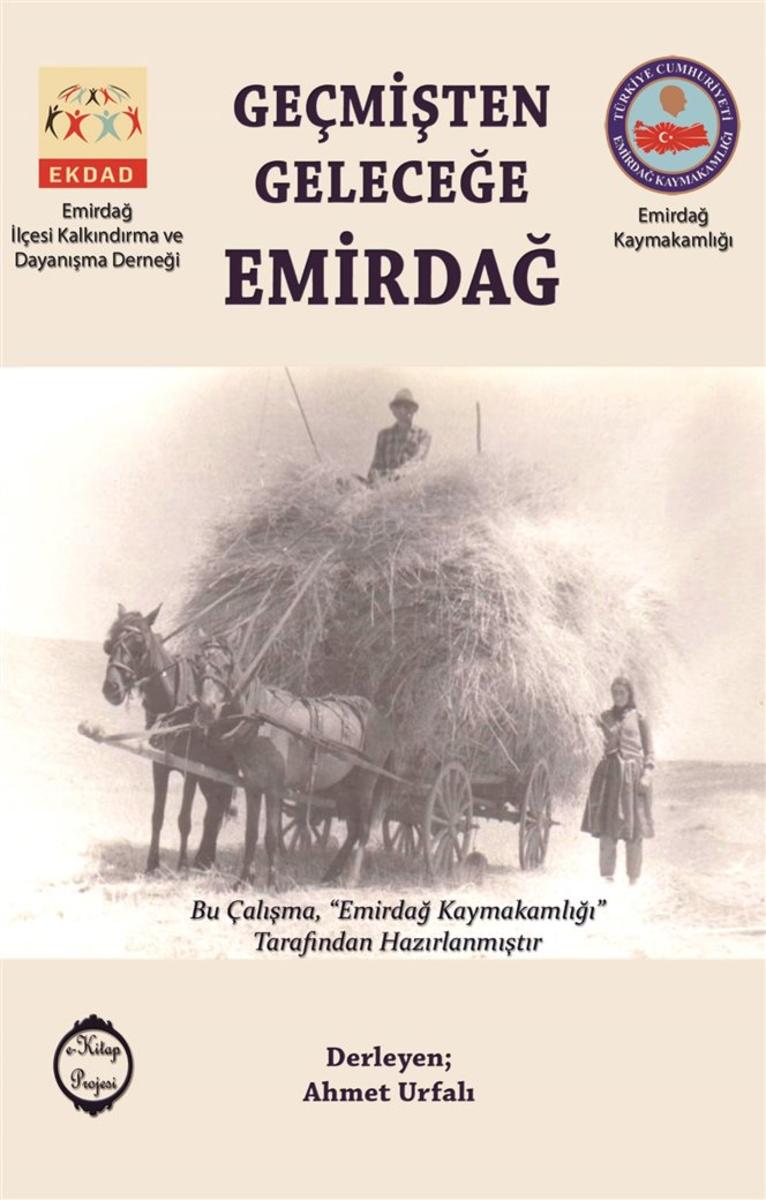
Ge?mi?ten Gelece?e Emirda?
¥9.24
Foto?raf makinesi, insan o?lunun en ?nemli icatlar?ndan biridir. Bir foto?raf, ‘’an’’ denilen k?sac?k bir zaman?n tan???d?r. Ancak onda bir tarihi yakalamak da mümkündür. Bu bak?mdan foto?raf? sadece g?rsel bir obje olarak g?rmemek gerekir. Bakmas?n? bilenler i?in foto?raf; tarih, sosyoloji, psikoloji, kültürel yap?, sosyal de?i?im… konular?n ?nemli ip u?lar? i?erir. Foto?raf; g?rüp g?sterme, ger?e?i g?rünür k?lma, ger?e?i kavratmad?r. Her foto?raf?n bir dili vard?r. O dili anlayabilenler, nice güzellikleri ke?federler. Foto?rafta sadece g?rüneni de?il, g?sterilmek isteneni de bilmek ve alg?lamak gerekir. Her foto?raf bir ‘’an’’? yakalasa da onun i?inde sakl? bir hik?ye bulunur. Foto?raf, g?rselli?iyle beraber; topluma, zamana, mekana ve bireylere ili?kin bilgi ve belgelerle doludur. Foto?raf bireylerin ve toplumun aynas?d?r. Bu albüm-kitapta siz kendinizi bulacaks?n?z. Mahalleniz, k?yünüz, hat?ralar?n?z, akraba ve dostlar?n?z burada, sizin kar??n?zda olacakt?r. Sizleri ‘’Ge?mi?ten Gelece?e Emirda? ‘’ gezintisine ??kar?yoruz. Bu albüm-kitap Emirda?’?n tarihi süre? i?inde ge?ti?i a?amalar? da yans?tarak, gelece?imize ???k tutacakt?r. Emirda?’?n sosyal de?i?imini kitapta g?rmek mümkündür Foto?raflar grupla?t?r?larak okuyucuya kolayl?k sa?lanm??t?r. Genel, askerlik, ?ar??-pazar, bayramlar, spor, e?itim, tar?m-hayvanc?l?k, otobüs?ülük, aile, k?yler, ?ehreler, g??, yayla, bina-yap?lar, milli mücadele ve yat?rlara ait foto?raflar bir araya toplanm??t?r. “Ge?mi?ten Gelece?e Emirda?”?n olu?mas?nda eme?i ge?en, katk? sa?layan tüm Emirda?’l?lara te?ekkür ederim.. ? Ak?n A?CA Emirda? Kaymakam?
?ocul crizei
¥65.32
Inchizi?ia spaniol?, poate cea mai temut? institu?ie din istoria omenirii, a fost ?nfiin?at? ?n 1478 de Regii Catolici, Ferdinand ?i Isabella, ?i abolit? abia ?n 1834, odat? cu R?zboaiele Napoleoniene. Spre deosebire de Inchizi?ia medieval? din restul Europei, cea din Spania ?i Portugalia s-a r?sp?ndit ?n coloniile iberice din Asia, Africa ?i America de Sud, ajung?nd s? terorizeze, timp de peste trei secole, nu mai pu?in de patru continente.Care au fost ?ns? motivele ?nfiin??rii ei? De ce provoca at?ta team?? Cine erau victimele torturate ?i arse ?n autodafeuri? Toby Green readuce la via?? aceast? perioad? a istoriei cu ajutorul uria?ei arhive inchizitoriale p?strate ?i prezint? nenum?rate cazuri judecate de Sf?ntul Oficiu, de la arhiepiscopi la oameni obi?nui?i, victime inocente ale unui sistem diabolic. De?i ?nsp?im?nt?toare, aceste pove?ti sunt un exemplu al rezisten?ei spiritului uman ?n fa?a absurdului ?i a r?ului. Toby Green ne dezv?luie mecanismele prin care pot ap?rea persecu?ia ?i teroarea, dar ?i felul ?n care pot fi evitate. Inchizi?ia este un avertisment venit din trecut, o lec?ie a istoriei pentru noi to?i!
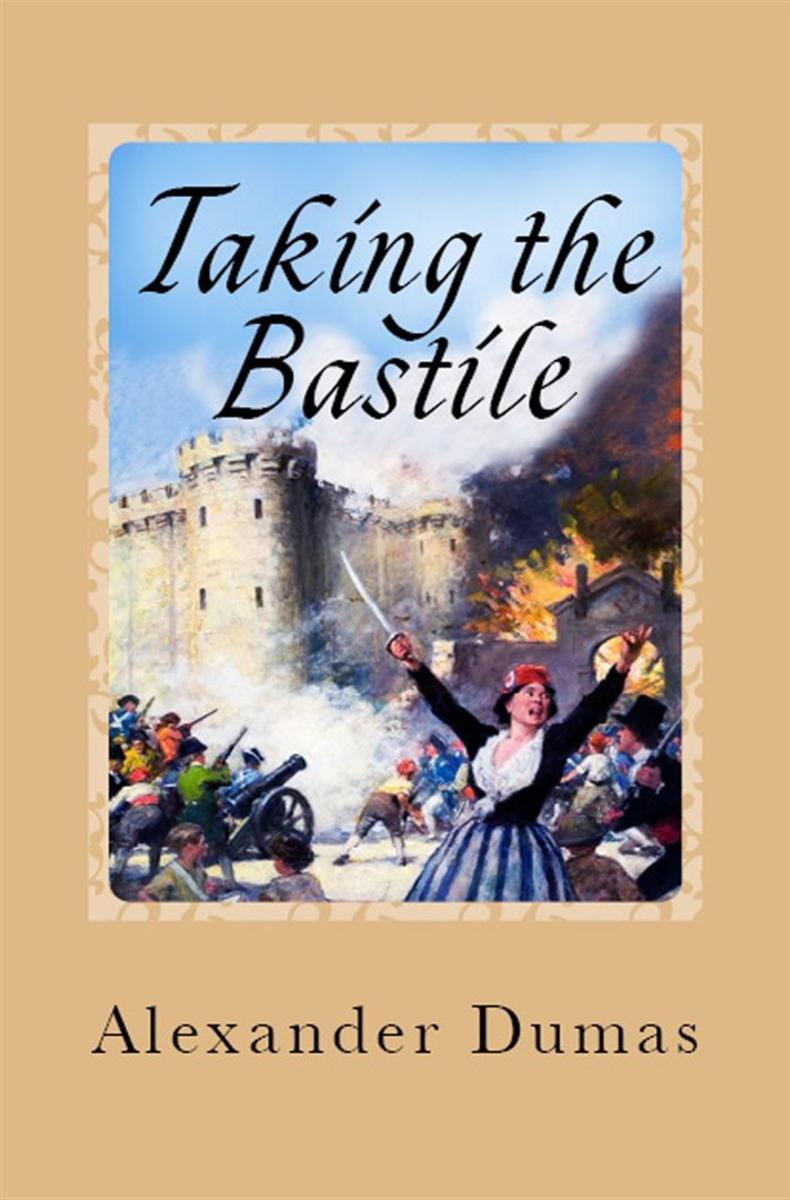
Taking the Bastile: (Historical Novel)
¥21.26
It was a winter night, and the ground around Paris was covered with snow, although the flakes had ceased to fall since some hours.?Spite of the cold and the darkness, a young man, wrapped in a mantle so voluminous as to hide a babe in his arms, strode over the white fields out of the town of Villers Cotterets, in the woods, eighteen leagues from the capital, which he had reached by the stage-coach, towards a hamlet called Haramont. His assured step seemed to indicate that he had previously gone this road.?Soon above him streaked the leafless boughs upon the grey sky. The sharp air, the odor of the oaks, the icicles and beads on the tips of branches, all appealed to the poetry in the wanderer.??Through the clumps he looked for the village spire and the blue smoke of the chimneys, filtering from the cottages through the natural trellis of the limbs.?It was dawn when he crossed a brook, bordered with yellow cress and frozen vines, and at the first hovel asked for the laborer's boy to take him to Madeline Pi-tou's home.??Mute and attentive, not so dull as most of their kind, the children sprang up and staring at the stranger, led him by the hand to a rather large and good-looking cottage, on the bank of the rivulet running by most of the dwellings.?A plank served as a bridge.?"There," said one of the guides nodding his head to-wards it.?Gilbert gave them a coin, which made their eyes open still more widely, and crossed the board to the door which he pushed open, while the children, taking one another's hand, started with all their might at the handsome gentleman in a brown cloth coat, buckled shoes and large cloak, who wanted to find Madeline Pitou.?Apart from them, Gilbert, for such was the young man's name, simply so for he had no other, saw no liv-ing things: Haramont was the deserted village he was seeking.??As soon as the door was open, his sight was struck by a scene full of charm, for almost anybody, and par-ticularly for a young philosopher like our roamer.?A robust peasant woman was suckling a baby, while another child, a sturdy boy of four or five, was saying a prayer in a loud voice.?In the chimney corner, near a window or rather a hole in the wall in which was stuck a pane of glass, an-other woman, going on for thirty-five or six, was spin-ning, with a stool under her feet, and a fat poodle on an end of this stool.?Catching sight of the visitor the dog barked in a civil and hospitable manner just to show that he had not been caught napping. The praying boy turned, cutting the devotional phrase in two, and both females uttered an exclamation between joy and surprise.?"I greet you, good mother Madeline," said Gilbert with a smile.
Paradisul r?t?ci?ilor
¥57.14
Despre Europa s-a vorbit mult, ?n special din perspectiva social? ?i economic?, ?ns? tema nu a fost dezb?tut?, a?a cum s-ar fi cuvenit, de pe pozi?ia culturii. Cartea Mituri ?i legende ale antichit??ii propune studii eseistice referitoare la baza culturii europene. Eseurile ne invit? s? g?ndim ?mpreun? Europa din perspectiva singurului factor care une?te – cultura.


