


 购物车
购物车 个人中心
个人中心
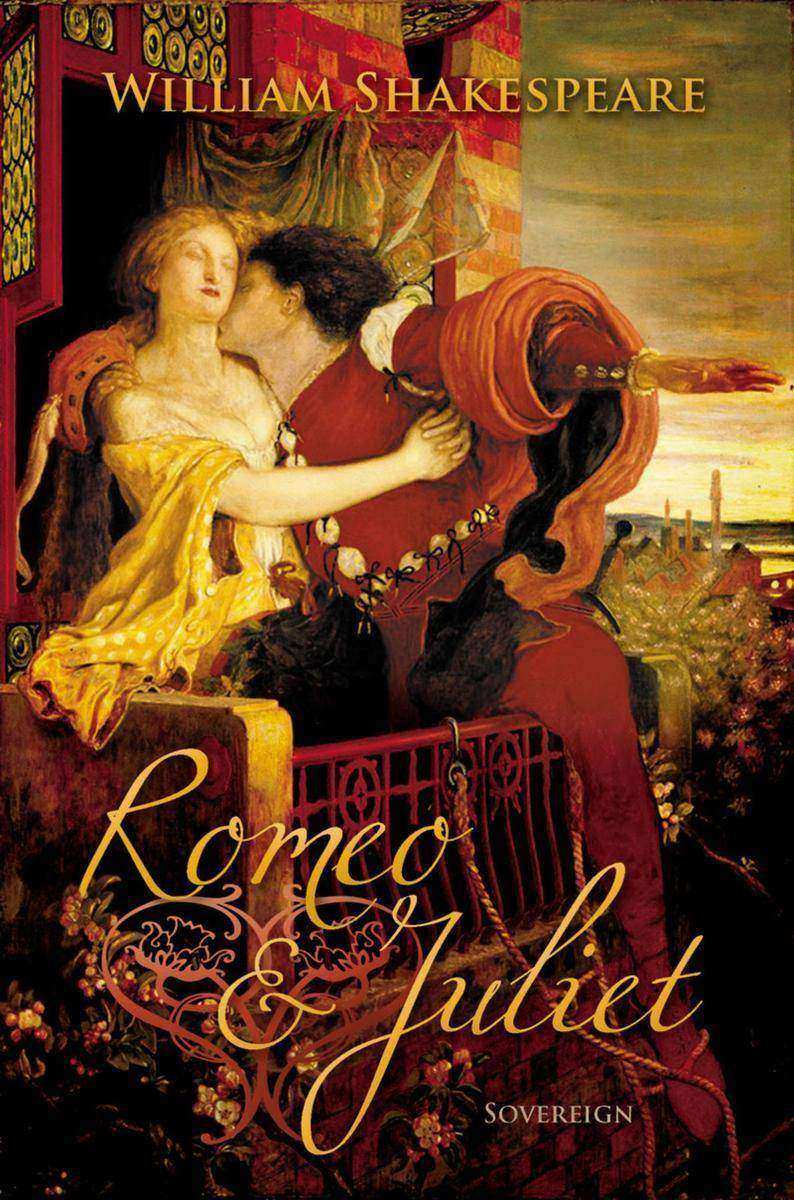
Romeo and Juliet
¥40.79
One of Shakespeare's most famous stories of young lovers, Romeo and Juliet who would do anything to be together.
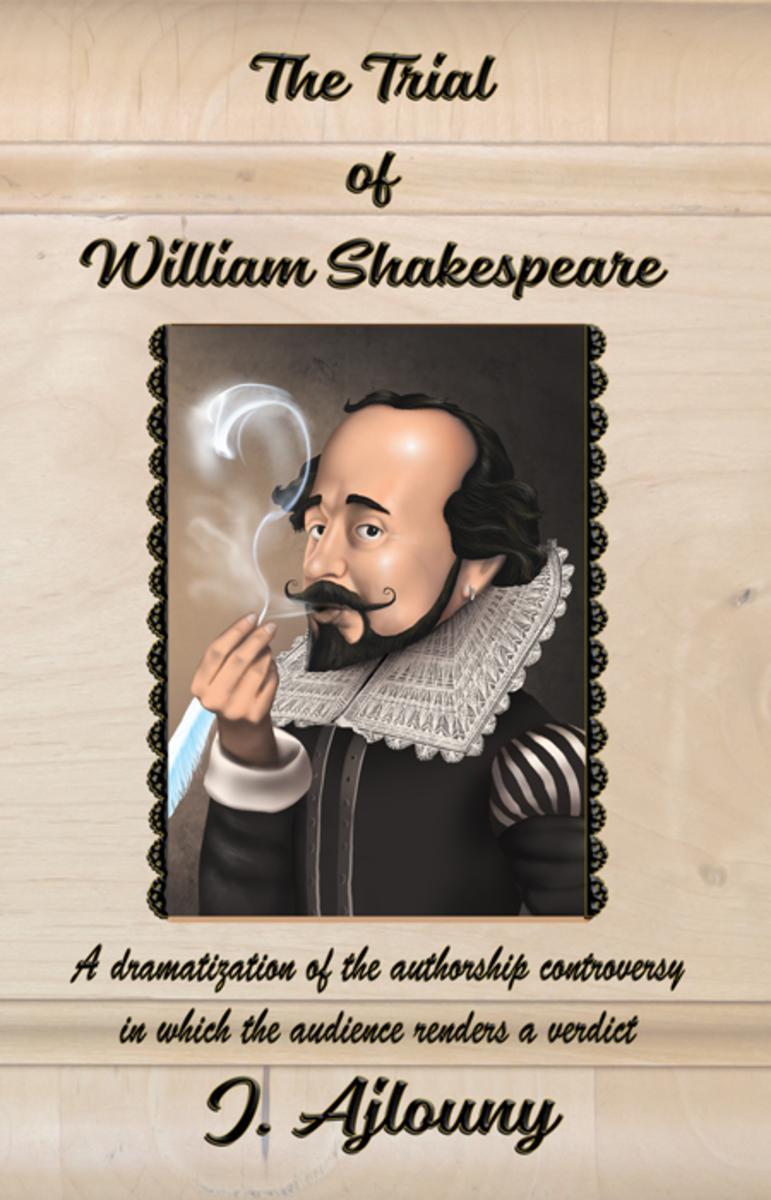
The Trial of William Shakespeare
¥24.44
Few men have endured the indignity of having their very existence challenged as thoroughly as William Shakespeare, late of Stratford-upon-Avon. From scholars to amateur enthusiasts, many cannot bring themselves to believe he wrote his own body of work. Playwright J. Ajlouny presents the arguments for and against, all statements and proofs drawn from the historical record. Everybody must decide for himself, but The Trial of William Shakespeare makes the controversy both intriguing and fun.
Cum s?-?i cultivi memoria
¥73.49
Cred ?n sensibilitatea publicului fa?? de un teatru al ideilor, dar ?i fa?? de un teatru de ac?iune fidel formelor clasice. Cu riscul de a fi considerat un manierist, accept aceast? etichet?, dac? ?mi aleg drept modele nume ca Montherlant, Camus, Vallejo sau Camil Petrescu. Am ?ncercat s? tratez una dintre marile teme ale dramaturgiei universale, care ?ncepe cu vechii greci ?i se ?mpline?te ?n teatrul clasic francez: conflictul dintre datorie ?i pasiune. Drama apare atunci c?nd cele dou? imperative devin divergen?e ?i ea se poate reg?si ?i azi de la marii lideri politici la oamenii de r?nd. Dar pentru a o ilustra am ales varianta teatrului istoric, deoarece (pentru a-l cita pe Henri Rochefort ) ?viitorul, ?n momentul de fa??, pare at?t de sumbru, ?nc?t am sim?it s? m? hr?nesc o vreme cu trecutul". Drama personajelor mele, fie c? este vorba despre Ugo, fie c? este vorba despre printul Rudolf, este e?ecul ?nregistrat ?n ?ncercarea de a le g?si un liant, de a le ?mp?ca. Am v?zut ?n Rudolf de Habsburg un adev?rat profet al lumii moderne… care a prev?zut toate catastrofele secolului al XX-lea ?i a ?ncercat s? orienteze politica austriaca ?ntr-o alta direc?ie. Dar via?a sa privat?, departe de a fi un model, a dejucat acest plan. El dispare pentru c? nu-?i mai g?se?te locul ?n lumea lui, ?n timp ce Ugo d’Este ??i accept? sf?r?itul din acela?i motiv. (Corneliu ?enchea)
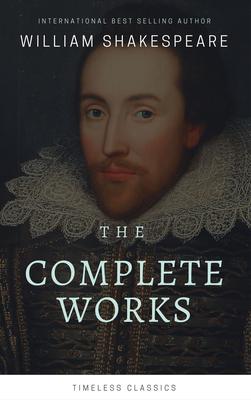
The Complete William Shakespeare Collection (Illustrated)
¥17.57
The present ebook comprises the complete writings of William Shakespeare (37 plays, 160 sonnets, 5 poetry books). It comes with 150 original illustrations which are the engravings John Boydell commissioned for his Boydell Shakespeare Gallery.------------Contents:COMEDIES:The Comedy of ErrorsThe Taming of the ShrewThe Two Gentlemen of VeronaLove’s Labor’s LostA Midsummer Night’s DreamThe Merchant of VeniceThe Merry Wives of WindsorMuch Ado about NothingAs You Like ItTwelfth Night, or What You WillThe History of Troilus and CressidaAll’s Well That Ends WellMeasure for MeasureHISTORIES:The First Part of Henry the SixthThe Second Part of Henry the SixthThe Third Part of Henry the SixthThe Tragedy of Richard the ThirdThe Life and Death of King JohnThe Tragedy of King Richard the SecondThe First Part of Henry the FourthThe Second Part of Henry the FourthThe Life of Henry the FifthThe Famous History of the Life of King Henry the EighthTRAGEDIES:The Tragedy of Titus AndronicusThe Tragedy of Romeo and JulietThe Tragedy of Julius CaesarThe Tragedy of Hamlet, Prince of DenmarkThe Tragedy of Othello, the Moor of VeniceThe Tragedy of King LearThe Tragedy of MacbethThe Tragedy of Antony and CleopatraThe Tragedy of CoriolanusThe Life of Timon of AthensROMANCES:Pericles, Prince of TyreCymbelineThe Winter’s TaleThe TempestThe Two Noble KinsmenPOEMS:Venus and AdonisThe Rape of LucreceSonnetsA Lover’s ComplaintThe Passionate PilgrimThe Phoenix and Turtle
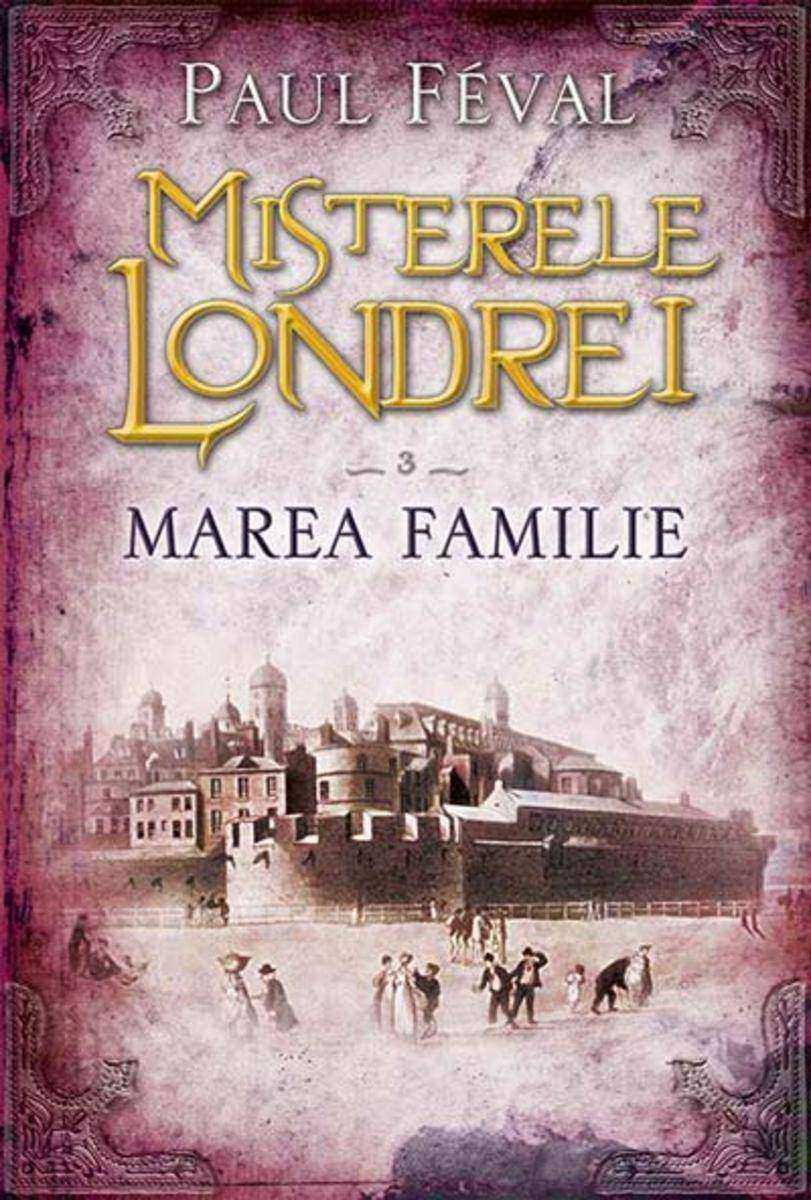
Marea familie
¥42.92
Cine-ar fi crezut c? lumea afacerilor poate fi at?t de fascinant? ?i plin? de dramatism? 350 de milioane de dolari investite ?ntr-un model de automobil plin de imperfec?iuni, f?r? s? fie g?sit m?car un responsabil pentru acest e?ec; ascensiunea spectaculoas? a unei mici companii produc?toare de h?rtie fotografic? p?n? la actualul gigant Xerox, ?nceput? de o m?n? de oameni care ?i-au riscat chiar ?i averea personal? pentru o inova?ie revolu?ionar?; b?t?lia titanic? dus? de Rezerva Federal? a Statelor Unite pentru ap?rarea lirei sterline de atacurile speculatorilor; sunt doar c?teva dintre exemplele ce arat? c?, ?n lumea afacerilor ?i a Wall Streetului, oamenii pot da dovad? fie de geniu, spirit de cooperare ?i ?n?elepciune, fie de ?nc?p???nare ?i lips? de ra?iune, indiferent de miza aflat? ?n joc. Un avertisment c? istoria se poate oric?nd repeta.
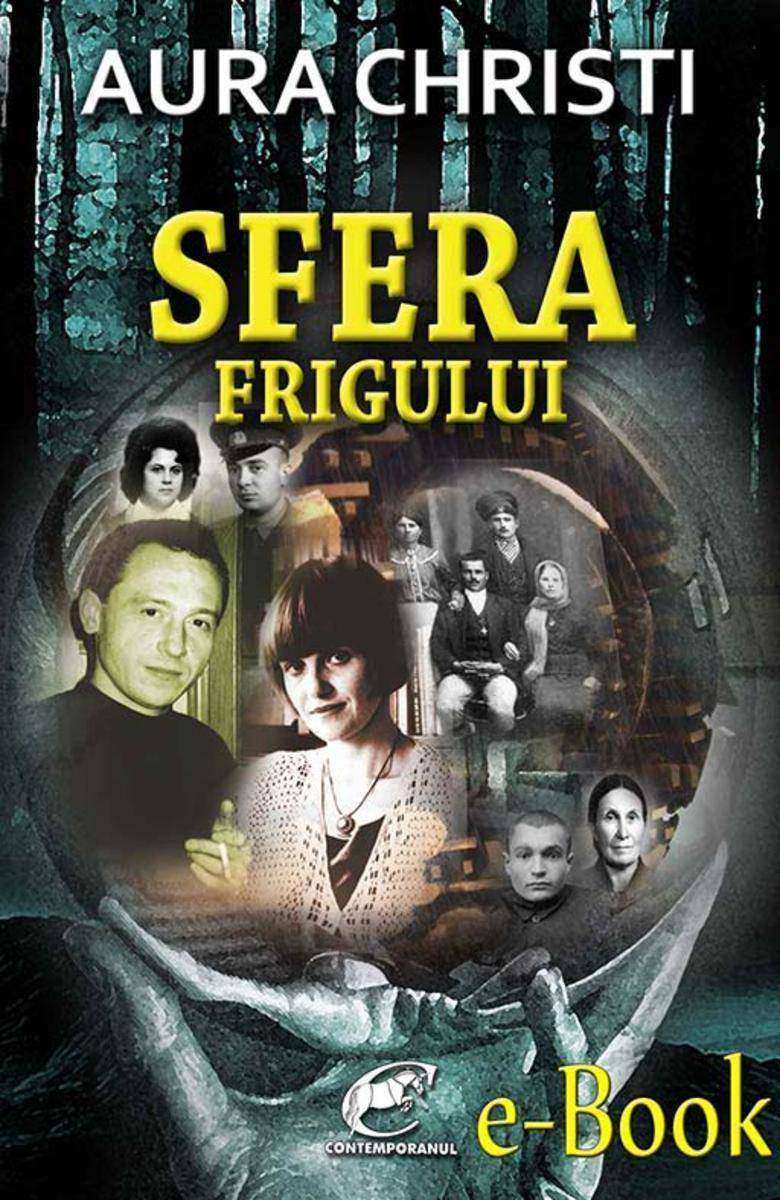
Sfera frigului
¥16.27
Toate popoarele sunt preocupate de identitatea lor, dar la rom?ni aceast? chestiune a ?mbr?cat forme speciale. Rom?nii, locuitori p?n? ?n epoca modern? ?n dou? principate autonome supuse Por?ii Otomane ?i r?vnite de mul?i al?i vecini, dar tr?itori ?i ?n vaste provincii ocupate de unguri, de austrieci, de ru?i ?i de turci, pierdu?i ?n mijlocul at?tor str?ini rapace, s-au ?ntrebat, parc? mai mult dec?t al?ii, de unde vin ?i cine sunt ei. P?n? la urm? ?ns?, toate popoarele mici, lovite de soart? ?i l?sate la cheremul celor mari, au asemenea preocup?ri, transformate uneori ?n adev?rate obsesii. (Ioan-Aurel Pop)
Uma superfície de gelo ancorada no riso: a atualidade do grotesco em Hilda Hilst
¥0.01
Imaginea Romaniei prin turism, targuri si expozitii universale, in perioada interbelica, este titlul unei noi carti extrem de interesante, adresata atat specialistilor cat si publicului larg. Lucrarea elaborata de dr. Claudiu-Alexandru Vitanos reprezinta bilantul unor eforturi sistematice ale autorului de cercetare a modului in care a fost elaborata politica nationala privind dezvoltarea turismului si, totodata, politica de promovare a Romaniei prin intermediul targurilor si expozitiilor universale de-a lungul deceniilor interbelice.
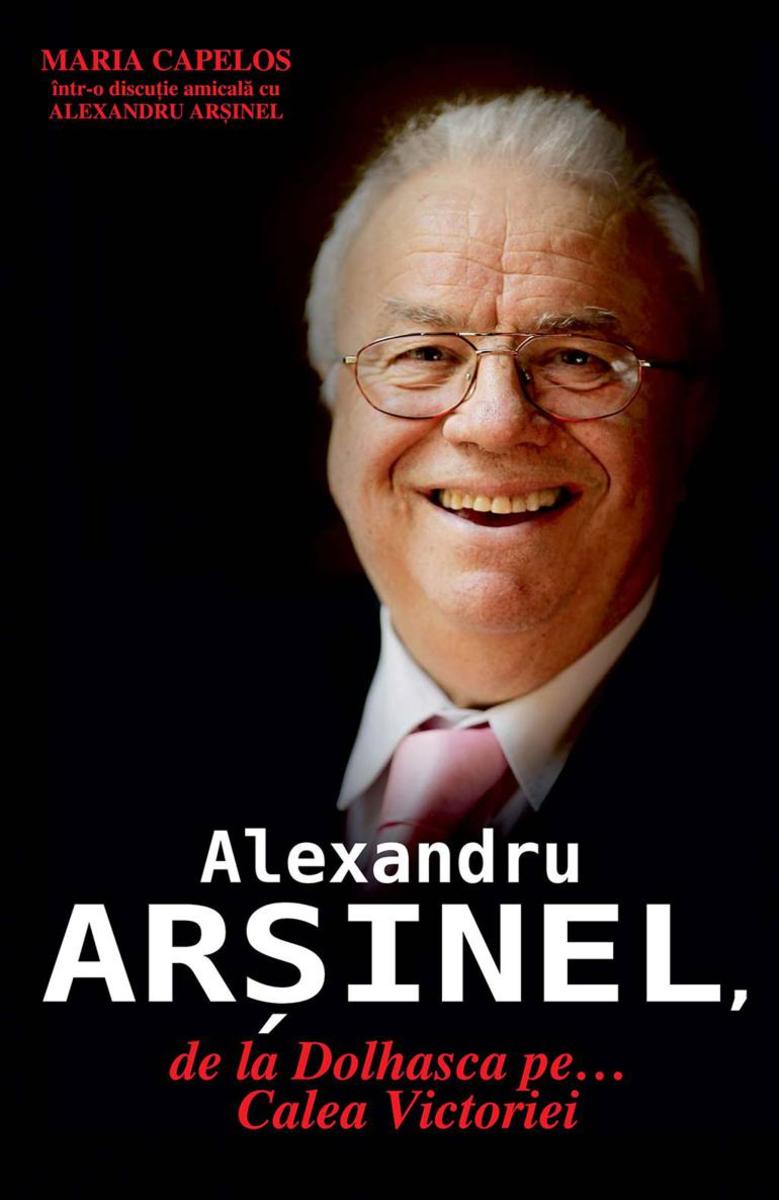
Alexandru Ar?inel, de la Dolhasca pe... Calea Victoriei
¥65.32
Volumul Dic?iunea ideilor, apar?in?nd profesorului Mircea Martin de la Facultateade Litere a Universit??ii Bucure?ti, este o contribu?ie valoroas? ?i original? la analiza unui raport extrem de important ?n teoriile socio-umane ale cunoa?terii, anume raportul dintre natural, artificial ?i autentic, aplicat asupra discursului metaliterar. Cartea se constituie ca o ?nsumare de analize a acestui raport ?n opera unor teoreticieni ai fenomenului literar rom?ni ?i str?ini: Tudor Vianu, G. C?linescu, B. Fondane, Matei C?linescu, Marcel Raymond, Roland Barthes, Carlos Bouso?o, Jaap Linnvelt. Departe de a fi o simpl? ?nsumare de analize aplicate, cartea este de fapt o critic? aconceptelor folosite deopotriv? de cercetarea antropologic?, cea estetic? ?i cea pur literar? ?i o contribu?ie esen?ial? la un proces de inserare ?nmodernitate a culturii rom?ne. Contribu?iile teoreticienilor rom?ni sunt v?zute ?n raportul lor de originalitate-sincronicitate cu cele ale cercet?torilor str?ini, ?nscriindu-se ?ntr-un proces de organicitate care implic? categorii culturale largi.

O istorie dramatic? a prezentului
¥80.93
Demersul Antoanetei Olteanu, reputat? traduc?toare de limba rus? ?iexpert? ?n istoria cultural? a Rusiei, se distinge at?t prin calitatea informa?iilor, adesea inedite, c?t ?i prin compozi?ia complex?, care ?mbin? viziunea sintetic? cu o perspectiv? transcultural? exersat?. Cartea se recomand? de la sine at?t cititorului profesionist, care g?se?te aici o serie de date altfel greu accesibile, c?t ?i celui interesat de istoria ?i cultura Europei ?n ansamblu. Dup? cum anun?? ?i subtitlul, lucrarea reconstituie o istorie cultural? a secolului al XIX-lea, realiz?nd, ?n fapt, o fresc? a uneia dintre cele mai captivante perioade din istoria Rusiei, cea imperial?. Datele prezentate acoper? practic toate Aspectele vie?ii politice, sociale, economice ?i culturale ale acestui interval de timp, marcat at?t de aura ?arilor, c?t ?i de nenum?ratele revolte populare. Tabloul evenimentelor majore este ?ntregit cu minu?ioase inventare de titluri nobiliare, cu date economice consemnate cu acribie, cu o expunere vie a panoramei cutumelor sociale, familiale ?i religioase, merg?nd de la modalit??ile de confec?ionare a juc?riilor sau a bijuteriilor p?n? la istorii ale ceaiului sau vodcii. Atmosfera epocii cap?t? un contur des?v?r?it prin citarea unor fragmente din lucr?ri ?tiin?ifice de referin??, din jurnalele de c?l?torie ?i din publicistica vremii, dar ?i din operele marilor scriitori ai vremii, ca Dostoievski, Gogol ?i Tolstoi. Se contureaz?, astfel, o imagine neconven?ional? a Rusiei, o na?iune confruntat? permanent cu tensiunea unei alegeri fundamentale, care pune ?n opozi?ie modelul str?in ?i inegalabila for?? intern?. Autoarei ?i revine meritul de a fi surprins aspectele esen?iale ale acestei tensiuni, cu ample ecouri ?n perioadamodern? ?i cu evidente efecte asupra mentalit??ii contemporane.
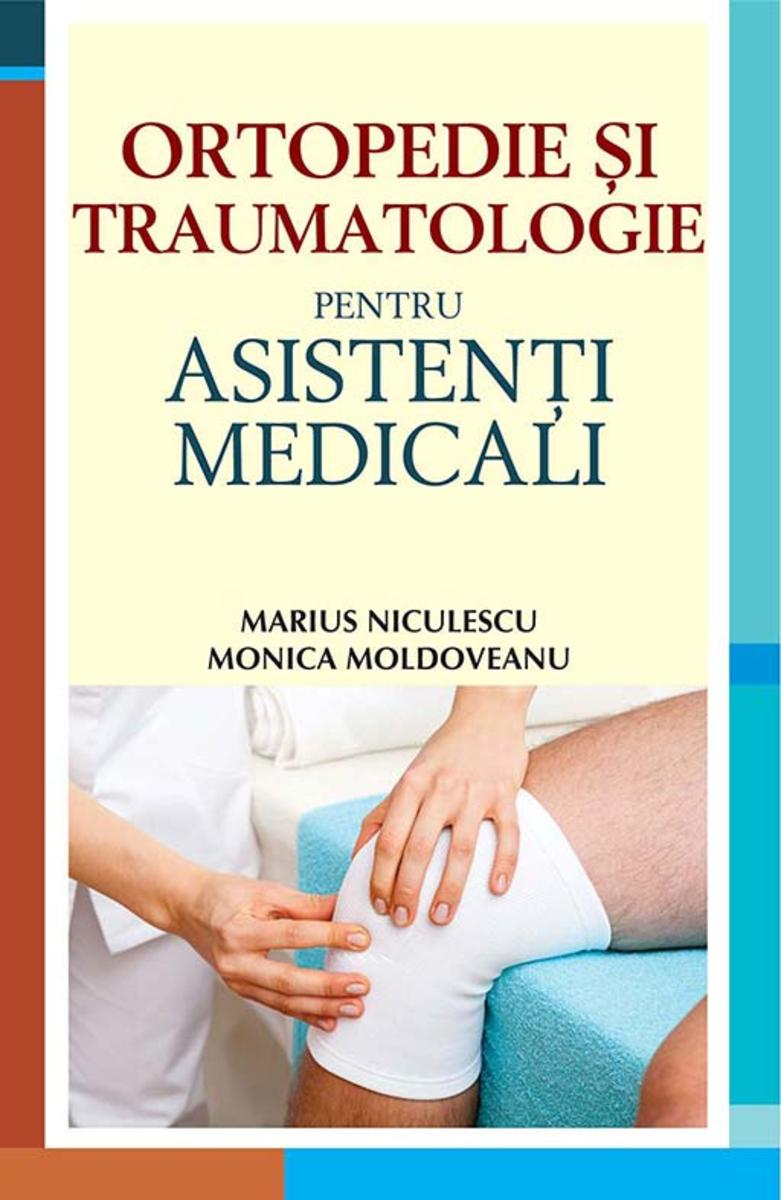
Ortopedie ?i traumatologie pentru asisten?i medicali
¥57.14
Lucrarea inedit? a lui Nathan Belofsky se concentreaz? asupra ideilor ?i practicilor medicale acceptate de-a lungul veacurilor, pe scar? larg?, ale doctorilor reali, nu ale vracilor ?i aproape to?i doctorii men?iona?i erau figuri medicale importante ale acelor vremuri. Autorul prezint? c?teva dintre cele mai r?sp?ndite practici ?ocante sau ?ndoielnice din fiecare epoc?, ?ncep?nd cu Antichitatea ?i continu?nd cu Evul Mediu, Rena?terea, perioada modern? ?i secolul al XX-lea. Cartea se afl? sub semnul insolitului ?i readuce la via?a, ?ntr-o manier? narativ? ?i deseori umoristic?, momente mai pu?in cunoscute din istoria medicinei. ,,Cartea este o comoar? de fapte uluitoare.“Los Angeles Examiner
Dic?ionar de vise. Cartea de vise ?i destine
¥46.36
O analiz? metodic? ?i patima?? a cumplitei dictaturi ro?ii de care a avut parte Rom?nia. Atitudinea elitelor fa?? de tiran ?i fa?? de clica sa. ?n ce masur? suntem vinova?i? La?itatea este oare una dintre caracteristicile definitorii ale c?rturarului rom?n? La aceste ?i multe alte ?ntreb?ri r?spunde profesorul de filosofie, Ion Iano?i – un veritabil model european. Cartea e destinat? studen?ilor, elevilor, profesorilor, precum ?i publicului larg de cititori.
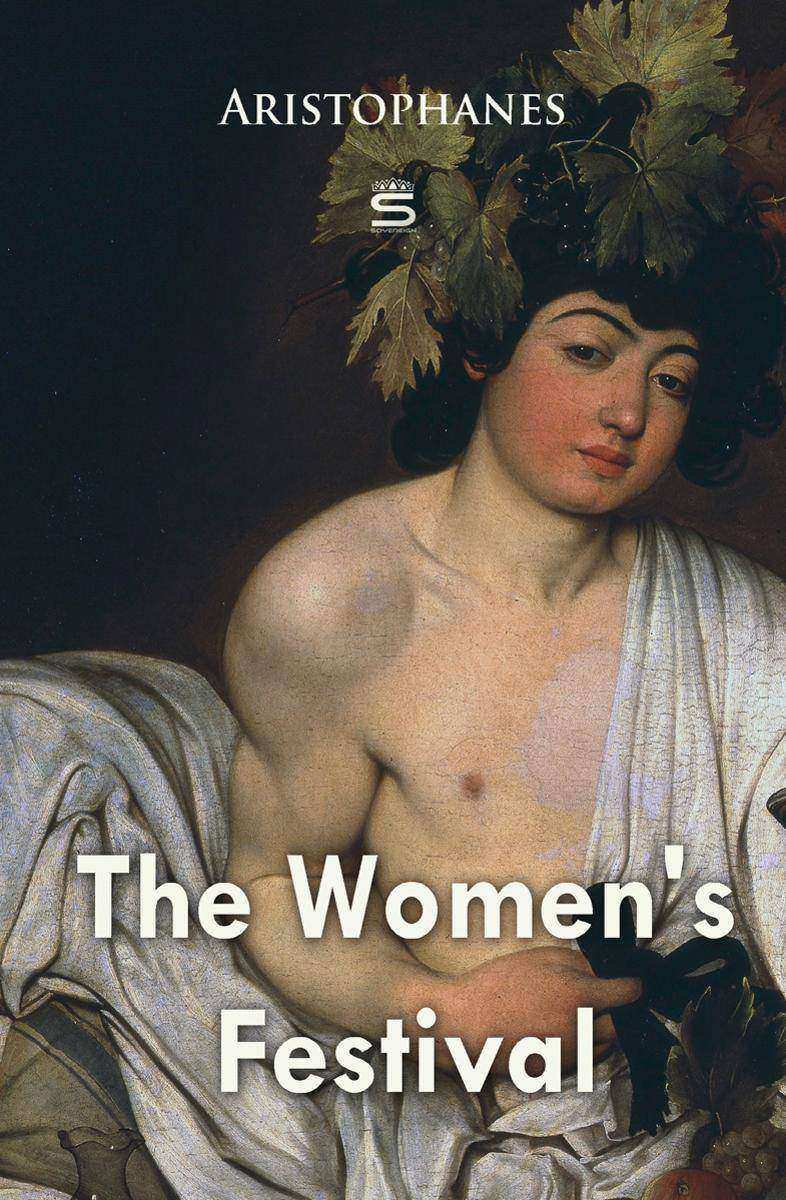
The Women's Festival
¥40.79
Today the women at the festival are going to kill me for insulting them!' This bold statement by Euripides is the absurd premise upon which the whole play depends. The women are incensed by his plays' portrayal of the female sex as mad, murderous, and sexually depraved, and they are using the festival of the Thesmophoria (an annual fertility celebration dedicated to Demeter) as an opportunity to debate a suitable choice of revenge.
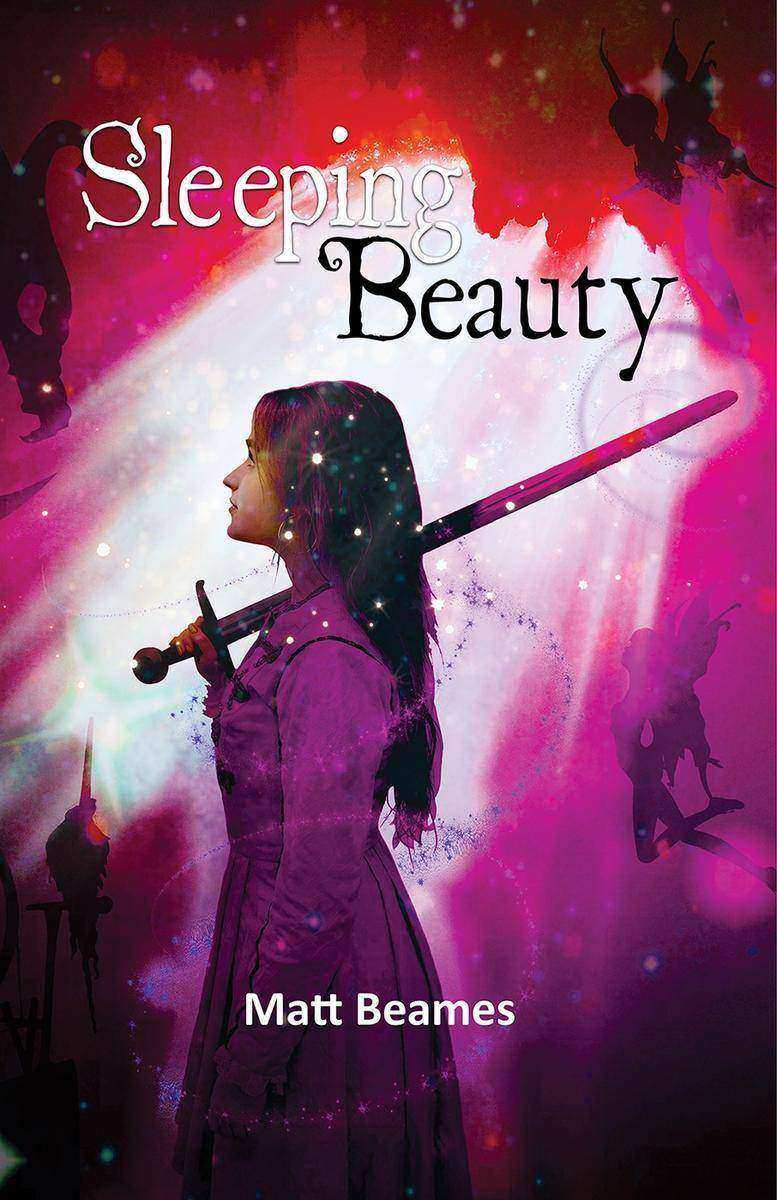
Sleeping Beauty
¥38.62
The world spins and the cycle of seasons turns as the Guardians of the Year gather to tell each other stories. As a new Winter begins it is time to tell another tale… A kingdom is in peril, its people driven to flee their homes as a dark forest covers the land. The King and Queen are missing and Prince Roland, only heir to the kingdom, lies sleeping, cursed never to awaken… All seems lost, and it falls to one young woman with a strong heart, aided by strange companions, to find her way to the castle at the heart of the enchanted forest. Once there, it will take a genuine act of love to break the curse and free the kingdom. A story about friendship, drawing on myth and folklore, Sleeping Beauty is an exciting and enchanting new adaptation of the well-loved story.
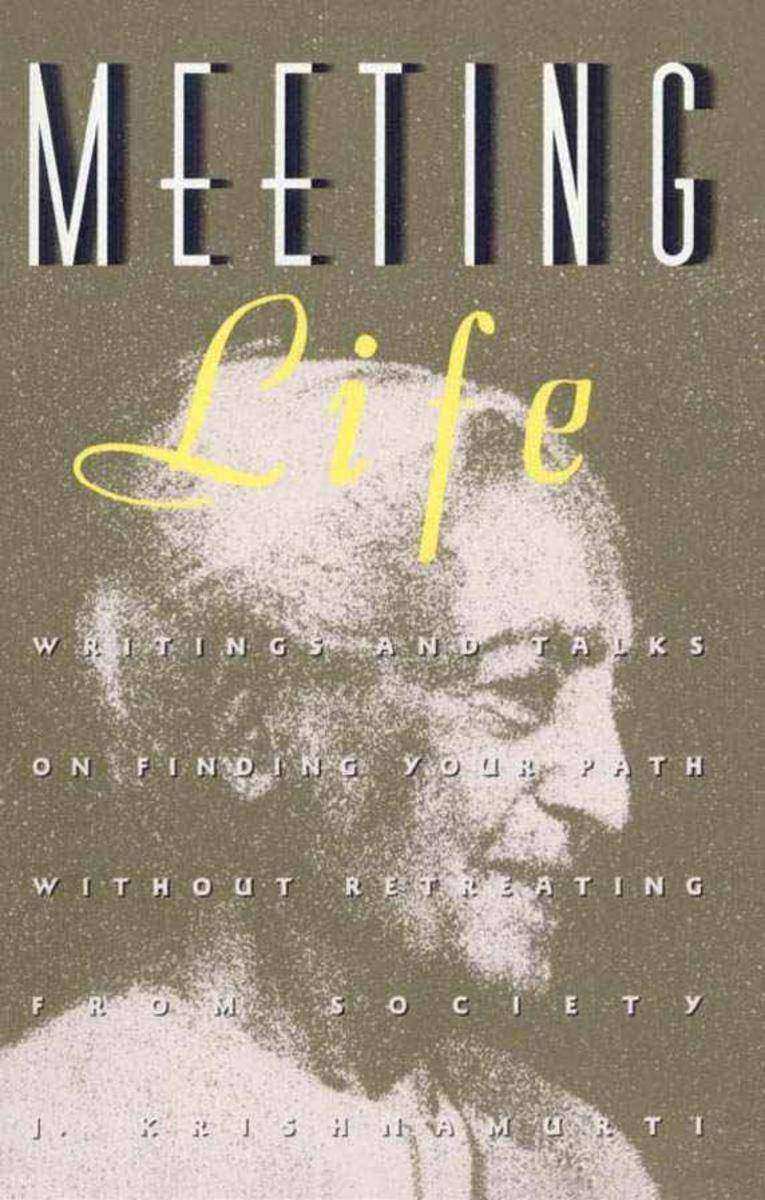
Meeting Life: Writings and Talks on Finding Your Path Without Retreating from So
¥73.49
In this fascinating collection culled from teachings never before brought together in book form, Krishnamurti offers wise reflections and fresh perceptions on love, politics, society, death, self-censorship, relationships, solitude, meditation, spiritual growth, and much more. Thought provocative meditations and in-depth answers, Krishnamurti answers such timeless questions as: What is meditation? What are love and loneliness? What should our relationship to authority really be? Meeting Life also features a number of Krishnamurti’s talks, delivered in Switzerland, India, England, and California. Here is the profound wisdom of a beloved teacher who moved millions with his words. This thought-provoking and inspirational volume will provide strength and encouragement to anyone searching for insight.
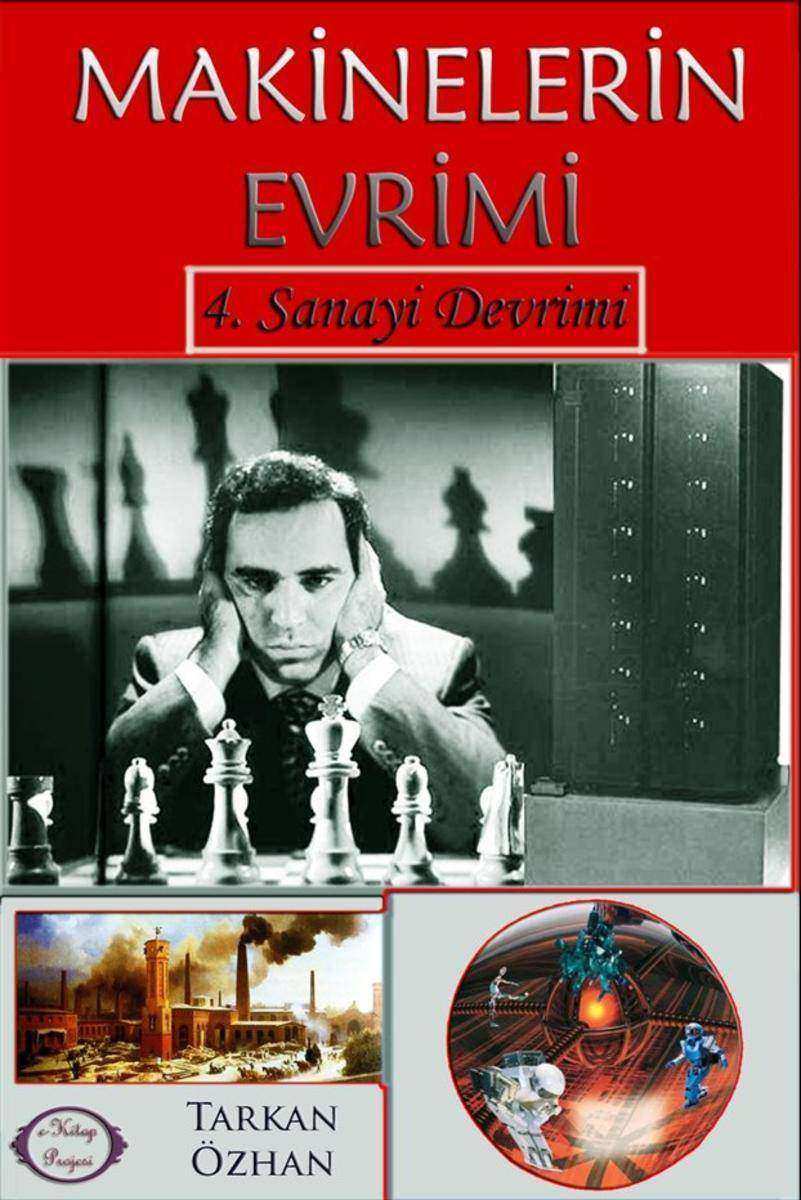
Makinelerin Evrimi: 4. Sanayi Devrimi
¥37.11
Endu?stri 4.0 d?nemi ile fabrikadaki u?retim ekipmanlar? birbirleriyle konu?up anla?acak ve gelecekte insans?z fabrikalar yayg?nla?acak. ?? kazalar? azalacak ve teknolojik verimlilik sa?lanacak. Yeni endu?stri devrimi hem enerji tasarrufu sa?layacak hem de maliyetleri du??u?recek. Alman Hu?ku?metinin u?retim su?re?lerini bilgisayarla?ma y?nu?nde te?vik etme ve yu?ksek teknolojiyle donatmas? projesi olarak kabul edilen Endu?stri 4.0, ayn? zamanda d?rdu?ncu? sanayi devrimi anlam?na geliyor. Endu?stri 4.0 ile tu?m yaz?l?m ve networklerde u?ru?n geli?tirme, u?retim ve servis su?re?lerinin ileti?imi, makinalar?n ve u?ru?nlerin ger?ek zamanl? bilgi al??veri?i, otonom kontrol ve optimizasyonu mu?mku?n olacak. 1784’te ortaya ??kan ilk sanayi devriminde, su ve buhar gu?cu?nu?n kullan?m?yla u?retim yap?lmas? hakim iken, 1870’lerde elektrik enerjisinin kullan?m?, ikinci sanayi devriminin de kap?lar?n? a?t?. Dijital devrim olarak da adland?r?labilecek u??u?ncu? sanayi devrimi ise, 1969’da elektronik ve bili?im teknolojilerinin kullan?m? ile ortaya ??kt?. 2013 y?l?na geldi?imizde ise internet uygulamalar?, yatay-dikey entegrasyonlu ve ger?ek zamanl? yeni de?er zincirleri, siber-fiziksel sistemler ve ak?ll? fabrikalar hayatlar?m?zdaki varl???n? gu??lendirdi. Yazar Hakk?nda [Tarkan ?zhan, 1969-] ???REN?M DURUMU: Trakya üniversitesi B?lüm: Fen Fakultesi Kimyager MESLE??: Borsac?, Trader, Portfoy Y?netimi Aktif ?al??ma süresi; 25 y?l
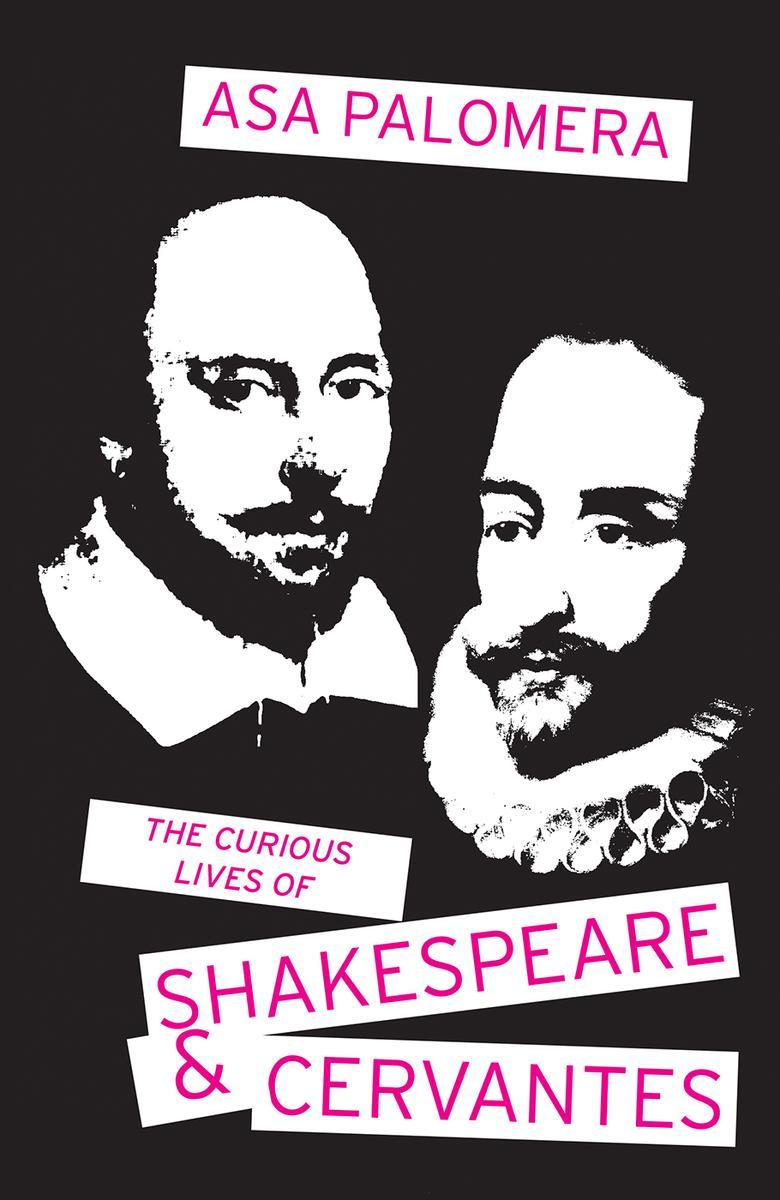
The Curious Lives of Shakespeare & Cervantes
¥24.44
It is the 400th anniversary of the deaths of two of the world’s most famous authors: William Shakespeare and Miguel de Cervantes. This comic romp charts the influences of these literary giants on the modern world and contrasts the vastly different fortunes of two contemporaries whose countries – England and Spain – went from alliance to enmity in a short space of time.

Durban Dialogues, Then and Now
¥38.62
With a foreword by director Ralph Lawson and introduction by Pranav Joshipura, Associate Professor of English, Mahila College, Gandhinagar, India. A follow-up anthology of three hard-hitting plays to Singh’s successful drama anthology Durban Dialogues, Indian Voice (2013) which is now studied internationally. The plays selected, namely Into the Grey, Shooting and Swing cover topics such as social activism, the death of a friend and discrimination in sport. Described through Singh’s satirical lens, these thought-provoking plays bring us up to date with the challenges of life in post-Apartheid South Africa. They focus particularly on people of Indian origin and their relationships with other South African communities and chart the loss of ideals in the dream of the Rainbow nation. Into the Grey: A harrowing drama depicting the twenty-nine year association between two Durban activists who battle a variety of challenges as their country stumbles towards a bleak future. Shooting: A one-man play about the unchanging paradigm in Durban’s small town communities in the early years of democracy as a football prodigy’s dream is brutally shattered. Swing: A two-hander about the relationship between a mixed-race Durban tennis player and her father/coach as they confront many obstacles in a society which undervalues the girl-child.
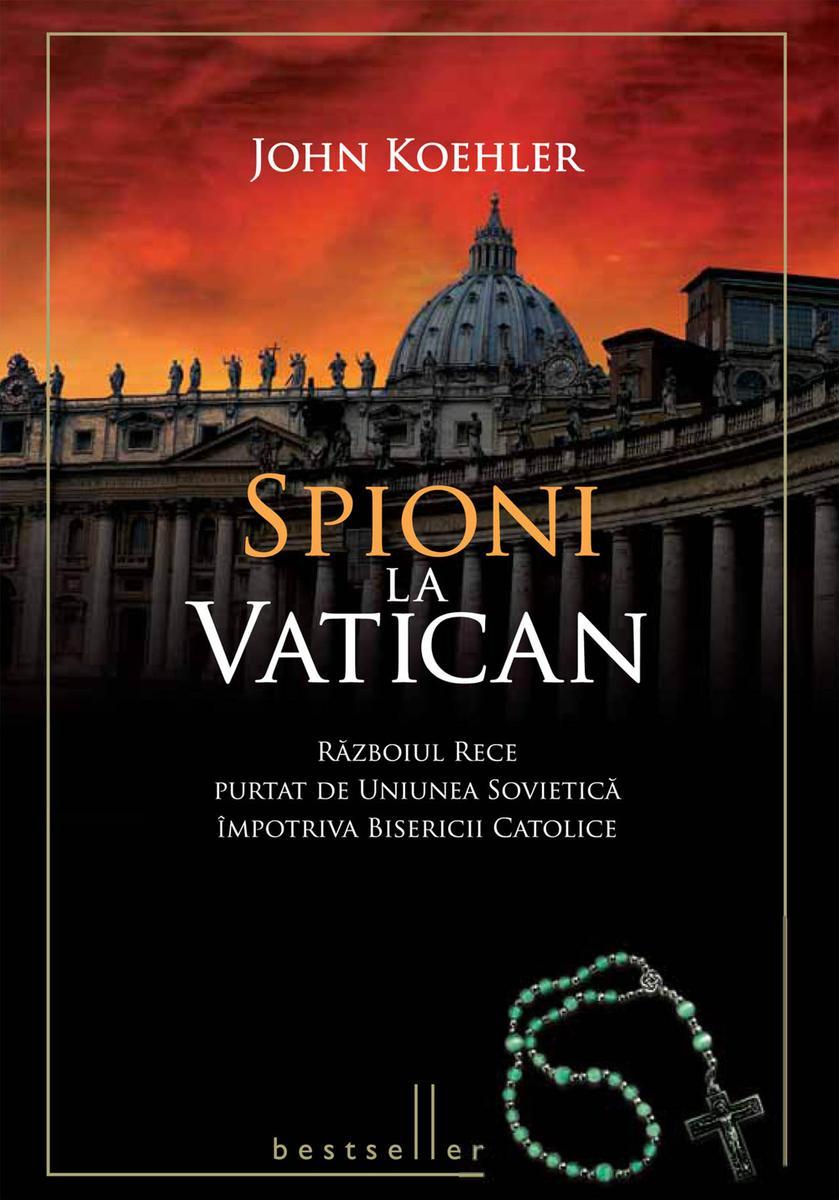
Spioni la Vatican
¥66.22
Non abbiate paura! Nu v? fie team?!Cuvintele rostite de papa Ioan Paul al II-lea ?n octombrie 1978, la inaugurarea pontificatului s?u, aveau s? trezeasc? ?n sufletele polonezilor ?i ale tuturor celor oprima?i de comunism dorin?a de a fi liberi ?i curajul de a lupta pentru libertate. ?n urm?torii ani, papa a devenit cel mai puternic simbol al luptei anticomuniste. Uniunea Sovietic? ?l considera pe Ioan Paul al II-lea (?i, implicit, Biserica Catolic?) o amenin?are la adresa stabilit??ii ?n Europa de Est ?i inamicul num?rul unu al statului. Deloc surprinz?tor, KGB-ul a pus la punct o re?ea impresionant? de spioni ?i agen?i dubli ?i chiar a ?ncercat s?-l asasineze pe pap?.Paradoxal ?ns?, cu c?t erau mai persecuta?i pentru credin?a lor, cu at?t oamenii erau dispu?i s?-?i ri?te via?a pentru libertate. Dovezile lor de curaj sunt impresionante, a?a cum impresionante sunt, dar ?n sens negativ, cazurile preo?ilor care ?i-au tr?dat biserica, trec?nd de partea celui mai mare du?man al acesteia, regimul comunist.Jurnalist ?i ofi?er ?n rezerv? al serviciului de informa?ii al Armatei SUA, John Koehler prezint? cititorilor documente ?i transcrieri ale unor stenograme necunoscute p?n? acum, realiz?nd o cronic? f?r? precedent a R?zboiului Rece dus de URSS ?mpotriva Bisericii Catolice ?i contribuind, astfel, decisiv la cunoa?terea istoriei secolului XX.
F?t-Frumos ?i ?Vremea Uitat?“
¥32.62
Marele romancier face o incursiune ?n trecutul nu foarte ?ndep?rtat al Rom?niei, trat?nd anii dictaturii ro?ii f?r? p?rtinire, ?ncerc?nd o radiografie crud?, impar?ial? ?i – lucru extrem de rar ?n Balcani – radical? a unei jum?t??i de secol de istorie.Cartea e destinat? studen?ilor, elevilor, profesorilor, precum ?i publicului larg de cititori.
The Code of Hammurabi
¥8.82
The Code of Hammurabi (Codex Hammurabi) is a well-preserved ancient law code, created ca. 1790 BC (middle chronology) in ancient Babylon. It was enacted by the sixth Babylonian king, Hammurabi. One nearly complete example of the Code survives today, inscribed on a seven foot, four inch tall basalt stele in the Akkadian language in the cuneiform script. One of the first written codes of law in recorded history. These laws were written on a stone tablet standing over eight feet tall (2.4 meters) that was found in 1901.
Don Quijote
¥8.09
Cartea pe care o ?ine?i ?n m?n? este periculoas?. Incomod?, scor?oas?, incendiar? fiind, ?n mod cert, va deranja unele personaje, nelipsite de importan??, din arena politicii rom?ne?ti, care confund? adeseori politica cu diletantismul, tr?d?nd interesele sus?inute cu at?ta patos ?n campaniile electorale. ?n mod sigur, Nu tr?da?i, v? rog! va alarma edilii capitalei ce se ?ntrec ?n a distruge ?micul Paris“ de pe vremuri. Aceast? carte, a?adar, va deranja nu pu?in? lume prin scenele din via?a social-politic? post-decembrist?, cu at?t mai mult, cu c?t umorul ?fichiuitor nu-i este str?in nici pe departe autorului. Nici deta?area…


