


 购物车
购物车 个人中心
个人中心
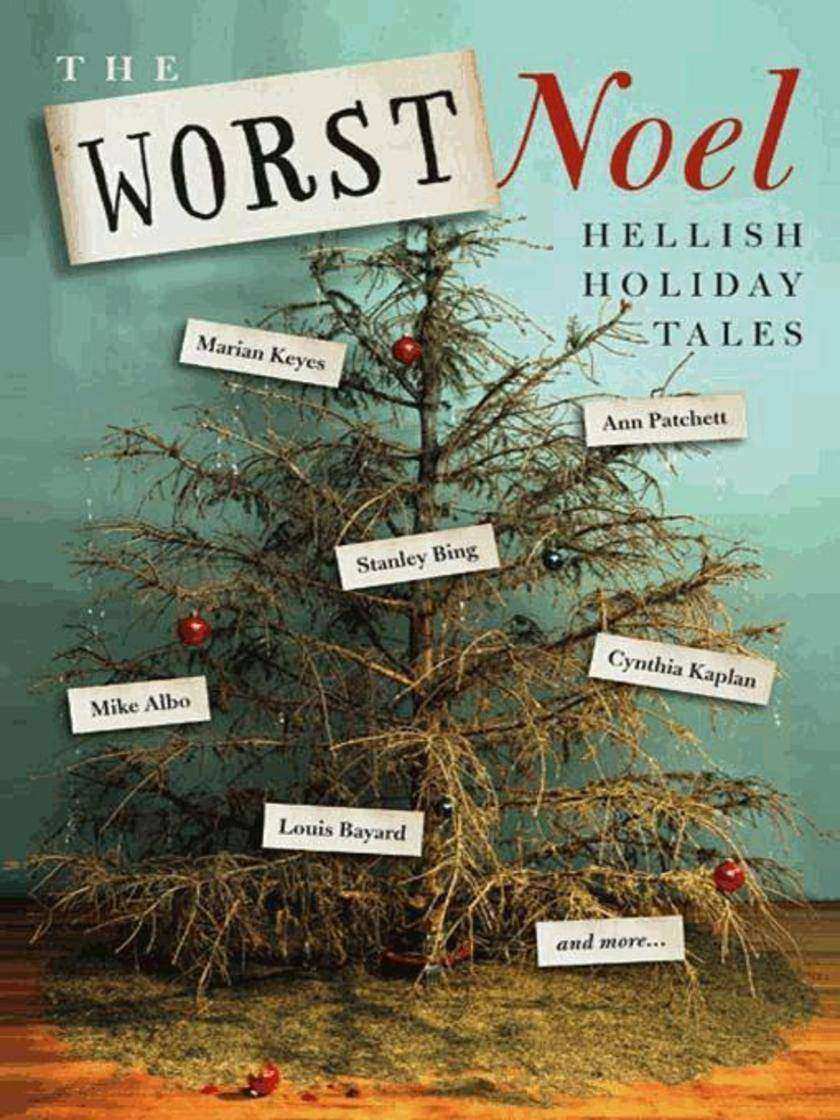
The Worst Noel
¥83.93
Does the thought of mistletoe give you hivesDoes the sound of jingling bellsinstill fear in your heartDo you hide under the covers from the day after Thanksgiving till New Year's DayAnd even if you love Christmas, do thehyperconsumerism, overindulgence, andtinsel-covered everything make you crazy?If you said yes to any of these questions, this is the book for you. You are not alone. Everyone has a Christmas-nightmare story to tell. Some of the best writers around have gone through some of the worst Christmases ever. Their tales of holly-draped horror are gathered here for your amusement, from NEAL POLLACK's Christmas-ham disaster to the accidental Santahood of JONI RODGERS to BINNIE KIRSHENBAUM's receiving what may be the worst gift ever given. And Stanley Bing gives us a peek at the lonely guy's Xmas feast. All this, plus many more recollections of Worst Noels past.So pour yourself a glass of eggnog, chisel off a piece of rock-hard fruitcake, and curl up in the big comfy chair by the fireplace where the stockings have been hung with such care -- and settle in to read The Worst Noel.

101 Reasons to Dump Your Man and Get a Cat
¥83.93
The modern woman has enough hassles without having to put up with the antics of the man in her life. Why endure another day of snoring, football, and wet towels on the floorWith this hilarious, fully illustrated guide, learn 101 reasons why you should dump your chump and hook up with a cat! So, besides the fact that your man's just not that into you, can he scratch his ear with his footIs he adorable when he pounces off the fridge onto your shoulderDo you get to watch him nudge another man aside and eat his foodAnd can you improve his mood by tossing a fuzzy mousie for him to chaseOf course not. There; that's four reasons to dump him and get a cat instead! Plus, you never have to remember how your cat takes his coffee. You don't need to pretend to your cat that you haven't had many other cats. And if your cat thinks your friends are hot, so whatFor every woman who's had enough of men, 101 Reasons to Dump Your Man and Get a Cat is the perfect gift—chock-full of humor, inspiration, and great advice. Why look for love in all the wrong places when it's right across the room chasing its own tail?

Broadside e-books
¥109.31
It's hard to remember the dark days before 2008. It was a time of hatred, racism, violence, obese children, war, untaxed rich people, and incandescent light bulbs -- perhaps the worst days we had ever seen. And at the heart of it all was a thuggish, thoughtless man, George W. Bush, who lashed out angrily at whatever he didn't understand -- and he understood so very little. Then there was that laugh of his -- that horrible snicker that mocked everything intelligent and nuanced. Also, he looked like a chimp. It seemed like the end for the United States of America. We would crumble in the hands of vicious, superstitious dimwits determined to hunt "ter'ists" or other figments of Bush's rotten mind. There was nothing left to do but head to Whole Foods to prepare our organic, sustainable, fair-trade last meal as the country ended around us. Despair had overtaken us, and we wondered aloud whether we could ever feel hope again. And then a man emerged who firmly answered, "Yes we can!" Oh, but Barack Obama was no mere man. He was a paragon of intelligence and civilized society. A savior to the world's depressed. A lightbringer. A genius thinking thoughts the common man could never hope to comprehend. And his words -- his beautiful words read from crystal panes -- reached down to our souls and told us all would be well. With the simple act of casting a ballot for Barack Obama, we could make the world an immeasurably better place -- a world of peace, of love, of understanding, of unicorns, of rainbows, of expanded entitlements. This was his promise. And now, having had him as president for more than two years, we can say without reservation that he has delivered all his promises and more and is the best president this country -- or any country -- has ever had or could even imagine to have.
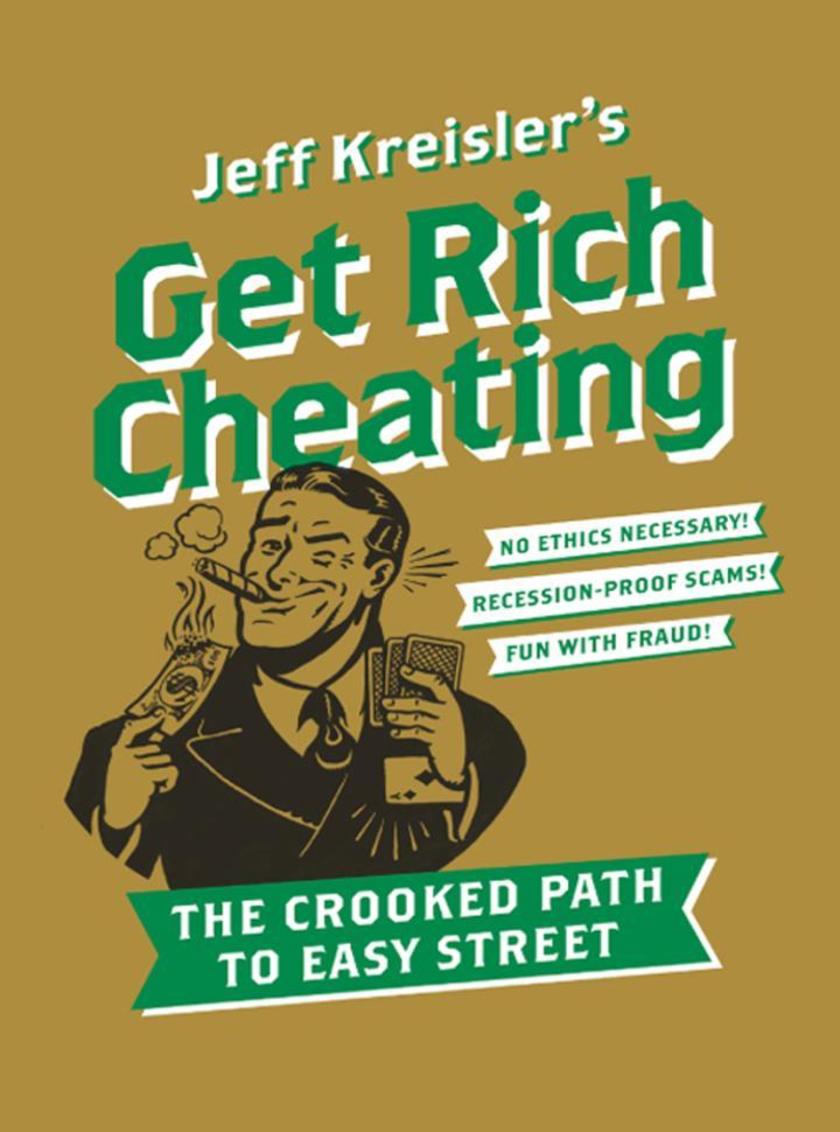
Get Rich Cheating
¥88.56
In these difficult times, there's only one proven path to ridiculous amounts of money: Cheating. Everyone's doing it from sleazy CEOs to 'roided-up home run kings, silicone-enhanced starlets, and backroom-dealing congressmen so why not youGet Rich Cheating is your definitive guide to the illegal, immoral, and fun, detailing the schemes that have proven time and time again to generate more cash than God, Google, and the Treasury combined. No one ever bought a fleet of Bentleys with hard work, perseverance, and honesty. Simply by purchasing this book, you've already done more than most "ethical" people dare. Open it, savor the moment, and inhale deeply in the musk of your impending wealth it's time to Get Rich Cheating.
How to Be Black
¥83.03
If You Don't Buy This Book, You're a Racist.Have you ever been called "too black" or "not black enough"Have you ever befriended or worked with a black personIf you answered yes to any of these questions, this book is for you.Raised by a pro-black, Pan-Afrikan single mother during the crack years of 1980s Washington, DC, and educated at Sidwell Friends School and Harvard University, Baratunde Thurston has over thirty years' experience being black. Now, through stories of his politically inspired Nigerian name, the heroics of his hippie mother, the murder of his drug-abusing father, and other revelatory black details, he shares with readers of all colors his wisdom and expertise in how to be black.Beyond memoir, this guidebook offers practical advice on everything from "How to Be The Black Friend" to "How to Be The (Next) Black President" to "How to Celebrate Black History Month."To provide additional perspective, Baratunde assembled an award-winning Black Panel three black women, three black men, and one white man (Christian Lander of Stuff White People Like) and asked them such revealing questions as:"When Did You First Realize You Were Black?""How Black Are You?""Can You Swim?"The result is a humorous, intelligent, and audacious guide that challenges and satirizes the so-called experts, purists, and racists who purport to speak for all black people. With honest storytelling and biting wit, Baratunde plots a path not just to blackness, but one open to anyone interested in simply "how to be."

Raising the Perfect Child Through Guilt and Manipulation
¥83.03
Raising the Perfect Child Through Guilt and Manipulation is not one of those traditional, all-too-earnest parenting guides that, for generations, have sucked all the fun out of child rearing. The foundation of Elizabeth Beckwith's Guilt and Manipulation family philosophy is simple: We do things a certain way, and everyone else is an a**hole. Is that something you should put on a bumper sticker and slap on your minivanOf course not that would be trashy. But in the privacy of your own home, you can employ these essential components of Guilt and Manipulation to mold the little runts ruthlessly yet effectively into children you won't be embarrassed to admit are yours: Creating a Team: "Us" vs. "Them" How to Scare the Crap Out of Your Child (in a Positive Way) Don't Be Afraid to Raise a Nerd Mind Control: Why It's a Good Thing
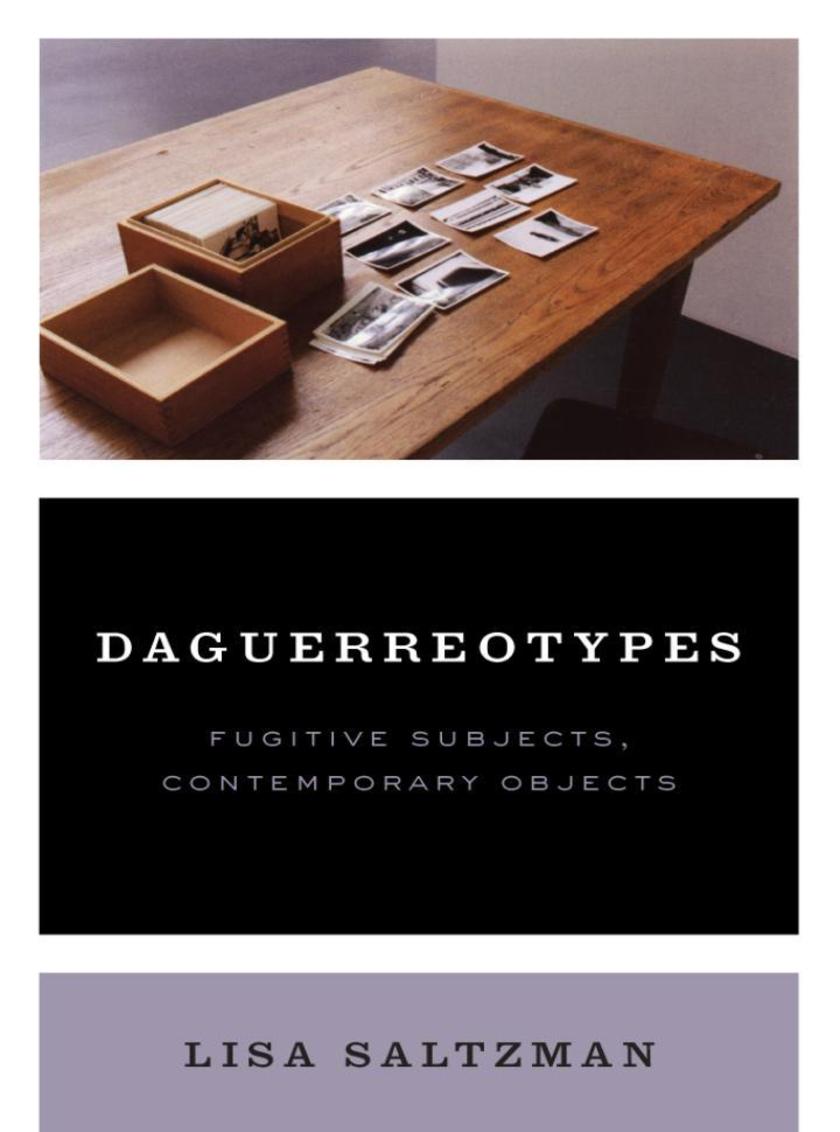
Daguerreotypes
¥288.41
In the digital age, photography confronts its future under the competing signs of ubiquity and obsolescence. While technology has allowed amateurs and experts alike to create high-quality photographs in the blink of an eye, new electronic formats have severed the original photochemical link between image and subject. At the same time, recent cinematic photography has stretched the concept of photography and raised questions about its truth value as a documentary medium. Despite this situation, photography remains a stubbornly substantive form of evidence: referenced by artists, filmmakers, and writers as a powerful emblem of truth, photography has found its home in other media at precisely the moment of its own material demise.By examining this idea of photography as articulated in literature, film, and the graphic novel, Daguerreotypes demonstrates how photography secures identity for figures with an otherwise unstable sense of self. Lisa Saltzman argues that in many modern works, the photograph asserts itself as a guarantor of identity, whether genuine or fabricated. From Roland Barthes's Camera Lucida to Ridley Scott's Blade Runner, W. G. Sebald's Austerlitz to Alison Bechdel's Fun Home-we find traces of photography's "e;fugitive subjects"e; throughout contemporary culture. Ultimately, Daguerreotypes reveals how the photograph, at once personal memento and material witness, has inspired a range of modern artistic and critical practices.
How Not to Act Old
¥83.03
How to be cool when you're afraid you've forgotten how . . . Sure, you can try to stay younger by exercising, coloring your hair, and wearing stylish clothes but how do you respond when someone asks, "Do you Twitter?" How Not to Act Old gives you simple ways to come back from over the hill and to act as young as you look.Covering everything from old-people entertainment (cancel that dinner party!) to old-people communication (it's called a "voice mail," not a "message," and no one leaves or listens to them anyway), Pamela Redmond Satran decodes the behaviors, viewpoints, and cultural touchstones that separate you from the hip young person you wish you still were. This irreverent guide is essential for anyone who doesn't want to embarrass their kids or themselves.
Little Pink Raincoat
¥84.16
A little Coco Chanel, a lot Carrie Bradshaw, with a dash of Maureen Dowd a hip, hilarious collection of mini-profiles in shopping and romantic courage. From one very fabulous and elusive little pink raincoat (to woo the commitment phobe) to a pair of very persuasive peach panties (gift from a dazzling doc), author Gigi Anders relates her experiences as they deal with her dual obsessions of clothing and men. Here are ten vignettes chronicling ten choice sartorial items and the corresponding boyfriends that would undoubtedly love her stylishly ever after...even if they didn't.Featuring items and boyfriends from Anders's real life, real (extremely jammed) closet, and real bed, Little Pink Raincoat is a very tasty, very funny, universal, uplifting, pop cultural meditation on the things we crave and the lengths we'll go to get them.
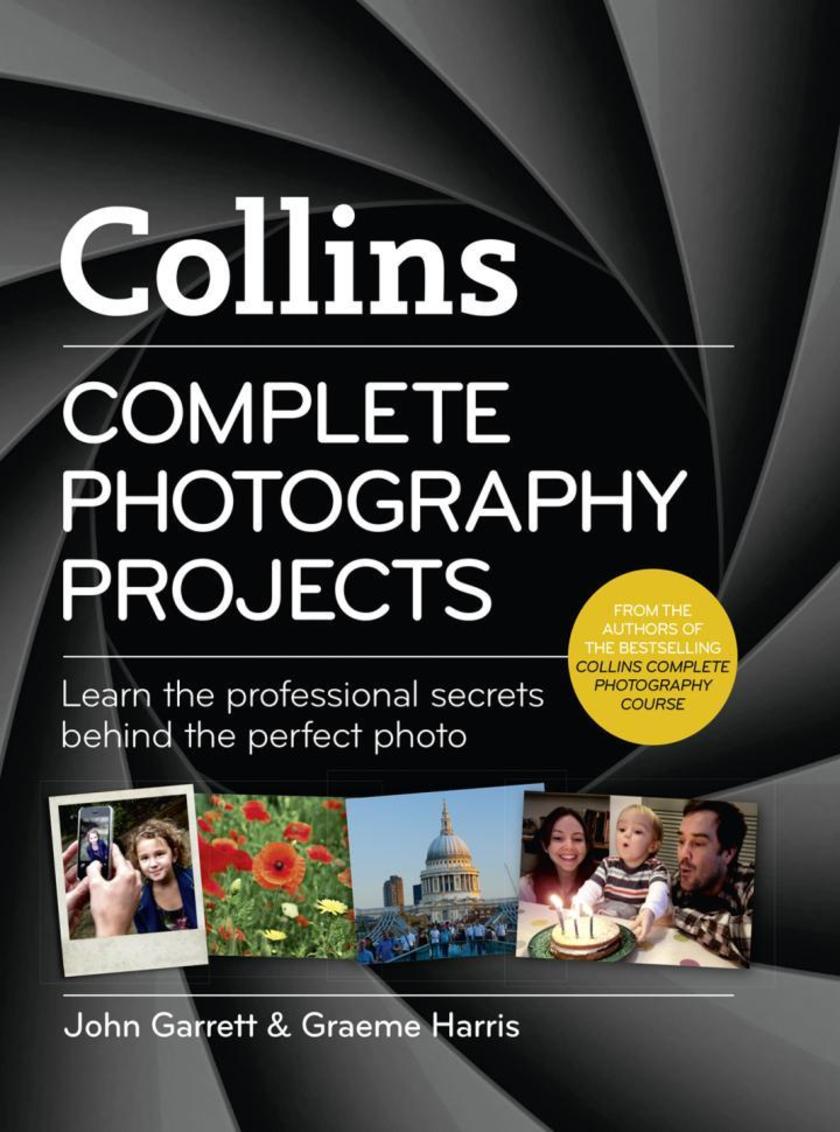
Collins Complete Photography Projects
¥91.43
The book all amateur digital photographers need – learn how to take the perfect photograph every time, from the authors of the bestselling Collins Complete Photography Course. In this book, John and Graeme apply their years of experience as professional photographers and instructors to teaching you the techniques and tips for capturing your friends and family, children and pets, holidays, sports days, celebrations, parties, festivals, weddings, births and birthdays. This book will show you the best way to photograph them all – every important person, place and memory you’ll want to treasure. Using the same practical, project based course structure that helped so many amateur photographers get to grips with their cameras in their bestselling Collins Complete Photography Course, John and Graeme will give you the confidence to get out your camera and start taking photos. Includes tips and advice on how to get the best out of your iphone and other mobile and point-and-shoots cameras as well as your digital SLR. John and Graeme’s warm and encouraging style will build your confidence, inspire your creativity and get you experimenting with your photos. With specially shot case studies and projects, step-by-steps, troubleshooting and project reviews you’ll be learning as you shoot right from the get go. Collins Complete Photography Projects is the natural follow-up to the Collins Complete Photography Course, benefiting those who have worked their way through the first one, but it will stand alone with a concise technical section that will bring new readers up to speed. A must have photography book for anyone with a digital camera and a little imagination.
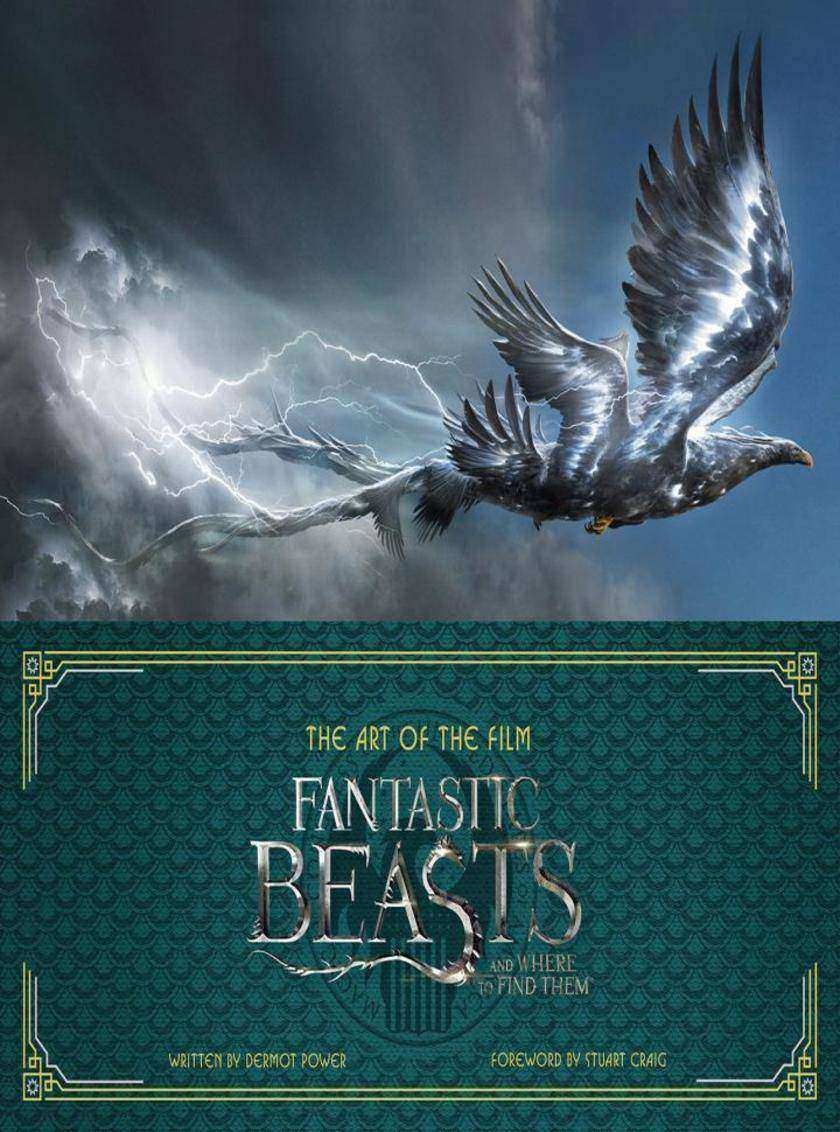
Art of the Film: Fantastic Beasts and Where to Find Them
¥279.90
Step inside the world of the talented art departments who, led by Academy Award?-winning production designer Stuart Craig, were responsible for the creation of the unforgettable characters, locations and beasts from the eagerly anticipated new adventure in J.K. Rowling’s Wizarding World.The Art of Fantastic Beasts and Where to Find Them, edited by Dermot Power, concept artist on the film, takes you on a magical journey through a design process every bit as wonderful as that encountered by Newt Scamander in the wizarding world: from the earliest gatherings of the artists, designers and filmmakers to the magical time of the film’s production itself at Leavesden Studios.Bursting with hundreds of production paintings, concept sketches, storyboards, blueprints and matte paintings, and filled with unique insights about the filmmaking journey from Stuart Craig and the artists themselves, this superb book – officially licensed by Warner Bros. Consumer Products – presents a visual feast for readers, and will welcome fans of Harry Potter films into the world of Fantastic Beasts and Where to Find Them.

Oils (Collins You Can Paint)
¥44.24
Linda Birch paints in oils, watercolour and pastels and has taught amateurs for many years. She writes regularly for the Leisure Painter magazine and is author of The Indoor Artist. She has also illustrated many children’s books.

The 2 Position Guitar Scale System: Scales and Arpeggios
¥40.79
The 2 Position Guitar Scale System: Scales and Arpeggios

The Merchant of Venice
¥16.27
The Merchant of Venice

?uvres Complètes De Charles Baudelaire
¥18.00
uvres Complètes De Charles Baudelaire

Twelfth Night
¥48.97
Twelfth Night

Amar a Vida: Os Poemas Mais Populares de Noel Dignity
¥24.44
Amar a Vida: Os Poemas Mais Populares de Noel Dignity

Pesme
¥33.27
Pesme
Pesme
¥33.27
Pesme

Спогади
¥24.53
Dvadeset godina nakon epohalne promjene 1989., koja je na postjugoslavenski prostor djelovala na posve druk?iji na?in nego na druge prija?nje realsocijalisti?ke europske zemlje, ova studija predstavlja poku?aj analiti?kog osvrta na dva desetlje?a razvoja civilnog dru?tva na zapadnom Balkanu. Njen autor Sr?an Dvornik iz Hrvatske, u to je dobro upu?en. Nije slu?ajno ?to se kroz cijeli sadr?aj i u strukturi ove knjige ispreple?u teorija i praksa te odnosi unutar i izvan “civilnodru?tvenog” razvoja. (...) Ova je studija va?an doprinos, dosad nedostatnim, razmatranjima o mogu?nostima i ograni?enjima akter? civilnog dru?tva u (post)autoritarnim dru?tvima. Istovremeno ona donosi i pouku da instrumenti zapadne politike demokratizacije imaju pred sobom jo? dug put razvoja do to?ke na kojoj ?e posve iscrpsti svoje dosada?nje organizacijske i politi?ke potencijale, da bi potom na nove me?unarodne izazove, koje nam novi svjetski (ne)red postavlja posljednja dva desetlje?a, mogli primjerenije reagirati. dr. Azra D?aji?-Weber

Opera lui Tudor Arghezi
¥106.19
Cartea lui Dan Dungaciu se individualizeaza prin originalitatea metodei sale: logistica. Sociologia este, prin excelenta, o "stiinta de spate", cum ar spune logisticienii, adica o stiinta care serveste marilor incordari colective (ofensive sau defensive) pe o durata anumita. Dan Dungaciu propune, in acest sens, cel putin trei procedee de cercetare a sociologiei la scara unei epoci si a unei arii de civilizatie, cea europeana in acest caz: a) "centrele logistice ale gandirii sociale" (care sustin retelele sociologiei); b). "Harta logistica a sociologiei" (romanesti in acest caz); c). Seria teoriilor reprezentative pentru cateva dintre temele dominante ale sociologiei interbelice. Modelul lecturii dezvaluie o fata surprinzatoare a uneia dintre cele mai spectaculoase manifestari ale sociologiei in secolul XX: sociologia romaneasca interbelica. Istoria logistica a sociologiei romanesti reconstituie astfel una dintre secventele de mare tensiune creatoare ale dramei neamului romanesc in secolul al XX-lea, ceea ce face din cartea lui Dan Dungaciu una de exceptie.


