


 购物车
购物车 个人中心
个人中心
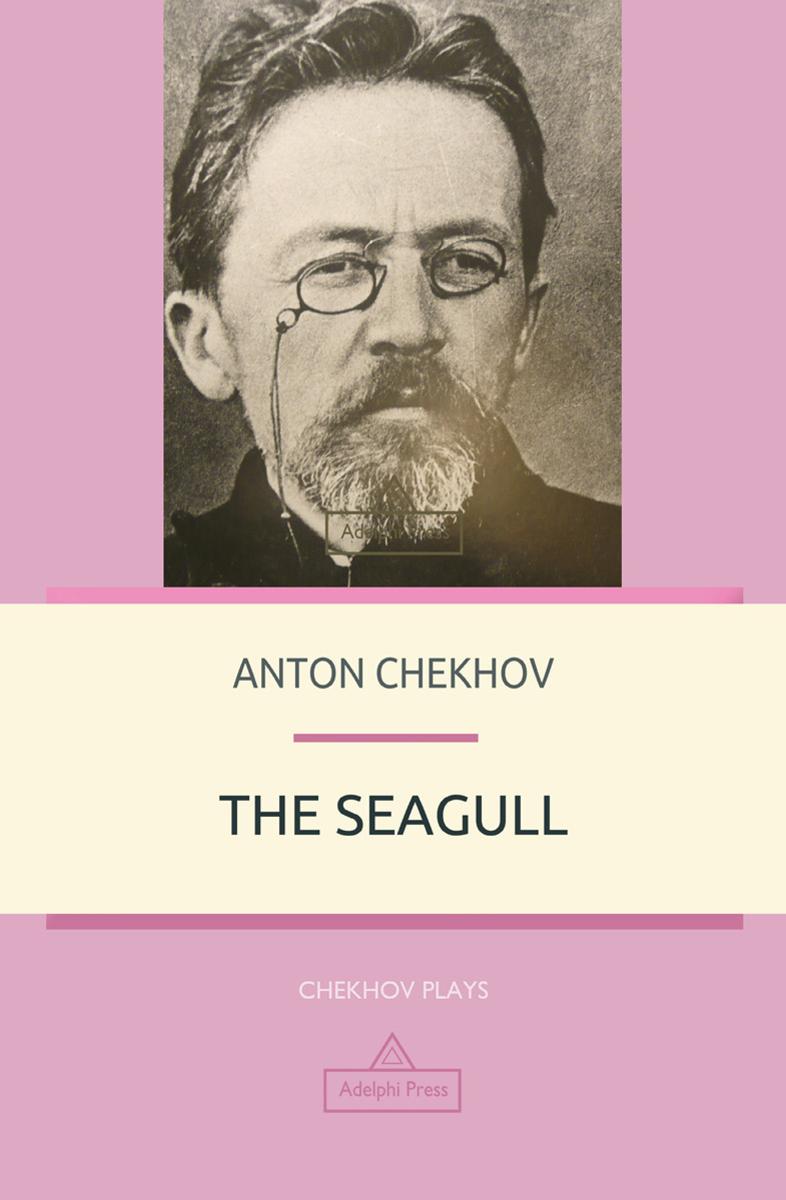
The Seagull
¥24.44
The Seagull is one of the best ever dramas about the theatre, yet on the very first opening night it was a famous failure. The play triumphed later in Stanislavski's production and became one of the greatest events in the history of Russian theatre and one of the greatest new developments in the history of world drama.
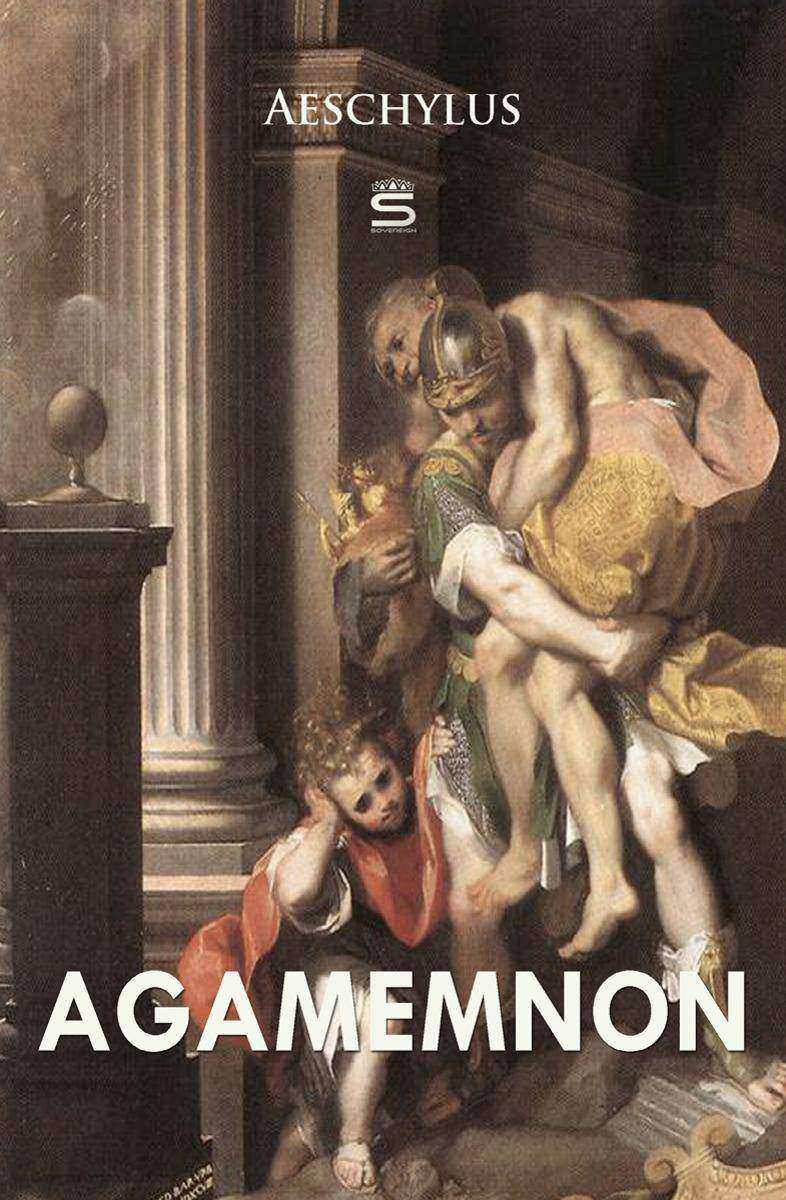
Agamemnon
¥40.79
A watchman on top of the house, reporting that he has been lying restless there like a dog for a year, for so rules the expectant manly-willed heart of a woman (that woman being Clytemnestra awaiting the return of her husband, who has arranged that mountaintop beacons give the signal when Troy has fallen). He laments the fortunes of the house, but promises to keep silent: 'A huge ox has stepped onto my tongue.' However, when Agamemnon returns, he brings with him Cassandra, the enslaved daughter of the Trojan king, Priam, and a priestess of Apollo, as his concubine, further angering Clytemnestra.
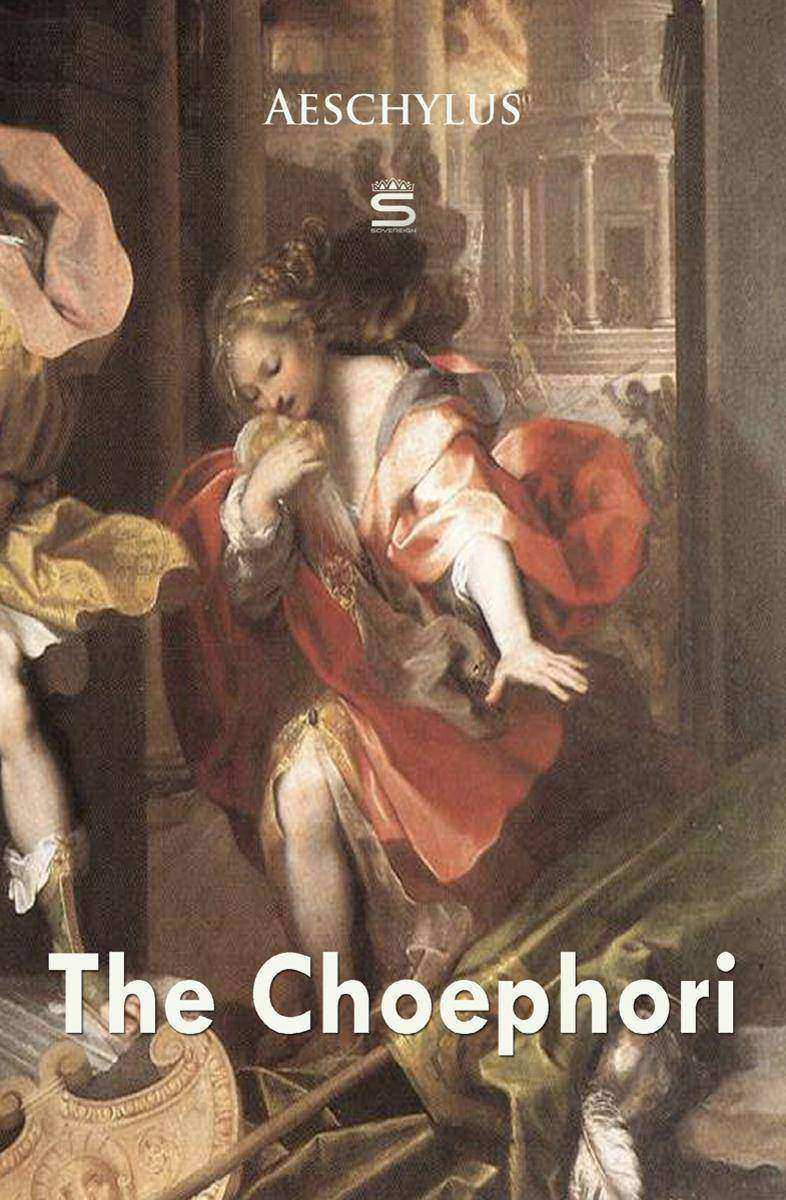
The Choephori
¥40.79
Orestes arrives at the grave of his father, accompanied by his cousin Pylades, the son of the king of Phocis, where he has grown up in exile; he places two locks of his hair on the tomb. Orestes and Pylades hide as Electra, Orestes' sister, arrives at the grave accompanied by a chorus of elderly slave women (the libation bearers of the title) to pour libations on Agamemnon's grave; they have been sent by Clytemnestra in an effort to ward off harm. Just as the ritual ends, Electra spots a lock of hair on the tomb which she recognizes as similar to her own; subsequently she sees two sets of footprints, one of which has proportions similar to hers. At this point Orestes and Pylades emerge from their hiding place and Orestes gradually convinces her of his identity.
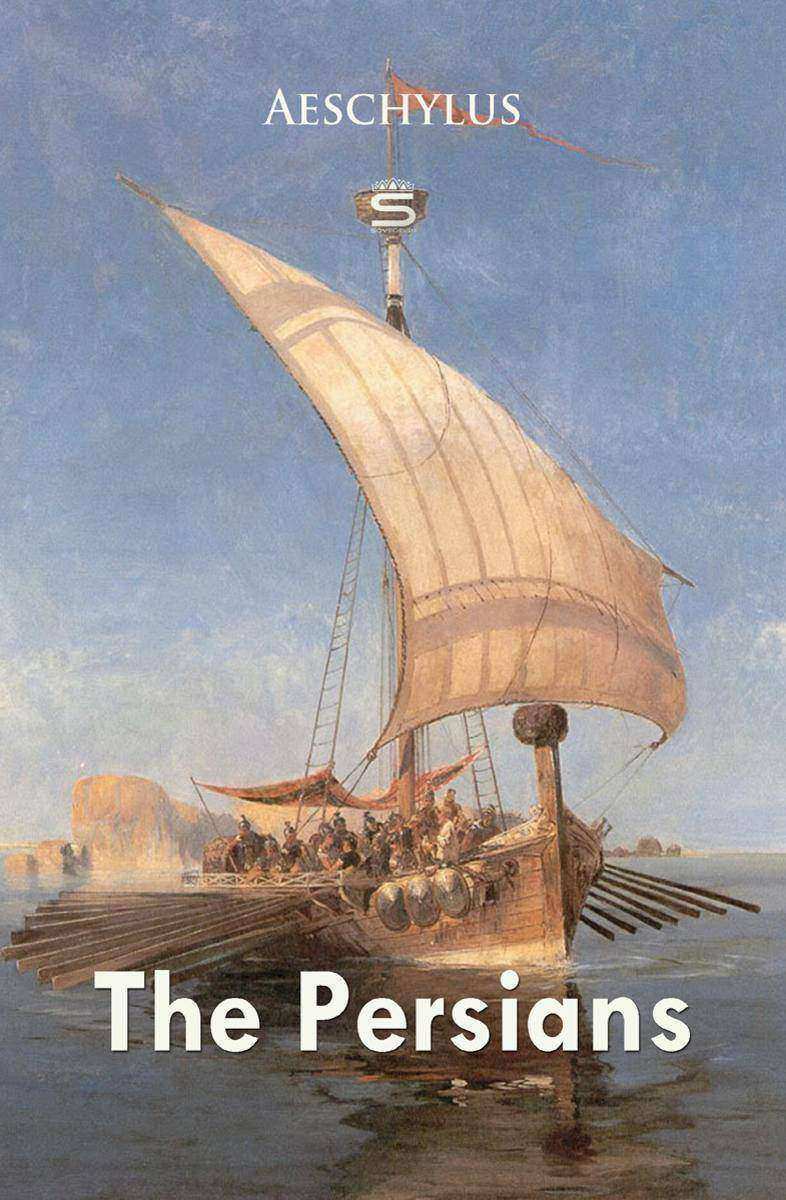
The Persians
¥40.79
The Persians takes place in Susa, which at the time was one of the capitals of the Persian Empire, and opens with a chorus of old men of Susa, who are soon joined by the Queen Mother, Atossa, as they await news of her son King Xerxes' expedition against the Greeks. Expressing her anxiety and unease, Atossa narrates what is probably the first dream sequence in European theatre.
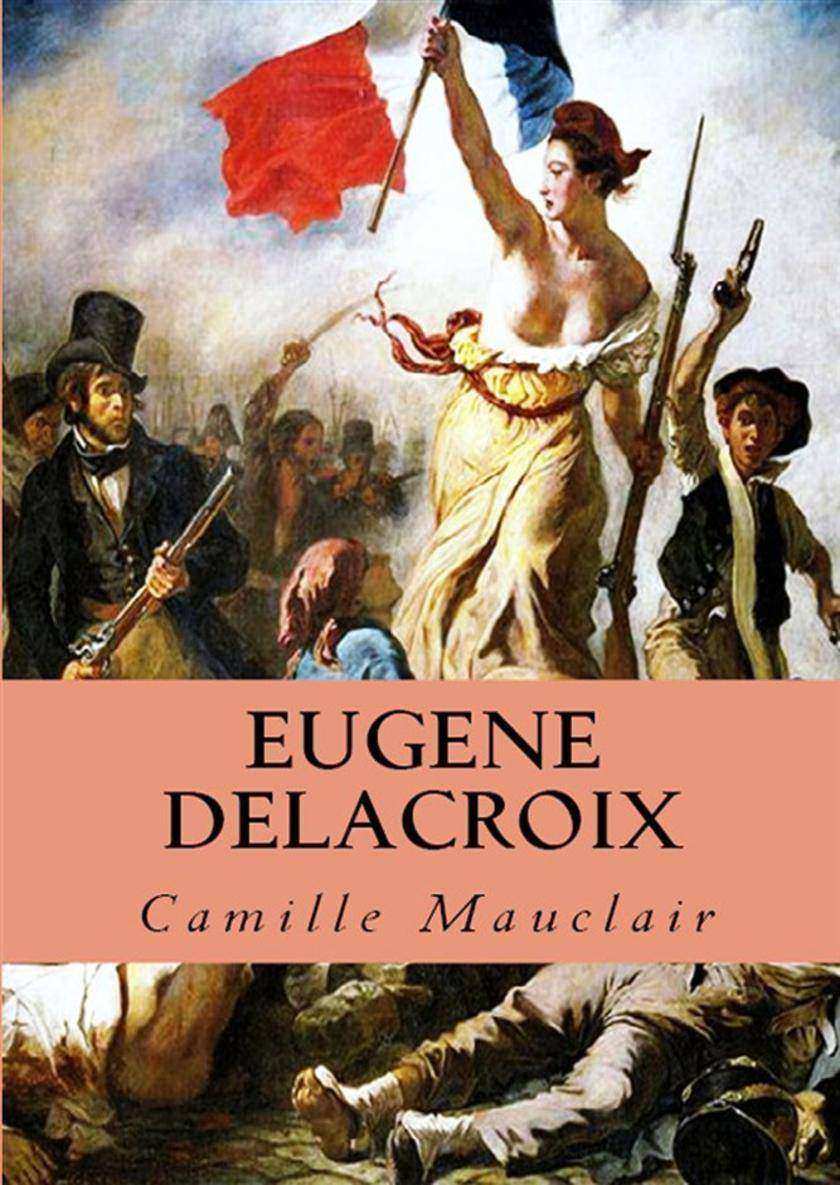
Eugène Delacroix
¥33.11
Pour bien comprendre la portée de l'intervention et de l'influence de l'?uvre de Delacroix dans l'école fran?aise, il est nécessaire de se rappeler la situation exacte de la peinture au moment où il parut.??La Révolution avait brutalement traité les ma?tres du XVIIIème siècle finissant. ?prise d'un sévère idéal gréco-romain, dont déjà Vien avait donné des exemples et que David allait porter à son apogée, la génération jacobine avait considéré les peintres légers et délicieux du règne de Louis XVI comme les bénéficiaires de la corruption luxueuse des nobles et des fermiers généraux, et elle les avait rejetés dans le même mouvement d'injuste fureur. Fragonard mourait oublié, chassé de son logis des galeries du Louvre. Hubert Robert échappait gr?ce à une erreur à l'échafaud. Greuze mourait dans la misère noire. On ne parlait plus de Chardin. Un Latour se vendait quelques francs. ??L'?Embarquement pour Cythère?, peint par Watteau pour son entrée à l'Académie, y était criblé de boulettes de papier m?ché par les élèves de David, neveu de Boucher dont ils parlaient en de tels termes, qu'il était obligé, par pudeur, d'excuser à leurs yeux son oncle. Les gravures de Cochin, de Lépicié, de Choffard, de Lavreince, des Saint-Aubin, de Debucourt, de Gravelot, d'Eisen, allaient s'ensevelir dans les soupentes de quelques brocanteurs, et on attendrait quatrevingts ans avant de les rechercher pour les couvrir d'or. Un siècle s'effondrait. Son go?t exquis, sa morale profondément naturelle et humaine, son libéralisme sceptique, tout lui était imputé à vice et à crime. On rêvait d'un art moralisateur, que Greuze avait préparé aux applaudissements de Diderot par ses scènes familiales et son ingénuité bourgeoise, mêlée de libertinage hypocrite. ??On voulait un art héro?que, sévère, propre à élever les consciences. David apparut l'homme d'une telle ?uvre, et créa d'un seul effort la réaction d'une esthétique néo-romaine, d'une peinture con?ue d'après la statuaire antique, et toute consacrée à des expressions de sentiments cornéliens. La discipline de cette école fut plus dure encore que celle imposée, centvingtcinq années auparavant, par Louis XIV, Le Brun et l'école de Rome. Plus de recherches de la nature, plus de gr?ce, plus de vérité, plus de coloris, mais simplement un art allégorique, pompeux, aride, éloigné de la vie et tout entier construit sur des théories, un art aussi opposé que possible au tempérament fran?ais.
Utilitarianism
¥8.82
John Stuart Mill's book Utilitarianism is a philosophical defense of utilitarianism in ethics. The essay first appeared as a series of three articles published in Fraser's Magazine in 1861; the articles were collected and reprinted as a single book in 1863. It went through four editions during Mill's lifetime with minor additions and revisions. Although Mill includes discussions of utilitarian ethical principles in other works such as On Liberty and The Subjection of Women, Utilitarianism contains Mill's only major discussion of the fundamental grounds for utilitarian ethical theory.
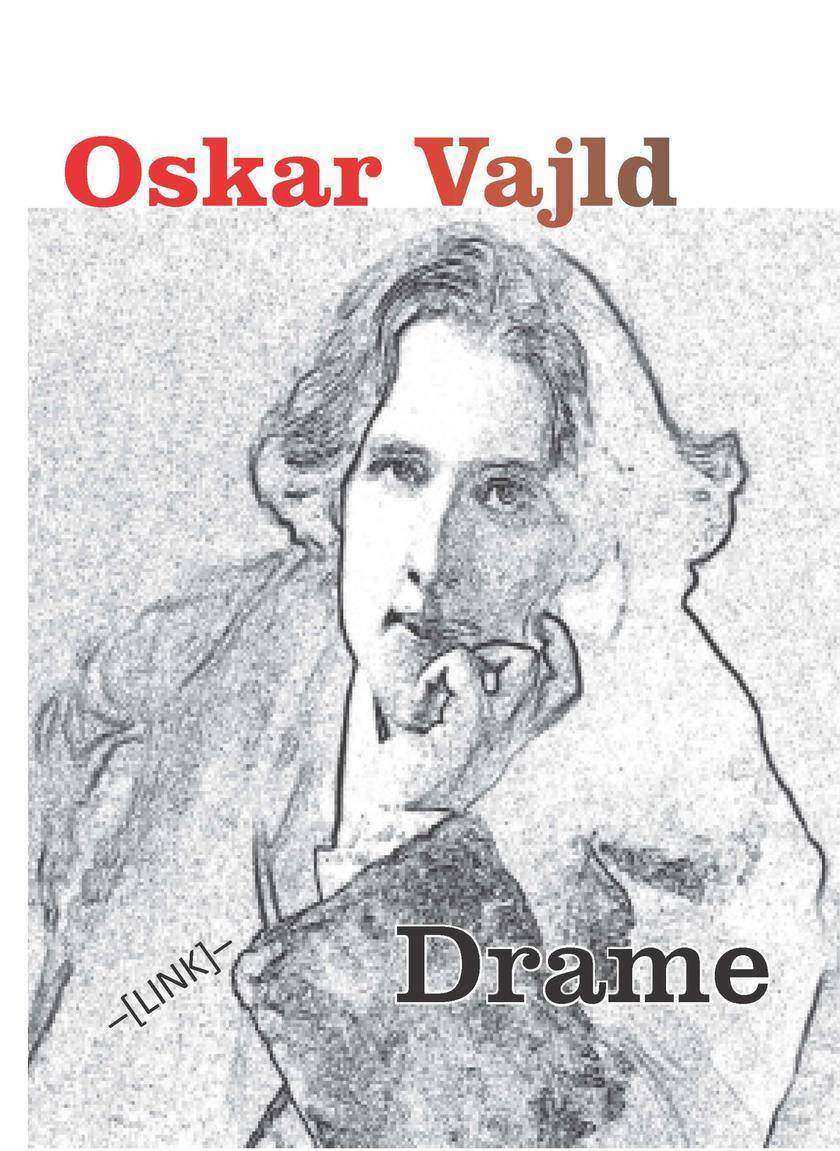
Drame Oskara Vajlda
¥37.20
Ni prevodi najzna?ajnijih drama Oskara Vajlda: Salome, Sveta kurtizana i Va?no je?da si?Ernest

C?nd sufletul vorbe?te prin corp. S? ?n?elegem ?i s? trat?m tulbur?rile psihosom
¥65.32
Ilie Badescu, sociologul care a redeschis dezbaterea privind puterea si importanta pe care o are spiritul si desavarsirea fiintei si societatii, in lucrarea de fata ne vorbeste despre forta invataturilor precum si despre devierile prin care sunt propagate in lume falsele invataturi.
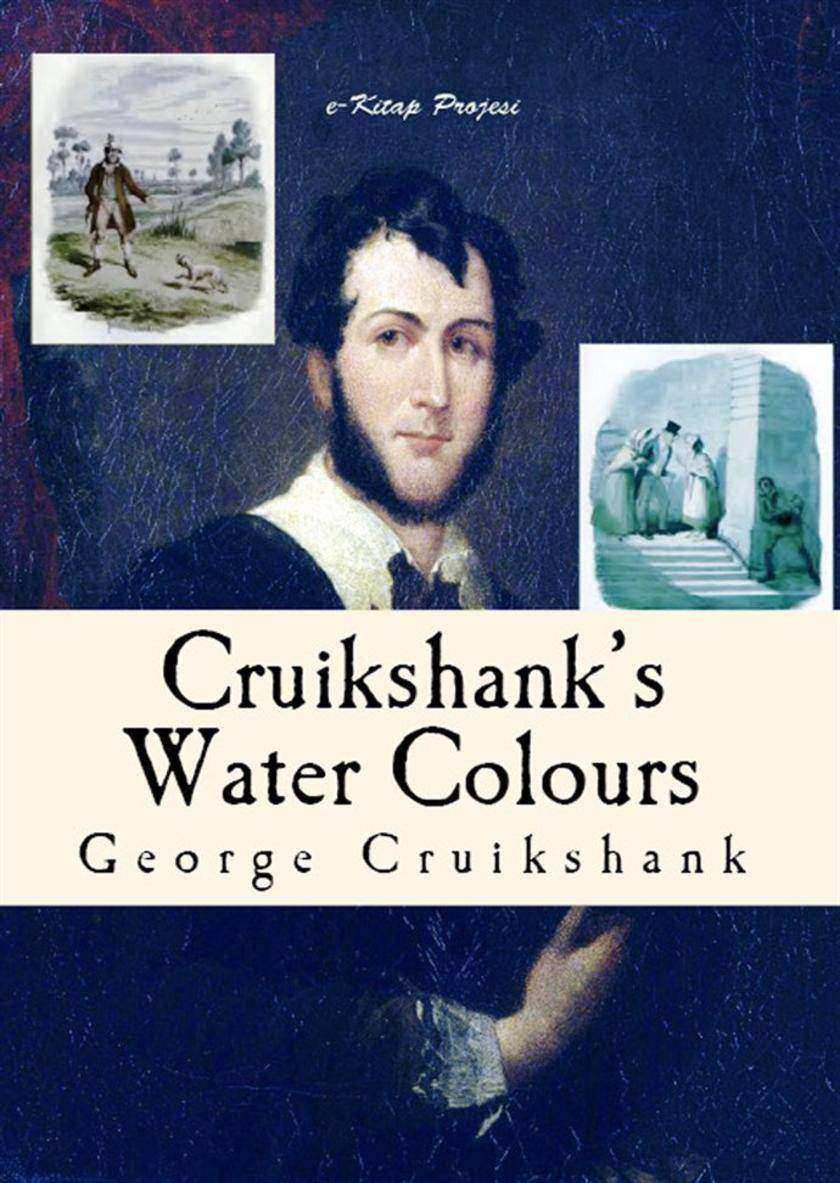
Cruikshank's Water Colours
¥27.88
It is fair to characterise the three suites of original water-colour drawings, as executed by our artist, as unique examples of the great George Cruikshank's special individual proficiency as an exponent of this branch of technical dexterity. More-over, it may be regarded as a fortunate circumstance that the three works, here reproduced with amazing fidelity in facsimile, represent happily the very chefs d'oeuvre of his wonderful productions; in their respective categories, preserving the best examples of his remarkable genius as an imaginative creator of vivid pictures, alike stirring and animated, and representing at one glance his vast dramatic powers, his mastery of the humorous side of life, and the intensity he was consistently able to infuse into terrible and tragic scenes. It is noteworthy that the inimitable artist George Cruikshank but rarely pro-duced finished water-colour drawings; the bulk of his prolific and familiarly rec-ognised designs for book illustrations were mostly dainty pencil sketches, occa-sionally finished in pen and ink. It is a problem difficult to solve satisfactorily whether, beyond the three memorable instances of the works here reproduced in facsimile, there are in existence any other complete suites of original illustrations by George Cruikshank—that is to say, fully executed by his master hand as finished water-colour drawings. Tinted sketches may be found in the prized possessions of Cruikshank collectors, and spirited studies for many of his favourite and most successful subjects have been cleverly touched in with watercolours; for instance, such as certain of his original drawings as designed for the illustrations of Harri-son Ainsworth's Tower of London, and the clever historical and picturesque series of Windsor Castle designs; these are, however, to be regarded as exceptional cases, for the bulk of these most successful and popular designs were carefully executed in pencil, or occasionally outlined with the pen, and highly finished with washes of warm sepia. It is worthy of recollection that Cruikshank was a most dexterous artist in this monochrome branch, his earlier artistic experiences having been al-most exclusively in the walk of aqua-tinted etchings; all his early book illustrations, his caricatures, and satirical plates—social or political—were uniformly etched by his hand in the most spirited fashion, after his ready sketches and rough studies, and when the outline etching was bitten in, Cruikshank elaborately worked out his colour suggestions, for light and shade, with a brush over the first-etched outline, in tones of sepia or Indian ink, for the guidance of the professional 'aquatinters'—the school of artists to whose trained skill was entrusted the task of completing these plates to produce the effect of highly finished washed drawings in mono-chrome. By this, his youthful practice, George Cruikshank had acquired remarka-ble dexterity, his original pen-and-ink designs, and the outline etchings, after his earlier book illustrations, being worked up in monochrome to the dainty finish of delicate miniatures, in which art both his father Isaac and his brother Isaac Robert were first-class proficients, as he himself has recorded with pride in describing the special gifts and qualifications which distinguished the Cruikshank family. ? ABOUT THE AUTHOR; George Cruikshank (1792 – 1878) was a British caricaturist and book illustrator, praised as the "modern Hogarth" during his life. His book illustrations for his friend Charles Dickens, and many other authors, reached an international audience. Cruikshank was born in London. His father, Isaac Cruikshank, was one of the leading caricaturists of the late 1790s and Cruikshank started his career as his father's apprentice and assistant. His older brother, Isaac Robert, also followed in the family business as a caricaturist and illustrator. Cruikshank's early work was caricature; but in 1823, at the age of 31, he started to focus on book illustration. He illustrated the first, 1823 English translation (by Edgar Taylor and David Jardine) of Grimms' Fairy Tales, published in two volumes as German Popular Stories. On 16 October 1827, he married Mary Ann Walker (1807–1849). Two years after her death, on 7 March 1851, he married Eliza Widdison. The two lived at 263 Hampstead Road, North London.Upon his death, it was discovered that Cruikshank had fathered 11 illegitimate children with a mistress named Adelaide Attree, his former servant, who lived close to where he lived with his wife. Adelaide was ostensibly married and had taken the married surname 'Archibold'.
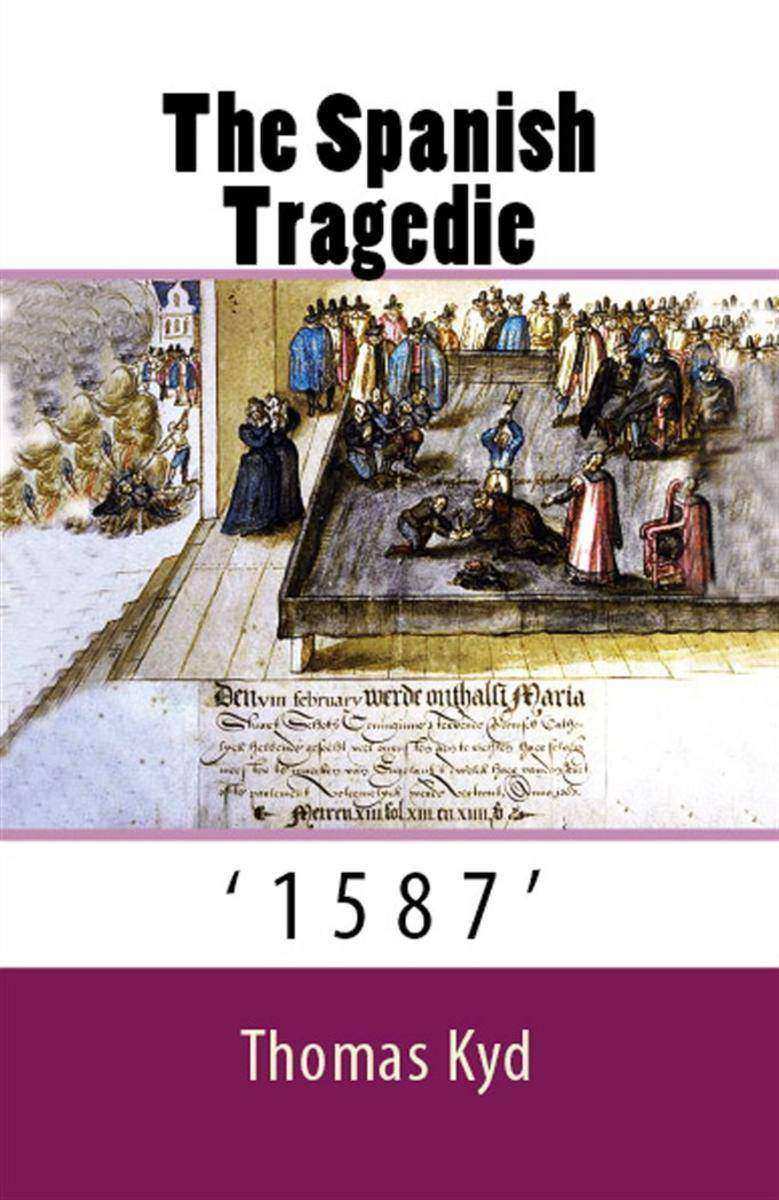
The Spanish Tragedie: "1587"
¥27.88
"The Spanish Tragedy", or "Hieronimo" is Mad Again is an Elizabethan tragedy written by Thomas Kyd between 1582 and 1592. Highly popular and influential in its time, The Spanish Tragedy established a new genre in English theatre, the revenge play or revenge tragedy. Its plot contains several violent murders and includes as one of its characters a personification of Revenge. "The Spanish Tragedy "was often referred to (or parodied) in works written by other Elizabethan playwrights, including William Shakespeare, Ben Jonson, and Christopher Marlowe. Many elements of The Spanish Tragedy, such as the play-within-a-play used to trap a murderer and a ghost intent on vengeance, appear in Shakespeare's Hamlet. (Thomas Kyd is frequently proposed as the author of the hypothetical Ur-Hamlet that may have been one of Shakespeare's primary sources for Hamlet.)

La Tierra de Todos
¥18.56
Como todas las mananas, el marques de Torrebianca salio tarde de su dormitorio, mostrando cierta inquietud ante la bandeja de plata con cartas y periodicos que el ayuda de camara habia dejado sobre la mesa de su biblioteca. Cuando los sellos de los sobres eran extranjeros, parecia contento, como si acabase de librarse de un peligro. Si las cartas eran de Paris, fruncia el ceno, preparandose a una lectura abundante en sinsabores y humillaciones. Ademas, el membrete impreso en muchas de ellas le anunciaba de antemano la personalidad de tenaces acreedores, haciendole adivinar su contenido. Su esposa, llamada ?la bella Elena?, por una hermosura indiscutible, que sus amigas empezaban a considerar historica a causa de su exagerada duracion, recibia con mas serenidad estas cartas, como si toda su existencia la hubiese pasado entre deudas y reclamaciones. El tenia una concepcion mas anticuada del honor, creyendo que es preferible no contraer deudas, y cuando se contraen, hay que pagarlas. ? AUTOR: Vicente Blasco Ibanez nacio el 29 de enero de 1867 en Valencia (Espana). Era hijo de Ramona Ibanez y del comerciante Gaspar Blanco. Estudio Derecho en la Universidad de Valencia. Participo en la politica uniendose al Partido Republicano". En 1894 fundo el periodico El pueblo. En el ano 1896, fue detenido y condenado a varios meses de prision. En 1889 contrajo matrimonio con Maria Blasco del Cacho, hija del magistrado Rafael Blasco y Moreno. Cuando subio al poder Canovas del Castillo, el escritor se exilio brevemente en la ciudad de Paris. Fue un autor vinculado en muchos aspectos al naturalismo frances. Por otra parte, la explicita intencion politicosocial de algunas de las novelas de Blasco Ibanez, aunada al escaso bagaje intelectual del autor, lo mantuvo alejado de los representantes de la Generacion del 98. Murio el 28 de enero de 1928 en Menton (Francia)a los 60 anos. Entre sus titulos destacan: "Arroz y Tartana" (1894), "La Barraca" (1898), "Entre Naranjos (1900), "Canas y Barro" (1902), "La Horda" (1905), "Sangre y Arena" (1908) o "Los Cuatro Jinetes Del Apocalipsis" (1916).
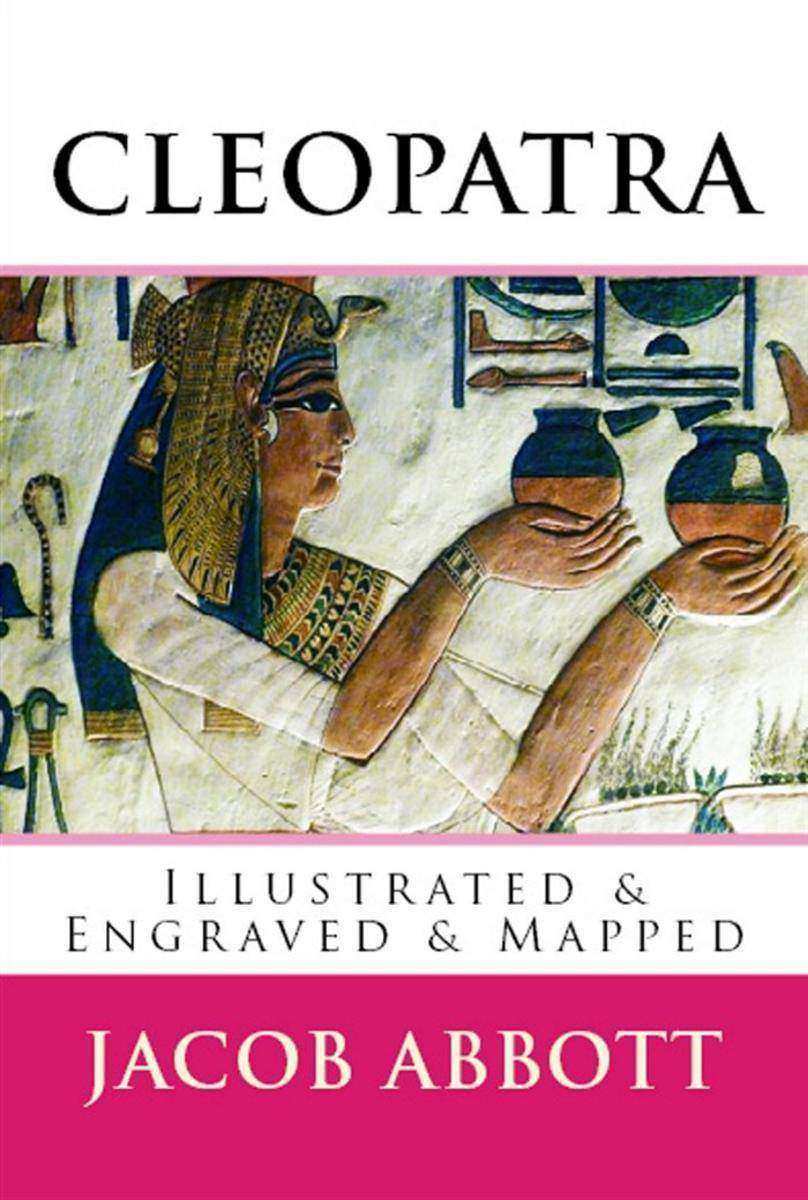
Cleopatra
¥18.56
THE story of Cleopatra is a story of crime. It is a narrative of the course and the consequences of unlawful love. In her strange and romantic history we see this passion portrayed with the most complete and graphic fidelity in all its influences and effects; its uncontrollable impulses, its intoxicating joys, its reckless and mad career, and the dreadful remorse and ultimate despair and ruin in which it always and inevitably ends.??Cleopatra was by birth an Egyptian; by ancestry and descent she was a Greek. Thus, while Alexandria and the delta of the Nile formed the scene of the most im-portant events and incidents of her history, it was the blood of Macedon which flowed in her veins. Her character and action are marked by the genius, the courage, the originality, and the impulsiveness pertaining to the stock from which she sprung. The events of her history, on the other hand, and the peculiar character of her adventures, her sufferings, and her sins, were determined by the circumstances with which she was surrounded, and the influences which were brought to bear upon her in the soft and voluptuous clime where the scenes of her early life were laid..??Egypt has always been considered as physically the most remarkable country on the globe. It is a long and narrow valley of verdure and fruitfulness, completely insulated from the rest of the habitable world. It is more completely insulated, in fact, than any literal island could be, inasmuch as deserts are more impassable than seas. The very existence of Egypt is a most extraordinary phenomenon. If we could but soar with the wings of an eagle into the air, and look down upon the scene, so as to observe the operation of that grand and yet simple process by which this long and wonderful valley, teeming so profusely with animal and vegetable life, has been formed, and is annually revivified and renewed, in the midst of surrounding wastes of silence, desolation, and death, we should gaze upon it with never-ceasing admiration and pleasure. We have not the wings of the eagle, but the generalizations of science furnish us with a sort of substitute for them. The long series of patient, careful, and sagacious observations, which have been continued now for two thousand years, bring us results, by means of which, through our powers of mental conception, we may take a comprehensive survey of the whole scene, analo-gous, in some respects, to that which direct and actual vision would afford us, if we could look down upon it from the eagle's point of view. It is, however, so-mewhat humiliating to our pride of intellect to reflect that long-continued philosophical investigations and learned scientific research are, in such a case as this, after all, in some sense, only a sort of substitute for wings. A human mind connected with a pair of eagle's wings would have solved the mystery of Egypt in a week; whereas science, philosophy, and research, confined to the surface of the ground, have been occupied for twenty centuries in accomplishing the undertaking.
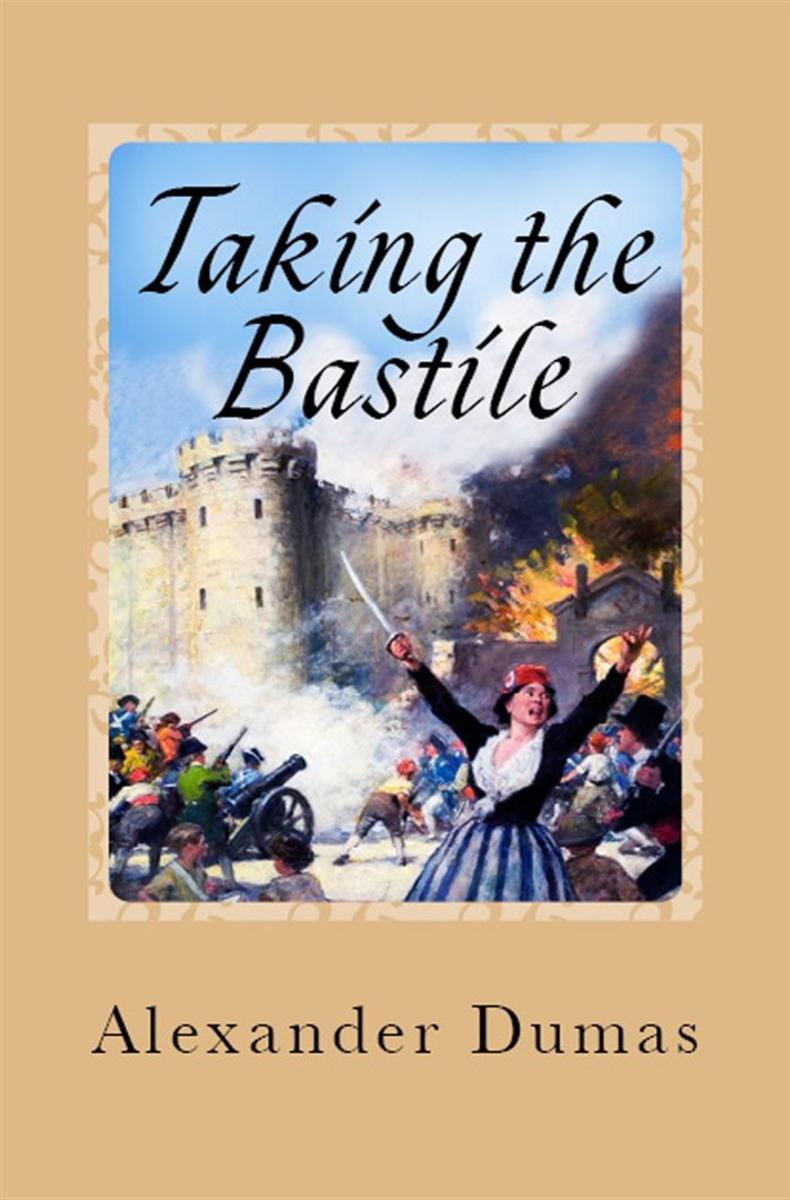
Taking the Bastile: (Historical Novel)
¥21.26
It was a winter night, and the ground around Paris was covered with snow, although the flakes had ceased to fall since some hours.?Spite of the cold and the darkness, a young man, wrapped in a mantle so voluminous as to hide a babe in his arms, strode over the white fields out of the town of Villers Cotterets, in the woods, eighteen leagues from the capital, which he had reached by the stage-coach, towards a hamlet called Haramont. His assured step seemed to indicate that he had previously gone this road.?Soon above him streaked the leafless boughs upon the grey sky. The sharp air, the odor of the oaks, the icicles and beads on the tips of branches, all appealed to the poetry in the wanderer.??Through the clumps he looked for the village spire and the blue smoke of the chimneys, filtering from the cottages through the natural trellis of the limbs.?It was dawn when he crossed a brook, bordered with yellow cress and frozen vines, and at the first hovel asked for the laborer's boy to take him to Madeline Pi-tou's home.??Mute and attentive, not so dull as most of their kind, the children sprang up and staring at the stranger, led him by the hand to a rather large and good-looking cottage, on the bank of the rivulet running by most of the dwellings.?A plank served as a bridge.?"There," said one of the guides nodding his head to-wards it.?Gilbert gave them a coin, which made their eyes open still more widely, and crossed the board to the door which he pushed open, while the children, taking one another's hand, started with all their might at the handsome gentleman in a brown cloth coat, buckled shoes and large cloak, who wanted to find Madeline Pitou.?Apart from them, Gilbert, for such was the young man's name, simply so for he had no other, saw no liv-ing things: Haramont was the deserted village he was seeking.??As soon as the door was open, his sight was struck by a scene full of charm, for almost anybody, and par-ticularly for a young philosopher like our roamer.?A robust peasant woman was suckling a baby, while another child, a sturdy boy of four or five, was saying a prayer in a loud voice.?In the chimney corner, near a window or rather a hole in the wall in which was stuck a pane of glass, an-other woman, going on for thirty-five or six, was spin-ning, with a stool under her feet, and a fat poodle on an end of this stool.?Catching sight of the visitor the dog barked in a civil and hospitable manner just to show that he had not been caught napping. The praying boy turned, cutting the devotional phrase in two, and both females uttered an exclamation between joy and surprise.?"I greet you, good mother Madeline," said Gilbert with a smile.

Split/Mixed
¥38.62
A dual language edition in English and French. The genocide in Rwanda shocked the world. Back then, Ery Nzaramba was only a teenager and his family’s escape to Europe turned him into a “survivor”. How should he now respond to questions about who he is and where he comes from? In this autobiographical one-man play, performed to acclaim on the Edinburgh Festival Fringe, the author journeys back to his Rwandan childhood. With the help of a cassette player, he brings to life nearly a dozen characters, exploring memories of kinship, cultural attitudes and personal identity. Both funny and poignant, the play highlights not only the intolerance that can breed violence and war but also the importance of power and privilege in the struggle for survival. Le génocide au Rwanda a choqué le monde. ? l'époque, Ery Nzaramba était un adolescent. Après que sa famille se fut échappé en Europe, il est devenu un ?survivant?. Désormais, que doit-il répondre à des questions sur qui il est et d'où il vient? Dans ce one-man show autobiographique, salué par la critique lors de sa présentation au Festival d'?dimbourg, l'auteur retourne vers son enfance au Rwanda. Accompagné d'un lecteur cassette, il donne vie à une bonne douzaine de personnages, explorant souvenirs de famille et d'affinités, attitudes culturelles et identité. ? la fois poignante et pleine d'humour, la pièce met en lumière non seulement l'intolérance qui peut engendrer violence et guerre, mais aussi l'importance du privilège dans la lutte pour la survie.
![The Tempest: [Illustrated Edition]](https://platform-permanent.ddimg.cn/pt-media-info-soa-resource/digital/product/52/9/1901165209_ii_cover.jpg?version=c2f05298-6ac9-40bf-9bd1-3eebfd9c57c6)
The Tempest: [Illustrated Edition]
¥18.80
“THE TEMPEST” is Shakespeare's last book. The story Prospero relates is that he is the rightful Duke of Milan and that his younger brother, Antonio, betrayed him, seizing his title and property. Twelve years earlier, Prospero and Miranda were put out to sea in little more than a raft. Miraculously, they both survived and arrived safely on this island, where Prospero learned to control the magic that he now uses to manipulate everyone on the island. Upon his arrival, Prospero rescued a sprite, Ariel, who had been imprisoned by the witch Sycorax. Ariel wishes to be free and his freedom has been promised within two days.??The last inhabitant of the island is the child of Sycorax and the devil: Caliban, whom Prospero has enslaved. Caliban is a natural man, uncivilized and wishing only to have his island returned to him to that he can live alone in peace.??Soon the royal party from the ship is cast ashore and separated into three groups. The king's son, Ferdinand, is brought to Prospero, where he sees Miranda, and the two fall instantly in love. Meanwhile, Alonso, the king of Naples, and the rest of his party have come ashore on another part of the island. Alonso fears that Ferdinand is dead and grieves for the loss of his son. Antonio, Prospero's younger brother, has also been washed ashore with the king's younger brother, Sebastian. ??Antonio easily convinces Sebastian that Sebastian should murder his brother and seize the throne for himself. This plot to murder Alonso is similar to Antonio's plot against his own brother, Prospero, 12 years earlier.??Another part of the royal party — the court jester and the butler — has also come ashore. Trinculo and Stefano each stumble upon Caliban, and each immediately sees a way to make money by exhibiting Caliban as a monster recovered from this uninhabited island. Stefano has come ashore in a wine cask, and soon Caliban, Trinculo, and Stefano are drunk. While drinking, Caliban hatches a plot to murder Prospero and enrolls his two new acquaintances as accomplices. Ariel is listening, however, and reports the plot to Prospero.??Next, Prospero stages a masque to celebrate the young couple's betrothal, with goddesses and nymphs entertaining the couple with singing and dancing. While Ferdinand and Miranda have been celebrating their love, Alonso and the rest of the royal party have been searching for the king's son. Exhausted from the search and with the king despairing of ever seeing his son alive, Prospero has ghosts and an imaginary banquet brought before the king's party. A god-like voice accuses Antonio, Alonso, and Sebastian of their sins, and the banquet vanishes. The men are all frightened, and Alonso, Antonio, and Sebastian run away.??Prospero punishes Caliban, Trinculo, and Stefano with a run through a briar patch and swim in a scummy pond. Having accomplished what he set out to do, Prospero has the king's party brought in. Prospero is clothed as the rightful Duke of Milan, and when the spell has been removed, Alonso rejects all claims to Prospero's dukedom and apologizes for his mistakes. Within moments, Prospero reunites the king with his son, Ferdinand. Alonso is especially pleased to learn of Miranda's existence and that Ferdinand will marry her.?Prospero then turns to his brother, Antonio, who offers no regrets or apology for his perfidy. ??Nevertheless, Prospero promises not to punish Antonio as a traitor. When Caliban is brought in, Caliban tells Prospero that he has learned his lesson. His two co-conspirators, Trinculo and Stefano, will be punished by the king. Soon, the entire party retires to Prospero's cell to celebrate and await their departure home. Only Prospero is left on stage.??In a final speech, Prospero tells the audience that only with their applause will he be able to leave the island with the rest of the party. Prospero leaves the stage to the audience's applause.
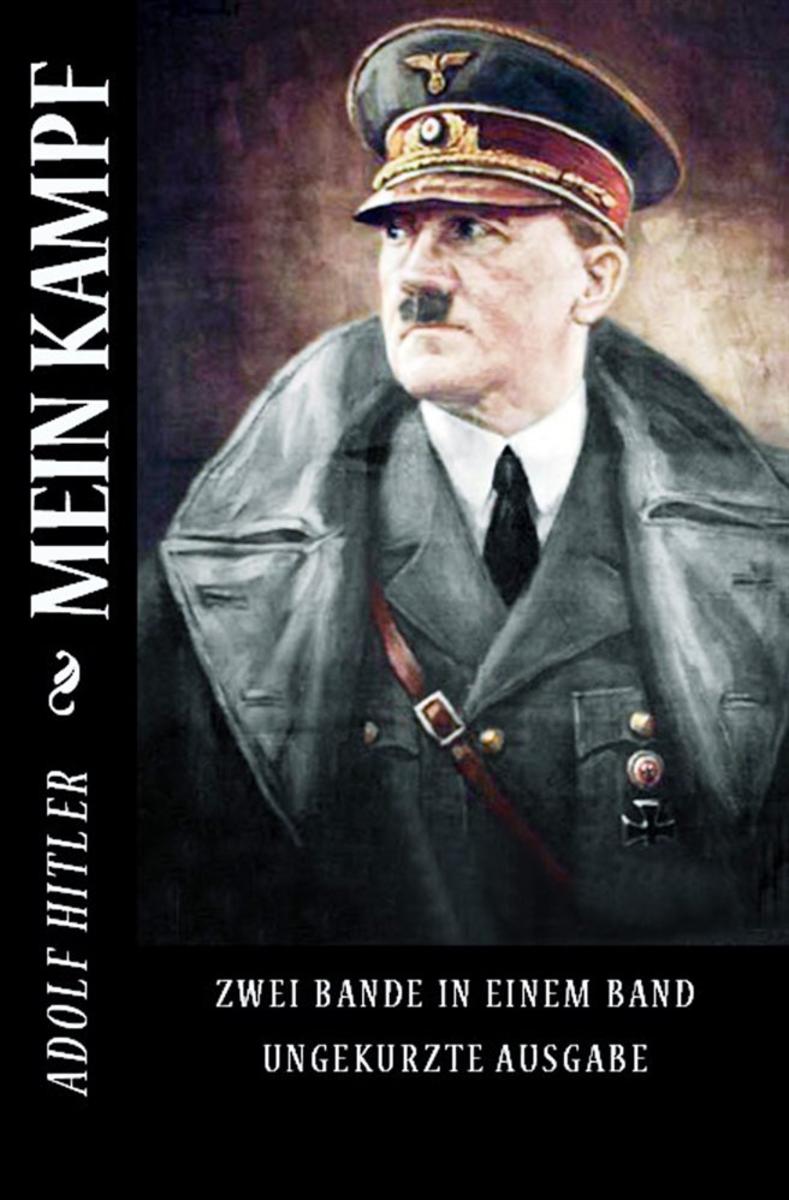
Mein Kampf: "Zwei Bande in Einem Band Ungekurzte Ausgabe"
¥37.11
Mein Kampf ist eine politisch-ideologische Programmschrift Adolf Hitlers. Sie erschien in zwei Teilen. Hitler stellte darin seinen Werdegang zum Politiker und seine Weltanschauung dar. Das Buch enthalt Hitlers Autobiografie, ist in der Hauptsache aber eine zweckgerichtete Kampf- und Propagandaschrift, die zum Neuaufbau der NSDAP als zentral gelenkter Partei unter Hitlers Fuhrung dienen sollte.??Der erste Band entstand in Hitlers Haftzeit 1924 und wurde erstmals am 18. Juli 1925, der zweite am 11. Dezember 1926 veroffentlicht. Vor allem der erste Band wurde bis 1932 in der Weimarer Republik zu einem viel diskutierten Bestseller.??Hitler schrieb 1924 den ersten Teil von Mein Kampf wahrend seiner Festungshaft in der Haftanstalt Landsberg in Landsberg am Lech. Er soll den Text seinem spateren Stellvertreter Rudolf HeB diktiert haben. Neuere Erkenntnisse weisen darauf hin, dass Hitler den Text selbst auf einer Reiseschreibmaschine tippte. Winifred Wagner berichtete, Hitler "massenhaft Schreibpapier" nach Landsberg geschickt zu haben.??Ursprunglich sollte das Buch Viereinhalb Jahre [des Kampfes] gegen Luge, Dummheit und Feigheit heiBen. Nach der vorzeitigen Haftentlassung im Dezember 1924 diktierte Hitler den starker programmatisch ausgelegten zweiten Teil von Mein Kampf seinem Gefolgsmann Max Amann, Direktor des Franz-Eher-Verlags. Amann und Hitler zogen sich im Sommer 1925 in das (daher spater so genannte) Kampfhausl des Pensionswirts Bruno Buchner auf dem Obersalzberg (nahe dem spateren Berghof) zuruck, um das Manuskript zu tippen.??Im Juli 1925 erschien der erste Band, im Dezember 1926 der zweite. Bis 1930 vertrieb der Verlag Mein Kampf in zwei groBformatigen Banden zum Preis von zunachst je 12, ab 1928 14 Reichsmark.??Der Originaltext erlebte in seiner zwanzigjahrigen Editionsgeschichte von 1925 bis 1945 zahlreiche Anderungen und Erweiterungen. Der Text der spaten Ausgaben aus den 1940er Jahren ist nur bedingt in direkten Bezug zu setzen mit Hitlers publizistischer und politischer Positionierung Mitte der 1920er. ??Im Herbst 2006 tauchten in Munchen funf Manuskript- und achtzehn Entwurfsseiten zu Hitlers Buch auf, die er vor dessen Veroffentlichung im Fruhjahr und im Sommer 1924 wahrend seiner Festungshaft in Landsberg verfasst hatte. Der Vergleich mit der spateren Endfassung ermoglichte der Hitlerforschung Ruckschlusse zur Entwicklung von Hitlers Weltbild und Agitationsweise.??Der erste und der zweite Band erschienen in einer Erstauflage von je 10.000 Exemplaren. Die NSDAP finanzierte sich ganz wesentlich uber den eigenen Parteiverlag, an dem auch Hitler personlich beteiligt war. Von der einbandigen Volksausgabe wurden bis Januar 1933 287.000 Exemplare zum Preis von je 12 RM durch den Zentralverlag der NSDAP (Franz Eher Nachfolger) verkauft. ??Hitler erhielt pro verkauftem Buch 10 Prozent Tantiemen. Die folgende einbandige Ausgabe kostete 8 RM ("Volksausgabe", ab 1930)...
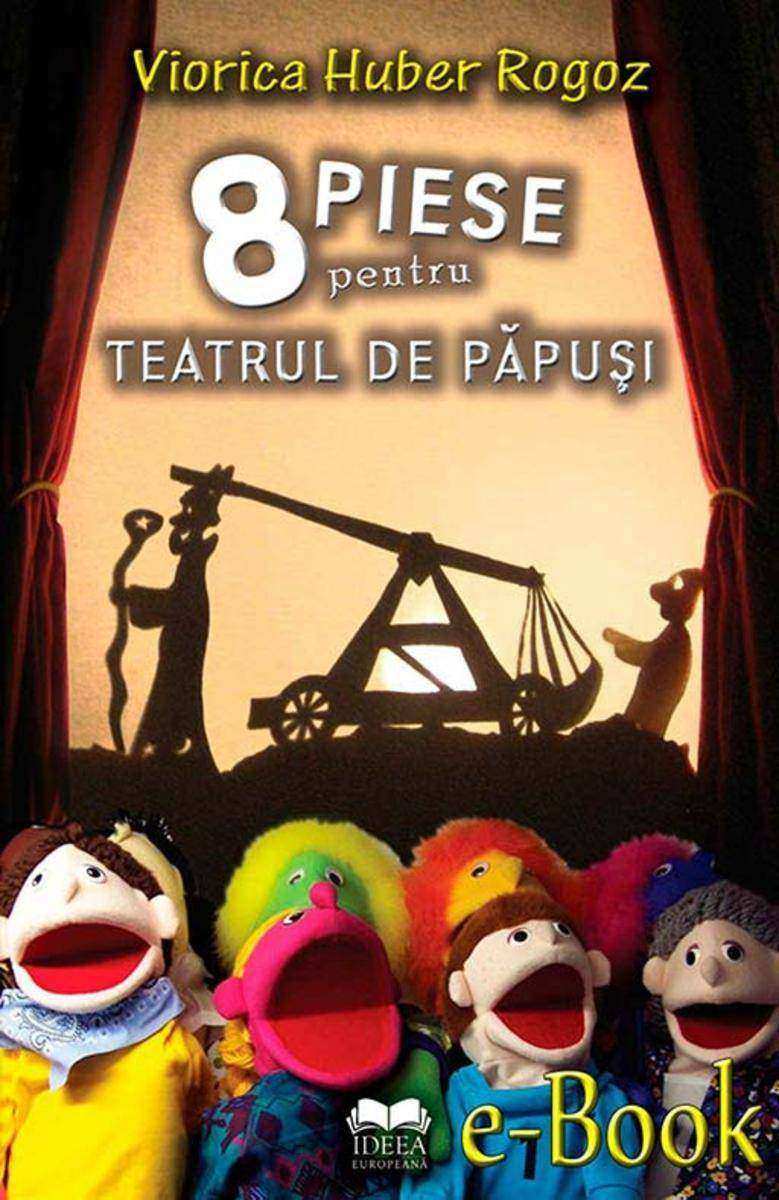
8 piese pentru teatrul de p?pu?i
¥32.62
** Pamella Singh – Miss India 1982… spioan? de pat la NATO ** Frumoasele Miss, prad? u?oar? pentru trafican?ii de stupefiante ** Angela Nichitin – Miss Johannesburg, victim? a traficului de carne vie ** O Miss pentru solda?ii americani din Irak ** Miss Diaspora… uneori important poten?ial pentru spionaj ?i contraspionaj? ** Momeal? pentru pedofili ** Tita Cristescu, fost? Miss Rom?nia, ucis? cu cianur? de potasiu ** Concursurile Miss ?i reginele alese, motiv de scandal ?i crim?? ** Heather Whitestone – Miss America 1994, sub teroarea unui obsedat ** Evreica Lise Goldarbeiter – Miss Univers 1929 a supravie?uit nazismului ** C?teva regine… surpriz? **** Zsa Zsa Gabor – Miss Ungaria 1936. Nou? c?s?torii ?i scandaluri cu duiumul ** Rosemarie Frankland – Miss Univers 1961, ucis? de singur?tate? ** Imelda Marcos – Miss Leyte ?i ?Muza Manilei“ al?turi de un dictator ** Bess Myerson – Miss America 1945, de la politicieni, la mafio?i ** Plou? cu Miss-uri: Nud, Fund Mare, Jumbo ?i mai tr?snite ** Miss Penitenciar sau… Miss Pu?c?rie? ** Zig-zag ?n lumea concursurilor de frumuse?e ?i a concurentelor. Pilule dulciFiecare om, evident, are destinul s?u. Reginele au avut ?i au, ?i ele, firesc, destinul lor. Cele ?ncoronate ?i declarate ca atare datorit? frumuse?ii lor fizice ?i intelectuale sunt, de multe ori, superioare celor n?scute cu s?nge albastru, dar totodat? ele sunt expuse ?i mai mult unor pericole ce le dau t?rcoale. Tenta?iile ce apar des ?i capcanele ce li se ?ntind fostelor Miss sunt de multe ori ?irezistibile“. Din nefericire, unele tinere nu le-au sesizat la timp ?i, treptat, uneori f?r? voia lor, au c?zut ?n plasa unor servicii de spionaj sau a unor re?ele mafiote interna?ionale, implicate ?n traficul cu droguri, armament ?i fiin?e umane. Altele, ?ns?, au avut un destin ?i mai tragic, ajung?nd dup? gratii sau devenind ?inta unor asasinate care au f?cut v?lv? ?n pres?.Au fost ?ns? ?i ?Regine“ fericite. Din p?cate, pu?ine ?i pentru o perioad? scurt? de timp. Nici ?n lumea Miss-urilor n-au fost ?i nu vor fi dou? destine la fel.O carte ce cuprinde un soi de miniromane poli?iste, axate pe soarta, uneori-adeseori, dramatic? a reginelor frumuse?ii.
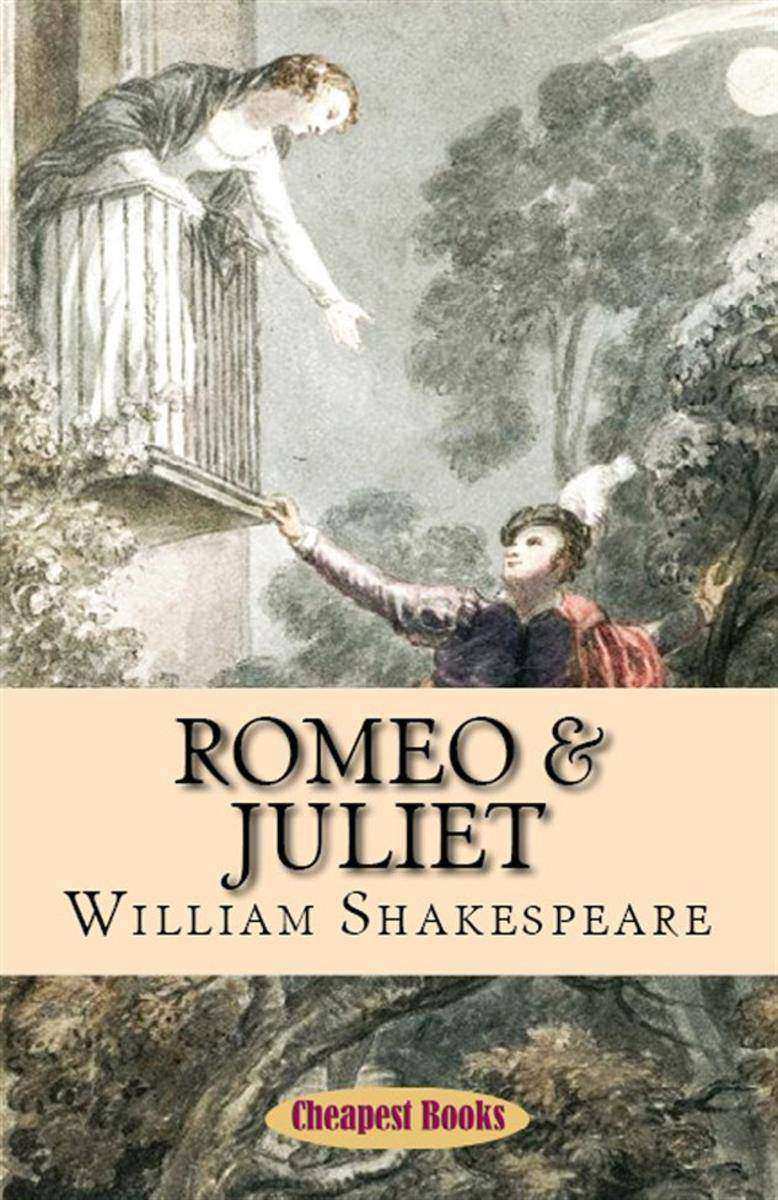
Romeo and Juliet
¥18.88
"Romeo and Juliet" is a tragic play written early in the career of William Shakespeare about two teenage "star-cross'd lovers" whose untimely deaths ultimately unite their feuding households. It was among Shakespeare's most popular plays during his lifetime and, along with Hamlet, is one of his most frequently performed plays. Today, the title characters are regarded as archetypal "young lovers"??PROLOGUE:?Two households, both alike in dignity,?In fair Verona, where we lay our scene,?From ancient grudge break to new mutiny,?Where civil blood makes civil hands unclean.?From forth the fatal loins of these two foes?A pair of star-cross'd lovers take their life;?Whole misadventured piteous overthrows?Do with their death bury their parents' strife.?The fearful passage of their death-mark'd love,?And the continuance of their parents' rage,?Which, but their children's end, nought could remove,?Is now the two hours' traffic of our stage;?The which if you with patient ears attend,?What here shall miss, our toil shall strive to mend.
Regatul furtunilor
¥73.49
Societatea deschis? contra societ??ii deschise. Societatea rom?neasc? ?ntre utopie ?i realitate este o carte de analiz? profund? ?i complex?, ce ?i-a ales ca obiect de studiu cea mai important? paradigm? sociopolitic? a postmodernit??ii, ?mpreun? cu realit??ile concrete ce se configureaz? ?n jurul acesteia. O paradigm? care ?i-a propus s? schimbe fa?a lumii, sens ?n care, de mai bine de 25 de ani o putem observa manifest?ndu-se pe multiple coordonate ?i ?n planul realit??ilor sociale ?i politice autohtone, pe care, de altfel, autorul le radiografiaz? extrem de atent, cu ochiul, mintea ?i bagajul de cuno?tin?e proprii specialistului, dar ?i cu sufletul ?i con?tiin?a celui care apar?ine societ??ii rom?ne?ti. Cartea de fa?? este, ?n acela?i timp, ?i despre societatea deschis?, dar ?i despre trecutul, prezentul ?i viitorul prefigurat lumii ?n aceast? paradigm?, c?t ?i despre evolu?ia societ??ii rom?ne?ti ca parte integrant? a acestei lumi. Ea surprinde ?i problematizeaz? o multitudine de aspecte ?in?nd at?t de natura intrinsec? a conceptului de societate deschis?, c?t ?i de schimb?rile pe care implementarea acestui concept ca realitate social? le presupune ?i le antreneaz? ?n societ??ile contemporane. Prin aceasta, ea se recomand? ca o lectur? util?, provocatoare ?i, totodat?, revelatoare tuturor celor preocupa?i de c?mpul ?tiin?elor sociale ?i politice, dar ?i celor interesa?i s? ?n?eleag? ceva ?n plus din sistemul cauzalit??ilor profunde care influen?eaz? mersul lumii, ?n general, ?i al societ??ii rom?ne?ti, ?n particular. (Maria Voinea)
Aniversarea
¥47.42
La fel ca ?i precedentele romane ale lui Emil Ra?iu – reactualiz?ri ale marilor noastre mituri – romanul Turnul col?ei... are o tem? major?, anume existen?a problematic? a omului ca fiin?? situat? ?ntre timp ?i eternitate, ?ntre clip? ?i ve?nicie. Dilema major? a vie?ii este ?ndoita fa?? a realit??ii, perceput? prin sim?uri ca etern? trecere ?i fragmentare ?n lucruri, ?n timp ce prin cuget – prin filosofia eleat? a lui Parmenide, Pitagora, Platon ?i a altora – ea este unitate ve?nic? a Fiin?ei, trecerea fiind doar o iluzie a sim?urilor noastre. Omul este prins la mijloc, ?ntre vreme ?i ve?nicie, o soart? pu?in de invidiat...Aceast? existen?? a omului ?ntre clip? ?i ve?nicie, ?n permanent? confruntare cu eternitatea, este nodul central al ontologiei, reflectat? ?n romanul de fa?? prin eroii acestuia, ?ncep?nd cu dasc?lul de la Academia de la Sf?ntul Sava, Mihai Ciubo?el, cu ipostazele sale, adev?rate avataruri, care sintetizeaz? contrariile, ajung?nd p?n? ?n timpurile noastre (secolul XXI), definite ale neo-fanariotismului ?i ale supu?eniei servile la noi centre de putere.Romanul str?bate prin eroii s?i trei sute de ani de istorie, de la Sf?ntul Martir Constantin Br?ncoveanu la Eminescu p?n? ?n vremurile noastre, ?ncheindu-se cu optimism ?i m?rturisind, ?n ciuda tuturor greut??ilor, credin?a ?n victoria final? a luminii ?i adev?rului neamului rom?nesc.
Arhive secrete, secretele arhivelor. Vol. 2
¥106.19
Lucrarea vizeaz? o tem? de actualitate – brandul de ora?, oferind un cadru teoretic al acestui nou concept de marketing, completat de o parte aplicativ? divers?, care ?i-a propus s? identifice ?i s? completeze eforturile autorit??ilor locale ?n aceast? direc?ie.


