


 购物车
购物车 个人中心
个人中心
100 Of The Best Curses and Insults In Italian
¥82.31
For When You Need Just the Right Word Travelling is fantastic – we don't deny it. But sometimes when you're in another country, stuff happens. A thieving kid lifts your wallet, a cab driver nearly kills you, or a waiter charges you $25 for bottled water. You feel powerless without the ability to do what you really want to do – curse them out. And what's the use of knowing the right curse if you can't pronounce it correctly? The only thing you'll succeed in doing is looking like some lame tourist. But you don't have to look like an idiot anymore. Here are 100 of the best curses and insults in Italian, complete with an audio track featuring 25 curses and insults for your listening pleasure. So the next time a texting teen in Rome knocks over your gelato or a snickering Prada saleswoman in Milan insults your waistline, you'll know precisely how to say, Vaffanculo!
Clips From A Life
¥72.40
Classic stills from the life of one of Britain's most cherished entertainers. This is the extraordinary life story of comic legend Denis Norden, told in momentary snapshots by the master British comedian himself. Containing reminiscences of a career stretching back to the golden age of the radio, through the heyday of cinema and the early pioneering days of television comedy, ‘Clips From a Life’ showcases Denis Norden's creative genius at its very best. Told with Denis' hallmark flashes of brilliant humour and sharp observation, the extraordinary life of this enduring humorist is unravelled through his private recollections of the ways things used to be, back then. Denis' school-day musings, dry witticisms, and old-time sayings unearthed from days gone by, combined with remembrances of collaborations with famous figures of the day, from Eric Sykes to Bill Fraser, will sweep you back instantaneously to the magical gags, lively characters and laughter of the past. Flitting between Denis' East End childhood and early career in Variety as a cinema manager for the Hyams Brothers, to his post-war work as a *writer on the groundbreaking radio shows ‘Take It From Here’ and ‘In All Directions’, to the phenomenally successful television comedy ‘Whack-O!’ (all written with long-term collaborator Frank Muir), to his years as a solo writer, performer, and presenter on programmes such as the much-loved ‘It'll Be Alright on the Night’, it is easy to see how Denis' comic appeal has endured for decades, to make him one of the greatest British writers and performers to date. Brimming with Denis's unique wit and personal warmth, this is a rich and compelling mix of anecdote and autobiography from a very special entertainer.

The Perils of the Pushy Parents: A Cautionary Tale
¥63.37
Written and illustrated by Boris Johnson The nicest kids you ever saw Were Jim and Molly Albacore… Alas for Molly and Jim, Their lives were not entirely cushy: Their parents were so very pushy. Mr and Mrs Albacore will do anything to get their offspring to the top of the pile. Father reads great literary works to them before they are even born, and puts them down for MENSA at five, Mother is not content unless her darlings are the star of every show. Molly and Jim, however, are happiest eating peanut butter and jelly sandwiches and watching telly. In this very funny book, Boris Johnson issues a verse warning to all pushy parents… if you push your children far enough they may push back, with dire consequences. Illustrated with delightful line drawings by the author.

Complete Artist’s Manual
¥114.48
The definitive artist’s reference guide and comprehensive sourcebook of art materials and painting techniques, now available in a modern paperback edition. The Complete Artist’s Manual covers all the elements of painting and drawing from materials to techniques, colour composition and media – the ultimate artist’s bible. In addition, it contains a structured painting course with simple exercises developing into more advanced projects, with demonstrations by well-known practising artists who share their experience and expertise with the reader. Contents includes; Supports Drawing and painting media Drawing and sketching Painting techniques Colour and composition What to paint – getting started The artist’s studio Glossary and directory The Complete Artist’s Manual is visually rich and exciting, practical and comprehensive – no artist’s studio should be without it.
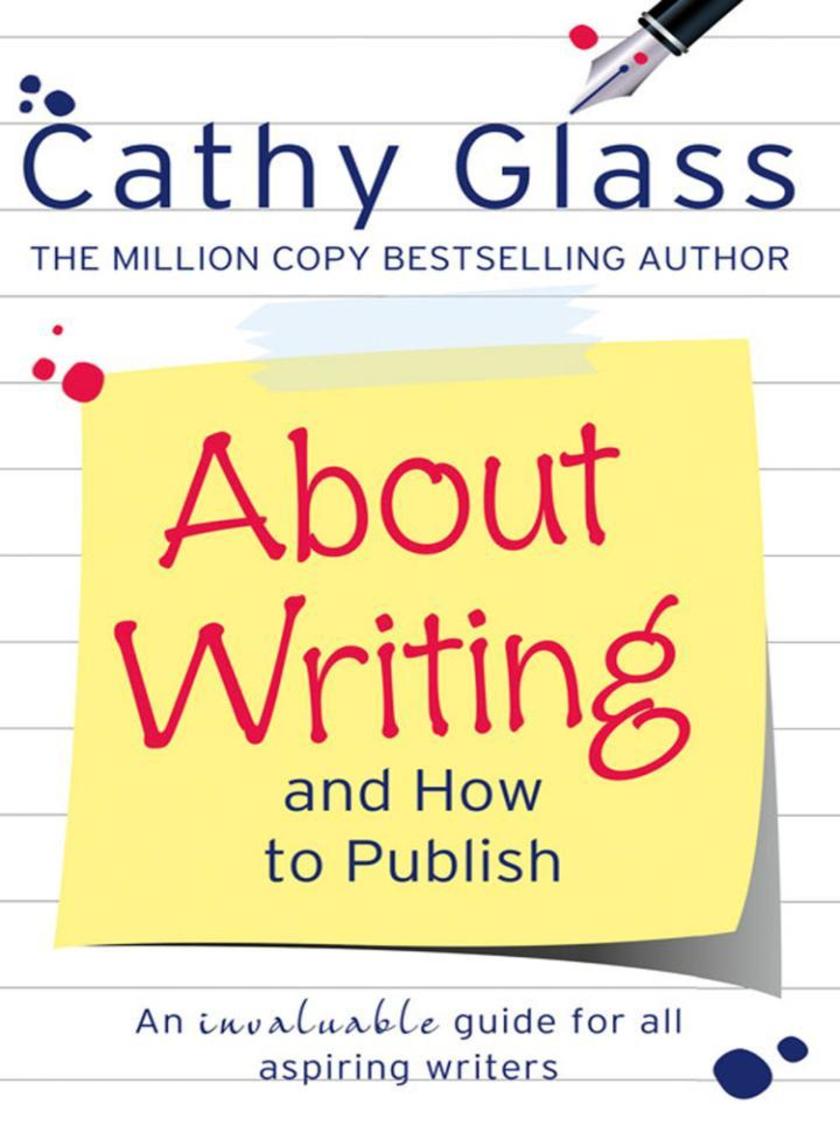
About Writing and How to Publish
¥44.93
Drawing on years of experience, and thousands of readers comments and reviews of her writing, Cathy Glass provides a clear and concise, practical guide on writing and the best ways to get published. Bestselling author Cathy Glass has written and published 18 books, sold over 1.5 million copies worldwide, and had no 1 bestsellers in both the UK and the US. In that time she has received thousands of emails from readers asking for her help and advice on writing and being published. This book details how to achieve both. Divided into four sections, Cathy guides you through the entire process, from composing your first paragraph to seeing your book in print. Topics include: ? Making the time to write ? Planning, revising and editing your writing ? Different types of writing and genres ? Finding an agent and publisher ? How to self-publish ? Promoting your work so it is a success Clear, concise and packed full of practical tips, About Writing is an invaluable guide for all aspiring writers.

A Homemade Christmas
¥44.24
Making something with your own hands—whether it's a plate of just-baked cookies, a handcrafted stocking, a homemade wreath, or a hand-folded origami ornament—is a great way to connect with the true meaning of Christmas. From holiday decorating to gift giving, A Homemade Christmas is chock-full of projects, recipes, tips, and helpful hints that are guaranteed to add a homemade touch to your holiday season. Open this charming volume to any page and discover a wealth of practical and easy-to-accomplish ideas for a homemade holiday: - create personal, distinctive holiday greetings - deck the halls with festive, handmade trimmings - cook simple but memorable homemade dishes - make unique, handcrafted gifts - share the joy of the season with friends and family Packed with inspiration and how-tos for ideas that are family-friendly and eco-conscious, festive and meaningful, A Homemade Christmas will put homemade back into your holidays!
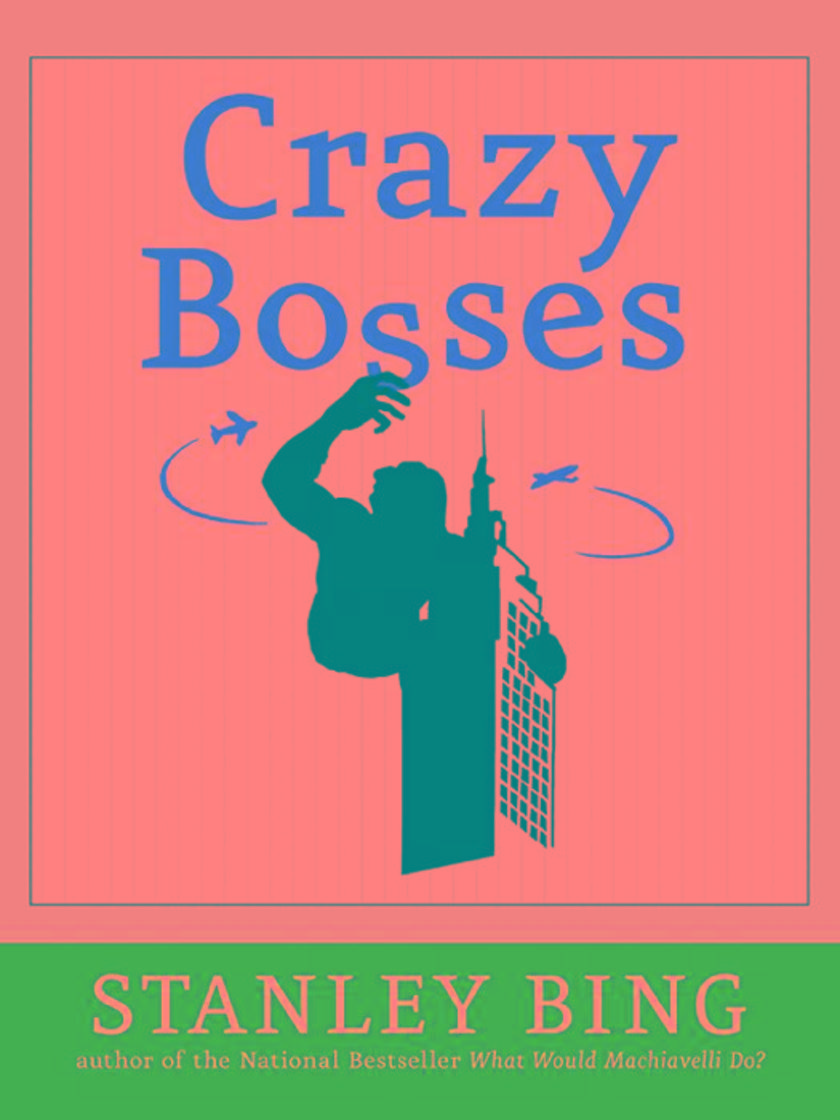
Crazy Bosses
¥123.24
Since the latter part of the century just past, Stanley Bing has been exploring the relationship between authority and madness. In one bestselling book after another, reporting from his hot-seat as an insider in a world-renowned multinational corporation, he has tried to understand the inner workings of those who lead us and to inquire why they seem to be powered, much of the time, by demons that make them obnoxious and dangerous, even to themselves. In What Would Machiavelli Do?, Bing looked at the issue of why mean people do better than nice people, and found that in their particular form of insanity lay incredible power. In Throwing the Elephant: Zen and the Art of Managing Up, he offered a spiritual path toward managing the unruly executive beast. And in Sun Tzu Was a Sissy, he taught us how to become one of them, and wage war on the playing field that ends in a dream home in Cabo. Now he returns to his roots to offer the last word on the entity that shapes our lives and stomps through and on our dreams: The Crazy Boss. Students of Bing and there are many, secreted inside tortured organizations, yearning for blunt instruments with which to fight will note that he has walked this ground before, looking for answers. In 1992, he published the first edition of Crazy Bosses, which was fine, as far as it went. Now, some 15 years and several dozen insane bosses later, he has updated and rethought much of the work. Back in the last century, Bing was a small, trembling creature, looking up at those who made his life miserable and analyzing the mental illness that gave them their power. Today, while still trembling much of the time, he is in fact one of those people his prior work has warned us against. His own hard-won wisdom and now institutionalized dementia make this new edition completely fresh and indispensable to anyone who works for somebody else or lives with somebody else, or would like to. In short, Bing is back on his home turf in this funny, true, and essential book, peering with his keen and frosty eye at the crazy boss in all his guises: the Bully, the Paranoid, the Narcissist, the Wimp, and the self-destructive Disaster Hunter. If you loved the original, classic Crazy Bosses, you'll be thrilled to plunge back into the new, refurbished pool. If you are new to the book, strap yourself in: it's going to be a crazy ride.
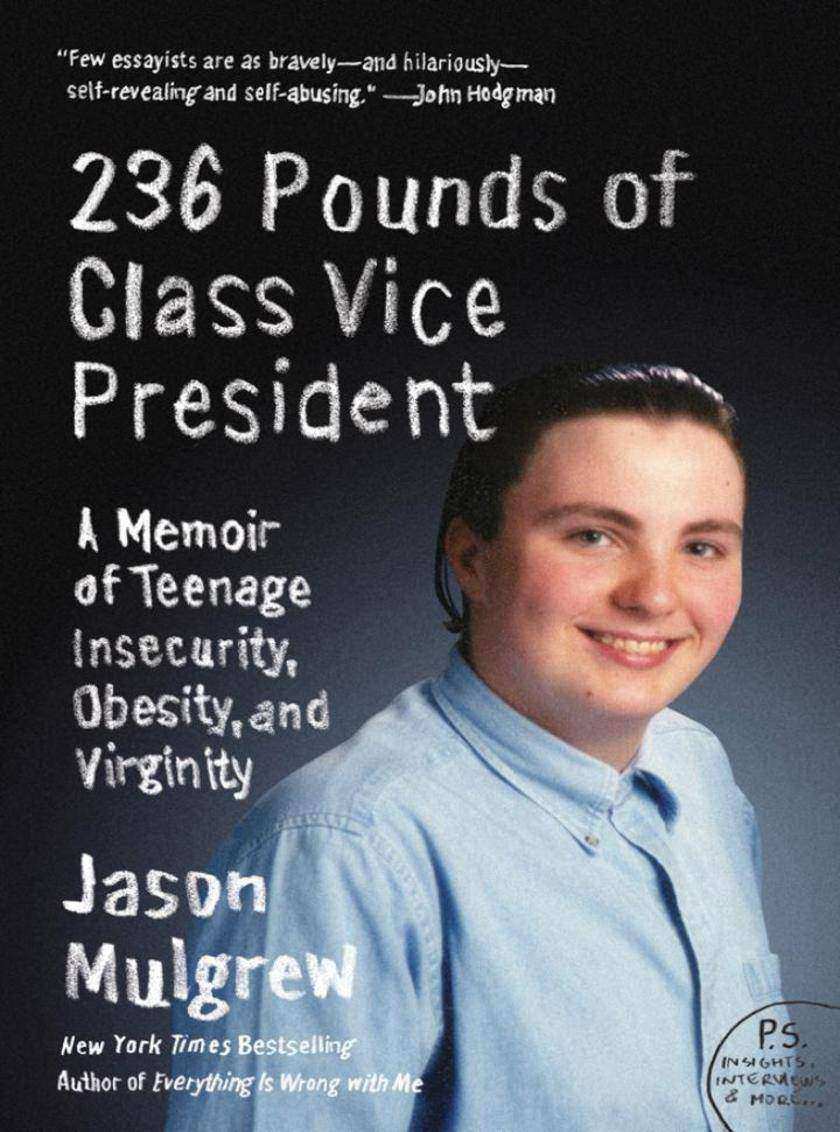
236 Pounds of Class Vice President
¥84.16
When Jason Mulgrew enrolls in a private high school in an exciting new neighborhood (North Philly, murder center of the city), he finds himlf displaced into a world of privilege and strict standards. His classmates, whose parents are lawyers and bankers, live in houses with yards and pools. Mulgrew, whose longshoreman father bought him a motorcycle upon completion of his driver's test, struggles to relate in this wider world, fighting his way through the gauntlet of high school as an awkward, sexless giant. Mulgrew tackles the glorious complications, misapprehensions, and obsessions of the teenage mind. He revisits his unhealthy fixations on dogs, his "bird," the Prep, friends who are girls, Kahlúa & Cream, and a certain position in student body government to craft yet another raunchy, honest, and relentlessly funny memoir.
How to Eat Like a Child
¥90.77
Universal and timeless, Delia Ephron's How to Eat Like a Child is a delightful revisiting of the joys -- and tricky ploys -- of childhood. Made into a children's television special and a musical theater revue performed across the country each year, How to Eat Like a Child offers advice beyond the artful etiquette of food consumption. Ephron also teaches us "How to Laugh Hysterically," "How to Have a Birthday Party," "How to Torture Your Sister," and much, much more. As the Washington Post Book World noted, `After the giggles of recognition have subsided, one thing will be very clear: all adults are kids in grown-ups' clothing."
I Heart My Little A-Holes
¥94.10
Popular blogger Karen Alpert shares her hysterical take on the many "joys" of parenting I Heart My Little A-Holes is full of hilarious stories, lists, thoughts and pictures that will make you laugh so hard you'll wish you were wearing a diaper.
Today I Am a Ma'am
¥121.85
Valerie Harper has a message for women of a certain age: "Work those laugh lines!" With the irreverence and wit that made her one of television's most beloved personalities, Harper (a.k.a. Rhoda Morgenstern) takes on those phony "fabulous at 50" books written by women whose skin is free of laugh lines and who wouldn't know a cellulite pocket if it bit them on the backside. With her trademark shoot-from-the-hip, call-'em-like-she-sees-'em style, she helps women celebrate, with humor and grace, what it means to be middle aged. Harper's essays explore the treacherous terrain women must travel -- from the tyrannies of fashion to the unmentionables of menopause. She tackles the most perplexing questions of the day: If you wear a size zero, do you existWould menopause be revered if it happened to menDo calories count if you eat standing upAre dressing rooms fitted with fun house mirrorsToday I Am a Ma'am is the perfect antidote to the youth obsession of our culture, offered by America's most reliable girlfriend. It is Humor Replacement Therapy for midlife women, a book you can pick up when ever you need a laugh or a reminder that midriff drift is not the end of the world.
Mental Floss presents In the Beginning
¥95.39
Sure, you know all about the birds and bees. But did Dad ever tell you that it wasn't a stork that put that shiny can opener in your kitchen drawerOr paperclips started out as proud, Nazi-fighting warriorsAnd did he tell you how cruise control was originally conceived by a blind geniusFrom mullets to Silly Putty, lie detectors to karaoke, we've got the true stories behind everything you didn't think had stories. Because if you're looking for answers, In the Beginning is the place to start.

Landscapes in Watercolour (Collins 30-Minute Painting)
¥57.00
This practical and inspirational guide, in a handy sketchbook format, is aimed at the practised beginner and shows how to achieve successful watercolour landscapes in just 30 minutes – ideal for the busy amateur artist who doesn't have much time to paint. Many people think they don't have enough time to paint, but in this attractive guide Paul Talbot-Greaves encourages quick and simple painting. By working with just a few materials and focusing on the key techniques it is possible to achieve successful, realistic landscape paintings in no more than half an hour. And for those artists who already have a little painting experience, learning to work more quickly enables them to free up their style and paint more spontaneously. All the key topics are covered, from watercolour techniques, colour and tone to learning about creating distance, composing pictures and selecting scenes.
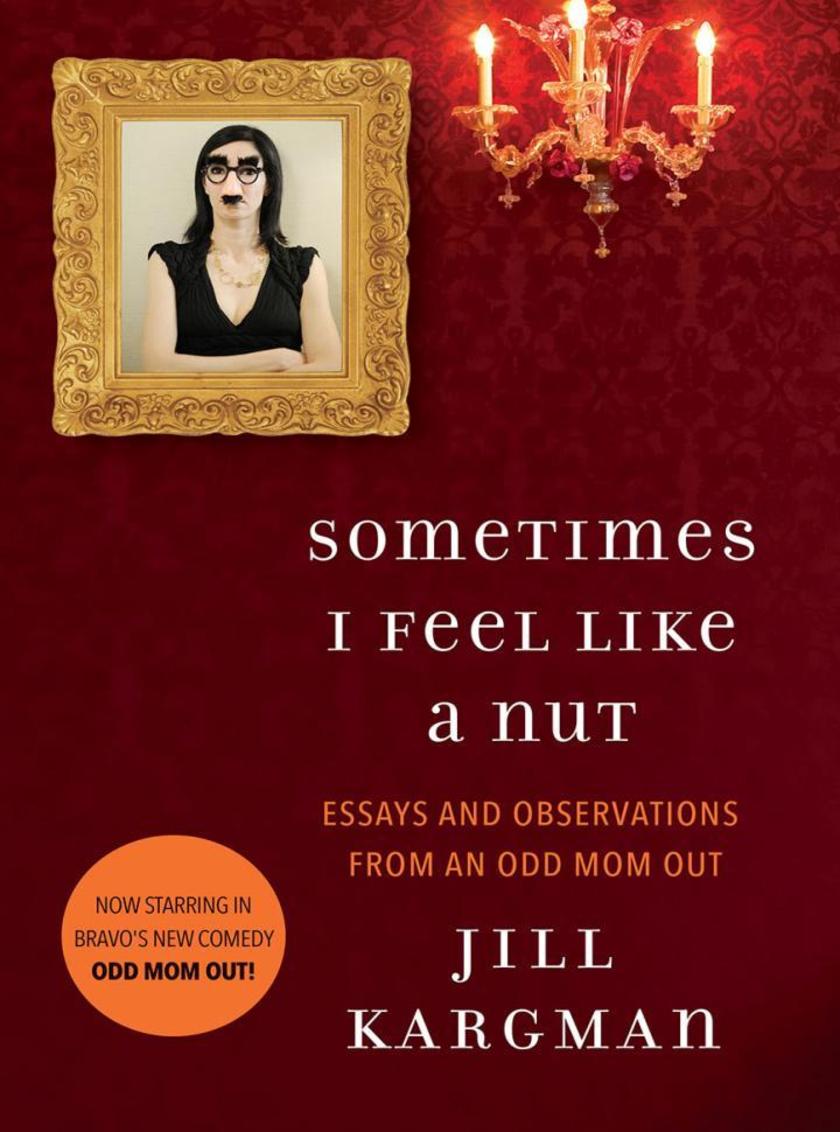
Sometimes I Feel Like a Nut: Essays and Observations From An Odd Mom Out
¥110.71
Demonstrating Woody Allen's magical math equation, comedy = tragedy + time, a sensational collection of witty essays about life, love, hate, kids, work, school, and more from the author of The Ex-Mrs. Hedgefund and Arm Candy Jill Kargman is a mother, wife, and writer living the life in New York City . . . a life that includes camping out in a one-bedroom apartment with some unfortunate (and furry) roommates, battling the Momzillas of Manhattan, and coming to terms with her desire for gay men. In this entertaining collection of observations, Kargman offers her unique, wickedly funny perspective as she zips around Manhattan with three kids in tow.Kargman tackles issues big and small with sharp wit and laugh-out-loud humor: her love of the smell of gasoline, her new names for nail polishes, her adventures in New York City real estate, and her fear of mimes, clowns, and other haunting things. Whether it's surviving a family road trip or why she can't stand Cirque du So Lame, living with a mommy vagina the size of the Holland Tunnel or surviving the hell that was her first job out of college, Kargman's nutty self triumphs, thanks to a wonderfully wise outlook and sense of fun that makes the best of everything that gets thrown her way. And if that's not enough, Kargman illustrates her reflections with doodles that capture her refreshing voice.
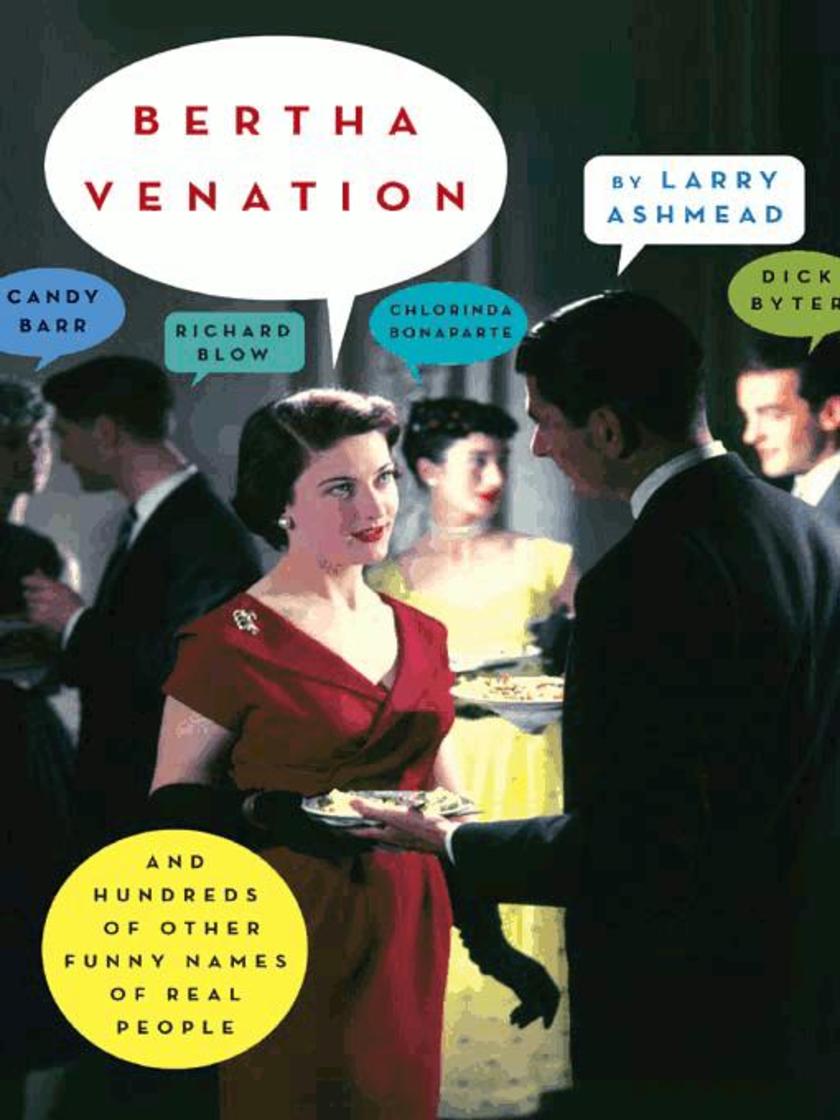
Bertha Venation
¥84.05
An ideal gift book with personality and charm, Bertha Venation is a legendary editor's lifetime collection of the amazing names of actual people, with his own inimitable wit, commentary, and stories.Roger Gotobed . . . Ida Slaptor . . . Formica Dinette . . . Honeysuckle Weeks . . . Gay Beach . . . Sappho Clissit . . . Dimple MysteryThis colorful collection of extraordinary names, sure to please every lover of miscellany, features: Celebrity Children, Weirdest Names in Sports, Aptly Named Professionals, Literary Highlights, Funny Name Marriages, Places and Houses with Strange Names, Long and Meaningless Names, and Pets.Barbara Fatt Heine . . . P. Enis . . . Razzle and Dazzle . . . Moondog . . . Casa Enima . . . Phydeaux . . . Phat Ho . . . Fitz Funfrock . . . Mone't Elysea Ann . . . and Lake Chargoggagoggmanchauggagoggchaubunagungamaugg
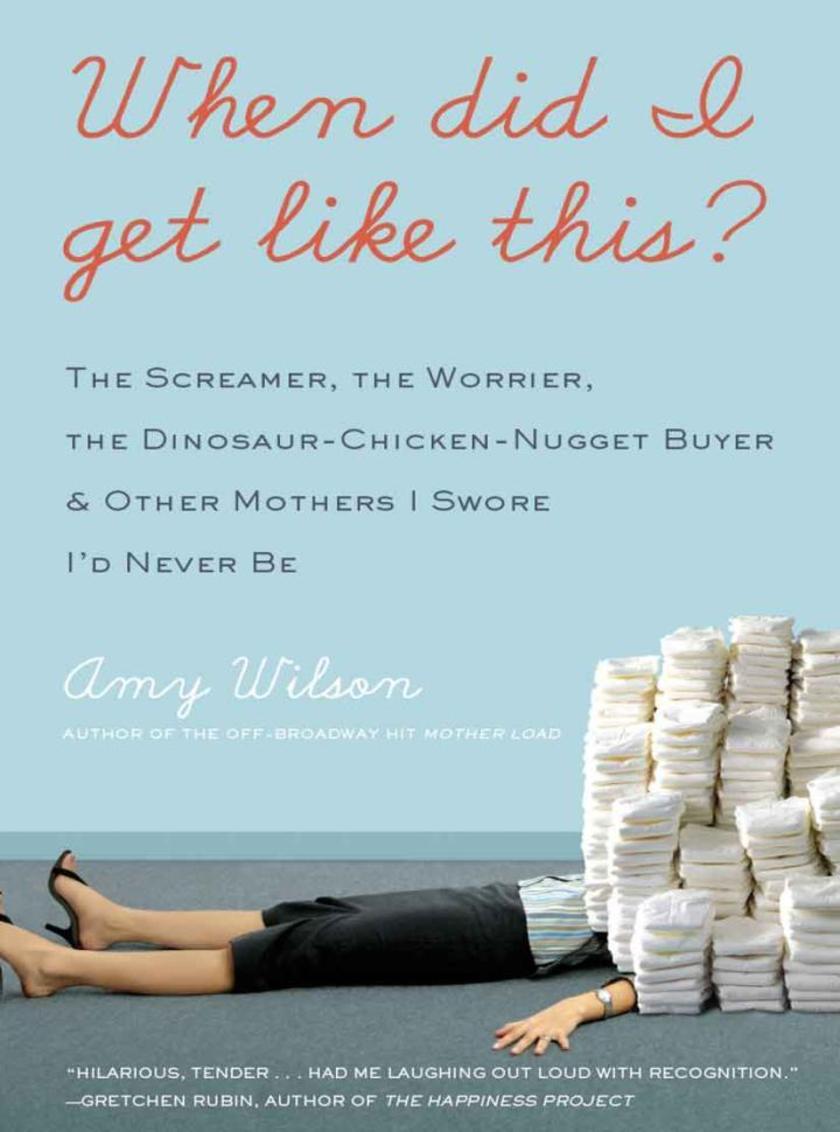
When Did I Get Like This?
¥83.03
When Did I Get Like Thisis the hilarious story of one mother's struggle to shrug off the ridiculous standards of modern parenting, and remember how to enjoy her children Over the last seven years of long days with little children, I have had many moments of joy, calm, and peaceful reverie.This book is about the other moments.Before I became a mother, failing at something did not shake my fundamental belief in my capabilities as a human being. But now that I am the mother of three children under the age of seven, I have one overriding daily thought: I suck at this.What kind of mother feeds her kids dinosaur chicken nuggetsThree times a weekWhat kind of mother lets hand washing after using the toilet slide, as long as it was just Number OneAnd then I wonder: When did I get like thisWhy do I doubt my parenting abilities, day after dayWhy does motherhood, a job as old as Eve, have me teetering daily on the edge of sanity?With each new stage of motherhood, I tell myself I will never again be suckered by the question, "Don't you want what's best for your children?" And yet, time after time, I am. Sometimes, I am right to obsess. Other times, the record will show, it has been distinctly counterproductive.I'm working on it . . .
Cube Monkeys
¥78.10
You drag yourself to work wearing your office uniform, complete with khaki pants and sense of impending doom. After grabbing a cup of the office sludge, you settle in with your fellow cube dwellers and wonder: How will I last another day in this freaky corporate jungleCheaper than therapy, Cube Monkeys is your secret weapon to surviving the longest 40 hours of the week. Wanna get the overachieving intern firedDon't know how to tell the Stink Bomb down the hall he needs a scrub a dub dubAfraid you may have told off the boss after your fifth margarita at last night's happy hourNeed a handy list of excuses good for any occasionLook no further. The editors of CareerBuilder.com and Second City Communications have answers to your most pressing office survival questions, as well as advice, tips, and more to help you make it through the day without killing anyone. (Well, maybe the intern will take a hit. But that little snitch had it coming.)
In the Event of My Untimely Demise
¥78.55
When Brian Sack's mother passed away, he was left with a letter and a pink cardigan. The cardigan was promptly placed in a drawer, but the letter was pure gold. In just a few pages of fancy cursive, her posthumous dispatch offered the kind of guidance you would expect from a mother to her young son. And while he didn't necessarily follow all the advice, he never forgot how very important those words and that letter were to him. Decades later, on the verge of parenthood himself, Brian decided to write something for his own child, wanting a legacy, and not just a pink cardigan, to leave to his son. But far from the usual collection of advice, Brian has written a sharp, sage, warts-and-all survival guide to life.With quick wit and self-deprecating honesty, Sack draws from his experiences, tapping them for the humor within. Holding nothing back, he: Gives the skinny on relationships don't let the woman you love wander alone in France Commiserates about the death of the meritocracy wanting to sing doesn't mean you can Recounts his awkward entry into fatherhood you'll overcome your aversion to poo Offers firsthand advice avoid any bipolar lady with a drug-sniffing wonder-cat And argues that the Empire State Building is not a phallic symbol no matter what the professor said Every chapter takes on subjects ranging from the universal and mundane to the life changing and inevitable. With its funny and heartfelt musings from a father to a son, In the Event of My Untimely Demise is a delightful life primer for all of us.

Player HateHer
¥78.65
At last, a humorous, anecdote-filled exploration of the many ways in which women stab each other in the back and talk about each other behind closed doors If you exhibit any of these traits, you may be guilty of being a Player hateHER: You get upset when people don't notice how fabulous you are. You vow to get revenge on your boyfriend's mistress, instead of him. You become angry when you see someone wearing the same outfit you purchased, as if it were produced just for you. Player hateHER shows women why they hate on one another, and, most important, how they can stop! A much-needed lesson in respecting one another and respecting yourself.

Portraits of Conflict
¥484.91
Portraits of Conflict: A Photographic History of Alabama in the Civil War is the tenth volume in this acclaimed series showing the human side of the country's great national conflict. Over 230 photographs of soldiers and civilians from Alabama, many never seen before, are accompanied by their personal stories and woven into the larger narrative of the war both on the battlefield and the home front. Alabama is unusual among the Rebel states in that, while its people saw little fighting inside its boundaries, nearly one hundred thousand Alabamians served with Confederate units throughout the South. This volume chronicles their experiences in almost every battle east of the Mississippi River--especially at Sharpsburg, Chancellorsville, and Gettysburg under the legendary Robert E. Lee; at Murfreesboro and Chickamauga as part of the ill-fated Army of Tennessee; and at the famous siege of Vicksburg. Ultimately Union soldiers did invade the state, and Alabamians defended their homeland against enemy cavalry raiders at Selma and against Federal warships in the fight for Mobile Bay. The volume also includes accounts of some of Alabama's leading politicians as well as several of its more ordinary citizens. This new volume contains the same quality of photography and storytelling that has attracted Civil War enthusiasts since the first volume was published in 1987, making it another welcome addition to the series Civil War History called "e;a sensibly priced, beautifully produced photographic history."e;
Arts of Wonder
¥353.16
"e;The fate of our times is characterized by rationalization and intellectualization and, above all, by 'the disenchantment of the world.'"e; Max Weber's statement remains a dominant interpretation of the modern condition: the increasing capabilities of knowledge and science have banished mysteries, leaving a world that can be mastered technically and intellectually. And though this idea seems empowering, many people have become disenchanted with modern disenchantment. Using intimate encounters with works of art to explore disenchantment and the possibilities of re-enchantment, Arts of Wonder addresses questions about the nature of humanity, the world, and God in the wake of Weber's diagnosis of modernity.?Jeffrey L. Kosky focuses on a handful of artists-Walter De Maria, Diller + Scofidio, James Turrell, and Andy Goldworthy-to show how they introduce spaces hospitable to mystery and wonder, redemption and revelation, and transcendence and creation. What might be thought of as religious longings, he argues, are crucial aspects of enchanting secularity when developed through encounters with these works of art. Developing a model of religion that might be significant to secular culture, Kosky shows how this model can be employed to deepen interpretation of the art we usually view as representing secular modernity. A thoughtful dialogue between philosophy and art, Arts of Wonder will catch the eye of readers of art and religion, philosophy of religion, and art criticism.


