


 购物车
购物车 个人中心
个人中心
The Adventures of Robinson Crusoe
¥40.79
Set on a tropical island where Robinson Crusoe found himself after a terrible storm at sea, we follow his life and adventures far away from civilization. A novel which has inspired countless imitations and adaptations, remains one of the most original and inspiring stories in the English language.
Dead Souls
¥40.79
Chichikov, a gentleman of middling social class and position arrives in a small town and quickly tries to make a good name for himself by impressing the officials of the town. Despite his limited funds, he spends extravagantly hoping that a great show of wealth and power at the start will gain him the connections he needs to carry out his mysterious plan to acquire 'dead souls.'
On Making A Found Footage Film
¥24.44
After almost two decades the first guide dedicated solely to the making of a found-footage film has arrived. In this book, you will be offered clear advice on how to write, direct and produce a quality found footage film. Advice coming from over half a dozen young filmmakers who are in post-production of their films as this book is being published. On Making a Found Footage Film is more than a how-to guide it is a call to refocus and redesign a genre of filmmaking. To take if from a sub-genre of horror films into comedy, action, suspense and straight drama. There is no limit to what the found-footage film can become in the hands of inventive new film-makers. Back in the 1970's the first true experiment in the genre of Found Footage, Cannibal Holocaust, shocked the world, but it would be the arrive of The Blair Witch Project in the year 1999 that would change the world of filmmaking forever. Since then this subgenre has grown in popularity if not quality. Films such as Paranormal Activity, Rec, Rec 2 and The Visit show that if done right these films can be both profitable and effective. This book features an interview with the film-makers behind Found Footage 3D a film that may again allow the genre to reach an entirely new audience. If you want a understand the basics of what goes into producing a Found Footage film this is the book to start with. I also invite you to take this genre to the next level by filming Comedies and Dramas along with Horror films. Anything is possible. Filmmaking is the art of recording dreams. If you can dream it then you can film it.
Vertical Gardening:Vertical Gardening for Beginners
¥38.62
WANT TO LEARN THE INS AND OUTS OF VERTICAL GARDENING? Here Is A Preview Of What You'll Learn... Setting Up the Base You Need in Your Garden Working on the Maintenance of Your Vertical Garden Making Room for the Plants Picking Out the Right Plants Some Tips for Your Vertical Garden Much, Much, More!

Thomas Paine Complete Works – World’s Best Collection: All Works
¥8.09
Thomas Paine Complete Works World's Best Collection This is the world’s best Thomas Paine collection, including the most complete set of Paine’s works available plus many free bonus materials. Thomas Paine Thomas Paine is known as one of the Fathers of the American Revolution. His landmark work, ‘Common Sense’, is known as the major inspiration for the ‘Declaration of Independence’, and his ‘Crisis’ pamphlet series was a favorite of George Washington to read out loud to inspire his troops at Valley Forge. Paine’s work is passionate, radical, yet accessible; covering his strong beliefs in Independence, Personal Liberty, Politics, Religion and Government. Hugely successful and inspiring strong polarization in their times, they are still must-reads today, still highly debated and revered The ‘Must-Have’ Complete Collection In this irresistible collection you get a full set of his amazing work, with All of his amazing works, All writings and All his letters, including hard to come by rarities. Plus a Bonus biography of Paine’s unbelievably intriguing life Works Included: Common Sense The famous work that inspired the American colonists with a demand and call for freedom from British rule. Also notable, that when adjusted for the population size of 1776, ‘Common Sense’ has the largest sales and circulation of any book in American history. The American Crisis A series of pamphlets published from 1776 to 1783 written to motivate the Troops during the revolution, to spur them to victory. The language is powerful and emotional, and reflects Paine’s liberal philosophies. The first lines are the famous: “These are times that try men’s souls.” The Rights Of Man (Part I and Part Ii) A radical set of books that argues that political revolution is required when a government does not safeguard its people. The Age Of Reason (Part I and Part Ii) A deistic work, about institutionalized religion, and Paine’s strong views concerning it. Letters and Miscellaneous Writings A Full Set of Paine’s must-read letters and assorted short works from Paine, Including his famous ‘Letter To George Washington’ and his last work ‘Agragian Justice’ Your Free Bonuses Thomas Paine, Biography – A fascinating biography, detailing Paine’s unbelievable, often sad, and often controversial life, written specially for this collection. Works presented as far as possible in original publication date order - So you can follow Paine’s growth as a writer and philosopher Get This Collection Right Now This is the best Thomas Paine collection you can get, so get it now and start enjoying and being intrigued by his world like never before!
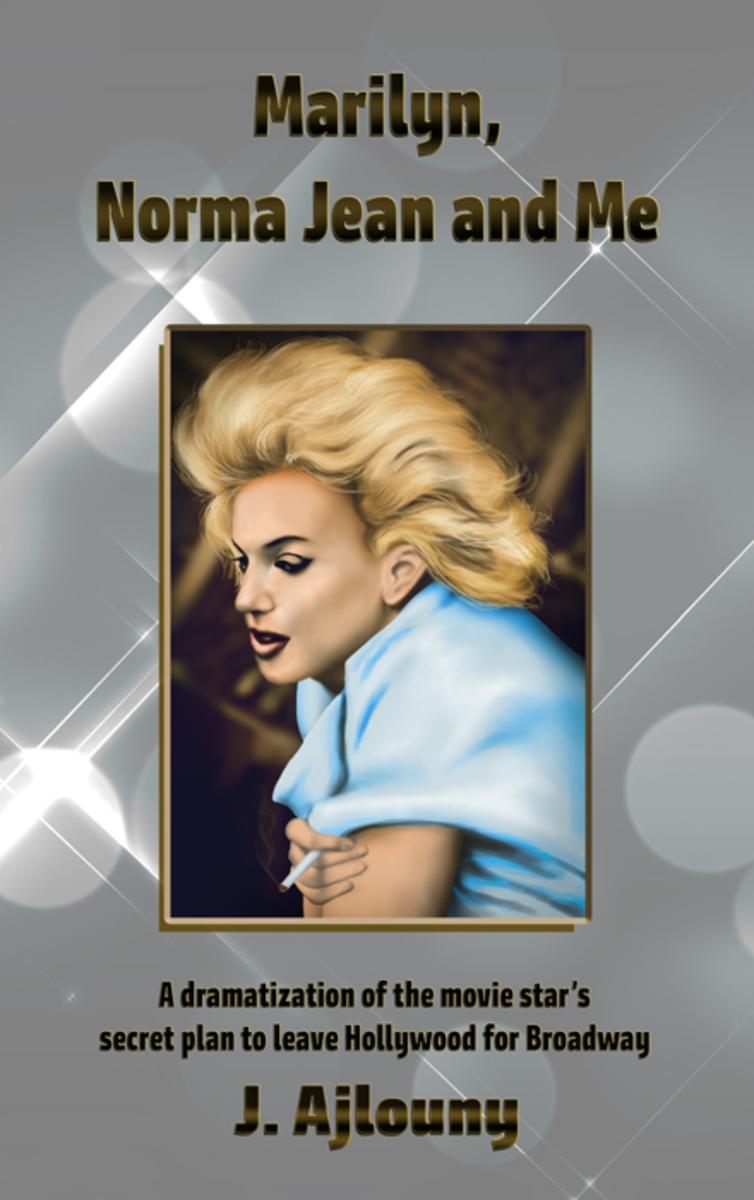
Marilyn, Norma Jean and Me
¥24.44
In this boisterous but sensitive drama, playwright J. Ajlouny looks beyond public image to find the heart of this young woman thrust wildly into fame as a sex symbol. Presented as a play-in-the-making within a play, Marilyn, Norma Jean and Me weaves biography with humor to explore the movie star’s widely speculated plan to leave Hollywood for Broadway. The author imagines her innocence and vulnerability, her friendliness and loyalty, even as the public image threatens to steal her humanity. This play is a must-see or -read for fans of film and stage, not just because it is so good, but for its powerful way of finding the real Norma Jean in the legend known as Marilyn Monroe.
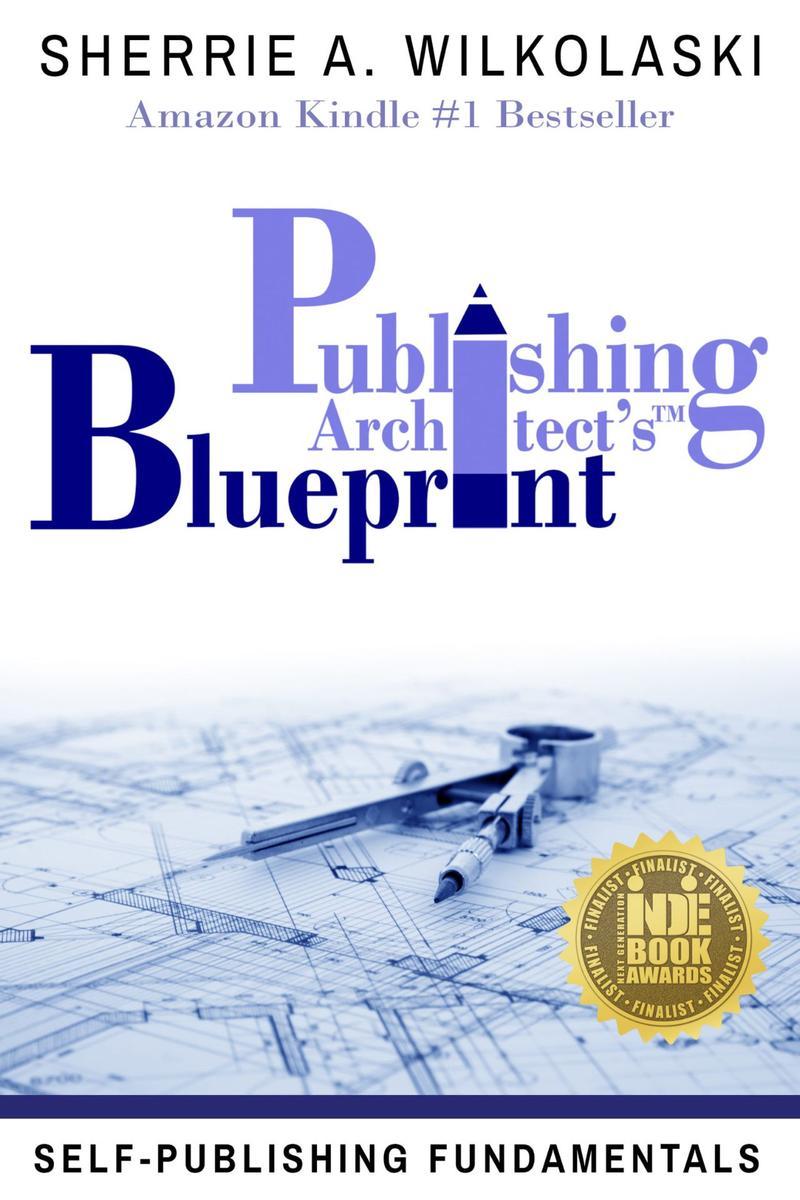
Publishing Architect's Blueprint: Self-Publishing Fundamentals
¥81.67
The Publishing Architect's Blueprint: Self-Publishing Fundamentals is a no-nonsense roadmap to publishing success for the author and small publisher alike. Both fiction and nonfiction authors will utilize this book as their publishing guide for print, e-book and audio titles. It maps the most direct route to publishing success in the most cost-effective manner, providing the indie publisher with the skills and approach of a traditional publisher and marketing strategy of a bestseller.

A to Z Gardening for Beginners
¥32.62
Gardening might seem like an easy thing to do. Buy a plant, dig a hole in the ground, drop the plant in it, and cover it up waiting for blooms to suddenly appear. If only it were that simple. The overall idea of gardening is basic, but gardening is very intricate. It’s not as simple as just buying a plant and planting it. Gardening involves pest control, weeding, knowing the needs of each plant, soil types, etc. But if you’ve just started to become interested in gardening, there’s a lot to know. It can be easy to get excited and buy everything you see garden related, but take it slow. This guide will help you know all the basics of gardening. Everything from types of gardens, how much sunlight plants need, companion planting, essential gardening tools to have, and much more. When you’re done reading, you’ll be fully prepared to create your garden and make it one of the best. The Benefits of Gardening So, you decided to give gardening a try. That’s great! Gardening has many benefits for your health. It can not only help to improve it, but it has the ability to reduce stress and anxiety and works to keep your mind active. It also good to help relax. Relax? Yes, gardening can lead to relaxation in many ways. One is that you’re outside and in nature. It’s been scientifically proven that being outside can help give you daily doses of Vitamin D, help improve your mood, and give you a better night’s sleep. The other way of relaxation is just that, sleep. Working in a garden can help give you a better’s night sleep. So, before you decide to take other means to fall asleep, try spending a day gardening instead. These benefits are just a sample of the happiness and fulfillment that gardening will give you.
Notes to Shakepeare's Tragedies
¥8.09
From the General Introduction: "Dr. Johnson's reaction to Shakespeare's tragedies is a curious one, compounded as it is of deep emotional involvement in a few scenes in some plays and a strange dispassionateness toward most of the others. I suspect that his emotional involvement took root when he read Shakespeare as a boy--one remembers the terror he experienced in reading of the Ghost in _Hamlet_, and it was probably also as a boy that he suffered that shock of horrified outrage and grief at the death of Cordelia that prevented him from rereading the scene until be came to edit the play. Johnson's deepest feelings and convictions, Professor Clifford has recently reminded us, can be traced back to his childhood and adolescence."
King Richard II, with line numbers
¥8.09
The classic Shakespearean history play. According to Wikipedia: "King Richard the Second is a history play by William Shakespeare believed to be written in approximately 1595. It is based on the life of King Richard II of England and is the first part of a tetralogy, referred to by scholars as the Henriad, followed by three plays concerning Richard's successors: Henry IV, part 1, Henry IV, part 2, and Henry V. It may not have been written as a stand-alone work."
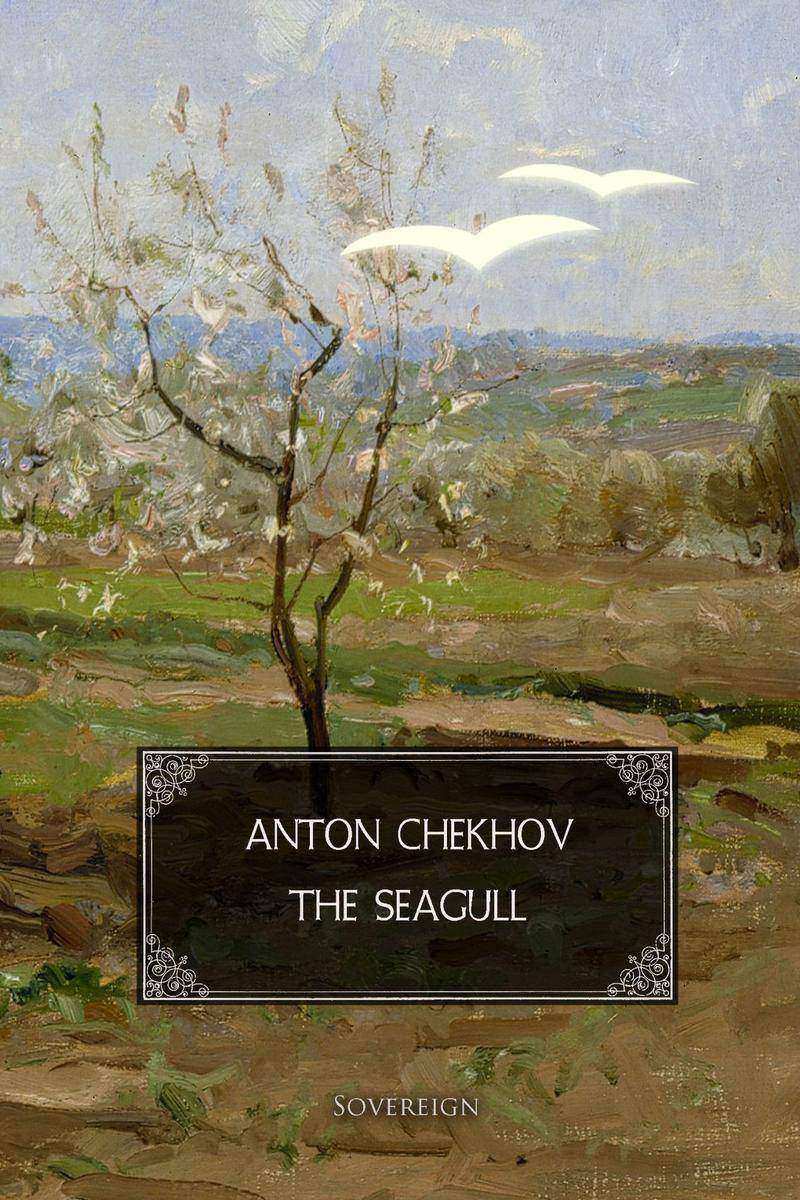
The Seagull: A play in four acts
¥40.79
A masterpiece of modern drama, The Seagull dramatises the romantic and artistic conflicts between four characters: the ingenue Nina, the fading actress Irina, her son the symbolist playwright Konstantin, and the famous middlebrow story writer Trigorin.
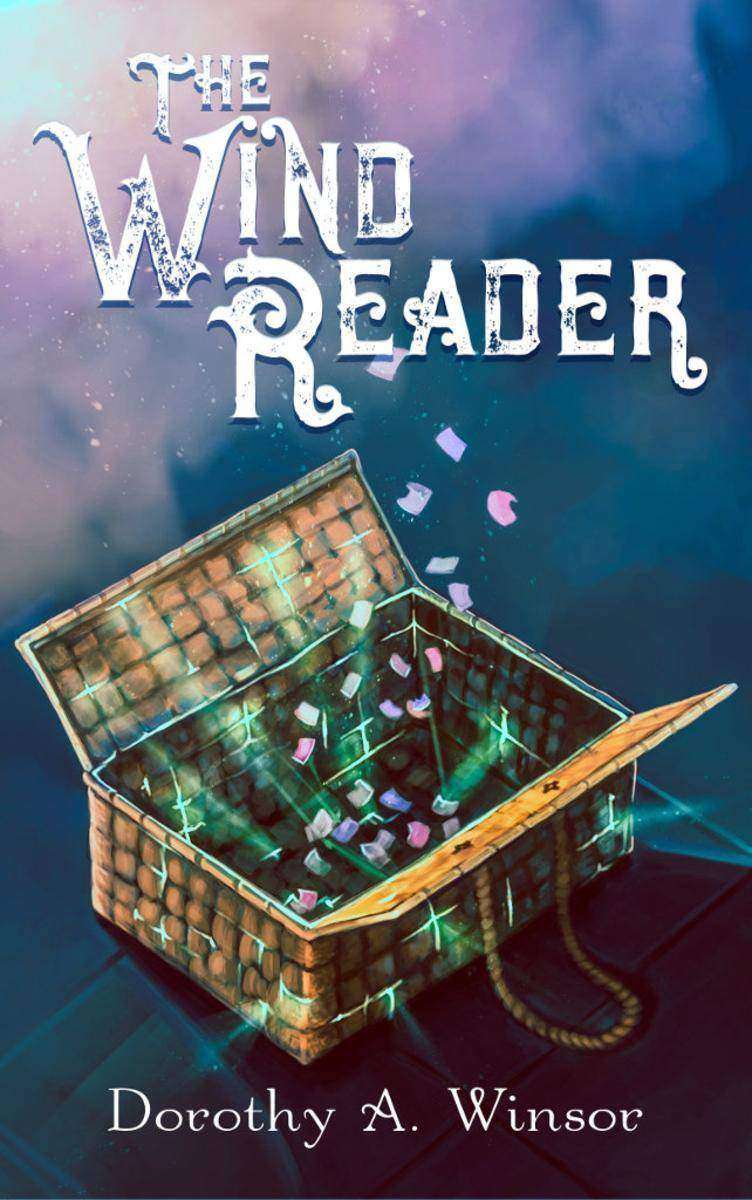
The Wind Reader
¥32.62
Stuck in a city far from home, street kid Doniver fakes telling fortunes so he can earn a few coins to feed himself and his friends. Then the divine Powers smile on him when he accidentally delivers a true prediction for the prince. Concerned about rumors of treason, the prince demands that Doniver use his "magic" to prevent harm from coming to the king, and so Doniver is taken--dragged?--into the castle to be the royal fortune teller. Now Doniver must decide where the boundaries of honor lie, as he struggles to work convincing magic, fend off whoever is trying to shut him up, and stop an assassin, assuming he can even figure out who the would-be assassin is. All he wants is to survive long enough to go home to the Uplands, but it's starting to look as if that might be too much to ask.

Environmental Degradation and Dryland Agro-Technologies in Northwest China
¥99.52
Environmental Degradation and Dryland Agro-Technologies in Northwest China” is a documentation of past and present research, training and extension experiences on: environmental degradation; conservation farming systems; water and nutrient management options; soil and water management technologies and training; soil erosion control; dryland agriculture and soil erosion; soil fertility and crop production; drought and soil water use, demonstration of ecologically sustainable agriculture; and dissemination of farming system technologies in the arid and semi-arid lands of Northwest China. These concerns are expounded on both from the national (China) and Regional (Loess Plateau) perspectives. The information provided herein was obtained through a review of all relevant literature and firsthand consultations/discussions undertaken by the author with professors and local research scientists, technicians and farmers in Northwest China. The facts and figures presented are based on their experiences of many years. This publication does provide valuable scientific information on the status of environmental degradation and dryland agro-technologies within Northwest China that are either traditional or newly developed through scientific research at various relevant Institutions such as NWAU, NWISWC and Regional Academies of Agricultural Sciences such as SAAS, GAAS, NAAF and QAAF. There are lessons to be learnt and plausible remedial conservation measures to be adopted elsewhere from these experiences in Northwest China.
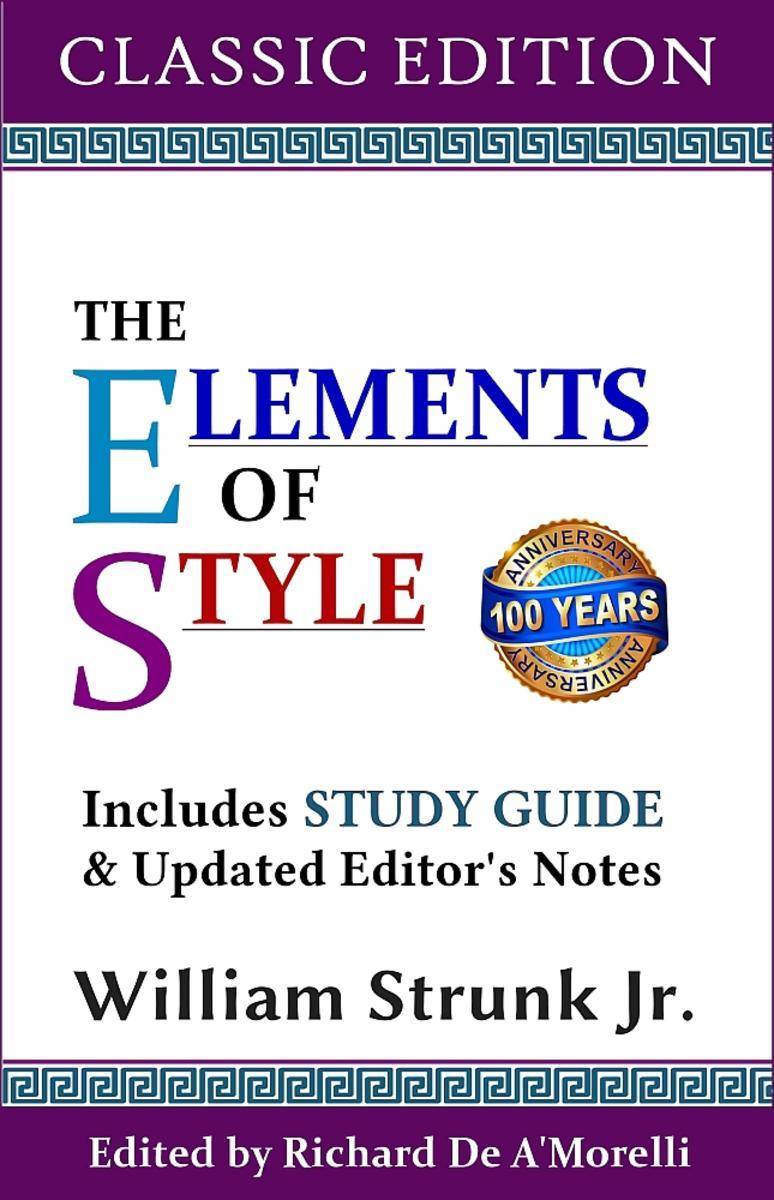
The Elements of Style (Classic Edition): With Editor's Notes and Study Guide
¥23.14
This Classic Edition contains the original version of "The Elements of Style" written by Cornell University English professor William Strunk Jr. Generations of college students and writers have learned the basics of grammar from this short primer over the years. It was rated "one of the 100 most influential books written in English" by Time in 2011, and iconic author Stephen King recommended it as a grammar handbook that all aspiring writers should read. Written one hundred years ago, "The Elements of Style" is a nostalgic link to a momentous time in American history that ushered in the Art Deco era and the Roaring Twenties. Many of the English grammar rules it cites are as relevant today as they were at the turn of the 20th century; but, one by one, these rules are becoming out-of-date This Classic Edition, updated as we head into 2017, is intended as a tribute to Prof. Strunk's enduring book. It follows the original version but includes these enhancements for today's readers: 1. Editorial notes have been inserted to indicate grammar rules now considered obsolete, and to provide brief insights on updated rules for present-day writers. 2. Easily recognizable symbols have been added to the grammar examples throughout the book so that readers can discern correctly written sentences from errors at a glance. 3. A Study Guide has been added at the conclusion of the book. 4. The paperback version includes blank, lined pages at the end for convenient note taking. 5. The digital version has been restyled for improved display on all modern e-book readers.

Split/Mixed
¥38.62
A dual language edition in English and French. The genocide in Rwanda shocked the world. Back then, Ery Nzaramba was only a teenager and his family’s escape to Europe turned him into a “survivor”. How should he now respond to questions about who he is and where he comes from? In this autobiographical one-man play, performed to acclaim on the Edinburgh Festival Fringe, the author journeys back to his Rwandan childhood. With the help of a cassette player, he brings to life nearly a dozen characters, exploring memories of kinship, cultural attitudes and personal identity. Both funny and poignant, the play highlights not only the intolerance that can breed violence and war but also the importance of power and privilege in the struggle for survival. Le génocide au Rwanda a choqué le monde. ? l'époque, Ery Nzaramba était un adolescent. Après que sa famille se fut échappé en Europe, il est devenu un ?survivant?. Désormais, que doit-il répondre à des questions sur qui il est et d'où il vient? Dans ce one-man show autobiographique, salué par la critique lors de sa présentation au Festival d'?dimbourg, l'auteur retourne vers son enfance au Rwanda. Accompagné d'un lecteur cassette, il donne vie à une bonne douzaine de personnages, explorant souvenirs de famille et d'affinités, attitudes culturelles et identité. ? la fois poignante et pleine d'humour, la pièce met en lumière non seulement l'intolérance qui peut engendrer violence et guerre, mais aussi l'importance du privilège dans la lutte pour la survie.

Utilitarianism
¥8.82
John Stuart Mill's book Utilitarianism is a philosophical defense of utilitarianism in ethics. The essay first appeared as a series of three articles published in Fraser's Magazine in 1861; the articles were collected and reprinted as a single book in 1863. It went through four editions during Mill's lifetime with minor additions and revisions. Although Mill includes discussions of utilitarian ethical principles in other works such as On Liberty and The Subjection of Women, Utilitarianism contains Mill's only major discussion of the fundamental grounds for utilitarian ethical theory.
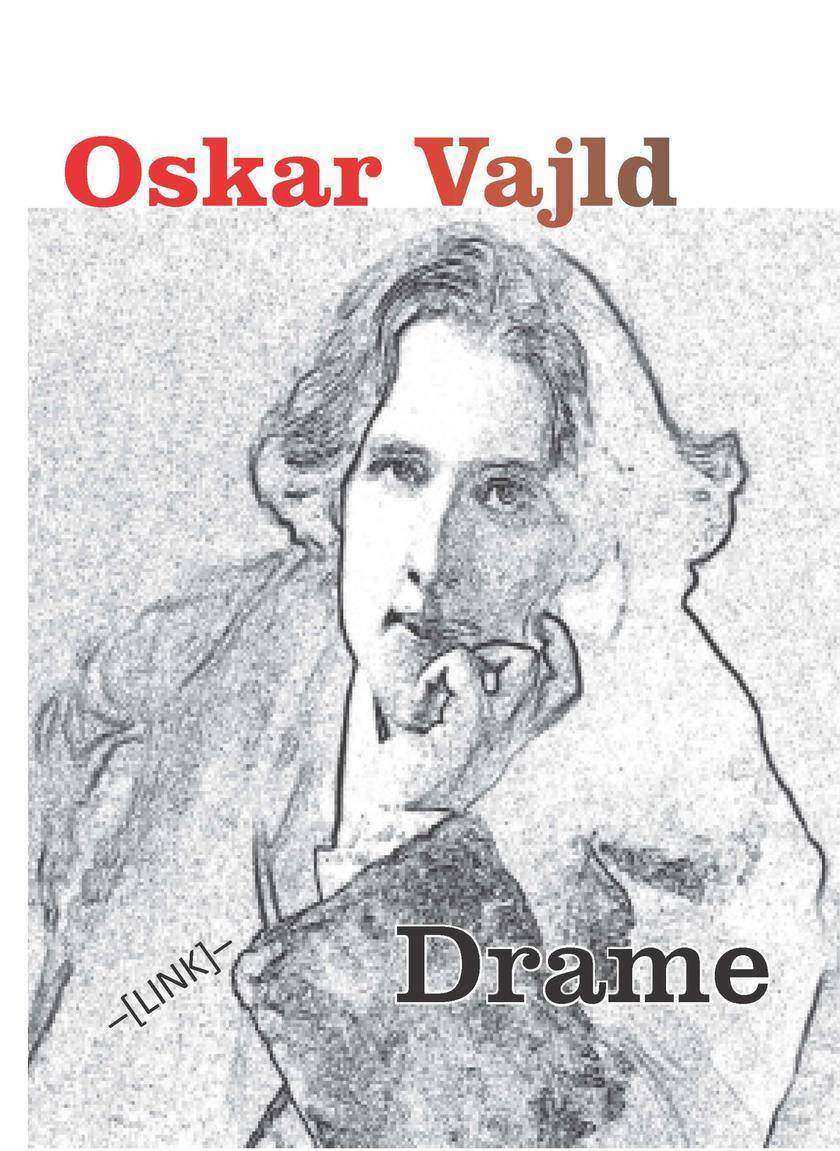
Drame Oskara Vajlda
¥37.20
Ni prevodi najzna?ajnijih drama Oskara Vajlda: Salome, Sveta kurtizana i Va?no je?da si?Ernest
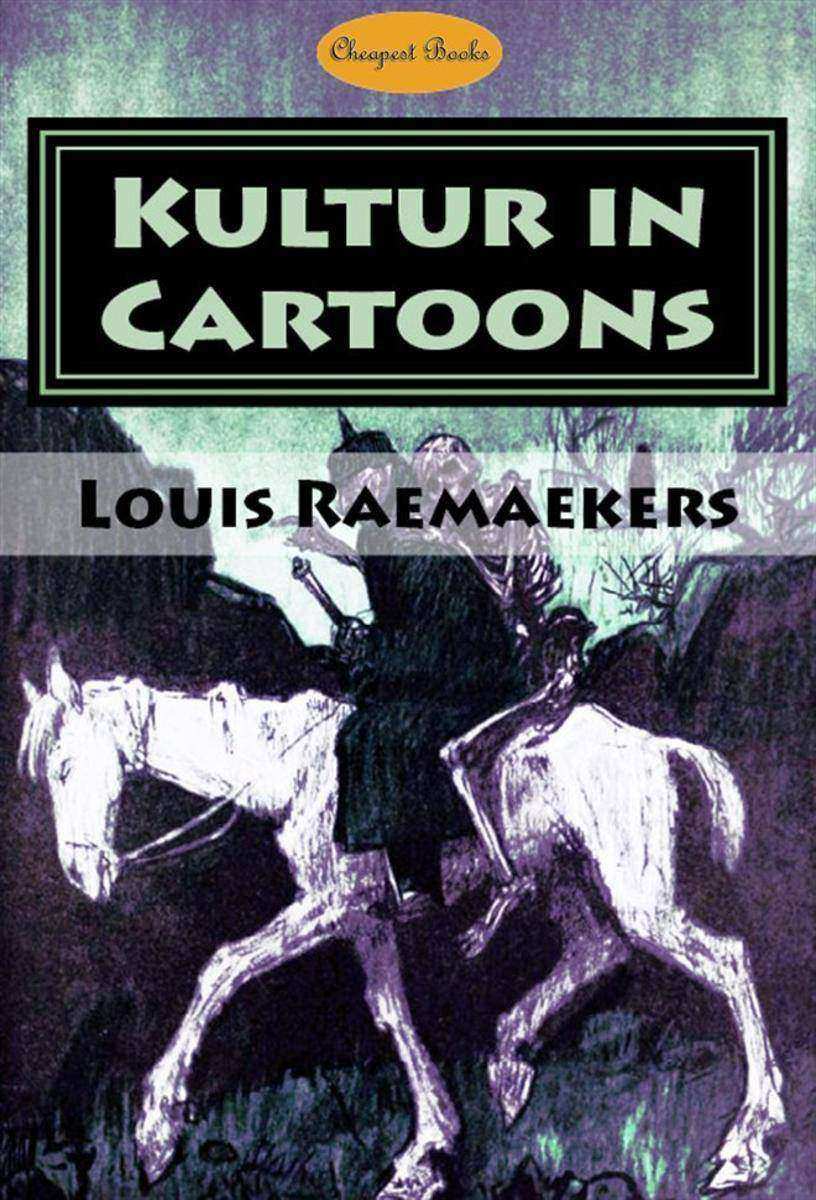
Kultur in Cartoons: "With Accompanying Notes by Well-Known English Writers"
¥28.61
When his cartoons began to reach America toward the end of 1916 this country was neutral. It is with peculiar satisfaction, therefore, that I base this brief foreword upon press extracts published prior to America’s participation in the war. If it were possible to discover today an individual who was entirely ignorant as to the causes and conduct of the war, he would, after an inspection of a hundred or more of these cartoons, probably utter his conviction somewhat as follows: ?“I do not believe that these drawings have the slightest relation to the truth; I do not believe that it is possible for such things to happen in the twenti-eth century.” ??He would be quite justified, in his ignorance of what has happened in Europe, in expressing such an opinion, just as any of us, with the possible exception of the disciples of Bernhardi himself, would have been justified in expressing a similar view in July, 1914.??What is the view of all informed people today? “To Raemaekers the war is not a topic, or a subject for charity. It is a vivid heartrending reality,” says the New York “Evening Post,” “and you come away from the rooms where his cartoons now hang so aware of what war is that mental neutrality is for you a horror. If you have slackened in your determination to find out, these cartoons are a slap in the face. ??Raemaekers drives home a universal point that concerns not merely Germans, but every country where royal decrees have supreme power. Shall one man ever be given the power to seek his ends, using the people as his pawns? We cannot look at the cartoons and remain in ignorance of exactly what is the basis of truth on which they are built.”?The “Philadelphia American” likens Raemaekers to a sensitized plate upon which the spirit which brought on the war has imprinted itself forever, and adds: ?“What he gives out on that subject is as pitilessly true as a photograph. They look down upon us in their naked truth, those pictures which are to be, before the judgment-seat of history, the last indictment of the German nation. Of all impressions, there is one which will hold you in its inexorable grip: it is that Louis Raemaekers has told you the truth.”
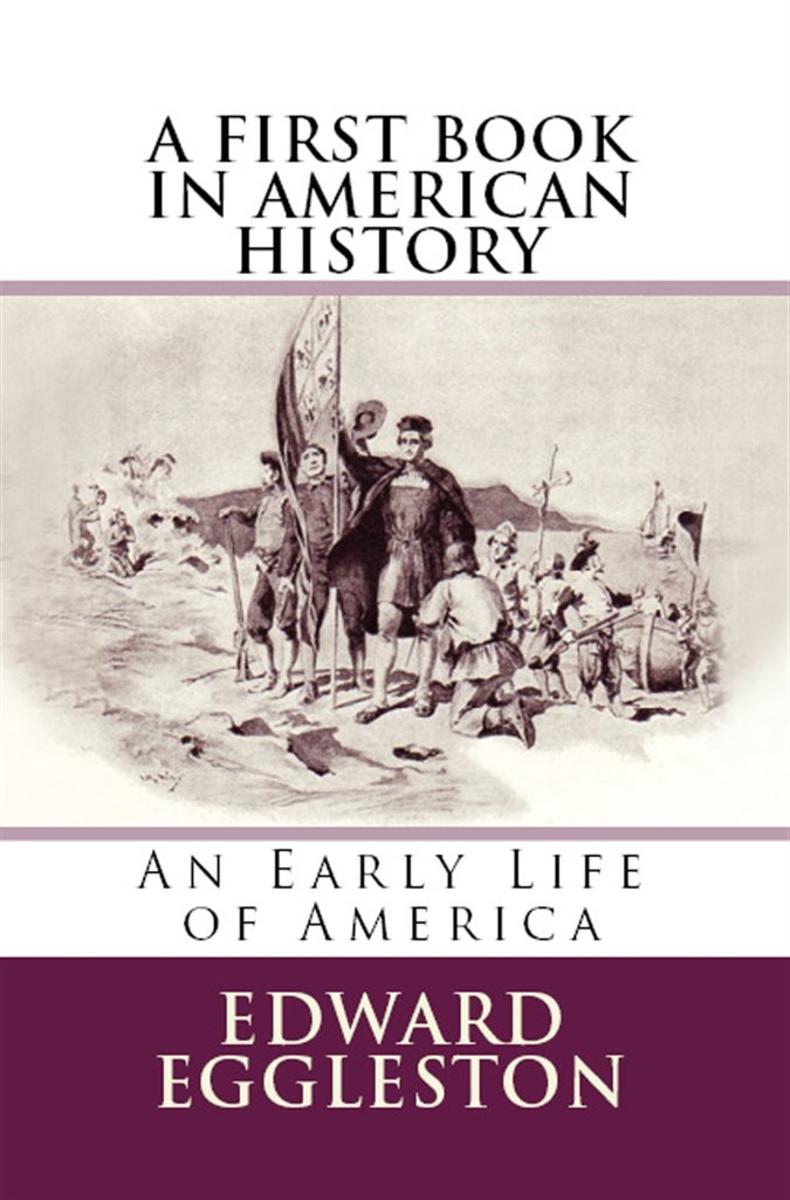
A First Book in American History: "An Early Life of America"
¥28.29
IN preparing a first book of American history, it is necessary to keep in mind the two purposed such a work is required to serve. There are children whose school life is brief; these must get all the instruction they are to receive in their country's history from a book of the grade of this.To another class of pupils the first book of American history is a preparation for the intelligent study of a textbook more advanced. It is a manifest waste of time and energy to require these to learn in a lower class the facts that must be re-studied in a higher grade. Moreover, primary histories which follow the order of larger books are likely to prove dry and unsatisfactory condensations. But a beginner's book ought before all things else to be interesting. A fact received with the attention raised to its highest power remains fixed in the memory; that which is learned listlessly is lost easily, and a lifelong aversion to history is often the main result produced by the use of an unsuitable textbook at the outset.The main peculiarity of the present book is that it aims to teach children the history of the country by making them acquainted with some of the most illustrious actors in it. A child is interested, above all, in persons. Biography is for him the natural door into history. The order of events in a nation's life is somewhat above the reach of younger pupils, but the course of human life and the personal achievements of an individual are intelligible and delightful. In teaching younger pupils by means of biography, which is the very alphabet of history, we are following a sound principle often forgotten, that primary education should be pursued along the line of the least resistance. Moreover, nothing is more important to the young American than an acquaintance with the careers of the great men of his country.
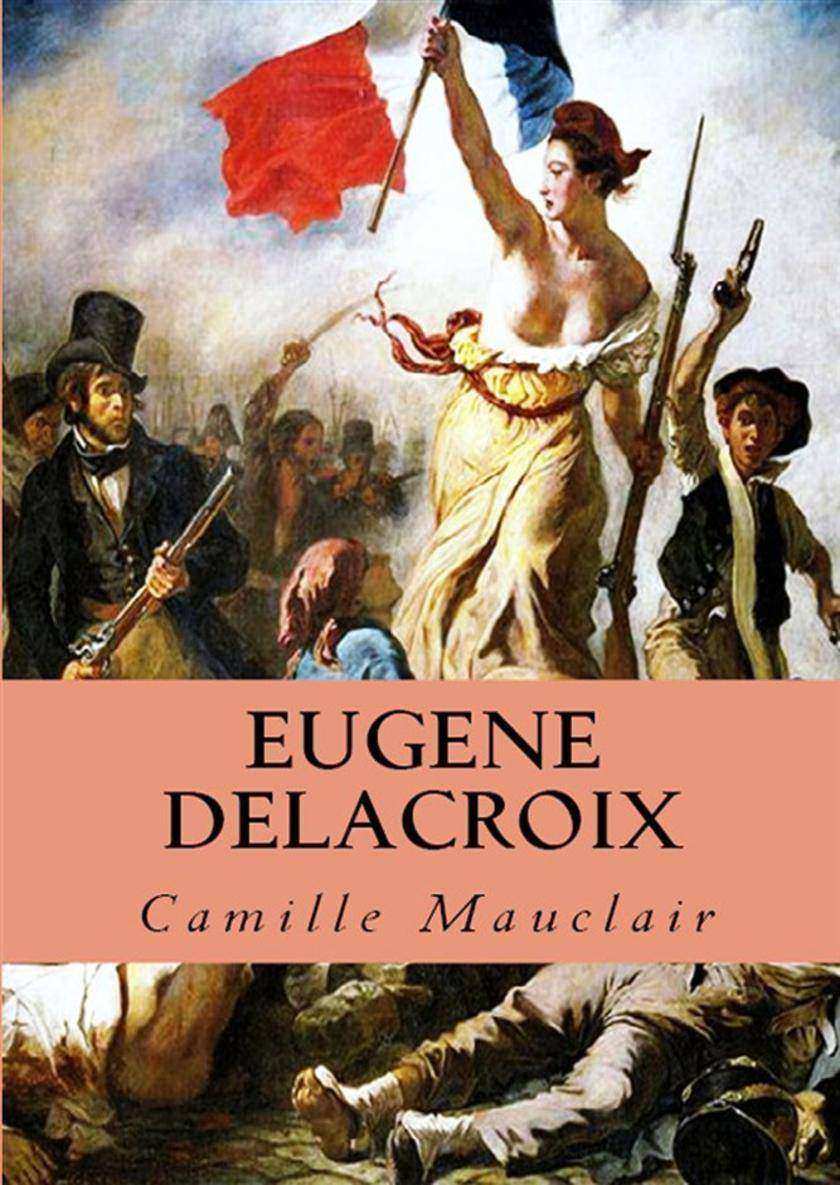
Eugène Delacroix
¥33.11
Pour bien comprendre la portée de l'intervention et de l'influence de l'?uvre de Delacroix dans l'école fran?aise, il est nécessaire de se rappeler la situation exacte de la peinture au moment où il parut.??La Révolution avait brutalement traité les ma?tres du XVIIIème siècle finissant. ?prise d'un sévère idéal gréco-romain, dont déjà Vien avait donné des exemples et que David allait porter à son apogée, la génération jacobine avait considéré les peintres légers et délicieux du règne de Louis XVI comme les bénéficiaires de la corruption luxueuse des nobles et des fermiers généraux, et elle les avait rejetés dans le même mouvement d'injuste fureur. Fragonard mourait oublié, chassé de son logis des galeries du Louvre. Hubert Robert échappait gr?ce à une erreur à l'échafaud. Greuze mourait dans la misère noire. On ne parlait plus de Chardin. Un Latour se vendait quelques francs. ??L'?Embarquement pour Cythère?, peint par Watteau pour son entrée à l'Académie, y était criblé de boulettes de papier m?ché par les élèves de David, neveu de Boucher dont ils parlaient en de tels termes, qu'il était obligé, par pudeur, d'excuser à leurs yeux son oncle. Les gravures de Cochin, de Lépicié, de Choffard, de Lavreince, des Saint-Aubin, de Debucourt, de Gravelot, d'Eisen, allaient s'ensevelir dans les soupentes de quelques brocanteurs, et on attendrait quatrevingts ans avant de les rechercher pour les couvrir d'or. Un siècle s'effondrait. Son go?t exquis, sa morale profondément naturelle et humaine, son libéralisme sceptique, tout lui était imputé à vice et à crime. On rêvait d'un art moralisateur, que Greuze avait préparé aux applaudissements de Diderot par ses scènes familiales et son ingénuité bourgeoise, mêlée de libertinage hypocrite. ??On voulait un art héro?que, sévère, propre à élever les consciences. David apparut l'homme d'une telle ?uvre, et créa d'un seul effort la réaction d'une esthétique néo-romaine, d'une peinture con?ue d'après la statuaire antique, et toute consacrée à des expressions de sentiments cornéliens. La discipline de cette école fut plus dure encore que celle imposée, centvingtcinq années auparavant, par Louis XIV, Le Brun et l'école de Rome. Plus de recherches de la nature, plus de gr?ce, plus de vérité, plus de coloris, mais simplement un art allégorique, pompeux, aride, éloigné de la vie et tout entier construit sur des théories, un art aussi opposé que possible au tempérament fran?ais.
Shakespeare Love Tales
¥48.97
Shakespeare was familiar with all beautiful forms and images, with all that is sweet or majestic in the simple aspects of nature and human life, of that indestructible love, and clear waters, and soft airs and sounds, and bright skies and woodland solitudes, and moon-light bowers. The writings of Shakespeare have been justly termed the richest, the purest, the fairest, that genius uninspired ever penned. This collection of Shakespeare love tales includes: Romeo and Juliet, King Lear, Pericles. These timeless stories are retold in modern English retaining all key elements of Shakespeare's original storyline, characters and wisdoms.


