


 购物车
购物车 个人中心
个人中心

Несказане
¥25.18
Le piante percepiscono il suono e amano suonare.Lo dimostrano studi e sperimentazioni condotte in ambito accademico e, ancora di più, le esperienze di numerosi ricercatori e musicisti che insegnano alle piante a usare apparecchiature musicali elettroniche e suonano e cantano insieme a loro.Le ricerche sull’intelligenza vegetale, sulla sensibilità delle piante e sulla loro disponibilità a dialogare con noi aprono la nostra mente verso una più profonda visione della natura e il nostro cuore a nuove occasioni di scambio con tutto ciò che è vivo intorno a noi.

Перемикайся. Стань тим, ким хочеш бути
¥29.02
David Stevenson?jedan je od najistaknutijih prou?avatelja Prvoga svjetskog rata. U svom monumentalnom djelu?1914.–1918. Povijest Prvog svjetskog rata?kre?e od uzroka sukoba, prolazi kroz sva boji?ta, analizira geopoliti?ke odnose, ravnote?u izme?u imperijalnih sila, politi?ke i vojne promjene, kraj rata i mirovne ugovore koji su odredili okvir budu?ih me?unarodnih odnosa, te zavr?ava raspravom o nastavku ratnog sukoba drugim sredstvima i o poslijeratnom ure?enju svijeta koje ?e izazvati nove sukobe. Ova povijest jedna je od onih koje otkrivaju nove ?injenice i reinterpretiraju povijesne izvore, ali jednako tako stvaraju cjelovitu sliku o kompleksnosti sukoba. Stevensonova povijest prva je sveobuhvatna povijest Prvoga svjetskog rata objavljena u Hrvatskoj nakon vi?e od 50 godina. Knjiga koju je potrebno pro?itati da bi se shvatilo dvadeseto stolje?e i razumjelo vrijeme u kojem ?ivimo.

Дол? та фур??
¥24.93
Knjiga Me?uodnosi umjetni?kih svjetova dio je doktorske disertacije, a govori o simultanoj i sukcesivnoj umjetnosti kroz ilustracije Bhagavad Gite, u 18 poglavlja od kojih svako ima dvije verzije. Su?tina autori?inog interesa je prijenos misli i osje?aja iz drevnog indijskog epa, kroz likovne elemente, odnosno vizualizacija vremenske umjetnosti; poku?ala je interpretirati kroz kompoziciju, boju, liniju, kontrast, tre?u dimenziju, strukturu, teksturu, proporciju, ritam i dinamiku, filozofiju Bhagavad Gite, koja je posebna utoliko ?to je u Indiji filozofija jednako religija, i obrnuto. Spomenuta je i analogija izme?u vremenskih i prostornih umjetnosti, kao ?to je boja (valer), glazba (akord), te upravo kroz sinergiju zna?enja i zra?enja na ilustracijama mo?emo do?ivjeti da "?itamo sliku". ? Tatjana Burzanovi? je autorica, umjetnica, grafi?ka dizajnerica i dizajnerica interijera, profesor na Fakultetu za kulturu i turizam na predmetu Indijska kultura, te na Fakultetu za dizajn i multimediju na Univerzitetu Donja Gorica u Podgorici, Crna Gora. Diplomirala je na Akademiji likovnih umjetnosti u Sarajevu, a doktorat obranila na Fakultetu primenjenih umjetnosti u Beogradu. Svoje je radove izlagala na brojnim samostalnim i grupnim izlo?bama, te sudjelovala u umjetni?kim i pedago?kim kolonijama. Dobila je nekoliko nagrada za dizajn knjiga. Knjiga Me?uovisnost umjetni?kih svjetova?nagra?ena je na 11. sajmu knjiga u Podgorici za najbolje opremljeno umjetni?ko izdanje. Knjiga je u elektroni?kom izdanju dostupna i u engleskom prijevodu.

The Ship of Ishtar
¥7.93
Gustáv Murín? k?nyvében a vad és zabolátlan kilencvenes évekbe kalauzolja el az olvasót, abba az id?be, amikor a volt szocialista államoknak azzal kellett szembesülniük, hogy a demokratizálódás bizony t?rvényszer?en magával hozza a komolyabb szervezett b?n?z?i csoportok megjelenését is. Az államapparátus fenekén tojáshéj, a b?n?z?k zsebében pedig a fegyver és a pénz. Kicsoda valójában Jozef Rohá?, a profi, akihez a legvéresebb merényletek k?t?dnek Szlovákiában és Magyarországon egyaránt? Mi k?ze van a magyar b?rt?nbüntetését t?lt? Eva Reze?ovának a kassai gengszterekhez? Hogyan t?nt el 114 vagonnyi olaj Pozsony és Budapest k?z?tt? Mi k?ti ?ssze Magyarországot az újkori t?rténelem legvéresebb maffialeszámolásával? Ki szervezte meg a szlovák k?ztársasági eln?k fiának elrablását? Ki ne emlékezne a vadkeletre? Ezek a csoportok nem ismertek határokat, így a szlovák és a magyar alvilág számos ponton és ügyben kapcsolódhatott egymáshoz. Ezekb?l a t?rténetekb?l kiderül, hogyan. T?rténetek, amelyek egyszer véget érnek. A b?n azonban marad, itt jár k?ztünk továbbra is.

Eccentricities of the Animal Creation: Illustrated
¥13.98
Vasari says, and rightly, in his Life of Leonardo, "that he laboured much more by his word than in fact or by deed", and the biographer evidently had in his mind the numerous works in Manuscript which have been preserved to this day. To us, now, it seems almost inexplicable that these valuable and interesting original texts should have remained so long unpublished, and indeed forgotten. It is certain that during the XVIth and XVIIth centuries their exceptional value was highly appreciated. This is proved not merely by the prices which they commanded, but also by the exceptional interest which has been attached to the change of ownership of merely a few pages of Manuscript. That, notwithstanding this eagerness to possess the Manuscripts, their contents remained a mystery, can only be accounted for by the many and great difficulties attending the task of deciphering them. The handwriting is so peculiar that it requires considerable practice to read even a few detached phrases, much more to solve with any certainty the numerous difficulties of alternative readings, and to master the sense as a connected whole. Vasari observes with reference to Leonardos writing: "he wrote backwards, in rude characters, and with the left hand, so that any one who is not practised in reading them, cannot understand them". The aid of a mirror in reading reversed handwriting appears to me available only for a first experimental reading. Speaking from my own experience, the persistent use of it is too fatiguing and inconvenient to be practically advisable, considering the enormous mass of Manuscripts to be deciphered. And as, after all, Leonardo's handwriting runs backwards just as all Oriental character runs backwards—that is to say from right to left—the difficulty of reading direct from the writing is not insuperable. This obvious peculiarity in the writing is not, however, by any means the only obstacle in the way of mastering the text. Leonardo made use of an orthography peculiar to himself; he had a fashion of amalgamating several short words into one long one, or, again, he would quite arbitrarily divide a long word into two separate halves; added to this there is no punctuation whatever to regulate the division and construction of the sentences, nor are there any accents—and the reader may imagine that such difficulties were almost sufficient to make the task seem a desperate one to a beginner. It is therefore not surprising that the good intentions of some of Leonardo s most reverent admirers should have failed. Leonardo's literary labours in various departments both of Art and of Science were those essentially of an enquirer, hence the analytical method is that which he employs in arguing out his investigations and dissertations. The vast structure of his scientific theories is consequently built up of numerous separate researches, and it is much to be lamented that he should never have collated and arranged them. His love for detailed research—as it seems to me—was the reason that in almost all the Manuscripts, the different paragraphs appear to us to be in utter confusion; on one and the same page, observations on the most dissimilar subjects follow each other without any connection. A page, for instance, will begin with some principles of astronomy, or the motion of the earth; then come the laws of sound, and finally some precepts as to colour. Another page will begin with his investigations on the structure of the intestines, and end with philosophical remarks as to the relations of poetry to painting; and so forth. Leonardo himself lamented this confusion, and for that reason I do not think that the publication of the texts in the order in which they occur in the originals would at all fulfil his intentions. No reader could find his way through such a labyrinth; Leonardo himself could not have done it. ABOUT AUTHOR: Leonardo Da Vinci, Born on April 15, 1452, in Vinci, Italy, Leonardo da Vinci was concerned with the laws of science and nature, which greatly informed his work as a painter, sculptor, inventor and draftsmen. His ideas and body of work—which includes "Virgin of the Rocks," "The Last Supper," "Leda and the Swan" and "Mona Lisa"—have influenced countless artists and made da Vinci a leading light of the Italian Renaissance.Quotes"Iron rusts from disuse, stagnant water loses its purity and in cold weather becomes frozen; even so does inaction sap the vigor of the mind."? ? ? ? ? – Leonardo da Vinci Humble Beginnings:Leonardo da Vinci was born on April 15, 1452, in Vinci, Italy. Born out of wedlock, the love child of a respected notary and a young peasant woman, he was raised by his father, and his stepmothers. 'The Last Supper'In 1482, Lorenzo de' Medici, a man from a prominent Italian family, commissioned da Vinci to create a silver lyre and bring it to Ludovico il Moro, the Duke of Milan, as a gesture of peace. Da Vinci did so and then wrote Ludovico a letter describing how his engineering and artistic tal

Кам’яний г?сть. Лен?н у Центральн?й Укра?н?
¥17.58
O livro apresenta uma abordagem sobre como foram construídos os saberes inerentes à medicina e ao hospital na Sociedade Moderna. Mostra, historicamente, como foi estabelecido o poder e as práticas médico-hospitalares. A obra apresenta o discurso das institui??es dominantes sobre o modelo assistencial, como também revela a realidade pragmática do acesso efetivo ao direito social à saúde, que, formalmente, foi expresso como uma necessidade básica traduzida em mínimos sociais, como condi??o legítima de dignidade da pessoa humana. A relev?ncia desse estudo é em virtude de sua especial significa??o nas diversas áreas das Ciências Humanas e Sociais, ao nutrir o debate sobre a temática do Direito à Saúde nas inst?ncias do Poder Público, bem como ao introduzi-la na agenda das profiss?es relacionadas com o campo da saúde, aprofundando suas dimens?es de transdisciplinariedade e transversalidade.
Любий друг
¥5.72
Fic??o brasileira no século XXI é um livro instigante. De leitura agradável e de interesse amplo, debru?a-se, com competência e inventividade, sobre oito escritores brasileiros contempor?neos, consagrados e premiados. O que n?o é pouco em uma tradi??o como a nossa, em que n?o se encontram muitos estudiosos de literatura que encarem o contempor?neo e consigam discuti-lo de forma a dialogar, n?o apenas com o estudioso e o especialista como também com o leitor comum interessado em literatura. Adriana Lunardi, Alberto Martins, Luiz Ruffato, Michel Laub, Milton Hatoum, Nelson de Oliveira, Ricardo Lísias e Rodrigo Lacerda encontram, por meio da leitura que deles fazem os autores deste livro, novos olhares para suas obras. E, nestes novos olhares, há um convite para novos leitores e leituras renovadas.
Цив?л?зац?я: Як Зах?д став усп?шним
¥36.79
Okupiv?i na jednome mjestu najzanimljivija imena lijeve politi?ke misli od Slovenije do Bugarske, s naglaskom na zemlje biv?e Jugoslavije, filozofi? i aktivisti Sre?ko Horvat i Igor ?tiks pred njih su stavili zadatak da napi?u tekstove o situaciji danas i ovdje, prije svega na Balkanu. ?etrnaest autora, od mladih filozofskih nada do svjetski priznatih imena, u svojim esejima pokazuje koliko je po?ast neoliberalizma u sprezi s politi?ko-mafija?kim klanovima i krupnim kapitalom razjela sve one pozitivne tekovine koje je ostavilo socijalisti?ko naslje?e. Bez sentimenta i nostalgije prema pro?lim vremenima, Dobro do?li u pustinju postsocijalizma najzanimljivija je i najaktualnija knjiga o suvre?menom trenutku. Ona je nezaobilazna studija za svakoga tko ?eli ozbiljnije shvatiti ?to nam se i za?to doga?a u vremenima duboke krize.

The Samurai Warrior: The Golden Age of Japan’s Elite Warriors 1560–1615
¥81.67
During Japan’s Warring States period, centuries of strife had left the country divided and leaderless. Those who filled the power vacuum were the daimyo, warlords who ruled over the clans and provinces of Japan. Serving their daimyo, the samurai were the ultimate warriors at a time when military prowess won out over hereditary power and position. The nature of warfare itself changed—romantic ideas of mounted duels and battlefield decorum became as rare as aristocratic samurai leaders. Marching in to replace them were the common foot soldiers, the ashigaru , armed with pikes and matchlock rifles. The Samurai Warrior examines the fighting men of this key period in Japanese history. Divided into six chapters, the book describes the unification under the Tokugawa bakufu , the major battles of the era, the weapons and armour used, the social structure of Japanese society, myths about the samurai, and finally the decline of the samurai amidst the modernization of the Meiji period. Including more than 200 photographs, illustrations, paintings, and maps, The Samurai Warrior is a colourful, accessible study of Japan’s famous but often misunderstood warrior elite.

Fall of the Reich: D-Day, Arnhem, Bulge and Berlin
¥40.79
Campaigns of World War II: Fall of the Reich is a military history of the Western European campaign from D-Day in June 1944 to the fall of Berlin in May 1945. Beginning with the Allied preparations for what would become Operation Overlord, from the initial discussions of Roosevelt and Churchill, to the deliberations and plans of Marshall and Brooke, and the subsequent appointment of commanders like Eisenhower, Montgomery and Ramsay, the book covers in detail the landings on the Normandy coast. Combining tactical coverage of events such as the severe fighting at Omaha and Pegasus Bridge, the Canadian success on Juno beach, and the 21st Panzer Division's aborted counterattack, with reporting of the reactions of Hitler and Rommel to the landings, the book provides an explanation of why the Allied advance ran out of steam, and a description of their struggle to escape the bocage hedgerows of Normandy. The US-led breakout in late July 1944 released Bradley and Patton's forces into the heart of France, and the liberation of Paris followed swiftly. A crumbling German defence led to Allied overconfidence and the resultant 'bridge too far' at Arnhem, but as the Allies approached the Rhine and the German border, resistance quickly stiffened. Hitler's last gamble, the attack through the Ardennes known as the Battle of the Bulge, brought temporary panic to the Allied ranks, but heroic stands at Bastogne and elsewhere, coupled with a German acute lack of petrol and the weather clearing to allow Allied aircraft to operate again, led to the defeat of the last Wehrmacht attack in the west. The final year of the war saw the Allies advancing as occupying forces into the heart of Germany, adopting Eisenhower's broad front strategy. Finally the book examines why the decision was made to allow the Red Army to occupy Berlin and remain on the western bank of the Elbe river. Part of a five-volume series on the Second World War written by prominent military historians, Fall of the Reich is a masterful account of the 1944–45 campaign in Western Europe that describes both the action on the front line and the decisions made behind the scenes that decided the fate of Nazi Germany.
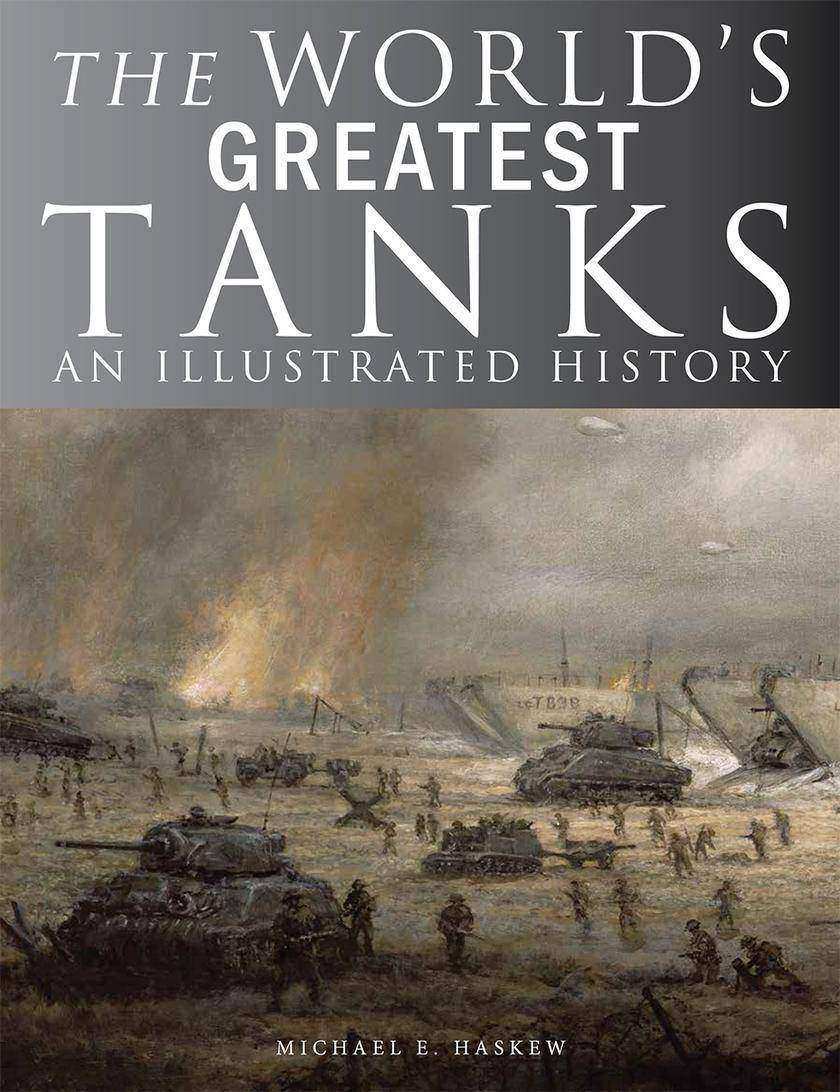
The World's Greatest Tanks: An Illustrated History
¥81.67
The World's Greatest Tanks features 52 of the best armoured fighting vehicles from World War I to the present day. Beginning with the prototype Mark V Male in 1917, the book ranges from World War I, World War II, through the Cold War and up to the highly sophisticated tanks that have seen recent service in wars in the Balkans, Caususus, and Middle East. From the Soviet T-34 and German Panther tanks of World War II to the M1A2 Abrams, Challenger 2 and T-90 of the present day, The World's Greatest Tanks is an expert examination of the most successful tanks of the past hundred years. Each entry is examined over two spreads and includes a brief description of the tank's development and history, a colour profile artwork, photographs, key features and specifications tables. Packed with more than 200 artworks and photographs, The World's Greatest Tanks is a colourful guide for the military historian and military technology enthusiast.
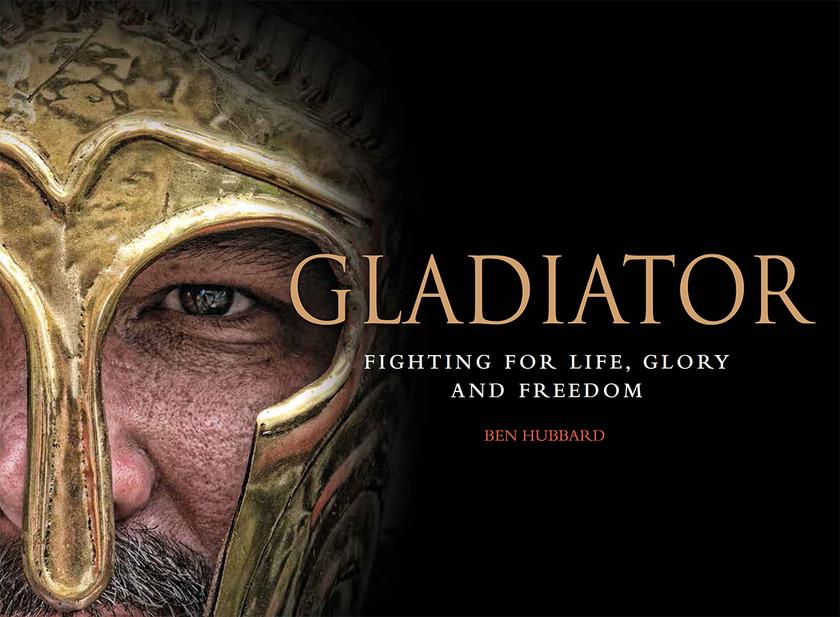
Gladiator: Fighting for Life, Glory and Freedom
¥81.67
“When everyone had had plenty to eat and drink they called for the gladiators. The moment anyone’s throat was cut, they clapped their hands in pleasure. And it sometimes even turned out that someone had specified in their will that the most beautiful women he had purchased were to fight each other….” – Athenaeus, The Learned Banqueters With their origins as blood rites staged at the funerals of rich aristocrats, gladiatorial combat is one of the defining images of ancient Rome. For more than 600 years, people flocked to arenas to watch these highly trained warriors participate in a blood-soaked spectacle that was part sport, part theatre and part cold-blooded murder. Gladiatorial contests were a spectacular dramatization of the Roman emperor’s formidable power. Gladiator looks at life and service in the Roman arenas from the origins of the games in the third century BCE through to the demise of the games in the fifth century CE. It explores the lives of the prisoners of war, criminals, slaves and volunteers who became gladiators, their training, and the more than 20 types of gladiator they could become, fighting with different types of weapons. From Spartacus’s slave revolt to the real Emperor Commodius who liked to play at being a gladiator, from female gladiators to the great combats involving hundreds of exotic animals, Gladiator is a colourful, accessible study of the ancient world’s famous warrior entertainers.
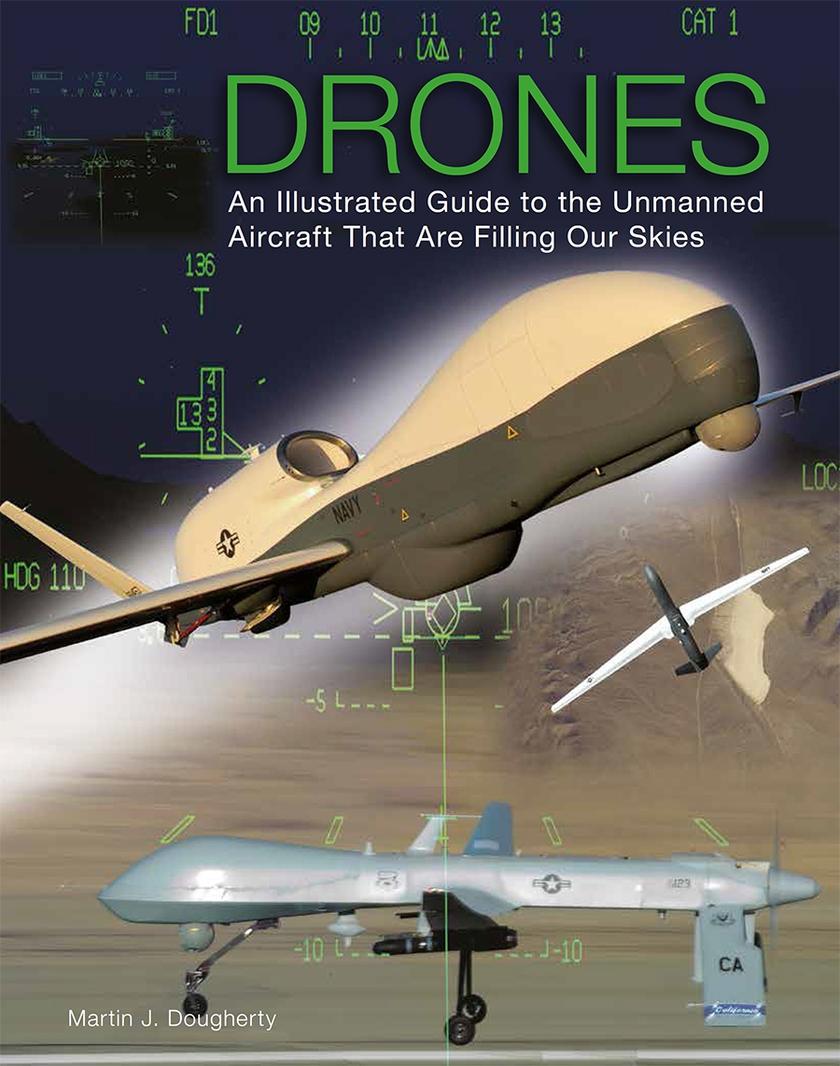
Drones
¥81.67
Little more than ten years ago drones were barely used, but now more than 50 countries have them in service and they are not only changing how wars are fought but how crops are sprayed, how underwater pipelines are monitored and even how sports events are filmed. If it’s too risky to send a manned aircraft to survey the intensity of a hurricane or a combat zone, or too costly for conservation wardens to chart the movement of wildlife, drones can be used. Used for reconnaissance work and mapping as well as launching missiles, drones can fly autonomously or be controlled by remote control. Peering into a volcano about to erupt, checking how fast a forest fire is spreading, exploring the wreck of a sunken ship, charting your enemy’s position and taking out a military target—these are just some of the uses of drones today. From drones the size of a fingertip to drones that can carry soldiers, from single rotorcraft to multi-rotorcraft to propeller craft drones, Drones expertly examines these complex vehicles, which are not only very different from manned aircraft, but also very different from each other. Illustrated with more than 220 colour photographs and artworks, Drones is an exciting, accessibly written work about the latest in military and civilian aviation technology.

Calea spre fericire. Pove?ti adev?rate. Vol. 2
¥11.04
No caso da episteme comunicacional pode-se dizer que a mesma vem-se constituindo na historicidade de conceitos chave e de hipóteses clássicas que têm nutrido o pensamento teórico e a pesquisa empírica do campo. Pensando a episteme comunicacional trata disso, ou seja, do objeto comunica??o em sua trajetória por fazer-se, a qual, ao acumular-se, permite a renova??o do que foi pensado a seu respeito e a prospec??o de novos pontos de vista.

Rongyos királyság
¥0.01
A Blackwater napjaink legrejtélyesebb és legellentmondásosabb vállalata. A korábban a SEAL-nél, az amerikai haditengerészet elit alakulatánál szolgáló Eric Prince által 1997-ben alapított vállalkozás olyan, kül?nleges katonai alakulatoktól leszerelt veteránok és civilek toborzásával és kiképzésével foglalkozott, akik elég képzettek és bátrak voltak ahhoz, hogy elvállalják a világ legveszélyesebb ?rz?-véd? feladatait. A cég hírnevével együtt n?tt a szolgáltatásai iránti kereslet, olyannyira, hogy a Blackwater emberei ?sszesen k?zel százezer küldetést hajtottak végre Irakban és Afganisztánban. A cég a Bush- és az Obama-kormányzat számára is nélkül?zhetetlennek bizonyult. Ezek alapján klasszikus üzleti sikert?rténetnek is t?nhetne a Blackwater sorsának alakulása, csakhogy volt valami, ami beárnyékolta a sikert: a cég ellen zajló világméret? lejárató hadjárat. Az egy kaptafára íródott híradásokban és a valóságot durván elferdít? regényekben és filmekben a Blackwater alkalmazottait hol zsoldosoknak, hol gátlástalan profitvadászoknak, hol pedig primitív, er?szakos vadállatoknak állították be. Mivel a Pentagonnal, a Külügyminisztériummal és a CIA-val k?t?tt szerz?dései titoktartásra k?telezték, Prince kénytelen volt csendben t?rni, ahogy ellenfelei zavartalanul terjesztik a téves információkat róla és a vállalkozásáról. Most azonban végre elmondhatja a cég felemelkedésének és bukásának teljes és gyakran megd?bbent? t?rténetét. Az Amerika szolgálatában Prince kíméletlen ?szinteséggel meséli el a Blackwater-sztori minden részletét. Prince nem próbálja hibátlannak beállítani magát, és nem hallgatja el magánélete néha fájdalmas részleteit sem, ugyanakkor nagy szolgálatot tesz a k?zvéleménynek azzal, hogy tiszta vizet ?nt a pohárba. Az Amerika szolgálatában t?rténete izgalmas, akár egy thrilleré, de valószer?tlenebb, mint amit a képzelet alkothat.

Tulipánláz
¥119.27
T?bb mint harminc év nagy anyagi, és emberi áldozatokat k?vetel? fejlesztései és kísérletezései után a XIX. század végére kialakult a tengerek új ura, a kor legmodernebb technológiai vívmányait magában egyesít?, modern értelemben vett csatahajó. A hatalmas, félelmetes acélmonstrumok leny?g?zték a kortársakat. Ezek a hajók voltak az ?ket birtokló ország erejének és nagyhatalmi státuszának szimbólumai, a nemzeti büszkeség megtestesít?i. Bennük jutott kifejezésre megépíttet?iknek gazdasági fejlettsége, ipari teljesít?képessége, valamint a szándék, hogy a világ vezet? nagyhatalmainak sorába tartozzanak. Világszerte minden nagyobb haditengerészet ezek k?ré a páncélos óriások k?ré szervez?d?tt, melyek teljes fegyverzetben állva várták, hogy országuk érdekeinek védelmében rendeltetésüknek megfelel?en harcba szálljanak az ellenfél hasonló páncélosai ellen, s bizonyítsák létezésük értelmét, és a rájuk k?lt?tt hatalmas ?sszegek megtérülését. Talán az új id?k kezdetének szimbolikus jelzéseként fogható fel, hogy erre az alkalomra végül nem a világot uraló európai országok vizein, hanem messze keleten, egy felt?rekv?, és nem az európai kultúrk?rbe tartozó új nagyhatalom partjai k?zelében került sor.

?ti testvérek
¥43.16
Alessandro di Mariano di Vanni Filipepi, better known as Sandro Botticelli ( 1445 – 1510), was an Italian painter of the Early Renaissance. He belonged to the Florentine school under the patronage of Lorenzo de' Medici, a movement that Giorgio Vasari would characterize less than a hundred years later as a "golden age", a thought, suitably enough, he expressed at the head of his Vita of Botticelli. Botticelli's posthumous reputation suffered until the late 19th century; since then his work has been seen to represent the linear grace of Early Renaissance painting. Among his best known works are The Birth of Venus and Primavera. In 1481, Pope Sixtus IV summoned Botticelli and other prominent Florentine and Umbrian artists to fresco the walls of the Sistine Chapel. The iconological program was the supremacy of the Papacy. Sandro's contribution included the Temptations of Christ, the Punishment of the Rebels and Trial of Moses. He returned to Florence, and "being of a sophistical turn of mind, he there wrote a commentary on a portion of Dante and illustrated the Inferno which he printed, spending much time over it, and this abstention from work led to serious disorders in his living." Thus Vasari characterized the first printed Dante (1481) with Botticelli's decorations; he could not imagine that the new art of printing might occupy an artist. The masterpieces Primavera (c. 1482) and The Birth of Venus (c. 1485) were both seen by Vasari at the villa of Lorenzo di Pierfrancesco de' Medici at Castello in the mid-16th century, and until recently, it was assumed that both works were painted specifically for the villa. Recent scholarship suggests otherwise: the Primavera was painted for Lorenzo's townhouse in Florence, and The Birth of Venus was commissioned by someone else for a different site. By 1499, both had been installed at Castello. In these works, the influence of Gothic realism is tempered by Botticelli's study of the antique. But if the painterly means may be understood, the subjects themselves remain fascinating for their ambiguity. The complex meanings of these paintings continue to receive widespread scholarly attention, mainly focusing on the poetry and philosophy of humanists who were the artist's contemporaries. The works do not illustrate particular texts; rather, each relies upon several texts for its significance. Of their beauty, characterized by Vasari as exemplifying "grace" and by John Ruskin as possessing linear rhythm, there can be no doubt. In the mid-1480s, Botticelli worked on a major fresco cycle with Perugino, Domenico Ghirlandaio and Filippino Lippi, for Lorenzo the Magnificent's villa near Volterra; in addition he painted many frescoes in Florentine churches. In 1491 he served on a committee to decide upon a fa?ade for the Cathedral of Florence.

Csak a holttesteden át
¥57.47
In issuing this second treatise on Crayon Portraiture, Liquid Water Colors and French Crystals, for the use of photographers and amateur artists, I do so with the hope and assurance that all the requirements in the way of instruction for making crayon portraits on photographic enlargements and for finishing photographs in color will be fully met. To these I have added complete instructions for free-hand crayons. This book embodies the results of a studio experience of twenty-four years spent in practical work, in teaching, and in overcoming the everyday difficulties encountered, not alone in my own work, but in that of my pupils as well. Hence the book has been prepared with special reference to the needs of the student. It presents a brief course of precepts, and requires on the part of the pupil only perseverance in order that he may achieve excellence. The mechanical principles are few, and have been laid down in a few words; and, as nearly all students have felt, in the earlier period of their art work, the necessity of some general rules to guide them in the composition and arrangement of color, I have given, without entering into any profound discussion of the subject, a few of its practical precepts, which, it is hoped, will prove helpful. While this book does not treat of art in a very broad way, yet I am convinced that those who follow its teachings will, through the work they accomplish, be soon led to a higher appreciation of art. Although this kind of work does not create, yet who will say that it will not have accomplished much if it shall prove to be the first step that shall lead some student to devote his or her life to the sacred calling of art? It has been said that artists rarely, if ever, write on art, because they have the impression that the public is too ill-informed to understand them—that is, to understand their ordinarily somewhat technical method of expression. If, therefore, in the following pages I may sometimes seem to take more space and time for an explanation than appears necessary, I hope the student will overlook it, as I seek to be thoroughly understood. My hope with reference to this work is that it may prove of actual value to the earnest student in helping him reach the excellence which is the common aim of all true artists. ? ?J. A. Barhydt. About Author: To many who know nothing about the art of crayon portraiture, the mastery of it not only seems very difficult, but almost unattainable. In fact, any work of art of whatever description, which in its execution is beyond the knowledge or comprehension of the spectator, is to him a thing of almost supernatural character. Of course, this is more decided when the subject portrayed carries our thoughts beyond the realms of visible things. But the making of crayon portraits is not within the reach alone of the trained artist who follows it as a profession. I claim that any one who can learn to write can learn to draw, and that any one who can learn to draw can learn to make crayon portraits. Making them over a photograph, that is, an enlargement, is a comparatively simple matter, as it does not require as much knowledge of drawing as do free-hand crayons. But you must not suppose that, because the photographic enlargement gives you the drawing in line and an indistinct impression of the form in light and shade, you are not required to draw at all in making a crayon portrait over such an enlargement. Some knowledge of drawing is necessary, though not a perfect knowledge. Many people err in supposing that only the exceptionally skilled can produce the human features in life-like form upon the crayon paper. While recognizing great differences in natural aptitude for drawing in different persons, just as those who use the pen differ widely in their skill, some being able to write with almost mechanical perfection of form, I still hold that any one who is able to draw at all can succeed in producing creditable crayons.. J. A. Barhydt.

Votes for Women: and Other Plays
¥40.79
The best collection of suffrage plays on offer. Introduced and set in historical context by Dr Susan Croft, formerly Curator at the Theatre Museum in London, with a chronology of suffrage drama from 1907-1914.? The astonishing women involved in the Actresses Franchise League set up their own theatre companies and engaged with the battle for the vote by writing and performing campaigning plays all over the country. They launched themselves onto the political stage with their satirical plays, sketches and monologues whilst at the same time challenging the staid conventions of the Edwardian Theatre of the day. The legacy of their inspiring work to change both theatre and society has survived in the political theatre, agit-prop and verbatim theatre we know today.? Full playtexts from the following: ’How the Vote was Won’ by Cicely Hamilton and Chris St. John ’The Apple’ by Inez Bensusan ’Jim s Leg’ by L.S. Phibbs ’Votes for Women’ by Elizabeth Robins ’At the Gates’ by Alice Chapin ’In the Workhouse’ by Margaret Wynne Nevinson ’A Change of Tenant’ by Helen Margaret Nightingale.

The Trouble with Asian Men
¥40.79
Macho men or metrosexual guys? Mummy’s boys or blokes under their missus’ thumbs? Self-made entrepreneurs, pukka professionals and successful executives with their Mercedes Benz lives and designer-clad wives; husbands, sons, uncles, brothers and fathers – these successful, soulful and spirited Asian men have come a long way from their origins but they’ve all got roots! The Trouble with Asian Men is a vital, tender and hilarious insight into lives that surround us every day. From the award-winning theatre company that brought us East is East, a revealing verbatim comedy that has played to sell-out houses internationally.

The Divided Laing: Or The Two Ronnies
¥40.79
London 1970: Experimental psychiatrist R.D. Laing is facing eviction from his pioneering asylum in the East End’s Kingsley Hall. Local residents are up in arms – and to make matters worse, Ronnie’s revolutionary colleague David Cooper is flipping out on the roof… With his personal life going down the pan and his mental state heading the same way, Ronnie takes an acid trip to the future. His mission is to save his therapeutic collective The Philadelphia Association and secure his professional legacy. Will it be a one-way ticket to madness – or can breakdown sometimes mean breakthrough?


