


 购物车
购物车 个人中心
个人中心
The Knights
¥40.79
The Knights is a satire on political and social life in 5th-century BC Athens, the characters are drawn from real life and Cleon is clearly intended to be the villain. However it is also an allegory, the characters are figures of fantasy and the villain in this context is Paphlagonian, a comic monstrosity responsible for almost everything that's wrong with the world.
Women In Council
¥40.79
A group of women, led by the wise and redoubtable Praxagora, has decided that the women of Athens must convince the men to give them control of the city, as they are convinced they can do a better job. Disguised as men, the women sneak into the assembly and command the majority of votes needed to carry their series of revolutionary proposals, even convincing some of the men to vote for it on the grounds that it is the only thing they have not tried.

Big Foot: …And Tiny Little Heartstrings
¥38.62
With grime music and Guyanese folk stories, Joseph Barnes-Phillip's semi-autobiographical story is a comic, tragic and honest portrayal of becoming a man. The story follows Rayleigh as he negotiates the tensions of growing up and taking responsibility – to his pregnant girlfriend, to his sick mother, to his church, to the multi-cultural community he grew up in and somewhere in the mix to himself. When the euphoric highs of teenage life in south London collide with his mum's terminal illness, all Rayleigh wants to do it watch anime in his pants and eat indomie. Love, life and masculinity meet head-on as Rayleigh tries to find his feet, torn between the new girl in his life and being there for his mum, while trying not to make the same mistakes as his dad.

Insights Into Education
¥73.49
Insights into Education presents the educational philosophy of J. Krishnamurti in an easy to use, topic-based format. It is a practical handbook that comes alive when used as an introduction to group investigation and dialogue. What it offers to teachers everywhere is an inroad into the many matters of concern with which they are faced on a daily basis. That we cannot continue as we have been doing, with rote-learning, fact-finding, and a modicum of analysis as the building blocks of education, is obvious to anyone who is at all concerned with teaching and learning in a world with accelerating technological advancement, alienation, and despair. It is these very issues that are tackled here, sometimes implicitly but always at depth. What Krishnamurti proposes, and here discloses, is a different approach to learning altogether, one that distinguishes itself radically from what we normally understand by that term: the accumulation of knowledge, with its application and testing. By narrowing down our understanding to the pragmatic and the measurable, we forfeit the opportunity to probe deeply and to awaken intelligence in our students and in ourselves. What is meant by intelligence in this context is not the capacity to memorize and measure, but that subtler ability to see the whole which comes alive in a human being when he/she sees the limits of the measurable. To awaken this intelligence is the goal of education.
Criza european? ?i modernismul rom?nesc
¥38.62
O carte spectaculoas?, care ??i asum? nu pu?ine riscuri, intr?nd pe terenurile pu?in explorate ale romanului. Cercetarea ?n care ne-am angajat este analitic? ?i speculativ?, o ipotez? pe care ne-o ?nchipuim ?n anticamera adev?rurilor simple ?i general-consim?ite despre romanul secolului XX, fiindc? aceste adev?ruri sunt a?teptate ?nc? spre a fi spuse. Istoriile sistematice, studiile exhaustive despre romanul secolului abia ?ncheiat lipsesc deocamdat?. Este ?i prima dificultate majora pe care a trebuit s? o ignoram pur ?i simplu. Risc?m propria noastr? ipoteza ?ntr-un spa?iu ?nc? insuficient ordonat ?i tocmai de aceea ispititor pentru orice c?l?torie critic?.
Gr?dina lui Eros
¥46.36
Cititorul va g?si ?n cartea mea un Bucure?ti al scriitorilor, un Bucure?ti al oamenilor politici ?i al gazetarilor, un Bucure?ti al dueli?tilor de ocazie ?i al fan?ilor de salon, al boierilor risipitori ?i sibari?i, al briganzilor de felul unor Tunsu, Grozea sau Iancu Jianu, al domnitorilor cu sau f?r? noroc, al pasiunilor amoroase, al dramelor ?i comediilor vie?ii, o adev?rat? surs? de subiecte pentru scenari?tii care vor s?-?i ?ncerce norocul ?n produc?ia unor seriale TV, ca s? nu spun ?telenovele“. Exist? oameni care merit? aminti?i cu p?r?ile lor bune ?i rele, domnitori ca Mircea Ciobanul, Matei Basarab, Br?ncoveanu, Mavrocorda?ii, Nicolae Mavrogheni, Ioan Gheorghe Caragea, Gheoghe Bibescu, Barbu ?tirbei, Alexandru Ioan Cuza, Carol I sau boieri ca Mihai Cantacuzino, Kre?ule?tii, V?c?re?tii, logof?tul Dudescu, Ion C?mpineanu, Ion Ghica, Nicolae B?lcescu, arhitec?i ca Alexandru Or?scu ?i al?ii. Am pornit ?n scrierea acestei c?r?i av?nd ?n fata ochilor r?ndurile scriitorului Mircea Constantinescu, foarte inspirat atunci c?nd afirma ?n romanul sau documentar ?C?nd toca la Radu Voda“ ca ?Bucure?tii nasc pove?ti de amor ca o mam? eroin?“.
The Communist Manifesto
¥8.82
Manifesto of the Communist Party (German: Manifest der Kommunistischen Partei), often referred to as The Communist Manifesto, was first published on February 21, 1848, and is one of the world's most influential political manuscripts. Commissioned by the Communist League and written by communist theorists Karl Marx and Friedrich Engels, it laid out the League's purposes and program. The Manifesto suggested a course of action for a proletarian (working class) revolution to overthrow the bourgeois social order and to eventually bring about a classless and stateless society, and the abolition of private property.
Aristotle: The Complete Works
¥8.82
Part 1: Logic (Organon) Categories, translated by E. M. Edghill On Interpretation, translated by E. M. Edghill Prior Analytics (2 Books), translated by A. J. Jenkinson Posterior Analytics (2 Books), translated by G. R. G. Mure Topics (8 Books), translated by W. A. Pickard-Cambridge Sophistical Refutations, translated by W. A. Pickard-Cambridge Part 2: Universal Physics Physics (8 Books), translated by R. P. Hardie and R. K. Gaye On the Heavens (4 Books), translated by J. L. Stocks On Gerneration and Corruption (2 Books), translated by H. H. Joachim Meteorology (4 Books), translated by E. W. Webster Part 3: Human Physics On the Soul (3 Books), translated by J. A. Smith On Sense and the Sensible, translated by J. I. Beare On Memory and Reminiscence, translated by J. I. Beare On Sleep and Sleeplessness, translated by J. I. Beare On Dreams, translated by J. I. Beare On Prophesying by Dreams, translated by J. I. Beare On Longevity and Shortness of Life, translated by G. R. T. Ross On Youth, Old Age, Life and Death, and Respiration, translated by G. R. T. Ross Part 4: Animal Physics The History of Animals (9 Books), translated by D'Arcy Wentworth Thompson On the Parts of Animals (4 Books), translated by William Ogle On the Motion of Animals, translated by A. S. L. Farquharson On the Gait of Animals, translated by A. S. L. Farquharson On the Generation of Animals (5 Books), translated by Arthur Platt Part 5: Metaphysics (15 Books), translated by W. D. Ross Part 6: Ethics and Politics Nicomachean Ethics (10 Books), translated by W. D. Ross Politics (8 Books), translated by Benjamin Jowett The Athenian Constitution, translated by Sir Frederic G. Kenyon Part 7: Aesthetic Writings Rhetoric (3 Books), translated by W. Rhys Roberts Poetics, translated by S. H. Butcher
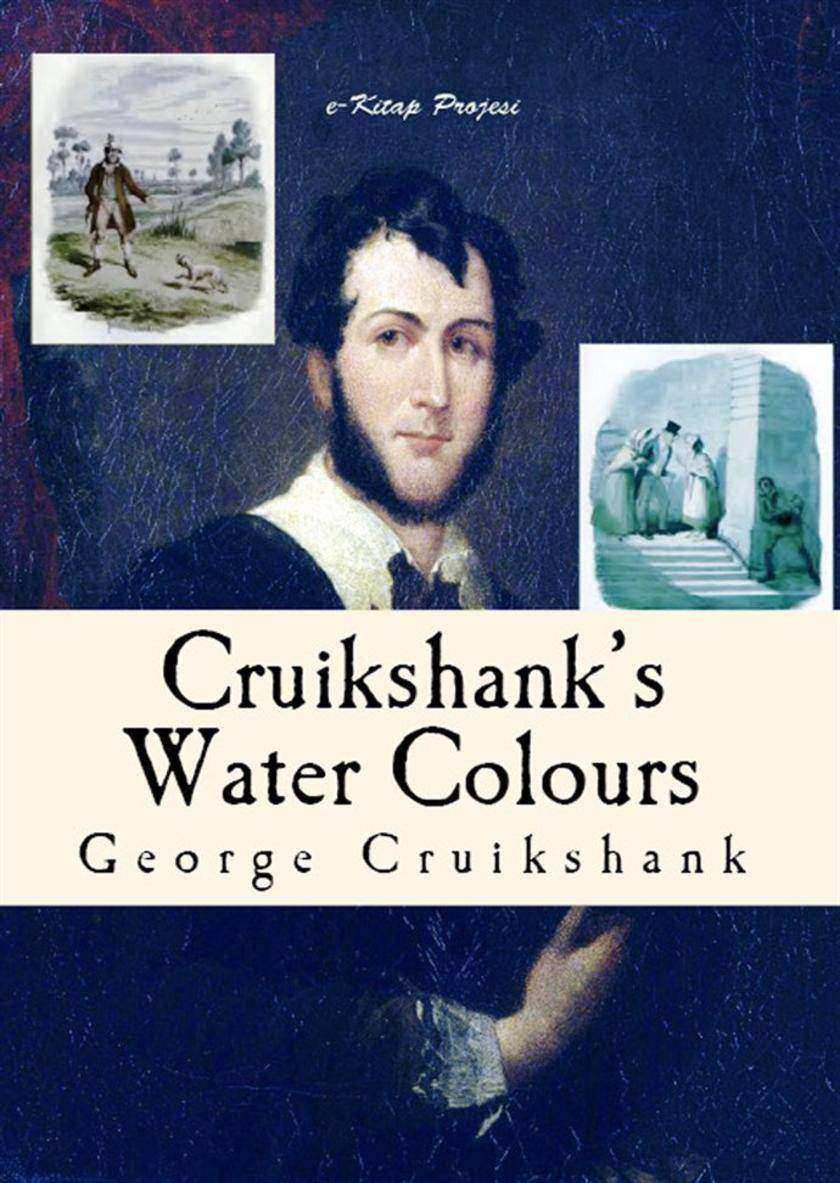
Cruikshank's Water Colours
¥27.88
It is fair to characterise the three suites of original water-colour drawings, as executed by our artist, as unique examples of the great George Cruikshank's special individual proficiency as an exponent of this branch of technical dexterity. More-over, it may be regarded as a fortunate circumstance that the three works, here reproduced with amazing fidelity in facsimile, represent happily the very chefs d'oeuvre of his wonderful productions; in their respective categories, preserving the best examples of his remarkable genius as an imaginative creator of vivid pictures, alike stirring and animated, and representing at one glance his vast dramatic powers, his mastery of the humorous side of life, and the intensity he was consistently able to infuse into terrible and tragic scenes. It is noteworthy that the inimitable artist George Cruikshank but rarely pro-duced finished water-colour drawings; the bulk of his prolific and familiarly rec-ognised designs for book illustrations were mostly dainty pencil sketches, occa-sionally finished in pen and ink. It is a problem difficult to solve satisfactorily whether, beyond the three memorable instances of the works here reproduced in facsimile, there are in existence any other complete suites of original illustrations by George Cruikshank—that is to say, fully executed by his master hand as finished water-colour drawings. Tinted sketches may be found in the prized possessions of Cruikshank collectors, and spirited studies for many of his favourite and most successful subjects have been cleverly touched in with watercolours; for instance, such as certain of his original drawings as designed for the illustrations of Harri-son Ainsworth's Tower of London, and the clever historical and picturesque series of Windsor Castle designs; these are, however, to be regarded as exceptional cases, for the bulk of these most successful and popular designs were carefully executed in pencil, or occasionally outlined with the pen, and highly finished with washes of warm sepia. It is worthy of recollection that Cruikshank was a most dexterous artist in this monochrome branch, his earlier artistic experiences having been al-most exclusively in the walk of aqua-tinted etchings; all his early book illustrations, his caricatures, and satirical plates—social or political—were uniformly etched by his hand in the most spirited fashion, after his ready sketches and rough studies, and when the outline etching was bitten in, Cruikshank elaborately worked out his colour suggestions, for light and shade, with a brush over the first-etched outline, in tones of sepia or Indian ink, for the guidance of the professional 'aquatinters'—the school of artists to whose trained skill was entrusted the task of completing these plates to produce the effect of highly finished washed drawings in mono-chrome. By this, his youthful practice, George Cruikshank had acquired remarka-ble dexterity, his original pen-and-ink designs, and the outline etchings, after his earlier book illustrations, being worked up in monochrome to the dainty finish of delicate miniatures, in which art both his father Isaac and his brother Isaac Robert were first-class proficients, as he himself has recorded with pride in describing the special gifts and qualifications which distinguished the Cruikshank family. ? ABOUT THE AUTHOR; George Cruikshank (1792 – 1878) was a British caricaturist and book illustrator, praised as the "modern Hogarth" during his life. His book illustrations for his friend Charles Dickens, and many other authors, reached an international audience. Cruikshank was born in London. His father, Isaac Cruikshank, was one of the leading caricaturists of the late 1790s and Cruikshank started his career as his father's apprentice and assistant. His older brother, Isaac Robert, also followed in the family business as a caricaturist and illustrator. Cruikshank's early work was caricature; but in 1823, at the age of 31, he started to focus on book illustration. He illustrated the first, 1823 English translation (by Edgar Taylor and David Jardine) of Grimms' Fairy Tales, published in two volumes as German Popular Stories. On 16 October 1827, he married Mary Ann Walker (1807–1849). Two years after her death, on 7 March 1851, he married Eliza Widdison. The two lived at 263 Hampstead Road, North London.Upon his death, it was discovered that Cruikshank had fathered 11 illegitimate children with a mistress named Adelaide Attree, his former servant, who lived close to where he lived with his wife. Adelaide was ostensibly married and had taken the married surname 'Archibold'.
Paradisul r?t?ci?ilor
¥57.14
Despre Europa s-a vorbit mult, ?n special din perspectiva social? ?i economic?, ?ns? tema nu a fost dezb?tut?, a?a cum s-ar fi cuvenit, de pe pozi?ia culturii. Cartea Mituri ?i legende ale antichit??ii propune studii eseistice referitoare la baza culturii europene. Eseurile ne invit? s? g?ndim ?mpreun? Europa din perspectiva singurului factor care une?te – cultura.
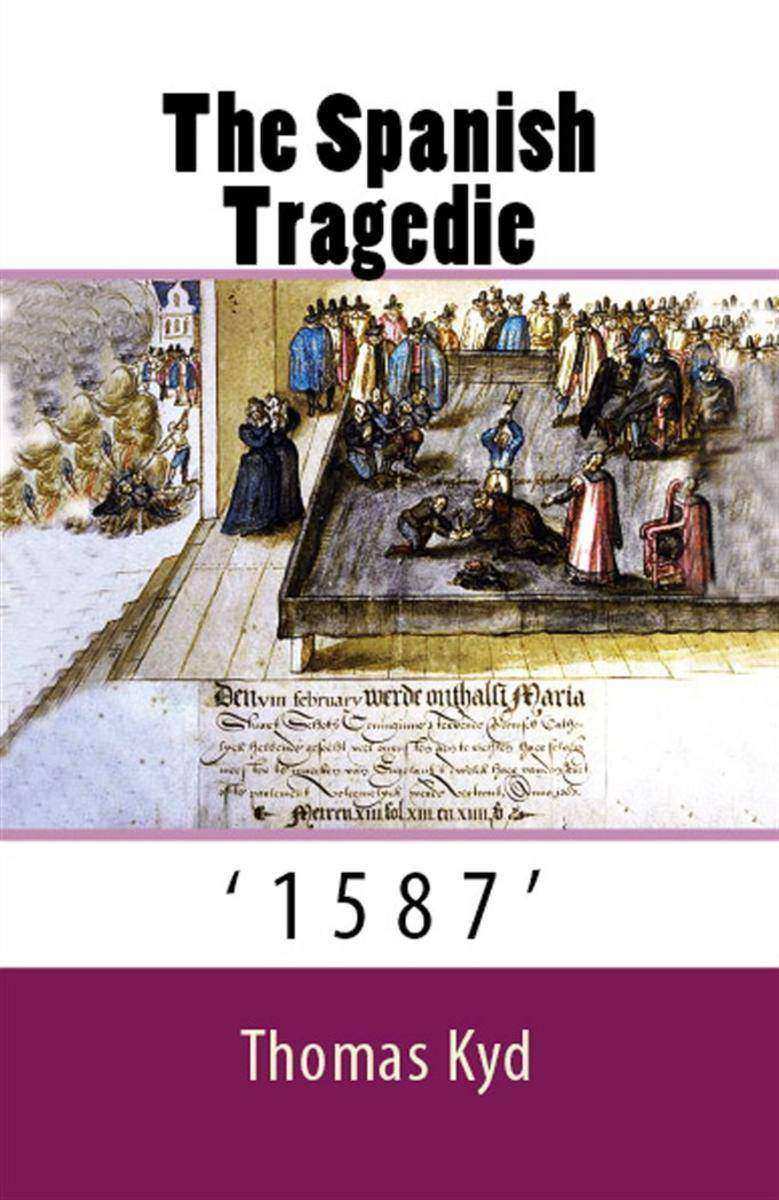
The Spanish Tragedie: "1587"
¥27.88
"The Spanish Tragedy", or "Hieronimo" is Mad Again is an Elizabethan tragedy written by Thomas Kyd between 1582 and 1592. Highly popular and influential in its time, The Spanish Tragedy established a new genre in English theatre, the revenge play or revenge tragedy. Its plot contains several violent murders and includes as one of its characters a personification of Revenge. "The Spanish Tragedy "was often referred to (or parodied) in works written by other Elizabethan playwrights, including William Shakespeare, Ben Jonson, and Christopher Marlowe. Many elements of The Spanish Tragedy, such as the play-within-a-play used to trap a murderer and a ghost intent on vengeance, appear in Shakespeare's Hamlet. (Thomas Kyd is frequently proposed as the author of the hypothetical Ur-Hamlet that may have been one of Shakespeare's primary sources for Hamlet.)
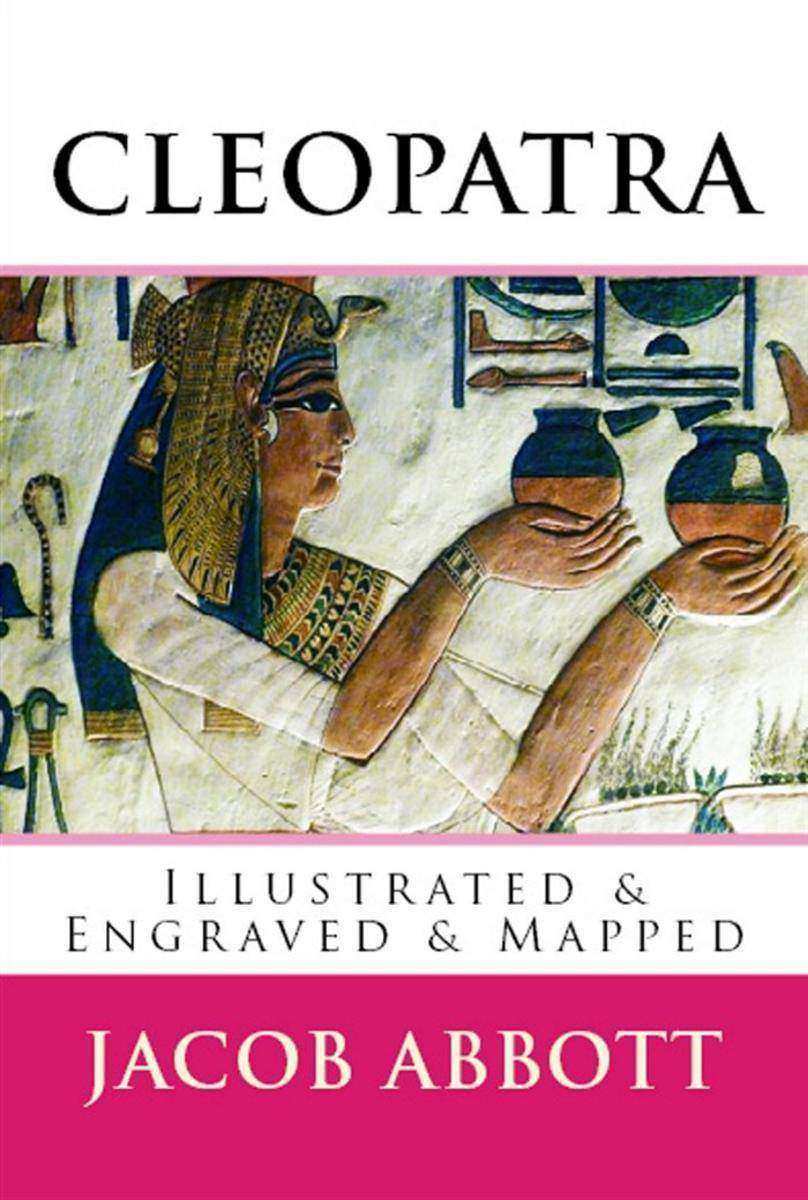
Cleopatra
¥18.56
THE story of Cleopatra is a story of crime. It is a narrative of the course and the consequences of unlawful love. In her strange and romantic history we see this passion portrayed with the most complete and graphic fidelity in all its influences and effects; its uncontrollable impulses, its intoxicating joys, its reckless and mad career, and the dreadful remorse and ultimate despair and ruin in which it always and inevitably ends.??Cleopatra was by birth an Egyptian; by ancestry and descent she was a Greek. Thus, while Alexandria and the delta of the Nile formed the scene of the most im-portant events and incidents of her history, it was the blood of Macedon which flowed in her veins. Her character and action are marked by the genius, the courage, the originality, and the impulsiveness pertaining to the stock from which she sprung. The events of her history, on the other hand, and the peculiar character of her adventures, her sufferings, and her sins, were determined by the circumstances with which she was surrounded, and the influences which were brought to bear upon her in the soft and voluptuous clime where the scenes of her early life were laid..??Egypt has always been considered as physically the most remarkable country on the globe. It is a long and narrow valley of verdure and fruitfulness, completely insulated from the rest of the habitable world. It is more completely insulated, in fact, than any literal island could be, inasmuch as deserts are more impassable than seas. The very existence of Egypt is a most extraordinary phenomenon. If we could but soar with the wings of an eagle into the air, and look down upon the scene, so as to observe the operation of that grand and yet simple process by which this long and wonderful valley, teeming so profusely with animal and vegetable life, has been formed, and is annually revivified and renewed, in the midst of surrounding wastes of silence, desolation, and death, we should gaze upon it with never-ceasing admiration and pleasure. We have not the wings of the eagle, but the generalizations of science furnish us with a sort of substitute for them. The long series of patient, careful, and sagacious observations, which have been continued now for two thousand years, bring us results, by means of which, through our powers of mental conception, we may take a comprehensive survey of the whole scene, analo-gous, in some respects, to that which direct and actual vision would afford us, if we could look down upon it from the eagle's point of view. It is, however, so-mewhat humiliating to our pride of intellect to reflect that long-continued philosophical investigations and learned scientific research are, in such a case as this, after all, in some sense, only a sort of substitute for wings. A human mind connected with a pair of eagle's wings would have solved the mystery of Egypt in a week; whereas science, philosophy, and research, confined to the surface of the ground, have been occupied for twenty centuries in accomplishing the undertaking.
Na?ionalismul. Identitatea etnocultural? ?i proiectul elitelor
¥40.79
i corbul, croncnind, a rguit, Vestind c sorii fost au aruncai! Venii! Venii! Voi, duhuri, ce vegheai Pe gndurile morii, crunta zee! i m nvai s nu mai fiu femeie! M umplei, de la cretet pn’ la tlpi Cu o rutate nenduplecat! The raven himself is hoarse That croaks the fatal entrance of Duncan Under my battlements. Come, you spirits That tend on mortal thoughts, unsex me here, And fill me from the crown to the toe top full Of direst cruelty!
?ocul crizei
¥65.32
Inchizi?ia spaniol?, poate cea mai temut? institu?ie din istoria omenirii, a fost ?nfiin?at? ?n 1478 de Regii Catolici, Ferdinand ?i Isabella, ?i abolit? abia ?n 1834, odat? cu R?zboaiele Napoleoniene. Spre deosebire de Inchizi?ia medieval? din restul Europei, cea din Spania ?i Portugalia s-a r?sp?ndit ?n coloniile iberice din Asia, Africa ?i America de Sud, ajung?nd s? terorizeze, timp de peste trei secole, nu mai pu?in de patru continente.Care au fost ?ns? motivele ?nfiin??rii ei? De ce provoca at?ta team?? Cine erau victimele torturate ?i arse ?n autodafeuri? Toby Green readuce la via?? aceast? perioad? a istoriei cu ajutorul uria?ei arhive inchizitoriale p?strate ?i prezint? nenum?rate cazuri judecate de Sf?ntul Oficiu, de la arhiepiscopi la oameni obi?nui?i, victime inocente ale unui sistem diabolic. De?i ?nsp?im?nt?toare, aceste pove?ti sunt un exemplu al rezisten?ei spiritului uman ?n fa?a absurdului ?i a r?ului. Toby Green ne dezv?luie mecanismele prin care pot ap?rea persecu?ia ?i teroarea, dar ?i felul ?n care pot fi evitate. Inchizi?ia este un avertisment venit din trecut, o lec?ie a istoriei pentru noi to?i!
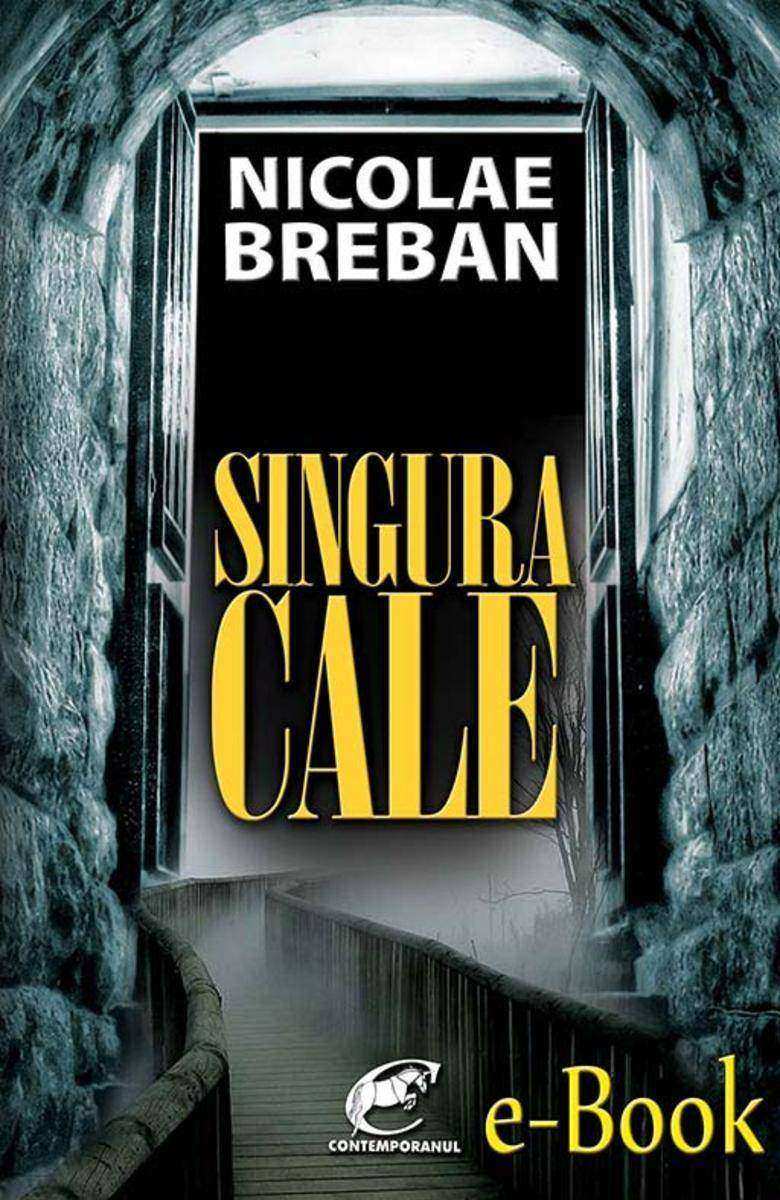
Singura cale
¥98.02
Lucrarea aduce in dezbaterile istoricilor si economistilor evolutia economica si politica a Romaniei in perioada 1859-1900, marcand o contributie insemnata in acest domeniu destul de putin studiat, analizat si dezbatut.Tema centrala a lucrarii o constituie necesitatea crearii unei industrii romanesti inca de la inceputul secolului al XIX-lea, pledand in favoarea protectionismului, a independentei capitalurilor si a mainii de lucru calificata.De asemenea, autorul analizeaza dezbaterile care au avut loc in epoca pe tema industrializarii si protectionismului intre cele doua partide mari existente in a doua jumatate a secolului XIX: Conservator si Liberal, precum si cele dintre economistii de conceptie din acea vreme: D.P. Martian, I. Ghica, Ionica Tautu, P.S. Aurelian.
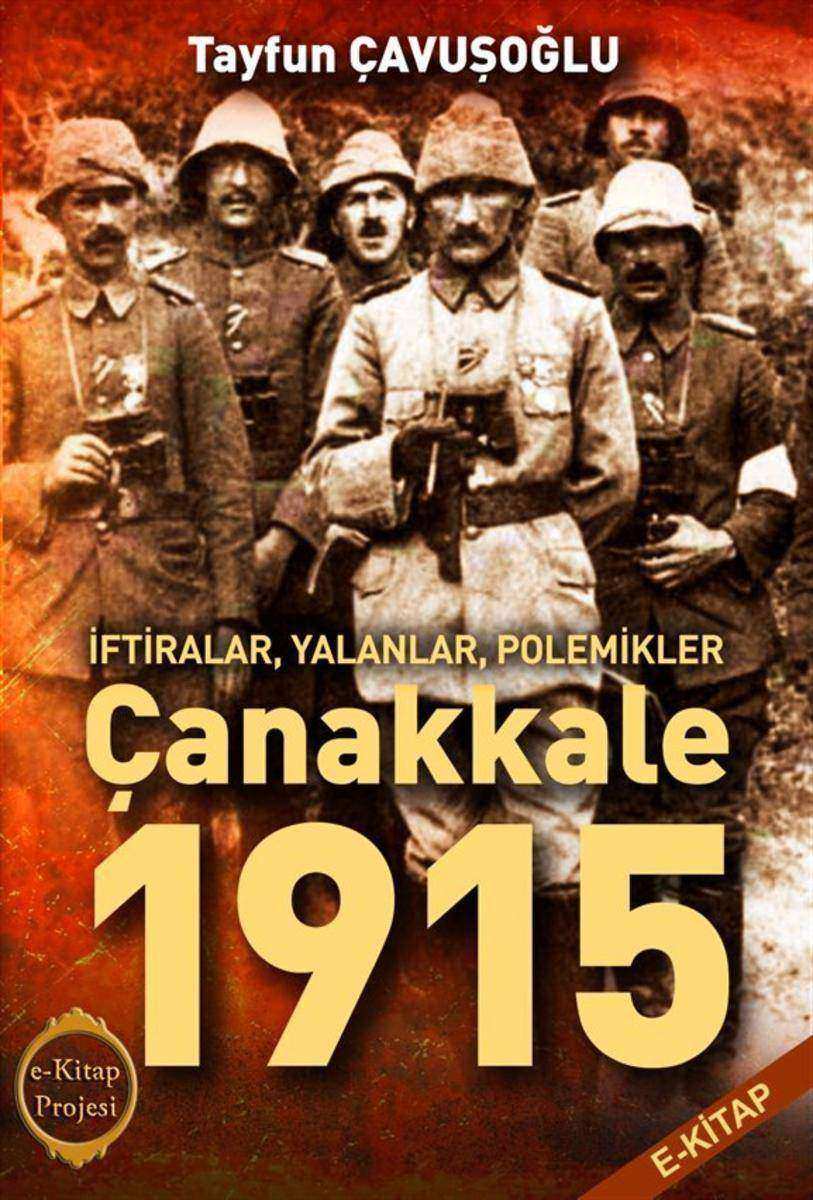
?anakkale -1915
¥18.56
anakkale Sava üzerine zellikle son yllarda yazlan kitaplarda doru ve dürüst yaklamlara da, cehaletin, aymazln, tarihe ihanetin ve yalann bin bir türlüsüne de rastlamak mümkün… ylesine aknlk yaratacak rnekler var ki... Kimisi, deniz savalar (18 Mart) ile Gelibolu’daki kara savalarn (25 Nisan) kronolojik olarak ayrt edebilecek bilgiden bile yoksun! ünkü gerei ideolojiye kurban etmeyi kafaya koymular bir kere… Tek ama, her ne pahasna olursa olsun anakkale’den Mustafa Kemal’in adn silip atmak… Mustafa Kemal’in ad gemesin, Mustafa Kemal o baardan pay almasn yeter! Varsn verdikleri tarihler de, saylar da, ordularn muharebe düzenleri de yalan-yanl olsun, ne kar! Meydan bo zannedilmesin... te polemik konular, yalanlar, iftiralar ve tarihi gerekler... --- YAZAR ZGEM----- Tayfun AVUOLU (1964 / …) Uluda niversitesi Eitim Fakültesi Alman Dili Anabilim Dal (1985) mezunu. renciyken 1983 yl balarnda Türk Haberler Ajans (THA) Bursa Bürosu’nda muhabirlie balad. Bursa’daki yerel gazeteler Hkimiyet, Olay, Bursa hkimiyet ve Kent gazetelerinde muhabir, istihbarat efi, haber müdürü, yaz ileri müdürü olarak alt. Bursa hkimiyet ve Bursa Haber gazetelerinde genel yayn ynetmenlii grevinde bulundu. Halen Bursa yerel basnndaki almalarn sürdürüyor. ada Gazeteciler Dernei (GD) Bursa ubesi’nde iki dnem (1997-2001) bakanlk yapan Tayfun avuolu, Bursa Gazeteciler Cemiyeti’nde (BGC) bir dnem (2009-2012) ynetim kurulu üyeliinde de bulundu. Basn meslek rgütlerinden ok sayda dül de alan, sürekli basn kart sahibi Tayfun avuolu, ngilizce retmeni Nesrin avuolu ile evli olup, Altu ve Alper’in babasdr. lk kitab “anakkale 1915, ftiralar, Yalanlar, Polemikler”, 2014’ün ubatnda Kasta Yaynevi (stanbul) tarafndan yaynland.
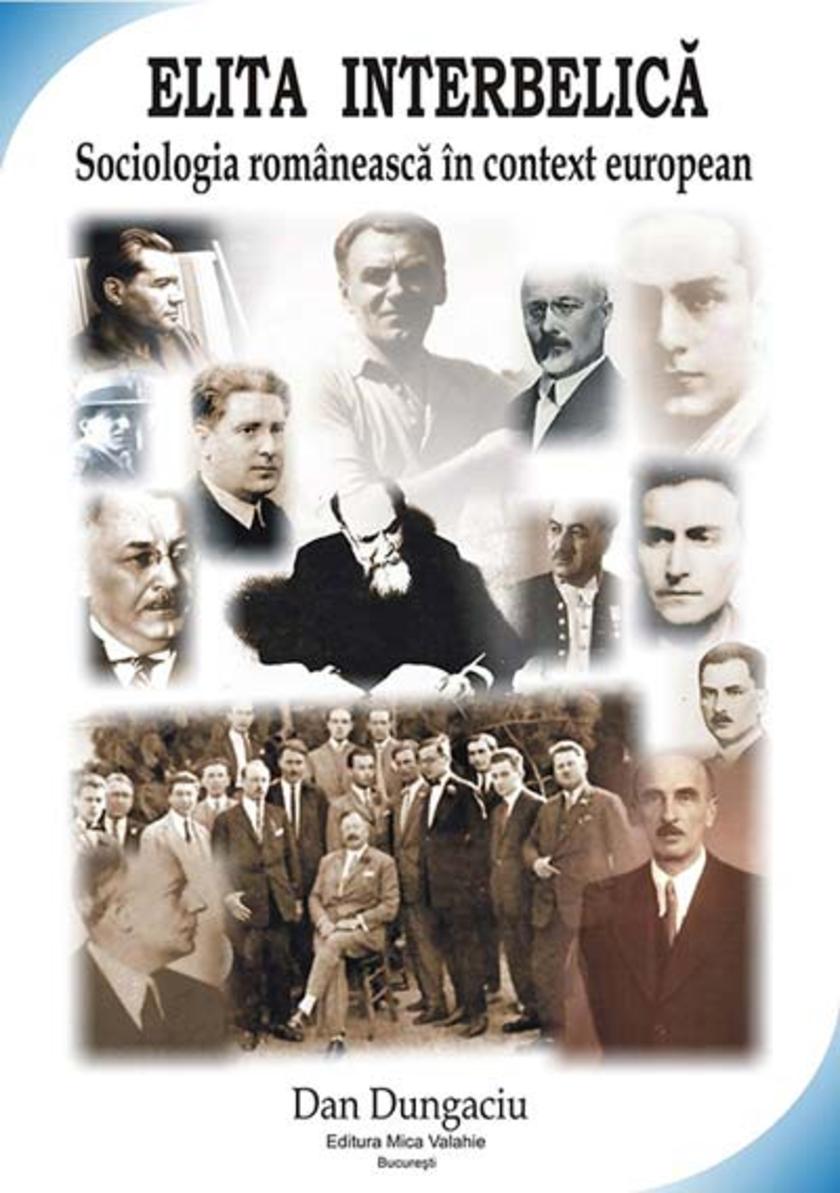
Elita interbelic?: sociologia rom?neasc? ?n context european
¥90.84
Pe 1 mai 1915, c?nd Primul R?zboi Mondial intra ?n cea de a zecea sa lun?, un transoceanic de linie luxos, la fel de bogat decorat ca un conac englezesc de ?ar?, pleca din New York cu destina?ia Liverpool, av?nd la bord un num?r record de copii. ?n r?ndurile pasagerilor domnea o surprinz?toare stare de bun? dispozi?ie, de?i Germania declarase c? apele din jurul Marii Britanii constituiau o zon? de r?zboi. Luni de zile, submarinele germane sem?naser? teroarea ?n Atlanticul de Nord. Dar Lusitania era unul dintre marile transatlantice ale epocii, cel mai rapid vapor de linie aflat ?n serviciu, iar c?pitanul ei, William Thomas Turner, avea o ?ncredere de nestr?mutat ?n regulile stricte ale r?zboiului purtat de gentlemani, care feriser?, vreme de un secol, vasele civile de orice atac. Este o poveste pe care mul?i dintre noi cred c? o cunosc, f?r? a o ?ti cu adev?rat, iar Erik Larson ne-o readuce ?n aten?ie plin? de suspans, schimb?nd rolurile ?ntre v?n?tor ?i v?nat, ?n timp ce descrie un tablou mai general al Americii la apogeul Erei Progresului. Plin? de str?lucire ?i de emo?ie, Siajul mor?ii aduce la via?? o distribu?ie de personaje evocatoare, de la faimosul librar din Boston Charles Lauriat, la pioniera din domeniul arhitecturii Theodate Pope ?i la pre?edintele Woodrow Wilson, un om sufocat de suferin?? ?i ?ngrozit de perspectiva unui r?zboi mondial. Siajul mor?ii surprinde drama pur? ?i puterea emo?ional? a unui dezastru ale c?rui detalii intime ?i ?n?eles real riscau s? r?m?n? pierdute ?n negurile istoriei.
The Art of War
¥8.82
The Art of War is a Chinese military treatise that was written during the 6th century BC by Sun Tzu. Composed of 13 chapters, each of which is devoted to one aspect of warfare, it has long been praised as the definitive work on military strategies and tactics of its time. The Art of War is one of the oldest books on military strategy in the world. It is the first and one of the most successful works on strategy and has had a huge influence on Eastern and Western military thinking, business tactics, and beyond. Sun Tzu was the first to recognize the importance of positioning in strategy and that position is affected both by objective conditions in the physical environment and the subjective opinions of competitive actors in that environment. He taught that strategy was not planning in the sense of working through a to-do list, but rather that it requires quick and appropriate responses to changing conditions.
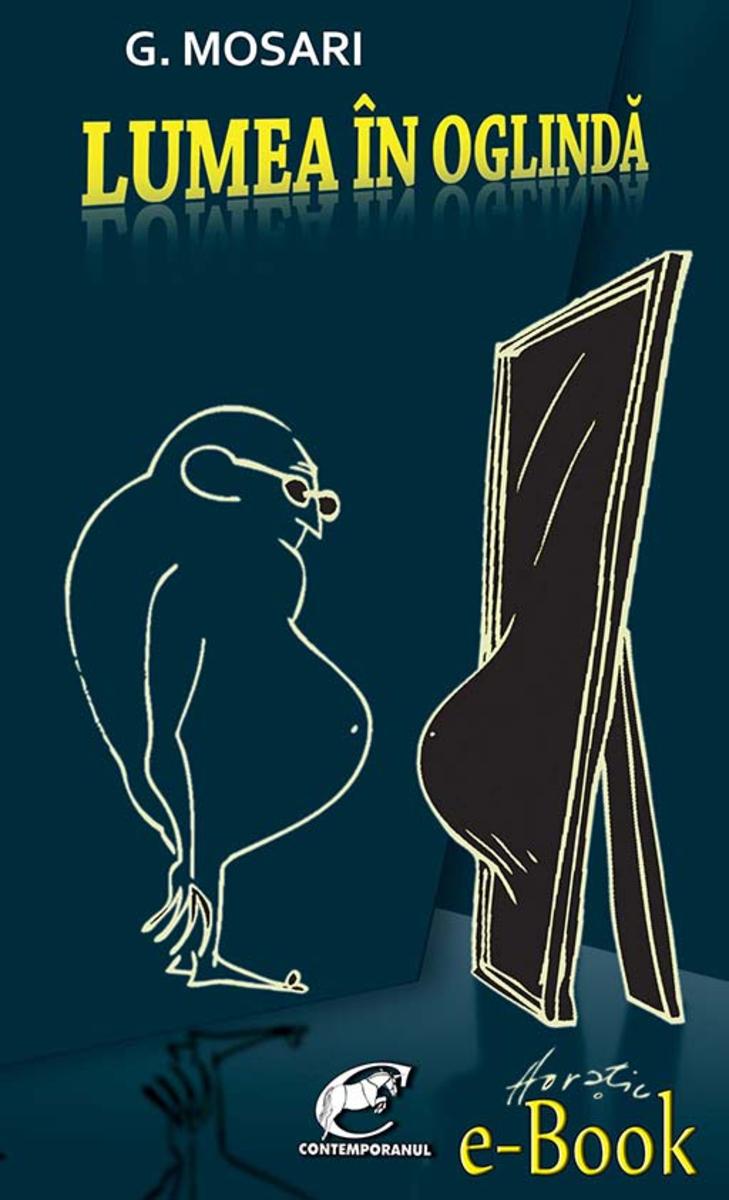
Lumea ?n oglind?
¥24.44
O nuan autobiografic, perfect ntemeiat, irizeaz concepia lui Breban de la acest nivel, miza mare a ideii fiind aceea de a demonstra – ceea ce romancierul a mai fcut… – c generaia din care face el nsui parte (Nichita Stnescu, Matei Clinescu etc.) a transformat literatura ntr-un asemenea mediu germinativ de excelene, prin intermediul promovrii esteticului ca replic alternativ sublim la grotescul ideologic din jur. Trebuie s recunoatem c Breban rmne seniorial i impecabil de fiecare dat cnd enun aceast dihotomie: de pild, nu trebuie uitat faptul c Istoria dramatic a prezentului s-a zamislit cnd mpotriva autorului se trgea cu tunul, pe motivul orchestratei acuze de colaborare cu Securitatea. Nici un raspuns n volum, nimic insidios, revanard sau resentimentar: doar idei i fapte, nu psihologie. Jos plria!“ (tefan Borbély)Numai cultura, carevaszica, ne poate lecui de aceast nesiguran identitar i numai ea poate nnobila istoria noastr de care, s-a putut constata, prozatorul maramureean nu-i mulumit… Face i alte profeii, atunci cnd n capitolul final vorbete despre specificul naional, dar despre toate acestea vom putea discuta cu alt prilej. Este o tem pe care noi, romnii, o aducem mereu n discuie fie pentru a o sataniza, fie pentru a o apra. Observ c N. Breban n-o respinge, de plano, cum fac globalitii, nici n-o smintete cu un discurs encomiastic, cum fac localitii. El procedeaz corect, aa cum procedeaz orice intelectual lucid i responsabil, adic analizeaz un concept (un concept esenial) i ncearc s-i vad viitorul… Este trist, i are de ce, cnd se gndete la lumea politic de azi i la retorica resentimentului i a rzbunrii care domin lumea intelectual… S mai spun c are i n acest caz dreptate, c dup douzeci de ani de libertate intelectualii romni, cu precdere scriitorii (ei, care s-au inut bine sub regimul totalitar), se detest cu o grea sinceritate mi amintesc de o propoziie din Eminescu (reproduc din memorie): Nu eti liber, dac nu eti drept. Se poate spune i invers: Nu eti drept, dac nu eti liber. Liber, n cazul oamenilor de litere, de prejudeci, de complexe i idiosincrazii, de eecurile i vexaiunile pe care i le-a provocat istoria i pe care spiritul nu poate s le stpneasc.“ (Eugen Simion)
Un filosof r?t?cit ?n agora
¥40.79
Fire?te c?, de la schimbarea de paradigm? numit? apari?ia genurilor rock ?i folk (precedate de jazz, dar mai cu seam? de blues... ?i ?n m?sur? cov?r?itoare de explozia beat!), ?n Rom?nia comunist? (?ncerc?nd mereu s? fie sincron? cu voga occidental?), lucrurile n-au fost tocmai roz. Unii chiar se bat ?n piept c? de la ei ?ncoace se poate vorbi de...; al?ii (implica?i direct) sunt sc?rbi?i de ceea ce se ?nt?mpl?, mai cu seam? ?n lipsa unei istorii oficiale ?i documentate, ?i ??i v?d de treab?. ?n era net/Wikipedia, oricine se poate da ?n stamb?, se poate lua la tr?nt? (sub pav?za anonimatului, implicit a nesim?irii) cu orice; cum anticipa parc? Andy Warhol, a venit vremea ?n care oricine va fi fost vedet? 15 minute.Dar au existat ?i vedete reale, grei ai genurilor a?a-zis u?oare, mon?tri sacri! Celor acum ?n umbr? (cite?te underground) le este dedicat acest volum. M?rturii orale puse cap la cap despre aceia care au trecut ?i – iat? – se ?ntorc ?n Clubul Arhitecturii. Dac? un Cenaclu ?Flac?ra“, la ?nceput genial ?n scopuri, a fost mai apoi r?st?lm?cit ideologic ?i impus aproape cu for?a p?n? la implozie, clubul – recte pivni?a – din strada Bl?nari nr. 14 a rezistat peste decenii intrinsec; pe temelia solidificat? de la o zi la alta, de la un artist la altul, de la o bere la alta... Din student ?n student (dar nu numai prin ei), ?tafeta a tot fost preluat? de genera?iile care s-au perindat, iar ast?zi ne-am trezit cu o ?ntreag? istorie care apas? pe funda?iile cl?dirii vechi..., dar f?r? bulin? ro?ie! Nu, Club A nu va c?dea, a?a cum va exista ?n continuare ?i Casa Studen?ilor din Bucure?ti (ca ?i cele din Timi?oara, Ia?i, Cluj...), ?i Radioul, ?i Televiziunea, ?i Electrecordul...Din cuprins: Amintiri ? Clubul de pariuri muzicale sau Cu... v?nt ?nainte... din pupa! ? A fost o dat?... din 1969 ? Primul Festival Na?ional de Muzic? Pop ?Club A“ (16–22 decembrie 1969) ? Ro?u ?i Negru ? Romanticii ? Chromatic Grup ? Sideral (Modal Quartet) ? Olympic ‘64 ? Phoenix ? Coral... ?i Adrian Ivani?chi ? Al doilea Festival Na?ional de Muzic? Pop ?Club A“ (10–17 mai 1971) ? Modern Grup ? Metronom ? Mondial ? Timi?oara, la vest de Rom?nia ? Carusel ? Post-scriptum la al doilea festival ? Folk ?n Club A ? Mihai Munteanu ?Michone“ ? Dorin Liviu Zaharia ?Chubby“ ? Mircea ?Ciocu“ Vintil? ? Florian ?Mo?u“ Pitti? ? Doru St?nculescu ? Sorin Minghiat ? Dan Oprina ?i Mircea Valeriu Popa ? Nicu Vladimir ? Marcela Saftiuc ? Adriana Ausch ? Anda C?lug?reanu ? Zoia Alecu ? Catena ? FFN ? Valeriu Sterian (?i Compania de Sunet) ? Mircea Bodolan ? Curtea Veche nr. 43 ? Al treilea Festival ?Club A“ (5–8 iunie 1979) ? Metropol ? Academica ? Experimental Q ? Modal Q ? Mircea Florian (din Transilvania) ? Al patrulea Festival ?Club A“ (16–19 martie 1981) ? Dan Andrei Aldea ?i Sfinx ? Pro Musica ? Accent ? Redivivus ? Basorelief ? Gramophon/Post Scriptum ?i... Mircea Baniciu ? Semnal M ? Sorin Chifiriuc ?i Domino/Roata ? Grup ‘74 ? Club A – 15 ani (12–17 martie 1984) ? Nicu Alifantis ? Iris ? Liviu Tudan & Ro?u ?i Negru ? Al cincilea Festival ?Club A“ (28 februarie–1 martie 1990) ? Compact ? Holograf ? Celelalte Cuvinte ? Gala ?Club A – 30 de ani“ (18 iunie 1999)?/ ?Club A – 34 de ani“ (4 iunie 2003) ? Sfinx (Experience) ? Alexandru Andrie? ? Cargo ? Timpuri Noi ? Sfatul ?b?tr?nilor“ ? Al ?aptelea Festival ?Club A“ (13–18 mai 2011) ? Imagini ?necenzurate“
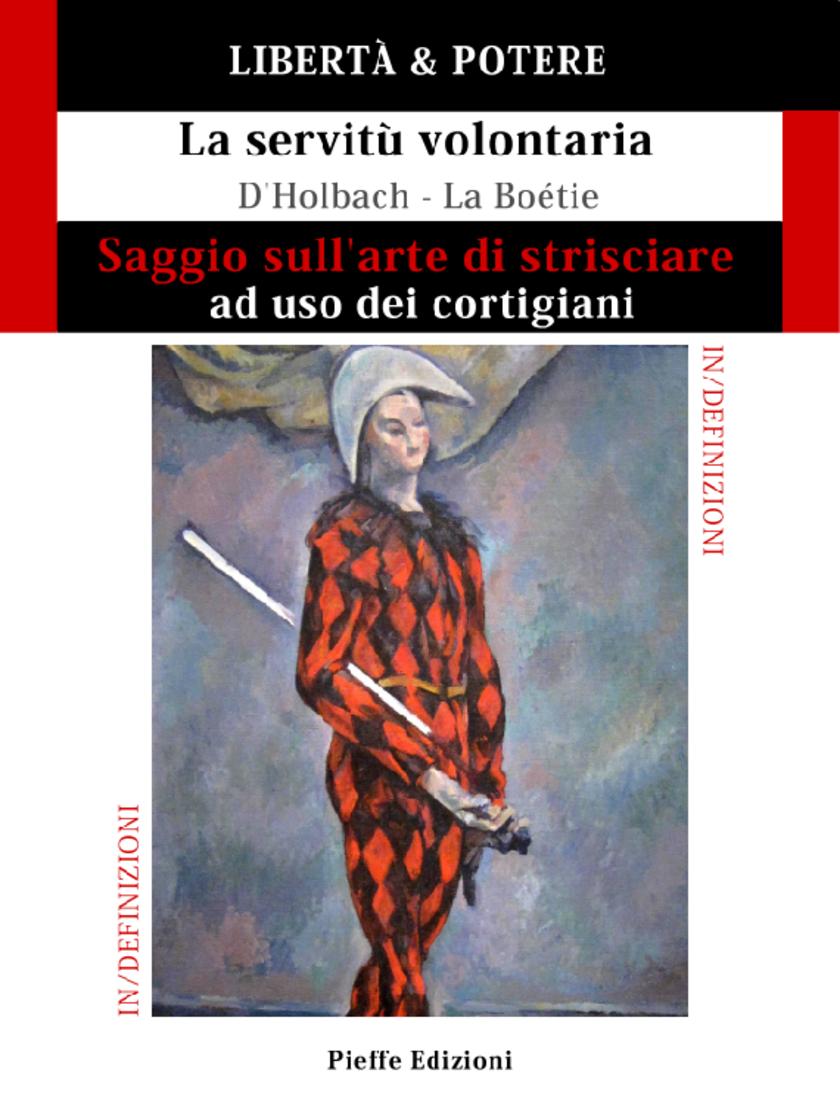
LIBERT? & POTERE. Saggio sull'arte di strisciare ad uso dei cortigiani
¥55.75
Exila?i este singura pies? scris? de Joyce, unde ??i face manifest?, prin regulile speciei, predilec?ia pentru m??tile puse fiec?rui personaj. Citit? ca o trecere ?n ordine cronologic? de la Portret al artistului ?n tinere?e la Ulise, piesa con?ine m?rci clare ale obsesiilor scriitorului ?i urme vizibile ale experien?ei omului James Joyce. Rela?iile de dragoste, parentale sau de prietenie sunt cele care dezechilibreaz? personajele, exilul temporar ?n Italia fiind doar o alt? form? a ?nstr?in?rii din Irlanda natal?.


