


 购物车
购物车 个人中心
个人中心
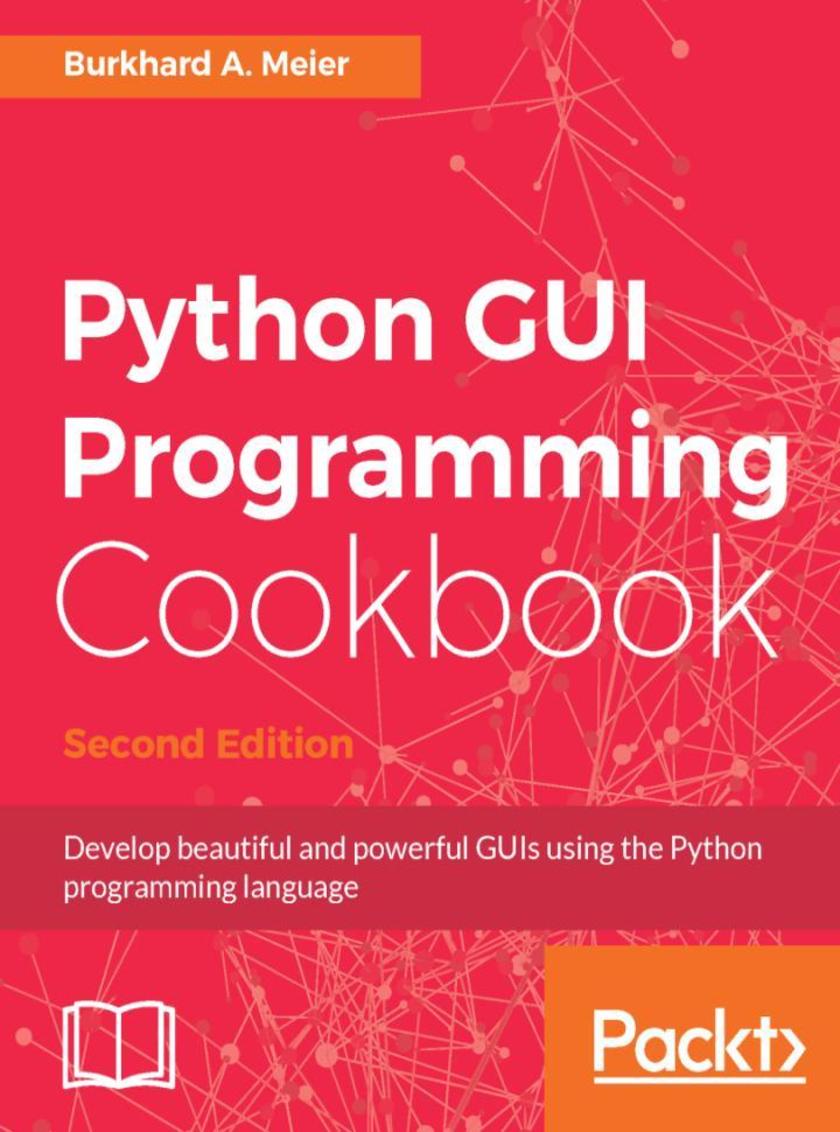
Python GUI Programming Cookbook - Second Edition
¥90.46
Master over 80 object-oriented recipes to create amazing GUIs in Python and revolutionize your applications today About This Book ? Use object-oriented programming to develop amazing GUIs in Python ? Create a working GUI project as a central resource for developing your Python GUIs ? Easy-to-follow recipes to help you develop code using the latest released version of Python Who This Book Is For This book is for intermediate Python programmers who wish to enhance their Python skills by writing powerful GUIs in Python. As Python is such a great and easy to learn language, this book is also ideal for any developer with experience of other languages and enthusiasm to expand their horizon. What You Will Learn ? Create the GUI Form and add widgets ? Arrange the widgets using layout managers ? Use object-oriented programming to create GUIs ? Create Matplotlib charts ? Use threads and talking to networks ? Talk to a MySQL database via the GUI ? Perform unit-testing and internationalizing the GUI ? Extend the GUI with third-party graphical libraries ? Get to know the best practices to create GUIs In Detail Python is a multi-domain, interpreted programming language. It is a widely used general-purpose, high-level programming language. It is often used as a *ing language because of its forgiving syntax and compatibility with a wide variety of different eco-systems. Python GUI Programming Cookbook follows a task-based approach to help you create beautiful and very effective GUIs with the least amount of code necessary. This book will guide you through the very basics of creating a fully functional GUI in Python with only a few lines of code. Each and every recipe adds more widgets to the GUIs we are creating. While the cookbook recipes all stand on their own, there is a common theme running through all of them. As our GUIs keep expanding, using more and more widgets, we start to talk to networks, databases, and graphical libraries that greatly enhance our GUI’s functionality. This book is what you need to expand your knowledge on the subject of GUIs, and make sure you’re not missing out in the long run. Style and approach This programming cookbook consists of standalone recipes, and this approach makes it unique.. While each recipe explains a certain concept, throughout the book you’ll build a more and more advanced GUI, recipe after recipe. In some of the advanced topics, we simply create a new GUI in order to explore these topics in depth.
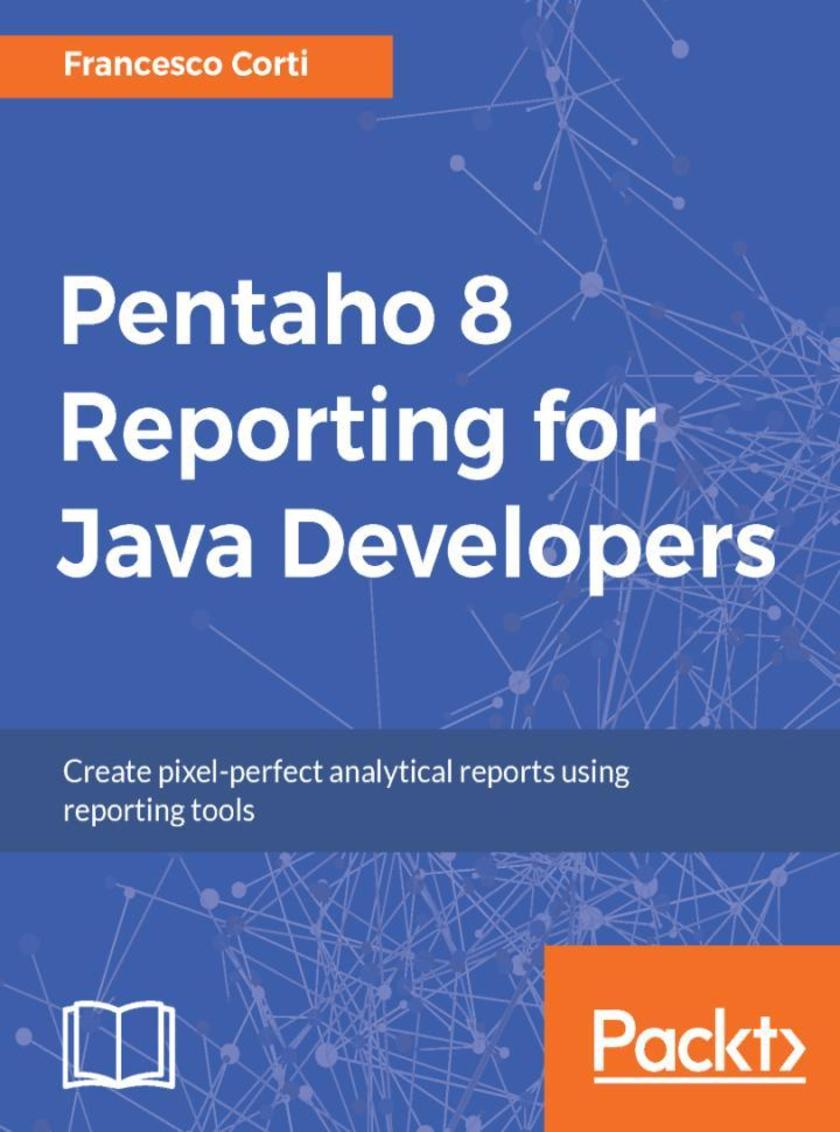
Pentaho 8 Reporting for Java Developers
¥90.46
Create reports and solve common report problems with minimal fuss. About This Book ? Use this unique book to master the basics and advanced features of Pentaho 8 Reporting. ? A book showing developers and analysts with IT skills how to create and use the best possible reports using the Pentaho platform. ? Written with a very practical approach: full of tutorials and practical examples (source code included). Who This Book Is For This book is written for two types of professionals and students: Information Technologists with a basic knowledge of Databases and Java Developers with medium seniority. Developers will be interested to discover how to embed reports in a third-party Java application. What You Will Learn ? The basics of Pentaho Reporting (Designer and SDK) and its initial setup. ? Develop the most attractive reports on top of a wide range of data sources. ? Perform detailed customization of layout, parameterization, internationalization, behaviors, and more for your custom reports developed with Pentaho Reporting. ? Integrate Pentaho reports into third-party Java application with full control over interactions, layout, and behavior in general. ? Use Pentaho reports in the other components of the Pentaho Suite (BA Platform and PDI). In Detail This hands-on tutorial, filled with exercises and examples, introduces the reader to a variety of concepts within Pentaho Reporting. With screenshots that show you how reports look at design time as well as how they should look when rendered as PDF, Excel, HTML, Text, Rich-Text-File, XML, and CSV, this book also contains complete example source code that you can copy and paste into your environment to get up-and-running quickly. Updated to cover the features of Pentaho 8, this book will teach you everything you need to know to build fast, efficient reports using Pentaho. If your interest lies in the technical details of creating reports and you want to see how to solve common reporting problems with a minimum of fuss, this is the book for you. Style and approach A step-by-step guide covering technical topics relating to environments, best practices, and source code, to enable the reader to assemble the best reports and use them in existing Java applications.
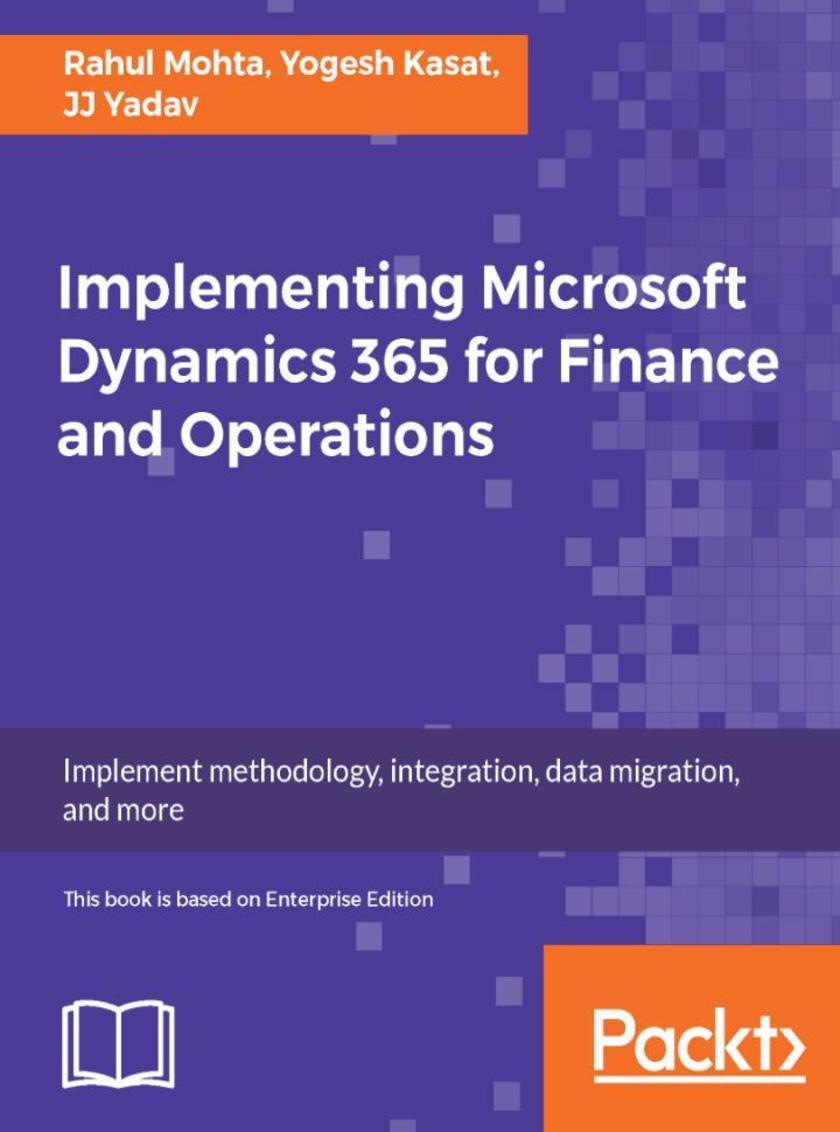
Implementing Microsoft Dynamics 365 for Finance and Operations
¥107.90
Harness the power of Dynamics 365 Operations and discover all you need to implement it About This Book ? Master all the necessary tools and resources to evaluate Dynamics 365 for Operations, implement it, and proactively maintain it. ? Troubleshoot your problems effectively with your Dynamics 365 partner ? Learn about architecture, deployment choices, integration, configuration and data migration, development, testing, reporting and BI, support, upgrading, and more. Who This Book Is For This book is for technology leaders, project managers solution architects, and consultants who are planning to implement, are in the process of implementing, or are currently upgrading to Dynamics 365 for Operations. This book will help you effectively learn and implement Dynamics 365 for Operations. What You Will Learn ? Learn about Microsoft Dynamics 365, it's offerings, plans and details of Finance and Operations, Enterprise edition ? Understand the methodology and the tool, architecture, and deployment options ? Effectively plan and manage configurations and data migration, functional design, and technical design ? Understand integration frameworks, development concepts, best practices, and recommendations while developing new solutions ? Learn how to leverage intelligence and analytics through Power BI, machine learning, IOT, and Cortana intelligence ? Master testing, training, going live, upgrading, and how to get support during and after the implementation In Detail Microsoft Dynamics 365 for Finance and Operations, Enterprise edition, is a modern, cloud-first, mobile-first, ERP solution suitable for medium and large enterprise customers. This book will guide you through the entire life cycle of a implementation, helping you avoid common pitfalls while increasing your efficiency and effectiveness at every stage of the project. Starting with the foundations, the book introduces the Microsoft Dynamics 365 offerings, plans, and products. You will be taken through the various methodologies, architectures, and deployments so you can select, implement, and maintain Microsoft Dynamics 365 for Finance and Operations, Enterprise edition. You will delve in-depth into the various phases of implementation: project management, analysis, configuration, data migration, design, development, using Power BI, machine learning, Cortana analytics for intelligence, testing, training, and finally deployment, support cycles, and upgrading. This book focuses on providing you with information about the product and the various concepts and tools, along with real-life examples from the field and guidance that will empower you to execute and implement Dynamics 365 for Finance and Operations, Enterprise edition. Style and approach This book is a step-by-step guide focusing on implementing Dynamics 365 Operations solutions for your organization.
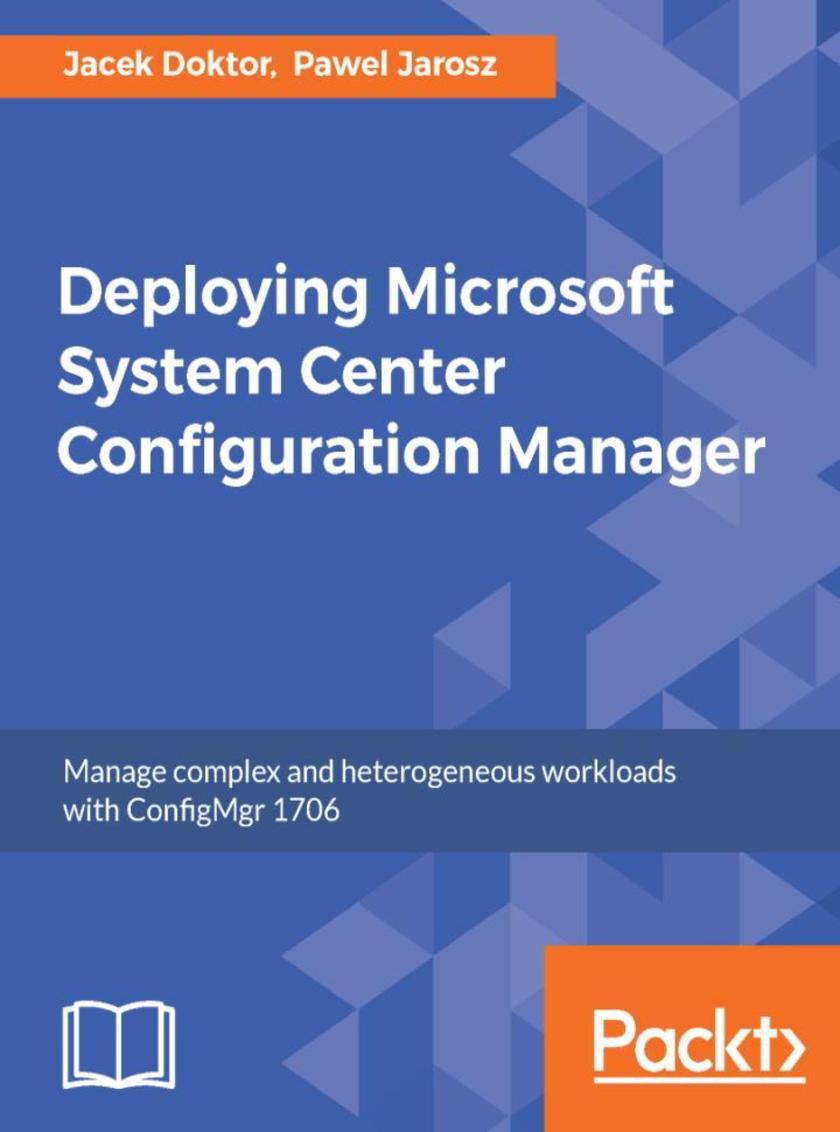
Deploying Microsoft System Center Configuration Manager
¥90.46
Plan, design, and deploy System Center Configuration Manager 1706 like never before, regardless of how complex your infrastructure is About This Book ? The most up-to-date resource on deploying or migrating to System Center Configuration Manager 1706 within your IT infrastructure ? Plan, design, and deploy ConfigMgr 1706 with ease, both on primary and multiple-hierarchy sites ? Master the new features of ConfigMgr 1706, including Windows 10 support Who This Book Is For If you are a system engineer or an administrator planning to deploy Microsoft System Center Configuration Manager 1706, then this book is for you. This book will also benefit system administrators who are responsible for designing and deploying one or more System CenterConfiguration Manager 1706 sites in their new or existing systems. What You Will Learn ? Install ConfigMgr servers and the necessary roles ? Design and scale ConfigMgr environments ? Configure and administrate essential ConfigMgr roles and features ? Create software packages using .msi and .exe files ? Deliver detailed reports with an automatic patching process ? Apply proper hardening on your deployment and secure workstations ? Deploy operating systems and updates leveraging ConfigMgr mechanisms ? Create high-availability components using the built-in mechanism for backup and recovery In Detail It becomes important to plan, design, and deploy configurations when administrators know that Configuration Manager interacts with a number of infrastructure components such as Active Directory Domain Services, network protocols, Windows Server services, and so on. Via real-world-world deployment scenarios, this book will help you implement a single primary site or multiples sites. You will be able to efficiently plan and deploy a multiple-site hierarchy such as central administration site. Next, you will learn various methods to plan and deploy Configuration Manager clients, secure them and make the most of new features offered through ConfigMgr 1706 like compliance, deploying updates operating systems to the endpoints. Then, this book will show you how to install, configure, and run SQL reports to extract information. Lastly, you will also learn how to create and manage users access in an ConfigMgr environment By the end of this book, you will have learned to use the built-in mechanism to back up and restore data and also design maintenance plan. Style and approach This step-by-step guide teaches you cool ways to plan, deploy, and configure ConfigMgr 1706. This tutorial, which complements the release of ConfigMgr 1706 with a refreshing new approach and expert guidance, will teach you everything you need to know about the essentials of server.
Kubernetes for Serverless Applications
¥81.74
Transform yourself into a Kubernetes specialist in serverless applications. About This Book ? Get hands-on experience in installing, configuring, and using services such as Kubeless, Funktion, OpenWhisk, and Fission ? Learn how to launch Kubernetes both locally and in public clouds ? Explore the differences between using services such as AWS Lambda and Azure Functions and running your own Who This Book Is For If you are a DevOps engineer, cloud architect, or a stakeholder keen to learn about serverless functions in Kubernetes environments, then this book is for you. What You Will Learn ? Get a detailed analysis of serverless/Functions as a Service ? Get hands-on with installing and running tasks in Kubernetes using Minikube ? Install Kubeless locally and launch your first function. ? Launch Kubernetes in the cloud and move your applications between your local machine and your cloud cluster ? Deploy applications on Kubernetes using Apache OpenWhisk ? Explore topics such as Funktion and Fission installation on the cloud followed by launching applications ? Monitor a serverless function and master security best practices and Kubernetes use cases In Detail Kubernetes has established itself as the standard platform for container management, orchestration, and deployment. It has been adopted by companies such as Google, its original developers, and Microsoft as an integral part of their public cloud platforms, so that you can develop for Kubernetes and not worry about being locked into a single vendor. This book will initially start by introducing serverless functions. Then you will configure tools such as Minikube to run Kubernetes. Once you are up-and-running, you will install and configure Kubeless, your first step towards running Function as a Service (FaaS) on Kubernetes. Then you will gradually move towards running Fission, a framework used for managing serverless functions on Kubernetes environments. Towards the end of the book, you will also work with Kubernetes functions on public and private clouds. By the end of this book, we will have mastered using Function as a Service on Kubernetes environments. Style and approach A clear, concise, and straightforward book that will empower you work with clusters and run serverless functions effectively.
Selenium Framework Design in Data-Driven Testing
¥81.74
Take a deep dive into building data-driven test frameworks using Selenium WebDriver About This Book ? A comprehensive guide to designing data-driven test frameworks using the Selenium 3 WebDriver API, AppiumDriver API, Java-Bindings, and TestNG ? Learn how to use Selenium Page Object Design Patterns and D.R.Y. (Don’t Repeat Yourself) Approaches to software development in automated testing ? Discover the Selenium Grid Architecture and build your own grid for browser and mobile devices ? Use third party tools and services like ExtentReports for results processing, reporting, and SauceLabs for cloud-based test services Who This Book Is For This book is intended for software quality assurance/testing professionals, software project managers, or software developers with prior experience in using Selenium and Java to test web-based applications.This book is geared towards the quality assurance and development professionals responsible for designing and building enterprise-based testing frameworks.The user should have a working knowledge of the Java, TestNG, and Selenium technologies What You Will Learn ? Design the Selenium Driver Class for local, remote, and third party grid support ? Build Page Object Classes using the Selenium Page Object Model ? Develop Data-Driven Test Classes using the TestNG framework ? Encapsulate Data using the JSON Protocol ? Build a Selenium Grid for RemoteWebDriver Testing ? Construct Utility Classes for use in Synchronization, File I/O, Reporting and Test Listener Classes ? Run the sample framework and see the benefits of a live data-driven framework in real-time In Detail The Selenium WebDriver 3.x Technology is an open source API available to test both Browser and Mobile applications. It is completely platform independent in that tests built for one browser or mobile device, will also work on all other browsers and mobile devices. Selenium supports all major development languages which allow it to be tied directly into the technology used to develop the applications. This guide will provide a step-by-step approach to designing and building a data-driven test framework using Selenium WebDriver, Java, and TestNG. The book starts off by introducing users to the Selenium Page Object Design Patterns and D.R.Y Approaches to Software Development. In doing so, it covers designing and building a Selenium WebDriver framework that supports both Browser and Mobile Devices. It will lead the user through a journey of architecting their own framework with a scalable driver class, Java utility classes, JSON Data Provider, Data-Driven Test Classes, and support for third party tools and plugins. Users will learn how to design and build a Selenium Grid from scratch to allow the framework to scale and support different browsers, mobile devices, versions, and platforms, and how they can leverage third party grids in the Cloud like SauceLabs. Other topics covered include designing abstract base and sub-classes, inheritance, dual-driver support, parallel testing, testing multi-branded applications, best practices for using locators, and data encapsulation. Finally, you will be presented with a sample fully-functional framework to get them up and running with the Selenium WebDriver for browser testing. By the end of the book, you will be able to design your own automation testing framework and perform data-driven testing with Selenium WebDriver. Style and approach A comprehensive approach to designing data-driven test frameworks using the Selenium 3 WebDriver API, Java-Bindings, and TestNG Technologies
Learning AWS IoT
¥73.02
Learn to use AWS IoT services to build your connected applications with the help of this comprehensive guide. About This Book ? Gets you started with AWS IoT and its functionalities ? Learn different modules of AWS IoT with practical use cases. ? Learn to secure your IoT communication Who This Book Is For This book is for anyone who wants to get started with the AWS IoT Suite and implement it with practical use cases. This book acts as an extensive guide, on completion of which you will be in a position to start building IoT projects using AWS IoT platform and using cloud services for your projects. What You Will Learn ? Implement AWS IoT on IoT projects ? Learn the technical capabilities of AWS IoT and IoT devices ? Create IoT-based AWS IoT projects ? Choose IoT devices and AWS IoT platforms to use based on the kind of project you need to build ? Deploy AWS Greengrass and AWS Lambda ? Develop program for AWS IoT Button ? Visualize IoT AWS data ? Build predictive analytics using AWS IoT and AWS Machine Learning In Detail The Internet of Things market increased a lot in the past few years and IoT development and its adoption have showed an upward trend. Analysis and predictions say that Enterprise IoT platforms are the future of IoT. AWS IoT is currently leading the market with its wide range of device support SDKs and versatile management console. This book initially introduces you to the IoT platforms, and how it makes our IoT development easy. It then covers the complete AWS IoT Suite and how it can be used to develop secure communication between internet-connected things such as sensors, actuators, embedded devices, smart applications, and so on. The book also covers the various modules of AWS: AWS Greengrass, AWS device SDKs, AWS IoT Platform, AWS Button, AWS Management consoles, AWS-related CLI, and API references, all with practical use cases. Near the end, the book supplies security-related best practices to make bi-directional communication more secure. When you've finished this book, you'll be up-and-running with the AWS IoT Suite, and building IoT projects. Style and approach This book is a step-by-step practical guide that helps you learn AWS IoT quickly.
MEAN Blueprints
¥334.25
Unlock the power of the MEAN stack by creating attractive and real-world projectsAbout This Book·Build six optimum end-to-end web applications using the M.E.A.N stack·Follow the advanced Angular.js 2 application structure to build more scalable and maintainable apps·Integrate an authorization system into your application and reuse existing code from projectsWho This Book Is ForIf you are a web developer with a basic understanding of the MEAN stack, experience in developing applications with JavaScript, and basic experience with NoSQL databases, then this book is for you.What You Will Learn·Build modern, end-to-end web applications by employing the full stack web development solution of MEAN·Learn NoSQL databases and separate the client logic from the server code·Build a complex application from start to finish and work with monetary data in MongoDB·Handle a multi-user type system and authorize your users to access control list·Implement a chat application from scratch using Socket.IO·Create distributed applications and use the power of server-side rendering in your applications·Extend a project with a real-time bidding system using WebSocketsIn DetailThe MEAN stack is a combination of the most popular web development frameworks available—MongoDB, Angular, Express, and Node.js used together to offer a powerful and comprehensive full stack web development solution. It is the modern day web dev alternative to the old LAMP stack. It works by allowing AngularJS to handle the front end, and selecting Mongo, Express, and Node to handle the back-end development, which makes increasing sense to forward-thinking web developers. The MEAN stack is great if you want to prototype complex web applications.This book will enable you to build a better foundation for your AngularJS apps. Each chapter covers a complete, single, advanced end-to-end project. You'll learn how to build complex real-life applications with the MEAN stack and few more advanced projects. You will become familiar with WebSockets and build real-time web applications, as well as create auto-destructing entities. Later, we will combine server-side rendering techniques with a single page application approach. You'll build a fun project and see how to work with monetary data in Mongo. You will also find out how to a build real-time e-commerce application.By the end of this book, you will be a lot more confident in developing real-time, complex web applications using the MEAN stack.Style and approachThis book is filled with independent hands-on projects that teach you how to build real-life end-to-end complex web applications using the MEAN stack.
Swift 3 New Features
¥222.81
A fast-paced guide to get you up and running with Swift 3 and its new featuresAbout This Book·Get up to date with the latest changes to Swift 3·Make your life easier by knowing how to port your Swift code to the latest version·Learn how to write programs that work on most of the major platforms such as iOS and LinuxWho This Book Is ForThe book is for those who are familiar with Swift but are in need of clear guidance on what's changed in the latest version and the new features.What You Will Learn·Migrate a Swift 2.2 project to Swift 3·Understand the workings of Swift Package Manager·Interact with Cocoa libraries when importing Objective C to Swift·Explore the function and operator changes new in Swift 3·Work with the advanced type changes, attribute improvements, and floating point type improvements in Swift·Discover the changes in the Swift API and see how Objective-C can be manipulated in the current API·Implement the new features central to Swift Testing and understand the new debug features·Create server-side applications using Swift 3In DetailSince Swift was introduced by Apple in WWDC 2015, it has gone on to become one of the most beloved languages to develop iOS applications with. In the new version, the Swift team aimed to take its adoption to the next level by making it available for new platforms and audiences.This book will very quickly get you up to speed and productive with Swift 3. You will begin by understanding the process of submitting new feature requests for future versions of Swift. Swift 3 allows you to develop and run your applications on a Linux machine. Using this feature, you will write your first Linux application using the debugger in Linux. Using Swift migrator, you will initiate a conversion from Swift 2.2 to Swift 3.Further on, you will learn how to interact with Cocoa libraries when importing Objective C to Swift. You will explore the function and operator changes new to Swift 3, followed by Collection and Closure changes. You will also see the changes in Swift 3 that allow you write tests easier with XCTest and debug your running code better with new formats as well. Finally, you will have a running server written completely in Swift on a Linux box.By the end of the book, you will know everything you need to know to dive into Swift 3 and build successful projects.Style and approachThe book takes a tutorial-based approach offering an overview of the new features introduced in the latest version of Swift. It includes relevant examples of how code and concepts change when it comes to working on Swift 3 compared to previous versions.
Git Essentials - Second Edition
¥259.95
Dive and explore into the latest addons of the latest Git.About This Book·Master all the basic concepts of Git to protect your code and make it easier to evolve·Use Git proficiently, and learn how to resolve day-by-day challenges easily·This step-by-step guide is packed with examples to help you learn and work with Git's internalsWho This Book Is ForIf you are a software developer with little or no experience of versioning systems, or you are familiar with other centralized versioning systems, then this book is for you.If you have experience in server and system management and need to broaden your use of Git from a DevOps perspective, this book contains everything you need.What You Will Learn·Master Git fundamentals·Be able to "visualize," even with the help of a valid GUI tool·Write principal commands in a shell·Figure out the right strategy to run change your daily work with few or no annoyances·Explore the tools used to migrate to Git from the Subversion versioning system without losing your development history·Plan new projects and repositories with ease, using online services, or local network resourcesIn DetailSince its inception, Git has attracted skilled developers due to its robust, powerful, and reliable features. Its incredibly fast branching ability transformed a piece of code from a niche tool for Linux Kernel developers into a mainstream distributed versioning system. Like most powerful tools, Git can be hard to approach since it has a lot of commands, subcommands, and options that easily confuse newcomers.The 2nd edition of this very successful book will help you overcome this fear and become adept in all the basic tasks in Git. Building upon the success of the first book, we start with a brief step-by-step installation guide; after this, you'll delve into the essentials of Git. For those of you who have bought the first edition, this time we go into internals in far greater depth, talking less about theory and using much more practical examples.The book serves as a primer for topics to follow, such as branching and merging, creating and managing a GitHub personal repository, and fork and pull requests. You'll then learn the art of cherry-picking, taking only the commits you want, followed by Git blame. Finally, we'll see how to interoperate with a Subversion server, covering the concepts and commands needed to convert an SVN repository into a Git repository.To conclude, this is a collection of resources, links, and appendices to satisfy even the most curious.Style and approachThis short guide will help you understand the concepts and fundamentals of GIT is a step-by-step manner.

The Beginner’s Short Guide to Pinterest: How to Promote Products on Pinterest
¥8.09
The Beginner’s Short Guide to Pinterest: How to Promote Products on Pinterest
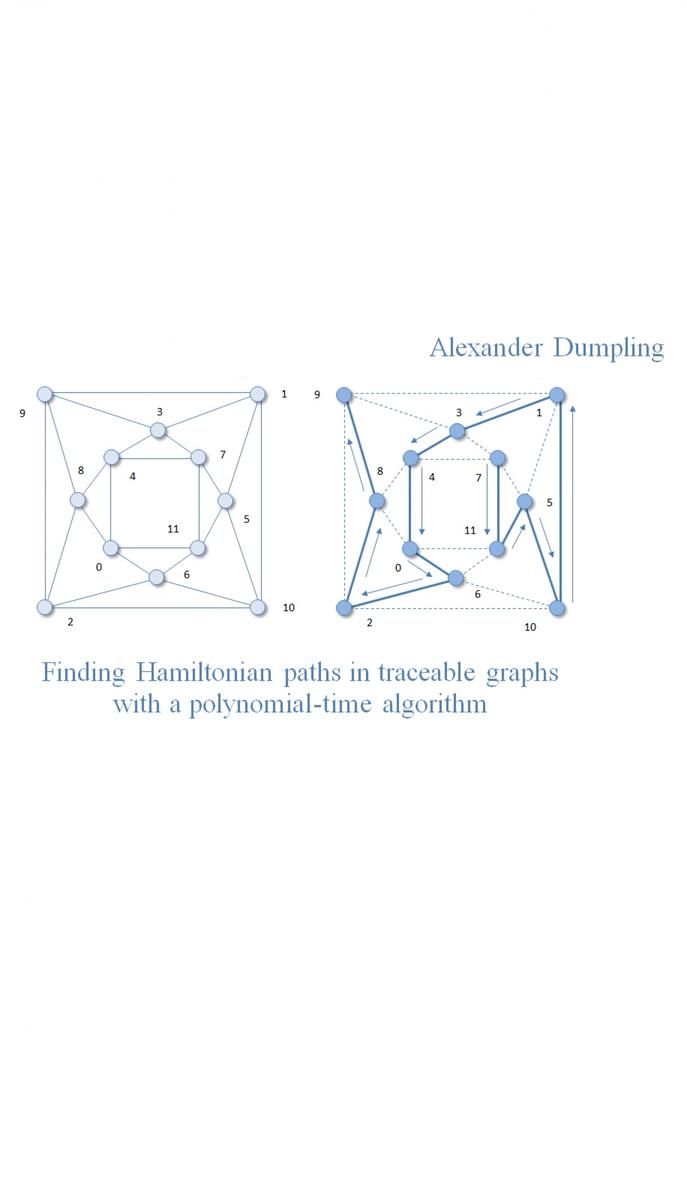
Finding Hamiltonian paths in traceable graphs with a polynomial-time algorithm
¥1635.00
Finding Hamiltonian paths in traceable graphs with a polynomial-time algorithm
Sorting Algorithms In Computer Programming: Volume 1
¥163.50
Sorting Algorithms In Computer Programming: Volume 1
50 most powerful Excel Functions and Formulas
¥24.44
50 most powerful Excel Functions and Formulas
Blockchain: The complete guide to understanding Blockchain Technology for beginn
¥24.44
Blockchain: The complete guide to understanding Blockchain Technology for beginners in record time
List Anti Rootkit & AntiVirus For Ubuntu, Linux & BSD: Edition 2018
¥16.27
List Anti Rootkit & AntiVirus For Ubuntu, Linux & BSD: Edition 2018
Narrative Design for Indies: Getting Started
¥40.79
Narrative Design for Indies: Getting Started

How To Jailbreak Amazon Fire Stick TV Alexa: How to Unlock Channels & Apps Step
¥40.79
How To Jailbreak Amazon Fire Stick TV Alexa: How to Unlock Channels & Apps Step by Step Guide
Using Speech Recognition Software & Equipment to Write Books
¥40.79
Using Speech Recognition Software & Equipment to Write Books
Python: Best Practices to Programming Code with Python
¥24.44
Python: Best Practices to Programming Code with Python
JavaScript: Advanced Guide to Programming Code with JavaScript
¥24.44
JavaScript: Advanced Guide to Programming Code with JavaScript


