


 购物车
购物车 个人中心
个人中心
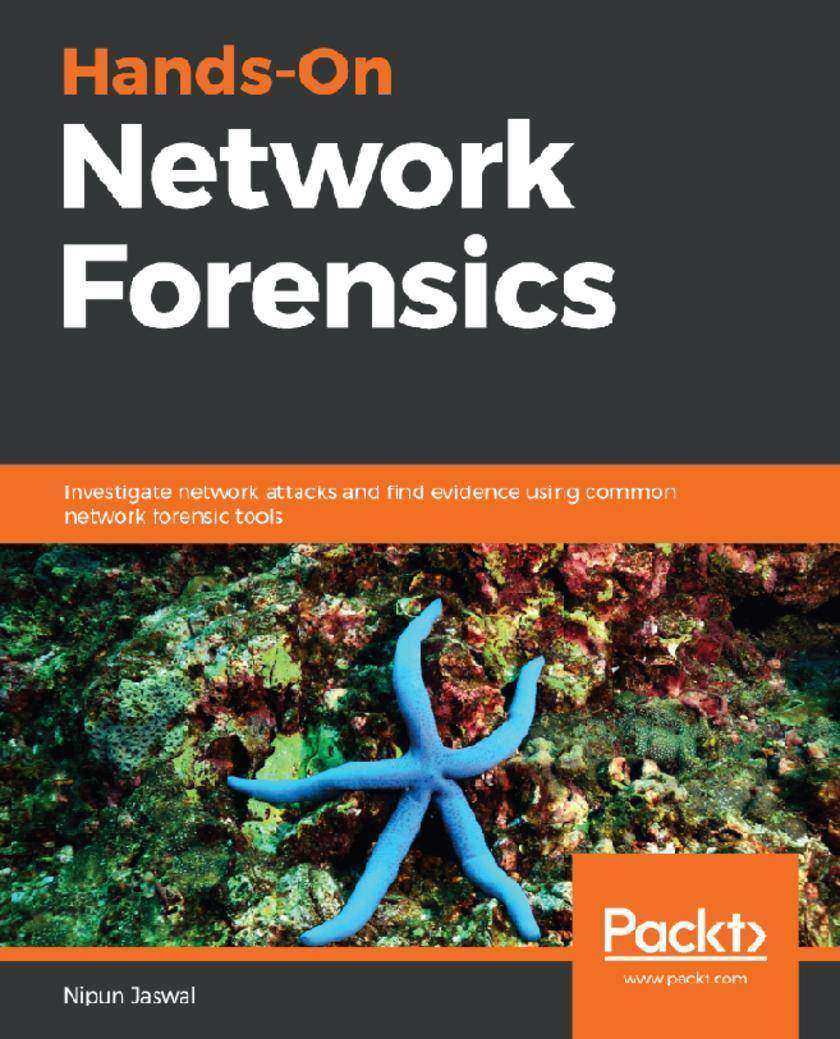
Hands-On Network Forensics
¥73.02
Gain basic skills in network forensics and learn how to apply them effectively Key Features * Investigate network threats with ease * Practice forensics tasks such as intrusion detection, network analysis, and scanning * Learn forensics investigation at the network level Book Description Network forensics is a subset of digital forensics that deals with network attacks and their investigation. In the era of network attacks and malware threat, it’s now more important than ever to have skills to investigate network attacks and vulnerabilities. Hands-On Network Forensics starts with the core concepts within network forensics, including coding, networking, forensics tools, and methodologies for forensic investigations. You’ll then explore the tools used for network forensics, followed by understanding how to apply those tools to a PCAP file and write the accompanying report. In addition to this, you will understand how statistical flow analysis, network enumeration, tunneling and encryption, and malware detection can be used to investigate your network. Towards the end of this book, you will discover how network correlation works and how to bring all the information from different types of network devices together. By the end of this book, you will have gained hands-on experience of performing forensics analysis tasks. What you will learn * Discover and interpret encrypted traffic * Learn about various protocols * Understand the malware language over wire * Gain insights into the most widely used malware * Correlate data collected from attacks * Develop tools and custom scripts for network forensics automation Who this book is for The book targets incident responders, network engineers, analysts, forensic engineers and network administrators who want to extend their knowledge from the surface to the deep levels of understanding the science behind network protocols, critical indicators in an incident and conducting a forensic search over the wire.
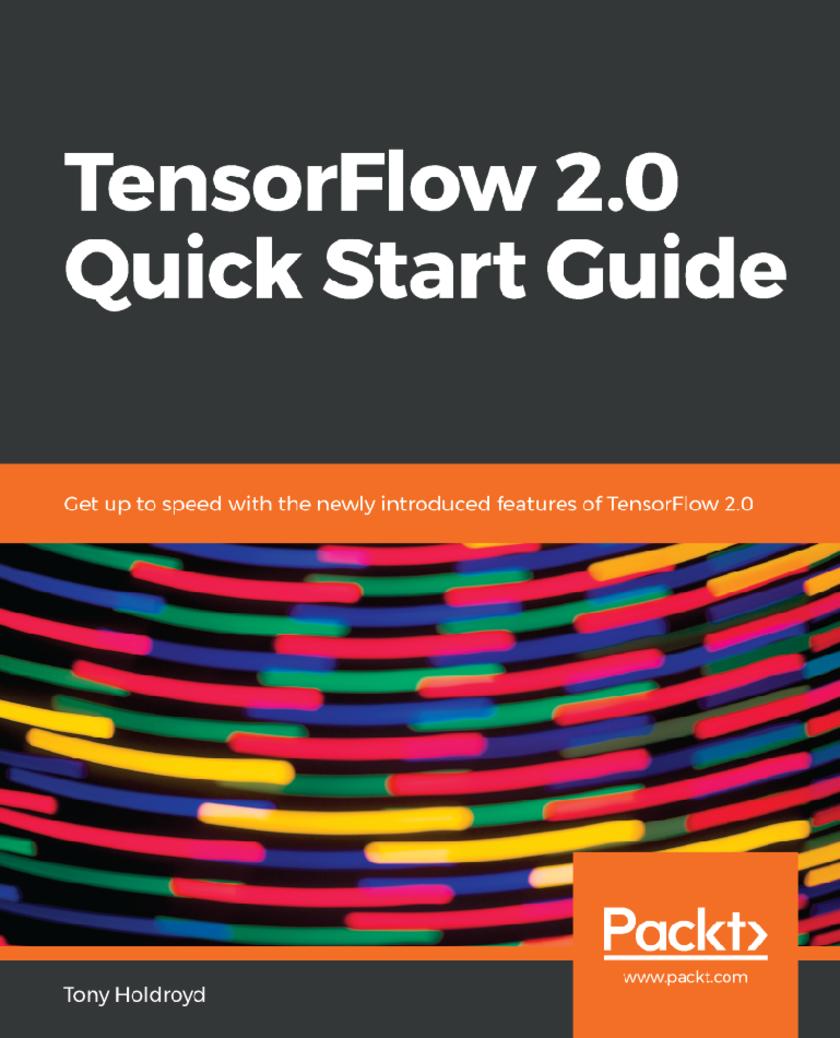
TensorFlow 2.0 Quick Start Guide
¥54.49
Perform supervised and unsupervised machine learning and learn advanced techniques such as training neural networks. Key Features * Train your own models for effective prediction, using high-level Keras API * Perform supervised and unsupervised machine learning and learn advanced techniques such as training neural networks * Get acquainted with some new practices introduced in TensorFlow 2.0 Alpha Book Description TensorFlow is one of the most popular machine learning frameworks in Python. With this book, you will improve your knowledge of some of the latest TensorFlow features and will be able to perform supervised and unsupervised machine learning and also train neural networks. After giving you an overview of what's new in TensorFlow 2.0 Alpha, the book moves on to setting up your machine learning environment using the TensorFlow library. You will perform popular supervised machine learning tasks using techniques such as linear regression, logistic regression, and clustering. You will get familiar with unsupervised learning for autoencoder applications. The book will also show you how to train effective neural networks using straightforward examples in a variety of different domains. By the end of the book, you will have been exposed to a large variety of machine learning and neural network TensorFlow techniques. What you will learn * Use tf.Keras for fast prototyping, building, and training deep learning neural network models * Easily convert your TensorFlow 1.12 applications to TensorFlow 2.0-compatible files * Use TensorFlow to tackle traditional supervised and unsupervised machine learning applications * Understand image recognition techniques using TensorFlow * Perform neural style transfer for image hybridization using a neural network * Code a recurrent neural network in TensorFlow to perform text-style generation Who this book is for Data scientists, machine learning developers, and deep learning enthusiasts looking to quickly get started with TensorFlow 2 will find this book useful. Some Python programming experience with version 3.6 or later, along with a familiarity with Jupyter notebooks will be an added advantage. Exposure to machine learning and neural network techniques would also be helpful.
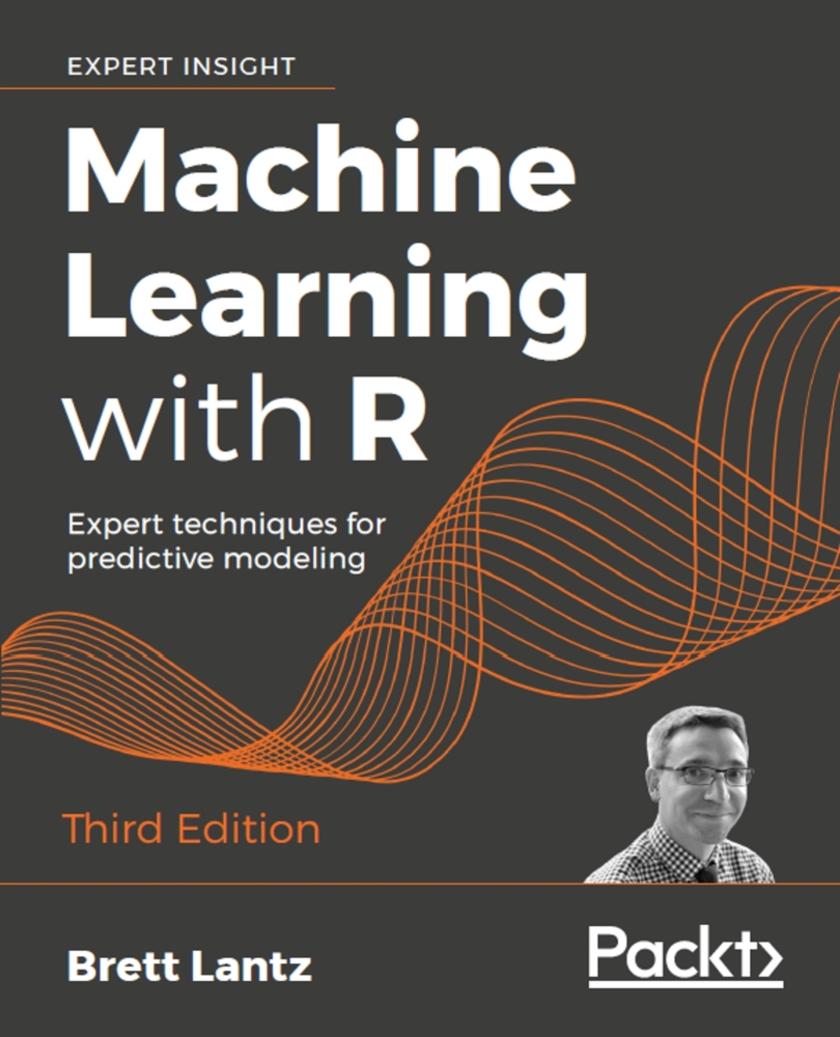
Machine Learning with R
¥73.02
Solve real-world data problems with R and machine learning Key Features * Third edition of the bestselling, widely acclaimed R machine learning book, updated and improved for R 3.5 and beyond * Harness the power of R to build flexible, effective, and transparent machine learning models * Learn quickly with a clear, hands-on guide by experienced machine learning teacher and practitioner, Brett Lantz Book Description Machine learning, at its core, is concerned with transforming data into actionable knowledge. R offers a powerful set of machine learning methods to quickly and easily gain insight from your data. Machine Learning with R, Third Edition provides a hands-on, readable guide to applying machine learning to real-world problems. Whether you are an experienced R user or new to the language, Brett Lantz teaches you everything you need to uncover key insights, make new predictions, and visualize your findings. This new 3rd edition updates the classic R data science book with newer and better libraries, advice on ethical and bias issues in machine learning, and an introduction to deep learning. Find powerful new insights in your data; discover machine learning with R. What you will learn * Discover the origins of machine learning and how exactly a computer learns by example * Prepare your data for machine learning work with the R programming language * Classify important outcomes using nearest neighbor and Bayesian methods * Predict future events using decision trees, rules, and support vector machines * Forecast numeric data and estimate financial values using regression methods * Model complex processes with artificial neural networks — the basis of deep learning * Avoid bias in machine learning models * Evaluate your models and improve their performance * Connect R to SQL databases and emerging big data technologies such as Spark, H2O, and TensorFlow Who this book is for Data scientists, students, and other practitioners who want a clear, accessible guide to machine learning with R.
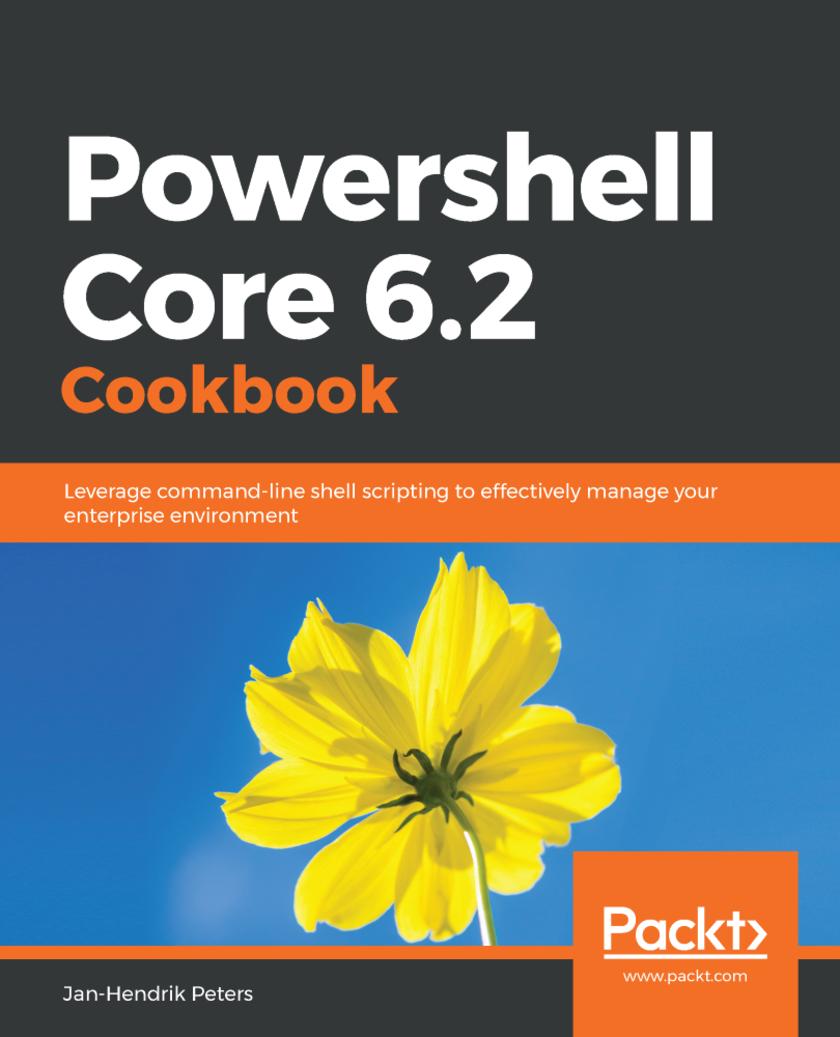
Powershell Core 6.2 Cookbook
¥70.84
Make use of hands-on recipes for many tasks that are typically encountered in both the on-premises as well as the cloud world. Key Features * A recipe-based guide to help you build effective administrative solutions * Gain hands-on experience with the newly added features of PowerShell Core * Manage critical business environments with professional scripting practices Book Description This book will follow a recipe-based approach and start off with an introduction to the fundamentals of PowerShell, and explaining how to install and run it through simple examples. Next, you will learn how to use PowerShell to access and manipulate data and how to work with different streams as well. You will also explore the object model which will help with regard to PowerShell function deployment. Going forward, you will get familiar with the pipeline in its different use cases. The next set of chapters will deal with the different ways of accessing data in PowerShell. You will also learn to automate various tasks in Windows and Linux using PowerShell Core, as well as explore Windows Server. Later, you will be introduced to Remoting in PowerShell Core and Just Enough Administration concept. The last set of chapters will help you understand the management of a private and public cloud with PowerShell Core. You will also learn how to access web services and explore the high-performance scripting methods. By the end of this book, you will gain the skills to manage complex tasks effectively along with increasing the performance of your environment. What you will learn * Leverage cross-platform interaction with systems * Make use of the PowerShell recipes for frequent tasks * Get a better understanding of the inner workings of PowerShell * Understand the compatibility of built-in Windows modules with PowerShell Core * Learn best practices associated with PowerShell scripting * Avoid common pitfalls and mistakes Who this book is for This book will be for windows administrators who want to enhance their PowerShell scripting skills to the next level. System administrators wanting to automate common to complex tasks with PowerShell scripts would benefit from this book. Prior understanding on PowerShell would be necessary.
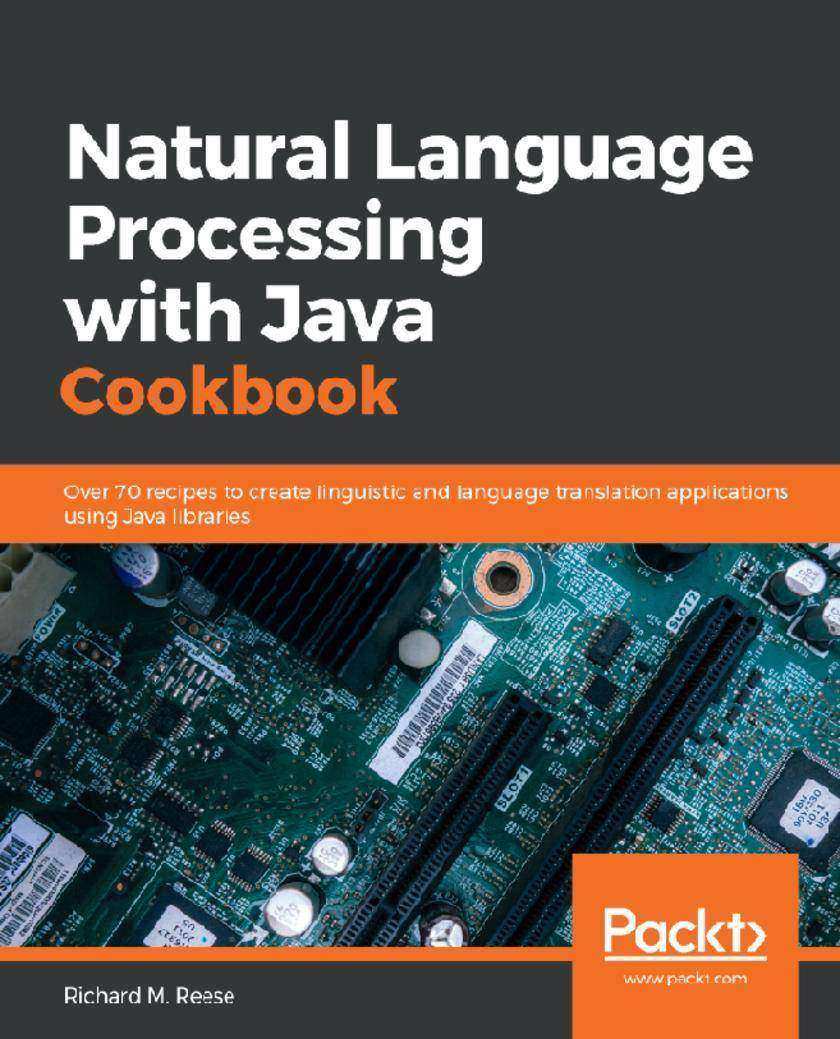
Natural Language Processing with Java Cookbook
¥70.84
A problem-solution guide to encounter various NLP tasks utilizing Java open source libraries and cloud-based solutions Key Features * Perform simple-to-complex NLP text processing tasks using modern Java libraries Extract relationships between different text complexities using a problem-solution approach * Utilize cloud-based APIs to perform machine translation operations Book Description Natural Language Processing (NLP) has become one of the prime technologies for processing very large amounts of unstructured data from disparate information sources. This book includes a wide set of recipes and quick methods that solve challenges in text syntax, semantics, and speech tasks. At the beginning of the book, you'll learn important NLP techniques, such as identifying parts of speech, tagging words, and analyzing word semantics. You will learn how to perform lexical analysis and use machine learning techniques to speed up NLP operations. With independent recipes, you will explore techniques for customizing your existing NLP engines/models using Java libraries such as OpenNLP and the Stanford NLP library. You will also learn how to use NLP processing features from cloud-based sources, including Google and Amazon’s AWS. You will master core tasks, such as stemming, lemmatization, part-of-speech tagging, and named entity recognition. You will also learn about sentiment analysis, semantic text similarity, language identification, machine translation, and text summarization. By the end of this book, you will be ready to become a professional NLP expert using a problem-solution approach to analyze any sort of text, sentences, or semantic words. What you will learn * Explore how to use tokenizers in NLP processing * Implement NLP techniques in machine learning and deep learning applications * Identify sentences within the text and learn how to train specialized NER models * Learn how to classify documents and perform sentiment analysis * Find semantic similarities between text elements and extract text from a variety of sources * Preprocess text from a variety of data sources * Learn how to identify and translate languages Who this book is for This book is for data scientists, NLP engineers, and machine learning developers who want to perform their work on linguistic applications faster with the use of popular libraries on JVM machines. This book will help you build real-world NLP applications using a recipe-based approach. Prior knowledge of Natural Language Processing basics and Java programming is expected.
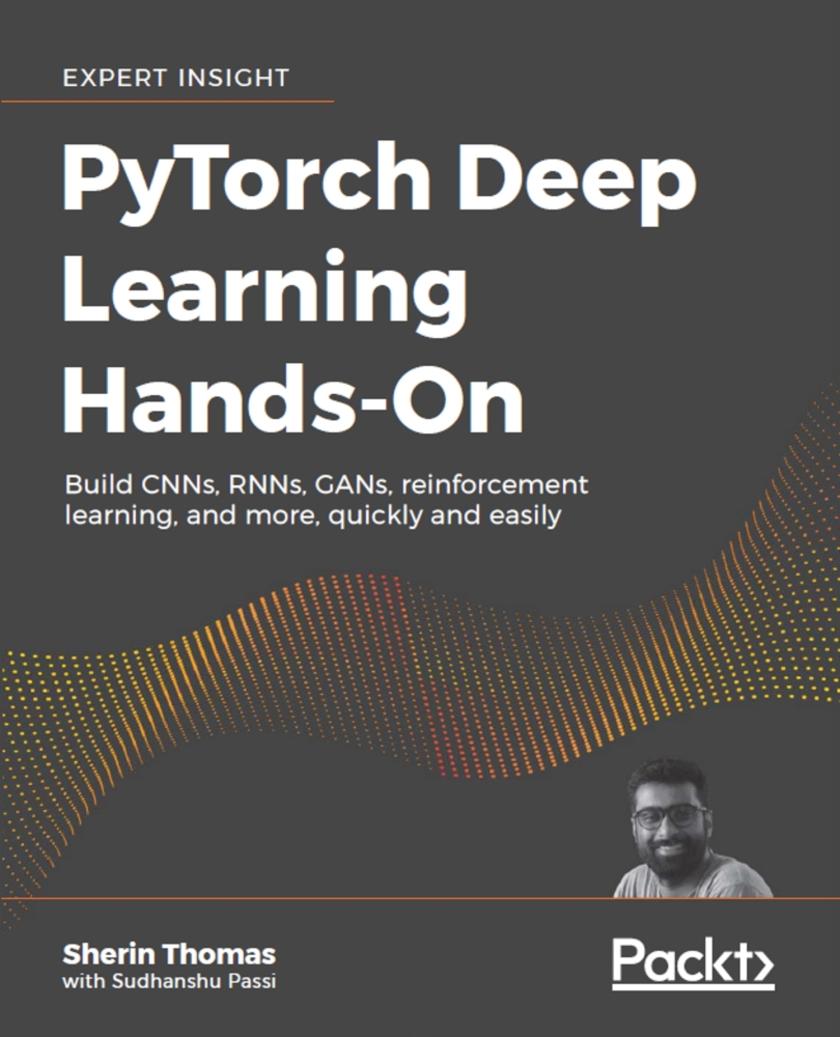
PyTorch Deep Learning Hands-On
¥70.84
All the key deep learning methods built step-by-step in PyTorch Key Features * Understand the internals and principles of PyTorch * Implement key deep learning methods in PyTorch: CNNs, GANs, RNNs, reinforcement learning, and more * Build deep learning workflows and take deep learning models from prototyping to production Book Description PyTorch is a new, lightweight, and Python-first tool for deep learning. Built by Facebook to offer flexibility and speed, it has quickly become the preferred tool for deep learning experts. PyTorch helps you release deep learning models faster than ever before. PyTorch Deep Learning Hands-On shows how to implement every major deep learning architecture in PyTorch. Starting with simple neural networks, it covers PyTorch for computer vision (CNN), natural language processing (RNN), GANs, and reinforcement learning. You will also build deep learning workflows with the PyTorch framework, migrate models built in Python to highly efficient TorchScript, and deploy to production using the most sophisticated available tools. Each chapter focuses on a different area of deep learning. Chapters start with a refresher on the core principles, before sharing the code you need to implement them in PyTorch. If you want to become a deep learning expert this book is for you. What you will learn Use PyTorch to build: * Simple Neural Networks – build neural networks the PyTorch way, with high-level functions, optimizers, and more * Convolutional Neural Networks – create advanced computer vision systems * Recurrent Neural Networks – work with sequential data such as natural language and audio * Generative Adversarial Networks – create new content with models including SimpleGAN and CycleGAN * Reinforcement Learning – develop systems that can solve complex problems such as driving or game playing * Deep Learning workflows – move effectively from ideation to production with proper deep learning workflow using PyTorch and its utility packages * Production-ready models – package your models for high-performance production environments Who this book is for Machine learning professionals and enthusiasts who know Python and want to build efficient and powerful deep learning systems in PyTorch.
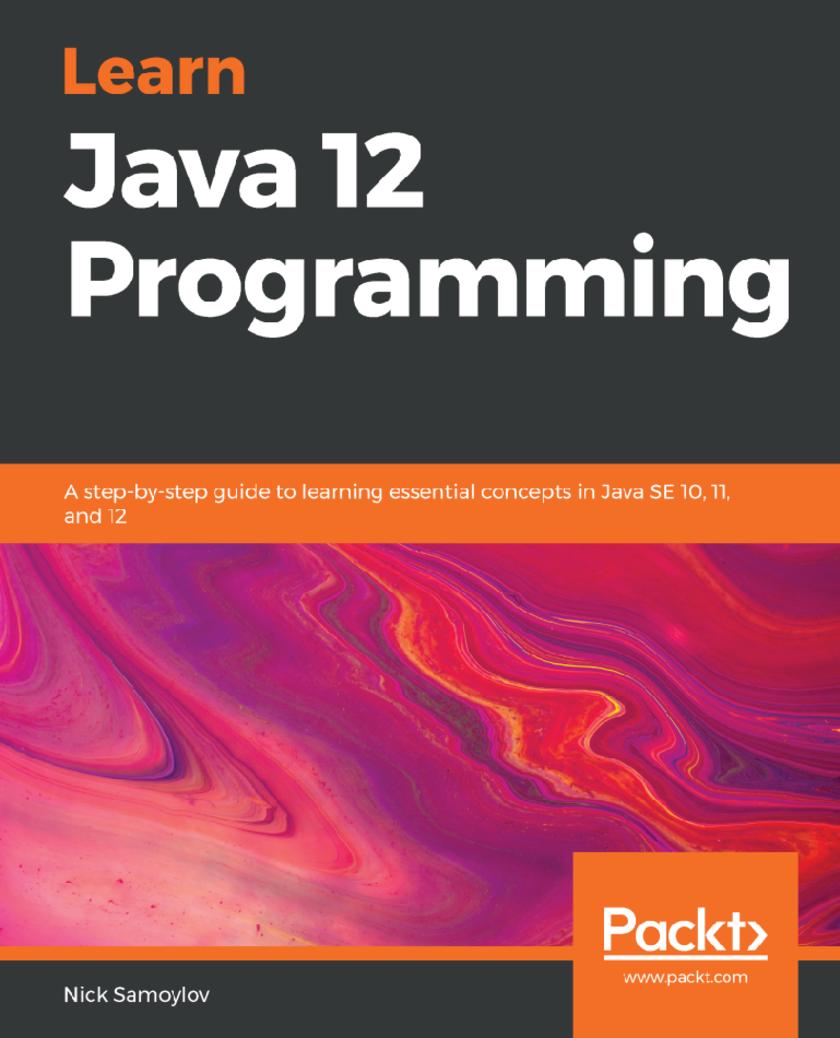
Learn Java 12 Programming
¥62.12
A comprehensive guide to get started with Java and gain insights into major concepts such as object-oriented, functional, and reactive programming Key Features * Strengthen your knowledge of important programming concepts and the latest features in Java * Explore core programming topics including GUI programming, concurrency, and error handling * Learn the idioms and best practices for writing high-quality Java code Book Description Java is one of the preferred languages among developers, used in everything right from smartphones, and game consoles to even supercomputers, and its new features simply add to the richness of the language. This book on Java programming begins by helping you learn how to install the Java Development Kit. You will then focus on understanding object-oriented programming (OOP), with exclusive insights into concepts like abstraction, encapsulation, inheritance, and polymorphism, which will help you when programming for real-world apps. Next, you’ll cover fundamental programming structures of Java such as data structures and algorithms that will serve as the building blocks for your apps. You will also delve into core programming topics that will assist you with error handling, debugging, and testing your apps. As you progress, you’ll move on to advanced topics such as Java libraries, database management, and network programming, which will hone your skills in building professional-grade apps. Further on, you’ll understand how to create a graphic user interface using JavaFX and learn to build scalable apps by taking advantage of reactive and functional programming. By the end of this book, you’ll not only be well versed with Java 10, 11, and 12, but also gain a perspective into the future of this language and software development in general. What you will learn * Learn and apply object-oriented principles * Gain insights into data structures and understand how they are used in Java * Explore multithreaded, asynchronous, functional, and reactive programming * Add a user-friendly graphic interface to your application * Find out what streams are and how they can help in data processing * Discover the importance of microservices and use them to make your apps robust and scalable * Explore Java design patterns and best practices to solve everyday problems * Learn techniques and idioms for writing high-quality Java code Who this book is for Students, software developers, or anyone looking to learn new skills or even a language will find this book useful. Although this book is for beginners, professional programmers can benefit from it too. Previous knowledge of Java or any programming language is not required.
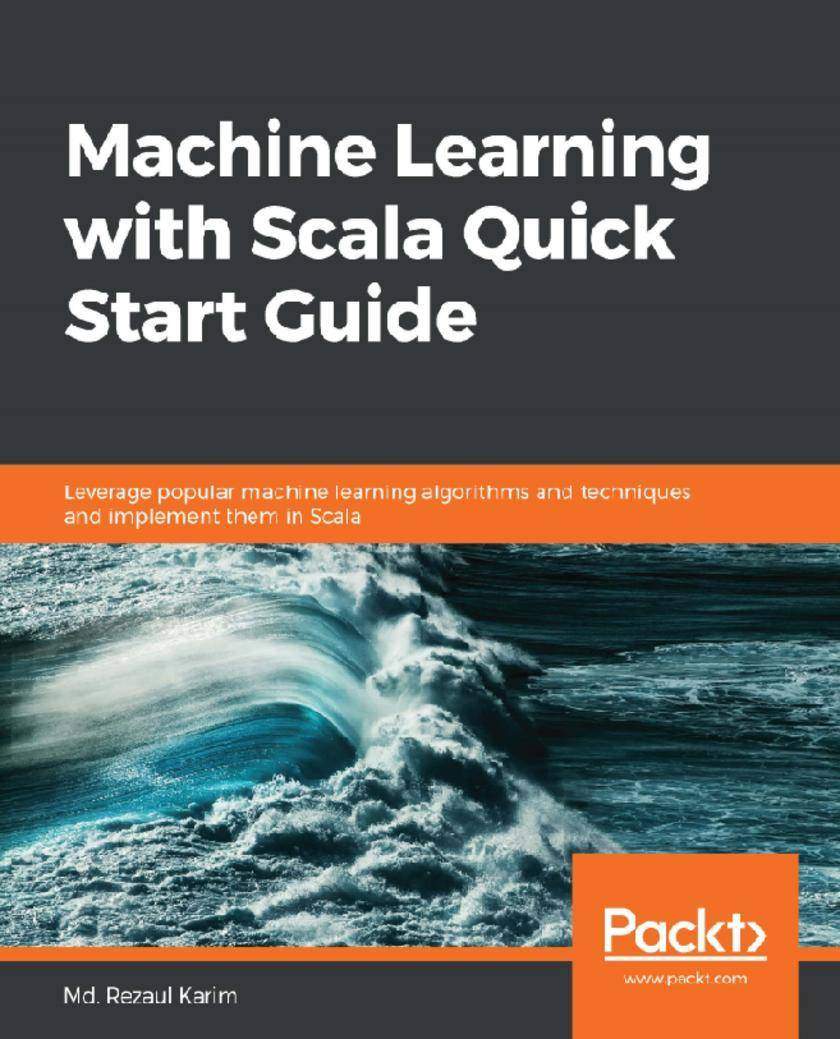
Machine Learning with Scala Quick Start Guide
¥53.40
Supervised and unsupervised machine learning made easy in Scala with this quick-start guide. Key Features * Construct and deploy machine learning systems that learn from your data and give accurate predictions * Unleash the power of Spark ML along with popular machine learning algorithms to solve complex tasks in Scala. * Solve hands-on problems by combining popular neural network architectures such as LSTM and CNN using Scala with DeepLearning4j library Book Description Scala is a highly scalable integration of object-oriented nature and functional programming concepts that make it easy to build scalable and complex big data applications. This book is a handy guide for machine learning developers and data scientists who want to develop and train effective machine learning models in Scala. The book starts with an introduction to machine learning, while covering deep learning and machine learning basics. It then explains how to use Scala-based ML libraries to solve classification and regression problems using linear regression, generalized linear regression, logistic regression, support vector machine, and Na?ve Bayes algorithms. It also covers tree-based ensemble techniques for solving both classification and regression problems. Moving ahead, it covers unsupervised learning techniques, such as dimensionality reduction, clustering, and recommender systems. Finally, it provides a brief overview of deep learning using a real-life example in Scala. What you will learn * Get acquainted with JVM-based machine learning libraries for Scala such as Spark ML and Deeplearning4j * Learn RDDs, DataFrame, and Spark SQL for analyzing structured and unstructured data * Understand supervised and unsupervised learning techniques with best practices and pitfalls * Learn classification and regression analysis with linear regression, logistic regression, Na?ve Bayes, support vector machine, and tree-based ensemble techniques * Learn effective ways of clustering analysis with dimensionality reduction techniques * Learn recommender systems with collaborative filtering approach * Delve into deep learning and neural network architectures Who this book is for This book is for machine learning developers looking to train machine learning models in Scala without spending too much time and effort. Some fundamental knowledge of Scala programming and some basics of statistics and linear algebra is all you need to get started with this book.
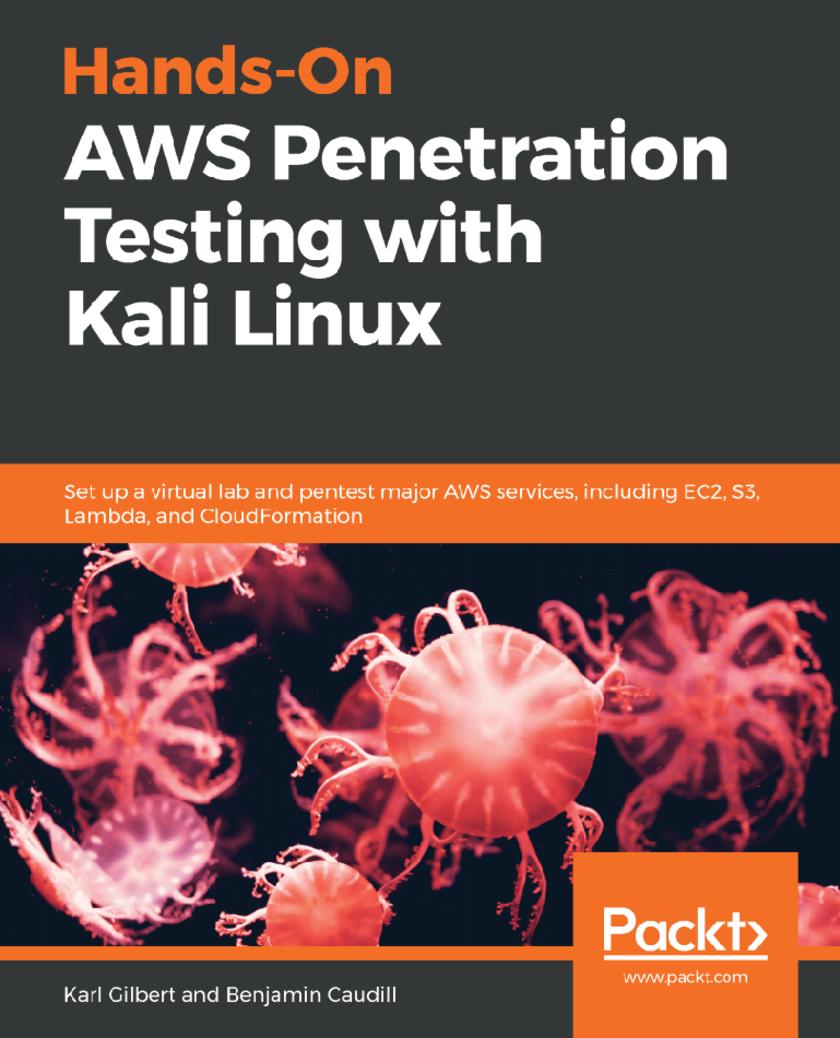
Hands-On AWS Penetration Testing with Kali Linux
¥79.56
Identify tools and techniques to secure and perform a penetration test on an AWS infrastructure using Kali Linux Key Features * Efficiently perform penetration testing techniques on your public cloud instances * Learn not only to cover loopholes but also to automate security monitoring and alerting within your cloud-based deployment pipelines * A step-by-step guide that will help you leverage the most widely used security platform to secure your AWS Cloud environment Book Description The cloud is taking over the IT industry. Any organization housing a large amount of data or a large infrastructure has started moving cloud-ward — and AWS rules the roost when it comes to cloud service providers, with its closest competitor having less than half of its market share. This highlights the importance of security on the cloud, especially on AWS. While a lot has been said (and written) about how cloud environments can be secured, performing external security assessments in the form of pentests on AWS is still seen as a dark art. This book aims to help pentesters as well as seasoned system administrators with a hands-on approach to pentesting the various cloud services provided by Amazon through AWS using Kali Linux. To make things easier for novice pentesters, the book focuses on building a practice lab and refining penetration testing with Kali Linux on the cloud. This is helpful not only for beginners but also for pentesters who want to set up a pentesting environment in their private cloud, using Kali Linux to perform a white-box assessment of their own cloud resources. Besides this, there is a lot of in-depth coverage of the large variety of AWS services that are often overlooked during a pentest — from serverless infrastructure to automated deployment pipelines. By the end of this book, you will be able to identify possible vulnerable areas efficiently and secure your AWS cloud environment. What you will learn * Familiarize yourself with and pentest the most common external-facing AWS services * Audit your own infrastructure and identify flaws, weaknesses, and loopholes * Demonstrate the process of lateral and vertical movement through a partially compromised AWS account * Maintain stealth and persistence within a compromised AWS account * Master a hands-on approach to pentesting * Discover a number of automated tools to ease the process of continuously assessing and improving the security stance of an AWS infrastructure Who this book is for If you are a security analyst or a penetration tester and are interested in exploiting Cloud environments to reveal vulnerable areas and secure them, then this book is for you. A basic understanding of penetration testing, cloud computing, and its security concepts is mandatory.
Mastering Python for Finance
¥70.84
Take your financial skills to the next level by mastering cutting-edge mathematical and statistical financial applications Key Features * Explore advanced financial models used by the industry and ways of solving them using Python * Build state-of-the-art infrastructure for modeling, visualization, trading, and more * Empower your financial applications by applying machine learning and deep learning Book Description The second edition of Mastering Python for Finance will guide you through carrying out complex financial calculations practiced in the industry of finance by using next-generation methodologies. You will master the Python ecosystem by leveraging publicly available tools to successfully perform research studies and modeling, and learn to manage risks with the help of advanced examples. You will start by setting up your Jupyter notebook to implement the tasks throughout the book. You will learn to make efficient and powerful data-driven financial decisions using popular libraries such as TensorFlow, Keras, Numpy, SciPy, and sklearn. You will also learn how to build financial applications by mastering concepts such as stocks, options, interest rates and their derivatives, and risk analytics using computational methods. With these foundations, you will learn to apply statistical analysis to time series data, and understand how time series data is useful for implementing an event-driven backtesting system and for working with high-frequency data in building an algorithmic trading platform. Finally, you will explore machine learning and deep learning techniques that are applied in finance. By the end of this book, you will be able to apply Python to different paradigms in the financial industry and perform efficient data analysis. What you will learn * Solve linear and nonlinear models representing various financial problems * Perform principal component analysis on the DOW index and its components * Analyze, predict, and forecast stationary and non-stationary time series processes * Create an event-driven backtesting tool and measure your strategies * Build a high-frequency algorithmic trading platform with Python * Replicate the CBOT VIX index with SPX options for studying VIX-based strategies * Perform regression-based and classification-based machine learning tasks for prediction * Use TensorFlow and Keras in deep learning neural network architecture Who this book is for If you are a financial or data analyst or a software developer in the financial industry who is interested in using advanced Python techniques for quantitative methods in finance, this is the book you need! You will also find this book useful if you want to extend the functionalities of your existing financial applications by using smart machine learning techniques. Prior experience in Python is required.
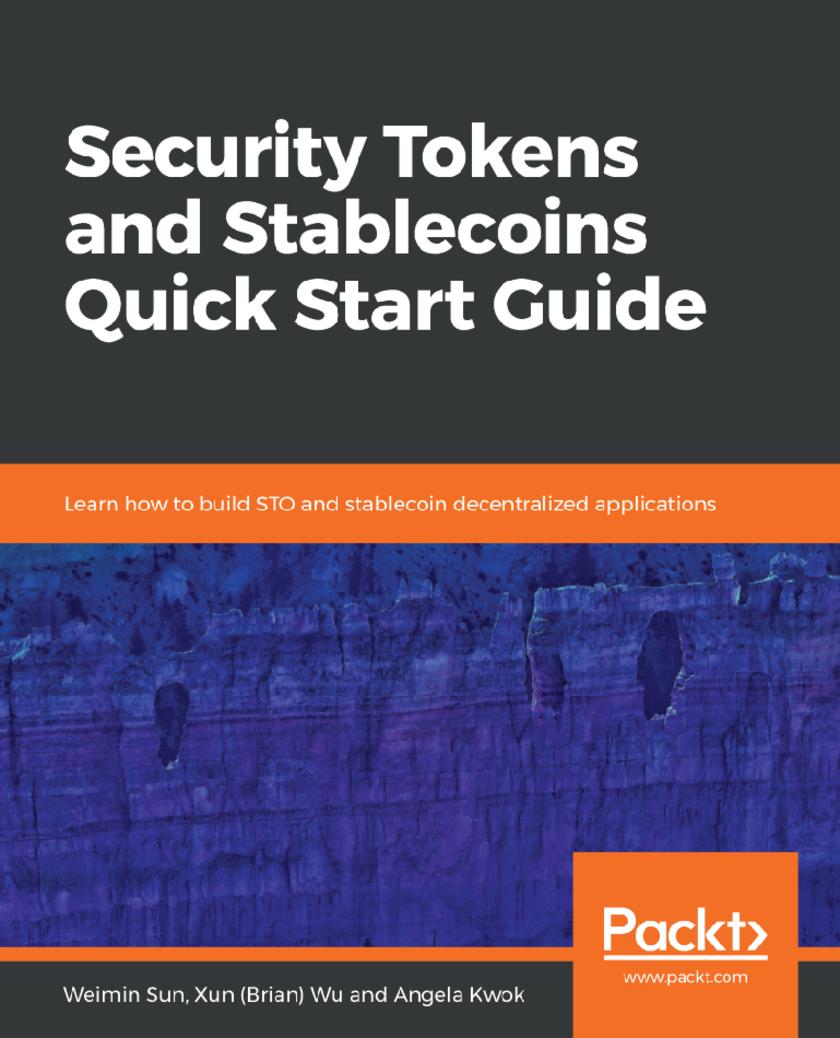
Security Tokens and Stablecoins Quick Start Guide
¥53.40
A complete guide to understanding, developing, and testing popular security-token smart contracts Key Features * Understand key Blockchain and Ethereum platforms concepts * Step-by-step guide to developing STO smart contracts on Ethereum * Monetize digital tokens under various U.S. securities laws Book Description The failure of initial coin offerings (ICOs) is no accident, as most ICOs do not link to a real asset and are not regulated. Realizing the shortcomings of ICOs, the blockchain community and potential investors embraced security token offerings (STOs) and stablecoins enthusiastically. In this book, we start with an overview of the blockchain technology along with its basic concepts. We introduce the concept behind STO, and cover the basic requirements for launching a STO and the relevant regulations governing its issuance. We discuss U.S. securities laws development in launching security digital tokens using blockchain technology and show some real use cases. We also explore the process of STO launches and legal considerations. We introduce popular security tokens in the current blockchain space and talk about how to develop a security token DApp, including smart contract development for ERC1404 tokens. Later, you'll learn to build frontend side functionalities to interact with smart contracts. Finally, we discuss stablecoin technical design functionalities for issuing and operating STO tokens by interacting with Ethereum smart contracts. By the end of this book, you will have learned more about STOs and gained a detailed knowledge of building relevant applications—all with the help of practical examples. What you will learn * Understand the basic requirements for launching a security token offering * Explore various US securities laws governing the offering of security digital tokens * Get to grips with the stablecoin concept with the help of use cases * Learn how to develop security token decentralized applications * Understand the difference between ERC-20 and ERC-721 tokens * Learn how to set up a development environment and build security tokens * Explore the technical design of stablecoins Who this book is for This book is ideal for blockchain beginners and business user developers who want to quickly master popular Security Token Offerings and stablecoins. Readers will learn how to develop blockchain/digital cryptos, guided by U.S. securities laws and utilizing some real use cases. Prior exposure to an Object-Oriented Programming language such as JavaScript would be an advantage, but is not mandatory.
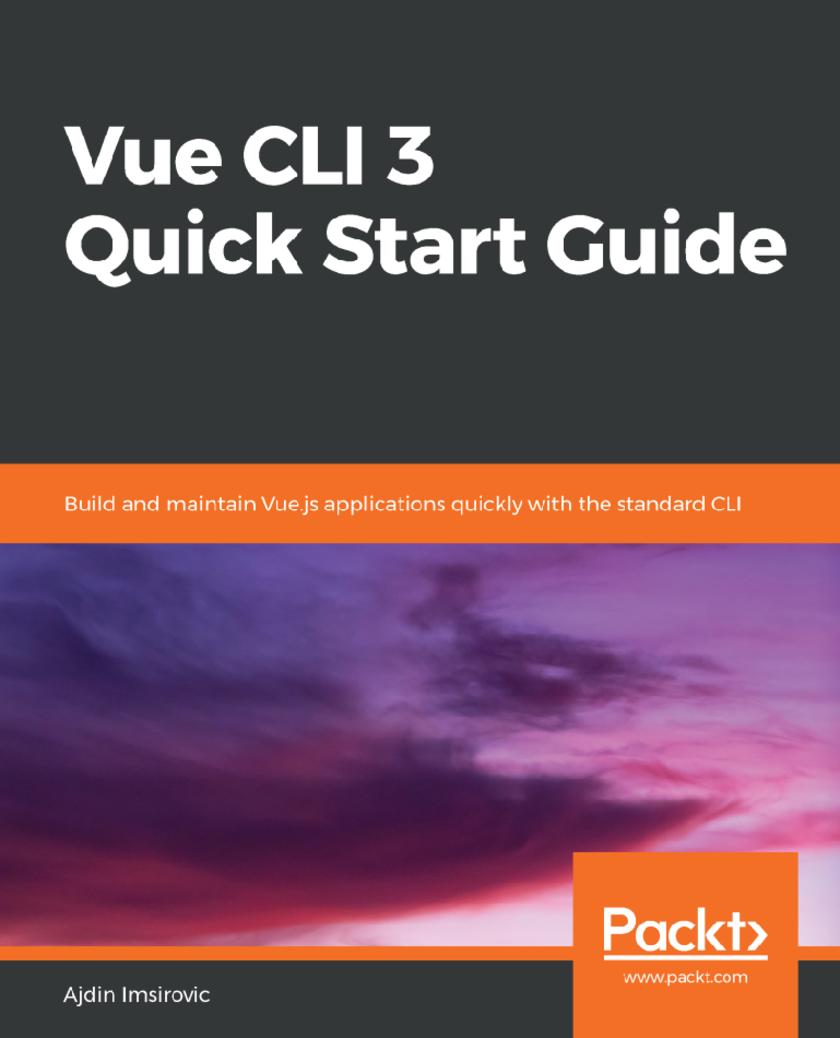
Vue CLI 3 Quick Start Guide
¥53.40
Build Vue apps the right way using Vue CLI 3. Understand how the building blocks of Vue CLI 3 work including npm, webpack, babel, eslint, plugins, GUI, testing, and SCSS. Import third-party libraries and maintain your project. Key Features * Learn to work with Vue CLI 3 both on the command line and with a GUI * Manage VueJS apps, settings, Vue plugins, and third-party libraries * Learn how to build Vue apps from scratch using webpack, babel, ES6, vue-router, Jest, Cypress, SCSS, and Git Book Description The sprawling landscape of various tools in JavaScript web development is becoming overwhelming. This book will show you how Vue CLI 3 can help you take back control of the tool chain. To that end, we'll begin by configuring webpack, utilizing HMR, and using single-file .vue components. We'll also use SCSS, ECMAScript, and TypeScript. We'll unit test with Jest and perform E2E testing with Cypress. This book will show you how to configure Vue CLI as your default way of building Vue projects. You'll discover the reasons behind using webpack, babel, eslint, and other modern JavaScript toolchain technologies. You'll learn about the inner workings of each through the lens of Vue CLI 3. We'll explore the extendibility of Vue CLI with the built-in settings, and various core and third-party plugins. Vue CLI helps you work with Vue components, routers, directives, and services in the Vue ecosystem. While learning these concepts, you'll examine the evolution of JavaScript. You'll learn about use of npm, IIFEs, modules in JavaScript, Common.js modules, task runners, npm scripts, module bundlers, and webpack. You'll get familiar with the reasons why Vue CLI 3 is set up the way it is. You'll also learn to perform linting with ESLint and Prettier. Towards the end, we'll introduce you to working with styles and SCSS. Finally, we'll show you how to deploy your very own Vue project on Github Pages. What you will learn * Work with nvm, install Node.js and npm, use Vue CLI 3 with no configuration, via the command line and the graphical user interface * Build a Vue project from scratch using npm and webpack, and learn about hot module replacement * Work with Babel settings, configurations, and presets * Work with Vue plugins, including testing plugins such as Jest and Cypress * Write, run, and watch unit and E2E tests using TDD assertions in the red-green-refactor cycle * Work with Vue router and use, nested, lazy-loading, and dynamic routes * Add SCSS to your projects and work with third-party Vue plugins * Deploy your Vue apps to Github Pages Who this book is for This book is for existing web developers and developers who are new to web development. You must be familiar with HTML, CSS, and JavaScript programming. Basic knowledge of the command line will be helpful but is not necessary.
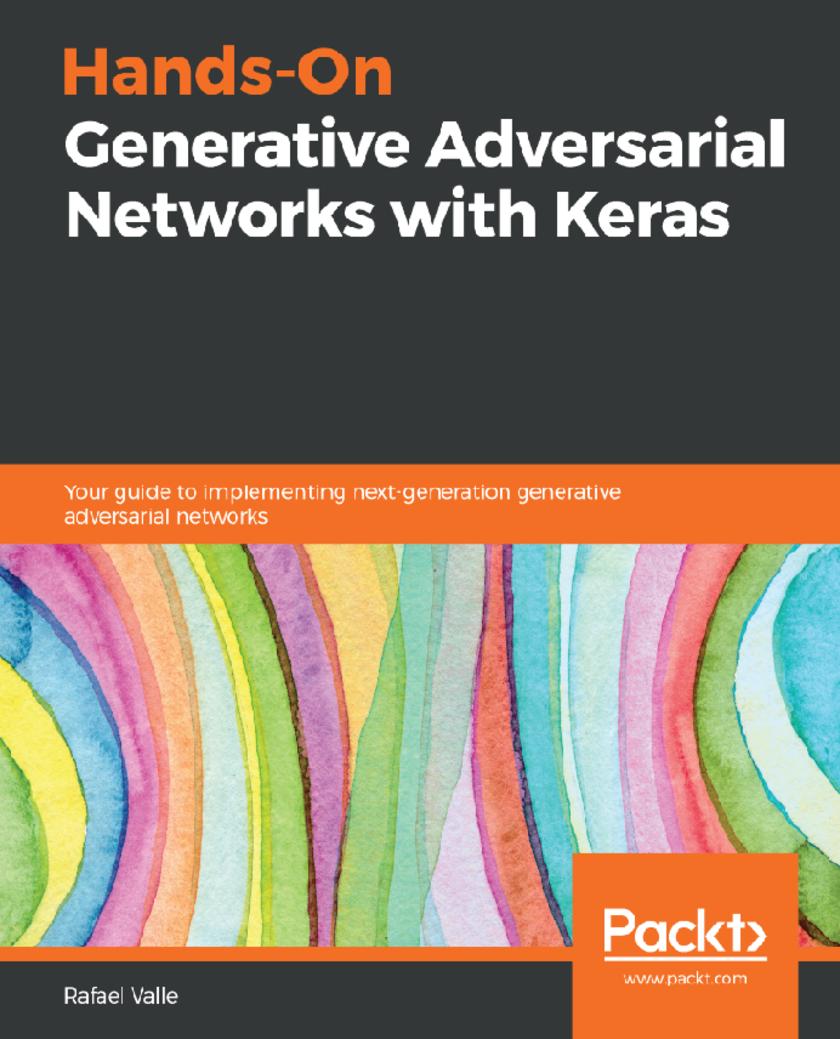
Hands-On Generative Adversarial Networks with Keras
¥70.84
Develop generative models for a variety of real-world use-cases and deploy them to production Key Features * Discover various GAN architectures using Python and Keras library * Understand how GAN models function with the help of theoretical and practical examples * Apply your learnings to become an active contributor to open source GAN applications Book Description Generative Adversarial Networks (GANs) have revolutionized the fields of machine learning and deep learning. This book will be your first step towards understanding GAN architectures and tackling the challenges involved in training them. This book opens with an introduction to deep learning and generative models, and their applications in artificial intelligence (AI). You will then learn how to build, evaluate, and improve your first GAN with the help of easy-to-follow examples. The next few chapters will guide you through training a GAN model to produce and improve high-resolution images. You will also learn how to implement conditional GANs that give you the ability to control characteristics of GAN outputs. You will build on your knowledge further by exploring a new training methodology for progressive growing of GANs. Moving on, you'll gain insights into state-of-the-art models in image synthesis, speech enhancement, and natural language generation using GANs. In addition to this, you'll be able to identify GAN samples with TequilaGAN. By the end of this book, you will be well-versed with the latest advancements in the GAN framework using various examples and datasets, and you will have the skills you need to implement GAN architectures for several tasks and domains, including computer vision, natural language processing (NLP), and audio processing. Foreword by Ting-Chun Wang, Senior Research Scientist, NVIDIA What you will learn * Learn how GANs work and the advantages and challenges of working with them * Control the output of GANs with the help of conditional GANs, using embedding and space manipulation * Apply GANs to computer vision, NLP, and audio processing * Understand how to implement progressive growing of GANs * Use GANs for image synthesis and speech enhancement * Explore the future of GANs in visual and sonic arts * Implement pix2pixHD to turn semantic label maps into photorealistic images Who this book is for This book is for machine learning practitioners, deep learning researchers, and AI enthusiasts who are looking for a perfect mix of theory and hands-on content in order to implement GANs using Keras. Working knowledge of Python is expected.
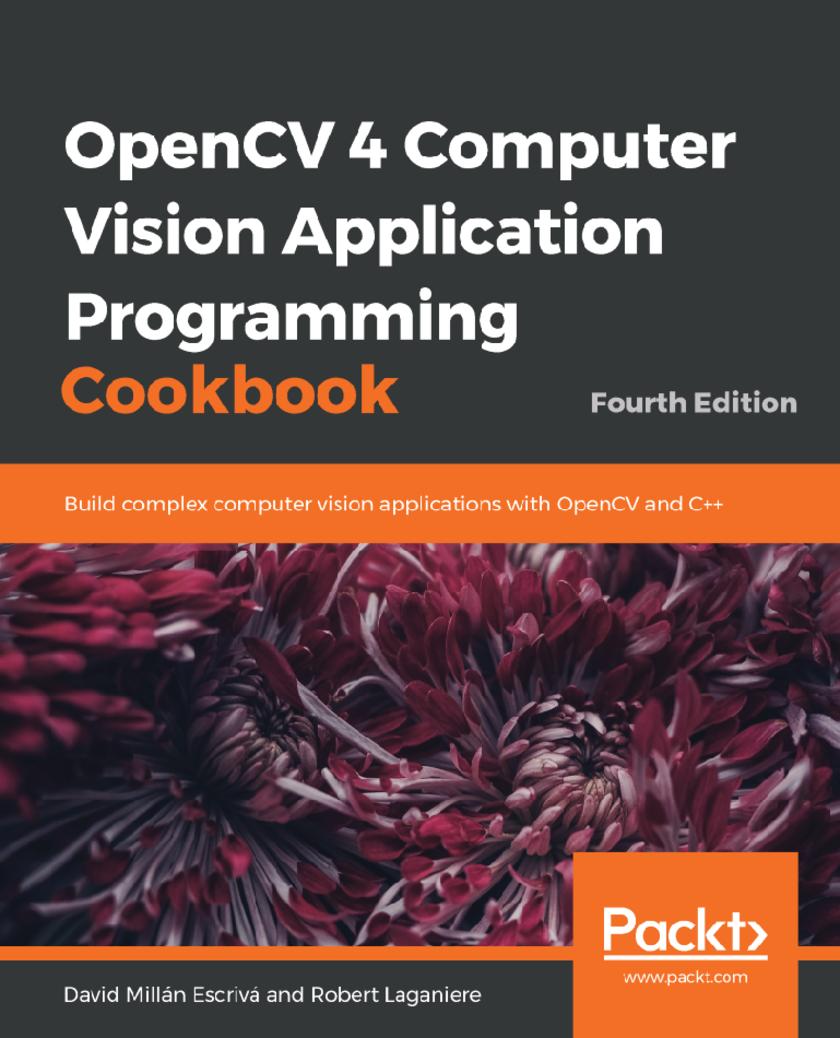
OpenCV 4 Computer Vision Application Programming Cookbook
¥70.84
Discover interesting recipes to help you understand the concepts of object detection, image processing, and facial detection Key Features * Explore the latest features and APIs in OpenCV 4 and build computer vision algorithms * Develop effective, robust, and fail-safe vision for your applications * Build computer vision algorithms with machine learning capabilities Book Description OpenCV is an image and video processing library used for all types of image and video analysis. Throughout the book, you'll work through recipes that implement a variety of tasks, such as facial recognition and detection. With 70 self-contained tutorials, this book examines common pain points and best practices for computer vision (CV) developers. Each recipe addresses a specific problem and offers a proven, best-practice solution with insights into how it works, so that you can copy the code and configuration files and modify them to suit your needs. This book begins by setting up OpenCV, and explains how to manipulate pixels. You'll understand how you can process images with classes and count pixels with histograms. You'll also learn detecting, describing, and matching interest points. As you advance through the chapters, you'll get to grips with estimating projective relations in images, reconstructing 3D scenes, processing video sequences, and tracking visual motion. In the final chapters, you'll cover deep learning concepts such as face and object detection. By the end of the book, you'll be able to confidently implement a range to computer vision algorithms to meet the technical requirements of your complex CV projects What you will learn * Install and create a program using the OpenCV library * Segment images into homogenous regions and extract meaningful objects * Apply image filters to enhance image content * Exploit image geometry to relay different views of a pictured scene * Calibrate the camera from different image observations * Detect people and objects in images using machine learning techniques * Reconstruct a 3D scene from images * Explore face detection using deep learning Who this book is for If you’re a CV developer or professional who already uses or would like to use OpenCV for building computer vision software, this book is for you. You’ll also find this book useful if you’re a C++ programmer looking to extend your computer vision skillset by learning OpenCV.
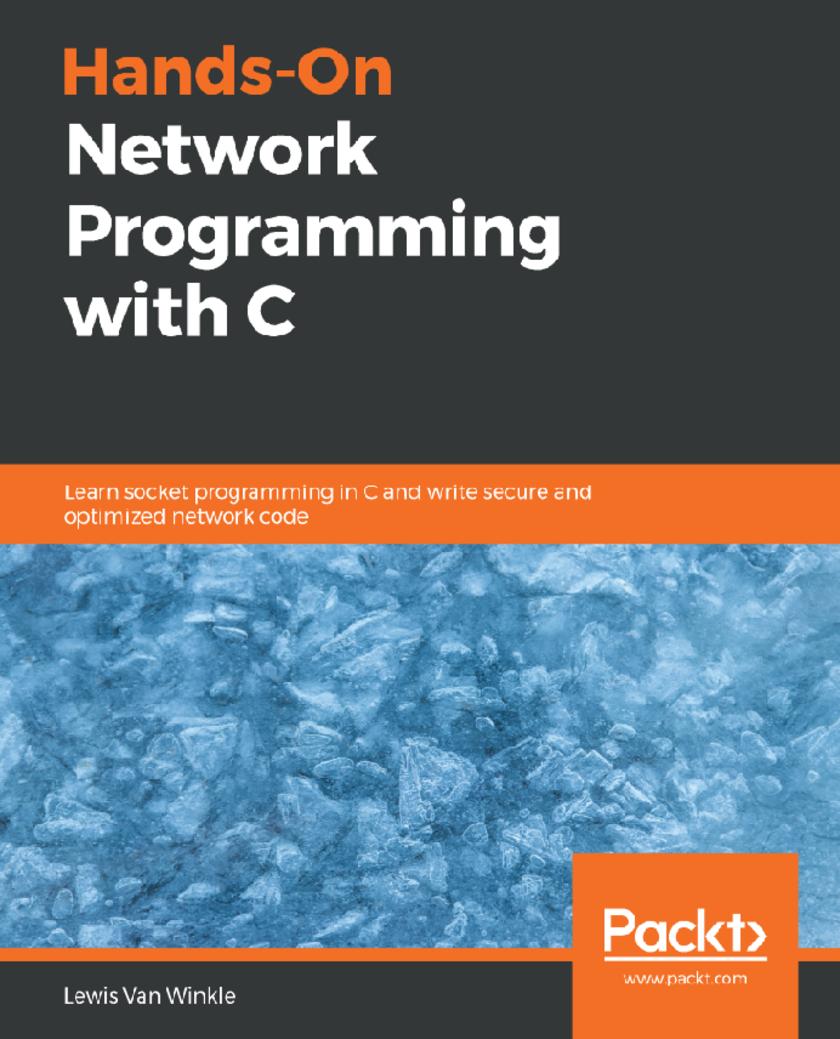
Hands-On Network Programming with C
¥62.12
A comprehensive guide to programming with network sockets, implementing Internet protocols, designing IoT devices, and much more with C Key Features * Leverage your C or C++ programming skills to build powerful network applications * Get to grips with a variety of network protocols that allow you to load web pages, send emails, and do much more * Write portable network code for operating systems such as Windows, Linux, and macOS Book Description Network programming, a challenging topic in C, is made easy to understand with a careful exposition of socket programming APIs. This book gets you started with modern network programming in C and the right use of relevant operating system APIs. This book covers core concepts, such as hostname resolution with DNS, that are crucial to the functioning of the modern web. You’ll delve into the fundamental network protocols, TCP and UDP. Essential techniques for networking paradigms such as client-server and peer-to-peer models are explained with the help of practical examples. You’ll also study HTTP and HTTPS (the protocols responsible for web pages) from both the client and server perspective. To keep up with current trends, you’ll apply the concepts covered in this book to gain insights into web programming for IoT. You’ll even get to grips with network monitoring and implementing security best practices. By the end of this book, you’ll have experience of working with client-server applications, and be able to implement new network programs in C. The code in this book is compatible with the older C99 version as well as the latest C18 and C++17 standards. Special consideration is given to writing robust, reliable, and secure code that is portable across operating systems, including Winsock sockets for Windows and POSIX sockets for Linux and macOS. What you will learn * Uncover cross-platform socket programming APIs * Implement techniques for supporting IPv4 and IPv6 * Understand how TCP and UDP connections work over IP * Discover how hostname resolution and DNS work * Interface with web APIs using HTTP and HTTPS * Acquire hands-on experience with Simple Mail Transfer Protocol (SMTP) * Apply network programming to the Internet of Things (IoT) Who this book is for If you're a developer or a system administrator who wants to enter the world of network programming, this book is for you. Basic knowledge of C programming is assumed.
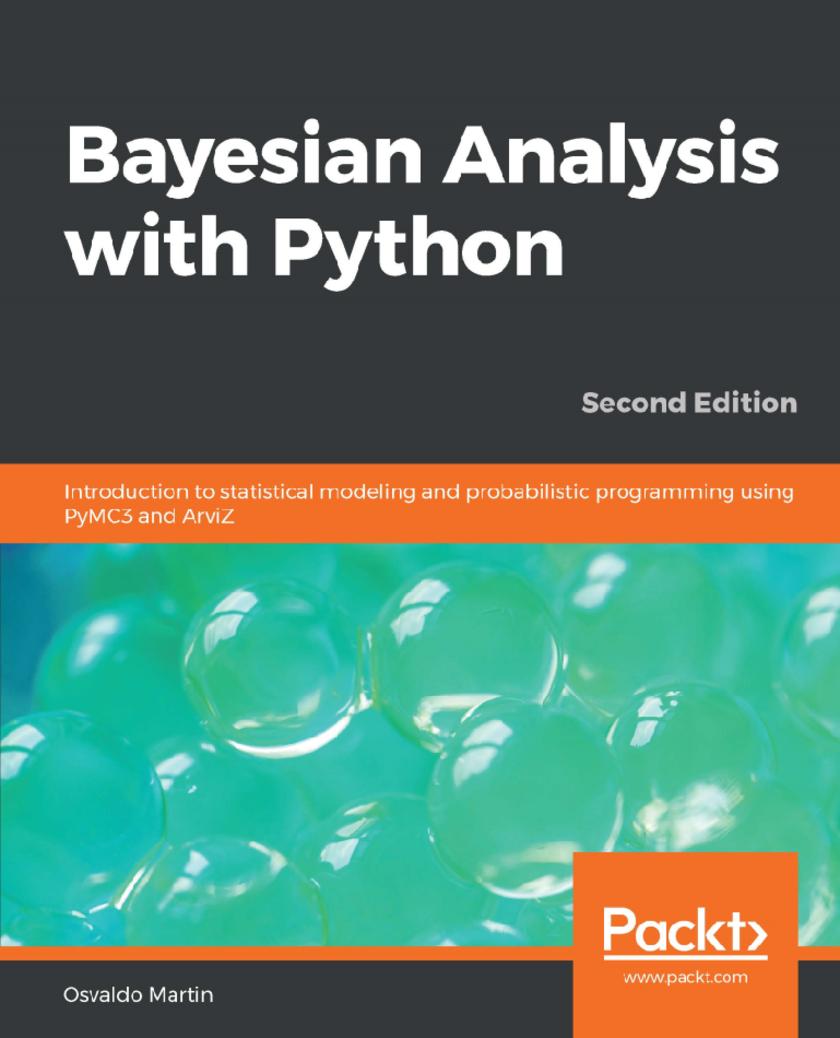
Bayesian Analysis with Python
¥81.74
Bayesian modeling with PyMC3 and exploratory analysis of Bayesian models with ArviZ Key Features *A step-by-step guide to conduct Bayesian data analyses using PyMC3 and ArviZ *A modern, practical and computational approach to Bayesian statistical modeling *A tutorial for Bayesian analysis and best practices with the help of sample problems and practice exercises. Book Description The second edition of Bayesian Analysis with Python is an introduction to the main concepts of applied Bayesian inference and its practical implementation in Python using PyMC3, a state-of-the-art probabilistic programming library, and ArviZ, a new library for exploratory analysis of Bayesian models. The main concepts of Bayesian statistics are covered using a practical and computational approach. Synthetic and real data sets are used to introduce several types of models, such as generalized linear models for regression and classification, mixture models, hierarchical models, and Gaussian processes, among others. By the end of the book, you will have a working knowledge of probabilistic modeling and you will be able to design and implement Bayesian models for your own data science problems. After reading the book you will be better prepared to delve into more advanced material or specialized statistical modeling if you need to. What you will learn *Build probabilistic models using the Python library PyMC3 *Analyze probabilistic models with the help of ArviZ *Acquire the skills required to sanity check models and modify them if necessary *Understand the advantages and caveats of hierarchical models *Find out how different models can be used to answer different data analysis questions *Compare models and choose between alternative ones *Discover how different models are unified from a probabilistic perspective *Think probabilistically and benefit from the flexibility of the Bayesian framework Who this book is for If you are a student, data scientist, researcher, or a developer looking to get started with Bayesian data analysis and probabilistic programming, this book is for you. The book is introductory so no previous statistical knowledge is required, although some experience in using Python and NumPy is expected.
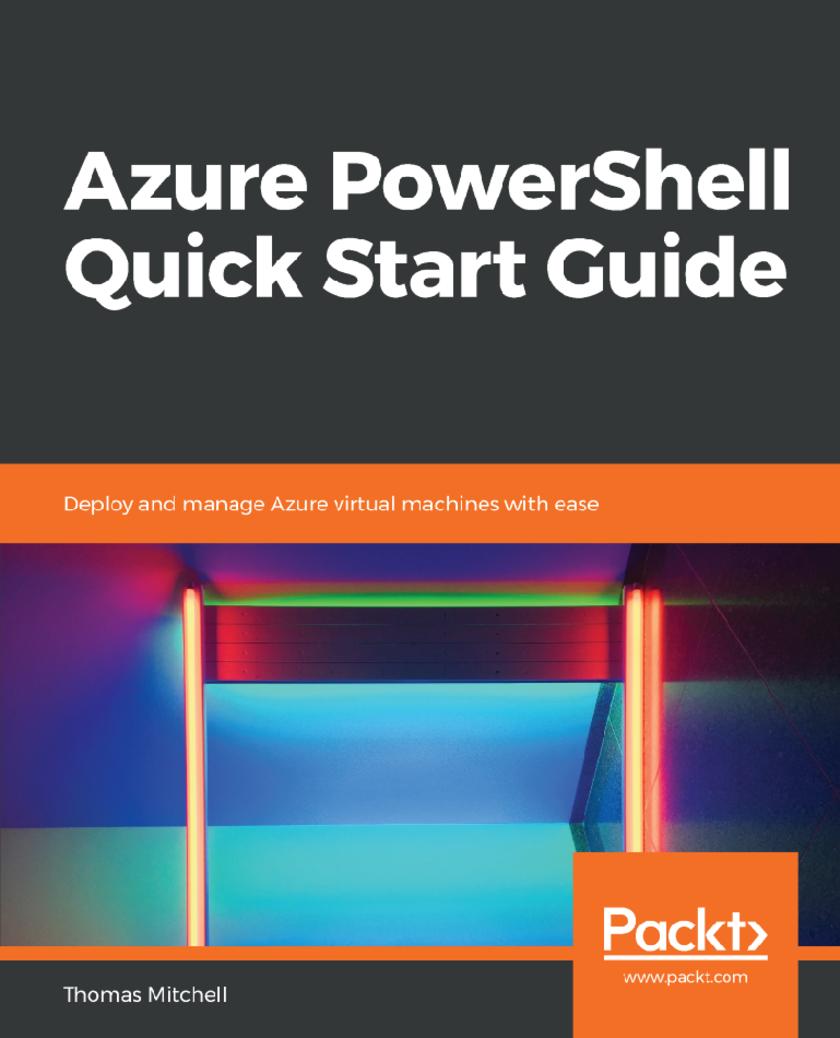
Azure PowerShell Quick Start Guide
¥54.49
Leverage PowerShell to perform many day-to-day tasks in Microsoft Azure Key Features *Deploy and manage Azure virtual machines with PowerShell commands. *Get to grips with core concept of Azure PowerShell such as working with images and disks, custom script extension, high availability and more. *Leverage hands-on projects to successfully apply what you learned through the course of this book. Book Description As an IT professional, it is important to keep up with cloud technologies and learn to manage those technologies. PowerShell is a critical tool that must be learned in order to effectively and more easily manage many Azure resources. This book is designed to teach you to leverage PowerShell to enable you to perform many day-to-day tasks in Microsoft Azure. Taking you through the basic tasks of installing Azure PowerShell and connecting to Azure, you will learn to properly connect to an Azure tenant with PowerShell. Next, you will dive into tasks such as deploying virtual machines with PowerShell, resizing them, and managing their power states with PowerShell. Then, you will learn how to complete more complex Azure tasks with PowerShell, such as deploying virtual machines from custom images, creating images from existing virtual machines, and creating and managing of data disks. Later, you will learn how to snapshot virtual machines, how to encrypt virtual machines, and how to leverage load balancers to ensure high availability with PowerShell. By the end of this book, you will have developed dozens of PowerShell skills that are invaluable in the deployment and management of Azure virtual machines. What you will learn *Manage virtual machines with PowerShell *Resize a virtual machine with PowerShell *Create OS disk snapshots via PowerShell *Deploy new virtual machines from snapshots via PowerShell *Provision and attach data disks to a virtual machine via PowerShell *Load balance virtual machines with PowerShell *Manage virtual machines with custom script extensions Who this book is for This book is intended for IT professionals who are responsible for managing Azure virtual machines. No prior PowerShell or Azure experience is needed.
Microsoft Dynamics NAV Development Quick Start Guide
¥54.49
Learn development skills and improve productivity when programming in Microsoft Dynamics NAV 2018 - the popular Enterprise Resourse Planning management system used across a variety of industries for business process management Key Features *Solve common business problems with the valuable features and flexibility of Dynamics NAV *Understand the structure of NAV database - how documents and business entities are mapped to DB tables *Design user interface and bind the presentation layer with the data storage Book Description Microsoft Dynamics NAV is an enterprise resource planning (ERP) software suite for organizations. The system offers specialized functionality for manufacturing, distribution, government, retail, and other industries. This book gets you started with its integrated development environment for solving problems by customizing business processes. This book introduces the NAV development environment – C/SIDE. It gives an overview of the internal system language and the most essential development tools. The book will enable the reader to customize and extend NAV functionality with C/AL code, design a user interface through pages, create role centers, and build advanced reports in Microsoft Visual Studio. By the end of the book, you will have learned how to extend the NAV data model, how to write and debug custom code, and how to exchange data with external applications. What you will learn *Manage NAV Server configuration with Microsoft Management Console *Manage NAV installation with the NAV Administration Shell *Create integration events and extend functionality via the NAV event model *Run XML Ports from C/AL code *Design reports and write client code in RDLC expressions Who this book is for This book is for experienced NAV users who have an understanding of basic programming concepts. Familiarity with NAV development environment or its internal development language-C/AL is not expected.
Hands-On Enterprise Application Development with Python
¥90.46
Architect scalable, reliable, and maintainable applications for enterprises with Python Key Features *Explore various Python design patterns used for enterprise software development *Apply best practices for testing and performance optimization to build stable applications *Learn about different attacking strategies used on enterprise applications and how to avoid them Book Description Dynamically typed languages like Python are continuously improving. With the addition of exciting new features and a wide selection of modern libraries and frameworks, Python has emerged as an ideal language for developing enterprise applications. Hands-On Enterprise Application Development with Python will show you how to build effective applications that are stable, secure, and easily scalable. The book is a detailed guide to building an end-to-end enterprise-grade application in Python. You will learn how to effectively implement Python features and design patterns that will positively impact your application lifecycle. The book also covers advanced concurrency techniques that will help you build a RESTful application with an optimized frontend. Given that security and stability are the foundation for an enterprise application, you’ll be trained on effective testing, performance analysis, and security practices, and understand how to embed them in your codebase during the initial phase. You’ll also be guided in how to move on from a monolithic architecture to one that is service oriented, leveraging microservices and serverless deployment techniques. By the end of the book, you will have become proficient at building efficient enterprise applications in Python. What you will learn *Understand the purpose of design patterns and their impact on application lifecycle *Build applications that can handle large amounts of data-intensive operations *Uncover advanced concurrency techniques and discover how to handle a large number of requests in production *Optimize frontends to improve the client-side experience of your application *Effective testing and performance profiling techniques to detect issues in applications early in the development cycle *Build applications with a focus on security *Implement large applications as microservices to improve scalability Who this book is for If you’re a developer who wants to build enterprise-grade applications, this book is for you. Basic to intermediate-level of programming experience with Python and database systems is required to understand the concepts covered in this book.
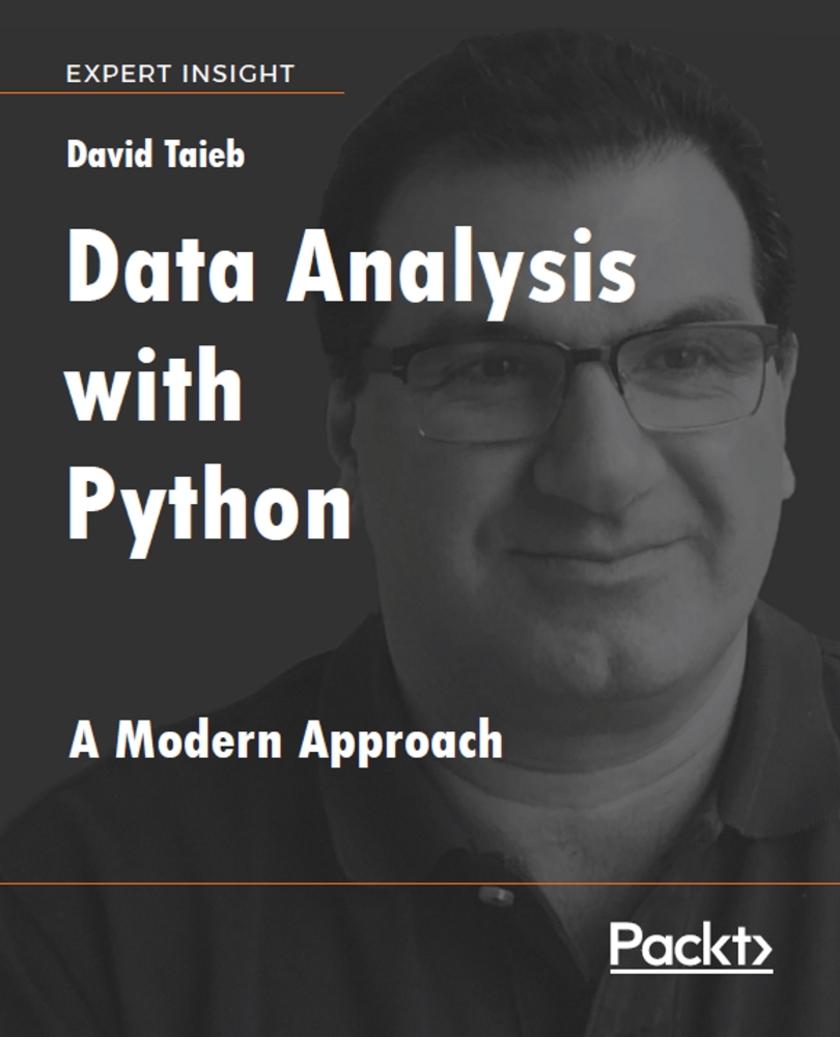
Data Analysis with Python
¥71.93
Learn a modern approach to data analysis using Python to harness the power of programming and AI across your data. Detailed case studies bring this modern approach to life across visual data, social media, graph algorithms, and time series analysis. Key Features *Bridge your data analysis with the power of programming, complex algorithms, and AI *Use Python and its extensive libraries to power your way to new levels of data insight *Work with AI algorithms, TensorFlow, graph algorithms, NLP, and financial time series *Explore this modern approach across with key industry case studies and hands-on projects Book Description Data Analysis with Python offers a modern approach to data analysis so that you can work with the latest and most powerful Python tools, AI techniques, and open source libraries. Industry expert David Taieb shows you how to bridge data science with the power of programming and algorithms in Python. You'll be working with complex algorithms, and cutting-edge AI in your data analysis. Learn how to analyze data with hands-on examples using Python-based tools and Jupyter Notebook. You'll find the right balance of theory and practice, with extensive code files that you can integrate right into your own data projects. Explore the power of this approach to data analysis by then working with it across key industry case studies. Four fascinating and full projects connect you to the most critical data analysis challenges you’re likely to meet in today. The first of these is an image recognition application with TensorFlow – embracing the importance today of AI in your data analysis. The second industry project analyses social media trends, exploring big data issues and AI approaches to natural language processing. The third case study is a financial portfolio analysis application that engages you with time series analysis - pivotal to many data science applications today. The fourth industry use case dives you into graph algorithms and the power of programming in modern data science. You'll wrap up with a thoughtful look at the future of data science and how it will harness the power of algorithms and artificial intelligence. What you will learn *A new toolset that has been carefully crafted to meet for your data analysis challenges *Full and detailed case studies of the toolset across several of today’s key industry contexts *Become super productive with a new toolset across Python and Jupyter Notebook *Look into the future of data science and which directions to develop your skills next Who this book is for This book is for developers wanting to bridge the gap between them and data scientists. Introducing PixieDust from its creator, the book is a great desk companion for the accomplished Data Scientist. Some fluency in data interpretation and visualization is assumed. It will be helpful to have some knowledge of Python, using Python libraries, and some proficiency in web development.
Hands-On Machine Learning for Algorithmic Trading
¥81.74
Explore effective trading strategies in real-world markets using NumPy, spaCy, pandas, scikit-learn, and Keras Key Features *Implement machine learning algorithms to build, train, and validate algorithmic models *Create your own algorithmic design process to apply probabilistic machine learning approaches to trading decisions *Develop neural networks for algorithmic trading to perform time series forecasting and smart analytics Book Description The explosive growth of digital data has boosted the demand for expertise in trading strategies that use machine learning (ML). This book enables you to use a broad range of supervised and unsupervised algorithms to extract signals from a wide variety of data sources and create powerful investment strategies. This book shows how to access market, fundamental, and alternative data via API or web scraping and offers a framework to evaluate alternative data. You’ll practice the ML work?ow from model design, loss metric definition, and parameter tuning to performance evaluation in a time series context. You will understand ML algorithms such as Bayesian and ensemble methods and manifold learning, and will know how to train and tune these models using pandas, statsmodels, sklearn, PyMC3, xgboost, lightgbm, and catboost. This book also teaches you how to extract features from text data using spaCy, classify news and assign sentiment scores, and to use gensim to model topics and learn word embeddings from financial reports. You will also build and evaluate neural networks, including RNNs and CNNs, using Keras and PyTorch to exploit unstructured data for sophisticated strategies. Finally, you will apply transfer learning to satellite images to predict economic activity and use reinforcement learning to build agents that learn to trade in the OpenAI Gym. What you will learn *Implement machine learning techniques to solve investment and trading problems *Leverage market, fundamental, and alternative data to research alpha factors *Design and fine-tune supervised, unsupervised, and reinforcement learning models *Optimize portfolio risk and performance using pandas, NumPy, and scikit-learn *Integrate machine learning models into a live trading strategy on Quantopian *Evaluate strategies using reliable backtesting methodologies for time series *Design and evaluate deep neural networks using Keras, PyTorch, and TensorFlow *Work with reinforcement learning for trading strategies in the OpenAI Gym Who this book is for Hands-On Machine Learning for Algorithmic Trading is for data analysts, data scientists, and Python developers, as well as investment analysts and portfolio managers working within the finance and investment industry. If you want to perform efficient algorithmic trading by developing smart investigating strategies using machine learning algorithms, this is the book for you. Some understanding of Python and machine learning techniques is mandatory.


