


 购物车
购物车 个人中心
个人中心
The Miller's Daughter
¥4.41
At dawn a clamor of voices shook the mill. Pere Merlier opened the door of Francoise's chamber. She went down into the courtyard, pale and very calm. But there she could not repress a shiver as she saw the corpse of a Prussian soldier stretched out on a cloak beside the well.
Henry VI, Part 3
¥8.82
Henry the Sixth, Part 3, is a history play by William Shakespeare, believed written in approximately 1590, and set during the lifetime of King Henry VI of England. It prepares the ground for one of his best-known and most controversial plays: the tragedy of King Richard III (Richard III of England). It continues the action from Henry VI, Part 1 and Henry VI, Part 2, though they may not have been written in that order.
The Fat and the Thin
¥4.41
The third novel in Zola's twenty-volume series entitled "Les Rougon-Macquart," this story revolves around and within the 21-acre market Les Halles Centrales of Paris. The starving scholar Florent has escaped his unwarranted exile on Devil's Island, and he is alternately entranced and disgusted by his refuge in 'the belly of Paris.' Zola describes the market and Florent's experiences in the midst of it with his characteristically captivating comprehension, foreshadowing the total mastery of working-class speech in his later works. Florent makes a friend of Claude Lantier, a painter who explains the battle being waged in the vast Central Markets between the 'fat' burghers and 'thin' lower class, in which Florent is soon embroiled. He is a man caught between the fat and the thin, and this lack of allegiance leads to painful condemnation and Florent's ultimate disintegration. Presented here is the somewhat expurgated 1895 translation of Ernest Alfred Vizetelly, entitled "The Fat and the Thin".
Битва королев. Том 1
¥19.05
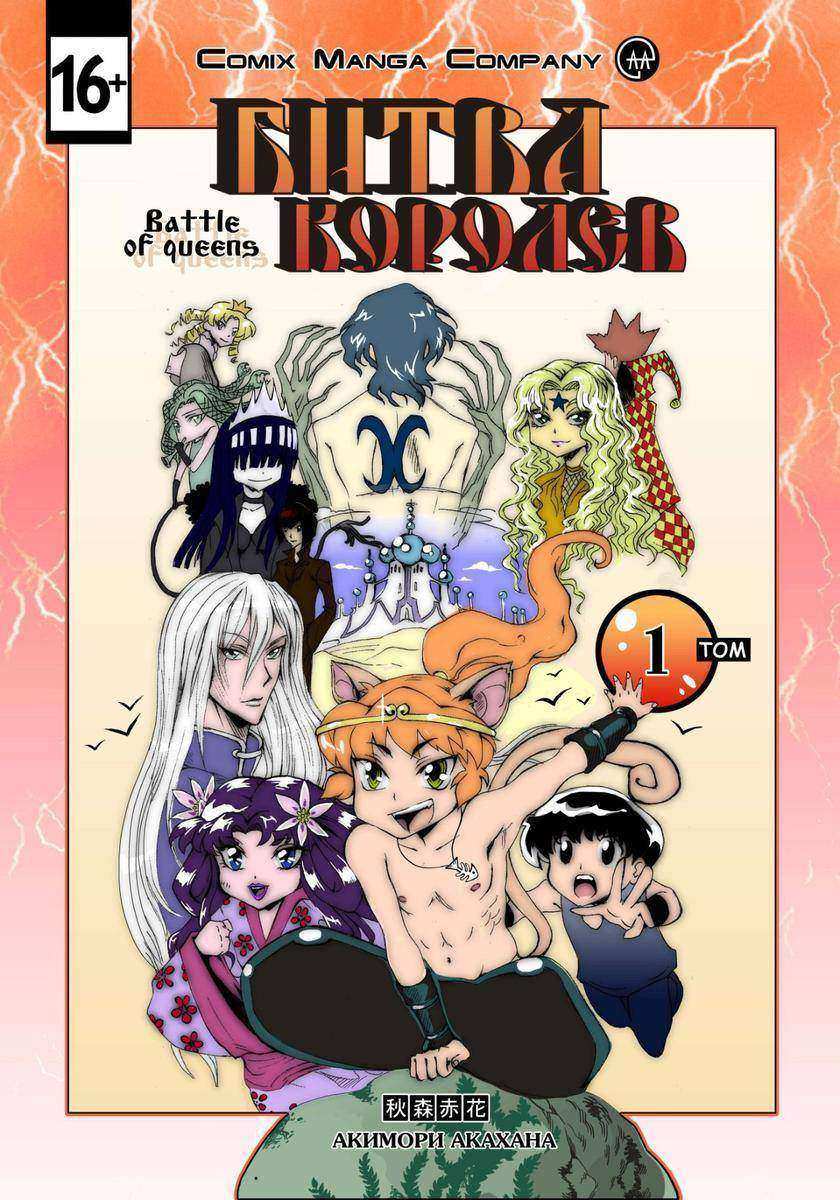
Внеобычноммире,которыйсостоитизсовокупностейнародныхсказок, мифовилегендживётдевушкапоимениЛисяИнь-лучшаяученицамастера КунгФу,мечтающаястатьсильнейшиммастеромнасвете. ОднаждыгероинеприходитписьмосприглашениемпоучаствоватьвТысячелетнем турнире-битве,средисамыхвеликолепныхдевушекнавсёмбеломсвете.Но неожиданноподаренныйдругомдревнийартефактпревращаетдевушкувпарня. Чтобыизбавитьсяотпроклятия,онаотправляетсявдлинноепутешествиепо опасномуитаинственномумиру.

Pericles, Prince of Tyre
¥8.82
Pericles, Prince of Tyre is a play written (at least in part) by William Shakespeare and included in modern editions of his collected works despite some questions over its authorship, as it was not included in the First Folio. Many modern editors believe that Shakespeare is responsible for the main portion of the play after scene 9 that follows the story of Pericles and Marina, and that the first two acts, detailing the many voyages of Pericles, were written by a relatively untalented reviser or collaborator, possibly George Wilkins.

The Arabian Nights
¥8.82
One Thousand and One Nights is a collection of stories collected over many centuries by various authors, translators and scholars in various countries across the Middle East and South Asia. These collections of tales trace their roots back to ancient Arabia and Yemen, ancient Indian literature and Persian literature, ancient Egyptian literature and Mesopotamian mythology, ancient Syria and Asia Minor, and medieval Arabic folk stories from the Caliphate era. Though the oldest Arabic manuscript dates from the fourteenth century, scholarship generally dates the collection's genesis to somewhere between AD 800–900.
The Comedy of Errors
¥8.82
The Comedy of Errors tells the story of two sets of identical twins. Antipholus of Syracuse and his servant, Dromio of Syracuse, arrive in Ephesus, which turns out to be the home of their twin brothers, Antipholus of Ephesus and his servant, Dromio of Ephesus. When the Syracusans encounter the friends and families of their twins, a series of wild mishaps based on mistaken identities lead to wrongful beatings, a near-incestuous seduction, the arrest of Antipholus of Ephesus, and accusations of infidelity, theft, madness, and demonic possession.

Hawaiian Folk Tales: "Collection of Native Legends"
¥27.80
“The volume is unique in that it relates to a period about which American readers have known little.” —Boston Transcript. “With numerous illustrations from photographs” —A. C. McClurg & Co., Publishers. In response to repeated requests, the compiler now presents in book form the series of legends that have been made a feature of "The Hawaiian Annual" for a number of years past. The series has been enriched by the addition of several tales, the famous shark legend having been furnished for this purpose from the papers of the Hawaiian Historical Society. The collection embraces contributions by the Rev. A. O. Forbes, Dr. N. B. Emerson, J. S. Emerson, Mrs. E. M. Nakuina, W. M. Gibson, Dr. C. M. Hyde, and others, all of whom are recognized authorities. The early attempts of Dibble and Pogue to gather history from Hawaiians themselves have preserved to native and foreign readers much that would probably otherwise have been lost. To the late Judge Andrews we are indebted for a very full grammar and dictionary of the language, as also for a valuable manuscript collection of meles and antiquarian literature that passed to the custody of the Board of Education. In the first volume of Judge Fornander’s elaborate work on “The Polynesian Race” he has given some old Hawaiian legends which closely resemble the Old Testament history. How shall we account for such coincidences *** There were native historians in those days; the newspaper articles of S. M. Kamakau, the earlier writings of David Malo, and the later contributions of G. W. Pilipo and others are but samples of a wealth of material, most of which has been lost forever to the world. From time to time Prof. W. D. Alexander, as also C. J. Lyons, has furnished interesting extracts from these and other hakus. The Rev. A. O. Forbes devoted some time and thought to the collecting of island folk-lore: and King Kalakaua took some pains in this line also, as evidenced by his volume of “Legends and Myths of Hawaii,” edited by R. M. Daggett, though there is much therein that is wholly foreign to ancient Hawaiian customs and thought. No one of late years had a better opportunity than Kalakaua toward collecting the meles, kaaos, and traditions of his race; and for purposes looking to this end there was established by law a Board of Genealogy, which had an existence of some four years, but nothing of permanent value resulted therefrom. Fornander’s manuscript collection of meles, legends, and genealogies in the vernacular has fortunately become, by purchase, the property of the Hon. C. R. Bishop, which insures for posterity the result of one devoted scholar’s efforts to rescue the ancient traditions that are gradually slipping away; for the haku meles (bards) of Hawaii are gone. This fact, as also the Hawaiian Historical Society’s desire to aid and stimulate research into the history and traditions of this people, strengthens the hope that some one may yet arise to give us further insight into the legendary folk-lore of this interesting race. T. G. T. Honolulu, January 1
The Secret Adversary
¥9.24
"The Secret Adversary" is the second published detective fiction novel by Agatha Christie, first published in January 1922 in the United Kingdom by The Bodley Head and in the United States by Dodd, Mead and Company later in that same year. The UK edition retailed at seven shillings and sixpence (7/6) and the US edition at $1.75.The book introduces the characters of Tommy and Tuppence who feature in three other Christie novels and one collection of short stories; the five Tommy and Tuppence books span Agatha Christie's writing career. The Great War is over, and jobs are scarce. Tommy Beresford and Prudence "Tuppence" Cowley meet and agree to start their own business as The Young Adventurers. They are hired for a job that leads them both to many dangerous situations, meeting allies as well, including an American millionaire in search of his cousin.
The Orange Fairy Book
¥8.82
Andrew Lang's Fairy Books — also known as Andrew Lang's "Coloured" Fairy Books or Andrew Lang's Fairy Books of Many Colors — are a series of twelve collections of fairy tales, published between 1889 and 1910.
Henry IV, Part 2
¥8.82
Henry IV, Part 2 is a history play by William Shakespeare, believed written between 1596 and 1599. It is the third part of a tetralogy, preceded by Richard II and Henry IV, Part 1 and succeeded by Henry V.
Nana
¥4.41
Nana is a novel by the French naturalist author ?mile Zola. Completed in 1880, Nana is the ninth installment in the 20-volume Les Rougon-Macquart series, which was to tell "The Natural and Social History of a Family under the Second Empire." The novel was an immediate success. Le Voltaire, the French newspaper that was to publish it in installments from October 1879 on, had launched a gigantic advertising campaign, raising the curiosity of the reading public to a fever pitch. When Charpentier finally published Nana in book form in February 1880, the first edition of 55,000 copies was sold out in one day. Flaubert and Edmond de Goncourt were full of praise for Nana. On the other hand, a part of the non-reading public, spurred on by some critics, reacted to the book with outrage. While the novel is held up as a fine example of writing, it is not especially true to Zola's touted naturalist philosophy; instead, it is one of the most symbolically complex of his novels, setting it apart from the earthy "realism" of L'Assommoir or the more brutal "realism" of La Terre (1887). However, it was a great deal more authentic than most contemporary novels about the demimonde. Nana is especially noted for the crowd scenes, of which there are many, in which Zola proves himself a master of capturing the incredible variety of people. Whereas in his other novels -- notably Germinal (1885) -- he gives the reader an amazingly complete picture of surroundings and the lives of characters, from the first scene we are to understand that this novel treads new ground. Flaubert summed up the novel in one perfect sentence: Nana tourne au mythe, sans cesser d'être réelle. (Nana turns into myth, without ceasing to be real.)

The Valley of Fear
¥8.82
The plot of the novel is based very loosely on the real-life activities of the Molly Maguires and, particularly, of Pinkerton agent James McParland. The novel is divided into two parts: in the first, Holmes investigates an apparent murder and discovers that the body belongs to another man; and in the second, the story of the man originally thought to have been the victim is told.

Hayalet Harekat??
¥18.80
Bu kitap hayali kahraman?m?z?n ders notlar?n? i?eriyor diyebiliriz ama notlar bize ?ok ?eyi g?steriyor. Bu eser tamamen hayal ürünü oldu?u kadar biraz da ger?ekleri yans?tmaktad?r ve eser tamamen hayal ürünüdür. Ger?ek ki?i kurumlarla ilgisi yoktur ama eser konusunda bir puanlama yoluna gidebiliriz ki, bu eseri bitirdi?iniz zaman ?zel harekat?? olman?z garantisini vermiyoruz ama ?zel hayali bir ?zel harekat??l?k fakültesini yapt?k da diyebiliyoruz. Bunlar sizin ders notlar?n?z, tamam?n? okuman?z halinde hi?bir ?ey anlamayacaks?n?z diyebilirim, b?yle ?eyler gayet normal fakat bu durum lehinize olacakt?r. Anlamama oran?n?z ge?me notunuzu verecektir, ne kadar anlamazsan?z o kadar yüksek al?rs?n?z. Tekrar okursan?z yüksek lisans yapars?n?z ama size sa? kalma garantisi veriyoruz evet kendi ordunuz olsun ve komutan? olmak istemez misiniz? E?er cevab?n?z evetse ?lümsüzlük iksirinizi size ikram edece?iz biz bir orduyuz ama isteyen istedi?i davan?n adam? olacak, yani ba??n?zda komutan olmayacak ama en fazla yirmi milyon askerinizin olmas?na izin verilecek. Asl?nda hayal dünyas?n?n ucu buca?? yok, ?ünkü ya?ad???n yerin vergisini ?demek bazen kanla oluyor ve say?n?z artt?k?a kan?n?z damarlar?n?zdan ?ekiliyor ve tabi bu da insanlar? su?a bula?t?r?yor. Oysa ?zel harekat??l?k su?luyu veya su?u ortadan kald?rmak i?indir, meslek sahibi olamad?ysan?z bir i?e yaramad???n?z? dü?ünüyorsan?z, ?lmek i?in bile bir sebebiniz yoksa, bu kitab? okuyun derim. Art?k ?lmemek i?in bir sebebiniz olmayacak, peki nedir bu ?zel hayali ?zel harekat? Bu i? bitti?inde hayalet harekat olacaks?n?z kimseye bir eyvallah?n?z olmayacak. * * * Uyand?lar, yepyeni bir gündü s?cac?k nefes al?p verecek kadar birbirlerine sar?ld?lar frei ve aden. Yine beraber uyanm??lard?, neler yapt?klar?ndan heberleri yoktu ve yine alkol alm?lard?, dev kazay? beraber atlatt?lar. Bu kadar samimilerdi ama sonradan samimiyet hatay? tetikledi ve ikisi de o an bomba gibilerdi ama sanki yolunda gitmeyen bir ?eyler vard?, mutlu de?ildiler. Her ?eyleri oldu?undan art?k ne yapmal?y?z diye dü?ündüler, sanki ?lümü de tatm??lard?, ruhlar alemine gidip gelmi?lerdi. Malum aksiyon macera can s?k?nt?s?na iyi gelirdi, gelmi? ge?mi? zamanlar?n kendilerince en iyi olmalar?na kar??n, freinin yetenekleri s?n?rl?yd?. Keza onu da tanr? yaratm??t? ama tüm bran?larda en iyisi olma gücünü ona bah?etmi?ti. Nereden bilecekti ki bunun bir foto?raf makinesinin tu?unda oldu?u, tabi ilgilendikleri bran?larda bu ba?ka boyutlarda da oluyordu. Bu adamlardan ?ldürünce her?ey sanki tekrar yoluna giriyordu, en k?tülere yap??t?lar ama ikisi de me?guldü. ?u an saniyeler saniyeleri a?t? tan??t?klar süre boyunca bir gün bile ayr? uyumad?lar ve japon kimli?iyle o?luna verdi?i ismiyle, frei yani takashi gidip hayat?n tad?n? ??karmak istemedi. Bu ilk kez oluyordu, belki tanr? onlara birbilerini bah?etmi?ti, a?klar? onlar? hayata ba?l?yordu. Hayatlar?n? da nerde nas?l olursa olsun. Birbirlerine hayatlar?n? atfetmi?lerdi sakin sakin durdular birbirlerine tekrar bakt?lar. Sokaktan bir iki sarho? ?evirdiler tuhaf tuhaf sorular sordular, tuhaf cevaplar ald?lar ama ?te yandan gidip girdikleri ikinci bir kaosu daha kald?ramayacak durumdayd?lar. Neyse dediler a?ktan kim s?k?l?r dediklerine ra?men, beraber ba?ka ülkelere gidip neler yapabilecekleri konusunda hi?bir fikirleri yoktu ama di?er yandan hatalar?n? gideren ?eyler belki de ikisi aras?nda gizli bir ba?d?, belki de a?kt?, belki de ortakl?k, belki de tüm bu olanlar duruma g?re de?i?iyordu.?
The Beautiful and the Damned
¥27.88
In 1913, when Anthony Patch was twenty-five, two years were already gone since irony, the Holy Ghost of this later day, had, theoretically at least, descended upon him. Irony was the final polish of the shoe, the ultimate dab of the clothes-brush, a sort of intellectual "There!"—yet at the brink of this story he has as yet gone no further than the conscious stage. As you first see him he wonders frequently whether he is not without honor and slightly mad, a shameful and obscene thinness glistening on the surface of the world like oil on a clean pond, these occasions being varied, of course, with those in which he thinks himself rather an exceptional young man, thoroughly sophisticated, well ad-justed to his environment, and somewhat more significant than any one else he knows.This was his healthy state and it made him cheerful, pleasant, and very attractive to intelligent men and to all women. In this state he considered that he would one day accomplish some quiet subtle thing that the elect would deem worthy and, passing on, would join the dimmer stars in a nebulous, indeterminate heaven half-way between death and immortality. Until the time came for this effort he would be Anthony Patch—not a portrait of a man but a distinct and dynamic personality, opinionated, contemptuous, functioning from within outward—a man who was aware that there could be no honor and yet had honor, who knew the sophistry of courage and yet was brave.A WORTHY MAN AND HIS GIFTED SON Anthony drew as much consciousness of social security from being the grandson of Adam J. Patch as he would have had from tracing his line over the sea to the crusaders. This is inevitable; Virginians and Bostonians to the contrary notwithstanding, an aristocracy founded sheerly on money postulates wealth in the particular.Now Adam J. Patch, more familiarly known as "Cross Patch," left his father's farm in Tarrytown early in sixty-one to join a New York cavalry regiment. He came home from the war a major, charged into Wall Street, and amid much fuss, fume, applause, and ill will he gathered to himself some seventy-five million dollars.
Doktor Marigold
¥8.82
Die Welt der fliegenden H?ndler ist ein hartes Pflaster für jedermann, der damit seinen Lebensunterhalt verdienen will. Sprachliche Gewandtheit, ein Gespür für die Wünsche der Kundschaft und eine Prise Humor im Erstellen eines Angebots geh?ren zu den unmittelbaren Voraussetzungen, welche diese Direktvertriebst?tigkeit erfordert. Doktor Marigold ist ein alter Hase im Gesch?ft und leidet unter der amerikanischen Konkurrenz, aber h?lt sich so gut es eben geht über Wasser. Er übernimmt die Verantwortung für ein kleines stummes M?dchen, welches als junge hübsche Frau einem vorurteilsfreien jungen Mann den Kopf verdreht. Die beiden verlieben sich und heiraten. Schweren Herzens trennen sich Vater und Tochter voneinander, ohne zu wissen, ob sie sich jemals wiedersehen werden.
Captain Burle
¥4.41
It was nine o'clock. The little town of Vauchamp, dark and silent, had just retired to bed amid a chilly November rain. In the Rue des Recollets, one of the narrowest and most deserted streets of the district of Saint-Jean, a single window was still alight on the third floor of an old house, from whose damaged gutters torrents of water were falling into the street. Mme Burle was sitting up before a meager fire of vine stocks, while her little grandson Charles pored over his lessons by the pale light of a lamp.
The Picture of Dorian Gray
¥8.82
Oscar Wilde's story of a fashionable young man who sells his soul for eternal youth and beauty is one of his most popular works. Written in Wilde's characteristically dazzling manner, full of stinging epigrams and shrewd observations, the tale of Dorian Gray's moral disintegration caused something of a scandal when it first appeared in 1890. Wilde was attacked for his decadence and corrupting influence, and a few years later the book and the aesthetic/moral dilemma it presented became issues in the trials occasioned by Wilde's homosexual liaisons, trials that resulted in his imprisonment. Of the book's value as autobiography, Wilde noted in a letter, "Basil Hallward is what I think I am: Lord Henry what the world thinks me: Dorian what I would like to be--in other ages, perhaps."
Riders of the Silences
¥8.82
The Great West prior to the century's turn abounded in legend. Stories were told of fabled gunmen whose bullets always magically found their mark of mighty stallions whose tireless gallop rivaled the speed of the wind of glorious women whose beauty stunned mind and heart. But nowhere in the vast spread of the mountain-desert country was there a greater legend told than the story of Red Pierre and the phantom gunfighter McGurk.
Astoria: A Western Classic
¥8.98
"Astoria” tells the story of survival and the difficulties faced by the people who undertook the tremendous Oregon Trail in 1810-1812 encountering harsh environment and hostile native Indians and still carrying on with their journeys. This is the founding story of Astoria and the people who made it possible… Excerpt: "Two leading objects of commercial gain have given birth to wide and daring enterprise in the early history of the Americas; the precious metals of the South, and the rich peltries of the North..." Washington Irving (1783–1859) was an American short story writer, essayist, biographer, historian, and diplomat of the early 19th century.
Yo Acuso
¥4.41
Alegato en favor del capitán Alfred Dreyfus, dirigido por ?mile Zola mediante una carta abierta al presidente de Francia, M. Félix Faure, y publicado por el diario L'Aurore el 13 de enero de 1898 en su primera plana.


