


 购物车
购物车 个人中心
个人中心
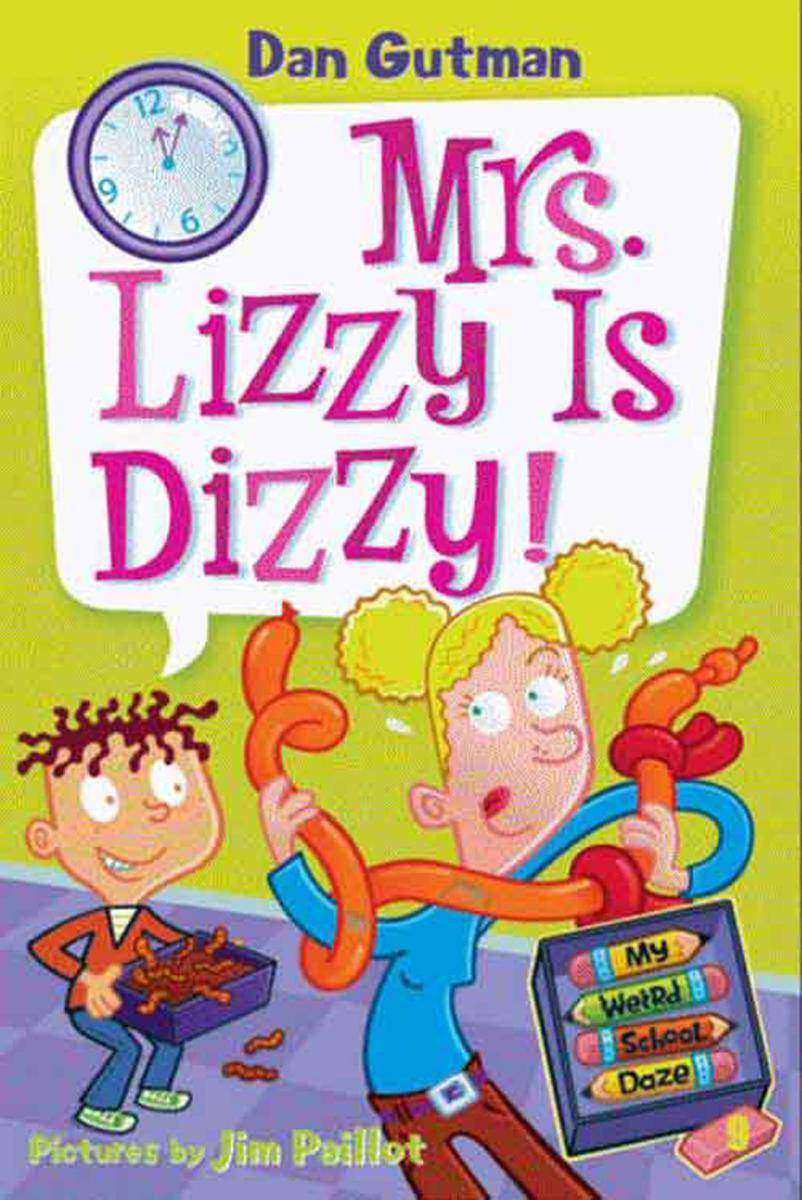
My Weird School Daze #9: Mrs. Lizzy Is Dizzy!
¥27.94
The weirdness never stops!Help! With the Recess Enrichment Program, A.J. and the gang have to take classes even during recess! The new teacher, Mrs. Lizzy, teaches how to make balloon animals, how to compost worms, and lots of other weird useless skills that nobody would ever want to know in a million hundred years!
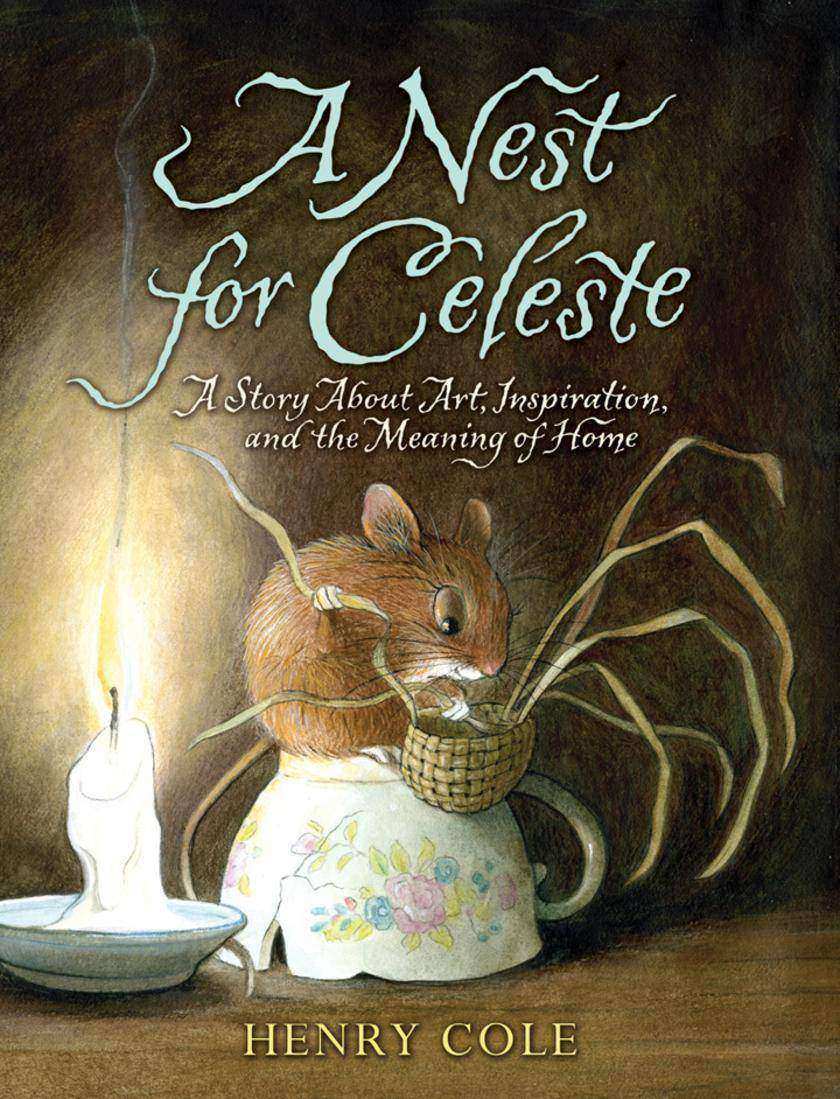
A Nest for Celeste
¥39.13
A beautifully illustrated novel about a mouse, her friendship with Audubon's apprentice, and her search for home.Beneath the crackled and faded painting of a horse, underneath the worn and dusty floorboards of the dining room, lives Celeste, a mouse who spends her days weaving baskets, until one day she is thrust into the world above. Here Celeste encounters danger—and love—unlike any she's ever imagined. She dodges a hungry cat and witnesses the brutality of hunting for the first time. She makes friends with a singing thrush named Cornelius, a talkative osprey named Lafayette, and Joseph, Audubon's young apprentice. All the while, Celeste is looking for a new home. Is her home in the toe of a worn bootNestled in Joseph's pocketOr in the dollhouse in the attic, complete with mouse-size furniture perfect for CelesteIn the end, Celeste discovers that home is really the place deep inside her heart, where friendships live.

Husband and Wife
¥88.56
In this new novel by the celebrated author of The Myth of You and Me, a young mother discovers that her husband's novel about infidelity might be drawn from real life.Sarah Price is thirty-five years old. She doesn't feel as though she's getting older, but there are some noticeable changes: a hangover after two beers, the stray gray hair, and, most of all, she's called “Mom” by two small children. Always responsible, Sarah traded her MFA for a steady job, which allows her husband, Nathan, to write fiction. But Sarah is happy and she believes Nathan is too, until a truth is revealed: Nathan's upcoming novel, Infidelity, is based in fact. Suddenly Sarah's world is turned upside down. Adding to her confusion, Nathan abdicates responsibility for the fate of their relationship and of his novel's publication—a financial lifesaver they have been depending upon—leaving both in Sarah's hands. Reeling from his betrayal, she is plagued by dark questions. How well does she really know NathanAnd, more important, how well does she know herself?For answers, Sarah looks back to her artistic twenty-something self to try to understand what happened to her dreams. When did it all seem to changePushed from her complacent plateau, Sarah begins to act—for the first time not so responsibly—on all the things she has let go of for so long: her blank computer screen; her best friend, Helen; the volumes of Proust on her bookshelf. And then there is that e-mail in her inbox: a note from Rajiv, a beautiful man from her past who once tempted her to stray. The struggle to find which version of herself is the essential one—artist, wife, or mother—takes Sarah hundreds of miles away from her marriage on a surprising journey. Wise, funny, and sharply drawn, Leah Stewart's Husband and Wife probes our deepest relationships, the promises we make and break, and the consequences they hold for our lives, revealing that it's never too late to step back and start over.

The Map of True Places
¥90.51
Brunonia Barry, the New York Times bestselling author of The Lace Reader, offers an emotionally compelling novel about finding your true place in the world. Zee Finch has come a long way from a motherless childhood spent stealing boats—a talent that earned her the nickname Trouble. She's now a respected psychotherapist working with the world-famous Dr. Liz Mattei. She's also about to marry one of Boston's most eligible bachelors. But the suicide of Zee's patient Lilly Braedon throws Zee into emotional chaos and takes her back to places she though she'd left behind. What starts as a brief visit home to Salem after Lilly's funeral becomes the beginning of a larger journey for Zee. Her father, Finch, long ago diagnosed with Parkinson's disease, has been hiding how sick he really is. His longtime companion, Melville, has moved out, and it now falls to Zee to help her father through this difficult time. Their relationship, marked by half-truths and the untimely death of her mother, is strained and awkward. Overwhelmed by her new role, and uncertain about her future, Zee destroys the existing map of her life and begins a new journey, one that will take her not only into her future but into her past as well. Like the sailors of old Salem who navigated by looking at the stars, Zee has to learn to find her way through uncharted waters to the place she will ultimately call home.
Three Delays
¥85.05
Billy Brent and Alice Stephens are star-crossed like all great lovers. Their need for each other drives them from Istanbul to Miami, Venice to Mexico. After years of encounters and escapes, they lose themselves deep in a desert wilderness, searching for a way forward, only to learn that sometimes the trail simply forks.From Charlie Smith, author of three New York Times Notable Books, comes his long-awaited new novel, his first in more than a decade. An exploration of the true particulars of obsession, Three Delays is a book of the spirit, of how broken people love and persist from darkness to darkness.

Friend Is Not a Verb
¥96.50
You know things are bad when your dreams come with a washed-up '80s soundtrackHenry "Hen" Birnbaum's sister, Sarah, missing for over a year, has come home unexpectedly, with no explanation at all. But he can't leave well enough alone; Hen needs to figure out why she disappeared, even if she won't tell him. It's not like he has anything better to do. His girlfriend just dumped him and kicked him out of their band. He can't play the bass worth crap anyway. His social life consists of night after night of VH1 marathons with his best friend and next-door neighbor, the neurotic Emma Wood.Hen's sure the answers to Sarah's lost year lie with Gabriel Stern—Sarah's friend from college who also happens to be a twenty-two-year-old fugitive from the law and Hen's bass teacher . . . too bad he can't play bass worth crap either. A month into his quest, Hen has had countless consultations with Emma, watched approximately fifty-three reruns of Behind the Music, and made one new Facebook friend. Unfortunately, he's no closer to any revelations about his sister. The thing is, he's too distracted to notice it, but while Hen's been looking for all the answers, something mind-blowing happened: He got a life.
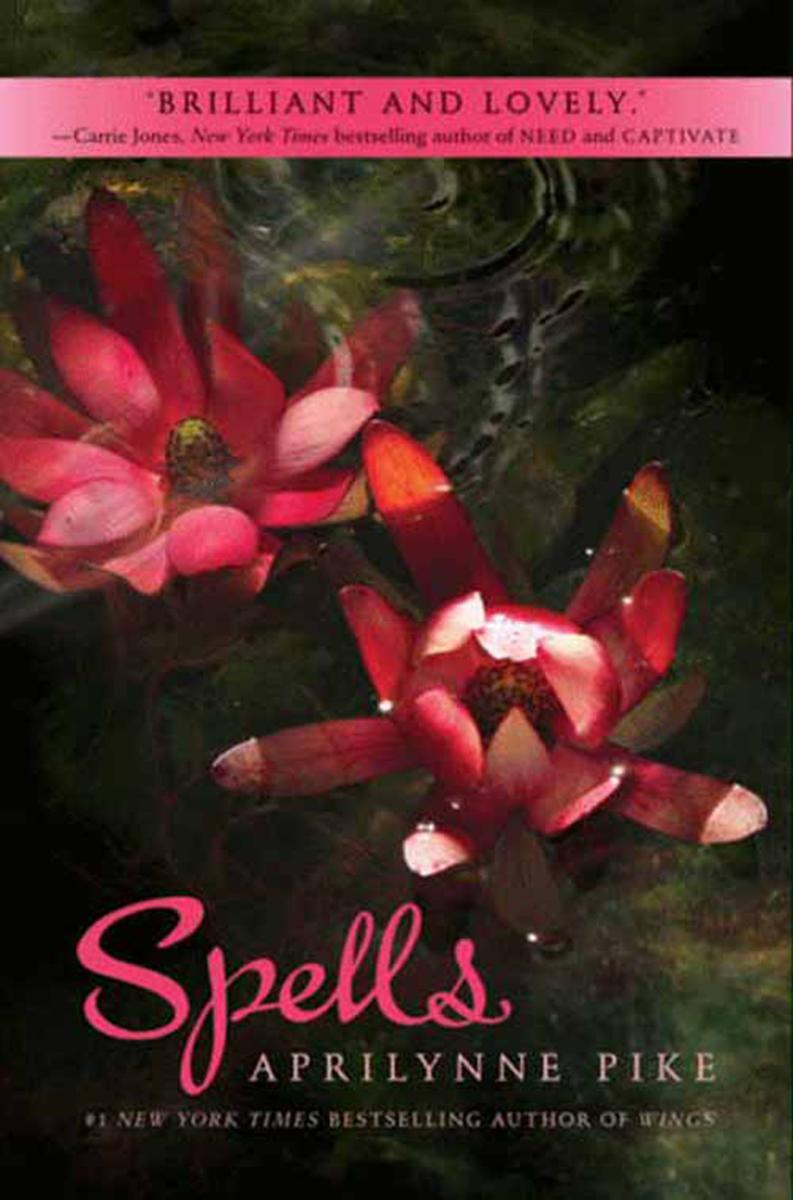
Spells
¥55.93
"I can't just storm in and proclaim my intentions. I can't ‘steal' you away. I just have to wait and hope that, someday, you'll ask," Tamani said."And if I don't?" Laurel said, her voice barely above a whisper."Then I guess I'll be waiting forever."Although Laurel has come to accept her true identity as a faerie, she refuses to turn her back on her human life—and especially her boyfriend, David—to return to the faerie world.But when she is summoned to Avalon, Laurel's feelings for the charismatic faerie sentry Tamani are undeniable. She is forced to make a choice—a choice that could break her heart.

A Voice of Her Own
¥101.00
When something is most important to me and I do not want to lose it, I gather it into a poem. It is said that women must employ the needle and not the pen. But I will be a Poet! That's who I am!Before she was an iconic American poet, Emily Dickinson was a spirited girl eager to find her place in the world. Expected by family and friends to mold to the prescribed role for women in mid-1800s New England, Emily was challenged to define herself on her own terms.Award-winning author Barbara Dana brilliantly imagines the girlhood of this extraordinary young woman, capturing the cadences of her unique voice and bringing her to radiant life.

Zucchini
¥87.18
Zucchini knows there's more to life than his cage at the zoo...Zucchini feels trapped. With a tip from a fellow rodent, the brave young black-footed ferret escapes from the zoo in a subway and a crosstown bus. But freedom doesn't mean very much without someone to share it with. That's when Zucchini meets Billy, a ten-year-old boy with the kindest eyes Zucchini's ever seen. Billy loves Zucchini too, but he's very shy about saying so. Will Billy's shyness ruin the best friendship either of them has ever had-
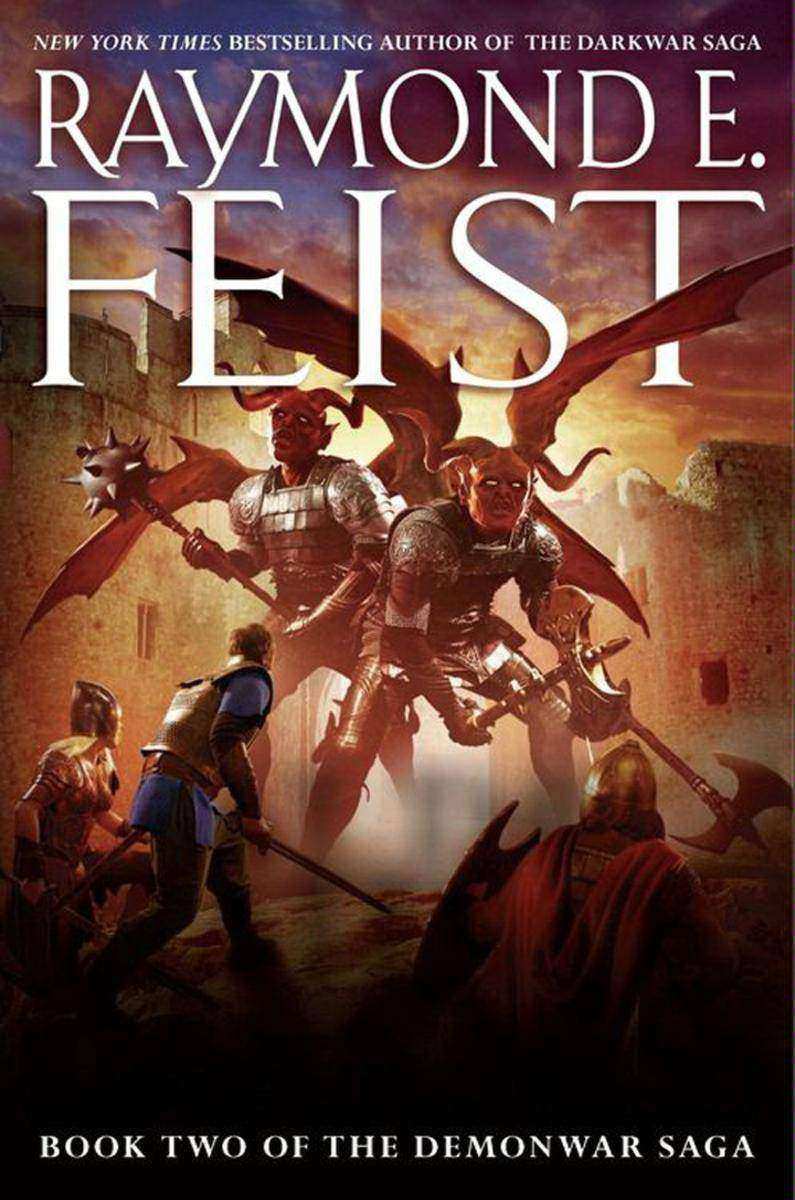
At the Gates of Darkness
¥55.31
Ten years after the terrible Darkwar finally ended, catastrophe once again threatens to engulf Midkemia and Kelewan, as the demon hordes continue their relentless quest to infiltrate this realm of magic and wonder. . . . At the Gates of DarknessBook Two of the Demonwar SagaTo protect their world from the savage demon hordes, the Black Sorcerer Pug and Midkemia's clandestine protectors, the Conclave of Shadows, forged an uneasy alliance of formidable magical talents. Together, this brave band of wizards, demon masters, warriors, and elves defeated the brutal Demon King Maarg and turned back the onrushing death tide. But Maarg's fall has not stopped the demonic onslaught, and danger now looms greater than ever before. Amid the barren ridges of the Valley of Lost Men, in the shadows of an ancient Keshian fortress, the fearsome demon Dahun and the mad necromancer Belasco have joined forces, creating an unstoppable union of deathly black magics that even Pug and a united Conclave may not be strong enough to withstand. Battling the Demon Legion has taken a heavy blood toll on the valiant and dedicated magician, claiming the lives of nearly all those he loves. Though he is racked by despair and rage, Pug knows that the time for mourning must wait. Putting aside his pain, he and the Conclave and their allies—the cold-blooded master spy Jim Dasher; the fearsome young Knight-Adamant Sandreena; her former lover the necromancer Amirantha; two renegade Star Elves; and Pug's surviving son, Magnus—must marshal their resources against this latest threat. None can forget the dozens of worlds overrun by the demon plague and the millions of dead left behind in their wake. At the gates of darkness, where shadows hide even deeper shadows, these magical defenders will face what is sure to be the bloodiest, nastiest fight their land has ever seen. And as evil, mayhem, and dark magic are unleashed, none can predict if they—and Midkemia itself—will survive.

Based Upon Availability
¥78.55
From the very first page of this stunning novel, readers are drawn into the lives of eight seemingly ordinary women who pass through Manhattan's swanky Four Seasons Hotel. While offering sanctuary to some, solace to others, the hotel captures their darkest moments as they grapple with family, sex, power, love, and death.Trish obsesses over her best friend's wedding and dramatic weight loss. Robin wants revenge after a lifetime of abuse at the hands of her older sister. Anne is single, lonely, and suffering from obsessive-compulsive disorder. Drug-addicted rock star Louise needs to dry out. Southerner turned wannabe Manhattanite Franny is envious of her neighbors' lives. Sheila wants to punish her boyfriend for returning to his wife. Ellen so desperately wants children that she insists she's pregnant to her disbelieving husband. And Morgan, the hotel manager—haunted by the memory of her dead sister—is the thread that weaves these women's lives together.
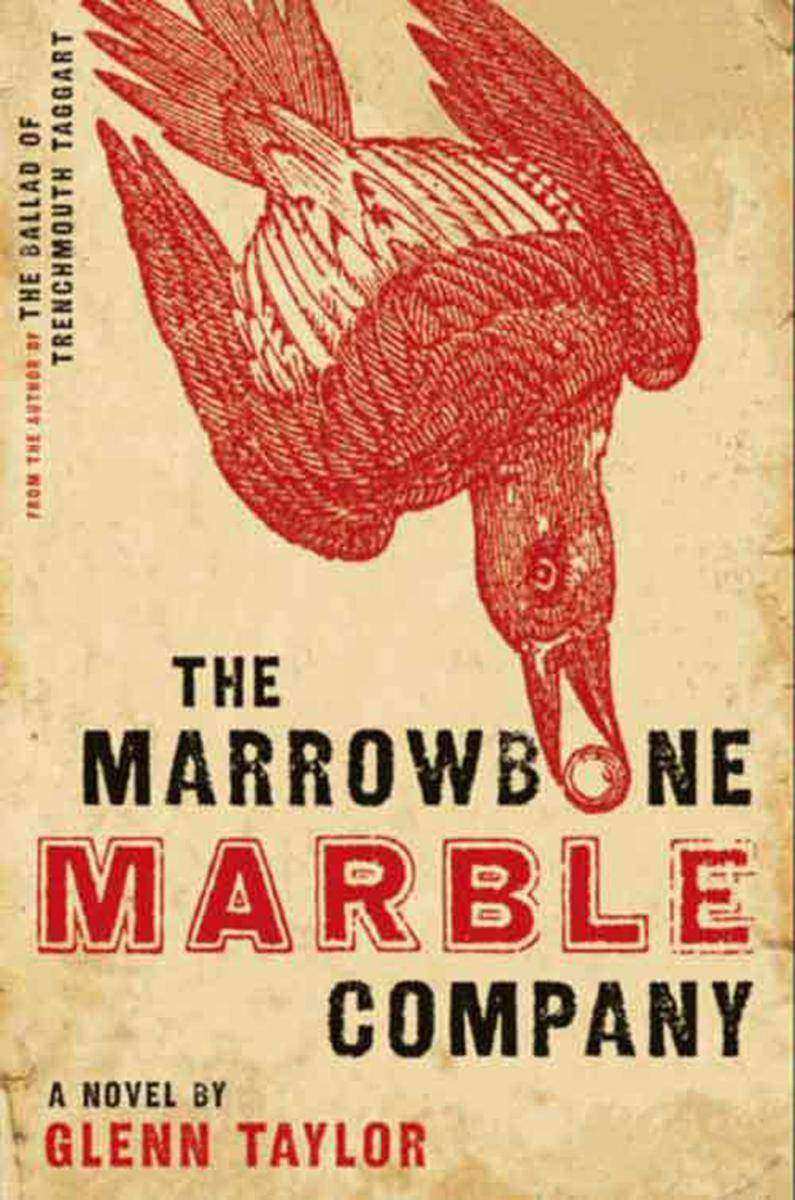
The Marrowbone Marble Company
¥83.92
From the author of The Ballad of Trenchmouth Taggart, a finalist for the 2009 National Book Critics Circle Award, comes this sweeping novel of love and war, power and oppression, faith and deception, over the course of three defining american decades. 1941. Loyal Ledford works the swing shift tending furnace at the Mann Glass factory in Huntington, West Virginia. He courts Rachel, the boss's daughter, a company nurse with spike-straight posture and coal-black hair. But when Pearl Harbor is attacked, Ledford, like so many young men of his time, sets his life on a new course.Upon his return from service in the war, Ledford starts a family with Rachel, but he chafes under the authority at Mann Glass. He is a lost man, disconnected from the present and haunted by his violent past, until he meets his cousins, the Bonecutter brothers. Their land, mysterious, elemental Marrowbone Cut, calls to Ledford, and it is there, with help from an unlikely bunch, that the Marrowbone Marble Company is slowly forged. Over the next two decades, the factory grounds become a vanguard of the civil rights movement and the war on poverty, a home for those intent on change. Such a home inevitably invites trouble, and Ledford must fight for his family. Returning to the West Virginia territory of the critically acclaimed The Ballad of Trenchmouth Taggart, Glenn Taylor recounts the transformative journey of a man and his community. Told in clean and powerful prose in the tradition of Cormac McCarthy and John Irving, The Marrowbone Marble Company takes a harrowing look at the issues of race and class throughout the tumultuous 1950s and '60s. It is a story of struggle and loss, righteousness and redemption, and it can only be found in the hills of Marrowbone.

The Recipe Club
¥88.56
Loyalty, loss, and the ties that bind. These are the ingredients of The Recipe Club, a "novel cookbook" that combines an authentic story of friendship with more than 80 delicious recipes. Lilly and Val are lifelong friends, united as much by their differences as by their similarities. Lilly, dramatic and confident, lives in the shadow of her beautiful, wayward mother and craves the attention of her distant, disapproving father. Val, shy and idealistic—and surprisingly ambitious— struggles with her desire to break free from her demanding housebound mother and a father whose dreams never seem to come true. In childhood, "LillyPad" and "ValPal" form an exclusive two-person club, writing intimate letters in which they share hopes, fears, deepest secrets—and recipes, from Lilly's "Lovelorn Lasagna" to Valerie's "Forgiveness Tapenade." Readers can cook along as the friends travel through time facing the challenges of independence, the joys and heartbreaks of first love, and the emotional complexities of family relationships, identity, mortality, and goals deferred. The Recipe Club sustains Lilly and Val's bond through the decades, regardless of what different paths they take or what misunderstandings threaten to break them apart . . . until the fateful day when an act of kindness becomes an unforgivable betrayal.Now, years later, while trying to recapture the trust they've lost, Lilly and Val reunite once more—only to uncover a shocking secret. Will it destroy their friendship, or bring them ever closer?
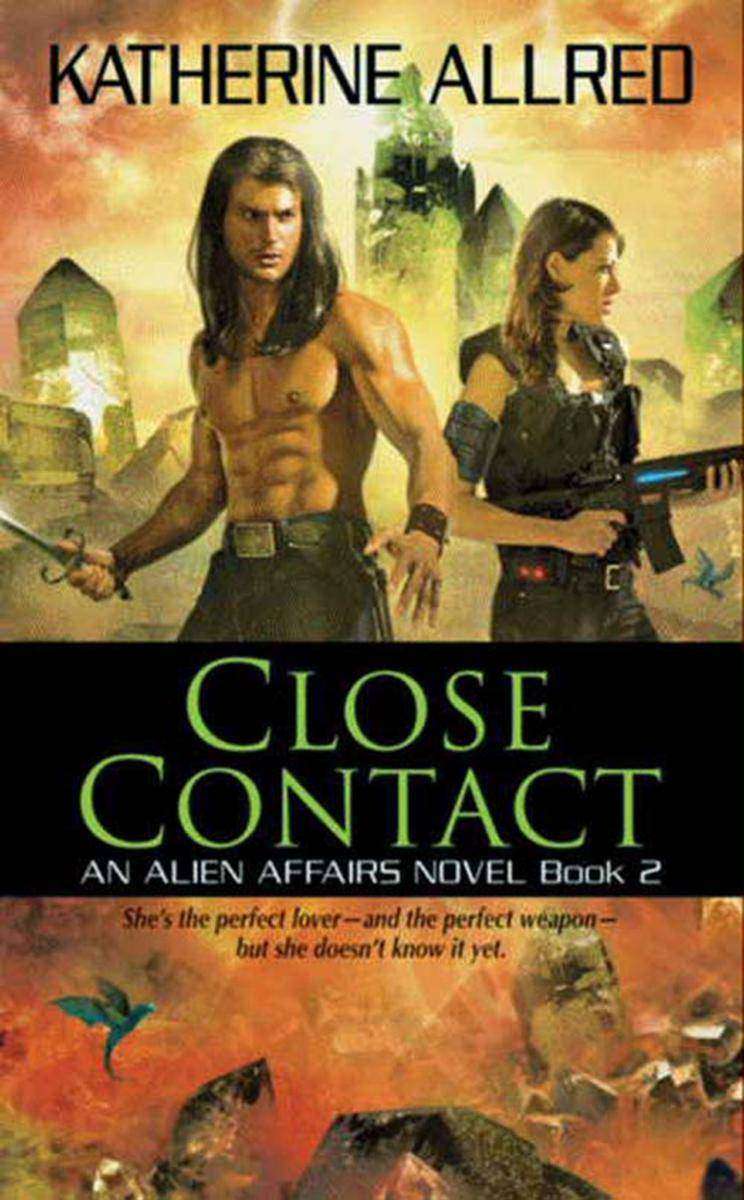
Close Contact
¥55.91
GEPs just want to have fun . . .A Genetically Engineered Person and self-proclaimed "party girl," Echo Adams loves her diplomatic job entertaining alien bigwigs for the Galactic Federation. But the Bureau of Alien Affairs has discovered she's much more than she thinks—that a rogue scientist endowed her with skills and psi abilities dwarfing those of common GEPs. And suddenly Echo's luxury life is over, replaced with a far more dangerous one: a special agent expected to not only chase bad guys but eliminate them.Echo hates being stuck on Madrea—a planet of technophobes off limits to Federation visitors—hunting for a stolen quartz crystal with a powerful alien life form embedded inside. She despises the Bureau's restrictive rules—especially the one warning her away from the dangerously seductive commander of the king's army. And if she doesn't learn how to use her alleged super-psi powers soon, her partying days—in fact all of her days—will be over for good.

Knit in Comfort
¥77.49
In this wonderful new novel of friendship and knitting, a woman discovers that secrets can't be kept forever.Megan Morgan traded the constant mobility of her childhood for a quiet, stable life in Comfort, North Carolina, with a handsome husband, lively children, and a group of longtime friends who've formed a weekly knitting club, Purls Before Wine.Desperate to escape big-city anonymity and pressure from her marriage-minded boyfriend, a stranger, Elizabeth Detlaff, arrives unexpectedly, certain that fate has guided her to the Carolina mountains. She seems to think that in sleepy, unremarkable Comfort she's found paradise.Soon, Elizabeth has eagerly invaded Megan's life, living in the apartment over her garage, befriending her mother-in-law and children, fawning over her husband, and joining the Purls. It's not long before Elizabeth brings to light legends of Megan's Shetland ancestors, leading her to stumble over a painful, long-buried secret. Backed into a corner, Megan is forced to examine her choices and ultimately decide what kind of woman she wants to be.

Brilliant
¥50.47
Everything is going to be fine . . . .Quinn Avery can handle change. It's just paint, rightBright, blinding white paint covering her once dazzling red bedroom walls. Quinn knows she shouldn't be angry at her mom—she's doing what she must to sell the house—but still, Quinn is beyond mad, and she doesn't know what to do about it.Until now, Quinn was doing a pretty good job at pretending to be her old self—calm and brilliant Avery daughter, responsible big sister to Allison and Phoebe, piano virtuoso, girl who makes everyone proud—but without the sanctuary of her room, a new, wild Quinn is emerging. Lying, sneaking out, partying, Quinn is practically asking to get caught. When Quinn adds kissing the wrong boys—including her sister's boyfriend and her own piano teacher—to her list of crimes, has she gone too far to save herself?Brilliant, the final book in Rachel Vail's critically acclaimed sisterhood series, which includes Lucky and Gorgeous, follows Quinn through a summer of change as she discovers that while letting go is never easy, hanging on can be even harder. Witty and poignant, Brilliant is the perfect ending to this addictive trilogy of interconnected sister stories.

The Chief
¥50.47
A fight for his people.Sonny Bear, the Tomahawk Kid, has a championship left hook. But his boxing career's going nowhere, and he's ready to hang it up.Then his manager, tough ex-cop Alfred Brooks, and his "writer," college boy Martin Malcolm Witherspoon, scheme Sonny into a glitzy Las Vegas match. Suddenly he's everybody's darling and headed for Hollywood stardom.But fame isn't all it's cracked up to be, and Sonny needs to make the fight of his life to decide where he really belongs.

The Contender
¥50.33
Before you can be a champion, you have to be a contender.Alfred Brooks is scared. He's a highschool dropout and his grocery store job is leading nowhere. His best friend is sinking further and further into drug addiction. Some street kids are after him for something he didn't even do. So Alfred begins going to Donatelli's Gym, a boxing club in Harlem that has trained champions. There he learns it's the effort, not the win, that makes the man -- that last desperate struggle to get back on your feet when you thought you were down for the count.
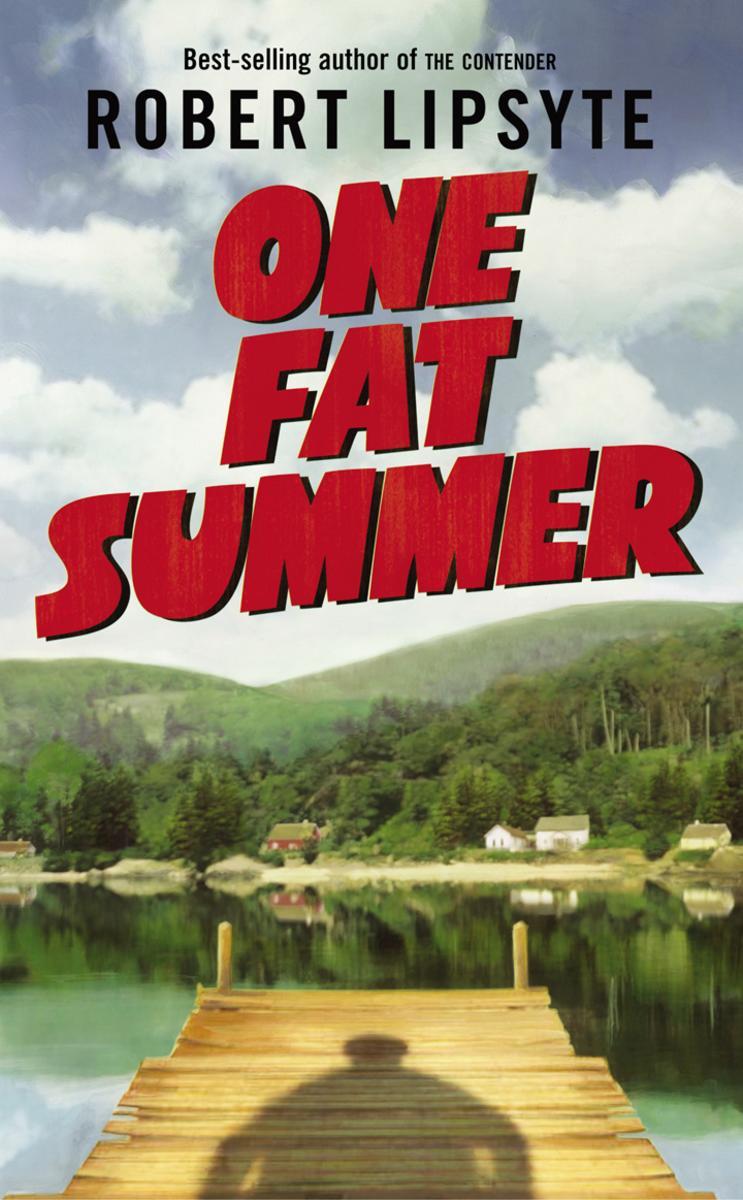
One Fat Summer
¥49.79
For Bobby Marks, summer does not equal fun.While most people are happy to take off their heavy jackets and long pants, Bobby can't even button his jeans or reach over his belly to touch his toes. Spending the summer at Rumson Lake is sheer torture.This particular summer promises to be worse than usual. His parents can't stop fighting. His best friend, Joanie, goes home to New York City and won't tell him why. Dr. Kahn, a rich, stingy estate owner who hires him to manage an enormous lawn, is working him to death. And to top it off, a local bully won't stop torturing him.Bobby is about to find out just how terrifying and exhilarating one fat summer can be.
The Rule of Nine
¥69.16
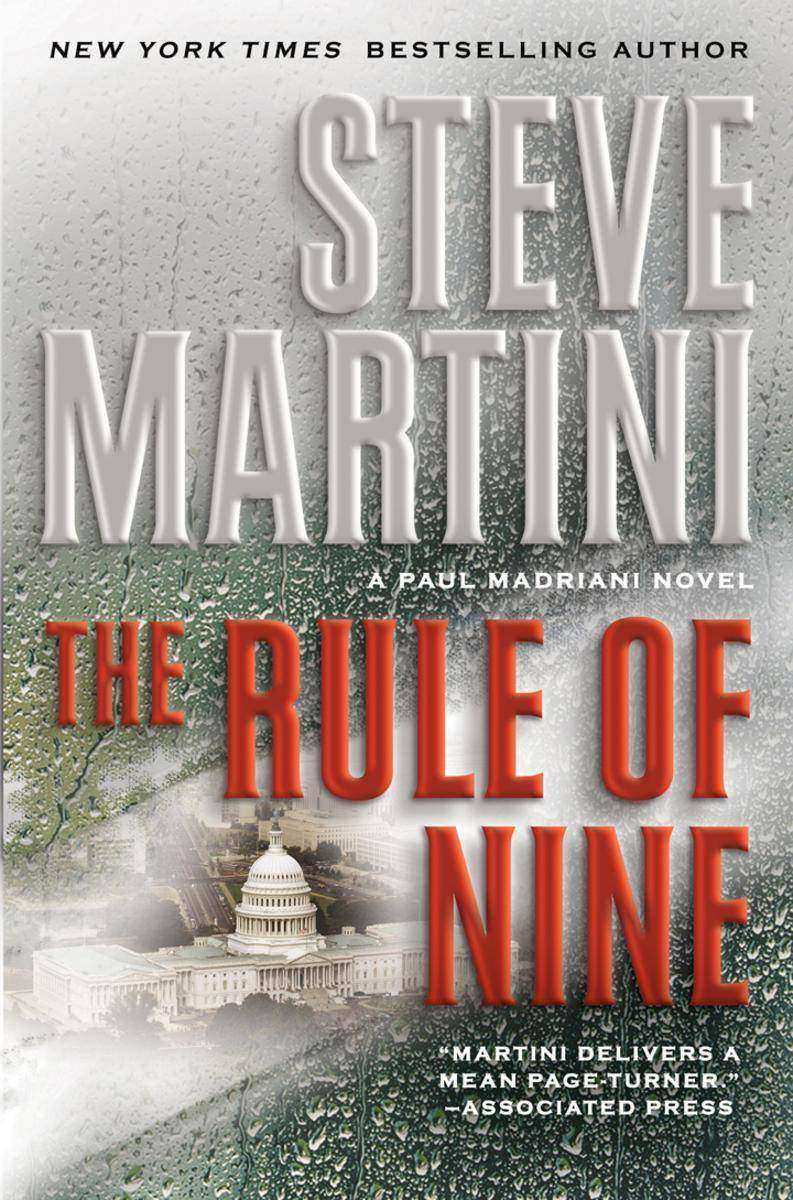
The Old Weatherman dreams of a plan that could be his swan song, an attack to drive a stake through the heart of the right-wing establishment and bury it for good. Now he's found the money, the ideal weapon, and the professional who knows how to use it. And he has set his sights on the perfect target at the very seat of the United States government, in the heart of downtown Washington. It will be a strike heard round the world.San Diego defense attorney Paul Madriani is still reeling from the trauma of a near nuclear explosion he helped avert at the naval base in Coronado. Threatened by federal authorities to keep quiet about the close call in California, Madriani is now faced with a new problem in the steely-eyed and alluring Joselyn Cole, a weapons control expert, who believes he has to go public with what he knows if they have any hope of stopping a similar event in the future. But Madriani has been linked to the murder of a Washington, D.C., political staffer, and authorities believe a shadowy figure called Liquida—a hired assassin known as "the Mexicutioner"—may be responsible. And this man, as the last survivor of the attack in San Diego, might be driven by a bizarre and horrifying star-crossed vendetta, and might now be looking for Madriani himself. What Madriani and Cole begin to fear is that the Old Weatherman and this madman have joined forces and intend to pull the city—and the country—into a vortex of terror before Madriani and Cole can find answers to the enigma that is "the rule of nine."

Your Inner Skinny
¥101.00
It's time to start listening to Your Inner Skinny Losing weight isn't just about shedding pounds. The reality is you're battling obstacles way fatter than fat, stronger than muscle, and heavier than any other part of your body. You're up against roadblocks including low energy, little time, and the roaring, disorienting noise of countless diets telling you a thousand different things.Your inner skinny is the voice that cuts through the noise and ignores the nonsense. It's the voice that says it's not about low-carb, no-carb, low-fat gimmicks. It's the voice that tells you that dieting, while no doubt challenging, is simpler than you think. And with Your Inner Skinny, nutrition and health expert Joy Bauer helps you channel that voice into four productive, detailed steps: releasing your negative eating habits, relearning how to reprogram your appetite, reshaping your body into the one that you want, and revealing your success to the world.It's a diet plan that really works, with dozens of delicious recipes, lots of easy exercises, and a whole new you, waiting to be revealed!Your inner skinny will not be ignored! You are going to look and feel beautiful in a whole new way.This book was published in hardcover as Joy's Life Diet


