


 购物车
购物车 个人中心
个人中心

The Valley of Amazement
¥94.10
New York Times bestselling author of The Joy Luck Club Amy Tan brings us her latest novel: a sweeping, evocative epic of two women's intertwined fates and their search for identity—from the lavish parlors of Shanghai courtesans to the fog- shrouded mountains of a remote Chinese villageShanghai, 1912. Violet Minturn is the privileged daughter of the American madam of the city's most exclusive courtesan house. But when the Ching dynasty is overturned, Violet is separated from her mother in a cruel act of chicanery and forced to become a "virgin courtesan." Half-Chinese and half-American, Violet grapples with her place in the worlds of East and West—until she is able to merge her two halves, empowering her to become a shrewd courtesan who excels in the business of seduction and illusion, though she still struggles to understand who she is.Back in 1897 San Francisco, Violet's mother, Lucia, chooses a disastrous course as a sixteen-year-old, when her infatuation with a Chinese painter compels her to leave her home for Shanghai. Shocked by her lover's adherence to Chinese traditions, she is unable to change him, despite her unending American ingenuity.Fueled by betrayals, both women refuse to submit to fate and societal expectations, persisting in their quests to recover what was taken from them: respect; a secure future; and, most poignantly, love from their parents, lovers, and children. To reclaim their lives, they take separate journeys—to a backwater hamlet in China, the wealthy environs of the Hudson River Valley, and, ultimately, the unknown areas of their hearts, where they discover what remains after their many failings to love and be loved. Spanning more than forty years and two continents, The Valley of Amazement transports readers from the collapse of China's last imperial dynasty to the beginning of the Republic and recaptures the lost world of old Shanghai through the inner workings of courtesan houses and the lives of the foreigners living in the International Settlement, both erased by World War II. A deeply evocative narrative of the profound connections between mothers and daughters, imbued with Tan's characteristic insight and humor, The Valley of Amazement conjures a story of inherited trauma, desire and deception, and the power and obstinacy of love.
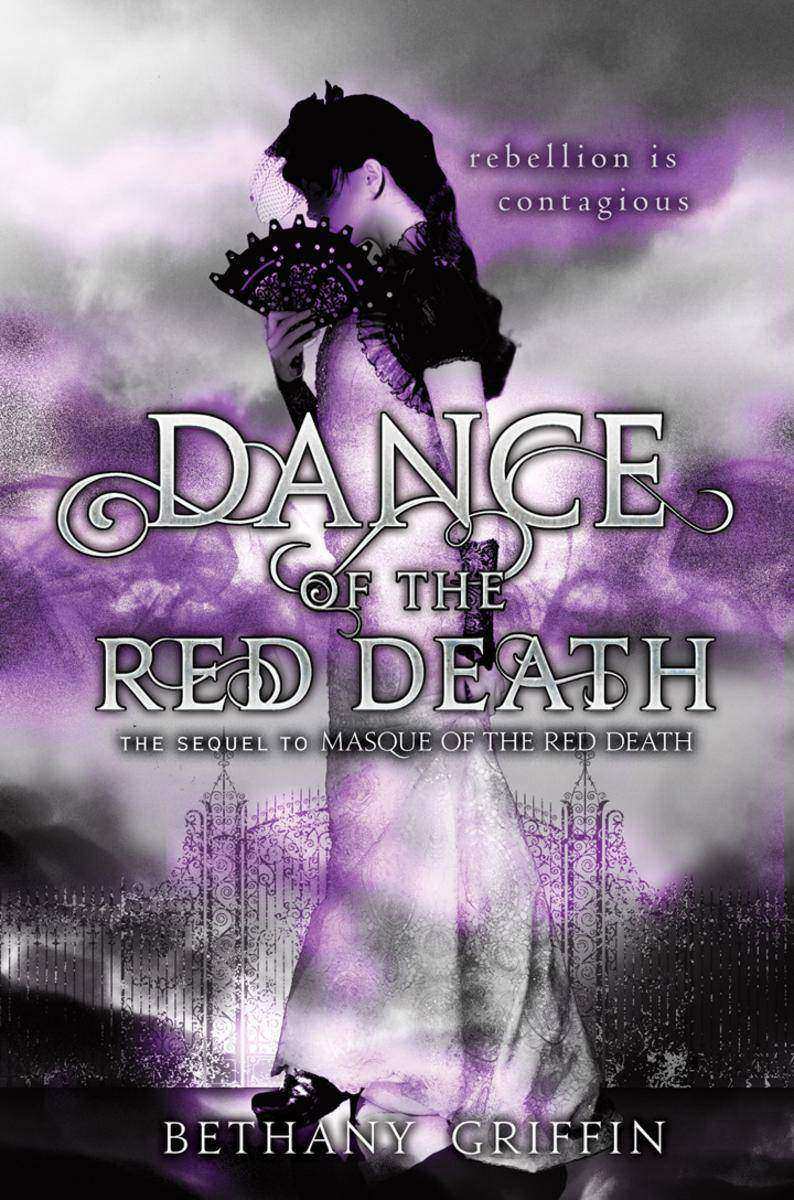
Dance of the Red Death
¥55.33
Bethany Griffin continues the journey of Araby Worth in Dance of the Red Death—the sequel to her teen novel Masque of the Red Death. Lauren DeStefano, author of the New York Times bestselling Chemical Gardens trilogy, called Masque of the Red Death "luscious, sultry, and lingeringly tragic."In Dance of the Red Death, Araby's world is in shambles—betrayal, death, disease, and evil forces surround her. She has no one to trust. But she will fight for herself, for the people she loves, and for her city. Her revenge will take place at the menacing masked ball. It could destroy her and everyone she loves . . . or it could turn her into a hero.With a nod to Edgar Allan Poe, Bethany Griffin concludes her tragic and mysterious Red Death saga about a heroine that young adult readers will never forget.
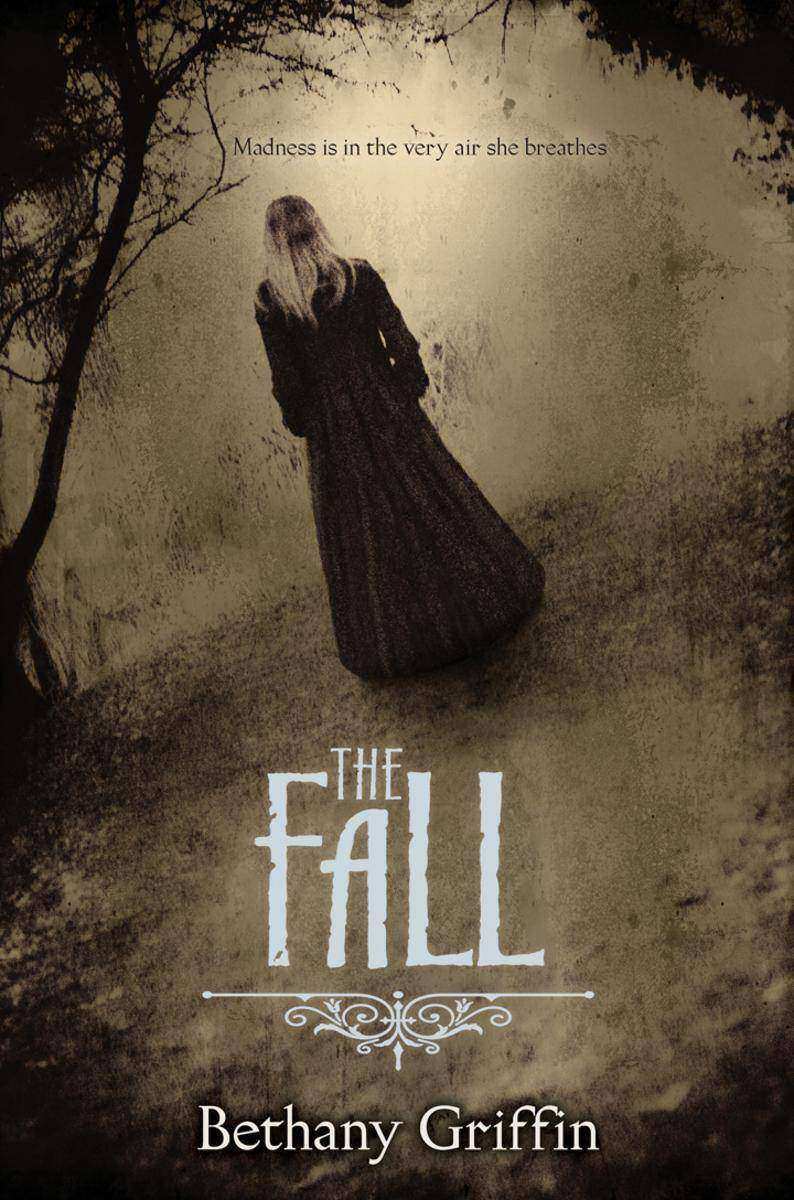
The Fall
¥55.93
Madeline Usher has been buried alive. The doomed heroine comes to the fore in this eerie reimagining of Edgar Allan Poe's classic short story "The Fall of the House of Usher." Gothic, moody, and suspenseful from beginning to end, The Fall is literary horror for fans of Miss Peregrine's Home for Peculiar Children and Asylum.Madeline awakes in a coffin. And she was put there by her own twin brother. But how did it come to thisIn short, non-chronological chapters, Bethany Griffin masterfully spins a haunting and powerful tale of this tragic heroine and the curse on the Usher family. The house itself is alive, and it will never let Madeline escape, driving her to madness just as it has all of her ancestors. But she won't let it have her brother, Roderick. She'll do everything in her power to save him—and try to save herself—even if it means bringing the house down around them.With a sinister, gothic atmosphere and relentless tension to rival Poe himself, Bethany Griffin creates a house of horrors and introduces a whole new point of view on a timeless classic. Kirkus Reviews praised it in a starred review as "A standout take on the classic haunted-house tale replete with surprises around every shadowy corner."
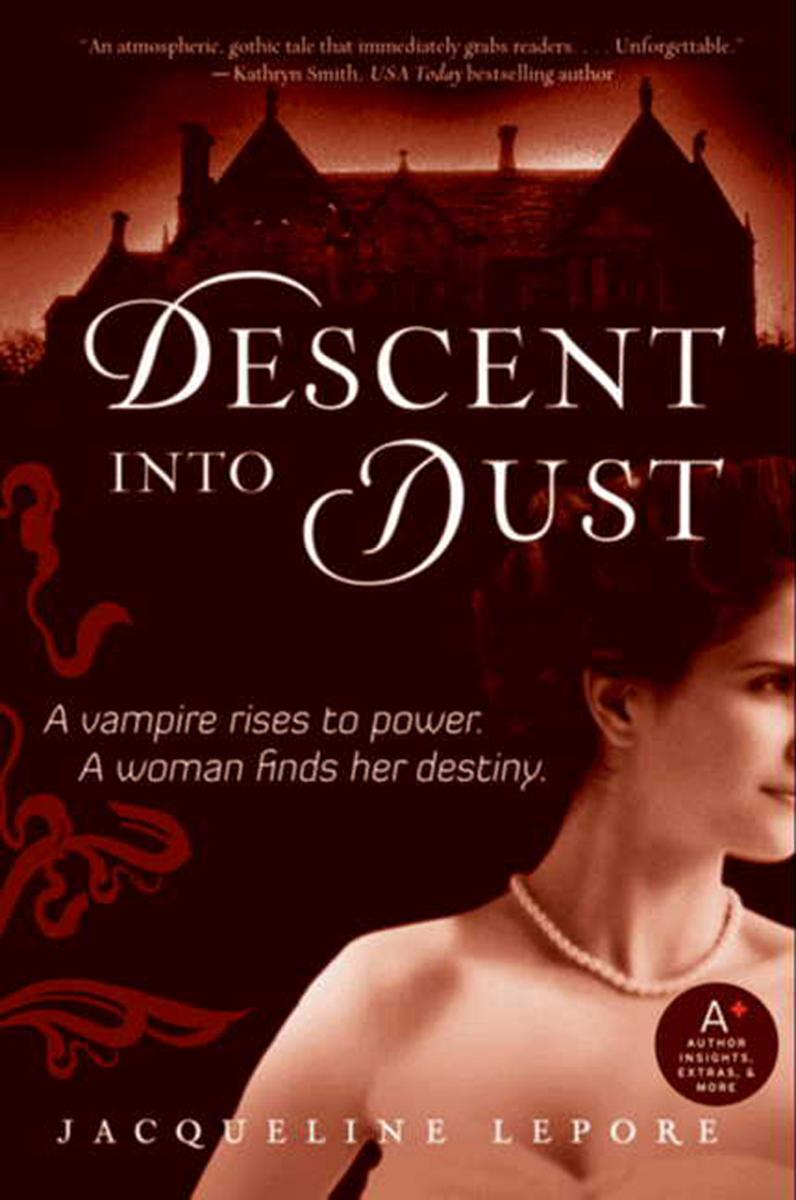
Descent into Dust
¥83.03
The Extraordinary Adventures of Emma Andrews, Victorian Lady and Vampire Hunter"Though it is many decades later, it all comes back to me; back to those early days when the terror was new and I was dangerously untrained. When I was young and did not yet know I had a secret . . ."Twenty-five-year-old widow Emma Andrews grew up in the shadow of her mother's madness, so when she arrives at Dulwich Manor in the midst of a mysterious plague and soon thereafter begins to see specters, her family fears fate has finally caught up with her. But one guest among them knows Emma's visions are more than a trick of the mind. Valerian Fox has hunted the great vampire lord Marius through time and across continents, and he knows Emma has a remarkable destiny. She is Dhampir—a vampire hunter. Surrounded by those who would use her powers for their own ends, Emma does not know who to trust or what she can believe. But when her young cousin is marked for death, she must embrace the terrible inheritance that lies in her very blood to save those she loves.An extraordinary saga of courage, love, duty, and honor, of darkest destiny and ancient evil . . . and of the shadow of the Dracula himself. It begins.
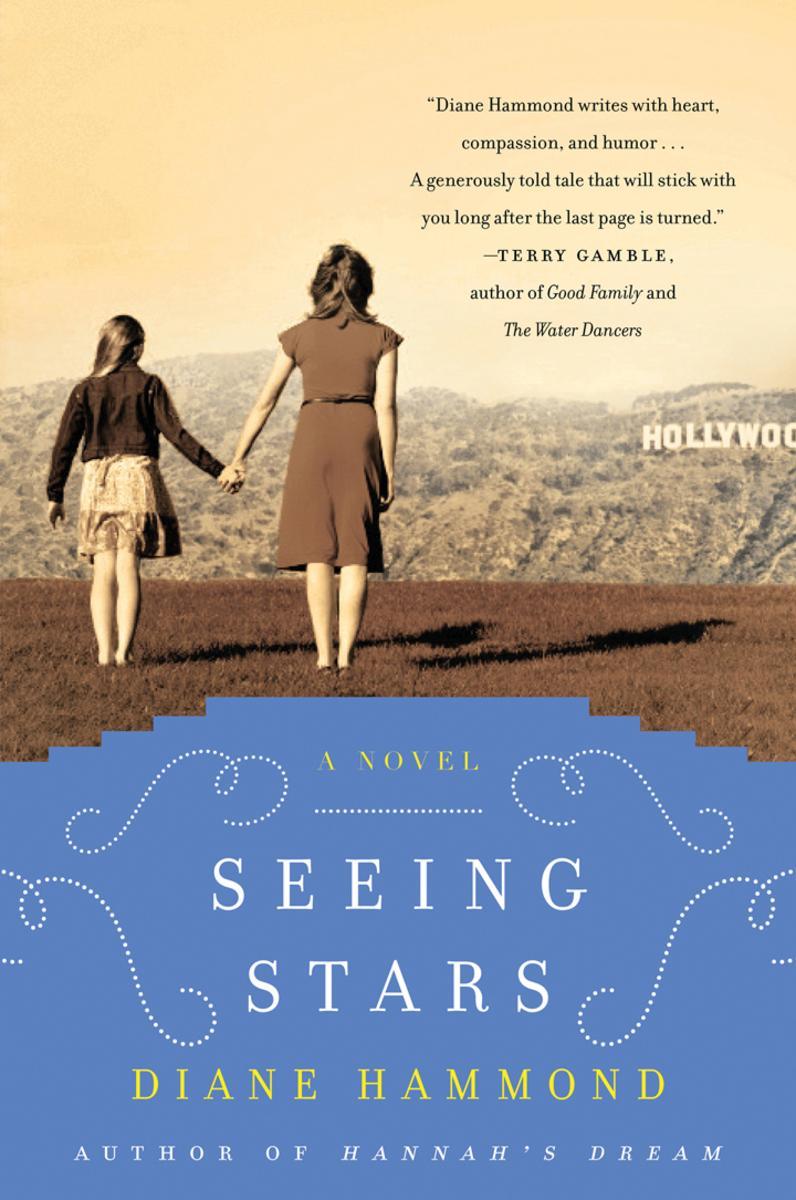
Seeing Stars
¥78.55
Ruth Rabinowitz believes. She believes that her daughter, Bethany, is a terrific little actress, so they have come to Hollywood, where dreams come true. Ruth’s husband and Bethany’s father, who thinks their quest for stardom is delusional, has been left behind in Seattle.Joining Bethany Rabinowitz in Hollywood’s often toxic waters are fellow child actors Quinn Reilly, who has been cast adrift by his family and excels only on Hollywood sets; beautiful Allison Addison, who is misled by her powerful need for love; and Laurel Buehl, who brings a desperate secret to LA that makes the stakes impossibly high. As talent managers, agents, coaches, directors, and teachers nurture—and feed on—their ambitions, stars will be made, hearts will be broken, children will grow up, and dreams will both be realized and die.
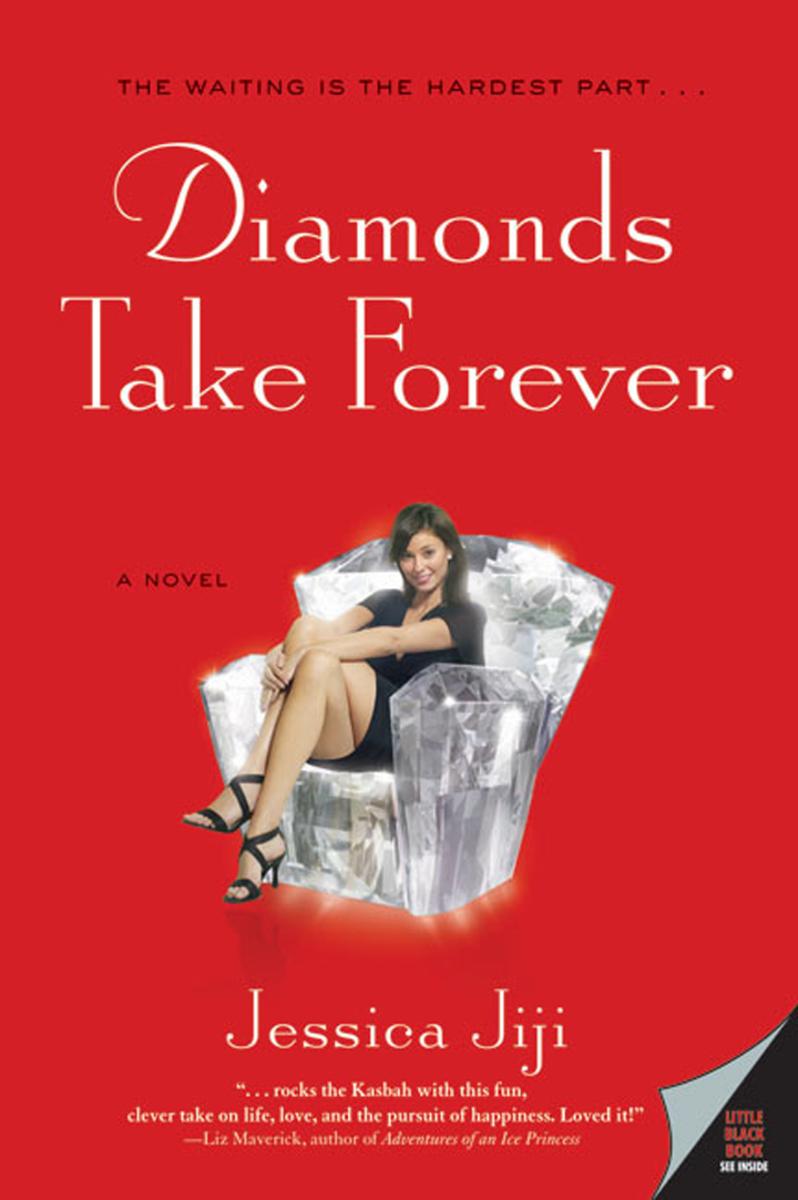
Diamonds Take Forever
¥73.48
Hot for the rock . . .If her old-fashioned family had never left Morocco, Michelle Benamou would have been in big trouble, being almost thirty and nowhere near married. Luckily, in the hardy multicultural stew of New York City, she's been able to follow her other dreams, working her way up from broadcast news producer to on-air reporter. Still, there's something sparkly missing from the ring finger of her left hand. . .Michelle thinks maybe her sexy, ex-Marine boyfriend can provide it -- until Joe abruptly tells her adios. Her old friend Benny from the Bronx is an intriguing possibility -- but he's out in L.A. . . . and not quite divorced.It's tough for a sexy, very modern urban woman to follow the traditional calls of the marriage muezzins to matrimony -- especially when the rest of her life starts racing rapidly downhill. Suddenly in desperate need of an affordable new Manhattan apartment (an oxymoron), and quite possibly a new career (a catastrophe), Michelle's got other worries besides finding passionate love sealed with an "I do."But a diamond is just coal, after all, until it's forged by fire and time. And sometimes something precious, strong, dazzling, and enduring can turn up when you least expect it . . .
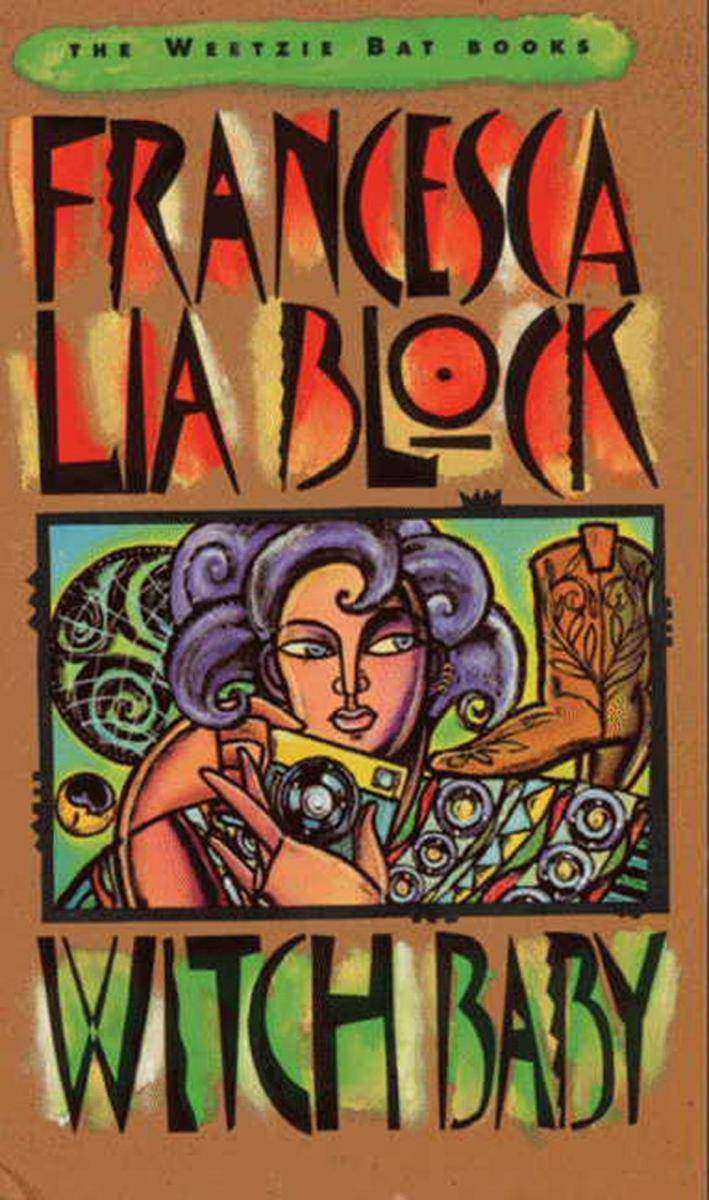
Witch Baby
¥21.73
Once upon a time in the city of Shangri-L.A., someone left a baby on a doorstep. She had wild, dark hair and purple eyes and looked at the world in a special way.The family that took her in called her Witch Baby and raised her as their own. But even though she tried to fit in, Witch Baby never felt as though she truly belonged.So one day she packed her bat-shaped backpack, put her black cowboy-boot roller skates, and went out into the real world to find out who she really was....
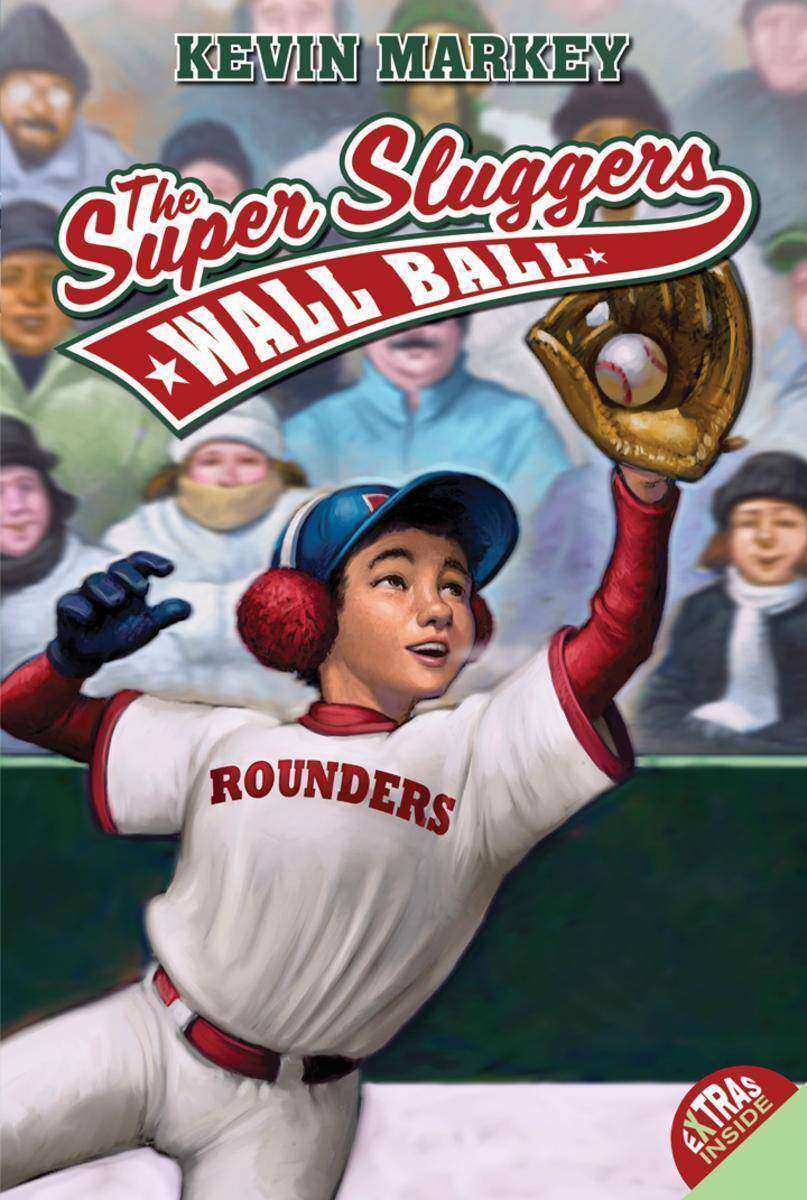
The Super Sluggers: Wall Ball
¥33.63
Springtime in Rambletown means one thing—another season of Rounders baseball! Old Man Winter has delivered more snow than the post office has delivered mail! The only way the Rounders are getting to first base is with a snow shovel. As the team tries to "warm up" for the upcoming season, they welcome a new center fielder: Orlando Ramirez. He's fast as a cheetah and catches everything. Only one problem: those great catches end with him smashing into the outfield wall like a crash-test dummy. With the season opener against the hated Haymakers approaching, Orlando and the Rounders will need a miracle—or a really big shovel—to put the brakes on Orlando's collision course with the wall and this never-ending cold spell.

The Last Blue Mile
¥140.08
18-year-old Brook Searcy has just begun her first year at the Air Force Academy. Abandoned by her mother and raised by a loving yet distant father, Brook has surprised her traditional East Coast family by deciding to enter a completely foreign world -- the military. At the Academy she encounters both friends and terrifying foes, and experiences both first love and terrible loss as her relationships with her fellow cadets grow. Commandant John Waller, a former fighter pilot, has made the Air Force his life for nearly twenty years. His career couldn-t be in better shape, but he finds himself drifting away from his wife and daughters. And when a new (and female) Superintendent who-s never flown a plane becomes Waller-s new boss, he worries that the institution that he-s shaped his life around might be slipping away as well.Over the course of two years, terrible scandals and heartbreaking tragedy touch both Brook and Waller-s lives -- forcing them to make wrenching decisions that will shape both their careers and their lives.
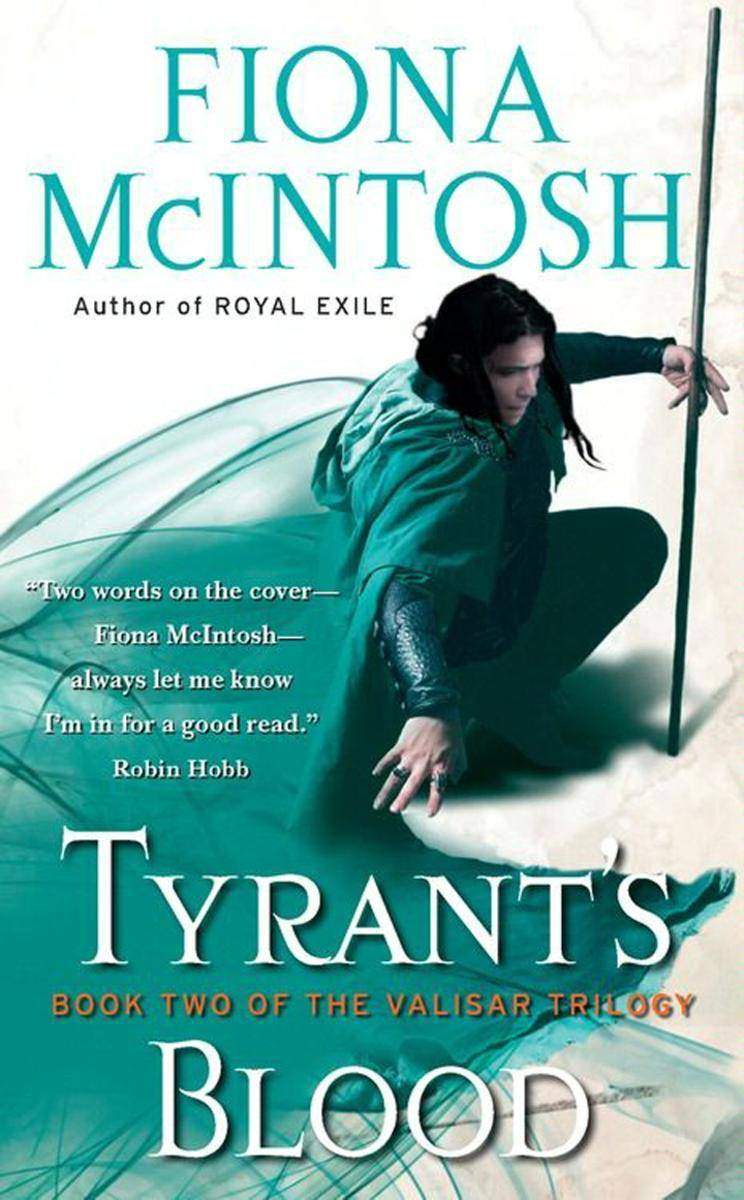
Tyrant's Blood
¥55.31
The second book in the breathtaking epic fantasy of heritage, vengeance, and destinyA decade has passed since the barbarian Loethar brutally conquered the last remaining, most powerful realm in the Denova Set—though the coveted Valisar Enchantment, the irresistible ability to coerce and control, eludes him still. Ten years since the warlord butchered the Set's royals and feasted on their blood.But he did not kill them all.Having secretly escaped Loethar's wrath, the young Valisar prince Leonel has grown to manhood under the protection of the notorious highwayman Kilt Faris. Now the boy king wants more than his rightful throne of Penraven—he wants revenge. But not all of enslaved Penraven wishes for Leonel's rule; indeed, Loethar has spent the past ten years uniting the Set's realms into a peaceful, prosperous empire. And unbeknownst to all, the true inheritor of the Valisar Enchantment is awakening—and a dark threat, far more sinister than even the invasion of the barbarian horde a decade earlier, is poised to threaten the Crown and reveal the most shocking Valisar secret of all.
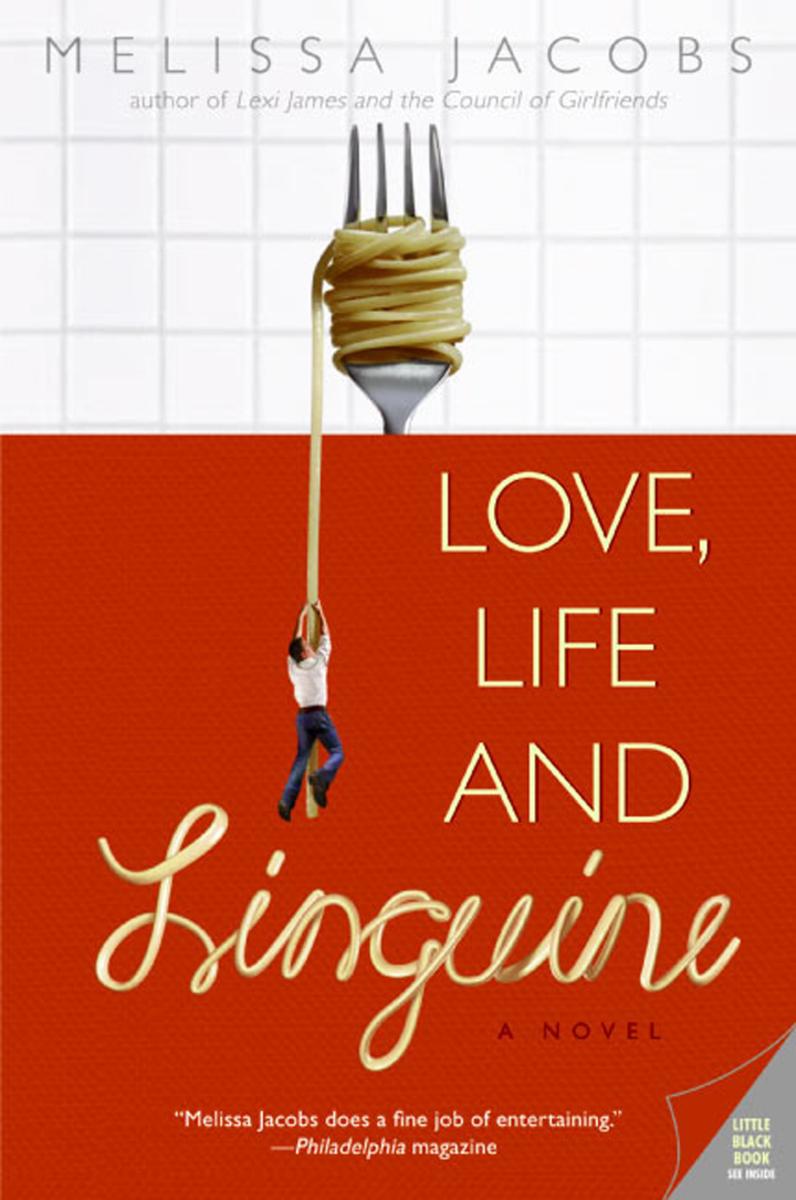
Love, Life and Linguine
¥78.55
A unique voice, Melissa Jacobs delivers a second fun–filled, food–filled novel. Mimi's life is an open book, or rather, an open menu. A restaurant consultant, she's helped launch some of the best restaurants in Philly and around the world. And she even managed to turn her boyfriend Nick into the nation's hottest celebrity chef. But when she comes home and discovers that Nick's got a secret tongue–pierced girl on the side, Mimi realizes she doesn't have the secret to success after all. Needing a change of pace, Mimi heads home to New Jersey. The family restaurant is failing and her brother, unknown to anyone, has made plans to sell. The ultimate Restaurant Diva, Mimi sets out to save the family business––a decision thatt leads her to two potentially perfect new men. All her life Mimi has believed that everyone has one true Soul Mate, but now she's thinking that idea should be tossed out with last night's leftovers. Maybe it's time to select her men the way she selects pastries and produce and sample all there is to offer.
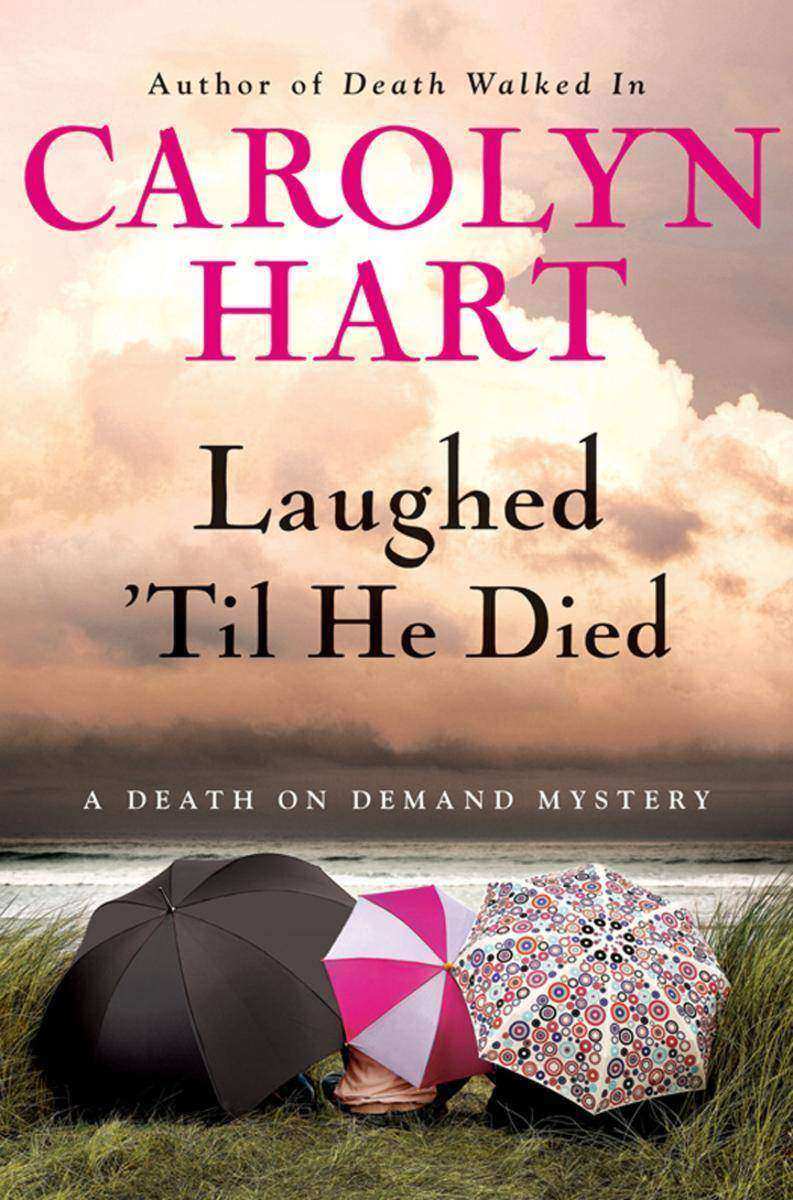
Laughed 'Til He Died
¥55.31
Intrigue and foul play are no strangers to the idyllic South Carolina sea island of Broward's Rock. Mystery bookstore owner Annie Darling and her husband, Max, who specialize in solving problems, plunge into a startling web of danger and deceit when a trio of deaths is linked to the island's youth recreation center.With the evidence mounting against her, the center's director seeks out Max to clear her name. When it comes to intrigue, where Max goes, Annie isn't far behind. To save an innocent woman, the pair scrambles to unravel three complex interlinked puzzles: the mystery of three guns, the pulled-out pant pockets of one victim, and the disappearance of a teenager whose stepfather always had the last laugh—until he died.
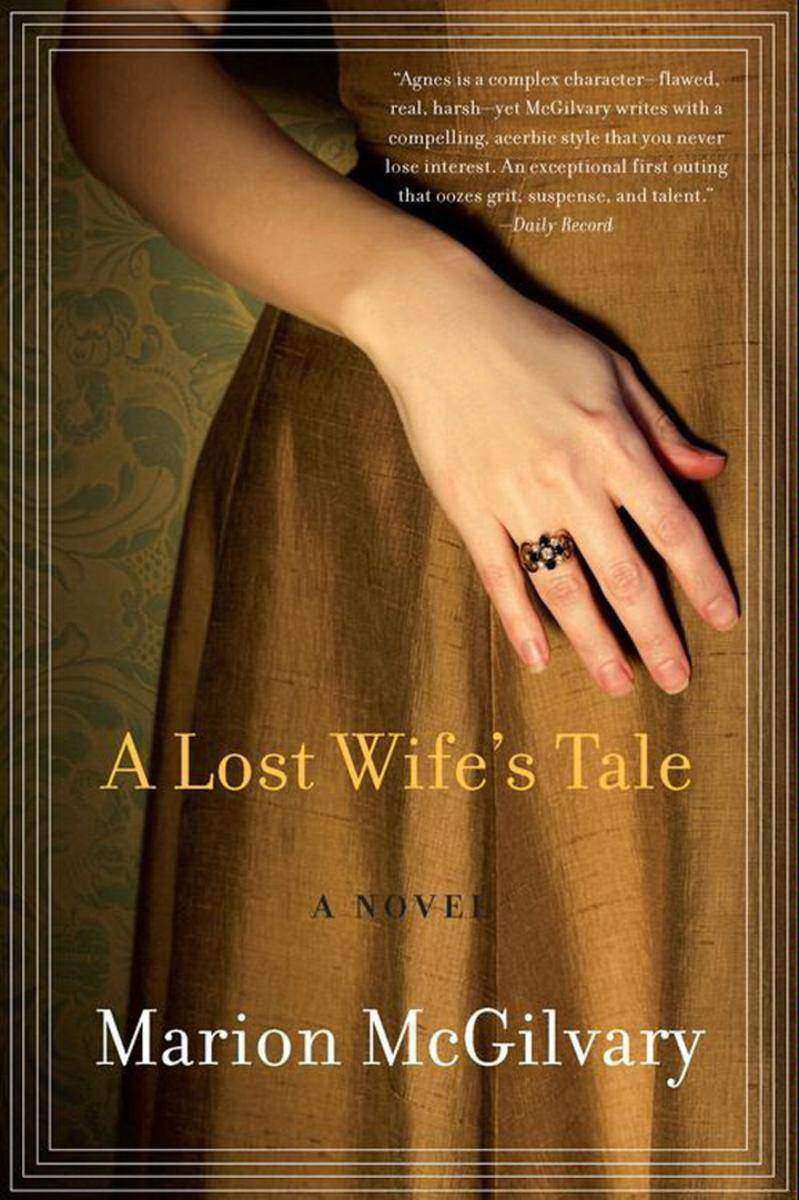
A Lost Wife's Tale
¥90.77
Once Edith Lutz had a life, a husband, and a home. Why did she run?Edith doesn't want to be found, so she's taken on a new look, a new name, and an anonymous new life in New York City. Hoping to escape her past and start over, she's now working as a live-in housekeeper for wealthy, recently divorced publisher Adam. Edith is a breath of fresh air in her lonely employer's empty home, and she soon becomes more than just the woman who cleans the kitchen. But Adam knows nothing of the real woman he's falling in love with—or just how shaky the foundations of their blossoming relationship truly are. And Edith can never be sure that her dark history won't catch up to her. In fact, it's closer than she thinks.
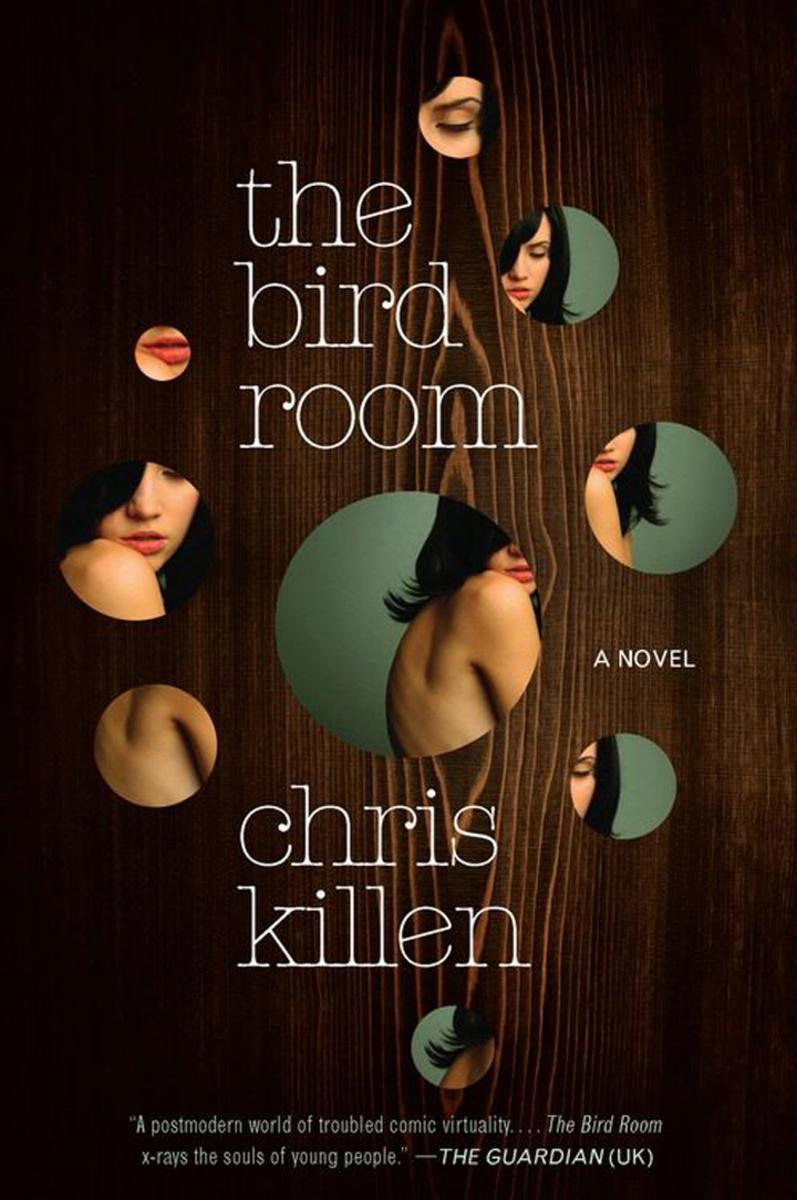
The Bird Room
¥78.55
Painfully average and introverted Will finally has a bird. Her name is Alice. She's smart, sexy, and much to Will's surprise, she is in love with him. But the course of love never did run smooth, and soon devotion—and its uglier manifestations—lead Will to a dark place within himself.Elsewhere in the city, Helen is an actress—or she will be some day. For now, she finds work as a "model"—or whatever her online acquaintances need her to be. Her real name is Clair, but she desperately wants to be someone new, someone glamorous and real—someone worth something.A love story with a twist, this exuberant and funny debut novel brings Will and Helen's lives together in a tale as tight as a rope and as black as tar. Sharp, playful, and brimming over with wicked comedy, The Bird Room heralds the arrival of a major new literary talent.
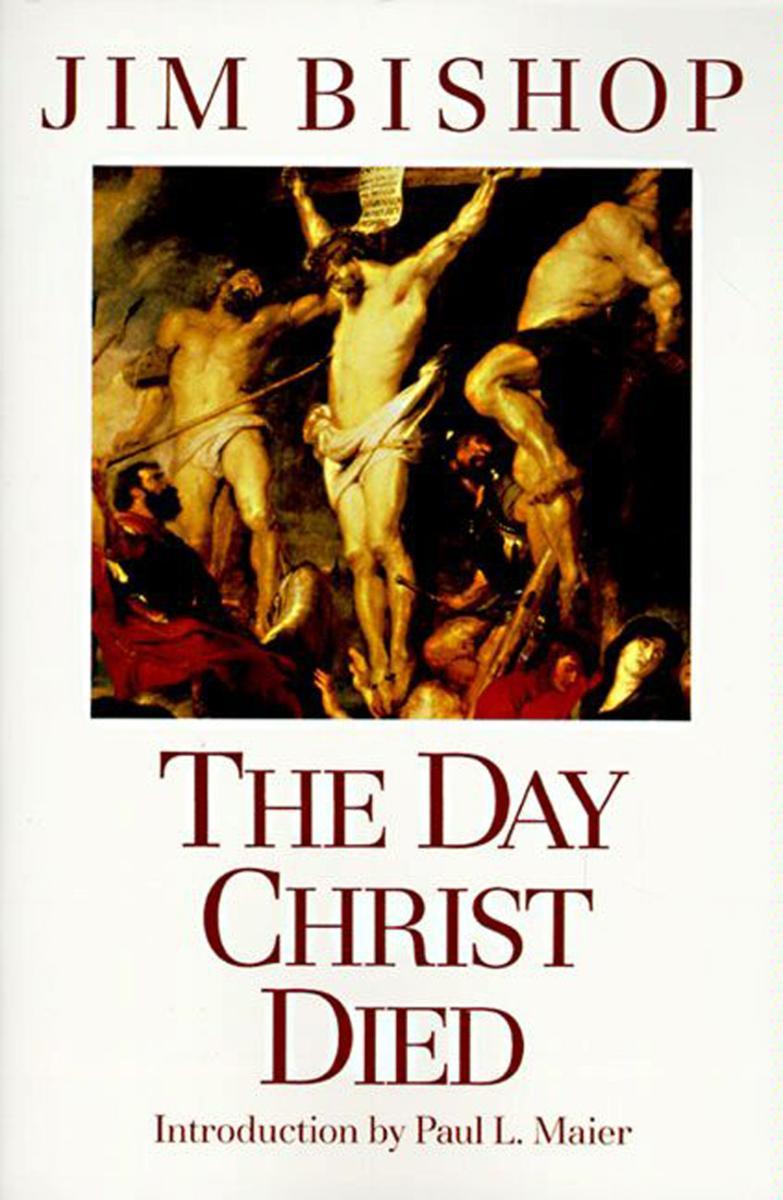
The Day Christ Died
¥77.49
"This is a book about the most dramatic day in the history of the world, the day on which Jesus of Nazareth died. It opens at 6 P.M.—the beginning of the Hebrew day—with Jesus and ten of the apostles coming through the pass between the Mount of Olives and the Mount of Offense en route to Jerusalem and the Last Supper. It closes at 4 P.M. the following afternoon, when Jesus was taken down from the cross. . . . The fundamental research was done a long time ago by four fine journalists: Matthew, Mark, Luke, and John. The rest has been added in bits and pieces from many men whose names span the centuries."—from the Foreword
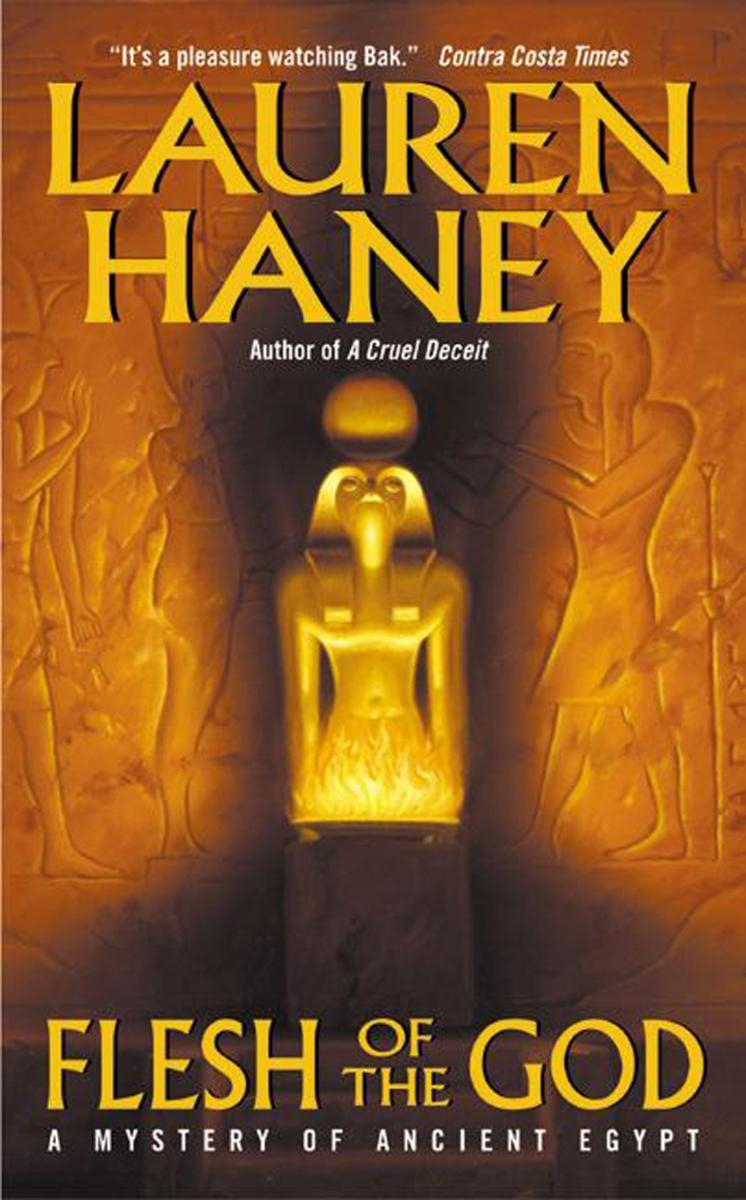
Flesh of the God
¥48.91
A young, untested policeman confronts deceit, treachery, and deadly peril in an ancient and magnificent world. Author Lauren Haney dazzles with a spellbinding "prequel" -- the first investigation of the brilliant Egyptian, Lieutenant Bak.A proud officer in the service of Queen Hatshepsut, it was Lieutenant Bak's great misfortune to lead his charioteers in a raid of a house of pleasure frequented by Egyptians of very high station. Reassigned for his transgressions, Bak is exiled to Buhen -- a fortified city in the most desolate part of the Nile valley. Barely has he set foot in this nest of vipers when he discovers Nakht, Buhen's capable commandant, slain with a dagger in his breast -- and Nakht's very beautiful, young wife covered with fresh blood. Bak's carefully honed instinct makes him hesitate to condemn the frightened widow. Perhaps the man's death was divine retribution for recent offenses directed toward the gods. Finding the truth in this terrible place will be as difficult as finding water in the heartless desert that surrounds it -- while more death may be far too easy to come by.
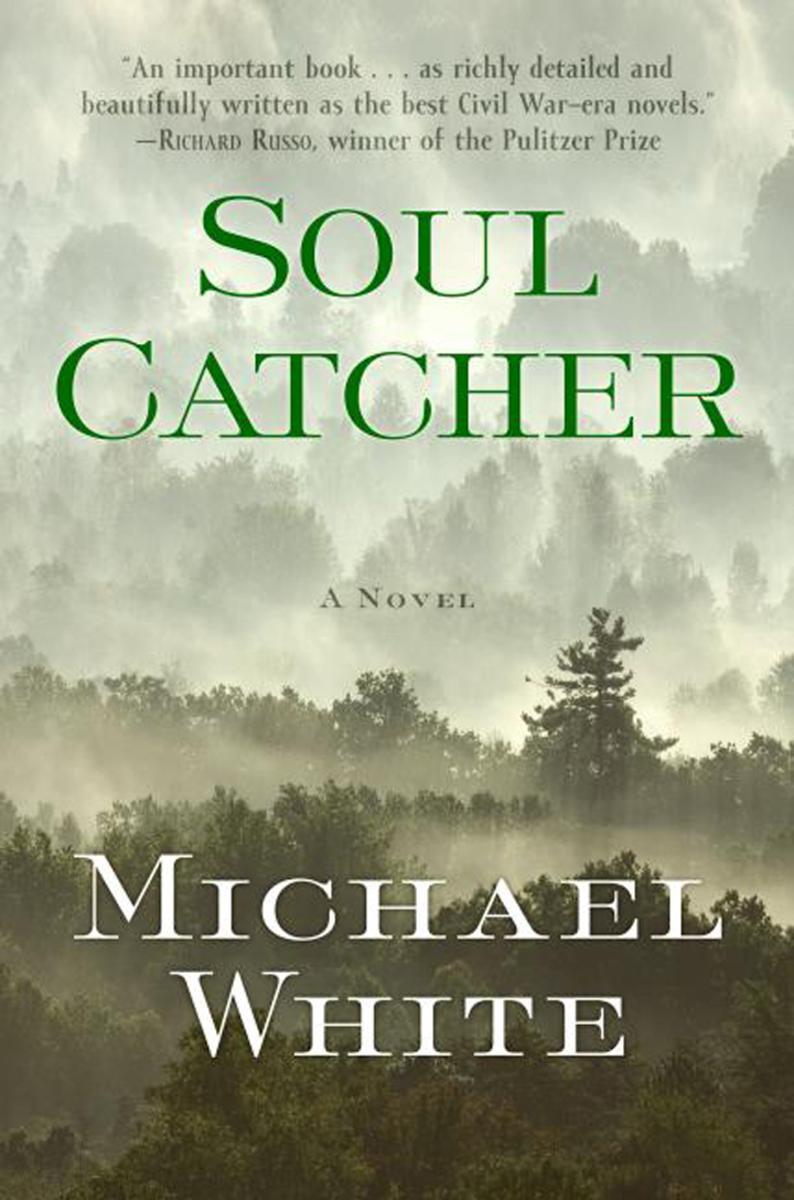
Soul Catcher
¥82.80
Augustus Cain faces a past he wants to forget, a present without prospect or fortune, and an uncertain future marred by the loss of his most prized possession: the horse that has been his working companion for years. He is also a man haunted by a terrible skill—the ability to track people who don't want to be found. Rosetta is a runaway slave fueled by the passion and determination only a mother can feel. She bears the scars—inside and out—of a life lived in servitude to a cruel and unforgiving master. Her flight is her one shot at freedom, and she would rather die than return to the living hell that she has left behind.In the perilous years before the Civil War, the fates of these two remarkable people will intertwine in an extraordinary adventure—a journey of hardship and redemption that will take them from Virginia to Boston and back—and one that will become an extraordinary test of character and will, mercy and compassion. It is an odyssey that will change them both forever.Soul Catcher is a dazzling tapestry of imagination and character, atmosphere and emotion. Poignant and utterly compelling, it is a story to be savored and remembered.
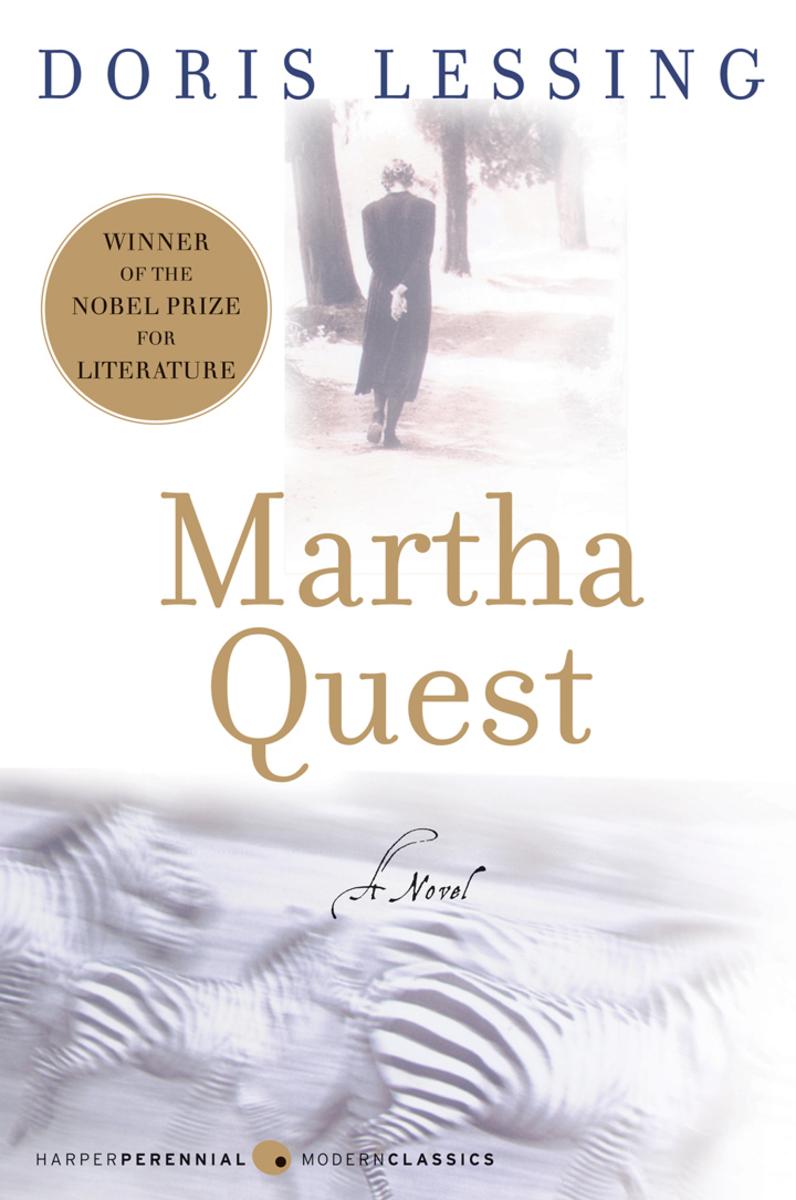
Martha Quest
¥83.92
Intelligent, sensitive, and fiercely passionate, Martha Quest is a young woman living on a farm in Africa, feeling her way through the torments of adolescence and early womanhood. She is a romantic idealistic in revolt against the puritan snobbery of her parents, trying to live to the full with every nerve, emotion, and instinct laid bare to experience. For her, this is a time of solitary reading daydreams, dancing -- and the first disturbing encounters with sex. The first of Doris Lessing's timeless Children of Violence novels, Martha Quest is an endearing masterpiece.
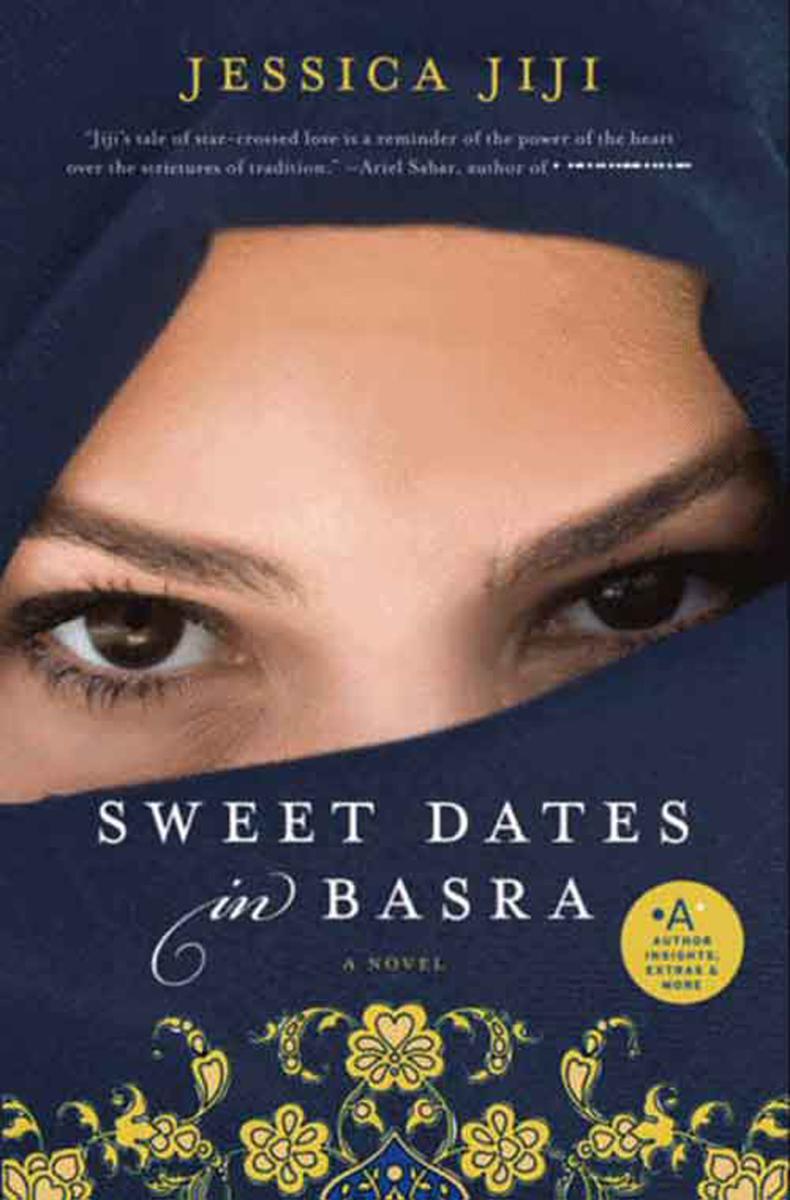
Sweet Dates in Basra
¥84.16
Just when her family should be arranging her marriage, Kathmiya Mahmoud, a young Marsh Arab maiden, is sent from her home in Iraq's idyllic countryside to the unfamiliar city of Basra, where she must survive on her paltry earnings as a servant. Her only asset—her exquisite beauty—brings more peril than peace. Worse, her mother appears to be keeping a secret about her own mysterious past, one that could threaten Kathmiya's destiny forever.In this lost Iraq of the 1940s, a time of rich traditions and converging worlds, Kathmiya meets Shafiq, a Jewish boy whose brotherhood with his Muslim neighbor Omar proves that religion is no barrier to friendship. But in a world where loss of honor is punishable by death, the closeness that grows between Kathmiya and Shafiq becomes dangerous as a doomed love takes root. When British warplanes begin bombing Iraq and the country's long-simmering tensions explode, the power of an unbreakable boyhood bond and a transcendent love must overcome the deepening fractures of a collapsing society. Set during the tumultuous years surrounding the Second World War, Sweet Dates in Basra is the redemptive story of two very different cultures, and a powerful reminder that no walls can confine the human spirit.
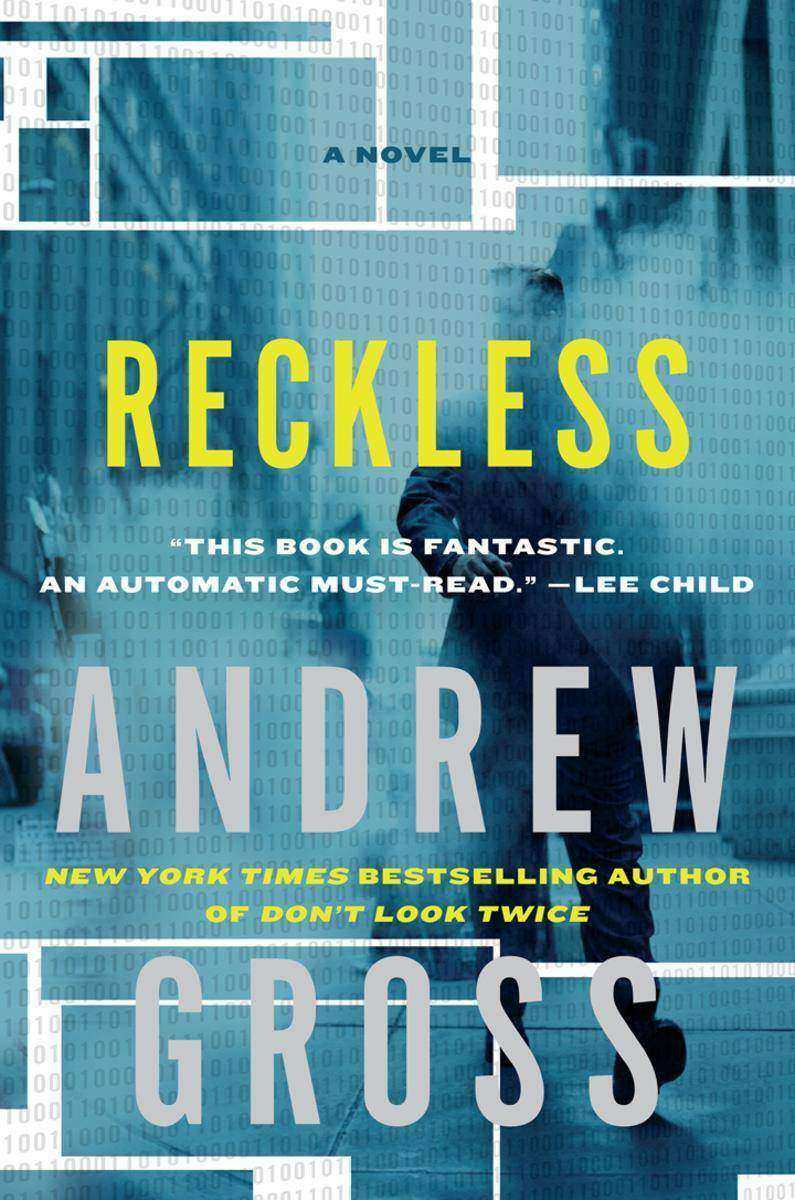
Reckless
¥69.16
Ty Hauck is shattered by the news. A close friend from his past, along with her husband and daughter, has been brutally murdered in her home by vicious intruders. Now he will risk everything he loves to avenge her death. . . .A wealthy banker, seeing his world about to crumble around him, knows his family is in unfathomable danger. . . . A U.S. government agent watches the sudden bank transfers of millions in cash and suspects that this is the first step in a plot to unleash a wave of global panic. . . . Ty Hauck hunts the murderer of a friend—and steps into the crosshairs of a sinister conspiracy—in this most electrifying novel yet from New York Times bestselling thriller master Andrew GrossPrivate security investigator Ty Hauck, with Naomi Blum, a tenacious agent from the U.S. Department of Treasury, unravels the evidence that joins these seemingly unrelated events—revealing a reckless scheme that stretches from New York to London to central Europe and gives new meaning to the phrase "too big to fail." What began with a tragedy that opened a door to Hauck's past—a door that he thought was long closed—ends with a frantic race to avert a disaster that could shake the very security of our country—and even the world.
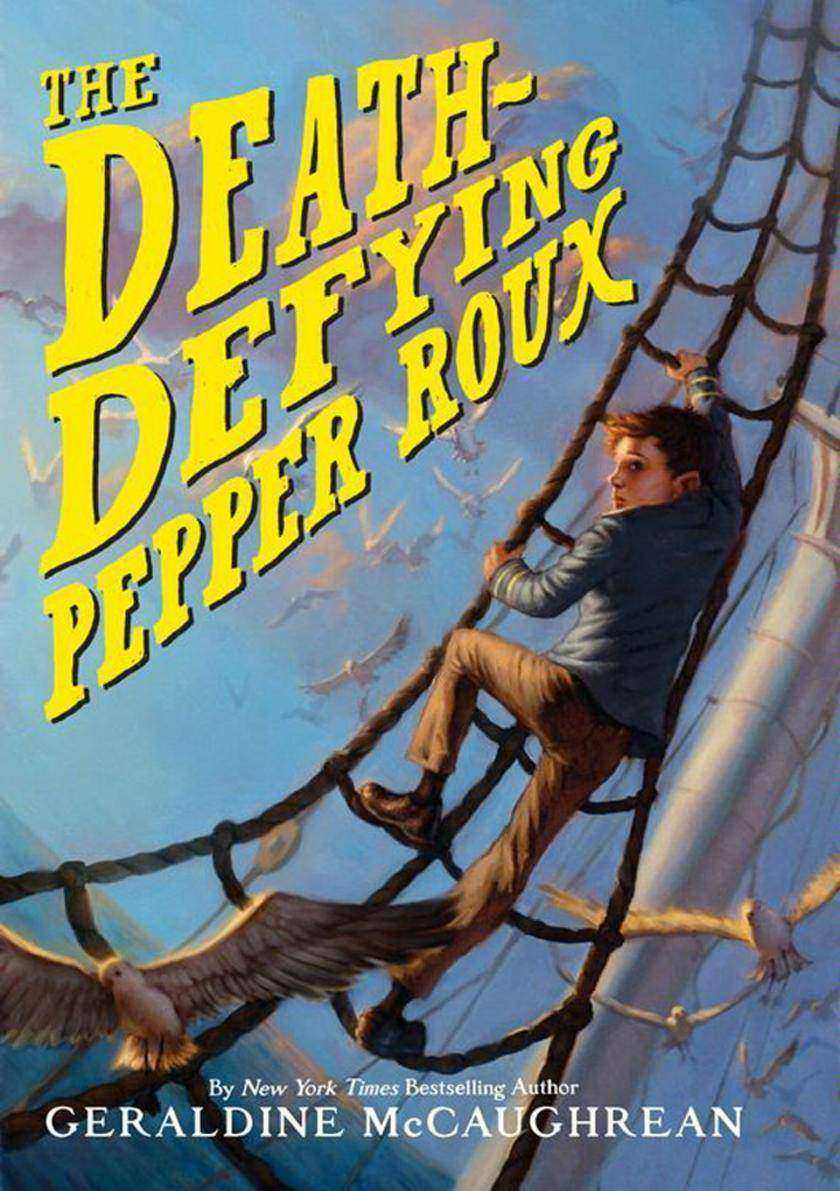
The Death-Defying Pepper Roux
¥95.11
Pepper's fourteenth birthday is a momentous one.It's the day he's supposed to die.Everyone seems resigned to it—even Pepper, although he would much prefer to live. But can you sidestep FateJump sideways into a different lifeNa?ve and trusting, Pepper sets a course through dangerous waters, inviting disaster and mayhem at every turn, one eye on the sky for fear of angels, one on the magnificent possibilities of being alive.New York Times bestselling and Printz Award-winning author GeraldineMcCaughrean has created a gripping tale filled with dark humor and daringescapades, where the key to a boy's lifelies in facing his own death.Join him on the run—if you can keep up.


