


 购物车
购物车 个人中心
个人中心
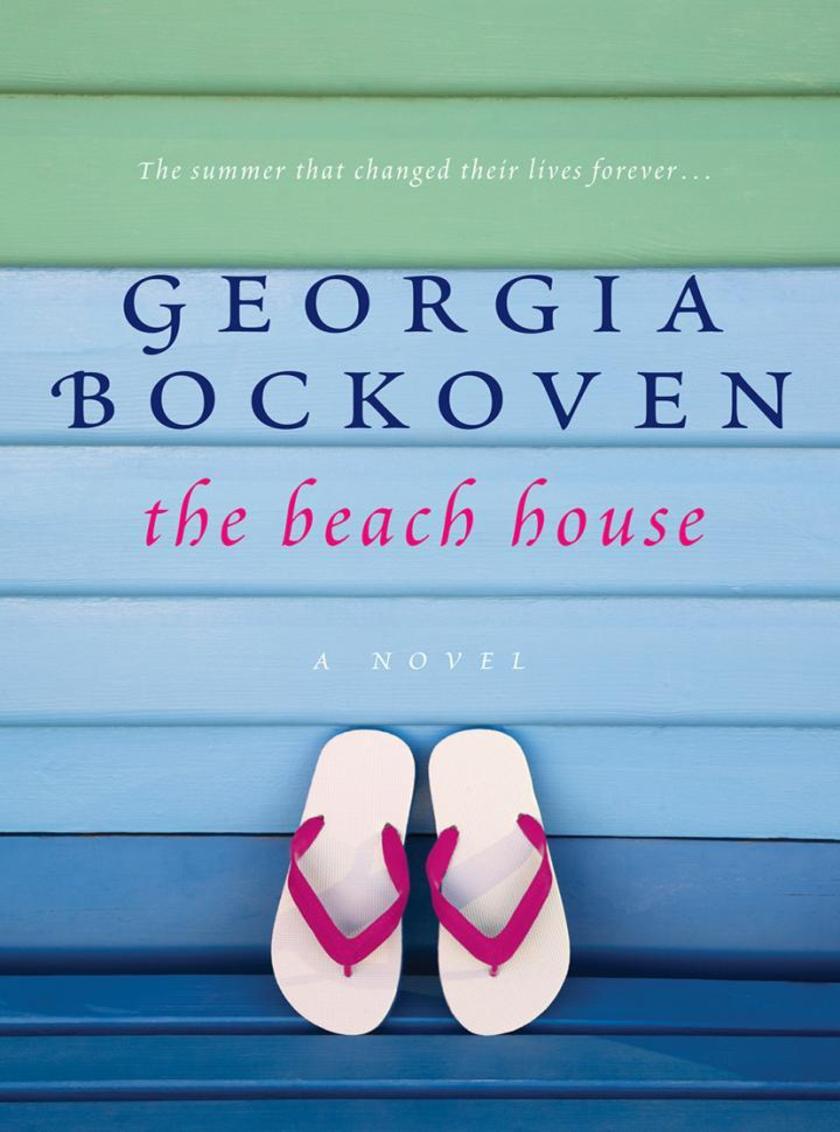
The Beach House
¥78.55
The beach house is a peaceful haven, a place to escape everyday problems. Here, three families find their feelings intensified and their lives transformed each summer.When thirty-year-old Julia, mourning the death of her husband, decides to sell the Santa Cruz beach house they owned together, she sets in motion a final summer that will change the lives of all the families who rent it year after year. Teenaged Chris discovers the bittersweet joy of first love. Maggie and Joe, married sixty-five years, courageously face a separation that even their devotion cannot prevent. The married woman Peter yearns for suddenly comes within his reach. And Julia ultimately finds the strength to rebuild her life—something she once thought impossible.With equal measures of heartbreak and happiness, bestselling author Georgia Bockoven's unforgettable novel tells of the beauty of life and the power of love, and speaks to every woman who has ever clung to a child or loved a man.
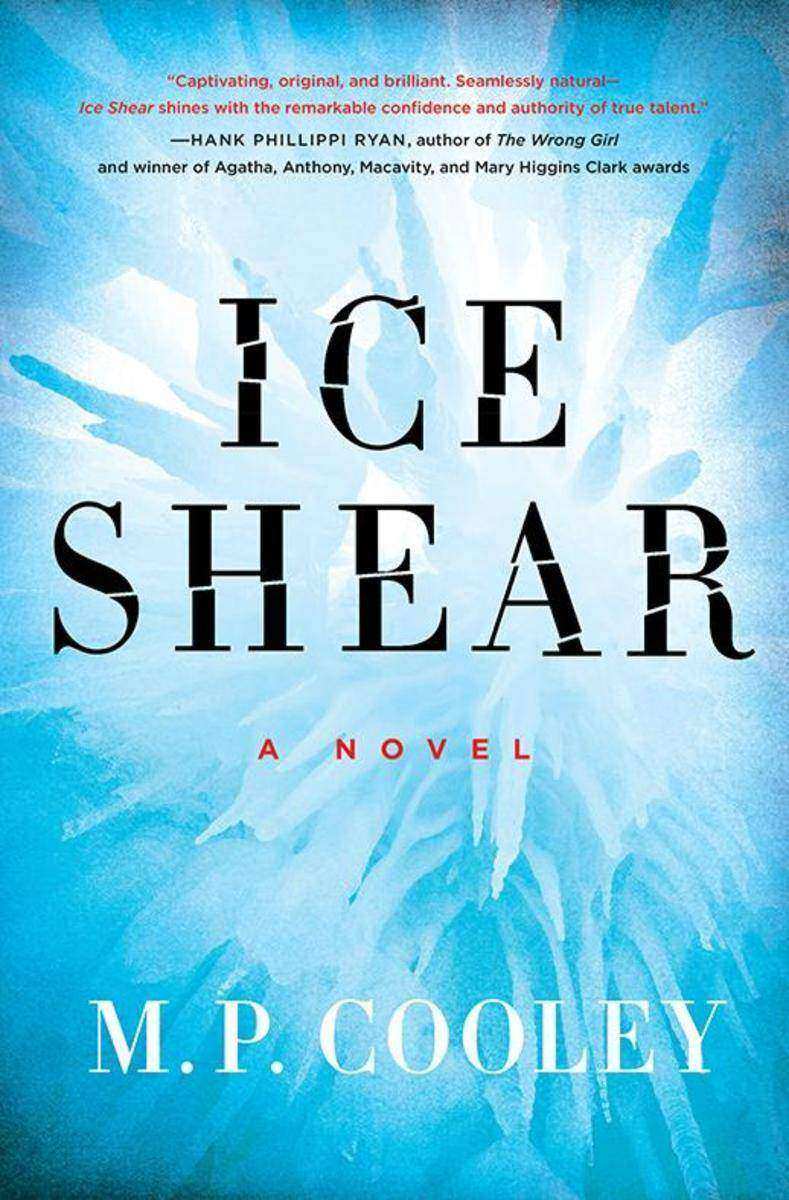
Ice Shear
¥84.16
As a cop on the night shift in Hopewell Falls, New York, June Lyons drives drunks home and picks up the doughnuts. A former FBI agent, she left the Bureau when her husband died, and now she and her young daughter are back in upstate New York, living with her father, the town's retired chief of police.When June discovers a young woman's body impaled on an ice shear in the frozen Mohawk River, news of the murder spreads fast; the dead girl was the daughter of a powerful local congresswoman, and her troubled youth kept the gossips busy. Though June was born and raised in Hopewell Falls, the local police see her as an interloper—resentment that explodes in anger when the FBI arrive and deputize her to work on the murder investigation. But June may not find allies among the feds. The agent heading the case is someone from her past—someone she isn't sure she can trust.As June digs deeper, her already tumultuous murder case turns red-hot when it leads to a notorious biker gang and a meth lab hidden in plain sight—and an unmistakable sign that the river murder won't be the last.
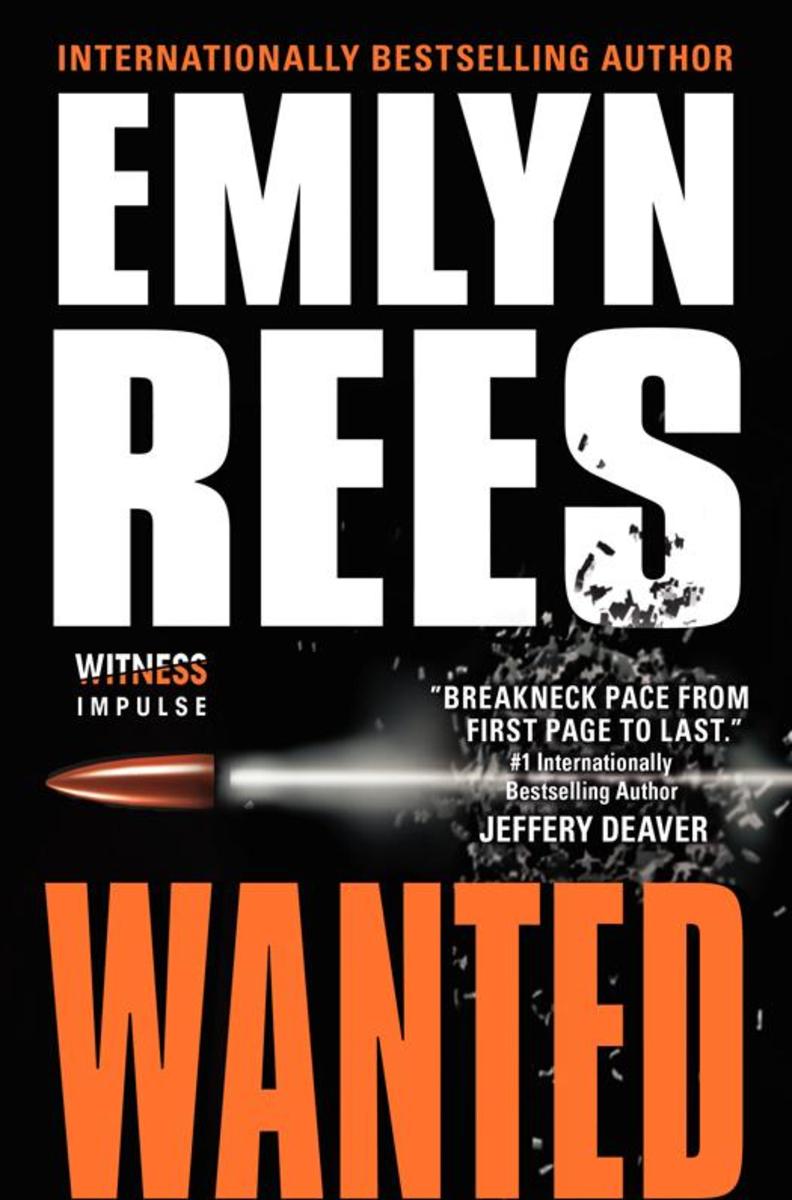
Wanted
¥67.32
Danny Shanklin is the world's most wanted man.Hunted by nine international intelligence agencies for a terrorist atrocity he did not commit, he's now trapped in a deadly race against the clock to protect his life, his family, and the world from the people responsible—people intent on true destruction. For though they framed him, these terrorists are really after a much bigger target: six lethal smallpox formulations, any one of which could trigger a global pandemic, leaving only one in three people alive.With the help of a Ukrainian mercenary and a ruthless female assassin, Danny soon finds himself forced into the roles of both predator and prey—as he tries desperately to win the fight of his life.

The Other Joseph
¥146.11
“A poignant and sly magic trick of a book.”—San Francisco ChronicleHaunted by the disappearance of his older brother in the first Gulf War, the tragic deaths of his parents, and a lingering felony conviction, for almost a decade Roy Joseph has worked on oil rigs off the coast of Louisiana and lived in lonesome exile. Then, on the cusp of his thirtieth birthday, Roy is contacted by a teenager from California claiming to be his lost brother’s biological daughter. Yearning for the prospect of family, Roy embarks on a journey across America, visiting childhood haunts in the South to confront his troubled past, and making a stop in Nevada to call on a retired Navy SEAL who may hold the answer to his brother’s fate. Roy’s ultimate destination is San Francisco, where his potential long-lost niece awaits. The Other Joseph is a powerful, spellbinding tale of a man nearly defeated by life who is given one last chance at redemption—one last shot to find meaning and alter the course of his solitary existence.“Big, tough, and ravishing, a ghost story in the voice of a lost brother, an elegy with the ache and grace of deeply lived life in it.”—Lauren Groff, author of Fates and Furies and Arcadia

Traitor
¥65.65
The Elizabethan Bond is back . . .Under the threat of a second Spanish Armada, John Shakespeare is sent to Lancashire to guard over England's secret weapon and its inventor, the maverick magician Dr. Dee.But nothing is so simple when the country is a hotbed of secret loyalties and civil unrest. During his mission, Shakespeare stumbles upon Catholic priests in hiding, a mysterious Bohemian seductress, and—of course—murder.Between facing off with a nefarious witch hunter and attending one of the first performances of A Midsummer Night's Dream, the intrepid John Shakespeare fights to stay alive while on the hunt for a deadly traitor.
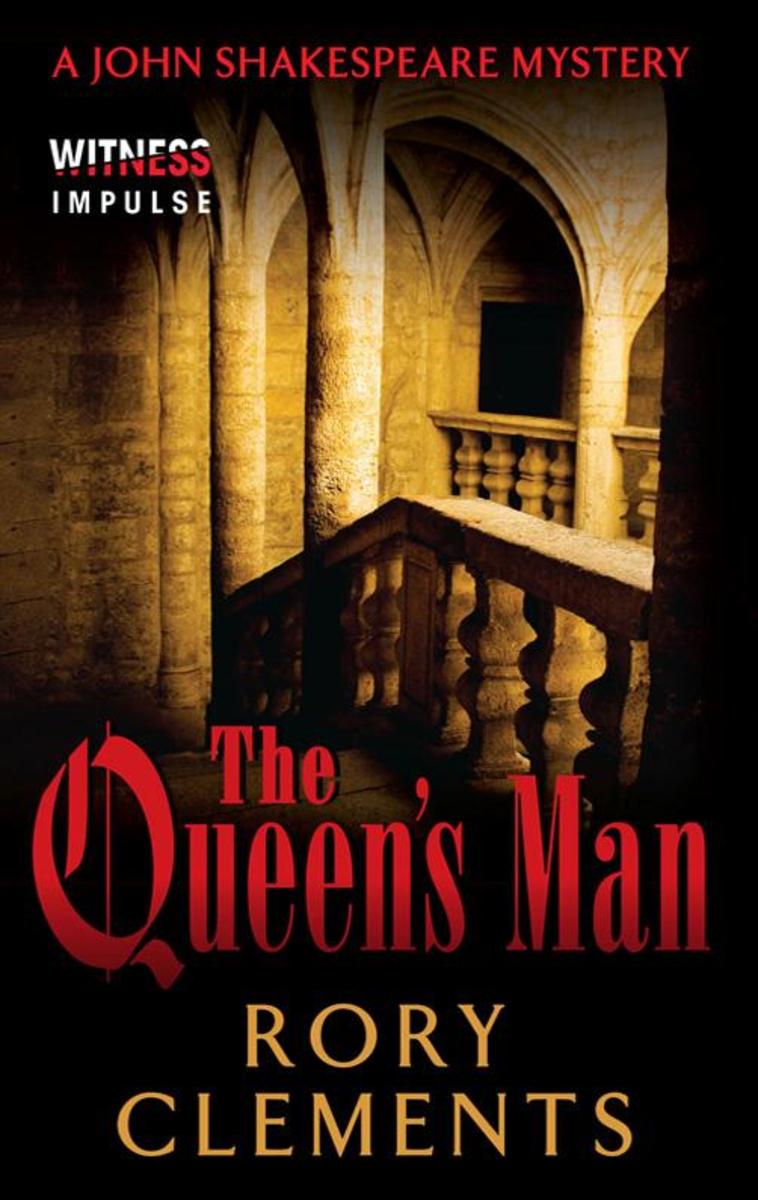
The Queen's Man
¥65.33
England is a viper's nest of conspiracy.It is 1852, and the conflict between Protestants and Catholics threatens to tear the country in two. While Queen Elizabeth I holds the reins of power, there are those whose loyalty lies with her imprisoned cousin—Mary, Queen of Scots.On his first major mission for Sir Francis Walsingham, the young John Shakespeare is ordered to untangle a conspiracy to free the Stuart queen from Sheffield Castle. All too soon, he realizes that the tentacles of the plot reach deep into his native Warwickshire and threaten his own friends and family. His duty lies with Elizabeth … but how far will he go to protect those he loves?
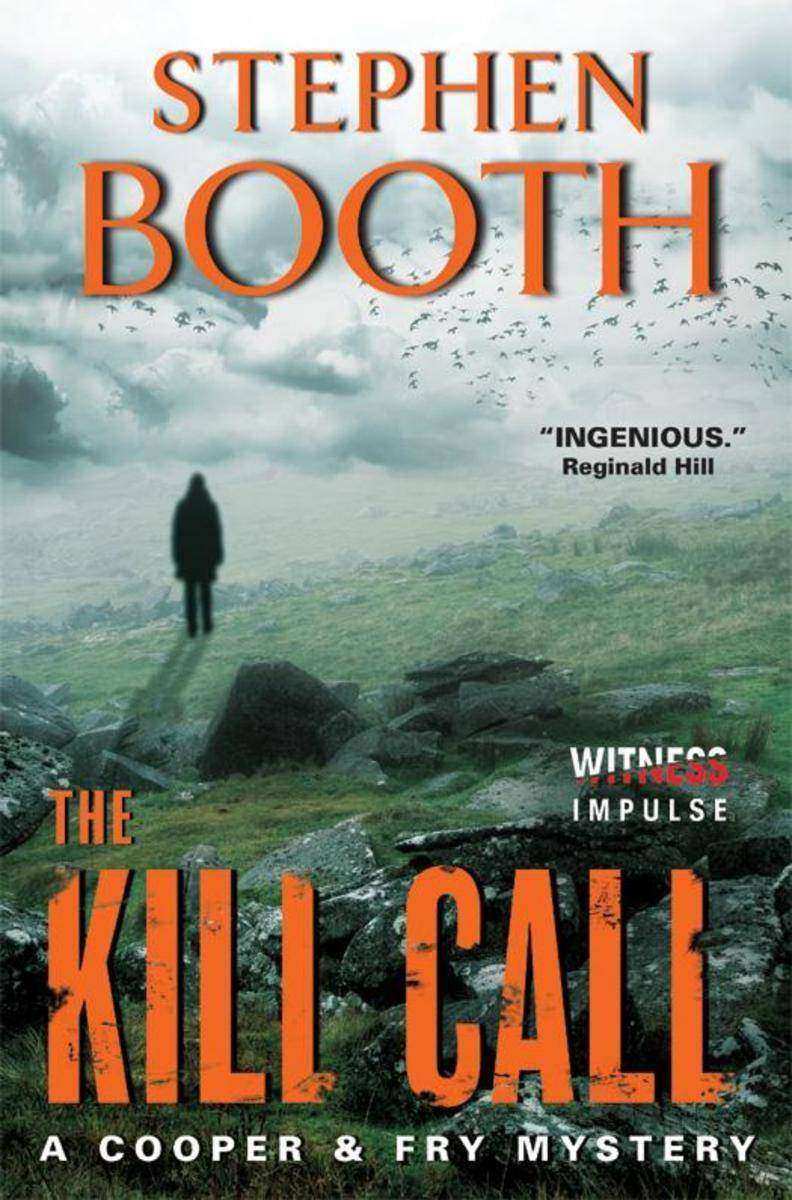
The Kill Call
¥67.12
On a rain-swept hillside, hounds from the local foxhunt discover the body of a well-dressed man. At that exact moment, an anonymous caller reports the same body . . . lying half a mile away.It's only the first in a series of baffling clues as Ben Cooper and Diane Fry—partners and rivals on the detective force —plunge into a case involving horses, spectacular wealth, and a mysterious "plague village" where a centuries-old outbreak of Black Death has been transformed into a modern tourist attraction.As the spring rain falls and the body count rises, Cooper and Fry's investigation twists back to the recent past. A killer lurks in the shadows there—a killer now hiding in plain sight . . .Atmospheric and ingenious, packed with suspense and secrets, The Kill Call is an unforgettable thriller from an unforgettable writer.

Welcome to Braggsville
¥83.03
From the PEN/Faulkner finalist and critically acclaimed author of Hold It 'Til It Hurts comes a dark and socially provocative Southern-fried comedy about four UC Berkeley students who stage a dramatic protest during a Civil War reenactment—a fierce, funny, tragic work from a bold new writerWelcome to Braggsville. The City That Love Built in the Heart of Georgia. Population 712.Born and raised in the heart of old Dixie, D'aron Davenport finds himself in unfamiliar territory his freshman year at UC Berkeley. Two thousand miles and a world away from his childhood, he is a small-town fish floundering in the depths of a large hyperliberal pond. Caught between the prosaic values of his rural hometown and the intellectualized multicultural cosmopolitanism of "Berzerkeley," the nineteen-year-old white kid is uncertain about his place, until one disastrous party brings him three idiosyncratic best friends: Louis, a "kung fu comedian" from California; Candice, an earnest do-gooder from Iowa claiming Native roots; and Charlie, an introspective inner-city black teen from Chicago. They dub themselves the "4 Little Indians."But everything changes in the group's alternative history class, when D'aron lets slip that his hometown hosts an annual Civil War reenactment, recently rebranded "Patriot Days." His announcement is met with righteous indignation and inspires Candice to suggest a "performative intervention" to protest the reenactment. Armed with youthful self-importance, makeshift slave costumes, righteous zeal, and their own misguided ideas about the South, the 4 Little Indians descend on Braggsville. Their journey through backwoods churches, backroom politics, Waffle Houses, and drunken family barbecues is uproarious at first but has devastating consequences.With the keen wit of Billy Lynn's Long Halftime Walk and the deft argot of The Brief Wondrous Life of Oscar Wao, T. Geronimo Johnson has written an astonishing, razor-sharp satire. Using a panoply of styles and tones, from tragicomic to Southern Gothic, he skewers issues of class, race, intellectual and political chauvinism, Obamaism, social media, and much more.A literary coming-of-age novel for a new generation, written with tremendous social insight and a unique, generous heart, Welcome to Braggsville reminds us of the promise and perils of youthful exuberance, while painting an indelible portrait of contemporary America.
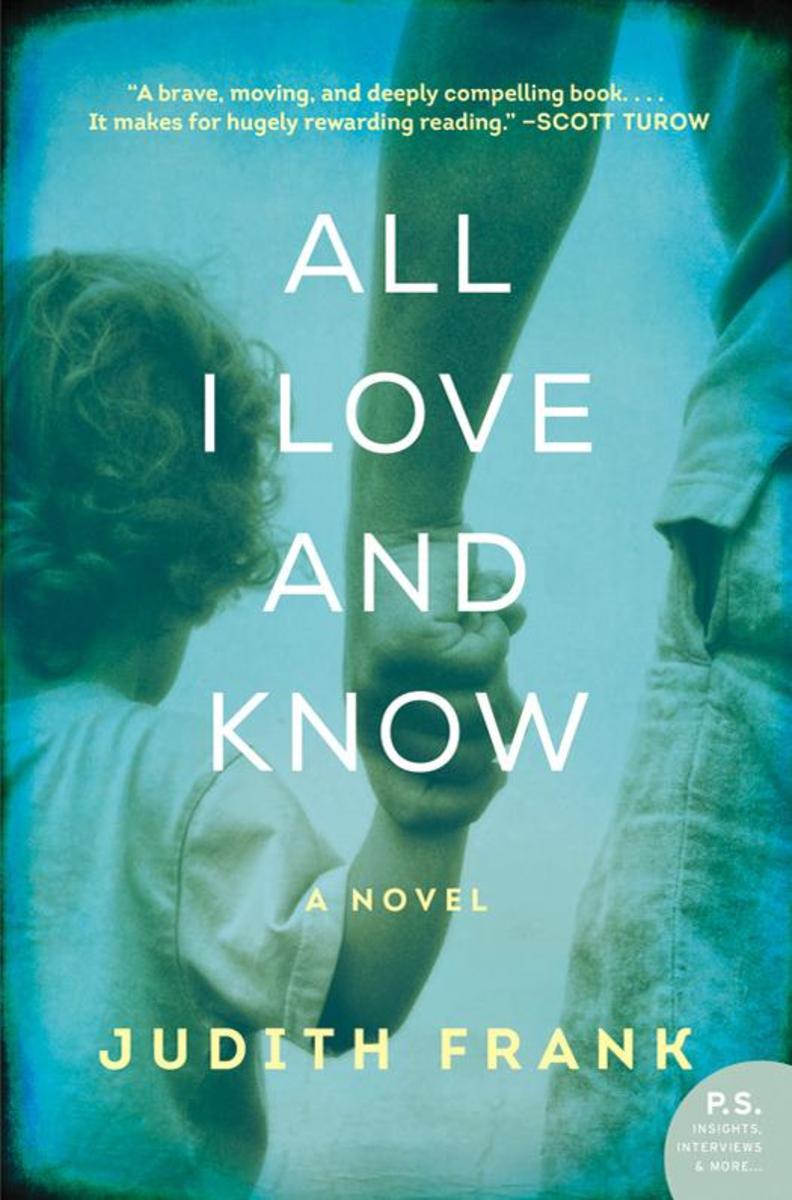
All I Love and Know
¥88.56
With the storytelling power of Wally Lamb and the emotional fidelity of Lorrie Moore, this is the searing drama of an American family on the brink of dissolution, one that explores adoption, gay marriage, and true love lost and found For years, Matthew Greene and Daniel Rosen have enjoyed a contented domestic life in Northampton, Massachusetts. Opposites in many ways, they have grown together and made their relationship work. But when they learn that Daniel's twin brother and sister-in-law have been killed in a Jerusalem bombing, their lives are suddenly, utterly transformed. The deceased couple have left behind two young children, and their shocked and grieving families must decide who will raise six-year-old Gal and baby Noam. When it becomes clear that Daniel's brother and sister-in-law had wanted Matt and Daniel to be the children's guardians, the two men find themselves confronted by challenges that strike at the heart of their relationship. What is Matt's place in an extended family that does not completely accept him or the commitment he and Daniel have madeHow do Daniel's complex feelings about Israel and this act of terror affect his ability to recover from his brother's deathAnd what kind of parents can these two men really be to children who have lost so muchThe impact that this instant new family has on Matt, Daniel, and their relationship is subtle and heartbreaking, yet not without glimmers of hope. They must learn to reinvent and redefine their bond in profound, sometimes painful ways. How does a family become strong enough to stay together and endure when its very basis has drastically changedAnd are there limits to honesty or commitment—or love?
Star Over Bethlehem
¥78.55
Previously published in the print anthology Star Over Bethlehem: Poems and Holiday Stories.A retelling of the Christmas story like you've never heard it before.Mary is alone in the stable with the baby Jesus when an angel arrives and offers her a difficult decision to make.
Promotion in the Highest
¥10.86
Previously published in the print anthology Star Over Bethlehem: Poems and Holiday Stories.It is New Year's Eve in the year 2000. In the dead of night, a drunken man, Jacob Narracott, sees a strange procession making its way down a hill from a church. There are fourteen people, among them a woman carrying a wheel and a man holding a gridiron. Narracott tells the local police constable about his sighting, feeling that he has seen them somewhere before …
A Question of Guilt
¥32.73
Cunning and evil, poisoned by a lifetime of love withheld, Eileen Cartwright has an unrivaled passion for revenge. When the rich, middle-aged widow falls in love with her lawyer, she goes to fatal lengths to make him hers. Prosecutor Helen West is assigned to the case, but when Eileen's extraordinary evil reaches out even from behind prison bars, the investigation reaches a climax of frightening and frenzied violence.

Half Light
¥32.73
Elisabeth is a picture restorer. This gives her the solitude and independence she needs—living and working alone in her flat. Despite her skills and reliability, Elisabeth undercharges for her work—valuing the worth of the paintings rather more than she values herself. Her ambitions are modest: beauty to look upon, unintrusive friendships, and complete privacy. But when a mysterious and obviously wealthy man commissions her to restore his fabulous collection, an uncharacteristic combination of curiosity and financial need prompts her to accept his offer. Elisabeth soon realizes her error, as the past and the present combine to make privacy her nemesis. As she becomes a hostage to her patron, her lover and her friend realize they know nothing about her, or where she might be.
Sidney Sheldon's Reckless
¥55.31
#1 New York Times bestselling author Sidney Sheldon’s most popular and enduring heroine—Tracy Whitney of If Tomorrow Comes and Sidney Sheldon’s Chasing Tomorrow—finds herself caught in a nefarious and far-reaching scheme involving international terrorism and corruption in this compelling thriller packed with heart-stopping twists and breathtaking actionOnce upon a time, Tracy Whitney was one of the best thieves in the business. Then she settled down and had a child—a beautiful, bright, mischievous boy who was the center of her life. Tracy planned to spend the rest of her days quietly, living anonymously deep in the stunning Colorado mountains, devoted to raising her son. But tragedy forces her to face her greatest nightmare. Now, with nothing left to protect, this superb con artist, jewel thief, computer wizard, and cat burglar returns to the hunt, more dangerous, ruthless, and reckless than ever.The world faces a new terror threat from Group 99, a diverse collection of global hackers intent on thecollapse of capitalism and private wealth and the creation of a new world order. When the group turns to violence—kidnapping an American investigative journalist, shooting a British military hostage, and blowing up an international industrialist—the mysterious woman pulling their strings, a wily and wealthy American known only as Althea, becomes the CIA’s most sought criminal.But their only hope of finding her is a woman with a dark and dangerous past of her own. A woman who has also successfully evaded detection by the authorities around the world: Tracy.Convinced that Althea is behind the deadly act that shattered her life, Tracy sets out on a global hunt to flush out her prey. But as she soon discovers, the truth is as elusive as her target. Hampered by corruption, lies, and enemies masked as allies, Tracy will be pushed to the brink, where she must face her darkest demons. All of her experience tells Tracy that the answers are right in front of her—if only she can look at the clues in the right way.Propelled by an unquenchable thirst for revenge, and with the fate of so many resting in her hands, just how reckless will Tracy become when she has nothing left to lose?An addictive tale of espionage, mystery, passion, greed, betrayal, and vengeance that takes you from the beautiful Rocky Mountains to Europe’s oldest and grandest cities, filled with a cast of intriguing characters both new and familiar, Sidney Sheldon’s Reckless is a glamorous thrill ride that will leave you breathless until its shocking end.

The Playroom
¥66.50
An unforgettable psychological thriller reminiscent of Emma Donoghue's Room and V. C. Andrews' Flowers in the AtticKatherine and David have the perfect life: they are beautiful, rich, debonair, and gifted. But cracks begin to form beneath the smooth exterior when David suspects that one of their two children is not his. There is no other reason why chubby, petulant Jeanetta does not conform to David's standards of perfection and order.Soon, David's mood swings become more violent and irrational. In an attempt to exercise some control over his world, he sends Jeanetta to the playroom . . . and locks the door. With harrowing precision, Fyfield tells the story of a family's descent into madness.

The Damage
¥68.04
Power has its price.David Blake should be enjoying the high life now that he's top dog, controlling everything in the city that's worth controlling.But when it becomes clear that someone wants him dead, Blake struggles to maintain his restraint. From the heroin-laced high-rises of Newcastle to the seedy back streets of Bangkok, in a world of contract killers, corrupt politicians, bent detectives, fast women, and dangerous men, Blake is in a race against time to find—and stop—his potential assassin.Packed with action and attitude, The Damage is a gripping gangland thriller for fans of the hit films The Town and Goodfellas.
Harper
¥147.48
A sensuous, heartbreaking novel about art, beauty, and the choices we make that define us for lifeIn 1968 a young man travels to Paris, where a series of unlikely events take him to a tiny village in Italy—and to the one great love of his life. A marble merchant meets a couple on their honeymoon, introducing them to the sensual beauty of Carrara. An Italian woman arrives in Canada to find the father she never knew. A terrible accident in a marble quarry changes the course of a young boy's life and, ultimately, sets in motion each of these stories, which David Macfarlane masterfully shapes into a magnificent whole.Oliver Hughson falls in love with wild, bohe-mian Anna over the course of one glorious summer in Italy. Bound by a sense of responsibility to his adoptive parents back home in Canada, however, he leaves her, an act he will regret for the rest of his life. Narrated by the daughter he never knew he had, The Figures of Beauty is a love story of mythic proportions. Through luck, fate, and great good fortune, Oliver found the one place and the one woman he should never have left. This is the story of his trying to find his way back.
Black Run
¥83.03
Already an international hit, a sly, sizzling mystery—the first in a sensational crime series—set in the Italian Alps, reminiscent of the works of Andrea Camilleri, Donna Leon, and Henning MankellAfter getting into serious trouble with the wrong people, Deputy Police Chief Rocco Schiavone is exiled to Aosta, a small, touristy alpine town far from his beloved Rome. The sophisticated yet crotchety Roman despises mountains, snow, and the provincial locals as much as he disdains his superiors and their petty rules. But he loves solving crimes.When a mangled body is discovered on a slope above Champoluc, Rocco immediately faces his first challenge—identifying the victim, a complex procedure complicated by his ignorance of the customs, dialect, and history of his new home. Proud and undaunted, Rocco makes his way among the ski runs, mountain huts, and aerial tramways, meeting instructors, alpine guides, the enigmatic folk of Aosta, and a few beautiful locals eager to give him a warm welcome. It won't be easy, this mountain life, especially with a corpse or two in the mix. But then there's nothing that makes Rocco feel more at home than an investigation.An insightful observer of human nature, Antonio Manzini writes with sly humor and a dash of irony, introducing an irresistible hero—a fascinating blend of swagger, machismo, and vulnerability—in a colorful and atmospheric mystery series that is European crime fiction at its best.
Circle of Heroes
¥38.72
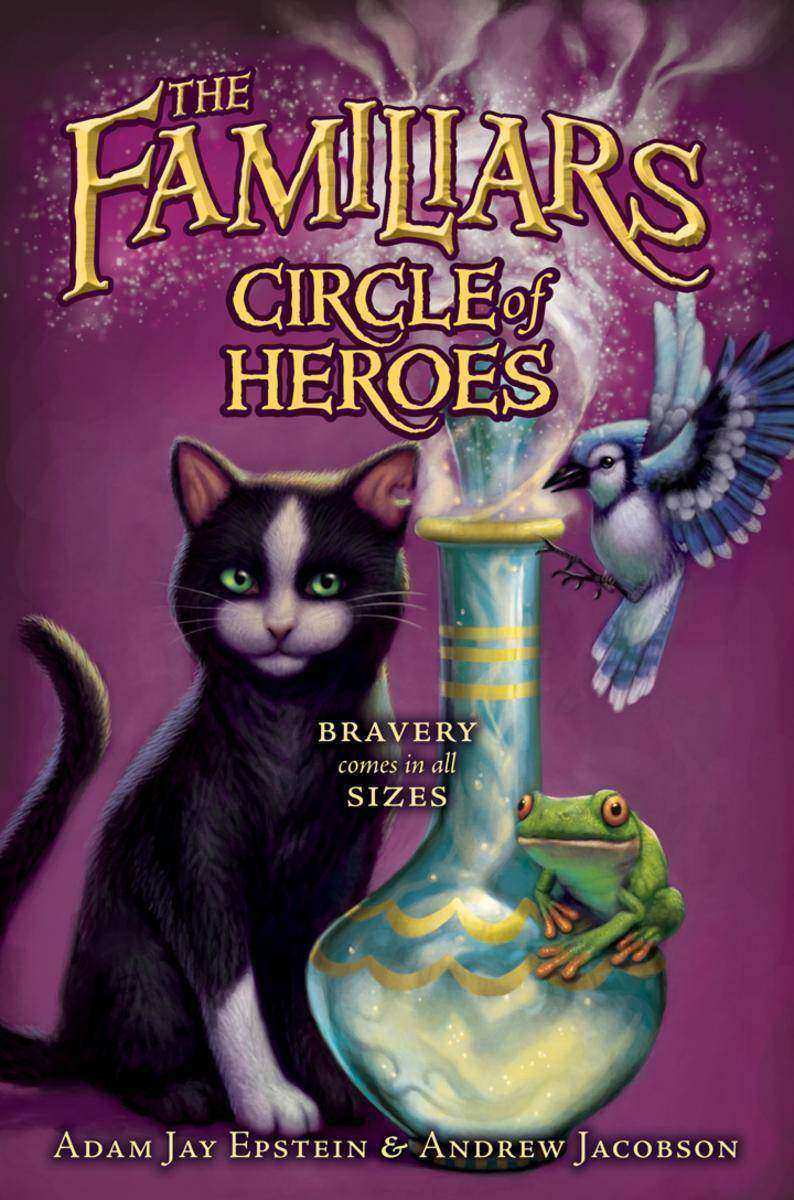
Aldwyn, a street-smart alley cat, pretended he had telekinetic powers so young wizard Jack would chose him as a familiar. Aldwyn then learned that he and two other familiars—Skylar the blue jay and Gilbert the tree frog—were destined to undertake a perilous quest to defeat Paksahara, an evil hare who’d been familiar to the queen.?In Circle of Heroes, the third book of The Familiars series for middle-grade readers, Paksahara and her undead animal army control the Shifting Fortress. Aldwyn and his friends have to recapture it to return magic to the queendom of Vastia.?Fans of The Guardians of Ga’hoole series and Erin Hunter’s Warriors books will love the mix of humor, magic, and animal adventure story in Circle of Heroes by Adam Jay Epstein and Andrew Jacobson.
Feedback
¥60.87
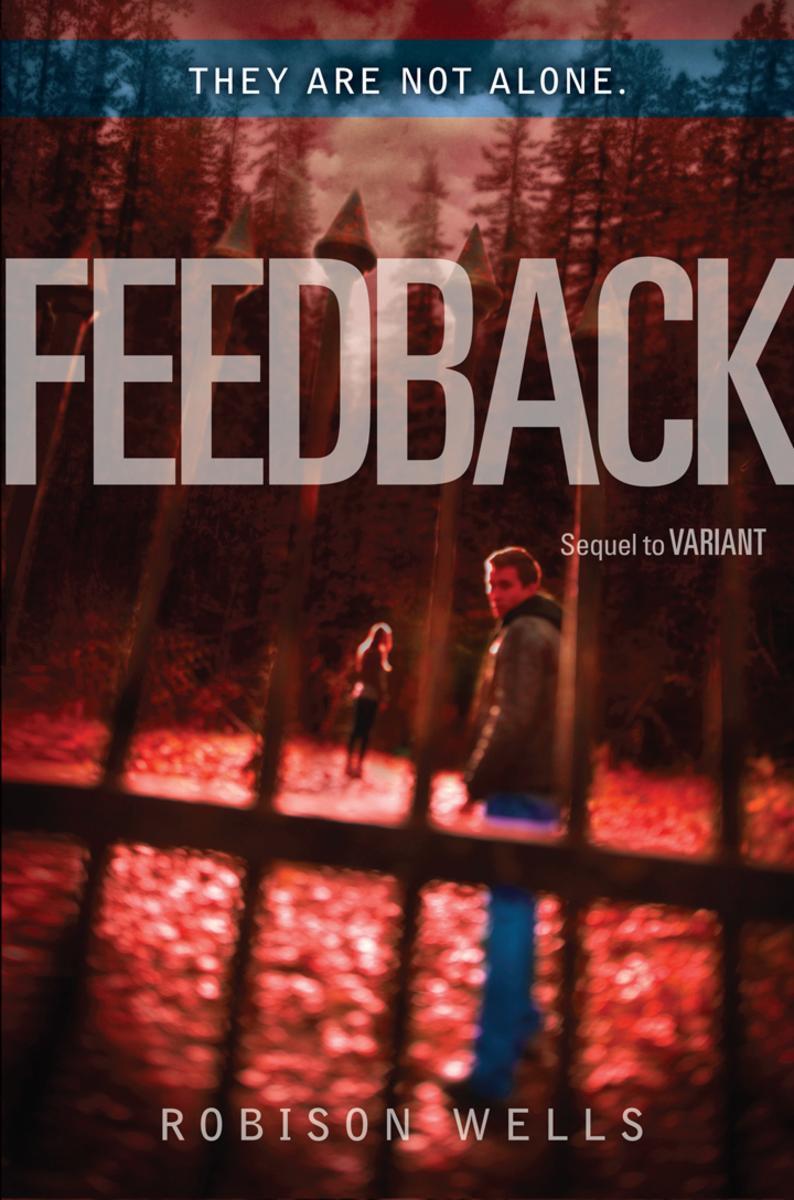
Perfect for fans of James Dashner's The Maze Runner, Feedback is the heart-stopping sequel to Variant—which Pittacus Lore, author of I Am Number Four, praised as "an intense journey with some of the most shocking twists and turns I've ever read."Benson Fisher escaped from Maxfield Academy's deadly rules and brutal gangs. He thought that the worst was over.But now Benson is trapped in a different kind of prison—a town filled with familiar faces. Classmates from Maxfield who Benson had seen die. Friends he was afraid he had killed.They are all pawns in the school's twisted experiment, held captive and controlled by an unseen force. And while Benson struggles to figure out who, if anyone, can be trusted, he discovers that Maxfield Academy's plans are darker than anything he imagined—and they may be impossible to stop.
Hidden
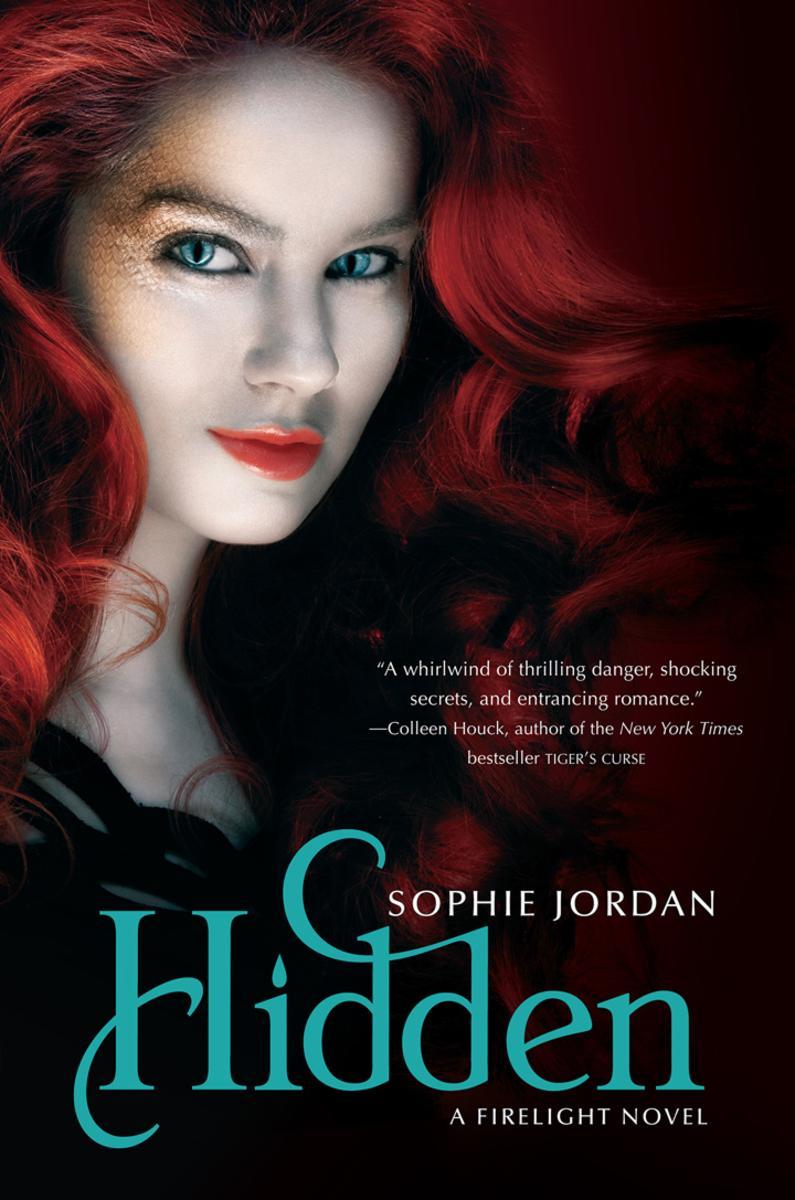
¥55.33
Fans of Maggie Stiefvater and Colleen Houck will love this epic tale of forbidden romance and nail-biting action from New York Times bestselling author Sophie Jordan.In the climactic finale to the steamy Firelight series, Jacinda must fight to save her life, her love, and all of her kind.If Jacinda were to follow the wishes of her community, she'd happily settle down with Cassian, the prince of her pride. But she just can't. She's in love with Will, a human boy who comes from a family of hunters. Their relationship breaks the most sacred rule and endangers everyone she cares about. Now Jacinda, Will, and Cassian fight back against the hunters and their shadowy allies who would destroy them all. . . .


