


 购物车
购物车 个人中心
个人中心

The Gathering
¥55.93
Strange things are happening in Maya's tiny Vancouver Island town. First, her friend Serena, the captain of the swim team, drowns mysteriously in the middle of a calm lake. Then, one year later, mountain lions are spotted rather frequently around Maya's home—and her reactions to them are somewhat . . . unexpected. Her best friend, Daniel, has also been experiencing unexplainable premonitions about certain people and situations.It doesn't help that the new bad boy in town, Rafe, has a dangerous secret, and he's interested in one special part of Maya's anatomy—her paw-print birthmark.
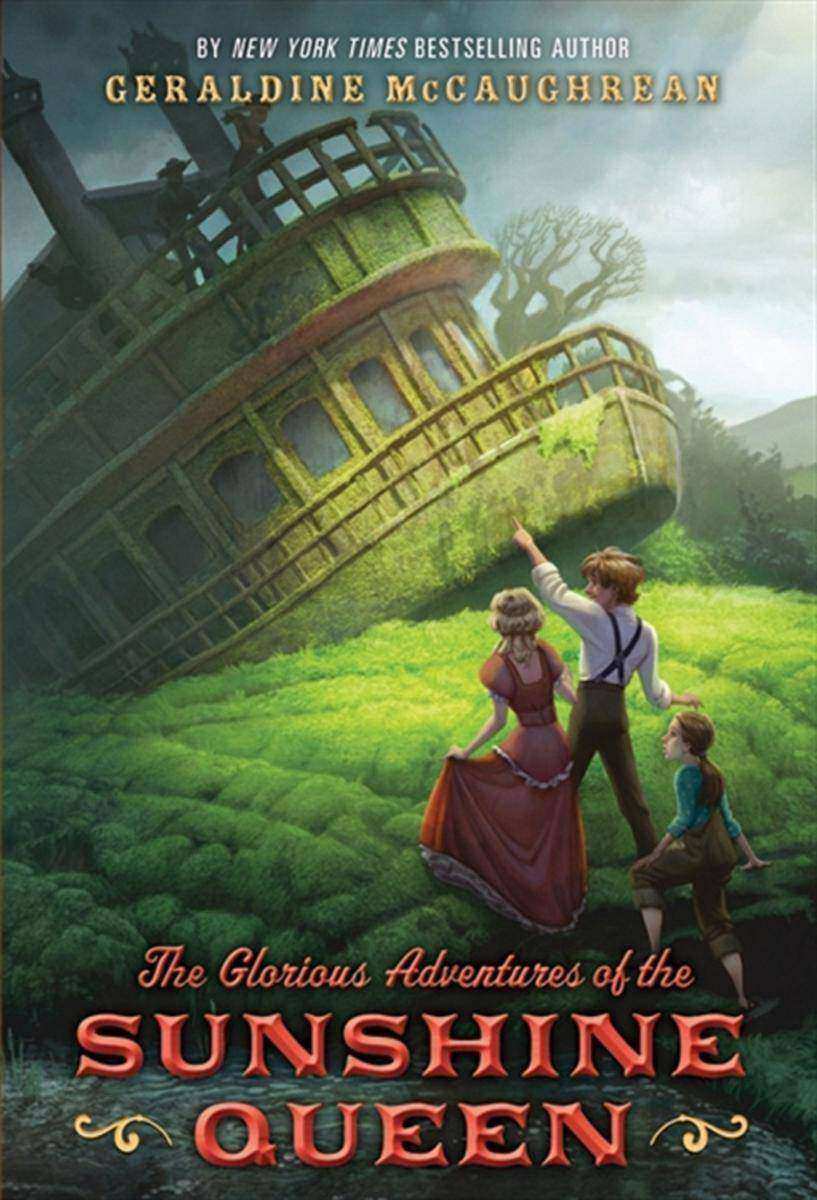
The Glorious Adventures of the Sunshine Queen
¥95.39
Ever since the magnificent Miss Loucien gave up teaching to join the Bright Lights Theater Company, school days have lacked a certain . . . drama . . . especially for Cissy, who longs for a life in show business, and Kookie, who craves adventure. But when a diphtheria outbreak interrupts the dull routine, Cissy and Kookie are evacuated to the doubtful safety of the Bright Lights’ summer home—a shipwrecked paddle steamer on the flooded Missouri River.Thus begins a wild and unpredictable journey downstream serving up grand performances, aggrieved river gamblers, irate lawmen, and perilous races. And when at long last Cissy steps into the limelight, the stakes are higher than she ever imagined.Renowned storyteller Geraldine McCaughrean weaves a rip-roaring adventure in this funny tale that’s chock-full of humor and heart.
Illusions
¥55.93
"I don't do patrols, I don't go hunting, I just stick close to you. You live your life. I'll keep you safe," Tamani said, sweeping a lock of hair from her face. "Or die trying."Laurel hasn't seen Tamani since she begged him to let her go last year. Though her heart still aches, Laurel is confident that David was the right choice.But just as life returns to normal, Laurel realizes that a hidden enemy lies in wait. Once again, Laurel must turn to Tamani to protect and guide her, for the danger that now threatens Avalon is one that no faerie thought would ever be possible. And for the first time, Laurel cannot be sure that her side will prevail.
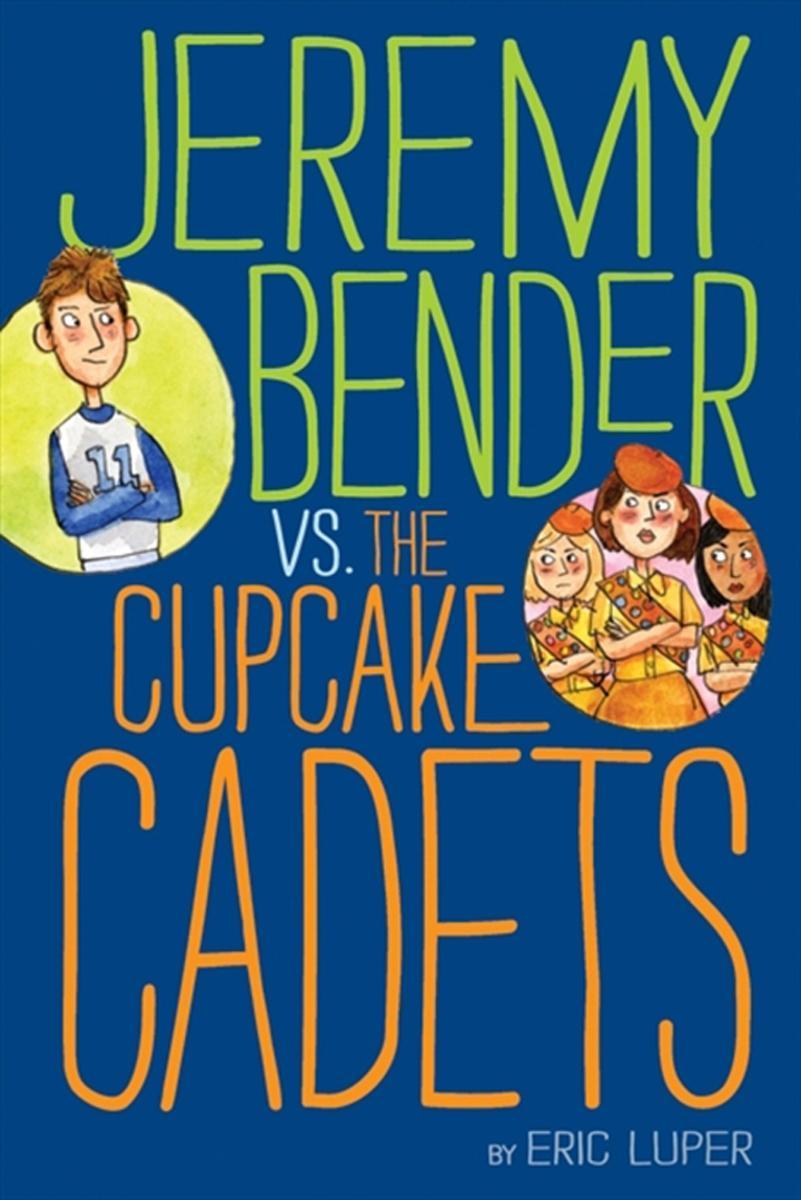
Jeremy Bender vs. the Cupcake Cadets
¥95.39
When eleven-year-old Jeremy Bender does major damage to his father's prized boat, he figures he has one way to avoid being grounded for life: Fix it before Dad finds out. But even if Jeremy and his best friend, Slater, combined their allowances for a year, they still wouldn't have enough money for the cost of repairs. Inspiration strikes when the boys see an ad for the Windjammer Whirl. Sponsored by the Cupcake Cadets, the model sailboat race pays five hundred dollars to the winner. There's just one problem: You must be a Cadet—and a girl—to compete.Confident that it will be the easiest money they've ever made, Jeremy convinces Slater they should dress up like girls and infiltrate the troop. But as the boys proceed to botch everything from camping to field hockey, they realize that being a Cadet is no piece of cupcake. Can Jeremy and Slater earn their badges and win the moneyOr will their Cupcake careers be over faster than you can say "vanilla frosting"?
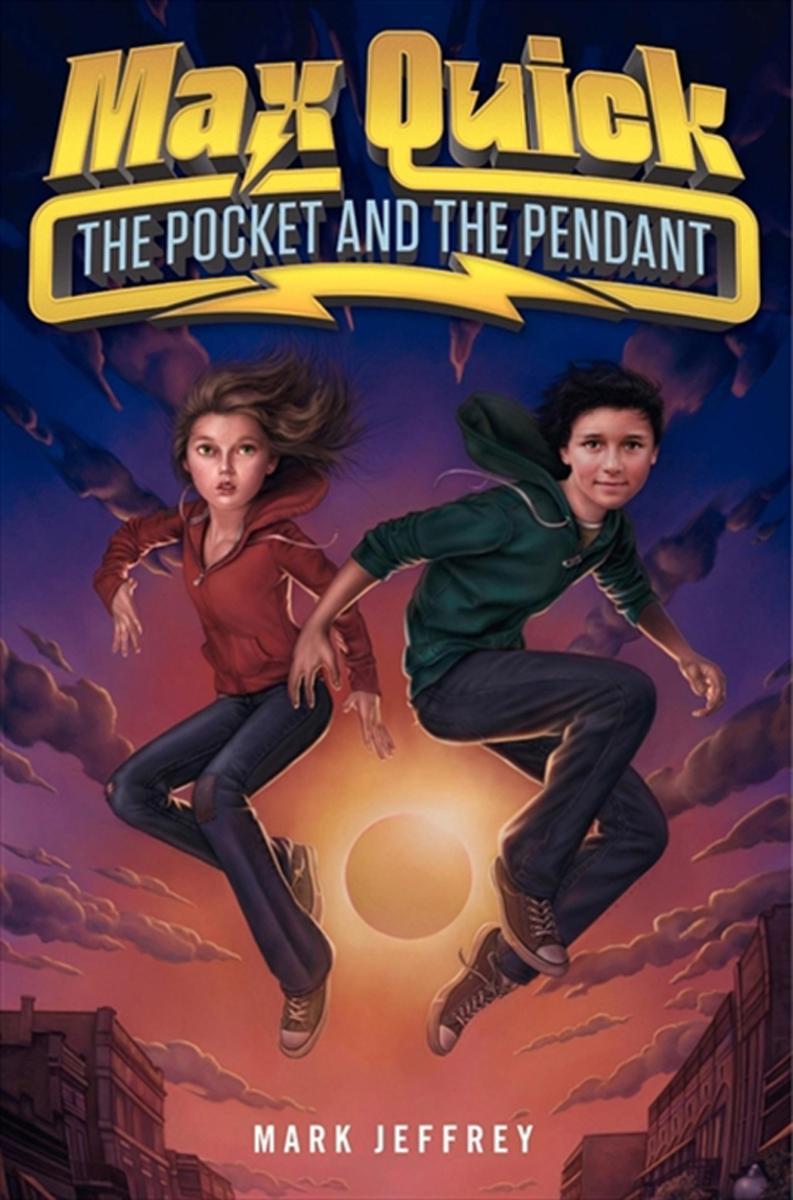
Max Quick
¥90.77
Max Quick is a pickpocket, a vagabond, an orphan, and a thief. Even so, nothing about him seems particularly special . . . until one day when time mysteriously stops. Suddenly, nearly everyone in the world is frozen in time—except for Max.Now Max must journey across America to find the source of the Time-stop. Along the way, he meets others who aren't suspended in time, like Casey, a girl who's never been on her own until now. Together, as they search for the cause of this disaster, Max and his companions encounter ancient mysteries, magic books, and clues to the riddle of stopped time. But relentless and mysterious villains are hot on Max's heels and will do everything in their power to prevent Max from ending the Time-stop. And the closer Max gets to the answers, the more it seems that his own true identity is not what he once believed.Racing against a clock that no longer ticks, Max must embrace his past to save his future—and the world—from being altered forever.
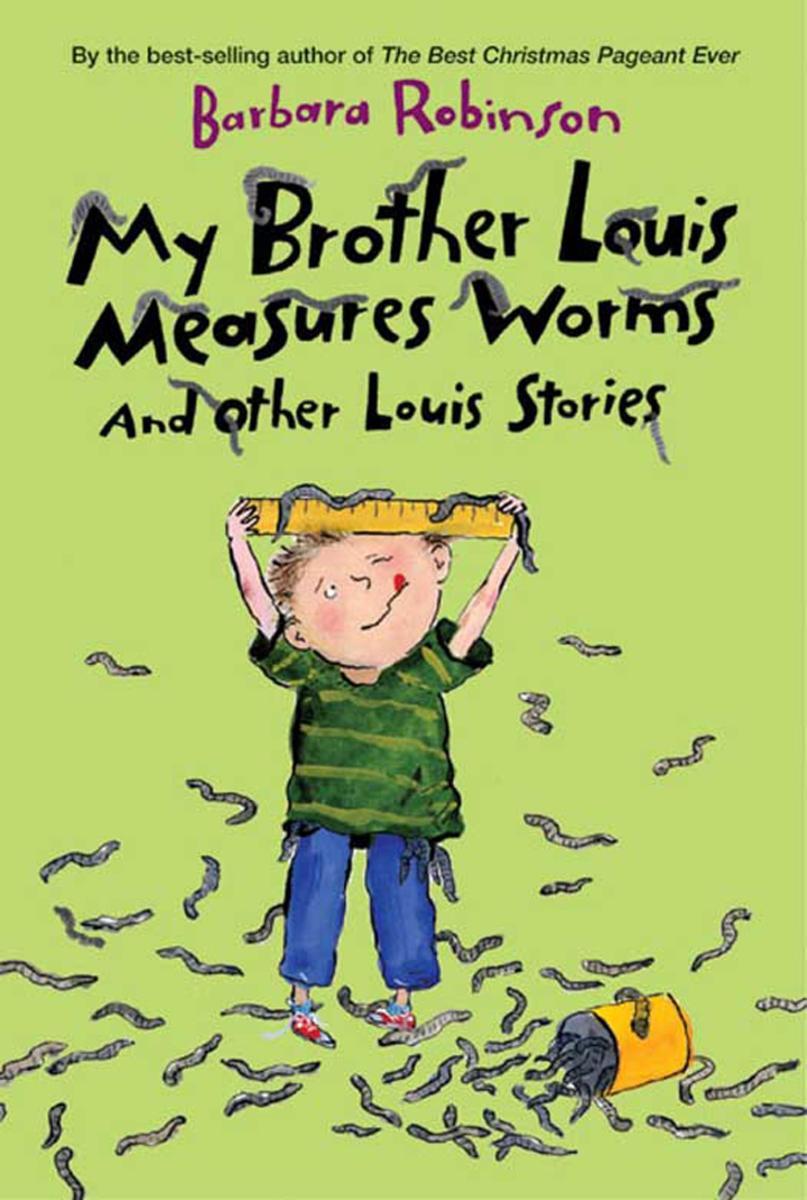
My Brother Louis Measures Worms
¥87.18
How is it that Louis has been driving his mother's car around town if he's only eight years oldWhere did the cat go to have her kittensWho won the free weddingWhether it's costume parades, mysterious paint allergies, or bicycle disasters, there's never a dull moment when the Lawson family is around!

Ashes to Ashes
¥55.93
A timeless and romantic ghost story that will haunt readers long after the last page is turned.When Callie's life is cut short by a tragic accident in her hometown of Charleston, South Carolina, her spirit travels to another dimension called the Prism. Here she meets a striking and mysterious ghost named Thatcher, who guides her as she learns how to bring peace to those she left behind. But Callie soon uncovers a dark secret about the spirit world: some of the souls in it are angry, and they desperately want revenge. These souls are willing to do whatever it takes to stay on Earth, threatening the existence of everyone she ever cared about.Perfect for fans of Gayle Forman's If I Stay and Lauren Oliver's Before I Fall, this thoughtful and suspenseful novel will have readers eager to read the sequel, Dust to Dust.

Dust to Dust
¥55.93
Perfect for fans of If I Stay or Imaginary Girls, Dust to Dust is the mysterious, thoughtful, and poignant sequel to Melissa Walker's haunting and heartbreaking novel Ashes to Ashes.When Callie McPhee miraculously recovers from a tragic accident that should have taken her life, she thought her connection to the ghost world would be severed forever. And that she would never see Thatcher—the ghost she fell in love with in the hereafter—again. But when she receives unexpected signs from Thatcher, she's led down a dark road toward the angry souls who once tried to steal her soul's energy for another chance at life.Now Callie must prevent the real world and the spirit world from colliding, and that could mean saying good-bye to people she'd never imagined she'd lose.
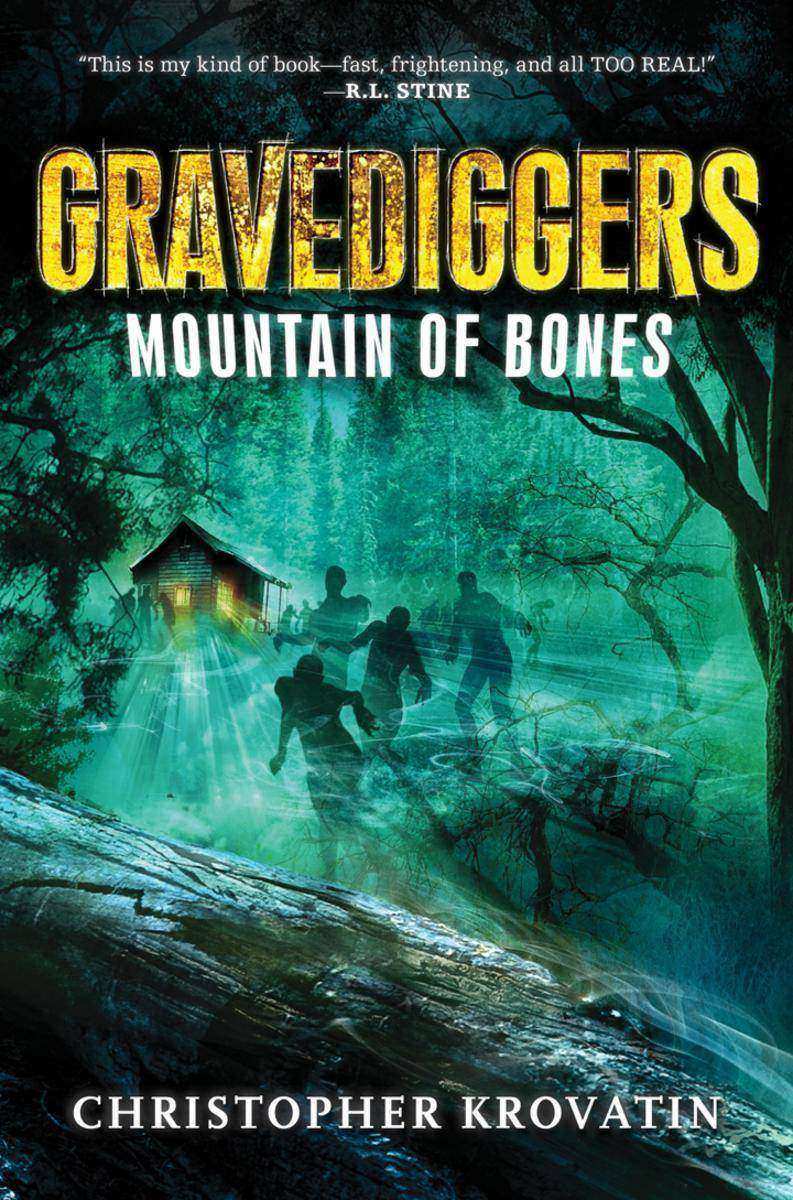
Gravediggers: Mountain of Bones
¥39.24
R.L. Stine, author of the bestselling Goosebumps series, raved that Gravediggers is “my kind of book—fast, frightening, and all too real!”During a class hiking trip, Ian, Kendra, and PJ get lost in the mountains and discover that they are being stalked by a pack of ravenous zombies. With the help of a witch doctor and some unusual folk magic, will they be able to defeat these monsters and escape the mountain with their lives?Author Christopher Krovatin perfectly blends humor and horror together in this first installment in a funny, frightening series that will get every kid reading.

Gravediggers: Terror Cove
¥95.39
Action, laughs, and thrills make Gravediggers: Terror Cove an exciting second book in the Gravediggers series, which R.L. Stine, author of Goosebumps, called "fast, frightening, and all too real!"Newly crowned zombie slayers Ian, Kendra, and PJ are on a family vacation in the tropics when they are warned about a cursed island called Isla Hambrienta. What none of them expect to find is a zombie colony much stronger than the one they defeated on the mountain—and another presence on the island that's way more dangerous than the creatures they're supposed to turn to dust.Fans of creepy books like Skeleton Creek by Patrick Carman will love Christopher Krovatin's wild stories about zombies and the kids who defeat them.
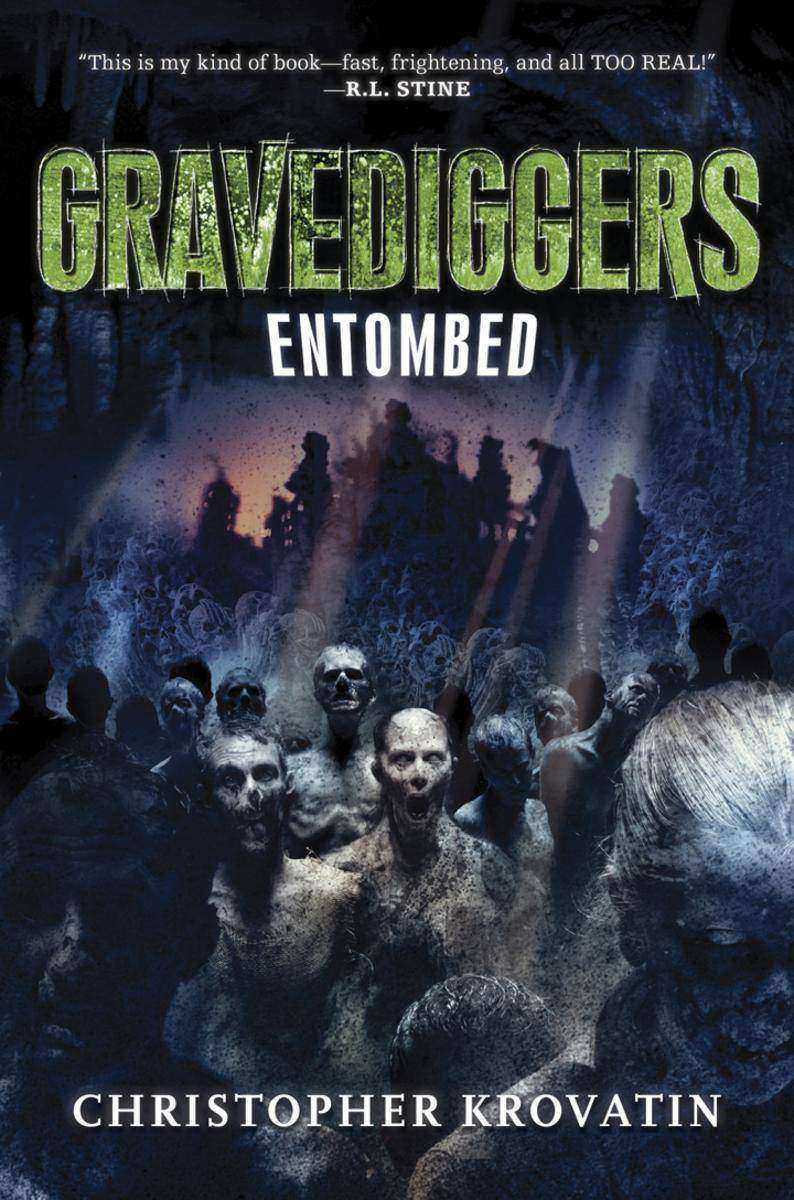
Gravediggers: Entombed
¥95.39
For tween fans of R.L. Stine and Patrick Carman, this exciting final installment of the Gravediggers series is full of gross-out gore, humor, and “splattery mayhem” (Kirkus Reviews).Severed limbs. Rotting flesh. Popping bones. Best friends Ian, Kendra, and PJ have seen it all, and they’ve spent the last few months risking their lives to rid the world of zombies. Now they face their biggest challenge yet: tracking down the vengeful ex-Gravedigger who is holding their mentor hostage in an abandoned underground city. Deep in the menacing caves of Kudus, time is running out for O’Dea, whose powers can be used to unlock a deadly curse.If that weren’t enough, all the kids are keeping things from each other—secrets that threaten to break up the group and thwart their efforts to destroy the gruesome zombies that are crawling all over Kudus. Will their friendship survive this harrowing underground missionWill they escape Kudus with their lives

Someone Else's Garden
¥78.55
The eldest of seven children,born low-caste and female in rural India,Mamta is abused and rejected by a father whocan see no reason to “water someone else’s garden” until ahusband is found for her. Seeking escape in matrimony, Mamta beginsher wedded life with hope—but is soon forced to flee her village and thehorrors of her arranged marriage to the bustle of a small city. Saved from becomingone of the nameless and faceless millions of rejected humanity by thesalvation of sublime love, Mamta struggles to find a precarious state ofacceptance and make peace with her past.Powerfully affecting and uplifting, set against a vivid and colorful backgroundof Eastern life, Dipika Rai’s Someone Else’s Garden transcends geographicaldivides and cultural chasms to brilliantly expose the commonalityof the human condition, compelling us to seek answerswithin ourselves to humanity’s eternalquestions: Is life random?Do we have a destiny?
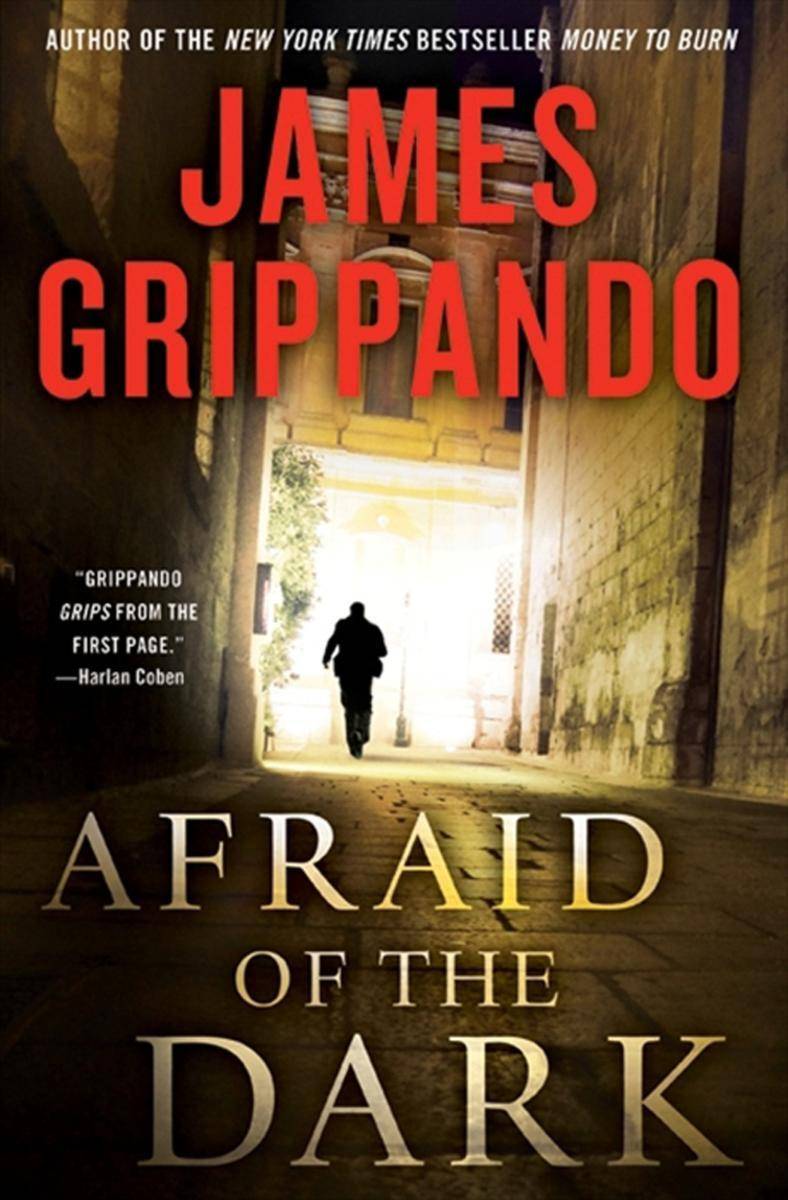
Afraid of the Dark
¥70.10
The New York Times bestselling author's ever-popular hero, Jack Swyteck, is on his most dangerous case yet, uncovering a sinister underground world that has him racing across the globe.Then: Sergeant Vince Paulo held his best friend's daughter, McKenna, bleeding in his arms as she uttered the name of her murderer and ex-boyfriend, Jamal. That was minutes before a blast made everything go black for Vince—forever.Now: Miami criminal defense lawyer Jack Swyteck has been called in to save Jamal from the death penalty for terrorist activity. Despite urgent warnings from his fiancée, undercover FBI agent Andie Henning, to stay away from the case, Jack finds himself inextricably drawn to Jamal's past—even believing his alibi that he was abducted and held in a black site in Prague at the time of McKenna's death. But if Jamal is innocent, then the man who murdered McKenna and took Vince's sight is still out there . . . free.Soon bodies begin to pile up and ghosts from the past reappear very much alive, confirmed by ominous threats from a faceless man known only as "the Dark." Vince and Jack must confront a mortal danger that goes beyond McKenna's death, across international waters—a journey to piece together the past that leads through the back alleys of London, onto illegal Internet sites, and straight into the mind of pure evil.

My Jane Austen Summer
¥84.16
Lily has squeezed herself into undersized relationships all her life, hoping one might grow as large as those found in the Jane Austen novels she loves. But lately her world is running out of places for her to fit. So when her bookish friend invites her to spend the summer at a Jane Austen literary festival in England, she jumps at the chance to reinvent herself.There, among the rich, promising world of Mansfield Park reenactments, Lily finds people whose longing to live in a novel equals her own. But real-life problems have a way of following you wherever you go, and Lily's accompany her to England. Unless she can change her ways, she could face the fate of so many of Miss Austen's characters, destined to repeat the same mistakes over and over again. My Jane Austen Summer explores how we fall in love, how we come to know ourselves better, and how it might be possible to change and be happier in the real world.
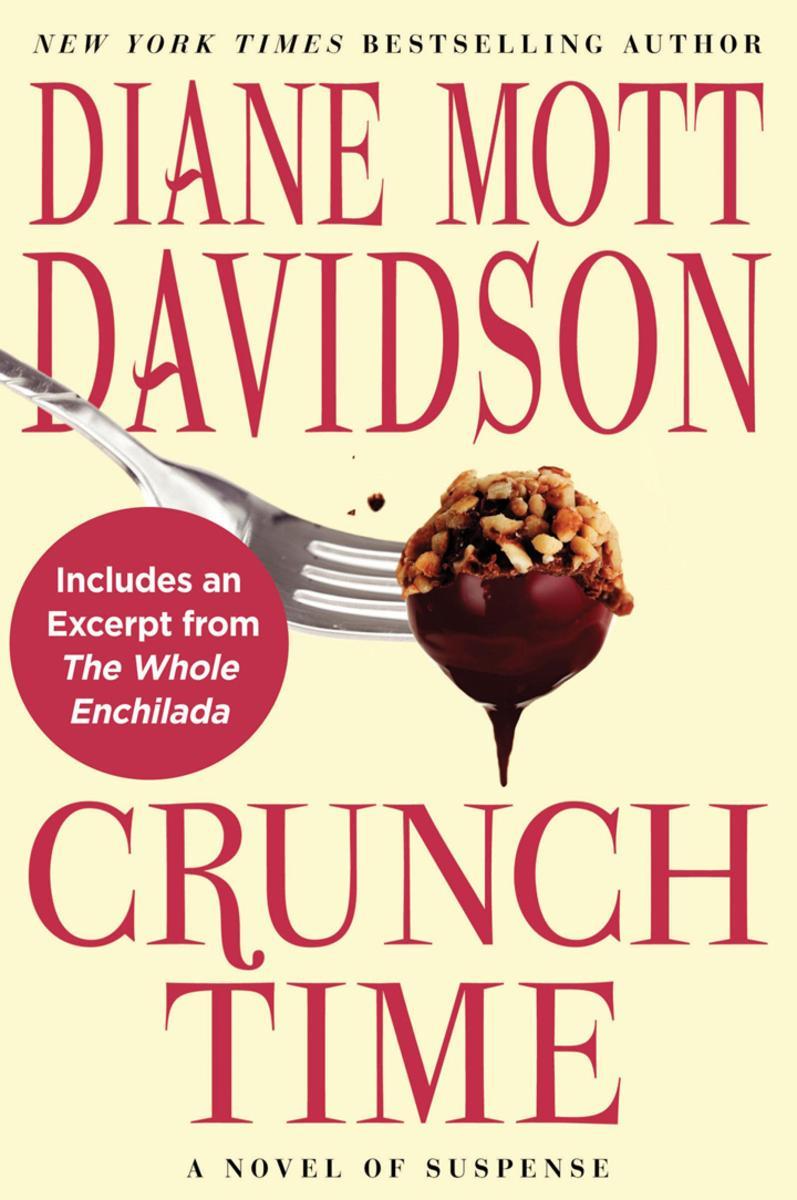
Crunch Time
¥55.31
Caterer and sleuth extraordinaireGoldy Schulz returns in another tastyand suspenseful adventure fromNew York Times bestselling authorDiane Mott DavidsonColorado caterer Goldy Schulz cooks up bigtrouble as she tries to help her longtimefriend and fellow chef Yolanda Garcia. Whenthe rental house shared by Yolanda and herirrepressible aunt Ferdinanda is destroyed byarson, the pair move in with cop-turned-PIErnest McLeod. But then Ernest is shot deadand his house is set on fire, nearly killing Goldy,Yolanda, Ferdinanda, and nine beagle puppiesthat Ernest had recently rescued from a puppymill.Concerned for her friends, Goldy invites themto stay with her while the sheriff’s departmentinvestigates. Yet even Goldy’s house isn’t safe,and after a failed break-in by an unknownintruder a cop is sent to keep an eye on things.Then a second body is found.Swapping her chef’s hat for a sleuthing cap,the intrepid Goldy steps up the investigation.But she’s got to move fast. It’s crunch time toclose in on a killer, before he can close in on her.Filled with danger as well as laughs, wonderfulfood, and scrumptious recipes, CrunchTime is a delicious indulgence sure to satisfyall of Goldy’s fans.
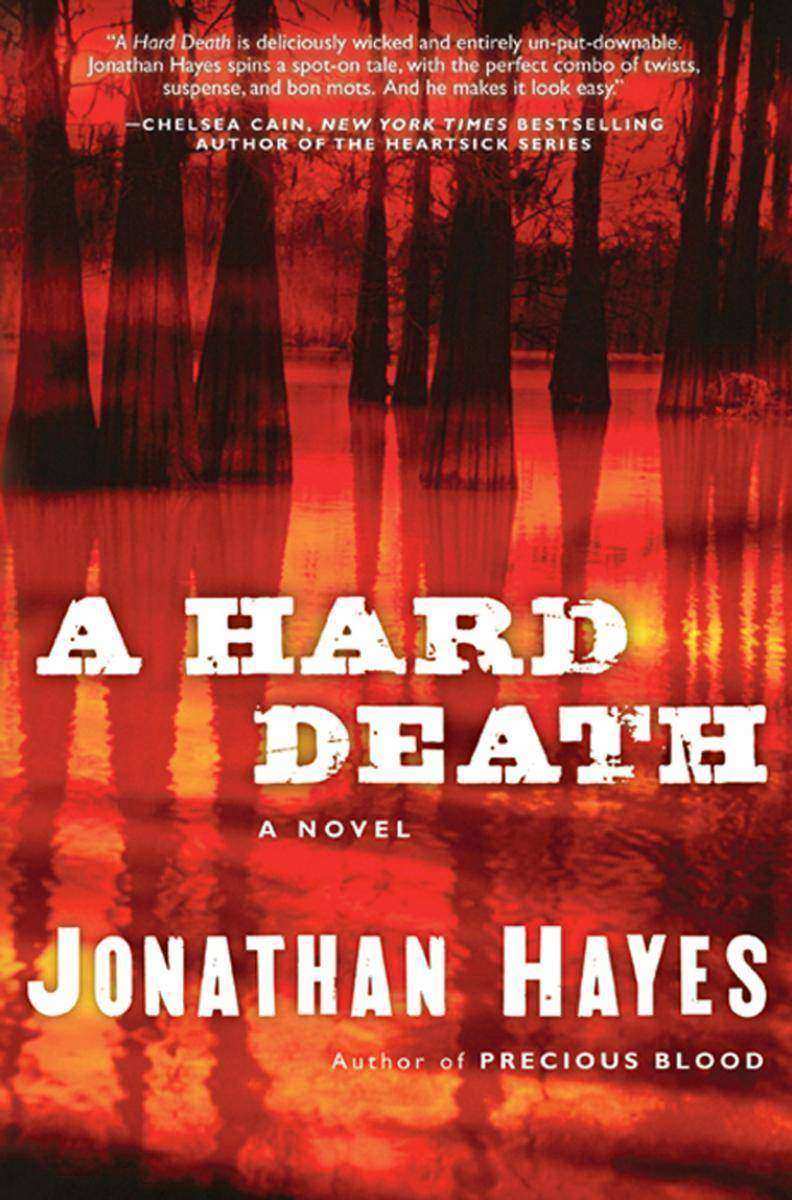
A Hard Death
¥56.07
Forensic pathologist Edward Jenner survived the horrific ordeal of the Inquisitor serial slayings in New York, but not the political fallout. With his state medical license suspended, he hopes to repair his shattered life while working as a medical examiner in Douglas County, Florida. But evil is not confined to big cities alone.Two corpses pulled from a sunken car—followed by the grisly discovery of four more bodies hanging in the Everglades—are evidence of an insidious rot infecting this quiet coastal resort community. Suddenly Jenner's investigation is turning up grim traces of a nightmarish conspiracy—and with no one to trust and nowhere to turn, his only hope of survival is to walk away . . . something Jenner could never do.

Quiet Chaos
¥77.49
On the shores of the Mediterranean, exhausted from an afternoon of surfing,Pietro Paladini is shaken out of his stupor by a distant noise. “Over there!”he cries to his brother, Carlo, sunning beside him. “Over there!”So begins the adventure that will tear a hole in Pietro’s life. For while he and hisbrother struggle to save two drowning swimmers, a tragedy is unfolding down theroad at his summer cottage. Instead of coming home to a hero’s welcome, Pietrois greeted by the flashing lights of an ambulance, the wide-eyed stare of his youngdaughter, Claudia, and the terrible news that his fiancée, Lara, is dead. Life must go on. Or does itPietro, a true iconoclast, has to find his own way.When he drops Claudia off for the first day of school, he decides to wait outsidefor her all day, and then every day. To protect her. To protect himself. To wait forthe heavy fist of grief to strike. But as the days and weeks go by, the small parkinglot in front of the school becomes his refuge from the world as well as the placewhere family and colleagues come to relieve their own suffering—among them, thewoman he rescued from the waves. And Pietro plunges deeper into the depths ofhis life before seeing the simple truth before his eyes. Sandro Veronesi makes art of every detail, creating a mosaic of humor, hope,profound insight, and emotional resonance. Quiet Chaos is an unprecedented portrayalof a life set adrift by death.

Burn Down the Sky
¥56.15
After the destruction of nature and the death of the world . . .After the Wicca virus drove billions to madness and suicide, replacing order and reason with violence and terror . . .In the parched ruins of what once was civilization, one commodity is far morevaluable than all others combined: female children.When well-armed marauders roll in at dusk to brutally attack a fiercely defended compound of survivors, Jessie is unable to halt the slaughter—and she can do nothing to prevent the ruthless abduction of innocents, including her youngest child. Now, along with her outraged teenage daughter, Bliss, Jessie must set out on a journey across a blasted landscape—joining up with the desperate, the broken, the half-mad, on an impossible mission: to storm the fortress of a dark and twisted religion and bring the children home.

A Lesson in Secrets
¥88.56
Maisie Dobbs' first assignment for the British Secret Service takes her undercover to Cambridge as a professor—and leads to the investigation of a web of activities being conducted by the emerging Nazi Party.In the summer of 1932, Maisie Dobbs' career takes an exciting new turn when she accepts an undercover assignment directed by Scotland Yard's Special Branch and the Secret Service. Posing as a junior lecturer, she is sent to a private college in Cambridge to monitor any activities "not in the inter-ests of His Majesty's government."When the college's controversial pacifist founder and principal, Greville Liddicote, is murdered, Maisie is directed to stand back as Detective Chief Superintendent Robert MacFarlane and Detective Chief Inspector Richard Stratton spearhead the investigation. She soon discovers, however, that the circumstances of Liddicote's death appear inextricably linked to the suspicious comings and goings of faculty and students under her surveillance.To unravel this web, Maisie must overcome a reluctant Secret Service, discover shameful hidden truths about Britain's conduct during the Great War, and face off against the rising powers of the Nationalsozialistische Deutsche Arbeiterpartei—the Nazi Party—in Britain.As the storm clouds of World War II gather on the horizon, this pivotal chapter in the life of Maisie Dobbs foreshadows new challenges and powerful enemies facing the psychologist and investigator—and will engage new readers and loyal fans of this "outstanding" series (Marilyn Stasio, New York Times Book Review).

Guy Fieri Food
¥177.23
If you've checked out my Diners, Drive-ins and Dives books or visited my restaurants, Johnny Garlic's and Tex Wasabi's, you know I'm down with all types of good food—and that I'll do what's required to track it down. In Guy Fieri Food, I'm cookin' it my way, from the perfect recipe for Pepper Jack Pretzels (from Mr. Awesome Pretzel himself—that's me) to how to pull together a Red Rocker Margarita Chicken sandwich to a full-on vegetable Guy'd (bet you didn't see that one comin'!). Before I'm finished I'll have you throwing parties with everything from Bacon-Jalapeno Duck appe-tapas to Chicago Beef Pizza to Johnny Garlic's Cedar Plank Salmon.Fact is, I've been cookin' it, livin' it, and lovin' it since I was just a kid, and it's a privilege to help you bring home some of my own classic, big, and bold flavors.

Killer Move
¥56.07
Stephen King hailed Michael Marshall's novel Straw Men as “a masterpiece . . . brilliantly written and scary as hell.” Now, Marshall returns with this latest unnerving tale—a creepy, fast-paced thriller that grips you from the first page straight through to its shocking end.Bill Moore already has a lot, but he wants more . . . much more.He's got a lucrative job selling condos in the Florida Keys, a successful wife, a good marriage, a beautiful house. He also has a five-year plan for supersuccess, but that plan has begun to drag into its sixth year without reaping its intended rewards. So now Bill's starting to mix it up—just a little—to accelerate his way into the future that he knows he deserves. Then one morning Bill arrives at work to find a card waiting for him, with no indication who it's from or why it was sent. Its message is just one word: modified.From that moment on, Bill's life begins to change.At first, nothing seems very different. But when things begin to unwind rapidly, and one after another, people around Bill start to die, it becomes increasingly clear that someone somewhere has a very different plan for Bill's future. Confused and angry, Bill begins to fight against this unseen force until he comes to a terrifying, inescapable realization: Once modified, there's no going back.


