


 购物车
购物车 个人中心
个人中心
Nostromo by Joseph Conrad (Illustrated)
¥8.09
This eBook features the unabridged text of ‘Nostromo’ from the bestselling edition of ‘The Complete Works of Joseph Conrad’. Having established their name as the leading publisher of classic literature and art, Delphi Classics produce publications that are individually crafted with superior formatting, while introducing many rare texts for the first time in digital print. The Delphi Classics edition of Conrad includes original annotations and illustrations relating to the life and works of the author, as well as individual tables of contents, allowing you to navigate eBooks quickly and easily.eBook features:* The complete unabridged text of ‘Nostromo’* Beautifully illustrated with images related to Conrad’s works* Individual contents table, allowing easy navigation around the eBook* Excellent formatting of the textPlease visit www.delphiclassics.com to learn more about our wide range of titles

The Secret Agent by Joseph Conrad (Illustrated)
¥8.09
This eBook features the unabridged text of ‘The Secret Agent’ from the bestselling edition of ‘The Complete Works of Joseph Conrad’. Having established their name as the leading publisher of classic literature and art, Delphi Classics produce publications that are individually crafted with superior formatting, while introducing many rare texts for the first time in digital print. The Delphi Classics edition of Conrad includes original annotations and illustrations relating to the life and works of the author, as well as individual tables of contents, allowing you to navigate eBooks quickly and easily.eBook features:* The complete unabridged text of ‘The Secret Agent’* Beautifully illustrated with images related to Conrad’s works* Individual contents table, allowing easy navigation around the eBook* Excellent formatting of the textPlease visit www.delphiclassics.com to learn more about our wide range of titles

The Rover by Joseph Conrad (Illustrated)
¥8.09
This eBook features the unabridged text of ‘The Rover’ from the bestselling edition of ‘The Complete Works of Joseph Conrad’. Having established their name as the leading publisher of classic literature and art, Delphi Classics produce publications that are individually crafted with superior formatting, while introducing many rare texts for the first time in digital print. The Delphi Classics edition of Conrad includes original annotations and illustrations relating to the life and works of the author, as well as individual tables of contents, allowing you to navigate eBooks quickly and easily.eBook features:* The complete unabridged text of ‘The Rover’* Beautifully illustrated with images related to Conrad’s works* Individual contents table, allowing easy navigation around the eBook* Excellent formatting of the textPlease visit www.delphiclassics.com to learn more about our wide range of titles

The Village of Stepanchikovo by Fyodor Dostoyevsky
¥8.09
This eBook features the unabridged text of ‘The Village of Stepanchikovo’ from the bestselling edition of ‘The Complete Works of Fyodor Dostoyevsky’. Having established their name as the leading publisher of classic literature and art, Delphi Classics produce publications that are individually crafted with superior formatting, while introducing many rare texts for the first time in digital print. The Delphi Classics edition of Dostoyevsky includes original annotations and illustrations relating to the life and works of the author, as well as individual tables of contents, allowing you to navigate eBooks quickly and easily. eBook features:* The complete unabridged text of ‘The Village of Stepanchikovo’* Beautifully illustrated with images related to Dostoyevsky’s works* Individual contents table, allowing easy navigation around the eBook* Excellent formatting of the textPlease visit www.delphiclassics.com to learn more about our wide range of titles

The House of the Dead by Fyodor Dostoyevsky
¥8.09
This eBook features the unabridged text of ‘The House of the Dead’ from the bestselling edition of ‘The Complete Works of Fyodor Dostoyevsky’. Having established their name as the leading publisher of classic literature and art, Delphi Classics produce publications that are individually crafted with superior formatting, while introducing many rare texts for the first time in digital print. The Delphi Classics edition of Dostoyevsky includes original annotations and illustrations relating to the life and works of the author, as well as individual tables of contents, allowing you to navigate eBooks quickly and easily. eBook features:* The complete unabridged text of ‘The House of the Dead’* Beautifully illustrated with images related to Dostoyevsky’s works* Individual contents table, allowing easy navigation around the eBook* Excellent formatting of the textPlease visit www.delphiclassics.com to learn more about our wide range of titles
Notes from Underground
¥8.09
This eBook features the unabridged text of ‘Notes from Underground’ from the bestselling edition of ‘The Complete Works of Fyodor Dostoyevsky’. Having established their name as the leading publisher of classic literature and art, Delphi Classics produce publications that are individually crafted with superior formatting, while introducing many rare texts for the first time in digital print. The Delphi Classics edition of Dostoyevsky includes original annotations and illustrations relating to the life and works of the author, as well as individual tables of contents, allowing you to navigate eBooks quickly and easily. eBook features:* The complete unabridged text of ‘Notes from Underground’* Beautifully illustrated with images related to Dostoyevsky’s works* Individual contents table, allowing easy navigation around the eBook* Excellent formatting of the textPlease visit www.delphiclassics.com to learn more about our wide range of titles

The Island of Doctor Moreau by H. G. Wells (Illustrated)
¥8.09
This eBook features the unabridged text of ‘The Island of Doctor Moreau’ from the bestselling edition of ‘The Complete Works of H. G. Wells’. Having established their name as the leading publisher of classic literature and art, Delphi Classics produce publications that are individually crafted with superior formatting, while introducing many rare texts for the first time in digital print. The Delphi Classics edition of Wells includes original annotations and illustrations relating to the life and works of the author, as well as individual tables of contents, allowing you to navigate eBooks quickly and easily.eBook features:* The complete unabridged text of ‘The Island of Doctor Moreau’* Beautifully illustrated with images related to Wells’s works* Individual contents table, allowing easy navigation around the eBook* Excellent formatting of the textPlease visit www.delphiclassics.com to learn more about our wide range of titles

The Sea Lady by H. G. Wells (Illustrated)
¥8.09
This eBook features the unabridged text of ‘The Sea Lady’ from the bestselling edition of ‘The Complete Works of H. G. Wells’. Having established their name as the leading publisher of classic literature and art, Delphi Classics produce publications that are individually crafted with superior formatting, while introducing many rare texts for the first time in digital print. The Delphi Classics edition of Wells includes original annotations and illustrations relating to the life and works of the author, as well as individual tables of contents, allowing you to navigate eBooks quickly and easily.eBook features:* The complete unabridged text of ‘The Sea Lady’* Beautifully illustrated with images related to Wells’s works* Individual contents table, allowing easy navigation around the eBook* Excellent formatting of the textPlease visit www.delphiclassics.com to learn more about our wide range of titles
Treasure Island by Robert Louis Stevenson (Illustrated)
¥8.09
This eBook features the unabridged text of ‘Treasure Island’ from the bestselling edition of ‘The Complete Works of Robert Louis Stevenson’. Having established their name as the leading publisher of classic literature and art, Delphi Classics produce publications that are individually crafted with superior formatting, while introducing many rare texts for the first time in digital print. The Delphi Classics edition of Stevenson includes original annotations and illustrations relating to the life and works of the author, as well as individual tables of contents, allowing you to navigate eBooks quickly and easily.eBook features:* The complete unabridged text of ‘Treasure Island’* Beautifully illustrated with images related to Stevenson’s works* Individual contents table, allowing easy navigation around the eBook* Excellent formatting of the textPlease visit www.delphiclassics.com to learn more about our wide range of titles
Catriona by Robert Louis Stevenson (Illustrated)
¥8.09
This eBook features the unabridged text of ‘Catriona’ from the bestselling edition of ‘The Complete Works of Robert Louis Stevenson’. Having established their name as the leading publisher of classic literature and art, Delphi Classics produce publications that are individually crafted with superior formatting, while introducing many rare texts for the first time in digital print. The Delphi Classics edition of Stevenson includes original annotations and illustrations relating to the life and works of the author, as well as individual tables of contents, allowing you to navigate eBooks quickly and easily.eBook features:* The complete unabridged text of ‘Catriona’* Beautifully illustrated with images related to Stevenson’s works* Individual contents table, allowing easy navigation around the eBook* Excellent formatting of the textPlease visit www.delphiclassics.com to learn more about our wide range of titles
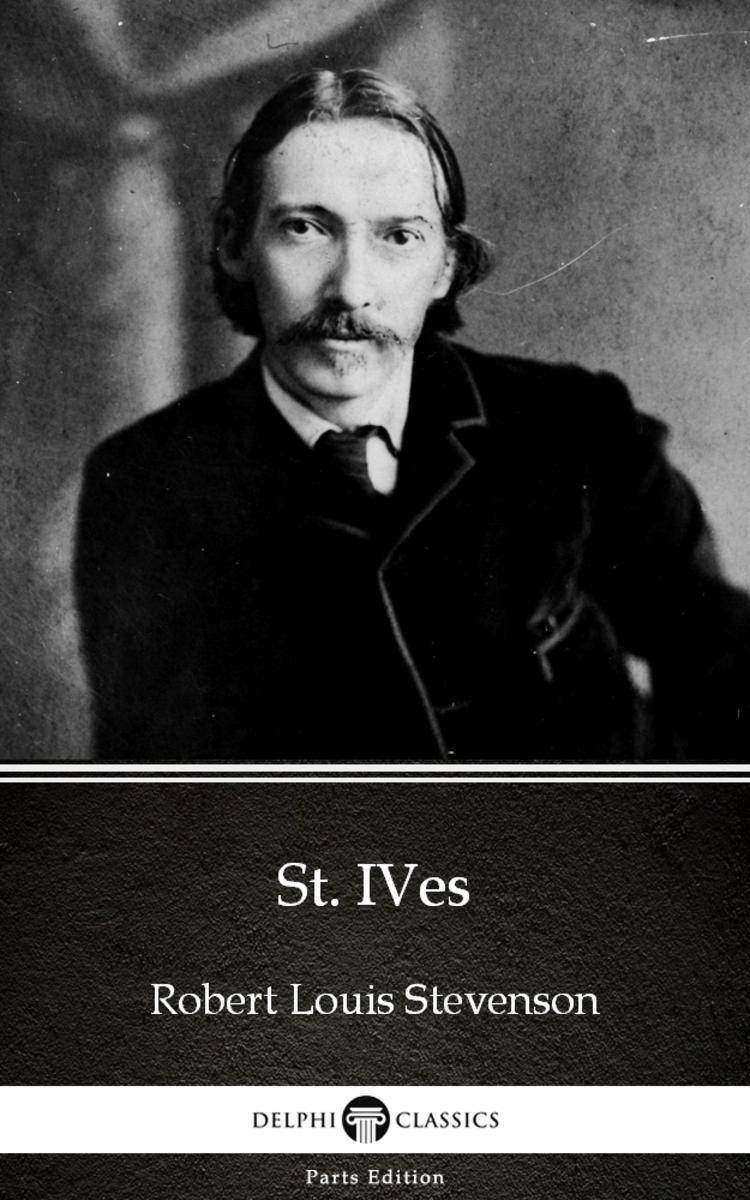
St. Ives by Robert Louis Stevenson (Illustrated)
¥8.09
This eBook features the unabridged text of ‘St. Ives’ from the bestselling edition of ‘The Complete Works of Robert Louis Stevenson’. Having established their name as the leading publisher of classic literature and art, Delphi Classics produce publications that are individually crafted with superior formatting, while introducing many rare texts for the first time in digital print. The Delphi Classics edition of Stevenson includes original annotations and illustrations relating to the life and works of the author, as well as individual tables of contents, allowing you to navigate eBooks quickly and easily.eBook features:* The complete unabridged text of ‘St. Ives’* Beautifully illustrated with images related to Stevenson’s works* Individual contents table, allowing easy navigation around the eBook* Excellent formatting of the textPlease visit www.delphiclassics.com to learn more about our wide range of titles

Star Begotten by H. G. Wells (Illustrated)
¥8.09
This eBook features the unabridged text of ‘Star Begotten’ from the bestselling edition of ‘The Complete Works of H. G. Wells’. Having established their name as the leading publisher of classic literature and art, Delphi Classics produce publications that are individually crafted with superior formatting, while introducing many rare texts for the first time in digital print. The Delphi Classics edition of Wells includes original annotations and illustrations relating to the life and works of the author, as well as individual tables of contents, allowing you to navigate eBooks quickly and easily.eBook features:* The complete unabridged text of ‘Star Begotten’* Beautifully illustrated with images related to Wells’s works* Individual contents table, allowing easy navigation around the eBook* Excellent formatting of the textPlease visit www.delphiclassics.com to learn more about our wide range of titles

Babes in the Darkling Wood by H. G. Wells (Illustrated)
¥8.09
This eBook features the unabridged text of ‘Babes in the Darkling Wood’ from the bestselling edition of ‘The Complete Works of H. G. Wells’. Having established their name as the leading publisher of classic literature and art, Delphi Classics produce publications that are individually crafted with superior formatting, while introducing many rare texts for the first time in digital print. The Delphi Classics edition of Wells includes original annotations and illustrations relating to the life and works of the author, as well as individual tables of contents, allowing you to navigate eBooks quickly and easily.eBook features:* The complete unabridged text of ‘Babes in the Darkling Wood’* Beautifully illustrated with images related to Wells’s works* Individual contents table, allowing easy navigation around the eBook* Excellent formatting of the textPlease visit www.delphiclassics.com to learn more about our wide range of titles

The Stolen Bacillus and Other Incidents by H. G. Wells (Illustrated)
¥8.09
This eBook features the unabridged text of ‘The Stolen Bacillus and Other Incidents’ from the bestselling edition of ‘The Complete Works of H. G. Wells’. Having established their name as the leading publisher of classic literature and art, Delphi Classics produce publications that are individually crafted with superior formatting, while introducing many rare texts for the first time in digital print. The Delphi Classics edition of Wells includes original annotations and illustrations relating to the life and works of the author, as well as individual tables of contents, allowing you to navigate eBooks quickly and easily.eBook features:* The complete unabridged text of ‘The Stolen Bacillus and Other Incidents’* Beautifully illustrated with images related to Wells’s works* Individual contents table, allowing easy navigation around the eBook* Excellent formatting of the textPlease visit www.delphiclassics.com to learn more about our wide range of titles

Jane Austen, Her Life and Letters
¥8.09
This eBook features the unabridged text of ‘Jane Austen, Her Life and Letters by William Austen-Leigh and Richard Arthur Austen-Leigh’ from the bestselling edition of ‘The Complete Works of Jane Austen’. Having established their name as the leading publisher of classic literature and art, Delphi Classics produce publications that are individually crafted with superior formatting, while introducing many rare texts for the first time in digital print. The Delphi Classics edition of Austen includes original annotations and illustrations relating to the life and works of the author, as well as individual tables of contents, allowing you to navigate eBooks quickly and easily.eBook features:* The complete unabridged text of ‘Jane Austen, Her Life and Letters by William Austen-Leigh and Richard Arthur Austen-Leigh’* Beautifully illustrated with images related to Austen’s works* Individual contents table, allowing easy navigation around the eBook* Excellent formatting of the textPlease visit www.delphiclassics.com to learn more about our wide range of titles

Hadji Murad by Leo Tolstoy (Illustrated)
¥8.09
This eBook features the unabridged text of ‘Hadji Murad’ from the bestselling edition of ‘The Complete Works of Leo Tolstoy’. Having established their name as the leading publisher of classic literature and art, Delphi Classics produce publications that are individually crafted with superior formatting, while introducing many rare texts for the first time in digital print. The Delphi Classics edition of Tolstoy includes original annotations and illustrations relating to the life and works of the author, as well as individual tables of contents, allowing you to navigate eBooks quickly and easily.eBook features:* The complete unabridged text of ‘Hadji Murad’* Beautifully illustrated with images related to Tolstoy’s works* Individual contents table, allowing easy navigation around the eBook* Excellent formatting of the textPlease visit www.delphiclassics.com to learn more about our wide range of titles

Anna Karenina (Nuova edizione annotata)
¥8.09
Anna Karenina (in russo: Aнна Каренина) è un romanzo di Lev Tolstoj che fu pubblicato per la prima volta nel 1877. Considerato un capolavoro del realismo, l'autore trasse ispirazione da "I racconti di Belkin" dello scrittore e poeta russo Aleksandr Sergeevi? Pu?kin. Sebbene la maggior parte della critica russa stroncasse il romanzo fin dalla prima pubblicazione, definendolo ?un romanzo frivolo dell'alta società?, secondo lo scrittore russo F?dor Michajlovi? Dostoevskij ?Anna Karenina in quanto opera d'arte è la perfezione... e niente della letteratura europea della nostra epoca può esserle paragonato?. La sua opinione fu condivisa da Vladimir Vladimirovi? Nabokov, che lo definì ?il capolavoro assoluto della letteratura del XIX secolo?.

Huckleberry Finn: Part 1
¥8.09
Dear Grown-ups! This book has been written for You! Our story is set in the XXXIV century. As we follow the intriguing life of a royal family we gain insight into the future. A new folk is taking shape, its progress unstoppable. The battle against the force of Darkness puts an end to the idyllic if somewhat insipid life they have grown accustomed to and its outcome will determine the faith of planet Earth ...
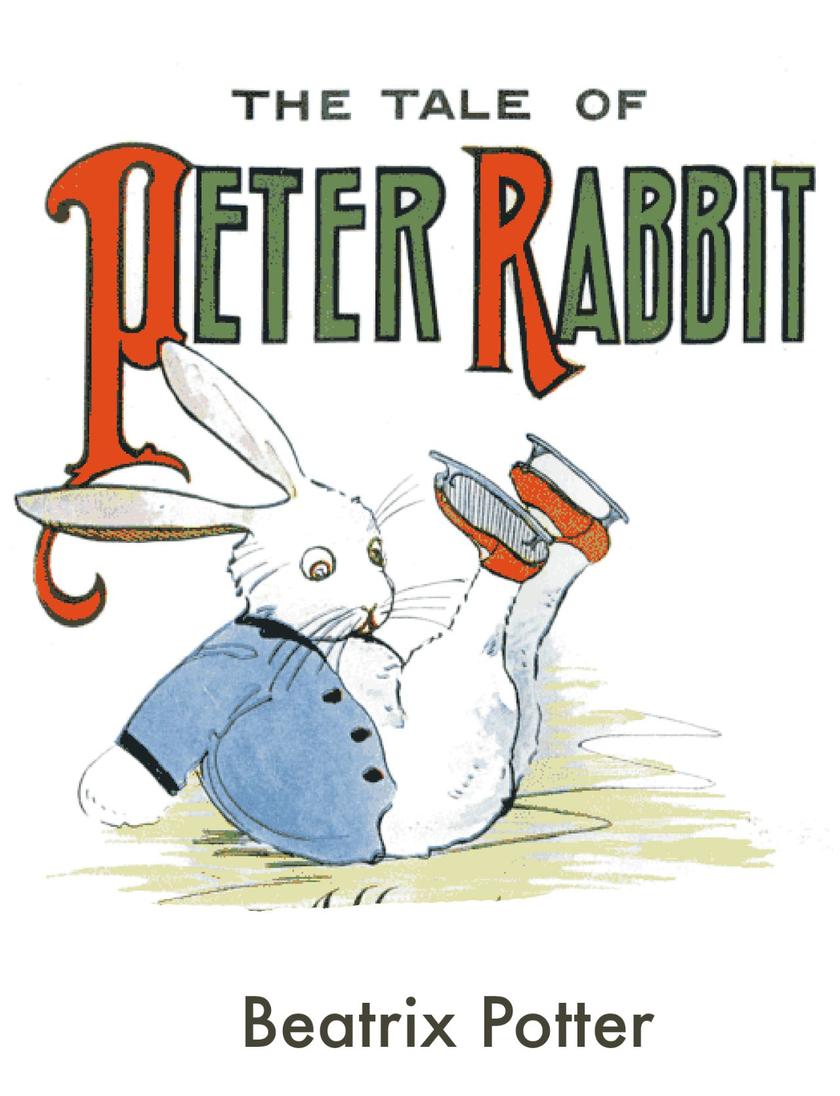
The Tale Of Peter Rabbit
¥8.09
Tanara Oriana moare intr-un accident, chiar in ziua nuntii ei. Pentru oricine, acesta ar parea sfarsitul. Nu si pentru ea. Se intoarce ca recuperator de suflete, insa nu la vechea viata si familie, pentru care trebuie sa ramana moarta, ci la una cu totul noua. Rasfatul si confortul, considerate garantate mai inainte, se duc acum pe Apa Sambetei. Va trebui sa lupte pentru a-i salva pe ceilalti, dar si pe sine. Apar noi prieteni, noi dusmani si… prima iubire? Exista viata dupa moarte? Unii vor spune ca da, altii ca nu. Dar exista un raspuns la care cu siguranta nu v-ati gandit. Exista recuperatorii de suflete. Smulsi din existentele lor, sunt aruncati in altele, neintrebati de nimeni, fara sa li se ceara acceptul. Trebuie doar sa se supuna legilor celor de Dincolo. Iar unii aleg razvratirea…In volumul 2, relatia ei cu Marc, dar si cu ingerii, se aprofundeaza si o determina sa reevalueze tot ce simtea fata de fiecare dintre ei.Aventura se inteteste, atragand cititorul intr-un vartej din care nu mai poate, si nu mai vrea, sa iasa.
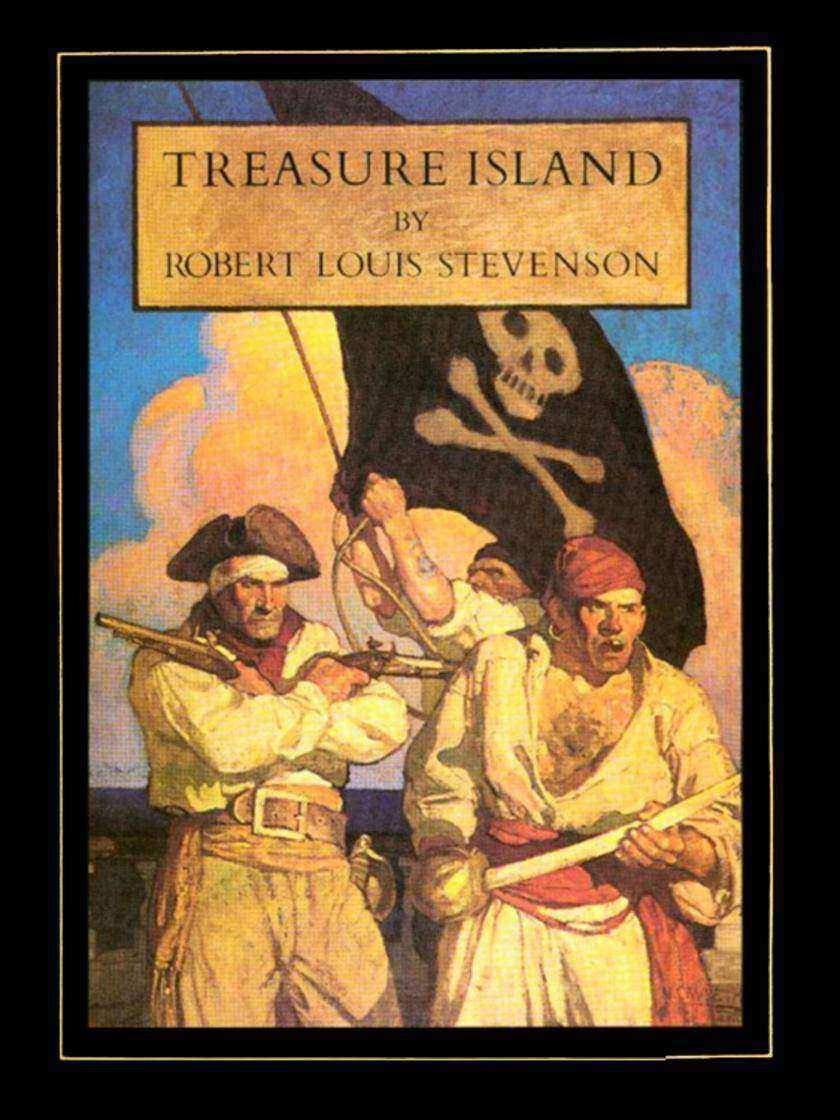
Treasure Island
¥8.09
Tanara Oriana moare intr-un accident, chiar in ziua nuntii ei. Pentru oricine, acesta ar parea sfarsitul. Nu si pentru ea. Se intoarce ca recuperator de suflete, insa nu la vechea viata si familie, pentru care trebuie sa ramana moarta, ci la una cu totul noua. Rasfatul si confortul, considerate garantate mai inainte, se duc acum pe Apa Sambetei. Va trebui sa lupte pentru a-i salva pe ceilalti, dar si pe sine. Apar noi prieteni, noi dusmani si… prima iubire? Exista viata dupa moarte? Unii vor spune ca da, altii ca nu. Dar exista un raspuns la care cu siguranta nu v-ati gandit. Exista recuperatorii de suflete. Smulsi din existentele lor, sunt aruncati in altele, neintrebati de nimeni, fara sa li se ceara acceptul. Trebuie doar sa se supuna legilor celor de Dincolo. Iar unii aleg razvratirea…In volumul 3, lucrurile iau o intorsatura la care nimeni nu s-ar fi gandit. Ce este Dincolo? Indiferent cu ti-ai imaginat tu, cititorule ca e, nimic din ce ai trait pana acum ne te-a pregatit pentru ce vei afla.Ai curaj? Atunci, continua aventura alaturi de Oriana si ingerii ei.
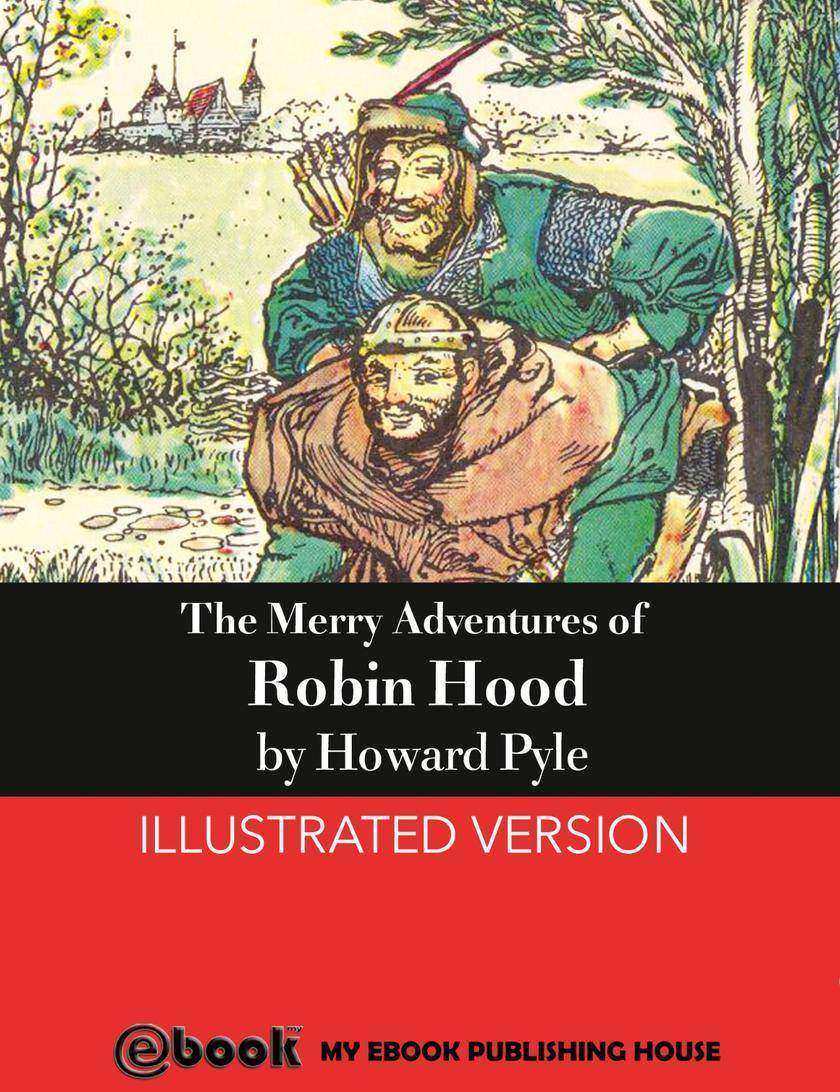
The Merry Adventures of Robin Hood
¥8.09
Aviatoarea Sure Vanay porneste in cea mai importanta misiune a vietii sale, care o poate propulsa spre un nivel mai inalt in randul aviatorilor din Naram. Misiunea stranie pe care o primeste, de a livra un mesaj la o adresa nestiuta de nimeni, aflata la baza muntelui Histo, o trimite pe Sure intr-o calatorie de neuitat. Curiozitatea si curajul o imping spre limitele dintre spatiu si timp, facand-o sa se piarda chiar inainte de a ajunge la destinatie. Locurile pe care le vede, oamenii pe care ii intalneste si speranta nebuna de a-si revedea fratele disparut, o poarta intr-o lume cu totul noua si misterioasa. Incepe o aventura de neuitat alaturi de Sure Vanay, aviatoarea neinfricata si decopera o lume plina de emotie, in care razboiul sta sa inceapa la fiecare pas, in care dragostea pare imposibila si timpul devine relativ.


