


 购物车
购物车 个人中心
个人中心
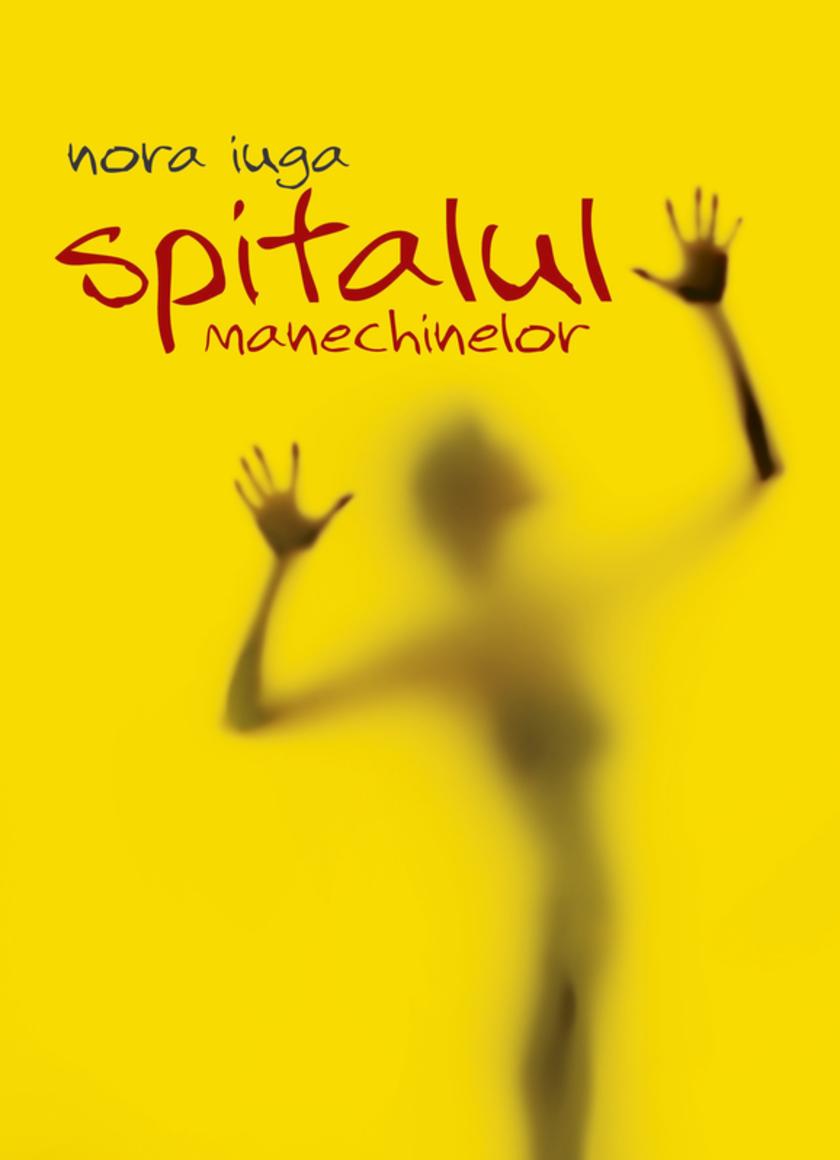
Spitalul manechinelor
¥8.09
Snt fericit de aceast regsire n literatur a lui InimRea, cum snt bucuros c, din ntmplare, i-am fost cumva un martor privilegiat, publicnd acum aproape patru ani n Timpul primele pagini din Cas pe pmnt i susinnd publicarea celor Cteva idei despre fericire la Editura T. Iar acum, Adenium i reediteaz unul din romanele deja publicate, care va fi, cum am scris deja c sper, urmat de altele. Cum nc mai trim n era Navigatorului, i urez lui InimRea vnt bun la pup!“ – Liviu Antonesei
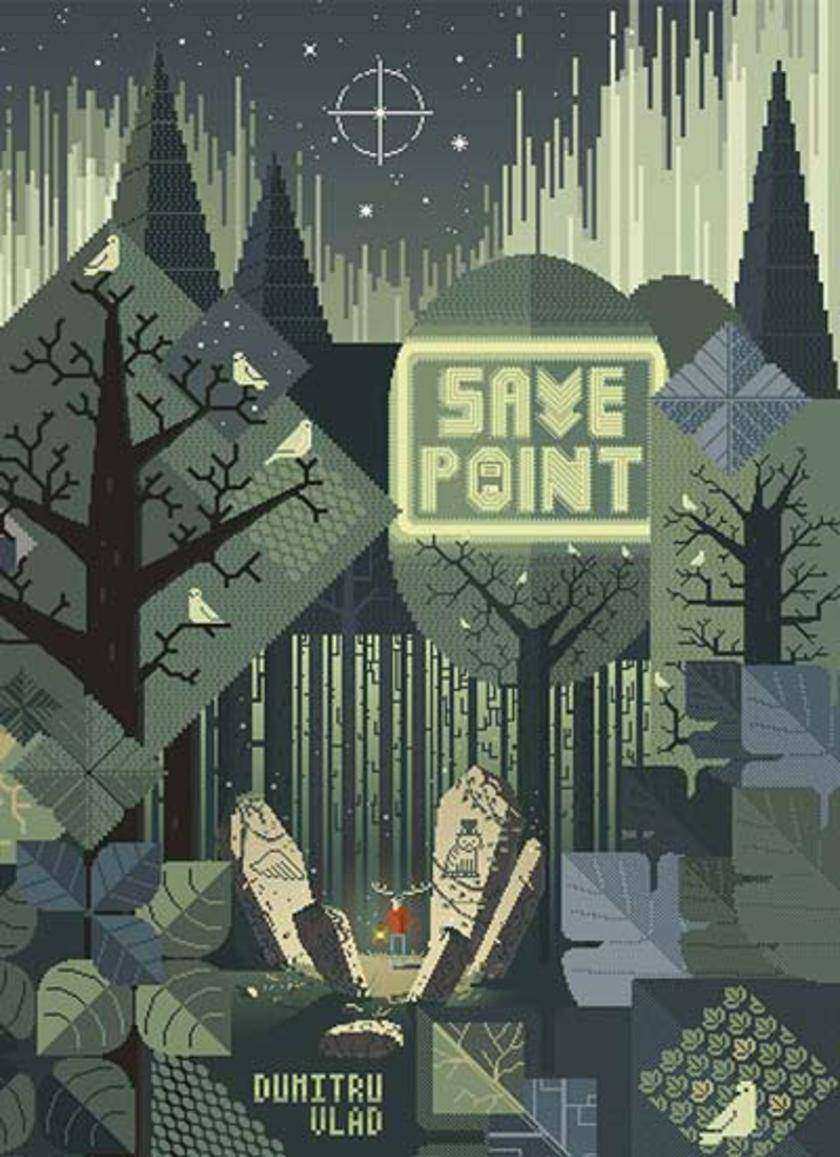
Save Point
¥8.09
n secolul XXI, omenirea, devastat de cium, se afl n pragul extinciei. i, pentru c nu exist leac, evenimentele se precipit, iar protagonitii, n ncercarea de ai salva vieile, pleac n cutarea unui trm iluzoriu, a unui nou eden care s prezerve umanitatea. n final, rmas singur, naratorul triete cu sperana c undeva, ntrun col al planetei, exist mcar un supravieuitor i pornete n cutarea lui.
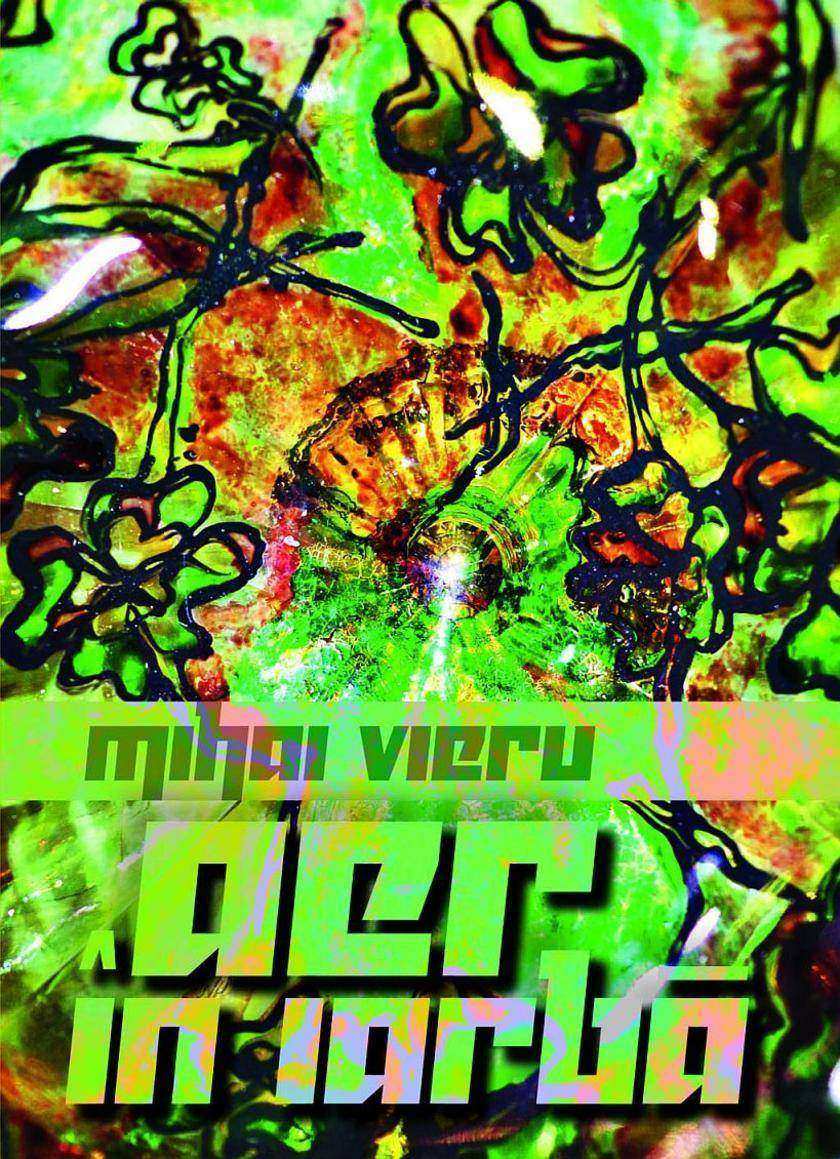
Aer ?n iarb?
¥8.09
Hanna Bota scrie cri ale descoperirii de sine prin Cellalt, prin Ceilali. Aceast mare i veche tem are, n cazul ei, o rezolvare aparte, cci Cellalt este nu doar cel din vecintate, ci i, mai ales, cel de foarte departe, tritor n orizonturi exotice, acolo unde diferena e strident i numai privirea lateral, n mai multele sensuri ale acesteia, poate conduce spre esena uman, spre miezul tare al fiinei. Punnd la btaie, n surprinztoare conexiuni, feluritele instrumente de cunoatere i interpretare pe care le-a acumulat n timp: literatur, etnologie, antropologie cultural, teologie, nu se mulumete cu privirea fix, focalizat, ghidat strict de regulile tiinei sale, ci tenteaz pai lturalnici, sensuri derivate, improvizeaz interdisciplinar, se pune pe sine n locul celuilalt pentru a-i descifra perspectiva, nelinitile, modelul de lume.Ultimul canibal ne purtase n insulele Vanuatu din Pacific. De data aceasta, jurnalul eseistic de cltorie, cu inserii poematice i desfurri epice, rotunjete povestea cutrii de sine prin iubire a Laviniei, tnr muzician romnc, urmrind-o n ara sa, mai nti, n Italia i India, apoi, ntr-o curgere de ntmplri nvolburate, rtcitor-iniiatice, ntre Occident i Orient, cu toate simurile n alert. Apa e motivul central al crii. De la Dunre la Gange, de la lacrim la diluviu, izvor susurnd ori val nfuriat, ea e simbol al vieii, al luptei pentru supravieuire i pentru nchegarea unui orict de firav rost. Tot ea traduce reverii identitare, comaruri negre, tensiuni i crize. Vrtejul explorrii de sine i asum traversarea ntunericului ca singur drum la ndemn spre lumin. Drum desenat n tine ca o hart a direciei ctre comoara de mare pre i ezitnd benefic, n noua i incitanta carte a Hannei Bota, ntre realitate i ficiune, cu irizri fantastice i nenumrate ui (ntre)deschise de-o parte i de cealalt a naintrii destinale.“ – Irina Petra
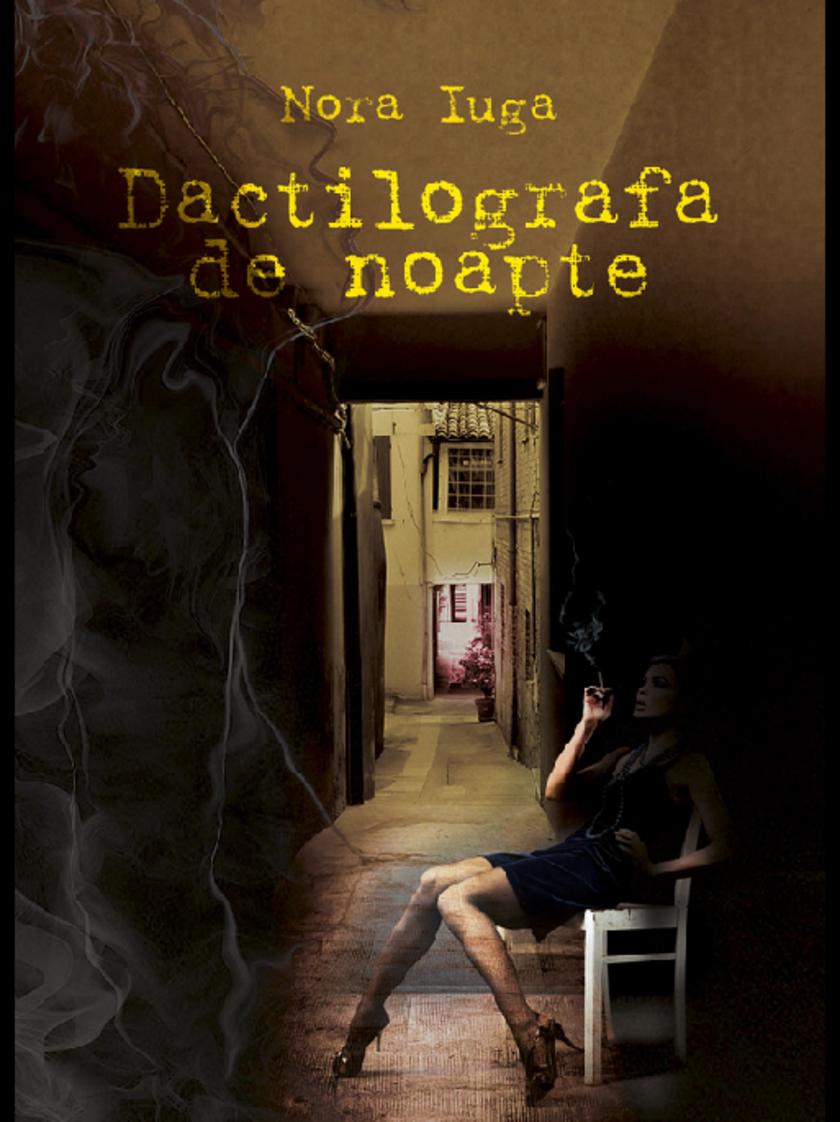
Dactilografa de noapte
¥8.09
Pentru c? unii se nasc prea buni ?i prea multi-talenta?i, avem ?ansa unor c?r?i cum este Pisica rupt?.Mircea Daneliuc pune la b?taie o poveste spumoas? despre via?a (p?n? acum) secret? a cinea?tilor din vremurile rom?ne?ti c?nd pelicula de film se d?dea la ra?ie, exact la fel ca p?inea ?i salamul de soia. Personaje de ?legend?“ ca Albani, Dinu Seralu ?i Vasilica Cur-de-Fier, ?ntr-o doz? incredibil? de umor, creativitate ?i sarcasm.
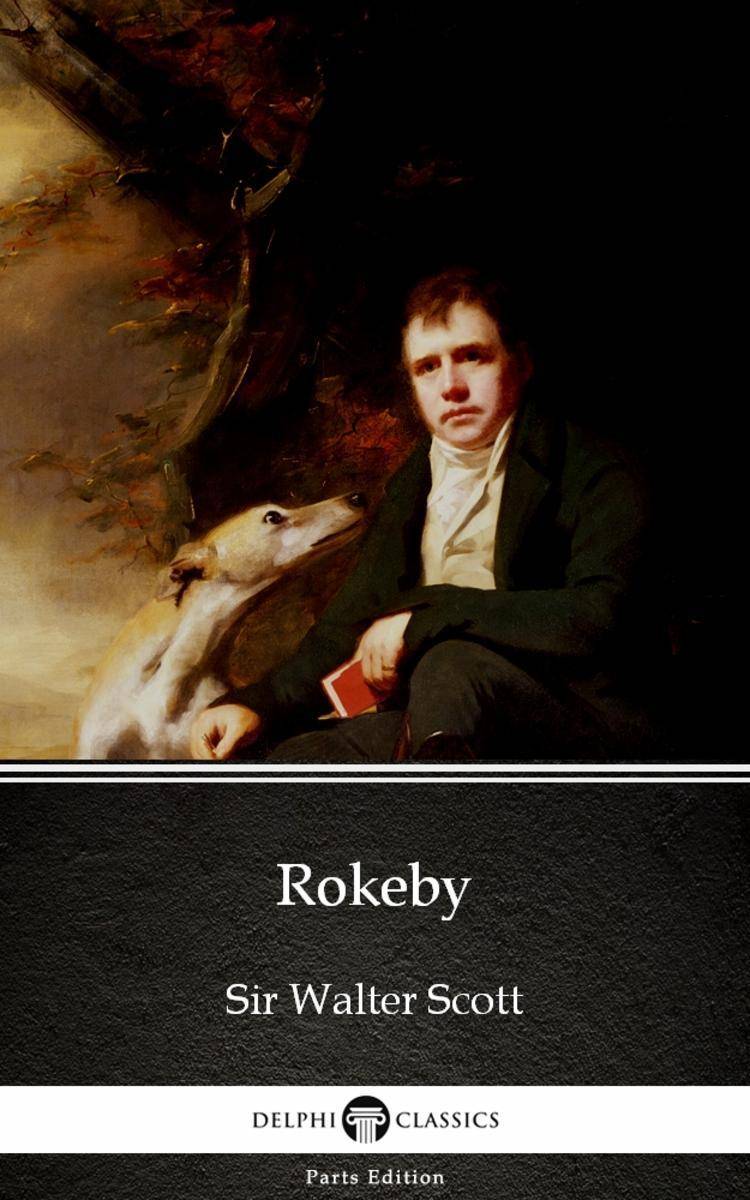
Rokeby by Sir Walter Scott (Illustrated)
¥8.09
This eBook features the unabridged text of ‘Rokeby’ from the bestselling edition of ‘The Complete Works of Sir Walter Scott’. Having established their name as the leading publisher of classic literature and art, Delphi Classics produce publications that are individually crafted with superior formatting, while introducing many rare texts for the first time in digital print. The Delphi Classics edition of Scott includes original annotations and illustrations relating to the life and works of the author, as well as individual tables of contents, allowing you to navigate eBooks quickly and easily.eBook features:* The complete unabridged text of ‘Rokeby’* Beautifully illustrated with images related to Scott’s works* Individual contents table, allowing easy navigation around the eBook* Excellent formatting of the textPlease visit www.delphiclassics.com to learn more about our wide range of titles

The Conspirators by Alexandre Dumas (Illustrated)
¥8.09
This eBook features the unabridged text of ‘The Conspirators’ from the bestselling edition of ‘The Collected Works of Alexandre Dumas’. Having established their name as the leading publisher of classic literature and art, Delphi Classics produce publications that are individually crafted with superior formatting, while introducing many rare texts for the first time in digital print. The Delphi Classics edition of Dumas includes original annotations and illustrations relating to the life and works of the author, as well as individual tables of contents, allowing you to navigate eBooks quickly and easily.eBook features:* The complete unabridged text of ‘The Conspirators’* Beautifully illustrated with images related to Dumas’s works* Individual contents table, allowing easy navigation around the eBook* Excellent formatting of the textPlease visit www.delphiclassics.com to learn more about our wide range of titles
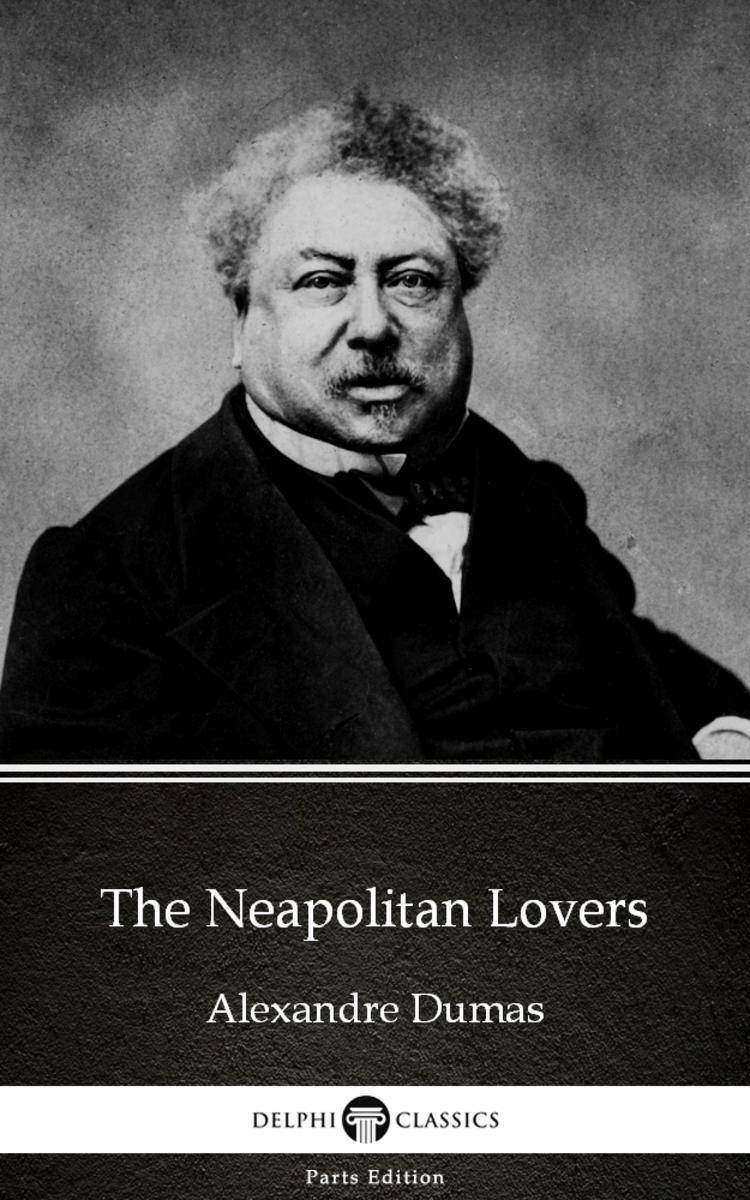
The Neapolitan Lovers by Alexandre Dumas (Illustrated)
¥8.09
This eBook features the unabridged text of ‘The Neapolitan Lovers’ from the bestselling edition of ‘The Collected Works of Alexandre Dumas’. Having established their name as the leading publisher of classic literature and art, Delphi Classics produce publications that are individually crafted with superior formatting, while introducing many rare texts for the first time in digital print. The Delphi Classics edition of Dumas includes original annotations and illustrations relating to the life and works of the author, as well as individual tables of contents, allowing you to navigate eBooks quickly and easily.eBook features:* The complete unabridged text of ‘The Neapolitan Lovers’* Beautifully illustrated with images related to Dumas’s works* Individual contents table, allowing easy navigation around the eBook* Excellent formatting of the textPlease visit www.delphiclassics.com to learn more about our wide range of titles

The Rainbow by D. H. Lawrence (Illustrated)
¥8.09
This eBook features the unabridged text of ‘The Rainbow’ from the bestselling edition of ‘The Complete Works of D. H. Lawrence’. Having established their name as the leading publisher of classic literature and art, Delphi Classics produce publications that are individually crafted with superior formatting, while introducing many rare texts for the first time in digital print. The Delphi Classics edition of Lawrence includes original annotations and illustrations relating to the life and works of the author, as well as individual tables of contents, allowing you to navigate eBooks quickly and easily.eBook features:* The complete unabridged text of ‘The Rainbow’* Beautifully illustrated with images related to Lawrence’s works* Individual contents table, allowing easy navigation around the eBook* Excellent formatting of the textPlease visit www.delphiclassics.com to learn more about our wide range of titles
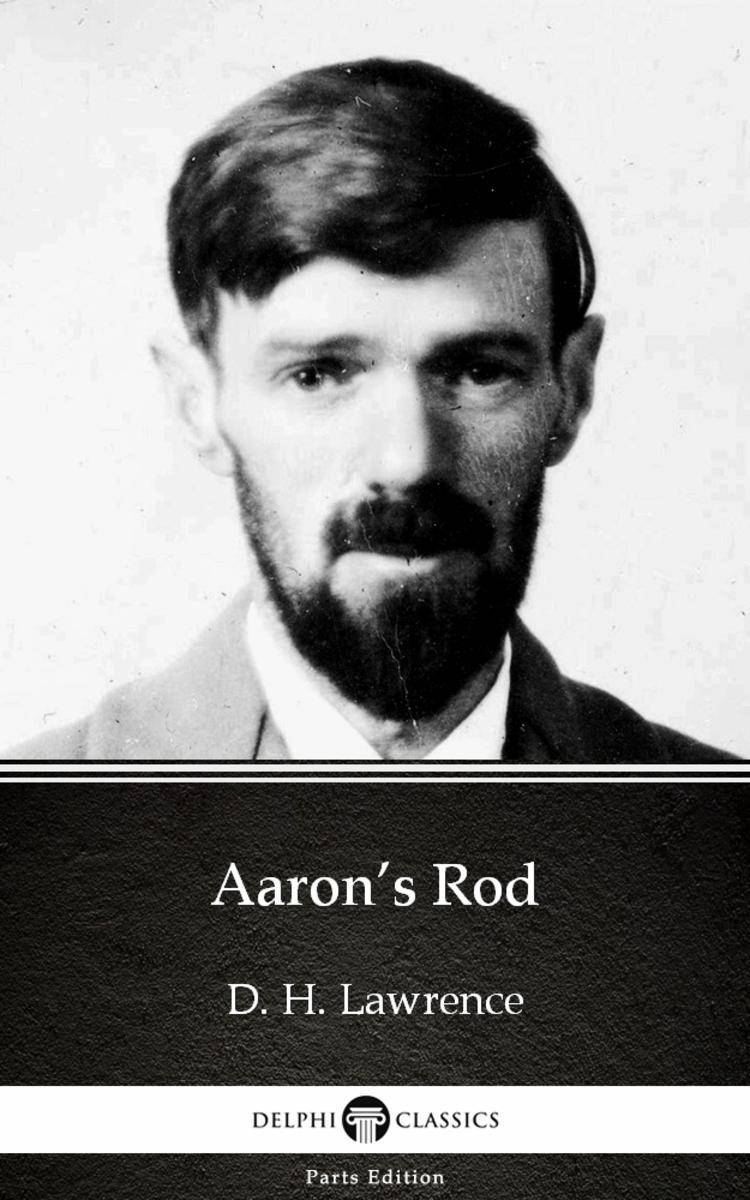
Aaron’s Rod by D. H. Lawrence (Illustrated)
¥8.09
This eBook features the unabridged text of ‘Aaron’s Rod’ from the bestselling edition of ‘The Complete Works of D. H. Lawrence’. Having established their name as the leading publisher of classic literature and art, Delphi Classics produce publications that are individually crafted with superior formatting, while introducing many rare texts for the first time in digital print. The Delphi Classics edition of Lawrence includes original annotations and illustrations relating to the life and works of the author, as well as individual tables of contents, allowing you to navigate eBooks quickly and easily.eBook features:* The complete unabridged text of ‘Aaron’s Rod’* Beautifully illustrated with images related to Lawrence’s works* Individual contents table, allowing easy navigation around the eBook* Excellent formatting of the textPlease visit www.delphiclassics.com to learn more about our wide range of titles

The Boy in the Bush by D. H. Lawrence (Illustrated)
¥8.09
This eBook features the unabridged text of ‘The Boy in the Bush’ from the bestselling edition of ‘The Complete Works of D. H. Lawrence’. Having established their name as the leading publisher of classic literature and art, Delphi Classics produce publications that are individually crafted with superior formatting, while introducing many rare texts for the first time in digital print. The Delphi Classics edition of Lawrence includes original annotations and illustrations relating to the life and works of the author, as well as individual tables of contents, allowing you to navigate eBooks quickly and easily.eBook features:* The complete unabridged text of ‘The Boy in the Bush’* Beautifully illustrated with images related to Lawrence’s works* Individual contents table, allowing easy navigation around the eBook* Excellent formatting of the textPlease visit www.delphiclassics.com to learn more about our wide range of titles
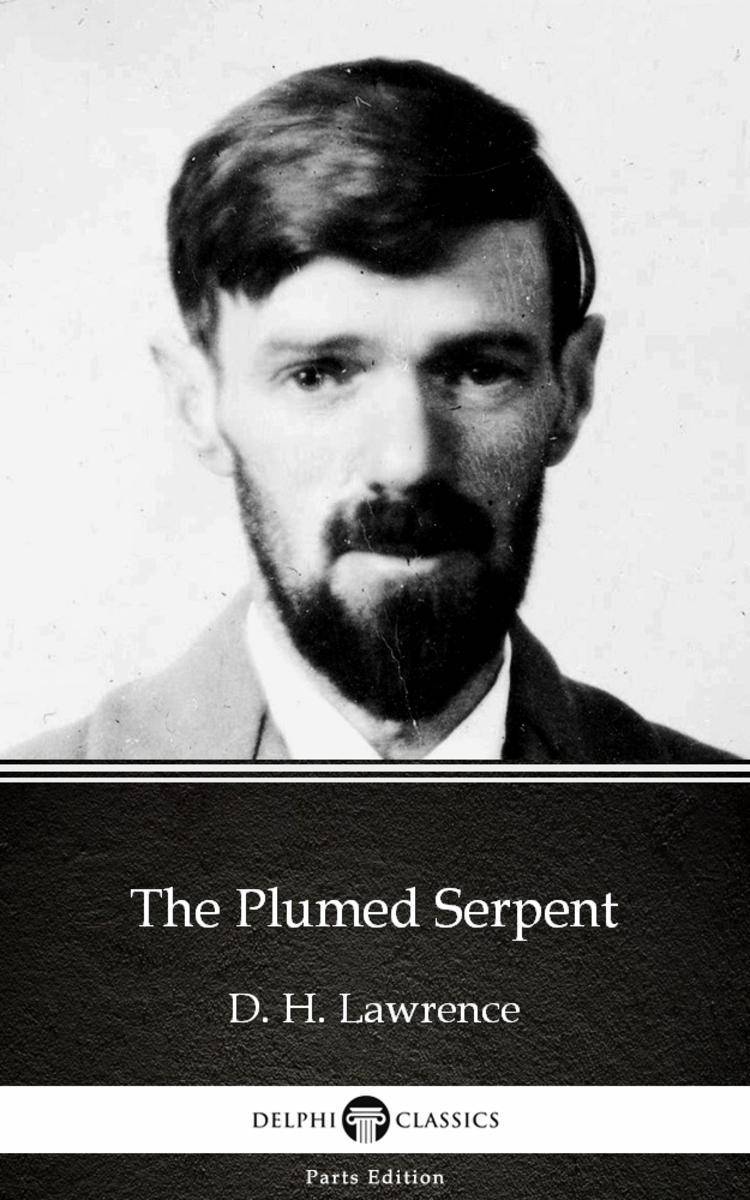
The Plumed Serpent by D. H. Lawrence (Illustrated)
¥8.09
This eBook features the unabridged text of ‘The Plumed Serpent’ from the bestselling edition of ‘The Complete Works of D. H. Lawrence’. Having established their name as the leading publisher of classic literature and art, Delphi Classics produce publications that are individually crafted with superior formatting, while introducing many rare texts for the first time in digital print. The Delphi Classics edition of Lawrence includes original annotations and illustrations relating to the life and works of the author, as well as individual tables of contents, allowing you to navigate eBooks quickly and easily.eBook features:* The complete unabridged text of ‘The Plumed Serpent’* Beautifully illustrated with images related to Lawrence’s works* Individual contents table, allowing easy navigation around the eBook* Excellent formatting of the textPlease visit www.delphiclassics.com to learn more about our wide range of titles
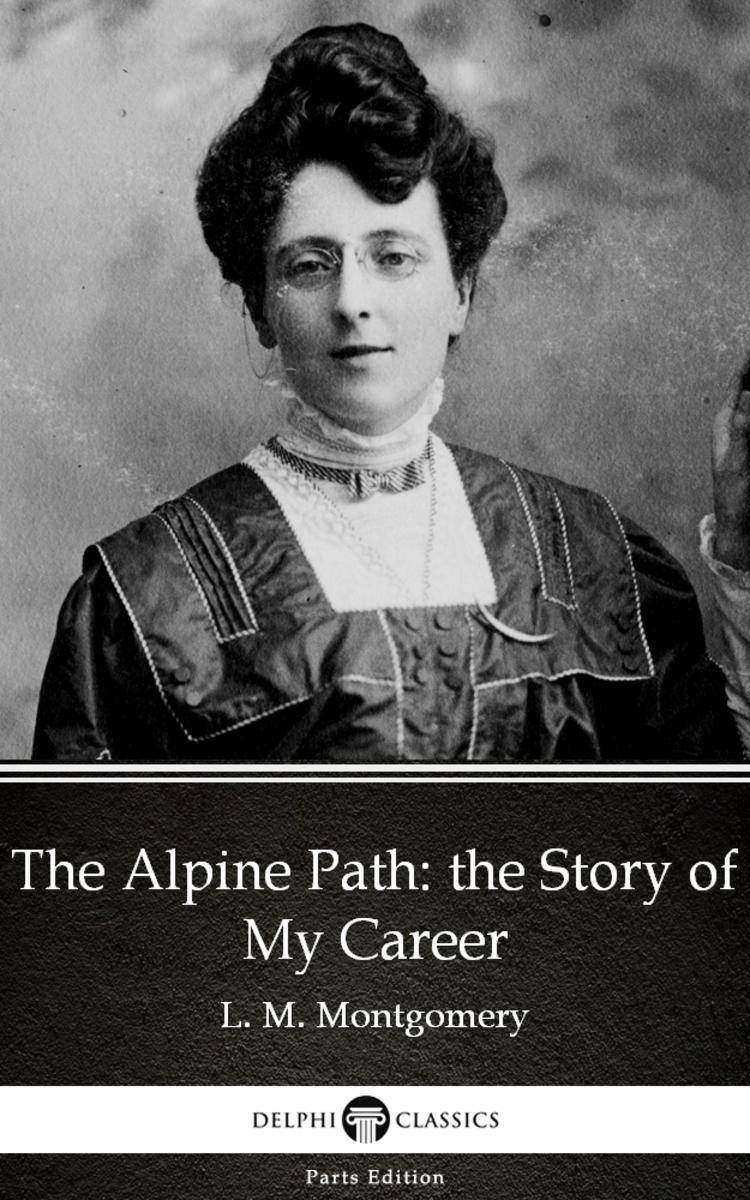
The Alpine Path:the Story of My Career by L. M. Montgomery (Illustrated)
¥8.09
This eBook features the unabridged text of ‘The Alpine Path: the Story of My Career’ from the bestselling edition of ‘The Complete Works of L. M. Montgomery’. Having established their name as the leading publisher of classic literature and art, Delphi Classics produce publications that are individually crafted with superior formatting, while introducing many rare texts for the first time in digital print. The Delphi Classics edition of Montgomery includes original annotations and illustrations relating to the life and works of the author, as well as individual tables of contents, allowing you to navigate eBooks quickly and easily.eBook features:* The complete unabridged text of ‘The Alpine Path: the Story of My Career’* Beautifully illustrated with images related to Montgomery’s works* Individual contents table, allowing easy navigation around the eBook* Excellent formatting of the textPlease visit www.delphiclassics.com to learn more about our wide range of titles
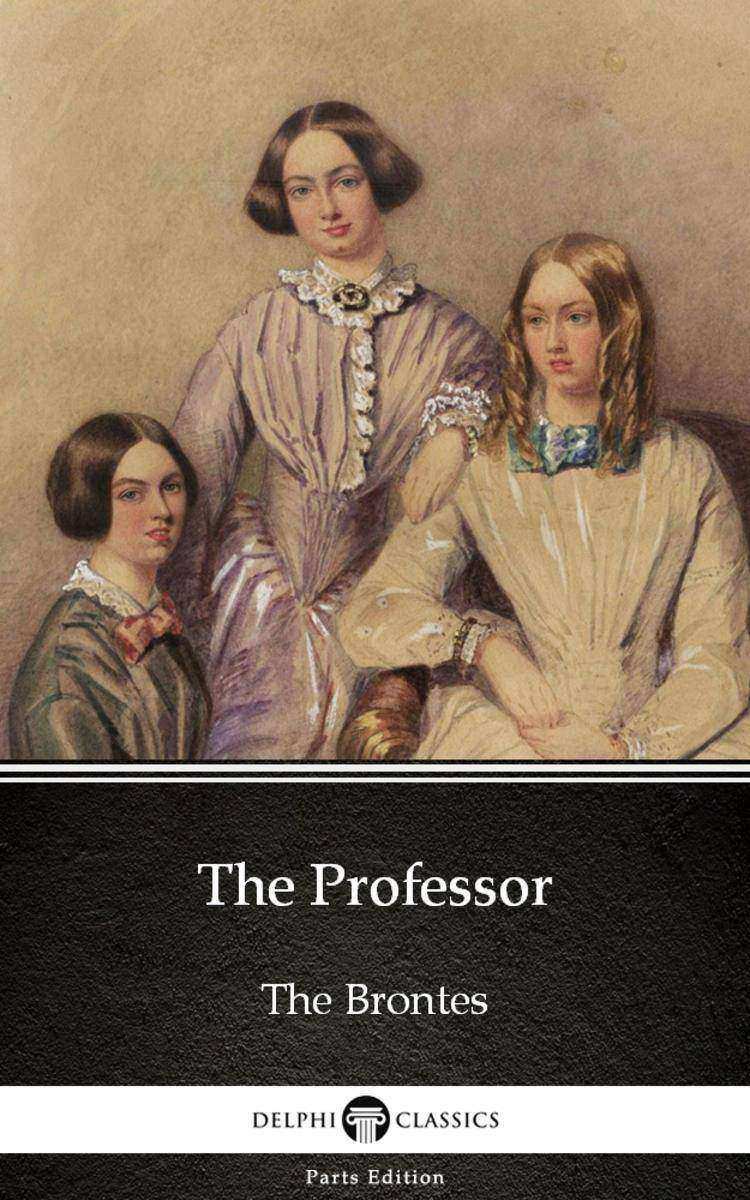
The Professor by Charlotte Bronte (Illustrated)
¥8.09
This eBook features the unabridged text of ‘The Professor’ from the bestselling edition of ‘The Complete Works of The Brontes’. Having established their name as the leading publisher of classic literature and art, Delphi Classics produce publications that are individually crafted with superior formatting, while introducing many rare texts for the first time in digital print. The Delphi Classics edition of Brontes includes original annotations and illustrations relating to the life and works of the author, as well as individual tables of contents, allowing you to navigate eBooks quickly and easily.eBook features:* The complete unabridged text of ‘The Professor’* Beautifully illustrated with images related to Brontes’s works* Individual contents table, allowing easy navigation around the eBook* Excellent formatting of the textPlease visit www.delphiclassics.com to learn more about our wide range of titles
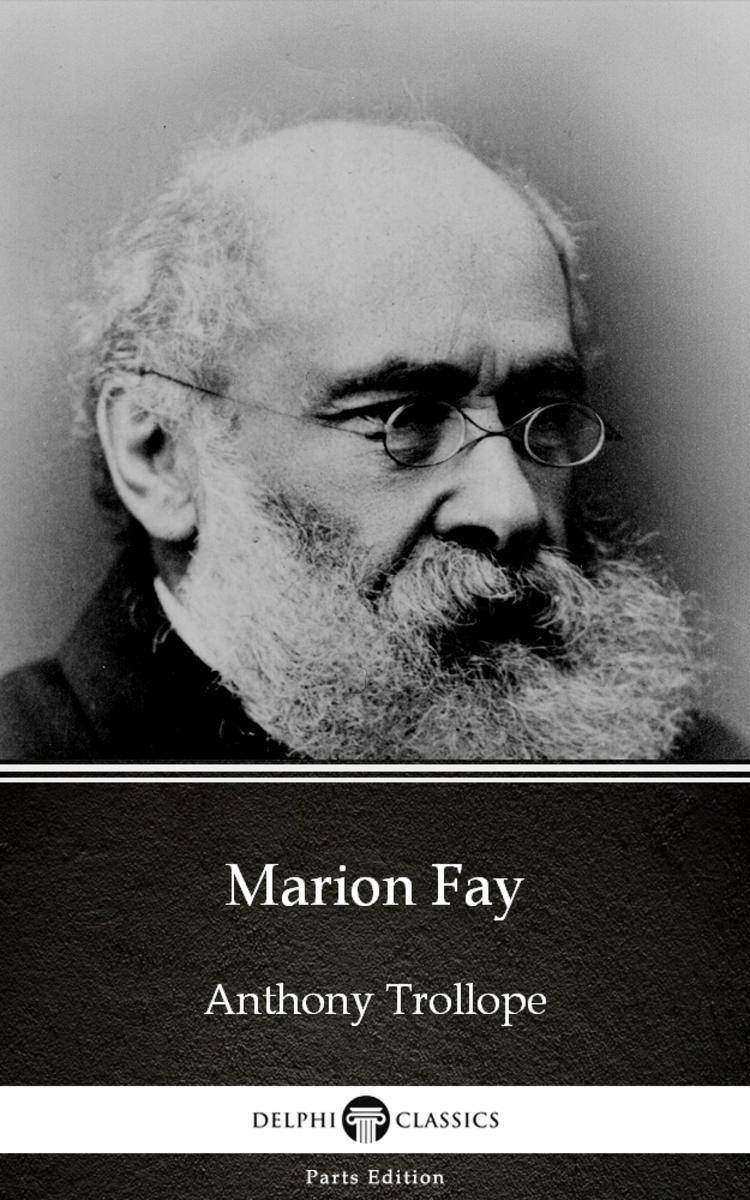
Marion Fay by Anthony Trollope (Illustrated)
¥8.09
This eBook features the unabridged text of ‘Marion Fay’ from the bestselling edition of ‘The Complete Works of Anthony Trollope’. Having established their name as the leading publisher of classic literature and art, Delphi Classics produce publications that are individually crafted with superior formatting, while introducing many rare texts for the first time in digital print. The Delphi Classics edition of Trollope includes original annotations and illustrations relating to the life and works of the author, as well as individual tables of contents, allowing you to navigate eBooks quickly and easily.eBook features:* The complete unabridged text of ‘Marion Fay’* Beautifully illustrated with images related to Trollope’s works* Individual contents table, allowing easy navigation around the eBook* Excellent formatting of the textPlease visit www.delphiclassics.com to learn more about our wide range of titles
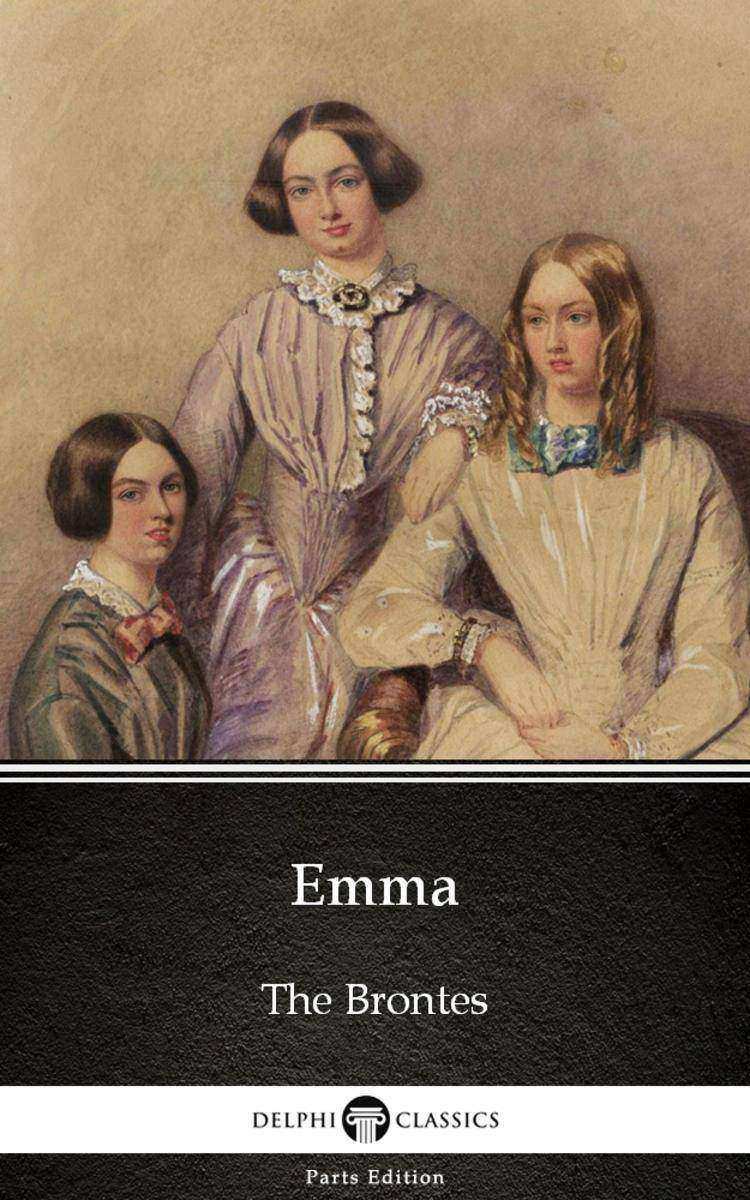
Emma by Charlotte Bronte (Illustrated)
¥8.09
This eBook features the unabridged text of ‘Emma’ from the bestselling edition of ‘The Complete Works of The Brontes’. Having established their name as the leading publisher of classic literature and art, Delphi Classics produce publications that are individually crafted with superior formatting, while introducing many rare texts for the first time in digital print. The Delphi Classics edition of Brontes includes original annotations and illustrations relating to the life and works of the author, as well as individual tables of contents, allowing you to navigate eBooks quickly and easily.eBook features:* The complete unabridged text of ‘Emma’* Beautifully illustrated with images related to Brontes’s works* Individual contents table, allowing easy navigation around the eBook* Excellent formatting of the textPlease visit www.delphiclassics.com to learn more about our wide range of titles
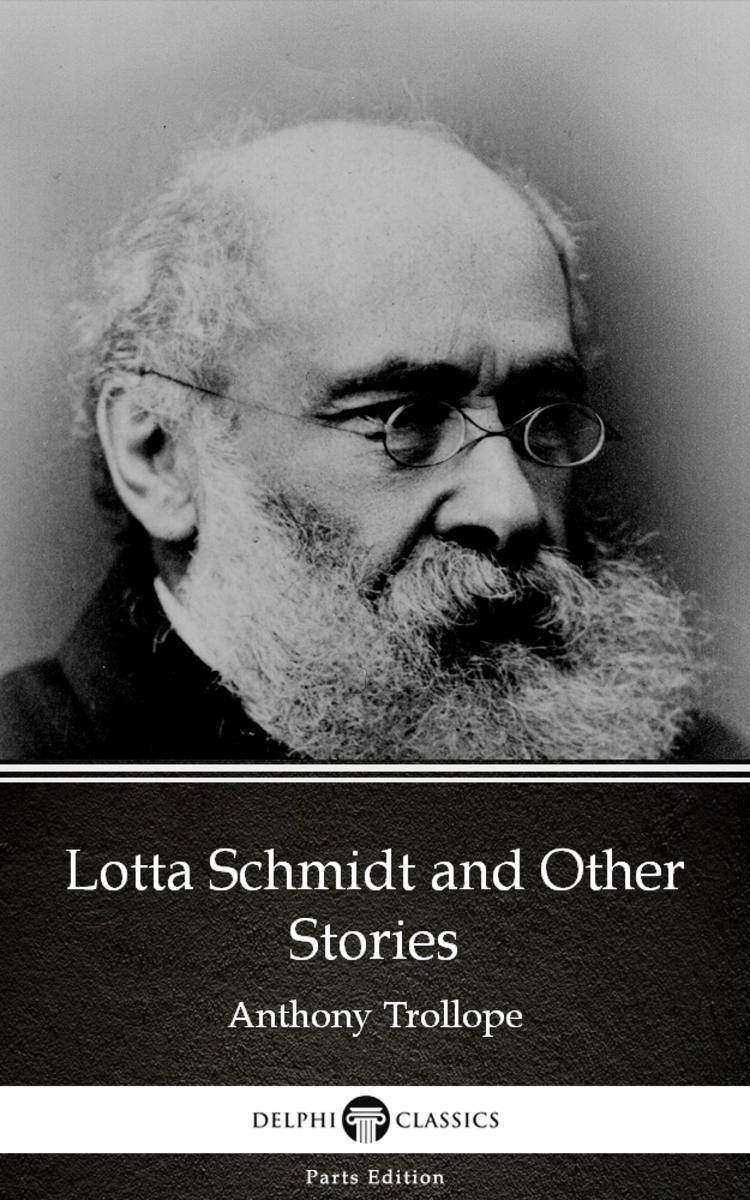
Lotta Schmidt and Other Stories by Anthony Trollope (Illustrated)
¥8.09
This eBook features the unabridged text of ‘Lotta Schmidt and Other Stories’ from the bestselling edition of ‘The Complete Works of Anthony Trollope’. Having established their name as the leading publisher of classic literature and art, Delphi Classics produce publications that are individually crafted with superior formatting, while introducing many rare texts for the first time in digital print. The Delphi Classics edition of Trollope includes original annotations and illustrations relating to the life and works of the author, as well as individual tables of contents, allowing you to navigate eBooks quickly and easily.eBook features:* The complete unabridged text of ‘Lotta Schmidt and Other Stories’* Beautifully illustrated with images related to Trollope’s works* Individual contents table, allowing easy navigation around the eBook* Excellent formatting of the textPlease visit www.delphiclassics.com to learn more about our wide range of titles
A Small Boy and Others
¥8.09
A Small Boy and Others
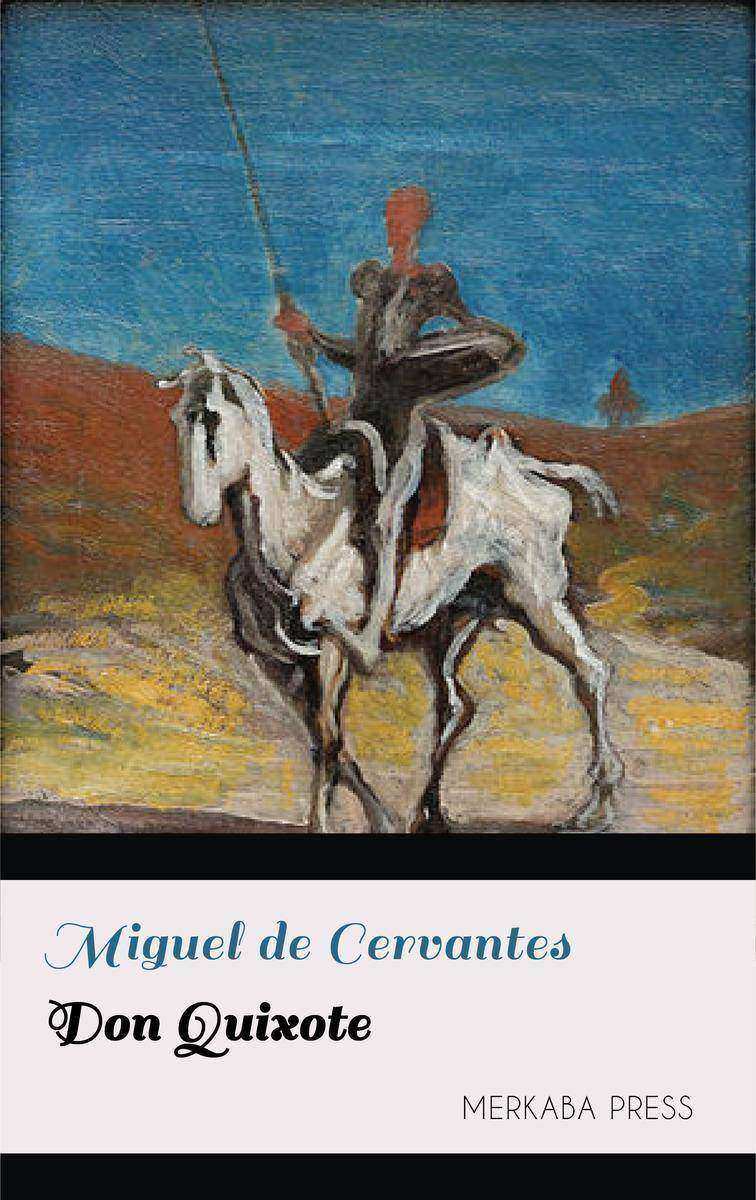
Don Quixote
¥8.09
Don Quixote
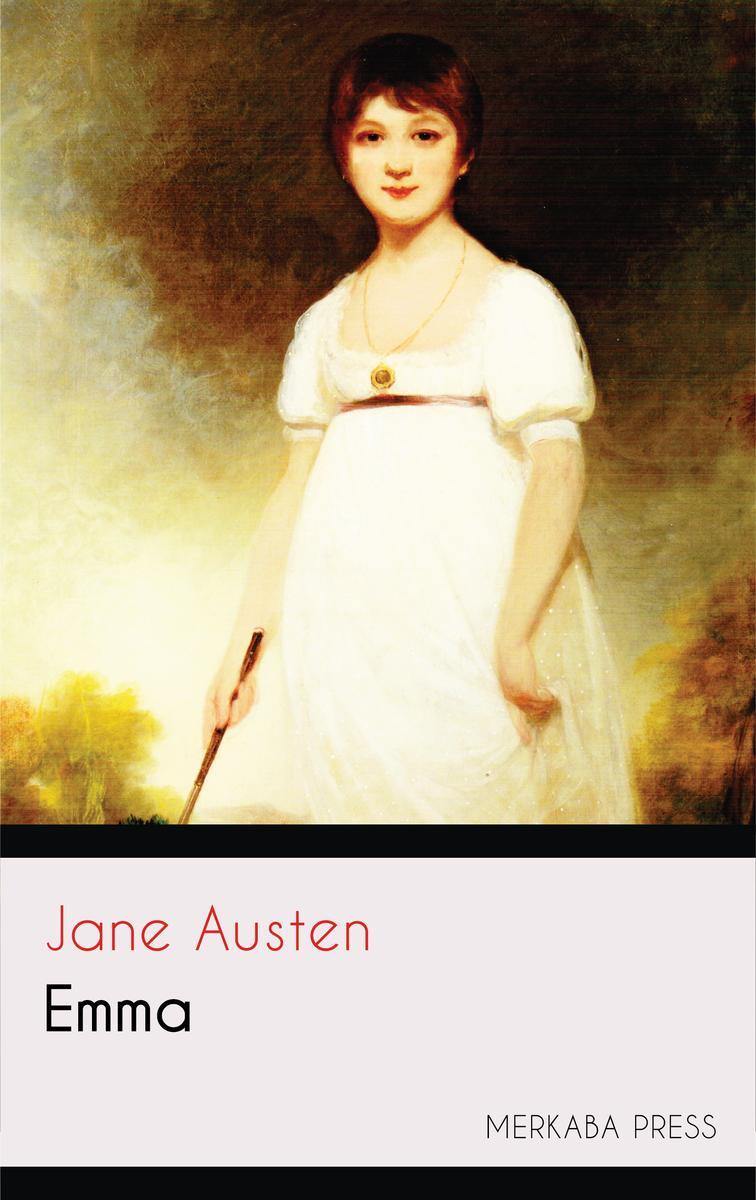
Emma
¥8.09
Emma
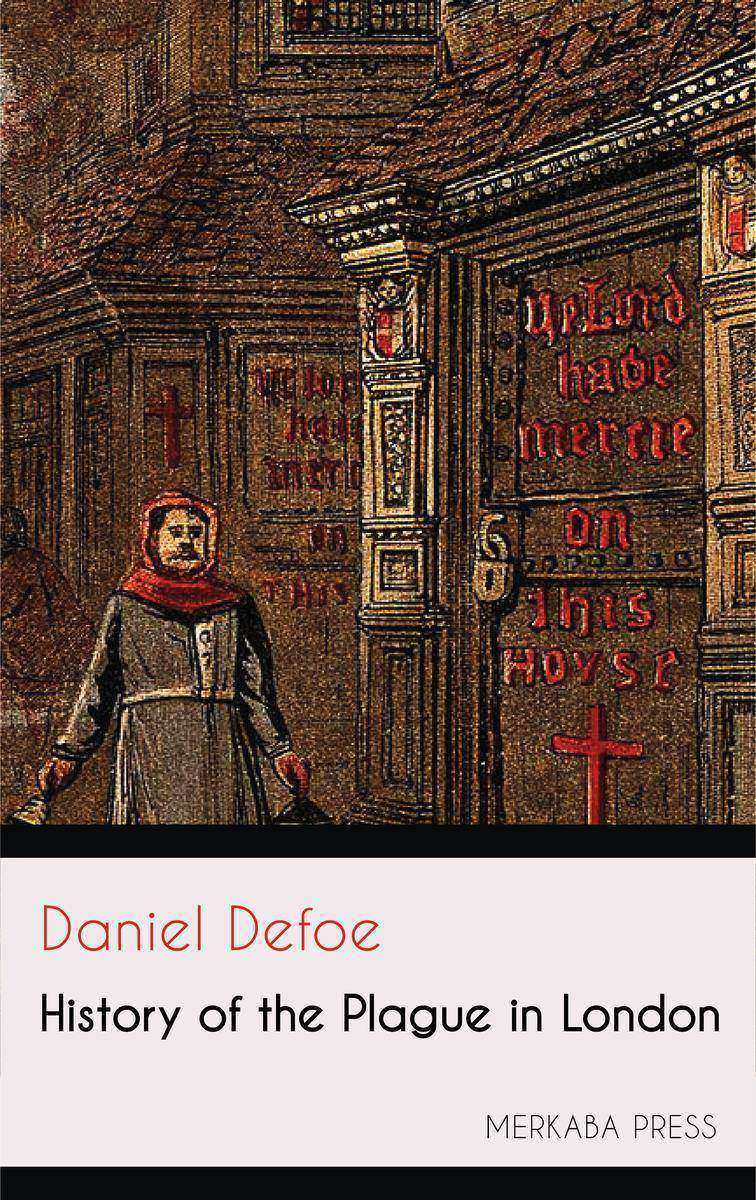
History of the Plague in London
¥8.09
History of the Plague in London
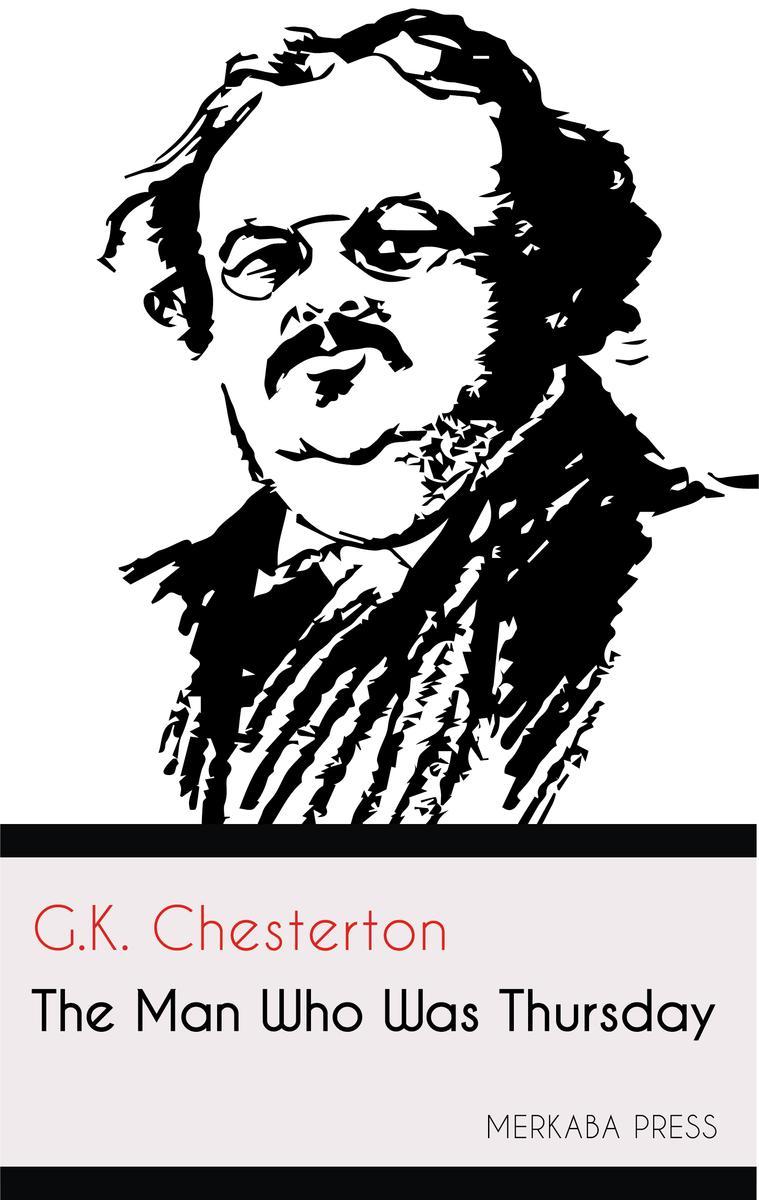
The Man Who Was Thursday
¥8.09
The Man Who Was Thursday


