


 购物车
购物车 个人中心
个人中心

The Consolidator by Daniel Defoe - Delphi Classics (Illustrated)
¥8.09
This eBook features the unabridged text of ‘The Consolidator by Daniel Defoe - Delphi Classics (Illustrated)’ from the bestselling edition of ‘The Complete Works of Daniel Defoe’. Having established their name as the leading publisher of classic literature and art, Delphi Classics produce publications that are individually crafted with superior formatting, while introducing many rare texts for the first time in digital print. The Delphi Classics edition of Defoe includes original annotations and illustrations relating to the life and works of the author, as well as individual tables of contents, allowing you to navigate eBooks quickly and easily. eBook features: * The complete unabridged text of ‘The Consolidator by Daniel Defoe - Delphi Classics (Illustrated)’ * Beautifully illustrated with images related to Defoe’s works * Individual contents table, allowing easy navigation around the eBook * Excellent formatting of the text Please visit www.delphiclassics.com to learn more about our wide range of titles
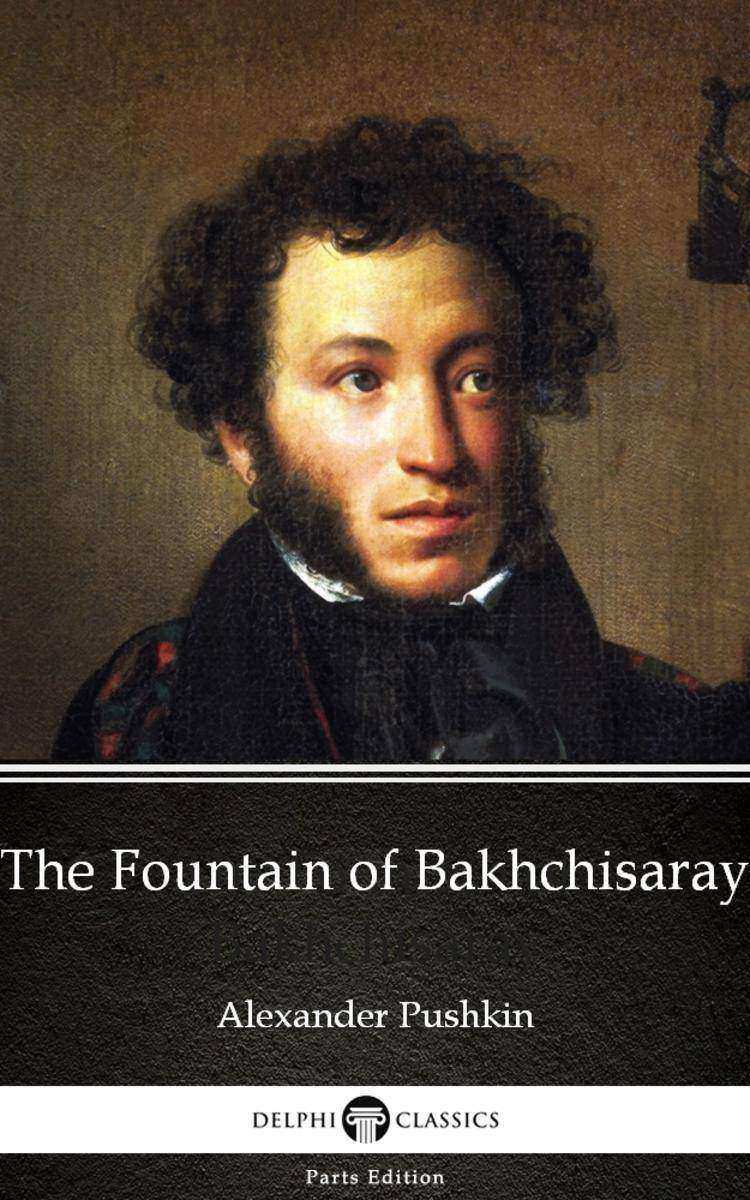
The Fountain of Bakhchisaray by Alexander Pushkin - Delphi Classics (Illustrated
¥8.09
This eBook features the unabridged text of ‘The Fountain of Bakhchisaray by Alexander Pushkin - Delphi Classics (Illustrated)’ from the bestselling edition of ‘The Collected Works of Alexander Pushkin’. Having established their name as the leading publisher of classic literature and art, Delphi Classics produce publications that are individually crafted with superior formatting, while introducing many rare texts for the first time in digital print. The Delphi Classics edition of Pushkin includes original annotations and illustrations relating to the life and works of the author, as well as individual tables of contents, allowing you to navigate eBooks quickly and easily. eBook features: * The complete unabridged text of ‘The Fountain of Bakhchisaray by Alexander Pushkin - Delphi Classics (Illustrated)’ * Beautifully illustrated with images related to Pushkin’s works * Individual contents table, allowing easy navigation around the eBook * Excellent formatting of the text Please visit www.delphiclassics.com to learn more about our wide range of titles
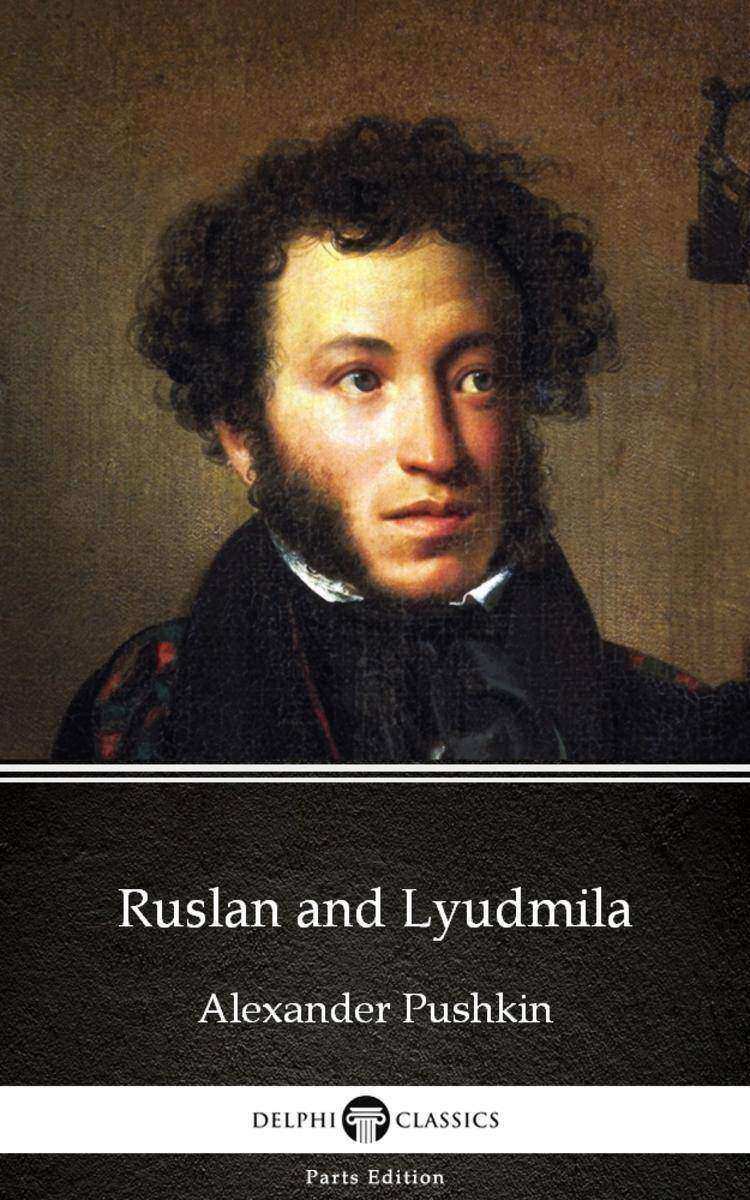
Ruslan and Lyudmila by Alexander Pushkin - Delphi Classics (Illustrated)
¥8.09
This eBook features the unabridged text of ‘Ruslan and Lyudmila by Alexander Pushkin - Delphi Classics (Illustrated)’ from the bestselling edition of ‘The Collected Works of Alexander Pushkin’. Having established their name as the leading publisher of classic literature and art, Delphi Classics produce publications that are individually crafted with superior formatting, while introducing many rare texts for the first time in digital print. The Delphi Classics edition of Pushkin includes original annotations and illustrations relating to the life and works of the author, as well as individual tables of contents, allowing you to navigate eBooks quickly and easily. eBook features: * The complete unabridged text of ‘Ruslan and Lyudmila by Alexander Pushkin - Delphi Classics (Illustrated)’ * Beautifully illustrated with images related to Pushkin’s works * Individual contents table, allowing easy navigation around the eBook * Excellent formatting of the text Please visit www.delphiclassics.com to learn more about our wide range of titles
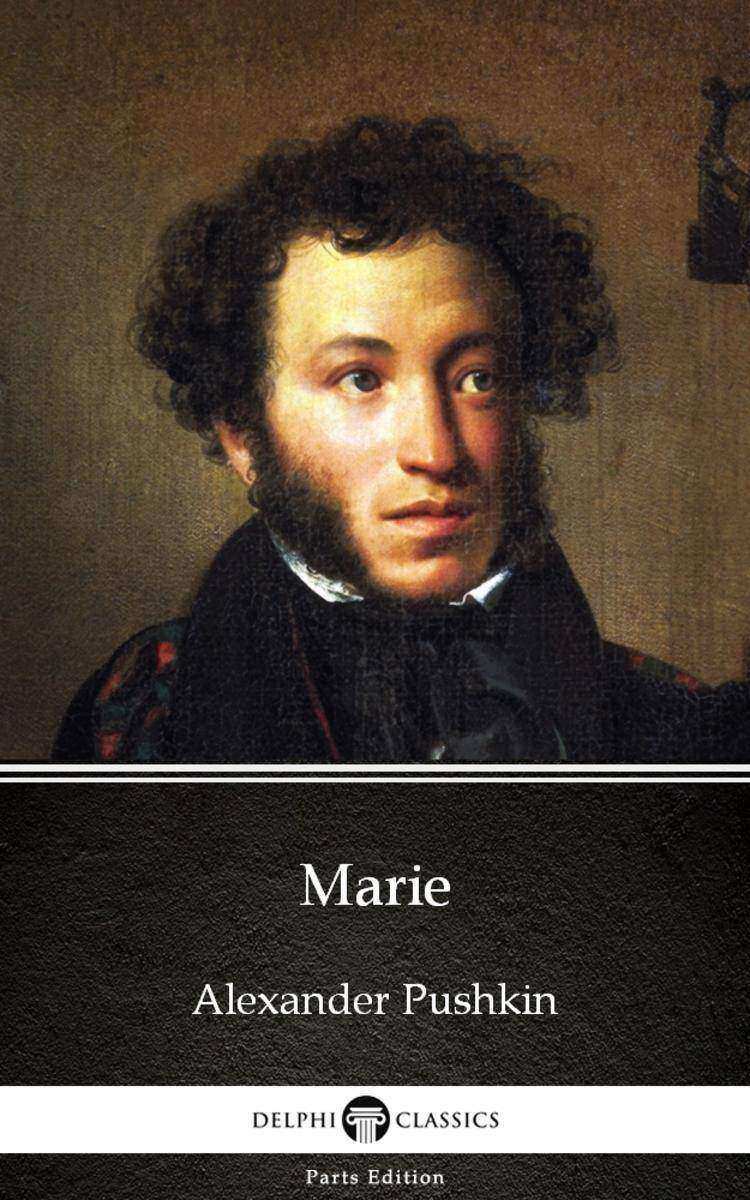
Marie by Alexander Pushkin - Delphi Classics (Illustrated)
¥8.09
This eBook features the unabridged text of ‘Marie by Alexander Pushkin - Delphi Classics (Illustrated)’ from the bestselling edition of ‘The Collected Works of Alexander Pushkin’. Having established their name as the leading publisher of classic literature and art, Delphi Classics produce publications that are individually crafted with superior formatting, while introducing many rare texts for the first time in digital print. The Delphi Classics edition of Pushkin includes original annotations and illustrations relating to the life and works of the author, as well as individual tables of contents, allowing you to navigate eBooks quickly and easily. eBook features: * The complete unabridged text of ‘Marie by Alexander Pushkin - Delphi Classics (Illustrated)’ * Beautifully illustrated with images related to Pushkin’s works * Individual contents table, allowing easy navigation around the eBook * Excellent formatting of the text Please visit www.delphiclassics.com to learn more about our wide range of titles
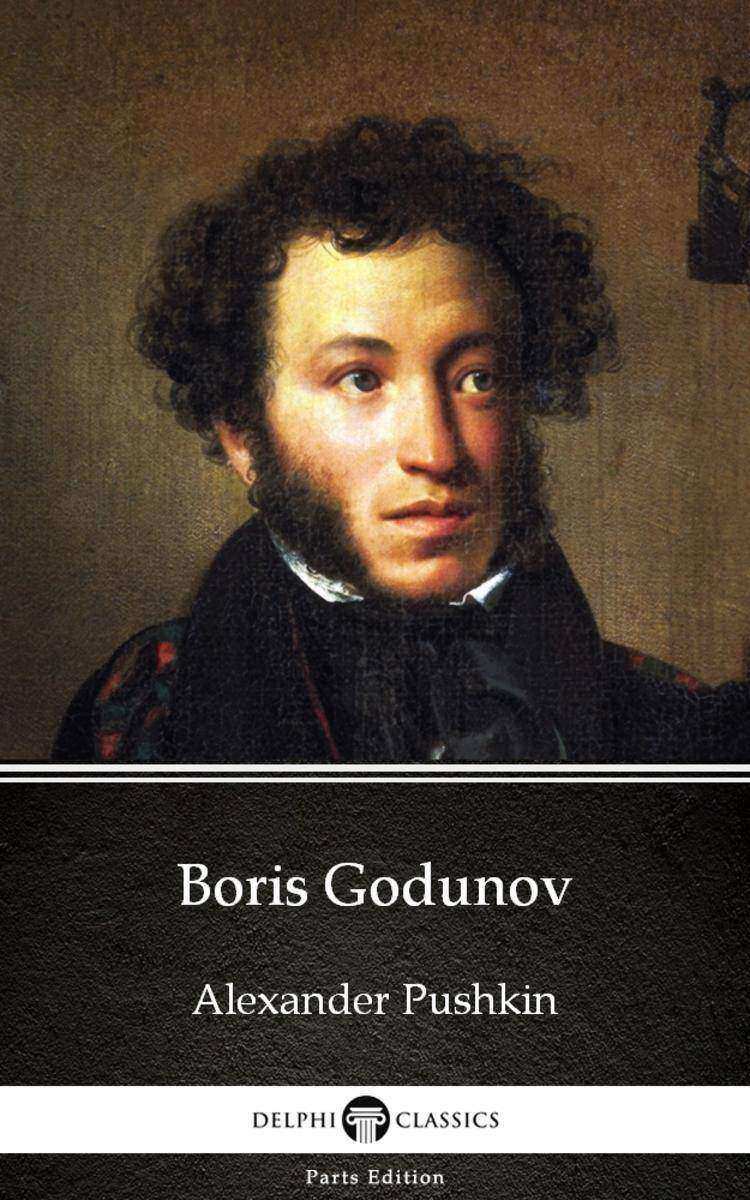
Boris Godunov by Alexander Pushkin - Delphi Classics (Illustrated)
¥8.09
This eBook features the unabridged text of ‘Boris Godunov by Alexander Pushkin - Delphi Classics (Illustrated)’ from the bestselling edition of ‘The Collected Works of Alexander Pushkin’. Having established their name as the leading publisher of classic literature and art, Delphi Classics produce publications that are individually crafted with superior formatting, while introducing many rare texts for the first time in digital print. The Delphi Classics edition of Pushkin includes original annotations and illustrations relating to the life and works of the author, as well as individual tables of contents, allowing you to navigate eBooks quickly and easily. eBook features: * The complete unabridged text of ‘Boris Godunov by Alexander Pushkin - Delphi Classics (Illustrated)’ * Beautifully illustrated with images related to Pushkin’s works * Individual contents table, allowing easy navigation around the eBook * Excellent formatting of the text Please visit www.delphiclassics.com to learn more about our wide range of titles
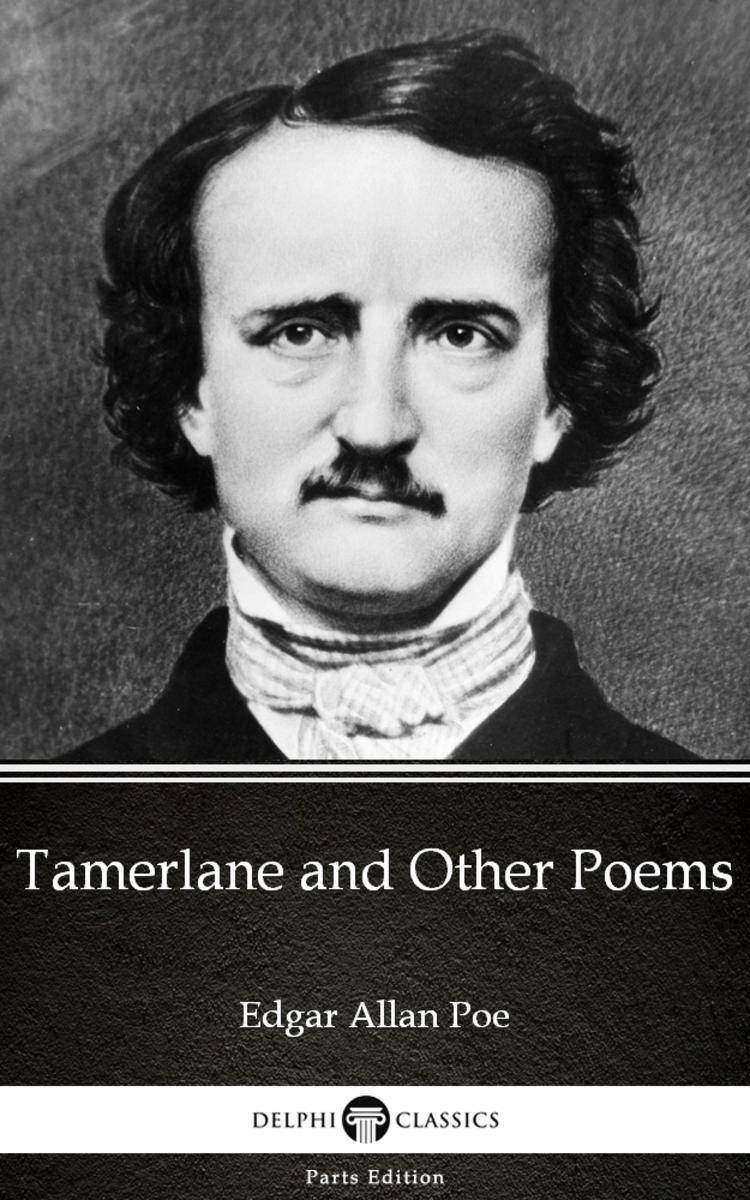
Tamerlane and Other Poems by Edgar Allan Poe - Delphi Classics (Illustrated)
¥8.09
This eBook features the unabridged text of ‘Tamerlane and Other Poems by Edgar Allan Poe - Delphi Classics (Illustrated)’ from the bestselling edition of ‘The Complete Works of Edgar Allan Poe’. Having established their name as the leading publisher of classic literature and art, Delphi Classics produce publications that are individually crafted with superior formatting, while introducing many rare texts for the first time in digital print. The Delphi Classics edition of Poe includes original annotations and illustrations relating to the life and works of the author, as well as individual tables of contents, allowing you to navigate eBooks quickly and easily. eBook features: * The complete unabridged text of ‘Tamerlane and Other Poems by Edgar Allan Poe - Delphi Classics (Illustrated)’ * Beautifully illustrated with images related to Poe’s works * Individual contents table, allowing easy navigation around the eBook * Excellent formatting of the text Please visit www.delphiclassics.com to learn more about our wide range of titles
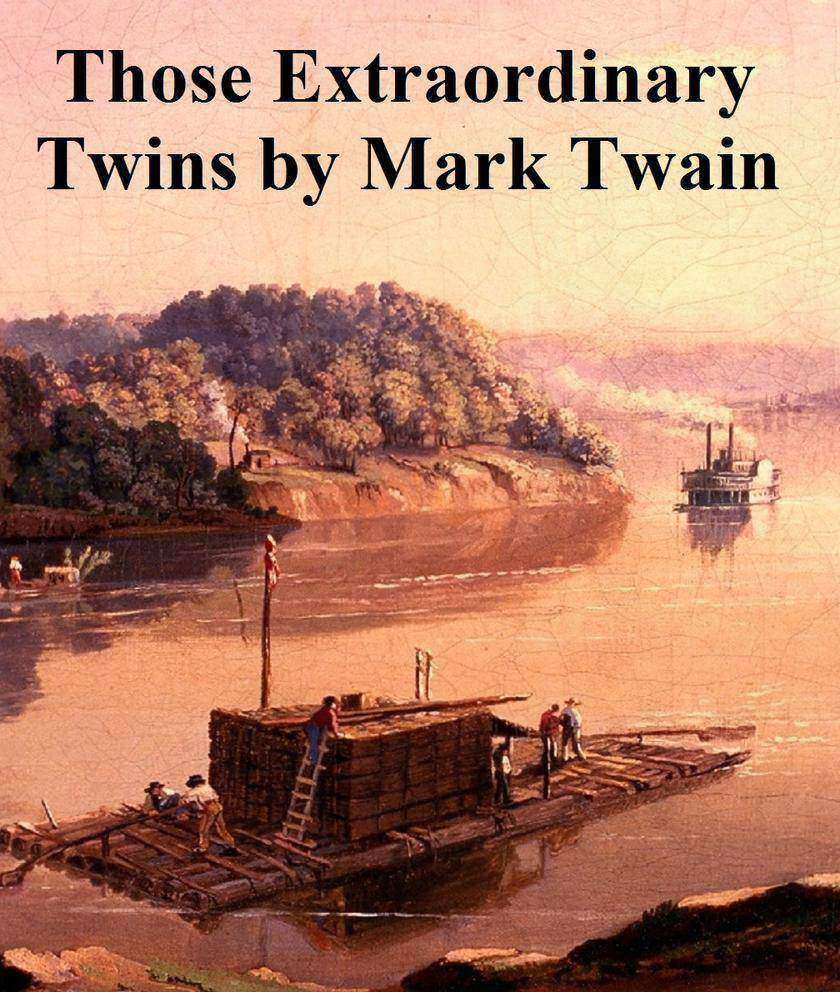
Those Extraordinary Twins
¥8.09
Short humorous novel. According to Wikipedia: "Samuel Langhorne Clemens (November 30, 1835 - April 21, 1910), better known by the pen name Mark Twain, was a humorist, satirist, lecturer and writer from the United States of America. Twain is most noted for his novels Adventures of Huckleberry Finn, which has since been called the Great American Novel, and The Adventures of Tom Sawyer. He is also known for his quotations. During his lifetime, Twain became a friend to presidents, artists, leading industrialists and European royalty. Twain enjoyed immense public popularity, and his keen wit and incisive satire earned him praise from both critics and peers. American author William Faulkner called Twain 'the father of American literature.'"
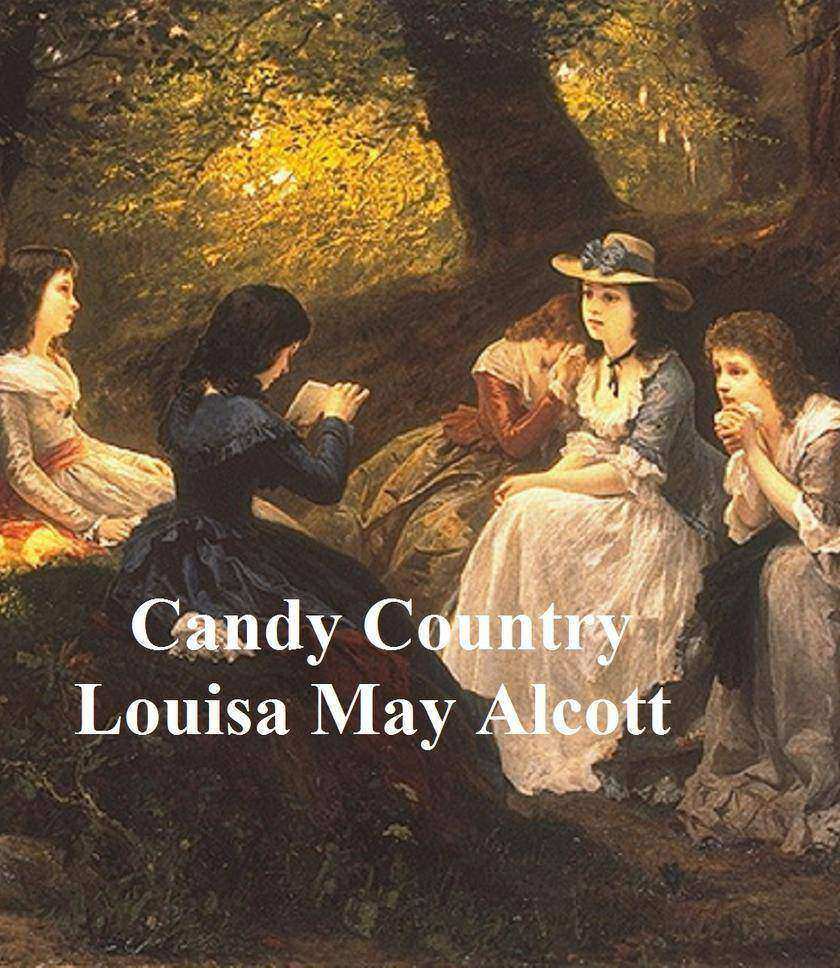
Candy Country
¥8.09
Short story by the author of Little Women. According to Wikipedia: "Louisa May Alcott's overwhelming success dated from the appearance of the first part of Little Women: or Meg, Jo, Beth and Amy, (1868) a semi-autobiographical account of her childhood years with her sisters in Concord, Massachusetts. Part two, or Part Second, also known as Good Wives, (1869) followed the March sisters into adulthood and their respective marriages. Little Men (1871) detailed Jo's life at the Plumfield School that she founded with her husband Professor Bhaer at the conclusion of Part Two of Little Women. Jo's Boys (1886) completed the "March Family Saga." Most of her later volumes, An Old Fashioned Girl (1870), Aunt Jo's Scrap Bag (6 vols., 1871–1879), Eight Cousins and its sequel Rose in Bloom (1876), and others, followed in the line of Little Women, remaining popular with her large and loyal public. Although the Jo character in Little Women was based on Louisa May Alcott, she, unlike Jo, never married. Alcott explained her "spinsterhood" in an interview with Louise Chandler Moulton, "... because I have fallen in love with so many pretty girls and never once the least bit with any man."
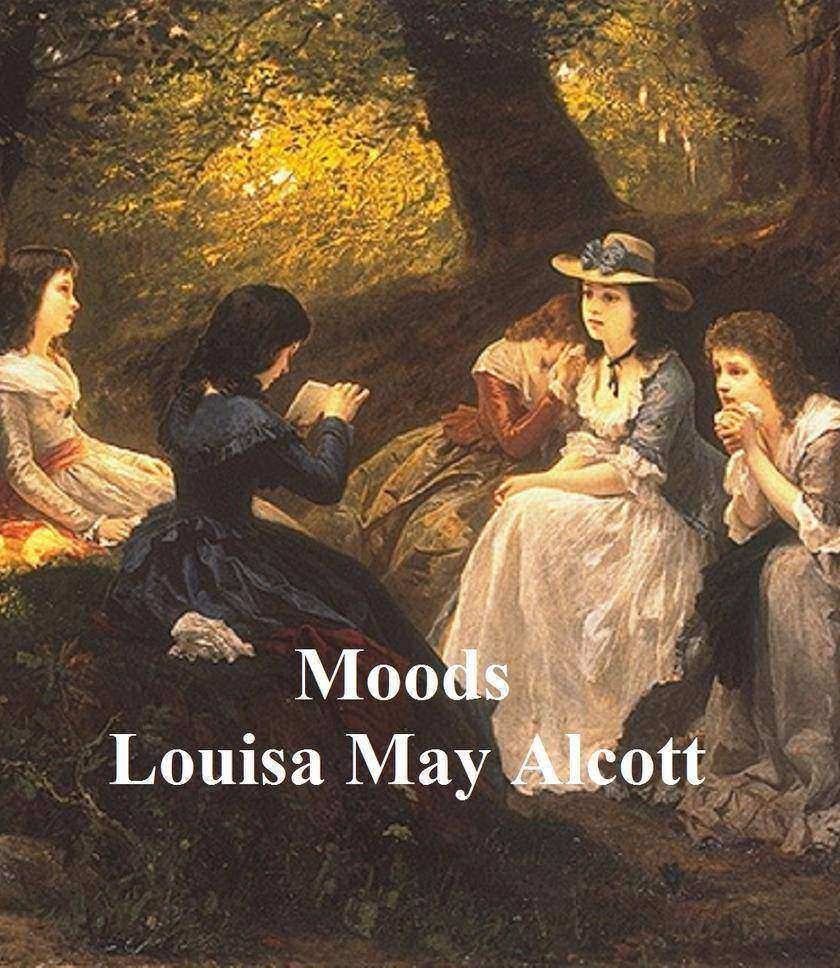
Moods
¥8.09
According to Wikipedia: "Louisa May Alcott (November 29, 1832 – March 6, 1888) was an American novelist. She is best known for the novel Little Women and its sequels Little Men and Jo's Boys. Little Women was set in the Alcott family home, Orchard House in Concord, Massachusetts, and published in 1868. This novel is loosely based on her childhood experiences with her three sisters."
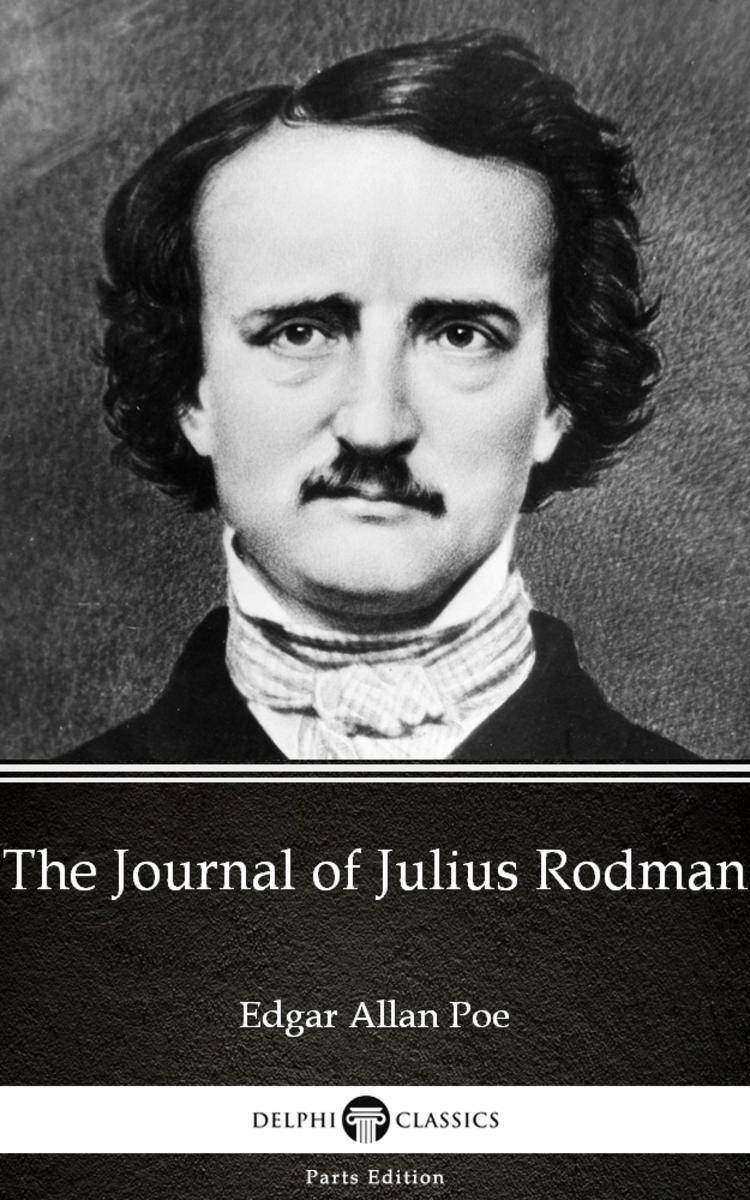
The Journal of Julius Rodman by Edgar Allan Poe - Delphi Classics (Illustrated)
¥8.09
This eBook features the unabridged text of ‘The Journal of Julius Rodman by Edgar Allan Poe - Delphi Classics (Illustrated)’ from the bestselling edition of ‘The Complete Works of Edgar Allan Poe’. Having established their name as the leading publisher of classic literature and art, Delphi Classics produce publications that are individually crafted with superior formatting, while introducing many rare texts for the first time in digital print. The Delphi Classics edition of Poe includes original annotations and illustrations relating to the life and works of the author, as well as individual tables of contents, allowing you to navigate eBooks quickly and easily. eBook features: * The complete unabridged text of ‘The Journal of Julius Rodman by Edgar Allan Poe - Delphi Classics (Illustrated)’ * Beautifully illustrated with images related to Poe’s works * Individual contents table, allowing easy navigation around the eBook * Excellent formatting of the text Please visit www.delphiclassics.com to learn more about our wide range of titles
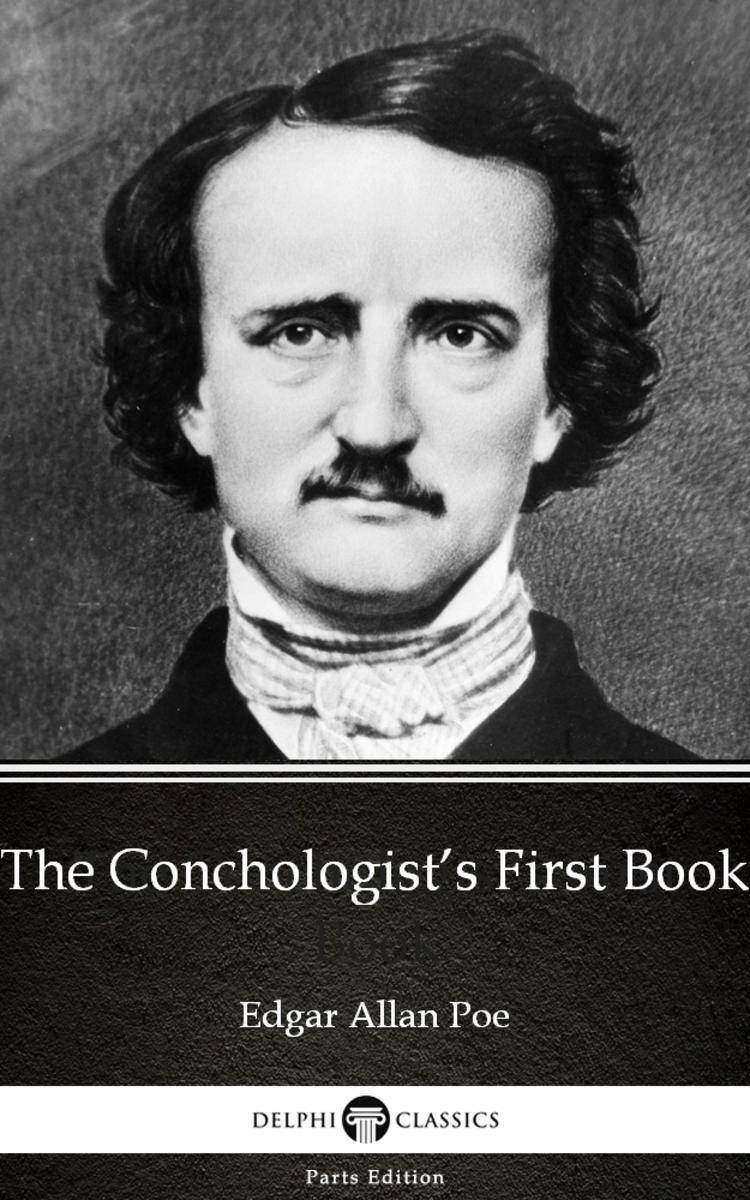
The Conchologist’s First Book by Edgar Allan Poe - Delphi Classics (Illustrated)
¥8.09
This eBook features the unabridged text of ‘The Conchologist’s First Book by Edgar Allan Poe - Delphi Classics (Illustrated)’ from the bestselling edition of ‘The Complete Works of Edgar Allan Poe’. Having established their name as the leading publisher of classic literature and art, Delphi Classics produce publications that are individually crafted with superior formatting, while introducing many rare texts for the first time in digital print. The Delphi Classics edition of Poe includes original annotations and illustrations relating to the life and works of the author, as well as individual tables of contents, allowing you to navigate eBooks quickly and easily. eBook features: * The complete unabridged text of ‘The Conchologist’s First Book by Edgar Allan Poe - Delphi Classics (Illustrated)’ * Beautifully illustrated with images related to Poe’s works * Individual contents table, allowing easy navigation around the eBook * Excellent formatting of the text Please visit www.delphiclassics.com to learn more about our wide range of titles
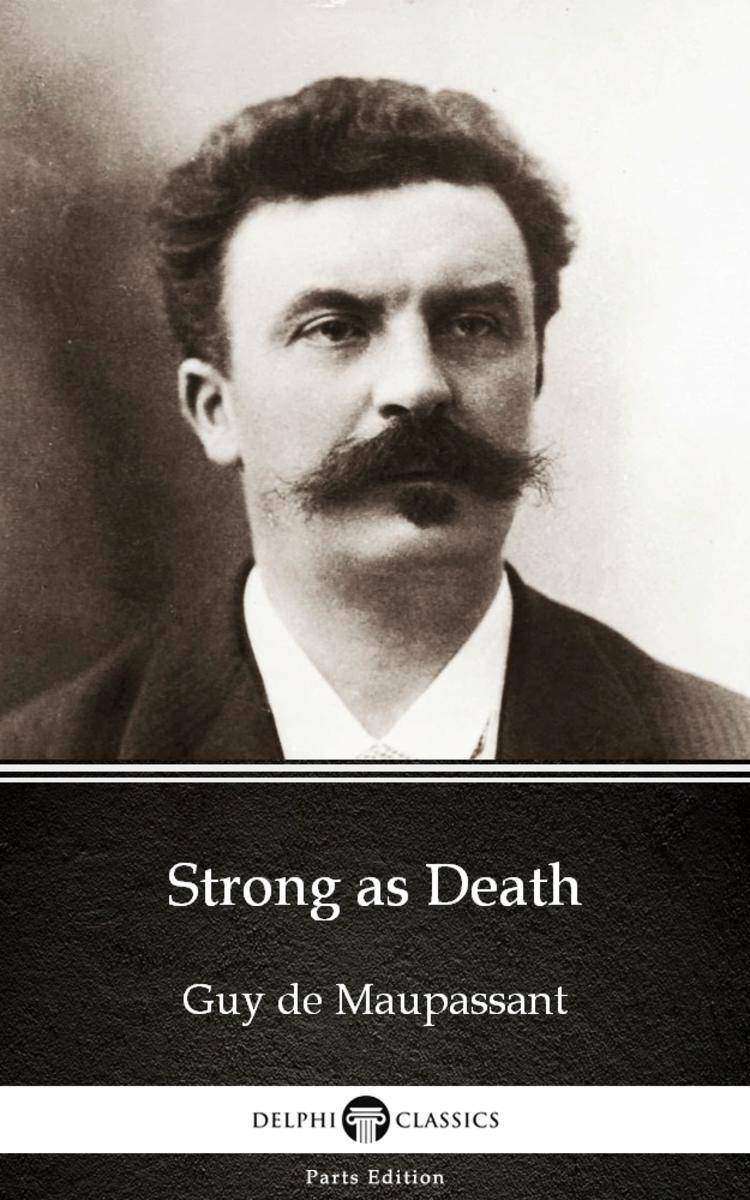
Strong as Death by Guy de Maupassant - Delphi Classics (Illustrated)
¥8.09
This eBook features the unabridged text of ‘Strong as Death by Guy de Maupassant - Delphi Classics (Illustrated)’ from the bestselling edition of ‘The Complete Works of Guy de Maupassant’. Having established their name as the leading publisher of classic literature and art, Delphi Classics produce publications that are individually crafted with superior formatting, while introducing many rare texts for the first time in digital print. The Delphi Classics edition of Maupassant includes original annotations and illustrations relating to the life and works of the author, as well as individual tables of contents, allowing you to navigate eBooks quickly and easily. eBook features: * The complete unabridged text of ‘Strong as Death by Guy de Maupassant - Delphi Classics (Illustrated)’ * Beautifully illustrated with images related to Maupassant’s works * Individual contents table, allowing easy navigation around the eBook * Excellent formatting of the text Please visit www.delphiclassics.com to learn more about our wide range of titles

The Subjection of Women
¥8.09
According to Wikipedia: "The Subjection of Women is the title of an essay written by John Stuart Mill in 1869, possibly jointly with his wife Harriet Taylor Mill, stating an argument in favour of equality between the sexes. At the time it was published in 1869, this essay was an affront to European conventional norms for the status of men and women."

Scenes of Clerical Life by George Eliot - Delphi Classics (Illustrated)
¥8.09
This eBook features the unabridged text of ‘Scenes of Clerical Life by George Eliot - Delphi Classics (Illustrated)’ from the bestselling edition of ‘The Complete Works of George Eliot’. Having established their name as the leading publisher of classic literature and art, Delphi Classics produce publications that are individually crafted with superior formatting, while introducing many rare texts for the first time in digital print. The Delphi Classics edition of Eliot includes original annotations and illustrations relating to the life and works of the author, as well as individual tables of contents, allowing you to navigate eBooks quickly and easily. eBook features: * The complete unabridged text of ‘Scenes of Clerical Life by George Eliot - Delphi Classics (Illustrated)’ * Beautifully illustrated with images related to Eliot’s works * Individual contents table, allowing easy navigation around the eBook * Excellent formatting of the text Please visit www.delphiclassics.com to learn more about our wide range of titles
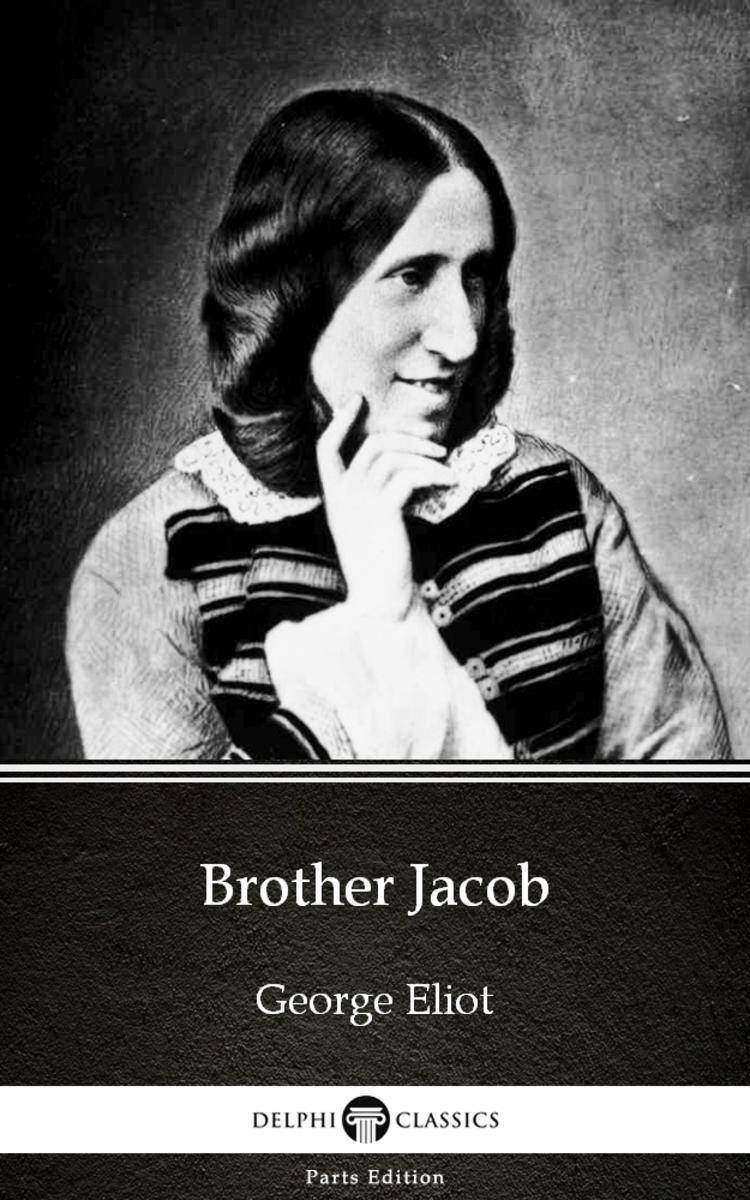
Brother Jacob by George Eliot - Delphi Classics (Illustrated)
¥8.09
This eBook features the unabridged text of ‘Brother Jacob by George Eliot - Delphi Classics (Illustrated)’ from the bestselling edition of ‘The Complete Works of George Eliot’. Having established their name as the leading publisher of classic literature and art, Delphi Classics produce publications that are individually crafted with superior formatting, while introducing many rare texts for the first time in digital print. The Delphi Classics edition of Eliot includes original annotations and illustrations relating to the life and works of the author, as well as individual tables of contents, allowing you to navigate eBooks quickly and easily. eBook features: * The complete unabridged text of ‘Brother Jacob by George Eliot - Delphi Classics (Illustrated)’ * Beautifully illustrated with images related to Eliot’s works * Individual contents table, allowing easy navigation around the eBook * Excellent formatting of the text Please visit www.delphiclassics.com to learn more about our wide range of titles
Swann's Way
¥8.09
The classic novel in English translation. According to Wikipedia: "In Search of Lost Time or Remembrance of Things Past (French: ? la recherche du temps perdu) is a novel in seven volumes by Marcel Proust. His most prominent work, it is popularly known for its considerable length and the notion of involuntary memory, the most famous example being the "episode of the madeleine." The novel is widely referred to in English as Remembrance of Things Past but the title In Search of Lost Time, a literal rendering of the French, has gained in usage since D. J. Enright adopted it in his 1992 revision of the earlier translation by C. K. Scott Moncrieff and Terence Kilmartin. The complete story contains nearly 1.5 million words and is one of the longest novels in world literature."

The Life and Death of Jason by William Morris - Delphi Classics (Illustrated)
¥8.09
This eBook features the unabridged text of ‘The Life and Death of Jason by William Morris - Delphi Classics (Illustrated)’ from the bestselling edition of ‘The Complete Works of William Morris’. Having established their name as the leading publisher of classic literature and art, Delphi Classics produce publications that are individually crafted with superior formatting, while introducing many rare texts for the first time in digital print. The Delphi Classics edition of Morris includes original annotations and illustrations relating to the life and works of the author, as well as individual tables of contents, allowing you to navigate eBooks quickly and easily. eBook features: * The complete unabridged text of ‘The Life and Death of Jason by William Morris - Delphi Classics (Illustrated)’ * Beautifully illustrated with images related to Morris’s works * Individual contents table, allowing easy navigation around the eBook * Excellent formatting of the text Please visit www.delphiclassics.com to learn more about our wide range of titles

Adventures of Tom Sawyer
¥8.09
The 1886 edition, with 151 black-and-white illustrations. According to Wikipedia: "Thomas "Tom" Sawyer is the title character of the Mark Twain novel The Adventures of Tom Sawyer (1876). He appears in three other novels by Twain: Adventures of Huckleberry Finn (1884), Tom Sawyer Abroad (1894), and Tom Sawyer, Detective (1896)... Tom Sawyer's best friends include Joe Harper and Huckleberry Finn. In The Adventures of Tom Sawyer, Tom's infatuation with classmate Rebecca "Becky" Thatcher is apparent. He lives with his half brother Sid, his cousin Mary, and his stern Aunt Polly in the (fictional) town of St. Petersburg, Missouri. In addition, he has another aunt, Sally Phelps, who lives considerably farther down the Mississippi River, in the town of Pikesville. Tom is the son of Aunt Polly's dead sister."
The Red Badge of Courage
¥8.09
The classic realistic novel of war, from the perspective of a young recruit. According to Wikipedia: "Stephen Crane (1871 – 1900) was an American novelist, short story writer, poet and journalist. Prolific throughout his short life, he wrote notable works in the Realist tradition as well as early examples of American Naturalism and Impressionism. He is recognized by modern critics as one of the most innovative writers of his generation. The eighth surviving child of highly devout parents, Crane was raised in several New Jersey towns and Port Jervis, New York. He began writing at an early age and had published several articles by the age of 16. Having little interest in university studies, he left school in 1891 and began work as a reporter and writer. Crane's first novel was the 1893 Bowery tale Maggie: A Girl of the Streets, which critics generally consider the first work of American literary Naturalism. He won international acclaim for his 1895 Civil War novel The Red Badge of Courage, which he wrote without any battle experience."
An Answer to the Question “What Is Enlightenment” by Immanuel Kant - Delphi Clas
¥8.09
This eBook features the unabridged text of ‘An Answer to the Question “What Is Enlightenment” by Immanuel Kant - Delphi Classics (Illustrated)’ from the bestselling edition of ‘The Collected Works of Immanuel Kant’. Having established their name as the leading publisher of classic literature and art, Delphi Classics produce publications that are individually crafted with superior formatting, while introducing many rare texts for the first time in digital print. The Delphi Classics edition of Kant includes original annotations and illustrations relating to the life and works of the author, as well as individual tables of contents, allowing you to navigate eBooks quickly and easily. eBook features: * The complete unabridged text of ‘An Answer to the Question “What Is Enlightenment” by Immanuel Kant - Delphi Classics (Illustrated)’ * Beautifully illustrated with images related to Kant’s works * Individual contents table, allowing easy navigation around the eBook * Excellent formatting of the text Please visit www.delphiclassics.com to learn more about our wide range of titles

The Voyage Out by Virginia Woolf - Delphi Classics (Illustrated)
¥8.09
This eBook features the unabridged text of ‘The Voyage Out by Virginia Woolf - Delphi Classics (Illustrated)’ from the bestselling edition of ‘The Complete Works of Virginia Woolf’. Having established their name as the leading publisher of classic literature and art, Delphi Classics produce publications that are individually crafted with superior formatting, while introducing many rare texts for the first time in digital print. The Delphi Classics edition of Woolf includes original annotations and illustrations relating to the life and works of the author, as well as individual tables of contents, allowing you to navigate eBooks quickly and easily. eBook features: * The complete unabridged text of ‘The Voyage Out by Virginia Woolf - Delphi Classics (Illustrated)’ * Beautifully illustrated with images related to Woolf’s works * Individual contents table, allowing easy navigation around the eBook * Excellent formatting of the text Please visit www.delphiclassics.com to learn more about our wide range of titles


