


 购物车
购物车 个人中心
个人中心

Whom God Hath Joined by Arnold Bennett - Delphi Classics (Illustrated)
¥8.09
This eBook features the unabridged text of ‘Whom God Hath Joined by Arnold Bennett - Delphi Classics (Illustrated)’ from the bestselling edition of ‘The Complete Works of Arnold Bennett’. Having established their name as the leading publisher of classic literature and art, Delphi Classics produce publications that are individually crafted with superior formatting, while introducing many rare texts for the first time in digital print. The Delphi Classics edition of Bennett includes original annotations and illustrations relating to the life and works of the author, as well as individual tables of contents, allowing you to navigate eBooks quickly and easily. eBook features: * The complete unabridged text of ‘Whom God Hath Joined by Arnold Bennett - Delphi Classics (Illustrated)’ * Beautifully illustrated with images related to Bennett’s works * Individual contents table, allowing easy navigation around the eBook * Excellent formatting of the text Please visit www.delphiclassics.com to learn more about our wide range of titles

The Up Trail by Zane Grey - Delphi Classics (Illustrated)
¥8.09
This eBook features the unabridged text of ‘The Up Trail by Zane Grey - Delphi Classics (Illustrated)’ from the bestselling edition of ‘The Collected Works of Zane Grey’. Having established their name as the leading publisher of classic literature and art, Delphi Classics produce publications that are individually crafted with superior formatting, while introducing many rare texts for the first time in digital print. The Delphi Classics edition of Grey includes original annotations and illustrations relating to the life and works of the author, as well as individual tables of contents, allowing you to navigate eBooks quickly and easily. eBook features: * The complete unabridged text of ‘The Up Trail by Zane Grey - Delphi Classics (Illustrated)’ * Beautifully illustrated with images related to Grey’s works * Individual contents table, allowing easy navigation around the eBook * Excellent formatting of the text Please visit www.delphiclassics.com to learn more about our wide range of titles

The Lion’s Share by Arnold Bennett - Delphi Classics (Illustrated)
¥8.09
This eBook features the unabridged text of ‘The Lion’s Share by Arnold Bennett - Delphi Classics (Illustrated)’ from the bestselling edition of ‘The Complete Works of Arnold Bennett’. Having established their name as the leading publisher of classic literature and art, Delphi Classics produce publications that are individually crafted with superior formatting, while introducing many rare texts for the first time in digital print. The Delphi Classics edition of Bennett includes original annotations and illustrations relating to the life and works of the author, as well as individual tables of contents, allowing you to navigate eBooks quickly and easily. eBook features: * The complete unabridged text of ‘The Lion’s Share by Arnold Bennett - Delphi Classics (Illustrated)’ * Beautifully illustrated with images related to Bennett’s works * Individual contents table, allowing easy navigation around the eBook * Excellent formatting of the text Please visit www.delphiclassics.com to learn more about our wide range of titles

The Pretty Lady by Arnold Bennett - Delphi Classics (Illustrated)
¥8.09
This eBook features the unabridged text of ‘The Pretty Lady by Arnold Bennett - Delphi Classics (Illustrated)’ from the bestselling edition of ‘The Complete Works of Arnold Bennett’. Having established their name as the leading publisher of classic literature and art, Delphi Classics produce publications that are individually crafted with superior formatting, while introducing many rare texts for the first time in digital print. The Delphi Classics edition of Bennett includes original annotations and illustrations relating to the life and works of the author, as well as individual tables of contents, allowing you to navigate eBooks quickly and easily. eBook features: * The complete unabridged text of ‘The Pretty Lady by Arnold Bennett - Delphi Classics (Illustrated)’ * Beautifully illustrated with images related to Bennett’s works * Individual contents table, allowing easy navigation around the eBook * Excellent formatting of the text Please visit www.delphiclassics.com to learn more about our wide range of titles
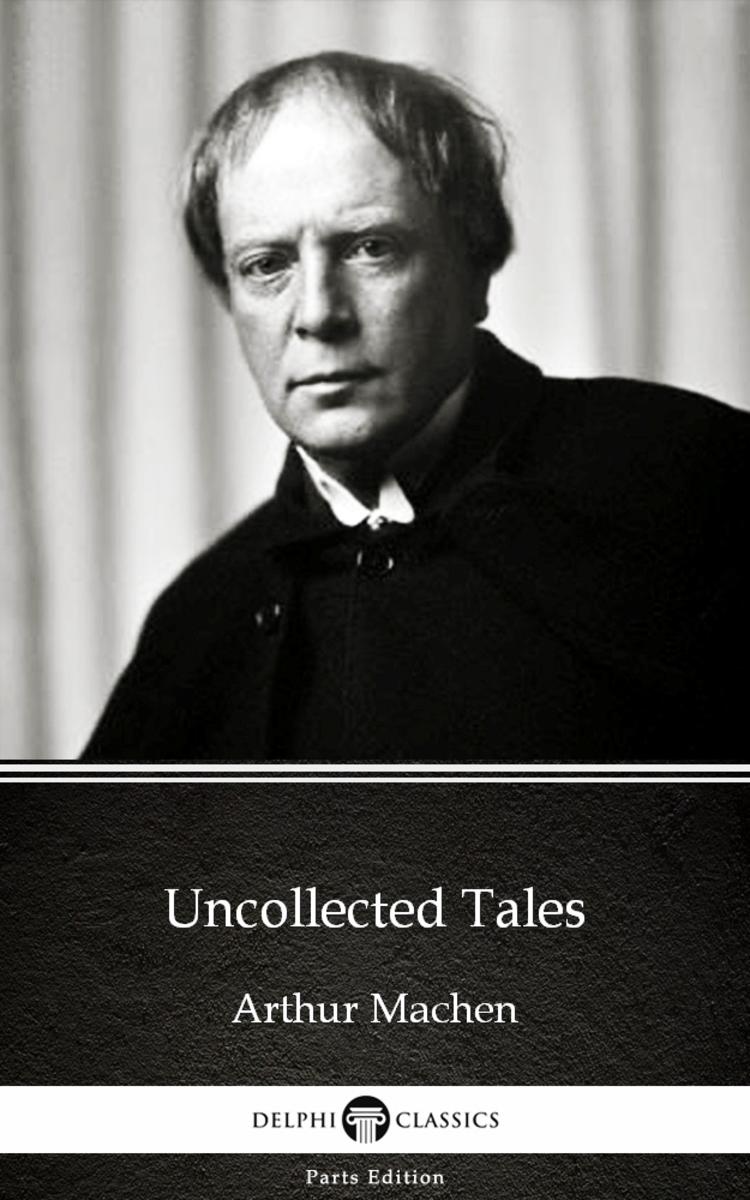
Uncollected Tales by Arthur Machen - Delphi Classics (Illustrated)
¥8.09
This eBook features the unabridged text of ‘Uncollected Tales by Arthur Machen - Delphi Classics (Illustrated)’ from the bestselling edition of ‘The Complete Works of Arthur Machen’. Having established their name as the leading publisher of classic literature and art, Delphi Classics produce publications that are individually crafted with superior formatting, while introducing many rare texts for the first time in digital print. The Delphi Classics edition of Machen includes original annotations and illustrations relating to the life and works of the author, as well as individual tables of contents, allowing you to navigate eBooks quickly and easily. eBook features: * The complete unabridged text of ‘Uncollected Tales by Arthur Machen - Delphi Classics (Illustrated)’ * Beautifully illustrated with images related to Machen’s works * Individual contents table, allowing easy navigation around the eBook * Excellent formatting of the textPlease visit www.delphiclassics.com to learn more about our wide range of titles

To the Last Man by Zane Grey - Delphi Classics (Illustrated)
¥8.09
This eBook features the unabridged text of ‘To the Last Man by Zane Grey - Delphi Classics (Illustrated)’ from the bestselling edition of ‘The Collected Works of Zane Grey’. Having established their name as the leading publisher of classic literature and art, Delphi Classics produce publications that are individually crafted with superior formatting, while introducing many rare texts for the first time in digital print. The Delphi Classics edition of Grey includes original annotations and illustrations relating to the life and works of the author, as well as individual tables of contents, allowing you to navigate eBooks quickly and easily. eBook features: * The complete unabridged text of ‘To the Last Man by Zane Grey - Delphi Classics (Illustrated)’ * Beautifully illustrated with images related to Grey’s works * Individual contents table, allowing easy navigation around the eBook * Excellent formatting of the text Please visit www.delphiclassics.com to learn more about our wide range of titles

Homer’s Contest by Friedrich Nietzsche - Delphi Classics (Illustrated)
¥8.09
This eBook features the unabridged text of ‘Homer’s Contest by Friedrich Nietzsche - Delphi Classics (Illustrated)’ from the bestselling edition of ‘The Complete Works of Friedrich Nietzsche’. Having established their name as the leading publisher of classic literature and art, Delphi Classics produce publications that are individually crafted with superior formatting, while introducing many rare texts for the first time in digital print. The Delphi Classics edition of Nietzsche includes original annotations and illustrations relating to the life and works of the author, as well as individual tables of contents, allowing you to navigate eBooks quickly and easily. eBook features: * The complete unabridged text of ‘Homer’s Contest by Friedrich Nietzsche - Delphi Classics (Illustrated)’ * Beautifully illustrated with images related to Nietzsche’s works * Individual contents table, allowing easy navigation around the eBook * Excellent formatting of the text Please visit www.delphiclassics.com to learn more about our wide range of titles

The Antichrist by Friedrich Nietzsche - Delphi Classics (Illustrated)
¥8.09
This eBook features the unabridged text of ‘The Antichrist by Friedrich Nietzsche - Delphi Classics (Illustrated)’ from the bestselling edition of ‘The Complete Works of Friedrich Nietzsche’. Having established their name as the leading publisher of classic literature and art, Delphi Classics produce publications that are individually crafted with superior formatting, while introducing many rare texts for the first time in digital print. The Delphi Classics edition of Nietzsche includes original annotations and illustrations relating to the life and works of the author, as well as individual tables of contents, allowing you to navigate eBooks quickly and easily. eBook features: * The complete unabridged text of ‘The Antichrist by Friedrich Nietzsche - Delphi Classics (Illustrated)’ * Beautifully illustrated with images related to Nietzsche’s works * Individual contents table, allowing easy navigation around the eBook * Excellent formatting of the text Please visit www.delphiclassics.com to learn more about our wide range of titles
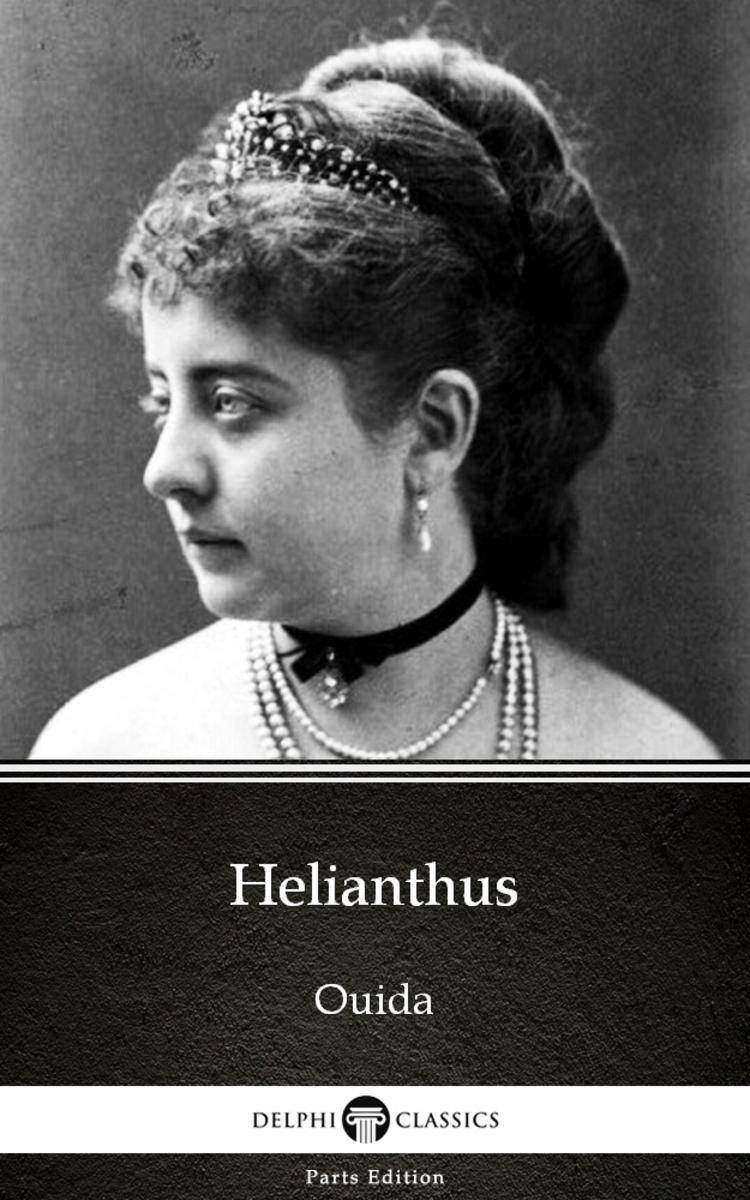
Helianthus by Ouida - Delphi Classics (Illustrated)
¥8.09
This eBook features the unabridged text of ‘Helianthus by Ouida - Delphi Classics (Illustrated)’ from the bestselling edition of ‘The Collected Works of Ouida’. Having established their name as the leading publisher of classic literature and art, Delphi Classics produce publications that are individually crafted with superior formatting, while introducing many rare texts for the first time in digital print. The Delphi Classics edition of Ouida includes original annotations and illustrations relating to the life and works of the author, as well as individual tables of contents, allowing you to navigate eBooks quickly and easily. eBook features: * The complete unabridged text of ‘Helianthus by Ouida - Delphi Classics (Illustrated)’ * Beautifully illustrated with images related to Ouida’s works * Individual contents table, allowing easy navigation around the eBook * Excellent formatting of the text Please visit www.delphiclassics.com to learn more about our wide range of titles

Notre Coeur by Guy de Maupassant - Delphi Classics (Illustrated)
¥8.09
This eBook features the unabridged text of ‘Notre Coeur by Guy de Maupassant - Delphi Classics (Illustrated)’ from the bestselling edition of ‘The Complete Works of Guy de Maupassant’. Having established their name as the leading publisher of classic literature and art, Delphi Classics produce publications that are individually crafted with superior formatting, while introducing many rare texts for the first time in digital print. The Delphi Classics edition of Maupassant includes original annotations and illustrations relating to the life and works of the author, as well as individual tables of contents, allowing you to navigate eBooks quickly and easily. eBook features: * The complete unabridged text of ‘Notre Coeur by Guy de Maupassant - Delphi Classics (Illustrated)’ * Beautifully illustrated with images related to Maupassant’s works * Individual contents table, allowing easy navigation around the eBook * Excellent formatting of the text Please visit www.delphiclassics.com to learn more about our wide range of titles

Scenes of Clerical Life by George Eliot - Delphi Classics (Illustrated)
¥8.09
This eBook features the unabridged text of ‘Scenes of Clerical Life by George Eliot - Delphi Classics (Illustrated)’ from the bestselling edition of ‘The Complete Works of George Eliot’. Having established their name as the leading publisher of classic literature and art, Delphi Classics produce publications that are individually crafted with superior formatting, while introducing many rare texts for the first time in digital print. The Delphi Classics edition of Eliot includes original annotations and illustrations relating to the life and works of the author, as well as individual tables of contents, allowing you to navigate eBooks quickly and easily. eBook features: * The complete unabridged text of ‘Scenes of Clerical Life by George Eliot - Delphi Classics (Illustrated)’ * Beautifully illustrated with images related to Eliot’s works * Individual contents table, allowing easy navigation around the eBook * Excellent formatting of the text Please visit www.delphiclassics.com to learn more about our wide range of titles
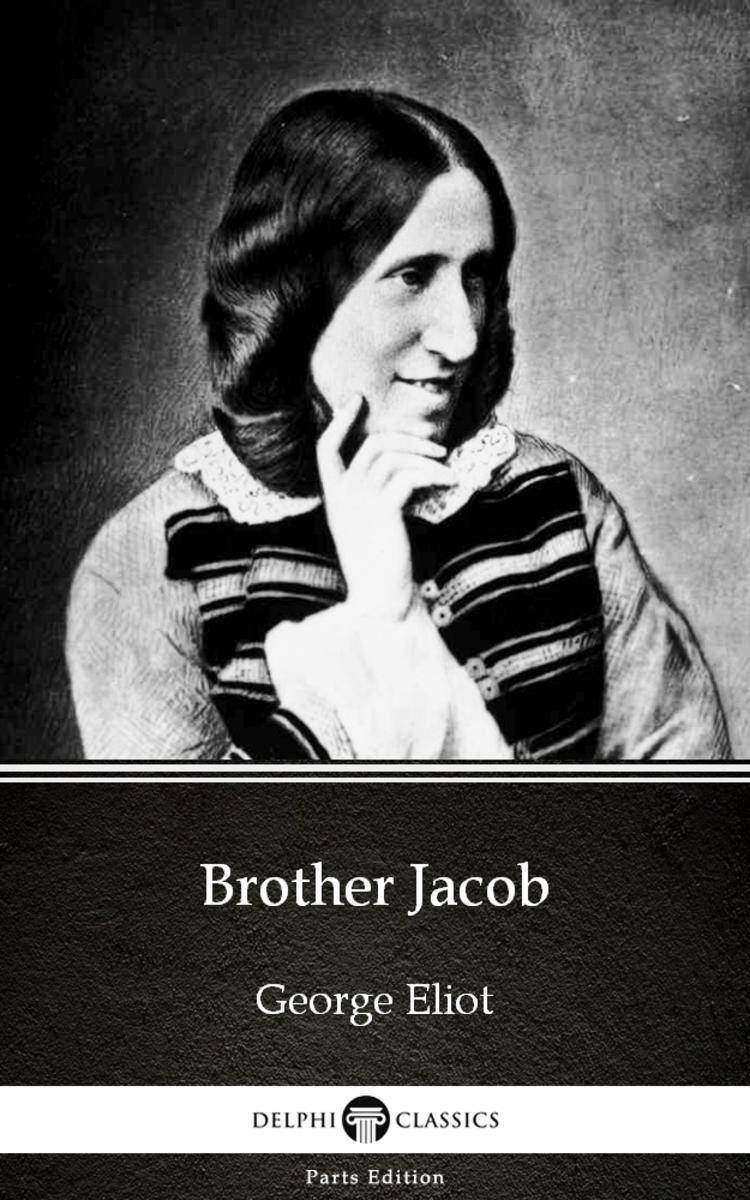
Brother Jacob by George Eliot - Delphi Classics (Illustrated)
¥8.09
This eBook features the unabridged text of ‘Brother Jacob by George Eliot - Delphi Classics (Illustrated)’ from the bestselling edition of ‘The Complete Works of George Eliot’. Having established their name as the leading publisher of classic literature and art, Delphi Classics produce publications that are individually crafted with superior formatting, while introducing many rare texts for the first time in digital print. The Delphi Classics edition of Eliot includes original annotations and illustrations relating to the life and works of the author, as well as individual tables of contents, allowing you to navigate eBooks quickly and easily. eBook features: * The complete unabridged text of ‘Brother Jacob by George Eliot - Delphi Classics (Illustrated)’ * Beautifully illustrated with images related to Eliot’s works * Individual contents table, allowing easy navigation around the eBook * Excellent formatting of the text Please visit www.delphiclassics.com to learn more about our wide range of titles

The Life and Death of Jason by William Morris - Delphi Classics (Illustrated)
¥8.09
This eBook features the unabridged text of ‘The Life and Death of Jason by William Morris - Delphi Classics (Illustrated)’ from the bestselling edition of ‘The Complete Works of William Morris’. Having established their name as the leading publisher of classic literature and art, Delphi Classics produce publications that are individually crafted with superior formatting, while introducing many rare texts for the first time in digital print. The Delphi Classics edition of Morris includes original annotations and illustrations relating to the life and works of the author, as well as individual tables of contents, allowing you to navigate eBooks quickly and easily. eBook features: * The complete unabridged text of ‘The Life and Death of Jason by William Morris - Delphi Classics (Illustrated)’ * Beautifully illustrated with images related to Morris’s works * Individual contents table, allowing easy navigation around the eBook * Excellent formatting of the text Please visit www.delphiclassics.com to learn more about our wide range of titles
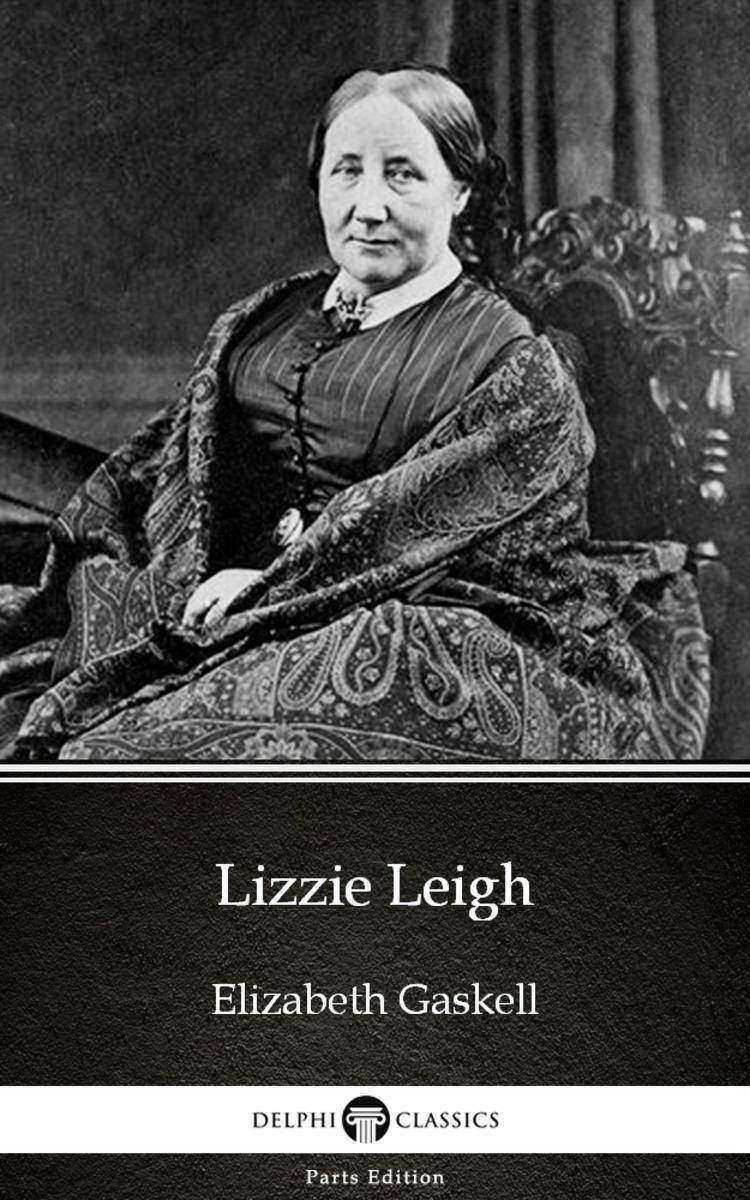
Lizzie Leigh by Elizabeth Gaskell - Delphi Classics (Illustrated)
¥8.09
This eBook features the unabridged text of ‘Lizzie Leigh by Elizabeth Gaskell - Delphi Classics (Illustrated)’ from the bestselling edition of ‘The Complete Works of Elizabeth Gaskell’. Having established their name as the leading publisher of classic literature and art, Delphi Classics produce publications that are individually crafted with superior formatting, while introducing many rare texts for the first time in digital print. The Delphi Classics edition of Gaskell includes original annotations and illustrations relating to the life and works of the author, as well as individual tables of contents, allowing you to navigate eBooks quickly and easily. eBook features: * The complete unabridged text of ‘Lizzie Leigh by Elizabeth Gaskell - Delphi Classics (Illustrated)’ * Beautifully illustrated with images related to Gaskell’s works * Individual contents table, allowing easy navigation around the eBook * Excellent formatting of the text Please visit www.delphiclassics.com to learn more about our wide range of titles

Dreams of a Spirit-Seer by Immanuel Kant - Delphi Classics (Illustrated)
¥8.09
This eBook features the unabridged text of ‘Dreams of a Spirit-Seer by Immanuel Kant - Delphi Classics (Illustrated)’ from the bestselling edition of ‘The Collected Works of Immanuel Kant’. Having established their name as the leading publisher of classic literature and art, Delphi Classics produce publications that are individually crafted with superior formatting, while introducing many rare texts for the first time in digital print. The Delphi Classics edition of Kant includes original annotations and illustrations relating to the life and works of the author, as well as individual tables of contents, allowing you to navigate eBooks quickly and easily. eBook features: * The complete unabridged text of ‘Dreams of a Spirit-Seer by Immanuel Kant - Delphi Classics (Illustrated)’ * Beautifully illustrated with images related to Kant’s works * Individual contents table, allowing easy navigation around the eBook * Excellent formatting of the text Please visit www.delphiclassics.com to learn more about our wide range of titles
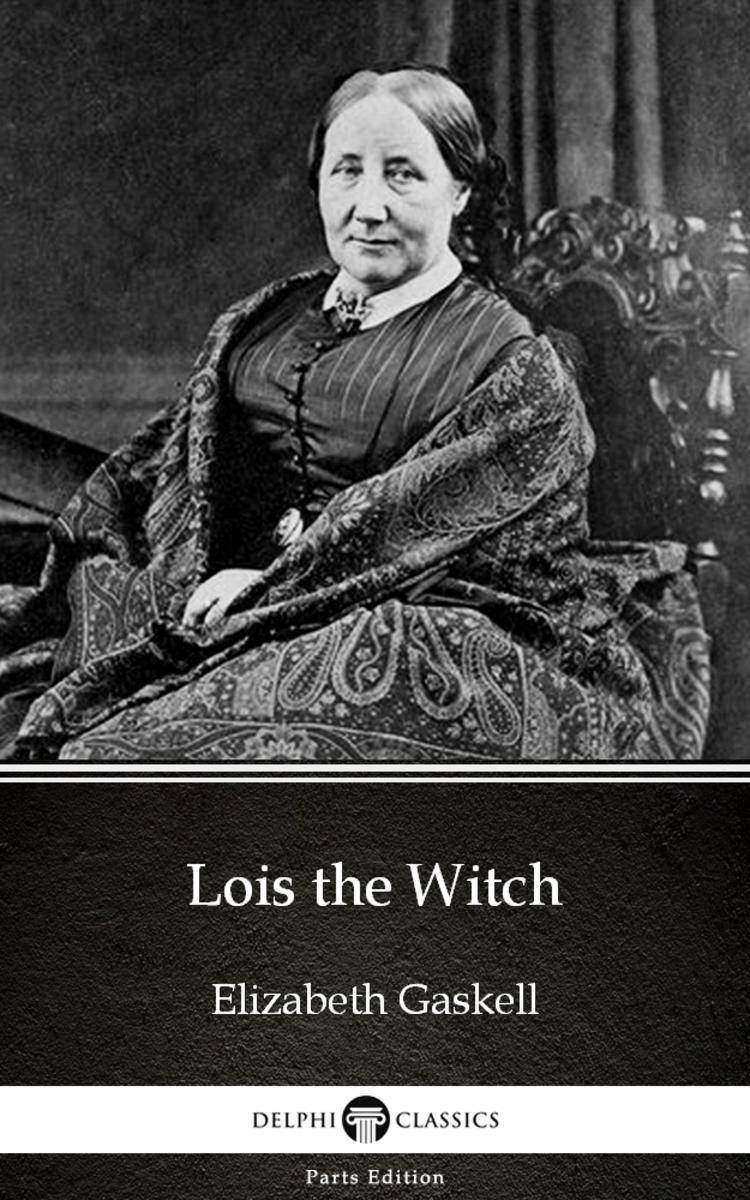
Lois the Witch by Elizabeth Gaskell - Delphi Classics (Illustrated)
¥8.09
This eBook features the unabridged text of ‘Lois the Witch by Elizabeth Gaskell - Delphi Classics (Illustrated)’ from the bestselling edition of ‘The Complete Works of Elizabeth Gaskell’. Having established their name as the leading publisher of classic literature and art, Delphi Classics produce publications that are individually crafted with superior formatting, while introducing many rare texts for the first time in digital print. The Delphi Classics edition of Gaskell includes original annotations and illustrations relating to the life and works of the author, as well as individual tables of contents, allowing you to navigate eBooks quickly and easily. eBook features: * The complete unabridged text of ‘Lois the Witch by Elizabeth Gaskell - Delphi Classics (Illustrated)’ * Beautifully illustrated with images related to Gaskell’s works * Individual contents table, allowing easy navigation around the eBook * Excellent formatting of the text Please visit www.delphiclassics.com to learn more about our wide range of titles

On Education by Immanuel Kant - Delphi Classics (Illustrated)
¥8.09
This eBook features the unabridged text of ‘On Education by Immanuel Kant - Delphi Classics (Illustrated)’ from the bestselling edition of ‘The Collected Works of Immanuel Kant’. Having established their name as the leading publisher of classic literature and art, Delphi Classics produce publications that are individually crafted with superior formatting, while introducing many rare texts for the first time in digital print. The Delphi Classics edition of Kant includes original annotations and illustrations relating to the life and works of the author, as well as individual tables of contents, allowing you to navigate eBooks quickly and easily. eBook features: * The complete unabridged text of ‘On Education by Immanuel Kant - Delphi Classics (Illustrated)’ * Beautifully illustrated with images related to Kant’s works * Individual contents table, allowing easy navigation around the eBook * Excellent formatting of the text Please visit www.delphiclassics.com to learn more about our wide range of titles

A Holiday in Bed and Other Sketches by J. M. Barrie - Delphi Classics (Illustrat
¥8.09
This eBook features the unabridged text of ‘A Holiday in Bed and Other Sketches by J. M. Barrie - Delphi Classics (Illustrated)’ from the bestselling edition of ‘The Complete Works of J. M. Barrie’. Having established their name as the leading publisher of classic literature and art, Delphi Classics produce publications that are individually crafted with superior formatting, while introducing many rare texts for the first time in digital print. The Delphi Classics edition of Barrie includes original annotations and illustrations relating to the life and works of the author, as well as individual tables of contents, allowing you to navigate eBooks quickly and easily. eBook features: * The complete unabridged text of ‘A Holiday in Bed and Other Sketches by J. M. Barrie - Delphi Classics (Illustrated)’ * Beautifully illustrated with images related to Barrie’s works * Individual contents table, allowing easy navigation around the eBook * Excellent formatting of the text Please visit www.delphiclassics.com to learn more about our wide range of titles

Blood on the Dining Room Floor by Gertrude Stein - Delphi Classics (Illustrated)
¥8.09
This eBook features the unabridged text of ‘Blood on the Dining Room Floor by Gertrude Stein - Delphi Classics (Illustrated)’ from the bestselling edition of ‘The Complete Works of Gertrude Stein’. Having established their name as the leading publisher of classic literature and art, Delphi Classics produce publications that are individually crafted with superior formatting, while introducing many rare texts for the first time in digital print. The Delphi Classics edition of Stein includes original annotations and illustrations relating to the life and works of the author, as well as individual tables of contents, allowing you to navigate eBooks quickly and easily. eBook features: * The complete unabridged text of ‘Blood on the Dining Room Floor by Gertrude Stein - Delphi Classics (Illustrated)’ * Beautifully illustrated with images related to Stein’s works * Individual contents table, allowing easy navigation around the eBook * Excellent formatting of the text Please visit www.delphiclassics.com to learn more about our wide range of titles

Miscellaneous Short Stories by Wilkie Collins - Delphi Classics (Illustrated)
¥8.09
This eBook features the unabridged text of ‘Miscellaneous Short Stories by Wilkie Collins - Delphi Classics (Illustrated)’ from the bestselling edition of ‘The Complete Works of Wilkie Collins’. Having established their name as the leading publisher of classic literature and art, Delphi Classics produce publications that are individually crafted with superior formatting, while introducing many rare texts for the first time in digital print. The Delphi Classics edition of Collins includes original annotations and illustrations relating to the life and works of the author, as well as individual tables of contents, allowing you to navigate eBooks quickly and easily. eBook features: * The complete unabridged text of ‘Miscellaneous Short Stories by Wilkie Collins - Delphi Classics (Illustrated)’ * Beautifully illustrated with images related to Collins’s works * Individual contents table, allowing easy navigation around the eBook * Excellent formatting of the text Please visit www.delphiclassics.com to learn more about our wide range of titles

The New Humpty-Dumpty by Ford Madox Ford - Delphi Classics (Illustrated)
¥8.09
This eBook features the unabridged text of ‘The New Humpty-Dumpty by Ford Madox Ford - Delphi Classics (Illustrated)’ from the bestselling edition of ‘The Complete Works of Ford Madox Ford’. Having established their name as the leading publisher of classic literature and art, Delphi Classics produce publications that are individually crafted with superior formatting, while introducing many rare texts for the first time in digital print. The Delphi Classics edition of Ford includes original annotations and illustrations relating to the life and works of the author, as well as individual tables of contents, allowing you to navigate eBooks quickly and easily. eBook features: * The complete unabridged text of ‘The New Humpty-Dumpty by Ford Madox Ford - Delphi Classics (Illustrated)’ * Beautifully illustrated with images related to Ford’s works * Individual contents table, allowing easy navigation around the eBook * Excellent formatting of the text Please visit www.delphiclassics.com to learn more about our wide range of titles


