


 购物车
购物车 个人中心
个人中心
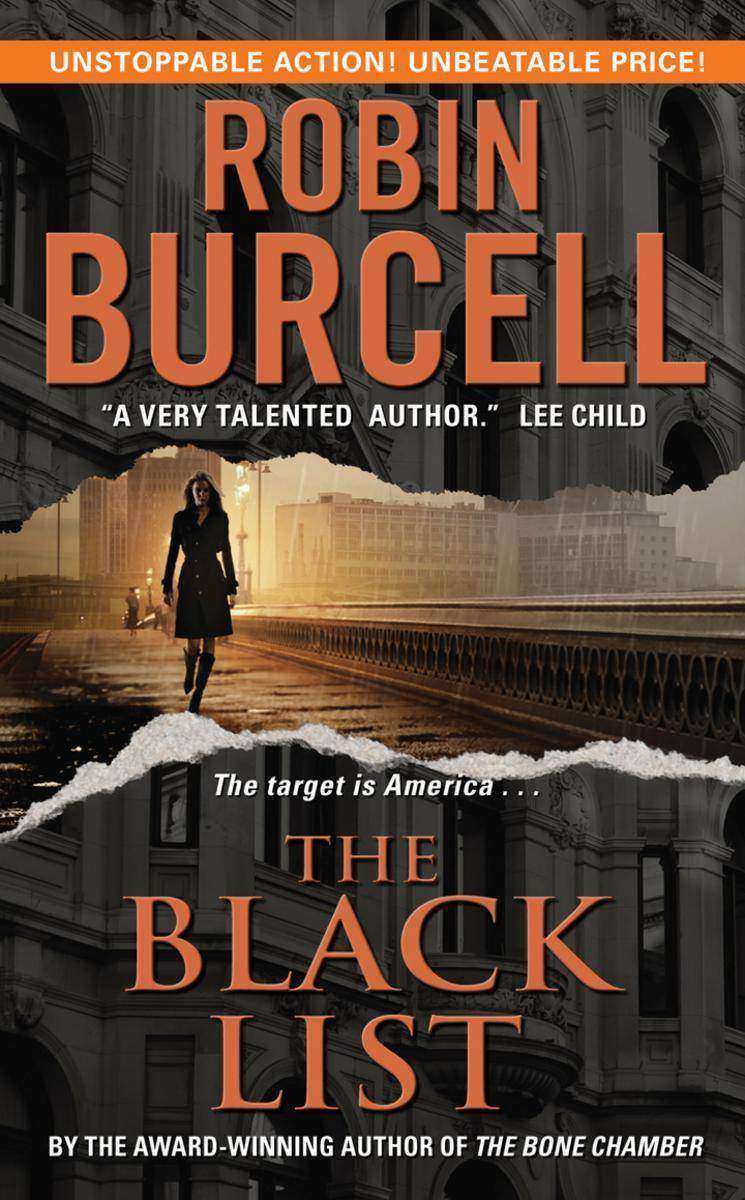
The Black List
¥42.03
The first death was ruled an accident. But when a second accountant from A.D.E.—a popular relief organization that resettles East African refugees—turns up dead, FBI Special Agent and forensic artist Sydney Fitzpatrick is called in to lend her expertise in an increasingly troubling case. Not only is the charity backed by a powerful U.S. senator, but the investigation reveals that its funds have been siphoned off to bankroll terrorist cells in black list countries, and Sydney fears the consequences.And it may already be too late. Death has crossed the border from Mexico and is now heading toward Washington, D.C. Time is rapidly running out—and unless Sydney and her partner, Zachary Griffin, can get to the root of a monstrous conspiracy, untold thousands will die in a nuclear nightmare and a nation will be reduced to chaos.
Skinny-dipping
¥49.05
Lilly Cleary is an attorney for a prestigious Sarasota law firm. But her killer cross-examination technique and take-no-prisoners courtroom attitude haven't stopped the senior partners from dumping one stink bomb after another on her desk—like the kayak-whiplash case she's currently saddled with. And problems at home, specifically with her ex–boyfriend, aren't making her disposition any sunnier. But it isn't until she's mugged outside her office that her troubles really begin. And when someone puts a bullet hole in her favorite suit, Lilly realizes things are getting a bit too personal. Perhaps it has something to do with a malpractice lawsuit she's inherited, and her recently and suspiciously deceased doctor client. Lilly's not going to take the insult lying down—even if tracking a killer leads her into dangerously deep water.
Some Remarks
¥88.56
One of the most talented and creative authors working today, Neal Stephenson is renowned for his exceptional novels—works colossal in vision and mind-boggling in complexity. Exploring and blending a diversity of topics, including technology, economics, history, science, pop culture, and philosophy, his books are the products of a keen and adventurous intellect. Not surprisingly, Stephenson is regularly asked to contribute articles, lectures, and essays to numerous outlets, from major newspapers and cutting-edge magazines to college symposia. This remarkable collection brings together previously published short writings, both fiction and nonfiction, as well as a new essay (and an extremely short story) created specifically for this volume.Stephenson ponders a wealth of subjects, from movies and politics to David Foster Wallace and the Midwestern American College Town; video games to classics-based sci-fi; how geekdom has become cool and how science fiction has become mainstream (whether people admit it or not); the future of publishing and the origins of his novels. Playful and provocative, Some Remarks displays Stephenson's opinions and ideas on:The Internet, our dwindling national attention span, and the cultural importance of books and bookishnessWaco, religion, and the cluelessness of secular societyMetaphysics and the battle between Isaac Newton and Gottfried Wilhelm Leibniz The laying of the longest wire on Earth—and why it matters to youTechnology, freedom, commerce, and the Chinese How Star Wars and 300 mirror who we are today and what that spells for our futureModern Jedi knights, a.k.a. scientists and technologists, and why they are admired and feared by both the left and the rightBy turns amusing and profound, critical and celebratory, yet always entertaining, Some Remarks offers a fascinating look into the prismatic mind of this extraordinary writer.
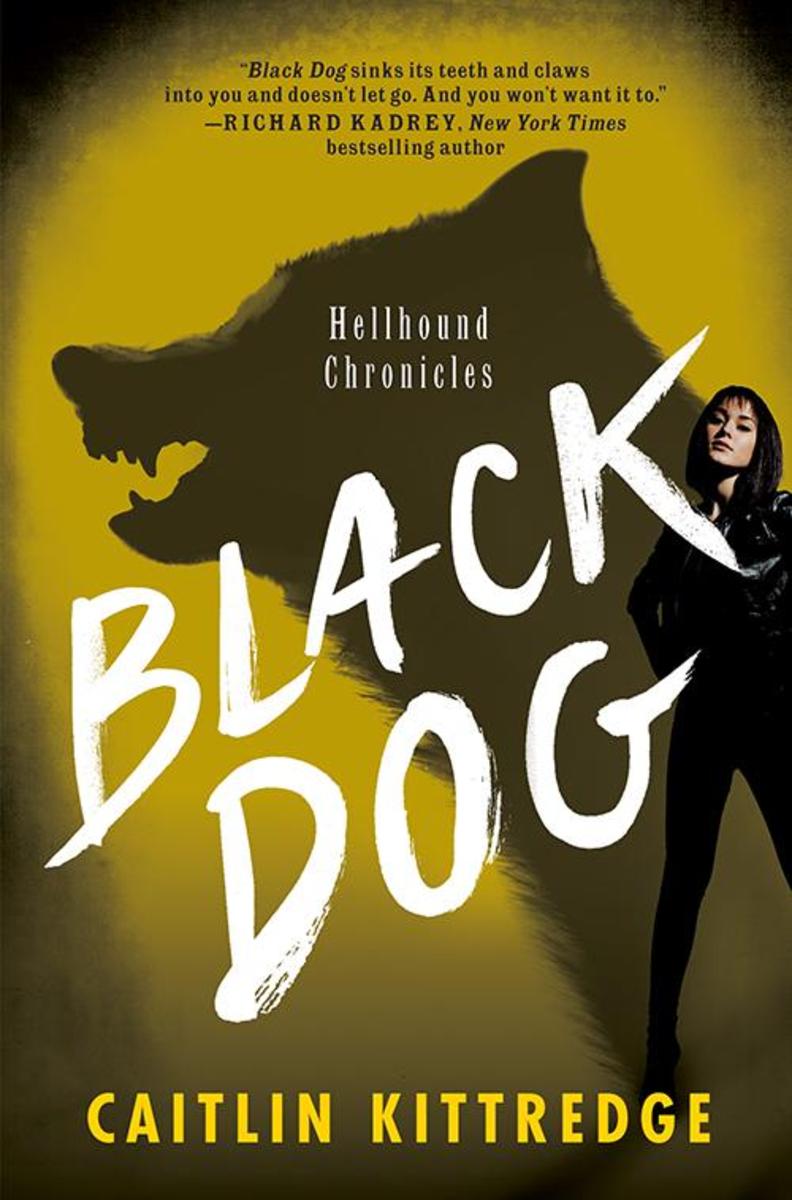
Black Dog
¥83.03
Ava has spent the last hundred years as a hellhound, the indentured servant of a reaper who hunts errant souls and sends them to hell. When a human necro- mancer convinces her to steal her reaper's scythe, Ava incurs the wrath of the demon Lilith. As punishment, Lilith orders Ava to track down the last soul in her reaper's ledger—or die trying.But after a hundred years of servitude, it's time for payback. And hell hath no fury like an avenging Ava. . . .

Picture Perfect #3: Best Frenemies
¥39.24
Being one half of a BFF heart necklace is serious business—and in the Picture Perfect series, each story tackles a tough friendship challenge. Through the ups and downs of life in middle school, through braces and boy bands, family feuds and fashion disasters, your best bud is there. But what happens when friendship suddenly gets complicatedTween readers will adore these sweet, accessible stories about the power of friendship.Alice Kinney shouldn't be nervous about starting middle school. She's got her best friend, Cassidy, by her side, so it can't be that bad, rightExcept, Cass isn't at her side. For the first time since kindergarten, Alice and Cassidy aren't in any of the same classes, and Alice is stuck with a brand-new crew in honors class! The girls try to stay in touch from across the hallway with the help of a shared notebook—but when Alice accidentally befriends not-so-nice Nikki from Cassidy's dance class, she keeps it to herself. Cass will never understand.Alice juggles both friendships, waiting for the right moment to tell everyone the truth. But then, disaster strikes: Cass's play and Nikki's math competition are fall on the same night. Neither girl will ever forgive Alice if she misses their big day. What is Alice supposed to do when her two best friends are total enemies?

Peter Pan
¥155.02
Let your imagination take flight as you journey with Peter Pan, Tinker Bell, and the Darling children to the magical island of Neverland in this beautiful new unabridged gift edition of J.M. Barrie's classic story. All-new original illustrations and ten exclusive interactive elements from the award-winning design studio MinaLima create an enchanted adventure for readers of all ages—all you need is to think lovely thoughts and use a little bit of fairy dust.

The Pocket Wife
¥90.77
She was there. She was involved in Celia's day, although she isn't sure exactly how. She had far too much to drink. And then the incredible death—the shocking, horrible, inconceivable death, sticking like a dagger in her heart. She closes her eyes and tries to remember the last thing she said to Celia. She thinks it was "I don't ever want to see you again."Dana Catrell's life is in chaos. She's married to a lawyer who makes her feel trivial, as if stuck inside his pocket like loose change. She's also sliding toward the brink of insanity. Devastated by mania, part of her bipolar disorder, Dana finds that there are troubling holes in her memory, including what happened on the afternoon of her friend Celia's death. She's horrified to learn she's the only other person with a key to Celia's house—and the last person to see her alive.She and Celia had shared recipes and gossip. But not secrets—until that final afternoon. Closing her eyes, Dana can see images, loose pieces of a hazy puzzle. Sangria in a glass, a tiny rip in Celia's screen door, Celia lying in a pool of blood, the broken vase beside her head, the kitchen knife just so above her hand. But there are infuriating, terrifying gaps.Is murder on her mind—or is it all in her head?As evidence starts to point in her direction, Dana will use the clarity her mania brings her to fill in the blanks and clear her name before her demons win out. But her husband's odd behavior and the persistent probing of Detective Jack Moss complicate Dana's search for answers. The closer she comes to piecing together shards of her broken memory, the closer Dana comes to falling apart. Is there a killer lurking inside her . . . or is there one out there in the shadows of reality, waiting to strike again?A story of marriage, murder, and madness, The Pocket Wife is a sophisticated, gripping tale of psychological suspense that explores the world through the foggy lens of a woman on the edge.

A Newport Christmas Wedding
¥27.91
It’s Christmas in Newport. The mansions are decorated, and the streets are filled with excitement. Across the bay, preparations are in full swing for the wedding of Meri Calder-Hollis and Alden Corrigan. A year ago, Meri never imagined that she would marry her best friend, Alden, or become stepmother to his two teenaged children, Nora and Lucas.But as the wedding day draws near, tension and emotions run high, and Meri’s happiness turns to uncertainty. Nora is suddenly acting sullen and withdrawn, Alden is preoccupied, and Meri wonders if her marriage will bring the family closer together or tear them apart.It seems like this wedding may be doomed before it begins until a special Christmas surprise brings home the meaning of family and the joy of the holidays.
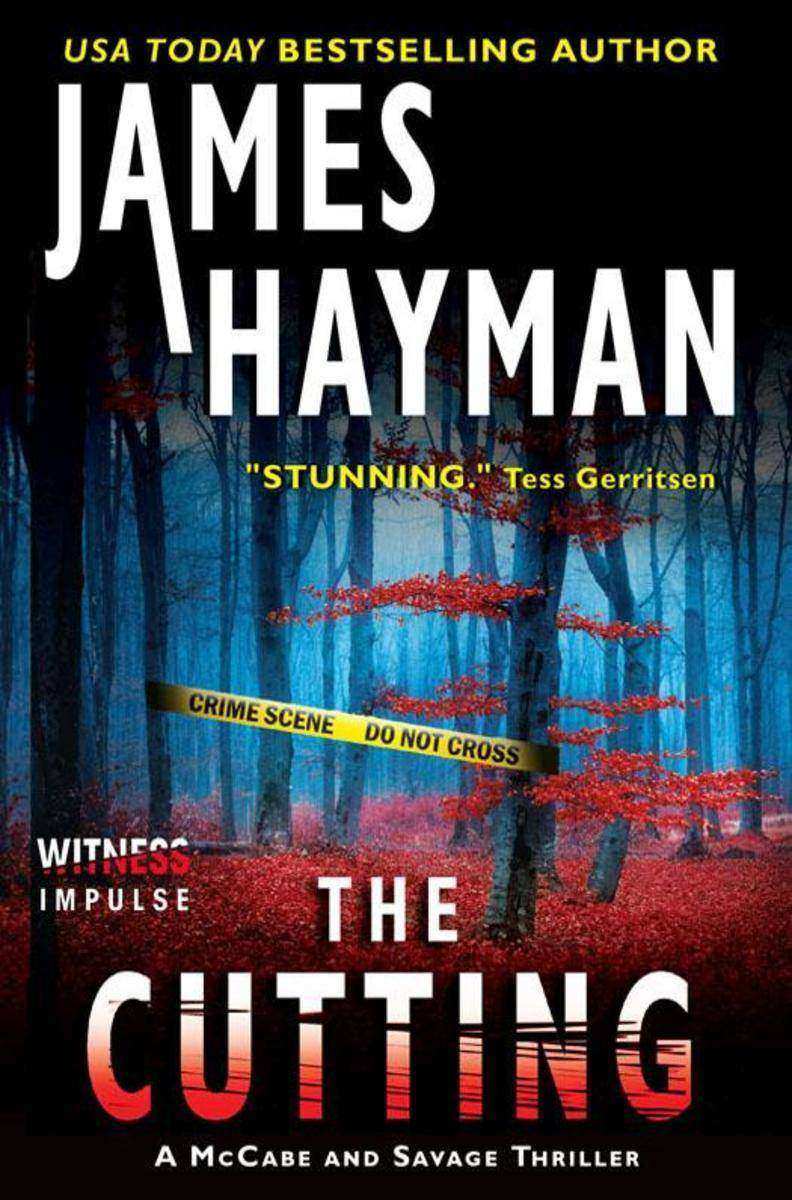
The Cutting
¥66.50
The first novel in the nationally bestselling McCabe and Savage series—perfect for fans of John Sandford and CJ Box.Someone is stealing the hearts of beautiful women... Detective Mike McCabe moved from a top homicide job with the NYPD to Portland, Maine to leave his failed marriage and suspicions of wrongdoing behind, and to find a more peaceful life for himself and his 13 year old daughter. But the small New England city is not nearly as safe as he thought. On a warm September night, a missing high-school athlete is found dead in a scrap metal yard, her heart removed from her body with surgical precision. As outrage over the killing spreads, a young business woman disappears while out on a morning jog. McCabe is certain both crimes are the work of one man—a murderer skilled in cardiac surgery who is using his scalpel to target young women. With the clock ticking, McCabe and his partner Maggie Savage find themselves in a desperate race against time to find and rescue the missing woman before she becomes the next victim of the sadistic killer's blade.
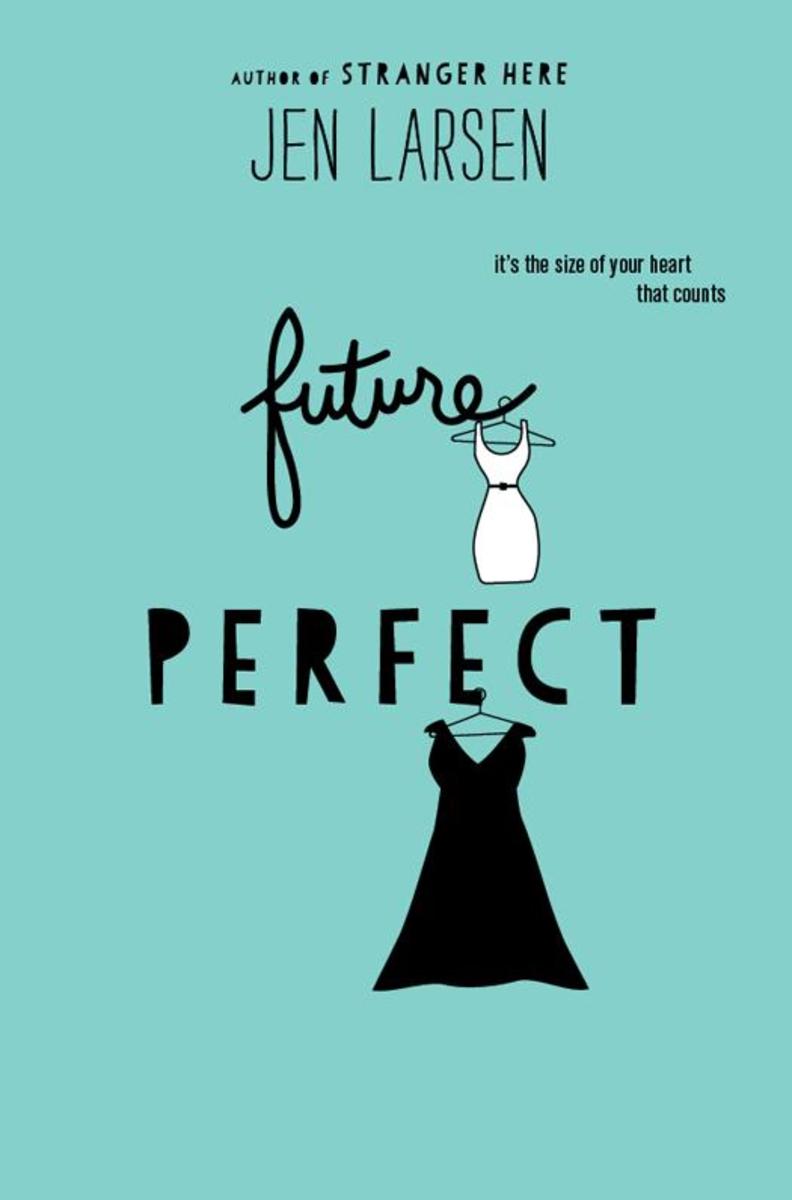
Future Perfect
¥101.00
Jen Larsen, author of the critically acclaimed memoir Stranger Here and a subject of the Oprah Winfrey Network TV show In Deep Shift with Jonas Elrod, tells a liberating story of hard-won self-acceptance—a tale of one girl, who knows that weight is just a number, and that no one is completely perfect.This is a distinct, complex debut from a new voice in YA with an unforgettable main character whose doubts and insecurities will resonate with readers, and shed light on the dangers of taking on others' expectations instead of your own.Underscored by a fierce intelligence and a dry, disarming wit, Future Perfect will satisfy fans of such authors as Maureen Johnson.
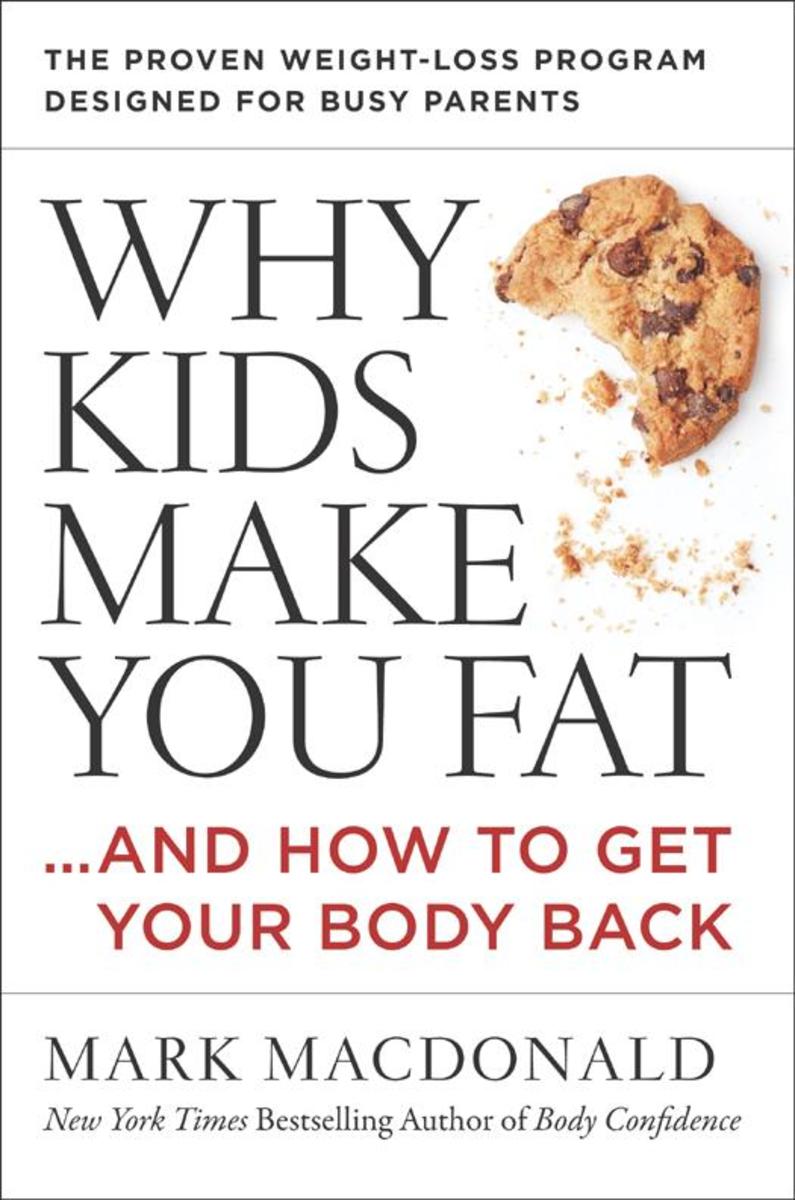
Why Kids Make You Fat
¥95.39
Our children are bundles of joy who enhance our lives in innumerable ways. We love them beyond question. But let's be honest . . . they take a lot of time. For most of us, that means less regular workouts and not enough time to prepare healthy meals at home. It's a struggle just to get to the gym once a month and put nutritious food on the table. Even worse for your waistline are those tempting snacks in the fridge and the little extras kids leave on the plate.Mark Macdonald knows this firsthand. A New York Times bestselling author, nutritionist, and fitness guru, he gained thirty-five pounds in the two years after the birth of his son. For women, like his wife, Abbi, it is even harder . . . they have to gain weight with each pregnancy, and then attempt to shed those pounds in the midst of stressful demands from the newborn—and often a severe lack of sleep. But we all face a choice: when we notice those pounds packing on, will we evolve, make changes, and reclaim our healthOr will we allow our health to enter that awful downward spiral?Mark and Abbi know it is possible to reclaim your body, even in the throes of parenting. With this eight-week program, Mark has helped thousands of parents lose up to thirty pounds and rediscover the energy they thought was gone for good. The step-by-step program has three phases: Phase One, Detox, cleanses your body and helps you lose your bloat. Phase Two, Ignite, burns fat and melts your belly. Phase Three, Thrive, reprograms your metabolism and allows you to incorporate this new way of eating into a sustainable and enjoyable lifestyle.With a comprehensive diet plan, specific workout regimen, everyday strategies to help parents lose the weight, and incredible success stories with before and after photos, Why Kids Make You Fat . . . and How to Get Your Body Back is a book that will help parents look and feel better than they did even before the kids came along.
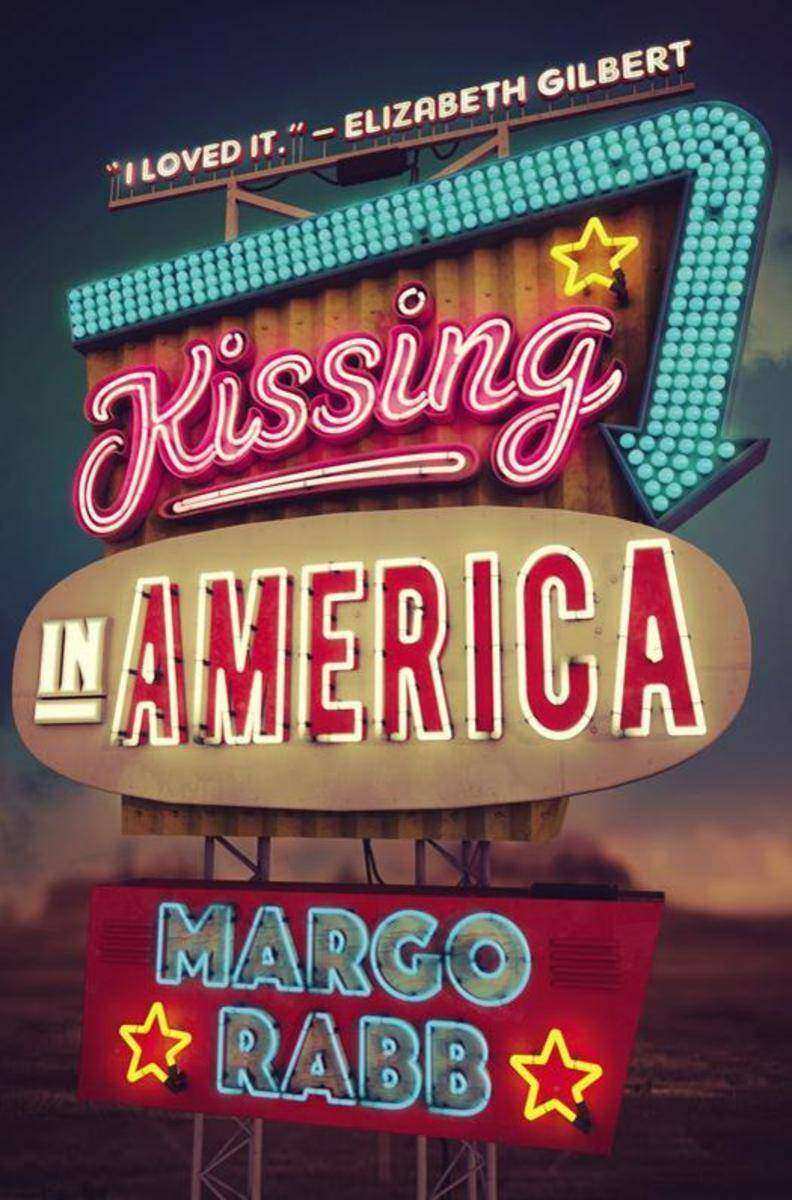
Kissing in America
¥55.33
Acclaimed writer Margo Rabb's Kissing in America is "a wonderful novel about friendship, love, travel, life, hope, poetry, intelligence, and the inner lives of girls," raves internationally bestselling author Elizabeth Gilbert (Eat, Pray, Love). In the two years since her father died, sixteen-year-old Eva has found comfort in reading romance novels—118 of them, to be exact—to dull the pain of her loss that's still so present. Her romantic fantasies become a reality when she meets Will, who understands Eva's grief. Unfortunately, after Eva falls head over heels for him, he picks up and moves to California without any warning. Not wanting to lose the only person who has been able to pull her out of sadness—and, perhaps, her shot at real love—Eva and her best friend, Annie, concoct a plan to travel to the West Coast to see Will again. As they road trip across America, Eva and Annie confront the complex truth about love.In this honest and emotional journey that National Book Award finalist Sara Zarr calls "gorgeous, funny, and joyous," readers will experience the highs of infatuation and the lows of heartache as Eva contends with love in all its forms.
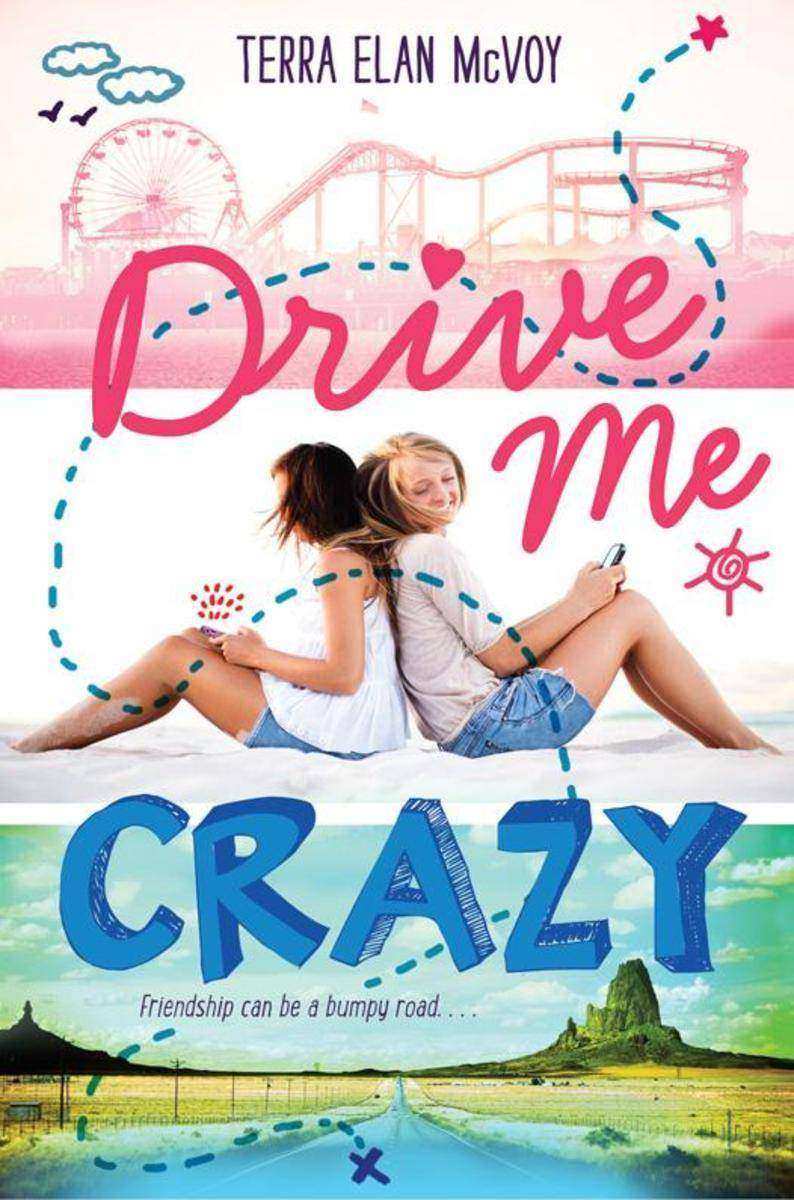
Drive Me Crazy
¥39.24
Friendship can be a bumpy road. . . . Lana and Cassie have met only once before, at the wedding of Lana's Grandpa Howe and Cassie's Grandma Tess two months ago. The two girls couldn't be more different, and they didn't exactly hit it off—but they're about to spend an entire week together for their grandparents' honeymoon, road-tripping from California to Maine in the backseat of a Subaru.It's going to be a disaster.Told in alternating chapters between Cassie and Lana, Drive Me Crazy is a tween rivalry-turned-friendship story bursting with humor and heart.

Green Girl
¥83.03
With the fierce emotional and intellectual power of such classics as Jean Rhys's Good Morning, Midnight, Sylvia Plath's The Bell Jar, and Clarice Lispector's The Hour of the Star, Kate Zambreno's novel Green Girl is a provocative, sharply etched portrait of a young woman navigating the spectrum between anomie and epiphany.First published in 2011 in a small press edition, Green Girl was named one of the best books of the year by critics including Dennis Cooper and Roxane Gay. In Bookforum, James Greer called it "ambitious in a way few works of fiction are." This summer it is being republished in an all-new Harper Perennial trade paperback, significantly revised by the author, and including an extensive P.S. section including never before published outtakes, an interview with the author, and a new essay by Zambreno.Zambreno's heroine, Ruth, is a young American in London, kin to Jean Seberg gamines and contemporary celebutantes, by day spritzing perfume at the department store she calls Horrids, by night trying desperately to navigate a world colored by the unwanted gaze of others and the uncertainty of her own self-regard. Ruth, the green girl, joins the canon of young people existing in that important, frightening, and exhilarating period of drift and anxiety between youth and adulthood, and her story is told through the eyes of one of the most surprising and unforgettable narrators in recent fiction—a voice at once distanced and maternal, indulgent yet blackly funny. And the result is a piercing yet humane meditation on alienation, consumerism, the city, self-awareness, and desire, by a novelist who has been compared with Jean Rhys, Virginia Woolf, and Elfriede Jelinek.
Infinite in Between
¥56.08
Printz Honor author Carolyn Mackler returns with this striking new novel that chronicles the lives of five teenagers through the thrills, heartbreaks, and joys of their four years in high school.Zoe, Jake, Mia, Gregor, and Whitney meet at freshman orientation. At the end of that first day, they make a promise to reunite after graduation. So much can happen in those in-between years….Zoe feels like she will live forever in her famous mother’s shadow. Jake struggles to find the right connections in friendship and in love. Mia keeps trying on new identities, looking for one that actually fits. Gregor thought he wanted to be more than just a band geek. And Whitney seems to have it all, until it’s all falling apart around her.Echoing aspects of John Hughes’s The Breakfast Club, Carolyn Mackler skillfully brings the stories of these five disparate teens together to create a distinct and cohesive whole—a novel about how we can all affect one another’s lives in the most unexpected and amazing ways.
Ballroom
¥83.03
A beautiful debut, Ballroom follows a group of strangers, united by a desire to escape their complicated lives (if only for a few hours each week) at a New York City dance hall that's about to close its doors for good.The Ballroom used to be a place to see and be seen, but the years have taken their toll, and by the end of the 1990s this Manhattan dance hall, just off Union Square, is a husk of its former self. A small crowd of loyal patrons still makes its way to the worn parquet floor every Sunday evening: although they each have their private reasons for returning again and again to the Ballroom, they are united by a shared desire to seek solace from reality, if only for a few hours, within its walls—and in the magic of dance.Nearly forty and still single, Sarah Dreyfus is desperate for love and sure she'll find it with debonair Gabriel Katz, who seduces the women he meets at the Ballroom to distract himself from his crumbling marriage. Lonely bachelor Joseph believes that his yearning for a wife and family will be fulfilled—if he can only get Sarah to notice him and see that he is in love with her. Obsessed with his building superintendent's beautiful daughter, Maria Rodriguez, elderly dance instructor Harry Korn is convinced that together they will find the happiness that has eluded him throughout his life. And Maria, who—thanks in part to Harry's instruction and encouragement—is one of the stars of Sunday nights at the Ballroom along with her partner, Angel Morez, has a dream of her own that her brokenhearted father refuses to accept or understand.In this deeply felt debut, Alice Simpson deftly unfolds the lives of these men and women, entwining their stories into a profoundly human narrative about our instinc-tual longing to love and to be loved. As the rhythms of the Ballroom ebb and flow through her characters' hearts, their fates weave together both on and off the dance floor in touching, unexpected ways.
Black Sun
¥83.92
Black Sun is a bittersweet love story involving an iconoclastic forest ranger and a freckle-faced "American princess" half his age. Like Lady Chatterley's lover, he initiates her into the rites of sex and the stark, secret harmonies of his wilderness. She, in turn, awakens in him the pleasure of love. Then she mysteriously disappears, plunging him into desolation. Black Sun is a singular novel in Abbey's repertoire, a romantic story of a solitary man's passion for the outdoors and for a woman who is seeing the natural world's true colors for the first time. "Like most honest novels, Black Sun is partly autobiographical, mostly invention, and entirely true. The voice that speaks in this book is the passionate voice of the forest," Abbey writes, "the madness of desire, and the joy of love, and the anguish of final loss."Edward Abbey spent most of his life in the American Southwest. He was the author of numerous works of fiction and nonfiction, including the celebrated Desert Solitaire, which decried the waste of America's wilderness, and the novel The Monkey Wrench Gang, the title of which is still in use today to describe groups that purposefully sabotage projects and entities that degrade the environment. Abbey was also one of the country's foremost defenders of the natural environment. He died in 1989.
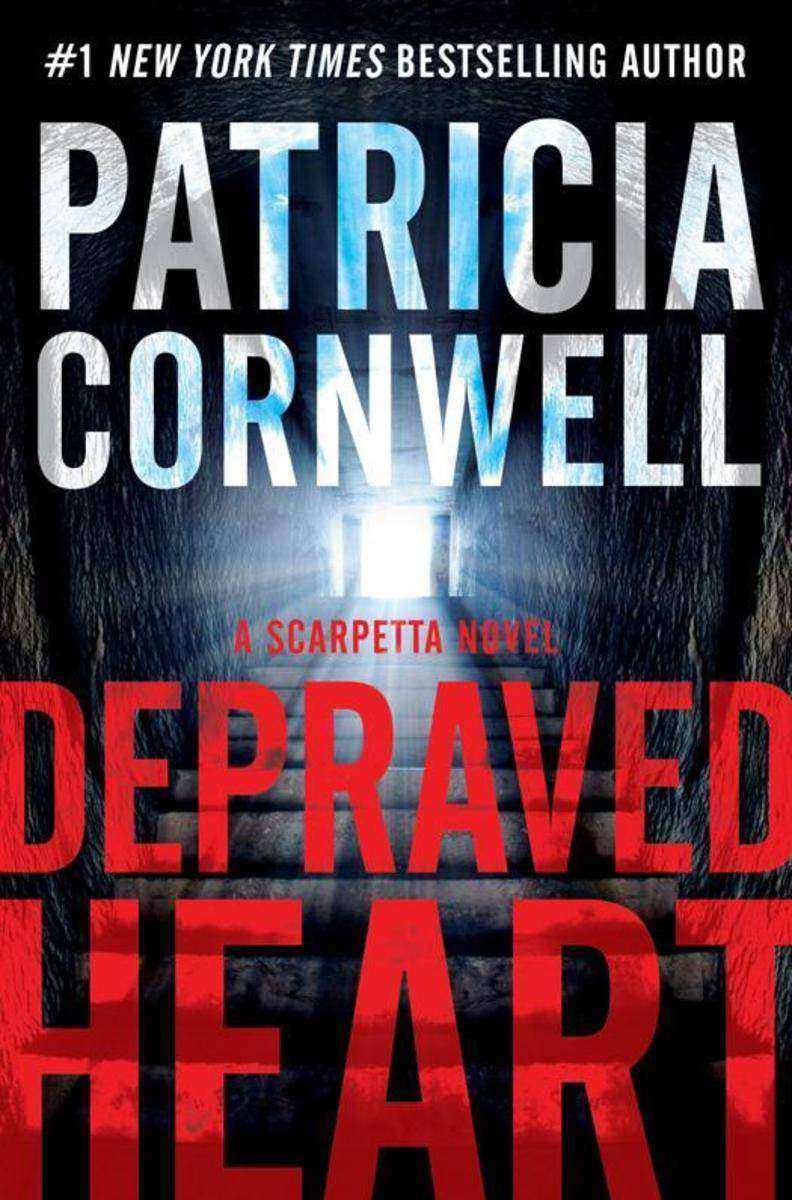
Depraved Heart
¥69.16
From the world's number one bestselling crime writer comes the haunting and irresistible new Dr. Kay Scarpetta novel—Depraved HeartDepraved Heart: "Void of social duty and fatally bent on mischief."—Mayes v. People, 806 III. 306 (1883)Dr. Kay Scarpetta is working a highly suspicious death scene in a historic home in Cambridge, Massachusetts, when an emergency alert sounds on her phone. A video link lands in her text messages, immediately begins playing . . . and seems to be from her niece Lucy. But how can it beIt's clearly a surveillance film of Lucy taken almost twenty years ago. As Scarpetta watches she comes to grips with frightening secrets about her niece, whom she loves like a daughter. That first clip and others sent soon after raise dangerous implications that increasingly isolate Scarpetta and leave her confused, alarmed, and not knowing where to turn. She doesn't know whom she can tell—not her FBI agent husband, Benton Wesley, or her investigative partner, Pete Marino. Not even Lucy. Cornwell launches these unforgettable characters on an intensely psychological odyssey that includes the bizarre death of a Hollywood mogul's daughter, wreckage on the bottom of the sea in the Bermuda Triangle, a grisly gift left in the back of a crime scene truck, and videos from the past that threaten to destroy Scarpetta's entire world and everyone she loves. The diabolical presence and singularly "depraved heart" behind what unfolds seems obvious—but strangely, not to the FBI. Certainly that's the message they send when they start harassing Lucy and begin building a case that could send her to prison for the rest of her life. In the latest novel in her bestselling series featuring medical examiner Dr. Kay Scarpetta, Cornwell captivates readers again with the jolting twists, high-wire tension, and cutting-edge forensic detail for which she is renowned, proving yet again why she is the world's number one bestselling crime writer.
Thank You for the Music
¥73.48
In 14 original stories, Jane McCafferty illuminates modern life weaving her love of music throughout the lives and stories of her characters. From two middle-aged strangers who meet in an empty baseball stadium during a rainstorm, to a 23-year-old man who brings his 62-year-old wife home to meet his parents, to a young couple who live next door to an unemployed clown and his wife, these stories are at one unexpected and enthralling.This collection of short stories, linked by the theme of music, is a gorgeous follow-up to One Heart, award-winning writer Jane McCafferty’s critically acclaimed debut novel.
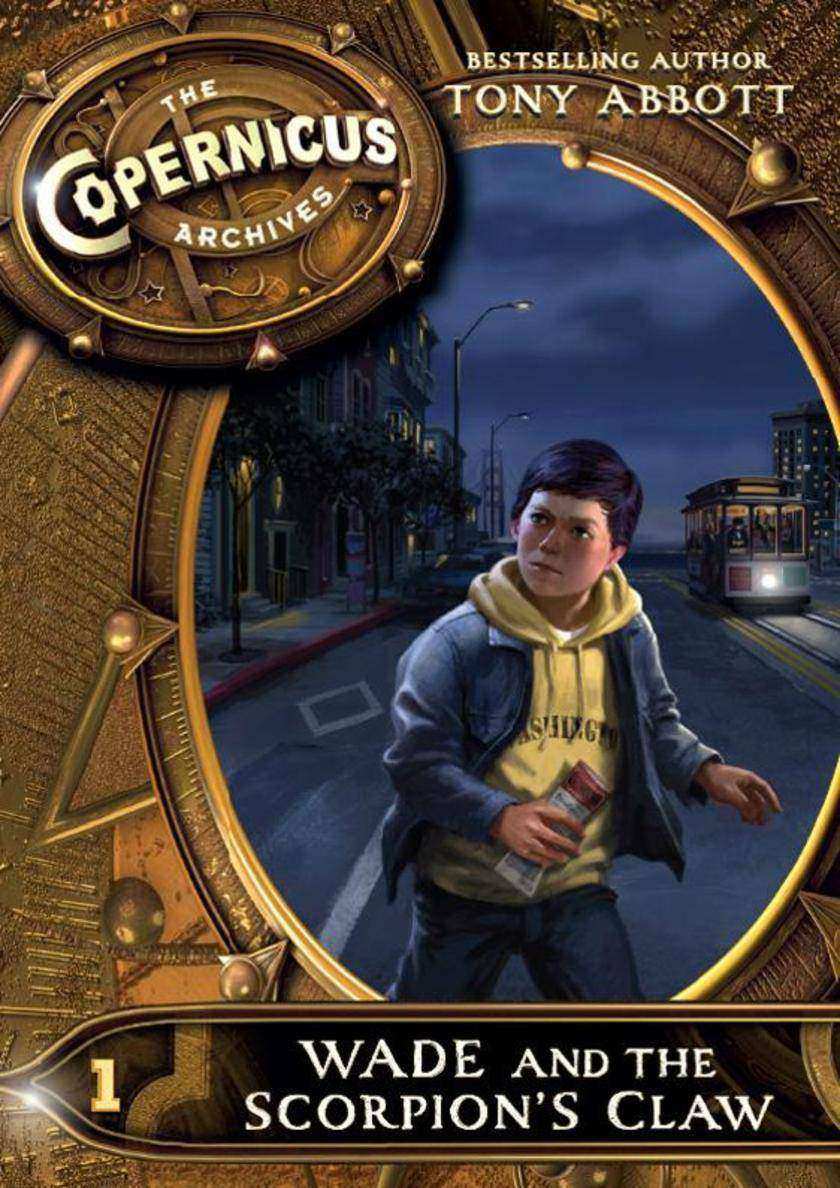
The Copernicus Archives #1: Wade and the Scorpion's Claw
¥22.33
The quest for the relics continues. Travel deeper into the mysterious world of the Copernicus Legacy with the Copernicus Archives: exciting, fast-paced novellas that get you close to the characters and the heart of the adventure.Wade and the Scorpion's Claw picks up right where The Copernicus Legacy: The Forbidden Stone left off, with the Kaplan family seeking the next Copernicus relic. Now Wade, the curious, analytical, yet starry-eyed member of the group, leads the chase for another relic through the busy streets of San Francisco while on the run from one of Galina Krause's most treacherous henchmen.Perfect for fans of Rick Riordan and Ridley Pearson, Wade and the Scorpion's Claw continues the thrilling Copernicus Legacy quest and brings one of the characters into the spotlight.Supports the Common Core State Standards
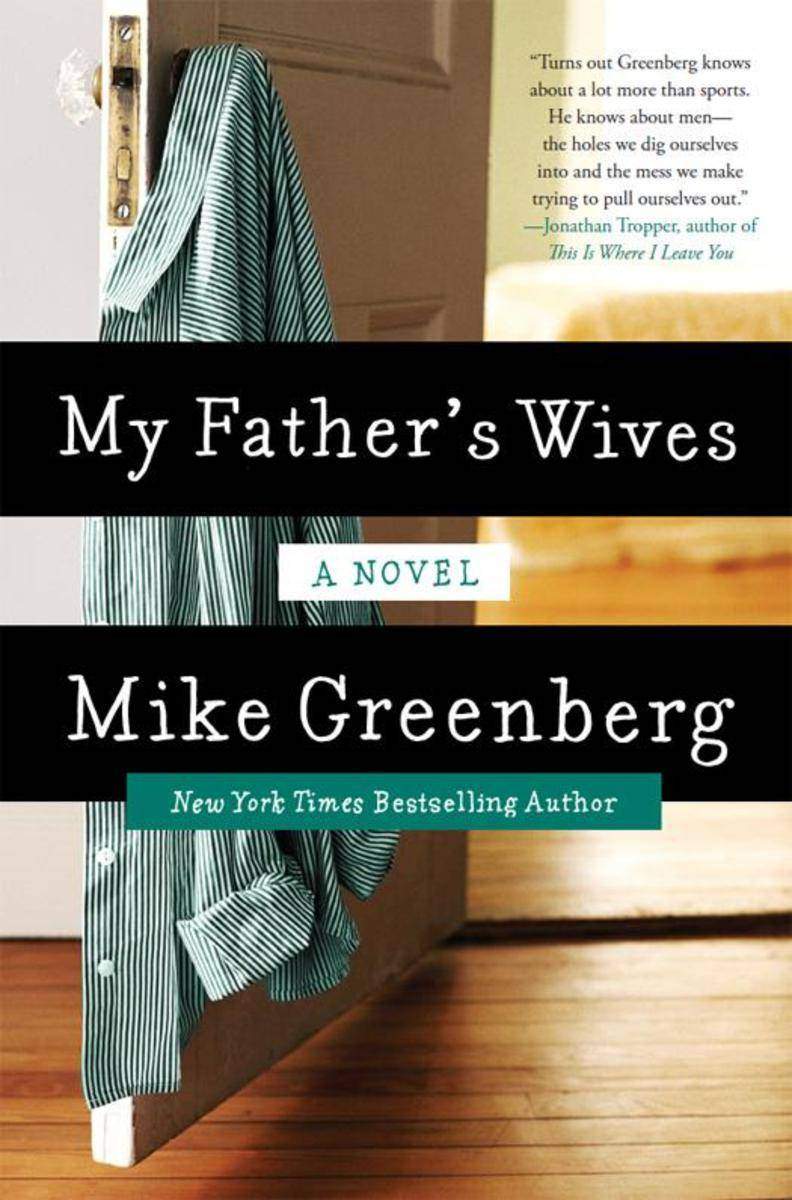
My Father's Wives
¥143.95
The cohost of ESPN's Mike and Mike follows up his New York Times bestseller All You Could Ask For with this poignant story of one man's search for the secret to understanding his father, his marriage, and himselfJonathan Sweetwater has been blessed with money, a fulfilling career, great kids, and Claire, his smart, gorgeous, sophisticated wife. But there is one thing Jonathan never had: a relationship with his father.Percival Sweetwater III has been absent from his son's life since Jonathan was nine years old. A five-term U.S. senator, Percy was beloved by presidents, his constituents, and women alike, especially the five women who married him after he and Jonathan's mother divorced.Jonathan hasn't thought about Percy or the hole he left in his life for years. But then he discovers evidence that everything in his marriage may not be as perfect as he thought.On a quest for understanding—about himself, about manhood, about marriage—Jonathan decides to track down his father's five ex-wives. His journey will take him from cosmopolitan cities to the mile-high mountains to a tropical island . . . and ultimately back to confront the one thing Jonathan has that his father never did: home.


