


 购物车
购物车 个人中心
个人中心

A gripping thriller that will leave you breathless
¥22.27
‘Must read!’Closer ‘I love, love, LOVE Perfect Remains!’ Reader review ‘A superb debut!’ Reader review On a remote Highland mountain, the body of Elaine Buxton is burning. All that will be left to identify the respected lawyer are her teeth and a fragment of clothing. In the concealed back room of a house in Edinburgh, the real Elaine Buxton screams into the darkness… Detective Inspector Luc Callanach has barely set foot in his new office when Elaine’s missing persons case is escalated to a murder investigation. Having left behind a promising career at Interpol, he’s eager to prove himself to his new team. But Edinburgh, he discovers, is a long way from Lyon, and Elaine’s killer has covered his tracks with meticulous care. It’s not long before another successful woman is abducted from her doorstep, and Callanach finds himself in a race against the clock. Or so he believes … The real fate of the women will prove more twisted than he could have ever imagined. Fans of Angela Marson, Mark Billingham and M. J. Aldridge will be gripped by this chilling journey into the mind of a troubled killer.

A Year at Meadowbrook Manor: Escape to the countryside this year with this perfe
¥22.27
‘A well written, light, warm hearted read.’ Netgalley Reviewer One divided family, one life-changing year… Harriet Singer hasn’t been home in ten years. When her beloved dad dies suddenly, she races to be there for her estranged siblings, despite the memories it brings back. Then Harriet learns that all four Singer siblings must live together for one year, caring for their dad’s Animal Sanctuary, or forfeit their inheritance. Living under the same roof could make or break the family, but it’s time Harriet stopped running and faced her past. Especially when her first love turns up… A heart-warming story about love, hope and family, perfect for fans of Cathy Bramley and Heidi Swain.
Twilight Song (The House of Birds and Butterflies, Book 3)
¥22.27
A gorgeous new romantic series from the bestselling author of The Canal Boat Cafe Spring is blooming at Meadowsweet nature reserve. Although the sunshine is drawing in the visitors like never before, events co-ordinator Abby knows she’s treading on thin ice. She’s spending more and more time with village newcomer Jack, and she’ll need to make a real success of the springtime camping extravaganza at the reserve if she’s to keep her disgruntled boss off her back. Abby hasn’t thrown too many questions at Jack about his shadowy past – she’s enjoying the budding romance, so why break the spell? But when the secrets start spilling out and a glamorous blonde presenter from the nature show, Wild Wonders, turns Jack’s head, Abby knows it’s time to face the music… Twilight Song is the third part of a four-part serial.
Ella’s Journey: The perfect wartime romance to curl up with this winter (The Mil
¥22.27
A family in need. A country on the brink of war. Ella is trying to put the past behind her… but the past won’t always stay hidden. The truth is, Ella is hiding from a scandal. A scandal that drove her family out of their beloved Lane End Cottage in the tiny Yorkshire village they had lived in all their lives. A scandal that her sister Alice was blamed for. But Alice is no longer here. So it’s up to Ella to pick up the pieces and do the best she can for the family she loves so dearly. Ella’s luck finally changes when she gains work at Grange House, a gentleman’s residence on the outskirts of York. But can she keep her position there? Or will she follow in her elder sister’s footsteps? A gripping new saga series that fans of Dilly Court and Valerie Wood will adore.
A gripping story of love, loss and a historical mystery finally revealed
¥22.27
The second novel in Lynne Francis’s gripping family saga trilogy. Prepare to be captured by the story of Alice… Can uncovering a long forgotten family mystery change your life? 1890 Alice is the sole bread-winner for her family, working at the local cotton mill. But when she suddenly begins to attract the wrong attention, her life begins to spiral out of control… 2018 For Alys, one bad decision after another has left her feeling that her life hasn’t quite turned out the way it should have. But when her aunt is suddenly injured and in need of help baking and running her beloved café, Alys knows a trip to Yorkshire is just the escape she needs. In lending a hand, Alys stumbles across a long-buried family mystery and quickly finds herself caught up in uncovering the truth of what happened to her great-great-grandmother Alice… Alys won’t stop until she knows the truth. Will the secrets of her grandmother’s past help her to change her own future? A beautiful and heart-breaking novel, that brings the past and present together in a gripping story of love, loss and hope. Perfect for fans of Rosie Clarke and Tracy Rees. Praise for Lynne Francis ‘I absolutely loved reading ‘Alice’s Secret’ and I would wholeheartedly recommend this author and her books to other readers, but particularly to those readers who enjoy reading sagas.’ Gingerbook Geek ‘definitely one to add to your reading list if you are interested in either historical novels or love sagas’ Miss Larabelle ‘I fell completely in love with this gorgeous story by Lynne Francis, I wasn’t sure what I was expecting when I first went into it but the end result was a book I couldn’t put down.’ Katie’s Book Cave
A Very Irish Christmas: A festive short story to curl up with this Christmas!
¥22.27
A short story to curl up with this Christmas! This year, it’s time for A Christmas Carole… Carole is a workaholic so dedicated to her job at a 24/7 rolling news TV station, that she plans to work all over Christmas and New Year too. Same as she does every other year. But then when you're long -term single and married to your job, she thinks, what else is there to do? But a midnight visit from the ghost of Christmases past, present and future soon makes her look at her life in a whole new way… Bestselling author Claudia Carroll brings her trademark sparkle to this modern re-telling of A Christmas Carol, perfect for your Christmas treat this year!
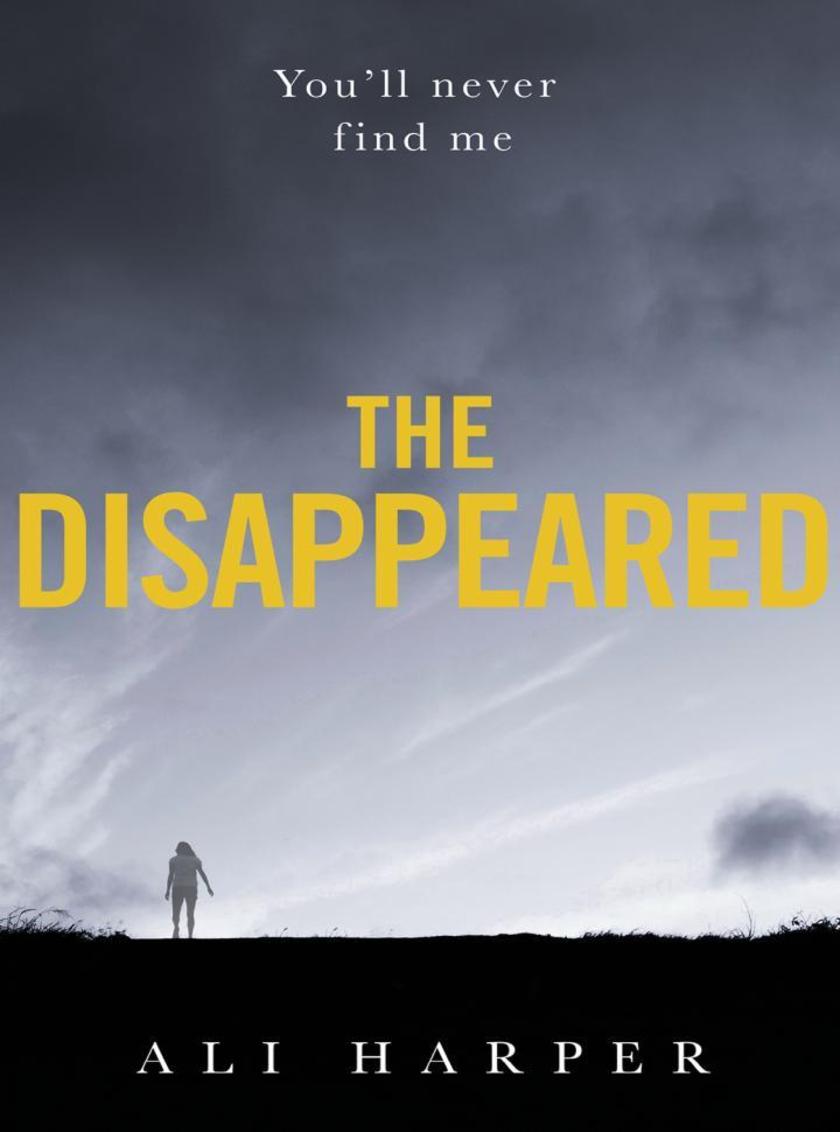
The Disappeared: A gripping crime mystery full of twists and turns!
¥22.27
YOU’LL NEVER FIND ME… A twisty, compelling, characterful crime thriller from a major new talent. NOT TO BE MISSED! A distraught mother… When Susan Wilkins walks into No Stone Unturned, Leeds’s newest private detective agency, owners Lee and Jo are thrilled. Their first client is the kind of person they always hoped to help—a kind woman desperately worried about her son, Jack. A missing son… The case seems simple—kid starts college, takes up with the wrong crowd, forgets to ring his mother. But very quickly, Lee and Jo suspect they’re not being told the whole truth. A case which could prove deadly… Their office is ransacked, everyone who knows Jack refuses to talk to them and they feel like they’re being followed…it’s clear Lee and Jo have stumbled into something bigger, and far more dangerous, than they ever expected. Will they find Jack, or will their first case silence them both for good?
The Sunny Bridesmaid (Bridesmaids)
¥18.93
A mini-series of four titles aimed at 6 – 8 year old girls on the theme of bridesmaids – a role that every little girl longs to play! THE SUNNY BRIDESMAID Molly’s brother James is marrying Chloe, an Australian girl, on a tropical beach. A laid back bride, Chloe has told Molly she can choose her own dress. Molly’s choice of dress is not ideal for a hot climate, however she makes such fuss, her Mum lets her have it. However when she gets to Australia – shock, horror, her luggage has been mislaid so she and Chloe have to buy her a new outfit – a sarong and skimpy top, perfect for a hot beach wedding. James is football mad and after the wedding he celebrates by a game of footie on the beach. Unfortunately he gets sun-stroke leaving his bride dancing the night away with her favourite sunny bridesmaid!

More of the World’s Best Drinking Jokes
¥23.05
A wife decided she would leave her drunken husband, but a neighbour persuaded her to give him one more chance. ‘Instead of nagging him,’ she was advised, ‘treat him nicely. Maybe he’ll feel so ashamed, he’ll stop drinking so heavily.’ So the next night when he staggered home, she did not rant as usual. She made him a cup of tea, warmed his slippers, loosened his collar and tie and stroked his head. ‘Shall we go to bed now?’ she suggested.‘Might as well,’ he replied. ‘If I go home, there’ll only be a row.’
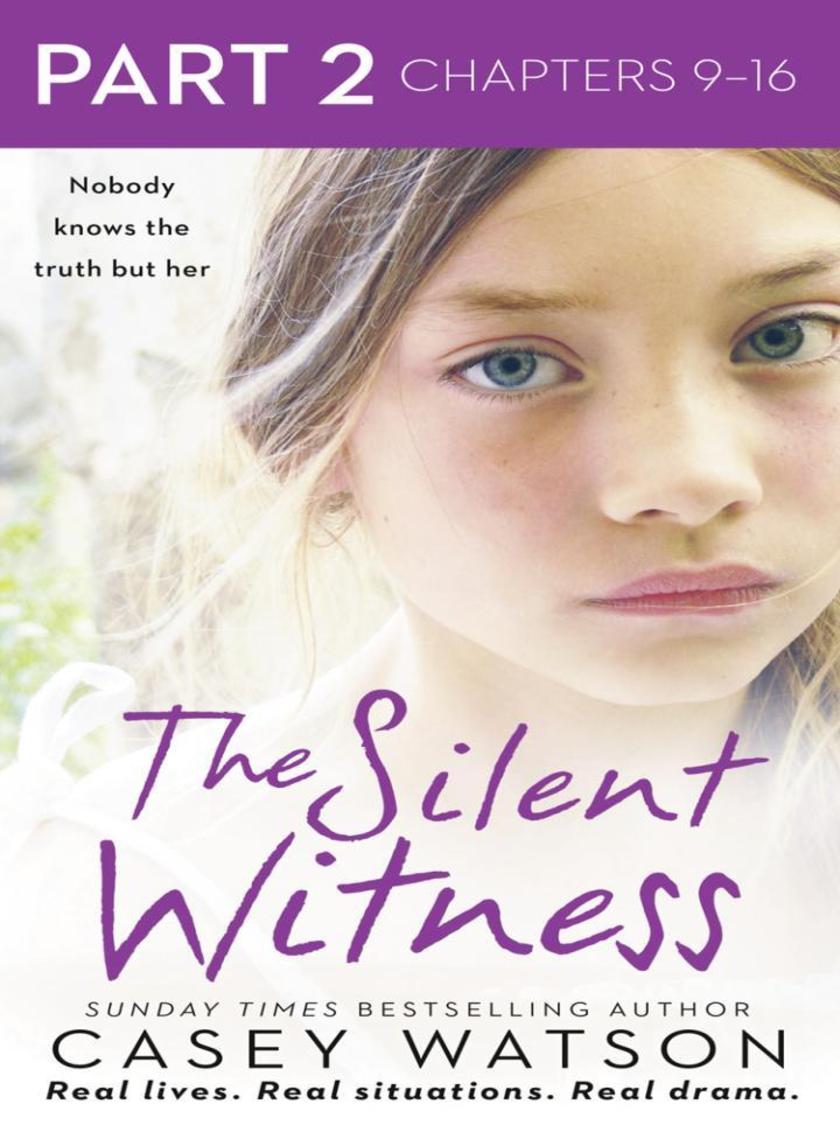
The Silent Witness: Part 2 of 3
¥21.09
Casey Watson, who writes under a pseudonym, is a specialist foster carer. She and her husband, Mike, look after children who are particularly troubled or damaged by their past. Before becoming a foster carer Casey was a behaviour manager for her local comprehensive school.
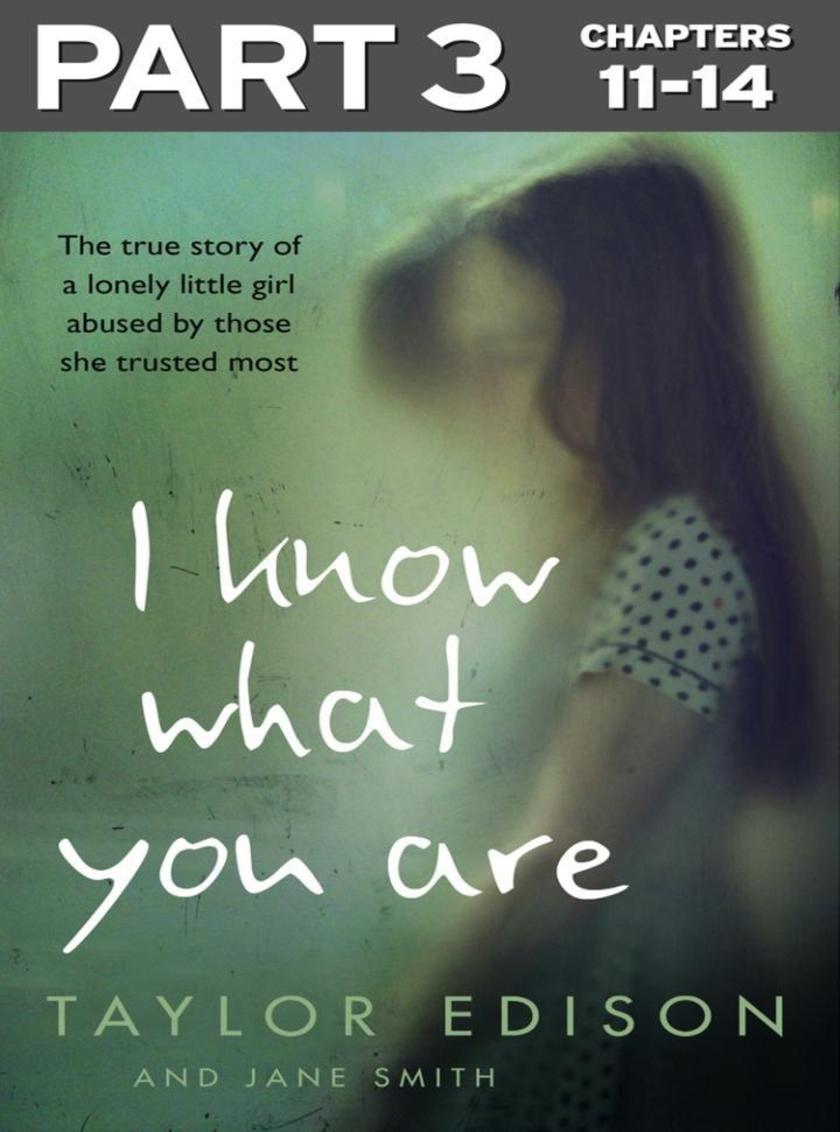
Part 3 of 3: The true story of a lonely little girl abused by those she trusted
¥25.60
The moving true story of a little girl with Asperger syndrome, controlled and abused by the one person she called her friend. Taylor had always struggled to make friends – she felt ‘different’. Taylor never knew her father and her mother wasn’t around much. She just didn’t understand people, and was alone and scared much of the time. That was until, aged just 11, an older married man called Tom befriended her. She loved having someone who would talk to her, listen to her, a protector. But when he moved away a few months later she was easy prey to the gang of drug dealers and petty criminals who groomed and abused her, using her as a form of currency to appease their debtors and amuse their friends. Increasingly isolated and desperate, it began to look as though the pattern of Taylor's life had been set – until she started to fight back, determined to build a safe future for herself, however long it took.

A gripping crime thriller with twists you won’t see coming
¥25.60
‘DCI Matilda Darke is the perfect heroine’ Elly Griffiths The third book in Michael Wood’s darkly compelling crime series featuring DCI Matilda Darke. Perfect for fans of Peter James, Lee Child and Karin Slaughter. Eight killers. One house. And the almost perfect murder… Starling House is home to some of the nation’s deadliest teenagers, still too young for prison. When the latest arrival is found brutally murdered, DCI Matilda Darke and her team investigate, and discover a prison manager falling apart and a sabotaged security system. Neither the staff nor the inmates can be trusted. The only person Matilda believes is innocent is facing prison for the rest of his life. With time running out, she must solve the unsolvable to save a young man from his fate, and find a murderer in a house full of killers…
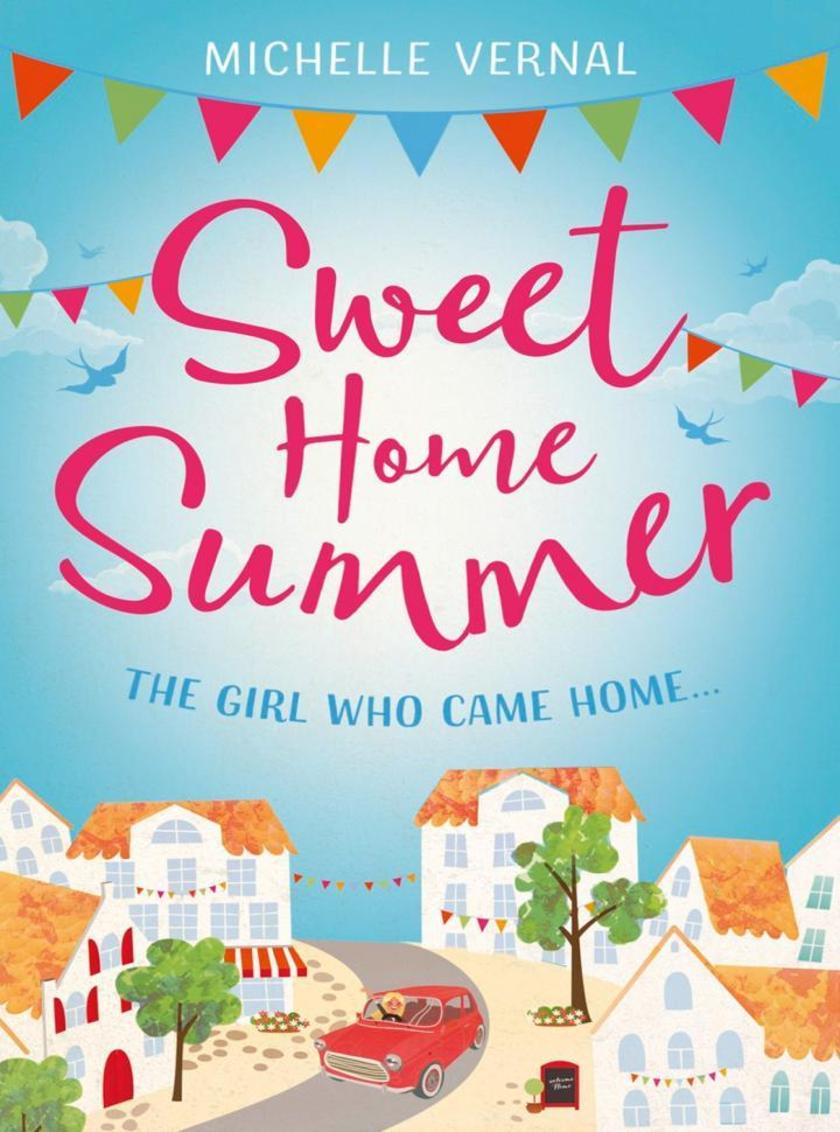
Sweet Home Summer
¥25.60
Sometimes, home really is where the heart is… Leaving behind her hi-flying career in London, Isla Brookes has had enough. Burnt out and tired of an unfulfilling profession and lousy boyfriends, it’s time for her to go home. Arriving back in cosy Bibury to stay with her grandmother, Bridget, everything is charmingly familiar. Even her childhood sweetheart, Ben, is as handsome as she remembered… And when she discovers a stack of long-forgotten Valentine’s Day cards, Isla, with the help of Ben, begins to realise exactly what is most important in life.
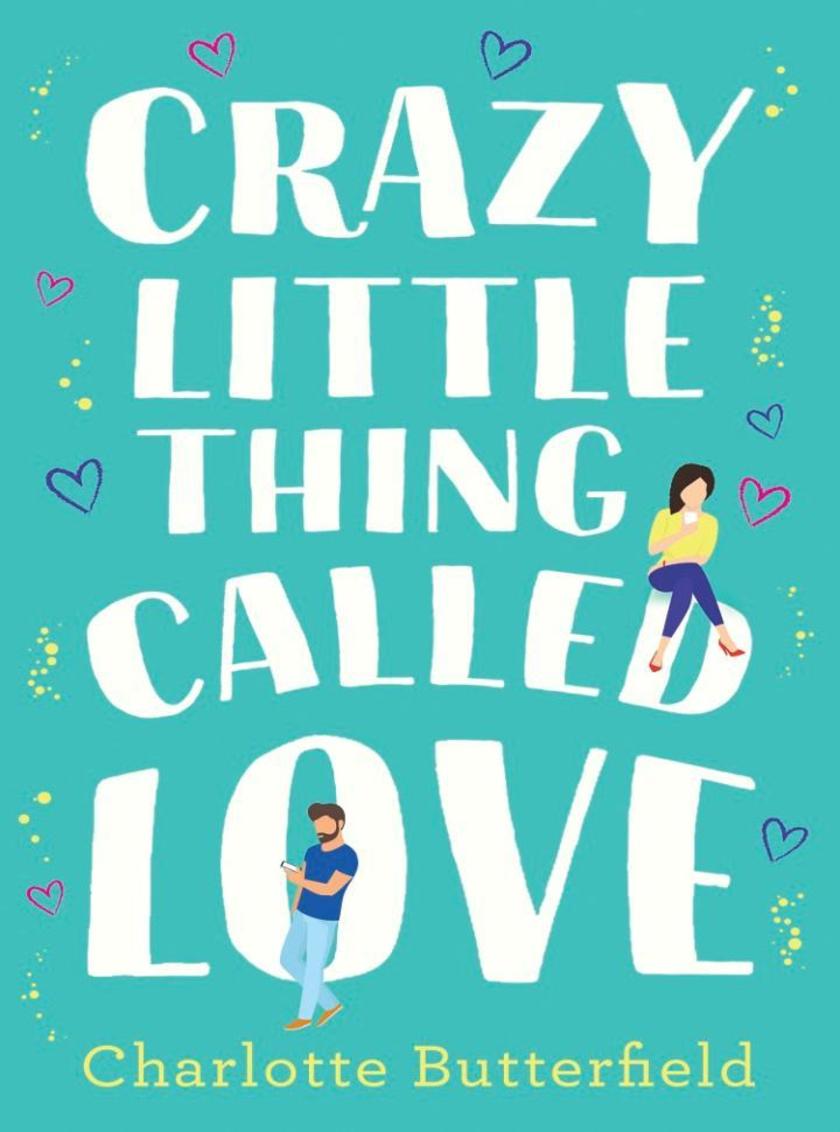
The perfect laugh out loud romantic comedy you won’t be able to put down
¥26.09
You will LOVE this wonderfully warm-hearted and laugh-out-loud funny romantic comedy for fans of Just Haven’t Met You Yet and Mhairi McFarlane. When Leila finds herself on the painful end of yet another disastrous break-up, no amount of Ben & Jerry’s and trashy rom-coms can cheer her up. And so – to the amusement of her friends and family – Leila takes a more drastic approach to dealing with heartbreak: she swears off sex for an entire year. Luckily, she has plenty to keep her mind off men. Between starting a business with ice queen Lucy, straightening out her sister Tasha’s tangled love life, and running a blog read by thousands of single ladies, Leila is soon snowed under. But she can’t help finding a little time for irresistible architect Nick – Lucy’s funny and infuriatingly sexy brother. After an unplanned encounter under the mistletoe, the Man Ban looks like it might be skidding to a halt. Has Leila found love when she least expected it? What readers are saying about Charlotte Butterfield: ‘Sigh-worthy… swoon-worthy and definitely worthy of your time!’ PK, Netgalley Reviewer ‘My first Charlotte Butterfield book and I adored it…will have you laughing till you cry’ Jessica’s Book Biz ‘Laugh out loud hilarious…a really easy, addictive read’ Bee Reader Books ‘Every women should read this novel…This book showed readers how important it was to believe in yourself no matter what obstacles were put in the way, and to live your life for yourself’ Laurie, Goodreads Reviewer ‘Fun, flirty, frustrating, deceptive and emotional…I could not put it down!’ Once Upon a Peach ‘A laugh out loud, feel good kind of book!’ Sarah Hurley Book Club ‘I've been feeling a little bored with the "chick lit" genre of late… Until this book came along. I absolutely loved it’ Mostly in Pyjamas ‘The perfect poolside read…witty, fast paced and a joy to read’ Claire, Goodreads Reviewer

Falling For The Rebound Bride (Mills & Boon Cherish) (Wed in the West, Book 10)
¥22.07
A ranch for the runaway bride Weeks before her wedding, Emily Weber walks away from her planned society shindig and her cheating fiancé—straight to her cousin's New Mexico ranch. Everyone's advice: Emily's got to work it out of her system, and her childhood acquaintance—all six feet of dark good looks—is just the guy to help. Colin Talbot recognises someone on the run from their life. Hell, the rootless photojournalist hasn't been on his ranch in years, till now. But he's not about to indulge in a promise of pleasure, not with a potential for disaster. Emily still wants marriage and babies; he can't wait to bolt. So he'll keep his distance before she has him wanting what he can't have: a family and a forever love.

The Millionaire's Royal Rescue (Mills & Boon Cherish) (Mirraccino Marriages, Boo
¥35.61
Tempted by the rebellious royal… Billionaire Grayson Landers has fled the papparazzi back home – only to find himself in another media storm: rescuing the king's neice from a thief! Lady Annabelle DiSalvo is no pampered princess – she's come to the Mediterranean island of Mirraccino to solve the mystery of her mother's death. Grayson can't help but want to help her. Plagued by guilt over not being able to save his ex, this is his chance for redemption. Only he absolutely cannot fall for her and risk his heart again…unless it's already too late!
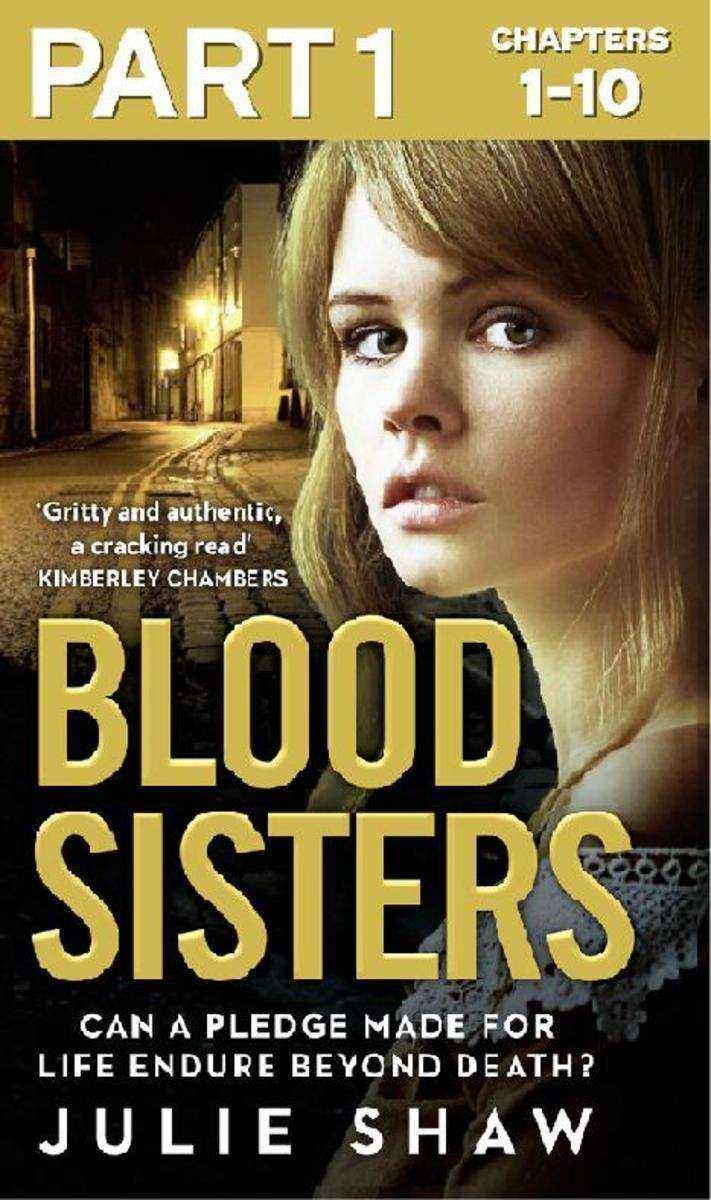
Blood Sisters: Part 1 of 3: Can a pledge made for life endure beyond death?
¥23.45
It’s 1983 and best friends Vicky and Lucy swear that they will always be there for each other, that they’ll never let anyone come between them. But fast forward 4 years and life on the Canterbury Estate has gotten very messy.
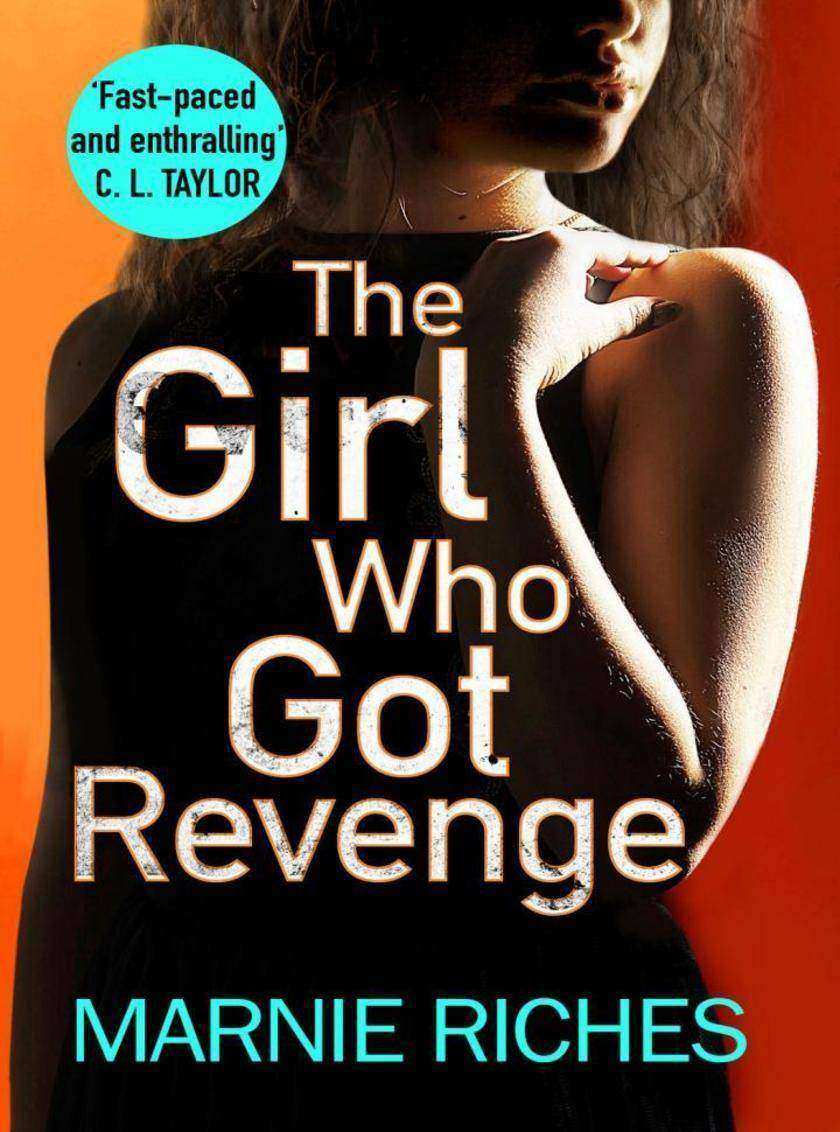
The Girl Who Got Revenge: The addictive new crime thriller of 2018 (George McKen
¥28.45
‘Fast-paced, enthralling and heartrending; I couldn’t put it down’ C. L. TAYLOR Revenge is a dish best served deadly… A twelve-year-old girl is found dead at the Amsterdam port. An old man dies mysteriously in a doctors’ waiting room. Two seemingly unconnected cases, but Inspector Van den Bergen doesn’t think so… Criminologist George McKenzie is called in to help crack the case before it’s too late. But the truth is far more deadly than anyone can imagine… Can George get justice for the dead before she ends up six-feet under too? A heart-racing thriller packed with secrets, lies and the ultimate revenge, perfect for fans of Steig Larsson and Jo Nesbo. The fifth gripping thriller in the Georgina McKenzie series. PRAISE FOR MARNIE RICHES ‘Fast-paced, enthralling and heartrending; I couldn’t put it down’ C. L. Taylor ‘A name to watch!’ BARRY FORSHAW ‘A strong, edgy debut that deserves to do well’ CLARE MACKINTOSH
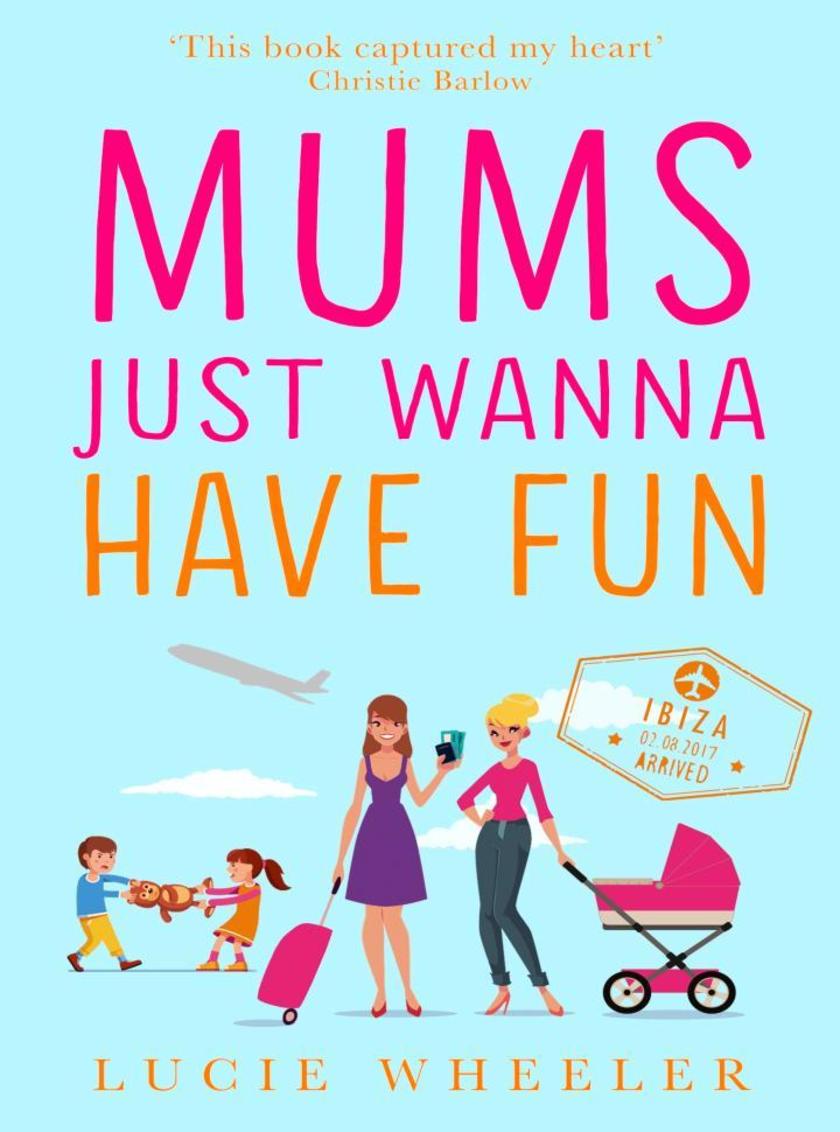
Mums Just Wanna Have Fun
¥28.45
‘Heartwarming and poignant’ SUN ‘This book captured my heart’ Bestselling author Christie Barlow Meet Nancy… Single mum Nancy will do anything for her little boy. Jack’s autism makes life difficult at times, but she’s determined to ensure he lives the best life possible. So, when her best friend Harriet suggests a holiday to Ibiza, Nancy is torn: will Jack cope with the change in routine…will she? And Harriet… Workaholic mum Harriet convinces Nancy it’s the break they all need. A chance to have some fun with the kids, away from the stresses of normal life. And she’s determined to switch off her laptop, ignore her inbox, and just have fun with her kids for seven whole days… Cocktails and kids’ club – what could go wrong? Ibiza is beautiful, but Jack struggles with everything, Harriet refuses to put her laptop away, and Nancy begins to think she’s made a huge mistake. And then Nancy meets Cameron and his young son, Aiden and discovers that sometimes the best fun happens when you least expect it… Can these two single-mum’s swap their mummy guilt for sunglasses and sangria?
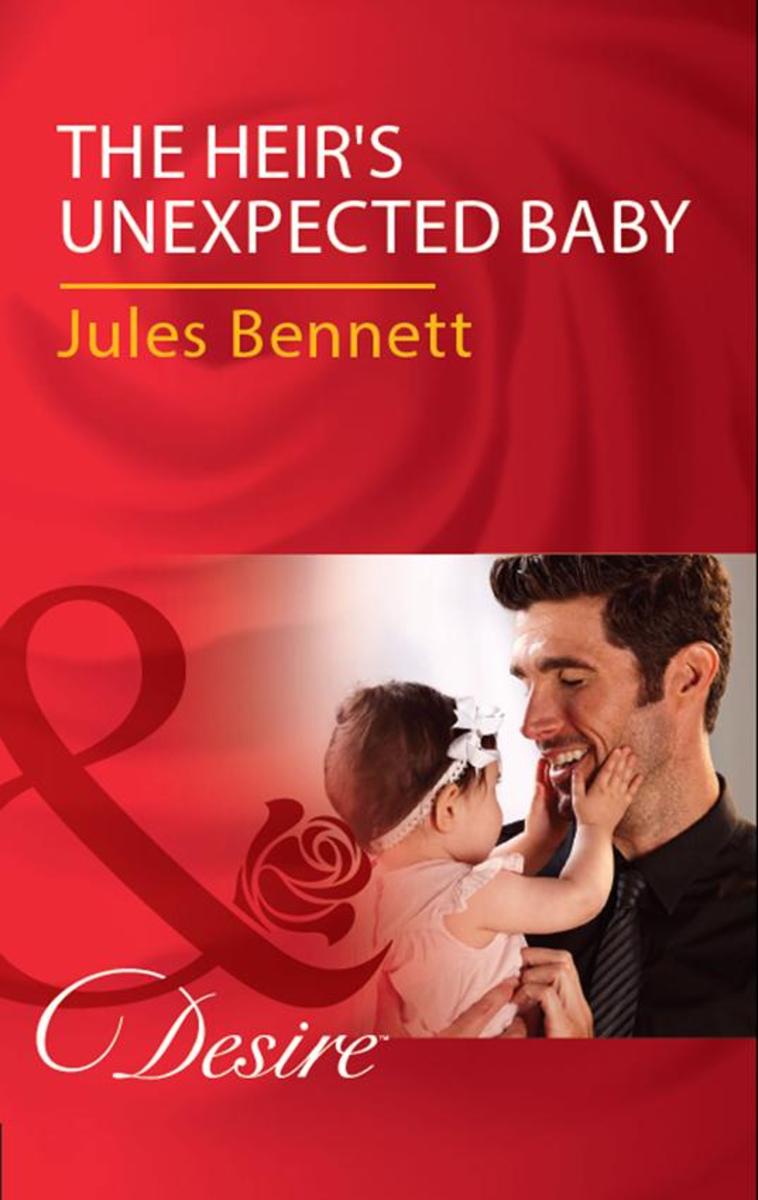
The Heir's Unexpected Baby (Mills & Boon Desire)
¥29.43
Will this billionaire boss fall for his assistant…and her baby? Putting his ravishing assistant in danger makes billionaire investigator Jack Carson uneasy. Till now, Jack's cared only about running his security company and bringing down the notorious O'Shea family. But using Vivianna Smith to infiltrate their organization has complicated his priorities. And burying himself in work is no longer protecting him from his feelings. The seismic attraction he's been suppressing has been tough enough. But watching Viv care for the baby she's fostering stirs up emotions from his tragic past. Despite Jack's certainty that Viv is hiding something, his raging desire is driving him to the limits of his self-control…

The Divergent Official Illustrated Movie Companion
¥82.31
DIVERGENT, INSURGENT and ALLEGIANT were major blockbuster movies in 2014, 2015 and 2016. With never-before-seen photos; personal interviews with the directors, actors, and writers; and exclusive extras, this lush, oversize volume is a true behind-the-scenes look at the filming of Divergent.


