


 购物车
购物车 个人中心
个人中心

100+ easy and delicious recipes to comfort,restore and put a smile on your face
¥147.35
When Milly (aka actress Nicola Millbank of Mount Pleasant, Mr. Selfridge and Silent Witness) moved to London aged 18 to become an actress she had to learn to fend for herself and that included improving her cooking skills. With a love for home-cooked dishes, she wanted to make them her own but a bit fresher, lighter and more exciting. So followed a 10-year full-blown love affair with home cooking that became her food blog MILLY COOKBOOK.
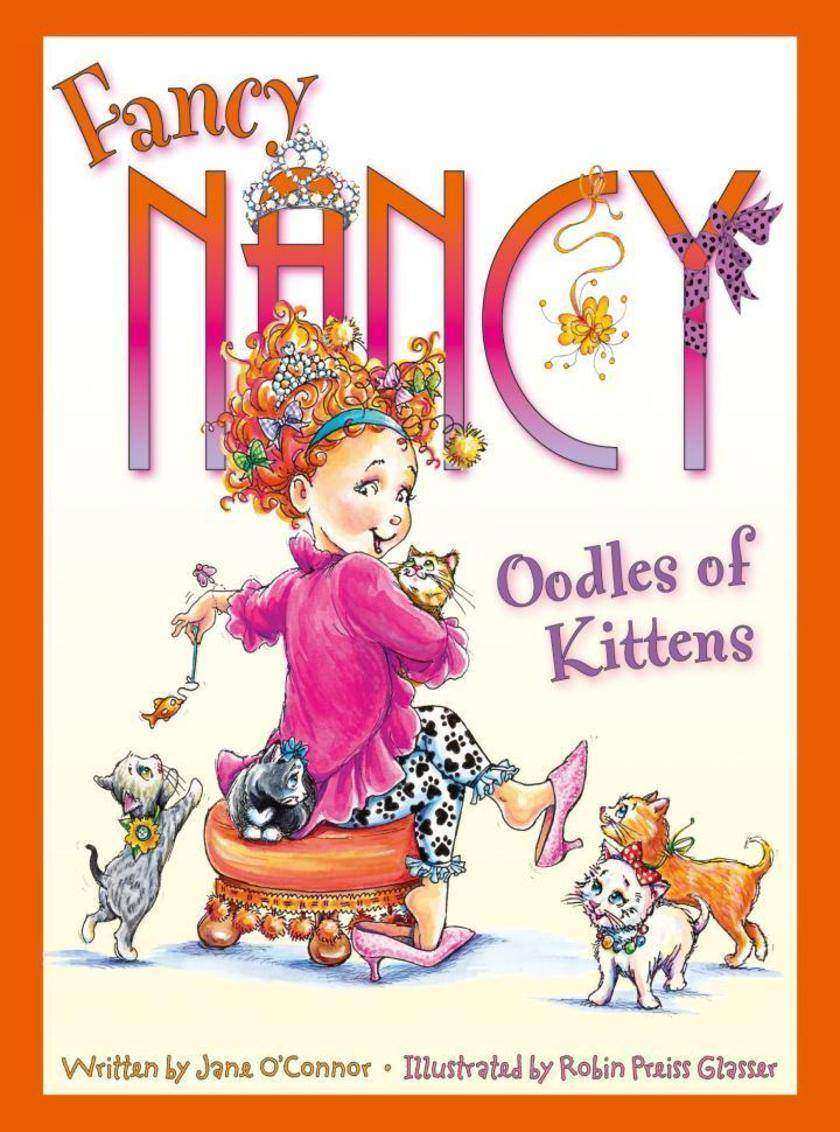
Oodles of Kittens (Fancy Nancy)
¥51.50
Jane O'Connor has always had a secret fondness for froufrou. An editor at a major publishing house, she has written more than thirty books for children. She lives with her family in the glamour capital of the world – New York City. Robin Preiss Glasser, who habitually sports glasses and jeans, discovered her "inner Nancy" while illustrating this book. "Wearing lace-trimmed socks helps me draw better," she says. She has illustrated many books and lives in Southern California with her family and tiara collection.
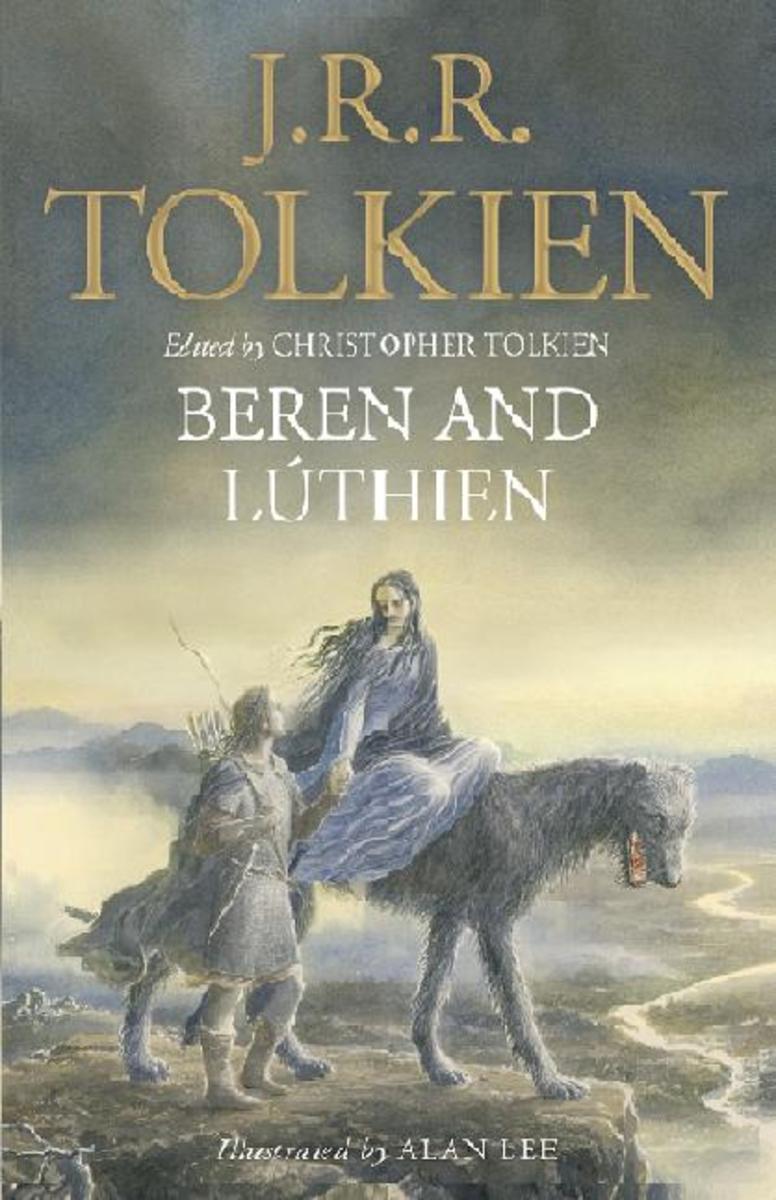
Beren and Lúthien
¥66.22
Painstakingly restored from Tolkien’s manuscripts and presented for the first time as a continuous and standalone story, the epic tale of Beren and Lúthien will reunite fans of The Hobbit and The Lord of the Rings with Elves and Men, Dwarves and Orcs and the rich landscape and creatures unique to Tolkien’s Middle-earth. The tale of Beren and Lúthien was, or became, an essential element in the evolution of The Silmarillion, the myths and legends of the First Age of the World conceived by J.R.R. Tolkien. Returning from France and the battle of the Somme at the end of 1916, he wrote the tale in the following year. Essential to the story, and never changed, is the fate that shadowed the love of Beren and Lúthien: for Beren was a mortal man, but Lúthien was an immortal Elf. Her father, a great Elvish lord, in deep opposition to Beren, imposed on him an impossible task that he must perform before he might wed Lúthien. This is the kernel of the legend; and it leads to the supremely heroic attempt of Beren and Lúthien together to rob the greatest of all evil beings, Melkor, called Morgoth, the Black Enemy, of a Silmaril. In this book Christopher Tolkien has attempted to extract the story of Beren and Lúthien from the comprehensive work in which it was embedded; but that story was itself changing as it developed new associations within the larger history. To show something of the process whereby this legend of Middle-earth evolved over the years, he has told the story in his father's own words by giving, first, its original form, and then passages in prose and verse from later texts that illustrate the narrative as it changed. Presented together for the first time, they reveal aspects of the story, both in event and in narrative immediacy, that were afterwards lost.
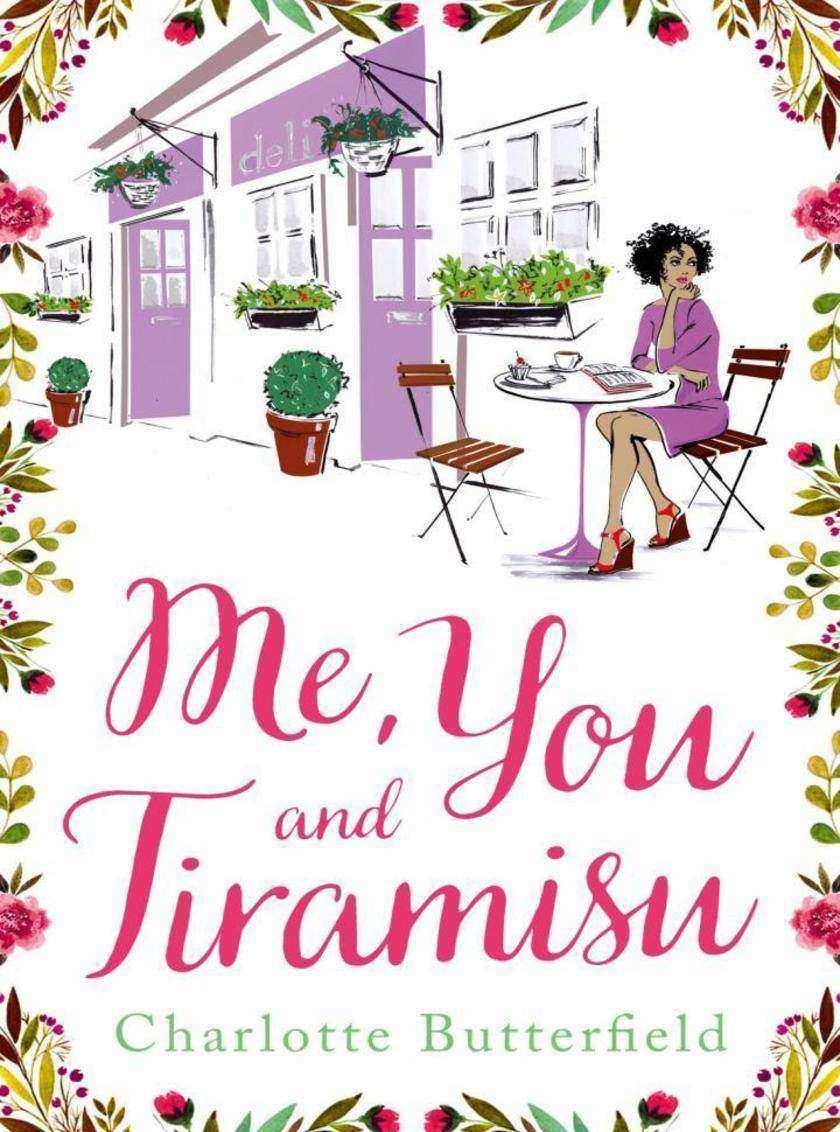
Me, You and Tiramisu
¥20.01
The love story of the year! Fall in love with the perfect feel-good romance for fans of Katie Fforde, Jill Mansell and Carole Matthews.
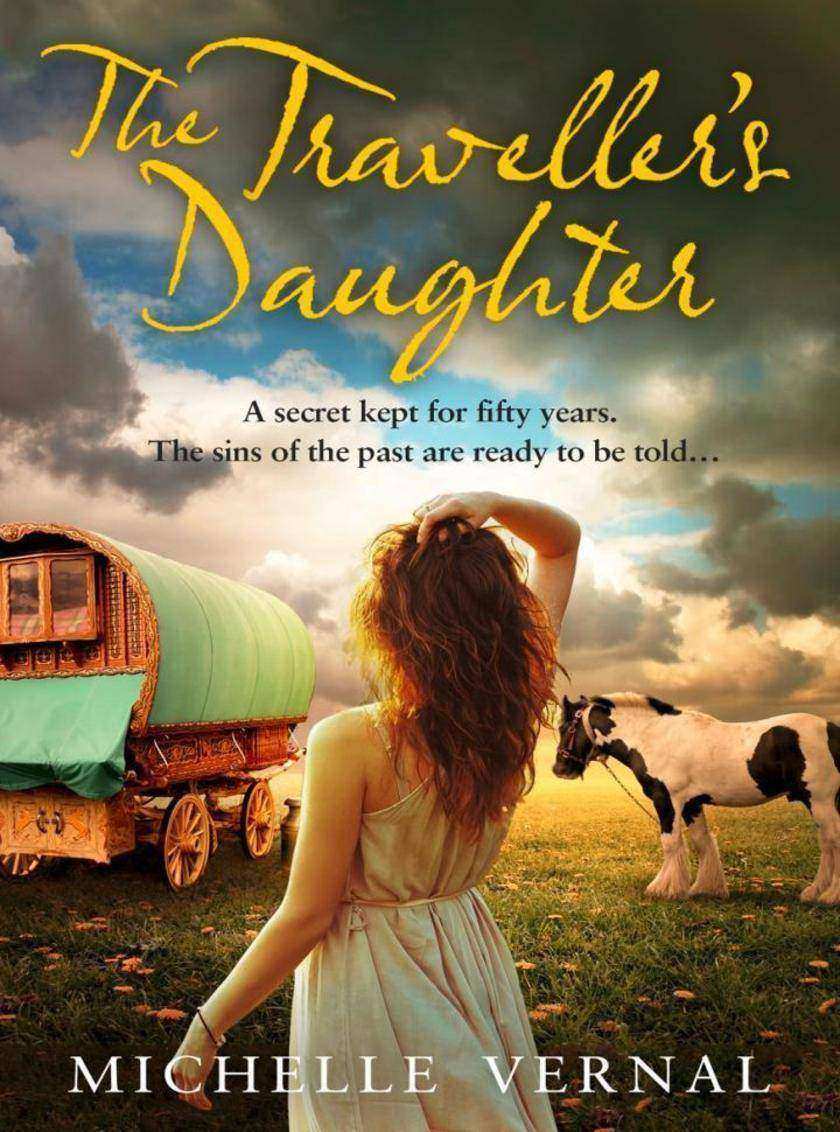
The Traveller’s Daughter
¥20.01
A secret hidden for fifty years is about to be brought to light in Michelle Vernal's dazzling new novel The Traveller's Daughter! Her mother's secret... For fifty years Rosa kept the secrets of her past hidden from her beloved daughter, Kitty. The hurt and pain, the guilt over what she'd done, was something she could never face. But now the time has come to share the truth of Kitty's heritage... Her daughter's discovery... Kitty never knew anything about her mother's early life. But after her death, the discovery of Rosa's journal opens Kitty's eyes to a whole new world-a family she's never known and a love she's never dreamed of... The fate of a family... Now Kitty must travel to her mother's homeland, but after fifty years, can the sins of the past be forgiven? Or will history repeat itself? With a decades-old family feud threatening her future, can Kitty put right what once went so wrong? Join Kitty as she follows in her mother's footsteps from the South of France to Ireland, discovering who she is along the way in this beautiful tale of forbidden love and fancy cupcakes! What readers are saying about 'The Traveller's Daughter': 'A lovely feel-good read' Katie's Bookends 'If you like family sagas and romance, then look no further...at the end you feel like you are leaving behind new friends' Lorraine, Goodreads 'A beautiful and thought-provoking book' Artistic Bent Book Blog

The Pregnant Surgeon (Mills & Boon Medical) (Practising and Pregnant, Book 8)
¥20.01
The last two things she ever expected – a man and a baby! Sacrificing her personal life to become a high-flying surgeon has left Joanna Martin with few regrets. She has learned not to risk her heart for any man – including her new senior registrar, Dylan Archer, even though her secret desire for him is as strong as her drive to succeed…. Dylan's determination to impress and break through his beautiful boss's cool exterior, both in and out of the operating theater, finally results in one night of passion. But convincing her that they could have a future together remains a challenge.Then Joanna discovers she is pregnant…
Ottercombe Bay – Part Three: Raising the Bar (Ottercombe Bay Series)
¥21.39
Escape to the Devon coast, with Part Three of a brand-new four-part serial from the author of Willow Cottage. Daisy Wickens has returned to Ottercombe Bay, the picturesque Devon town where her mother died when she was a girl. She plans to leave as soon as her great uncle’s funeral is over, but Great Uncle Reg had other ideas. He’s left Daisy a significant inheritance – an old building in a state of disrepair, which could offer exciting possibilities, but to get it she must stay in Ottercombe Bay for twelve whole months. With the help of a cast of quirky locals, a few gin cocktails and a black pug with plenty of attitude, Daisy might just turn this into something special. But can she ever hope to be happy among the ghosts of her past? Authors and readers love Bella Osborne’s gorgeous novels: ‘I really enjoy Bella Osborne’s books’ – Katie Fforde ‘An absolutely glorious read full of laugh out loud moments and beautifully observed characters who spring to life on the page’ Phillipa Ashley ‘A warm and engaging story with relatable characters who will worm their way into your heart. A great read!’ – Talli Roland ‘Loved it! Believable characters, a sweetly told, lovely story… a great read’ – Jane Lovering ‘Romance, comedy, and mystery abound in this delightful British novel’ – I Read That Book! ‘A great read, with some really special moments… so beautiful and romantic’ – Annie’s Book Corner ‘A well-written and charming tale.’ – Paris Baker’s Book Nook ‘I wasn't expecting a debut novel to be this good’ – The Bookish & The Romantic 'Makes me feel like I should be reading it while wearing a tea dress, drinking posh coffee from a china cup and eating Victoria sandwich cake with a dainty little fork. It's charming, adorable, amusing and all those sorts of words' – Escape Into Words 'This book is perfect chick lit' – Gidget Girls Reading

The Good Father (Mills & Boon Medical) (The Baby Doctors, Book 4)
¥21.58
Taming the boss… Neonatologist Gabriel Dalgleish is passionate about his tiny patients, and highly demanding about their care. It seems as if they are the only people he really cares for. Except for Maddie. The new medical secretary slips through Gabriel's defences, right to his vulnerable heart, making him realise everything he's missed out on in life. Yet Gabriel feels he can never be what Maddie and her young family deserve. Maddie must show him that he doesn't have to be the perfect father and husband – just a good one. All he needs to give them is his love.

A Baby Of His Own (Mills & Boon Medical) (Bachelor Dads, Book 6)
¥21.58
"I would have loved to watch our baby growing inside you…" Connor Mackenzie was the love of nurse Lucy Adams's life. But when it came to a choice between her or his glittering paediatric career, Connor chose the job. And then she discovered she was pregnant. He didn't know about the baby, and Lucy didn't tell him. Now Connor is back. Lucy still doesn't know the real reason why he left. She doesn't know how much it cost him or how much he's missed her. And she doesn't know how determined he is to be a father to their child.
The Secrets of Ivy Garden: A heartwarming tale perfect for relaxing on the grass
¥34.24
The ebook bestseller is back with her next hilarious read – a fun, fresh tale of love, friendship and family secrets… When Holly breaks up with her boyfriend Dean, she’s at a loss as to what to do next. But things go from bad to worse when her beloved grandmother Ivy dies – and Holly is left in charge of sorting out Ivy’s house and garden. As she sorts through her grandmother’s belongings and makes her way through the wilderness outside, Holly soon finds that there is more to Ivy than meets the eye, and uncovers a surprising family secret that changes everything… This is a heart-warming and hilarious story from Catherine Ferguson about starting over, learning to garden and most of all learning to love.

Death List
¥28.55
CRITICAL IMITATION A notorious assassin is captured before receiving the ultimate hit list from a major crime family. To protect the targets, Stony Man Farm sends Mack Bolan to infiltrate the family’s compound and secure the list. This time, Bolan has an extra weapon in his arsenal: he’s a dead ringer for the assassin. His impersonation is successful...until the escaped killer arrives on the scene. Suddenly, the race is on for Bolan to reach the targets before the assassin or his mercenaries can murder them—or Bolan himself. Yet despite the stolen identity, there will be no mistaking the Executioner’s signature blaze of hellfire and justice.

The Birthday Girl: The gripping new psychological thriller full of shocking twis
¥35.61
USA Today bestselling author of The Girl Who Lied and Sister Sister Dear Carys, Zoe and Andrea Come and join me for my fortieth birthday adventure weekend, full of mysteries and surprises the like of which you can’t imagine. When Joanne’s friends reluctantly accept an invitation to her birthday party, it quickly becomes clear that there is more to this weekend than they are expecting. One of them is hiding a secret. And Joanne is planning to reveal it… A weekend away in a cottage in the woods sounds like fun – until no one can hear your cries for help. Four friends. A party to die for. Who will survive?

Rafael's One Night Bombshell (Mills & Boon Medical) (Hot Latin Docs, Book 3)
¥35.61
From passion to pregnancy! An encounter with Rafael Valentino is broken-hearted Cassandra Larrobee’s chance to live in the moment! It was supposed to be one night only, but the sinfully hot doc has left her with more than just memories… Since a heart-breaking decision years ago, Rafe is determined to remain alone—but when he’s sent to work with Cassie, he can’t resist their reckless kisses! When he discovers Cassie’s shocking surprise, can Rafe let her bring light into his shadowed life…and become a daddy to their baby? Hot Latin Docs Sultry, sexy bachelor brothers on the loose!

Her Hot Highland Doc (Mills & Boon Medical)
¥35.61
He might have the good looks of a modern day Viking, but Dr Brodie McClellan has brooding down to an art. He’s only recently returned to the Isle of Dunregan and already the demons of his past are pushing him to the edge. Running from her own troubled past, this remote posting is heaven-sent for locum Dr Kali O’Shea. And Brodie makes her long to find her true home in Scotland…in her new boss’s arms!

The Nurse's Baby Secret (Mills & Boon Medical)
¥35.61
Pregnant with the brooding doctor’s baby… Nurse Savannah Carter is ecstatic to discover she’s expecting, but before she can share the joyful news with the baby’s father—gorgeous Dr Charlie Keele—he stuns her with the announcement he’s leaving town. Charlie knows Savannah deserves better than he can give her, and pushing her away is for her own good, but that doesn’t make leaving any easier. Then he discovers Savannah is pregnant! Now he must win back the woman he loves…and convince her how much he wants to be a family with their beautiful baby.
Reluctant Hero (Mills & Boon Intrigue)
¥39.63
The news they're after isn't fake—it's deadly For top security expert Parker Lawton, the anonymous threat is explosive. Return the gold stolen during his intelligence unit's last Iraq mission—or they'll each be hunted down. And when one of his men is killed just before meeting investigative reporter Rebecca Wallace, he must take her under his "protection." But her persistence in getting the real story is even more dangerous—and irresistible. For a dashing war hero, Parker is the most guilty-acting innocent man Becca has ever seen. Still, working with him is the only way to stay ahead of a ruthless enemy. And as her instincts and Parker's skills hone in on the truth, trusting the desire simmering between them could be their only chance—or the last move they'll ever make.
Protecting Her Secret Son (Mills & Boon Romantic Suspense) (Escape Club Heroes,
¥39.63
Regan Black returns with a pulse-pounding new Escape Club Heroes romance! After escaping a world of ruthless crime with her child, Shannon Nolan finally thought she'd left her nightmares in the past. Then the worst thing she could imagine happens: her son is kidnapped! With nowhere else to run and no one else to trust but her boss, she puts her life in Daniel Jennings's hands. Firefighter Daniel knows Shannon is safe under his protection, but the one threat he doesn't want to face is his growing passion for her. Moreover, she's vulnerable and isn't searching for love. But as they put everything on the line to rescue her son, that very connection might just be what saves them all…
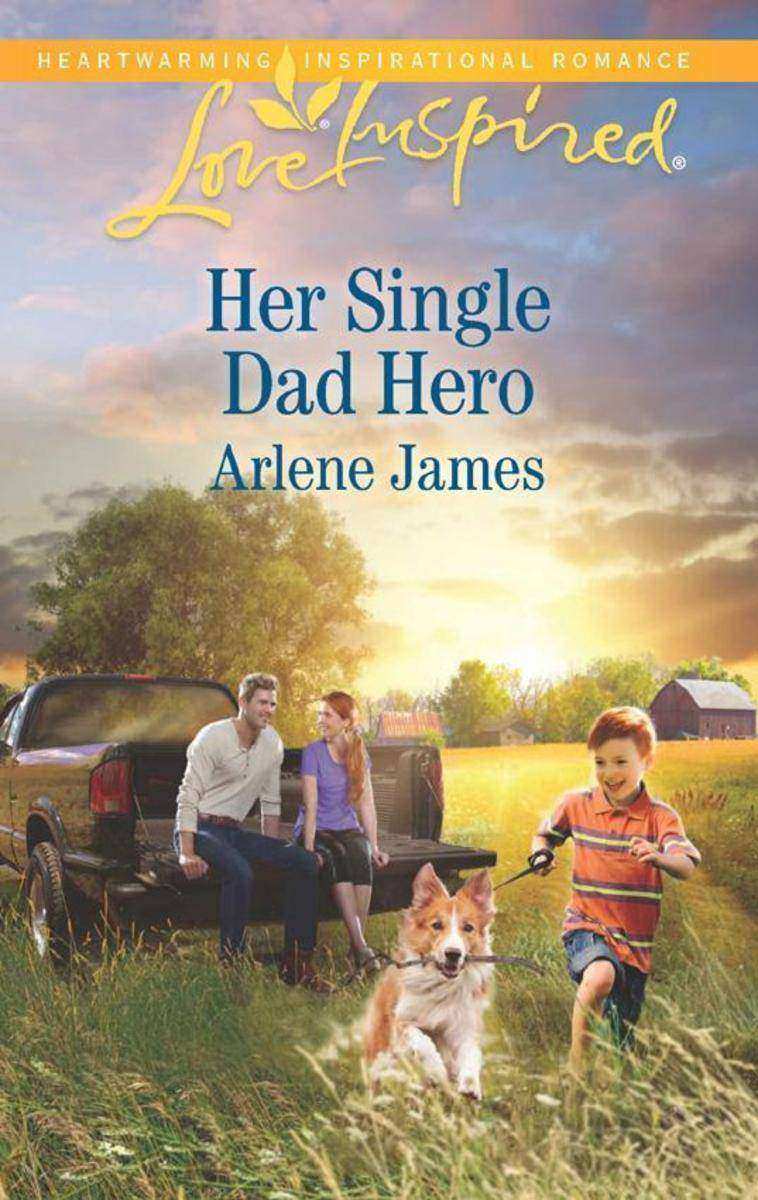
Her Single Dad Hero (Mills & Boon Love Inspired) (The Prodigal Ranch, Book 2)
¥39.63
A Homecoming Romance Ten years ago Ann Billings left her Oklahoma ranch behind and headed to the big city. But when her ailing father needs her to temporarily run the spread, she's back—successful, accomplished…and engaged. She’s got her whole life on track—but she never planned on Dean Pryor or his gap-toothed five-year-old son. Years ago the farmer would've done anything to be noticed by Ann and it seems nothing's changed. His feelings still run deep and this time his boy’s fallen for her too. Now Dean faces a most daunting task: showing Ann that their little trio may not be what she’d mapped out…but it's exactly what she’s always needed.

The Honourable Midwife (Mills & Boon Medical) (Australian Country Hospital, Book
¥22.07
A spark of attraction has just ignited between GP Pete Croft and midwife Emma Burns. Given the chance, their passion would set ablaze. But Pete's ex-wife is ill and his young twin daughters need him most right now. Even if it breaks her heart, Emma must do the honorable thing and stand aside while Pete puts his family first. But as Pete and Emma tend the Glenfallon community together, the physical temptation between them is torture. And Emma's generosity simply fires Pete's determination to make her his bride…

The Italian Doctor (Mills & Boon Medical)
¥14.62
Not the marrying kind? Staff nurse Maggie Carr had hated Luke Fabrizzi on sight and was irritated that everyone else worshiped the handsome new Italian senior resident. Their conflict had stemmed from resentment when Maggie's family had tried to introduce them with marriage in mind. When it dawned on Luke that they could avert their families by staging a relationship, Maggie agreed. It was a truce that led them to the root of their strong feelings and yet another battle – a fight against their real desires and emotions.

A Night To Remember (Mills & Boon Medical) (The A and E, Book 27)
¥21.58
Major incident headquarters… 1500 hours A tanker loaded with toxic chemicals is headed straight for an oil rig. The only possible outcome–disaster! Grace Darling Hospital… 1530 hours A team, led by Dr. Seb Bridges, is ready and waiting– to save lives. Emergency room… 1600 hours Dr. Libby Bridges is on her way to the E.R., determined to ask Seb for a divorce. For Seb, only two things matter–saving lives and saving his marriage. This will be the most important night of his life and the clock is ticking.


